


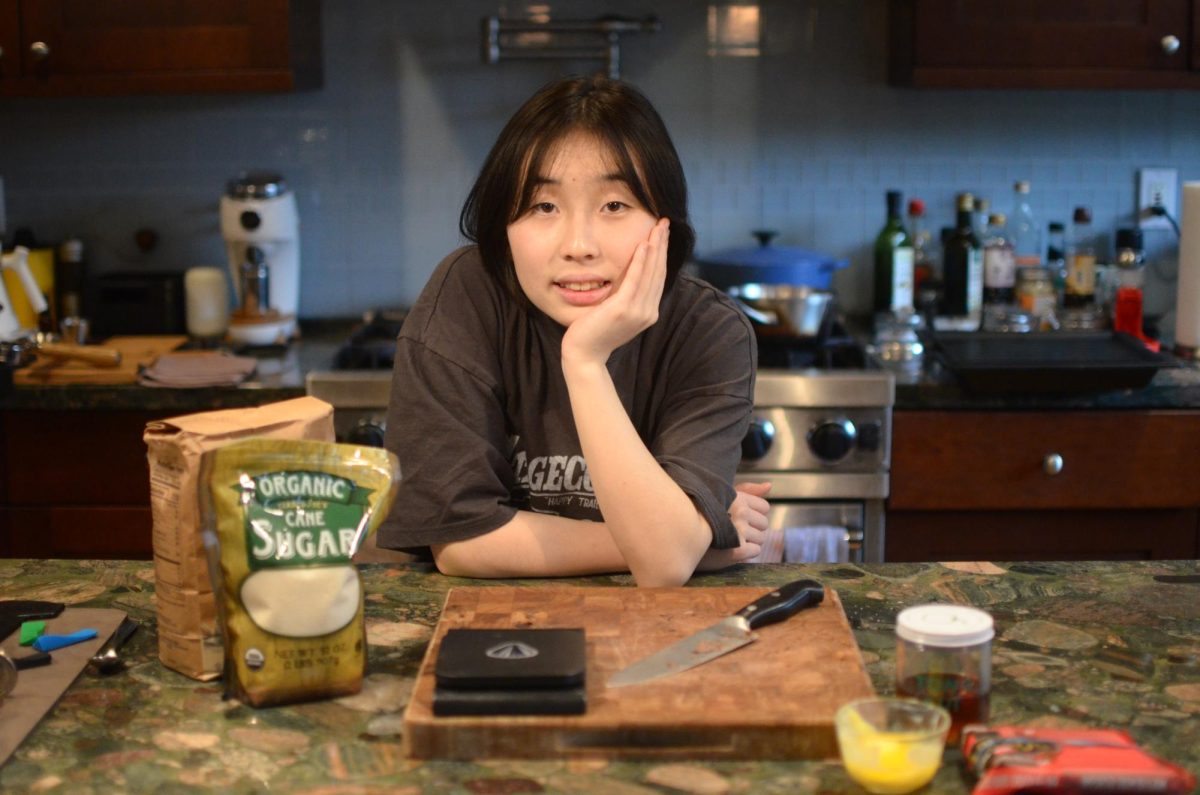
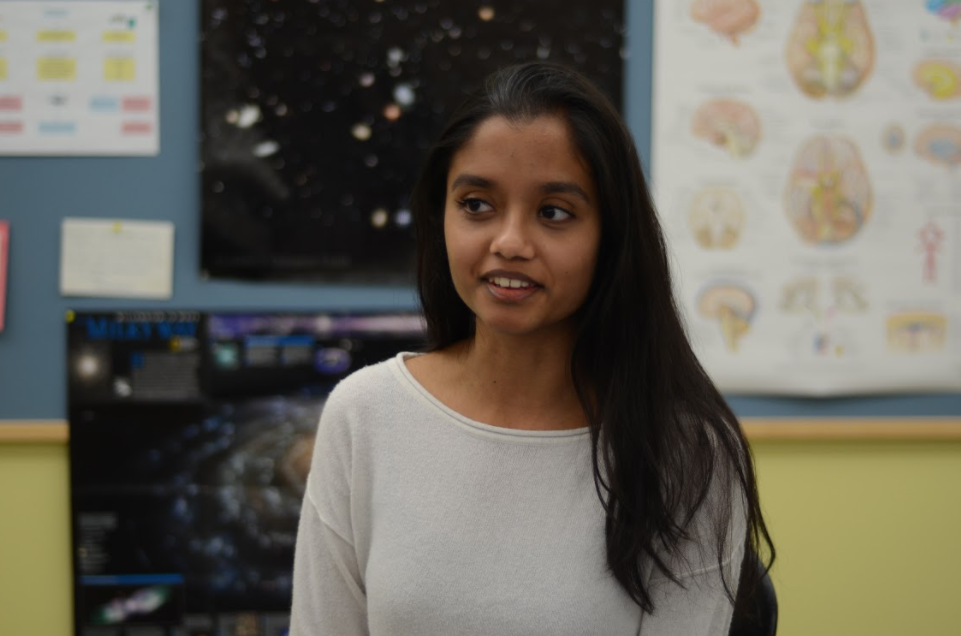
![“I wasn't discouraged by some of the obstacles we faced. I learned a lot from the leadership. I found that different people need different ways of receiving feedback — you can't [just] tell them to do something and expect the best. [Some] people needed more incentive. A large part of my role was to figure out what worked for everyone and to figure out how to lead all these separate individuals as a team,” Suhana Bhandare (’26) said.](https://harkeraquila.com/wp-content/uploads/2026/06/SuhanaBhandare_JasmineHansra-1-1200x798.jpg)

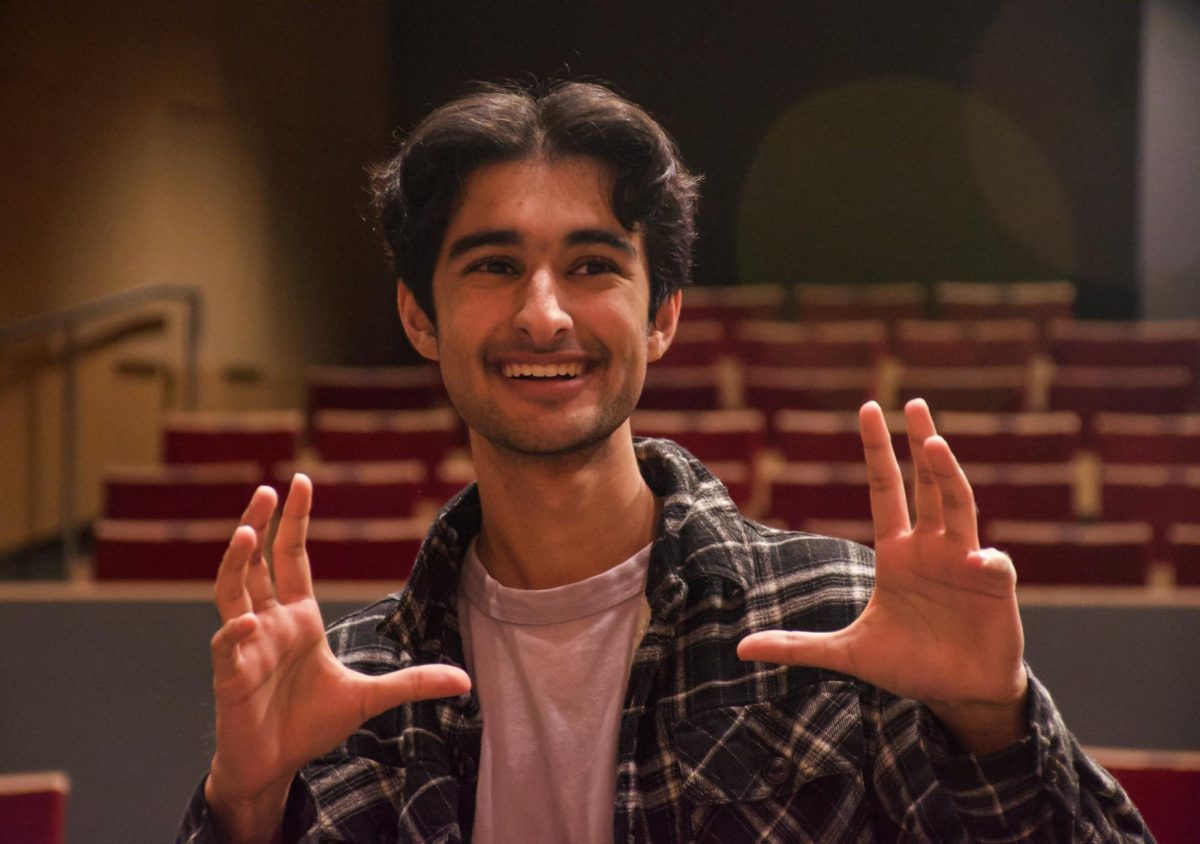
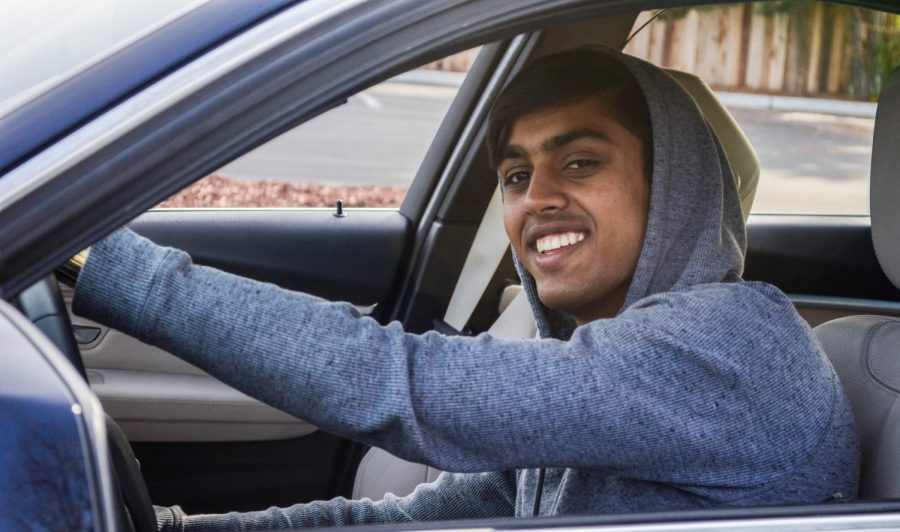
![“This is actually from Randy Pausch Randy P. Brick: ‘Walls are there for a reason. You have to show how much you want to overcome them.’ You have to show how much you want something. That's what I've always been able to do with tennis, Link Crew and getting that internship [with Kushy Baby]. It’s important pushing through that — getting around that brick wall, climbing over it or clawing through it,” Yash Sachdeva (’26) said.](https://harkeraquila.com/wp-content/uploads/2026/05/YashSachdeva_RamBatchu-copy-1200x1002.jpg)






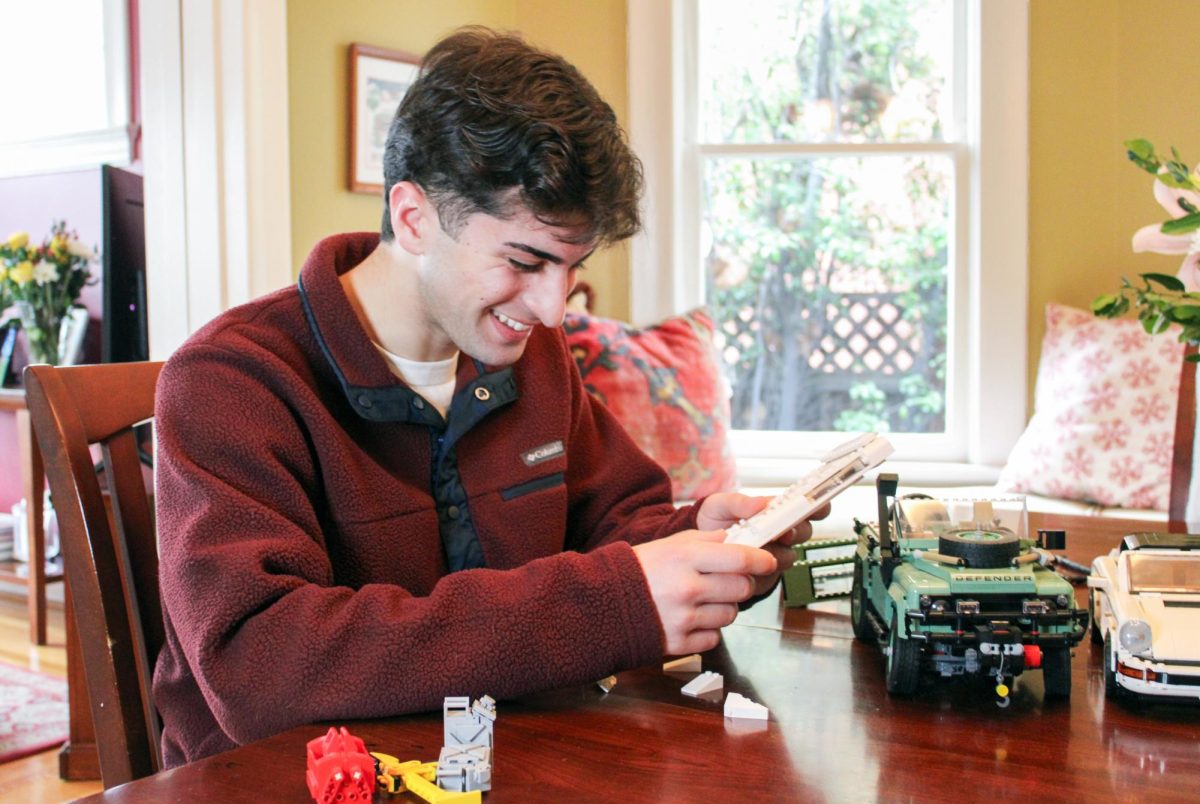




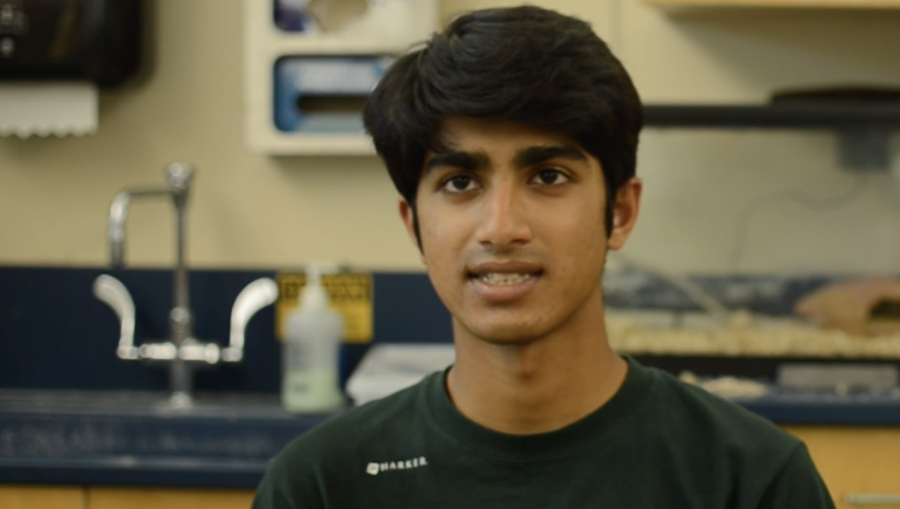
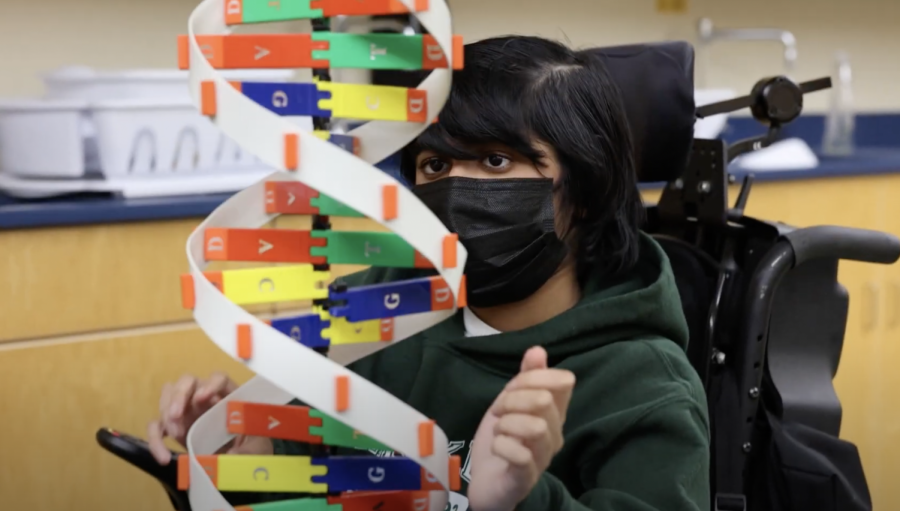
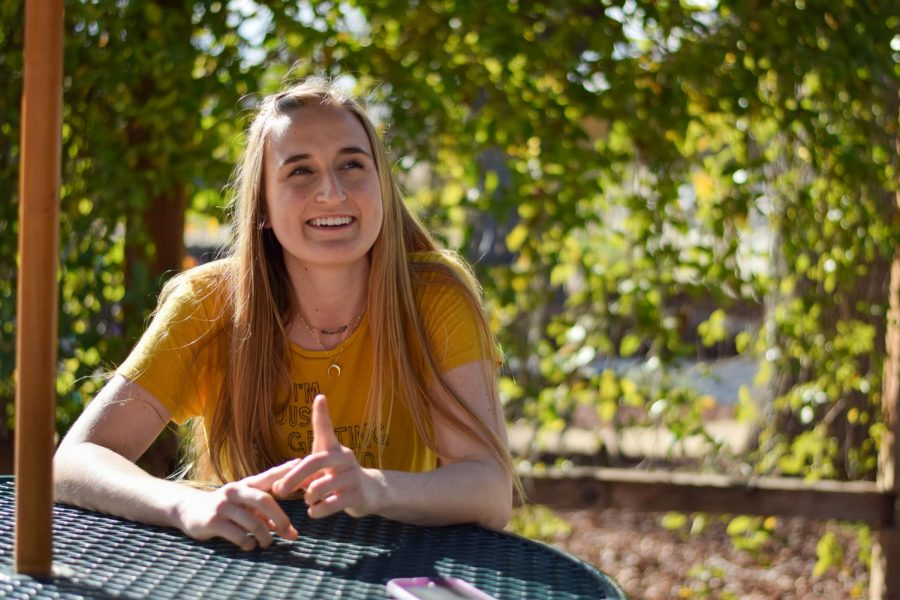
![“[Building nerf blasters] became this outlet of creativity for me that hasn't been matched by anything else. The process [of] making a build complete to your desire is such a painstakingly difficult process, but I've had to learn from [the skills needed from] soldering to proper painting. There's so many different options for everything, if you think about it, it exists. The best part is [that] if it doesn't exist, you can build it yourself," Ishaan Parate said.](https://harkeraquila.com/wp-content/uploads/2022/08/DSC_8149-900x604.jpg)
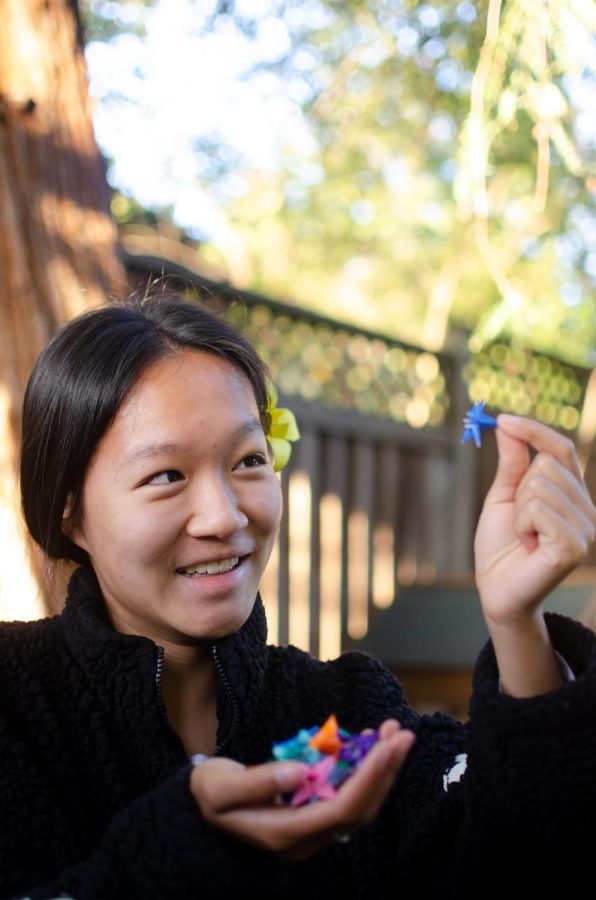
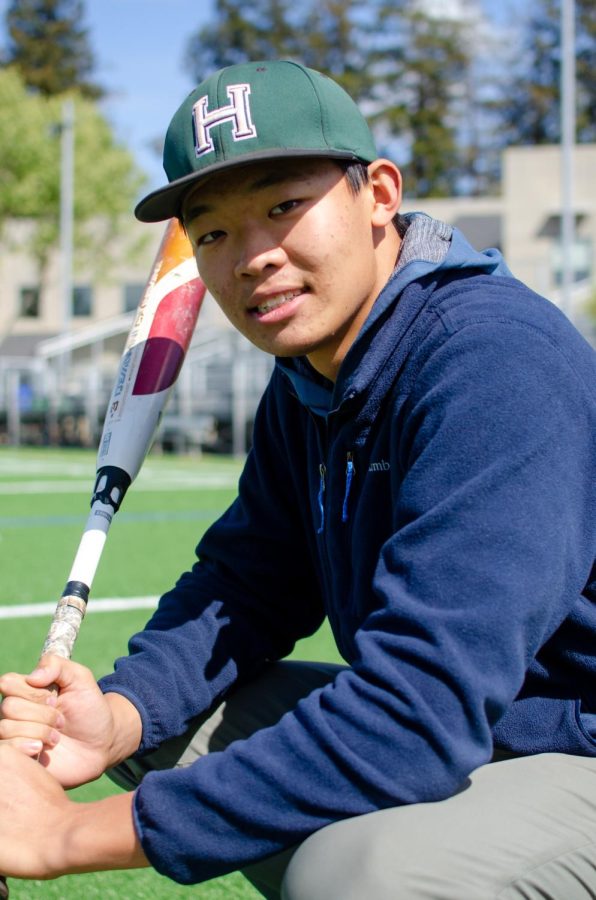
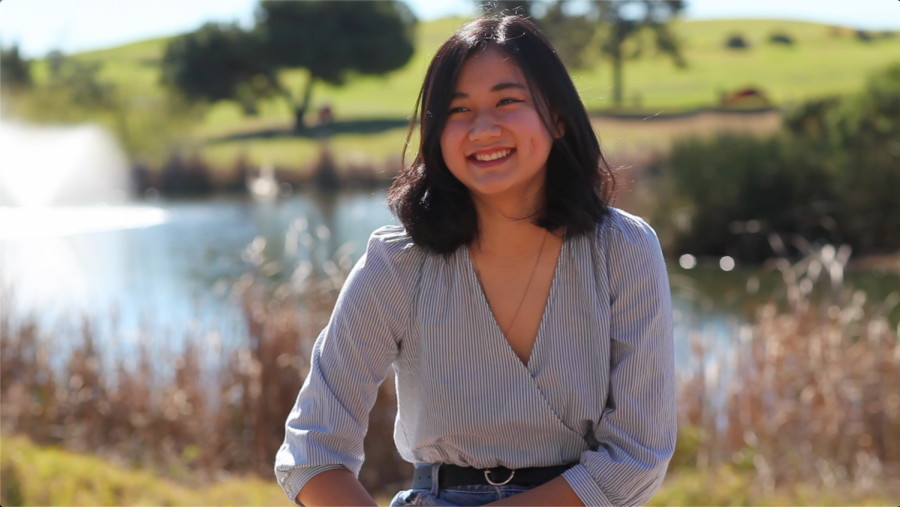
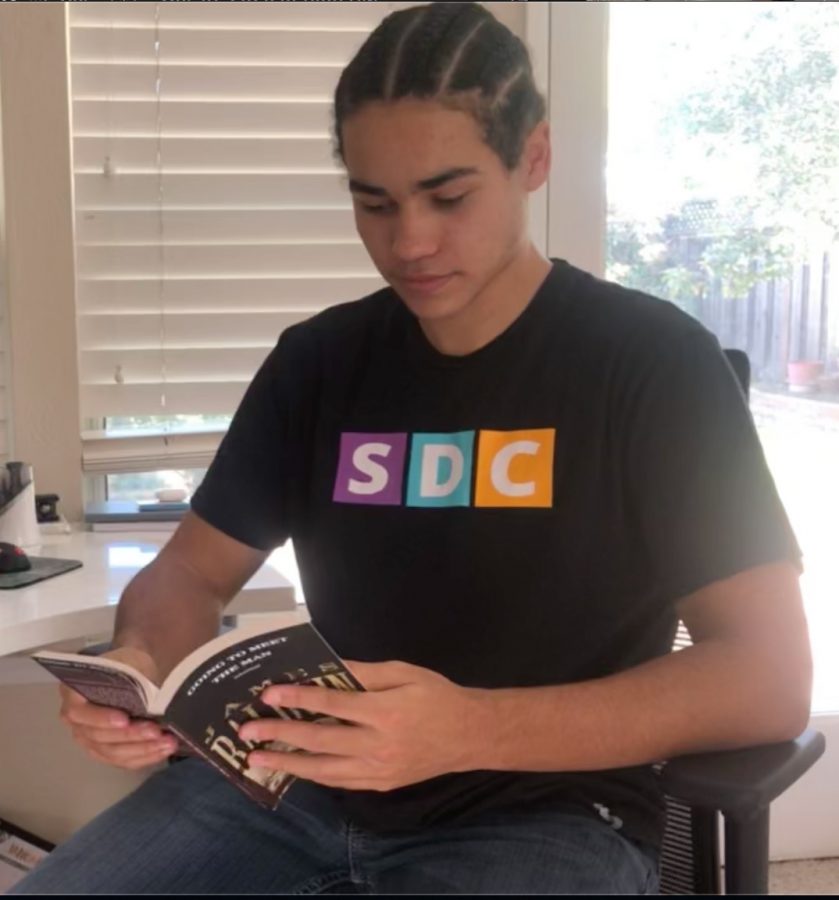
![“When I came into high school, I was ready to be a follower. But DECA was a game changer for me. It helped me overcome my fear of public speaking, and it's played such a major role in who I've become today. To be able to successfully lead a chapter of 150 students, an officer team and be one of the upperclassmen I once really admired is something I'm [really] proud of,” Anvitha Tummala ('21) said.](https://harkeraquila.com/wp-content/uploads/2021/07/Screen-Shot-2021-07-25-at-9.50.05-AM-900x594.png)

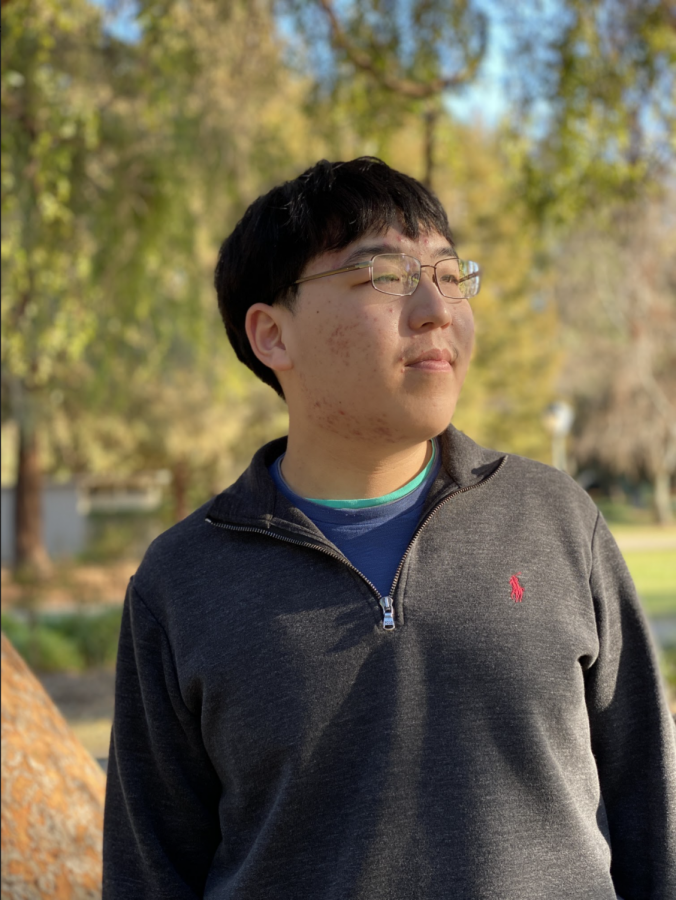

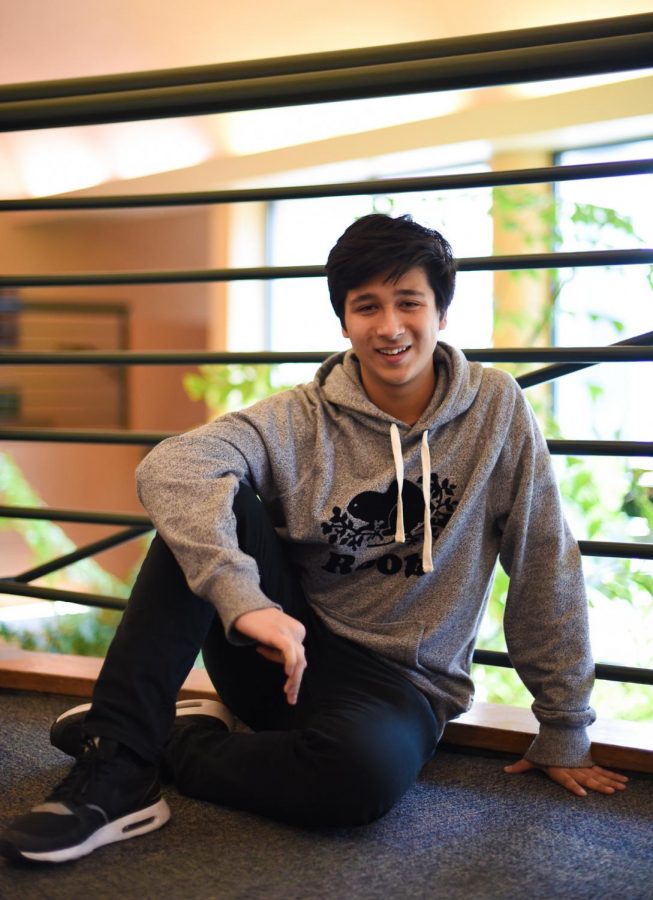
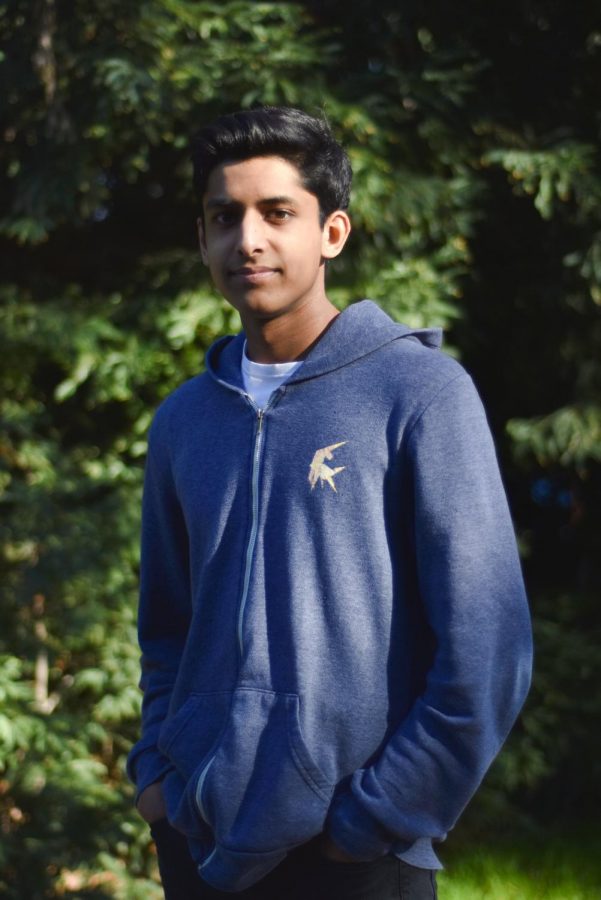

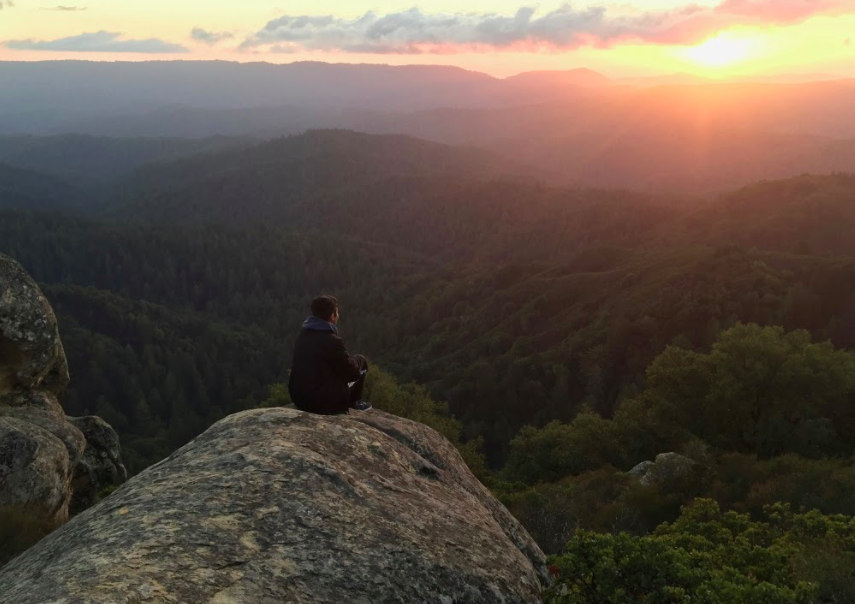
![“I think getting up in the morning and having a sense of purpose [is exciting]. I think without a certain amount of drive, life is kind of obsolete and mundane, and I think having that every single day is what makes each day unique and kind of makes life exciting,” Neymika Jain (12) said.](https://harkeraquila.com/wp-content/uploads/2017/06/Screen-Shot-2017-06-03-at-4.54.16-PM.png)

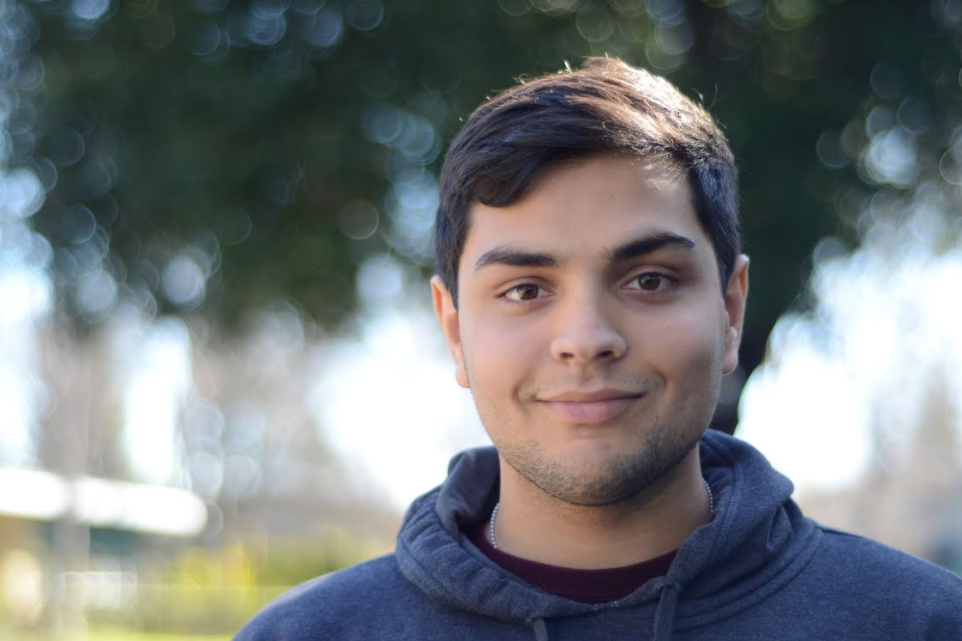

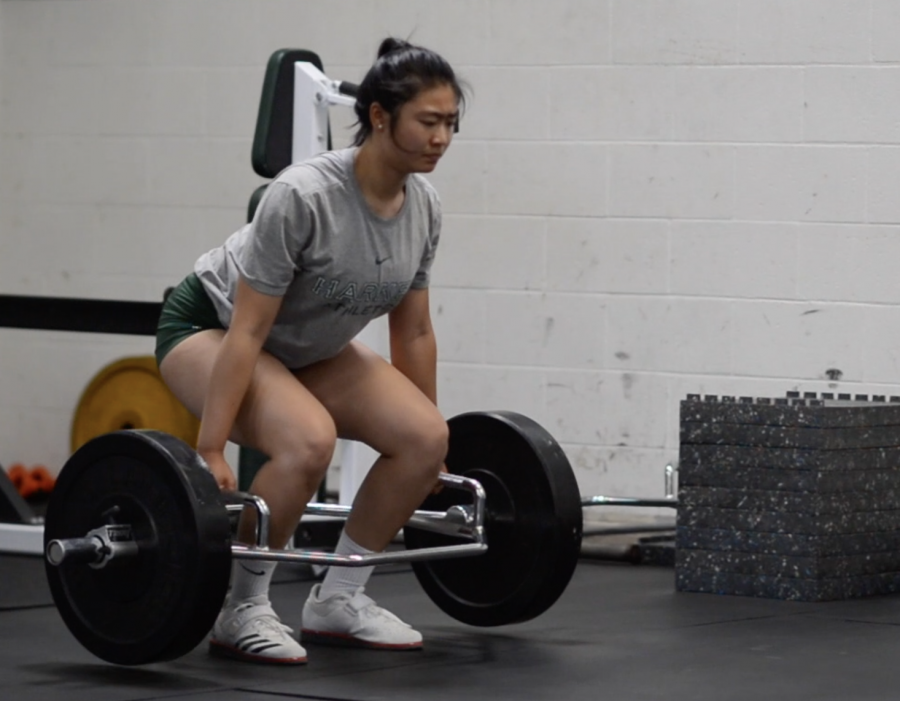
![“My slogan is ‘slow feet, don’t eat, and I’m hungry.’ You need to run fast to get where you are–you aren't going to get those championships if you aren't fast,” Angel Cervantes (12) said. “I want to do well in school on my tests and in track and win championships for my team. I live by that, [and] I can do that anywhere: in the classroom or on the field.”](https://harkeraquila.com/wp-content/uploads/2018/06/DSC5146-900x601.jpg)
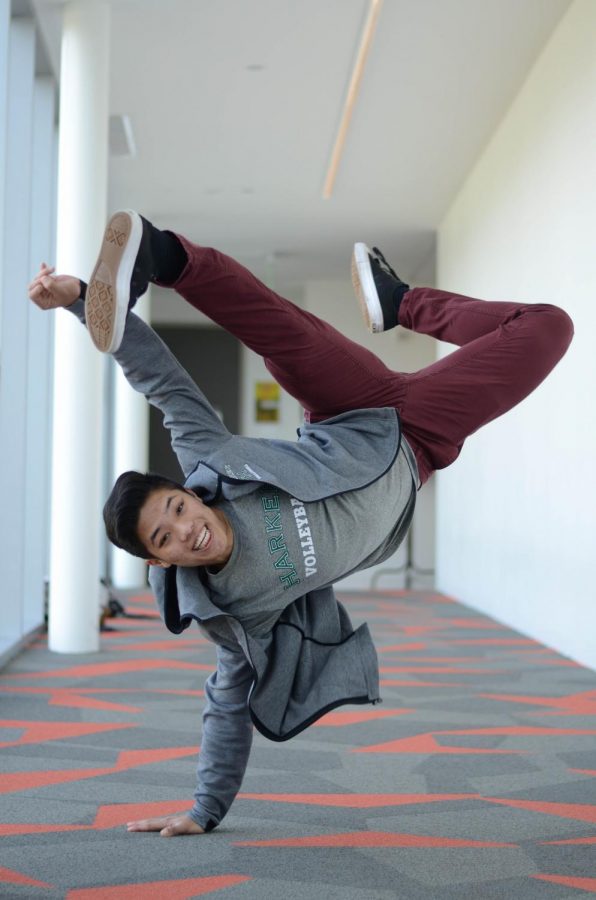
![“[Volleyball has] taught me how to fall correctly, and another thing it taught is that you don’t have to be the best at something to be good at it. If you just hit the ball in a smart way, then it still scores points and you’re good at it. You could be a background player and still make a much bigger impact on the team than you would think,” Anya Gert (’20) said.](https://harkeraquila.com/wp-content/uploads/2020/06/AnnaGert_JinTuan_HoHPhotoEdited-600x900.jpeg)
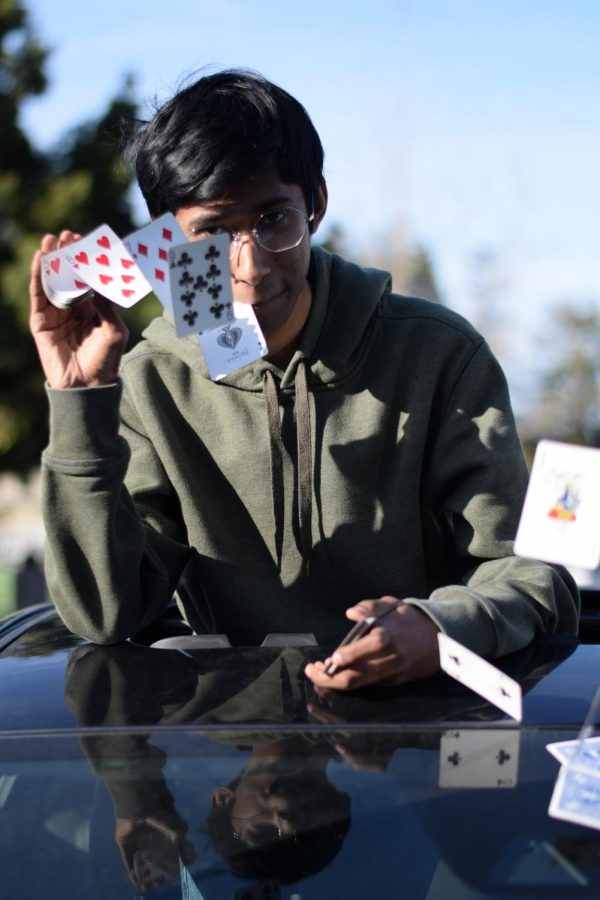
![“I'm not nearly there yet, but [my confidence has] definitely been getting better since I was pretty shy and timid coming into Harker my freshman year. I know that there's a lot of people that are really confident in what they do, and I really admire them. Everyone's so driven and that has really pushed me to kind of try to find my own place in high school and be more confident,” Alyssa Huang (’20) said.](https://harkeraquila.com/wp-content/uploads/2020/06/AlyssaHuang_EmilyChen_HoHPhoto-900x749.jpeg)


Trigger warning for topics of political and gun violence.
When a comedian is suspended for satire, when a political activist is assassinated and when a president openly threatens journalists with lawsuits and censorship, I have to ask — is free speech still free? I believe these are not isolated incidents, but rather symptoms of a deeper problem: the citizens of America increasingly criticize speech because it is unpopular, inconvenient or offensive.
The First Amendment declares that Congress cannot make laws abridging freedom of speech or press, promising protection for satire, protest, dissent and debate — the foundations of democracy. Yet in practice, that promise is slowly dying. Recent events display how fragile expression is, with a key pattern emerging: the right to speak exists in theory, but its practice is shrinking by the day. The result is a widening gap between the freedom guaranteed on paper and the reality experienced by citizens.
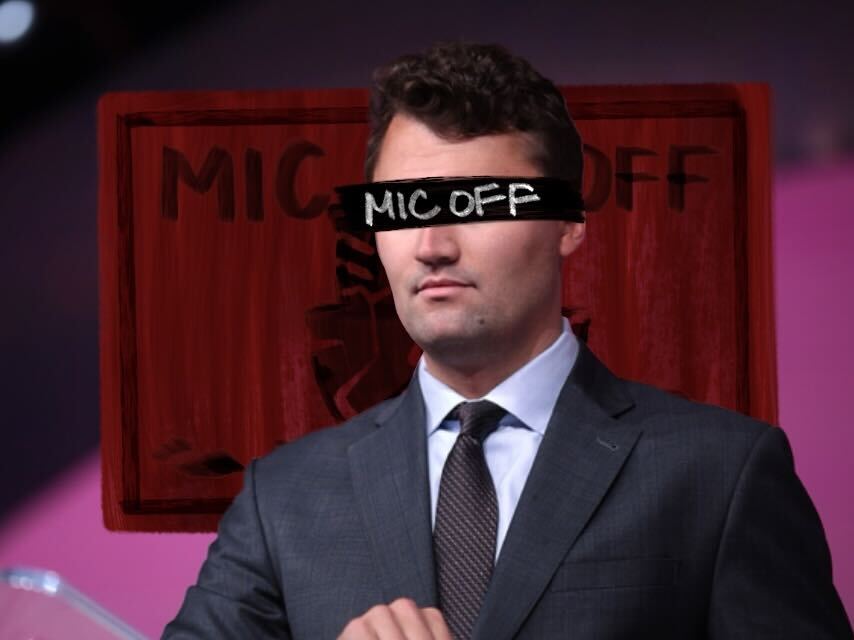
While speaking at Utah Valley University, Charlie Kirk was shot and killed by 22-year old student Tyler Robinson on Sept. 10, with the motive of ending his conservative views against gay and transgender rights. Kirk’s assassination represents not just a tragedy but a direct attack on the premise of public discourse itself. Although his right-wing rhetoric was highly inflammatory to many, that did not justify murder.
Kirk built his brand on face-to-face debates with opponents. After all, in a democracy, you argue with people you dislike — you don’t kill them. His death was a warning to every single person who speaks their mind. It tells us that words can now be met with bullets, not even just government intervention. If free speech in America is abridged by acts of violence, it is hanging by a thread.
Days later, Jimmy Kimmel’s late night show was abruptly pulled from air after he mocked the Republican Party’s response to Kirk’s assassination during his opening monologue. Federal officials had publicly suggested consequences for Kimmel’s words, and networks quickly caved. Although Kimmel was eventually reinstated on Sept. 18, he should have never been taken off the air for his statements in the first place.
Satire has long been considered to be one of the most protected forms of speech in America: the whole point is to make the powerful uncomfortable, to spark change or to simply amuse the public.
If comedy can be censored so easily, how can we differentiate genuine criticism from manufactured authenticity? Once satire is treated as a liability, every joke and monologue risks being filtered not for truth but for political acceptability. When speech must first pass a loyalty test, it’s no longer free. It becomes managed, sanitized, and ultimately hollow. And as an audience member, I can’t help but wonder if I am hearing real critique, or only the version that power has quietly approved.
If a comedian who built up his brand and audience around satire for over 20 years can be taken down for a light, late-night jab – the kind of thing that happens on talk shows every night — what message does that send to the rest of us? To me, it says: stop talking, play it safe and never question authority. That’s not free speech, that’s fear speech.
Meanwhile, political leaders have begun openly threatening free speech themselves. Since the start of this term, President Donald Trump has repeatedly targeted his critics. He has attacked the New York Times for painting him in a subjectively bad light, threatened to revoke FCC licenses from networks airing negative coverage of his administration and even removed the Associated Press from the White House press pool, calling them “radical left lunatics” for refusing to rename the Gulf of Mexico to the “Gulf of America.”
These actions do not defend the Constitution. They twist the term of “free speech” into something completely unrecognizable: a form of blatant flattery that shows only agreeable voices rather than all facets of public opinion.
This phenomenon is not limited to one part or the other. Both sides of the political spectrum share blame for this hypocrisy. Politicians use free speech when it shields their allies but abandon it when it protects their opponents. They dismiss unwanted speech as “dangerous,” “false” or “hateful” to justify silencing it, most recently shown when House Democrats refused to join a post-silence prayer following Charlie Kirk’s killing, turning a potential moment of unity into a shouting match between the two political parties.
At the end of the day, what makes our country unique is that inconvenient, irritating and unpopular ideas must be grappled with, not dismissed or scared into hiding. Protecting only the speech we find comfortable is no protection at all.
The greatest danger lies in how we, as Americans, are beginning – or in some cases, have already started – to accept these infringements as normal. A comedian suspended? Per critics, Kimmel’s remarks may have crossed a line. A newspaper sued? Perhaps it was biased. An activist killed? Maybe he provoked it. This kind of rationalization is destructive.
If we believe, or even celebrate suspensions, lawsuits and assassinations as natural responses to speech, then the First Amendment becomes meaningless. What good is a constitutional right if exercising it can cost you your career, your reputation or worst of all, your life?
Each of these incidents chip away at the foundation of a free, democratic society. Every time satire is punished, dissent is silenced or free debate is replaced with violence, free speech moves one step closer to irrelevance, and the public will become increasingly hesitant to speak their mind. A nation cannot remain free if its citizens are afraid to speak and to stand up for themselves.
Free speech is not free anymore. It is fragile, and riddled with brutal consequences. It is threatened by government intimidation and political violence. The Constitution can promise rights, but rights only survive if society defends them. As a writer, I cannot accept that satire, protest or dissent should be punished so harshly. If we allow power and fear to decide which voices are permitted, then the First Amendment is reduced to words on parchment: a mere piece of history to admire, not a principle to live by. And when that happens, we will lose not just free speech, but the democracy built upon it.



G.D. Gupta • Oct 18, 2025 at 10:13 pm
Worth understanding
A good analysis 👌
Nishka Jain • Oct 17, 2025 at 8:36 pm
Excellent article! Very well researched