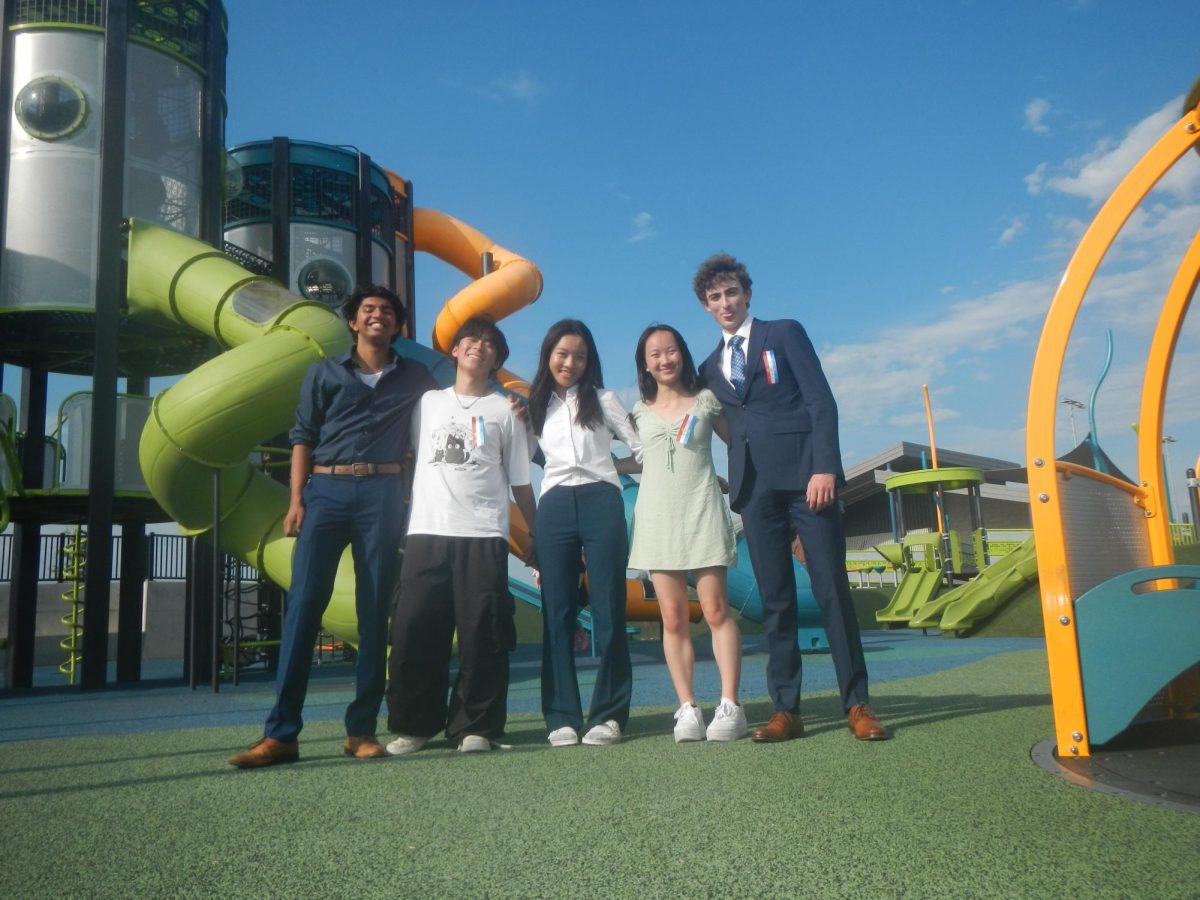
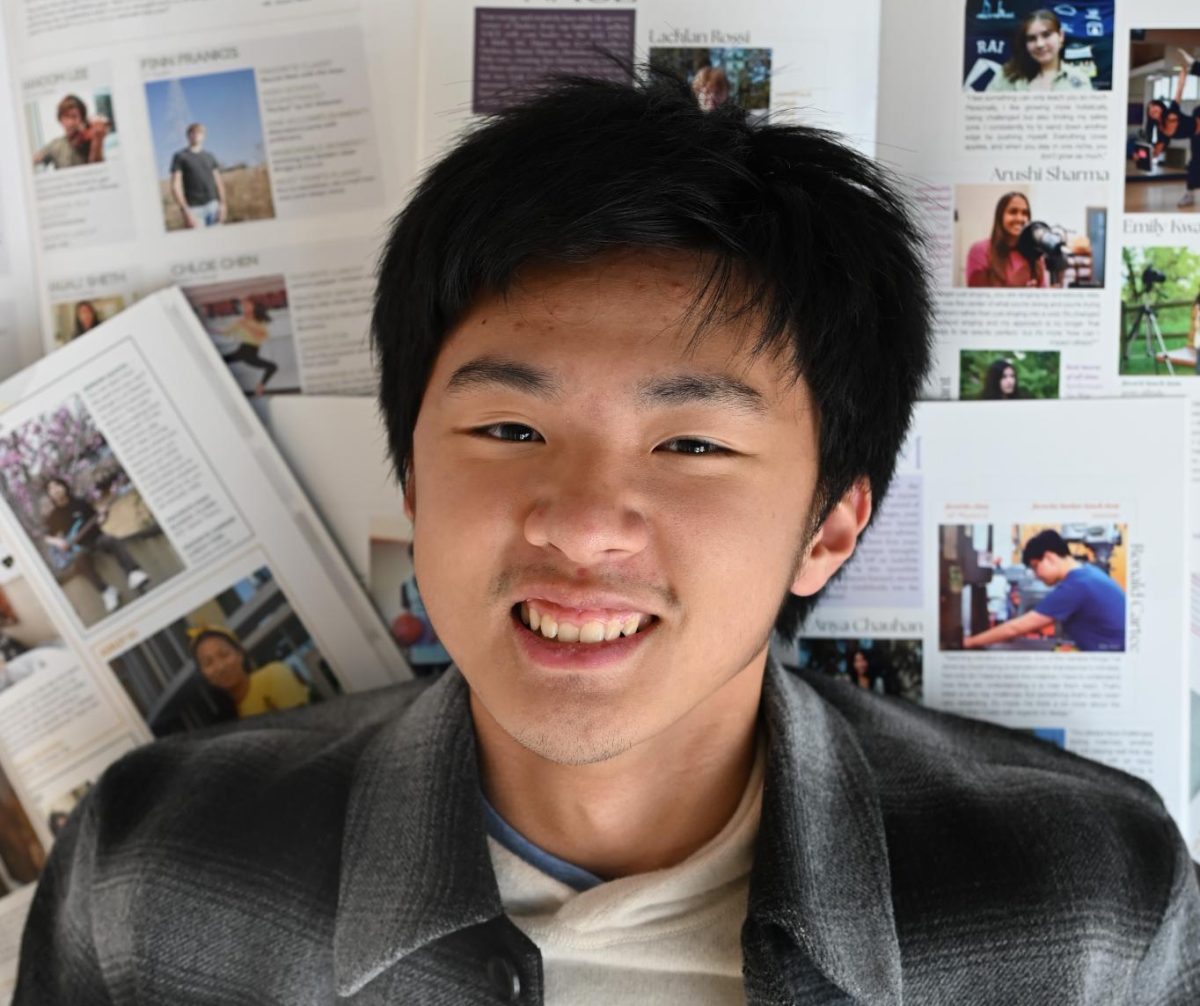
![“I wasn't discouraged by some of the obstacles we faced. I learned a lot from the leadership. I found that different people need different ways of receiving feedback — you can't [just] tell them to do something and expect the best. [Some] people needed more incentive. A large part of my role was to figure out what worked for everyone and to figure out how to lead all these separate individuals as a team,” Suhana Bhandare (’26) said.](https://harkeraquila.com/wp-content/uploads/2026/06/SuhanaBhandare_JasmineHansra-1-1200x798.jpg)


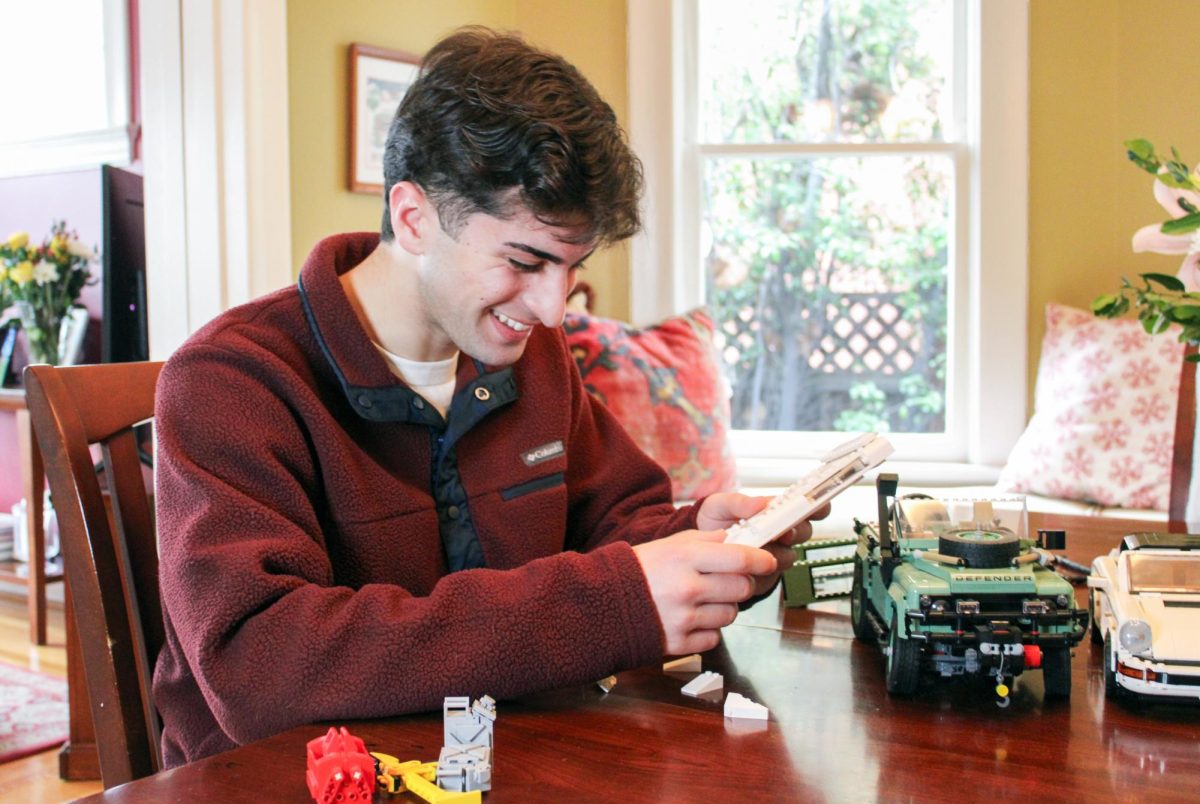
![“This is actually from Randy Pausch Randy P. Brick: ‘Walls are there for a reason. You have to show how much you want to overcome them.’ You have to show how much you want something. That's what I've always been able to do with tennis, Link Crew and getting that internship [with Kushy Baby]. It’s important pushing through that — getting around that brick wall, climbing over it or clawing through it,” Yash Sachdeva (’26) said.](https://harkeraquila.com/wp-content/uploads/2026/05/YashSachdeva_RamBatchu-copy-1200x1002.jpg)

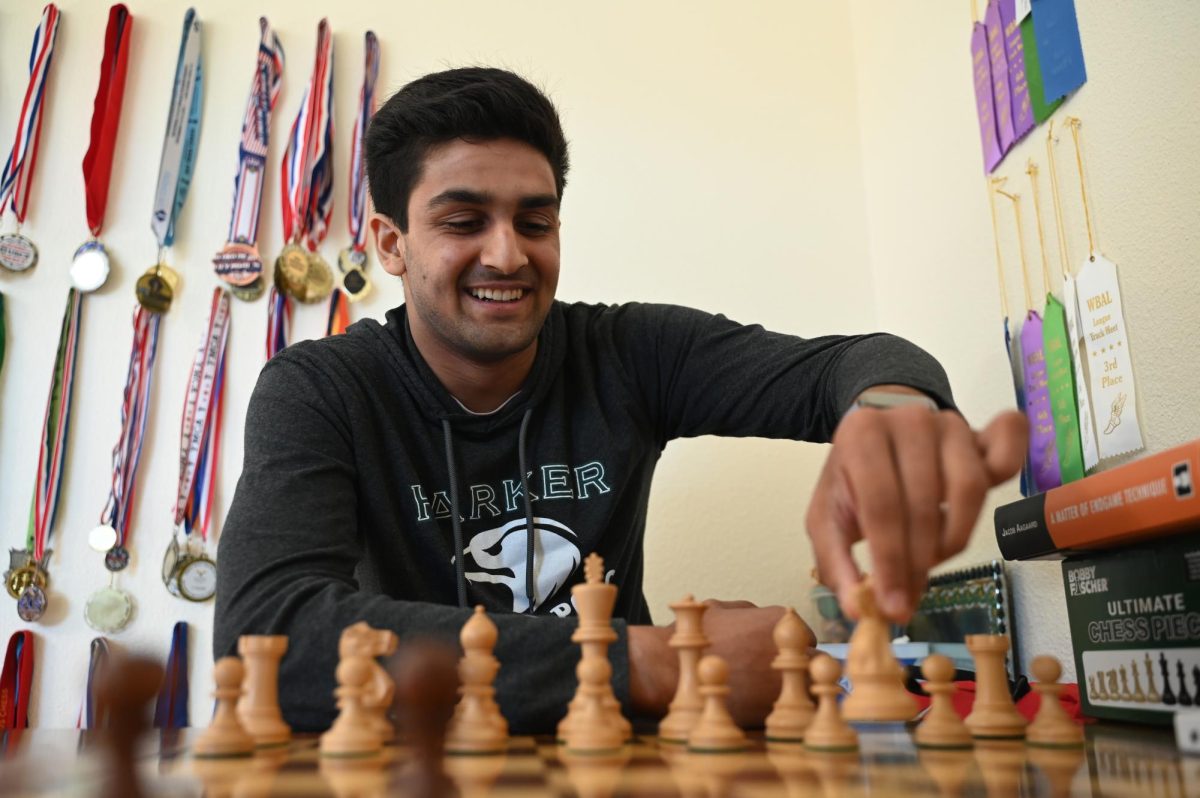









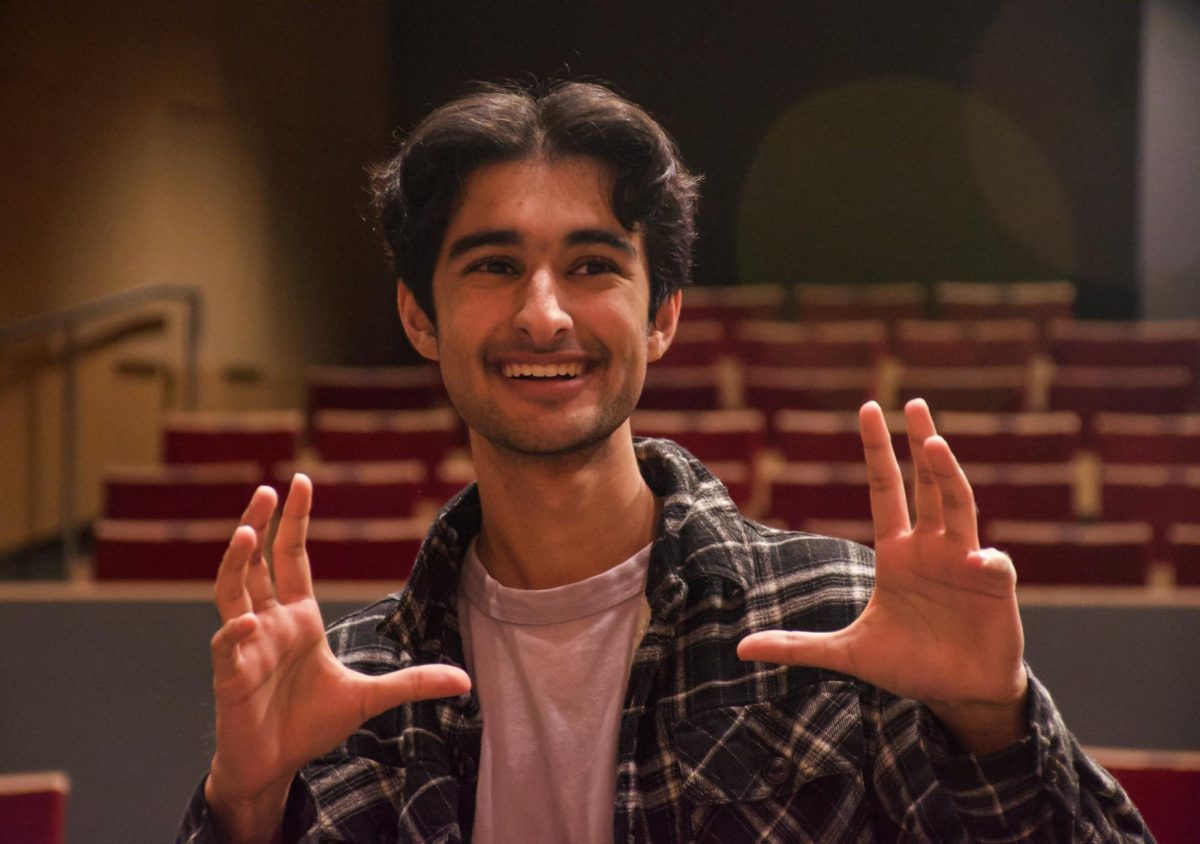

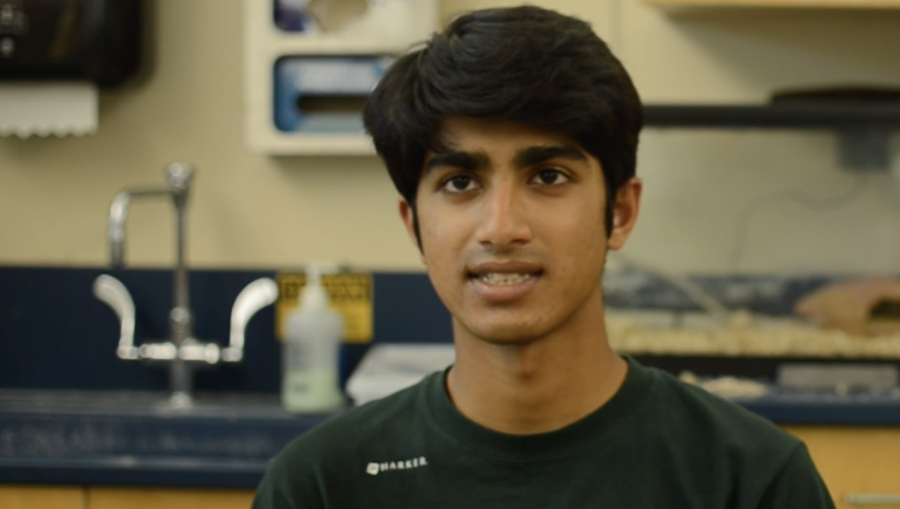
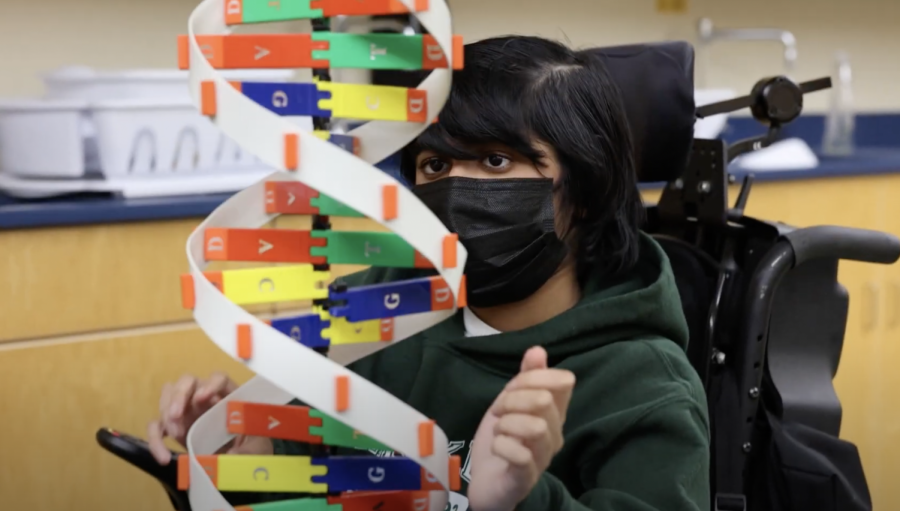
![“[Building nerf blasters] became this outlet of creativity for me that hasn't been matched by anything else. The process [of] making a build complete to your desire is such a painstakingly difficult process, but I've had to learn from [the skills needed from] soldering to proper painting. There's so many different options for everything, if you think about it, it exists. The best part is [that] if it doesn't exist, you can build it yourself," Ishaan Parate said.](https://harkeraquila.com/wp-content/uploads/2022/08/DSC_8149-900x604.jpg)
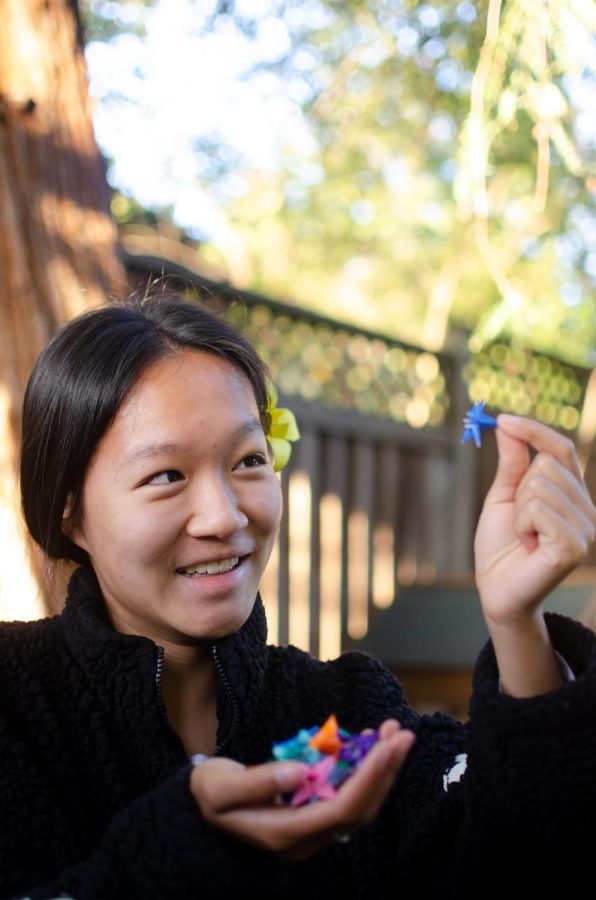

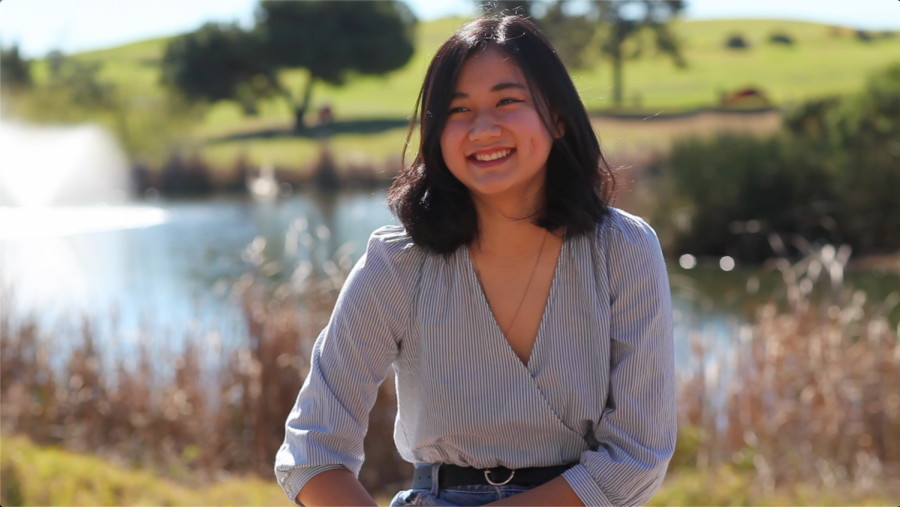
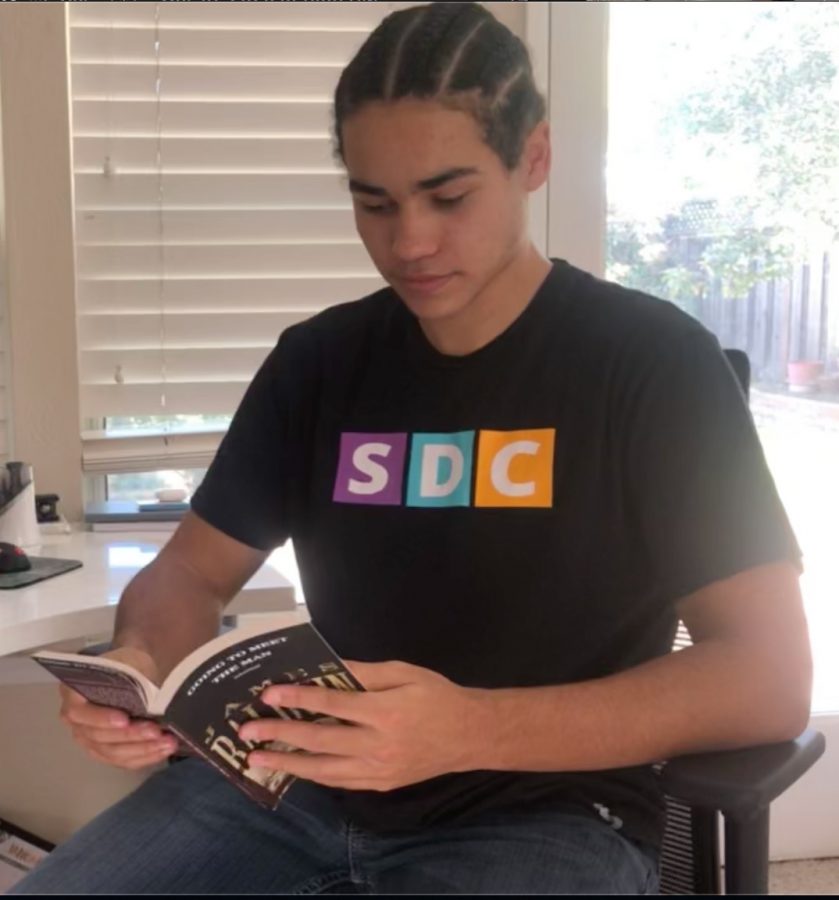
![“When I came into high school, I was ready to be a follower. But DECA was a game changer for me. It helped me overcome my fear of public speaking, and it's played such a major role in who I've become today. To be able to successfully lead a chapter of 150 students, an officer team and be one of the upperclassmen I once really admired is something I'm [really] proud of,” Anvitha Tummala ('21) said.](https://harkeraquila.com/wp-content/uploads/2021/07/Screen-Shot-2021-07-25-at-9.50.05-AM-900x594.png)

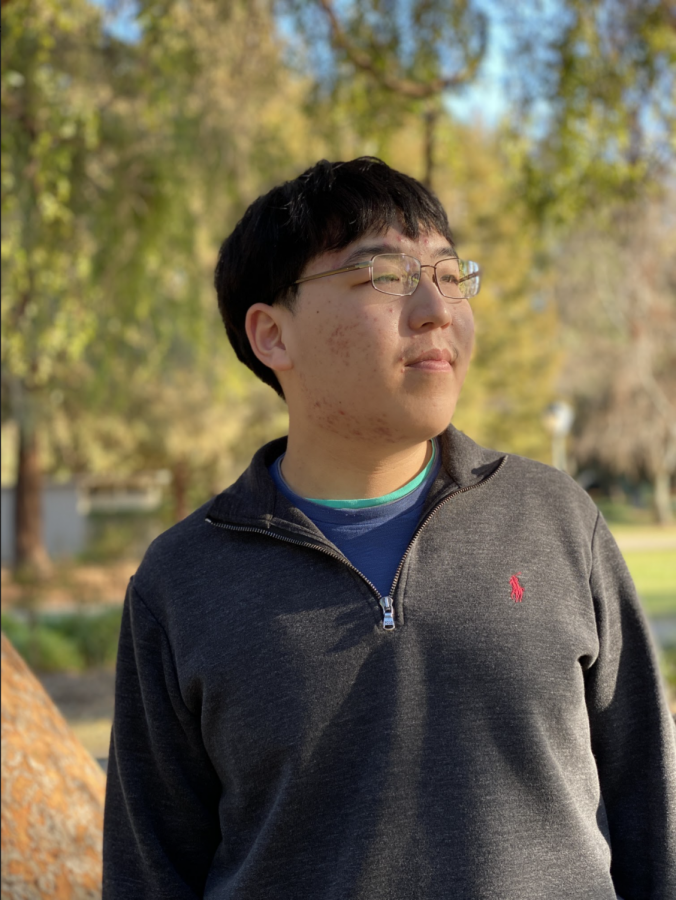

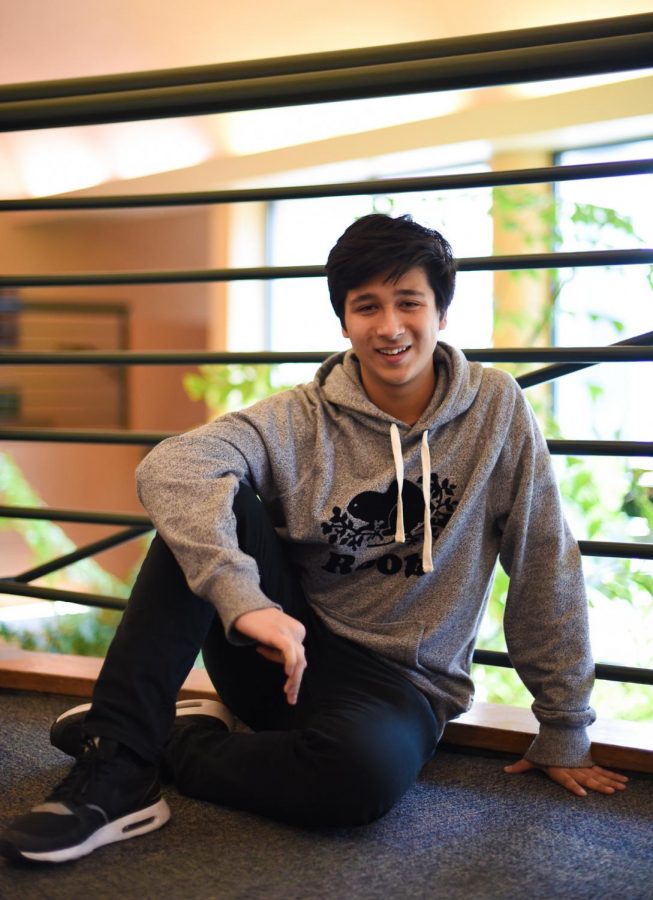
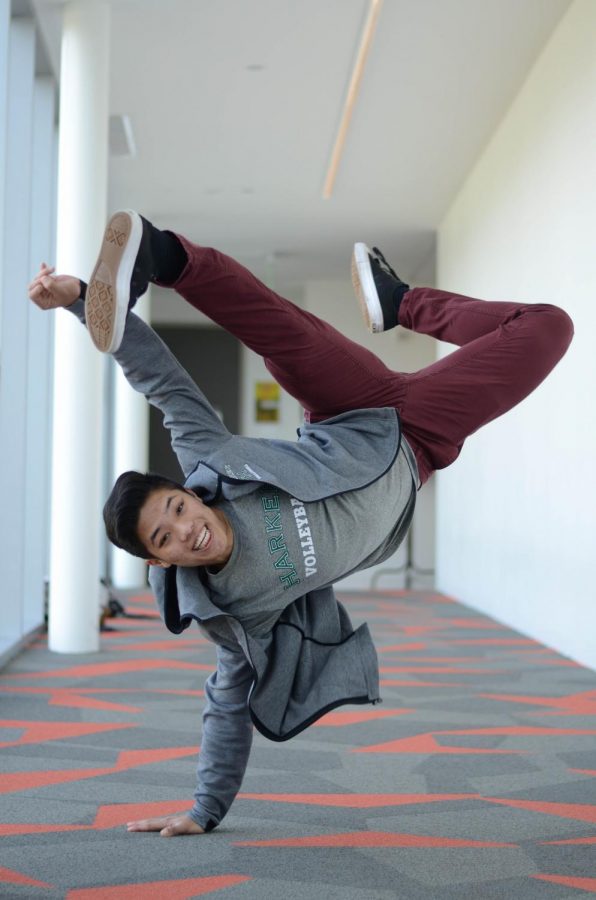
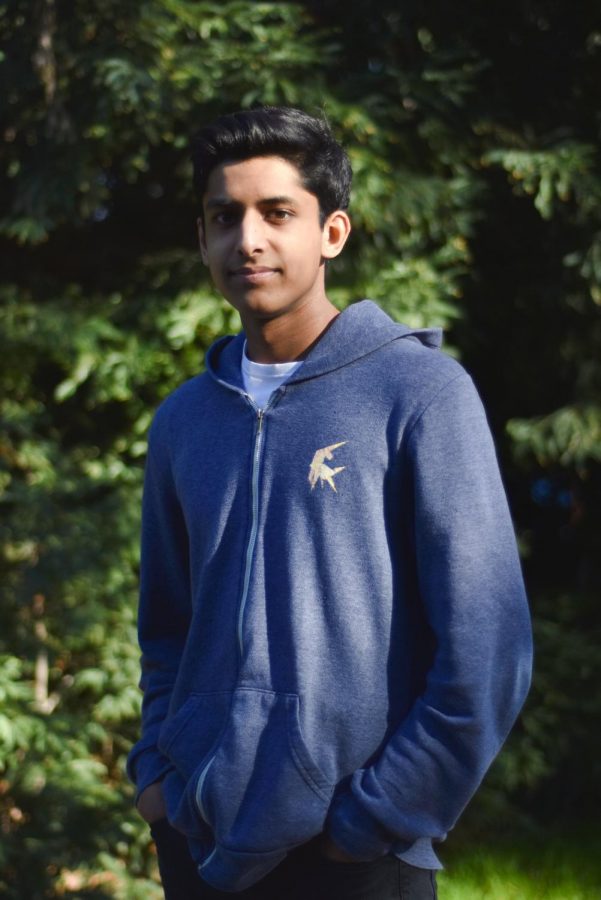

![“I think getting up in the morning and having a sense of purpose [is exciting]. I think without a certain amount of drive, life is kind of obsolete and mundane, and I think having that every single day is what makes each day unique and kind of makes life exciting,” Neymika Jain (12) said.](https://harkeraquila.com/wp-content/uploads/2017/06/Screen-Shot-2017-06-03-at-4.54.16-PM.png)

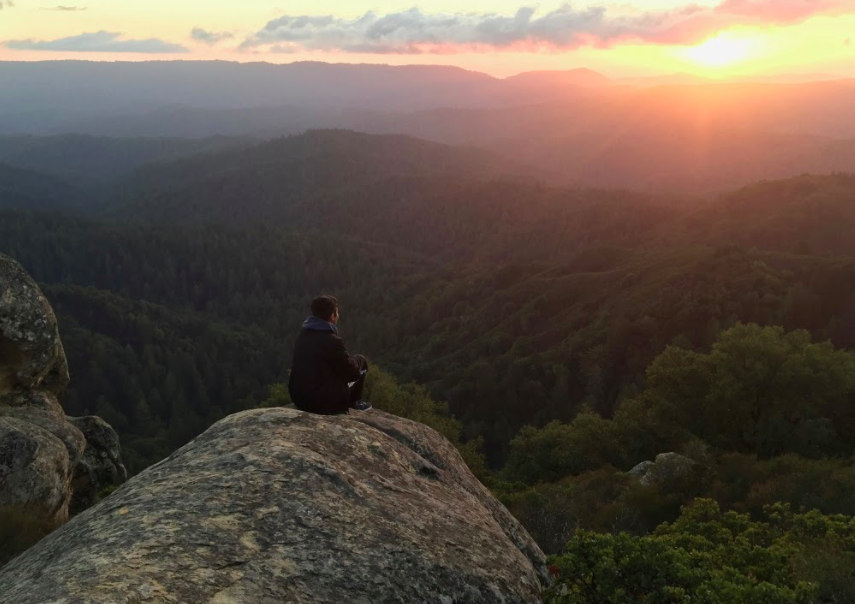

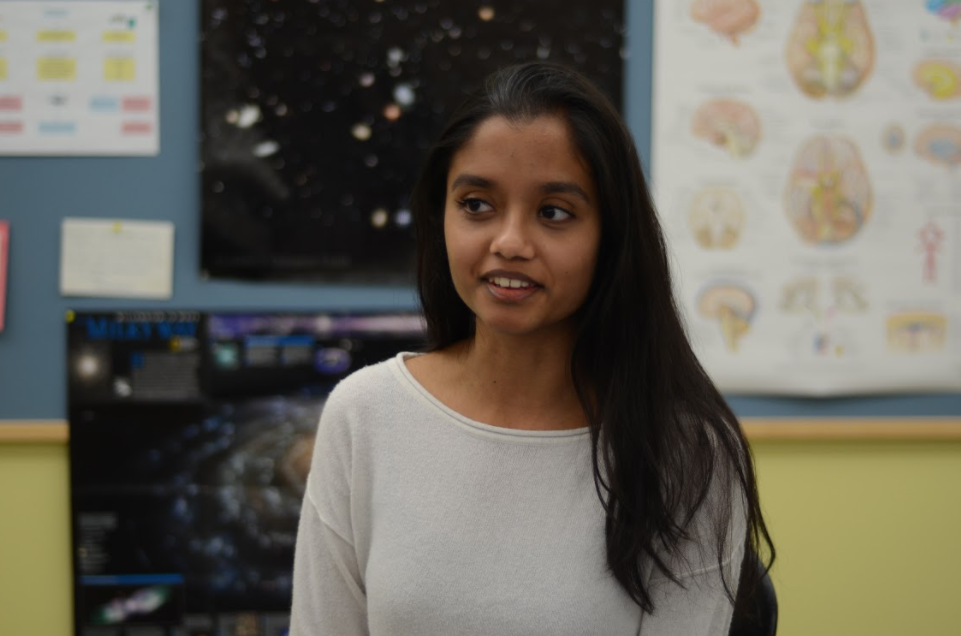
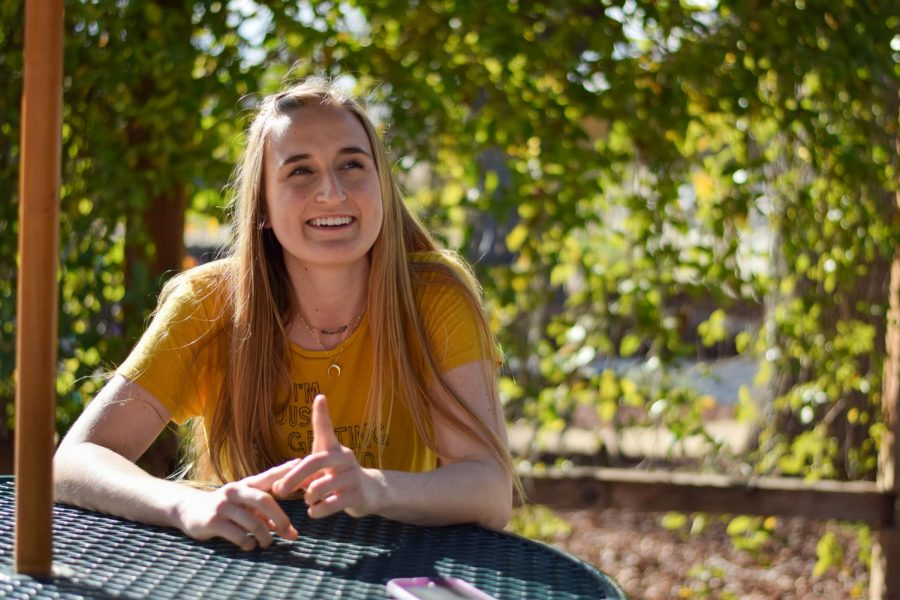

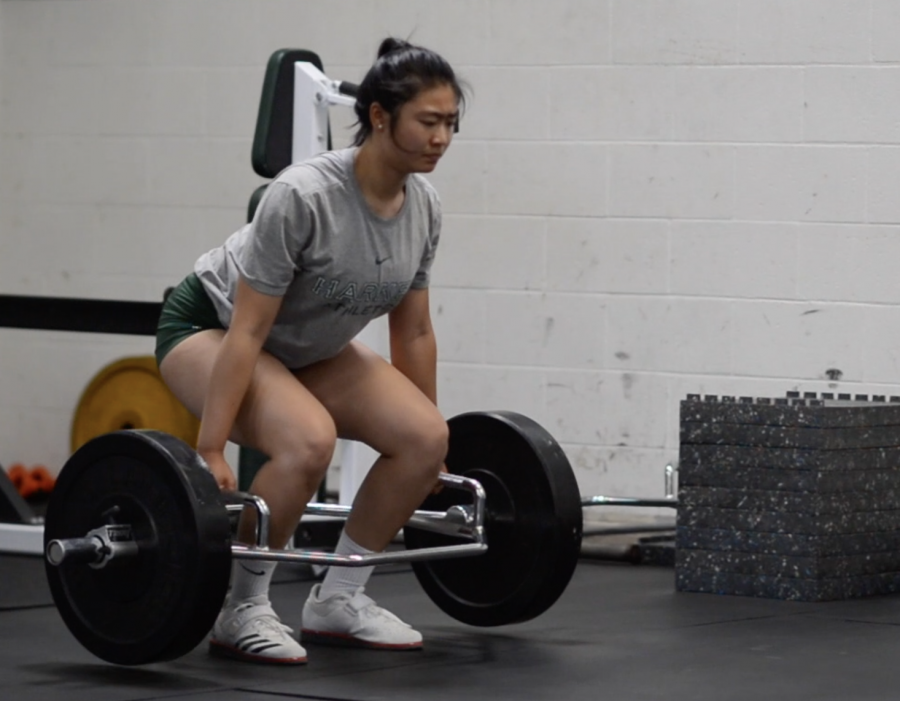

![“My slogan is ‘slow feet, don’t eat, and I’m hungry.’ You need to run fast to get where you are–you aren't going to get those championships if you aren't fast,” Angel Cervantes (12) said. “I want to do well in school on my tests and in track and win championships for my team. I live by that, [and] I can do that anywhere: in the classroom or on the field.”](https://harkeraquila.com/wp-content/uploads/2018/06/DSC5146-900x601.jpg)
![“[Volleyball has] taught me how to fall correctly, and another thing it taught is that you don’t have to be the best at something to be good at it. If you just hit the ball in a smart way, then it still scores points and you’re good at it. You could be a background player and still make a much bigger impact on the team than you would think,” Anya Gert (’20) said.](https://harkeraquila.com/wp-content/uploads/2020/06/AnnaGert_JinTuan_HoHPhotoEdited-600x900.jpeg)
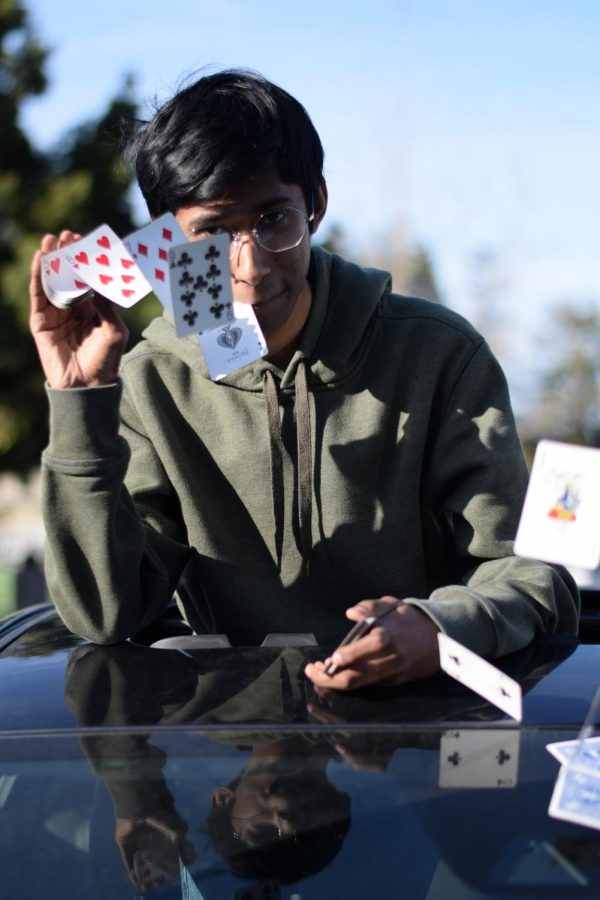
![“I'm not nearly there yet, but [my confidence has] definitely been getting better since I was pretty shy and timid coming into Harker my freshman year. I know that there's a lot of people that are really confident in what they do, and I really admire them. Everyone's so driven and that has really pushed me to kind of try to find my own place in high school and be more confident,” Alyssa Huang (’20) said.](https://harkeraquila.com/wp-content/uploads/2020/06/AlyssaHuang_EmilyChen_HoHPhoto-900x749.jpeg)


As a child, I viewed zoos and marine parks as places of wonder—spaces where I could see animals up close and learn about wildlife. I believed these institutions provided animals with a safe, well-maintained environment, that they were there for their own benefit as much as ours. However, the more I have learned, the more I have realized that this perception is deeply flawed, behind the scenes in captivity, many animals endure mistreatment, inadequate living conditions and psychological distress.
Zoos and theme parks claim to promote education and conservation of wildlife, but these justifications often serve as a thin veil for what is ultimately an exploitative industry. While these spaces can spark interest in wild animals, their design prioritizes human amusement over animal welfare. Animals confined in these facilities frequently exhibit abnormal behaviors caused by the stress of captivity, deprivation of natural behaviors and social isolation.
Captivity imposes social isolation on and disrupts the social structure of many animals. Many species, like dolphins and orcas, are highly social animals that depend on complex relationships for their mental and emotional well-being. In captivity, however, they are often separated from their families or forced into unnatural groupings. The idea that these animals can simply adjust to such conditions is not only misguided but fundamentally unethical. The idea that these animals can thrive in such conditions is a harmful illusion.
For example, orcas in marine parks are frequently separated from their pods and placed with unfamiliar individuals, leading to heightened stress and aggression. Animals deprived of proper social bonds are more likely to display abnormal behaviors like self-harm, a clear sign of psychological distress.
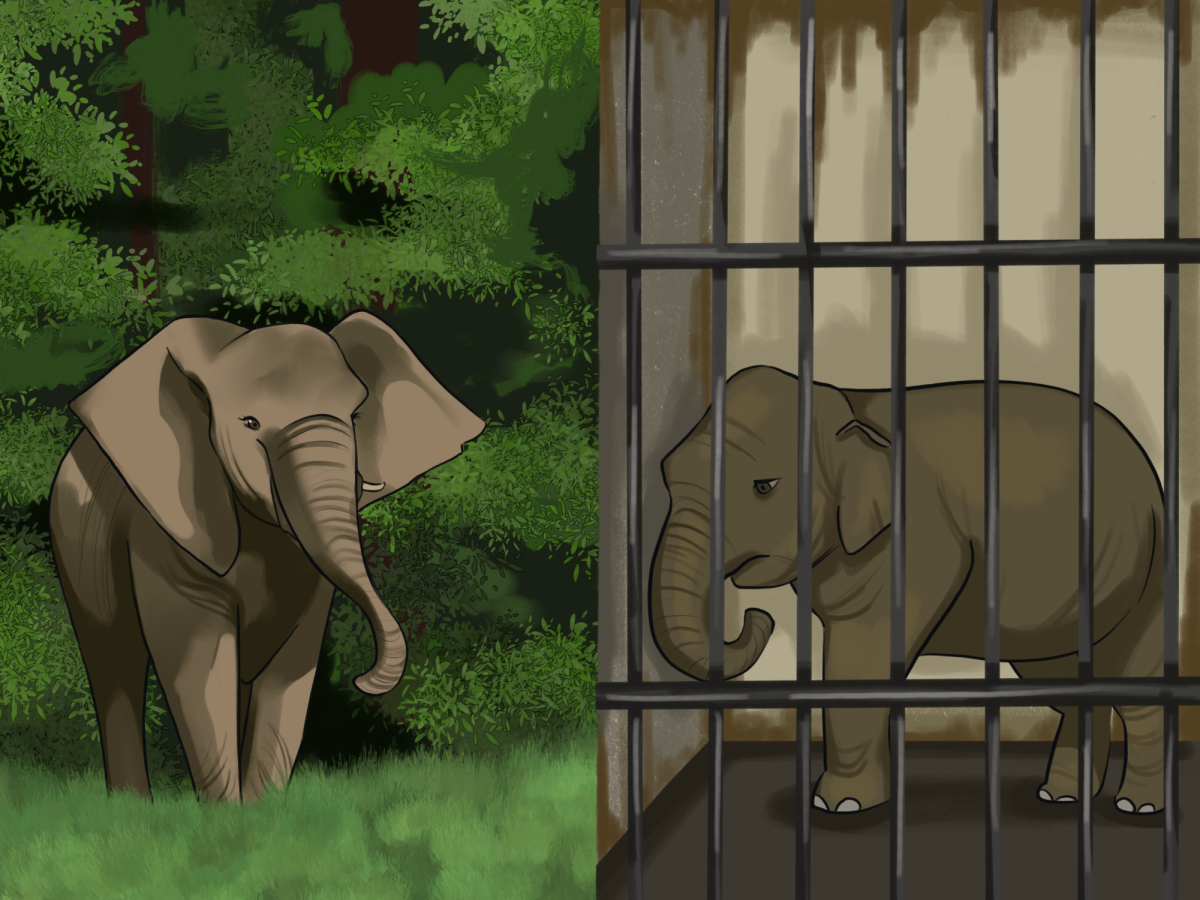
In addition to social deprivation, the lack of space in captivity is a fundamental issue. Large animals such as tigers and elephants are meant to roam vast territories, yet zoo enclosures provide only a fraction of the space they require. Studies have shown that the average zoo enclosure for large carnivores is 18,000 times smaller than their natural range. This extreme confinement leads to chronic stress, evident in behaviors such as pacing, head bobbing, and self-harm—indicators of psychological suffering. Keeping animals in conditions so vastly different from their natural habitats is immoral and unjustifiable.
Captivity also prevents animals from engaging in natural behaviors essential to their well-being. Wild elephants spend most of their time foraging, walking long distances, and socializing within their herds. In zoos, they are often confined to barren enclosures with little enrichment compared to their natural environments. The deprivation of these natural behaviors is a fundamental failure of captivity to meet even the most basic needs of these animals.
Beyond the harm inflicted on animals, captivity also poses significant risks to humans. There have been numerous cases of captive animals attacking trainers and visitors, often as a result of stress and agitation. At Dreamworld in Australia, a tiger attacked a trainer after exhibiting signs of distress. At SeaWorld in Orlando, the orca Tilikum was involved in multiple fatal incidents after years of confinement and psychological strain. These cases show an unavoidable truth that wild animals are not meant to be confined, and forcing them into unnatural environments creates dangerous conditions for both them and the people around them.
Captivity is a practice rooted in outdated and unethical traditions. It is time to move away from keeping animals in artificial environments for human amusement and toward solutions that genuinely prioritize their welfare. True respect for wildlife should not come from observing animals behind glass or in tanks—it comes from ensuring they have the freedom to live as they do in the wild.