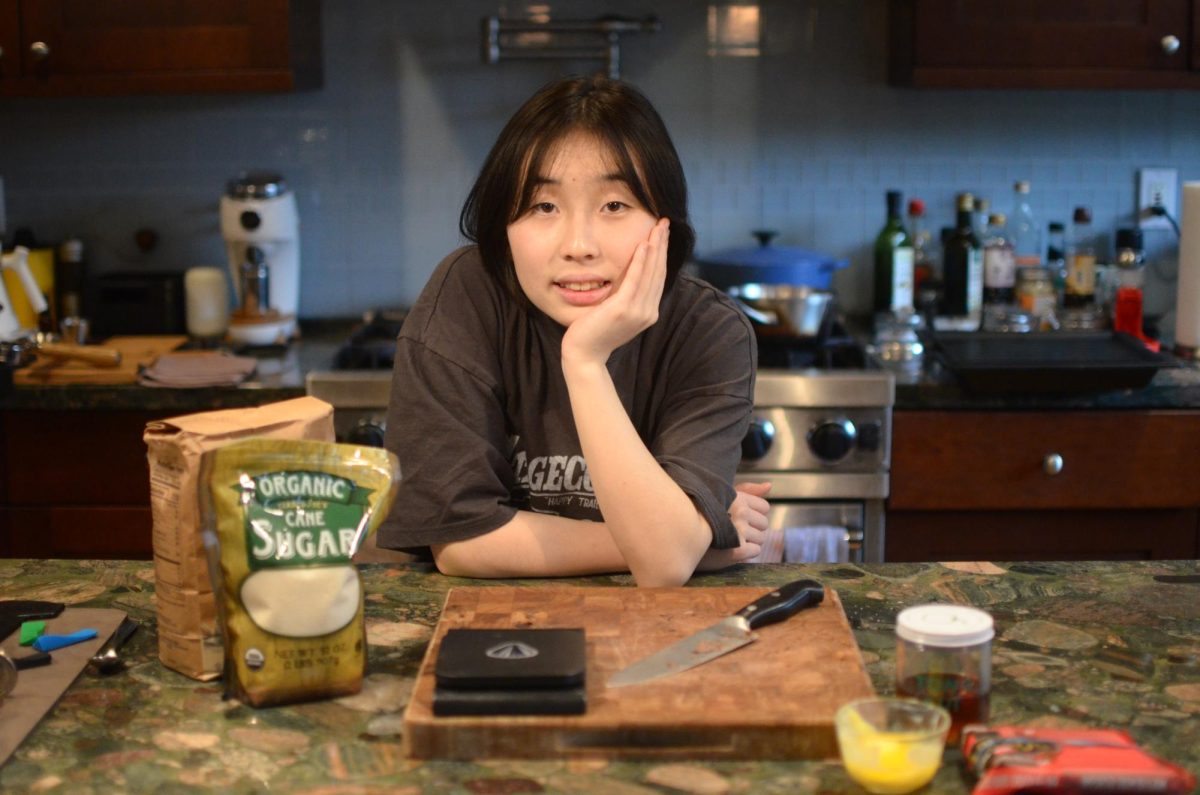
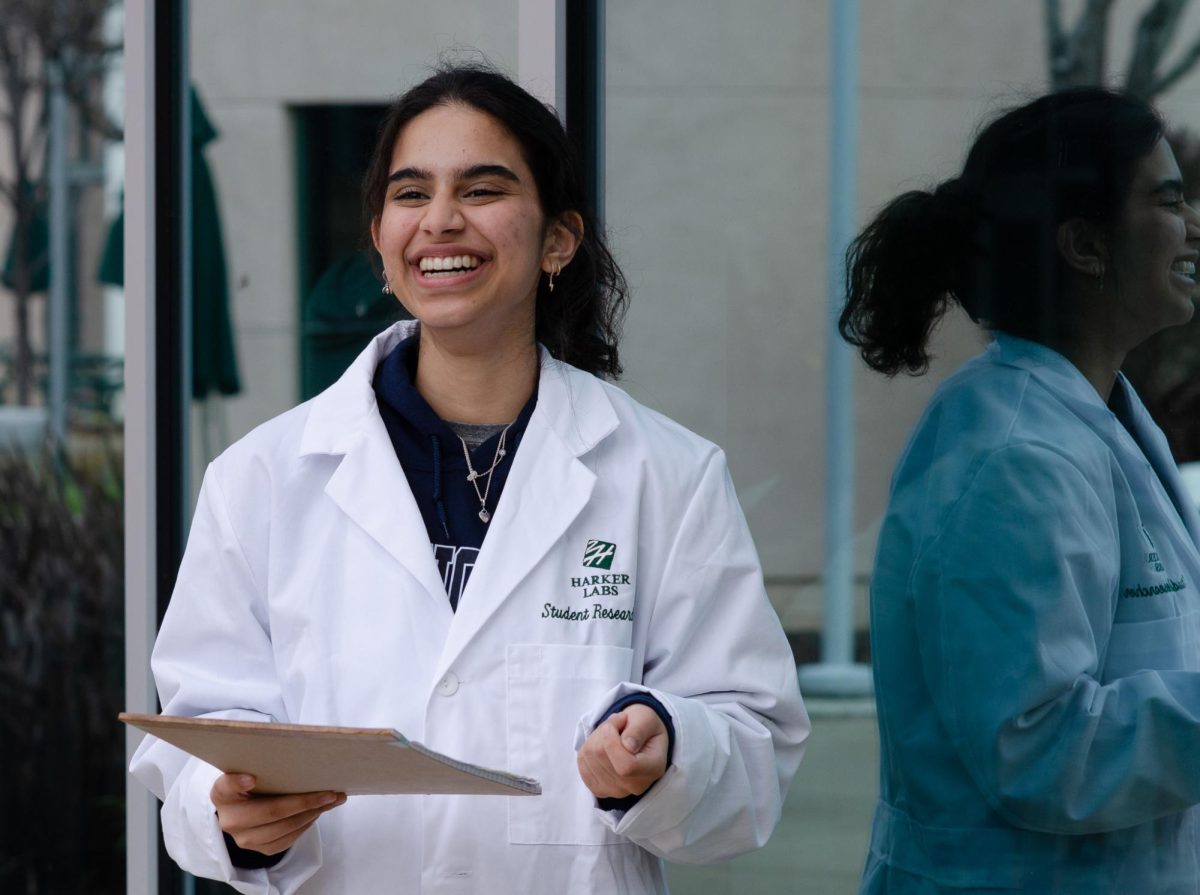
![“I wasn't discouraged by some of the obstacles we faced. I learned a lot from the leadership. I found that different people need different ways of receiving feedback — you can't [just] tell them to do something and expect the best. [Some] people needed more incentive. A large part of my role was to figure out what worked for everyone and to figure out how to lead all these separate individuals as a team,” Suhana Bhandare (’26) said.](https://harkeraquila.com/wp-content/uploads/2026/06/SuhanaBhandare_JasmineHansra-1-1200x798.jpg)


![“This is actually from Randy Pausch Randy P. Brick: ‘Walls are there for a reason. You have to show how much you want to overcome them.’ You have to show how much you want something. That's what I've always been able to do with tennis, Link Crew and getting that internship [with Kushy Baby]. It’s important pushing through that — getting around that brick wall, climbing over it or clawing through it,” Yash Sachdeva (’26) said.](https://harkeraquila.com/wp-content/uploads/2026/05/YashSachdeva_RamBatchu-copy-1200x1002.jpg)






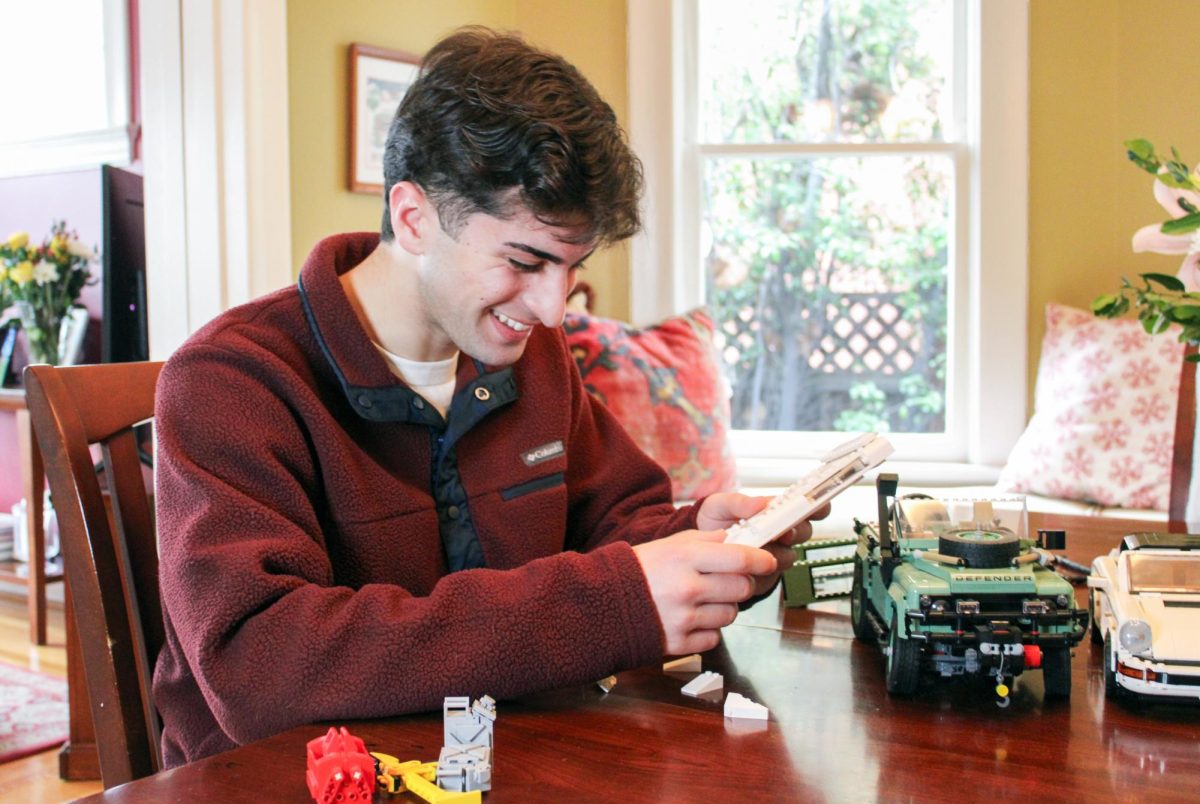

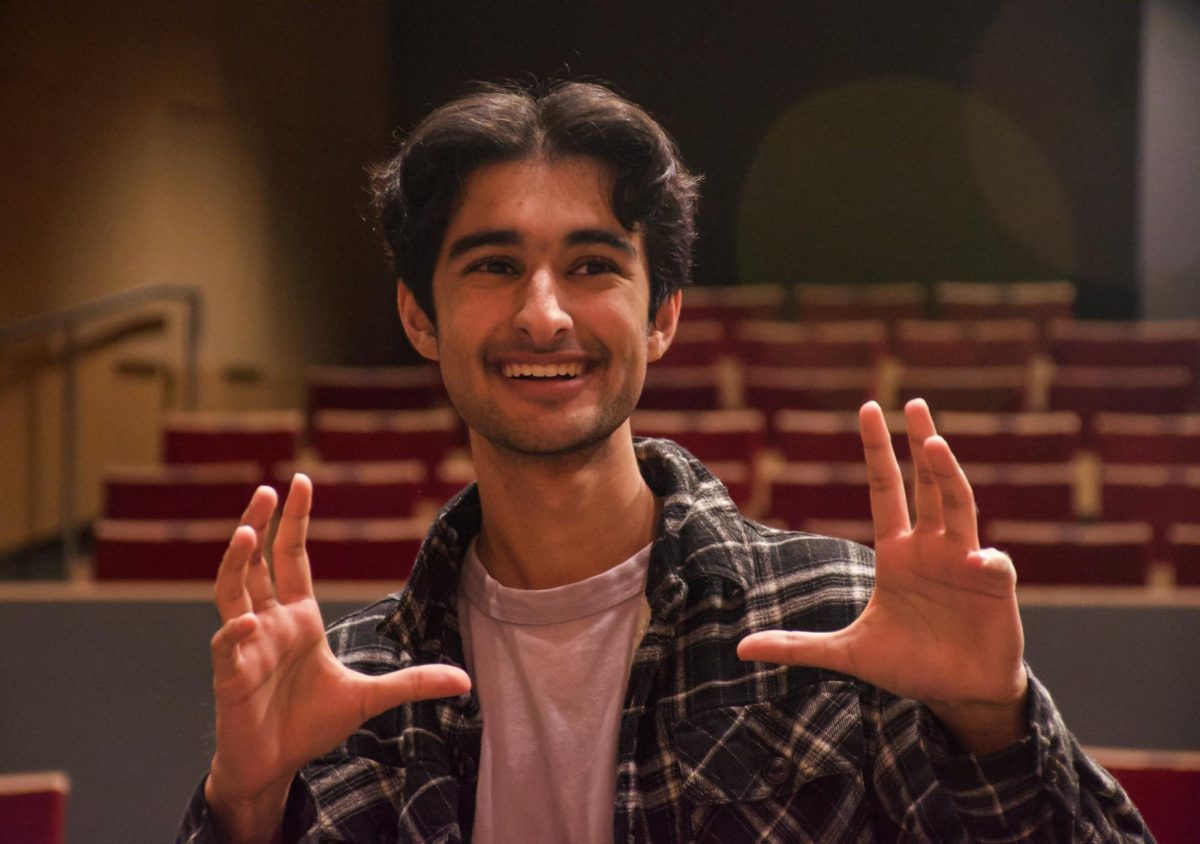

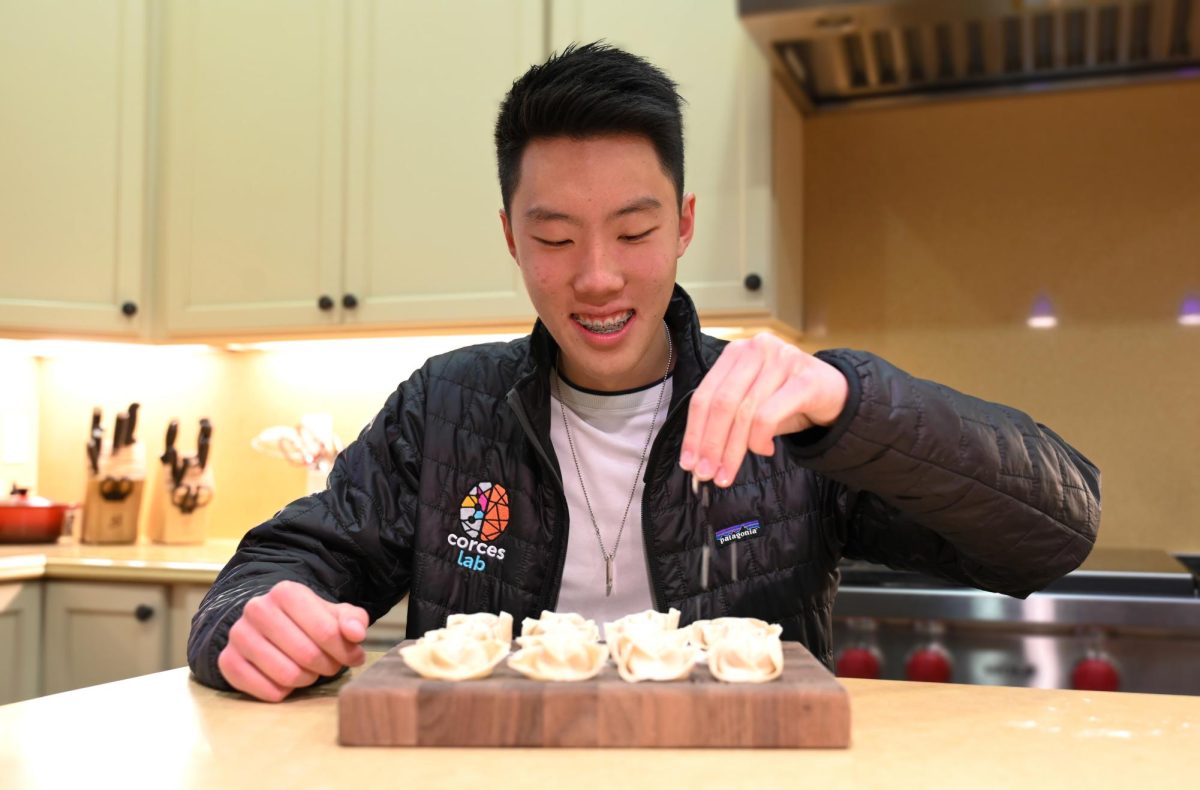
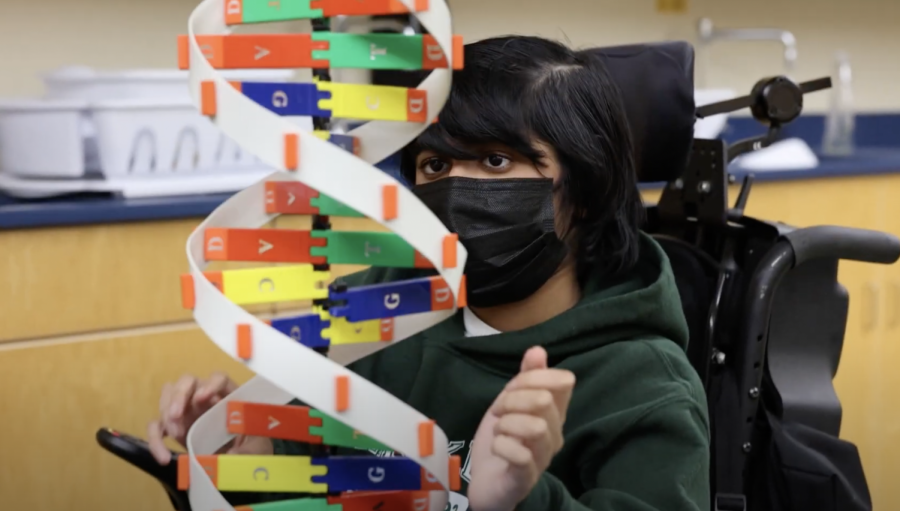
![“[Building nerf blasters] became this outlet of creativity for me that hasn't been matched by anything else. The process [of] making a build complete to your desire is such a painstakingly difficult process, but I've had to learn from [the skills needed from] soldering to proper painting. There's so many different options for everything, if you think about it, it exists. The best part is [that] if it doesn't exist, you can build it yourself," Ishaan Parate said.](https://harkeraquila.com/wp-content/uploads/2022/08/DSC_8149-900x604.jpg)


![“When I came into high school, I was ready to be a follower. But DECA was a game changer for me. It helped me overcome my fear of public speaking, and it's played such a major role in who I've become today. To be able to successfully lead a chapter of 150 students, an officer team and be one of the upperclassmen I once really admired is something I'm [really] proud of,” Anvitha Tummala ('21) said.](https://harkeraquila.com/wp-content/uploads/2021/07/Screen-Shot-2021-07-25-at-9.50.05-AM-900x594.png)


![“I think getting up in the morning and having a sense of purpose [is exciting]. I think without a certain amount of drive, life is kind of obsolete and mundane, and I think having that every single day is what makes each day unique and kind of makes life exciting,” Neymika Jain (12) said.](https://harkeraquila.com/wp-content/uploads/2017/06/Screen-Shot-2017-06-03-at-4.54.16-PM.png)

![“My slogan is ‘slow feet, don’t eat, and I’m hungry.’ You need to run fast to get where you are–you aren't going to get those championships if you aren't fast,” Angel Cervantes (12) said. “I want to do well in school on my tests and in track and win championships for my team. I live by that, [and] I can do that anywhere: in the classroom or on the field.”](https://harkeraquila.com/wp-content/uploads/2018/06/DSC5146-900x601.jpg)
![“[Volleyball has] taught me how to fall correctly, and another thing it taught is that you don’t have to be the best at something to be good at it. If you just hit the ball in a smart way, then it still scores points and you’re good at it. You could be a background player and still make a much bigger impact on the team than you would think,” Anya Gert (’20) said.](https://harkeraquila.com/wp-content/uploads/2020/06/AnnaGert_JinTuan_HoHPhotoEdited-600x900.jpeg)

![“I'm not nearly there yet, but [my confidence has] definitely been getting better since I was pretty shy and timid coming into Harker my freshman year. I know that there's a lot of people that are really confident in what they do, and I really admire them. Everyone's so driven and that has really pushed me to kind of try to find my own place in high school and be more confident,” Alyssa Huang (’20) said.](https://harkeraquila.com/wp-content/uploads/2020/06/AlyssaHuang_EmilyChen_HoHPhoto-900x749.jpeg)


This article discusses topics related to eating disorders, including extreme dieting and unhealthy weight loss methods. If you or someone you know is struggling with an eating disorder, please seek support from a trusted professional.
It starts with a single glance at a social media feed—an influencer’s slim waist, a celebrity’s flawless complexion, a perfectly posed picture. But for millions of teenagers, that fleeting moment of admiration can quickly spiral into an obsession with their own body, eating habits and self-worth.
In today’s society, where the pressure to look “attractive” is often amplified by social media and the visibility of influencers on social media, eating disorders have become a growing issue among teenagers. These disorders are not just fleeting trends but severe, life-threatening conditions that affect around 30 million people in the United States alone, with devastating effects on mental and physical health.
Dietician Sara Leung pinpoints anxiety as the main cause of eating disorders.
“An eating disorder is there to suppress painful emotions, and it does that by creating rules within food to follow,” Leung said. “When someone is engaging in this behavior, it’s usually because they are experiencing a high level of anxiety that they’re trying to manage, and they don’t have access to other tools or ways to reduce their anxiety.”
An anonymous junior who previously struggled with an eating disorder reported that many teens focus less on external appearances and more on their self-perception.
“A lot of people think that it’s like an actual diagnosed disorder that has very specific symptoms, and it’s where people don’t eat at all, and they lose weight very rapidly,” they said. “But that’s actually not the case. Most of the time, eating disorders are a mental thing in your subconscious, where you have this idea in the back of your mind that you don’t look good enough, even though to other people you may look completely normal.”
Eating disorders are increasingly prevalent among adolescents. Around 22 percent of adolescents were reported to have eating disorders in 2022, including anorexia nervosa, bulimia nervosa and binge eating disorder. According to the National Eating Disorders Association, these disorders are often deeply rooted in a teenager’s sense of identity and body image. For some, these disorders can have long-term health consequences, including malnutrition and organ failure.
“If you lose a big amount of weight in a very short amount of time, that’s where it gets unhealthy,” the junior said. “My heartbeat started to become irregular, which is very dangerous and could lead to a lot of problems. The other risk of being too underweight is that your cholesterol levels actually start to become high because your body is losing fat so fast that it thinks it’s going into starvation mode.”
A major contributor to the rising number of eating disorders in teenagers is the influence of celebrities and influencers, who often serve as the epitome of beauty and success. According to a report by the National Library of Medicine, social media use is correlated with eating concerns. In an era dominated by Instagram, TikTok and other social media platforms, celebrities and models flaunt their “perfect” bodies.
Social media algorithms push teenagers toward these posts, fueling a toxic cycle. They constantly see celebrities promoting extreme weight loss or using questionable methods like crash diets and appetite-suppressant pills. It’s no surprise, then, that adolescents look to emulate these influencers, despite the dangers of doing so.
An anonymous senior started dieting after seeing the popularity of thin idols in the K-pop industry.
“K-pop has an intense dieting culture, and it’s very strict on how you should appear,” the student said. “Back then, I was just thinking that the idols looked so good, maybe because they were skinny, so that motivated me to start dieting. Every time I saw someone that looked really good, I would subconsciously compare myself with them and look at photos of myself, thinking ‘why don’t I look like that?’”
Social media creates a façade of perfection. The widespread use of filters and editing software means that the bodies that users see may not be real, let alone the unverified information being distributed.
“The internet and social media are not well regulated,” Leung said. “While there is really good information out there, there is also an even larger portion of misinformation. Oftentimes, diet culture creates fear based off of that misinformation.”
Additionally, technology has exacerbated the issue. Calorie-tracking apps and fitness trackers, although well-intentioned, often feed into unhealthy habits. Teens who are already vulnerable to body image issues may become obsessed with counting every calorie, measuring every morsel of food.
“People who have eating disorders always find a way to track their calories,” the junior said. “For me, I started to get so wrapped up where I didn’t even need to search up the foods or put them in a calorie tracker. I could just see something off the top of my head and guess how many calories it had, and I would almost always get it right.”
Education and open conversation are key to dismantling the harmful myths around body image. Schools, families and communities can talk about healthy eating habits and the importance of mental well-being. These discussions can empower teenagers to make healthier choices, free from the constraints of societal pressure.
Support systems also go a long way in helping students if they are readily available. Access to counseling services, hotlines and therapy for those struggling with eating disorders is crucial for prevention and recovery.
Counselor Jonah Alves addresses some signals that a person might be experiencing an eating disorder.
“When someone starts to deter from their normal baseline, I would say that is a warning sign,” Alves said. “There are some physical signs too, weight loss or gain. Different changes in the way we appear could also be red flags and concerns.”
While the battle against eating disorders persists, there is hope. With awareness and support, we can create an environment where teenagers feel empowered to love themselves for who they are, rather than for how they look.
Leung takes an approach of giving clients “experiential” meals similar to exposure therapy, where they are exposed to a food that may cause them anxiety. They learn to counter the anxiety through different coping mechanisms.
“You expect your anxiety to go up, so you’re planning to use certain tools that you have built up,” Leung said. “Then, the idea is to be able to just tolerate it. The exposure of eating a food that your brain thinks you shouldn’t eat is a really helpful way to reduce the anxiety that food causes. It’s asking you to change a lot, not just your behaviors, but your belief systems—the way that you think about yourself and the way that you relate to food.”