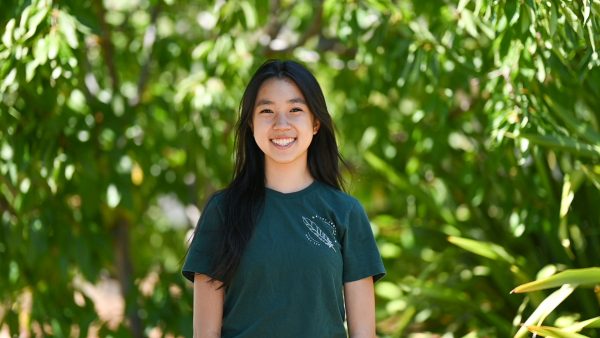
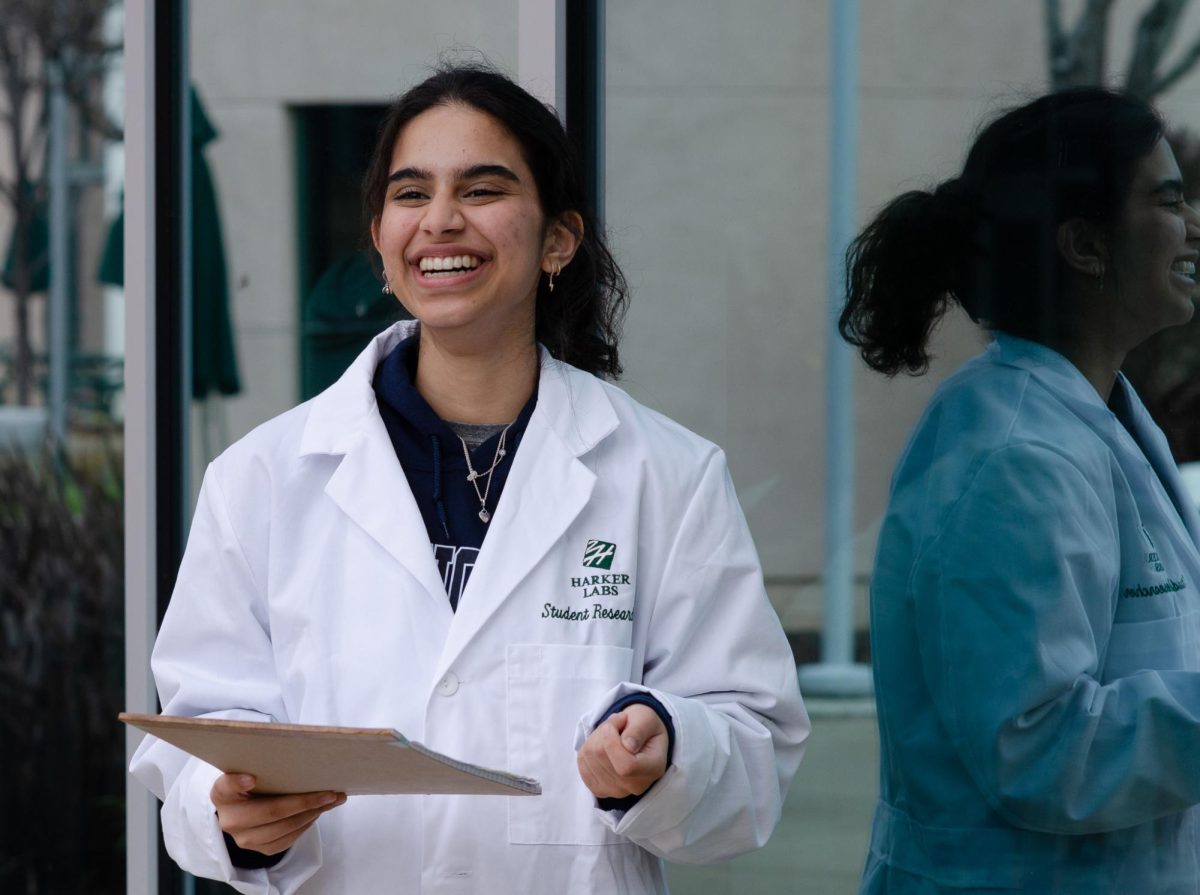
![“I wasn't discouraged by some of the obstacles we faced. I learned a lot from the leadership. I found that different people need different ways of receiving feedback — you can't [just] tell them to do something and expect the best. [Some] people needed more incentive. A large part of my role was to figure out what worked for everyone and to figure out how to lead all these separate individuals as a team,” Suhana Bhandare (’26) said.](https://harkeraquila.com/wp-content/uploads/2026/06/SuhanaBhandare_JasmineHansra-1-1200x798.jpg)

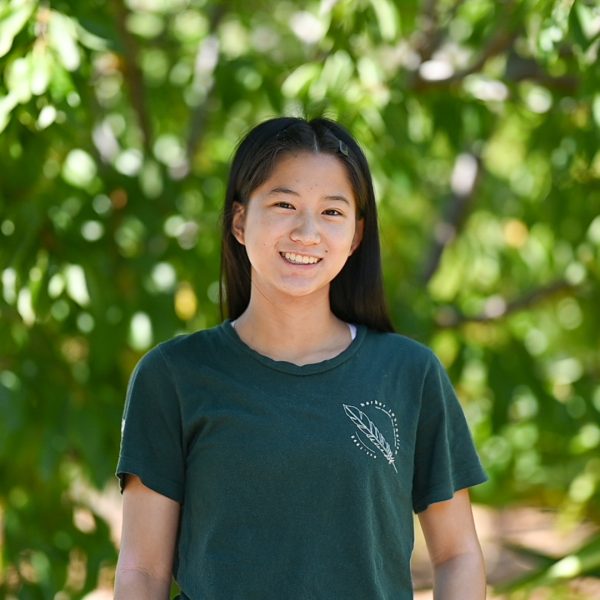
![“This is actually from Randy Pausch Randy P. Brick: ‘Walls are there for a reason. You have to show how much you want to overcome them.’ You have to show how much you want something. That's what I've always been able to do with tennis, Link Crew and getting that internship [with Kushy Baby]. It’s important pushing through that — getting around that brick wall, climbing over it or clawing through it,” Yash Sachdeva (’26) said.](https://harkeraquila.com/wp-content/uploads/2026/05/YashSachdeva_RamBatchu-copy-1200x1002.jpg)







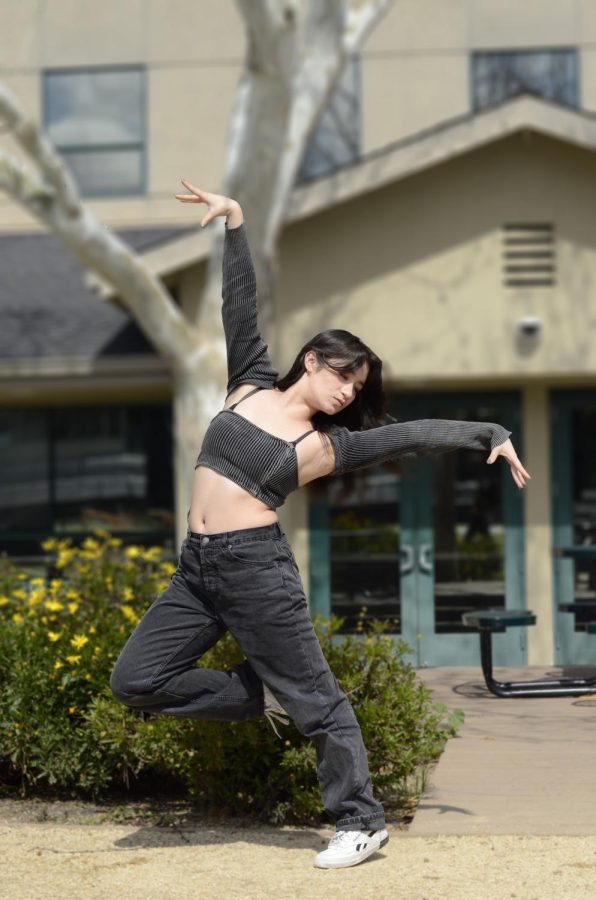
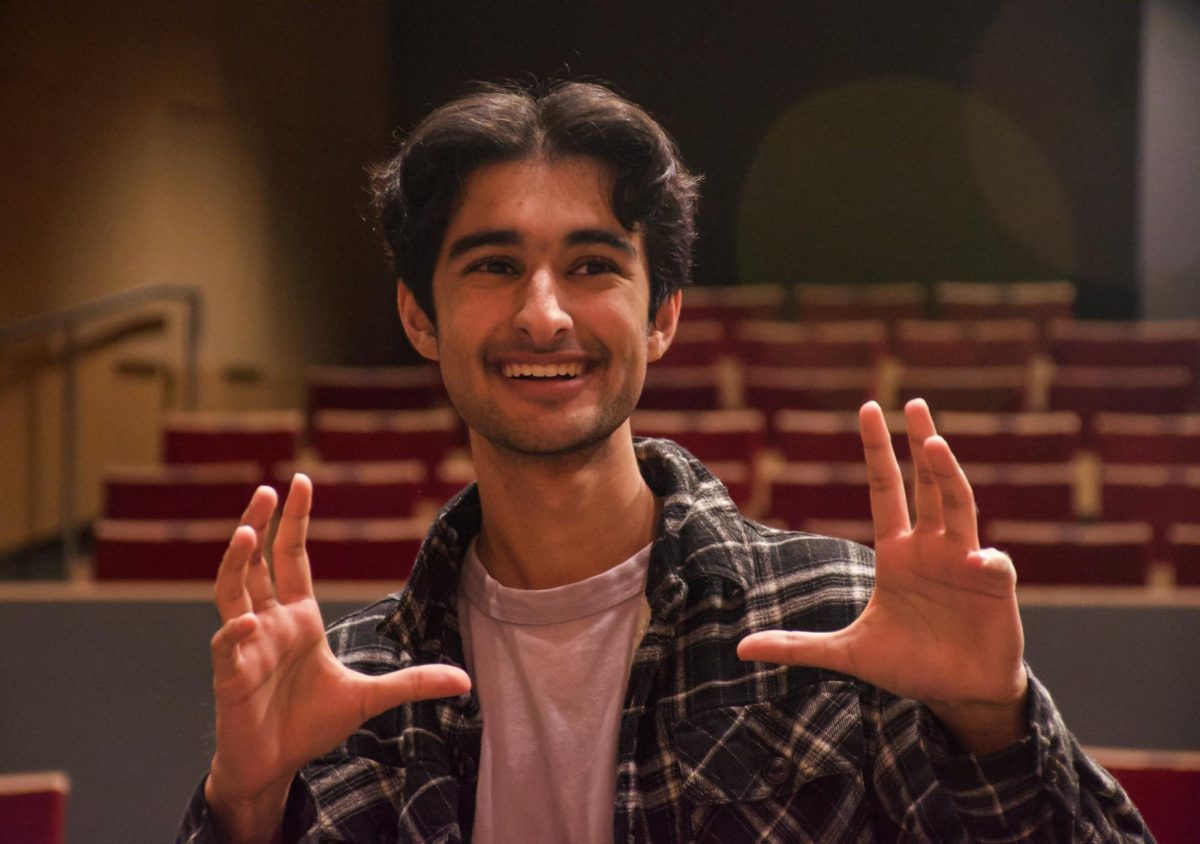

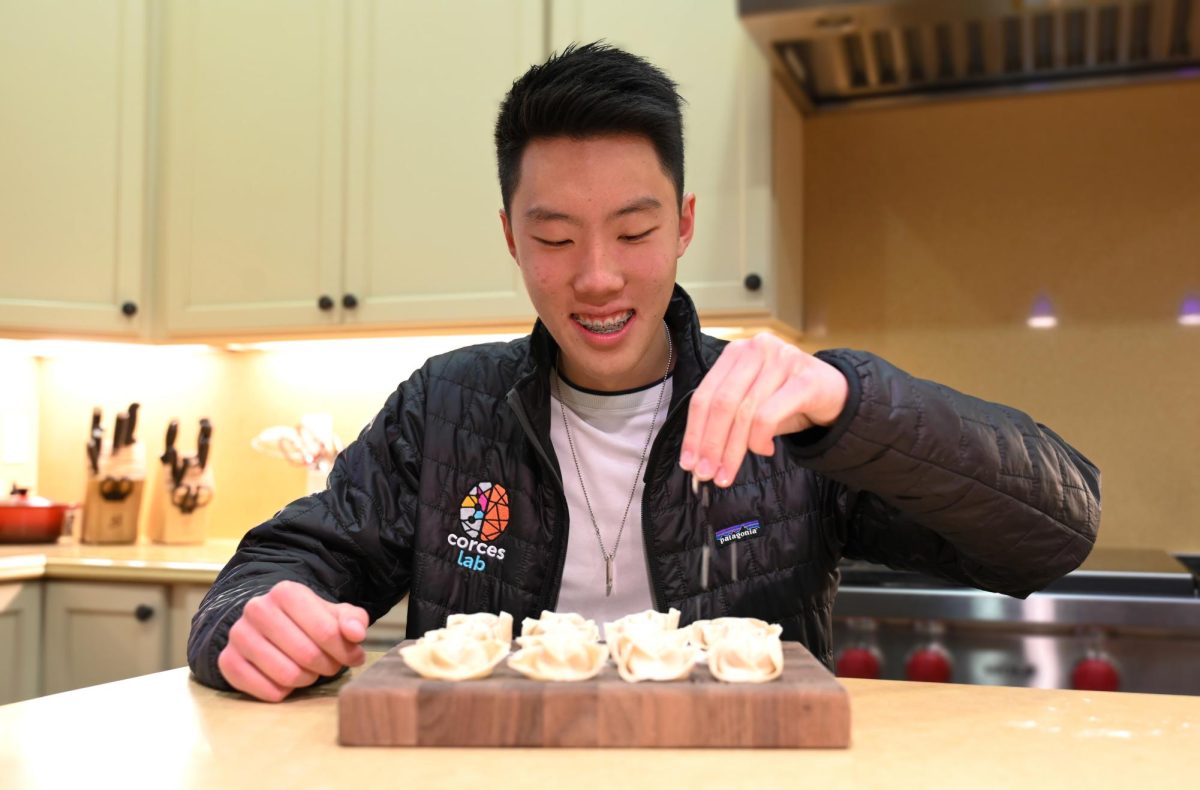
![“[Building nerf blasters] became this outlet of creativity for me that hasn't been matched by anything else. The process [of] making a build complete to your desire is such a painstakingly difficult process, but I've had to learn from [the skills needed from] soldering to proper painting. There's so many different options for everything, if you think about it, it exists. The best part is [that] if it doesn't exist, you can build it yourself," Ishaan Parate said.](https://harkeraquila.com/wp-content/uploads/2022/08/DSC_8149-900x604.jpg)


![“When I came into high school, I was ready to be a follower. But DECA was a game changer for me. It helped me overcome my fear of public speaking, and it's played such a major role in who I've become today. To be able to successfully lead a chapter of 150 students, an officer team and be one of the upperclassmen I once really admired is something I'm [really] proud of,” Anvitha Tummala ('21) said.](https://harkeraquila.com/wp-content/uploads/2021/07/Screen-Shot-2021-07-25-at-9.50.05-AM-900x594.png)

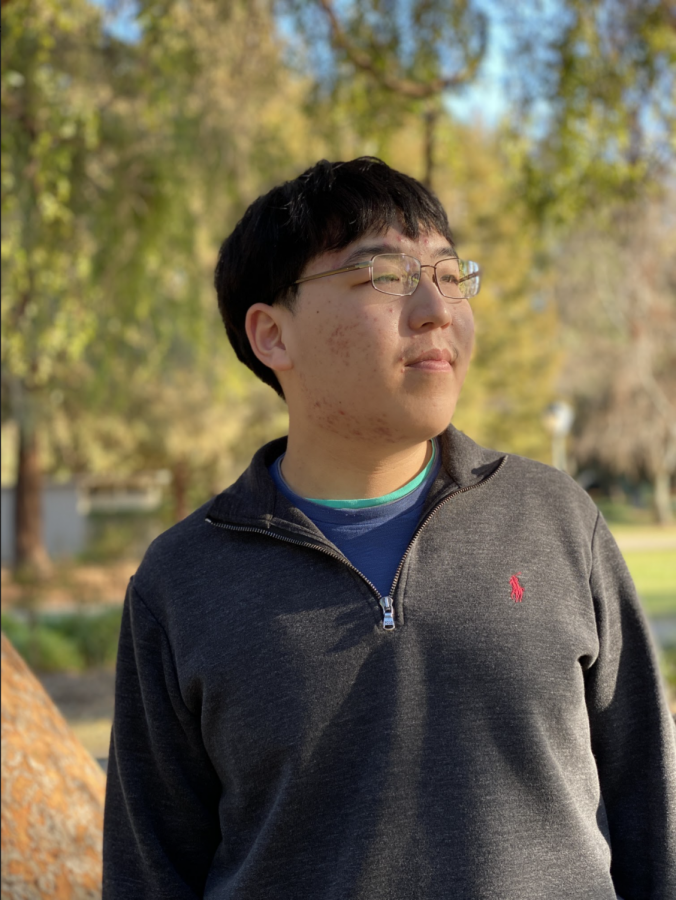


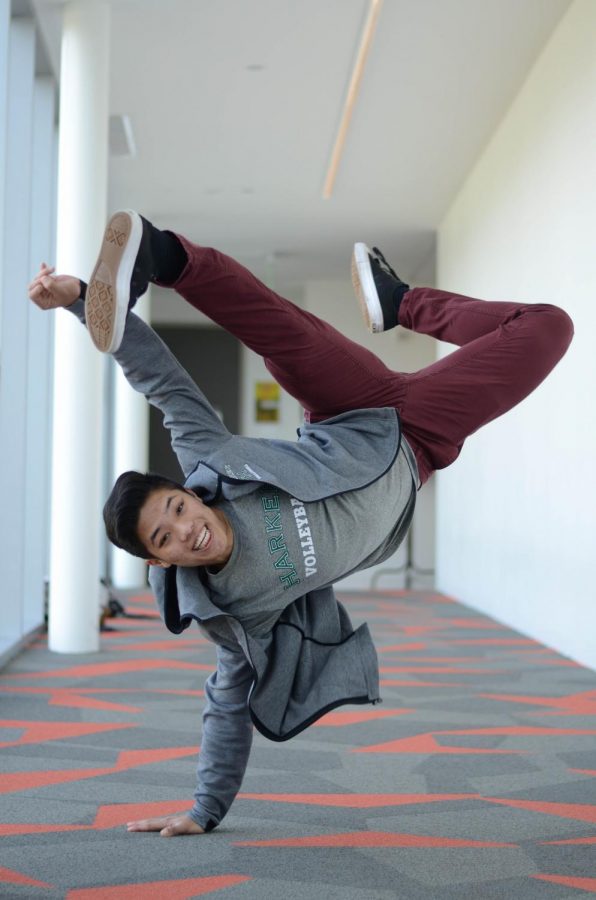


![“I think getting up in the morning and having a sense of purpose [is exciting]. I think without a certain amount of drive, life is kind of obsolete and mundane, and I think having that every single day is what makes each day unique and kind of makes life exciting,” Neymika Jain (12) said.](https://harkeraquila.com/wp-content/uploads/2017/06/Screen-Shot-2017-06-03-at-4.54.16-PM.png)

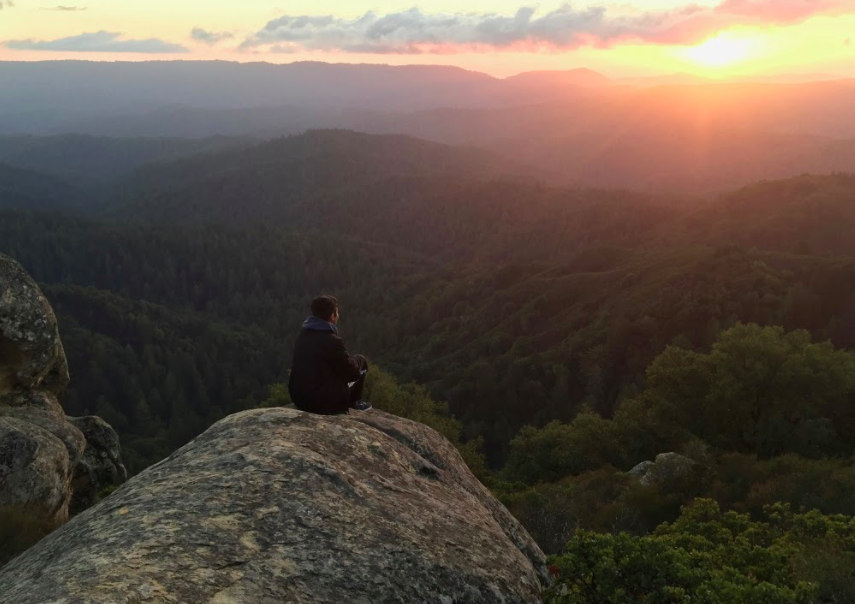

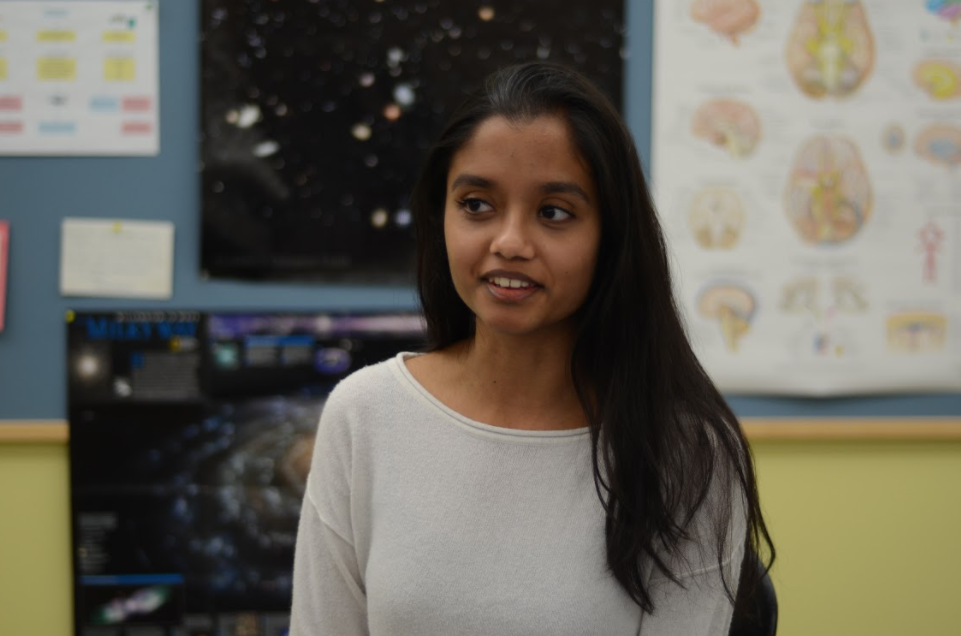


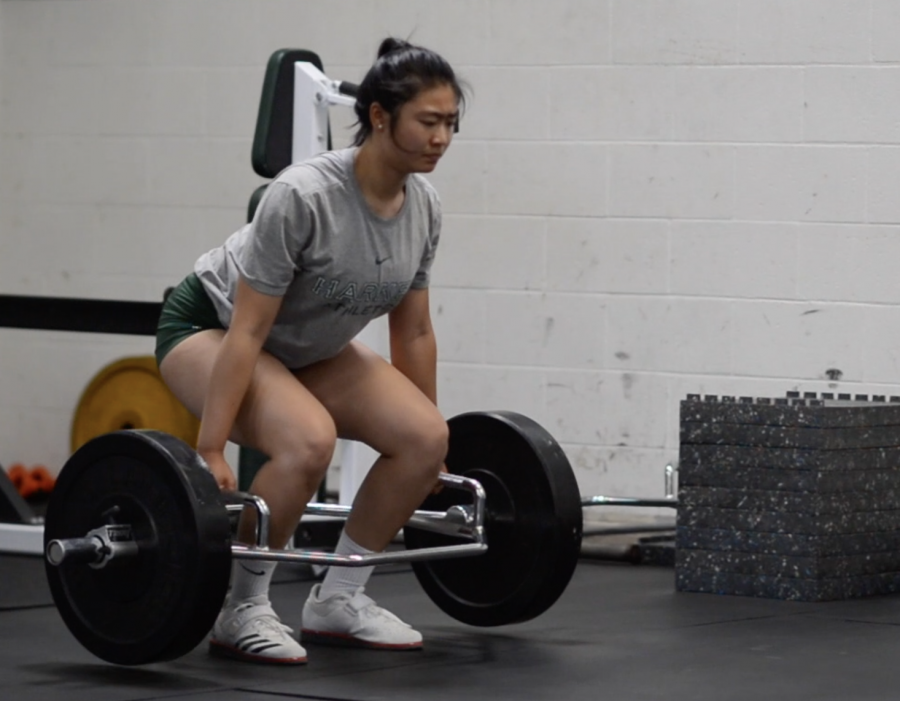

![“My slogan is ‘slow feet, don’t eat, and I’m hungry.’ You need to run fast to get where you are–you aren't going to get those championships if you aren't fast,” Angel Cervantes (12) said. “I want to do well in school on my tests and in track and win championships for my team. I live by that, [and] I can do that anywhere: in the classroom or on the field.”](https://harkeraquila.com/wp-content/uploads/2018/06/DSC5146-900x601.jpg)
![“[Volleyball has] taught me how to fall correctly, and another thing it taught is that you don’t have to be the best at something to be good at it. If you just hit the ball in a smart way, then it still scores points and you’re good at it. You could be a background player and still make a much bigger impact on the team than you would think,” Anya Gert (’20) said.](https://harkeraquila.com/wp-content/uploads/2020/06/AnnaGert_JinTuan_HoHPhotoEdited-600x900.jpeg)
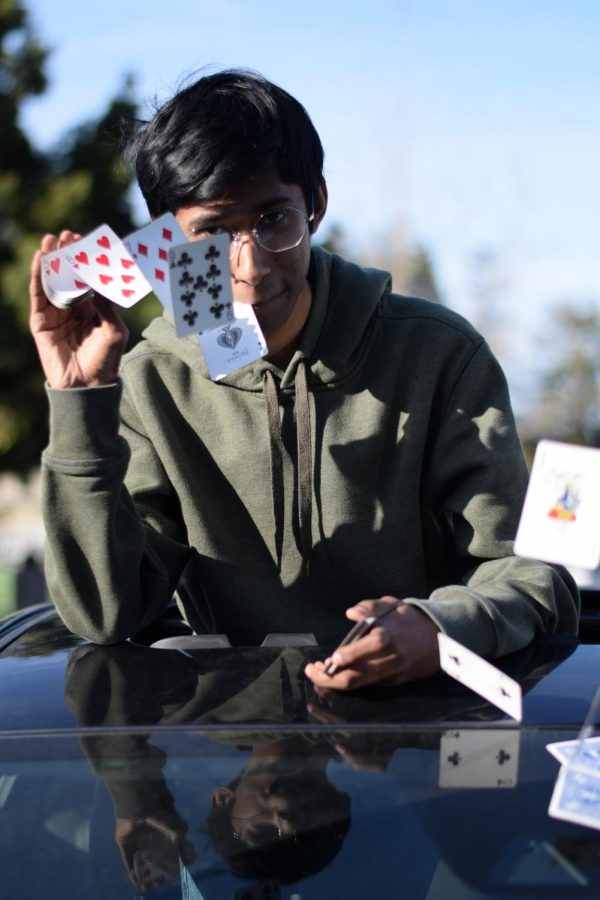
![“I'm not nearly there yet, but [my confidence has] definitely been getting better since I was pretty shy and timid coming into Harker my freshman year. I know that there's a lot of people that are really confident in what they do, and I really admire them. Everyone's so driven and that has really pushed me to kind of try to find my own place in high school and be more confident,” Alyssa Huang (’20) said.](https://harkeraquila.com/wp-content/uploads/2020/06/AlyssaHuang_EmilyChen_HoHPhoto-900x749.jpeg)



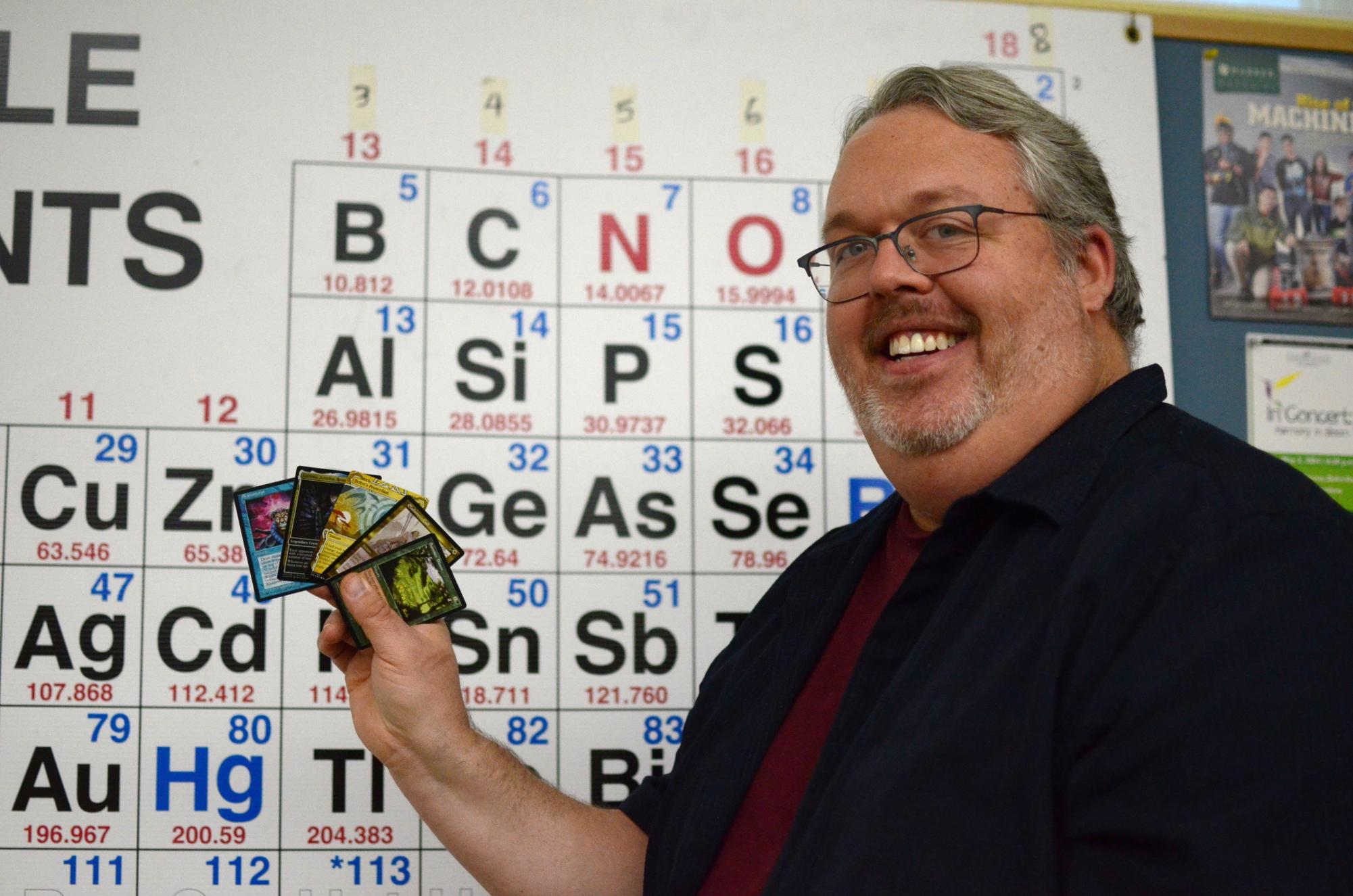
Nearly 30 students cluster in chemistry teacher Casey Brown’s room, but instead of balancing reactions or reviewing lab reports, they sit in small circles, focused on cards featuring powerful spells and illustrations of wizards, witches and dragons. Their goal? To defeat each other in Magic: The Gathering, a card game that has shaped Dr. Brown’s life both inside and outside the classroom.
“I learned to play it when I was in middle school and it was brand new,” Dr. Brown said. “There were kids playing it in the hallways. I said, ‘hi’ and started amassing some cards and playing
with them. I stayed with that friend group pretty much throughout all of high school.”
Dr. Brown’s love for strategy-based card games sparked a fascination with tackling complex problems, leading him to initially join a psychology lab in his first year of college. However, after a summer of researching rats, he realized that his skills were better suited to a different path. A few years of working in a chemistry lab deepened his passion, and he eventually turned his focus to teaching.
“What I love about teaching is that it gives a lot of food for thought,” Dr. Brown said. “There’s a lot to chew on and try to improve and iterate upon, and those card games feature that too: did I build my deck correctly? Did I play with a long-term goal in mind? Was this the right decision based on these probabilities?”
Magic: The Gathering stands as the first-ever trading card game, boasting features such as card types, rarity levels and expansion packs which remain common in most trading games, like Pokémon, today. Players select certain cards from their collection, which represent specific spells with varying power levels and effects, to use against competitors in a duel.
“Card games are a nice manifestation of something that is hard to learn,” Dr. Brown said. “You want to think that if you make the right decisions, you will get the most positive outcome, but life doesn’t work that way at all. Sometimes your mistakes lead to good things, and sometimes you’ll do everything right and still have a bad outcome.”
After working in a close-knit chemistry lab, Dr. Brown committed to Teach for America, a two-year program that sent him to teach at a school district in Los Angeles that was struggling to attract qualified candidates. Though he spent upwards of 90 hours every week juggling both teaching science and taking education classes, Dr. Brown formed deep connections with his students, bonding with them over science and, unexpectedly, Magic: The Gathering.
“It was the only thing I did with my free time, and I taught some kids in my classes how to play,” Dr. Brown said. “They would come after school and I’d have 30 kids in my room and they’d all be playing with my old Magic the Gathering cards.”
His passion for teaching students not just chemistry but anything they want to learn, even card games, extends to his interactions with colleagues. Mala Raghavan, who teaches AP Chemistry alongside Dr. Brown, appreciates how he makes conversations more interesting with his unique perspectives.
“I go and bounce ideas off of him and ask him about organic chemistry or other things,” Dr. Raghavan said. “It’s very entertaining to talk to him. He has a dry sense of humor which mixes with matter of fact statements – he says things and I’ll just laugh my head off. I enjoy hearing from him, whether it’s about what a student does or something about science or politics.”
Just as he has discovered the best spells for winning a duel in Magic: The Gathering and has amassed a vast collection of cards, Dr. Brown has found that teaching offers a similar fulfillment and strives to use his knowledge to inspire and support his students.
“We all want to feel like what we’re doing is purposeful,” Dr. Brown said. “I don’t always feel like everything about this job is perfect, but I never feel like it’s a waste – spending time creating problems for kids to solve, talking to kids about problems or doing the verbal back and forth. I’m doing my best to help a group of kids hone academic skills. I feel lucky to have the opportunity to do that.”