



![“I wasn't discouraged by some of the obstacles we faced. I learned a lot from the leadership. I found that different people need different ways of receiving feedback — you can't [just] tell them to do something and expect the best. [Some] people needed more incentive. A large part of my role was to figure out what worked for everyone and to figure out how to lead all these separate individuals as a team,” Suhana Bhandare (’26) said.](https://harkeraquila.com/wp-content/uploads/2026/06/SuhanaBhandare_JasmineHansra-1-1200x798.jpg)


![“This is actually from Randy Pausch Randy P. Brick: ‘Walls are there for a reason. You have to show how much you want to overcome them.’ You have to show how much you want something. That's what I've always been able to do with tennis, Link Crew and getting that internship [with Kushy Baby]. It’s important pushing through that — getting around that brick wall, climbing over it or clawing through it,” Yash Sachdeva (’26) said.](https://harkeraquila.com/wp-content/uploads/2026/05/YashSachdeva_RamBatchu-copy-1200x1002.jpg)









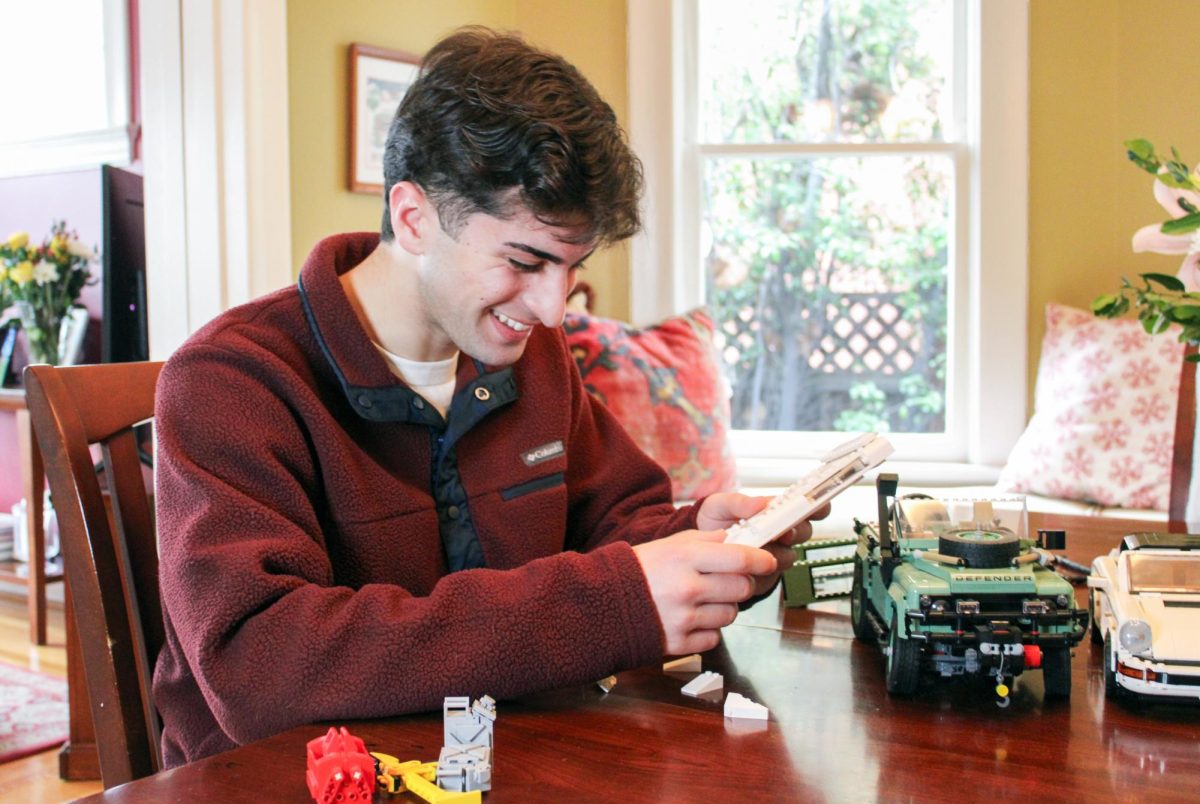








![“[Building nerf blasters] became this outlet of creativity for me that hasn't been matched by anything else. The process [of] making a build complete to your desire is such a painstakingly difficult process, but I've had to learn from [the skills needed from] soldering to proper painting. There's so many different options for everything, if you think about it, it exists. The best part is [that] if it doesn't exist, you can build it yourself," Ishaan Parate said.](https://harkeraquila.com/wp-content/uploads/2022/08/DSC_8149-900x604.jpg)



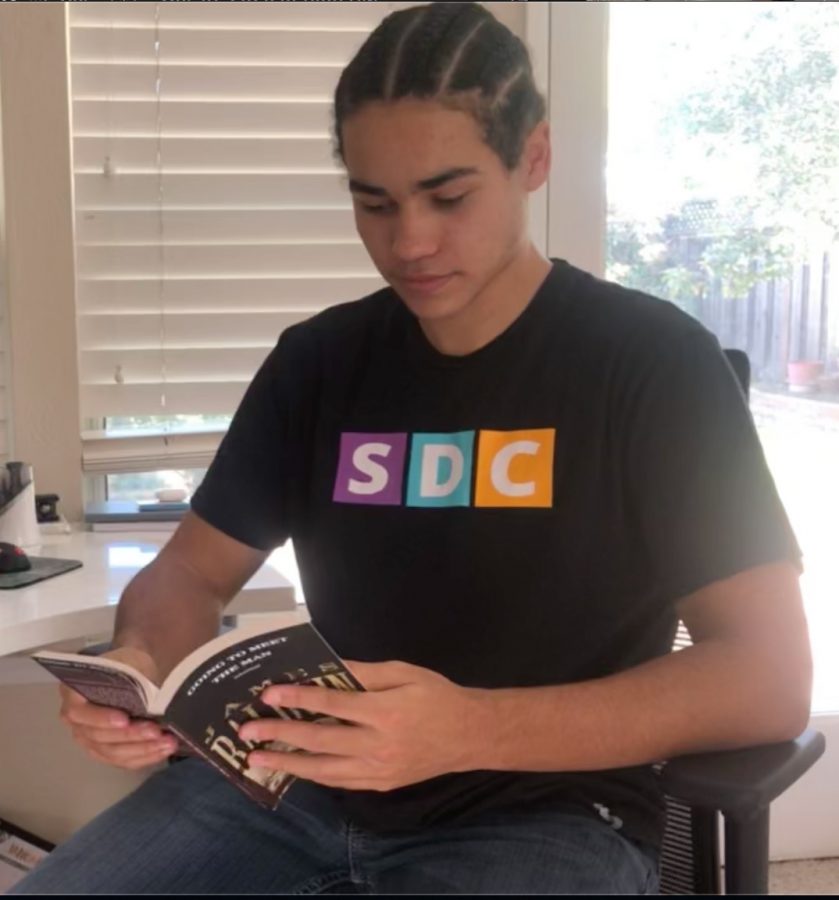
![“When I came into high school, I was ready to be a follower. But DECA was a game changer for me. It helped me overcome my fear of public speaking, and it's played such a major role in who I've become today. To be able to successfully lead a chapter of 150 students, an officer team and be one of the upperclassmen I once really admired is something I'm [really] proud of,” Anvitha Tummala ('21) said.](https://harkeraquila.com/wp-content/uploads/2021/07/Screen-Shot-2021-07-25-at-9.50.05-AM-900x594.png)






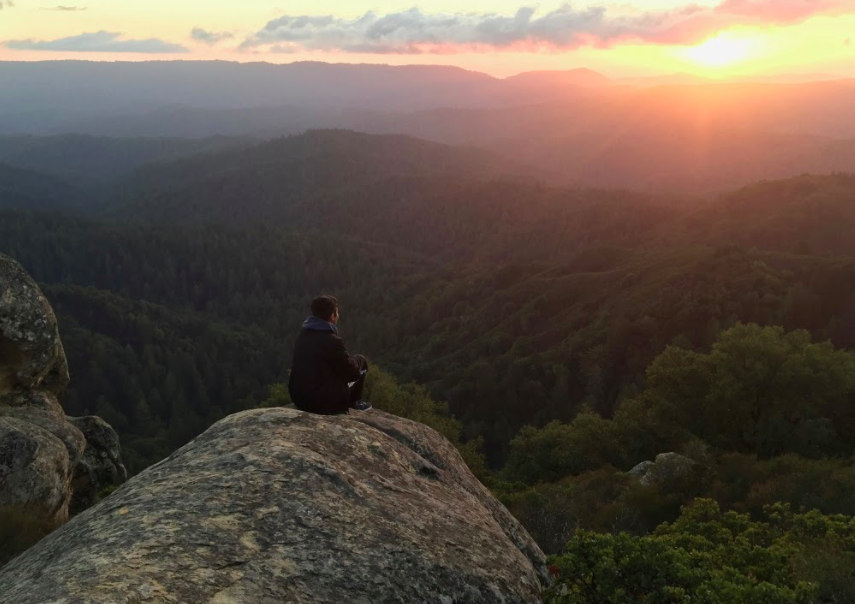
![“I think getting up in the morning and having a sense of purpose [is exciting]. I think without a certain amount of drive, life is kind of obsolete and mundane, and I think having that every single day is what makes each day unique and kind of makes life exciting,” Neymika Jain (12) said.](https://harkeraquila.com/wp-content/uploads/2017/06/Screen-Shot-2017-06-03-at-4.54.16-PM.png)







![“My slogan is ‘slow feet, don’t eat, and I’m hungry.’ You need to run fast to get where you are–you aren't going to get those championships if you aren't fast,” Angel Cervantes (12) said. “I want to do well in school on my tests and in track and win championships for my team. I live by that, [and] I can do that anywhere: in the classroom or on the field.”](https://harkeraquila.com/wp-content/uploads/2018/06/DSC5146-900x601.jpg)
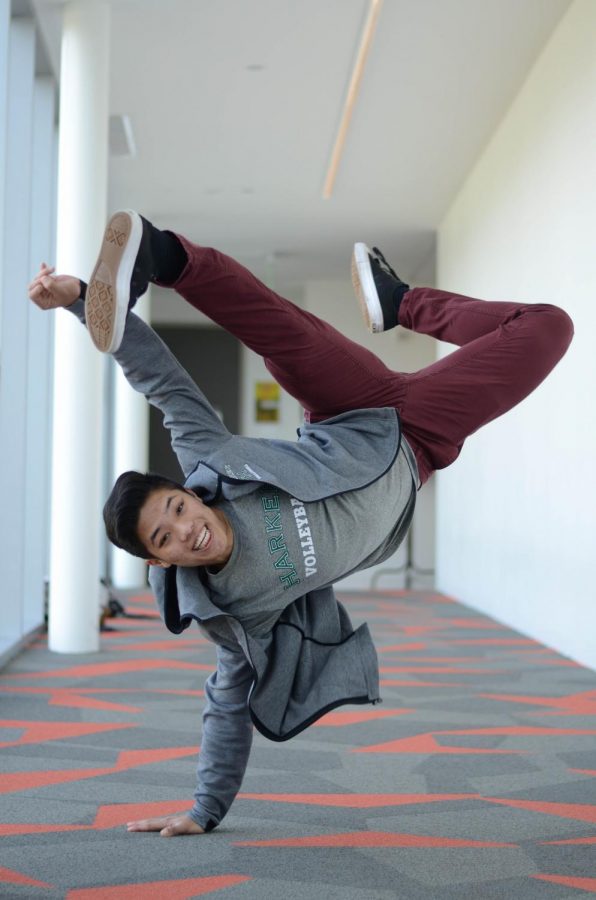
![“[Volleyball has] taught me how to fall correctly, and another thing it taught is that you don’t have to be the best at something to be good at it. If you just hit the ball in a smart way, then it still scores points and you’re good at it. You could be a background player and still make a much bigger impact on the team than you would think,” Anya Gert (’20) said.](https://harkeraquila.com/wp-content/uploads/2020/06/AnnaGert_JinTuan_HoHPhotoEdited-600x900.jpeg)

![“I'm not nearly there yet, but [my confidence has] definitely been getting better since I was pretty shy and timid coming into Harker my freshman year. I know that there's a lot of people that are really confident in what they do, and I really admire them. Everyone's so driven and that has really pushed me to kind of try to find my own place in high school and be more confident,” Alyssa Huang (’20) said.](https://harkeraquila.com/wp-content/uploads/2020/06/AlyssaHuang_EmilyChen_HoHPhoto-900x749.jpeg)



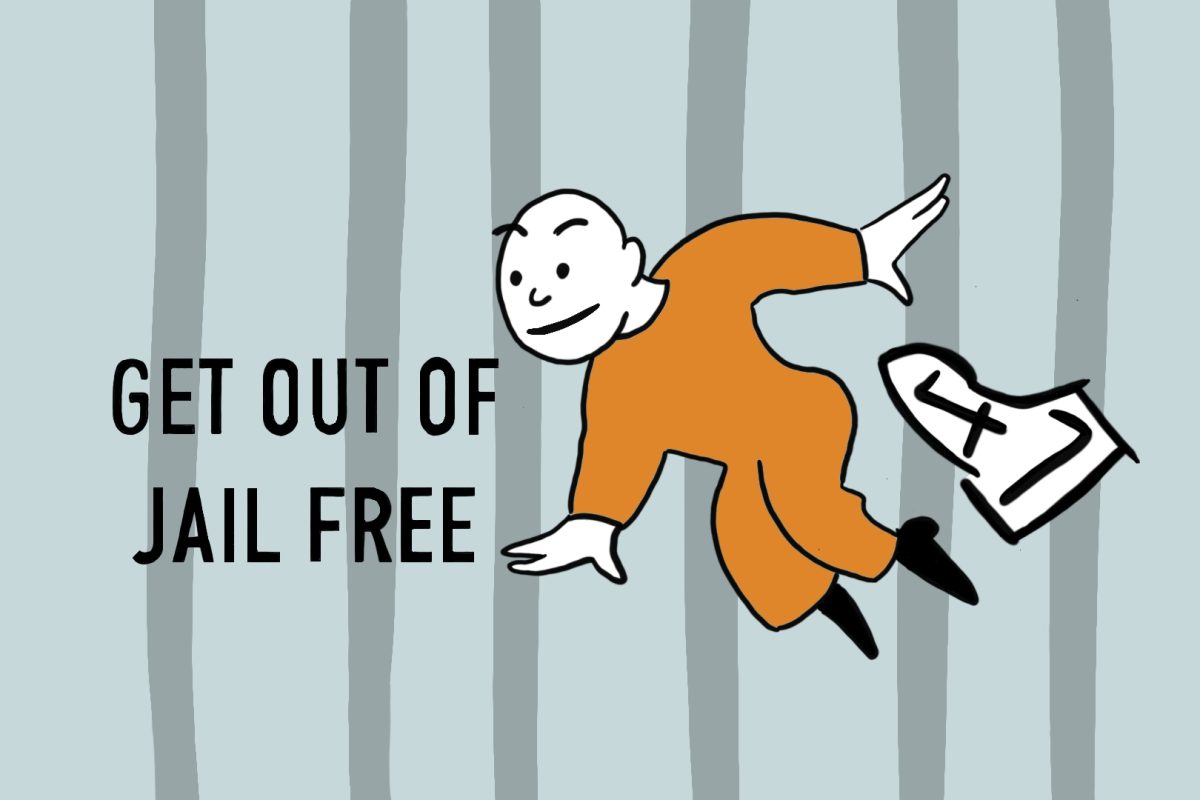
California is facing the nation’s largest battle against homelessness. Despite throwing billions of dollars at the issue, the state government has not addressed core issues that hinder aid to the homeless. Proposition 47 has aggravated this predicament.
Enacted in 2014, this piece of California legislature turns some theft and drug possession felonies into misdemeanors and reclassifies defendants currently facing felony charges to create rehabilitation for convicts. Before it was passed, 33 California prisons held around 155,000 inmates in total, twice as many as they were designed to. The proposition reduced costs of the prison system and lowered recidivism rates. However, Prop. 47 has been a highly contentious part of California law as it came at the cost of increased homelessness and crime.
Prop. 47’s goals of decreasing California prison populations has increased the burden on both civilians and the homeless. The proposition’s weak punishment of crime reduces the effectiveness of the rehabilitation policies it makes available and exacerbates the plight of homelessness.
Although keeping up with the increased costs of prosecution and maintaining rehabilitation facilities will be expensive for the Californian government, homelessness is the state’s responsibility to solve. Without the prosecution of criminals, rehabilitation facilities are less effective and less used.
Concerns about theft and drug use have been rising rapidly since the Covid-19 pandemic, and steps need to be taken to solve these societal issues. The California Government should reverse Prop. 47’s policies in order to decrease irremediable homelessness and increase participation in drug courts to reduce drug usage.
However, Prop. 36’s push for the repeal of Prop. 47 and the reduction of relief institutions will not help either. Without both concrete punishments for illegal behavior and aid to mitigate recidivism and drug relapse, homelessness in California will not be solved.
Los Angeles County District Attorney George Gascón released a memo to his office about not prosecuting various crimes, including drug possession and trespassing, in 2020. The refusal to prosecute for misdemeanors has spread to other areas in California, like San Francisco, as well. The arrest rate for misdemeanors dropped by 31.2% while most crime has gone up from 2019 to 2022: aggravated assault by 25.3%, homicides by 33.9%, and auto theft by 1.6%.
A lack of misdemeanor arrests means there are tenuous consequences for committing many crimes, causing increased petty theft. Indeed, theft is so under regulated that many stores around California lock up products.
Supporters of Prop. 47 cite its effective drug and homelessness rehabilitation policies, which truly do help those who receive the aid. However, these programs are ineffective towards the overall homeless population, who still have the highest unsheltered rate at 68%. Both unwillingness to pursue these optional programs and plummeting participation in mandated drug courts has driven up deaths from opiates.
A 2022 survey found that 66 percent of homeless in California report some kind of mental health condition, and 35 percent reported using amphetamines, opioids or cocaine regularly. Mental health issues and drug addictions lead to higher violence and reoffense rates as well. Giving effective drug rehabilitation is needed in order to reduce crime.
Homelessness, which is up more than 50 percent since Prop. 47 passed, can also be correlated with the prevalent substance abuse issues. Research shows that around one third of homeless have issues with substance use, and 2/3rd have experienced drug use disorders. Additionally, illicit drugs on the streets are much more dangerous, as homeless have a 600% higher chance of death from overdose. Solving the rampant drug issue in California would protect the homeless population.
To solve homelessness, we need tighter control on illicit substances, which would both reduce the homeless population and keep them safer. Proactive treatment of drug addicts who do not have incentives for counseling like family would ameliorate the addicted homeless. Authoritative action is needed, like more incentivized drug courts for perpetrators of crime under the influence which would greatly help in the fight against homelessness
Ultimately, mandates like Governor Newsom’s orders for state agencies to aggressively remove homeless encampments are ludicrous. Without the proper aid for those who truly need it, these solutions are band-aid solutions and are not sustainable. Without both rehabilitation for those who require it and strengthening deterrents by actively prosecuting misdemeanors, directly combatting homelessness puts the horse before the cart, as no systems exist to accommodate those affected.








Will Gonsior • Nov 21, 2024 at 9:24 am
Is it the role of a state government to eliminate all homelessness? Incarceration is a massive burden on state budgets. Misdemeanors are usually a fair deterrent of crimes when actually enforced; it seems that the problem is prosecutors not going after misdemeanors. Putting more resources into drug-busting (especially at the Southern border) is absolutely useful, as are rehabilitation opportunities — but the solutions proposed here show little regard for citizens’ rights. Drug users are freer outside of jail than in it, and they don’t have a right to establish illegal encampments that harm the business atmosphere of the state and infringe on the rights of others. Plus, as the article mentions, addressing root causes of homelessness, like poor education and infrastucture, can be a better use of funds than imprisonment.