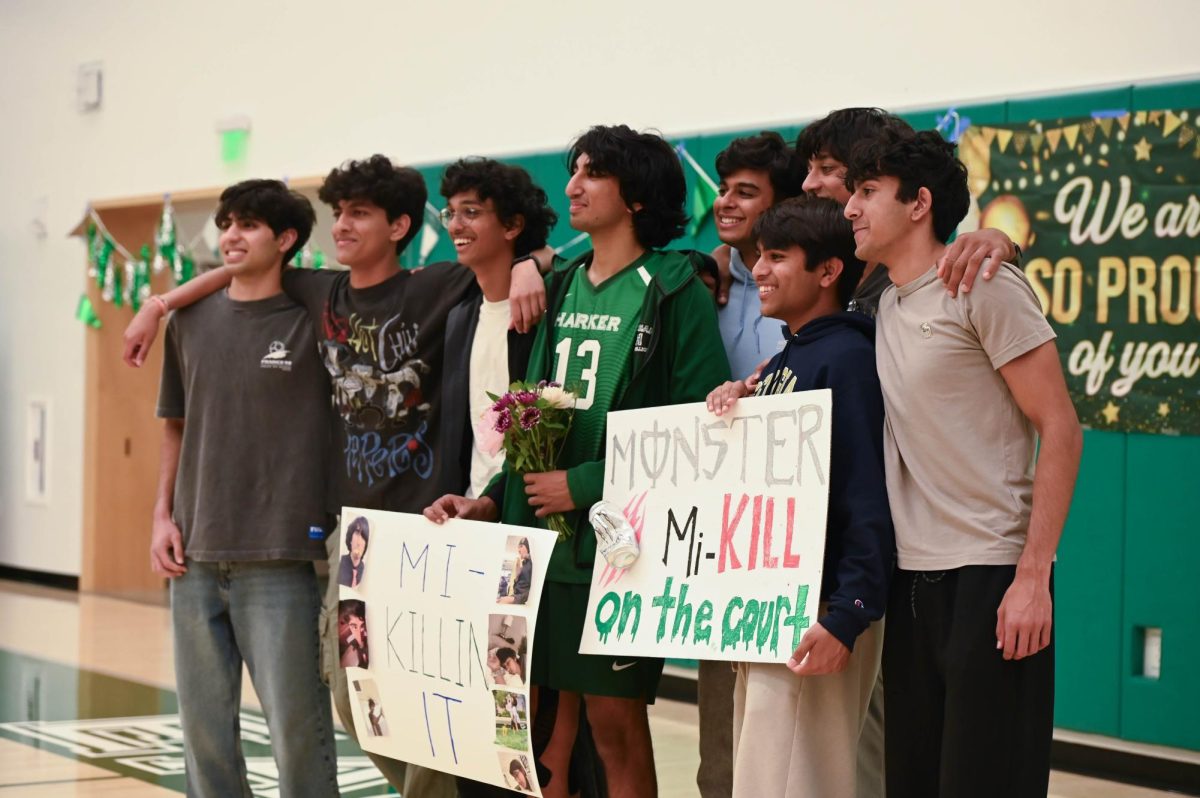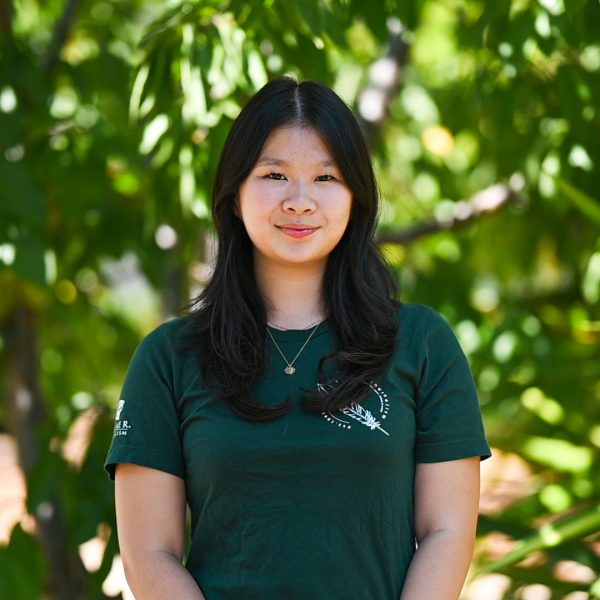
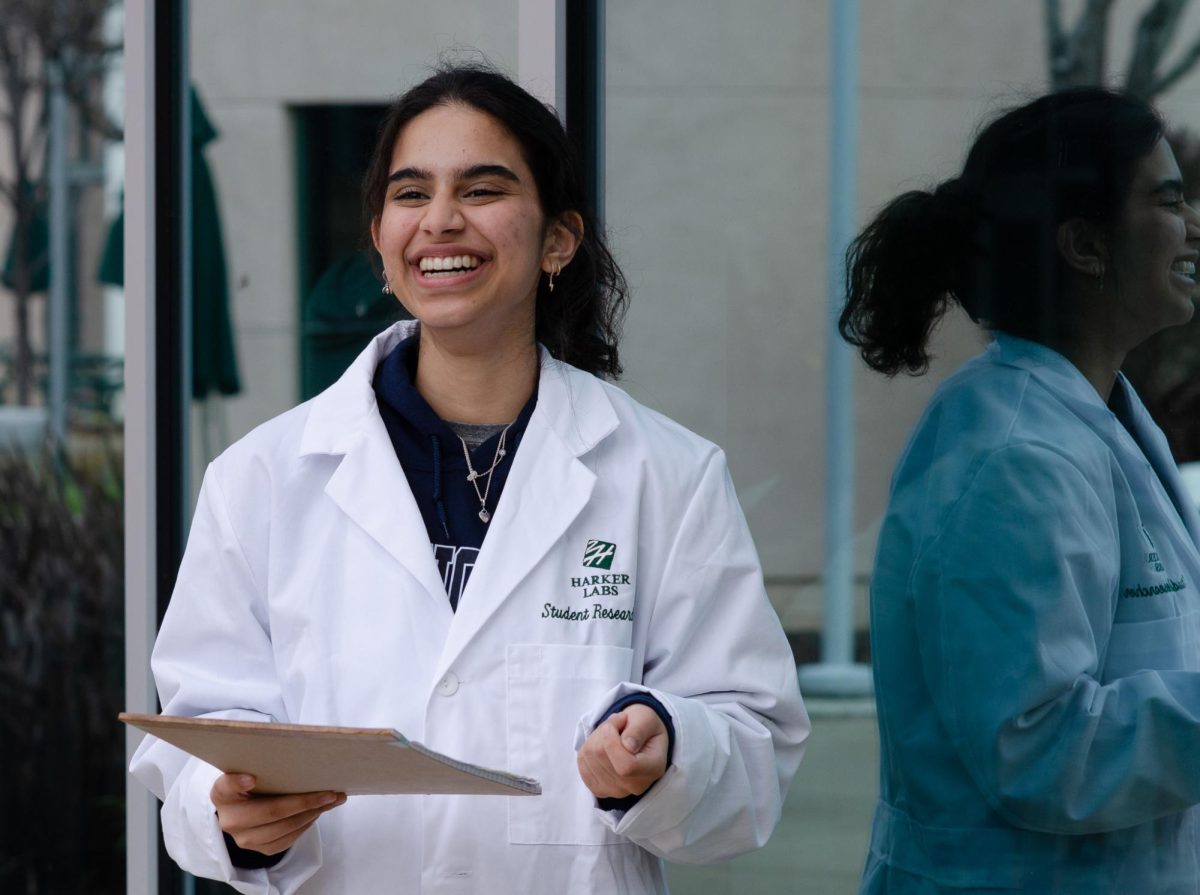
![“I wasn't discouraged by some of the obstacles we faced. I learned a lot from the leadership. I found that different people need different ways of receiving feedback — you can't [just] tell them to do something and expect the best. [Some] people needed more incentive. A large part of my role was to figure out what worked for everyone and to figure out how to lead all these separate individuals as a team,” Suhana Bhandare (’26) said.](https://harkeraquila.com/wp-content/uploads/2026/06/SuhanaBhandare_JasmineHansra-1-1200x798.jpg)


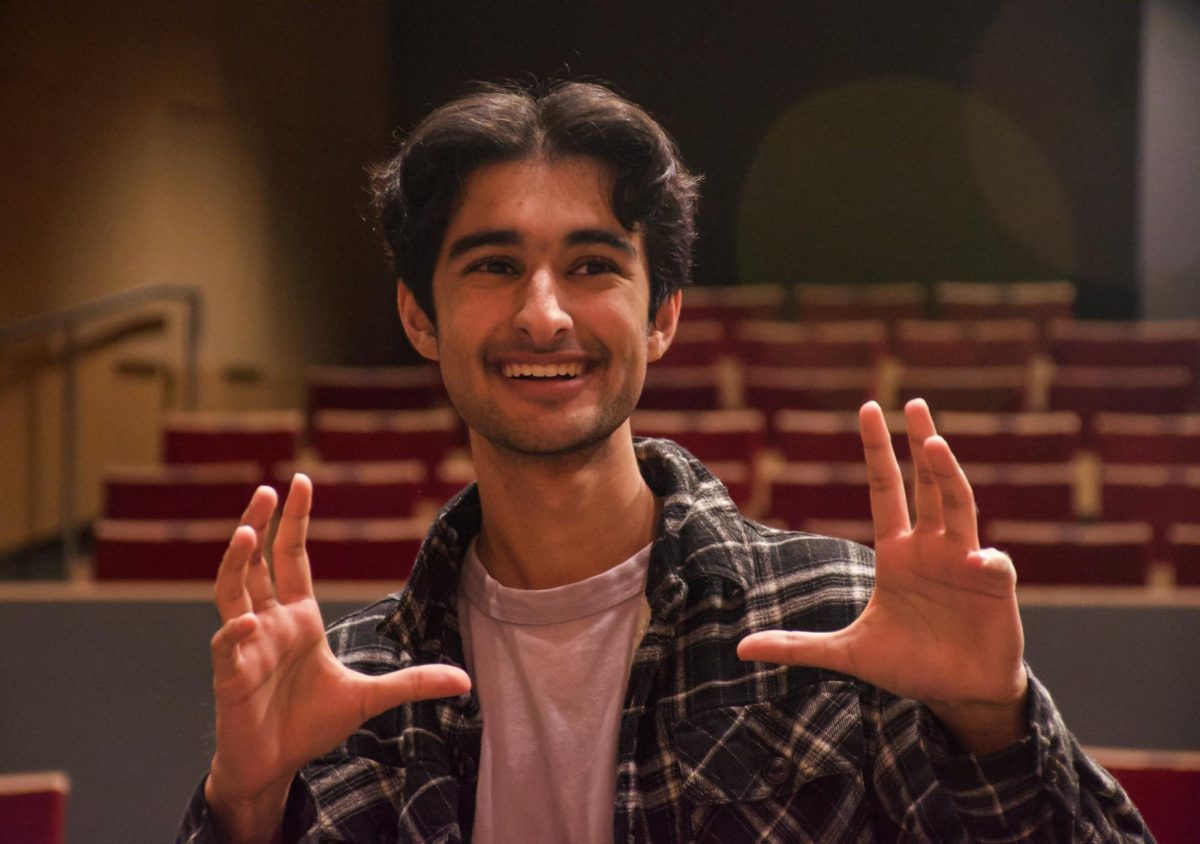
![“This is actually from Randy Pausch Randy P. Brick: ‘Walls are there for a reason. You have to show how much you want to overcome them.’ You have to show how much you want something. That's what I've always been able to do with tennis, Link Crew and getting that internship [with Kushy Baby]. It’s important pushing through that — getting around that brick wall, climbing over it or clawing through it,” Yash Sachdeva (’26) said.](https://harkeraquila.com/wp-content/uploads/2026/05/YashSachdeva_RamBatchu-copy-1200x1002.jpg)
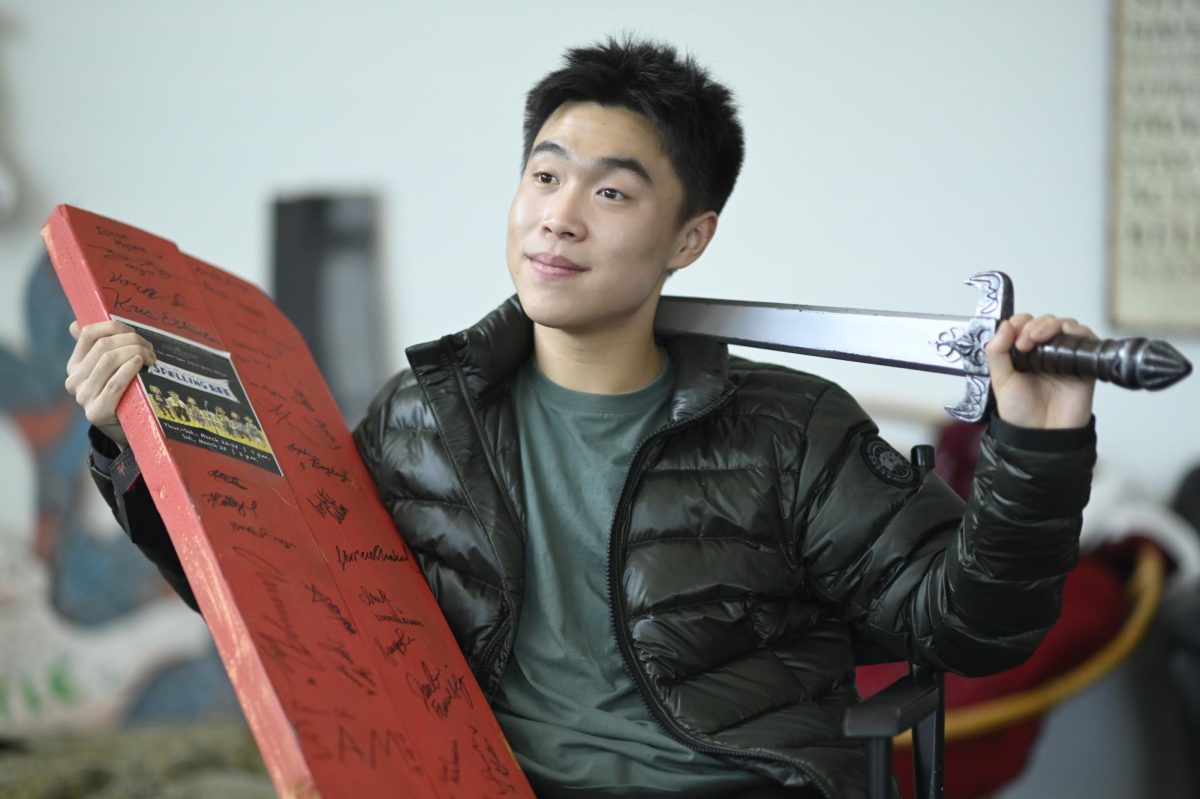
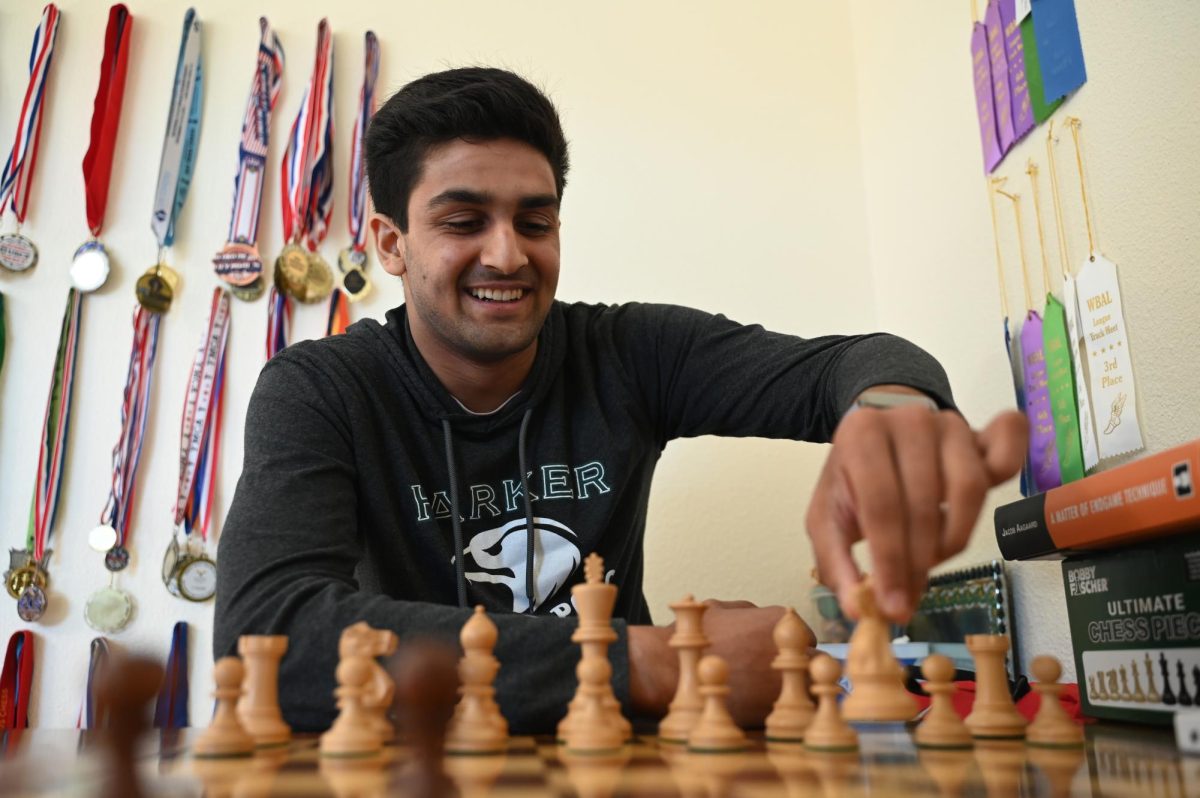











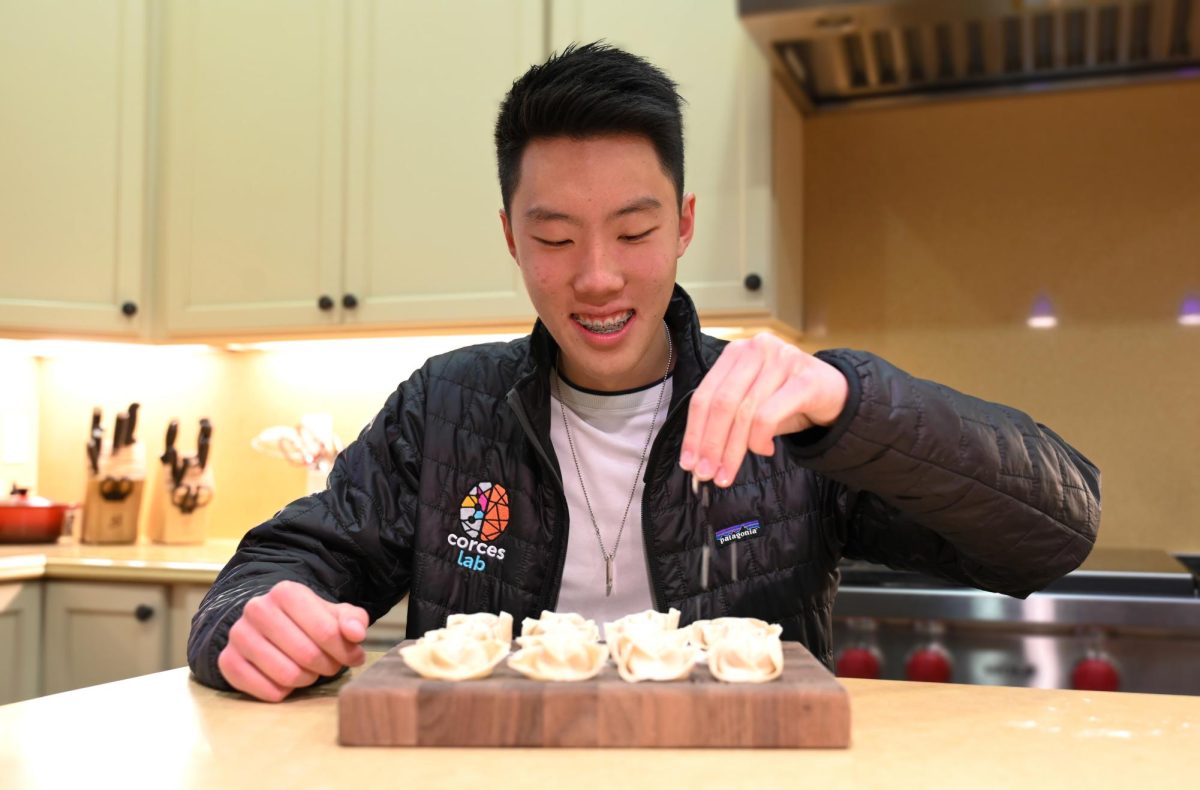
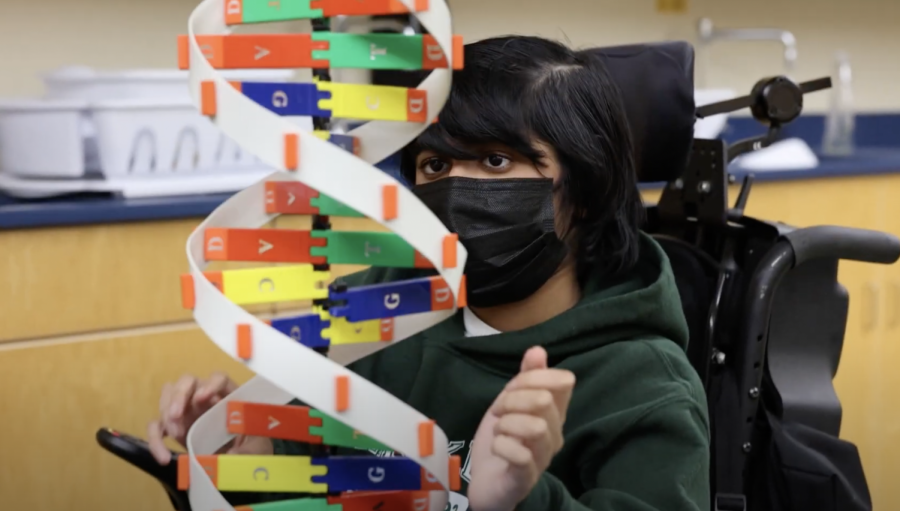
![“[Building nerf blasters] became this outlet of creativity for me that hasn't been matched by anything else. The process [of] making a build complete to your desire is such a painstakingly difficult process, but I've had to learn from [the skills needed from] soldering to proper painting. There's so many different options for everything, if you think about it, it exists. The best part is [that] if it doesn't exist, you can build it yourself," Ishaan Parate said.](https://harkeraquila.com/wp-content/uploads/2022/08/DSC_8149-900x604.jpg)
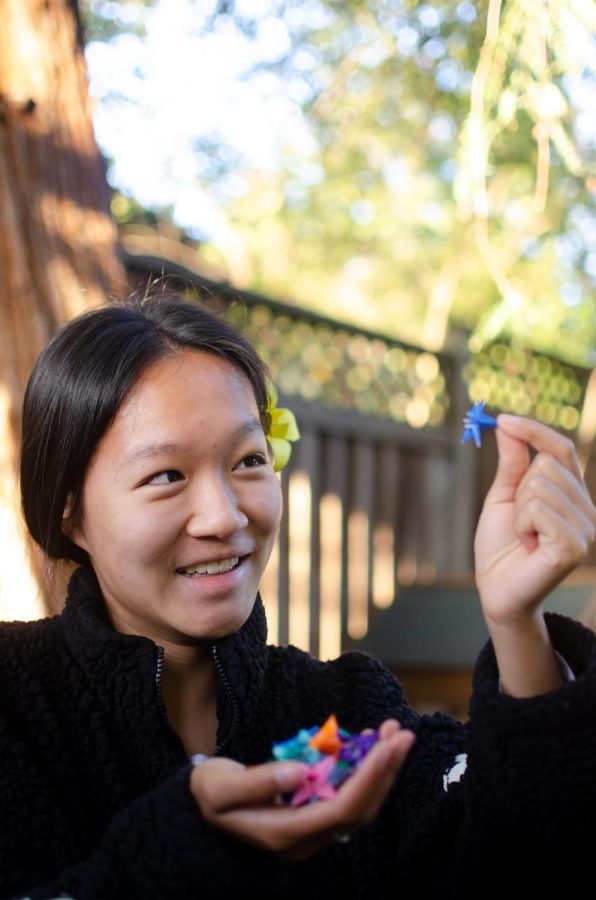
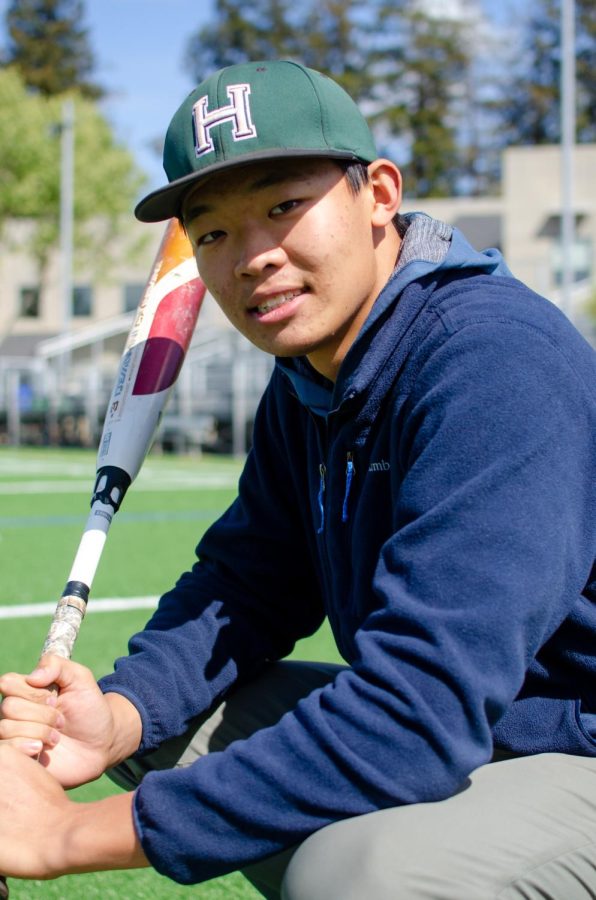

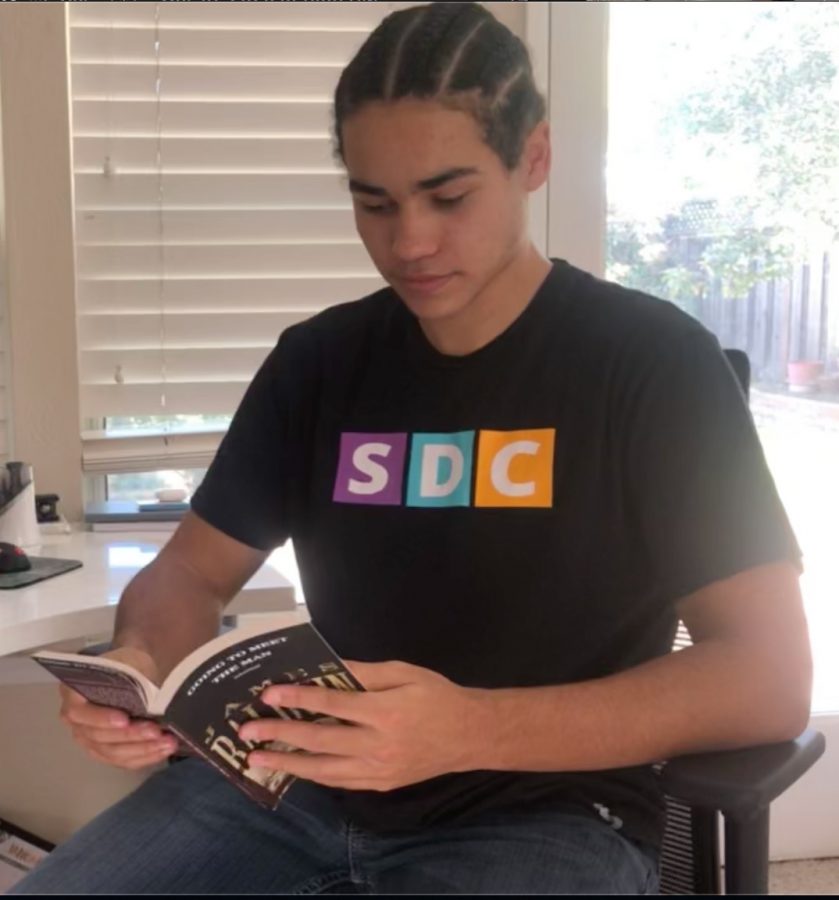
![“When I came into high school, I was ready to be a follower. But DECA was a game changer for me. It helped me overcome my fear of public speaking, and it's played such a major role in who I've become today. To be able to successfully lead a chapter of 150 students, an officer team and be one of the upperclassmen I once really admired is something I'm [really] proud of,” Anvitha Tummala ('21) said.](https://harkeraquila.com/wp-content/uploads/2021/07/Screen-Shot-2021-07-25-at-9.50.05-AM-900x594.png)

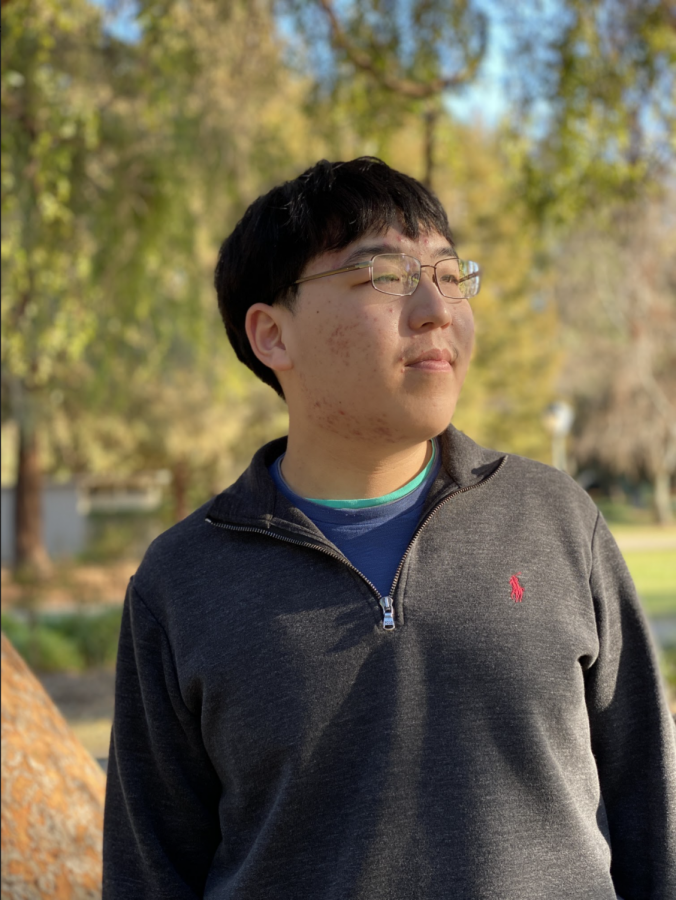


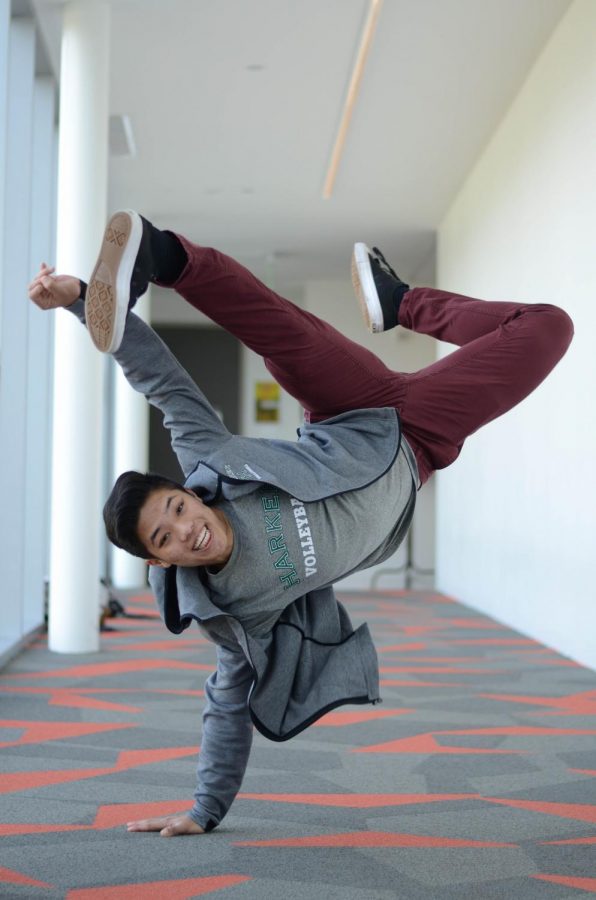


![“I think getting up in the morning and having a sense of purpose [is exciting]. I think without a certain amount of drive, life is kind of obsolete and mundane, and I think having that every single day is what makes each day unique and kind of makes life exciting,” Neymika Jain (12) said.](https://harkeraquila.com/wp-content/uploads/2017/06/Screen-Shot-2017-06-03-at-4.54.16-PM.png)

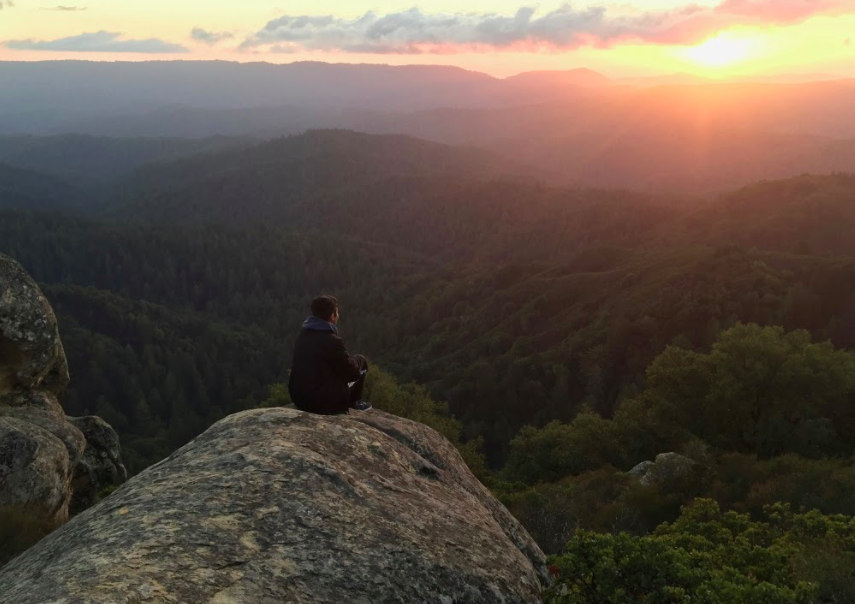

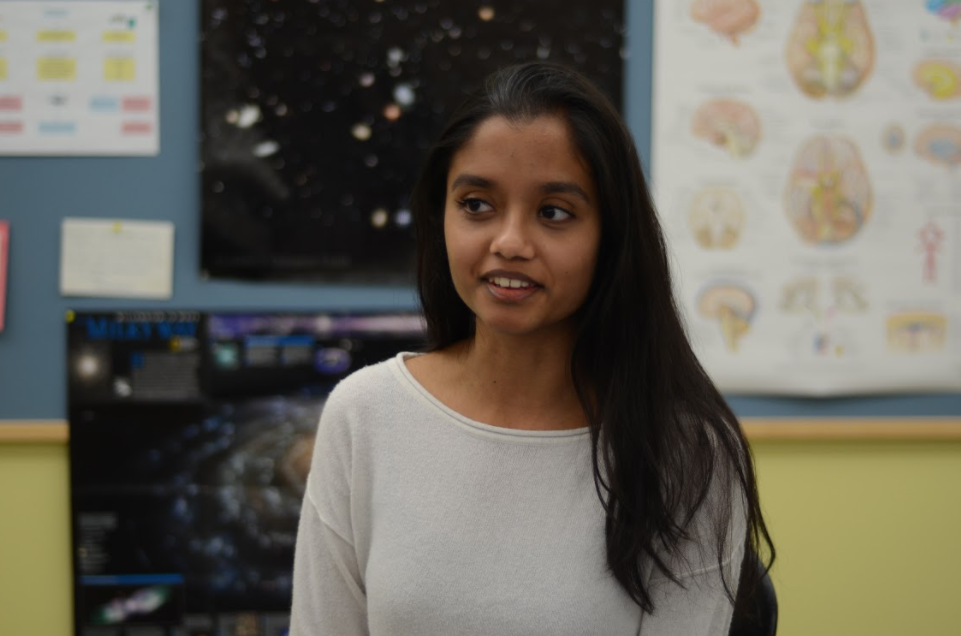

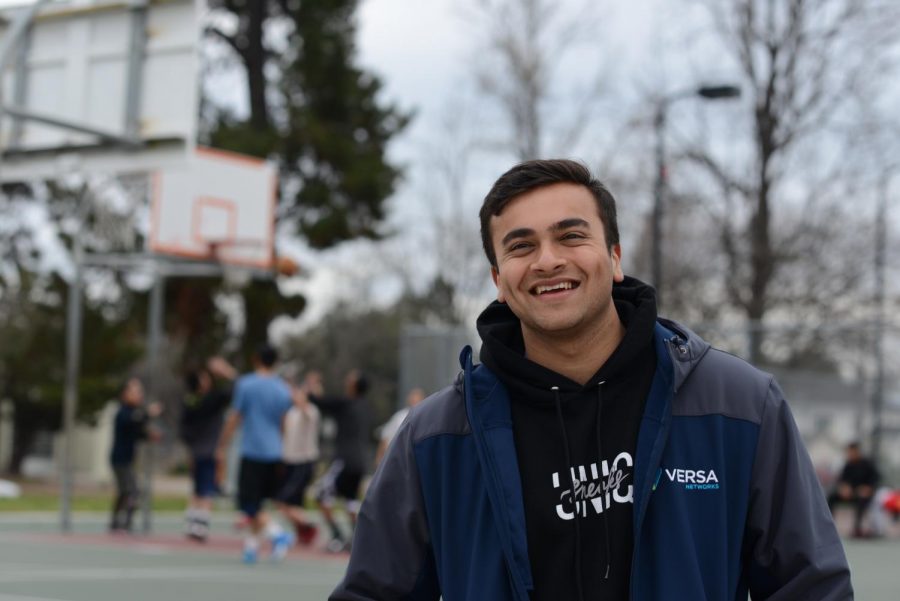
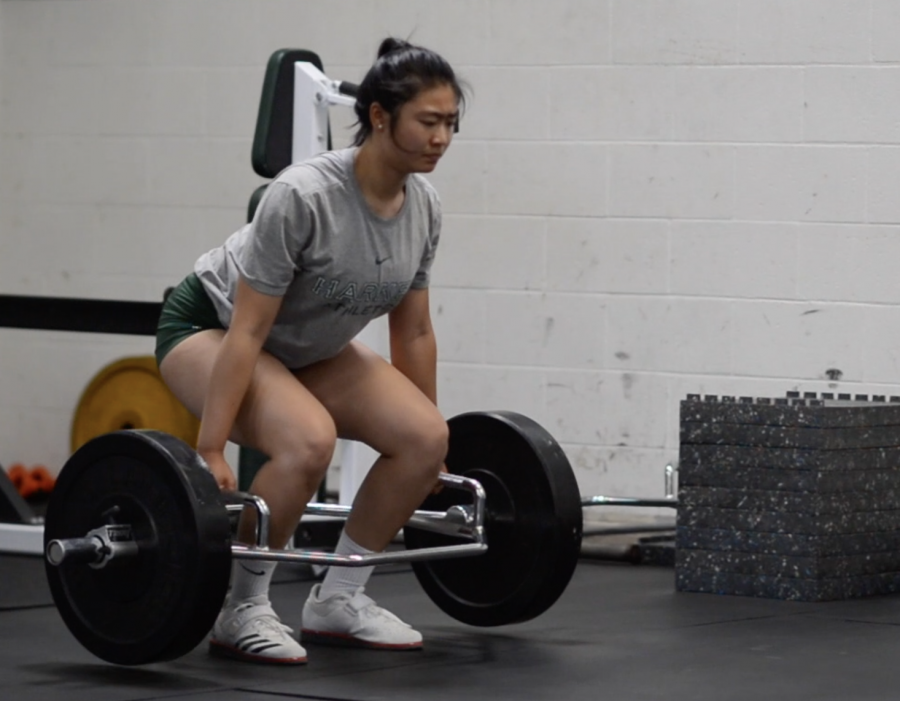

![“My slogan is ‘slow feet, don’t eat, and I’m hungry.’ You need to run fast to get where you are–you aren't going to get those championships if you aren't fast,” Angel Cervantes (12) said. “I want to do well in school on my tests and in track and win championships for my team. I live by that, [and] I can do that anywhere: in the classroom or on the field.”](https://harkeraquila.com/wp-content/uploads/2018/06/DSC5146-900x601.jpg)
![“[Volleyball has] taught me how to fall correctly, and another thing it taught is that you don’t have to be the best at something to be good at it. If you just hit the ball in a smart way, then it still scores points and you’re good at it. You could be a background player and still make a much bigger impact on the team than you would think,” Anya Gert (’20) said.](https://harkeraquila.com/wp-content/uploads/2020/06/AnnaGert_JinTuan_HoHPhotoEdited-600x900.jpeg)

![“I'm not nearly there yet, but [my confidence has] definitely been getting better since I was pretty shy and timid coming into Harker my freshman year. I know that there's a lot of people that are really confident in what they do, and I really admire them. Everyone's so driven and that has really pushed me to kind of try to find my own place in high school and be more confident,” Alyssa Huang (’20) said.](https://harkeraquila.com/wp-content/uploads/2020/06/AlyssaHuang_EmilyChen_HoHPhoto-900x749.jpeg)

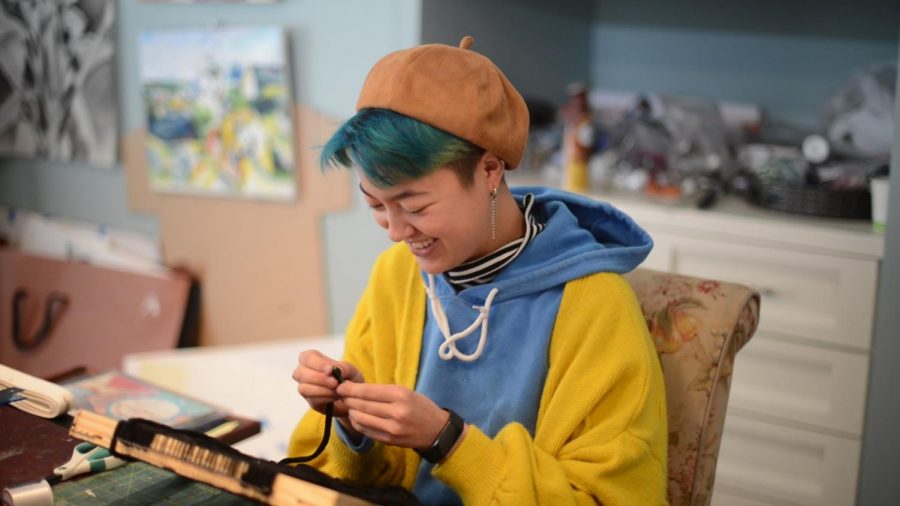


Golden State Warriors point guard and American basketball star Stephen Curry pulls up from deep, sinking a ridiculous three-pointer over a double-team to seal the win. With his shot, the U.S. men’s national basketball team beat France 98-87 to win the Olympic gold medal on Aug. 10.
To earn the gold, the U.S. team beat South Sudan, Puerto Rico, Brazil and France once, and bested Serbia twice, a perfect record which would lead most to believe the roster of NBA superstars breezed through the tournament. Surprisingly, the team did not coast on such an easy road, most notably trailing by 17 points in the semifinal against Serbia before crawling back in the fourth quarter and winning by a narrow four points.
For the U.S. men’s basketball team, a gold medal comes as the expected outcome. After six consecutive top prizes, any trouble at all on the path to gold appears a near-failure and a blemish on the legacy of all participating athletes. So why does that not hold true this year? The simple answer is that the rest of the world has caught up to American basketball, or, perhaps more clearly, age has caught up to the last dominant generation of American stars.
While the U.S. team featured a group of stars from a wide age range, the roster’s focal points are close to finishing their careers. Curry turned 36 earlier this year, while king of longevity and Olympic tournament MVP LeBron James will reach 40 by the end of the year. Even Kevin Durant, the American team’s third option and a four-time Olympic participant, has reached 35.
By contrast, Serbia’s Nikola Jokic, who has won three NBA MVPs for the Denver Nuggets, is 29, and France’s Victor Wembanyama, who was drafted #1 overall a year ago, is only 20. These two players are among a plethora of younger foreign athletes who have dominated basketball over the past few years. In fact, since 2019, foreign-born players have won every NBA MVP, and the past two #1 overall draft picks have hailed from overseas.
The fall-off of America’s young talent starts with the U.S international program’s lack of streamlined investments. While NBA players who come from foreign countries, like South Sudan’s Luol Deng, invest heavily in talent identification and building a solid program, the U.S. relies on the luck of the draw. After all, America’s Amateur Athletic Union teams and high schools regularly produce college and NBA-level talent seemingly at random. On American public courts, youth can develop without any special training or facilities needed. This does not allow for a direct pipeline of talent, though, and the U.S. basketball program would benefit from a more rigid process in preparing for events like the Olympics.
While the talent pool of American basketball youth may be too large to realistically narrow into an academy system akin to South Sudan’s, there are viable solutions that can aid America in retaining its basketball dominance. Chiefly, NBA players who wish to compete for America could be made to train for longer periods of time, adapting to each other’s strengths and weaknesses. The U.S. often falls prey to a lack of cohesion, mostly stemming from American athletes’ general belief that the NBA lends itself to preparation.
The program and players alike should anticipate the increased difficulty of international competition, especially as the talent of other countries increases exponentially. Efforts should be made to gel the roster together and to teach them the intricacies of International Basketball Federation rules, which often plays to the disadvantage of NBA athletes, many of whom are used to easier restrictions regarding foul calls and traveling.
If these changes are made, the U.S. can still regularly produce enough talent to persist as a top competitor in Olympic and other international competitions. With that being said, the era of generational, world-beating talents like James, Curry and Durant is over. The rest of the world is here to stay at the top of the international basketball food chain. The only question that remains is how long the U.S. team can stave them off.





![“Probably the most important thing that I can do is to help raise awareness amongst youth because [students] are the ones that sadly are going to inherit this mess. It’s important for us, the people who helped take the planet to the place it is now, to really lean in and make a difference about this issue," Moss said.](https://harkeraquila.com/wp-content/uploads/2026/05/DSC_9315-e1778880890147-1200x873.jpg)