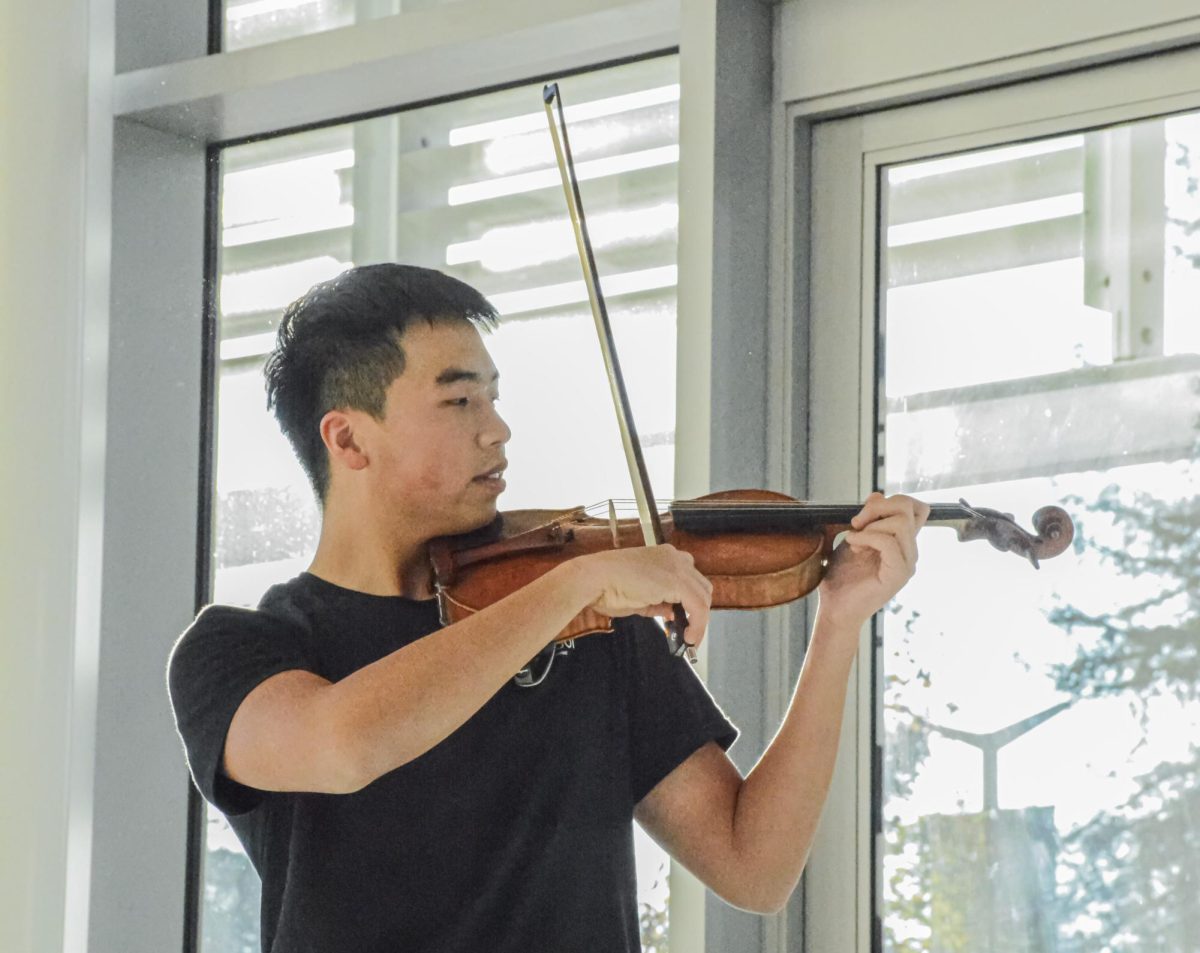
![“I wasn't discouraged by some of the obstacles we faced. I learned a lot from the leadership. I found that different people need different ways of receiving feedback — you can't [just] tell them to do something and expect the best. [Some] people needed more incentive. A large part of my role was to figure out what worked for everyone and to figure out how to lead all these separate individuals as a team,” Suhana Bhandare (’26) said.](https://harkeraquila.com/wp-content/uploads/2026/06/SuhanaBhandare_JasmineHansra-1-1200x798.jpg)
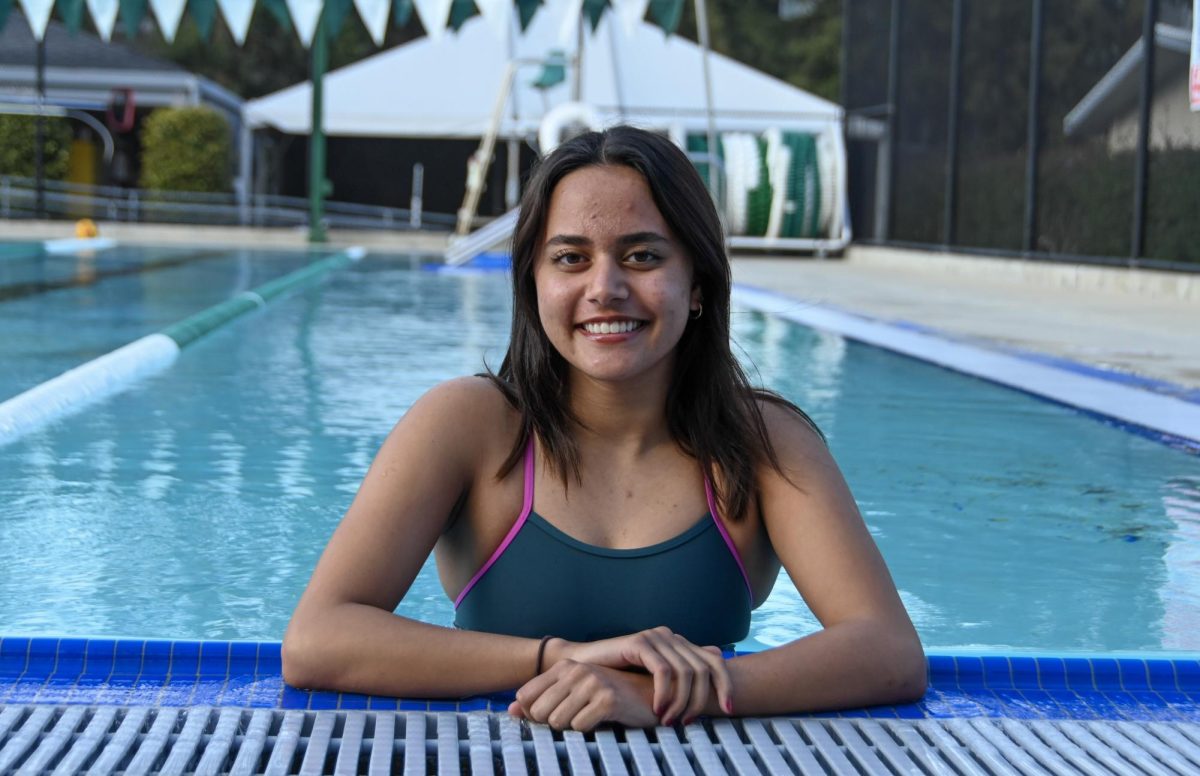
![“This is actually from Randy Pausch Randy P. Brick: ‘Walls are there for a reason. You have to show how much you want to overcome them.’ You have to show how much you want something. That's what I've always been able to do with tennis, Link Crew and getting that internship [with Kushy Baby]. It’s important pushing through that — getting around that brick wall, climbing over it or clawing through it,” Yash Sachdeva (’26) said.](https://harkeraquila.com/wp-content/uploads/2026/05/YashSachdeva_RamBatchu-copy-1200x1002.jpg)
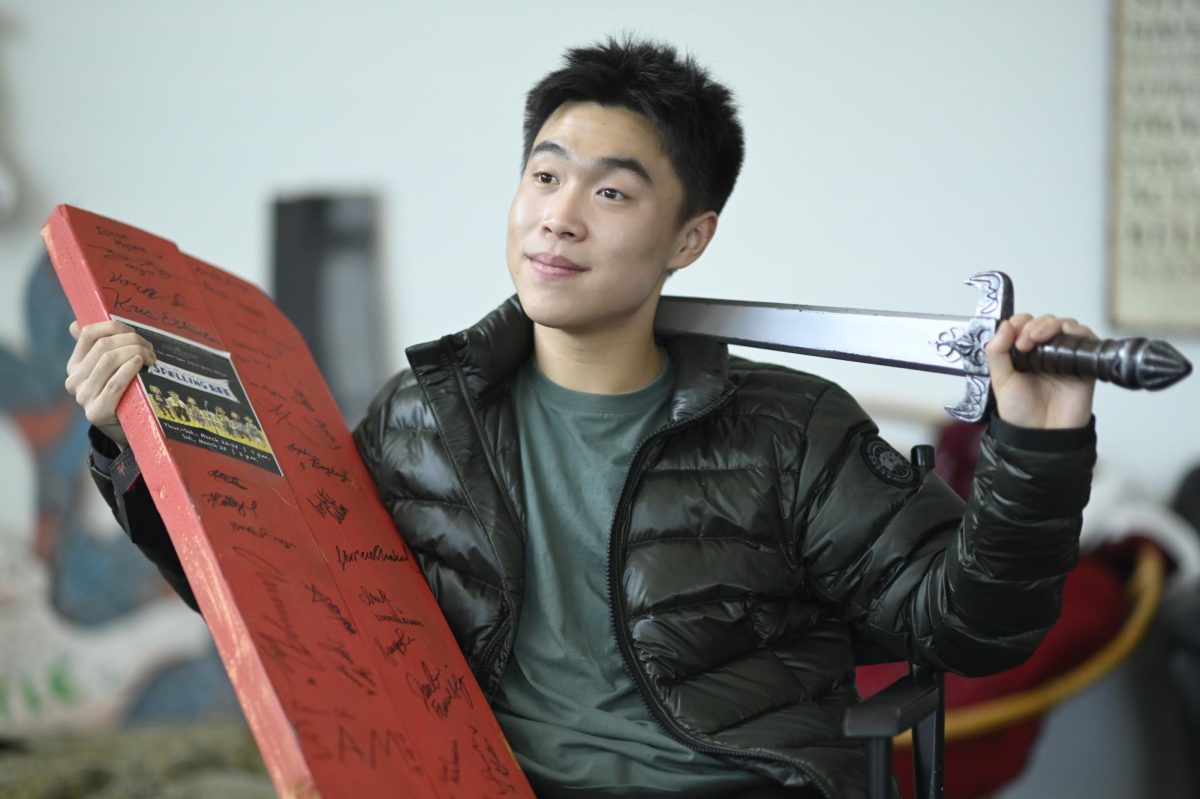
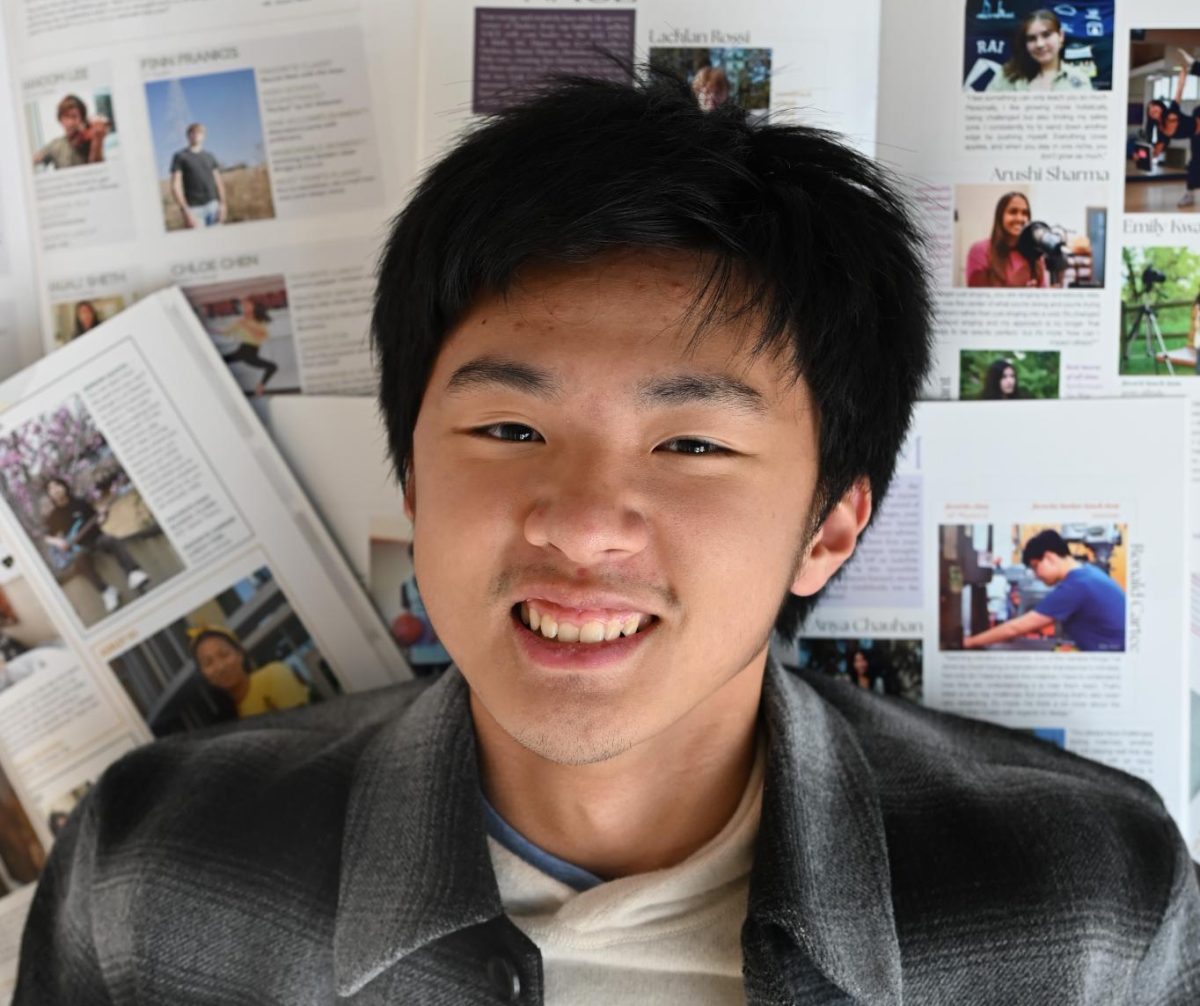



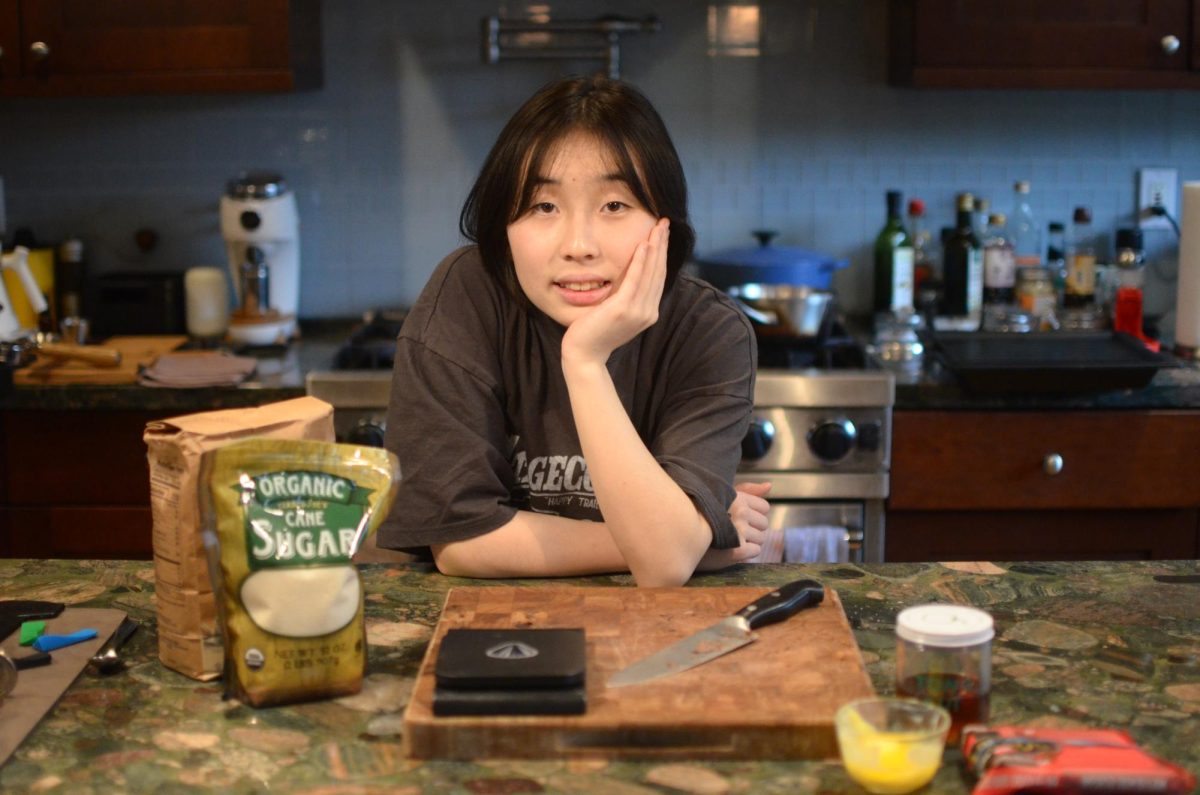


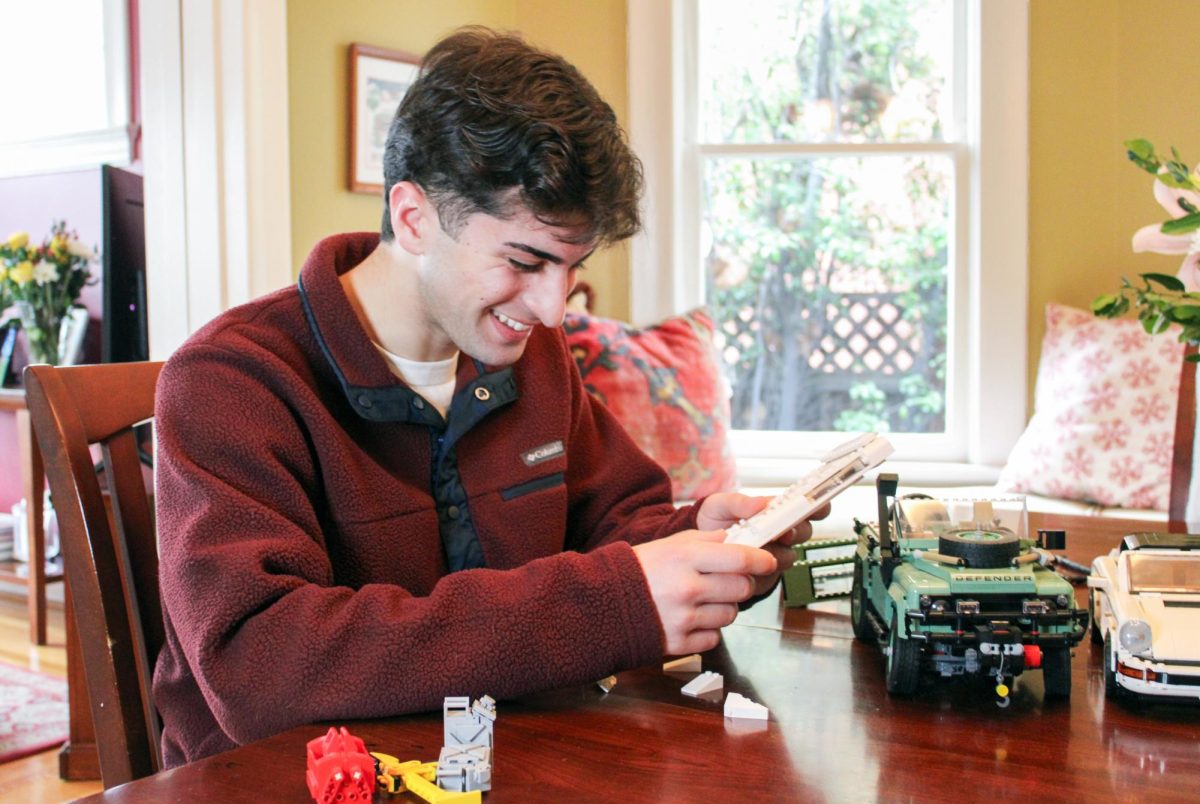

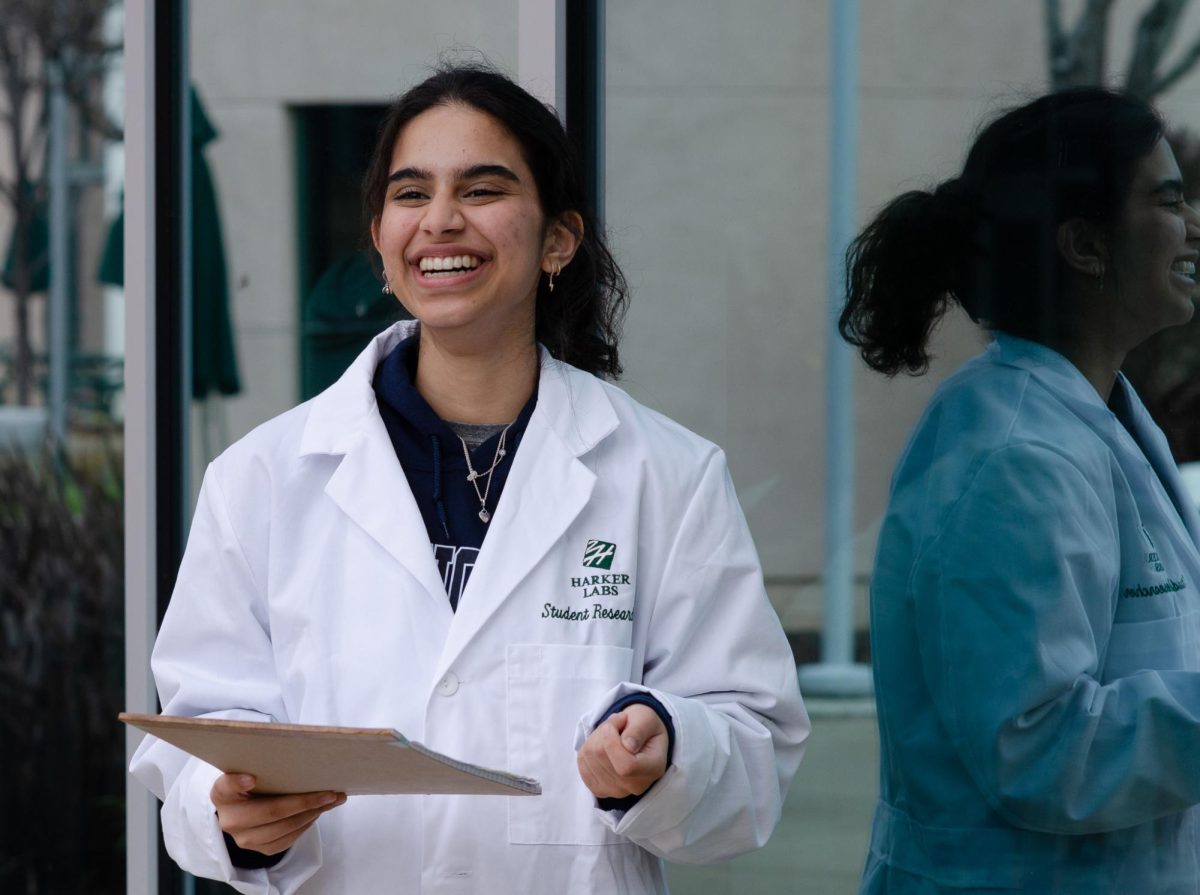
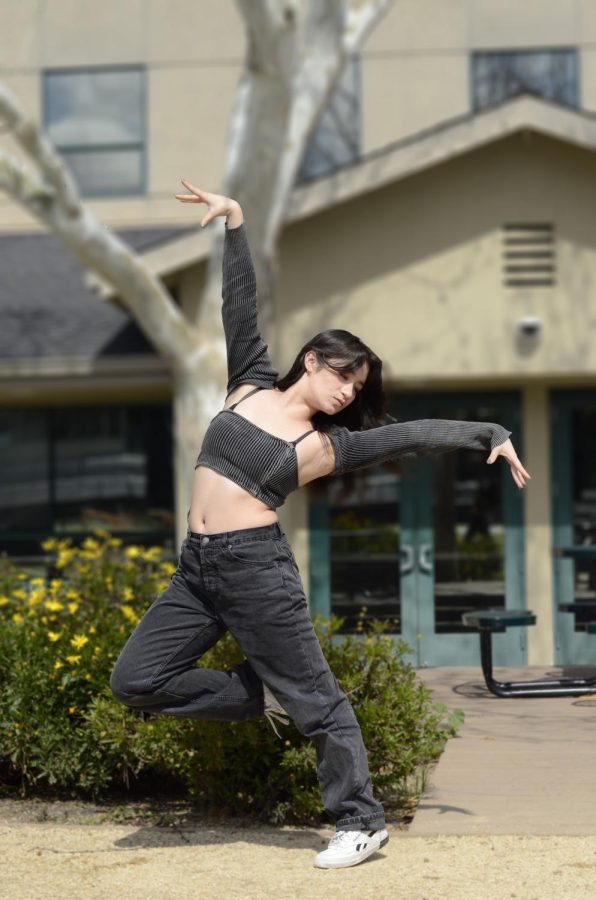
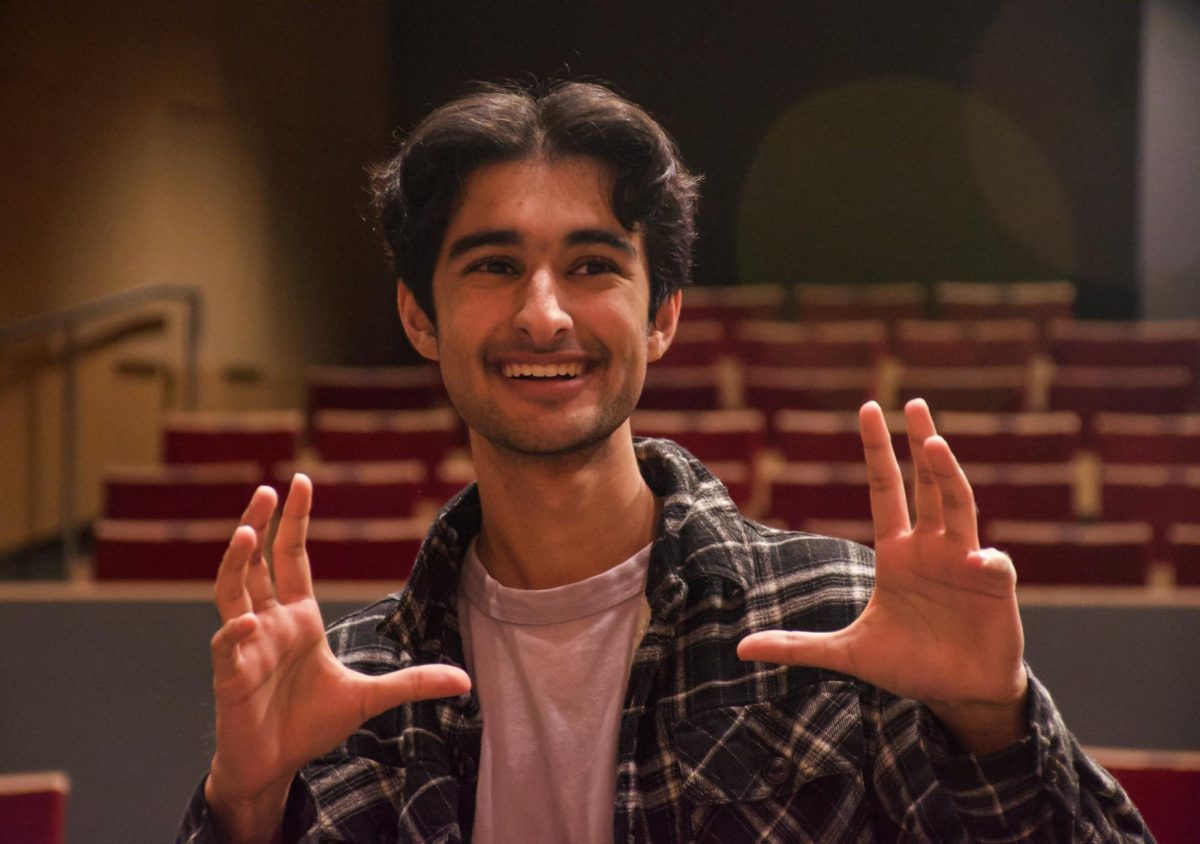

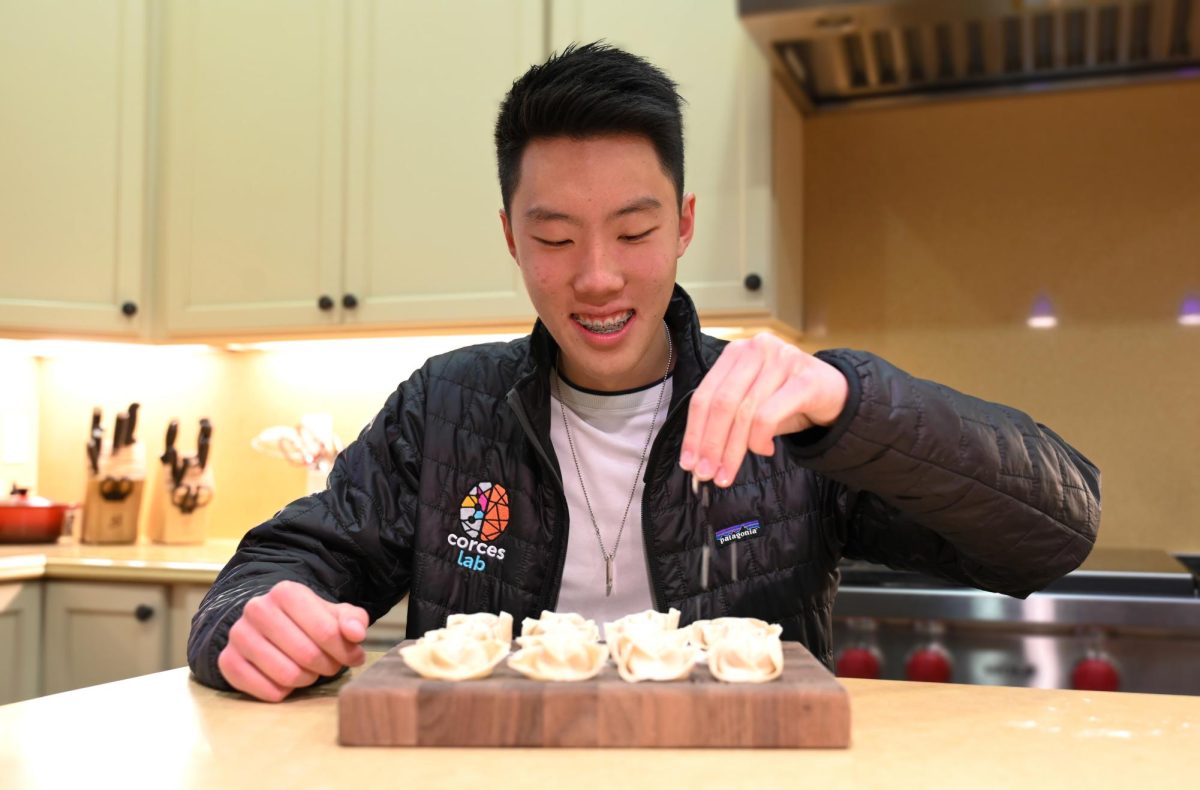
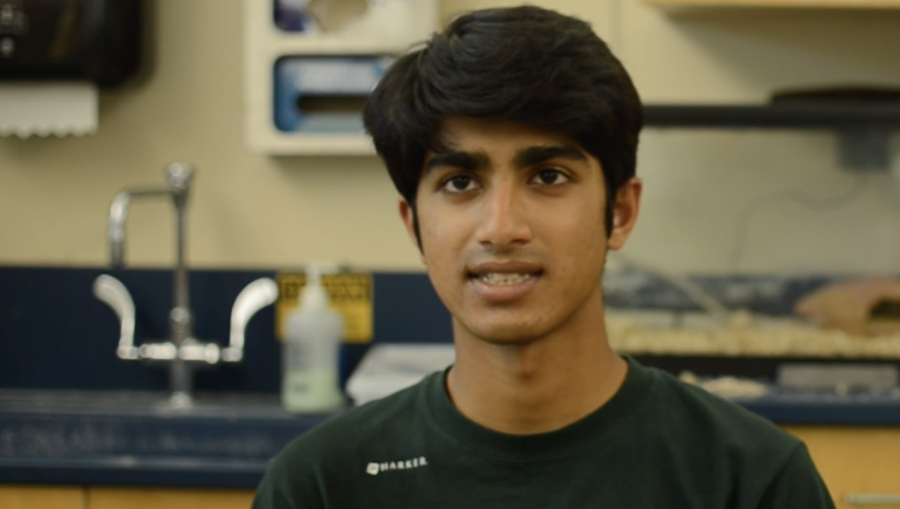
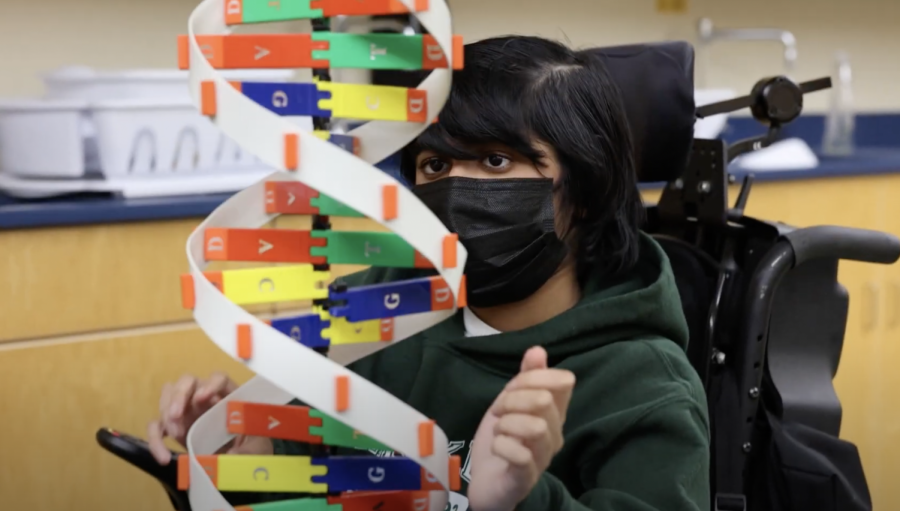
![“[Building nerf blasters] became this outlet of creativity for me that hasn't been matched by anything else. The process [of] making a build complete to your desire is such a painstakingly difficult process, but I've had to learn from [the skills needed from] soldering to proper painting. There's so many different options for everything, if you think about it, it exists. The best part is [that] if it doesn't exist, you can build it yourself," Ishaan Parate said.](https://harkeraquila.com/wp-content/uploads/2022/08/DSC_8149-900x604.jpg)
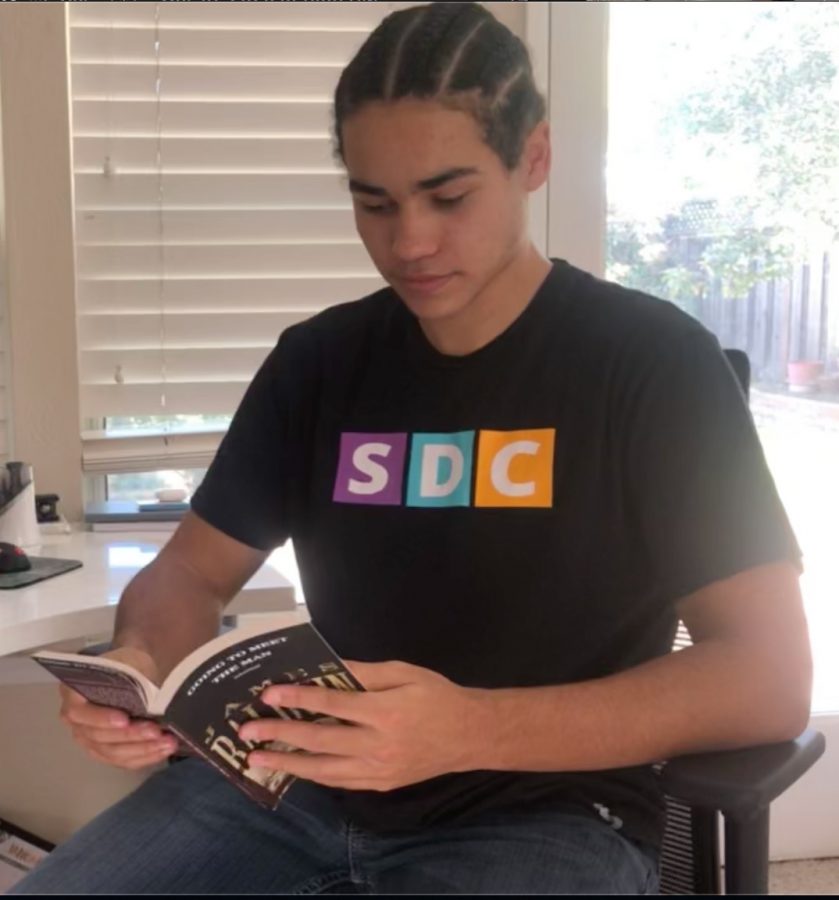
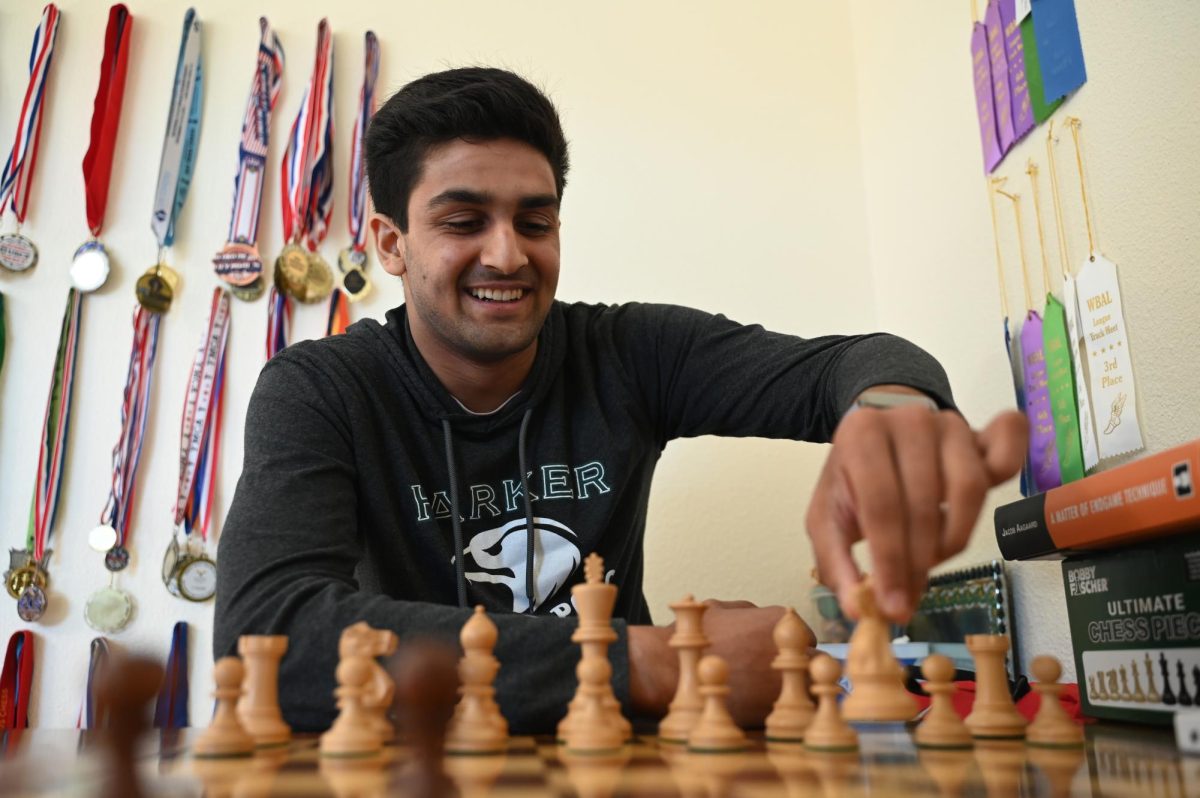
![“When I came into high school, I was ready to be a follower. But DECA was a game changer for me. It helped me overcome my fear of public speaking, and it's played such a major role in who I've become today. To be able to successfully lead a chapter of 150 students, an officer team and be one of the upperclassmen I once really admired is something I'm [really] proud of,” Anvitha Tummala ('21) said.](https://harkeraquila.com/wp-content/uploads/2021/07/Screen-Shot-2021-07-25-at-9.50.05-AM-900x594.png)
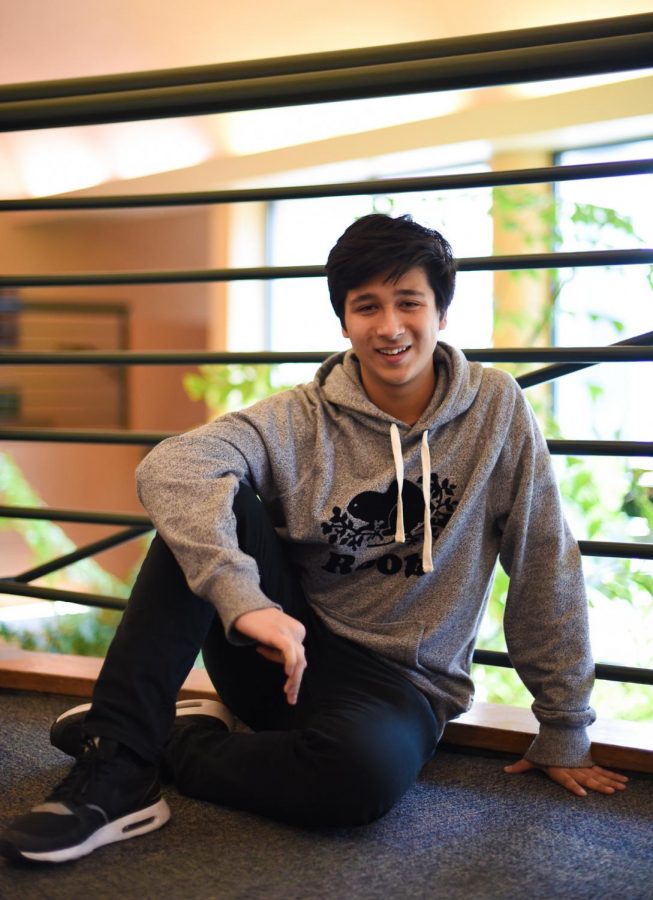
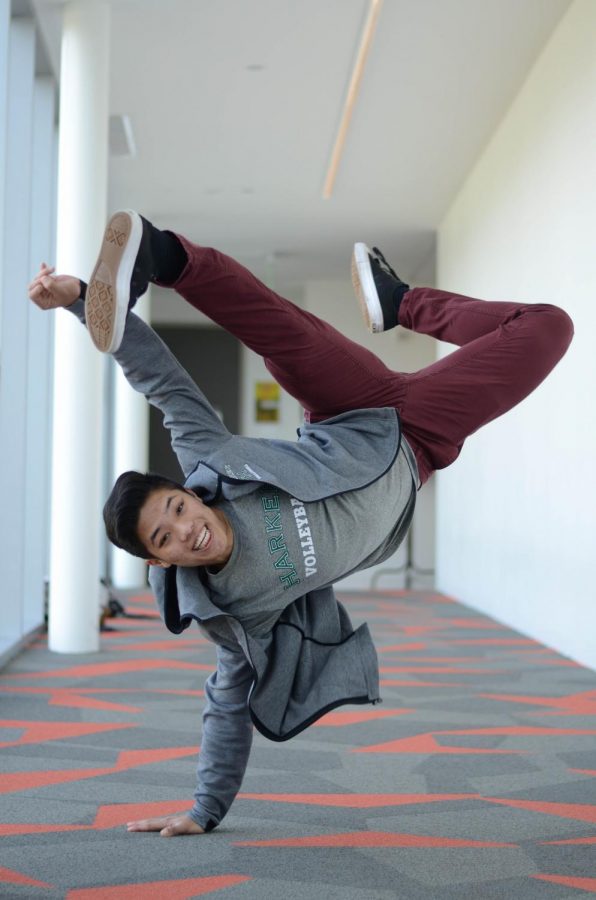
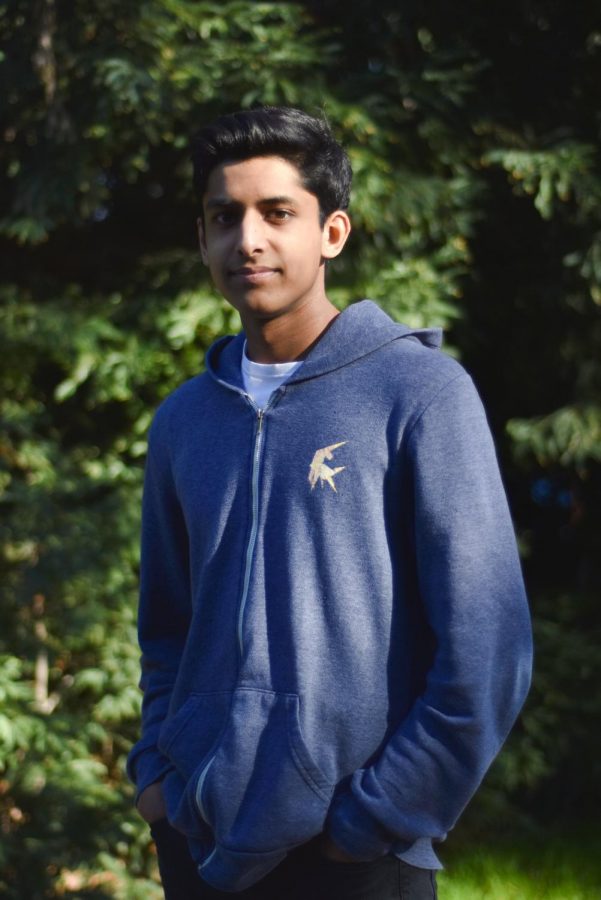

![“I think getting up in the morning and having a sense of purpose [is exciting]. I think without a certain amount of drive, life is kind of obsolete and mundane, and I think having that every single day is what makes each day unique and kind of makes life exciting,” Neymika Jain (12) said.](https://harkeraquila.com/wp-content/uploads/2017/06/Screen-Shot-2017-06-03-at-4.54.16-PM.png)

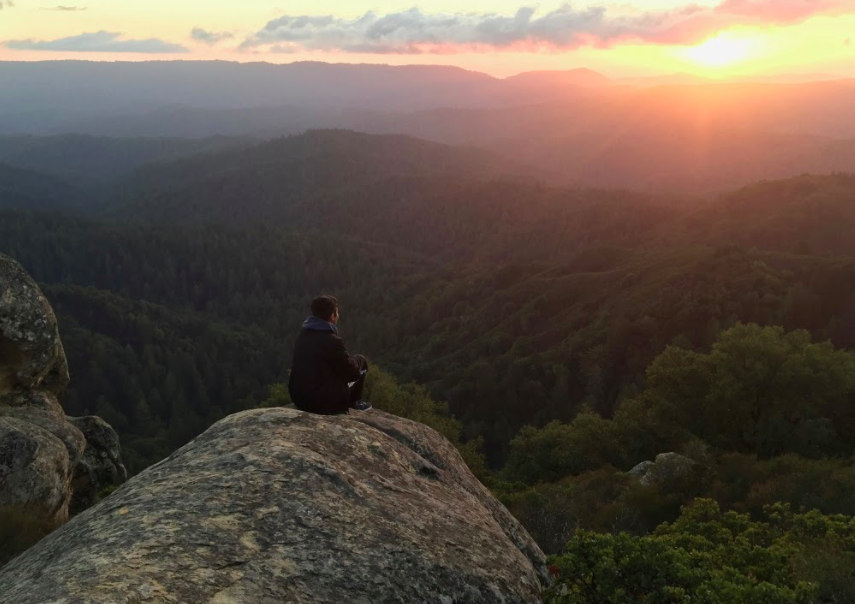
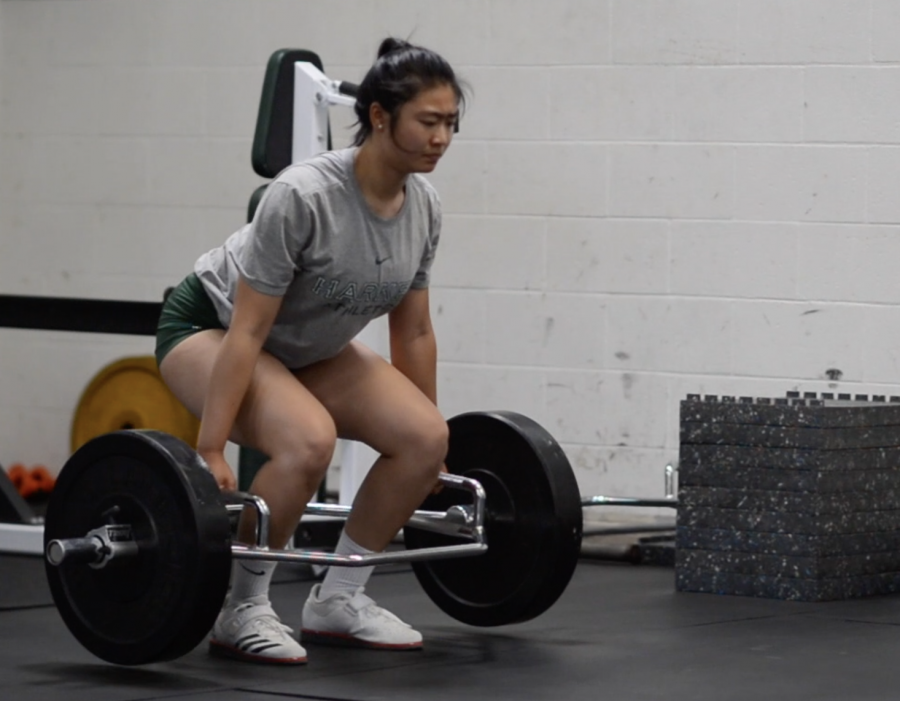

![“My slogan is ‘slow feet, don’t eat, and I’m hungry.’ You need to run fast to get where you are–you aren't going to get those championships if you aren't fast,” Angel Cervantes (12) said. “I want to do well in school on my tests and in track and win championships for my team. I live by that, [and] I can do that anywhere: in the classroom or on the field.”](https://harkeraquila.com/wp-content/uploads/2018/06/DSC5146-900x601.jpg)
![“[Volleyball has] taught me how to fall correctly, and another thing it taught is that you don’t have to be the best at something to be good at it. If you just hit the ball in a smart way, then it still scores points and you’re good at it. You could be a background player and still make a much bigger impact on the team than you would think,” Anya Gert (’20) said.](https://harkeraquila.com/wp-content/uploads/2020/06/AnnaGert_JinTuan_HoHPhotoEdited-600x900.jpeg)
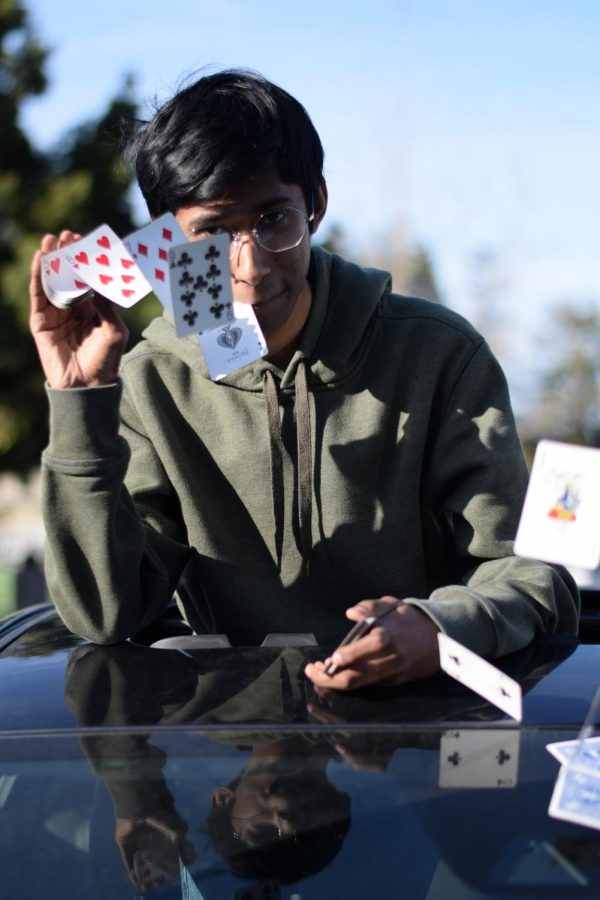
![“I'm not nearly there yet, but [my confidence has] definitely been getting better since I was pretty shy and timid coming into Harker my freshman year. I know that there's a lot of people that are really confident in what they do, and I really admire them. Everyone's so driven and that has really pushed me to kind of try to find my own place in high school and be more confident,” Alyssa Huang (’20) said.](https://harkeraquila.com/wp-content/uploads/2020/06/AlyssaHuang_EmilyChen_HoHPhoto-900x749.jpeg)


Few will participate in space tourism, but many will benefit

Research into space tourism would benefit the masses, despite the immense cost.
April 23, 2016
Commercial space travel is a thrilling prospect for many. Humans have admired the heavens as long as Polaris has burned in the sky – but only a handful of astronauts have ever left the earth.
Several companies are currently researching spaceflight technologies with the hopes of providing a program for private citizens to pay to be launched into space for recreational purposes – “space tourism.” Million of dollars have already been invested into space tourism companies, and research continues.
But space tourism flights may never approach the level of ubiquity that airplane flights have achieved. In context of space tourism, it is somewhat ironic that the word exorbitant literally means “out-of-orbit.”
Currently, only extremely wealthy individuals can afford to participate in space tourism. Seven people have independently paid to participate in space tourism for sums of up to $40 million dollars.
Predicted prices fare no better. One of the largest companies researching space tourism, Virgin Galactic, currently allows its “future astronauts” to reserve seats on space flights at $250,000 each.
Research into what will invariably be a flight of fancy for the rich has come at significant financial and human cost. Aside from the millions of dollars that space tourism company Virgin Galactic has alone spent on research, the crash of a test vehicle in late 2014 resulted in the death of a pilot.
Exorbitant prices and the resulting small demographic of eligible participants may make space tourism appear a frivolous amusement for the wealthy. But despite these immense costs, I believe that space tourism is useful as it encourages public interest in the sciences and may provide useful research contributions to aeronautics.
Many landmark innovations used outside of the realm of spaceflight have come as a result of the National Aeronautics and Space Administration’s (NASA) research. Light Emitting Diodes (LEDs), freeze drying and memory foam are but a few of the technologies created through space-based research.
Similarly, solutions developed for space tourism could be applied to other fields. While research would proceed with spaceflight in mind, other benefits could inadvertently manifest, such as improved seating for airplanes.
Furthermore, NASA has historically grappled with challenges to its funding: its budget has only decreased since the Apollo missions, and some politicians call for further cuts.
Space tourism creates a contingency for NASA’s defunding. Even if the government becomes unwilling or unable to fund space research, private companies in the space will continue to make advancements.
Altogether, while the average citizen is unlikely to participate in space tourism programs, the potential technologies discovered through space tourism research promise benefits for all.