![“I wasn't discouraged by some of the obstacles we faced. I learned a lot from the leadership. I found that different people need different ways of receiving feedback — you can't [just] tell them to do something and expect the best. [Some] people needed more incentive. A large part of my role was to figure out what worked for everyone and to figure out how to lead all these separate individuals as a team,” Suhana Bhandare (’26) said.](https://harkeraquila.com/wp-content/uploads/2026/06/SuhanaBhandare_JasmineHansra-1-1200x798.jpg)

![“This is actually from Randy Pausch Randy P. Brick: ‘Walls are there for a reason. You have to show how much you want to overcome them.’ You have to show how much you want something. That's what I've always been able to do with tennis, Link Crew and getting that internship [with Kushy Baby]. It’s important pushing through that — getting around that brick wall, climbing over it or clawing through it,” Yash Sachdeva (’26) said.](https://harkeraquila.com/wp-content/uploads/2026/05/YashSachdeva_RamBatchu-copy-1200x1002.jpg)

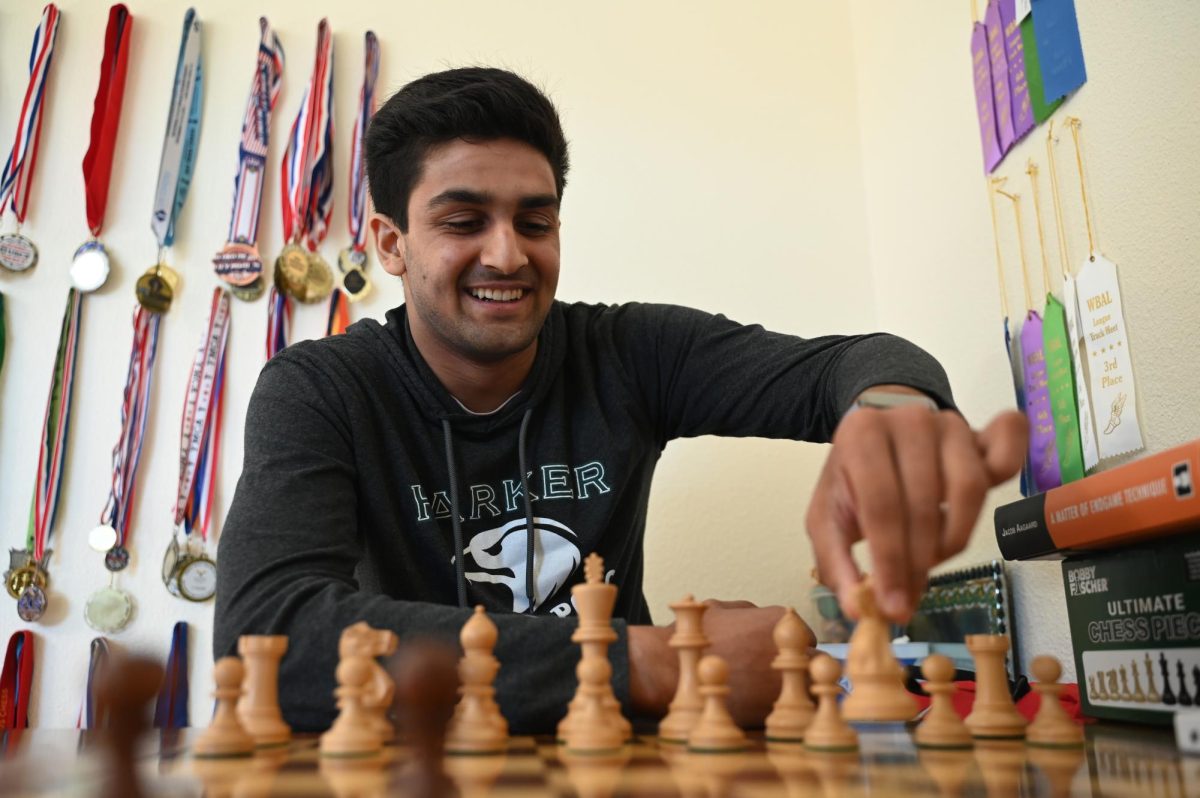







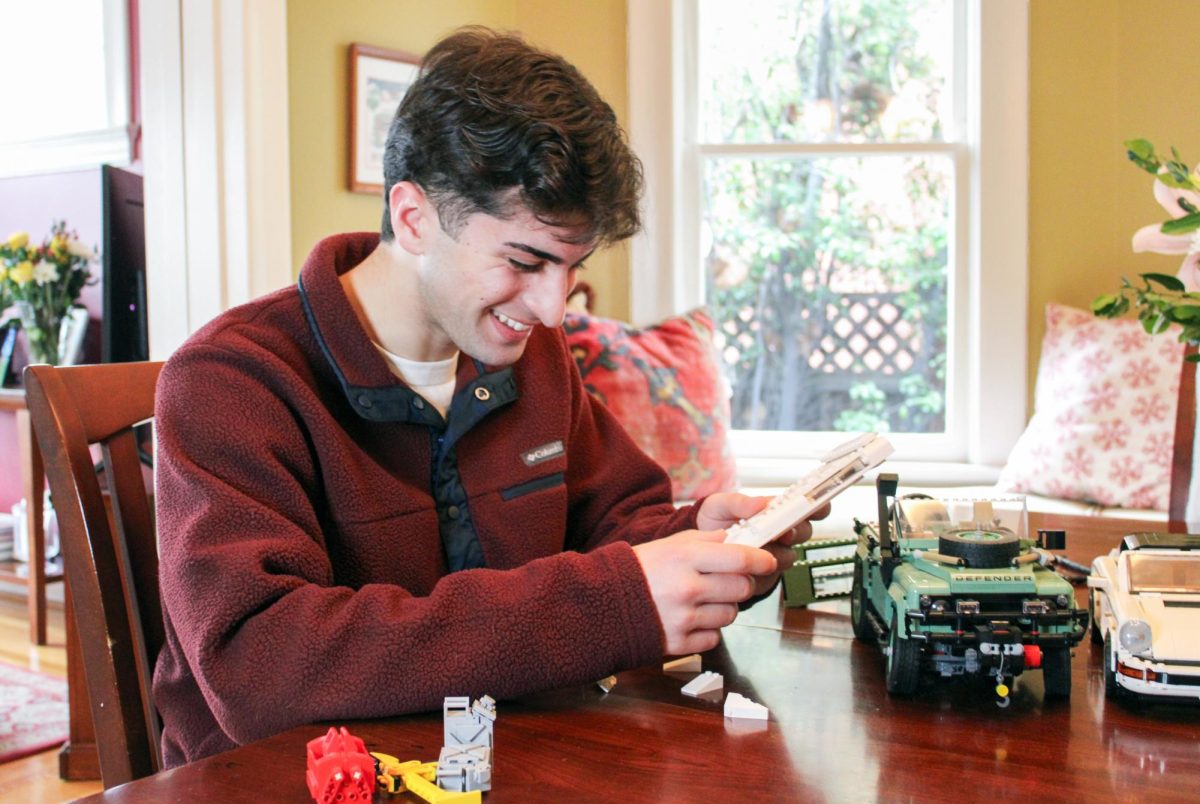



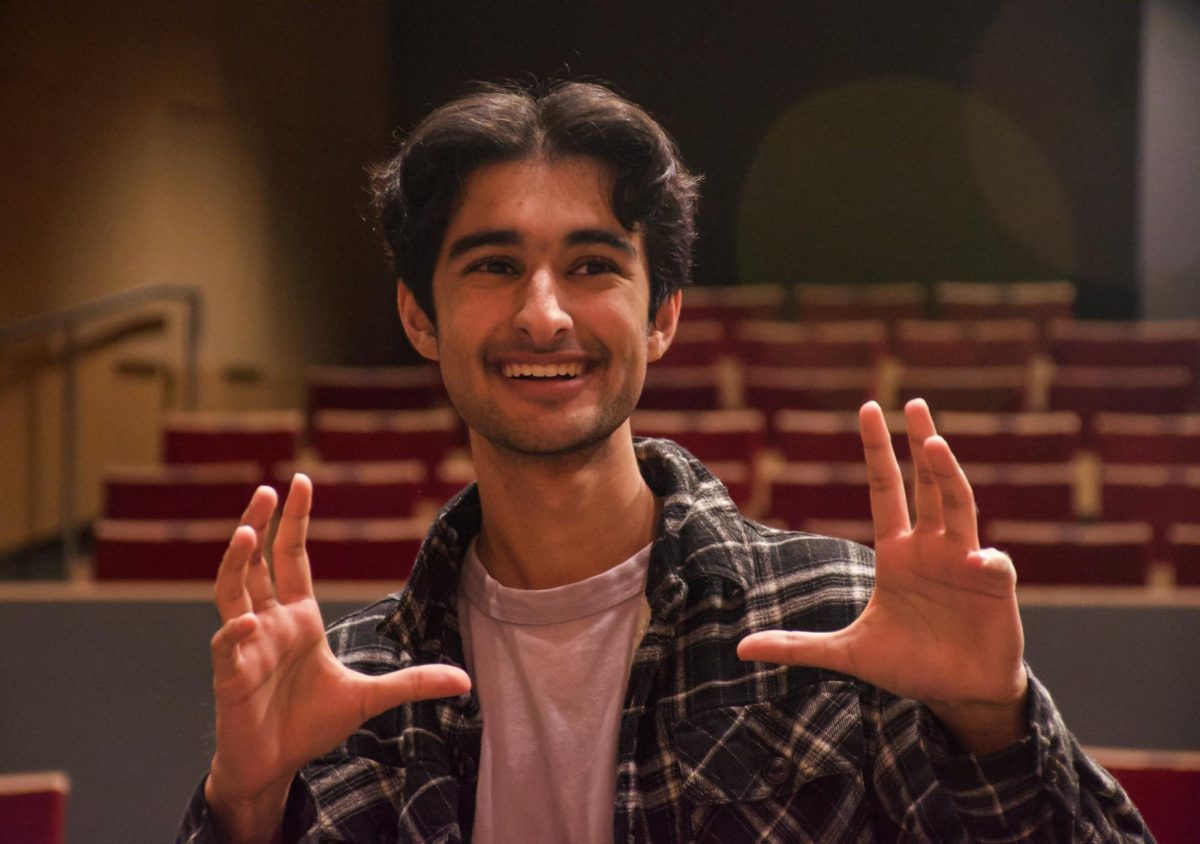


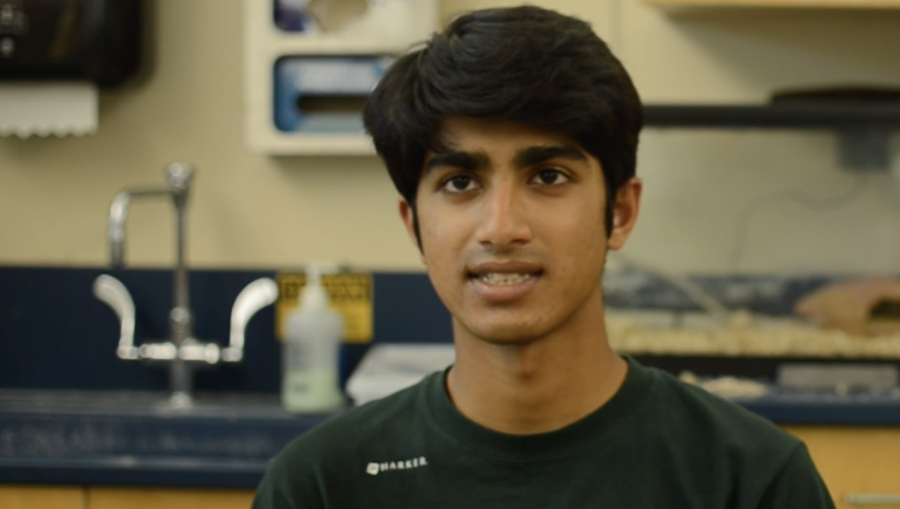
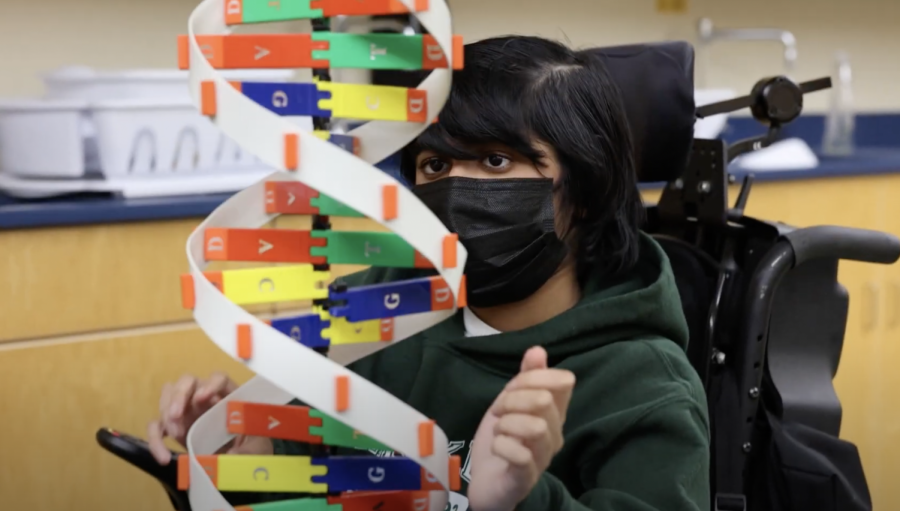
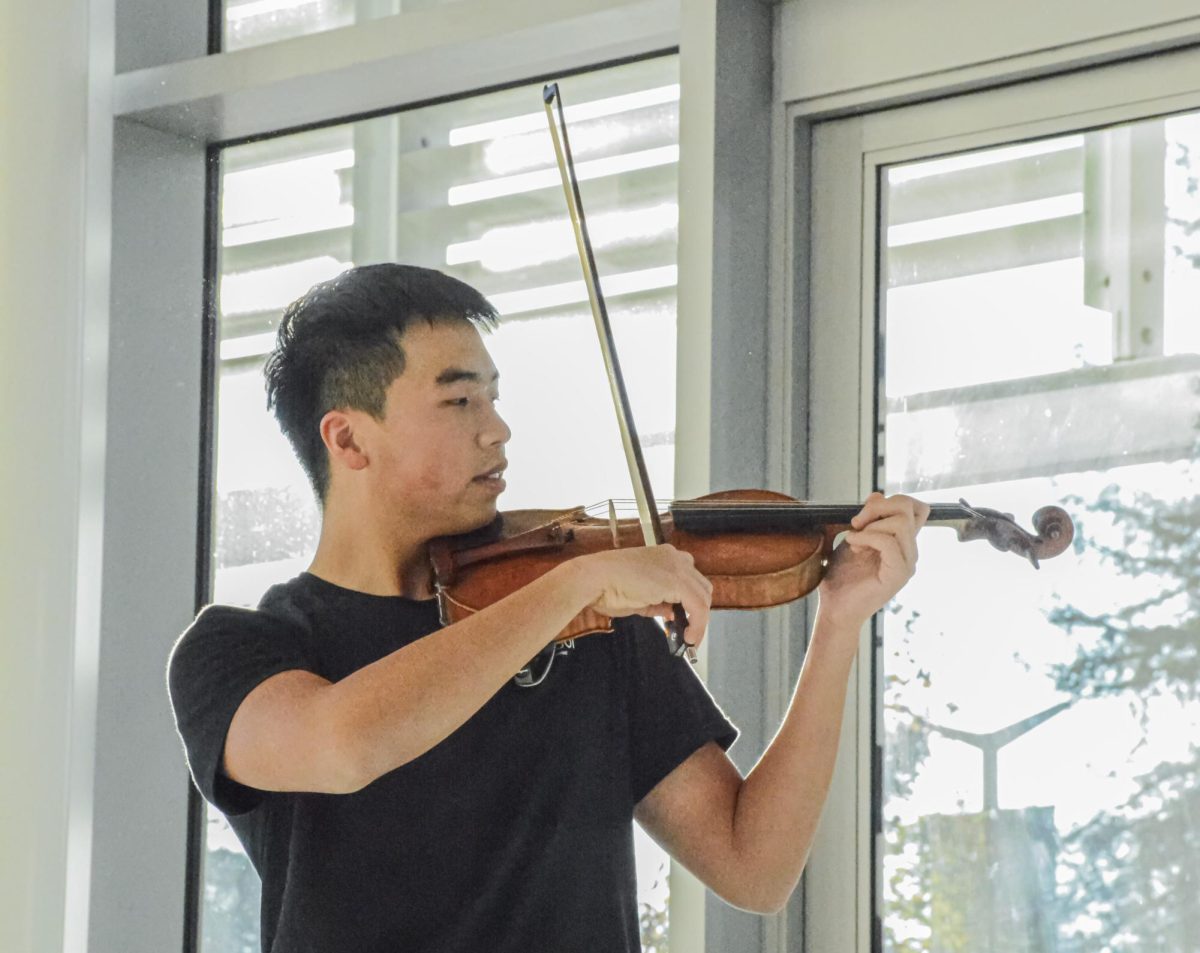
![“[Building nerf blasters] became this outlet of creativity for me that hasn't been matched by anything else. The process [of] making a build complete to your desire is such a painstakingly difficult process, but I've had to learn from [the skills needed from] soldering to proper painting. There's so many different options for everything, if you think about it, it exists. The best part is [that] if it doesn't exist, you can build it yourself," Ishaan Parate said.](https://harkeraquila.com/wp-content/uploads/2022/08/DSC_8149-900x604.jpg)

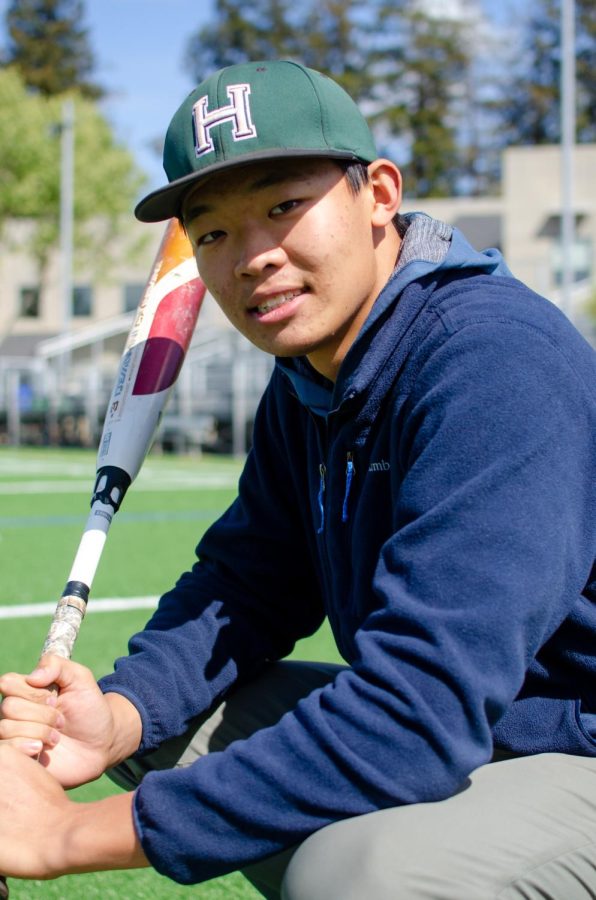

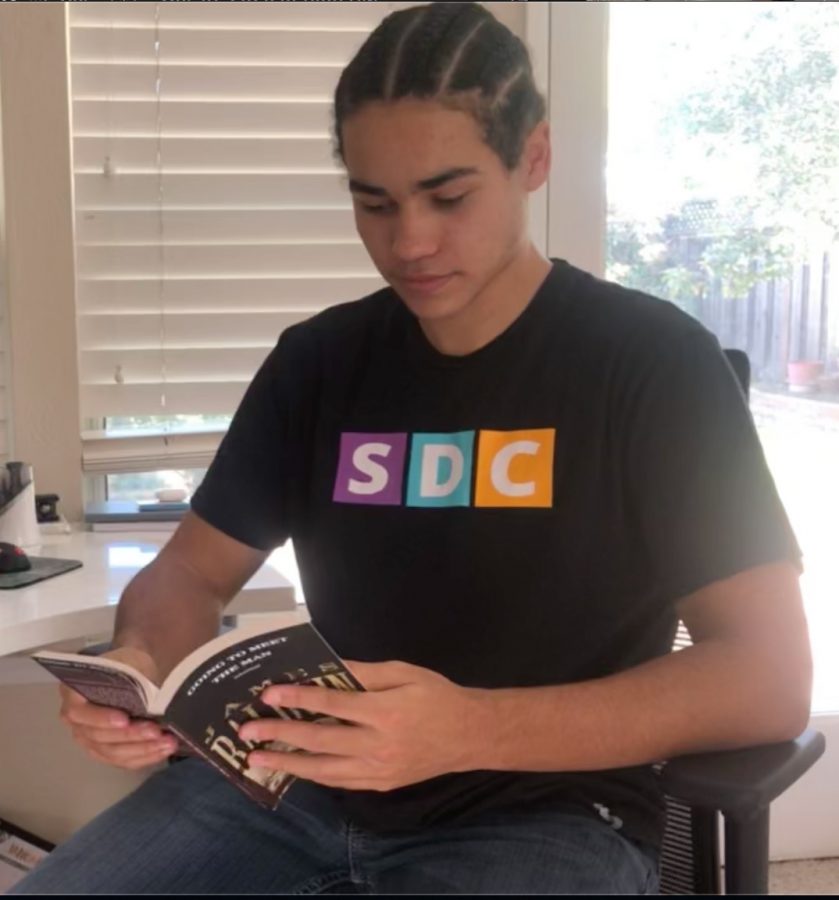
![“When I came into high school, I was ready to be a follower. But DECA was a game changer for me. It helped me overcome my fear of public speaking, and it's played such a major role in who I've become today. To be able to successfully lead a chapter of 150 students, an officer team and be one of the upperclassmen I once really admired is something I'm [really] proud of,” Anvitha Tummala ('21) said.](https://harkeraquila.com/wp-content/uploads/2021/07/Screen-Shot-2021-07-25-at-9.50.05-AM-900x594.png)





![“I think getting up in the morning and having a sense of purpose [is exciting]. I think without a certain amount of drive, life is kind of obsolete and mundane, and I think having that every single day is what makes each day unique and kind of makes life exciting,” Neymika Jain (12) said.](https://harkeraquila.com/wp-content/uploads/2017/06/Screen-Shot-2017-06-03-at-4.54.16-PM.png)







![“My slogan is ‘slow feet, don’t eat, and I’m hungry.’ You need to run fast to get where you are–you aren't going to get those championships if you aren't fast,” Angel Cervantes (12) said. “I want to do well in school on my tests and in track and win championships for my team. I live by that, [and] I can do that anywhere: in the classroom or on the field.”](https://harkeraquila.com/wp-content/uploads/2018/06/DSC5146-900x601.jpg)
![“[Volleyball has] taught me how to fall correctly, and another thing it taught is that you don’t have to be the best at something to be good at it. If you just hit the ball in a smart way, then it still scores points and you’re good at it. You could be a background player and still make a much bigger impact on the team than you would think,” Anya Gert (’20) said.](https://harkeraquila.com/wp-content/uploads/2020/06/AnnaGert_JinTuan_HoHPhotoEdited-600x900.jpeg)

![“I'm not nearly there yet, but [my confidence has] definitely been getting better since I was pretty shy and timid coming into Harker my freshman year. I know that there's a lot of people that are really confident in what they do, and I really admire them. Everyone's so driven and that has really pushed me to kind of try to find my own place in high school and be more confident,” Alyssa Huang (’20) said.](https://harkeraquila.com/wp-content/uploads/2020/06/AlyssaHuang_EmilyChen_HoHPhoto-900x749.jpeg)



Beyond the Game: Money: 1, Sports: 0

Although an estimated 111.9 million Americans watched Super Bowl 50 on TV, such sporting events are becoming more expensive to witness in person. With ticket price dictating who gets to attend the event, money plays an increasingly larger role in sports. Ultimately, these higher ticket fees may dampen enthusiasm for the sport.
February 20, 2016
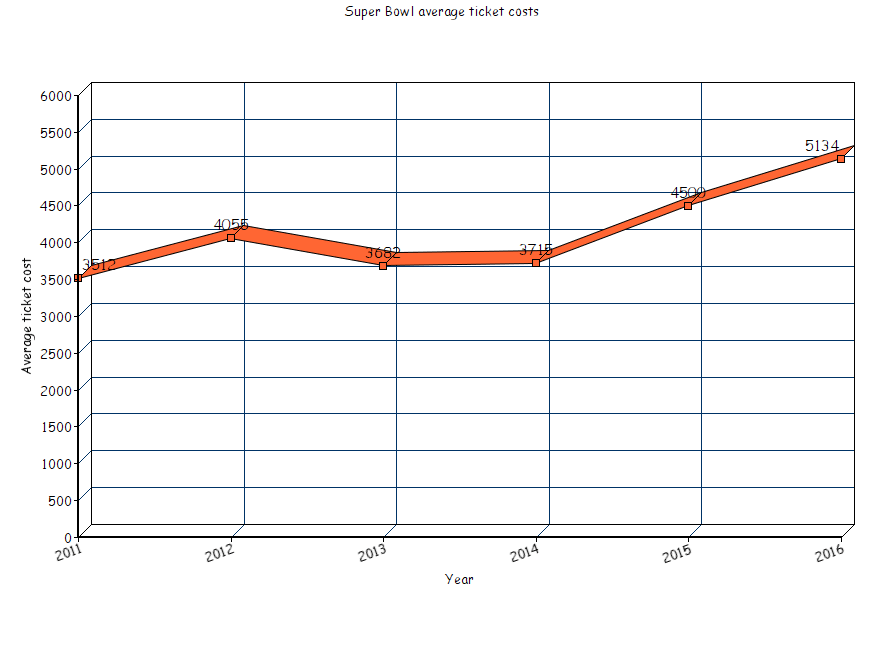
Let’s say someone wrote you a check for $5,134. That amount of money can cover the average worker’s salary for six weeks, purchase an 11-night Caribbean cruise (three times), and buy about eight iPhone 6s’s. It could have also bought you a decent – but not great – single ticket to Super Bowl 50.
Understandably, witnessing a star-studded event such as the Super Bowl or any other major sporting event comes at a significant cost. The average ticket price for a game in last year’s MLB World Series settled in at $1,437.81. The average ticket price for the 2016 NBA All-Star Game was around $1,000. Yet, there comes a point when the money, so deeply ingrained in the professional sports culture, overshadows the celebration of athletic talent and competition.
Aditya Varshney
The graph above depicts the average Super Bowl ticket prices from 2011 to 2016, per reports from SB Nation. With prices on a steady incline since the first Super Bowl, the cost of the game has already begun dictating who can purchase seats and witness the sporting event.
The purest way to appreciate a sport is through playing it, but witnessing professional athletes compete in person (not behind a screen) comes in as a close second.
Sure, some remember game-winning touchdowns or go-ahead jumpers, but my most vivid memories are the ones that I shared with my family at Candlestick Park or Oracle Arena. With inflated ticket prices, money serves as the determining factor whether or not others will have the same opportunity.
As these prices escalate, white-collar business ventures are replacing the family experience. Few people can pay over $20,000 to bring their families to a game, so the high costs perpetuate an exclusive culture in which only the rich can afford to watch sports in person.
But, why not just watch games on television? Though cheaper on the screen, watching the game is incomplete that way. The atmosphere of the diehard fans, the dripping sweat of the athletes, the pulse of the stadium – it’s all gone.
To many, the top players are superheroes, and fans will bear tremendous financial costs to watch their heroes play a game. You can’t find another Serena Williams or J.J. Watt or LeBron James. Sky-high contracts simply mirror the value that society places on these athletes.
Sheer competitiveness, awe-inspiring skill, gut-wrenching perseverance: these are the values associated with sports. While high ticket prices, advertisements and endorsements do not destroy these tenets, they push them aside to a point at which commercialization is as significant as the competition itself.
Being at games, I remember the swish of the net as Stephen Curry drained a three-pointer or the spiral of the football as Peyton Manning threw a touchdown. I remember the heated rivalries and competition. But as profit-oriented incentives dilute professional sports, we won’t just see sports, we’ll increasingly see the money behind them.
Alex Youn (11) is Sports Editor for TALON Yearbook and a staff member for three years. His column, “Beyond the Game,” discusses sports, ethics and society.