


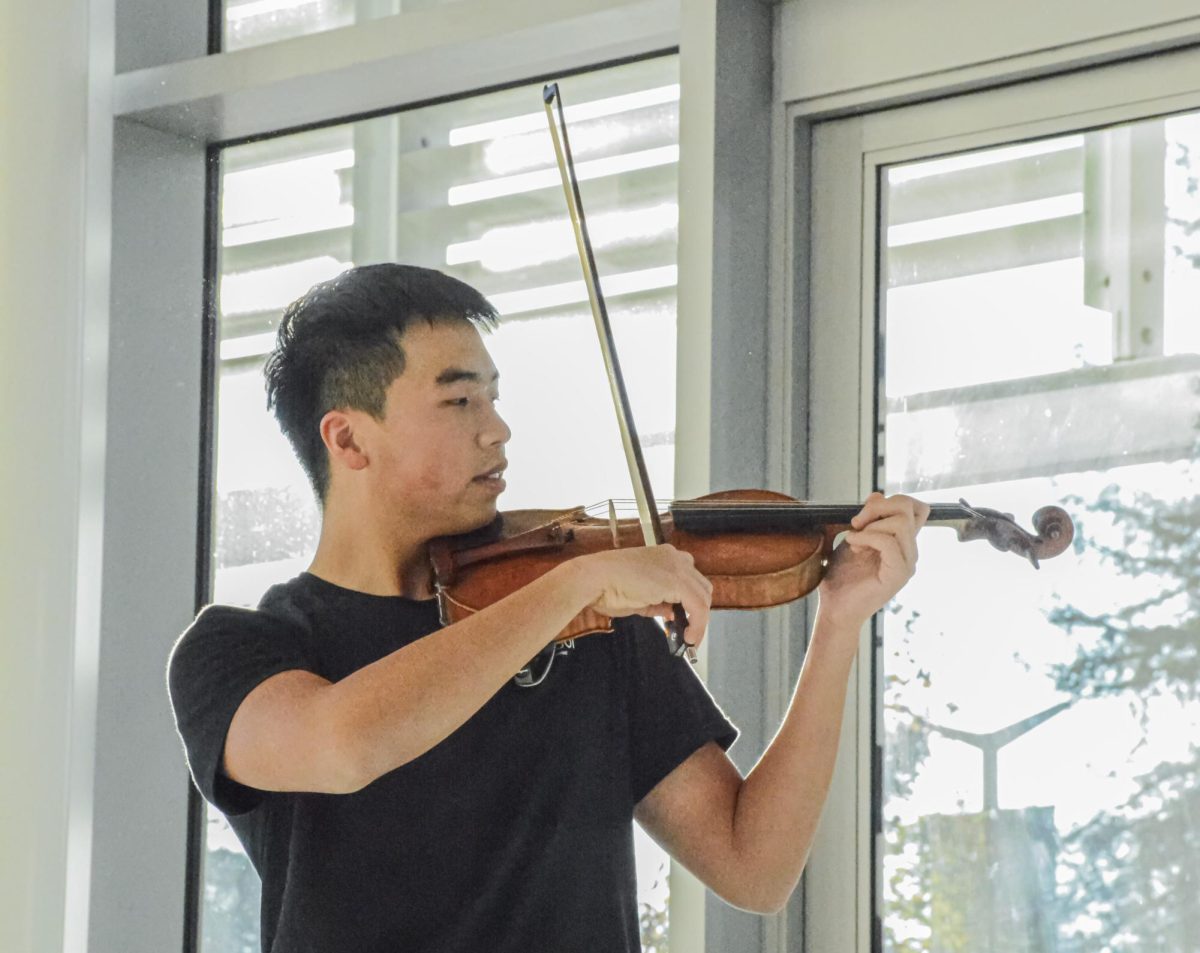
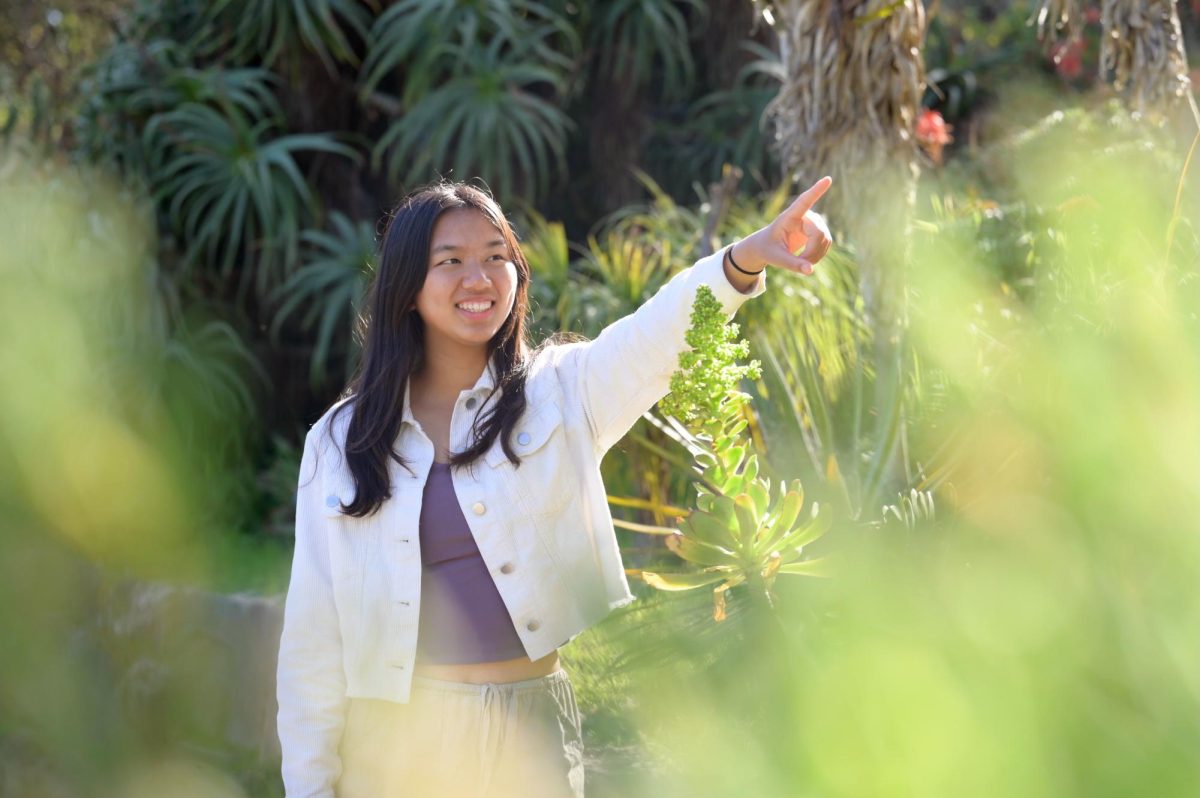
![“I wasn't discouraged by some of the obstacles we faced. I learned a lot from the leadership. I found that different people need different ways of receiving feedback — you can't [just] tell them to do something and expect the best. [Some] people needed more incentive. A large part of my role was to figure out what worked for everyone and to figure out how to lead all these separate individuals as a team,” Suhana Bhandare (’26) said.](https://harkeraquila.com/wp-content/uploads/2026/06/SuhanaBhandare_JasmineHansra-1-1200x798.jpg)
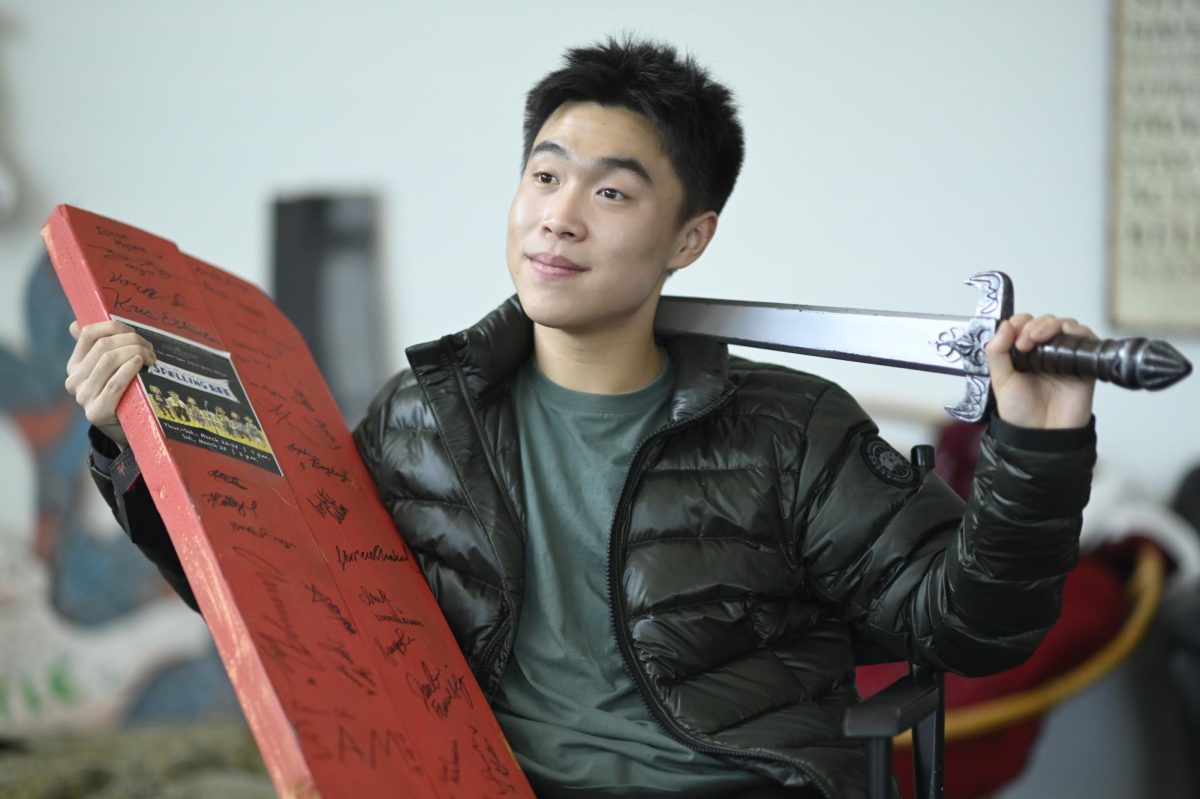
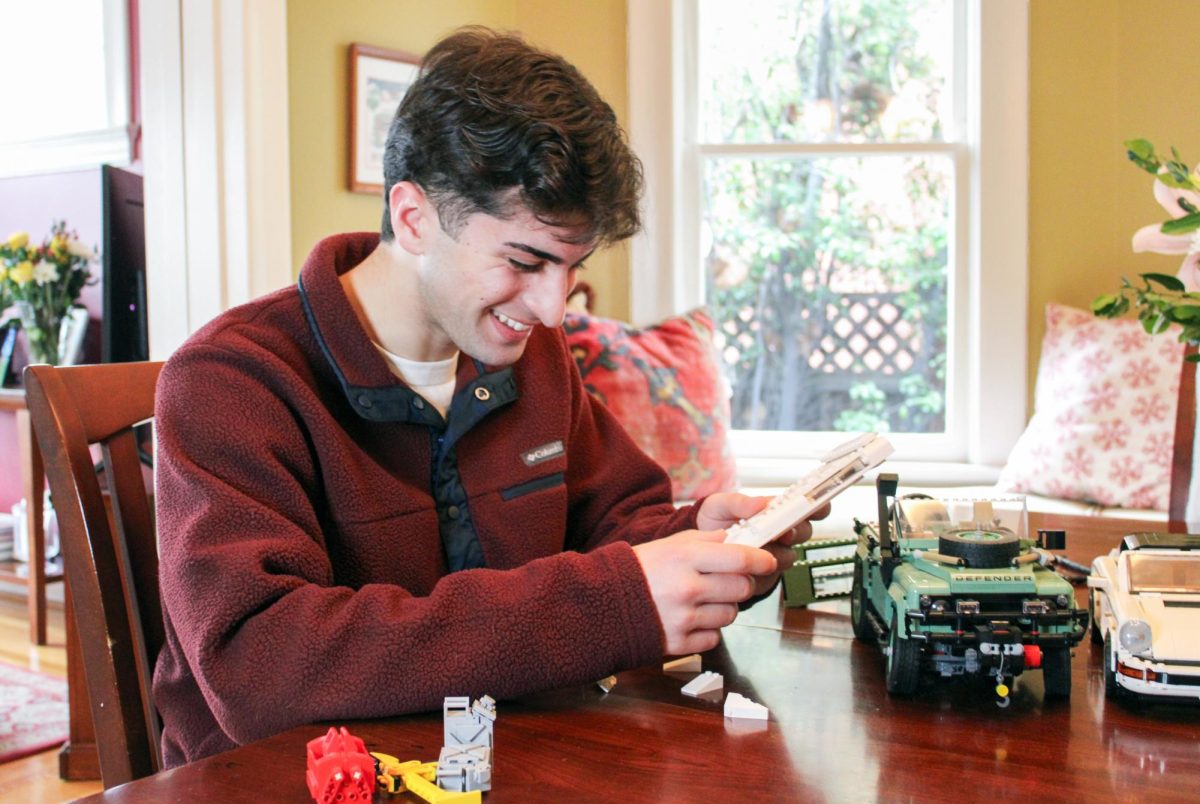
![“This is actually from Randy Pausch Randy P. Brick: ‘Walls are there for a reason. You have to show how much you want to overcome them.’ You have to show how much you want something. That's what I've always been able to do with tennis, Link Crew and getting that internship [with Kushy Baby]. It’s important pushing through that — getting around that brick wall, climbing over it or clawing through it,” Yash Sachdeva (’26) said.](https://harkeraquila.com/wp-content/uploads/2026/05/YashSachdeva_RamBatchu-copy-1200x1002.jpg)
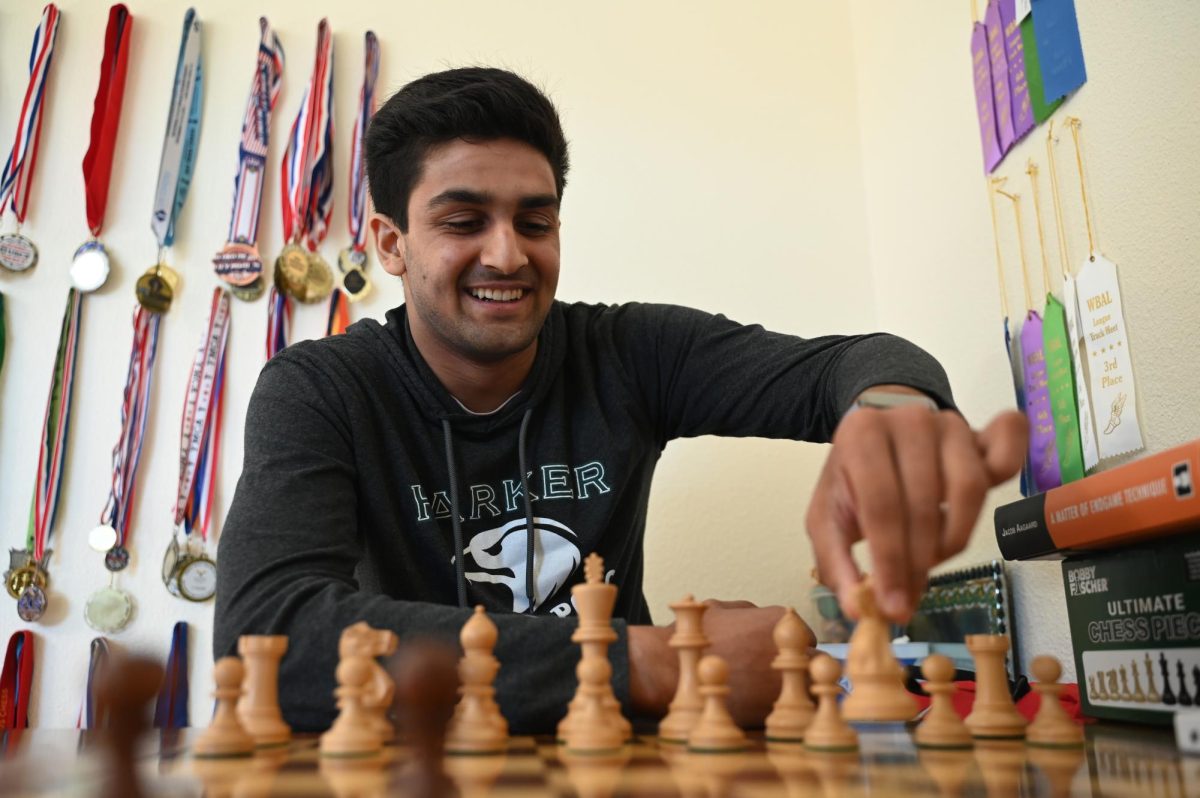
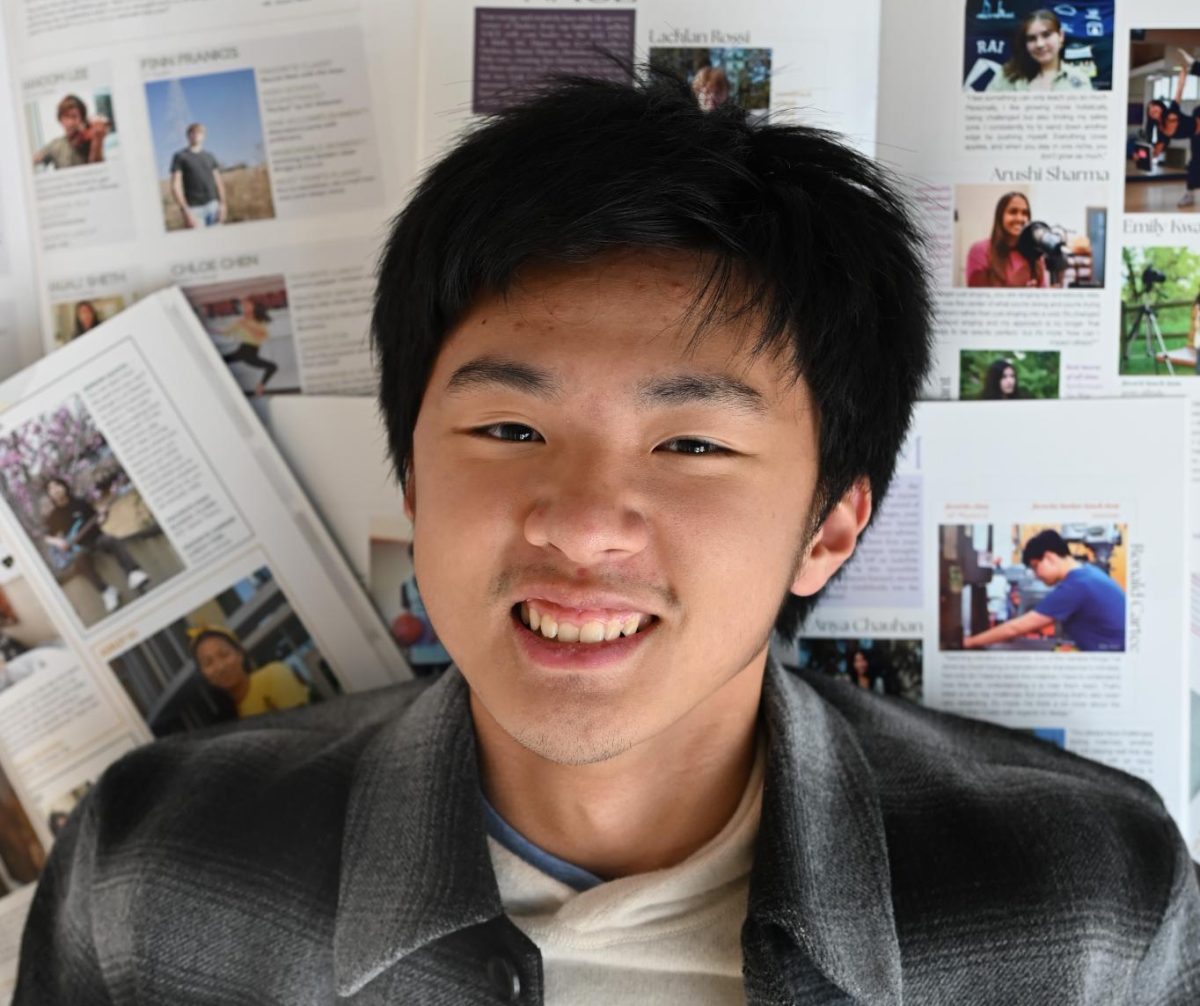
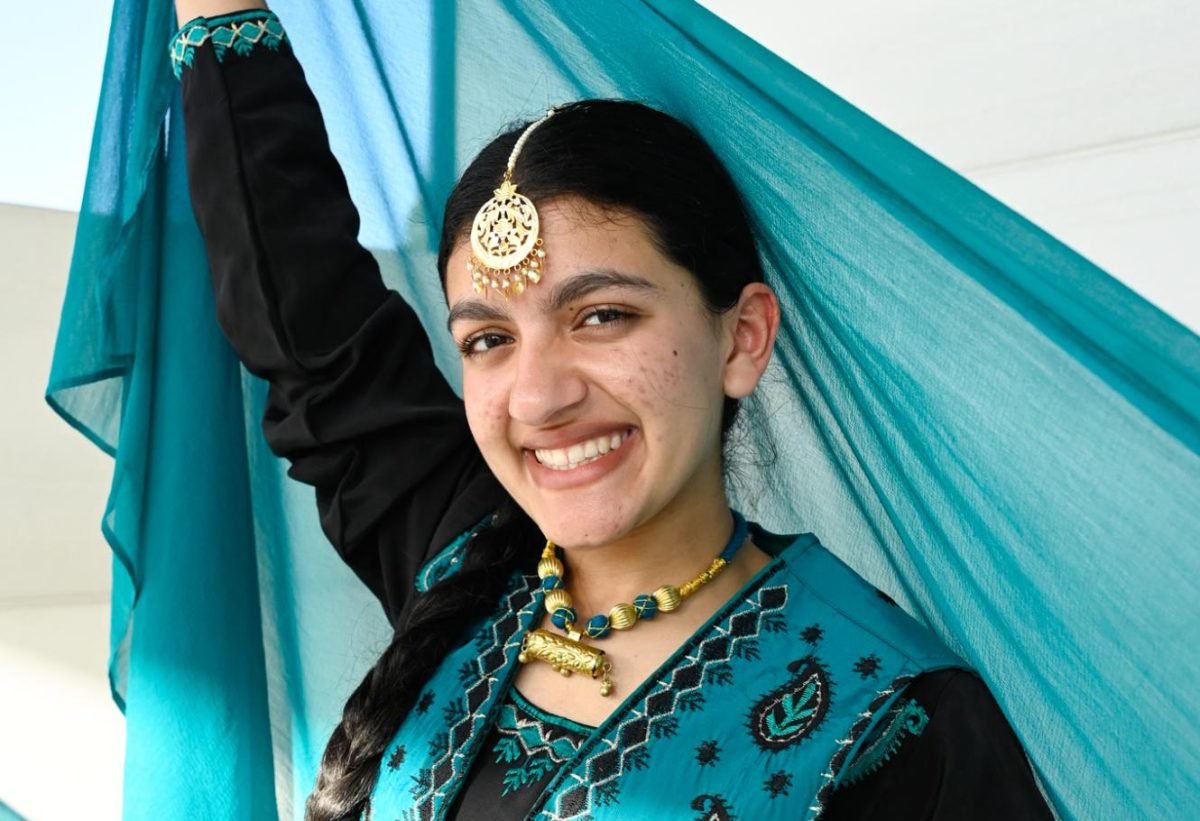


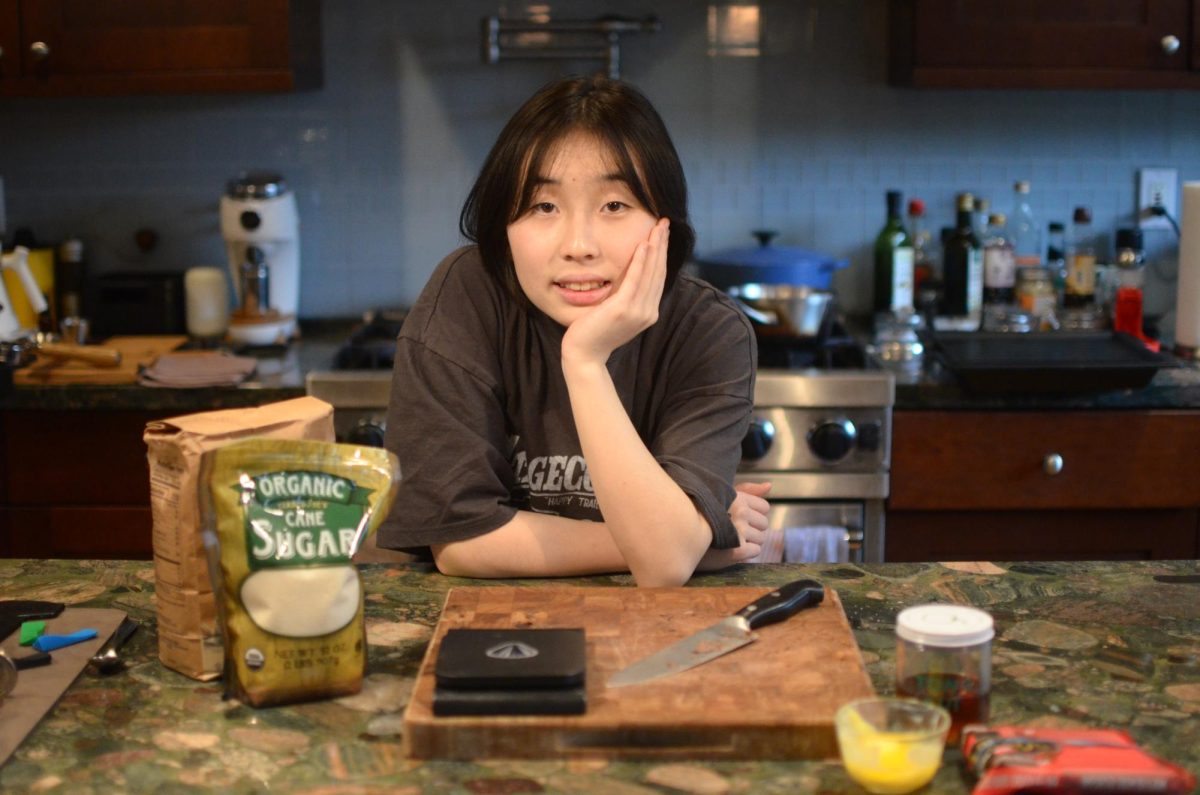


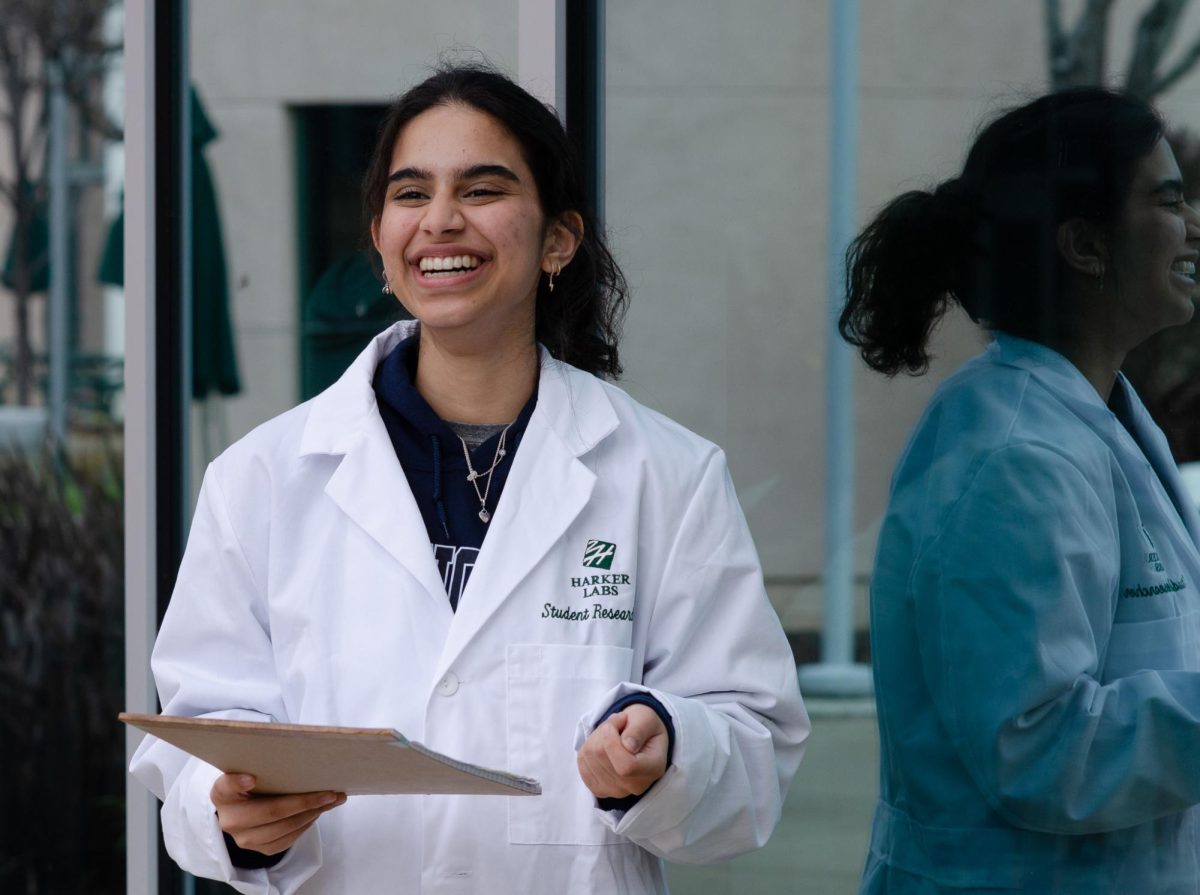
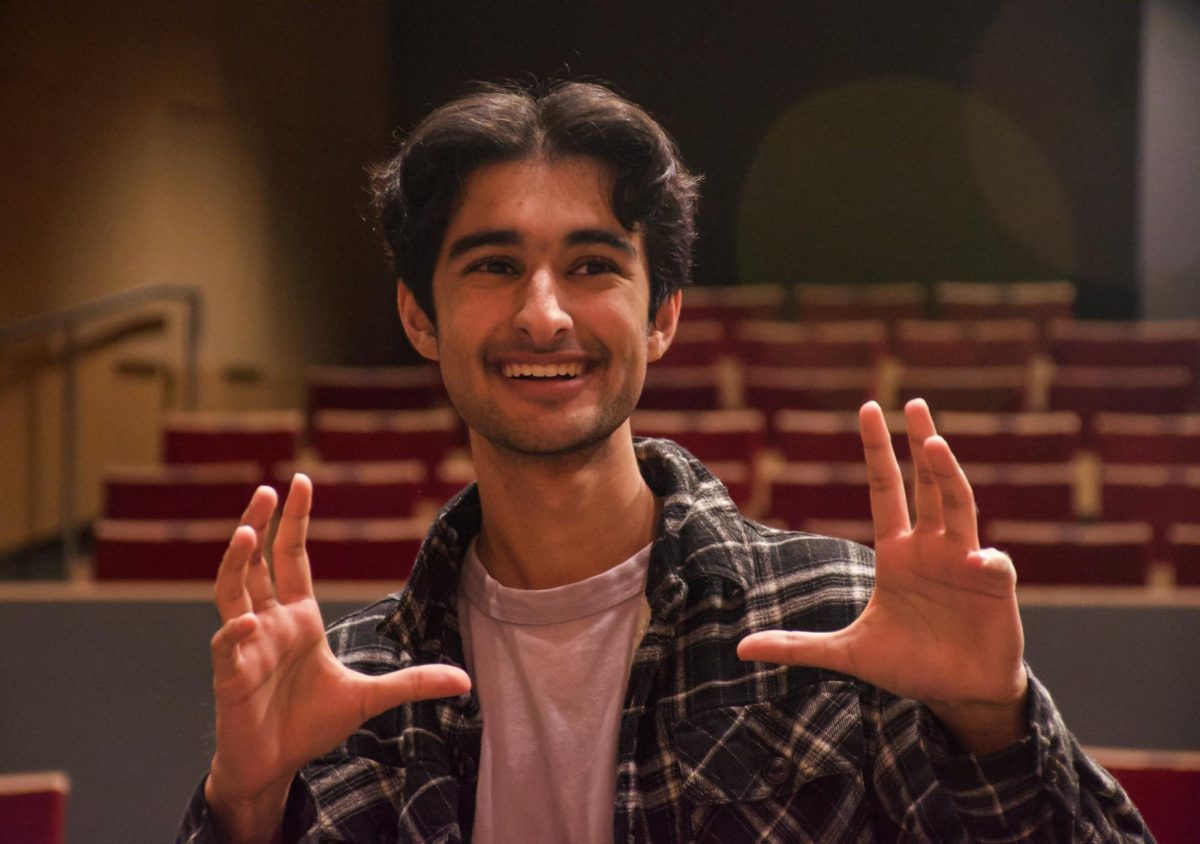


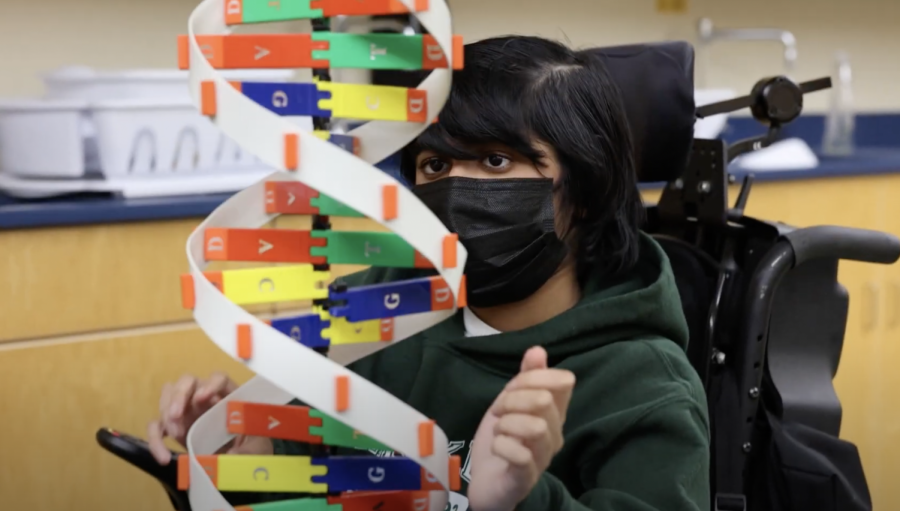
![“[Building nerf blasters] became this outlet of creativity for me that hasn't been matched by anything else. The process [of] making a build complete to your desire is such a painstakingly difficult process, but I've had to learn from [the skills needed from] soldering to proper painting. There's so many different options for everything, if you think about it, it exists. The best part is [that] if it doesn't exist, you can build it yourself," Ishaan Parate said.](https://harkeraquila.com/wp-content/uploads/2022/08/DSC_8149-900x604.jpg)
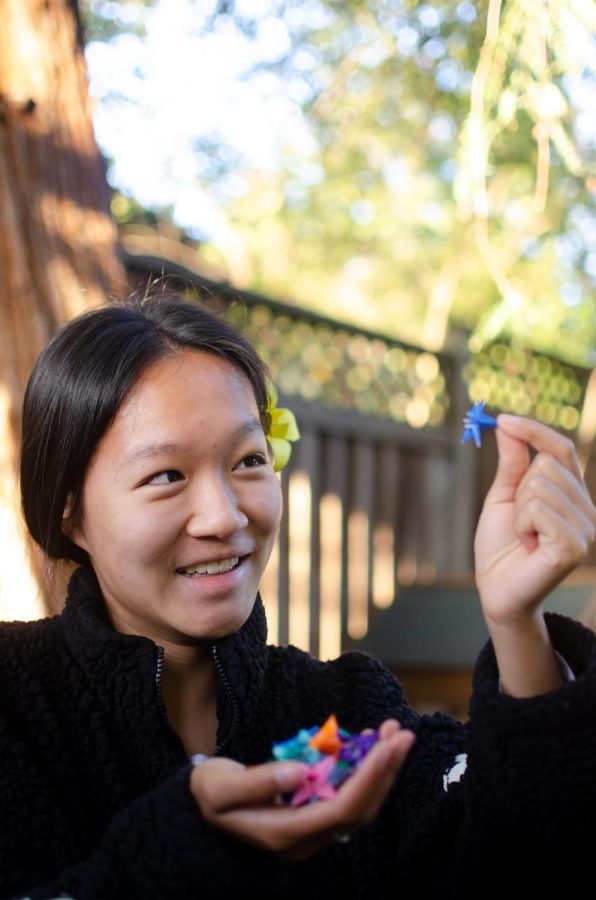
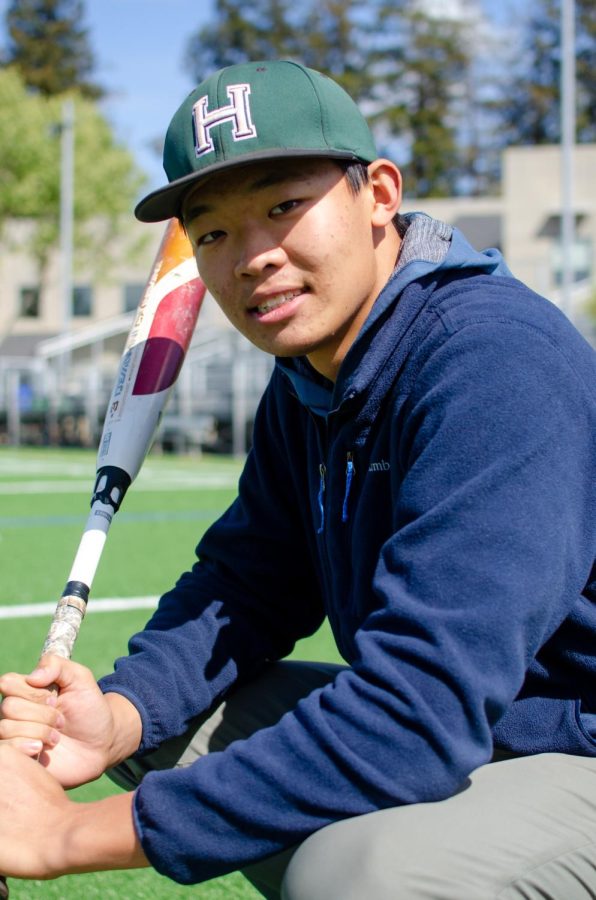
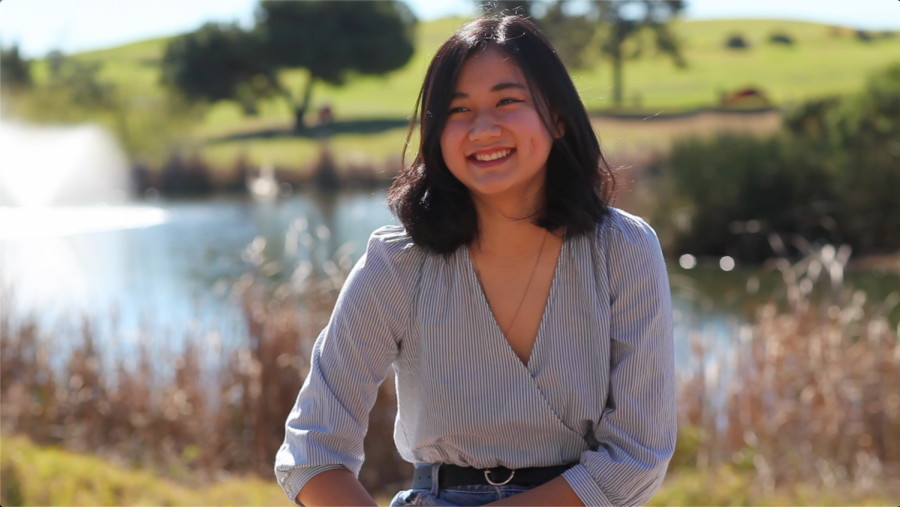
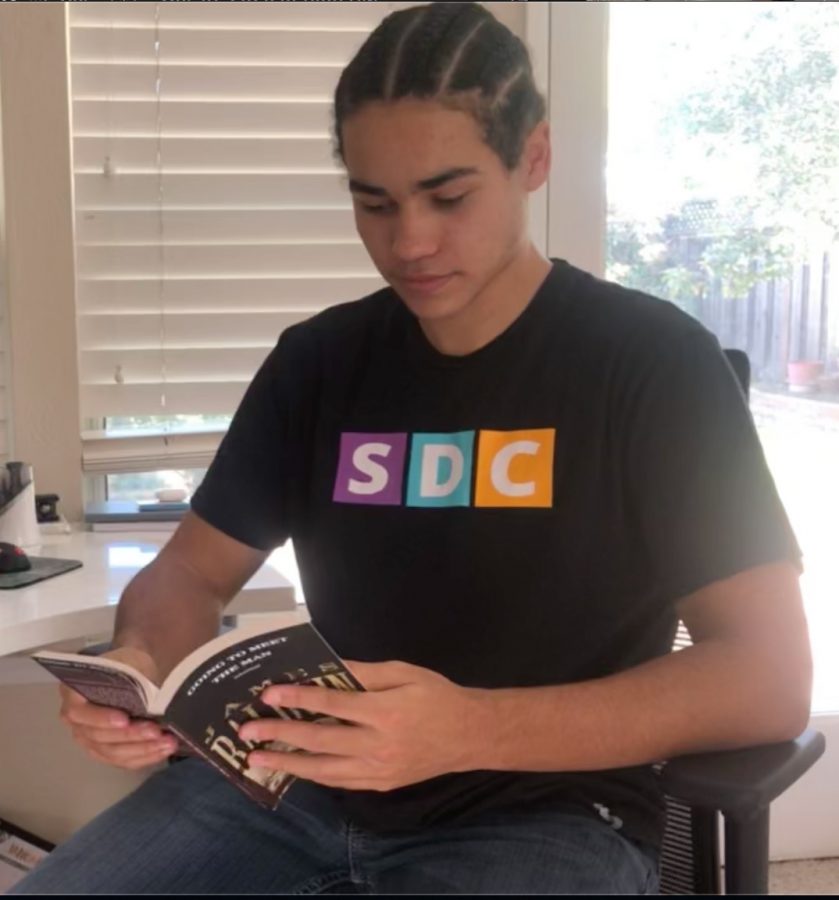
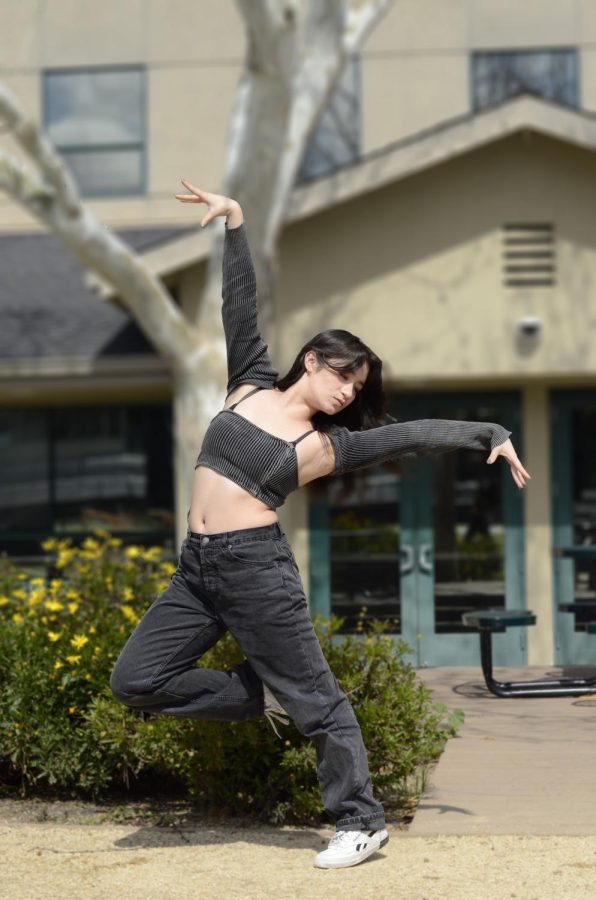
![“When I came into high school, I was ready to be a follower. But DECA was a game changer for me. It helped me overcome my fear of public speaking, and it's played such a major role in who I've become today. To be able to successfully lead a chapter of 150 students, an officer team and be one of the upperclassmen I once really admired is something I'm [really] proud of,” Anvitha Tummala ('21) said.](https://harkeraquila.com/wp-content/uploads/2021/07/Screen-Shot-2021-07-25-at-9.50.05-AM-900x594.png)

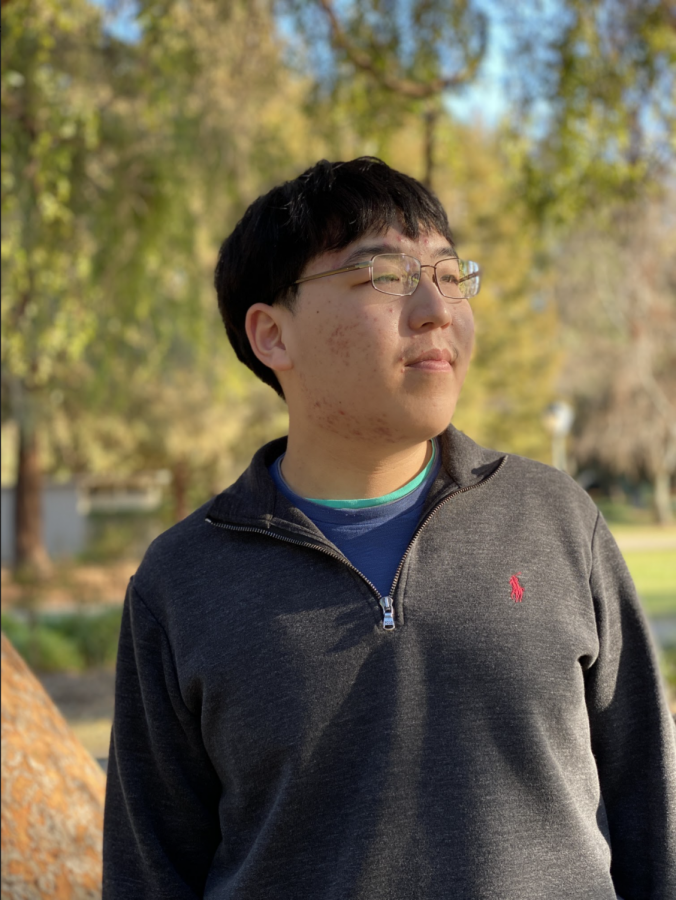
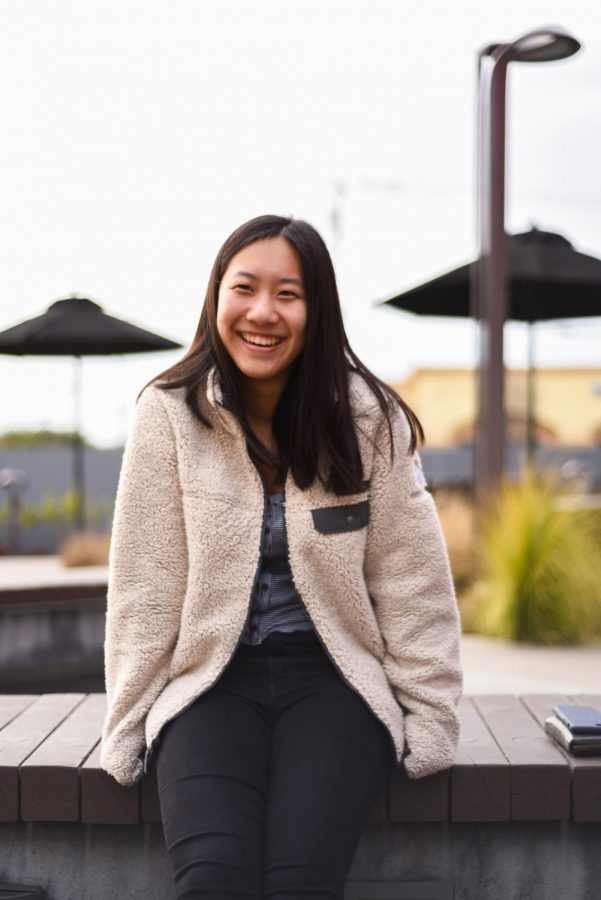
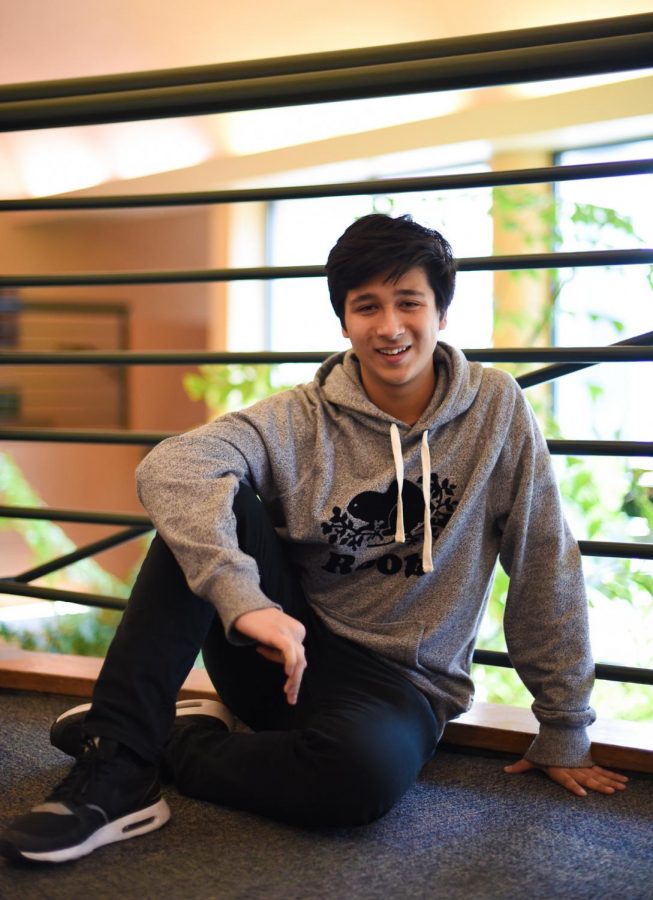
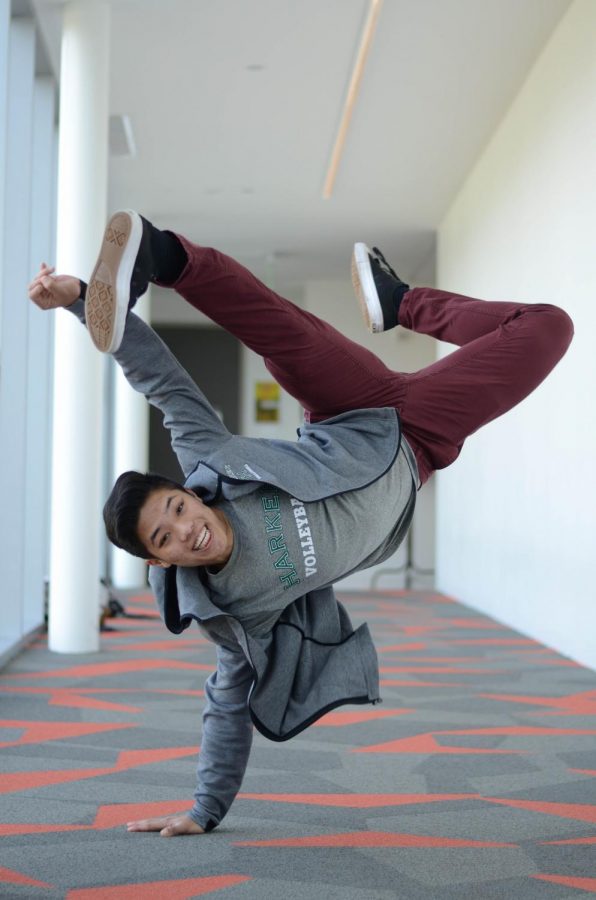
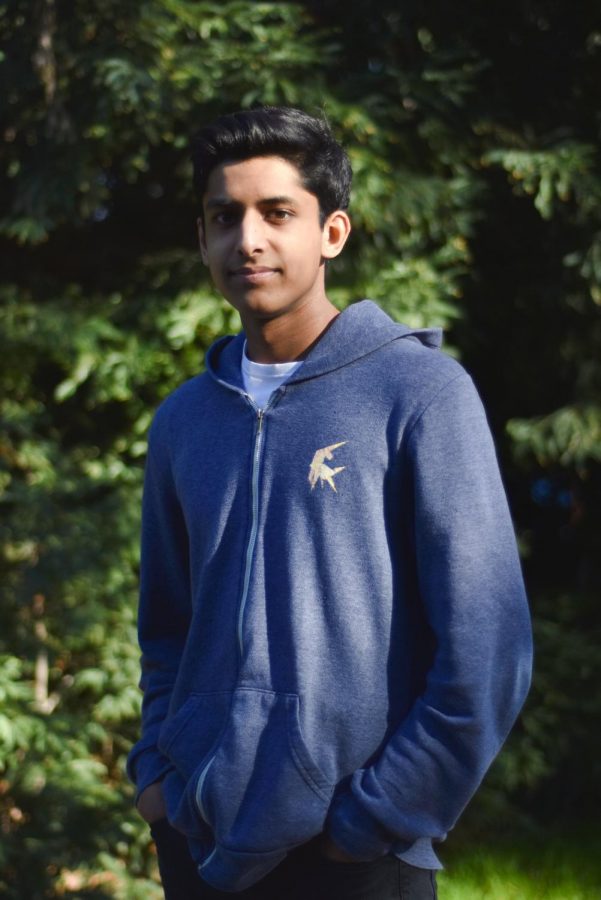

![“I think getting up in the morning and having a sense of purpose [is exciting]. I think without a certain amount of drive, life is kind of obsolete and mundane, and I think having that every single day is what makes each day unique and kind of makes life exciting,” Neymika Jain (12) said.](https://harkeraquila.com/wp-content/uploads/2017/06/Screen-Shot-2017-06-03-at-4.54.16-PM.png)
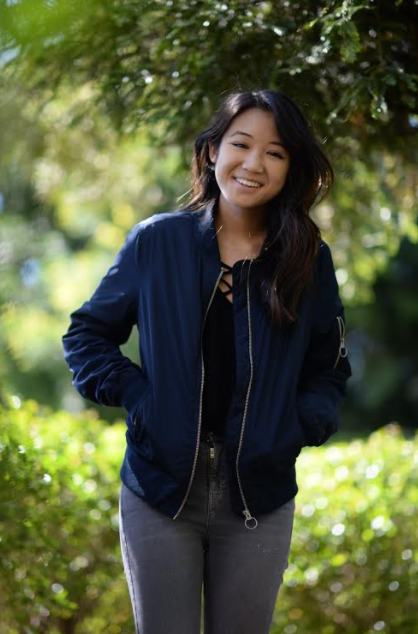
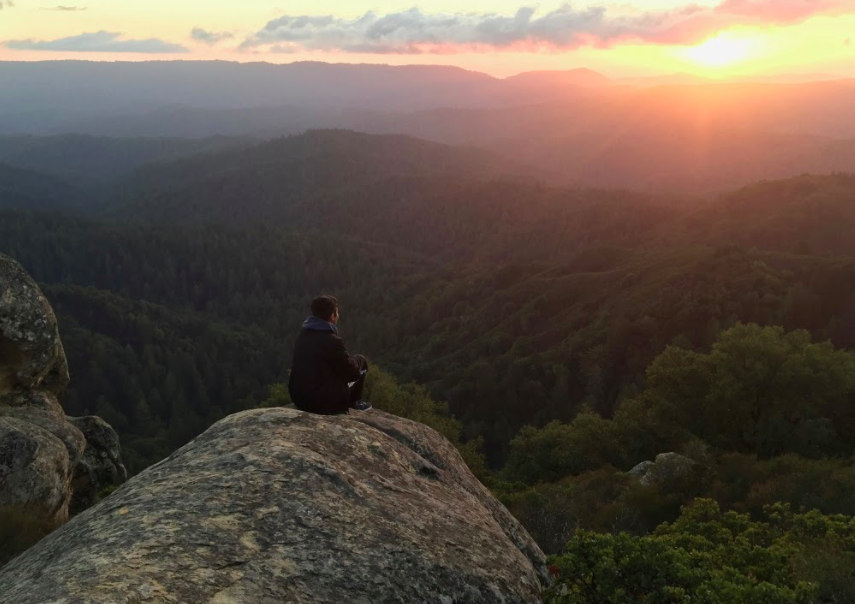
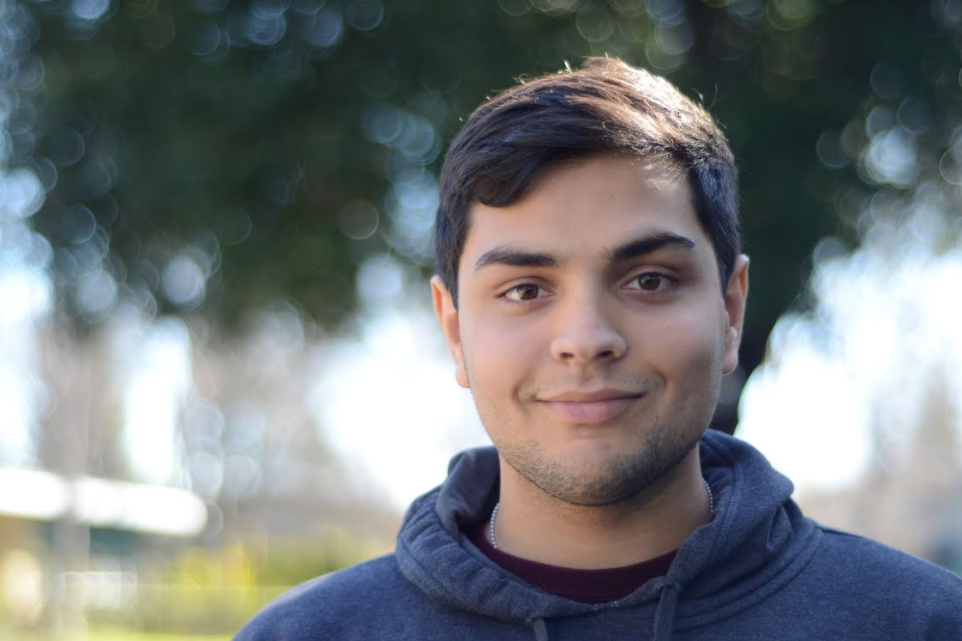
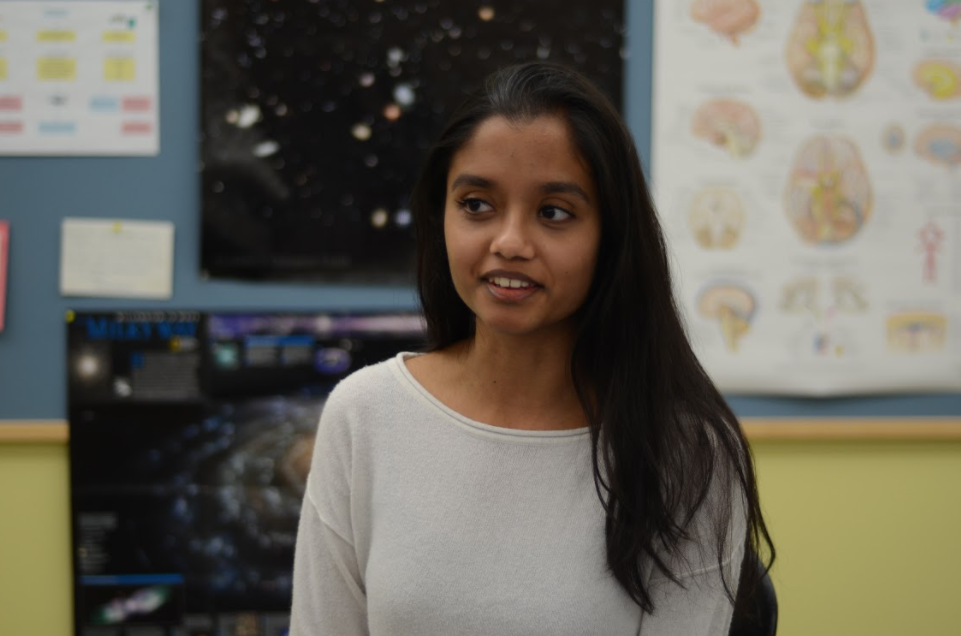
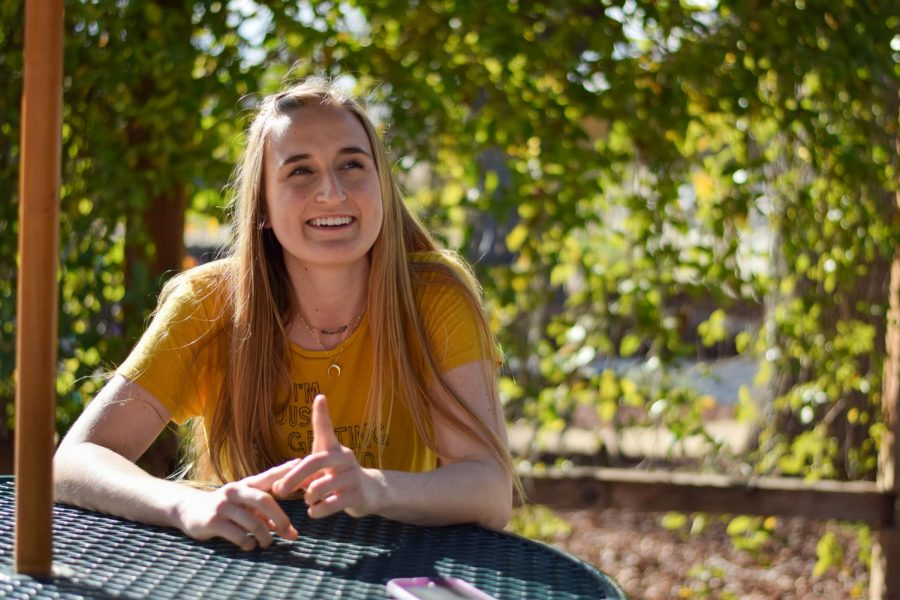
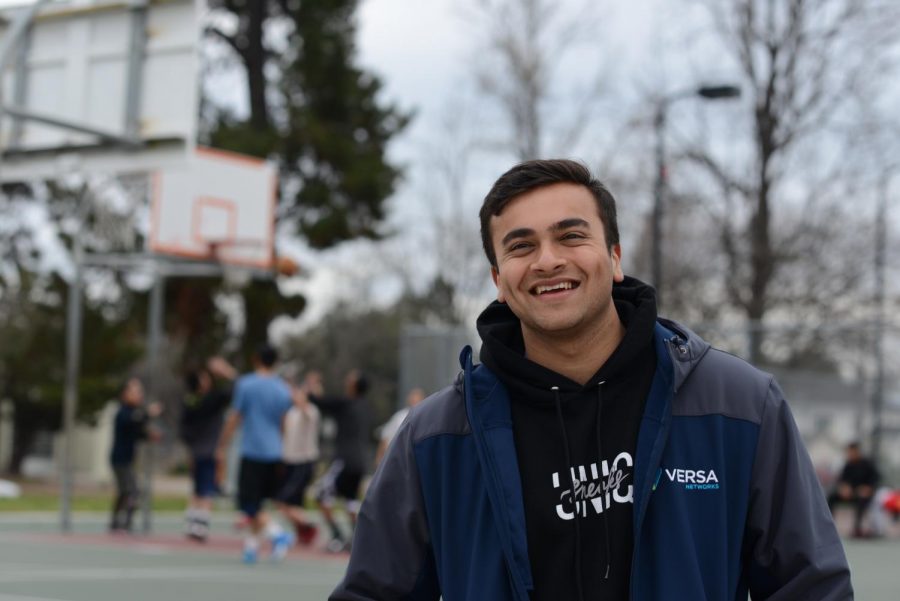
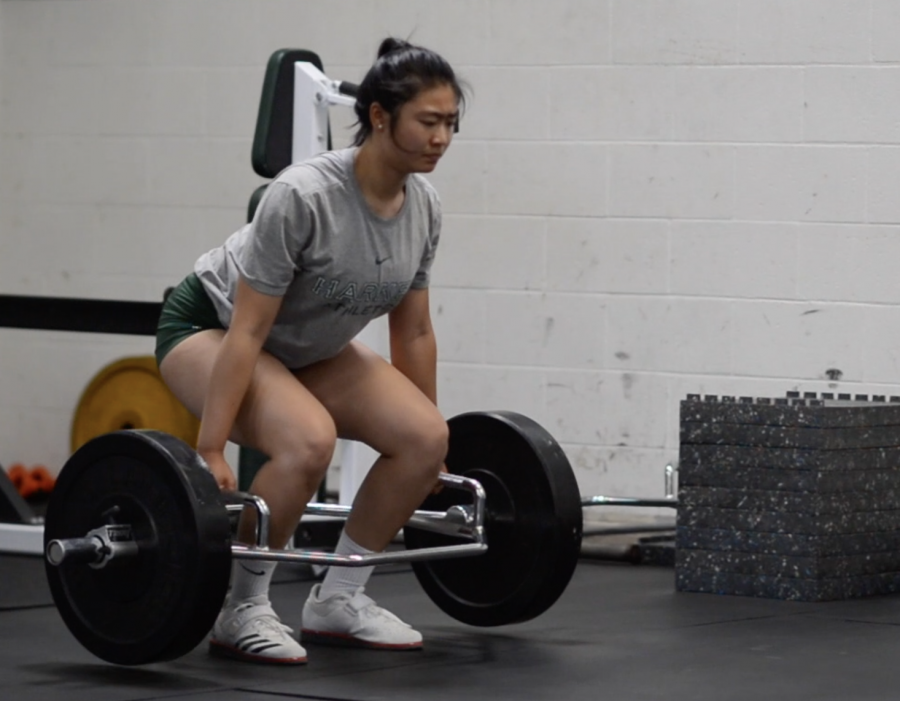
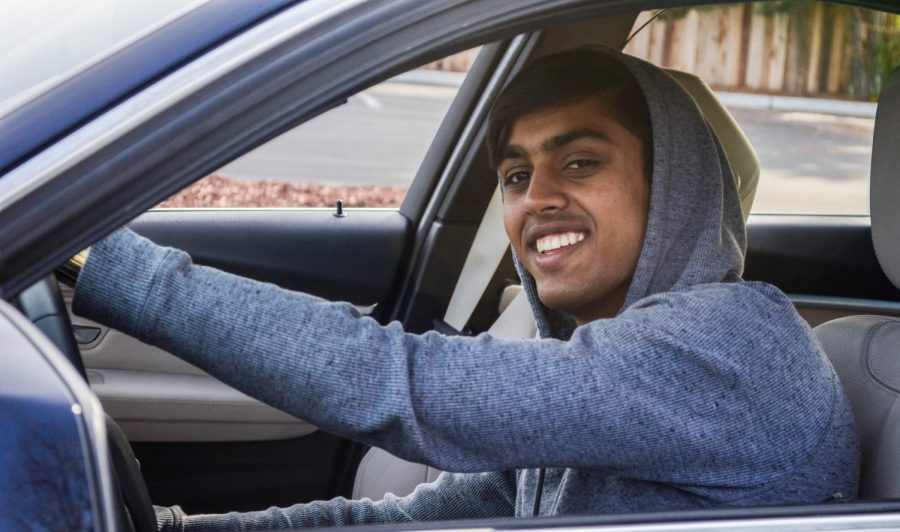
![“My slogan is ‘slow feet, don’t eat, and I’m hungry.’ You need to run fast to get where you are–you aren't going to get those championships if you aren't fast,” Angel Cervantes (12) said. “I want to do well in school on my tests and in track and win championships for my team. I live by that, [and] I can do that anywhere: in the classroom or on the field.”](https://harkeraquila.com/wp-content/uploads/2018/06/DSC5146-900x601.jpg)
![“[Volleyball has] taught me how to fall correctly, and another thing it taught is that you don’t have to be the best at something to be good at it. If you just hit the ball in a smart way, then it still scores points and you’re good at it. You could be a background player and still make a much bigger impact on the team than you would think,” Anya Gert (’20) said.](https://harkeraquila.com/wp-content/uploads/2020/06/AnnaGert_JinTuan_HoHPhotoEdited-600x900.jpeg)
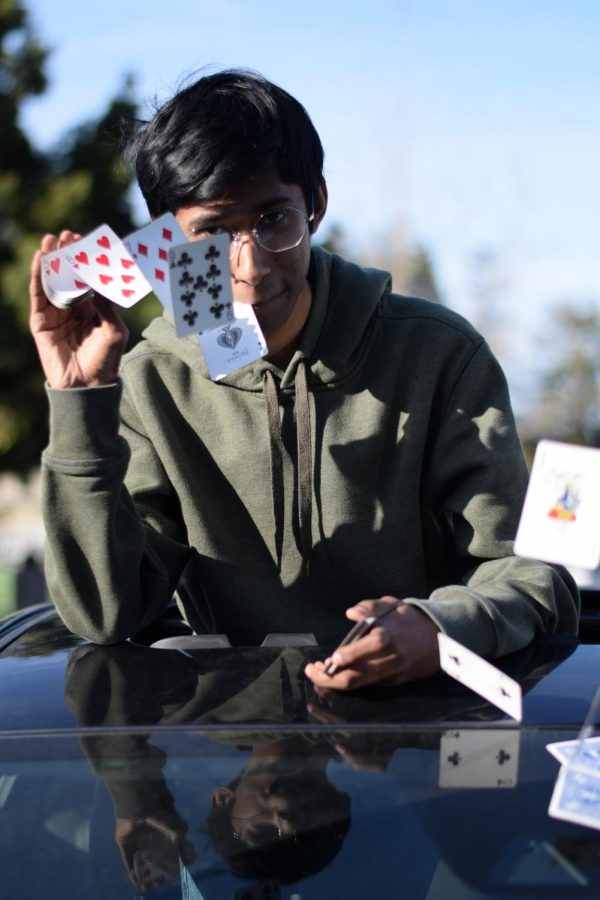
![“I'm not nearly there yet, but [my confidence has] definitely been getting better since I was pretty shy and timid coming into Harker my freshman year. I know that there's a lot of people that are really confident in what they do, and I really admire them. Everyone's so driven and that has really pushed me to kind of try to find my own place in high school and be more confident,” Alyssa Huang (’20) said.](https://harkeraquila.com/wp-content/uploads/2020/06/AlyssaHuang_EmilyChen_HoHPhoto-900x749.jpeg)


Rude, lax, and sometimes even illegal driving practices are aggravating the congested morning traffic around campus and eliciting increased concern from the school community this year.
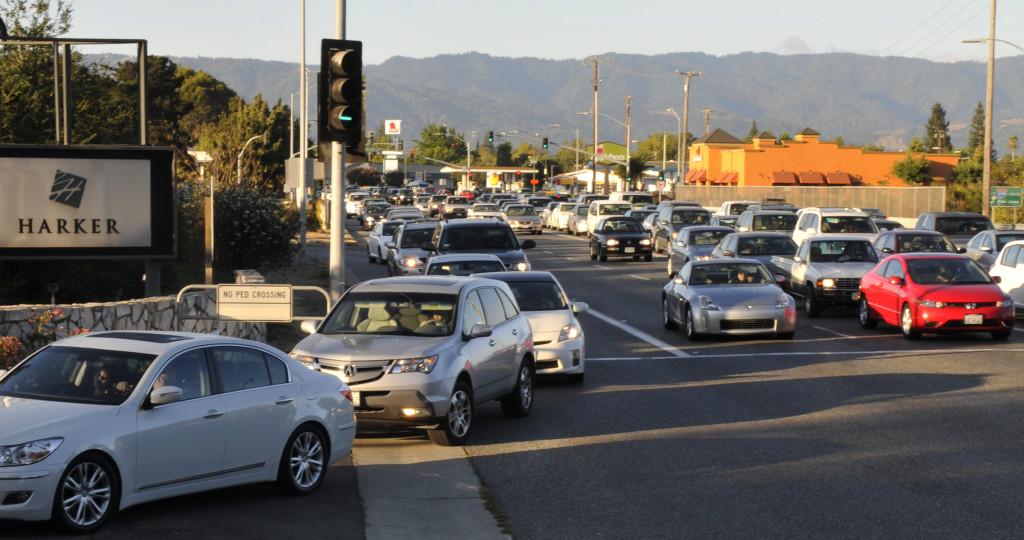
During the peak arrival period from about 7:40 to 7:55 a.m., both loading zones are packed with cars. With more vehicles arriving than leaving, the backup extends down Saratoga Avenue as far as the Blackford-Saratoga intersection. According to a number of students, driving from that intersection to the high school—less than half a mile—can sometimes take as long as 15 minutes. Many find traffic this year far worse than in previous years.
The nexus of the jam is right at the turnoff-style entrance to the school. Located beside the intersection of Saratoga Avenue and Interstate 280, the entrance is a choke point where cars converge and cross from all directions. In fact, according to Assistant Head of School Greg Lawson, the California Highway Patrol (CHP) and the San Jose Department of Transportation have named the 280-Saratoga junction one of the top two or three most regularly congested locations in the whole of San Jose.
Of particular concern to many students, parents, and faculty members is the perennial line of cars stretching along the shoulder of Saratoga Avenue waiting to enter the school. Starting as far as 1000 feet before the school turnoff, drivers tacitly line up in an extra right turn “lane” to the Upper School on the shoulder beside the right-most normal lane, though by law a driver can only shift into the shoulder or bike lane within 200 feet of a turn.
This illegal line of cars is creating a number of problems. It sometimes blocks people exiting 280 North, who have to cross it to merge onto Saratoga Avenue. It is also the source of much aggressive behavior.
“[Drivers] will just cut you off [in line]. It’s really dangerous—you can’t respond in time. I’m worried that at some point, there’ll be accidents outside,” said Mike Tsai (12), who drives himself to school.
Reaching the entrance, drivers do not always follow proper turning rules. Some make wide pan turns, crossing lane markings at the risk of hitting other cars; others ignore directions from the traffic directors and turn in the wrong direction, making, for instance, a right turn from a left turn lane.
At peak times, the two loading zones and the front parking lot inside the school are cramped and hectic as well. Some attribute the chaos to unpreparedness and distractedness.
“I don’t think the kids are ready or prepared to get out of the car when they get here. A lot of them put their backpacks and things in the back of the vehicle instead of where they can just get it and jump out,” Security Supervisor Emily Manigo said. “There’s also parents not paying attention… I notice a lot of people on their phones.”
Many complain about aggressive behavior as well, especially from parent drivers.
“Some parents don’t realize that there’s a space in front of them. Go forward. [But then] the car behind them tries to go in front. That’s not safe. The lanes are super small—you don’t really have the luxury of cutting in front of other people,” Ashtyn Ka (12) said.
Even some parents agree.
“It seems like a lot of people are very impatient, and they go out of traffic rules […] they squeeze in, they jump right in at yellow lights […] they cut in line. I’ve seen this happen in the past, but it’s never been as bad as this past month,” said Maria Chan, Tracey Chan’s (12) mother. “I think it’s parents more; I don’t pay attention to the age of the driver, but I think there’s two people in the car.”
Other people blame the sheer number of cars that pour onto campus at the same time.
“The children don’t like to get up before they have to, so everybody shows up all at once, at the last minute,” said Alice Palmer, mother of Erik Andersen (10).
Sanjay Baldwa, Sanjana Baldwa’s (11) father, feels that the morning traffic is not too severe a problem. “Too many lights on Saratoga, and too many people trying to get to school at the same time and leave the school at the same time [cause congestion],” he said. “People want to be at school on time, so they tend to overlook the rules, but for the most part people are okay. They’re pretty good at following rules.”
But according to Lydia Werthen (10), for some people the congestion has grown so bad that to spare the trouble of entering campus, parents drop their children off by the apartments or by the little house housing the maintenance staff beside the school. From there, the students walk onto campus.
The school has taken and is still taking steps to solve these issues. Hoping to lessen the influx of cars, Upper School Dean of Students Kevin Williamson sent out a letter to the community encouraging students to come earlier in general and to spread out their arrival times by grade.
“I was surprised at the behavior and the frantic push to get past stoplights [… ]to make it to school on time. I thought it was a good idea to come up with some solutions,” he said. “The more people plan on coming earlier, the safer and less chaotic it’ll be for all of us. It’s nice to get here earlier, to be able to walk to your locker and take a couple of deep breaths before you run off to class.”
To alleviate the disorder at the school entrance, according to Lawson, a volunteer off-duty San Jose police officer will stop by one morning this week. Car by car, he or she will notify drivers in the line that by being in the bike lane so far ahead of their exit they are infringing traffic laws. The officer will redirect them back onto the real right lane and guide them back to the shoulder around 200 feet before the school entrance, while helping drivers exiting 280 cross onto Saratoga Avenue safely.
And as in previous years, the school has worked with the CHP to prolong the green light allowing cars to exit the campus.
In the end, though, the school cannot control the traffic. Drivers’ behaviors–their timing, alertness, and courtesy — determine car flow and traffic conditions.
“We’re constantly trying to tweak what we can tweak, but we don’t have control over a lot […] The biggest issues, quite frankly, are with our own parents, who sometimes ignore […] the code of the highway,” Lawson said. “I understand their stress. But sometimes you just have to put that in perspective against the safety of the children, which for us is the most important.”
Williamson agreed. He said, “Ultimately, it comes down to the aggressiveness of the student and parent drivers. How civil do you want to be to other people? It’s up to the parents and students to […] try to figure out a way to work together.”






![“Probably the most important thing that I can do is to help raise awareness amongst youth because [students] are the ones that sadly are going to inherit this mess. It’s important for us, the people who helped take the planet to the place it is now, to really lean in and make a difference about this issue," Moss said.](https://harkeraquila.com/wp-content/uploads/2026/05/DSC_9315-e1778880890147-1200x873.jpg)

