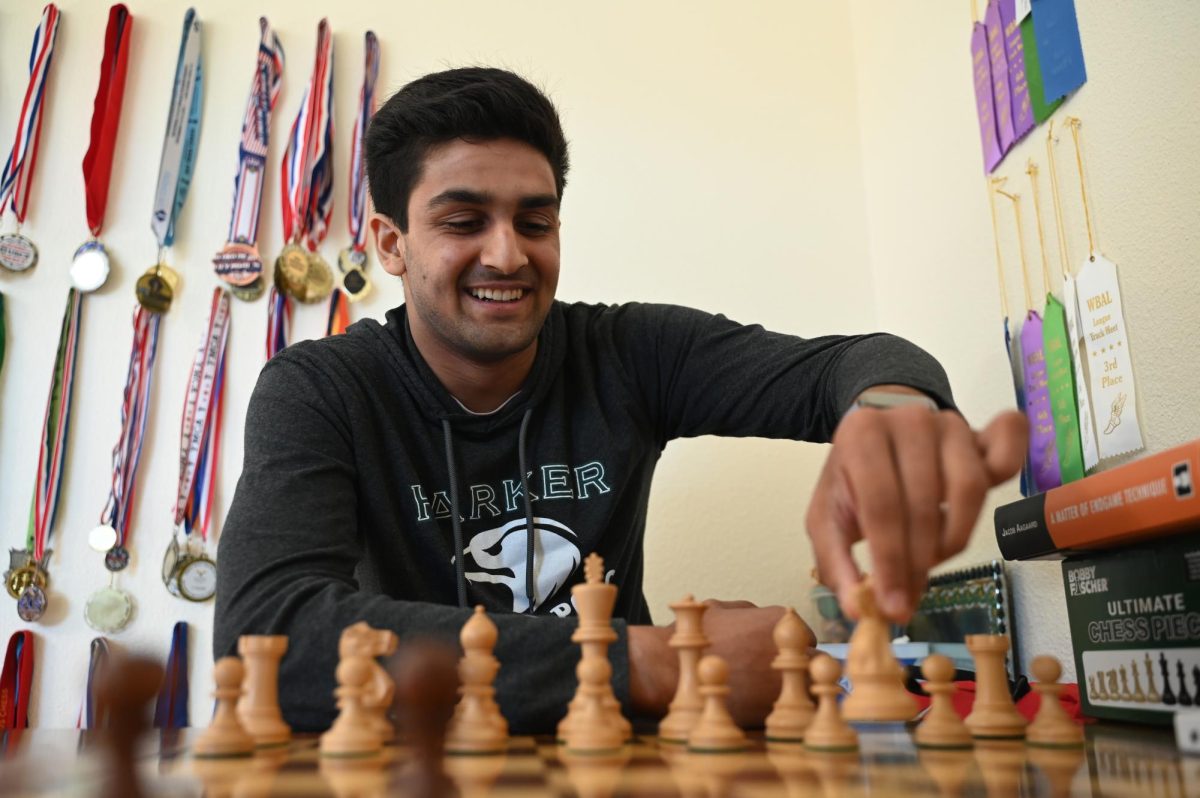
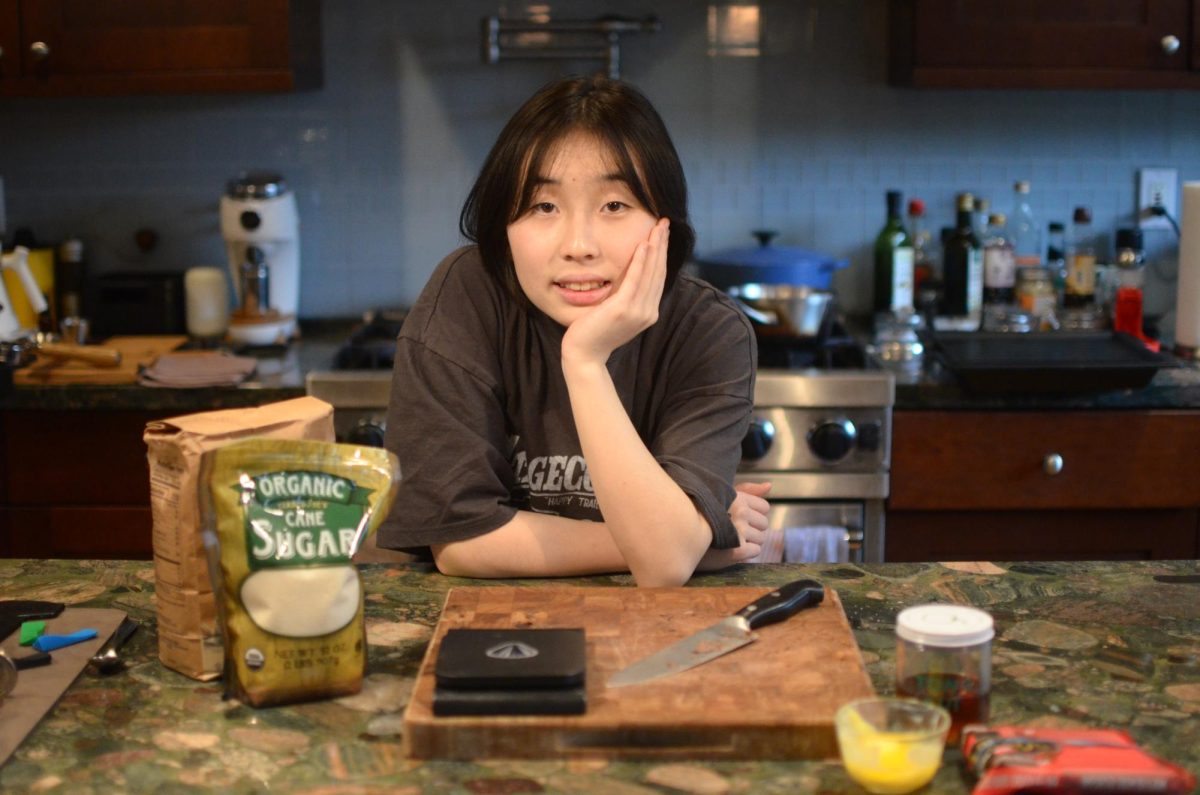
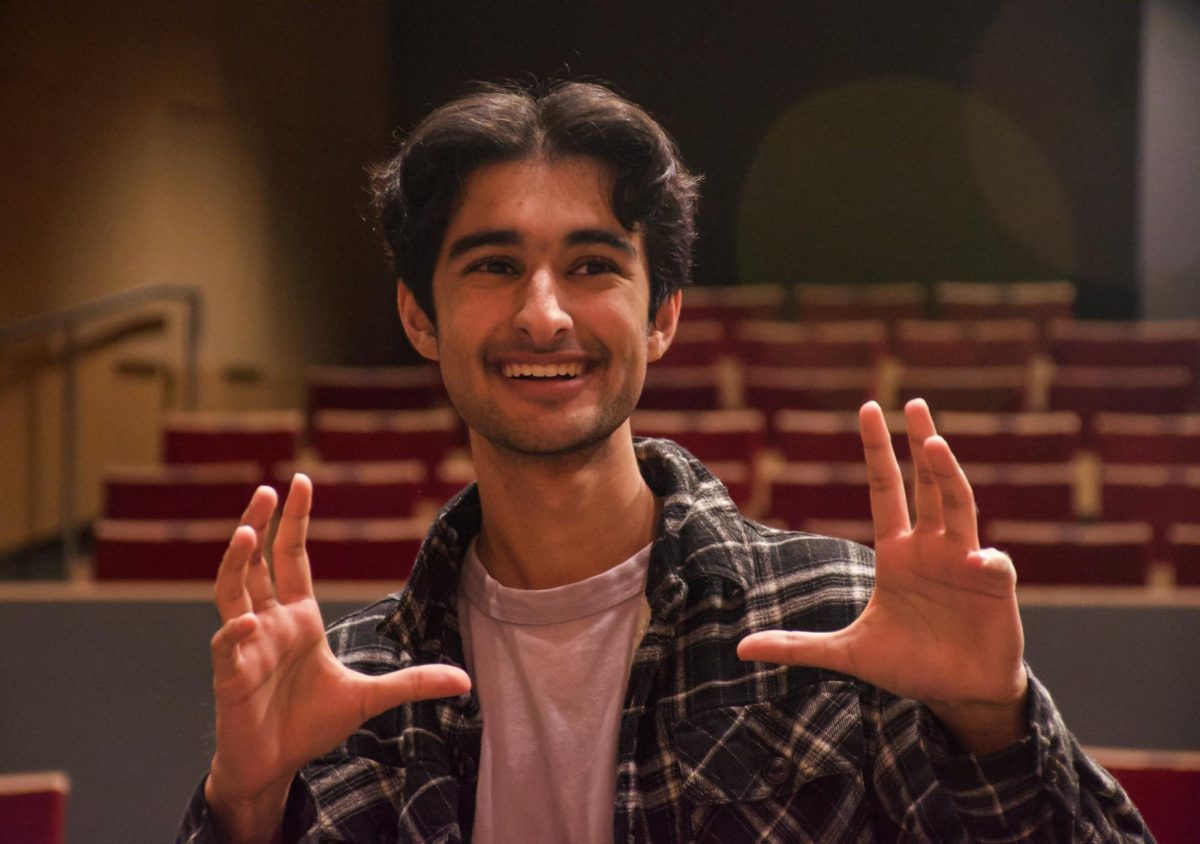
![“I wasn't discouraged by some of the obstacles we faced. I learned a lot from the leadership. I found that different people need different ways of receiving feedback — you can't [just] tell them to do something and expect the best. [Some] people needed more incentive. A large part of my role was to figure out what worked for everyone and to figure out how to lead all these separate individuals as a team,” Suhana Bhandare (’26) said.](https://harkeraquila.com/wp-content/uploads/2026/06/SuhanaBhandare_JasmineHansra-1-1200x798.jpg)
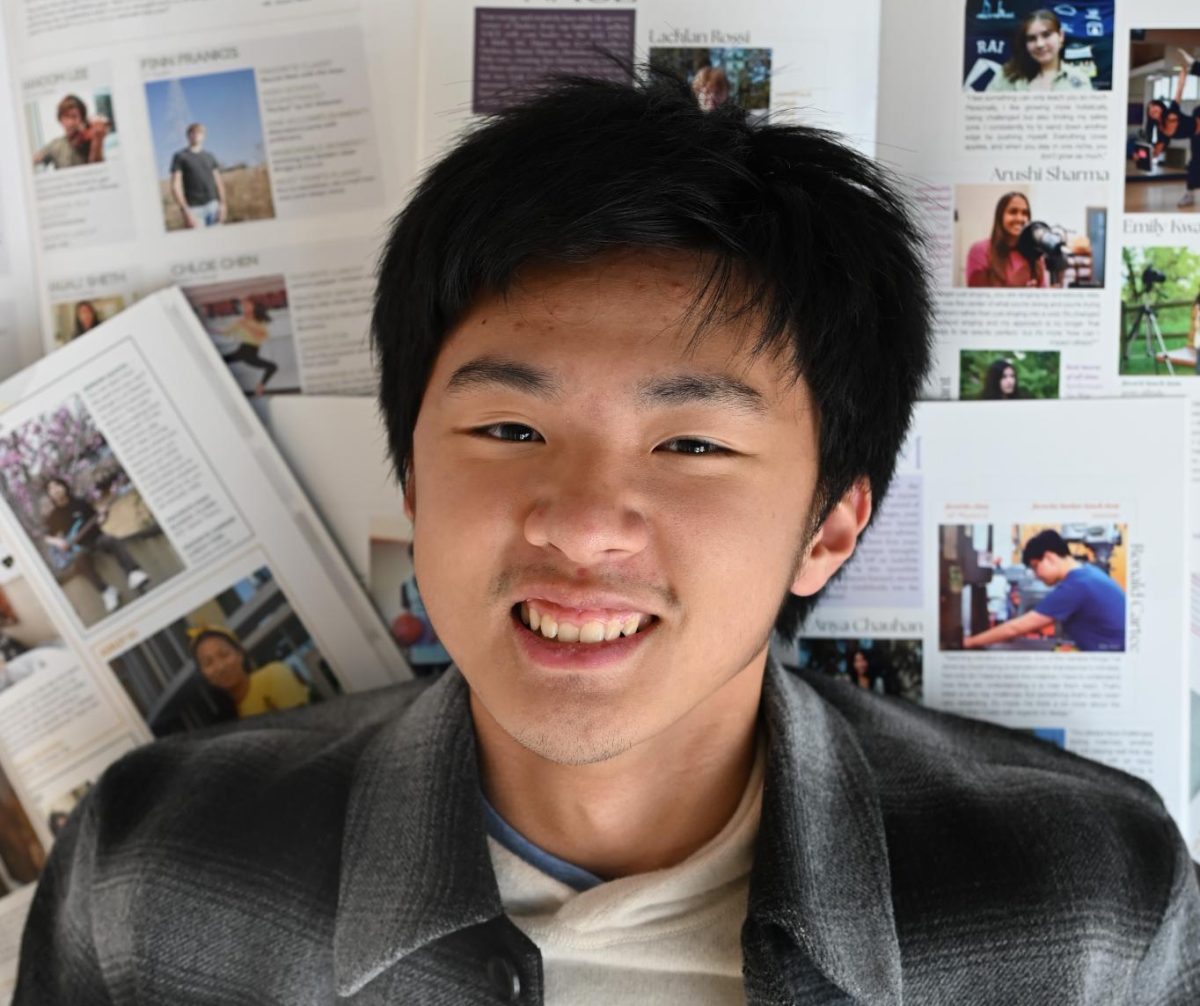
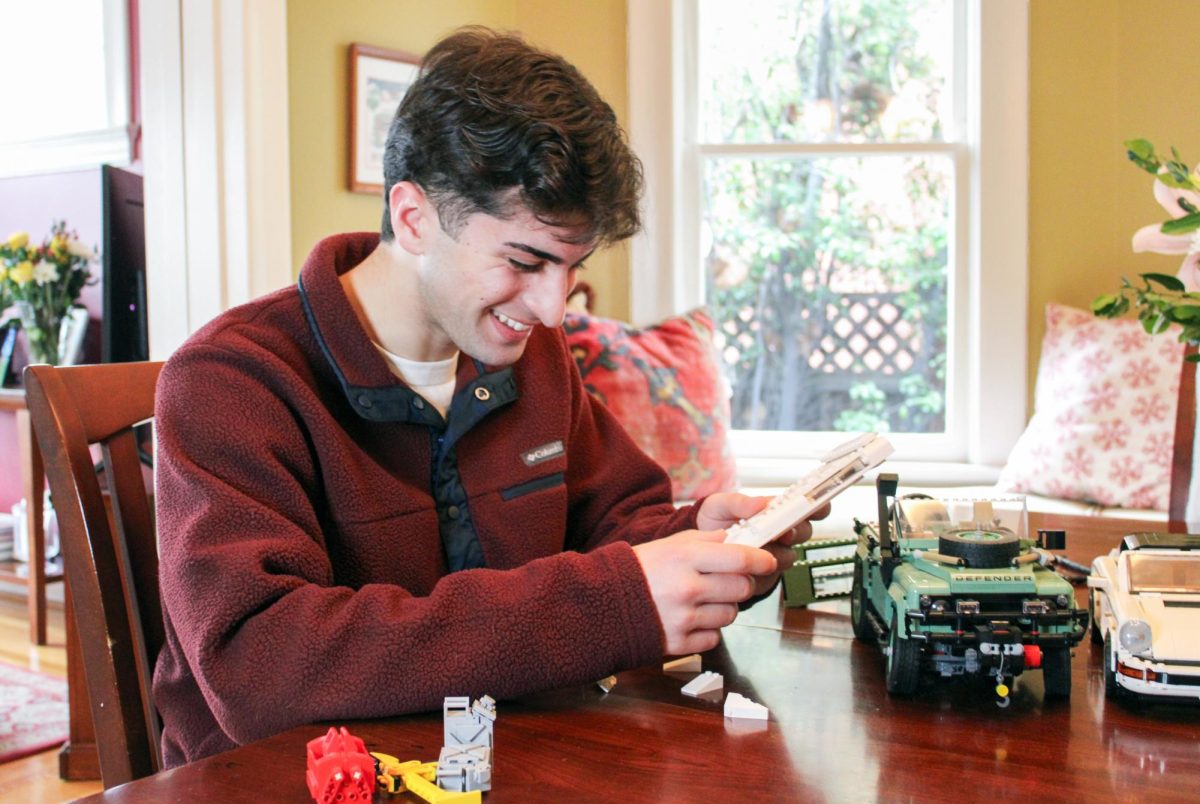
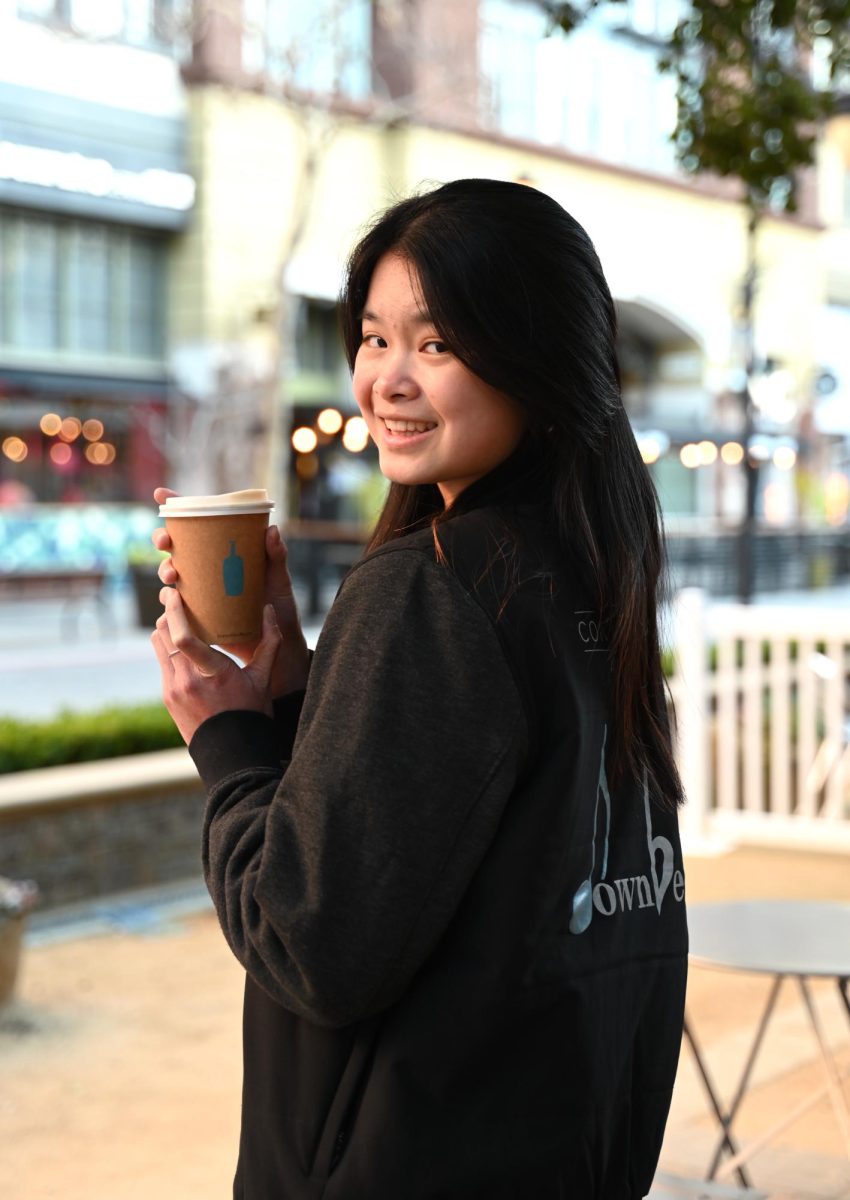
![“This is actually from Randy Pausch Randy P. Brick: ‘Walls are there for a reason. You have to show how much you want to overcome them.’ You have to show how much you want something. That's what I've always been able to do with tennis, Link Crew and getting that internship [with Kushy Baby]. It’s important pushing through that — getting around that brick wall, climbing over it or clawing through it,” Yash Sachdeva (’26) said.](https://harkeraquila.com/wp-content/uploads/2026/05/YashSachdeva_RamBatchu-copy-1200x1002.jpg)




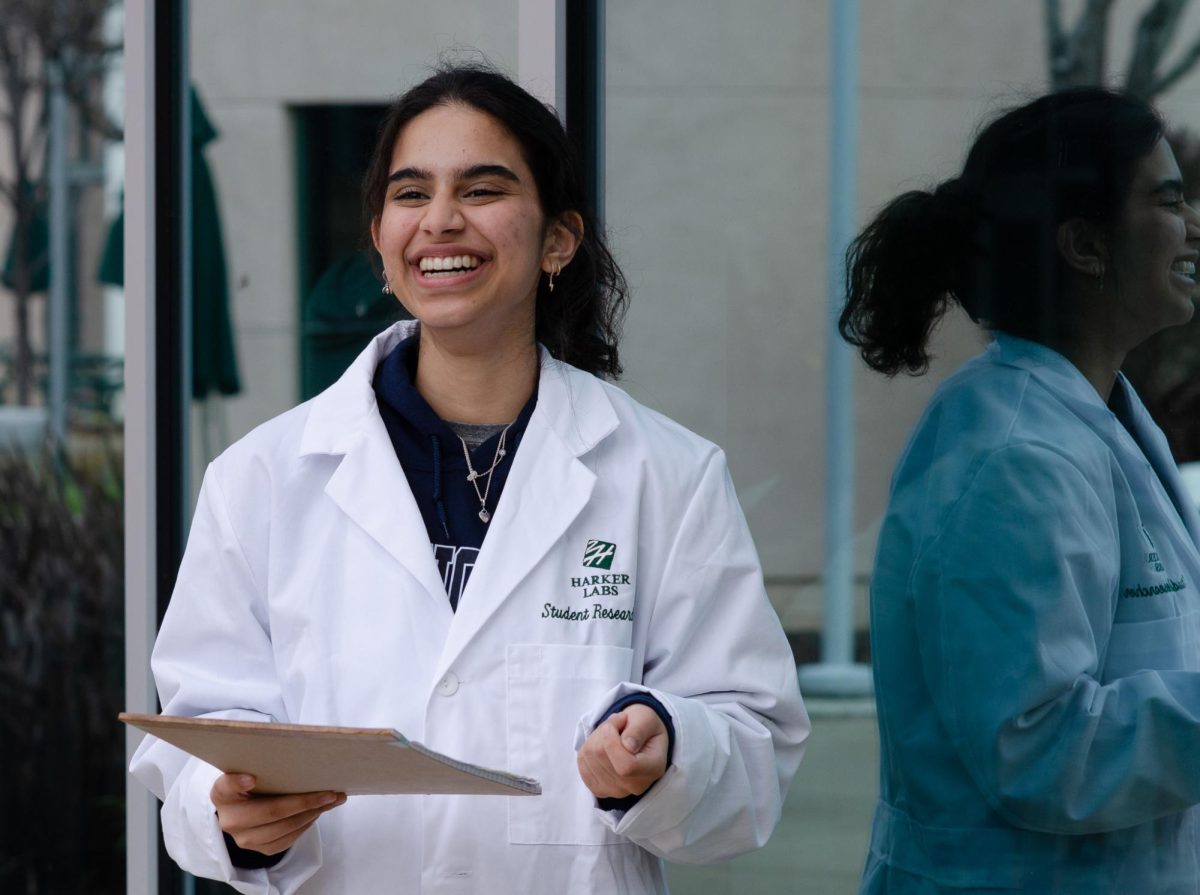
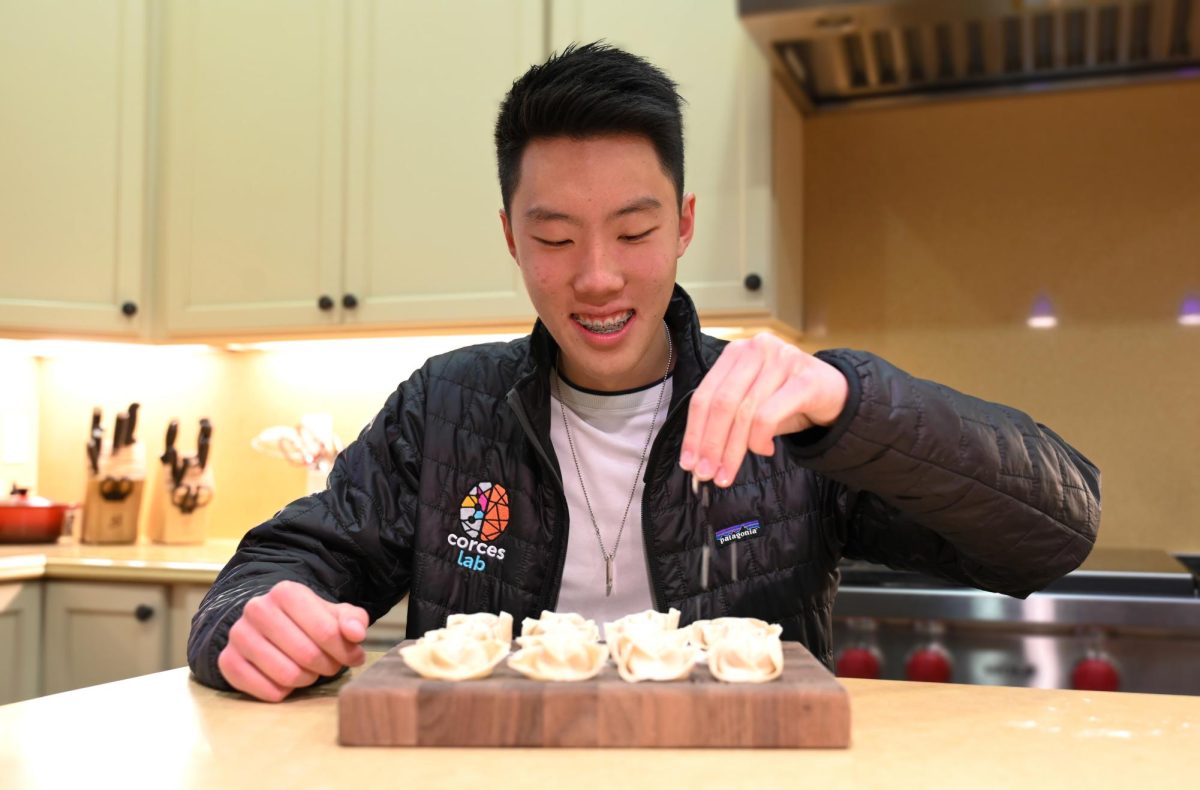
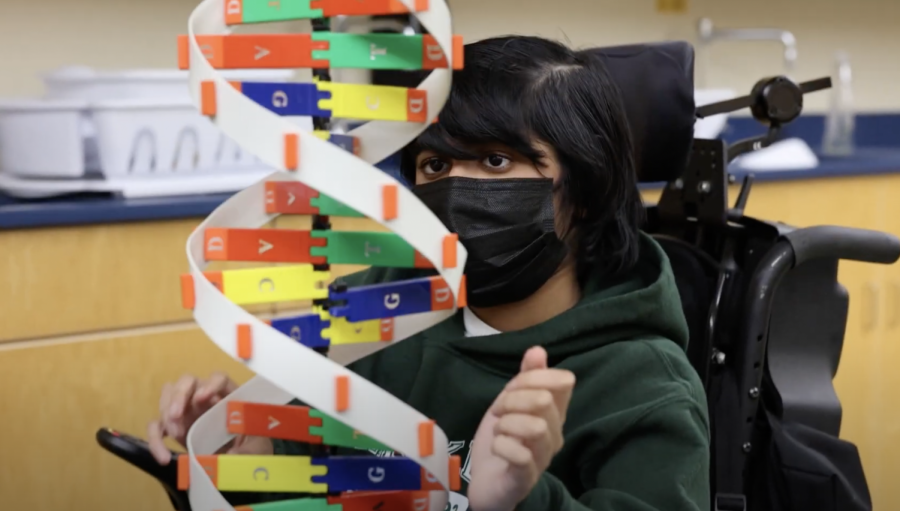
![“[Building nerf blasters] became this outlet of creativity for me that hasn't been matched by anything else. The process [of] making a build complete to your desire is such a painstakingly difficult process, but I've had to learn from [the skills needed from] soldering to proper painting. There's so many different options for everything, if you think about it, it exists. The best part is [that] if it doesn't exist, you can build it yourself," Ishaan Parate said.](https://harkeraquila.com/wp-content/uploads/2022/08/DSC_8149-900x604.jpg)
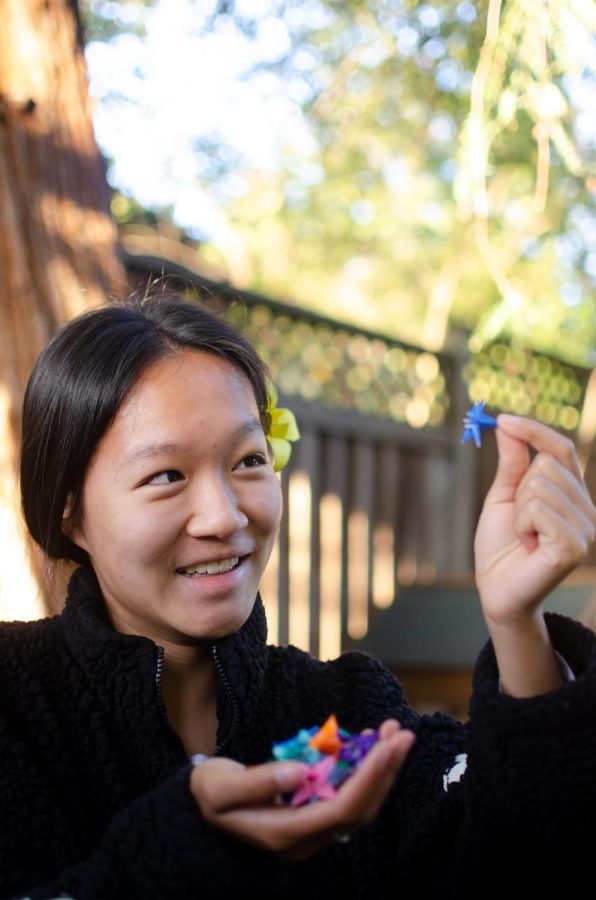
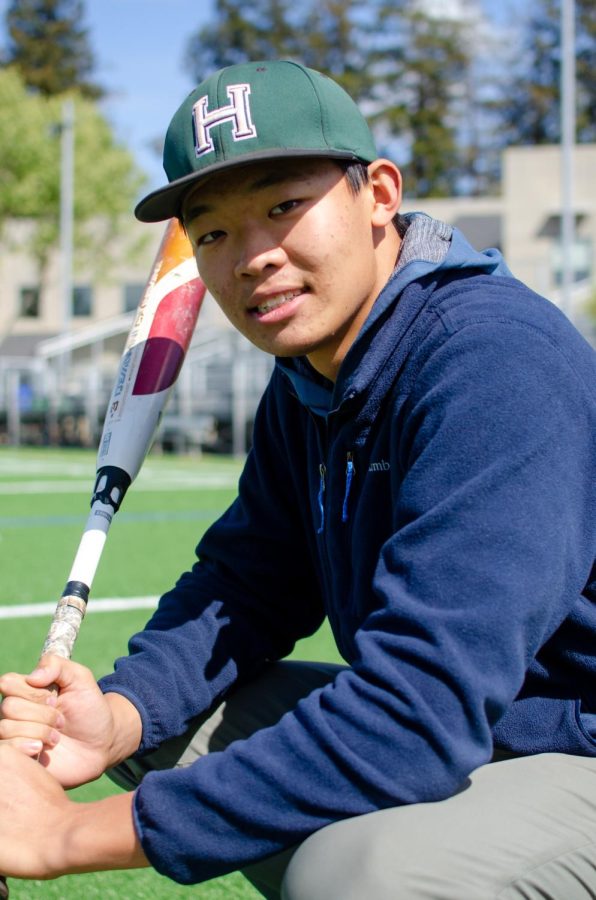
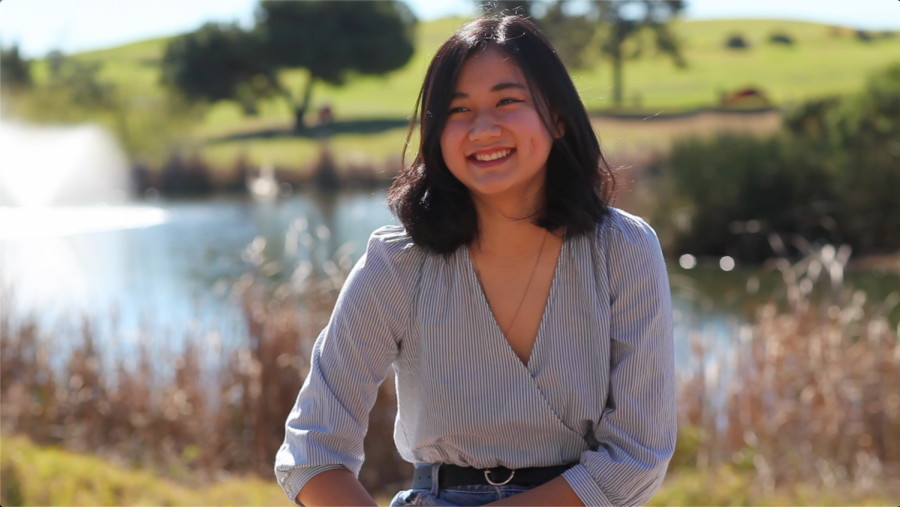
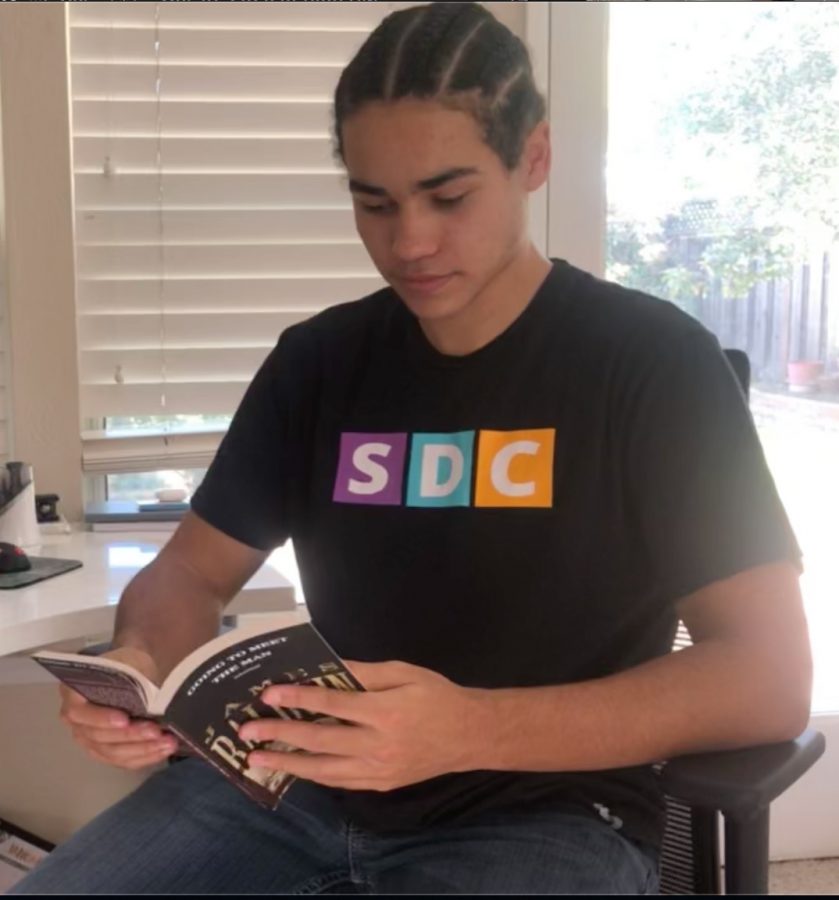
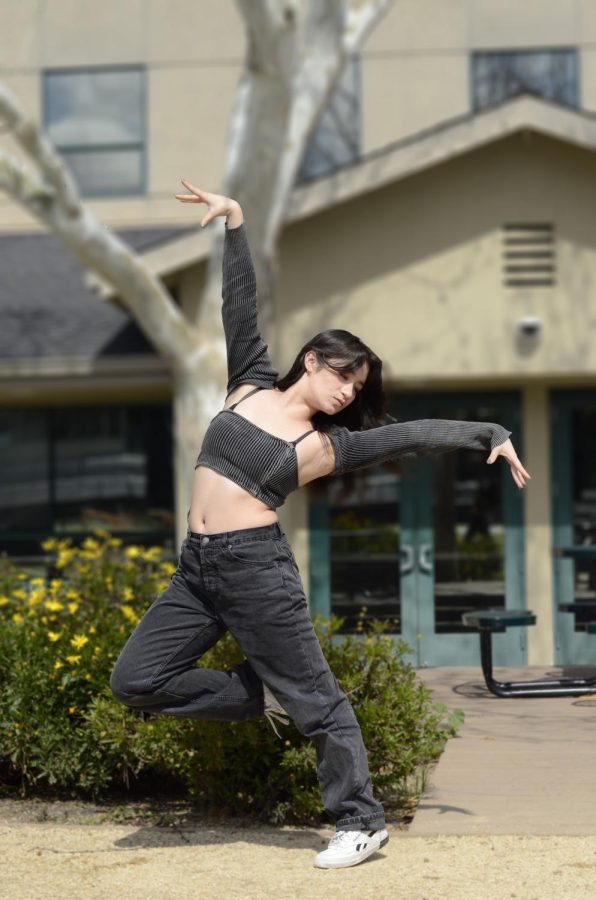
![“When I came into high school, I was ready to be a follower. But DECA was a game changer for me. It helped me overcome my fear of public speaking, and it's played such a major role in who I've become today. To be able to successfully lead a chapter of 150 students, an officer team and be one of the upperclassmen I once really admired is something I'm [really] proud of,” Anvitha Tummala ('21) said.](https://harkeraquila.com/wp-content/uploads/2021/07/Screen-Shot-2021-07-25-at-9.50.05-AM-900x594.png)
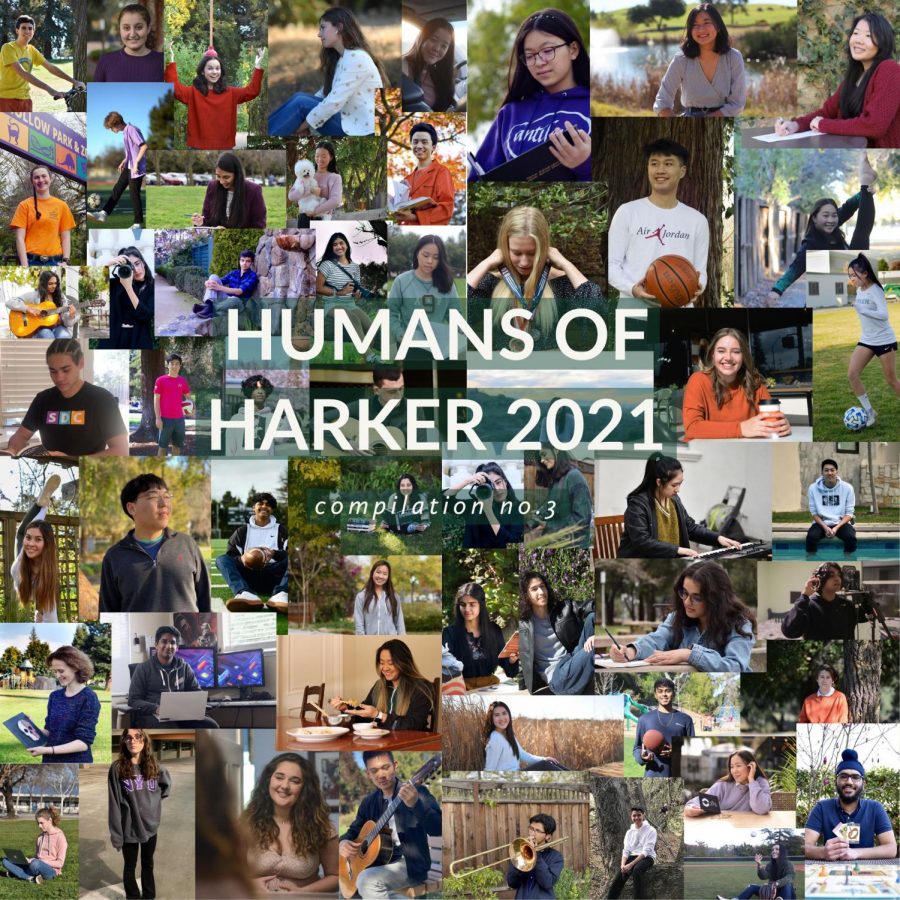
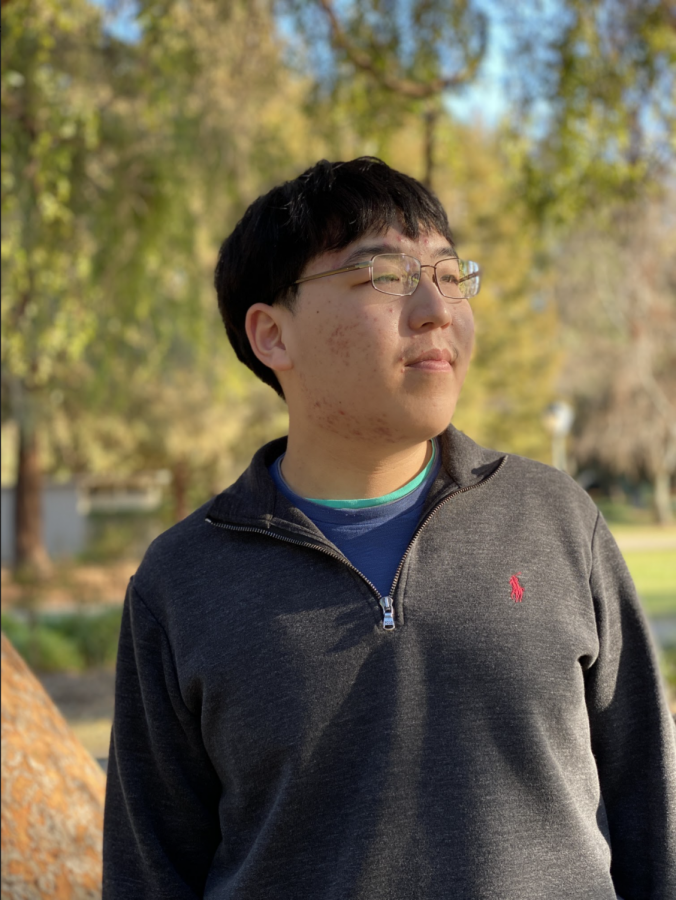
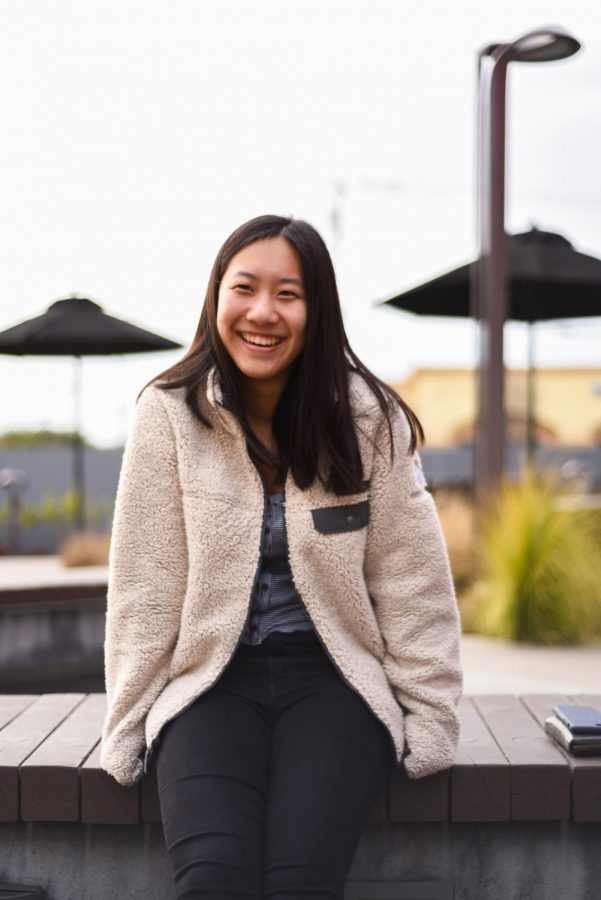
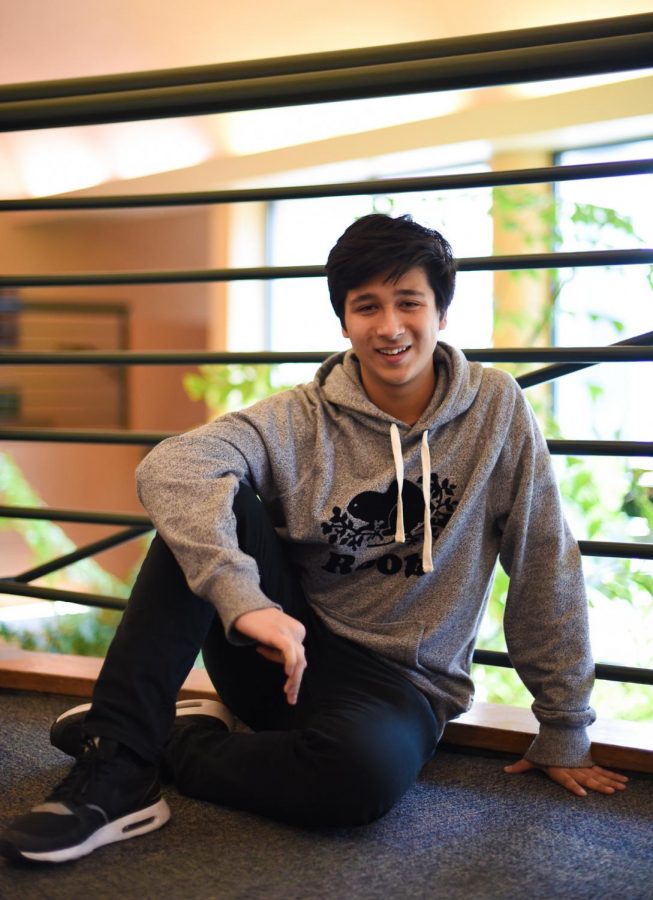
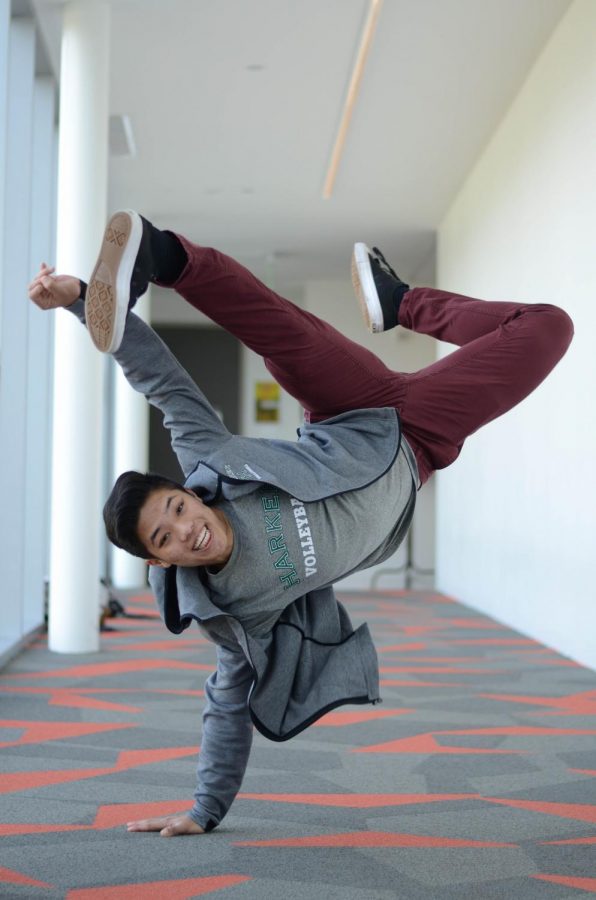
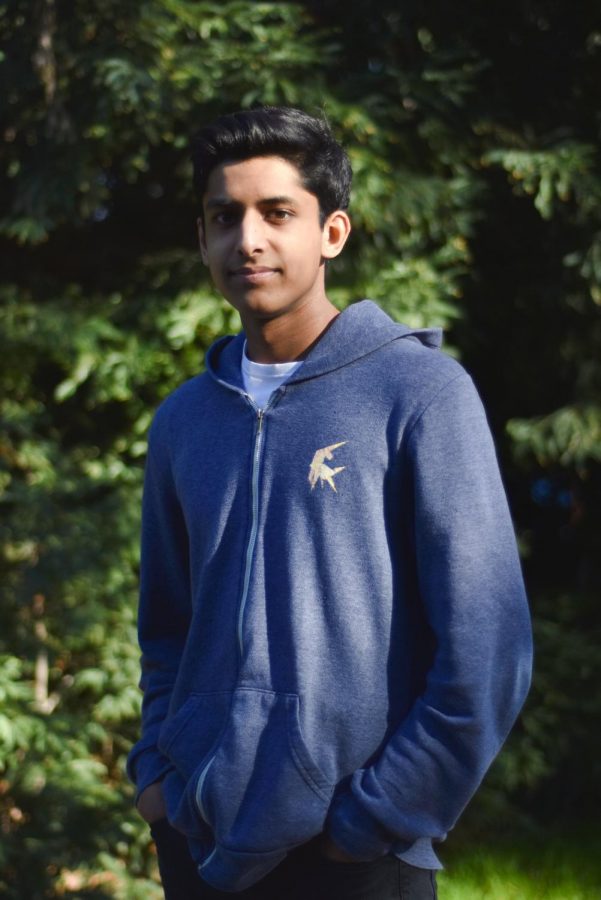

![“I think getting up in the morning and having a sense of purpose [is exciting]. I think without a certain amount of drive, life is kind of obsolete and mundane, and I think having that every single day is what makes each day unique and kind of makes life exciting,” Neymika Jain (12) said.](https://harkeraquila.com/wp-content/uploads/2017/06/Screen-Shot-2017-06-03-at-4.54.16-PM.png)

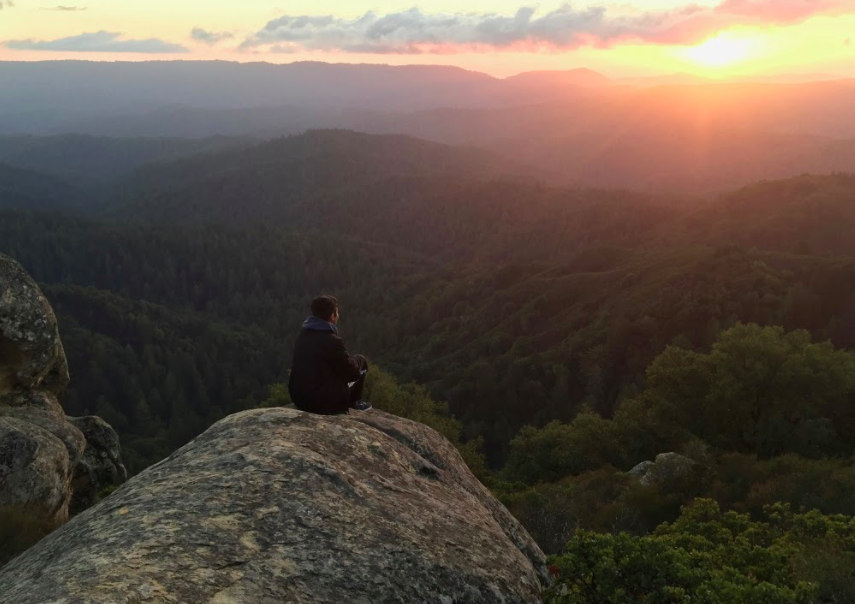
![“My slogan is ‘slow feet, don’t eat, and I’m hungry.’ You need to run fast to get where you are–you aren't going to get those championships if you aren't fast,” Angel Cervantes (12) said. “I want to do well in school on my tests and in track and win championships for my team. I live by that, [and] I can do that anywhere: in the classroom or on the field.”](https://harkeraquila.com/wp-content/uploads/2018/06/DSC5146-900x601.jpg)
![“[Volleyball has] taught me how to fall correctly, and another thing it taught is that you don’t have to be the best at something to be good at it. If you just hit the ball in a smart way, then it still scores points and you’re good at it. You could be a background player and still make a much bigger impact on the team than you would think,” Anya Gert (’20) said.](https://harkeraquila.com/wp-content/uploads/2020/06/AnnaGert_JinTuan_HoHPhotoEdited-600x900.jpeg)
![“I'm not nearly there yet, but [my confidence has] definitely been getting better since I was pretty shy and timid coming into Harker my freshman year. I know that there's a lot of people that are really confident in what they do, and I really admire them. Everyone's so driven and that has really pushed me to kind of try to find my own place in high school and be more confident,” Alyssa Huang (’20) said.](https://harkeraquila.com/wp-content/uploads/2020/06/AlyssaHuang_EmilyChen_HoHPhoto-900x749.jpeg)


Sophomore Olivia Zhao stands at the starting line of the San Francisco Marathon’s first half in late July, surrounded by thousands of runners buzzing with anticipation. The chaos, the chatter and the nerves at one of her first half-marathons pressed in on her all at once, making her feel both overwhelmed and exhilarated.
“I was nervous because I’ve never run beside so many people in my life before,” Olivia said. “It also felt really inspirational since so many people were out there, some who weren’t even running. It felt so good that the community was there to support you and push you to be the best.”
Olivia’s path to long-distance running began in middle school, when she joined the track team but mainly focused on short sprints. However, she gained an interest in long-distance running this past year, starting with 5Ks and 10Ks before her dad encouraged her to do her first half-marathon.
“For long-distance, it’s more about mentality rather than speed and strength, because you have to have the mindset to keep on going and endure,” Olivia said. “In long-distance, you have to keep thinking about the end and pace yourself, but in short distance you’re just thinking about trying to go as fast as you can.”
To prepare, Olivia changed her diet to incorporate more protein. She also ran around a 400-meter track everyday, doing a combination of slower paced-runs that build endurance and sprints for speed. Even on days when she felt tired, Olivia made sure she ran to the best of her ability.
“You have to change your mindset to not stop or not quit, even if you’re not feeling well,” Olivia said. “Especially some days when I’m training, I’m not feeling my best, but I still try my best. Those days when you aren’t feeling good and keep on pushing yourself [are the] times you get stronger.”
Middle School Division Head Evan Barth has also been drawn to long-distance sports since he was young. Growing up, he often spent weekends on long bike rides and later turned to triathlons as a way to stay healthy by mixing in different forms of exercise like running and swimming. He finds mental clarity especially in the training aspect of the sport.
“Training is a way to simplify my mind in the sense that when you’re on a 40-mile run up in the hills, that’s all you’re doing,” Barth said. “So, all you’re thinking about is, ‘How do I feel? What am I going to eat? What am I going to drink?’ Anything else that’s going on in life takes a backseat.”
While training brings a sense of focus and calm for Barth, he also highlights how it comes with its own share of difficulties. He noted that preparing for major events sometimes leaves him in situations where his body is pushed to exhaustion.
“I always hit a training run or ride where I just bottom out — run out of water, get overheated or feel completely depleted,” Barth said. “But I like those moments, because I’ve pushed my body as far as it can go and found what it can’t do. Then, I do everything possible to make sure I don’t get there again.”
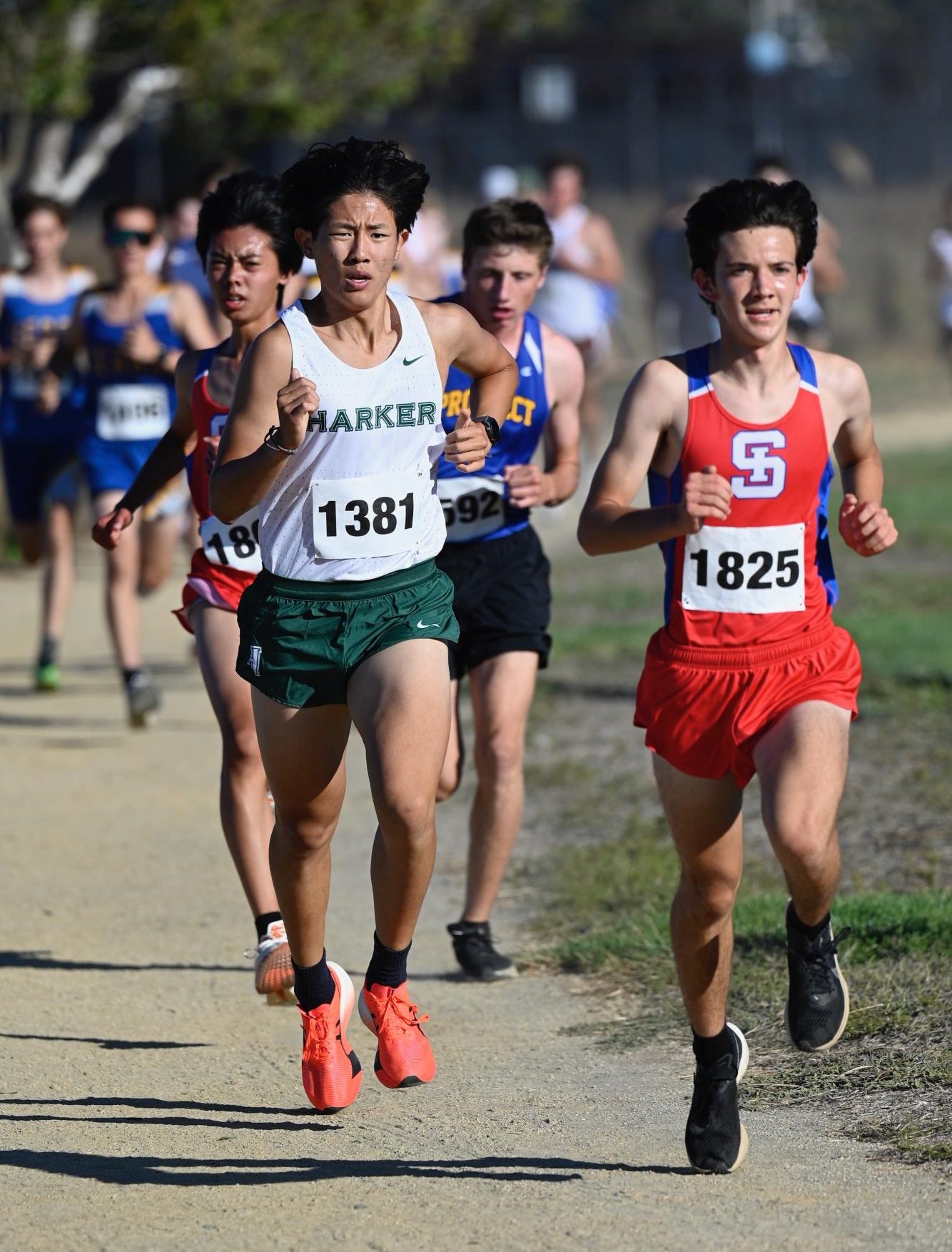
While Barth reflects on the personal challenges of training for endurance sports, junior Sean Wang views long-distance running as a way to connect with peers through bonding with his fellow teammates. Having joined cross country as a frosh for fun, he continues to run as a hobby and credits his team for making him feel engaged and supported while participating in the sport.
“[It’s challenging to get] myself to run on my own, because for me, [long-distance] running is a very social thing,” Sean said. “It’s something that I associate with my teammates and my friends. During practice, if I’m struggling and someone I know who is faster than me runs up to me and is like, ‘Hey, you’re doing great,’ [I’ll] just keep running. That’s really motivating, but then we also get to bond because they’re encouraging me to keep going forward.”
For those interested in starting long-distance running, Sean offered advice drawn from his experience on the team.
“Just take the leap of faith,” Sean said. “[Running is] a very forgiving sport. No one’s going to try and push you down or demotivate you, because the long-distance running community is all in it together. We all know of the pain, and we’re all here to welcome you.”