


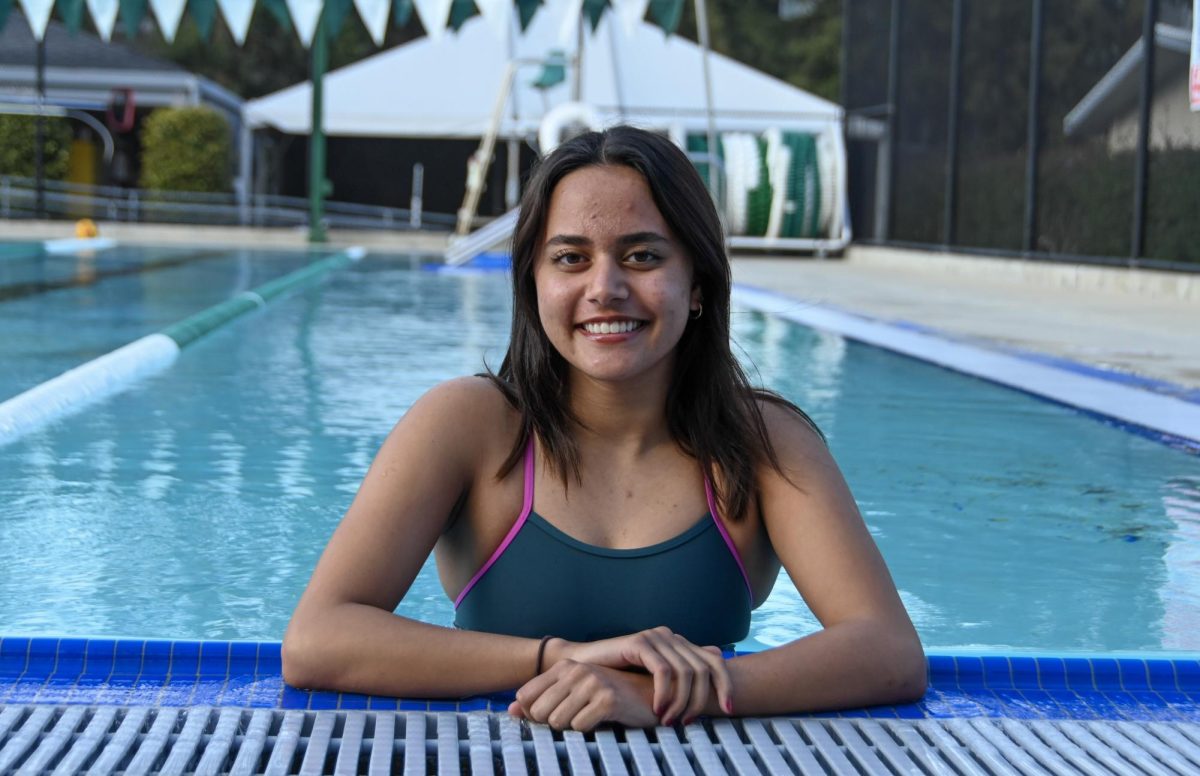
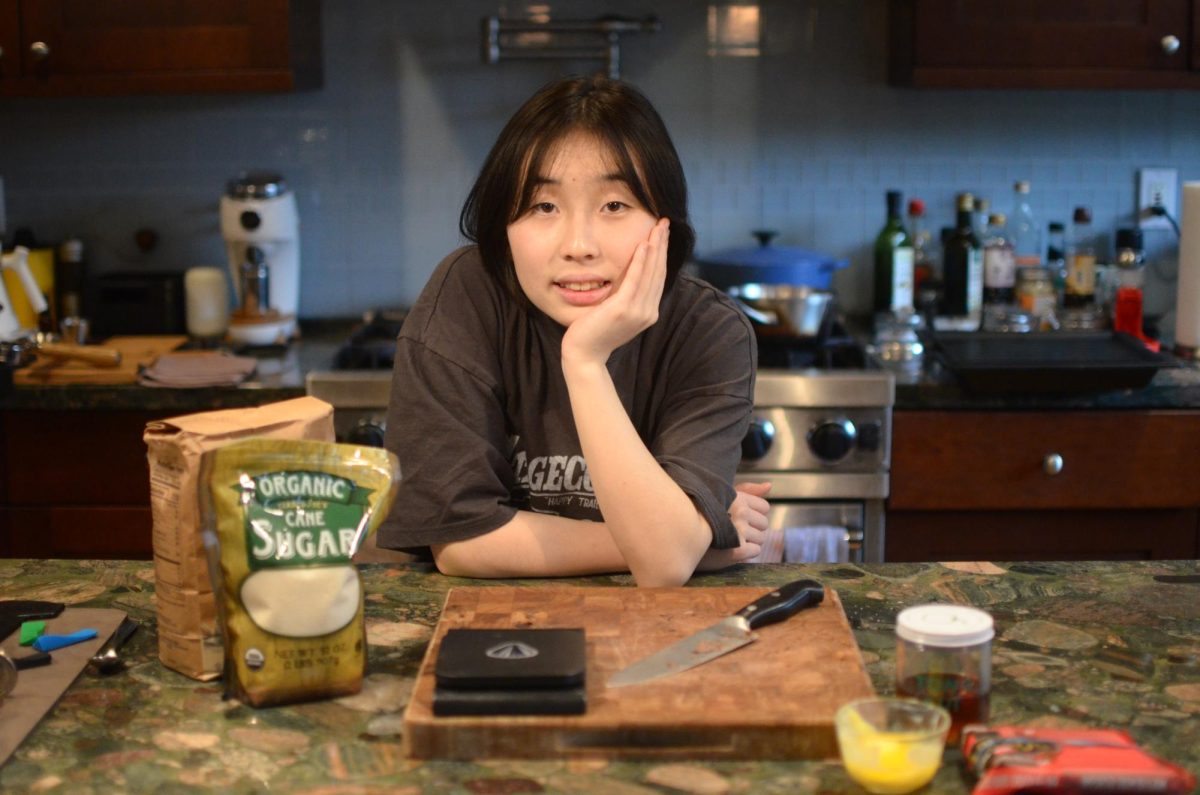
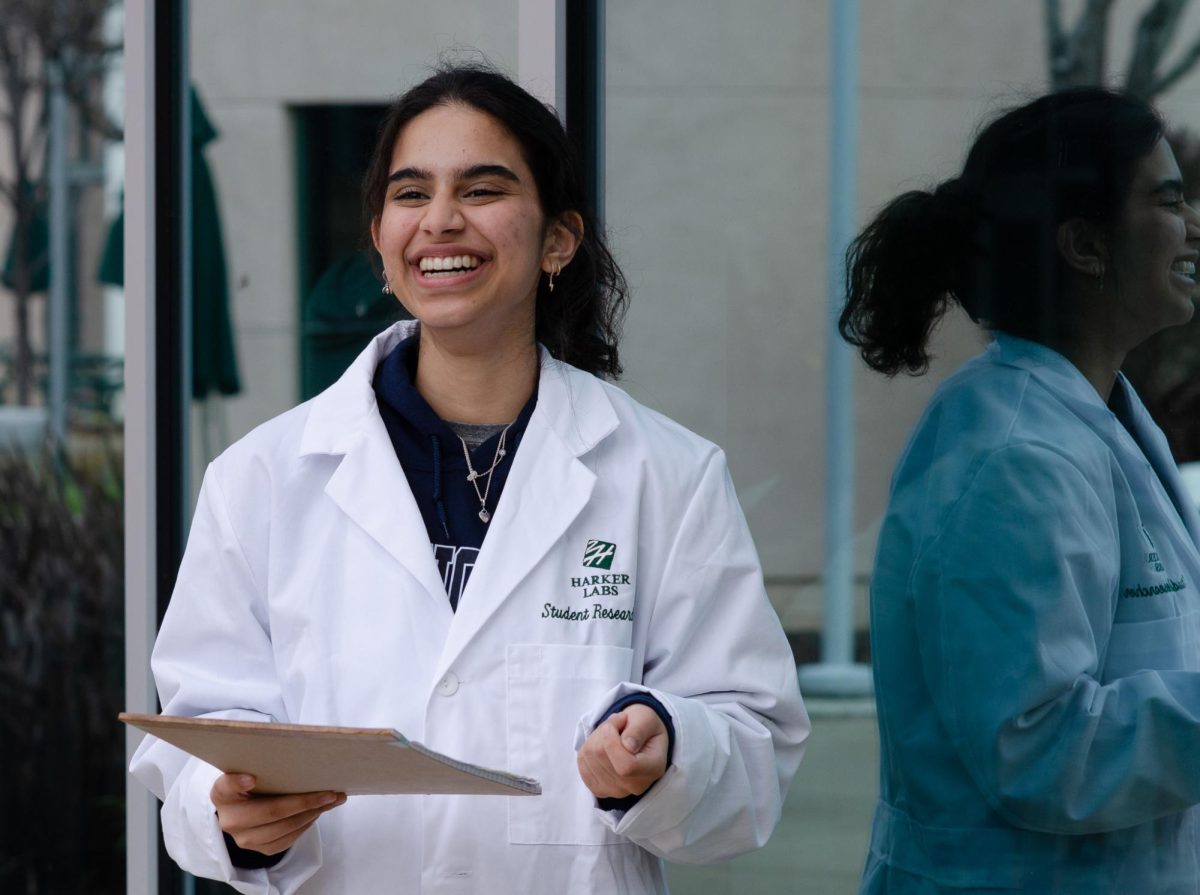
![“I wasn't discouraged by some of the obstacles we faced. I learned a lot from the leadership. I found that different people need different ways of receiving feedback — you can't [just] tell them to do something and expect the best. [Some] people needed more incentive. A large part of my role was to figure out what worked for everyone and to figure out how to lead all these separate individuals as a team,” Suhana Bhandare (’26) said.](https://harkeraquila.com/wp-content/uploads/2026/06/SuhanaBhandare_JasmineHansra-1-1200x798.jpg)
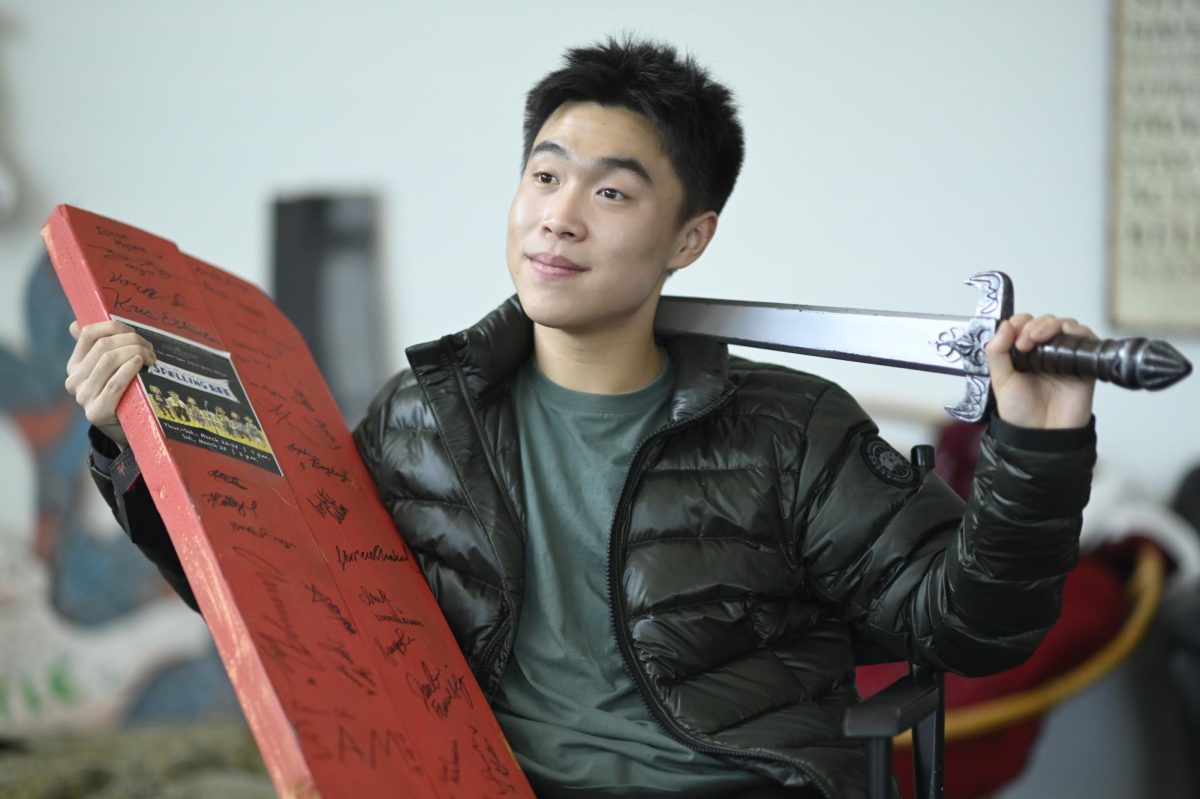
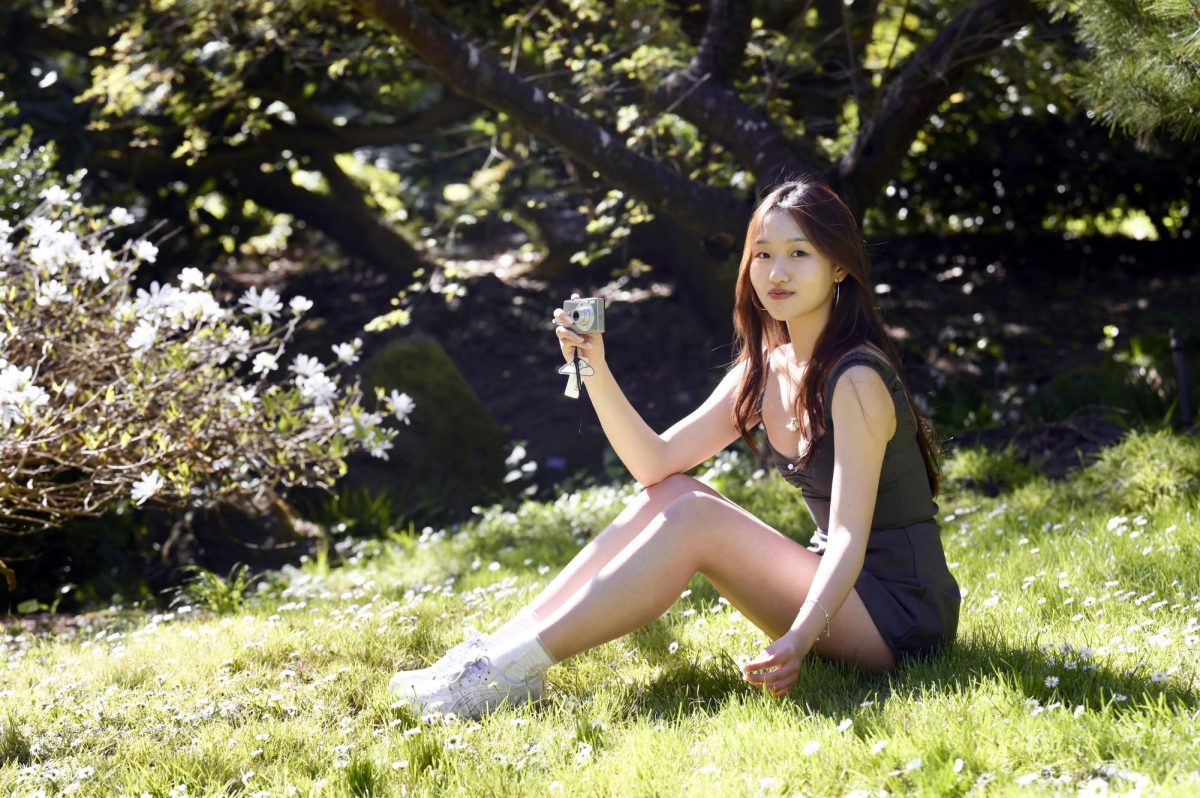
![“This is actually from Randy Pausch Randy P. Brick: ‘Walls are there for a reason. You have to show how much you want to overcome them.’ You have to show how much you want something. That's what I've always been able to do with tennis, Link Crew and getting that internship [with Kushy Baby]. It’s important pushing through that — getting around that brick wall, climbing over it or clawing through it,” Yash Sachdeva (’26) said.](https://harkeraquila.com/wp-content/uploads/2026/05/YashSachdeva_RamBatchu-copy-1200x1002.jpg)
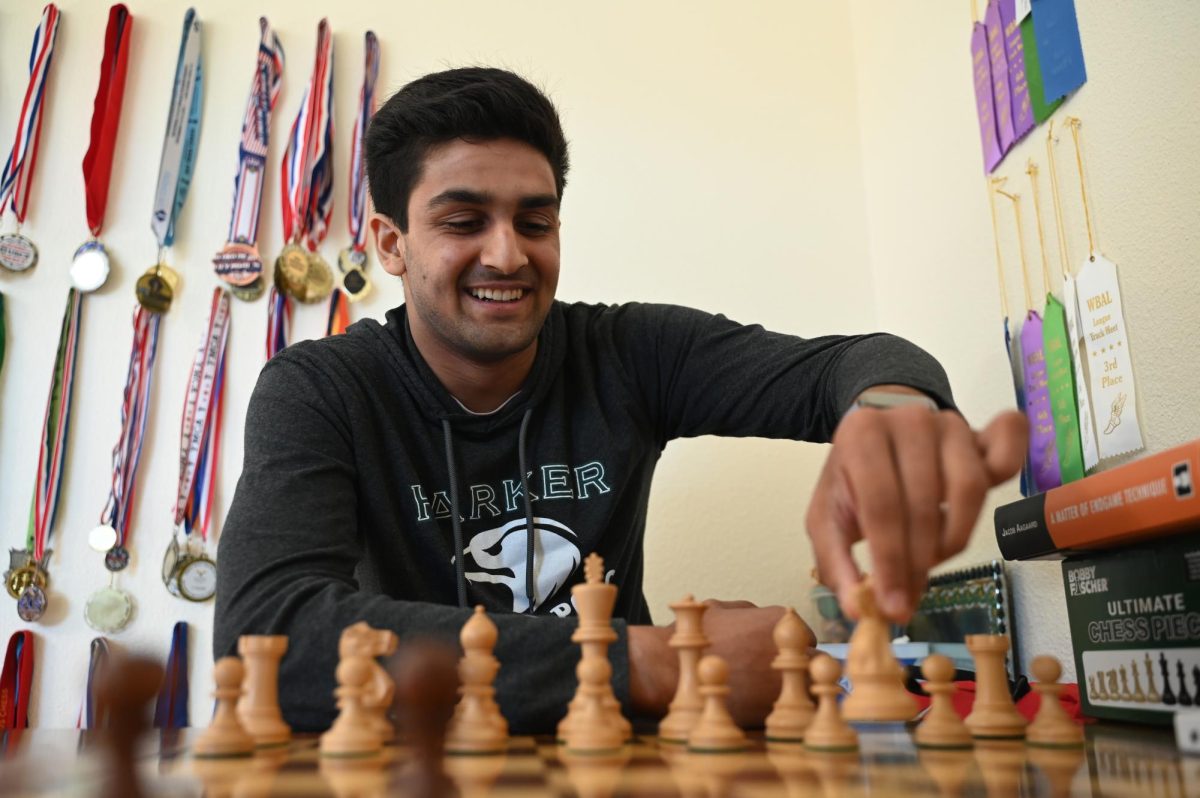

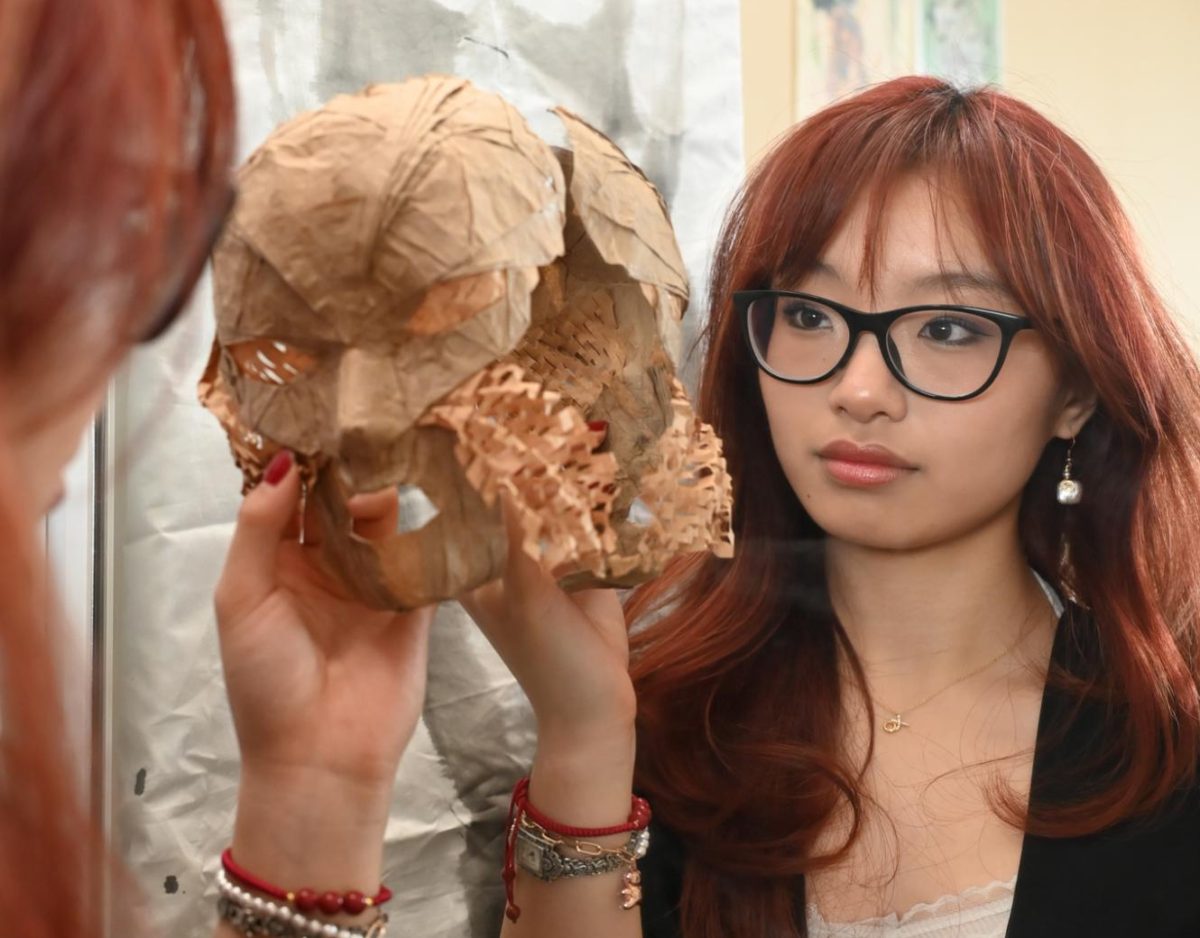

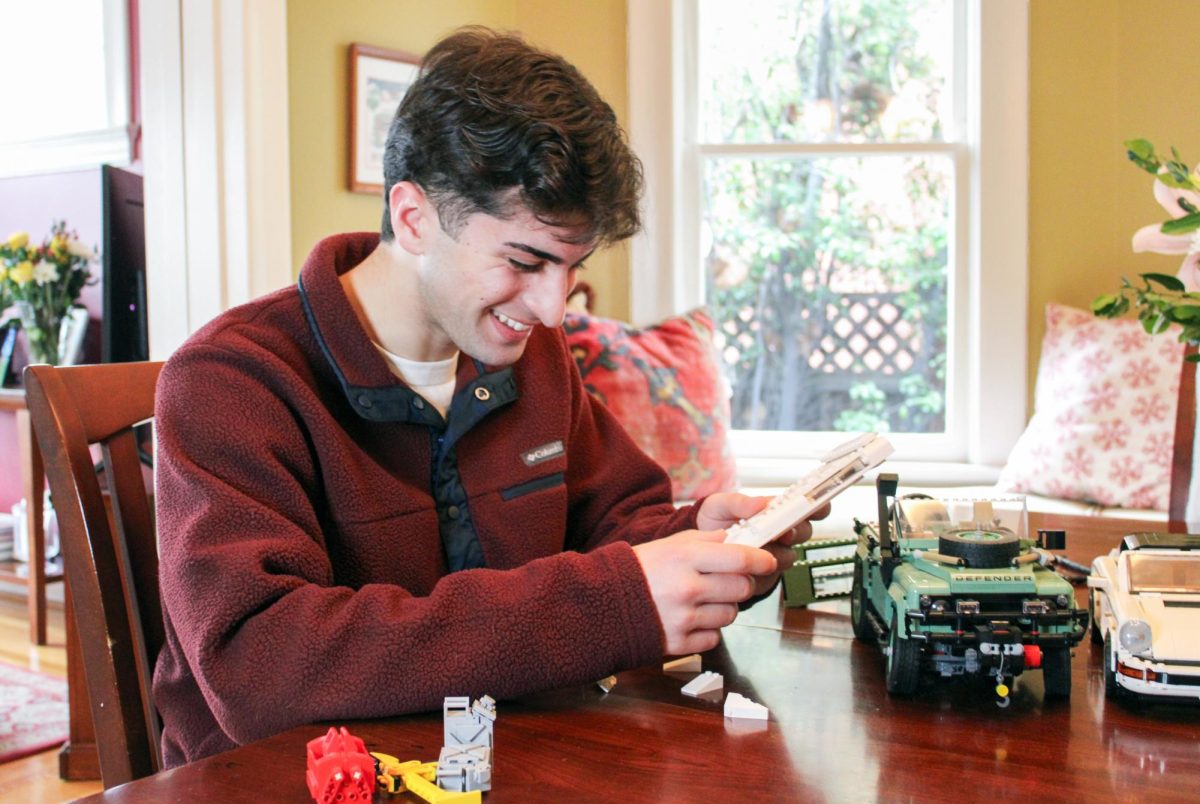
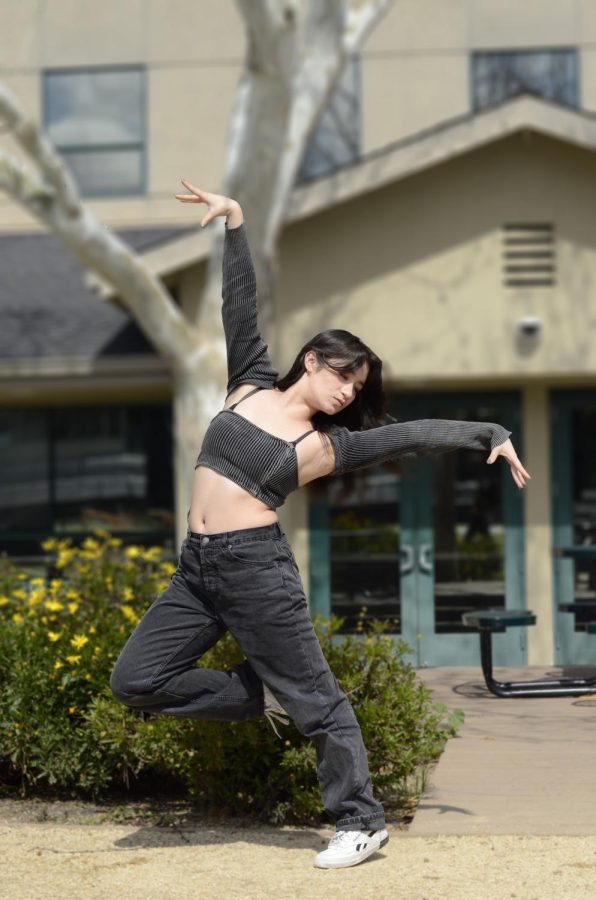
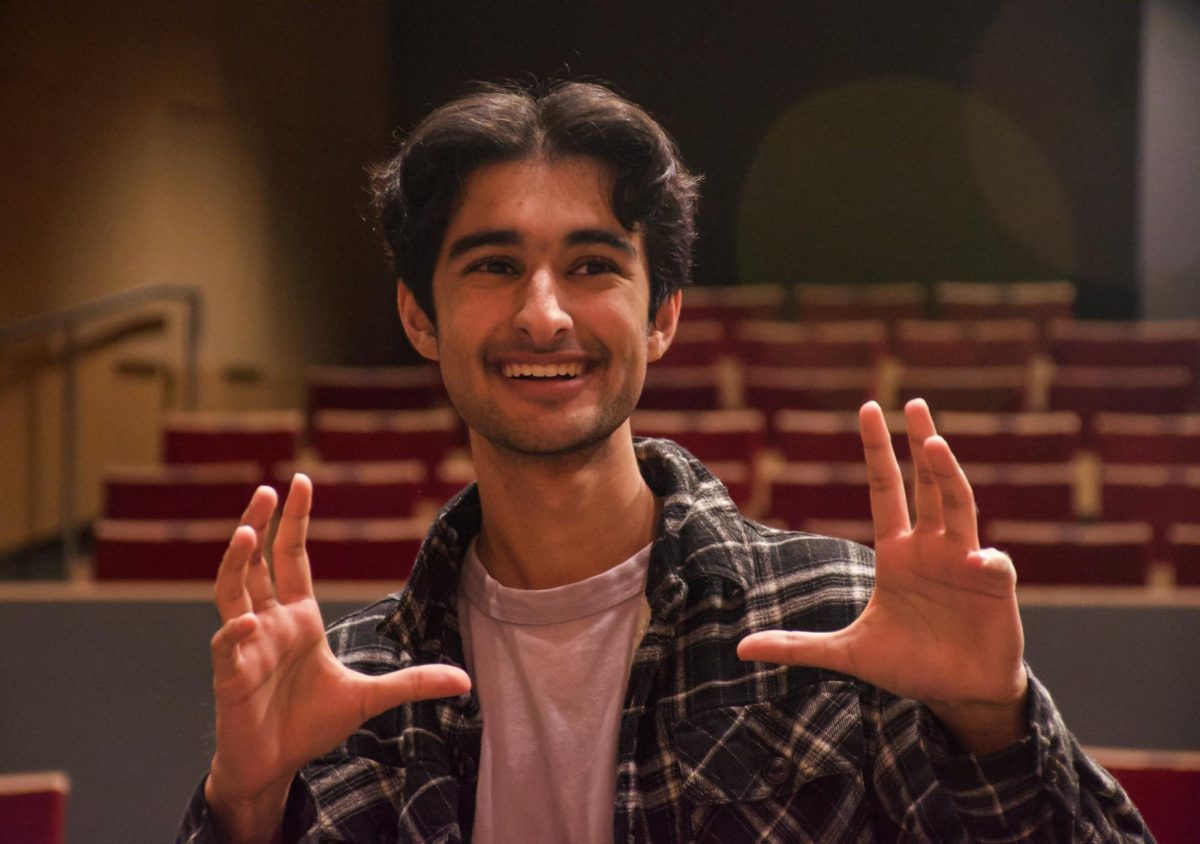

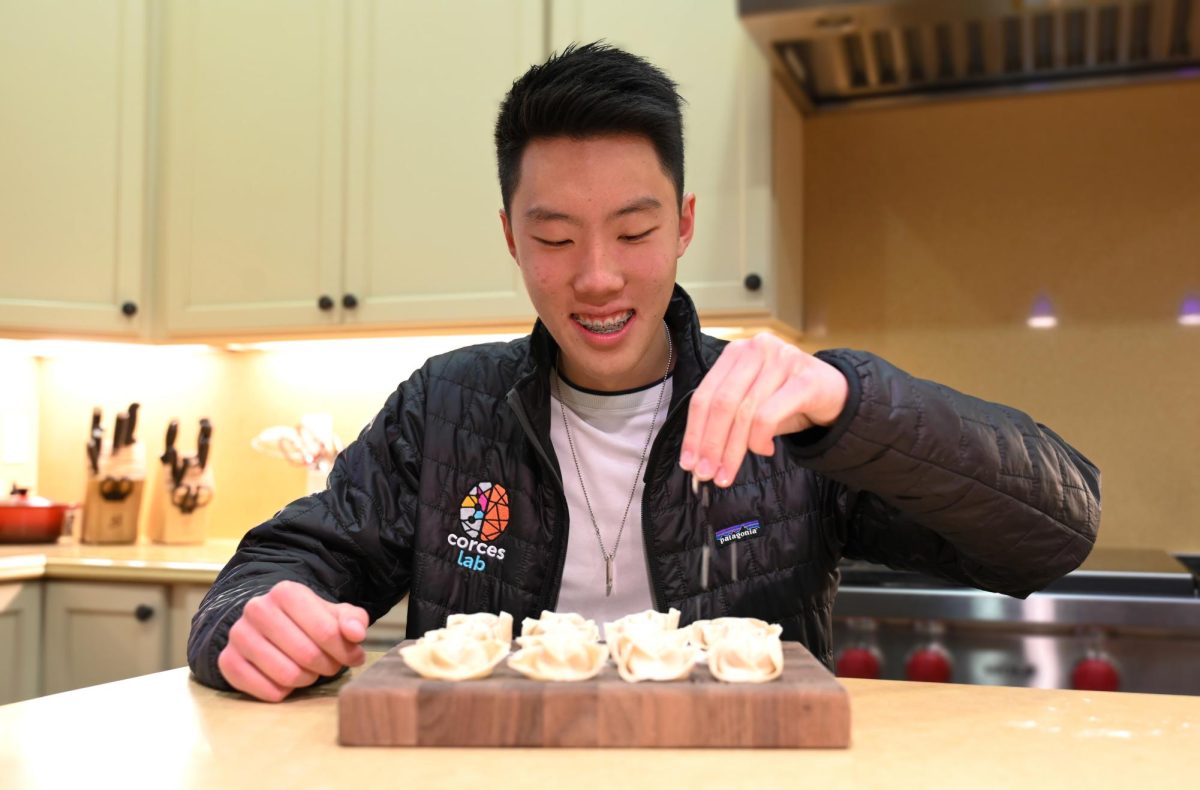
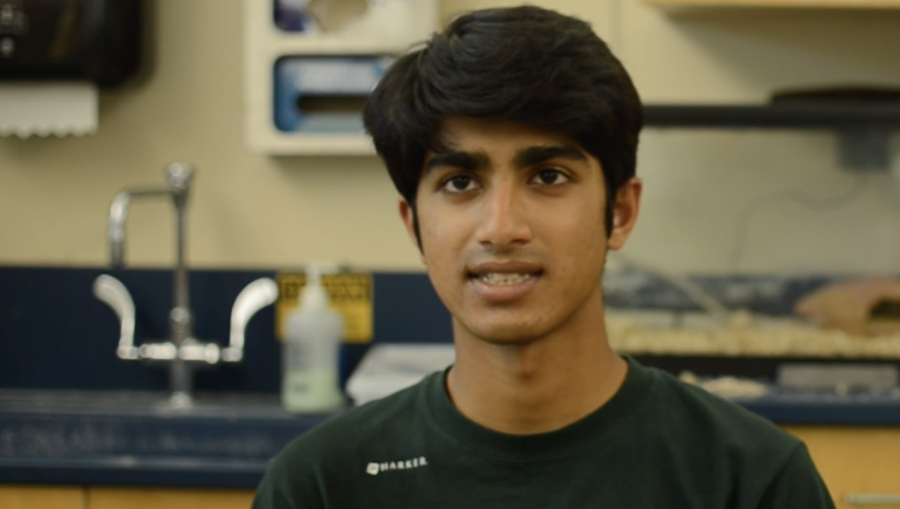
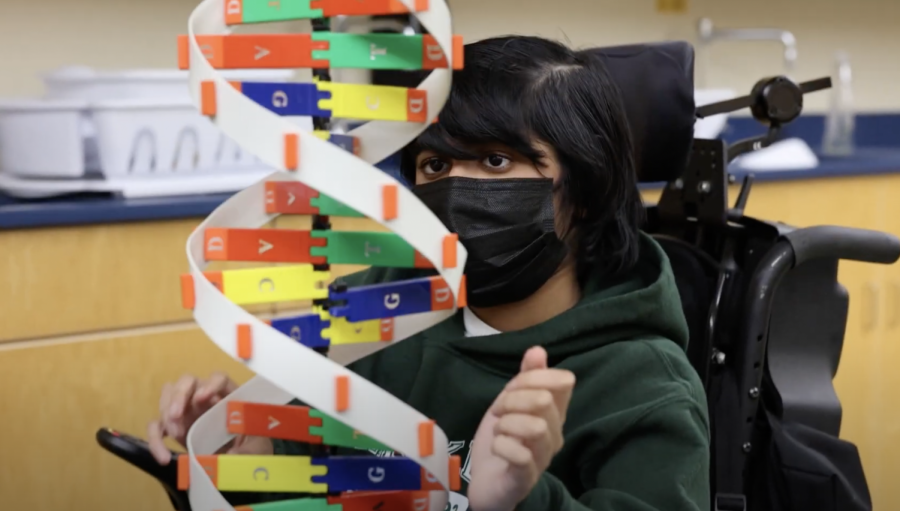
![“[Building nerf blasters] became this outlet of creativity for me that hasn't been matched by anything else. The process [of] making a build complete to your desire is such a painstakingly difficult process, but I've had to learn from [the skills needed from] soldering to proper painting. There's so many different options for everything, if you think about it, it exists. The best part is [that] if it doesn't exist, you can build it yourself," Ishaan Parate said.](https://harkeraquila.com/wp-content/uploads/2022/08/DSC_8149-900x604.jpg)
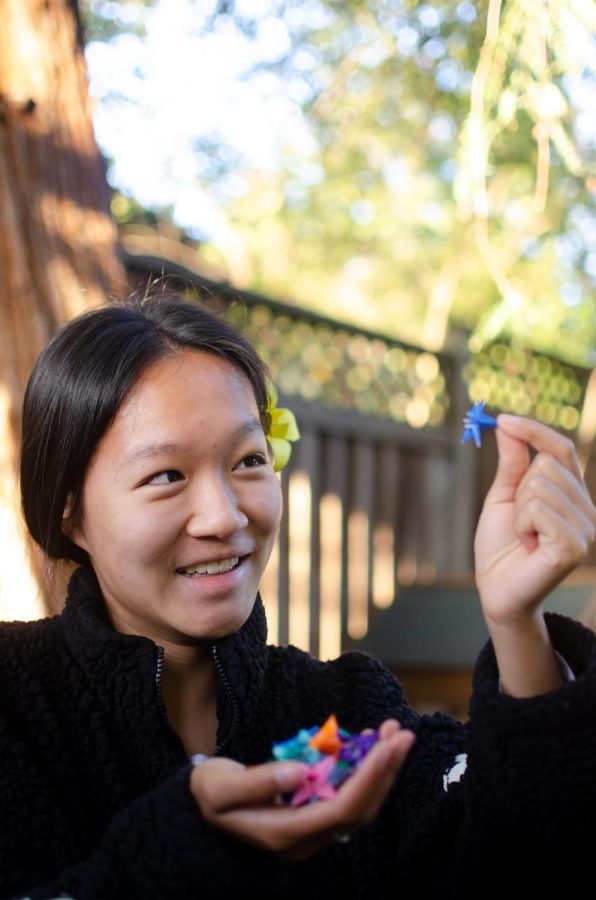
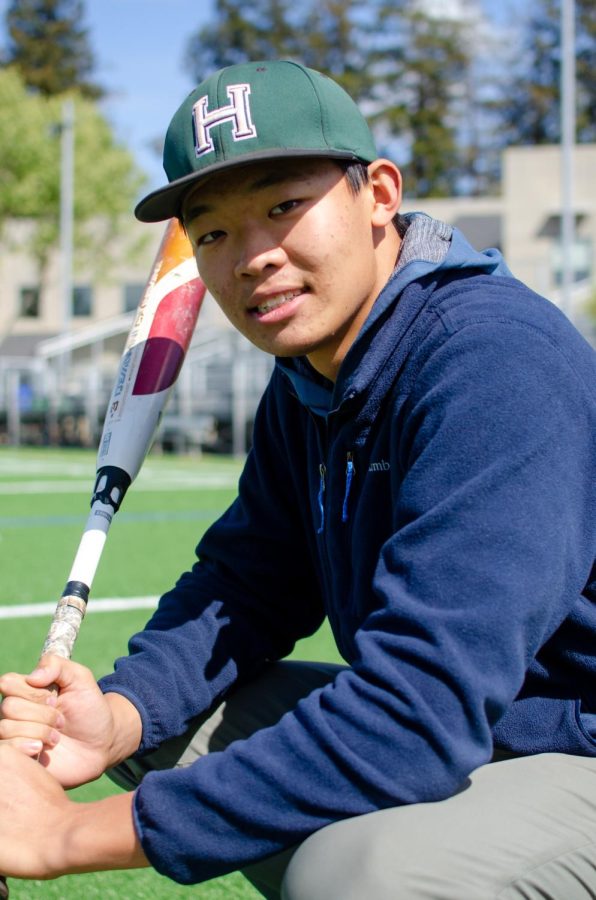
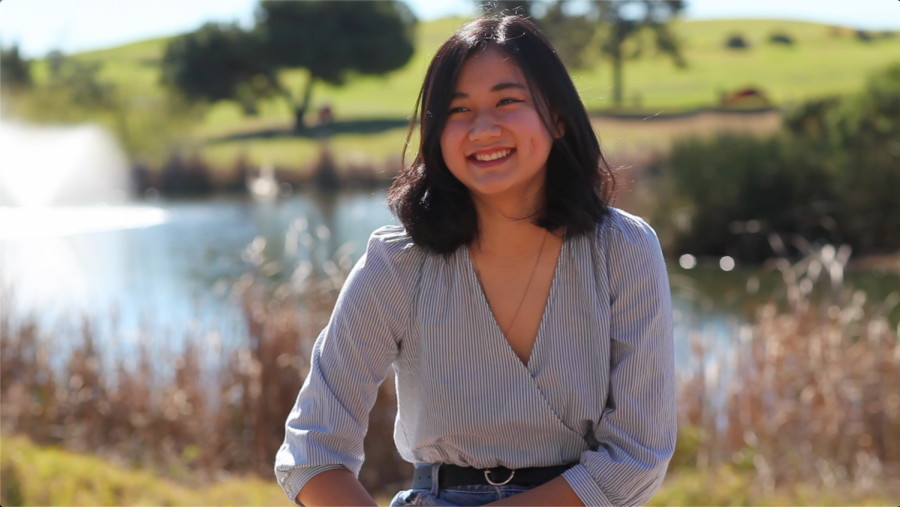
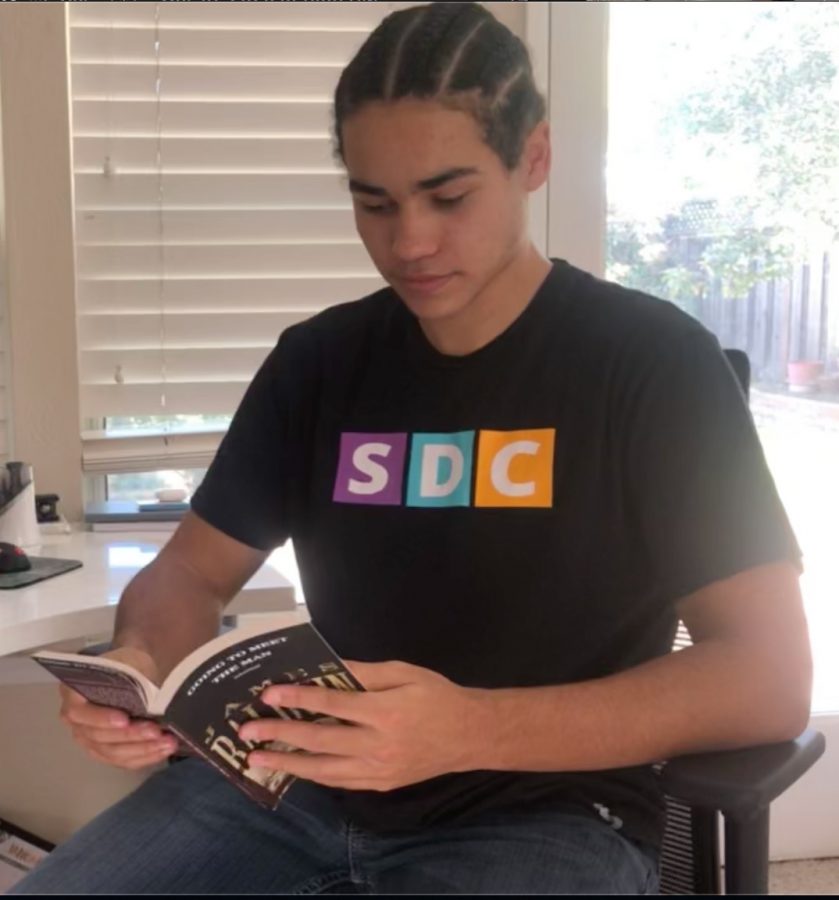
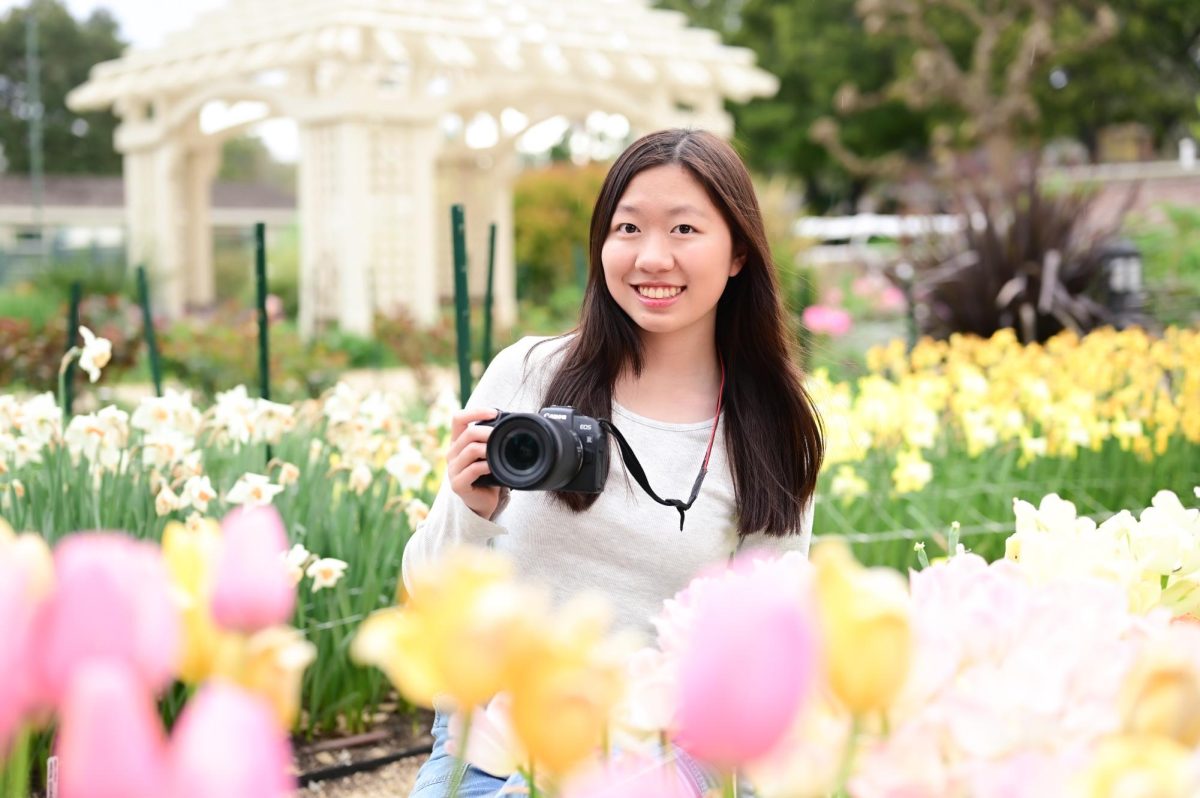
![“When I came into high school, I was ready to be a follower. But DECA was a game changer for me. It helped me overcome my fear of public speaking, and it's played such a major role in who I've become today. To be able to successfully lead a chapter of 150 students, an officer team and be one of the upperclassmen I once really admired is something I'm [really] proud of,” Anvitha Tummala ('21) said.](https://harkeraquila.com/wp-content/uploads/2021/07/Screen-Shot-2021-07-25-at-9.50.05-AM-900x594.png)
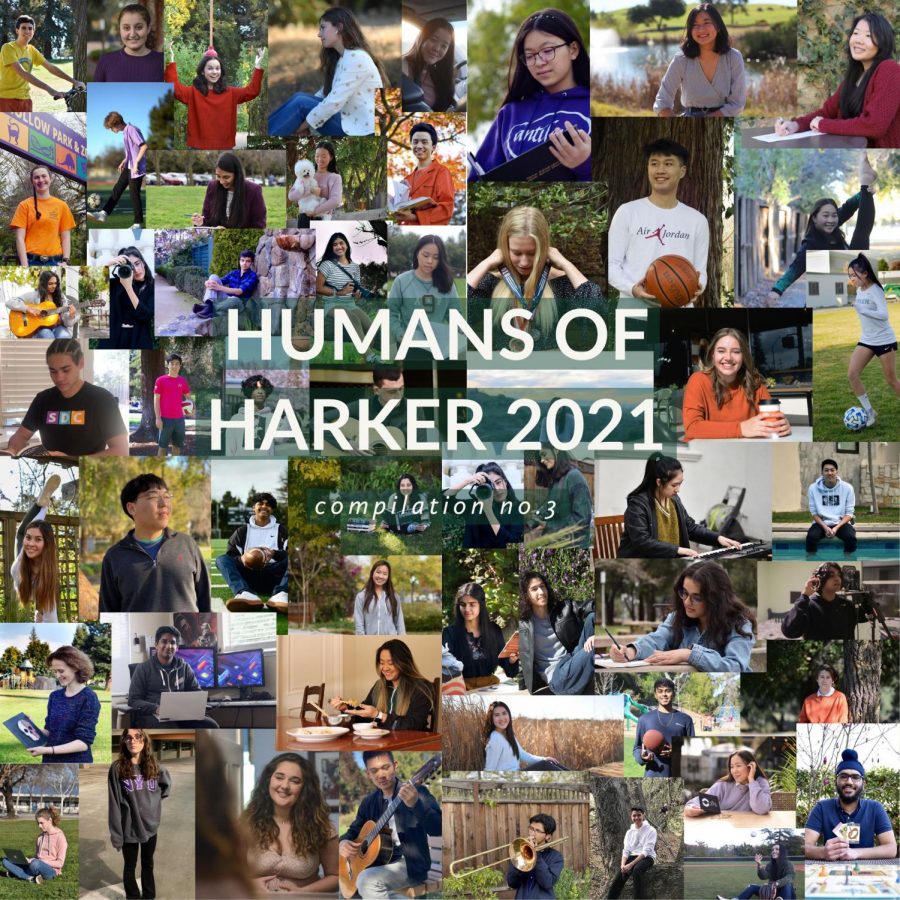
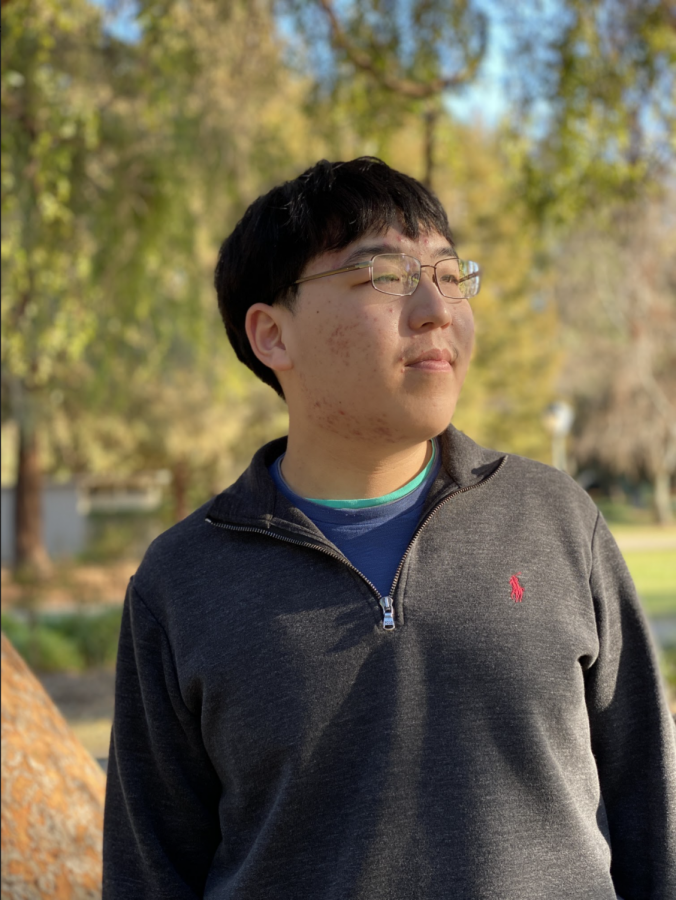
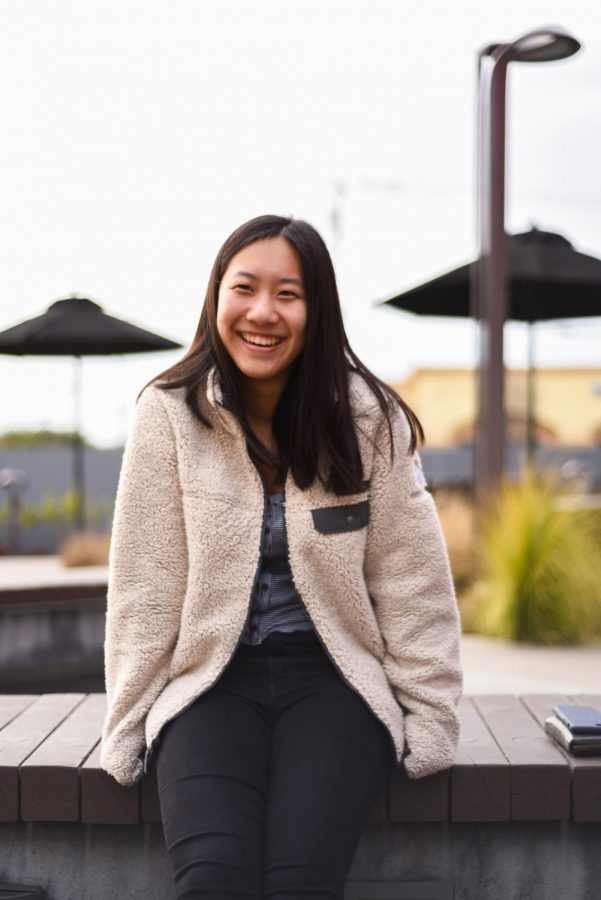
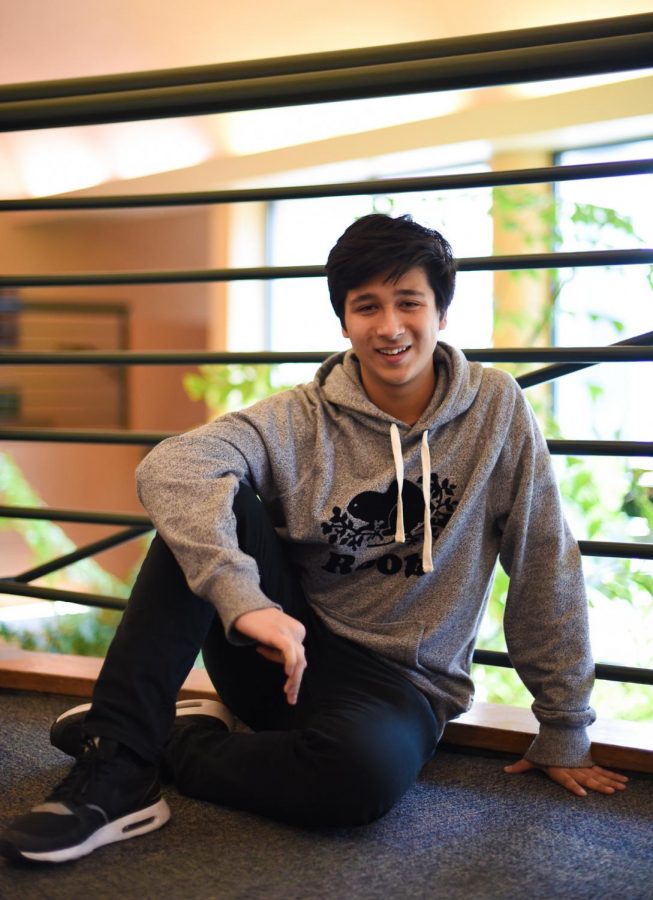
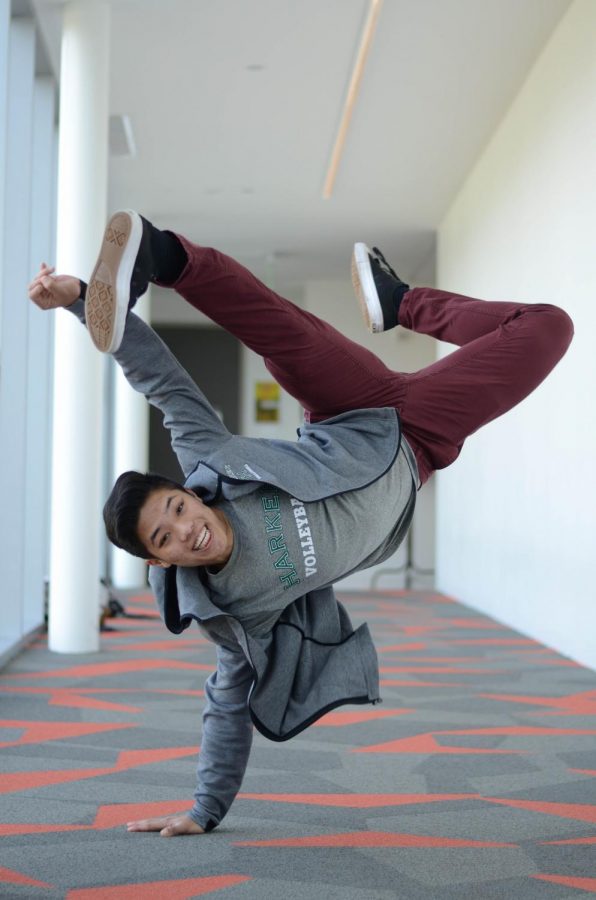


![“I think getting up in the morning and having a sense of purpose [is exciting]. I think without a certain amount of drive, life is kind of obsolete and mundane, and I think having that every single day is what makes each day unique and kind of makes life exciting,” Neymika Jain (12) said.](https://harkeraquila.com/wp-content/uploads/2017/06/Screen-Shot-2017-06-03-at-4.54.16-PM.png)

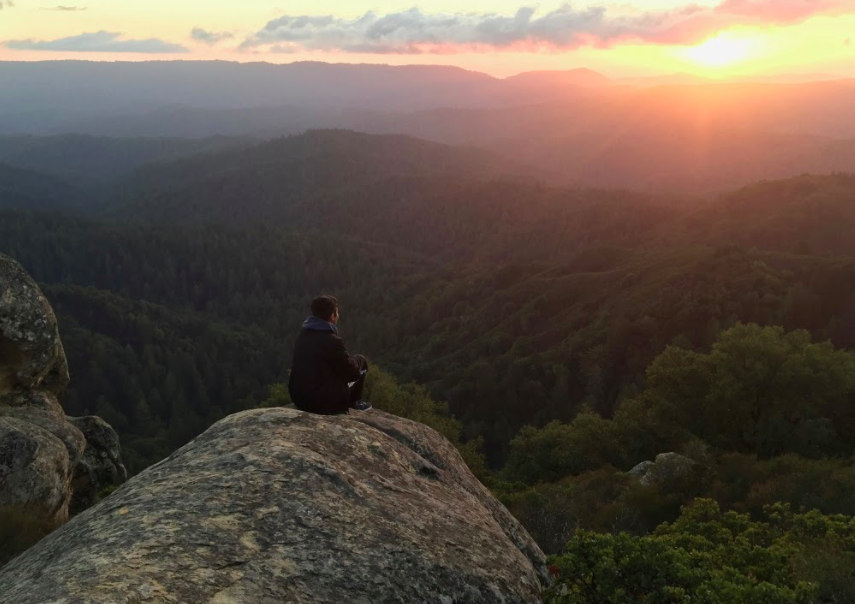

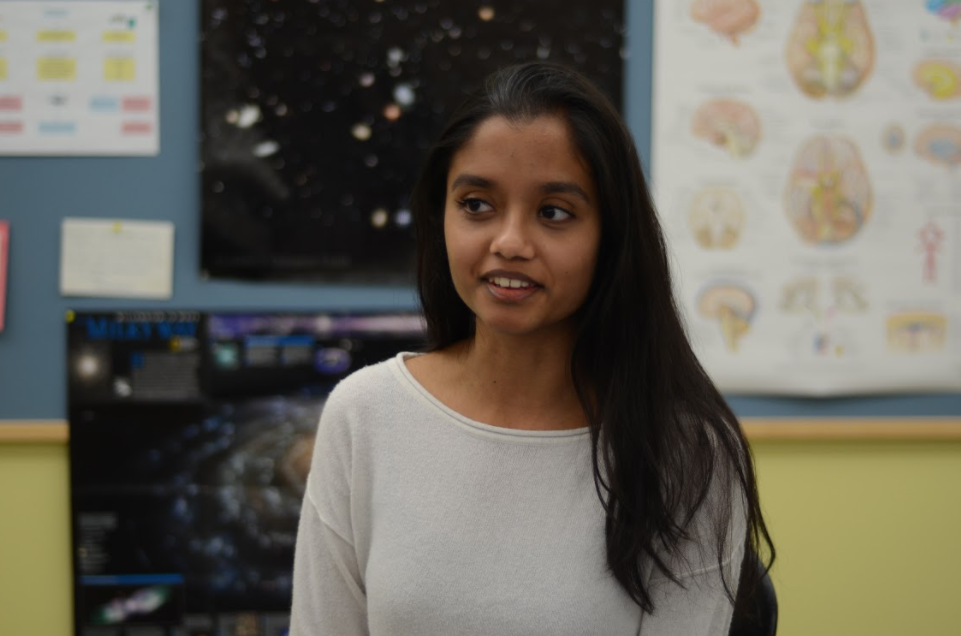
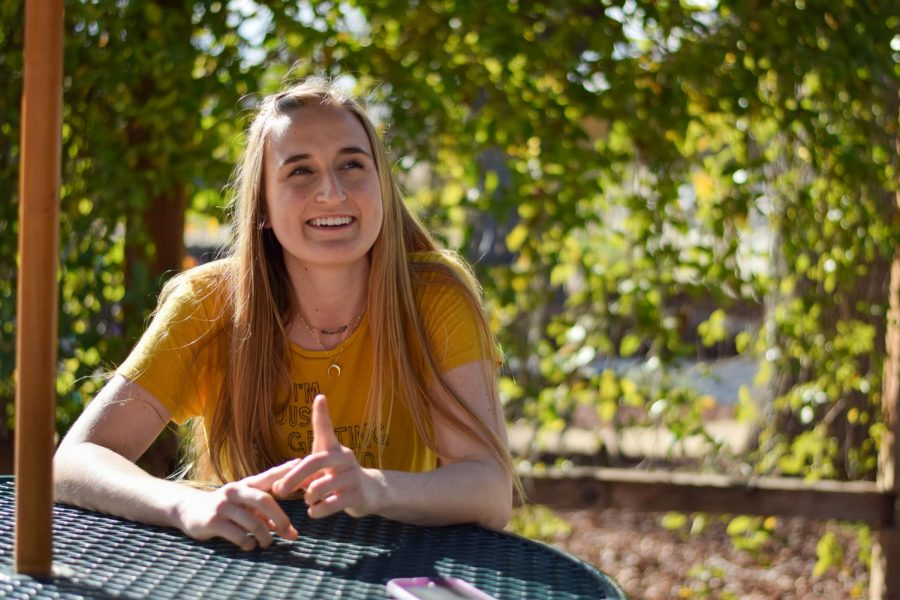

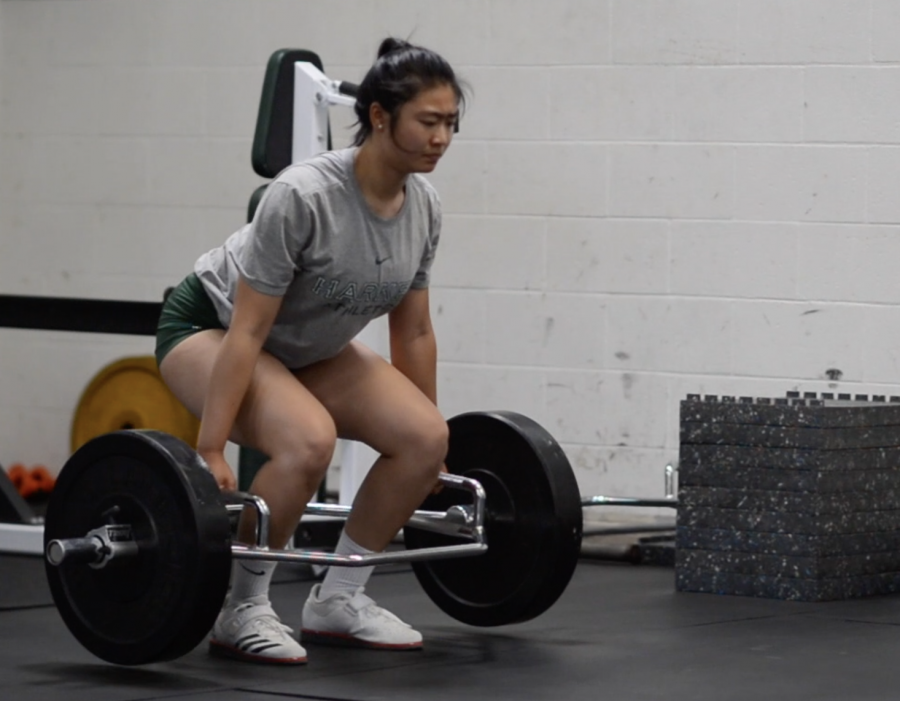

![“My slogan is ‘slow feet, don’t eat, and I’m hungry.’ You need to run fast to get where you are–you aren't going to get those championships if you aren't fast,” Angel Cervantes (12) said. “I want to do well in school on my tests and in track and win championships for my team. I live by that, [and] I can do that anywhere: in the classroom or on the field.”](https://harkeraquila.com/wp-content/uploads/2018/06/DSC5146-900x601.jpg)
![“[Volleyball has] taught me how to fall correctly, and another thing it taught is that you don’t have to be the best at something to be good at it. If you just hit the ball in a smart way, then it still scores points and you’re good at it. You could be a background player and still make a much bigger impact on the team than you would think,” Anya Gert (’20) said.](https://harkeraquila.com/wp-content/uploads/2020/06/AnnaGert_JinTuan_HoHPhotoEdited-600x900.jpeg)
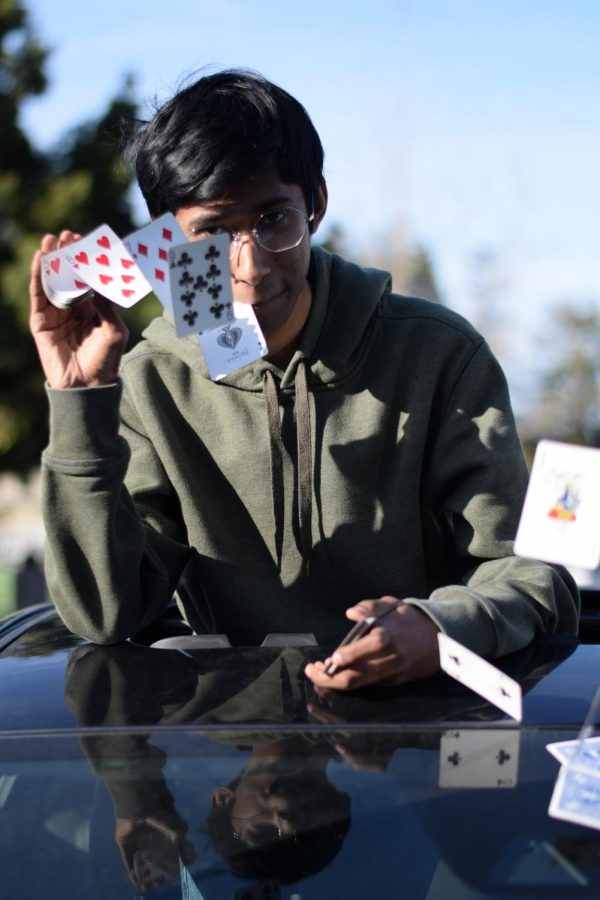
![“I'm not nearly there yet, but [my confidence has] definitely been getting better since I was pretty shy and timid coming into Harker my freshman year. I know that there's a lot of people that are really confident in what they do, and I really admire them. Everyone's so driven and that has really pushed me to kind of try to find my own place in high school and be more confident,” Alyssa Huang (’20) said.](https://harkeraquila.com/wp-content/uploads/2020/06/AlyssaHuang_EmilyChen_HoHPhoto-900x749.jpeg)

Humans of Harker: Emma Yu keys in on musicality
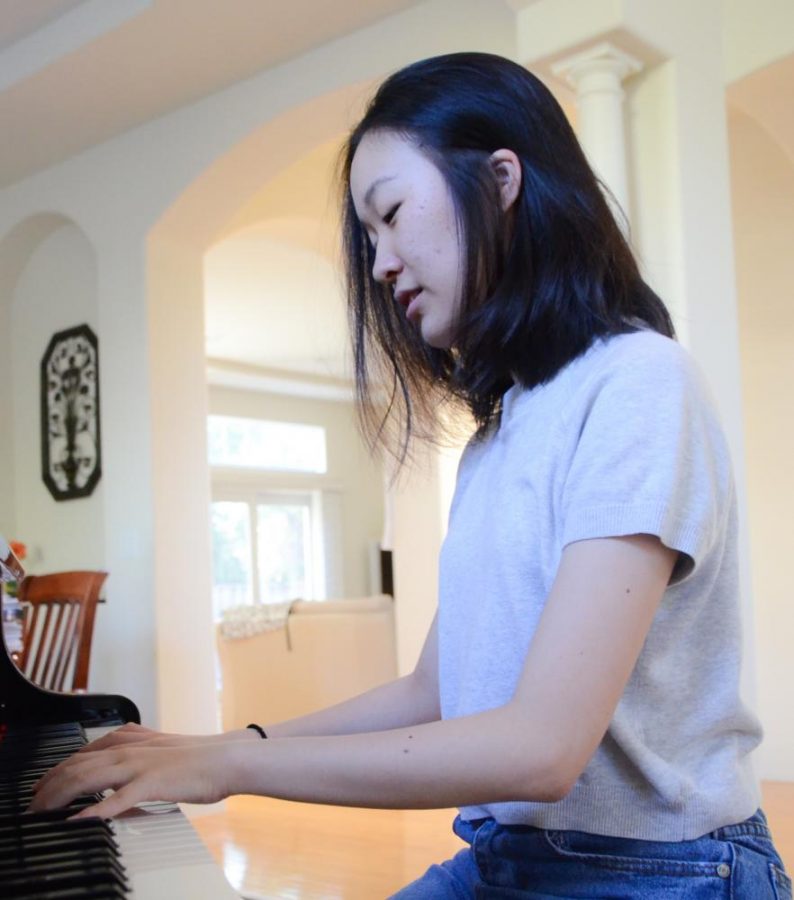
“Piano is a medium for me to express myself. I’ve been with it my whole life. Is it cheesy to say it’s a part of me? But it truly is. Just as people cry when they’re sad, or they laugh when they’re happy, I play music to express myself. It’s a part of my personality. I wouldn’t be here without piano. Just as how kindergarten has taught me the alphabet, how middle school has taught me algebra, piano has taught me about myself,” Emma Yu (12) said.
October 11, 2017
A row of 52 white keys and 36 black keys lies before Emma Yu (12) as she adjusts her stool bench, positions her right foot on the pedal and rests her small, agile fingers on the keyboard of her grand piano. Her fingers dance across the black and white keyboard, brushing against every key with varying levels of pressure to express a tonality that reflects each piece’s intended feeling.
“I started [piano] since I was five, and at first I just started off simple,” Emma said. “I wasn’t competitive.”
Like many artists before performing at a recital, Emma faced the challenge of stage fright, despite having played piano for ten years.
“When you start playing, all you can think of is being nervous,” Emma said. “All you can think of is the people, but then once you start getting emotional or into the music, then you kind of lose your atmosphere, you kind of lose where you are, and it’s like you go back to when you were practicing, because the only difference between practice and actual recital is the people.”
Emma tackled piecess with difficulty levels above her age range, which required more practice and dedication on her end in order to deliver a quality performance.
“Her hands were smaller than the kids same age, but she tried very hard,” Emma’s mother Renshi Xuan said. “Most of the time, she played the pieces harder than kids her age were supposed to play, so it was difficult for her to reach chords.”
Through her musical journey, Emma transitioned between six different piano teachers, each of whom have helped her develop as a pianist and have pushed her to expand on her talents.
“As a kid, the most tedious thing was warm-ups, and my piano teacher would always tell me the majority of the time you have to do warm-ups,” she said. “You have to do 45 minutes of warm-up and 15 minutes of actual playing. Now that I’ve been playing for ten years, it’s reached the point where I can actually just play the song and it would still go smoothly.”
As Emma continued progressing her techniques, she also began to take tests for the Certificate of Merit (CM). To complete the CM Panel Auditions, Emma spent two years preparing a total of four pieces to perform in front of a judge.
“[Panel judges] know how the song should be, they know how you should be playing it, and they know when you make mistakes,” Emma said. “Normally at a recital, the people wouldn’t know if you weren’t playing the song right, wouldn’t know if you held a note for too long or the beat was off, but the fact that the judge knew what you were playing put more pressure on me.”
Emma credits her involvement with piano as a confidence-booster, as she was more introverted and considered herself cowardly as a child.
“Piano helped me open up better as a person, so even when I was away from the instrument, I was still able to have some confidence for myself,” she said. “The months of working or maybe a year to show what you’ve developed on an actual stage, to show all the hard work that you’ve built up for that moment… it feels great.”
From each key she plays to each step of the pedal, Emma has full control over her performance and appreciates her ability to create her own unique sound. Rather than performing in order to relish the audience’s applause after a recital stage, Emma finds satisfaction in knowing she has successfully showcased her musical talent on a piece she has spent months perfecting.
“Piano is a medium for me to express myself. I’ve been with it my whole life,” Emma said. “Is it cheesy to say it’s a part of me? But it truly is. Just as people cry when they’re sad, or they laugh when they’re happy, I play music to express myself. It’s a part of my personality. I wouldn’t be here without piano. Just as how kindergarten has taught me the alphabet, how middle school has taught me algebra, piano has taught me about myself.”




Anonymous • Oct 11, 2017 at 9:18 pm
Correction re: paragraphs 5 and 8
Musical compositions with lyrics are called songs; those without lyrics are called pieces.
Melissa Kwan • Oct 12, 2017 at 8:48 pm
Thank you, the correction has been made!