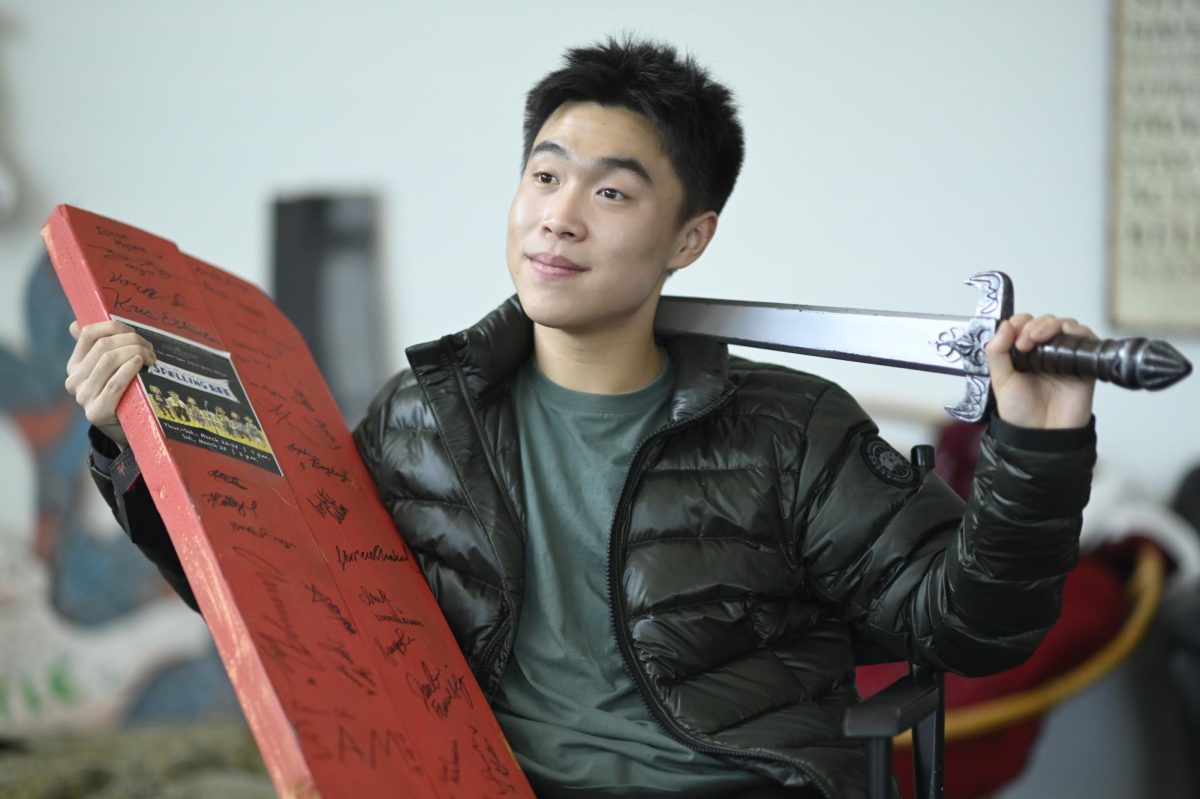
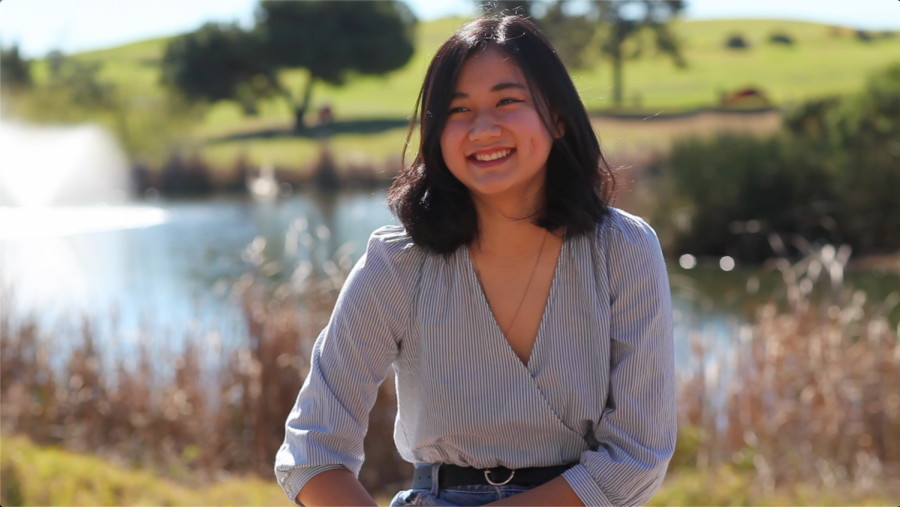
![“I wasn't discouraged by some of the obstacles we faced. I learned a lot from the leadership. I found that different people need different ways of receiving feedback — you can't [just] tell them to do something and expect the best. [Some] people needed more incentive. A large part of my role was to figure out what worked for everyone and to figure out how to lead all these separate individuals as a team,” Suhana Bhandare (’26) said.](https://harkeraquila.com/wp-content/uploads/2026/06/SuhanaBhandare_JasmineHansra-1-1200x798.jpg)
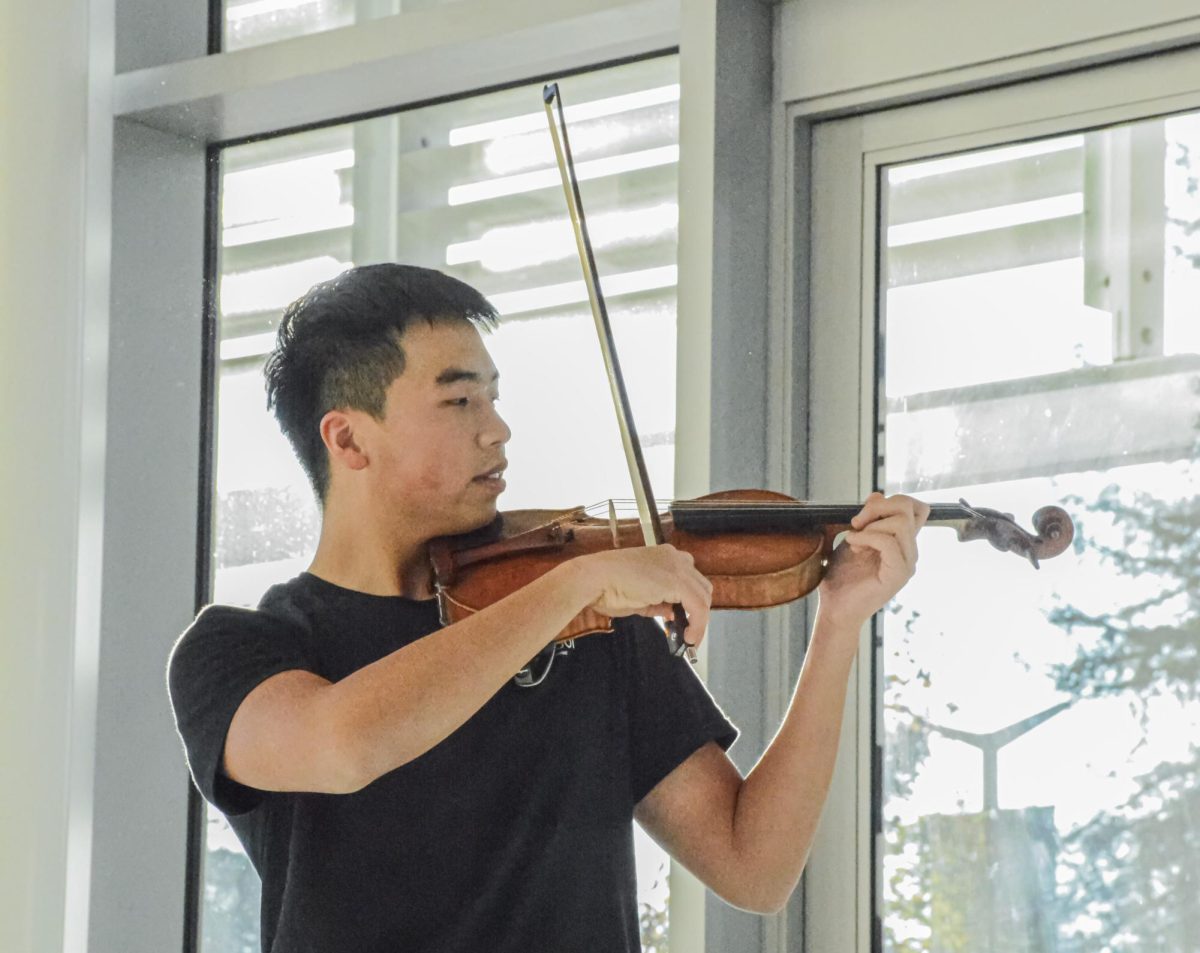

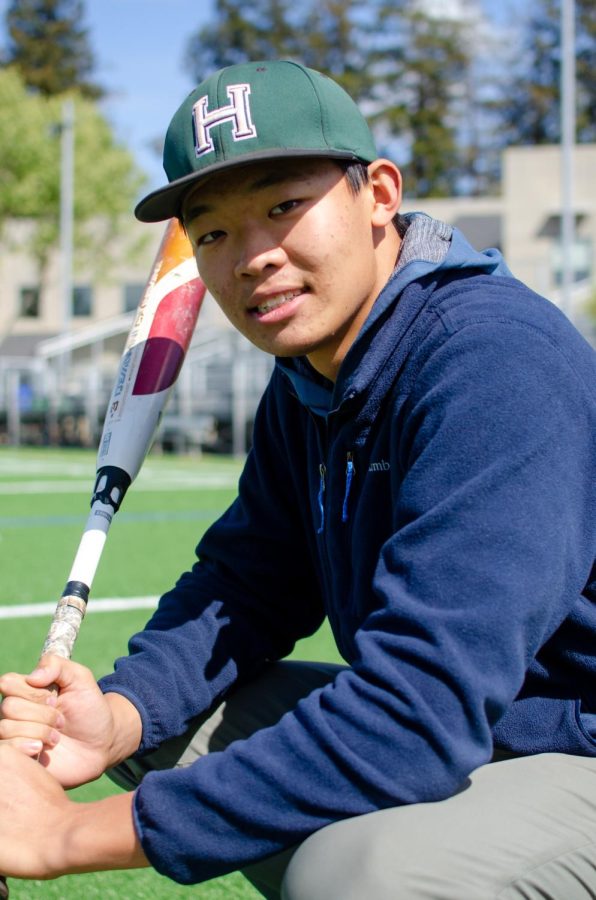
![“This is actually from Randy Pausch Randy P. Brick: ‘Walls are there for a reason. You have to show how much you want to overcome them.’ You have to show how much you want something. That's what I've always been able to do with tennis, Link Crew and getting that internship [with Kushy Baby]. It’s important pushing through that — getting around that brick wall, climbing over it or clawing through it,” Yash Sachdeva (’26) said.](https://harkeraquila.com/wp-content/uploads/2026/05/YashSachdeva_RamBatchu-copy-1200x1002.jpg)
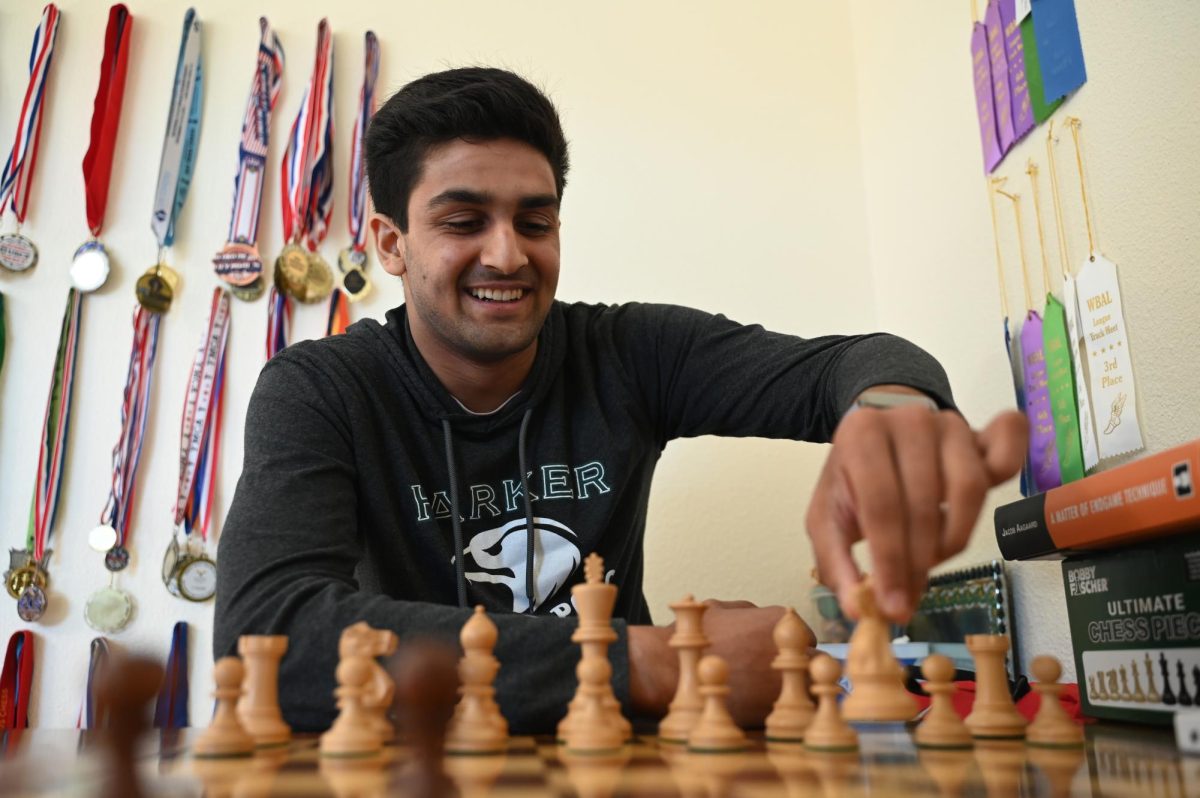
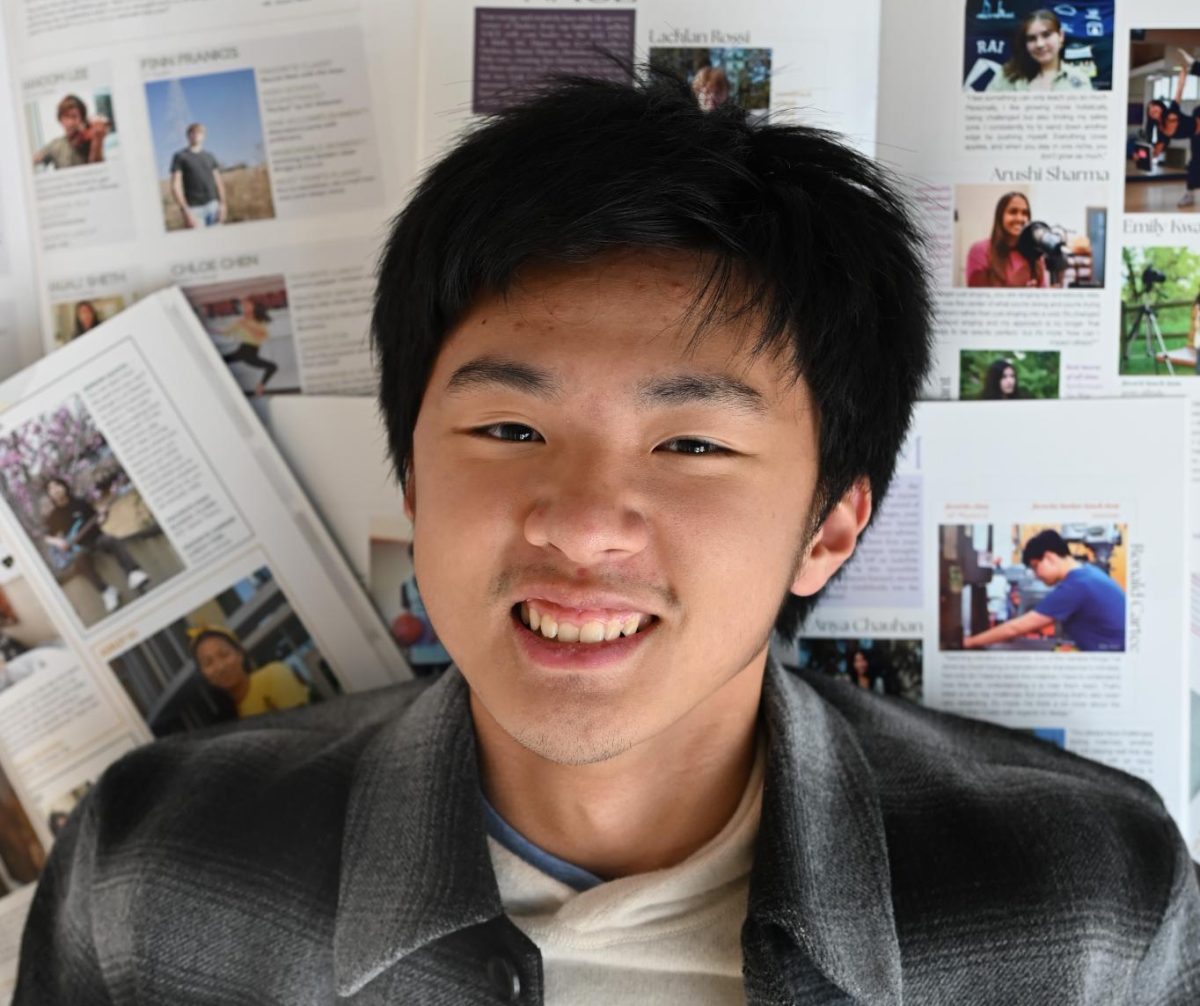






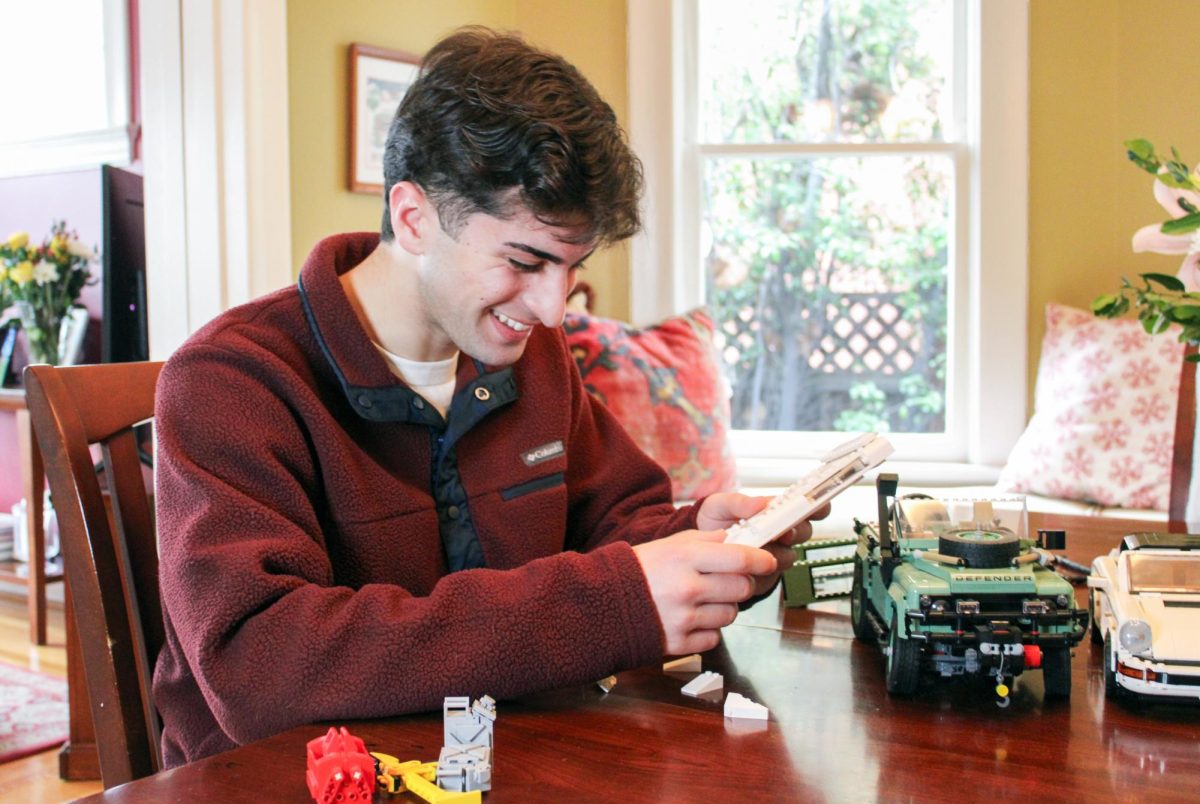


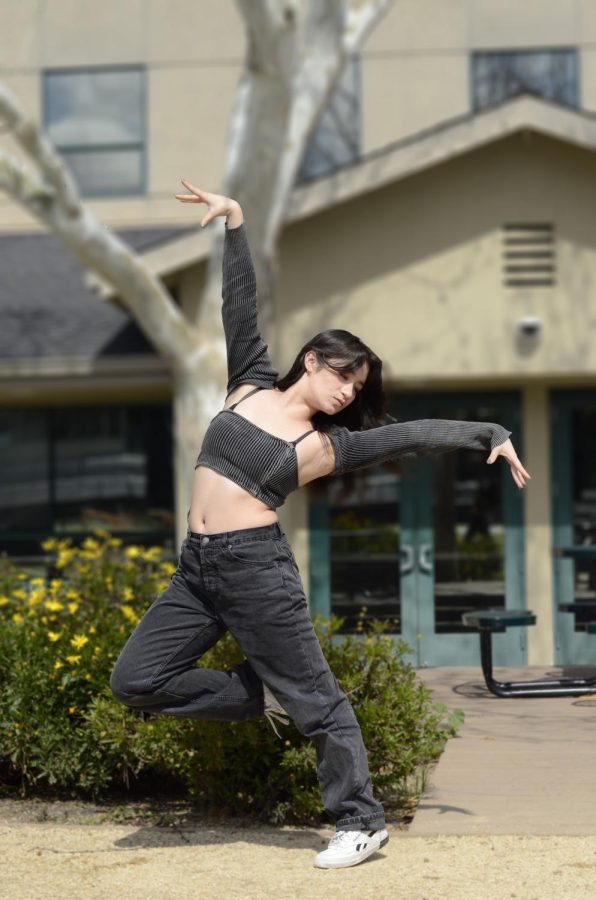
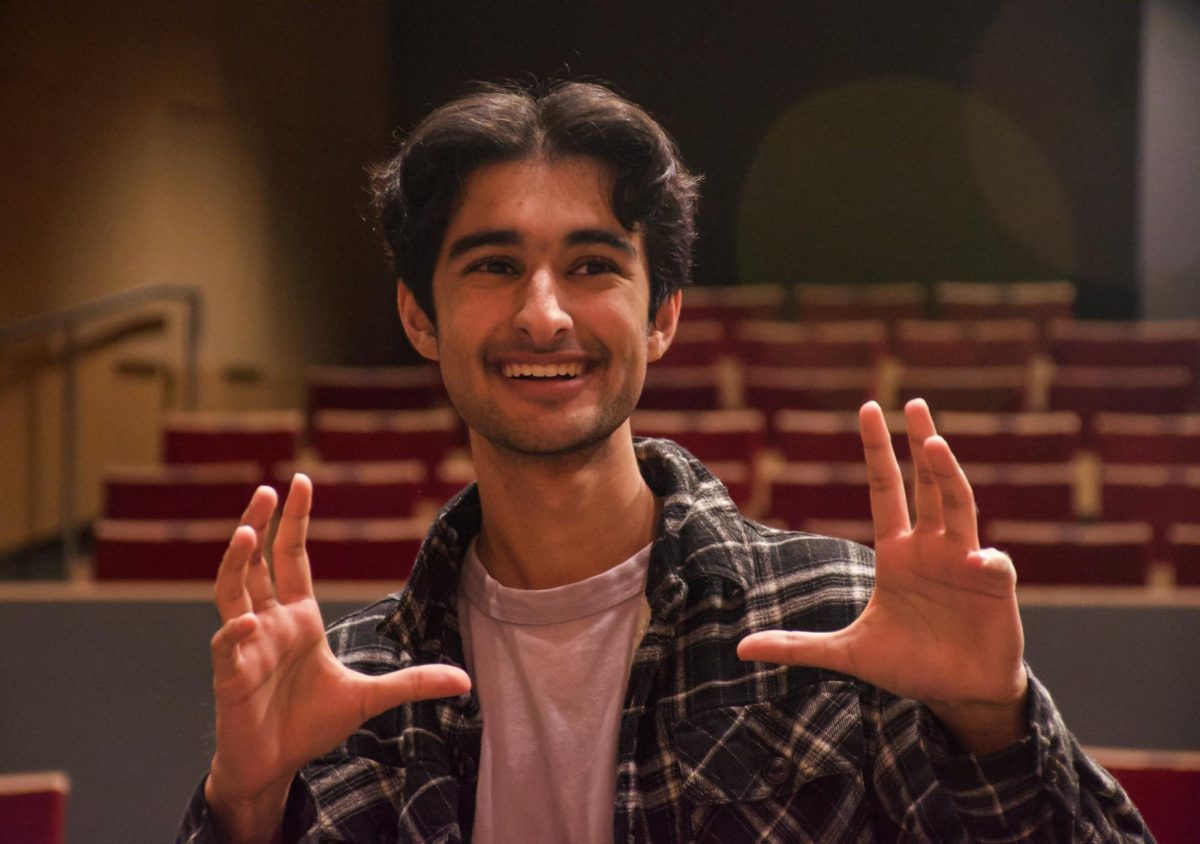

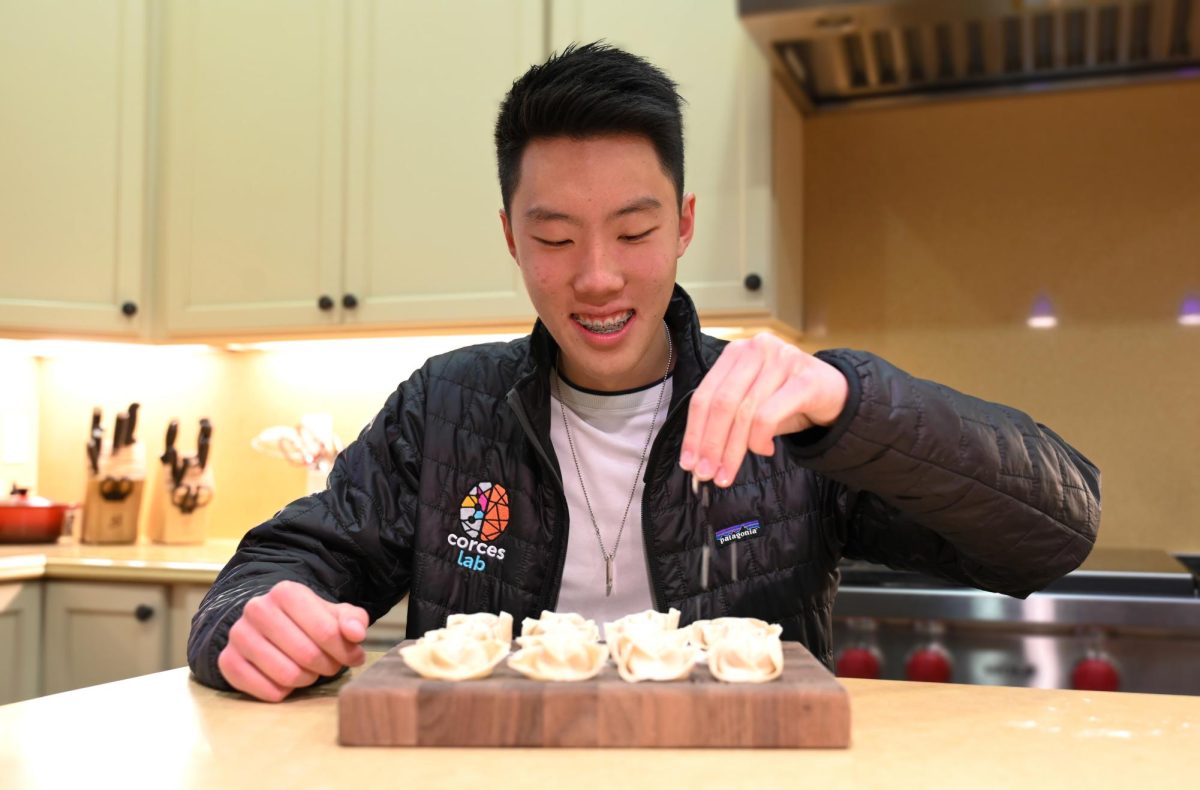
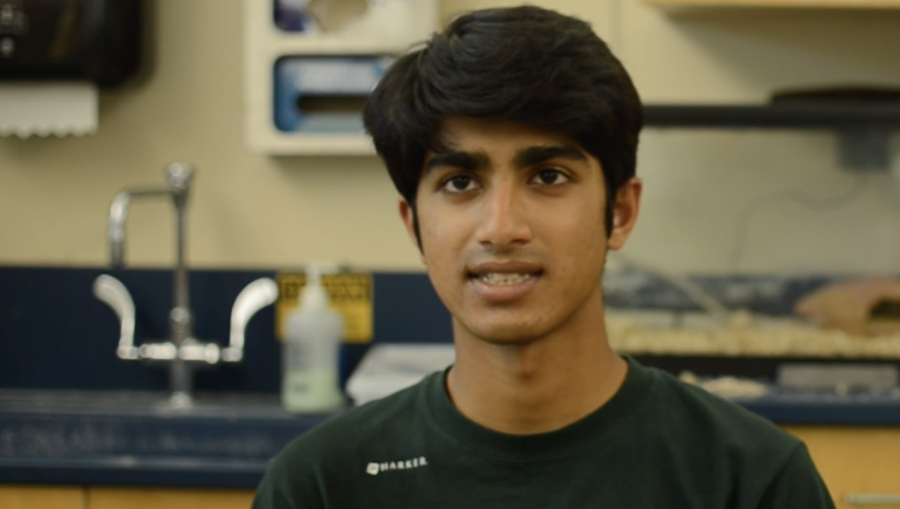
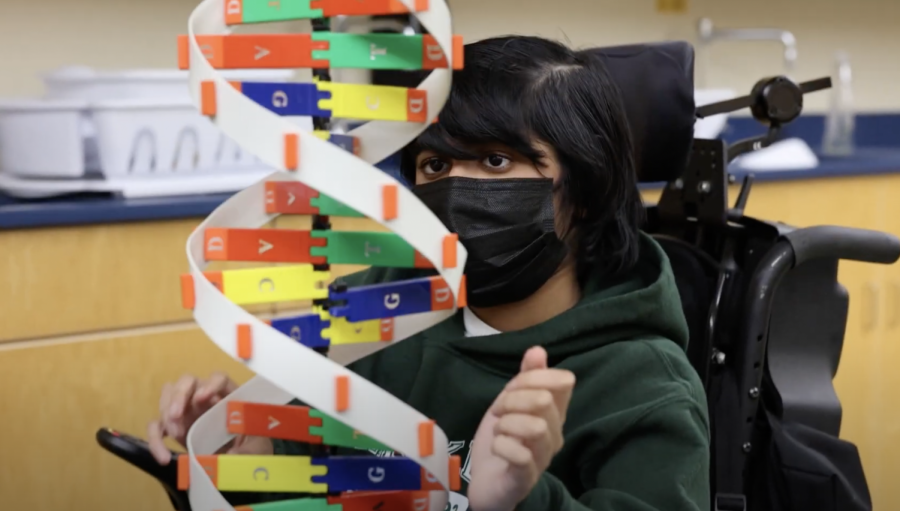
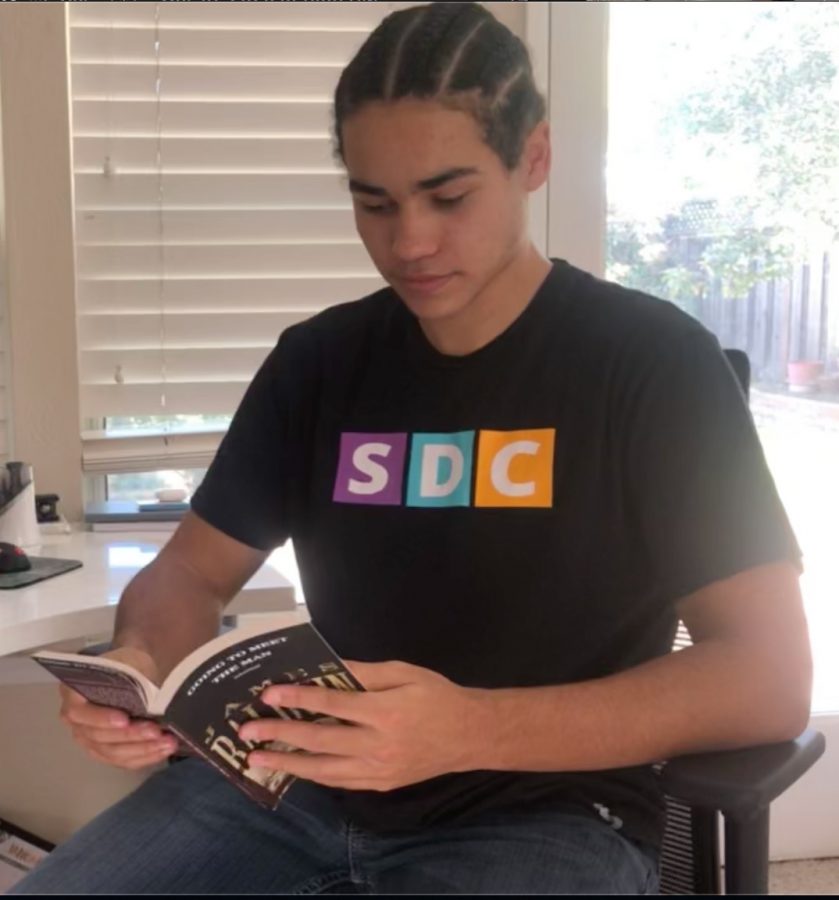
![“[Building nerf blasters] became this outlet of creativity for me that hasn't been matched by anything else. The process [of] making a build complete to your desire is such a painstakingly difficult process, but I've had to learn from [the skills needed from] soldering to proper painting. There's so many different options for everything, if you think about it, it exists. The best part is [that] if it doesn't exist, you can build it yourself," Ishaan Parate said.](https://harkeraquila.com/wp-content/uploads/2022/08/DSC_8149-900x604.jpg)
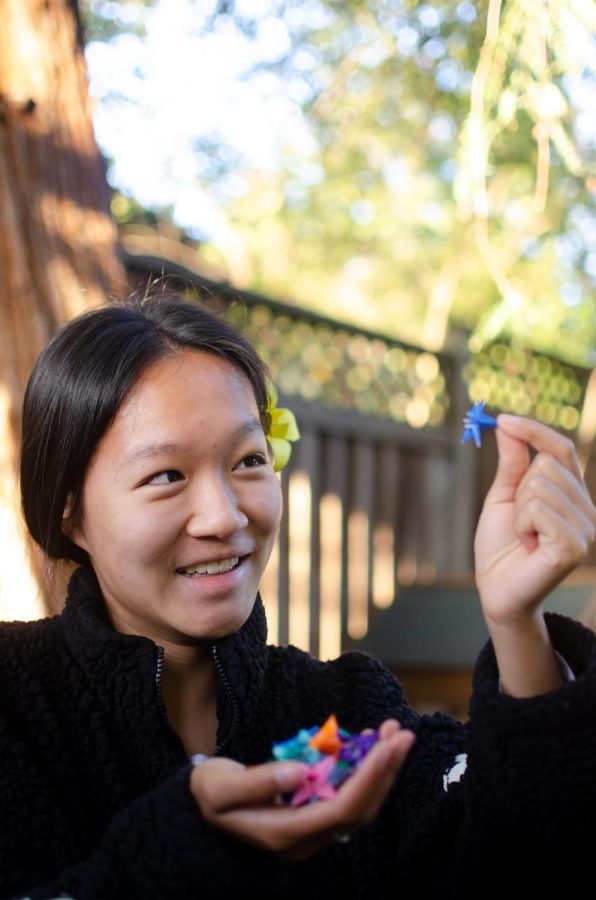
![“When I came into high school, I was ready to be a follower. But DECA was a game changer for me. It helped me overcome my fear of public speaking, and it's played such a major role in who I've become today. To be able to successfully lead a chapter of 150 students, an officer team and be one of the upperclassmen I once really admired is something I'm [really] proud of,” Anvitha Tummala ('21) said.](https://harkeraquila.com/wp-content/uploads/2021/07/Screen-Shot-2021-07-25-at-9.50.05-AM-900x594.png)

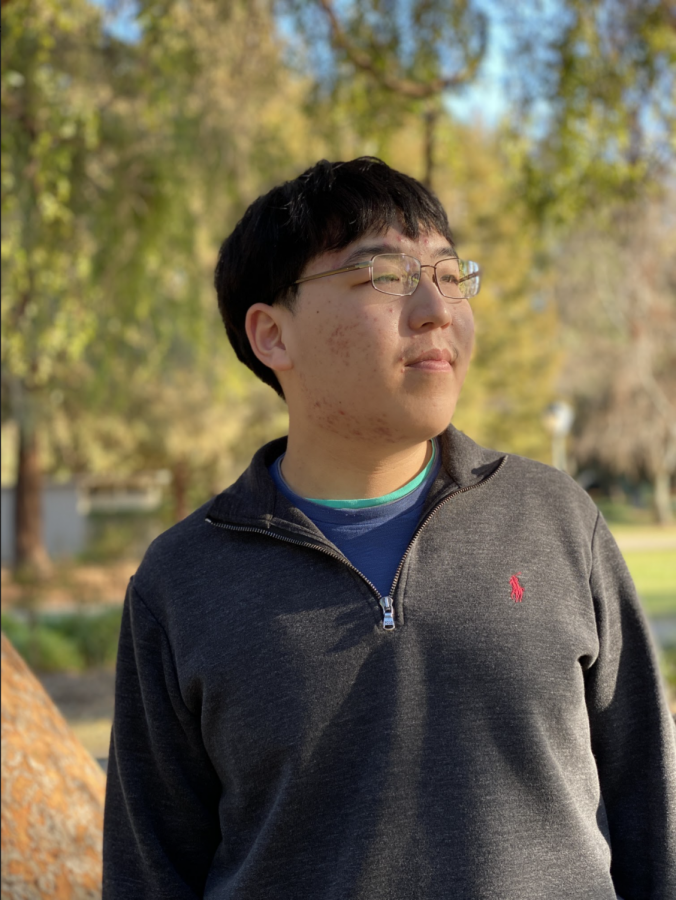

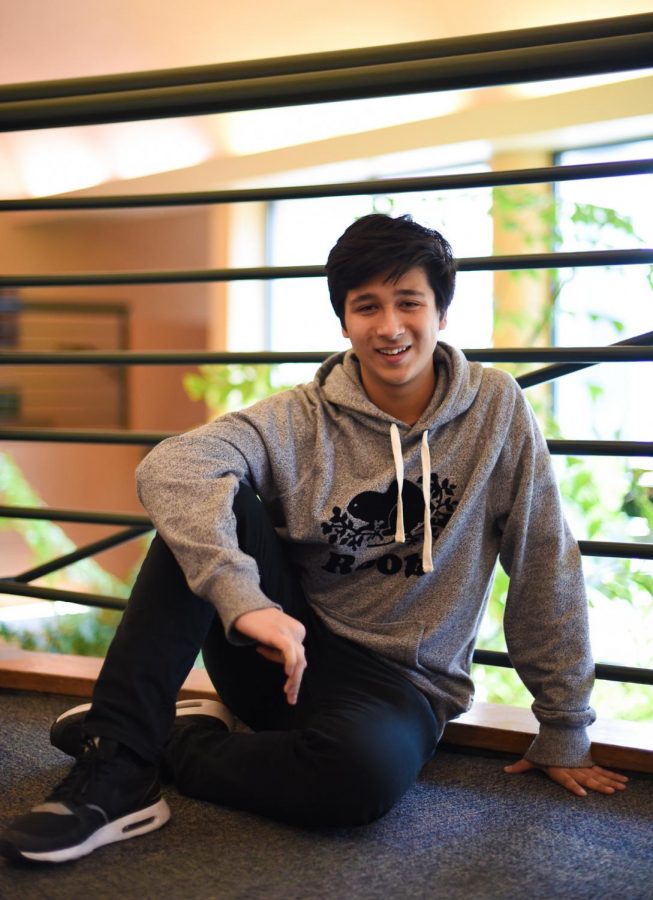
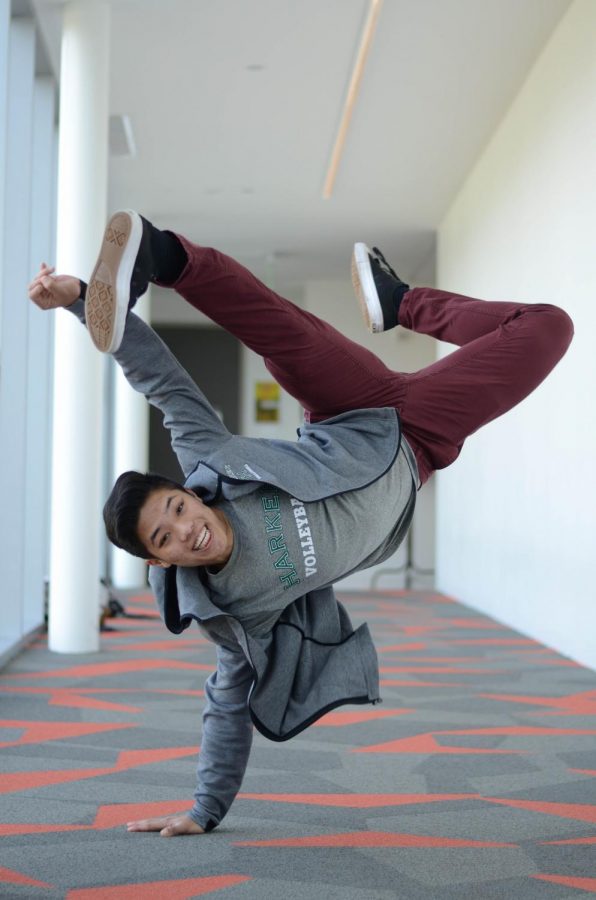


![“I think getting up in the morning and having a sense of purpose [is exciting]. I think without a certain amount of drive, life is kind of obsolete and mundane, and I think having that every single day is what makes each day unique and kind of makes life exciting,” Neymika Jain (12) said.](https://harkeraquila.com/wp-content/uploads/2017/06/Screen-Shot-2017-06-03-at-4.54.16-PM.png)

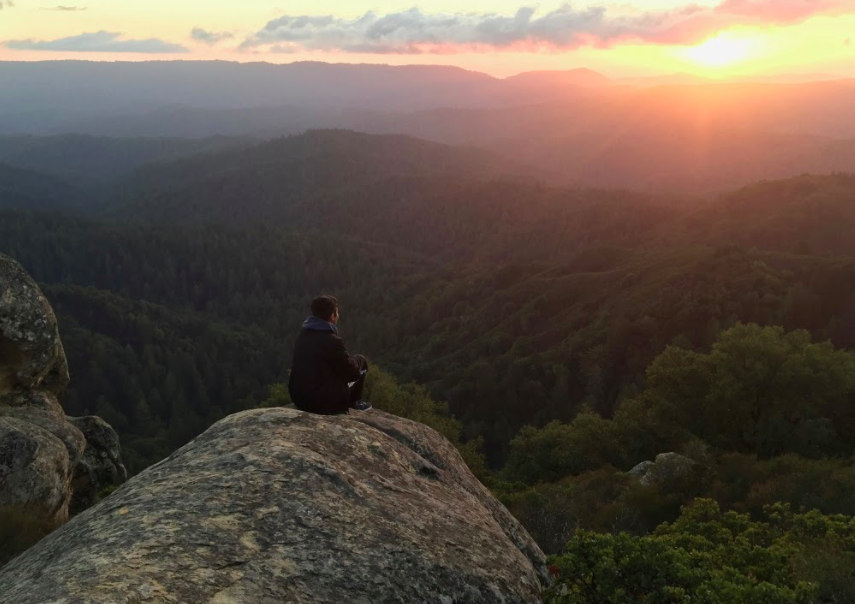
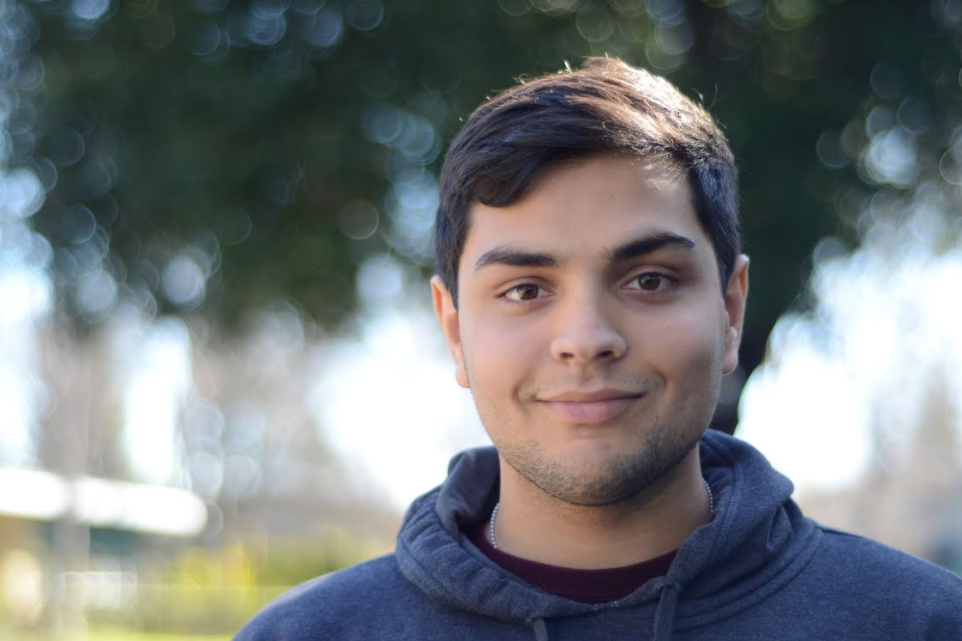

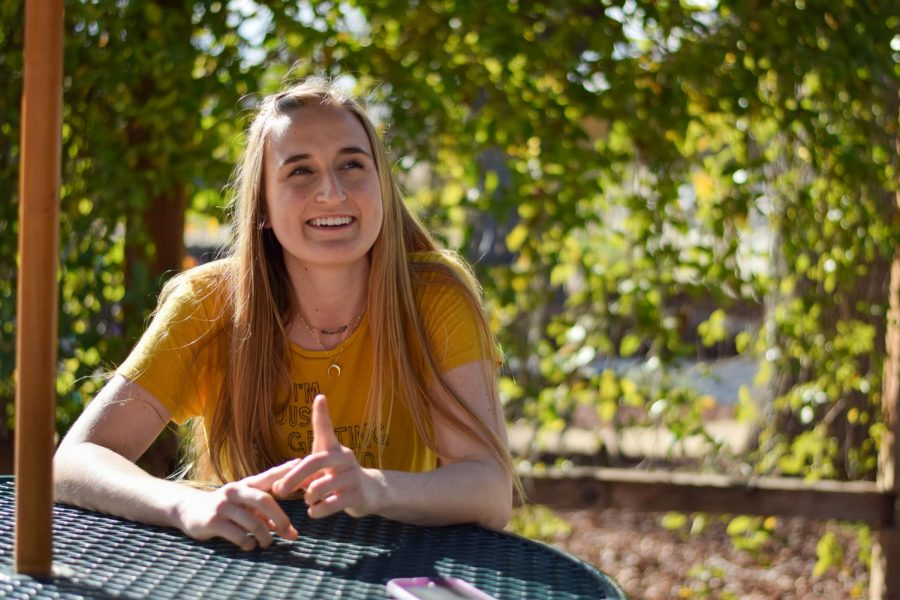



![“My slogan is ‘slow feet, don’t eat, and I’m hungry.’ You need to run fast to get where you are–you aren't going to get those championships if you aren't fast,” Angel Cervantes (12) said. “I want to do well in school on my tests and in track and win championships for my team. I live by that, [and] I can do that anywhere: in the classroom or on the field.”](https://harkeraquila.com/wp-content/uploads/2018/06/DSC5146-900x601.jpg)
![“[Volleyball has] taught me how to fall correctly, and another thing it taught is that you don’t have to be the best at something to be good at it. If you just hit the ball in a smart way, then it still scores points and you’re good at it. You could be a background player and still make a much bigger impact on the team than you would think,” Anya Gert (’20) said.](https://harkeraquila.com/wp-content/uploads/2020/06/AnnaGert_JinTuan_HoHPhotoEdited-600x900.jpeg)

![“I'm not nearly there yet, but [my confidence has] definitely been getting better since I was pretty shy and timid coming into Harker my freshman year. I know that there's a lot of people that are really confident in what they do, and I really admire them. Everyone's so driven and that has really pushed me to kind of try to find my own place in high school and be more confident,” Alyssa Huang (’20) said.](https://harkeraquila.com/wp-content/uploads/2020/06/AlyssaHuang_EmilyChen_HoHPhoto-900x749.jpeg)


The danger of Calexit in a politically desensitized world

provided by Wikimedia Commons
Calexit has been gathering support and signatures since last week. Escapism and political desensitization are a dangerous combination in today’s volatile political climate.
January 31, 2017
Following his inauguration, Trump showed no hesitation making his influence felt, promptly executing many of his campaign promises. Banning entry for citizens from seven Muslim-majority countries, announcing plans to build the Mexico border wall, withdrawing from the Trans-Pacific Partnership, reviving the Keystone XL and Dakota access pipelines and institutionalizing climate change denial in just the first week of his presidency, Trump has killed any last hopes that he would scale back his brazen action after becoming president.
Whether you have followed Trump’s political career since its genesis in 2015 or if you have just begun paying attention, knowing all of Trump’s aforementioned actions would be commendable while knowing the general details or even touching the surface of the minutiae would be truly an accomplishment. This level of political awareness will become harder to maintain as the Trump presidency continues, especially as the world changes so rapidly.
When phrases such as “first time in history”, “unprecedented action” and “one for the books” are used liberally but appropriately, the flood of decisions or events of momentous magnitude desensitizes us, diminishing the importance of any individual event while muting our shock to the shocking. Just like violence, the more gruesome the exposure, the more it numbs future reactions.
Political desensitization is far from exclusive to Trump’s presidency. After nearly two years of relentless political campaigning and the political domination of Facebook feeds and conservation, it is no surprise that political fatigue entrenched itself into the American consciousness.
In our community, distancing oneself from Trump’s policies is easy. Jerry Brown, a progressive whose support of immigrants and championing of the fight against climate change, leads our state. Many tech giants and startups, the backbone of much of Silicon Valley’s economy, have openly criticized Trump’s immigration policy and supported the American Civil Liberties Union.
But people’s passions have not faltered. With hundreds of thousands of people demonstrating for women’s rights the day after Trump’s inauguration and thousands directly protesting Trump’s orders, more people are making their voices heard than any time in recent memory.
Another political response especially relevant to California has cause for concern. First approved for signature collection and quickly trending on Facebook, Calexit, the proposal for California to secede from the United States, aims to collect 585,407 signatures by July 25 to appear on the 2018 ballot. Taking a stand against the dangerous policies of Trump is a necessity; but Calexit represents the desire to escape from national politics and take shelter in the insulation of one’s community.
The danger is not that California will likely leave the U.S. Though the U.S. government has a set of formal checks and balances in place, widespread public protest and activism is an informal part of that system. When the public simply is too jaded to care about politics, democracy loses one of its natural mechanisms of balance, but it seems like activism and political protest has culminated in a recent peak.
The beginning of Trump’s presidency and the election preceding it polarized the country to the point where political neutrality is a rare sight to see, but political complacency can still occur when people care. Writing off Trump as simply a bad president without continuing to scrutinize him is complacency. Being equally shocked by every decision Trump makes, regardless of their relative magnitude, is complacency. Desiring complete escape over dealing with conflicting political views is complacency. Politics, especially in this age, constantly changes; make sure you change with it.