
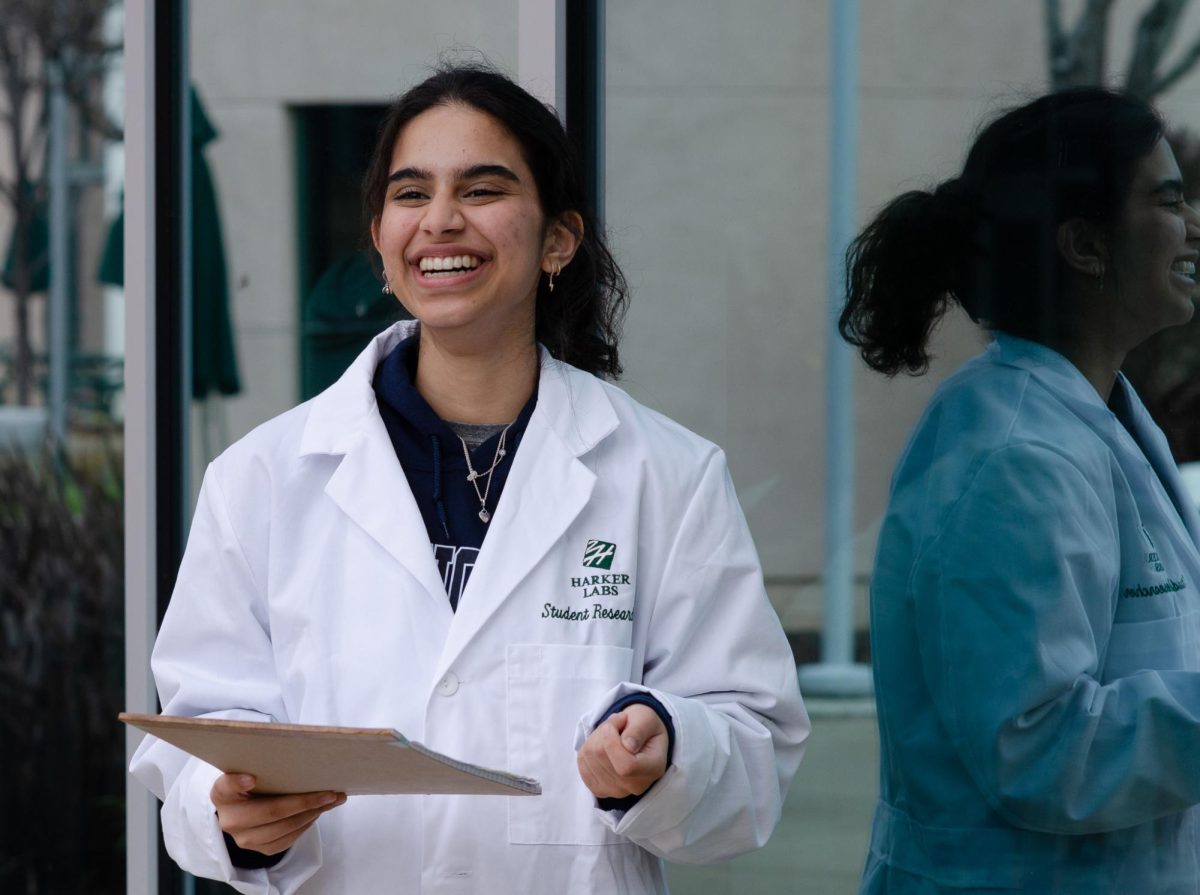
![“I wasn't discouraged by some of the obstacles we faced. I learned a lot from the leadership. I found that different people need different ways of receiving feedback — you can't [just] tell them to do something and expect the best. [Some] people needed more incentive. A large part of my role was to figure out what worked for everyone and to figure out how to lead all these separate individuals as a team,” Suhana Bhandare (’26) said.](https://harkeraquila.com/wp-content/uploads/2026/06/SuhanaBhandare_JasmineHansra-1-1200x798.jpg)
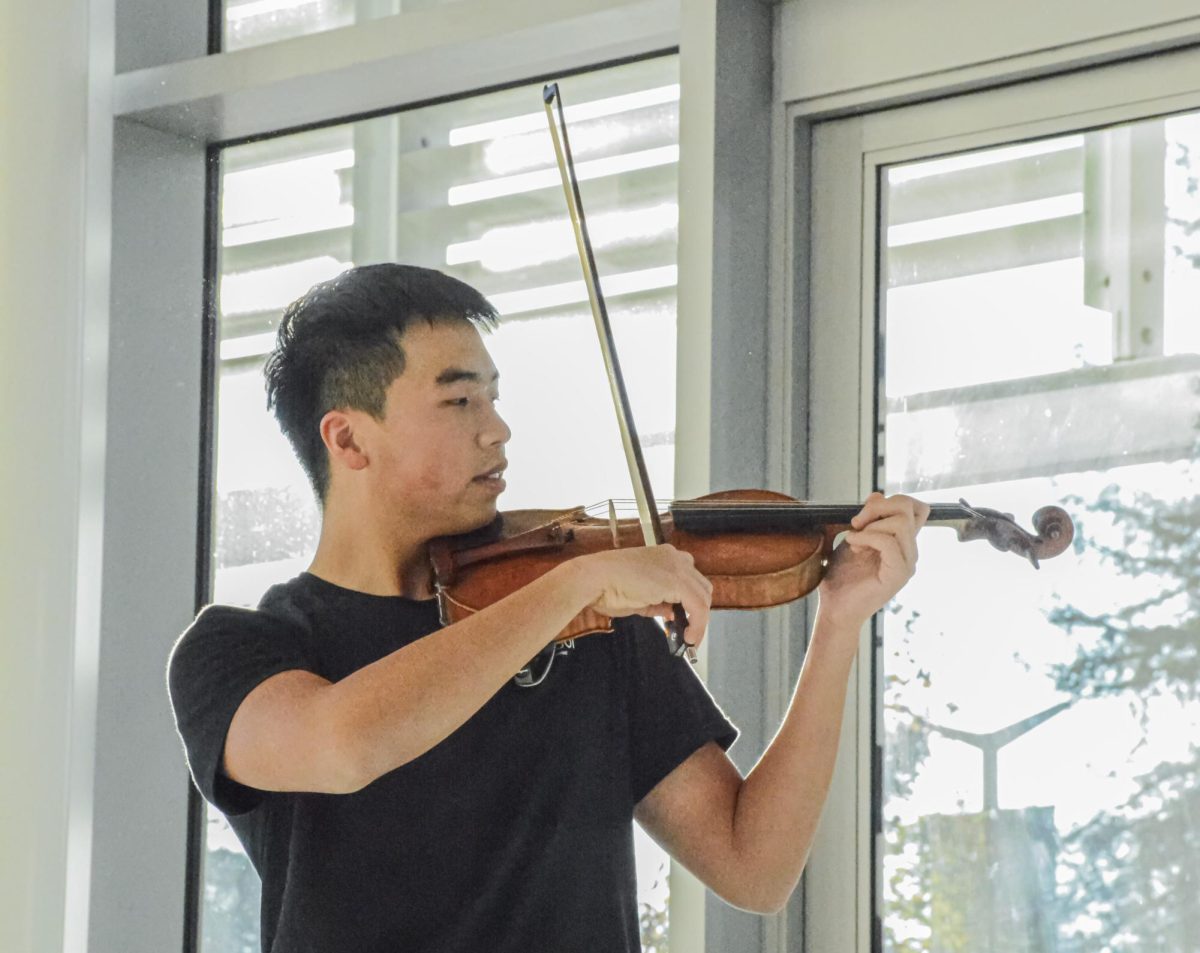

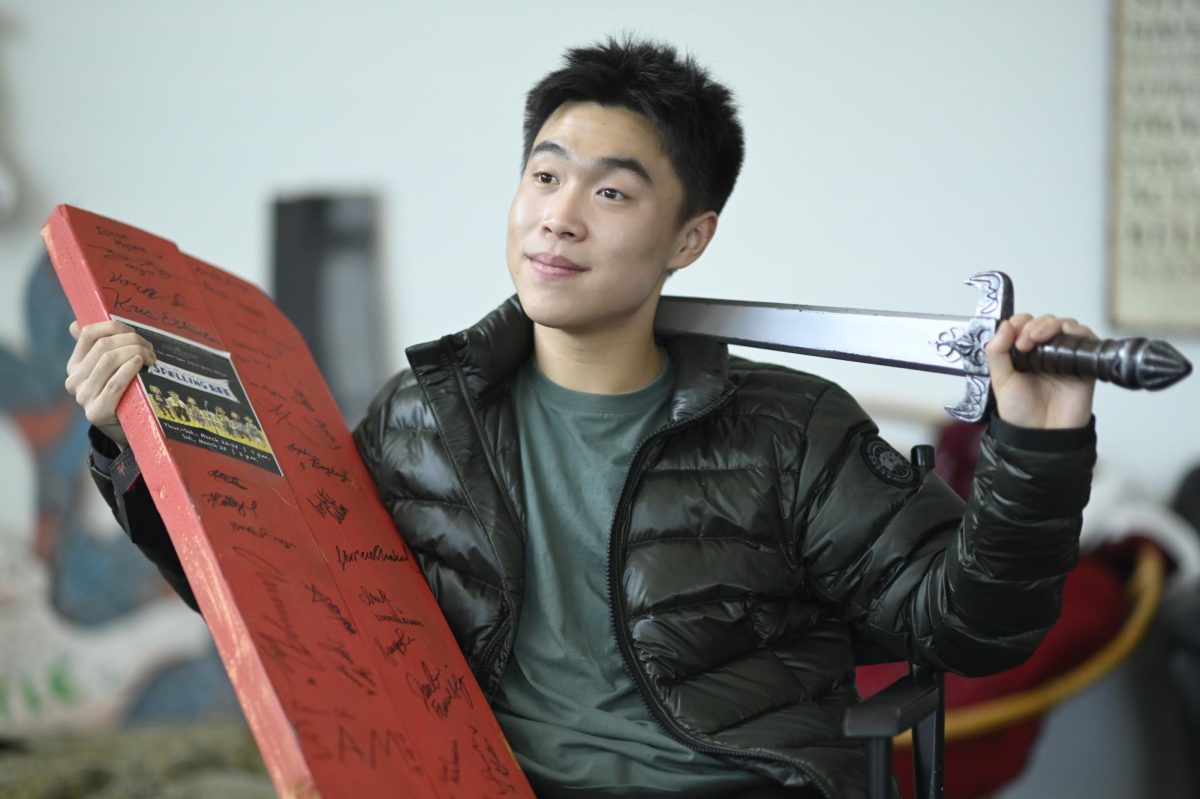
![“This is actually from Randy Pausch Randy P. Brick: ‘Walls are there for a reason. You have to show how much you want to overcome them.’ You have to show how much you want something. That's what I've always been able to do with tennis, Link Crew and getting that internship [with Kushy Baby]. It’s important pushing through that — getting around that brick wall, climbing over it or clawing through it,” Yash Sachdeva (’26) said.](https://harkeraquila.com/wp-content/uploads/2026/05/YashSachdeva_RamBatchu-copy-1200x1002.jpg)
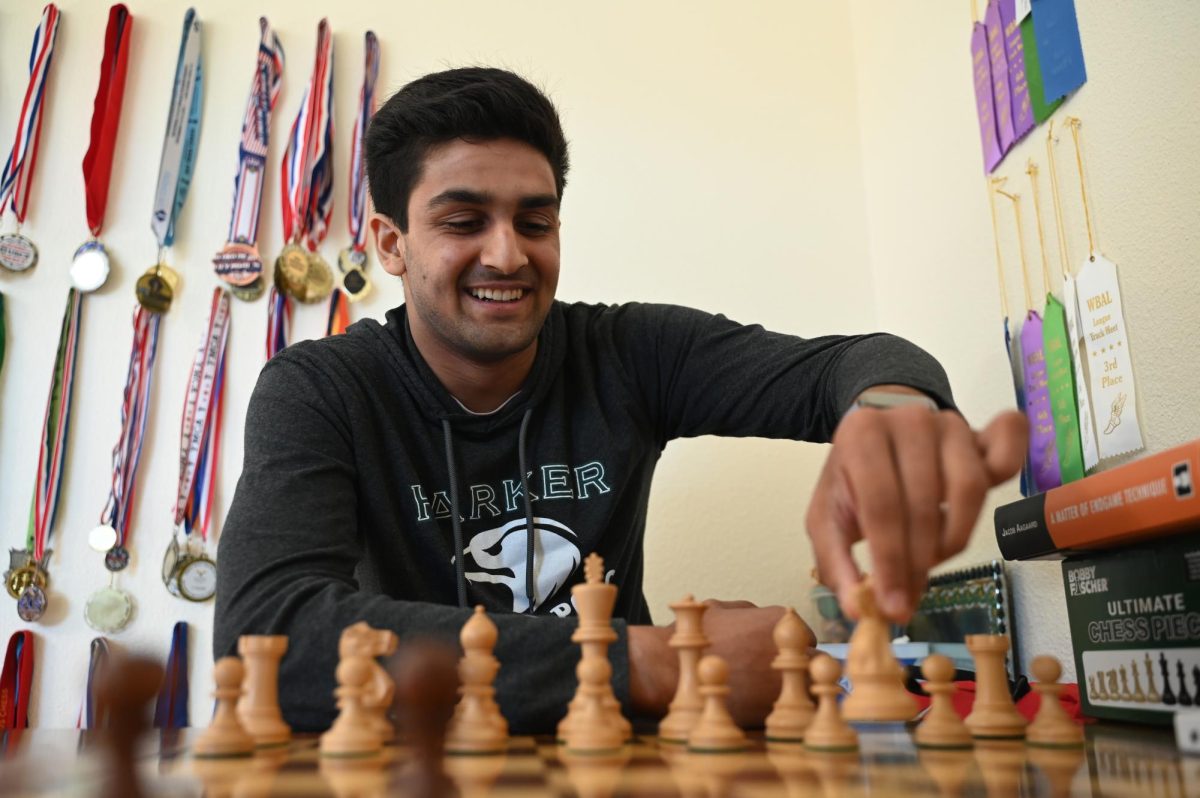






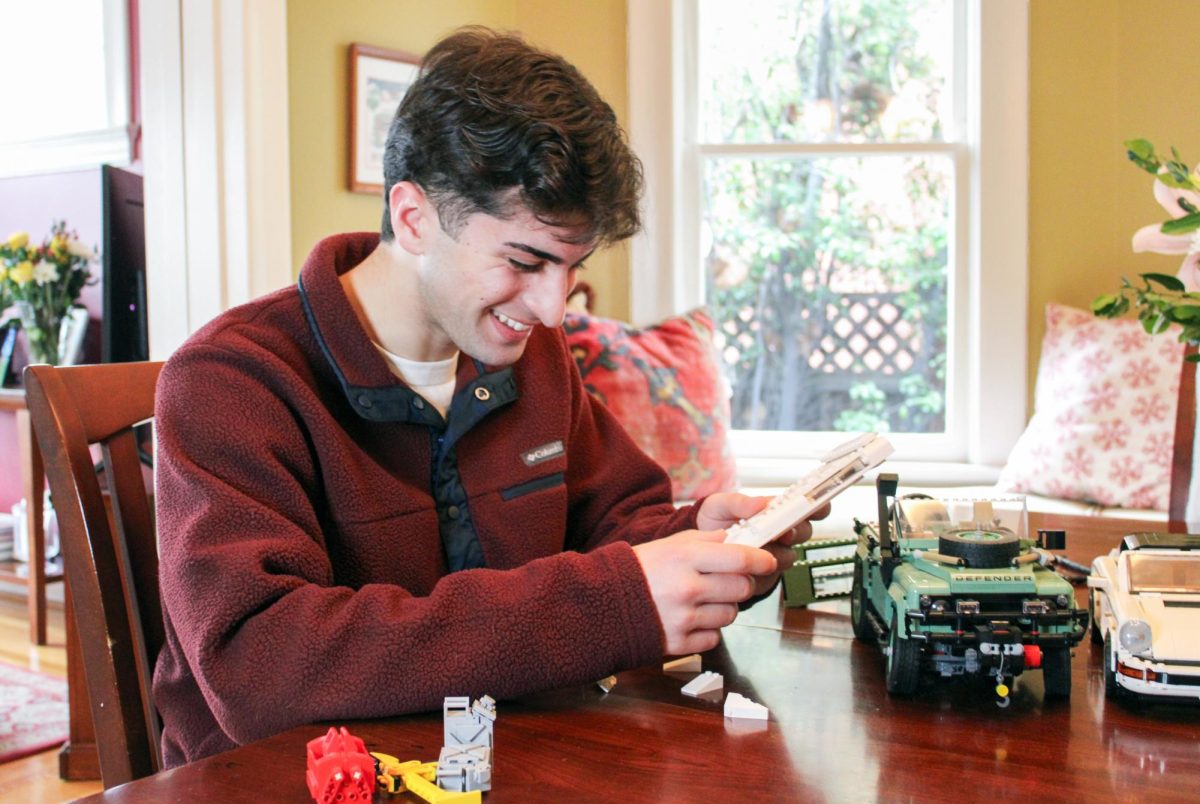



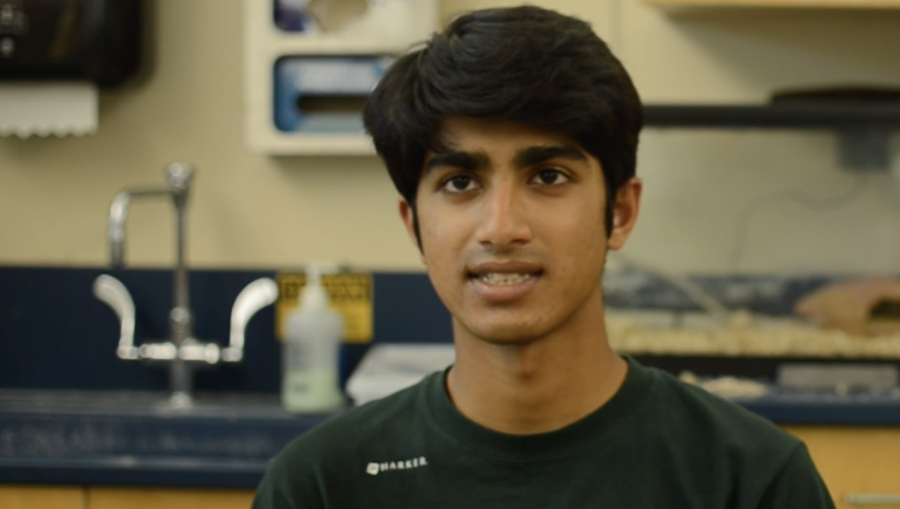
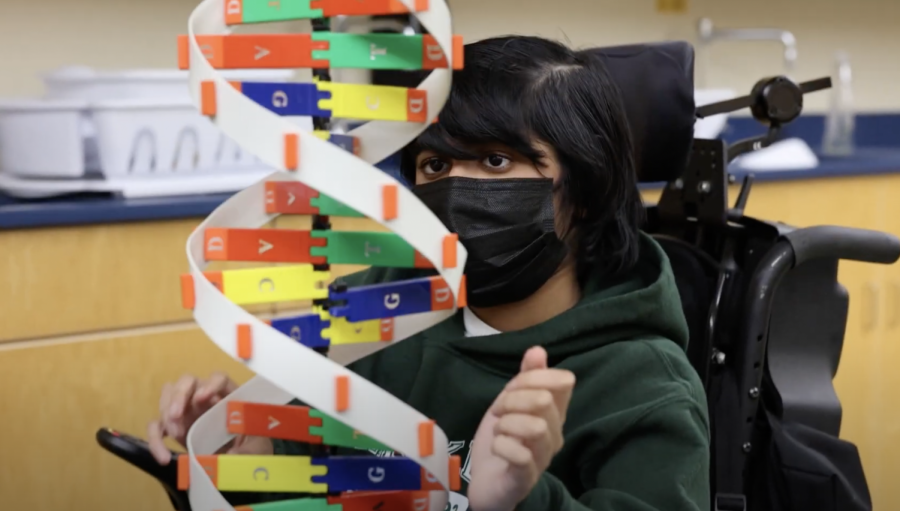
![“[Building nerf blasters] became this outlet of creativity for me that hasn't been matched by anything else. The process [of] making a build complete to your desire is such a painstakingly difficult process, but I've had to learn from [the skills needed from] soldering to proper painting. There's so many different options for everything, if you think about it, it exists. The best part is [that] if it doesn't exist, you can build it yourself," Ishaan Parate said.](https://harkeraquila.com/wp-content/uploads/2022/08/DSC_8149-900x604.jpg)



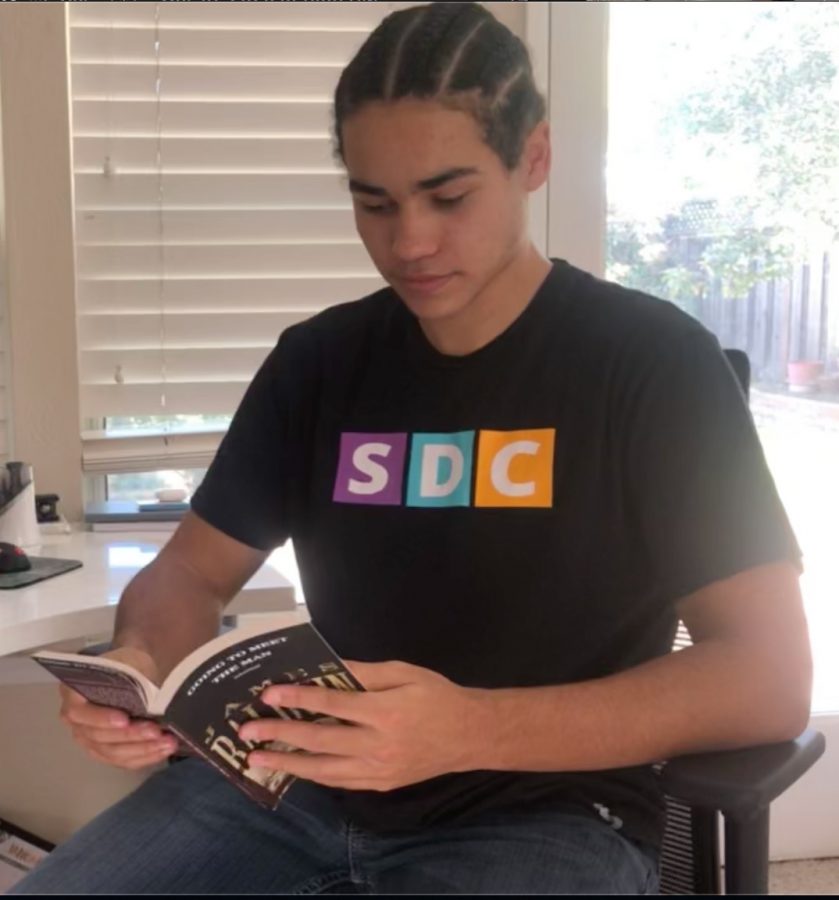
![“When I came into high school, I was ready to be a follower. But DECA was a game changer for me. It helped me overcome my fear of public speaking, and it's played such a major role in who I've become today. To be able to successfully lead a chapter of 150 students, an officer team and be one of the upperclassmen I once really admired is something I'm [really] proud of,” Anvitha Tummala ('21) said.](https://harkeraquila.com/wp-content/uploads/2021/07/Screen-Shot-2021-07-25-at-9.50.05-AM-900x594.png)

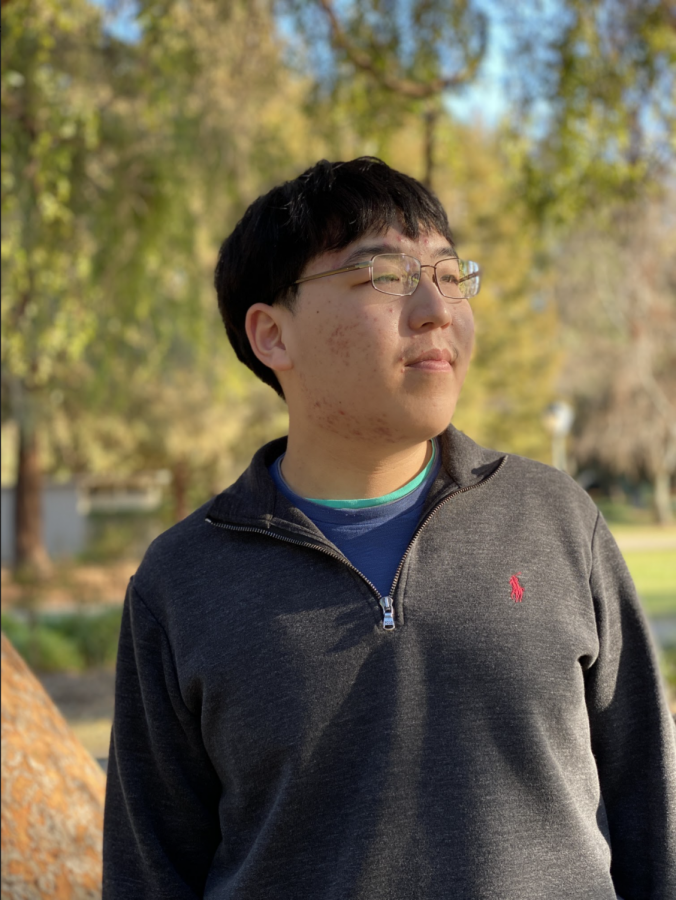

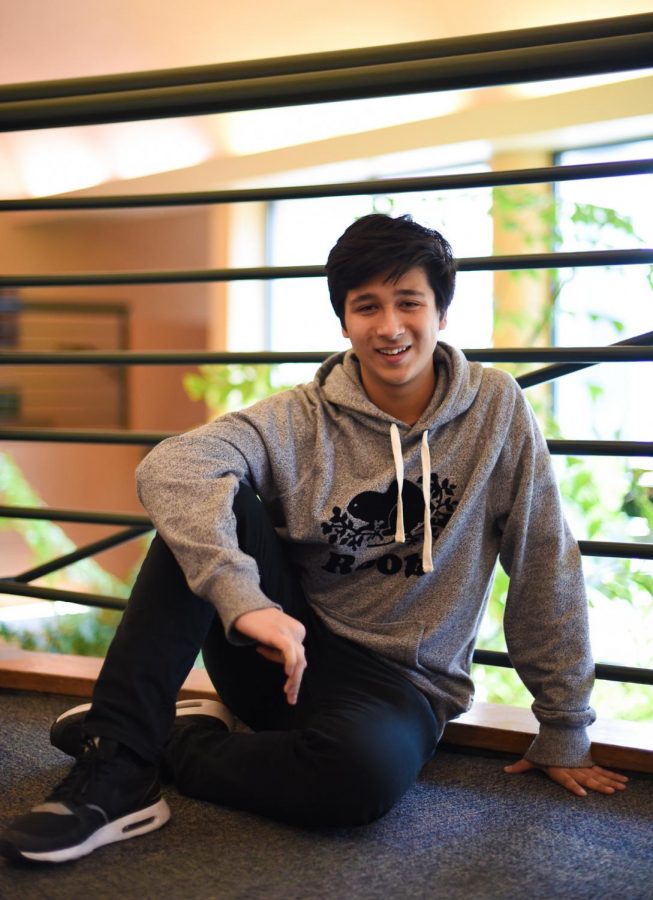
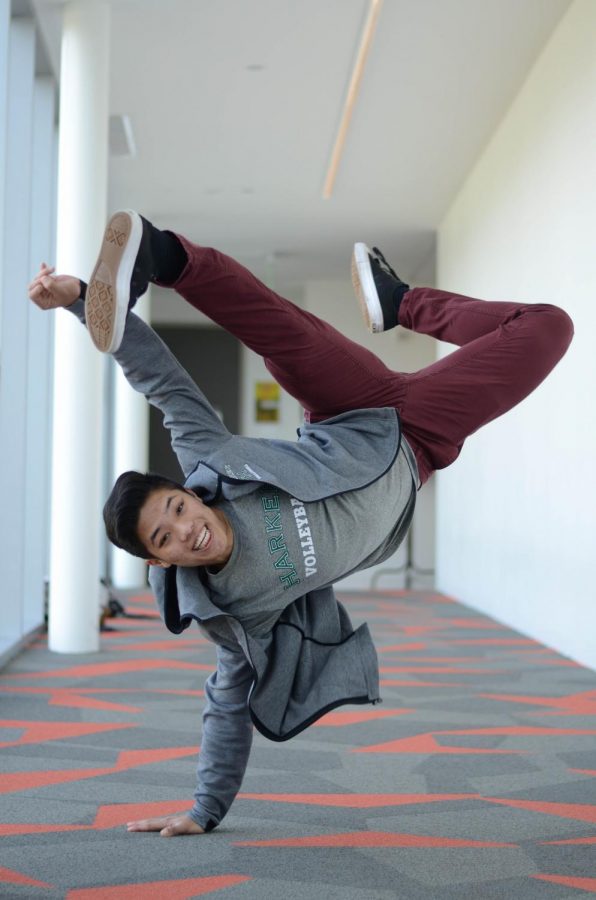


![“I think getting up in the morning and having a sense of purpose [is exciting]. I think without a certain amount of drive, life is kind of obsolete and mundane, and I think having that every single day is what makes each day unique and kind of makes life exciting,” Neymika Jain (12) said.](https://harkeraquila.com/wp-content/uploads/2017/06/Screen-Shot-2017-06-03-at-4.54.16-PM.png)

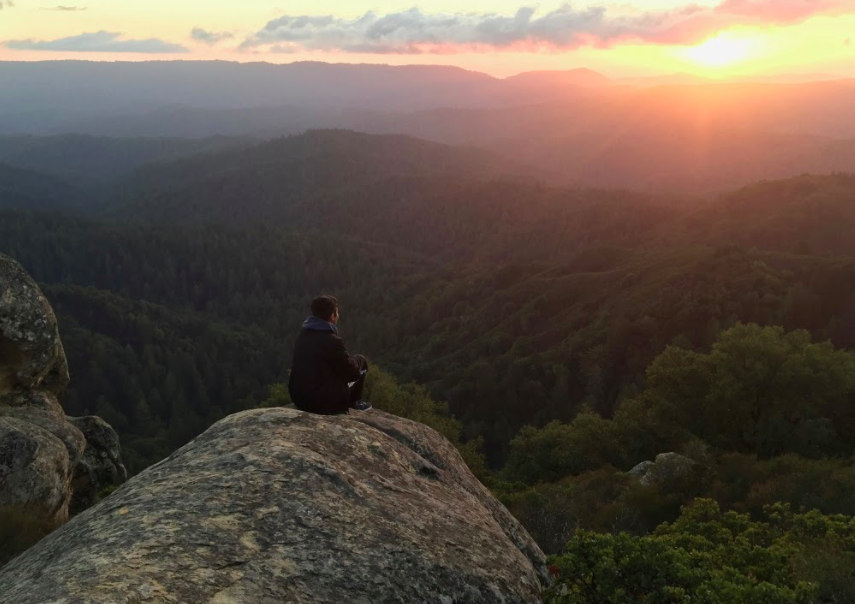

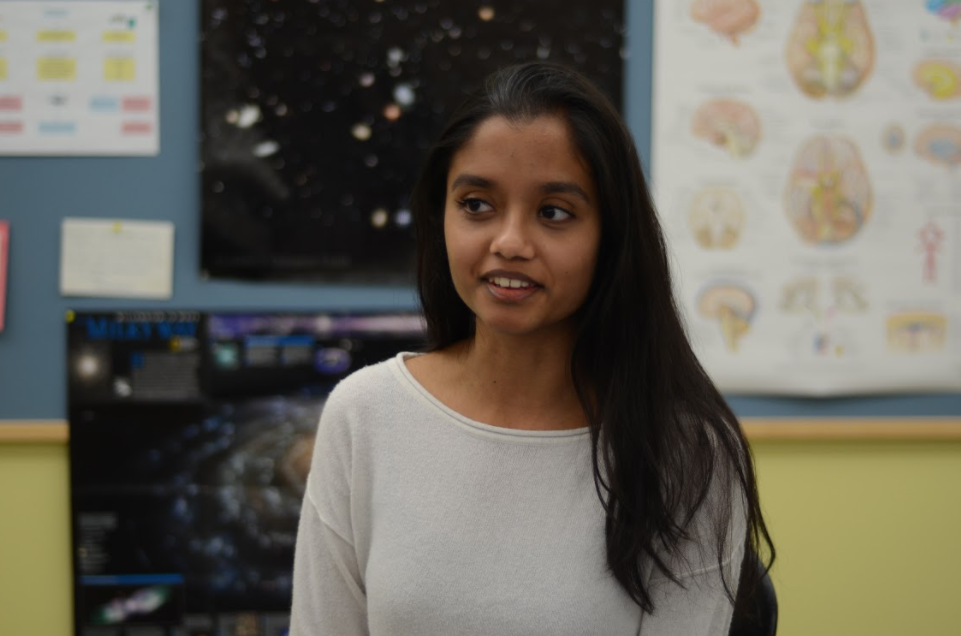


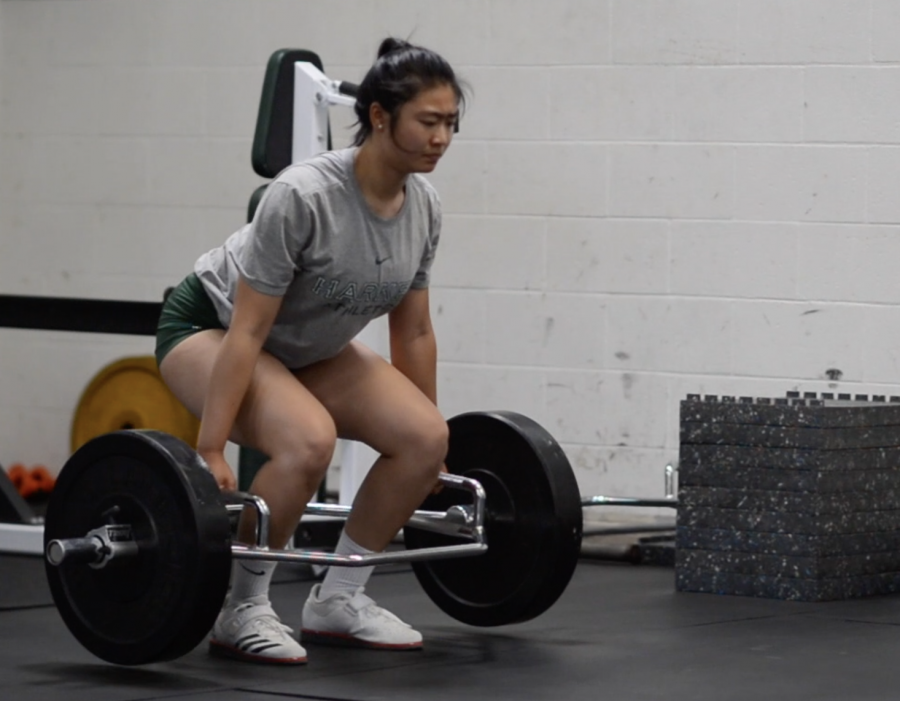

![“My slogan is ‘slow feet, don’t eat, and I’m hungry.’ You need to run fast to get where you are–you aren't going to get those championships if you aren't fast,” Angel Cervantes (12) said. “I want to do well in school on my tests and in track and win championships for my team. I live by that, [and] I can do that anywhere: in the classroom or on the field.”](https://harkeraquila.com/wp-content/uploads/2018/06/DSC5146-900x601.jpg)
![“[Volleyball has] taught me how to fall correctly, and another thing it taught is that you don’t have to be the best at something to be good at it. If you just hit the ball in a smart way, then it still scores points and you’re good at it. You could be a background player and still make a much bigger impact on the team than you would think,” Anya Gert (’20) said.](https://harkeraquila.com/wp-content/uploads/2020/06/AnnaGert_JinTuan_HoHPhotoEdited-600x900.jpeg)

![“I'm not nearly there yet, but [my confidence has] definitely been getting better since I was pretty shy and timid coming into Harker my freshman year. I know that there's a lot of people that are really confident in what they do, and I really admire them. Everyone's so driven and that has really pushed me to kind of try to find my own place in high school and be more confident,” Alyssa Huang (’20) said.](https://harkeraquila.com/wp-content/uploads/2020/06/AlyssaHuang_EmilyChen_HoHPhoto-900x749.jpeg)


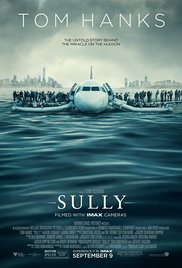
Sully review – 3/5 stars
IMDb
Sully was released on Sept. 9. The film is still playing in theaters.
September 17, 2016
After “American Sniper” and “Invictus”, Clint Eastwood released his next biopic, “Sully,” starring Tom Hanks, Aaron Eckhart and Laura Linney, a touching film about the 2009 Hudson river landing in which a Airbus A320 with 155 souls on board took off from LaGuardia Airport and made a forced landing into the Hudson river two minutes after take-off. With an abundance of emotion and tension, it evolves into a memorable drama despite the fact that the audience knows everyone on the plane lives in the end.
Despite the white hair and makeup reminding us that one of America’s most beloved actors is aging, Tom Hanks gives one of his best performances in recent memory with a deep understanding of the impenetrable focus and invaluable experience Captain Chesley Sullenberger possesses.
Often typecast as a experienced and resourceful yet emotional character, Hanks makes this performance unique with genuine moments of vulnerability to the relentless media attention while being composed and doing what he loves, a situation which Hanks conveniently find himself in frequently.
Aaron Eckhart does his best in a supporting role as Jeff Skiles, the co-pilot, with surprisingly low amounts of significant screen time but ends up being a wall for Sullenberger to bounce dialogue and his feelings off of. Laura Linney, who plays Sully’s wife, suffers from similar issues and ends up becoming a second one-dimensional character who does little apart from adding superficial tension through family and financial issues. The scenes showing her conversations with Sully show his devotion to family and isolation, but do not develop and are largely forgotten by the audience by the end of the movie.
Though a lesser known actor, the unsung hero of the movie is Patch Darragh, who plays the air traffic controller who speaks with the cockpit of US Airways Flight 1549 in the final moments before the water landing. His portrayal of the panic slowly creeping into his mind is subtle but convincing, and his despair when he assumes that the airplane crashes and everyone on board has been killed is a haunting reminder of the tragedy that was so close to becoming reality.
The film’s editing makes the relatively simple story an intense experience with Sully’s relatable attempts to cope with the possibility that he made the wrong decision punctuated with his heroic actions on the Hudson. However, two flashbacks to Sully’s teenage years and his time in the Air Force provide some characterization of Sully, but lack the explanation and context required to justify disturbing the film’s rhythm.
Much of the movie’s run time is devoted to multiple flashbacks of the crash itself which cut to the perspectives of the pilots and a select few of the passengers and rescue personnel. With beautiful cinematography and solid acting for each of the passengers, the scene is emotional despite the guaranteed outcome. Despite the effectiveness of the flashback scene, the movie’s close attention to its portrayal of the Miracle on the Hudson contributed to its neglect of Sully’s struggles to cope with the scrutiny of his actions and the media. Its predictable ending may seem abrupt to many and feels too premature for the gravity of the events of the movie. With only a 1 hour 36 minute run-time, Eastwood had more run-time to devote to the character development of Sully. Anything from explaining Sully’s childhood flashbacks to adding nuance to his struggles with the sudden attention could have made the ending pay off so much more.
Sully, a dramatic heart-warming tale with spectacle to match, succeeds in telling one of the most impactful accounts of the Hudson river landing, but it lacks the character depth needed to reach the highest standards of biographical storytelling.