


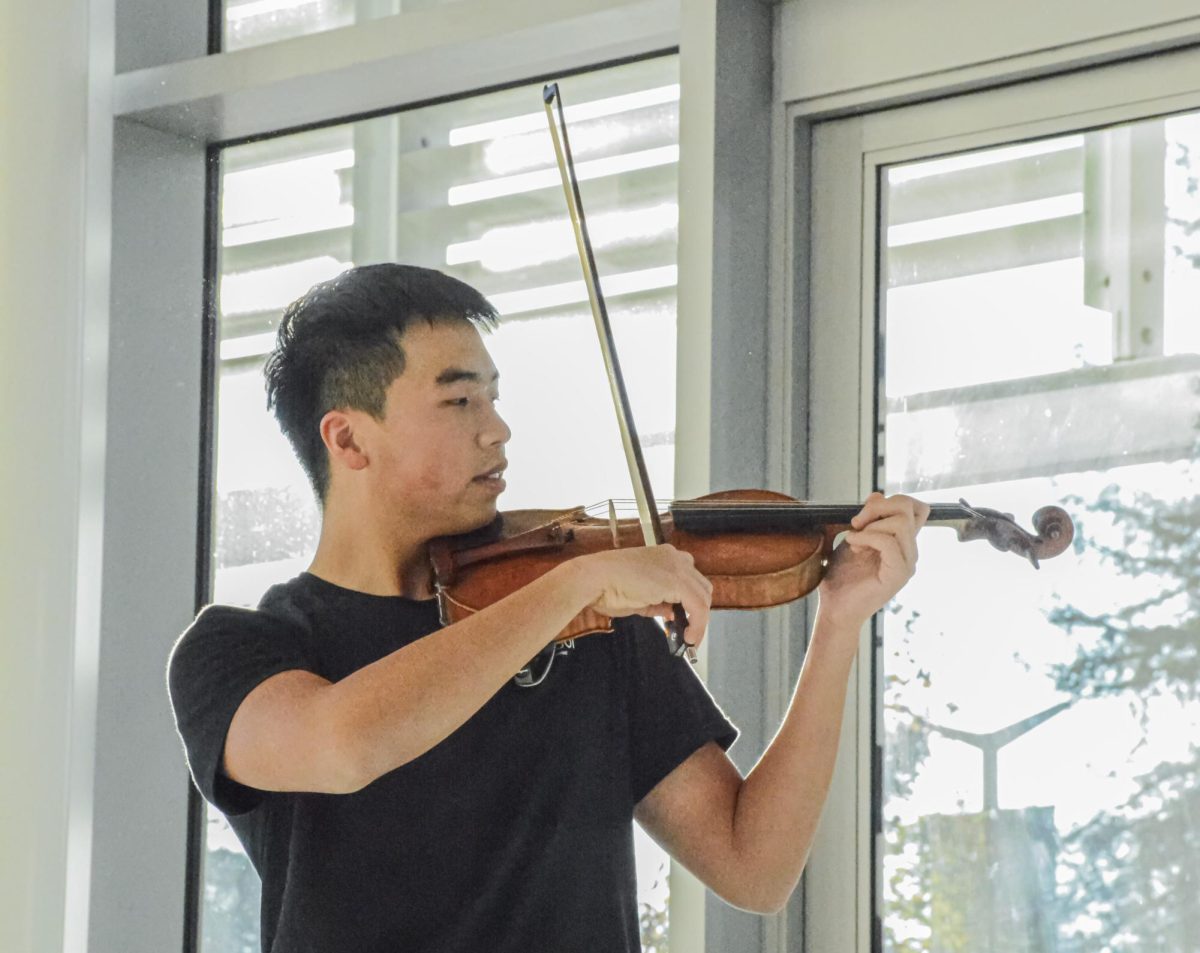
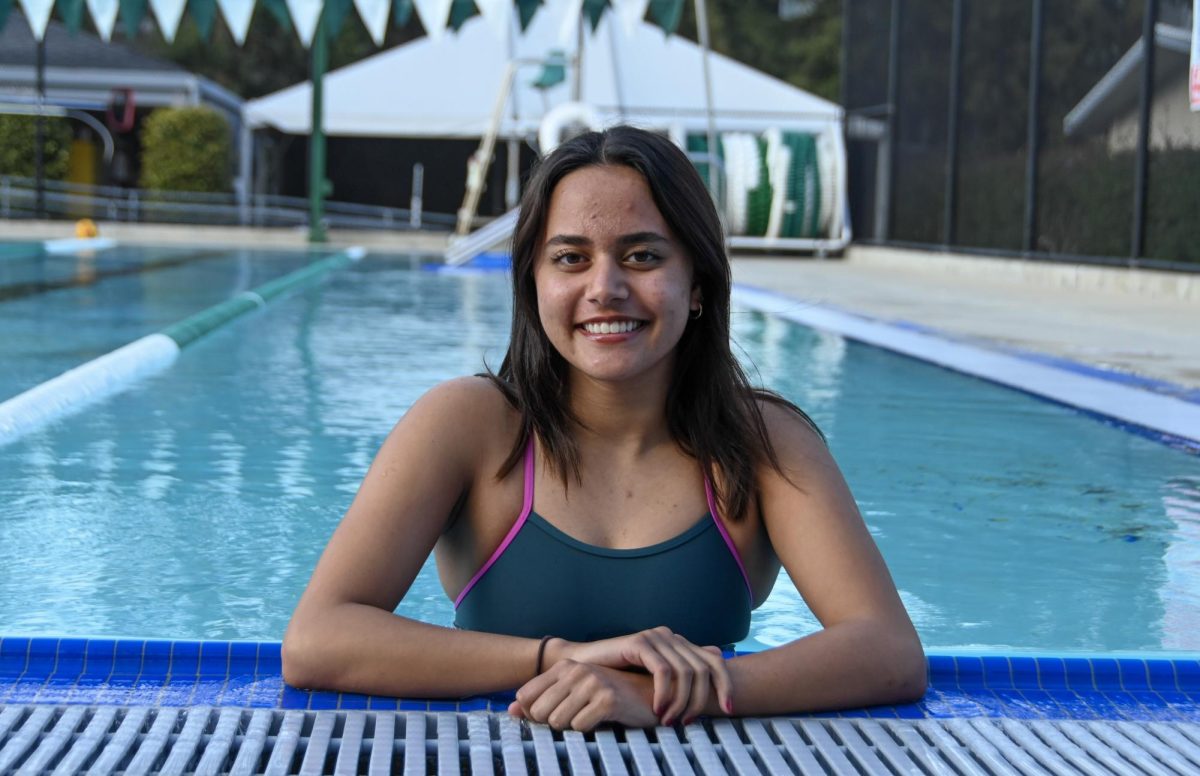
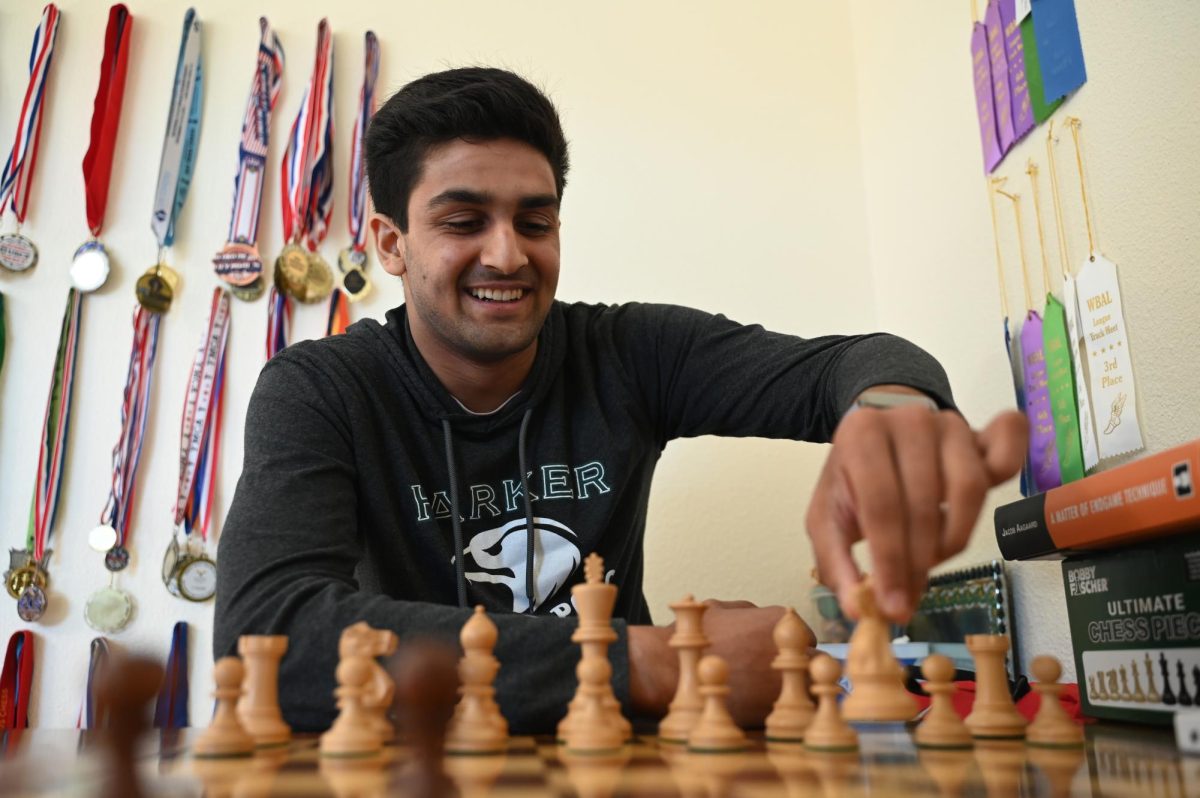
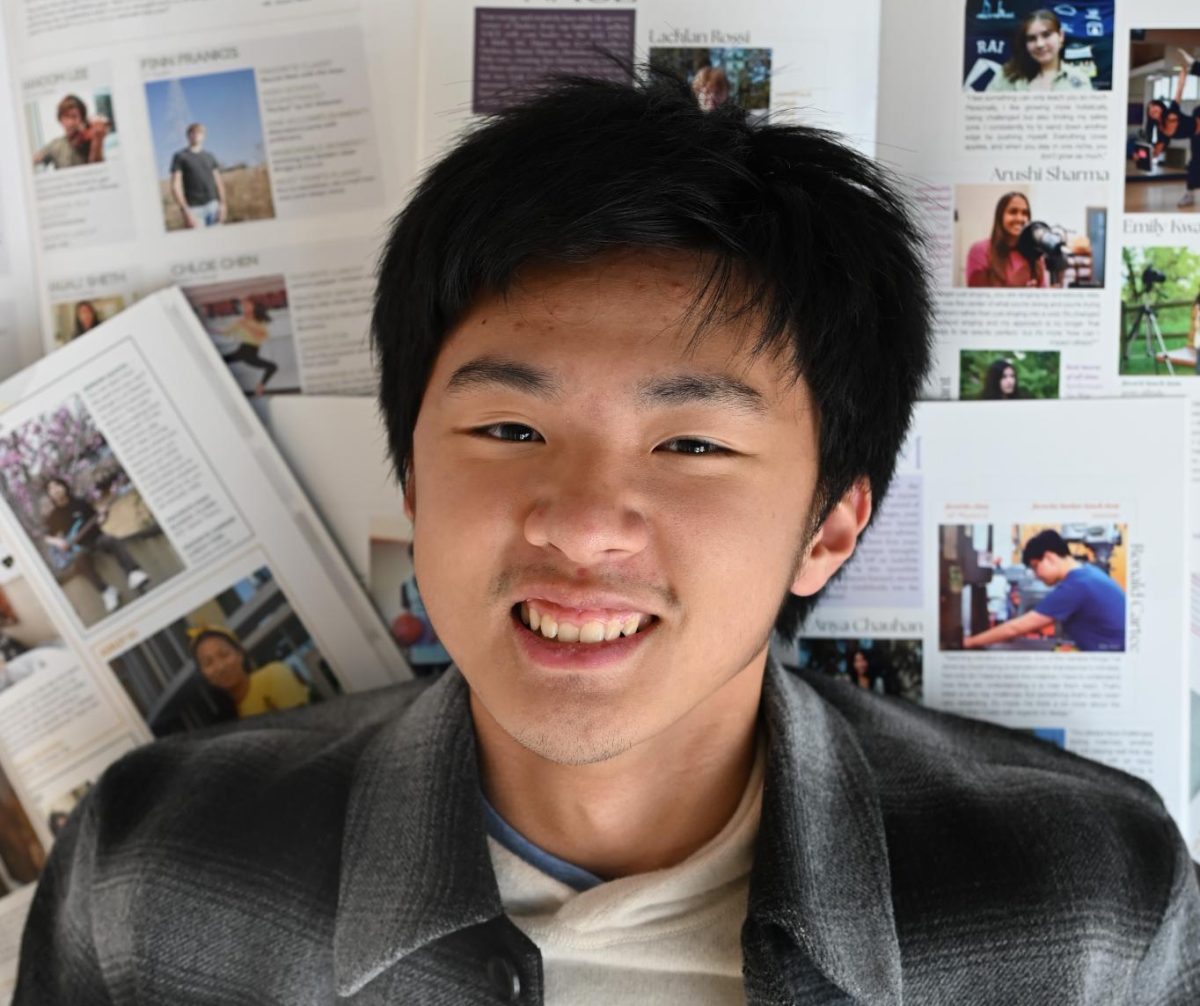
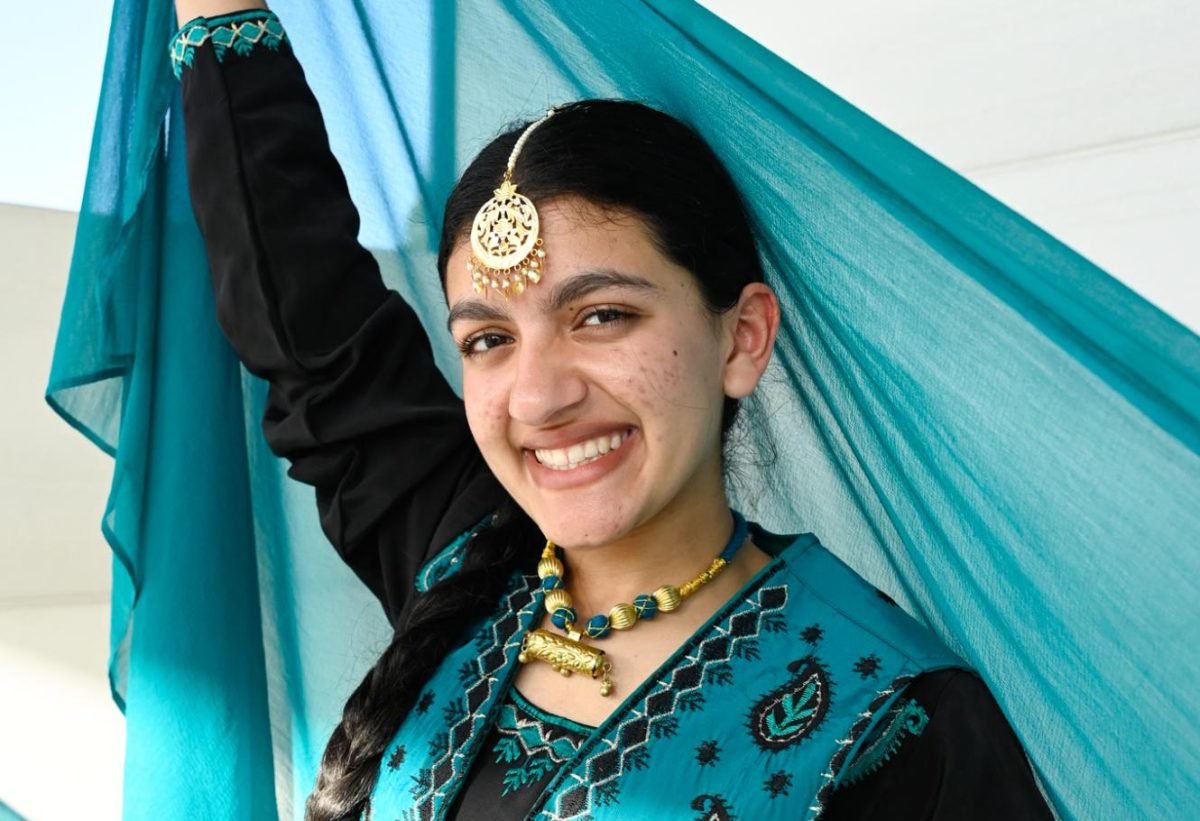
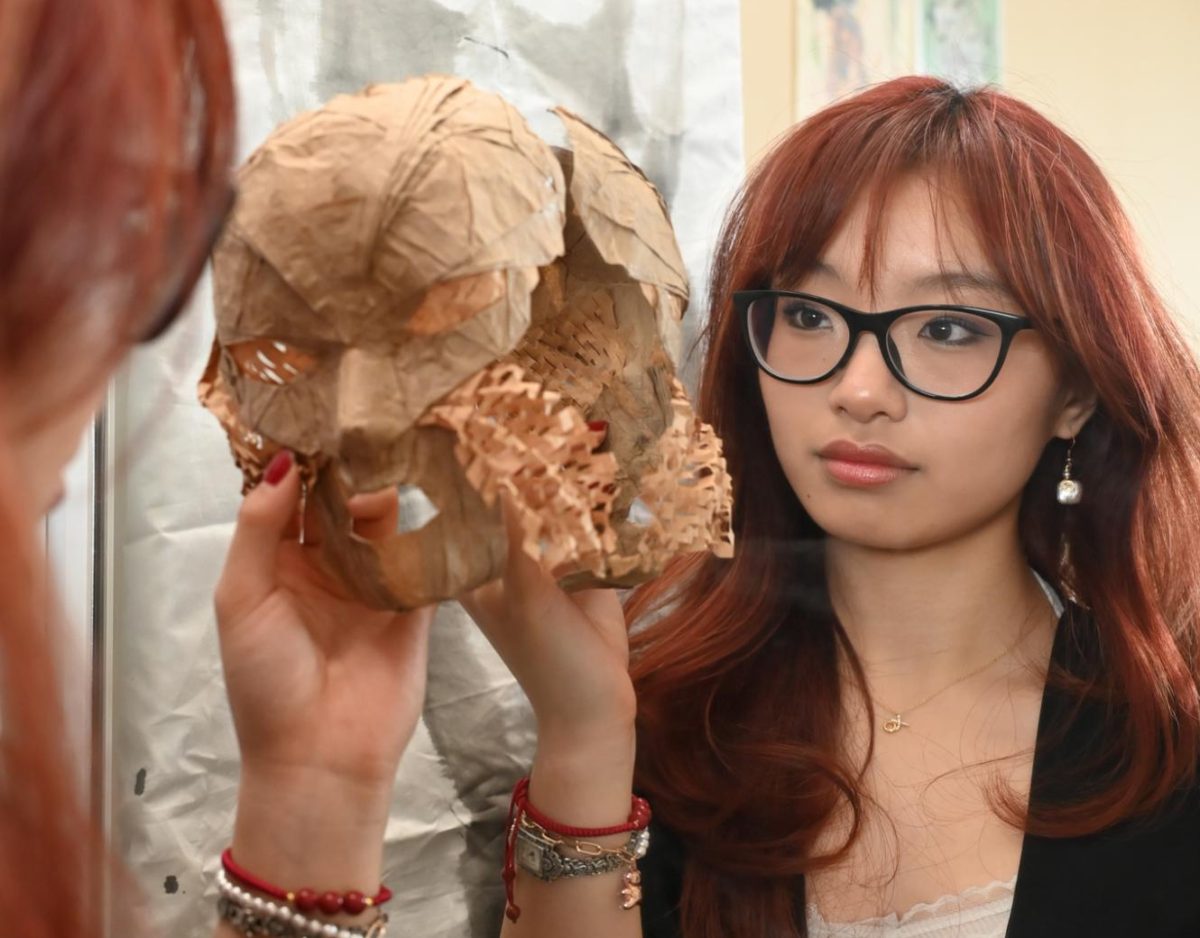
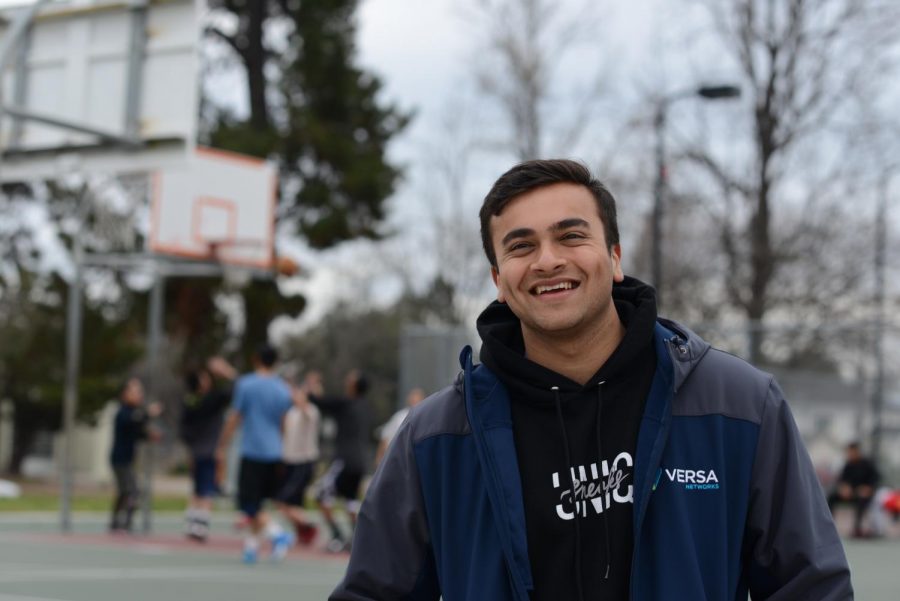
![“I wasn't discouraged by some of the obstacles we faced. I learned a lot from the leadership. I found that different people need different ways of receiving feedback — you can't [just] tell them to do something and expect the best. [Some] people needed more incentive. A large part of my role was to figure out what worked for everyone and to figure out how to lead all these separate individuals as a team,” Suhana Bhandare (’26) said.](https://harkeraquila.com/wp-content/uploads/2026/06/SuhanaBhandare_JasmineHansra-1-1200x798.jpg)
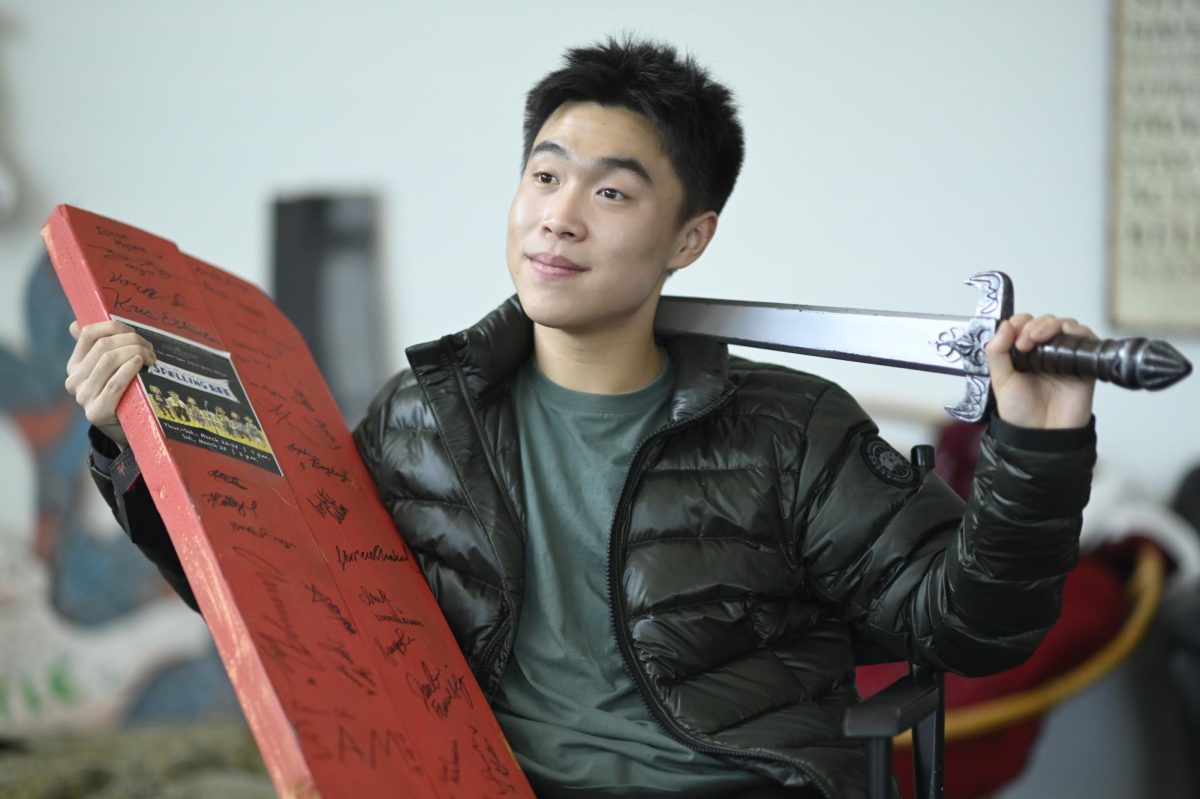
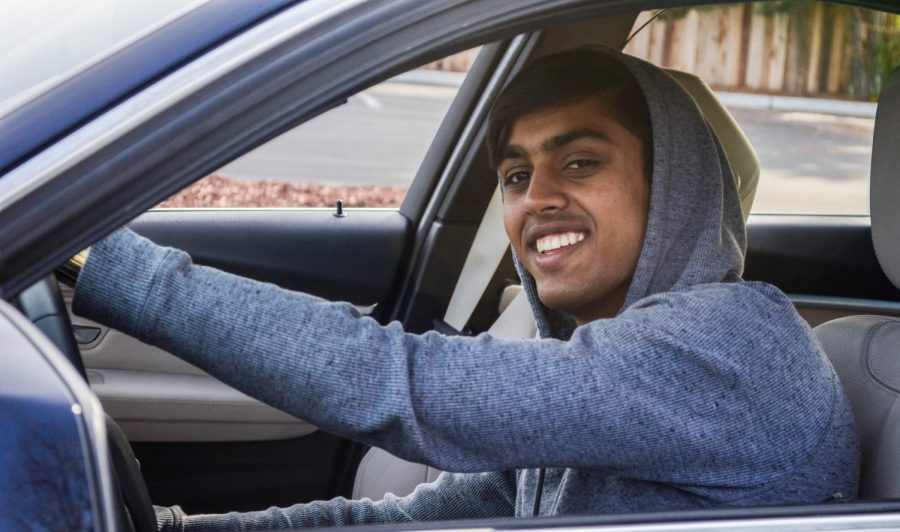
![“This is actually from Randy Pausch Randy P. Brick: ‘Walls are there for a reason. You have to show how much you want to overcome them.’ You have to show how much you want something. That's what I've always been able to do with tennis, Link Crew and getting that internship [with Kushy Baby]. It’s important pushing through that — getting around that brick wall, climbing over it or clawing through it,” Yash Sachdeva (’26) said.](https://harkeraquila.com/wp-content/uploads/2026/05/YashSachdeva_RamBatchu-copy-1200x1002.jpg)
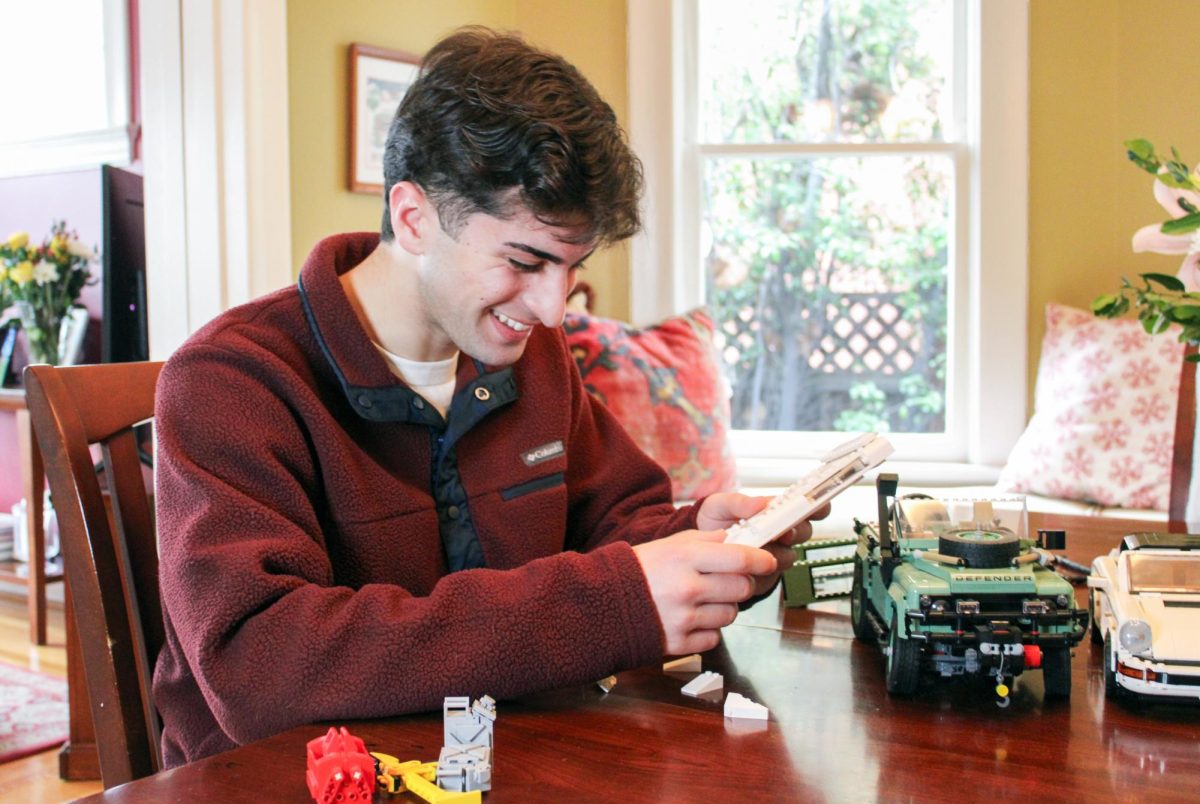
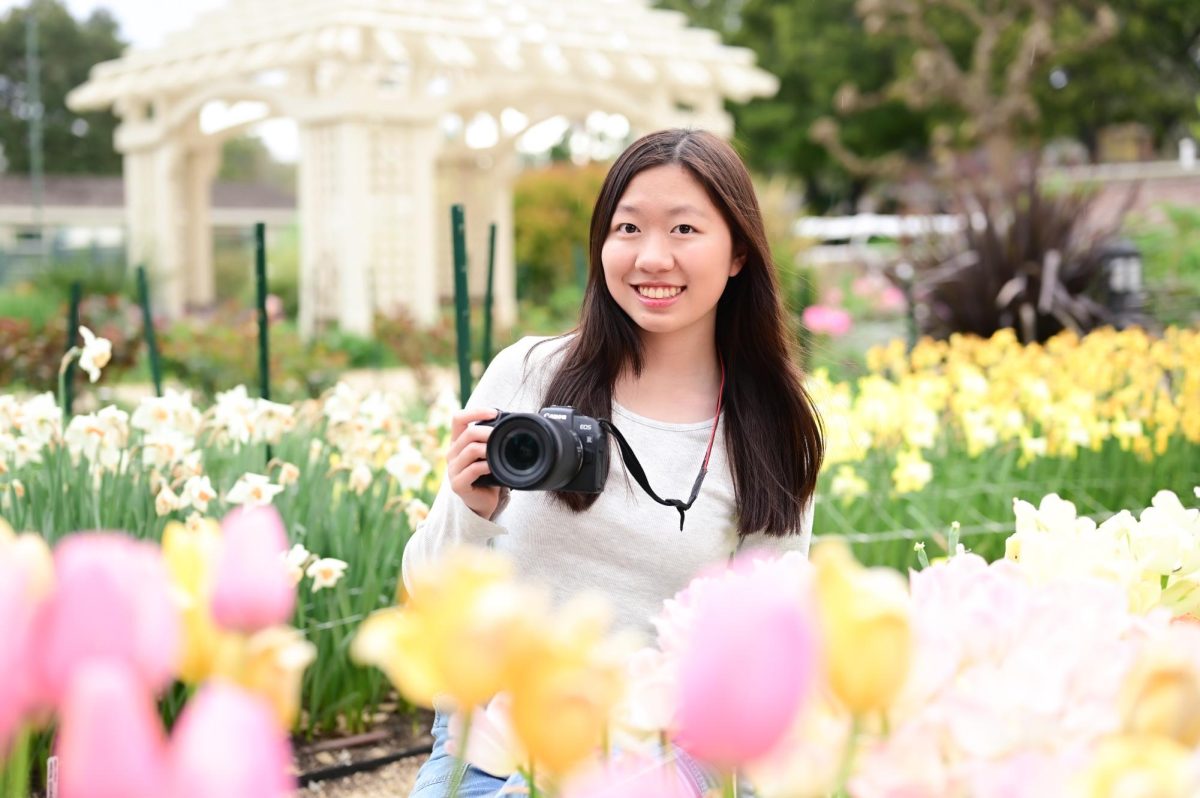
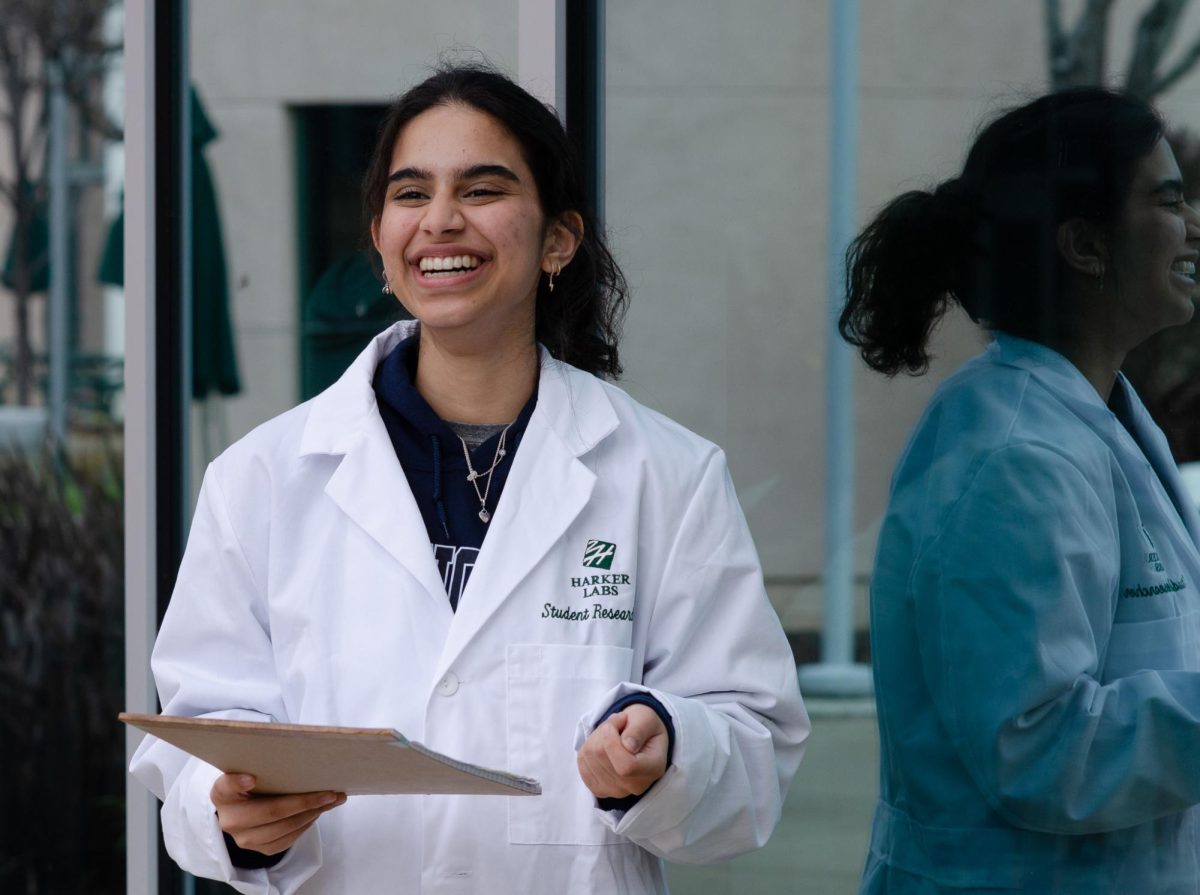
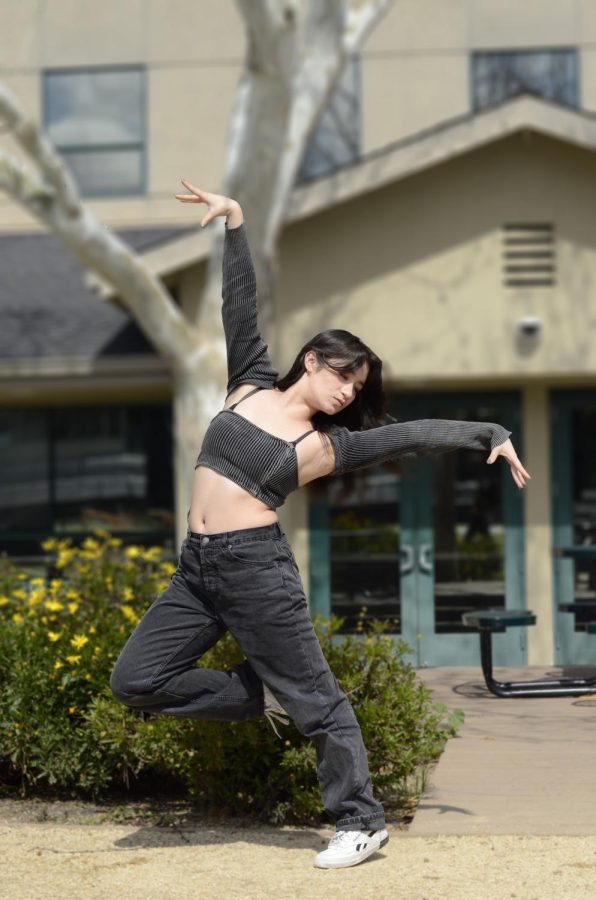
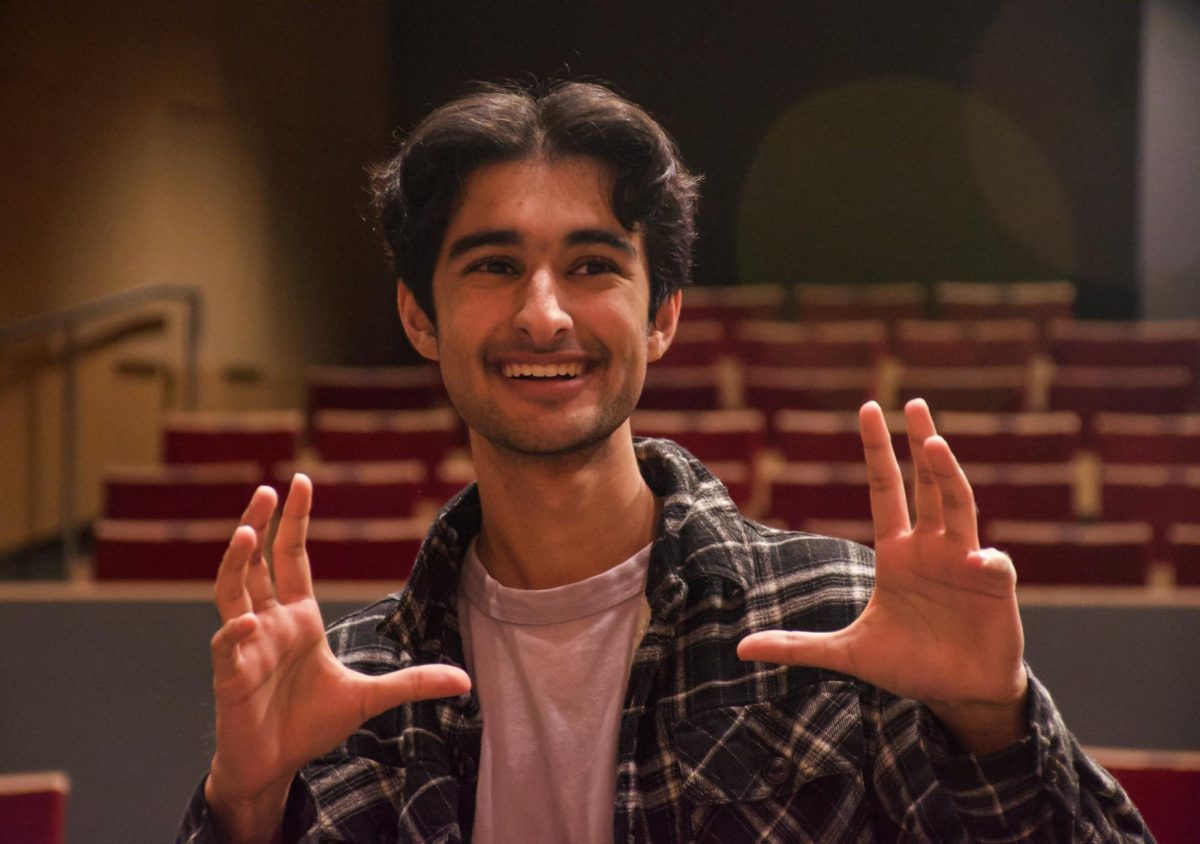
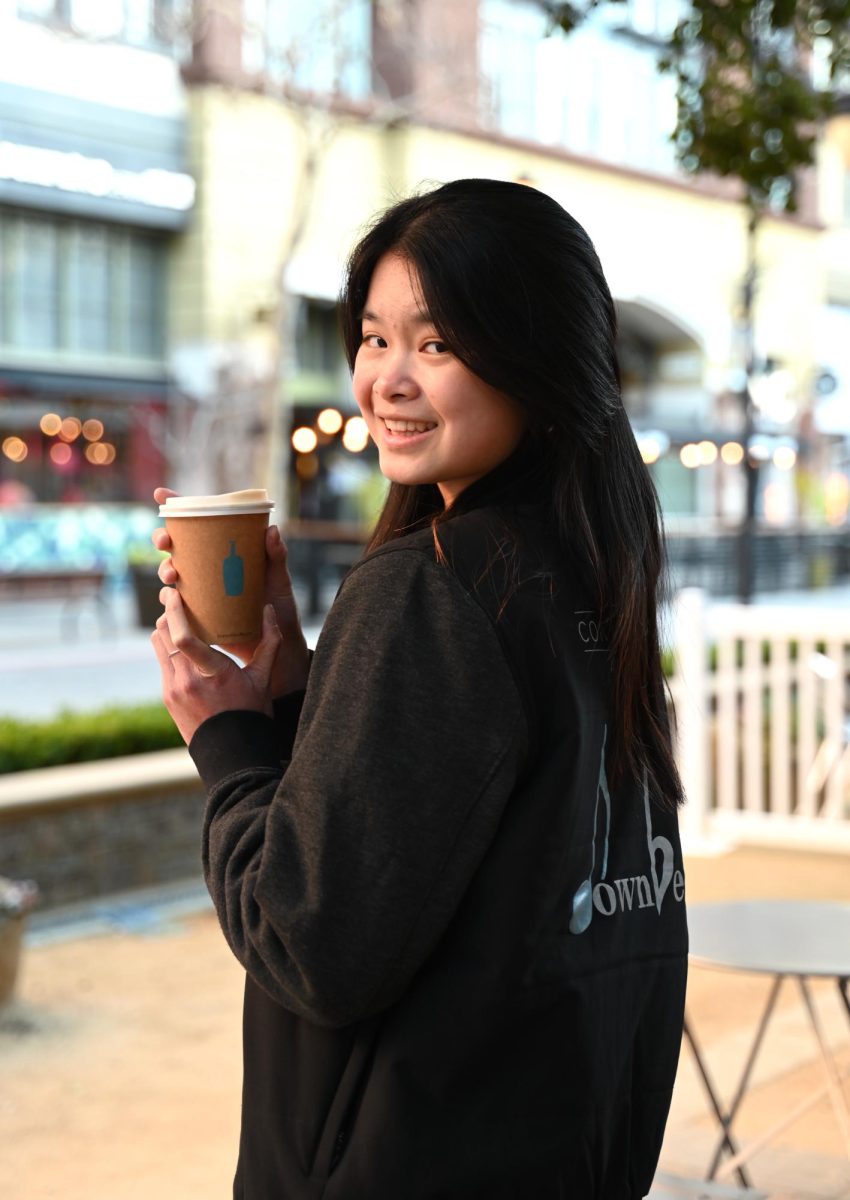
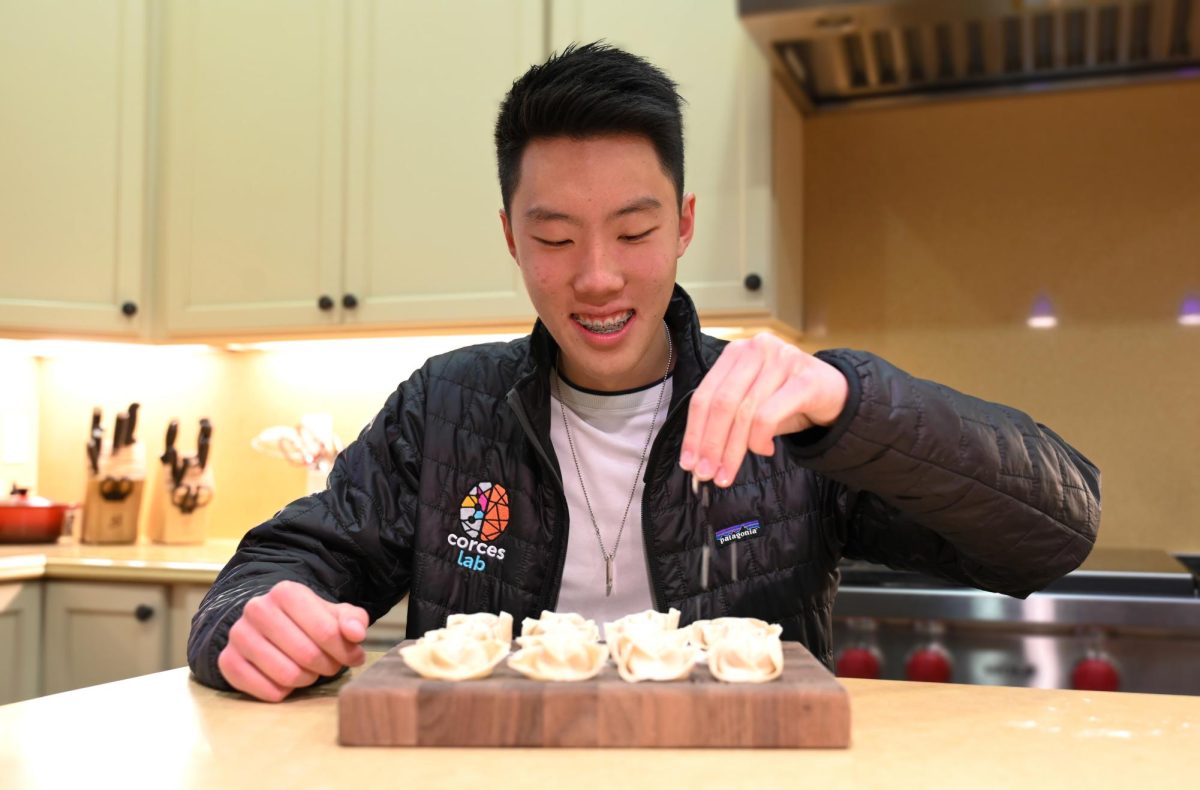
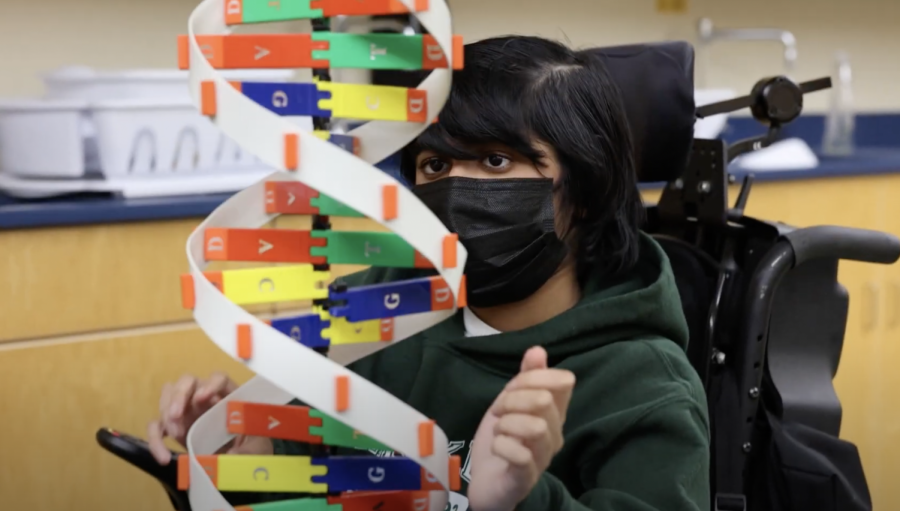
![“[Building nerf blasters] became this outlet of creativity for me that hasn't been matched by anything else. The process [of] making a build complete to your desire is such a painstakingly difficult process, but I've had to learn from [the skills needed from] soldering to proper painting. There's so many different options for everything, if you think about it, it exists. The best part is [that] if it doesn't exist, you can build it yourself," Ishaan Parate said.](https://harkeraquila.com/wp-content/uploads/2022/08/DSC_8149-900x604.jpg)
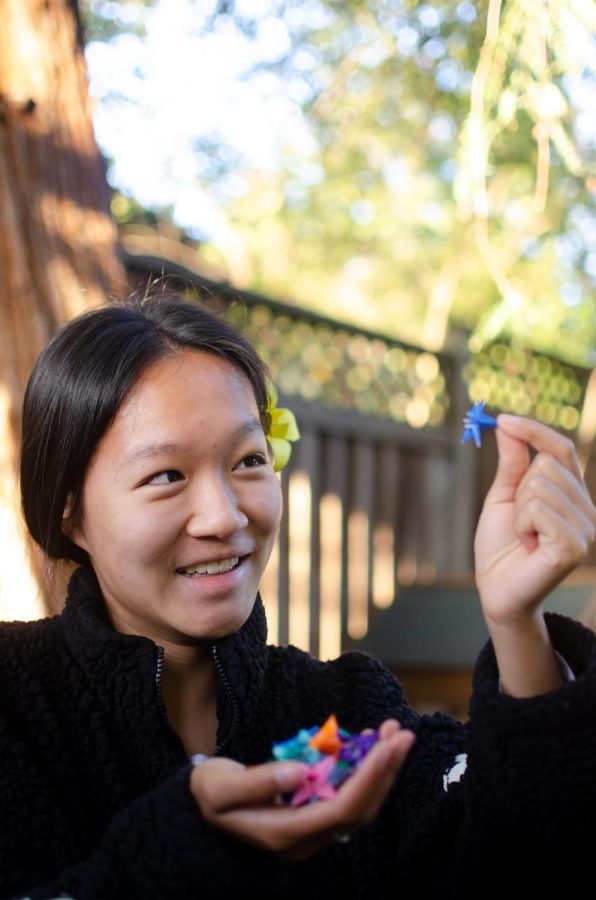
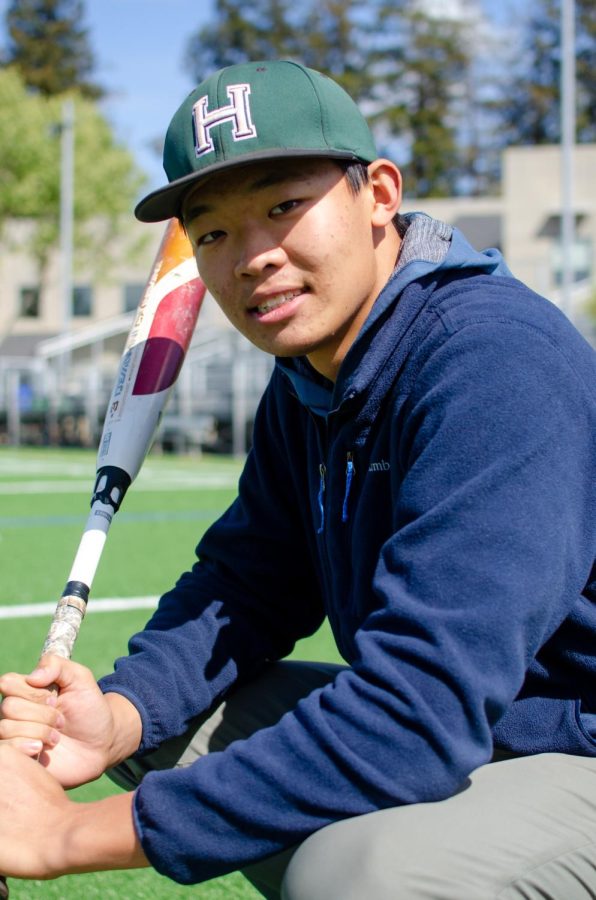
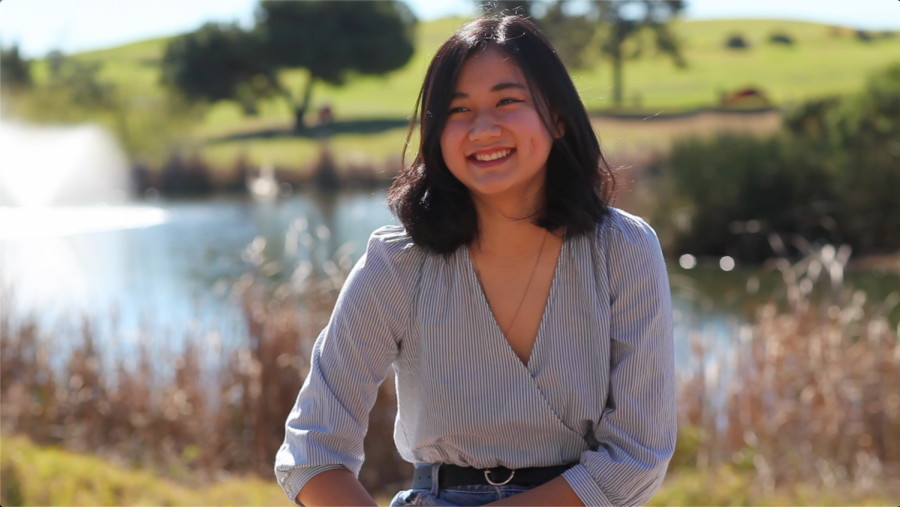
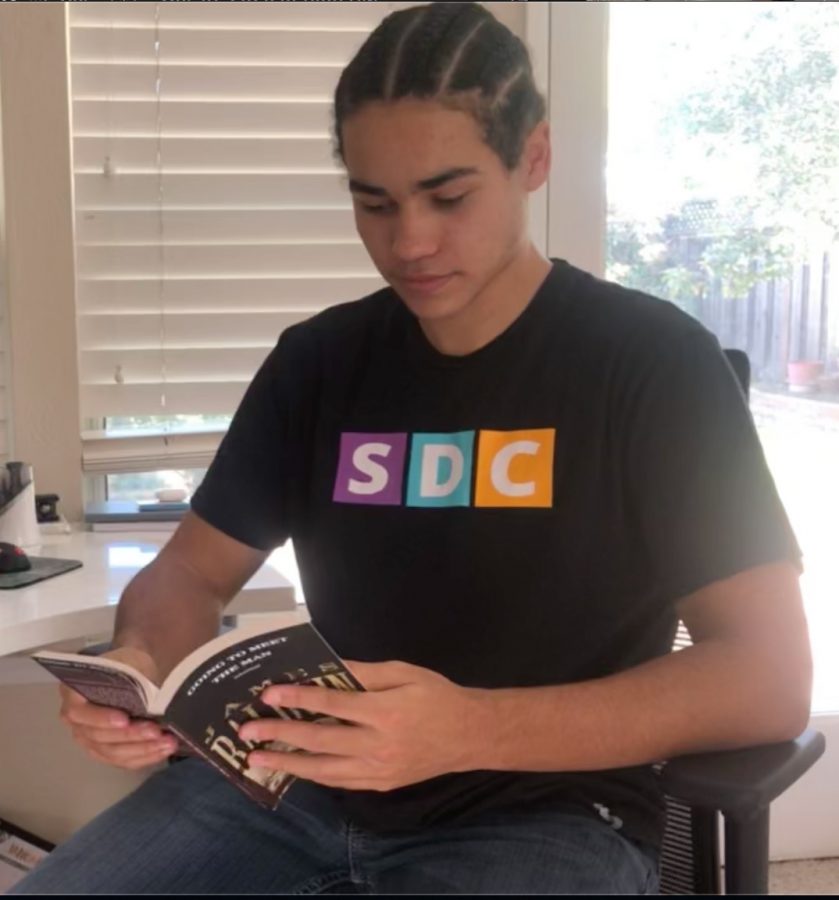
![“When I came into high school, I was ready to be a follower. But DECA was a game changer for me. It helped me overcome my fear of public speaking, and it's played such a major role in who I've become today. To be able to successfully lead a chapter of 150 students, an officer team and be one of the upperclassmen I once really admired is something I'm [really] proud of,” Anvitha Tummala ('21) said.](https://harkeraquila.com/wp-content/uploads/2021/07/Screen-Shot-2021-07-25-at-9.50.05-AM-900x594.png)
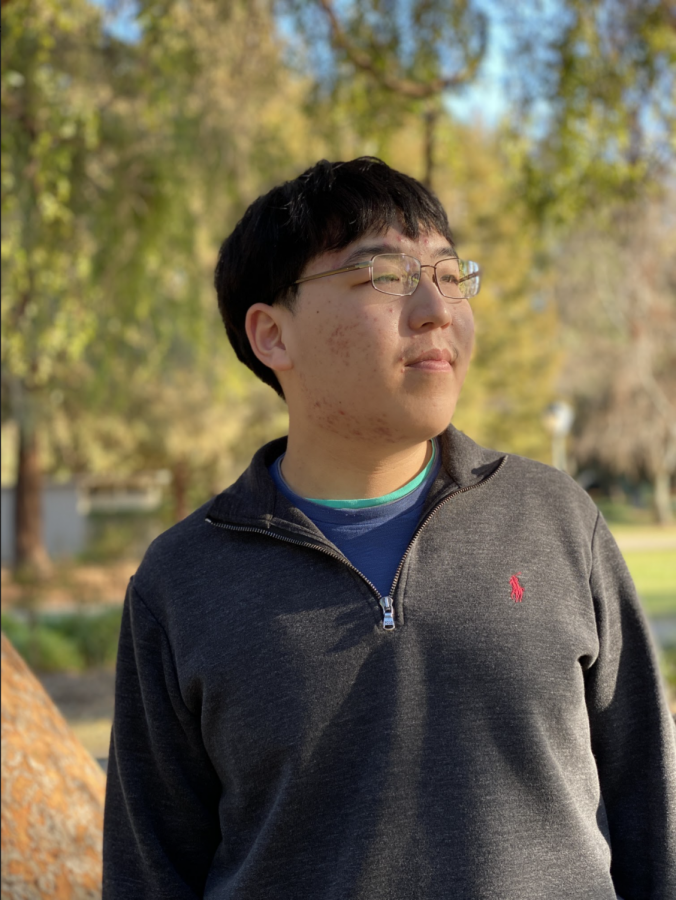
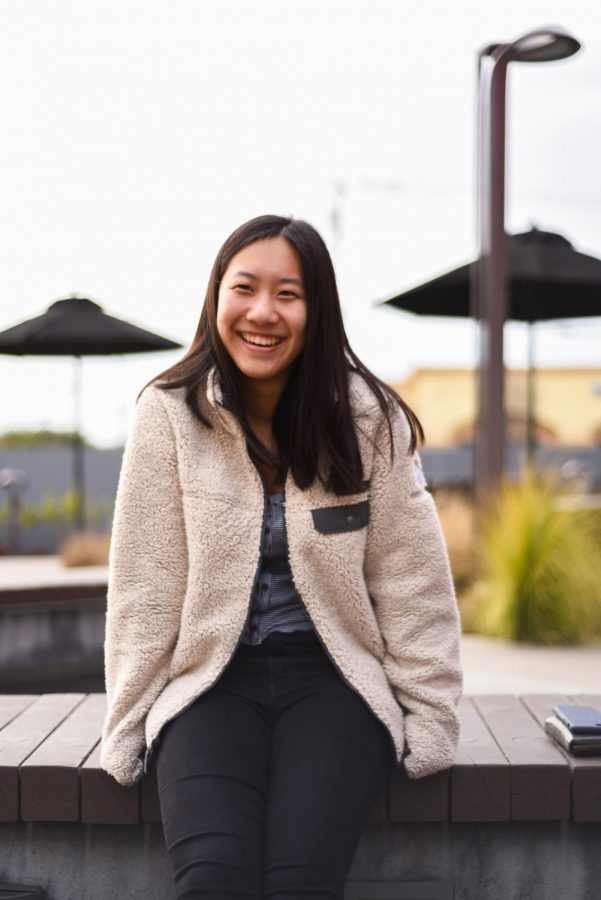
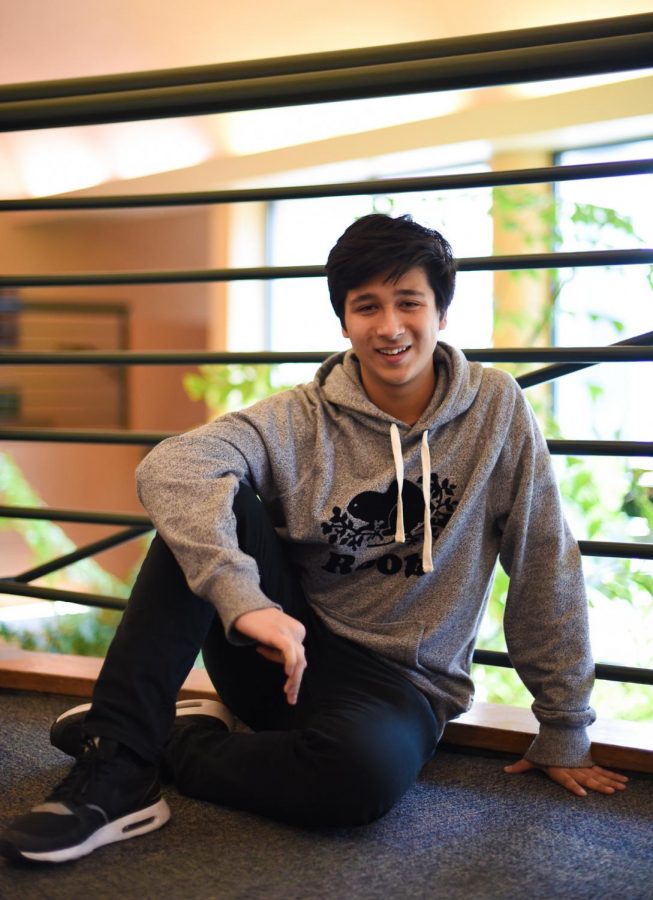
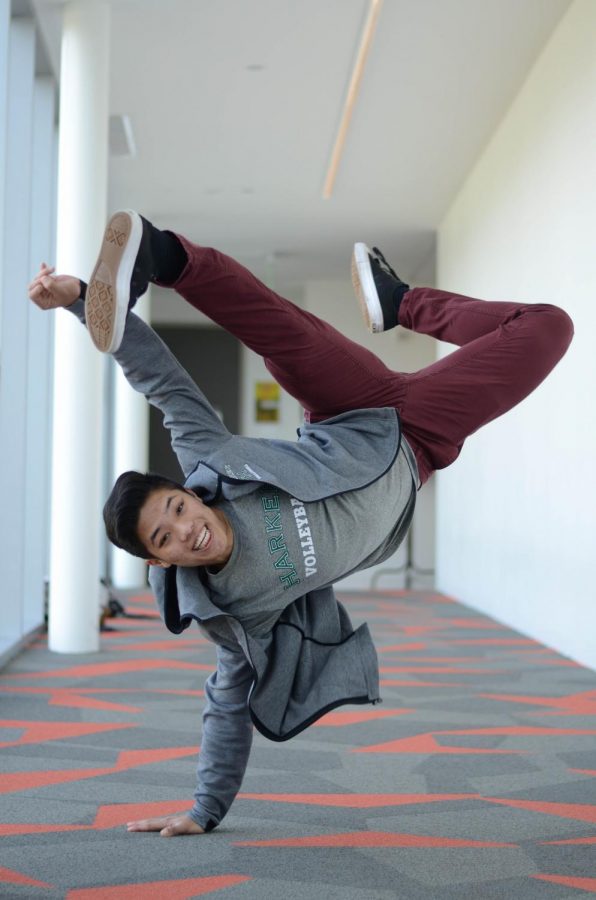
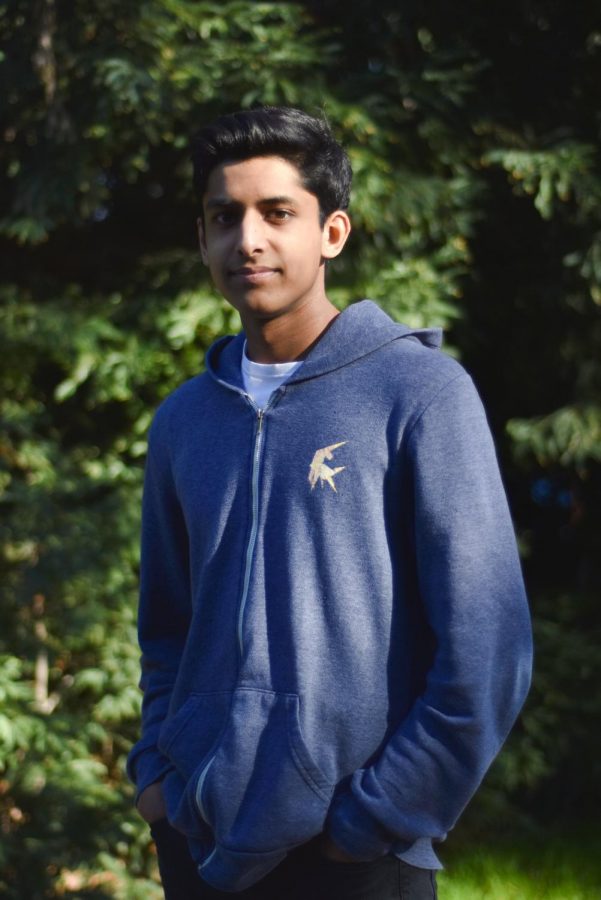
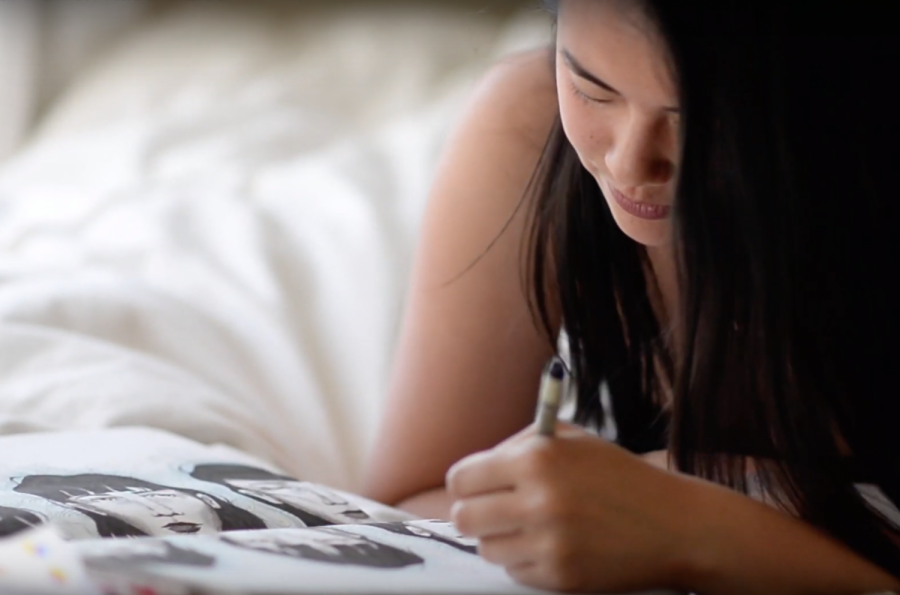
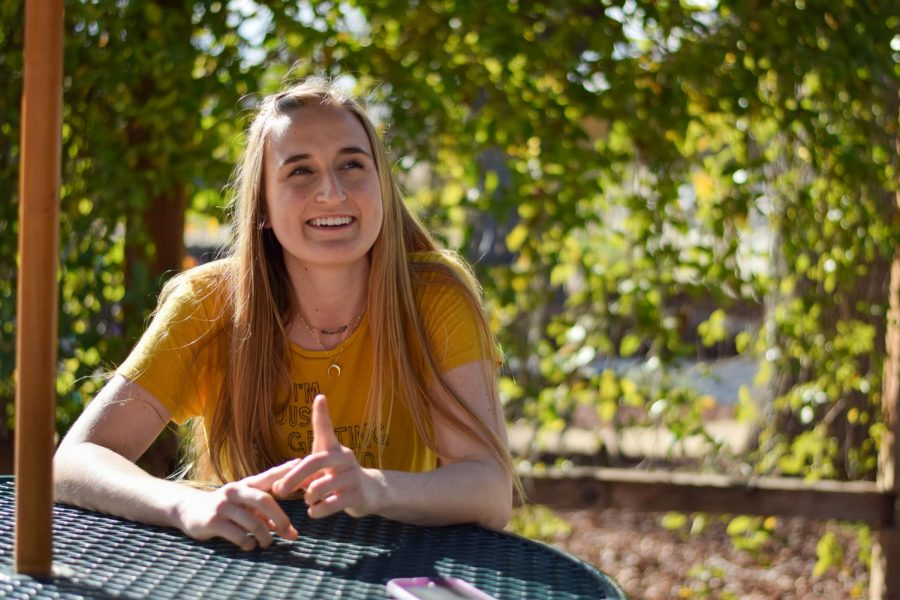
![“I think getting up in the morning and having a sense of purpose [is exciting]. I think without a certain amount of drive, life is kind of obsolete and mundane, and I think having that every single day is what makes each day unique and kind of makes life exciting,” Neymika Jain (12) said.](https://harkeraquila.com/wp-content/uploads/2017/06/Screen-Shot-2017-06-03-at-4.54.16-PM.png)
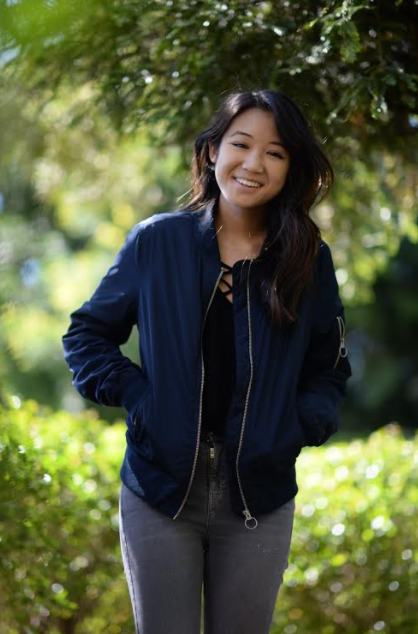
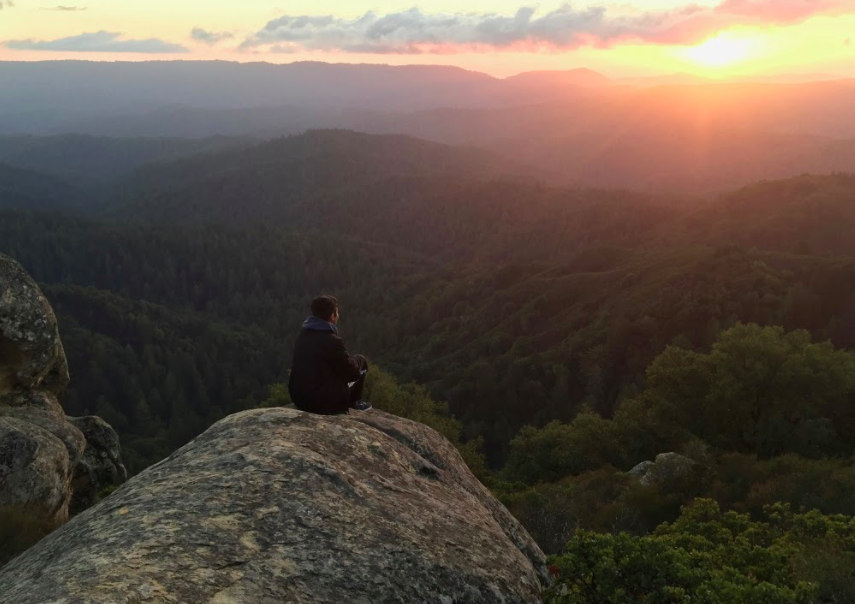
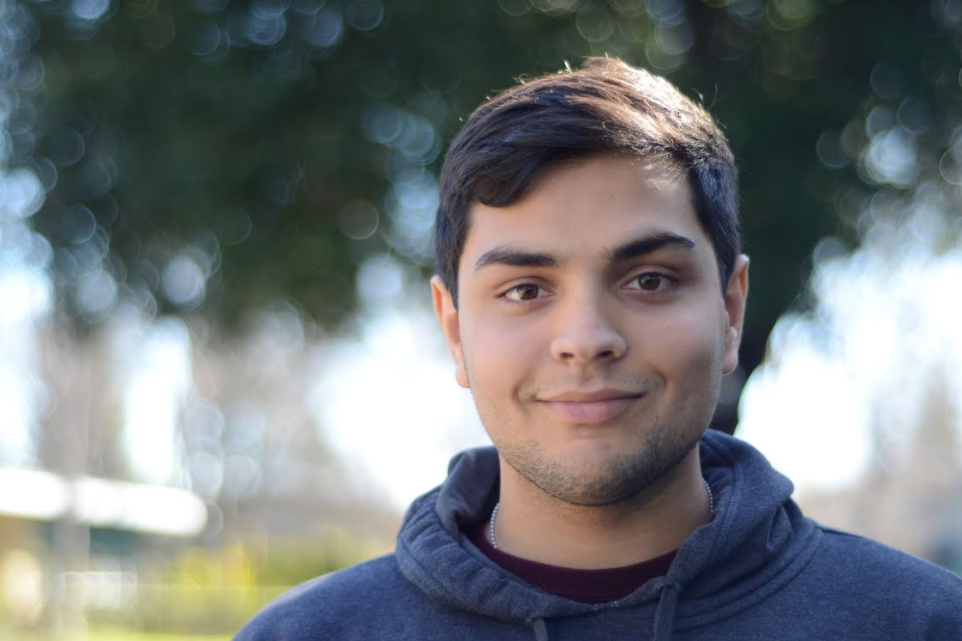
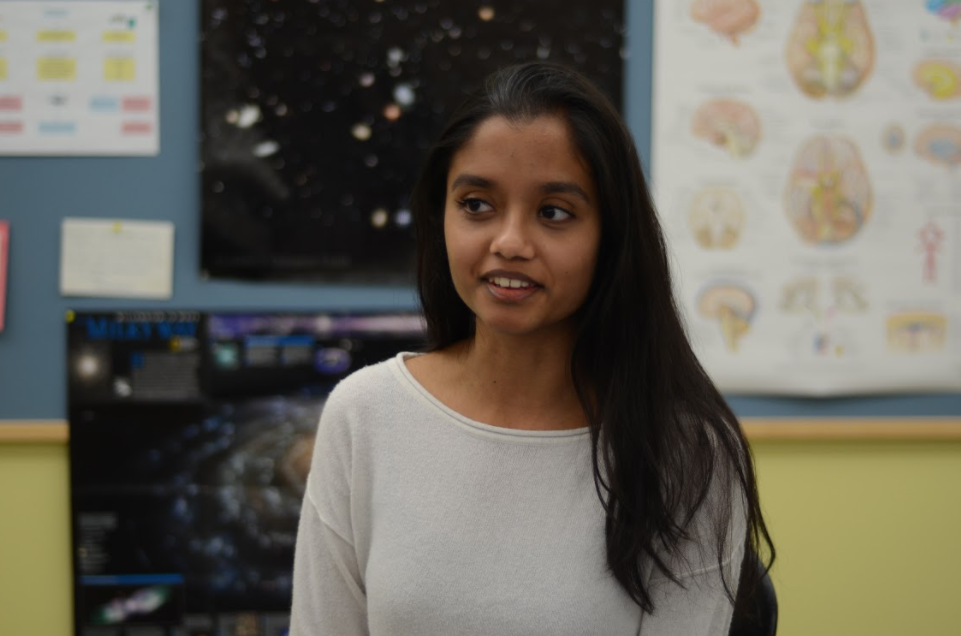
![“My slogan is ‘slow feet, don’t eat, and I’m hungry.’ You need to run fast to get where you are–you aren't going to get those championships if you aren't fast,” Angel Cervantes (12) said. “I want to do well in school on my tests and in track and win championships for my team. I live by that, [and] I can do that anywhere: in the classroom or on the field.”](https://harkeraquila.com/wp-content/uploads/2018/06/DSC5146-900x601.jpg)
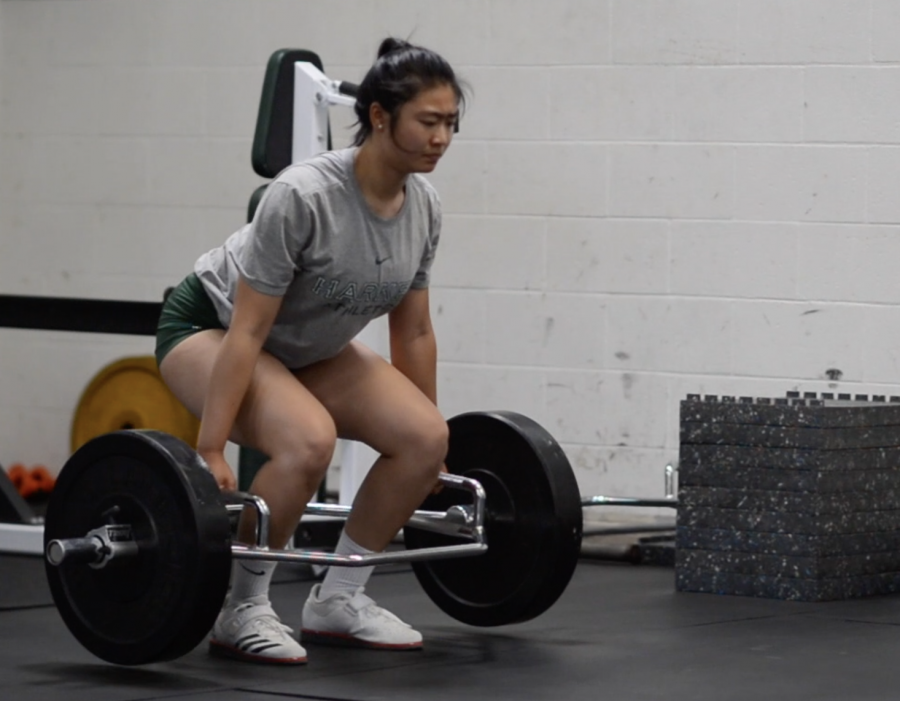
![“[Volleyball has] taught me how to fall correctly, and another thing it taught is that you don’t have to be the best at something to be good at it. If you just hit the ball in a smart way, then it still scores points and you’re good at it. You could be a background player and still make a much bigger impact on the team than you would think,” Anya Gert (’20) said.](https://harkeraquila.com/wp-content/uploads/2020/06/AnnaGert_JinTuan_HoHPhotoEdited-600x900.jpeg)
![“I'm not nearly there yet, but [my confidence has] definitely been getting better since I was pretty shy and timid coming into Harker my freshman year. I know that there's a lot of people that are really confident in what they do, and I really admire them. Everyone's so driven and that has really pushed me to kind of try to find my own place in high school and be more confident,” Alyssa Huang (’20) said.](https://harkeraquila.com/wp-content/uploads/2020/06/AlyssaHuang_EmilyChen_HoHPhoto-900x749.jpeg)

Editorial: Letter from the editors
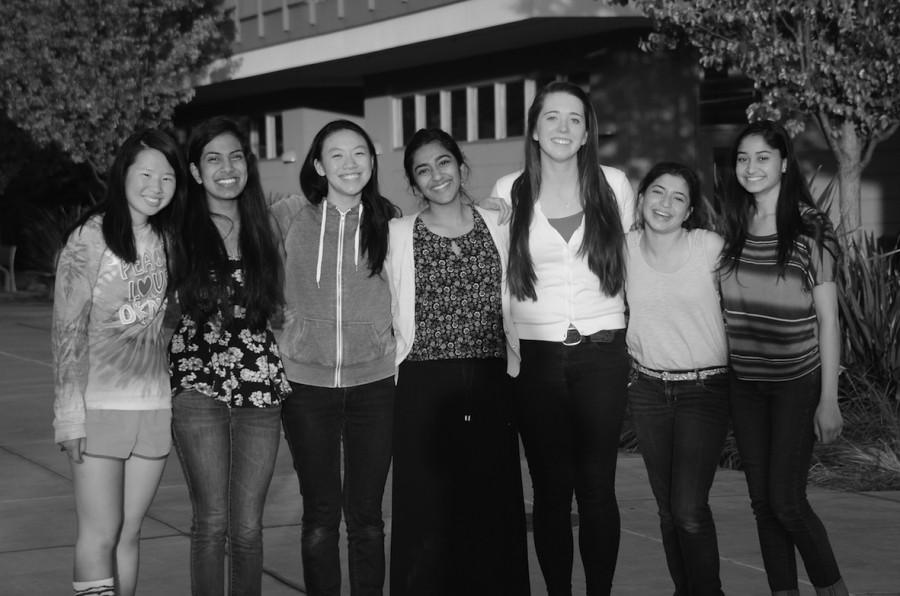
The first journalism inside joke that we were a part of referenced the paint color on our walls — a pale yellow color called “warm cocoon.” And although the paint color has since changed, there really couldn’t have been a better metaphor for the upperclassmen who welcomed us into our journalism family.
The first week of freshman year in journalism was astronomically different than the first week in other classes. Instead of reviewing the syllabus and classroom expectations, we witnessed the then-leadership finishing up the first issue of the year. They were so hardcore, working seamlessly with computer programs we had never heard of and contacting adults (adults!) for information.
We entered the room as neophyte journalists, afraid to interview sophomores, let alone professionals. But through the nurturing momentum of editors and production cycles, we can say now that we’re far better equipped to interact with our worlds than we used to be.
Four years, 29 issues, hundreds of articles, and countless memories and life lessons later, our high school journalism careers are coming to an end.
Looking back, journalism’s greatest benefit has not been the immense personal growth, but the relationships with a unique and passionate group of people who we are lucky to call some of our best friends. Inspite of the late nights, stressful deadlines, and hectic production weeks, the tight-knit community has been a constant source of advice, support, and laughter.
As we write our final column, we’d like to thank all of you for being witness to our growth as people, as journalists, and as a staff. We’ve been proud to bring you coverage of our community’s conflicts, celebrations, and conversations and we look forward to watching that coverage expand in future years.
We’d like to thank our wonderful parents for picking us up from late production nights, for helping to supply the endless supply of food that really keeps the program running, and for encouraging us to pursue our interests.
We’d also like to thank our adviser, Ms. Austin, for believing in us and for giving us so much guidance, but also for pushing us to make tough decisions and to grow as leaders.
Finally, we’d like to thank our staff for working tirelessly to help bring our visions to life and for making the “journalism family” so much more than a sappy cliché. We genuinely hope that you all find as much love for this program as we have.
It’s bittersweet and very hard to believe that this is the last time we will be writing for The Winged Post, but we are graduating from this program as transformed journalists, students and young adults with more than enough preparation to succeed wherever our futures take us.
This piece was originally published in the pages of The Winged Post on May 13, 2015.
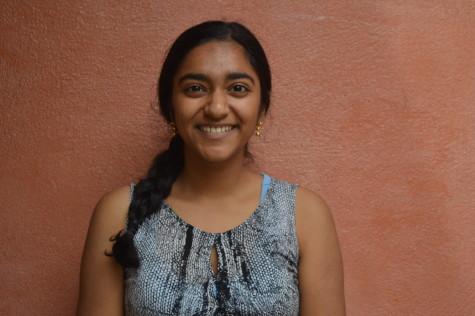
Apoorva Rangan (12) is the Editor-in-Chief of The Winged Post and a fourth-year staff member. She has previously served as the paper’s Managing Editor...
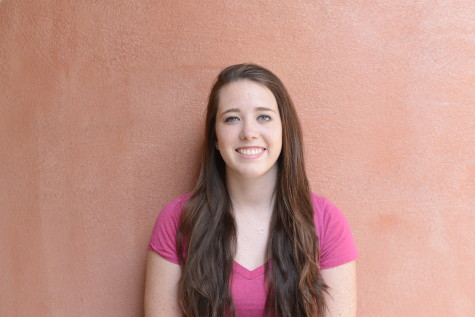
Sheridan Tobin is the co-Editor in Chief of The Winged Post. She is a senior and this is her fourth year on staff. She was the Global Editor and Opinion...