


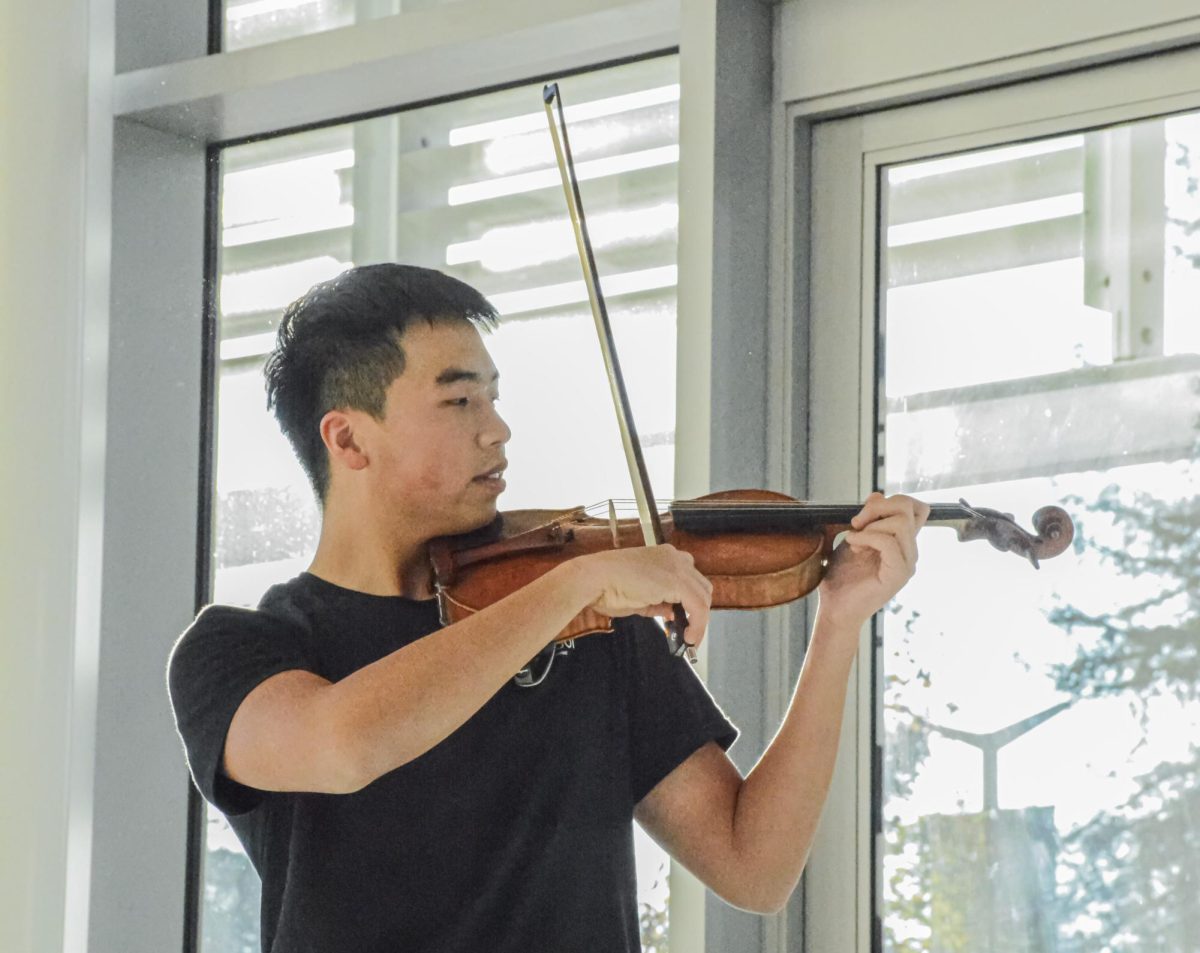
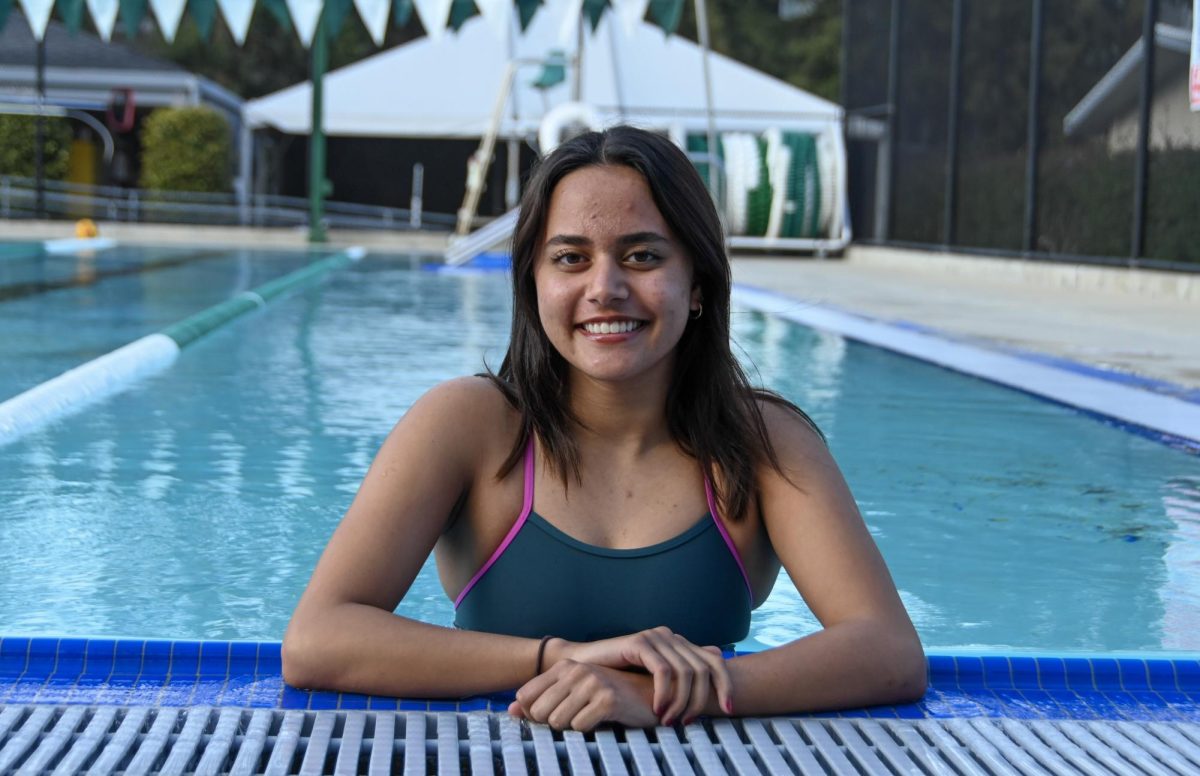
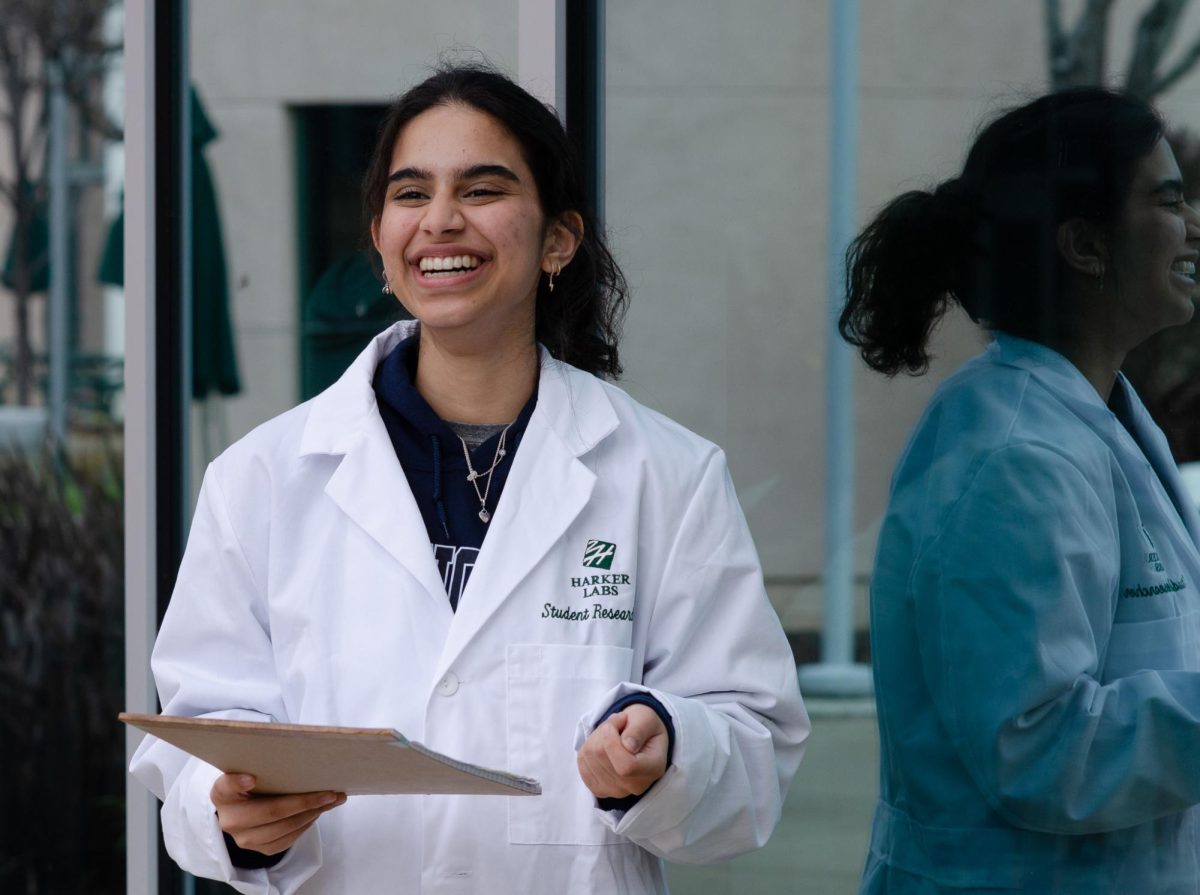
![“I wasn't discouraged by some of the obstacles we faced. I learned a lot from the leadership. I found that different people need different ways of receiving feedback — you can't [just] tell them to do something and expect the best. [Some] people needed more incentive. A large part of my role was to figure out what worked for everyone and to figure out how to lead all these separate individuals as a team,” Suhana Bhandare (’26) said.](https://harkeraquila.com/wp-content/uploads/2026/06/SuhanaBhandare_JasmineHansra-1-1200x798.jpg)
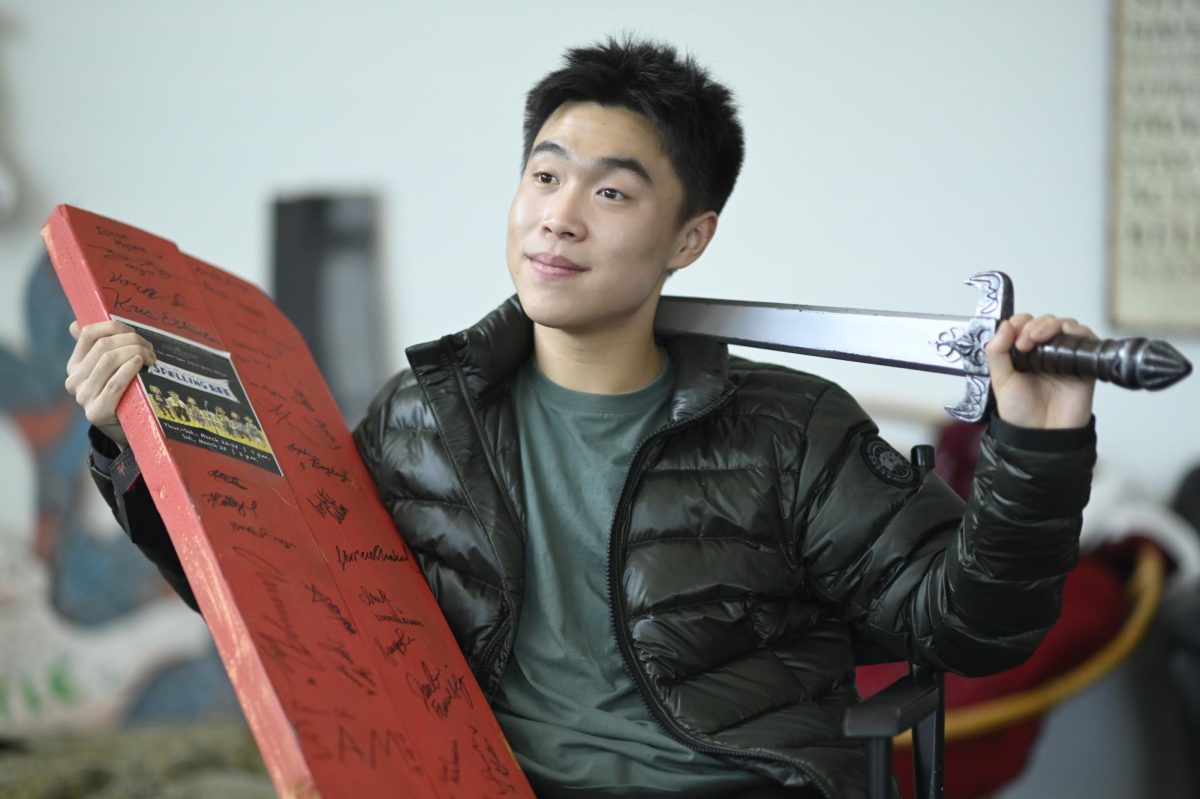
![“This is actually from Randy Pausch Randy P. Brick: ‘Walls are there for a reason. You have to show how much you want to overcome them.’ You have to show how much you want something. That's what I've always been able to do with tennis, Link Crew and getting that internship [with Kushy Baby]. It’s important pushing through that — getting around that brick wall, climbing over it or clawing through it,” Yash Sachdeva (’26) said.](https://harkeraquila.com/wp-content/uploads/2026/05/YashSachdeva_RamBatchu-copy-1200x1002.jpg)
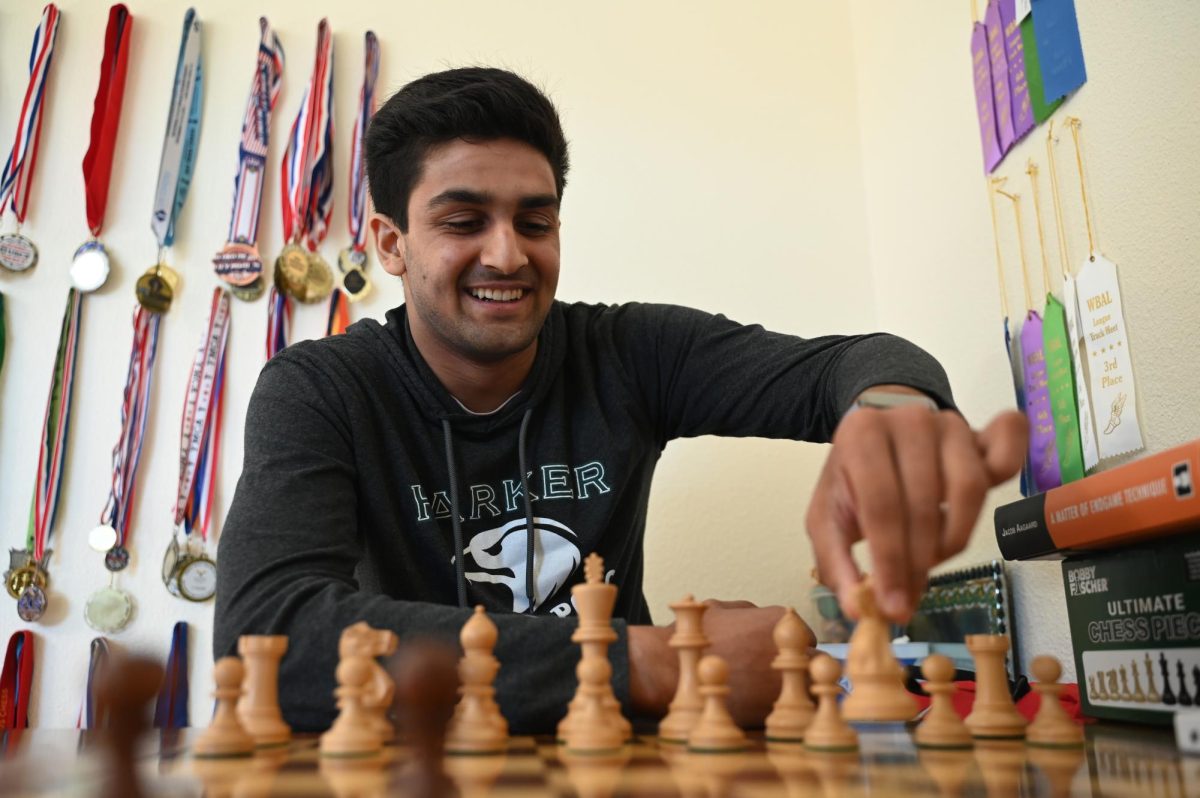





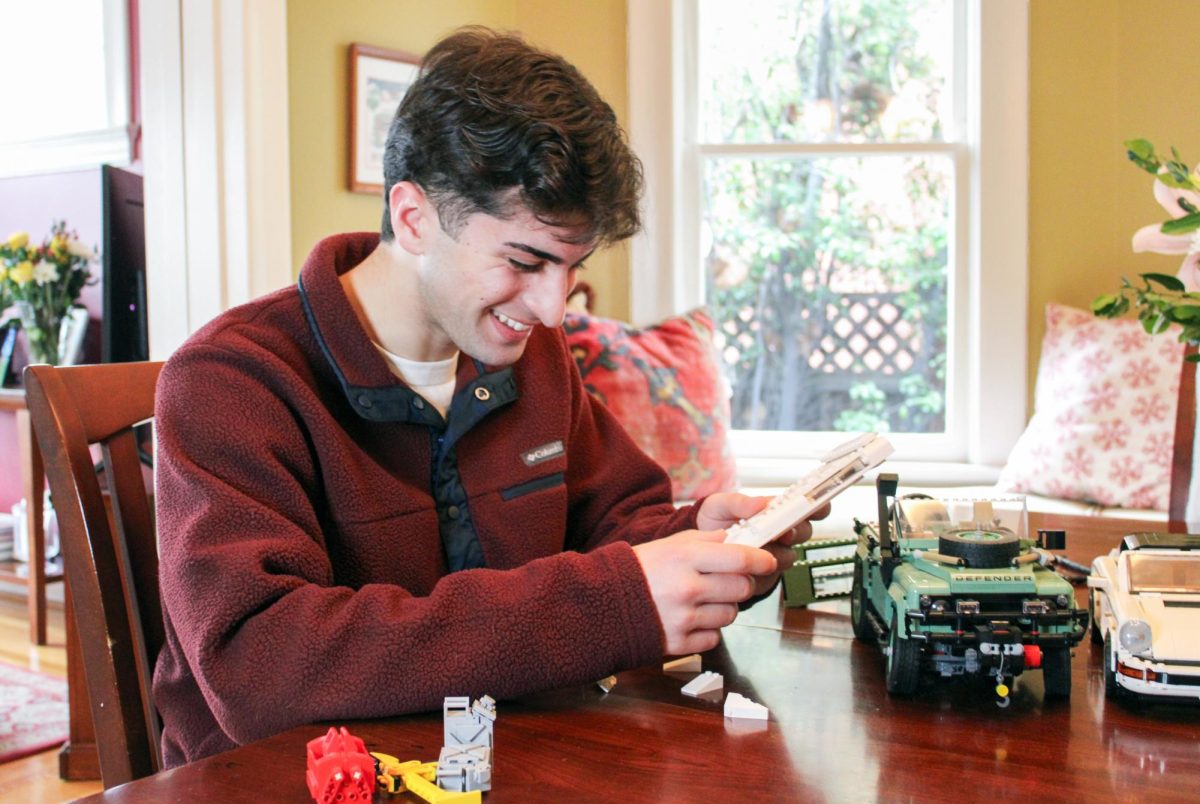

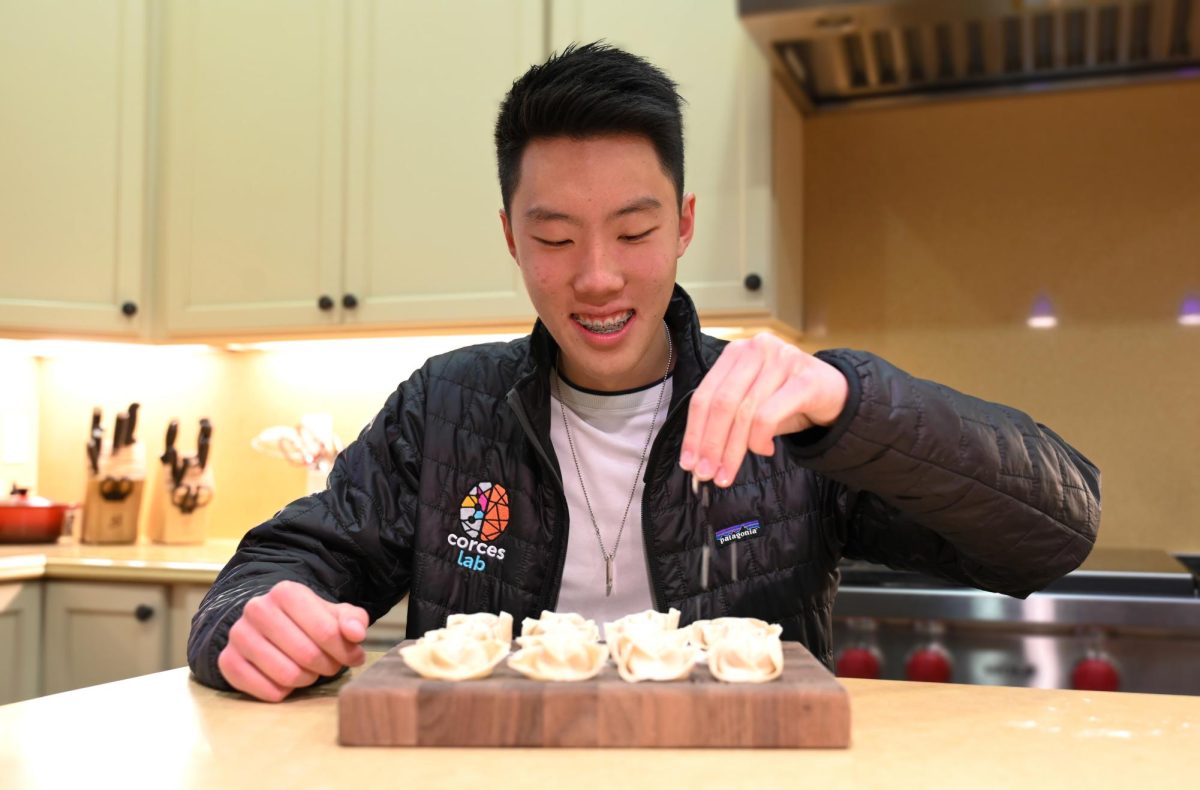
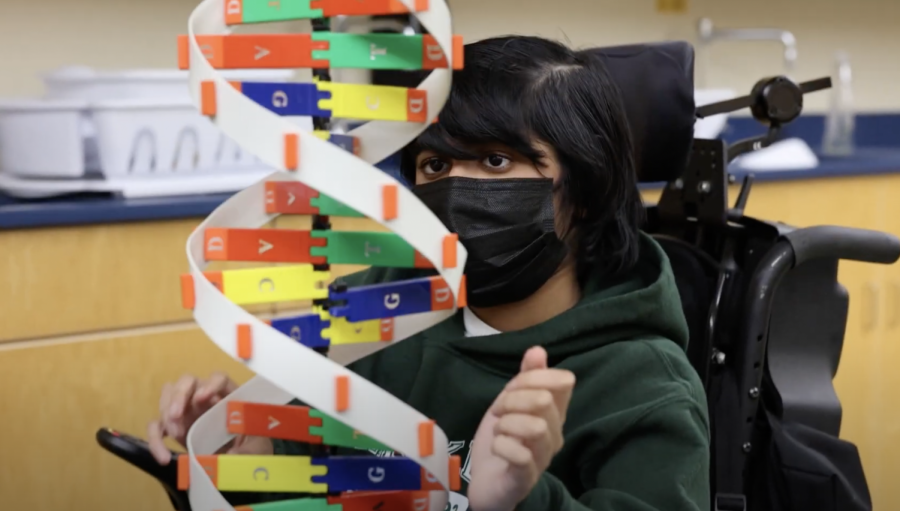
![“[Building nerf blasters] became this outlet of creativity for me that hasn't been matched by anything else. The process [of] making a build complete to your desire is such a painstakingly difficult process, but I've had to learn from [the skills needed from] soldering to proper painting. There's so many different options for everything, if you think about it, it exists. The best part is [that] if it doesn't exist, you can build it yourself," Ishaan Parate said.](https://harkeraquila.com/wp-content/uploads/2022/08/DSC_8149-900x604.jpg)
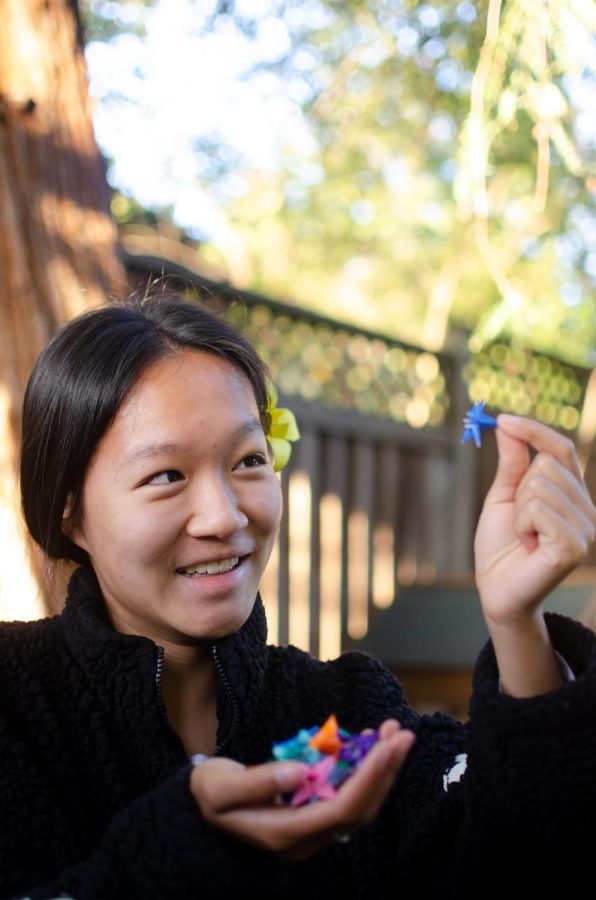
![“When I came into high school, I was ready to be a follower. But DECA was a game changer for me. It helped me overcome my fear of public speaking, and it's played such a major role in who I've become today. To be able to successfully lead a chapter of 150 students, an officer team and be one of the upperclassmen I once really admired is something I'm [really] proud of,” Anvitha Tummala ('21) said.](https://harkeraquila.com/wp-content/uploads/2021/07/Screen-Shot-2021-07-25-at-9.50.05-AM-900x594.png)
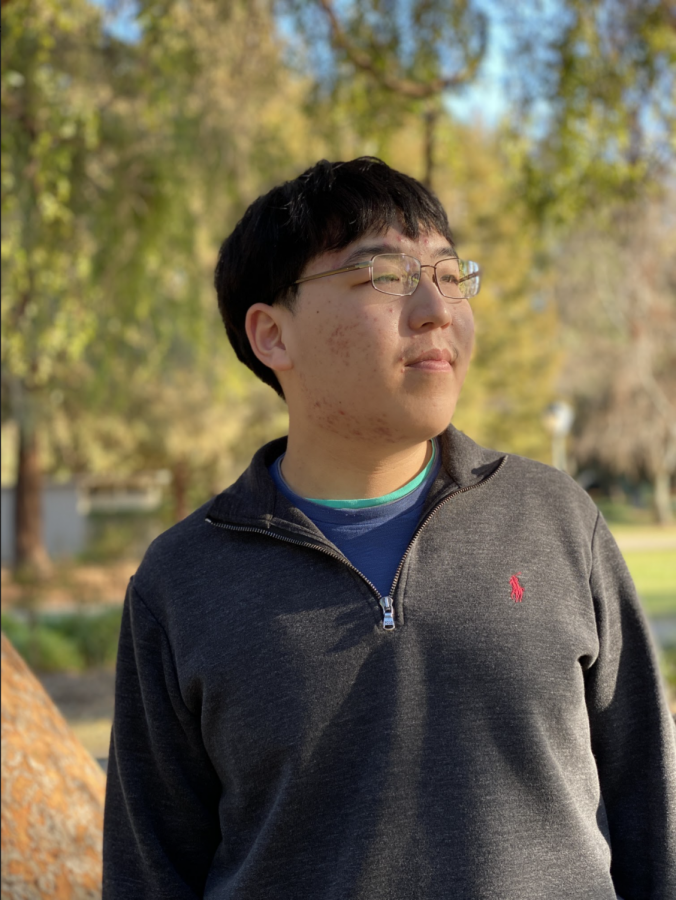
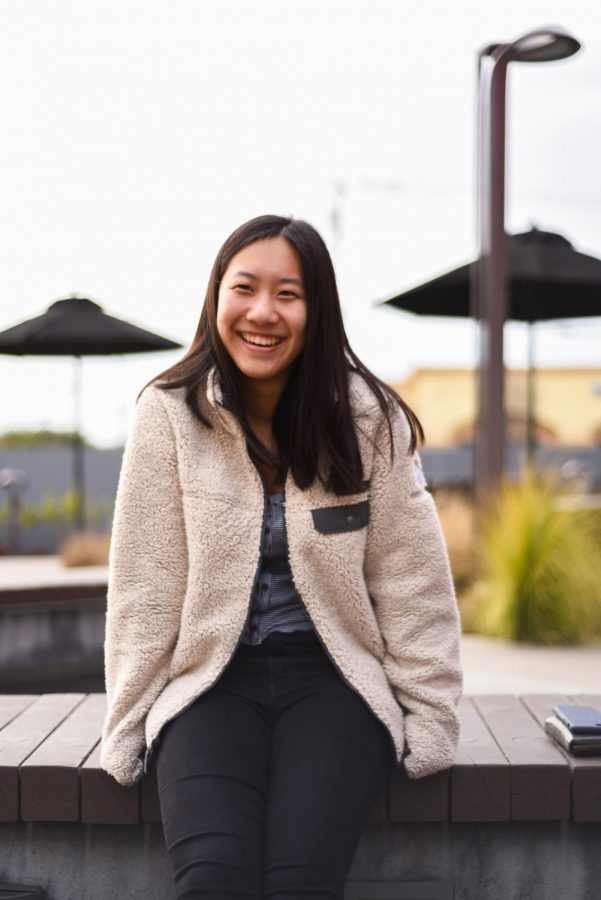
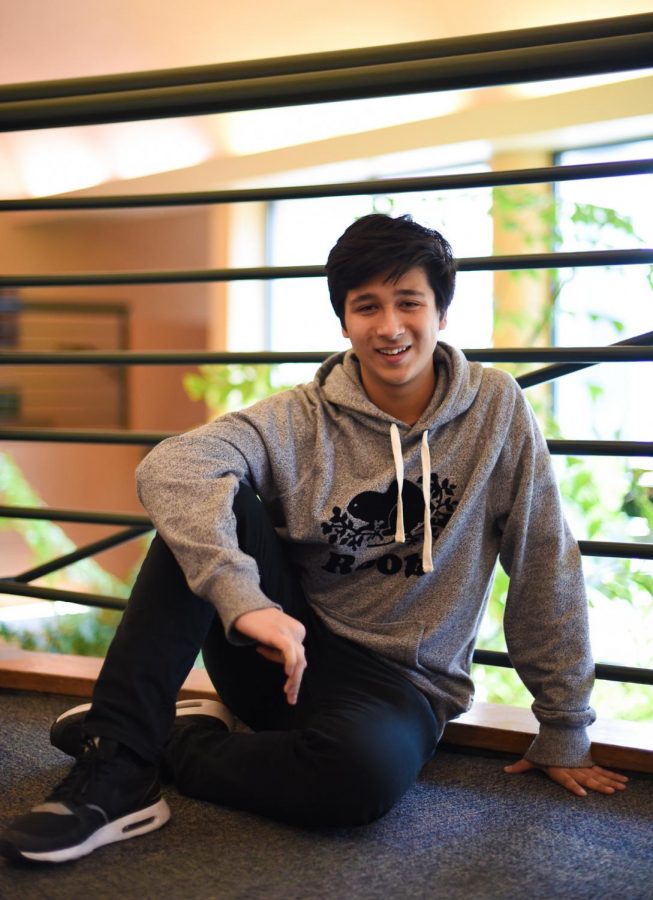
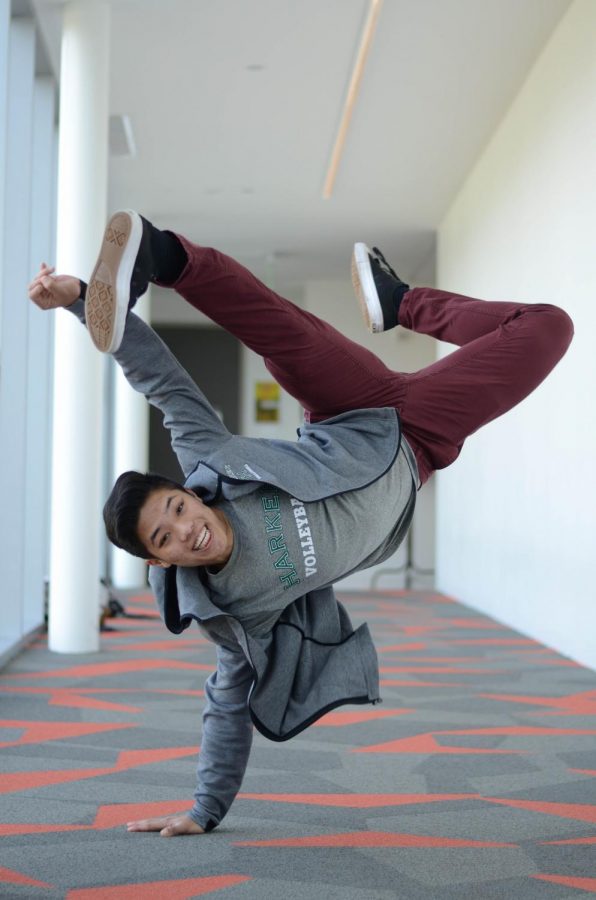
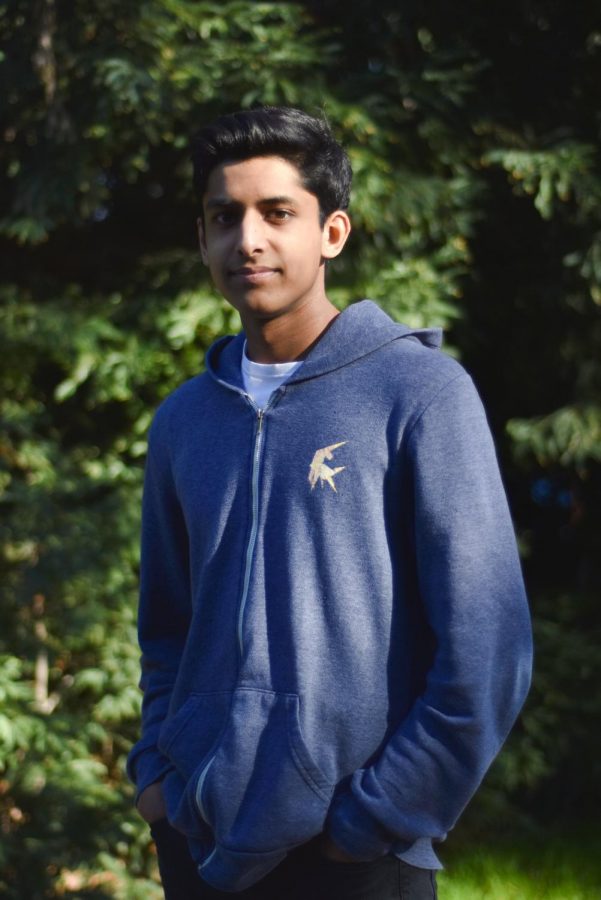

![“I think getting up in the morning and having a sense of purpose [is exciting]. I think without a certain amount of drive, life is kind of obsolete and mundane, and I think having that every single day is what makes each day unique and kind of makes life exciting,” Neymika Jain (12) said.](https://harkeraquila.com/wp-content/uploads/2017/06/Screen-Shot-2017-06-03-at-4.54.16-PM.png)

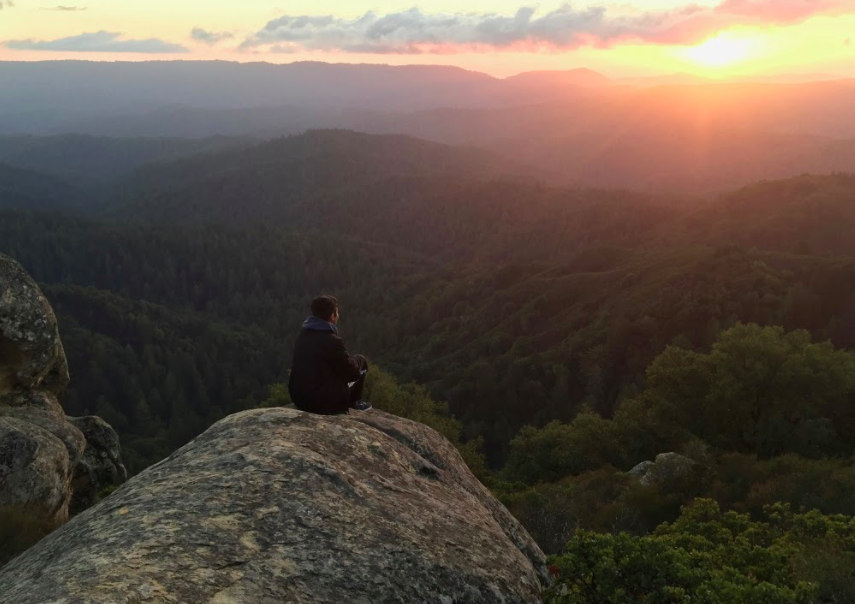
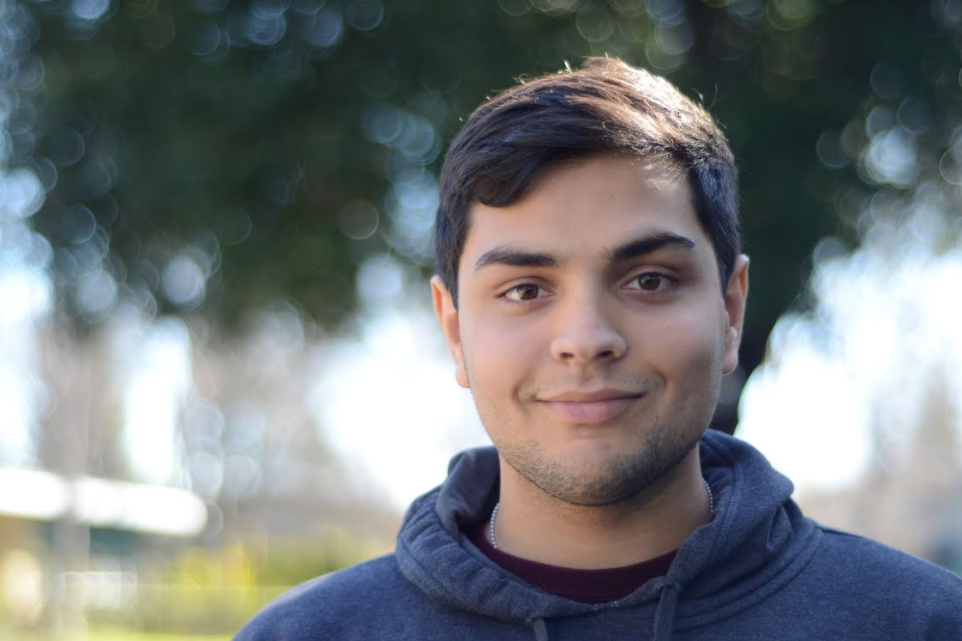
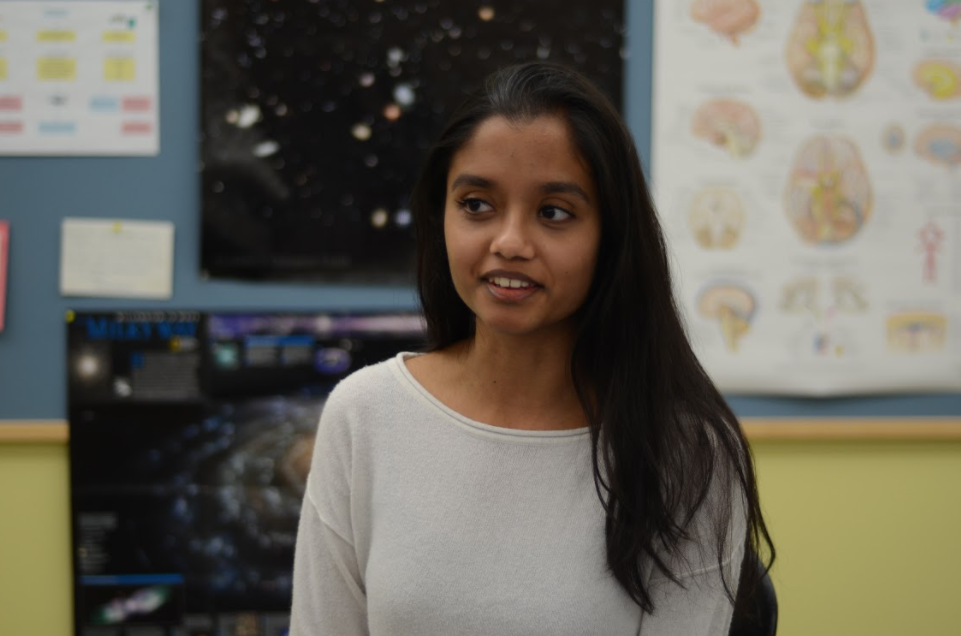
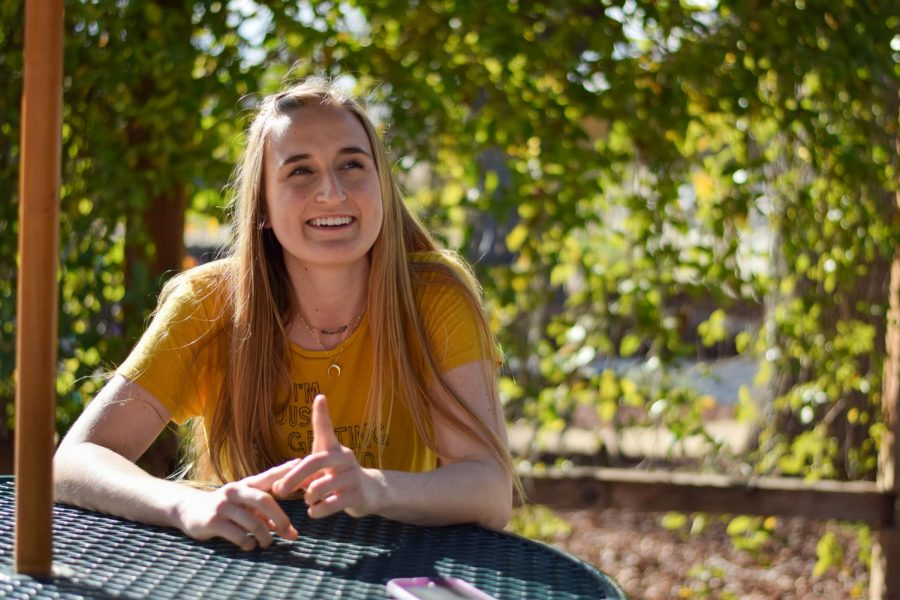
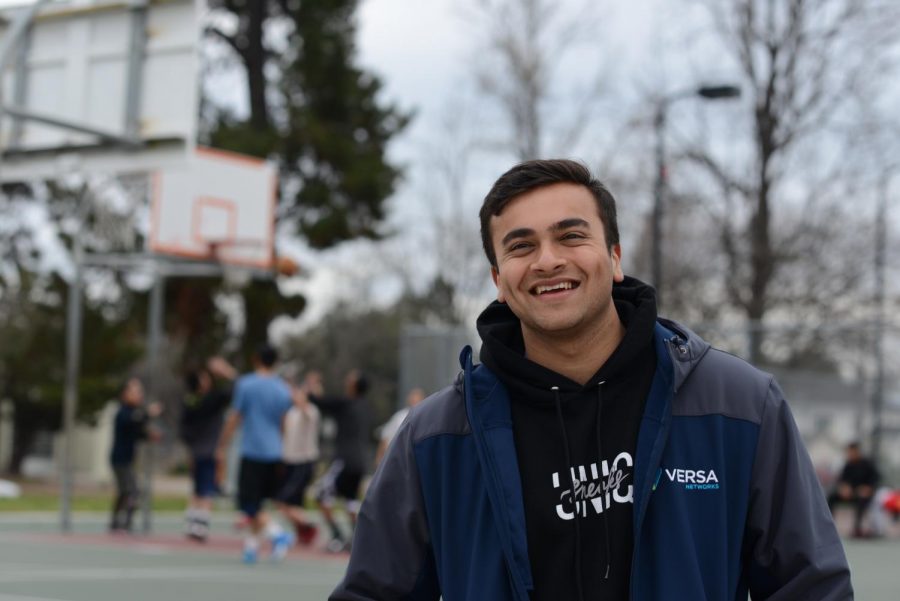
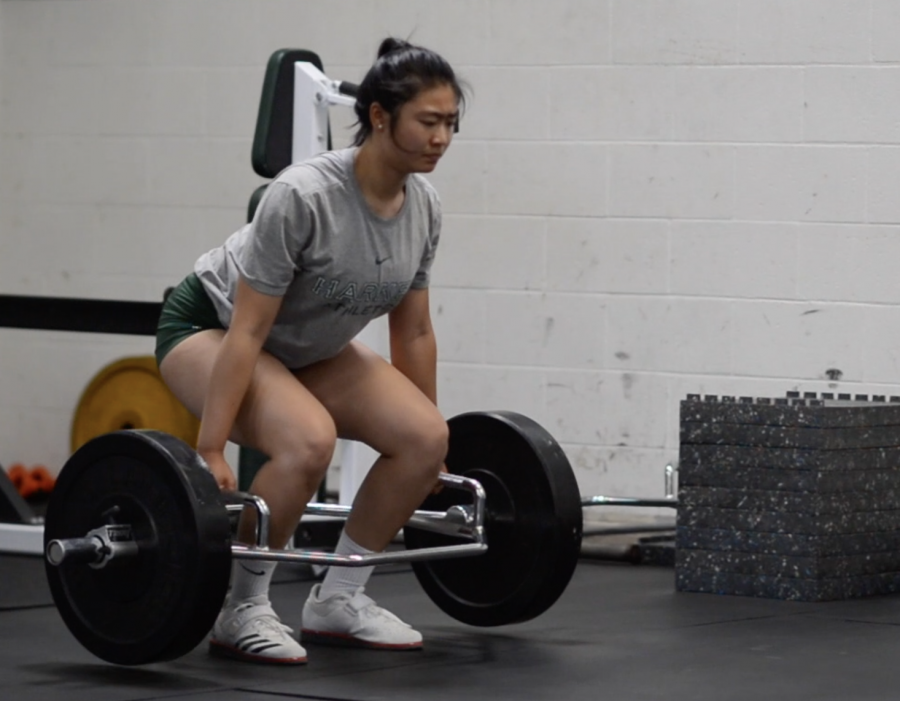
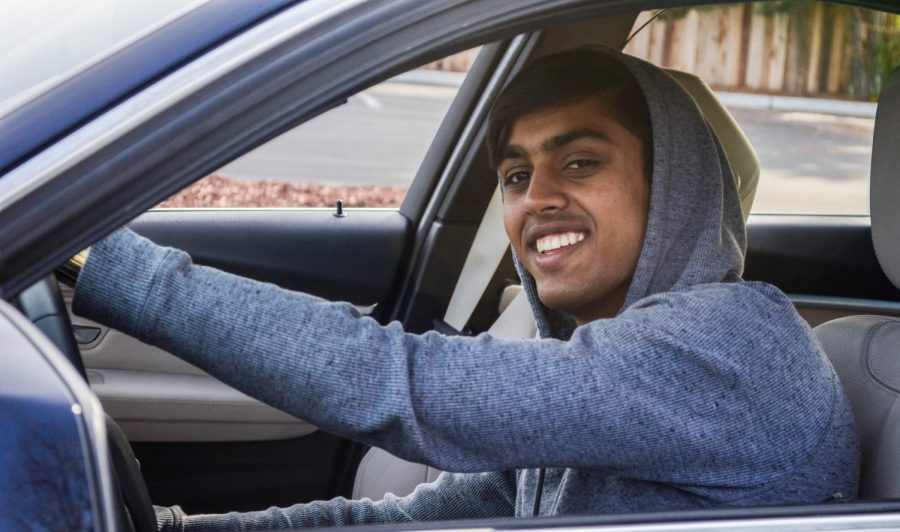
![“My slogan is ‘slow feet, don’t eat, and I’m hungry.’ You need to run fast to get where you are–you aren't going to get those championships if you aren't fast,” Angel Cervantes (12) said. “I want to do well in school on my tests and in track and win championships for my team. I live by that, [and] I can do that anywhere: in the classroom or on the field.”](https://harkeraquila.com/wp-content/uploads/2018/06/DSC5146-900x601.jpg)
![“[Volleyball has] taught me how to fall correctly, and another thing it taught is that you don’t have to be the best at something to be good at it. If you just hit the ball in a smart way, then it still scores points and you’re good at it. You could be a background player and still make a much bigger impact on the team than you would think,” Anya Gert (’20) said.](https://harkeraquila.com/wp-content/uploads/2020/06/AnnaGert_JinTuan_HoHPhotoEdited-600x900.jpeg)
![“I'm not nearly there yet, but [my confidence has] definitely been getting better since I was pretty shy and timid coming into Harker my freshman year. I know that there's a lot of people that are really confident in what they do, and I really admire them. Everyone's so driven and that has really pushed me to kind of try to find my own place in high school and be more confident,” Alyssa Huang (’20) said.](https://harkeraquila.com/wp-content/uploads/2020/06/AlyssaHuang_EmilyChen_HoHPhoto-900x749.jpeg)

Learning to value kindness over genius
In my younger years, I marveled at genius: the speed of a piano player’s nimble fingers, the person who could be an intern, a student and a musical savant. I was amazed by someone’s ability to do anything and everything. That’s the dream, right?
Recently, such high-achieving lifestyles have been receiving considerable heat for the recent suicides and high academic standards. Students are accused of excessive competitiveness and inordinate expectations that unravel their lives—five students and recent graduates of Gunn High School have killed themselves since 2009. The accusations are scathing; national media like The New York Times have pinpointed the suicide cluster to the fault of the Silicon Valley. Our alleged obsession with grades and excellence has defined us to the rest of the nation.
I was fascinated by how people accomplish feats quickly, while juggling the busy life.
Everybody knows that military-grade focus on success is damaging to one’s mental health, self esteem and well-being. After all, with AP’s and finals right around the corner, the stress in the air is palpable. The Harker community does its best to combat the pressures, but in this busy world, we forget.
We forget that the harms that an unbinding drive for success presents. Someone who places personal achievements over relationships will likely forget to return your call. They’ll be busy, missing birthdays, graduations and holidays, pursuing their own goals. They won’t always be there for you, not there for the 3 a.m. existential crisis when you’re desperate to have someone say they love and care for you.
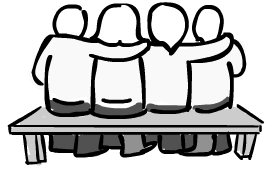
We forget to be kind.
Kindness is a different creature altogether. Kindness is loving. When you’re shattered to pieces, kindness picks up the porcelain fragments and helps you place yourself back together, no matter the wreckage.
Pieces like Frank Bruni’s Op-ed “Best, Brightest — and Saddest?” remind us that being kind to oneself is something we lose in the midst of stress and competition.
The uber-competitive atmosphere is something that’s hard to escape at a school like ours. I felt the overwhelming pressure that Carolyn Walworth described in her Palo Alto Online piece, “The sorrows of young Palo Altans,” and simultaneously a genuine desire to improve myself.
I had this romantic hope for brilliance, to become the best and the brightest. I wanted to become the next hit novelist who pours honey onto the page and move the world with my voice. I wanted to be the next indelible mark on the world.
Why I couldn’t come to this realization sooner astounds me. A day spent blindly searching for excellence is another day abandoning kindness and forgiveness.
After realizing this, I felt incredibly sorry—I had not been kind to myself. I had spent nights, years without loving myself. I had spent days inking out my poetry, re-writing my essays, all without taking the time and the effort to love myself.
Sacrifice my genius for kindness, or my kindness for genius? In the end, I realize that I never had to abandon one for the other. What I needed to learn was to forgive myself.
That’s the thing about kindness: it is omnipresent. Kindness knows love is a full-time job. Genius forgets sometimes; the flashing lights and dazzling medals are distracting side-jobs.
It is not a crime to have passions that drive you and being talented certainly does not equate to infringing on your happiness. Overwhelming obsessions, on the other hand, are a different story. Striving for your best is important, but aspirations can blind you.
In the race for speed and high test scores, we must not forget to meet our own needs to be happy. In comparison to kindness’ open arms and ability to forgive, genius isn’t so extraordinary anymore.
This piece was originally published in the pages of The Winged Post on May 13, 2015.

Kaity Gee (12) is the assistant Editor in Chief of Wingspan. Serving as a reporter for TALONWP freshman year, Kaity has written pieces for Winged Post...