


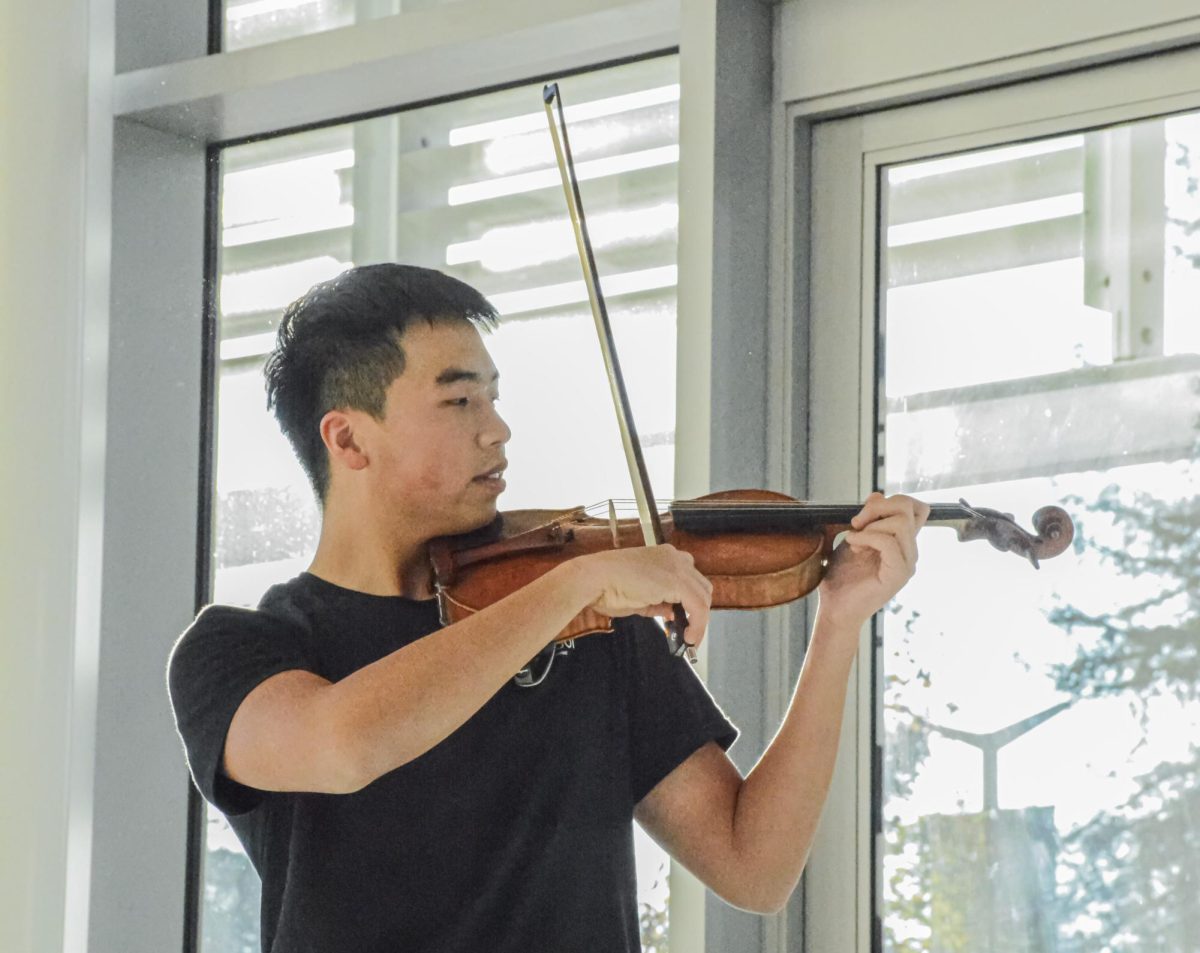
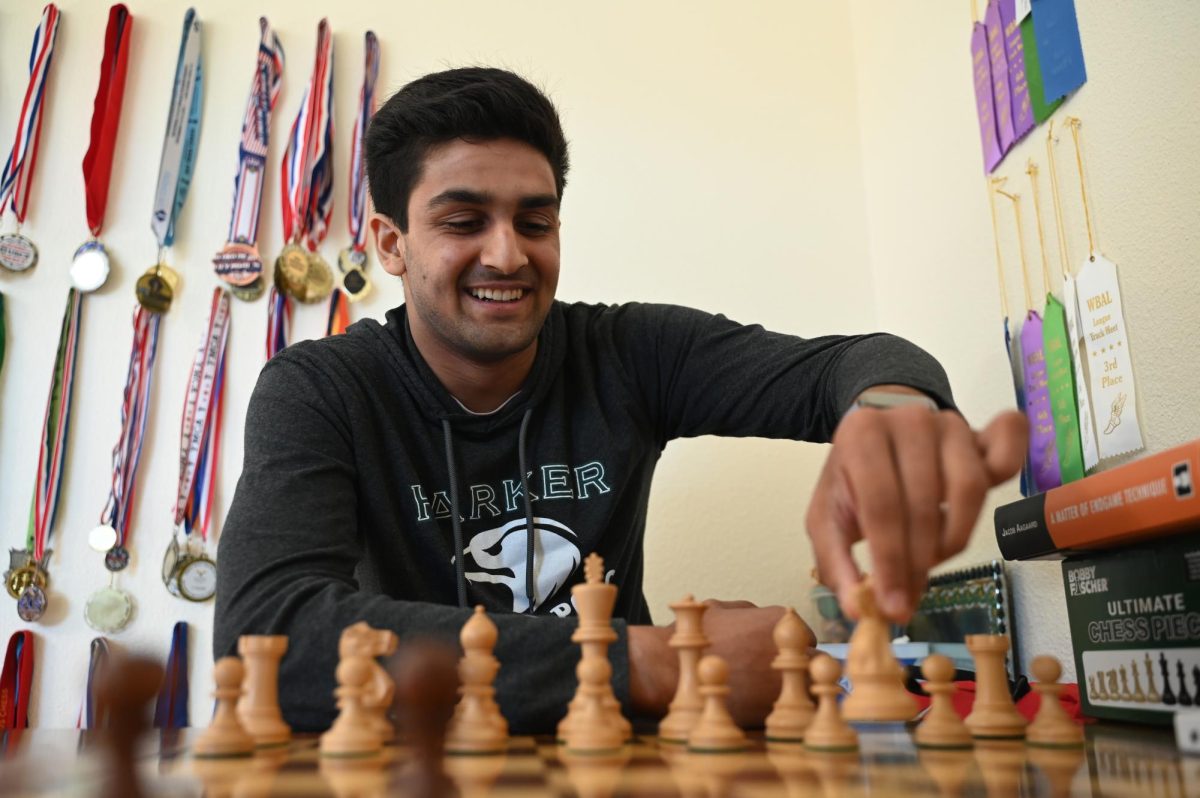
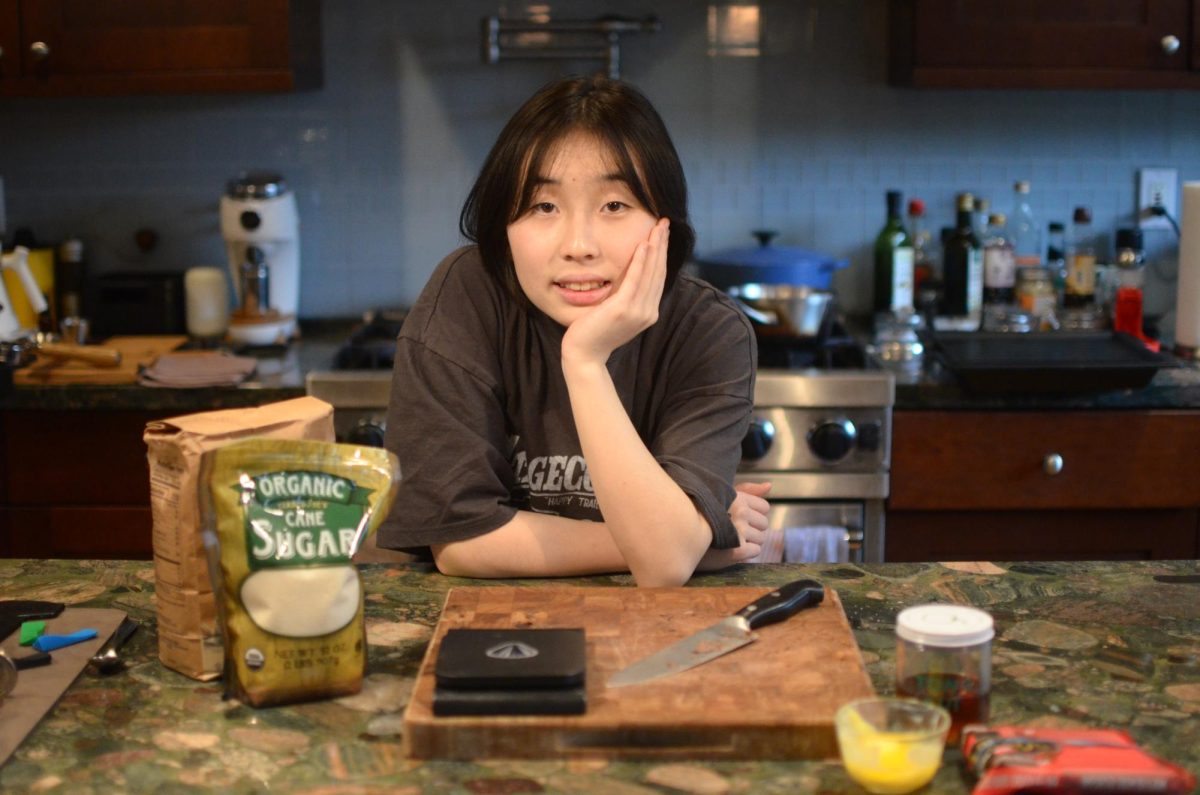
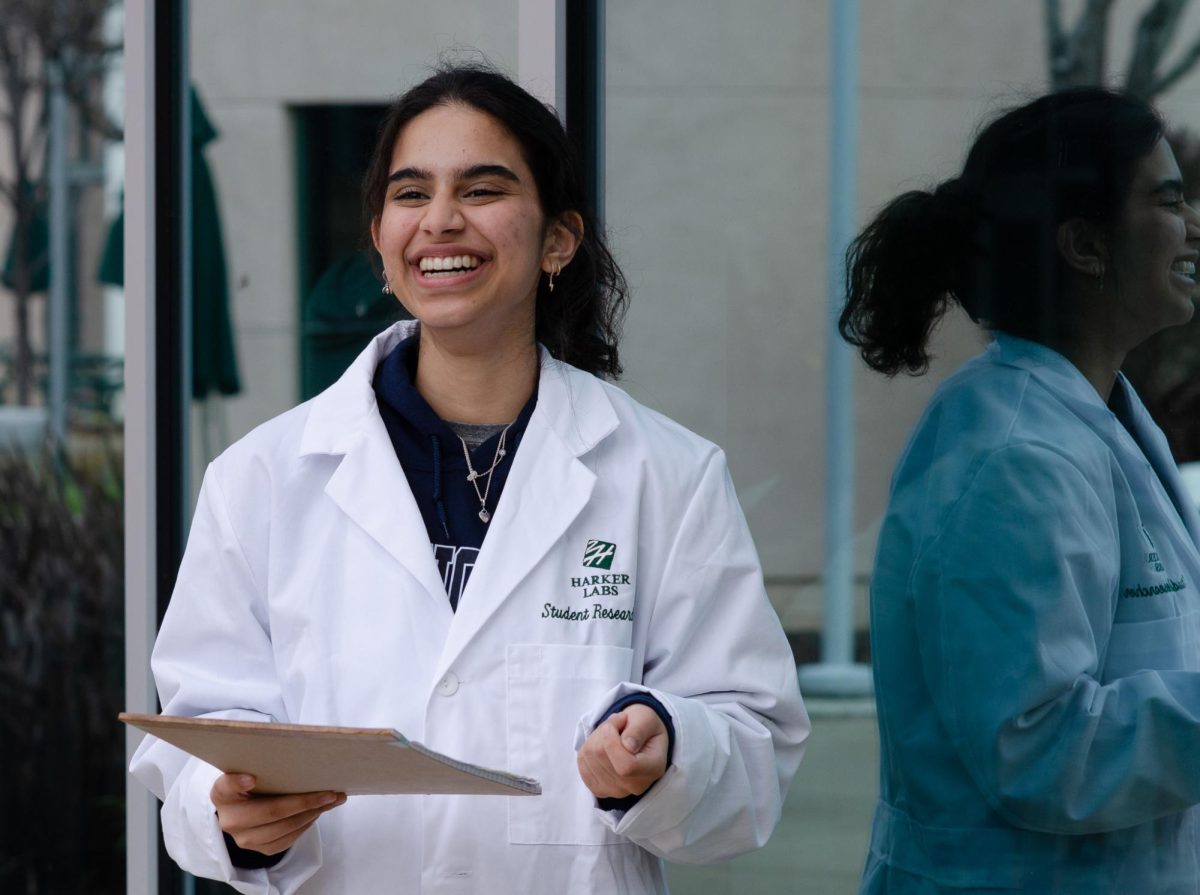
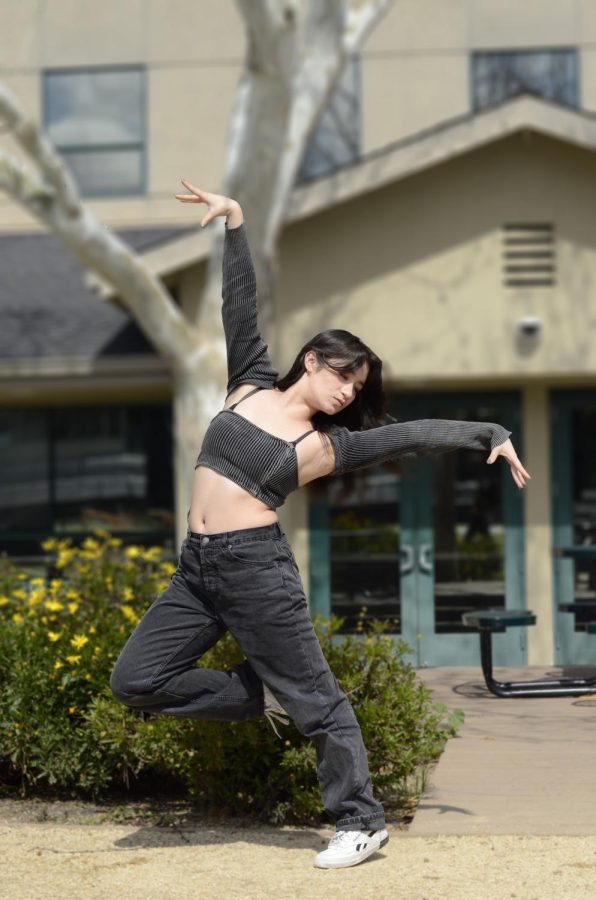
![“I wasn't discouraged by some of the obstacles we faced. I learned a lot from the leadership. I found that different people need different ways of receiving feedback — you can't [just] tell them to do something and expect the best. [Some] people needed more incentive. A large part of my role was to figure out what worked for everyone and to figure out how to lead all these separate individuals as a team,” Suhana Bhandare (’26) said.](https://harkeraquila.com/wp-content/uploads/2026/06/SuhanaBhandare_JasmineHansra-1-1200x798.jpg)
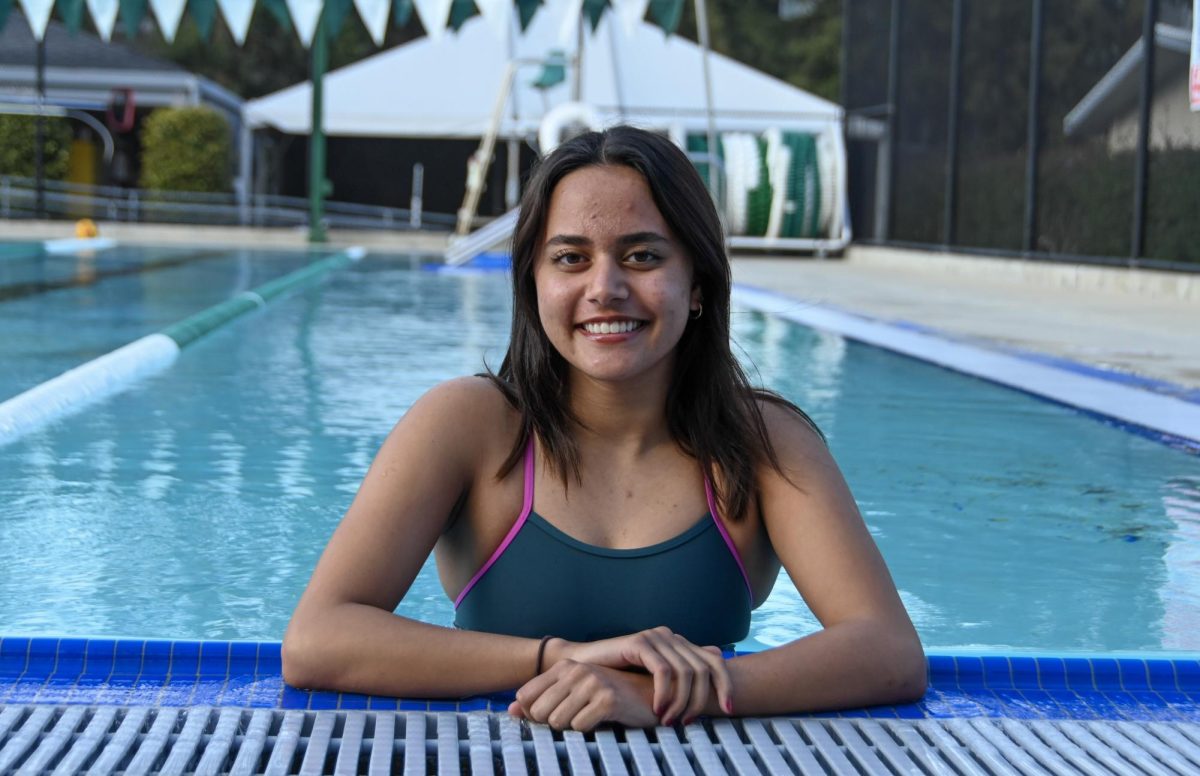
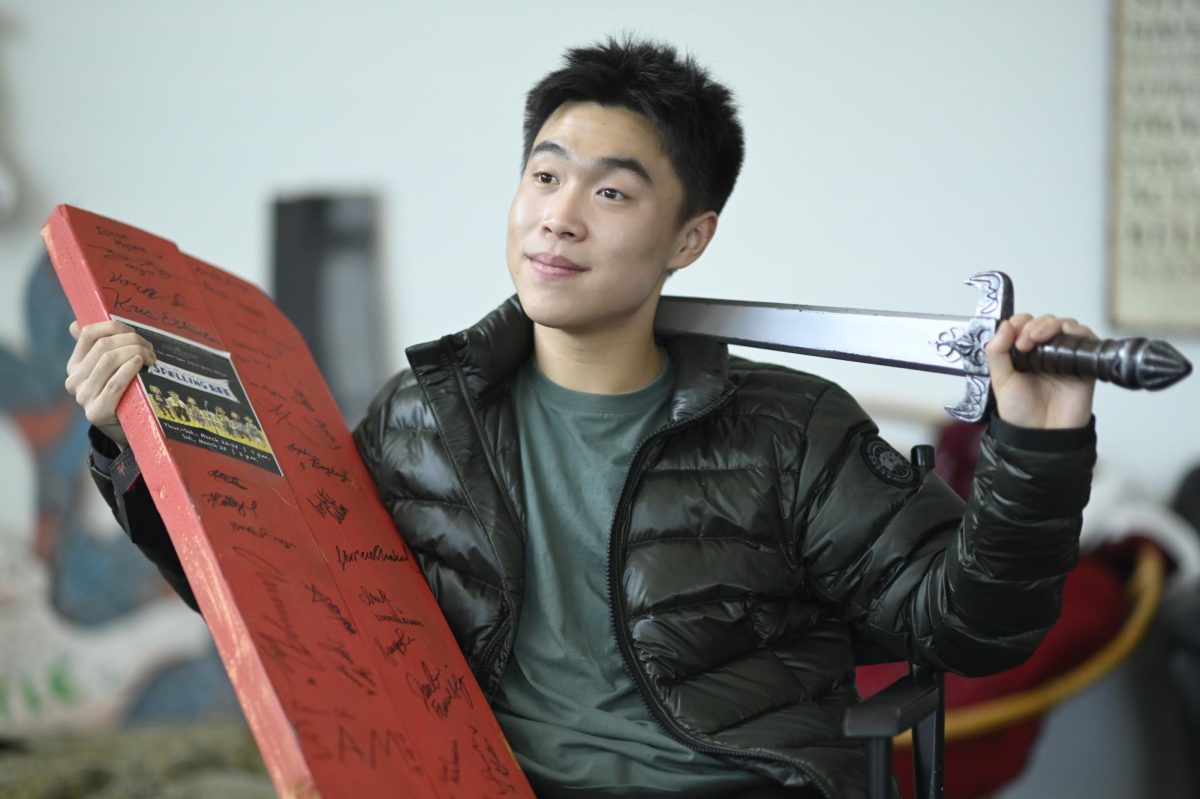
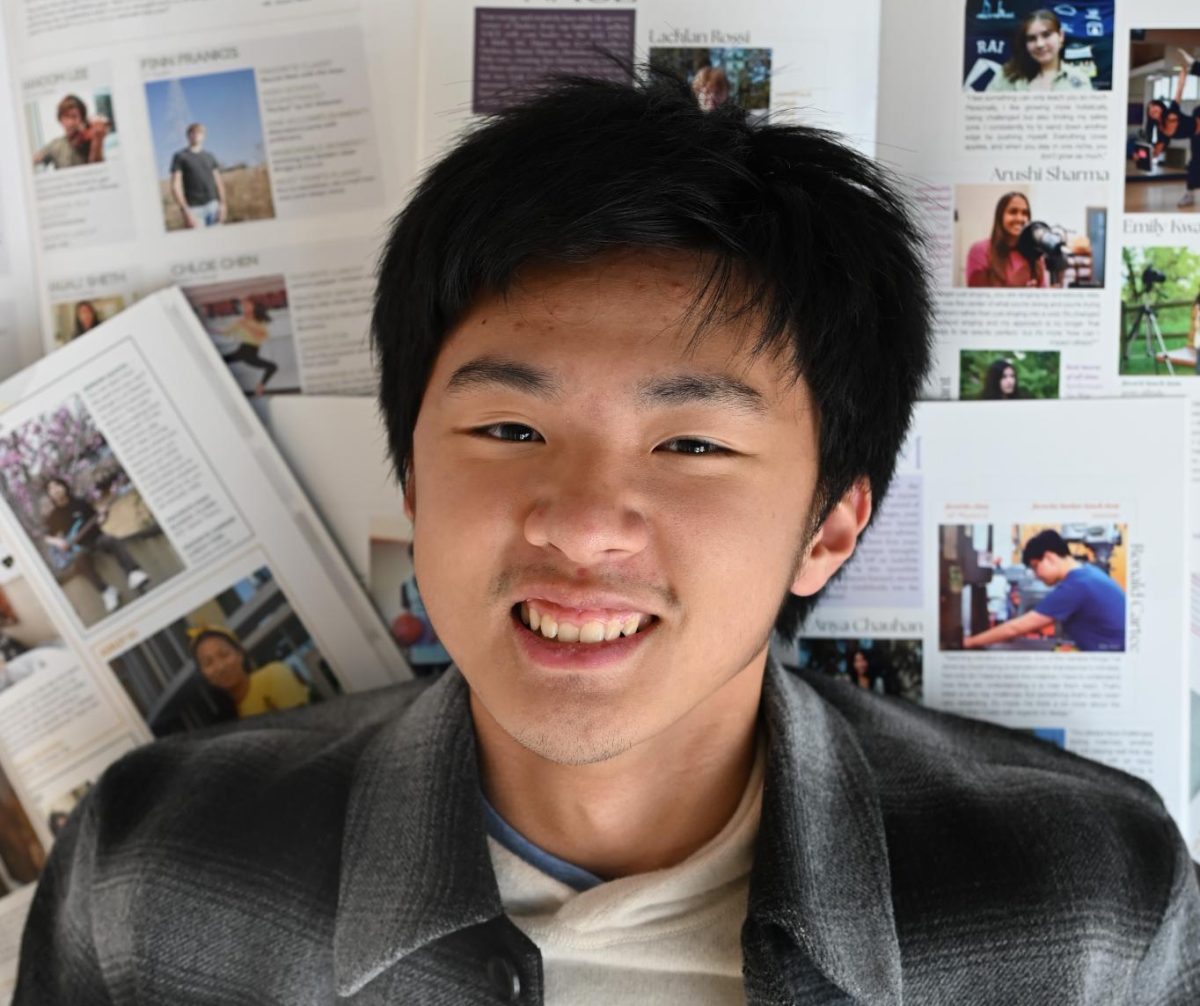
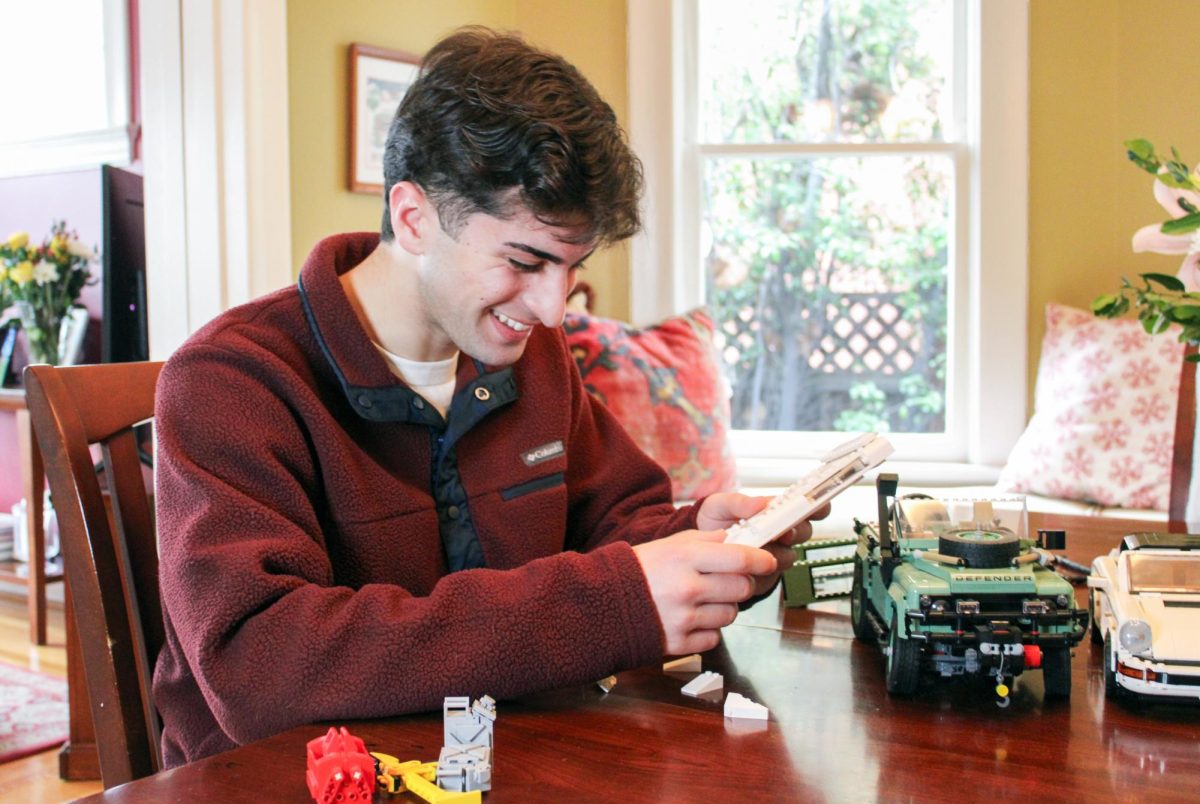
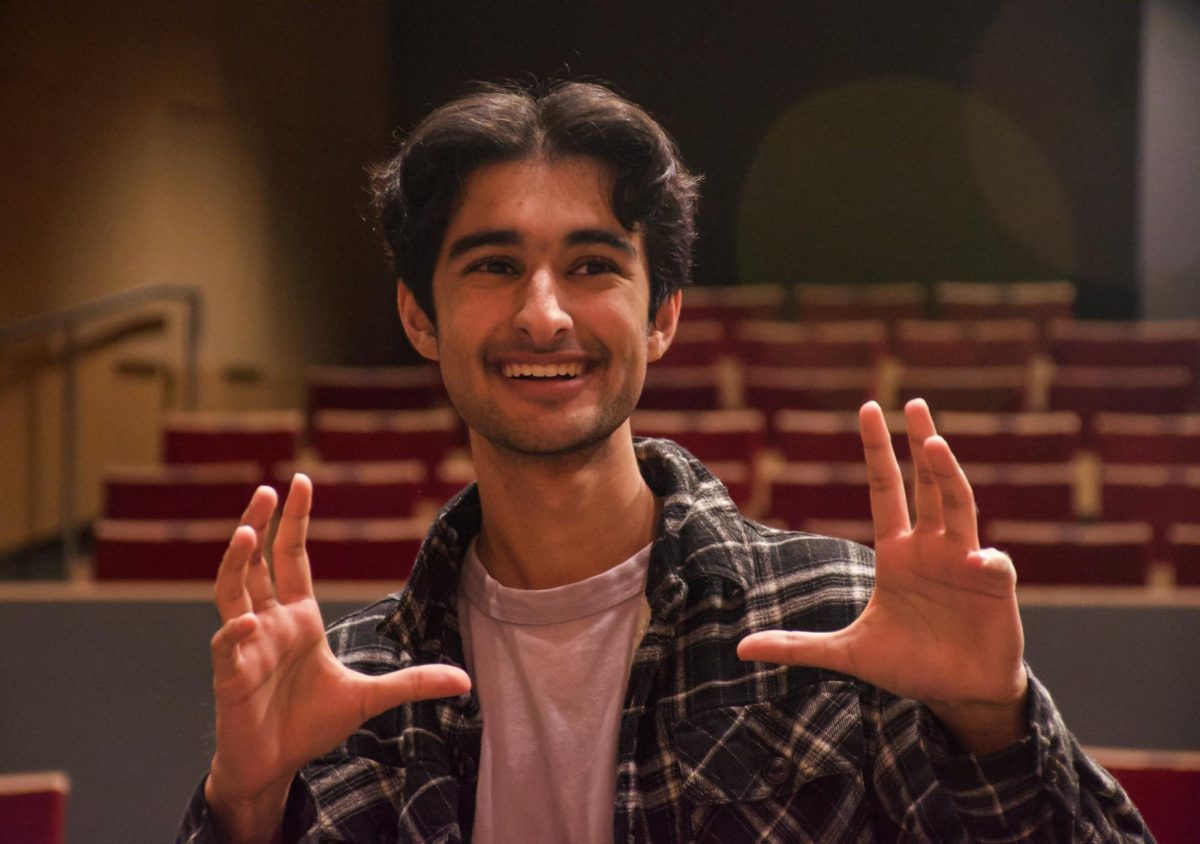
![“This is actually from Randy Pausch Randy P. Brick: ‘Walls are there for a reason. You have to show how much you want to overcome them.’ You have to show how much you want something. That's what I've always been able to do with tennis, Link Crew and getting that internship [with Kushy Baby]. It’s important pushing through that — getting around that brick wall, climbing over it or clawing through it,” Yash Sachdeva (’26) said.](https://harkeraquila.com/wp-content/uploads/2026/05/YashSachdeva_RamBatchu-copy-1200x1002.jpg)
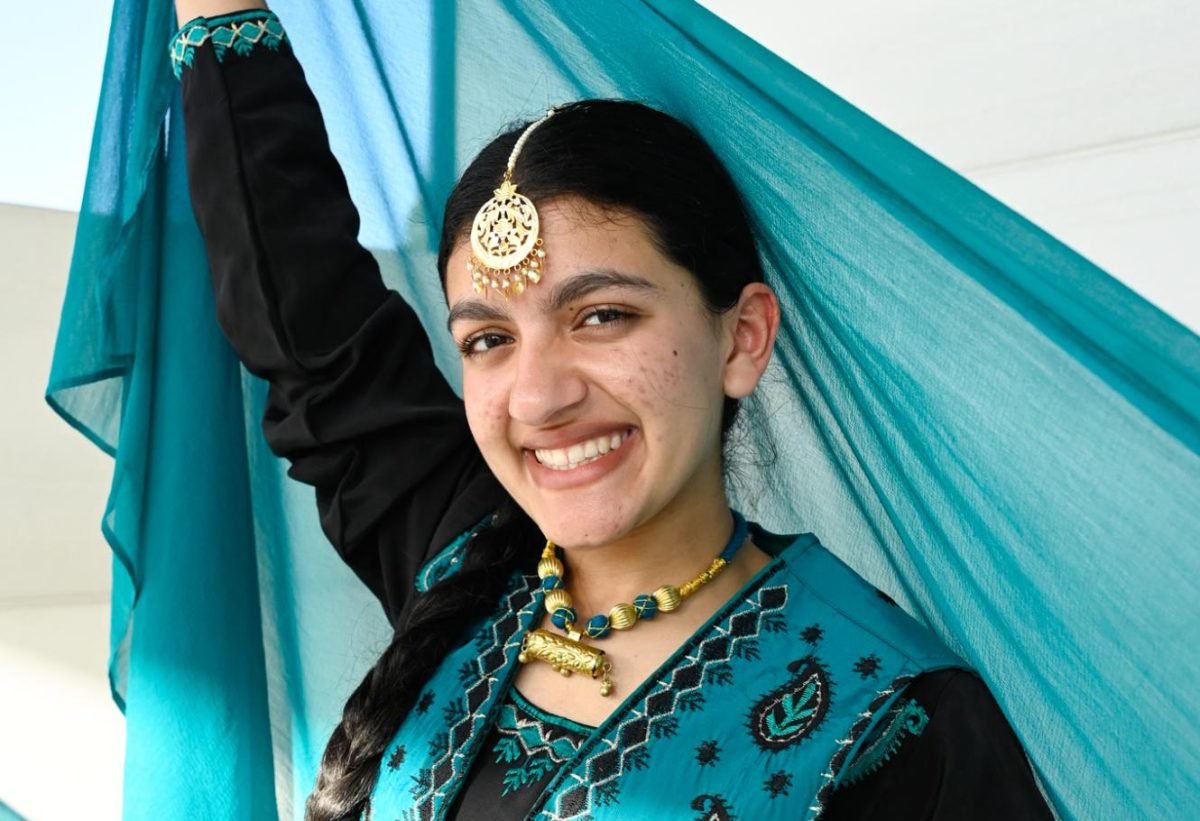



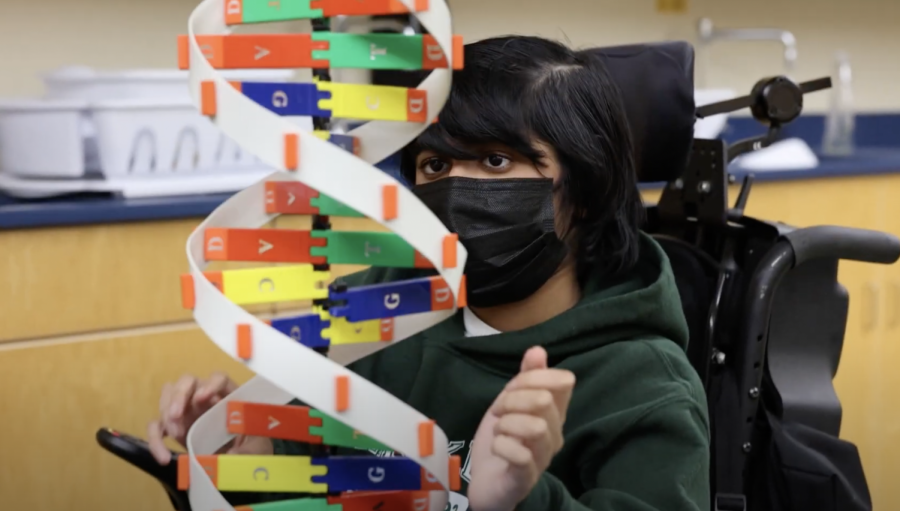
![“[Building nerf blasters] became this outlet of creativity for me that hasn't been matched by anything else. The process [of] making a build complete to your desire is such a painstakingly difficult process, but I've had to learn from [the skills needed from] soldering to proper painting. There's so many different options for everything, if you think about it, it exists. The best part is [that] if it doesn't exist, you can build it yourself," Ishaan Parate said.](https://harkeraquila.com/wp-content/uploads/2022/08/DSC_8149-900x604.jpg)
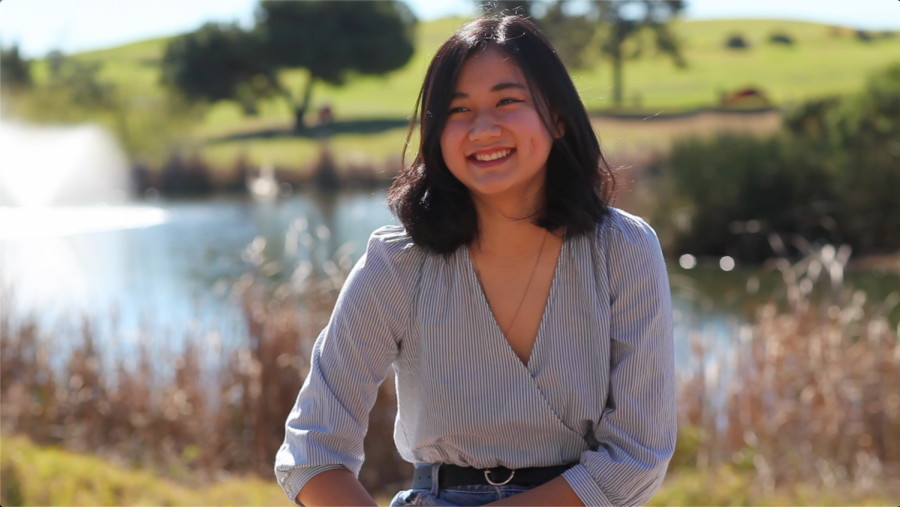
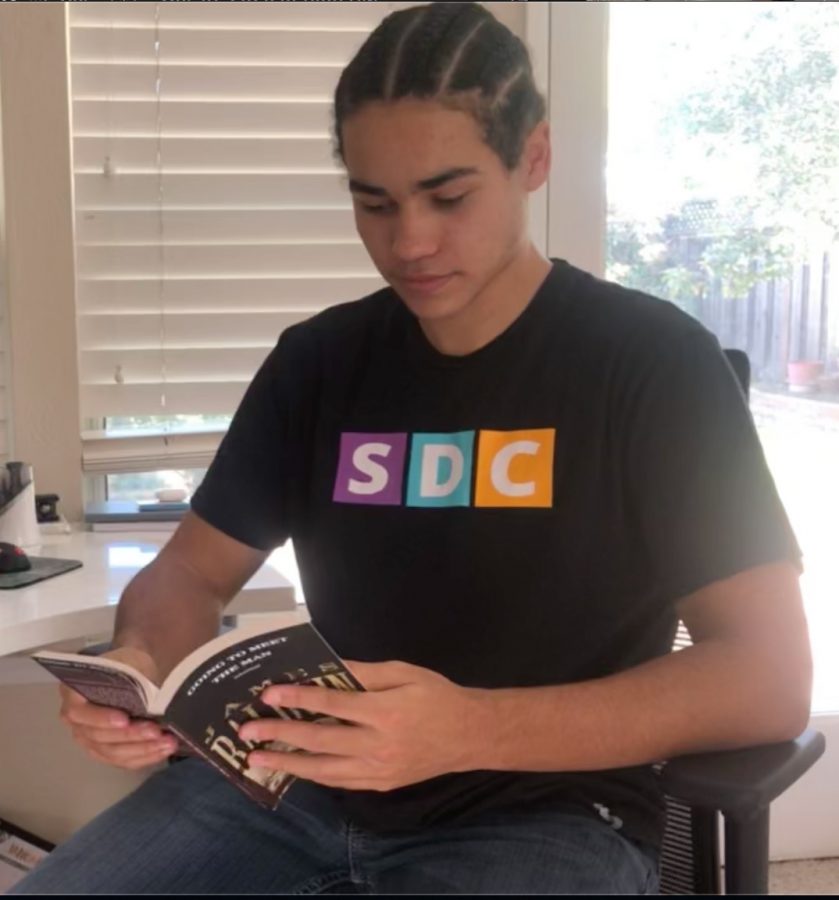
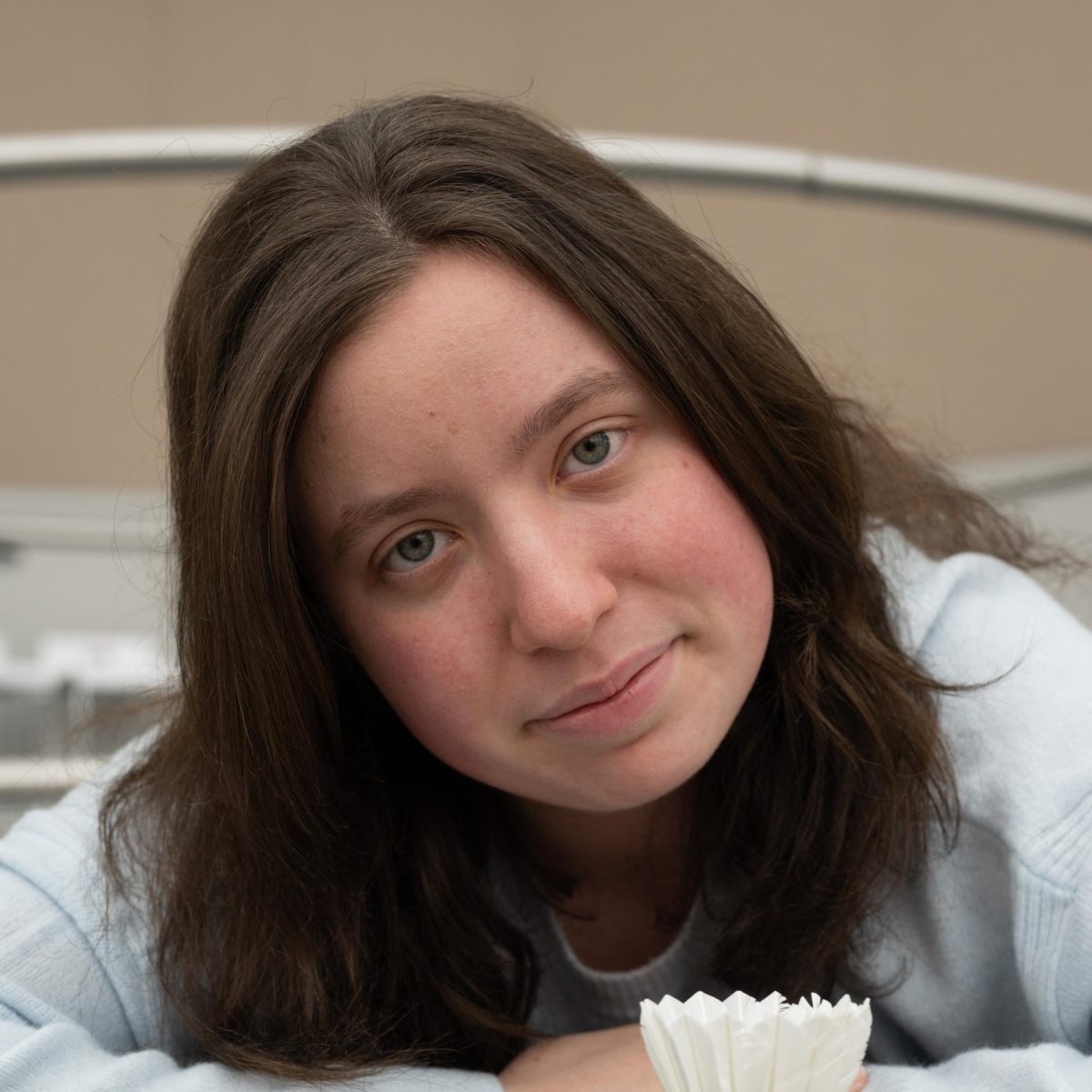
![“When I came into high school, I was ready to be a follower. But DECA was a game changer for me. It helped me overcome my fear of public speaking, and it's played such a major role in who I've become today. To be able to successfully lead a chapter of 150 students, an officer team and be one of the upperclassmen I once really admired is something I'm [really] proud of,” Anvitha Tummala ('21) said.](https://harkeraquila.com/wp-content/uploads/2021/07/Screen-Shot-2021-07-25-at-9.50.05-AM-900x594.png)

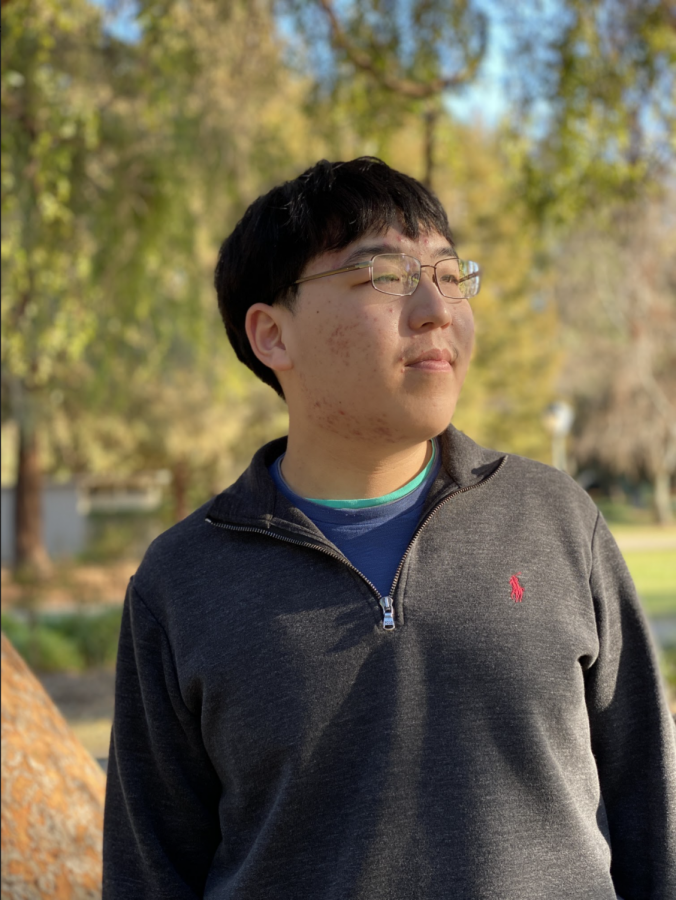
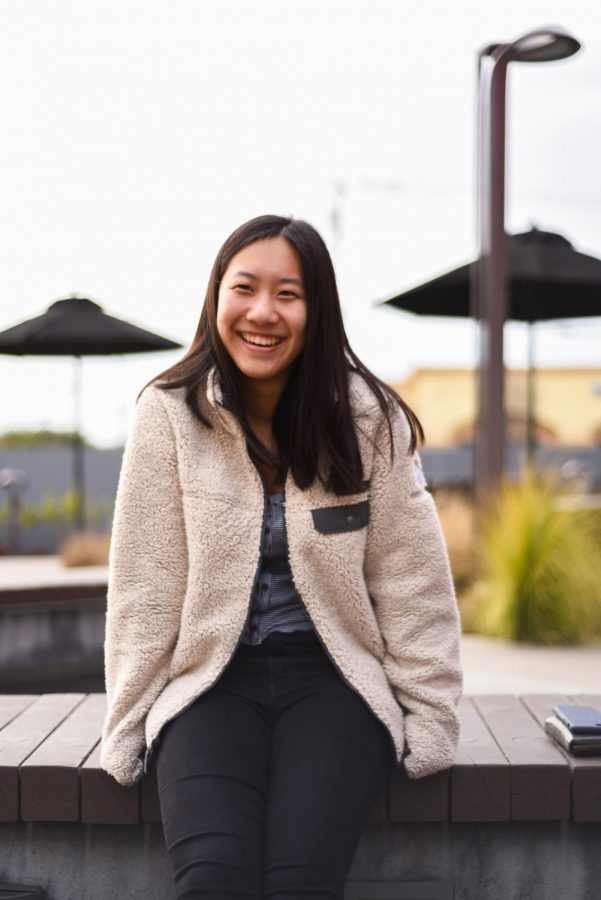
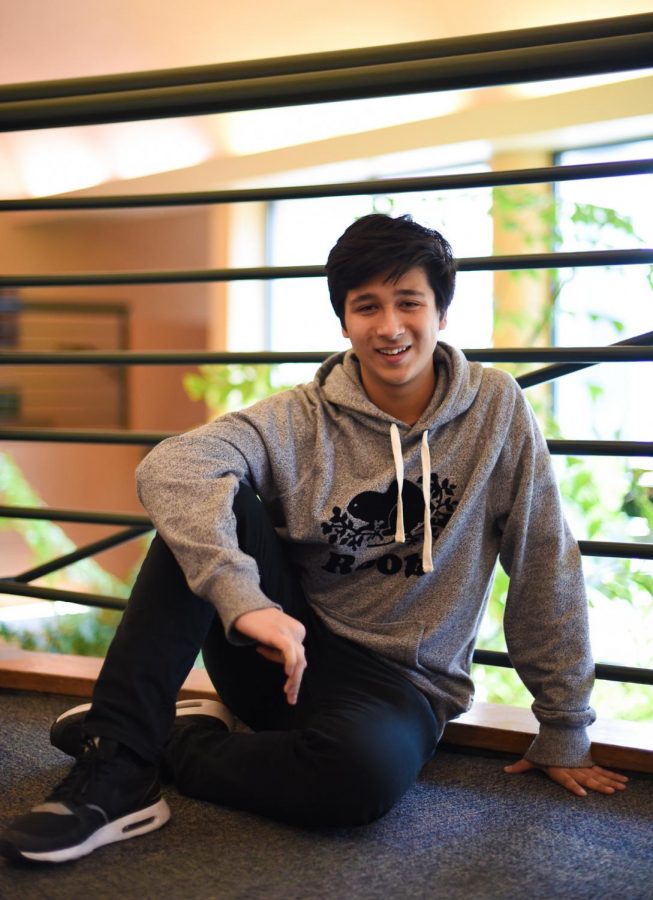
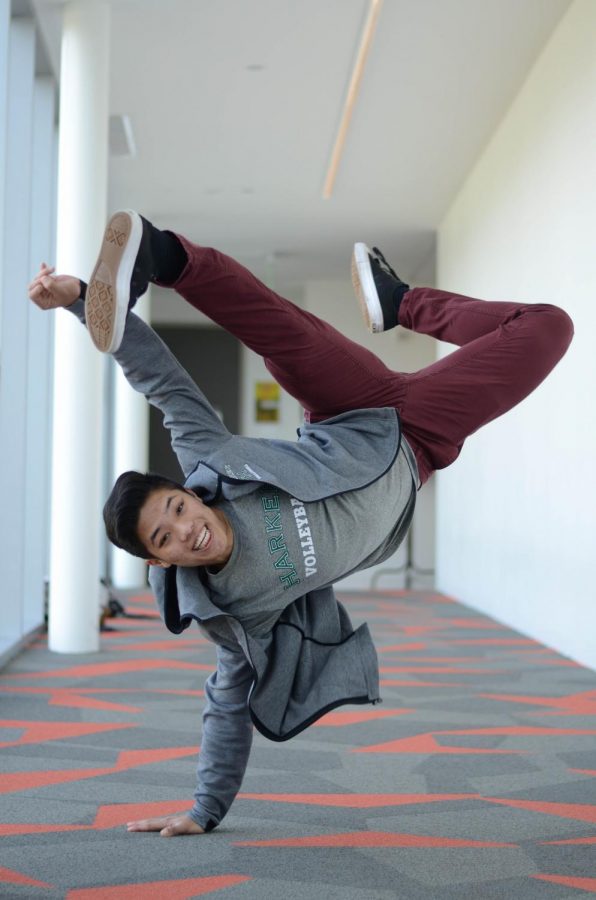
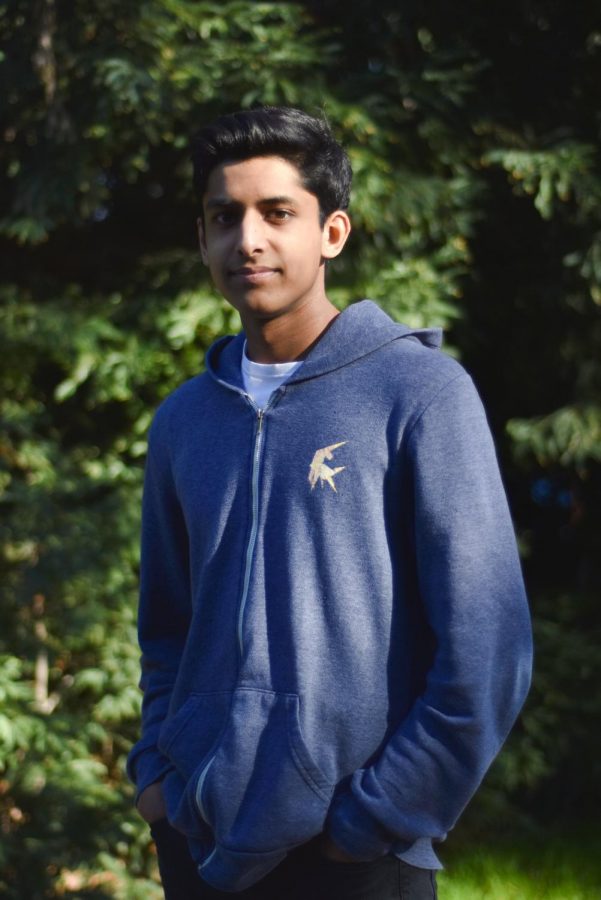

![“I think getting up in the morning and having a sense of purpose [is exciting]. I think without a certain amount of drive, life is kind of obsolete and mundane, and I think having that every single day is what makes each day unique and kind of makes life exciting,” Neymika Jain (12) said.](https://harkeraquila.com/wp-content/uploads/2017/06/Screen-Shot-2017-06-03-at-4.54.16-PM.png)
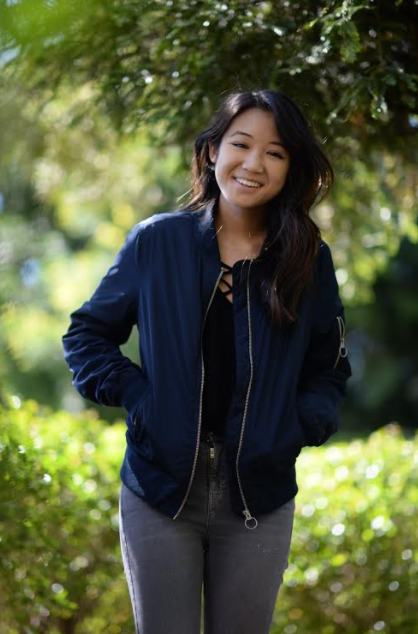
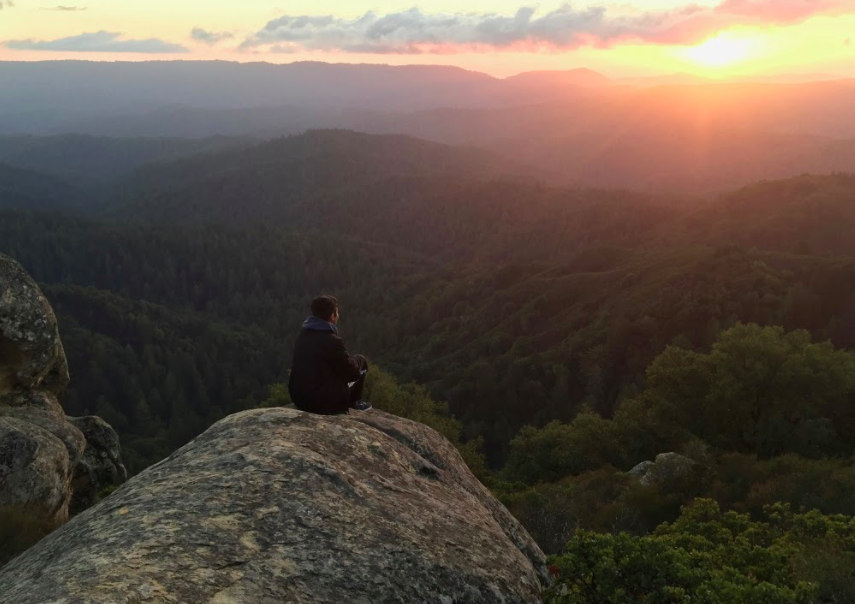
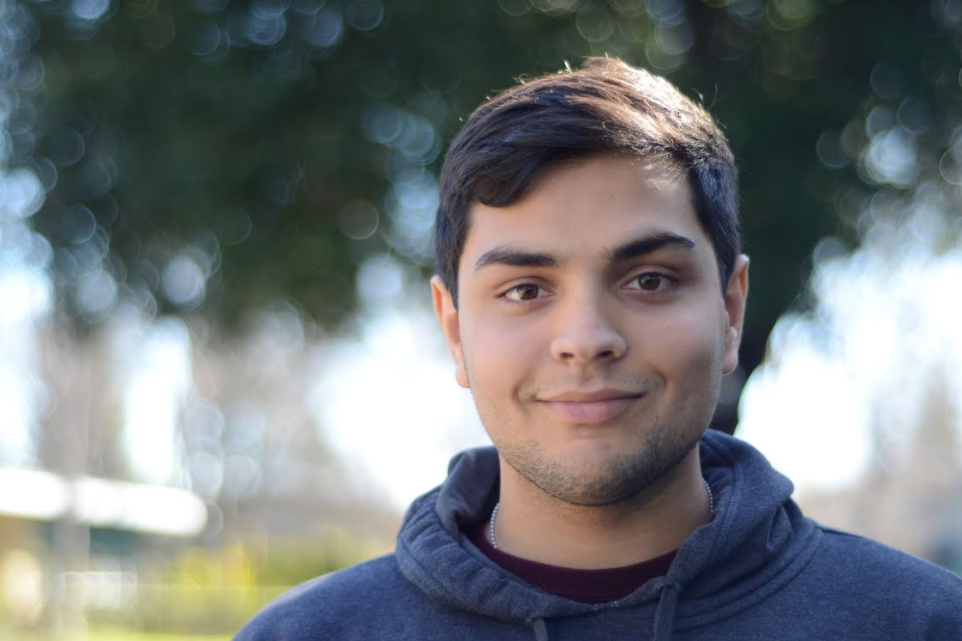
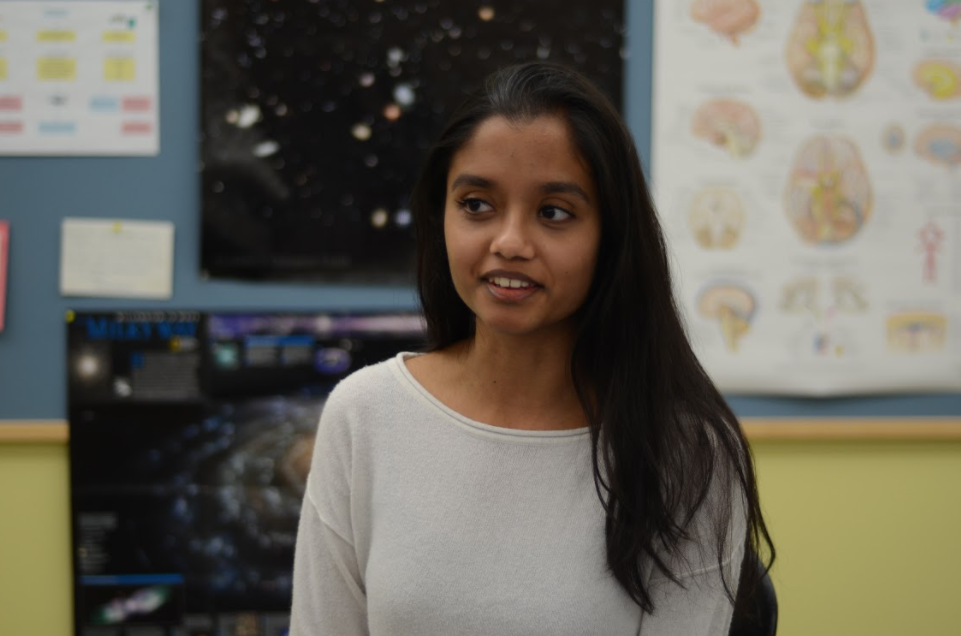
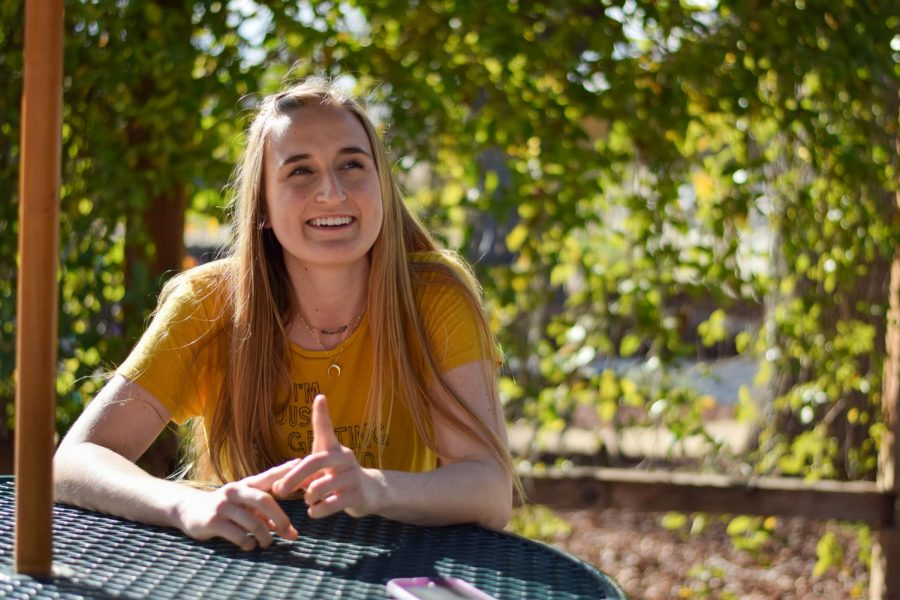
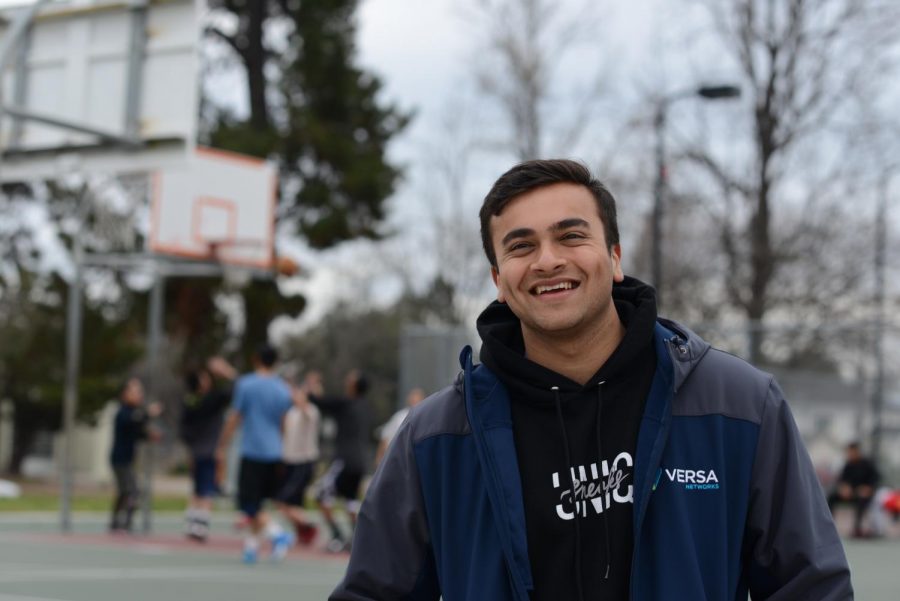
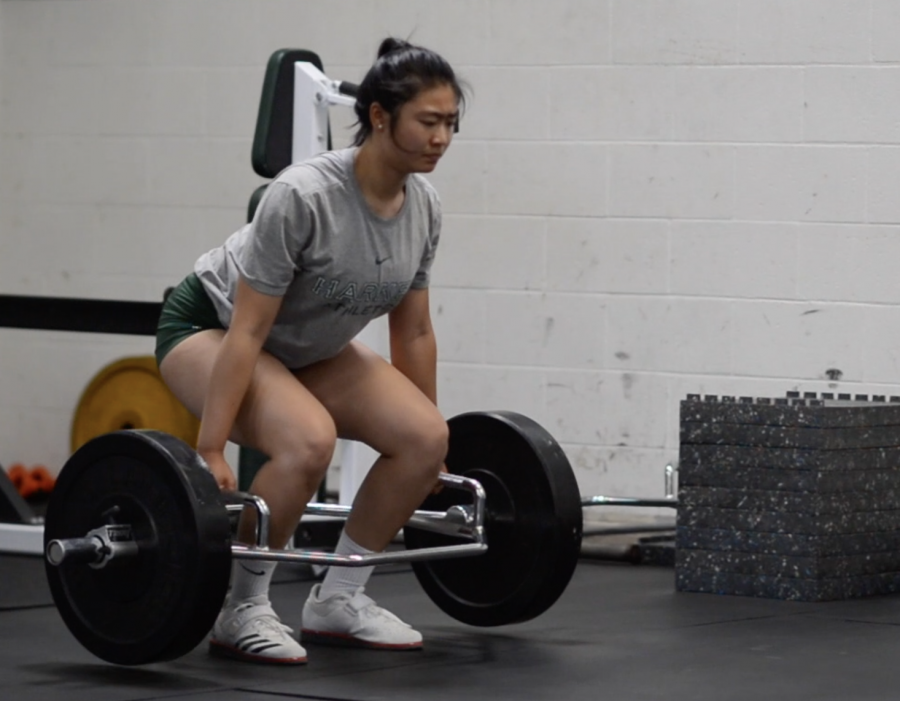

![“My slogan is ‘slow feet, don’t eat, and I’m hungry.’ You need to run fast to get where you are–you aren't going to get those championships if you aren't fast,” Angel Cervantes (12) said. “I want to do well in school on my tests and in track and win championships for my team. I live by that, [and] I can do that anywhere: in the classroom or on the field.”](https://harkeraquila.com/wp-content/uploads/2018/06/DSC5146-900x601.jpg)
![“[Volleyball has] taught me how to fall correctly, and another thing it taught is that you don’t have to be the best at something to be good at it. If you just hit the ball in a smart way, then it still scores points and you’re good at it. You could be a background player and still make a much bigger impact on the team than you would think,” Anya Gert (’20) said.](https://harkeraquila.com/wp-content/uploads/2020/06/AnnaGert_JinTuan_HoHPhotoEdited-600x900.jpeg)
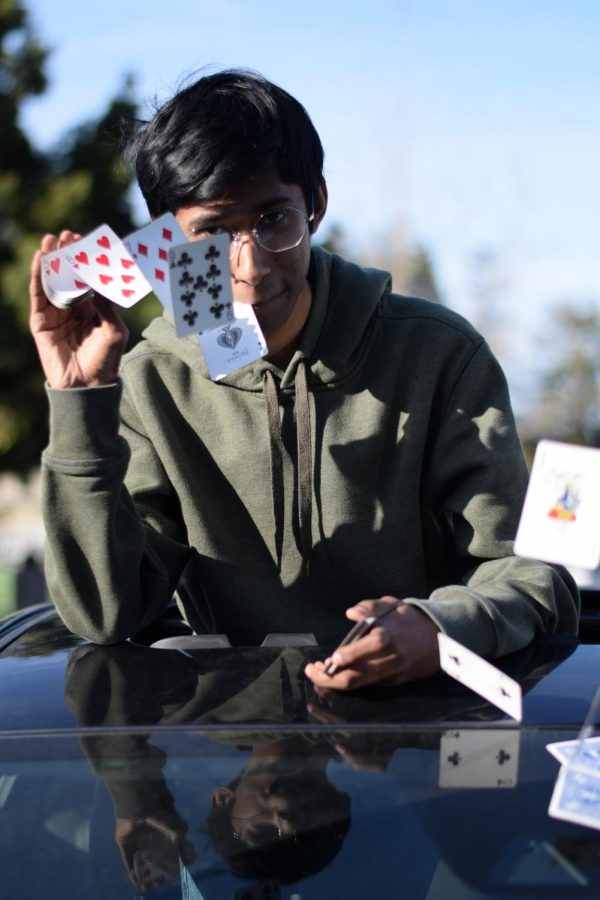
![“I'm not nearly there yet, but [my confidence has] definitely been getting better since I was pretty shy and timid coming into Harker my freshman year. I know that there's a lot of people that are really confident in what they do, and I really admire them. Everyone's so driven and that has really pushed me to kind of try to find my own place in high school and be more confident,” Alyssa Huang (’20) said.](https://harkeraquila.com/wp-content/uploads/2020/06/AlyssaHuang_EmilyChen_HoHPhoto-900x749.jpeg)


Editorial: Embracing our First Amendment freedoms
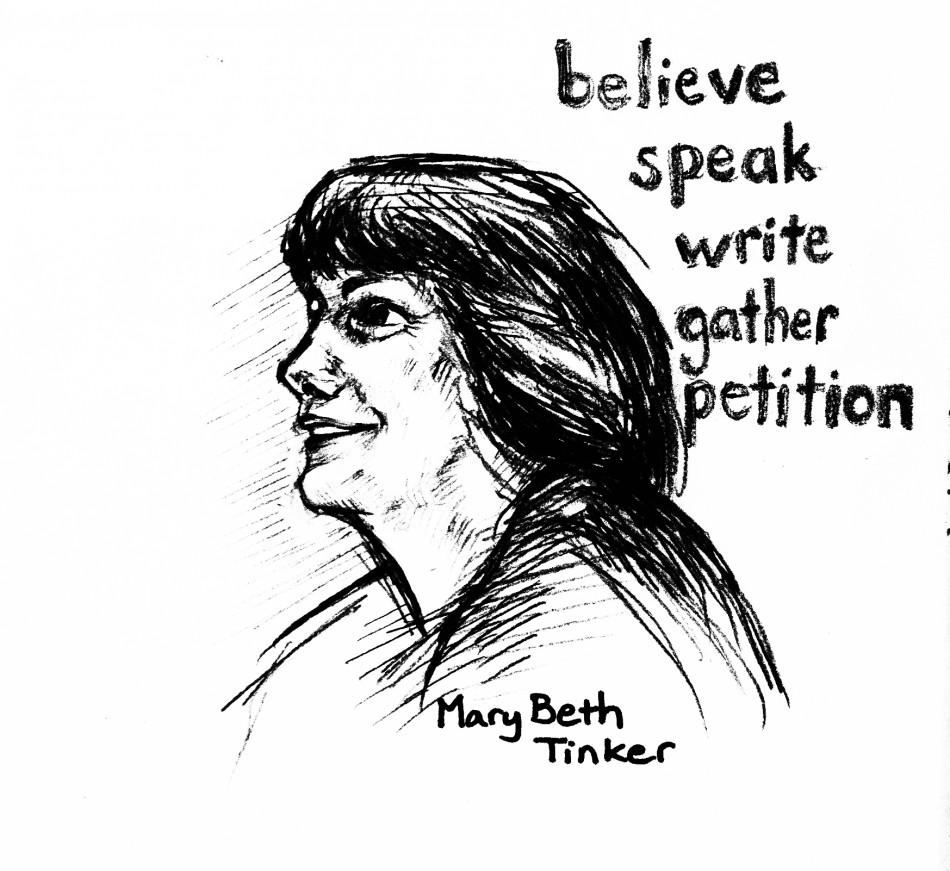
What do an Iowa girl who was suspended from her school in 1965 for wearing a black armband to protest the Vietnam war and a Japanese-American man who questioned the legality of internment camps in the Supreme Court in 1944 have in common? They were both landmark figures involving First Amendment freedoms that we, as students and as citizens, enjoy today.
During today’s assembly, we will hear their stories. Mary Beth Tinker, Fred Korematsu’s daughter Karen Korematsu, and Frank LoMonte, executive director of the Student Press Law Center (SPLC), will each speak about the facets of the First Amendment.
If you ask students about the First Amendment, most will spew back a contrived response about freedom of speech or textbook verbatim that they memorized for a U.S. History test. If you ask them about how the amendment impacts them as students, however, most will respond with blank stares. In an informal poll of 125 students conducted by The Winged Post, 87.2 percent of students were unable to list the five freedoms guaranteed by the First Amendment (speech, press, religion, assembly, and petition).
While 90 percent of our student body expressed the desire to have the same First Amendment rights as adults in another survey, the fact that approximately the same percentage of us do not know what that entails suggests that perhaps we should be more aware of our right to free expression.
The 45 words that make up our First Amendment rights are empowering. Understanding what defines our independence and backs our individuality is a blessing. Taking advantage of our rights without full understanding of their meaning, however, is disrespectful of the freedom of expression that we as teenagers work so hard to preserve.
Students in California go to school every day under the protection of California Education Code 48907, which provides the highest degree of free expression legislation for any student in the U.S.
These protections, however, may have to be fought for.
Following the suicide of Saratoga High School student Audrie Pott last year, the editors of The Saratoga Falcon, the school’s newspaper, fought administrative and community pushback after publishing a story refuting the original claim that half-naked photos of Pott went viral. Through careful reporting, they discovered that roughly 10 students saw the photos, not the majority of the student body.
Arguably as impressive as the story itself was the way the editors handled the aftermath. Under the guidance of a media attorney, they cited the California Shield Law to defy the Pott family lawyer’s subpoena and protect the anonymity of their sources. Her death is tragic. But the courage and professionalism with which these student journalists handled the situation was inspiring: they stood behind their reporting, their sources, and ultimately, their story.
They spoke about their experiences alongside Tinker, Korematsu, and LoMonte at Monta Vista High School on Wednesday.
Although we are a private school, and thus, not directly protected under 48907, our administration chooses to support our creativity, expression, and individuality.
“I think that it’s our responsibility as a school to have the kind of environment where students learn to be able to express their voices and do so in a way that’s still constructive and respectful,” head of school Christopher Nikoloff said.
Our artists are able to communicate their independent ideas through their work. Our literary aficionados have access to books that are commonly banned elsewhere. Our actors have the ability to take on roles that could be considered controversial at other schools. Our journalism publications are able to determine content independently.
So when you’re walking to today’s assembly, take a minute to appreciate the art on the walls in Main. When you’re sitting in the library, revel in unrestricted reading. And while you’re reading the words in the student newspaper, take pride that you get to read this content unfiltered and raw.
This piece was originally published in the pages of the Winged Post on April 4, 2014.