


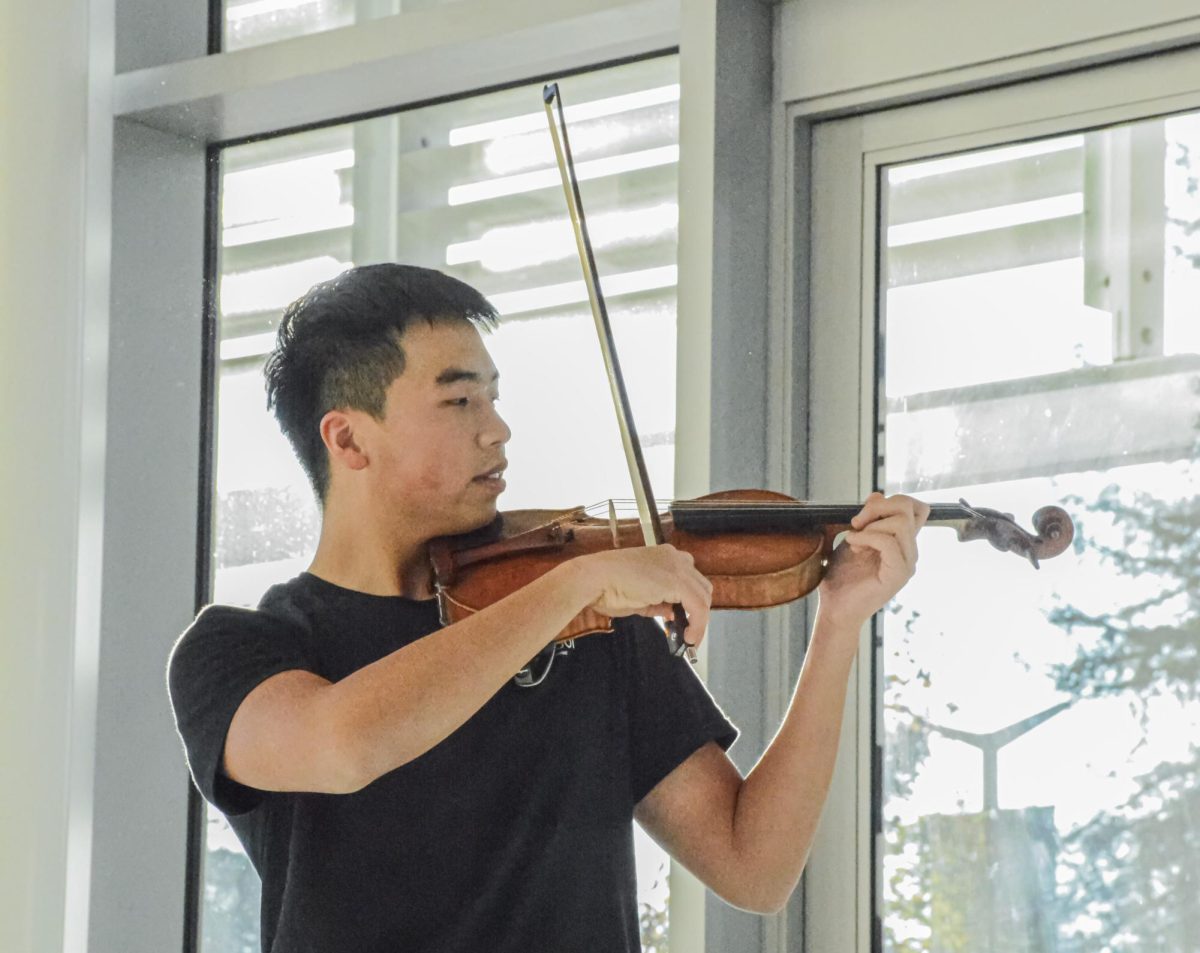
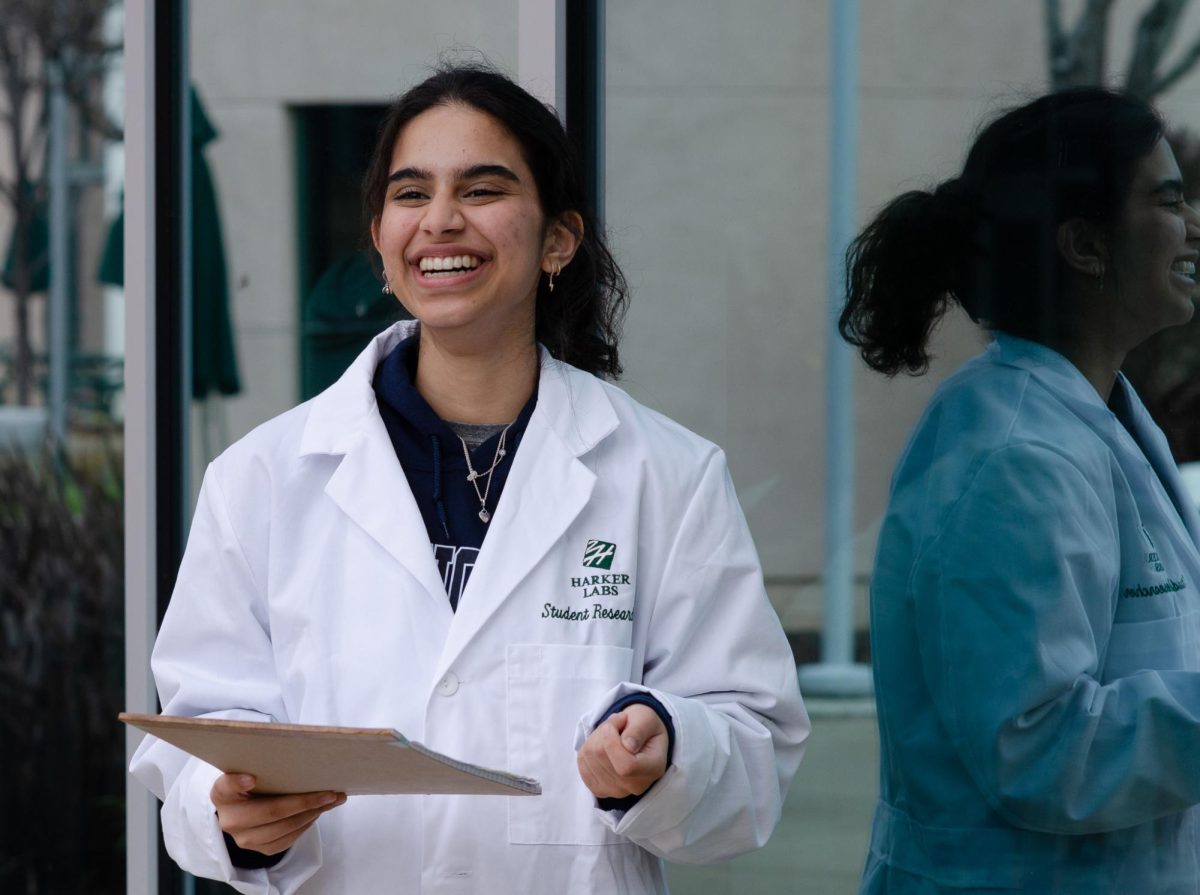
![“I wasn't discouraged by some of the obstacles we faced. I learned a lot from the leadership. I found that different people need different ways of receiving feedback — you can't [just] tell them to do something and expect the best. [Some] people needed more incentive. A large part of my role was to figure out what worked for everyone and to figure out how to lead all these separate individuals as a team,” Suhana Bhandare (’26) said.](https://harkeraquila.com/wp-content/uploads/2026/06/SuhanaBhandare_JasmineHansra-1-1200x798.jpg)
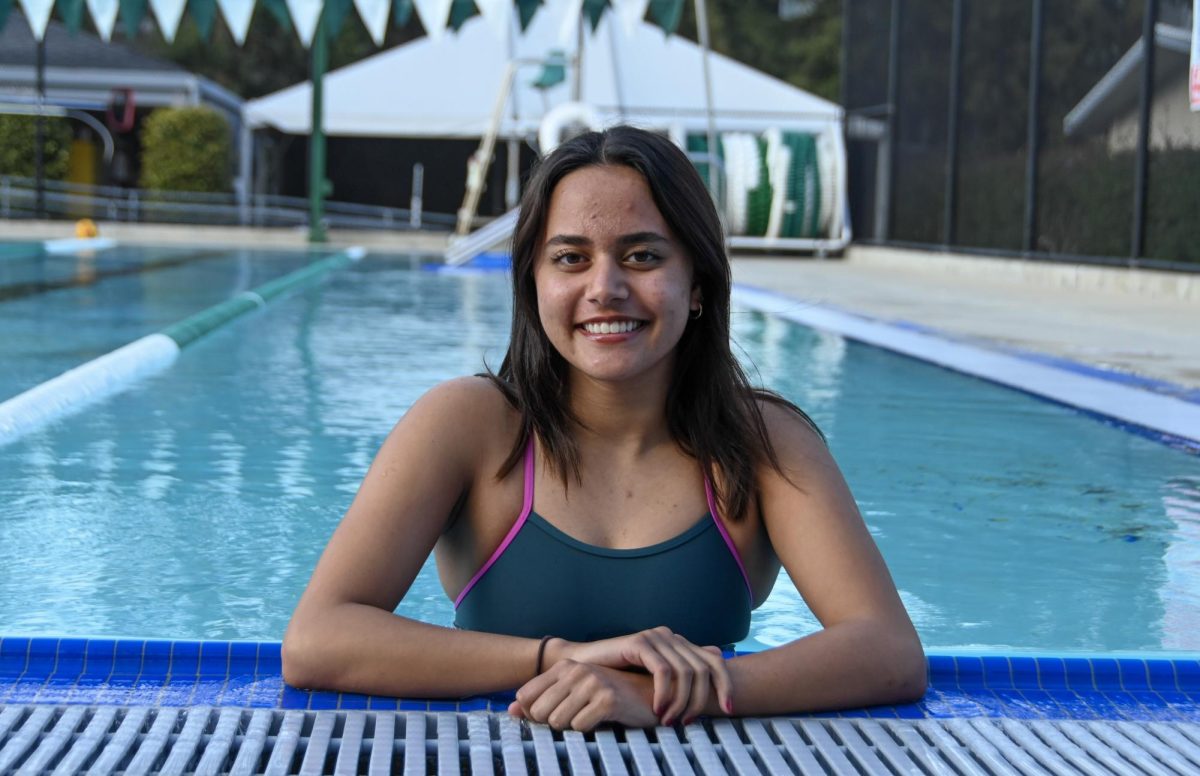
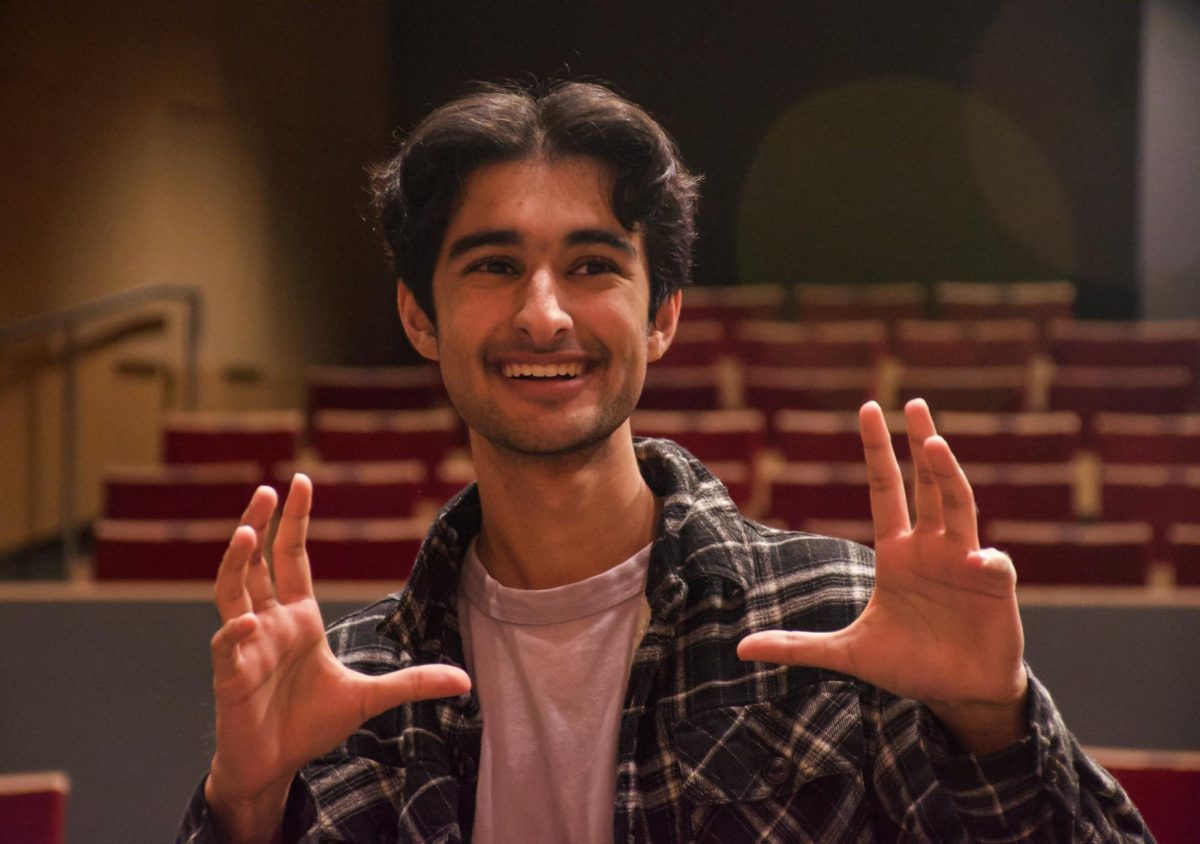
![“This is actually from Randy Pausch Randy P. Brick: ‘Walls are there for a reason. You have to show how much you want to overcome them.’ You have to show how much you want something. That's what I've always been able to do with tennis, Link Crew and getting that internship [with Kushy Baby]. It’s important pushing through that — getting around that brick wall, climbing over it or clawing through it,” Yash Sachdeva (’26) said.](https://harkeraquila.com/wp-content/uploads/2026/05/YashSachdeva_RamBatchu-copy-1200x1002.jpg)
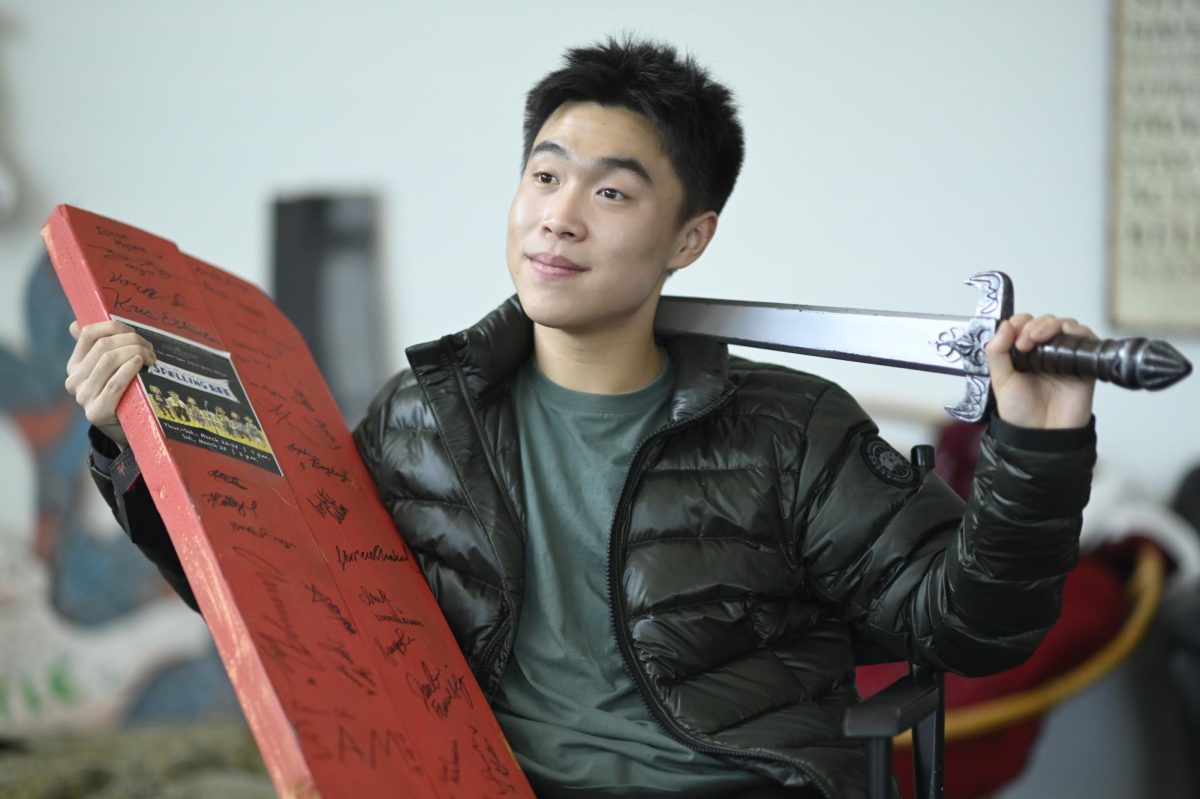
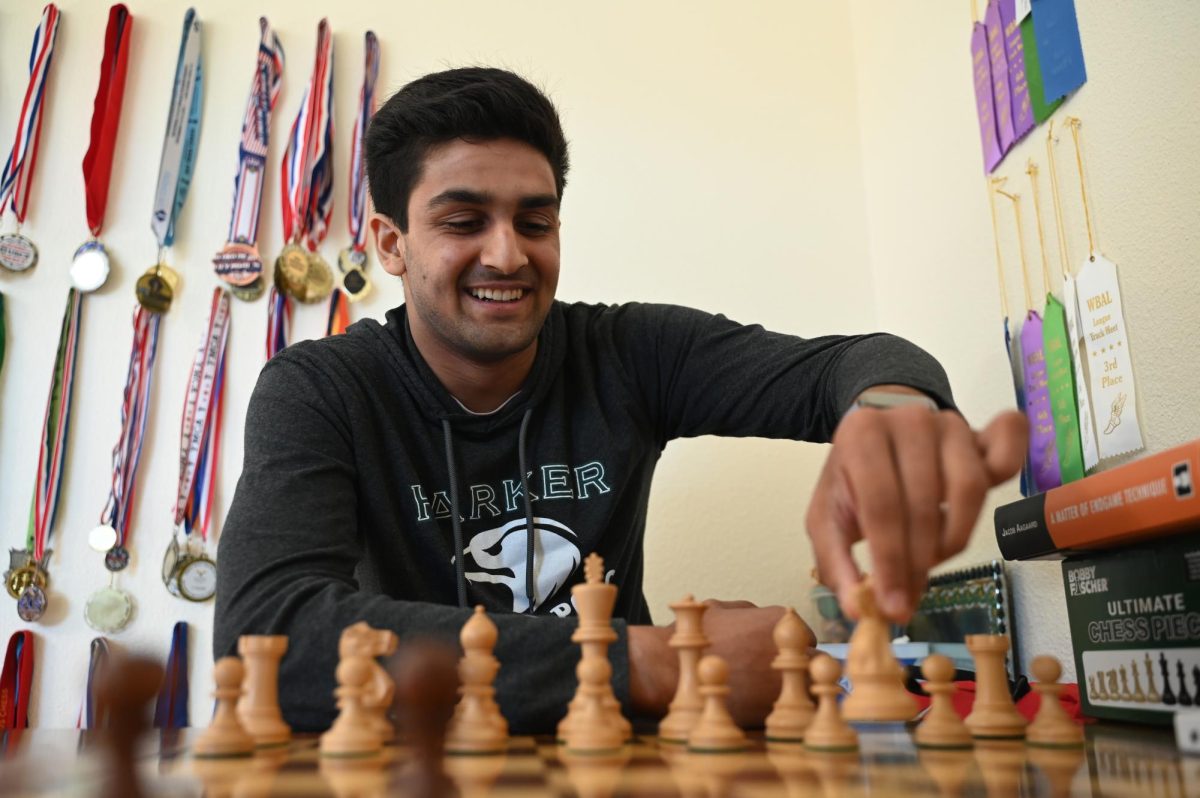
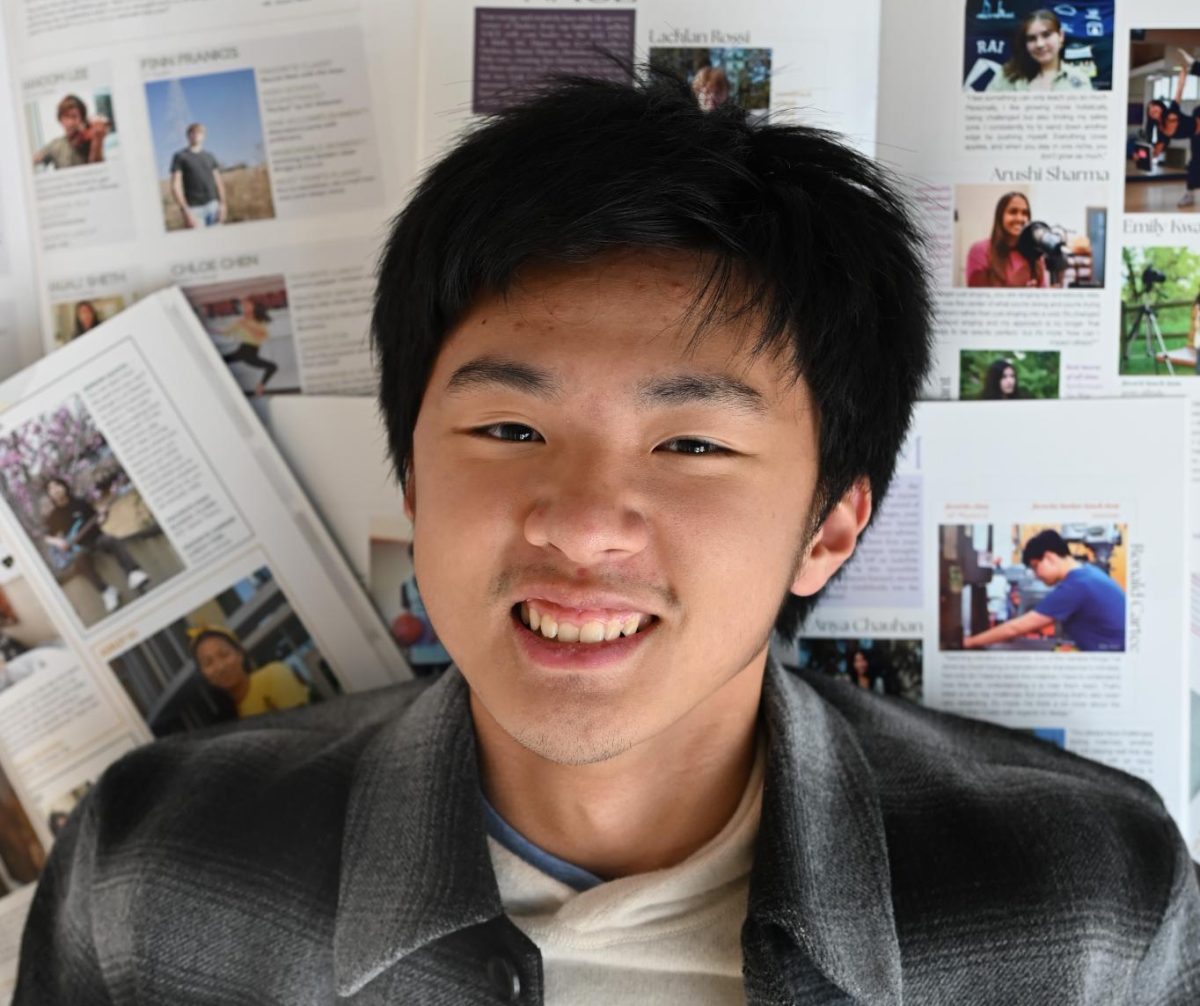



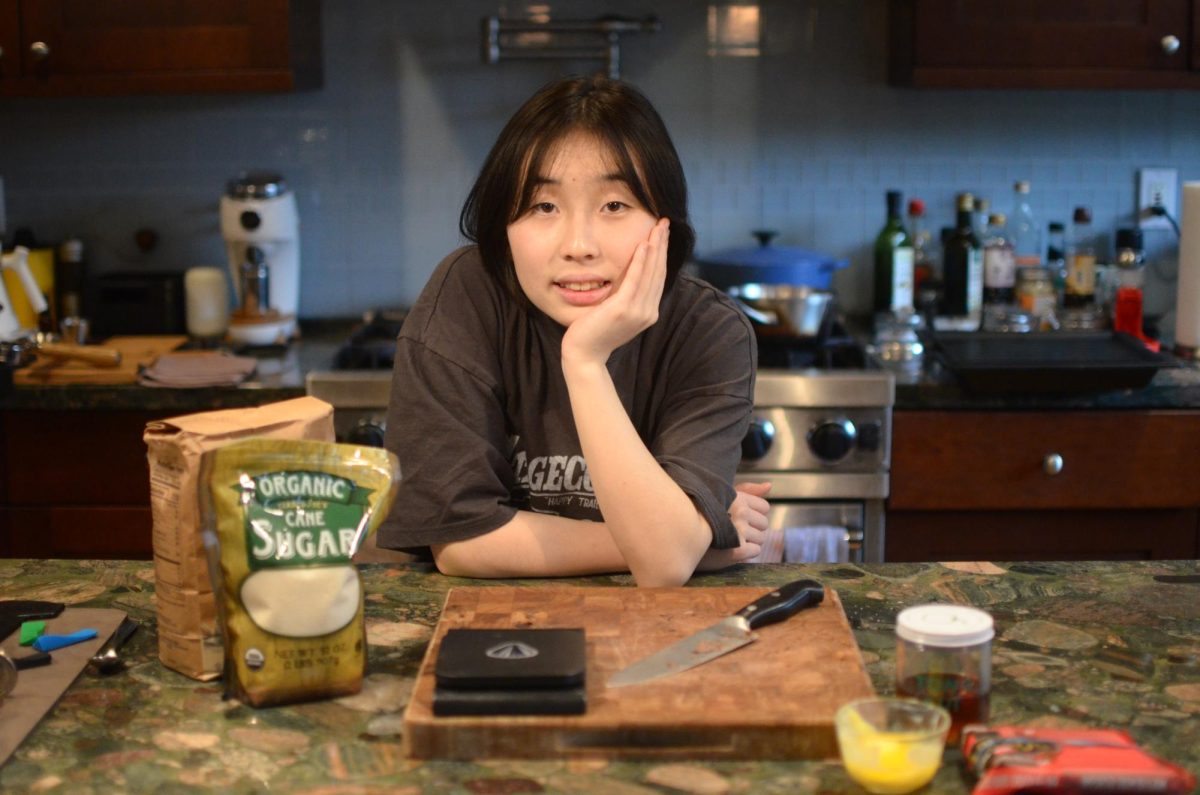


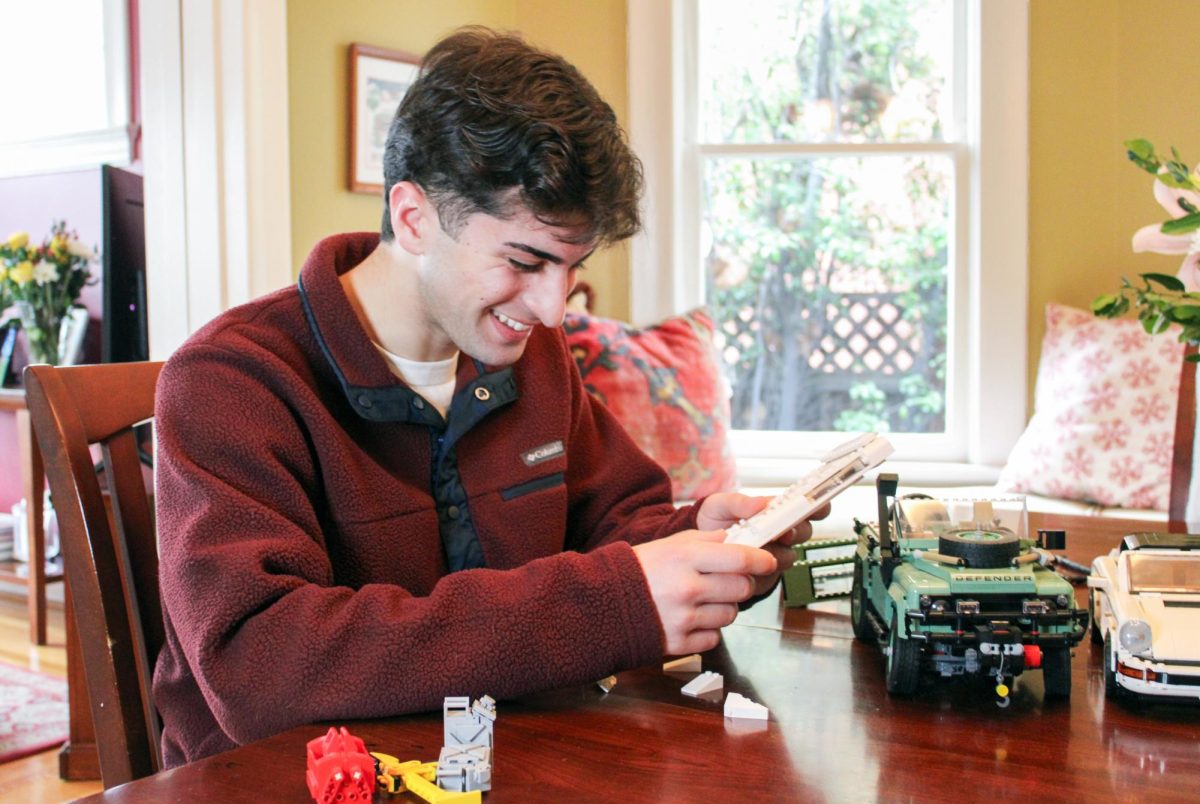



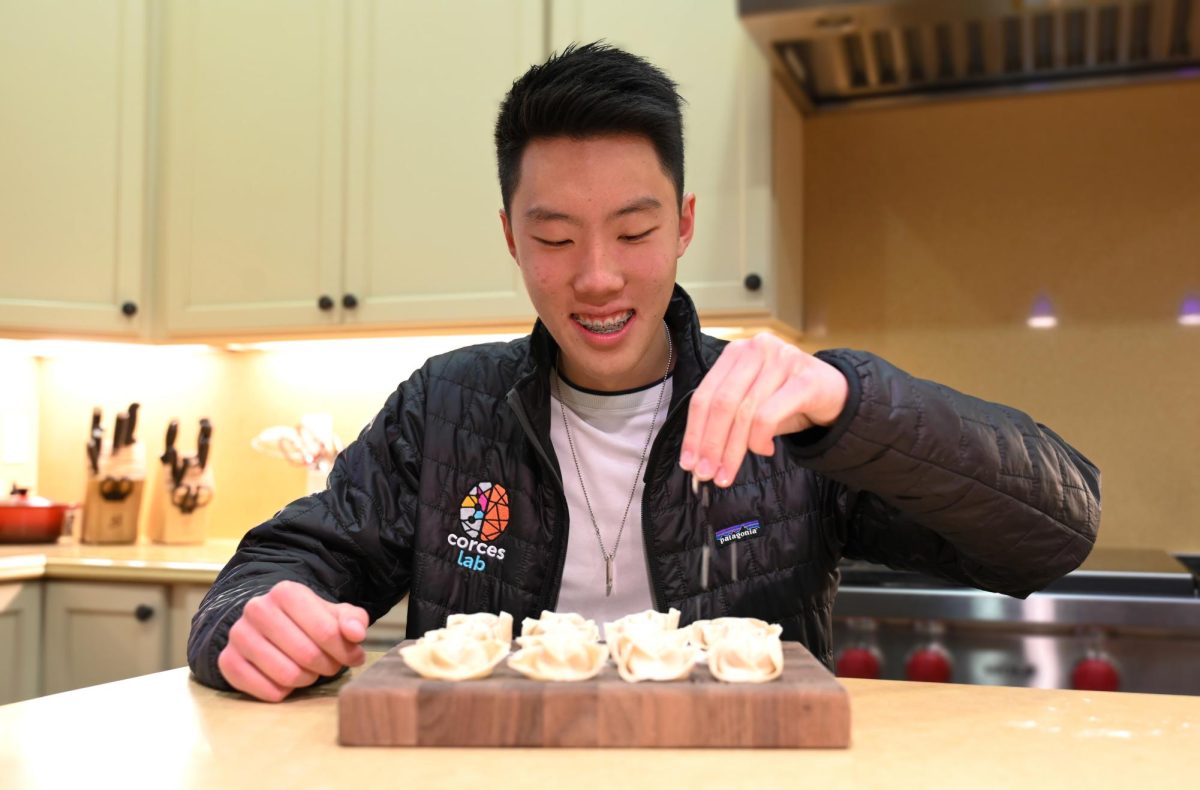
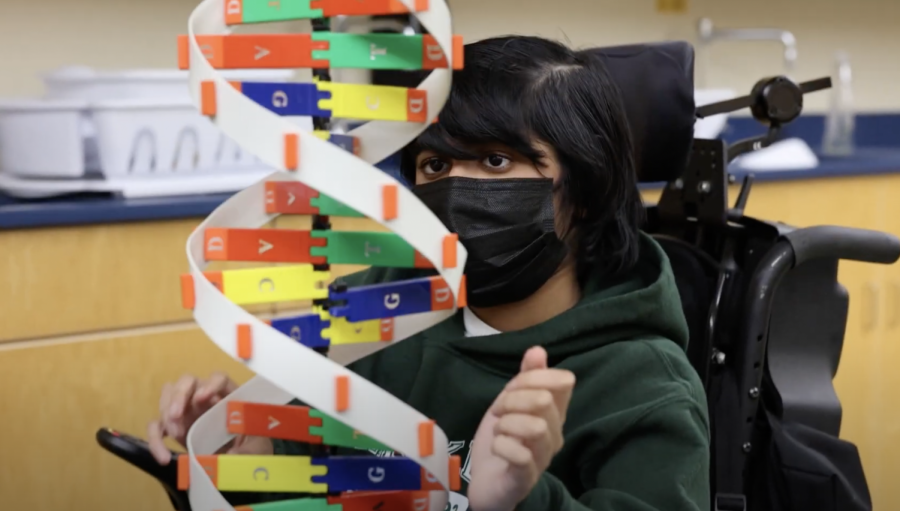
![“[Building nerf blasters] became this outlet of creativity for me that hasn't been matched by anything else. The process [of] making a build complete to your desire is such a painstakingly difficult process, but I've had to learn from [the skills needed from] soldering to proper painting. There's so many different options for everything, if you think about it, it exists. The best part is [that] if it doesn't exist, you can build it yourself," Ishaan Parate said.](https://harkeraquila.com/wp-content/uploads/2022/08/DSC_8149-900x604.jpg)



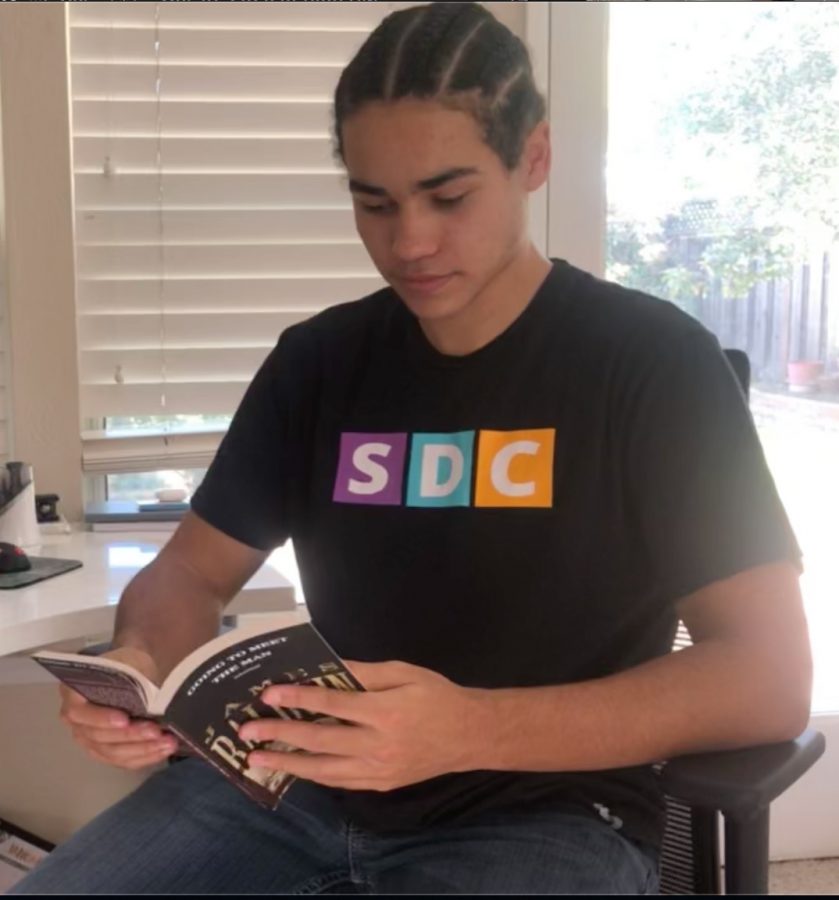
![“When I came into high school, I was ready to be a follower. But DECA was a game changer for me. It helped me overcome my fear of public speaking, and it's played such a major role in who I've become today. To be able to successfully lead a chapter of 150 students, an officer team and be one of the upperclassmen I once really admired is something I'm [really] proud of,” Anvitha Tummala ('21) said.](https://harkeraquila.com/wp-content/uploads/2021/07/Screen-Shot-2021-07-25-at-9.50.05-AM-900x594.png)

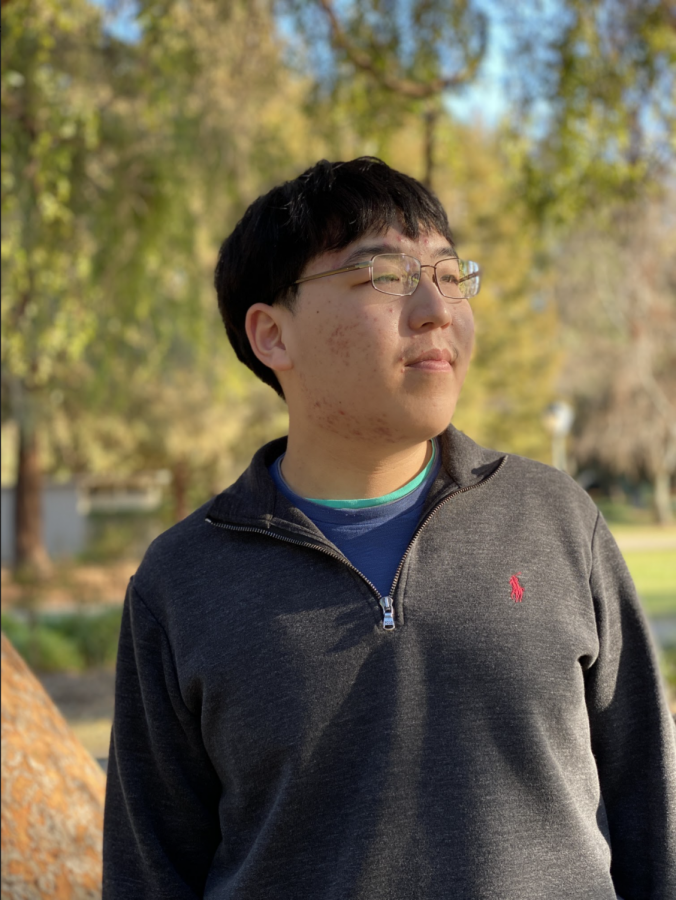

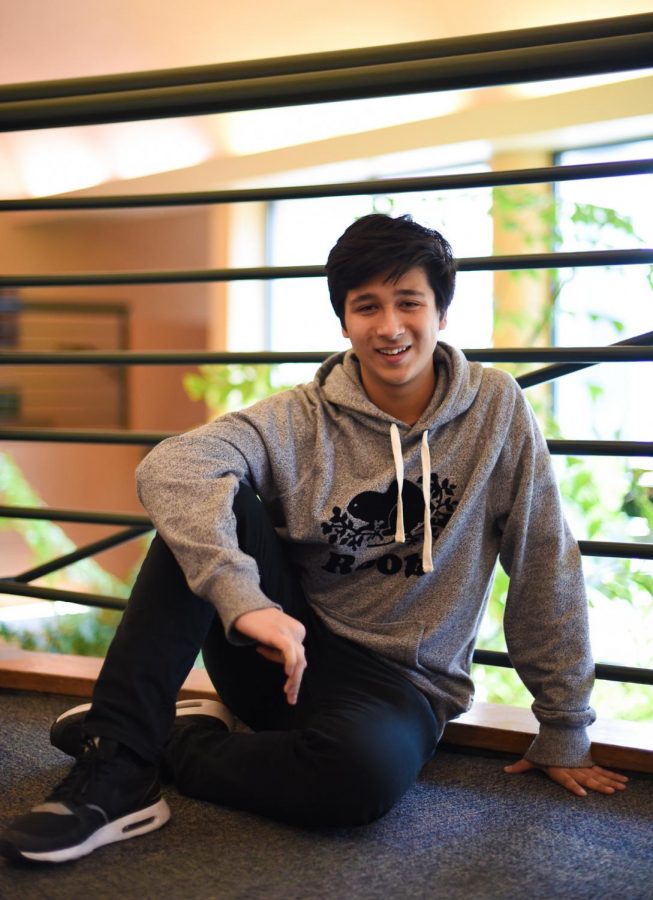
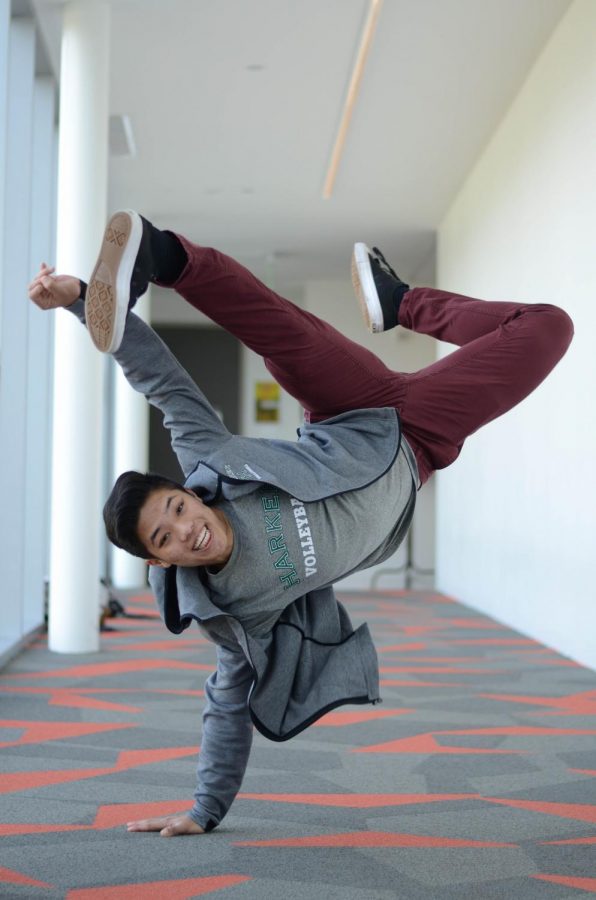


![“I think getting up in the morning and having a sense of purpose [is exciting]. I think without a certain amount of drive, life is kind of obsolete and mundane, and I think having that every single day is what makes each day unique and kind of makes life exciting,” Neymika Jain (12) said.](https://harkeraquila.com/wp-content/uploads/2017/06/Screen-Shot-2017-06-03-at-4.54.16-PM.png)

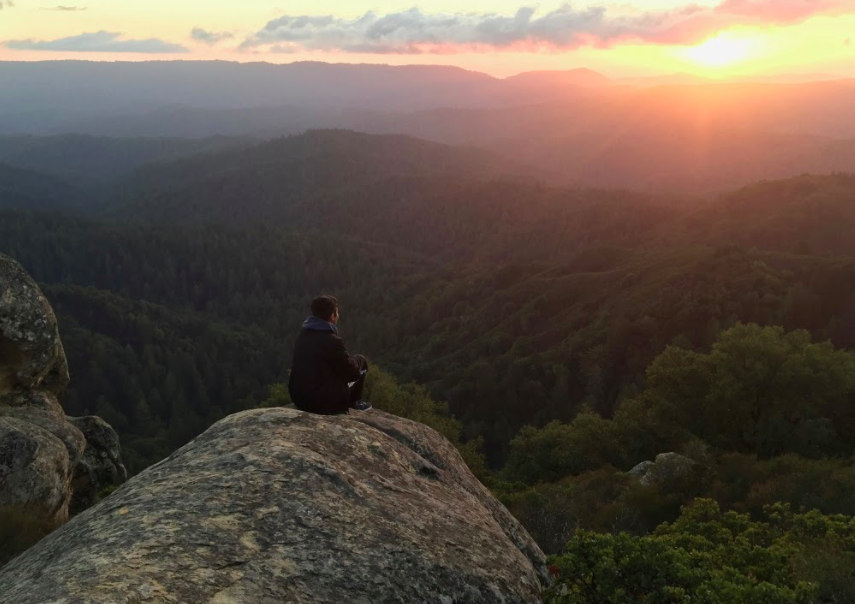

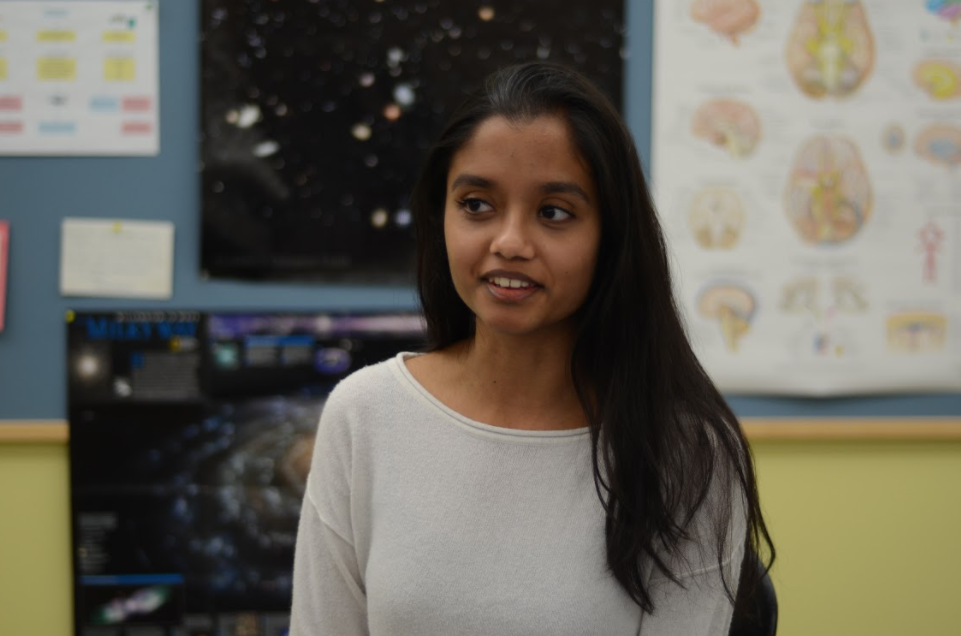
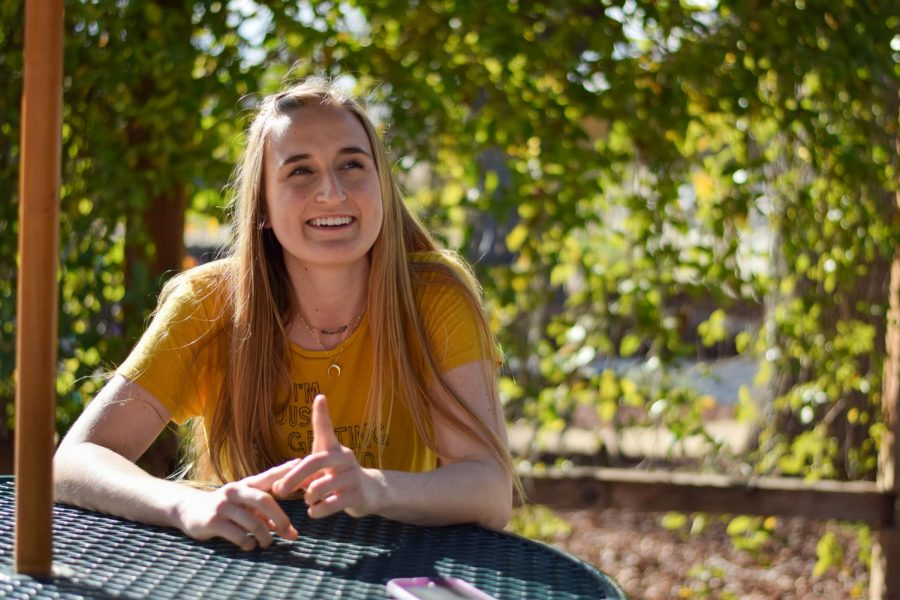

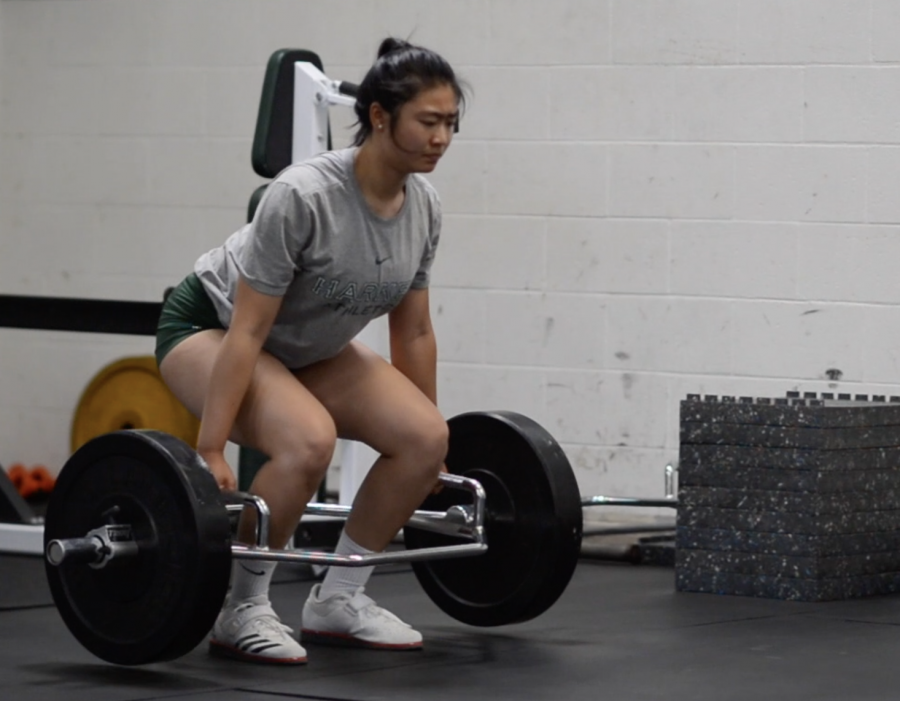

![“My slogan is ‘slow feet, don’t eat, and I’m hungry.’ You need to run fast to get where you are–you aren't going to get those championships if you aren't fast,” Angel Cervantes (12) said. “I want to do well in school on my tests and in track and win championships for my team. I live by that, [and] I can do that anywhere: in the classroom or on the field.”](https://harkeraquila.com/wp-content/uploads/2018/06/DSC5146-900x601.jpg)
![“[Volleyball has] taught me how to fall correctly, and another thing it taught is that you don’t have to be the best at something to be good at it. If you just hit the ball in a smart way, then it still scores points and you’re good at it. You could be a background player and still make a much bigger impact on the team than you would think,” Anya Gert (’20) said.](https://harkeraquila.com/wp-content/uploads/2020/06/AnnaGert_JinTuan_HoHPhotoEdited-600x900.jpeg)

![“I'm not nearly there yet, but [my confidence has] definitely been getting better since I was pretty shy and timid coming into Harker my freshman year. I know that there's a lot of people that are really confident in what they do, and I really admire them. Everyone's so driven and that has really pushed me to kind of try to find my own place in high school and be more confident,” Alyssa Huang (’20) said.](https://harkeraquila.com/wp-content/uploads/2020/06/AlyssaHuang_EmilyChen_HoHPhoto-900x749.jpeg)



Straight Talk: Not so standardized testing
“I decided freshman year that I wasn’t going to play the game,” she said. “I didn’t even study for my SAT.”
At first, my friend’s bold statement was shocking—not studying for the SAT? It seemed a little rash, but the more I thought about it, the more I realized that she had a point.
I understand why colleges want to take a standardized look at all of their applicants. I would too, if I had to compare tens of thousands of students. In its beginning, the SAT was just that—until entrepreneurs saw a business opportunity. Since then, it’s become more of a measure of whether students can spend the time and money taking prep classes, practice tests, and tutoring sessions.
As much as it makes me cringe, I’d be lying if I said I didn’t give in to the game. I gave up part of my summer to study for the SAT and begrudgingly drove myself to prep classes. As the two weeks dragged on, I realized I was only doing it for reassurance that I had a shot at keeping up with my peers.
More surprisingly, I realized that the class didn’t teach me anything new in terms of the academic material, but rather how to take the exam. If SAT prep companies have managed to break down what’s supposed to be a reasoning test into something essentially formulaic, isn’t that a pretty surefire sign that it’s no longer what it was intended to be?
Almost everyone who takes the SAT gets roped into spending some amount of money. The test itself has a fee, but it often accompanies the larger costs of prep books and prep classes. By the time the whole process is over, it all adds up.
In an article last May, The Fiscal Times wrote that data from the College Board showed that students from families with annual incomes of less than $20,000 scored approximately 400 points lower than those with annual family incomes greater than $200,000.
This disadvantages students who often plan on using college as a means to create more promising futures for themselves. Shouldn’t they be rewarded for trying make college an option rather than set back by an unnecessary financial road block?
By the time we graduate, we will have learned so much more than what could possibly be tested on one exam, so why should that one exam have the weight that it does in college applications?
Because the SAT clearly can’t test everything we learn in high school in one exam, maybe the college board should test on how well we can live on our own, do our own laundry, or cook our own food if it wants a standardized comparison of how prepared students are for college.
I’m not saying that we shouldn’t prepare for the SAT—we should definitely put in our best efforts—but we should treat it how we treat our other tests, because, in reality that’s what it is. As hard as it is to believe, it is just another test, so it shouldn’t become another exhausting hurdle in an already consuming junior year.
This piece was originally published in the pages of the Winged Post on March 12, 2014.
Sheridan Tobin is the co-Editor in Chief of The Winged Post. She is a senior and this is her fourth year on staff. She was the Global Editor and Opinion...