


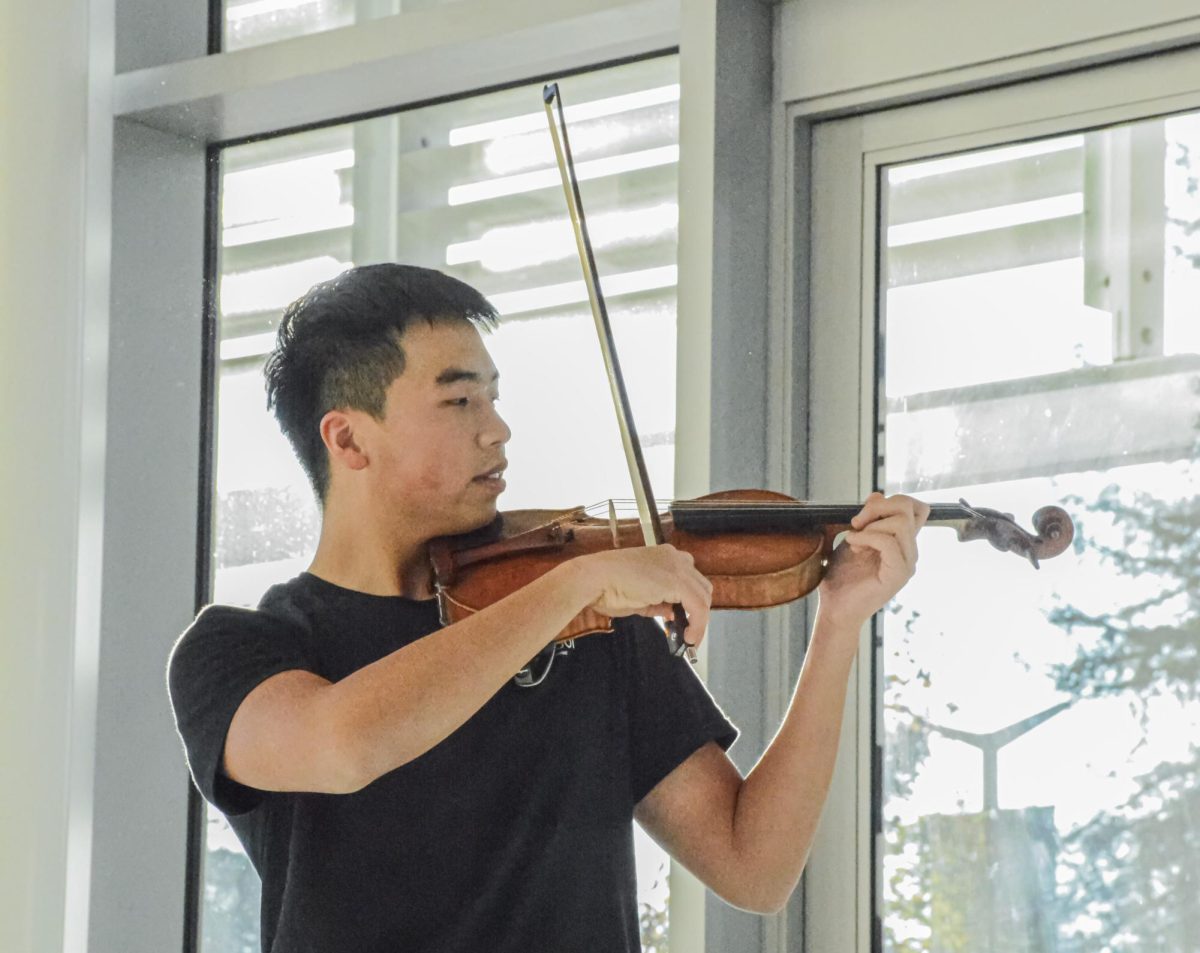
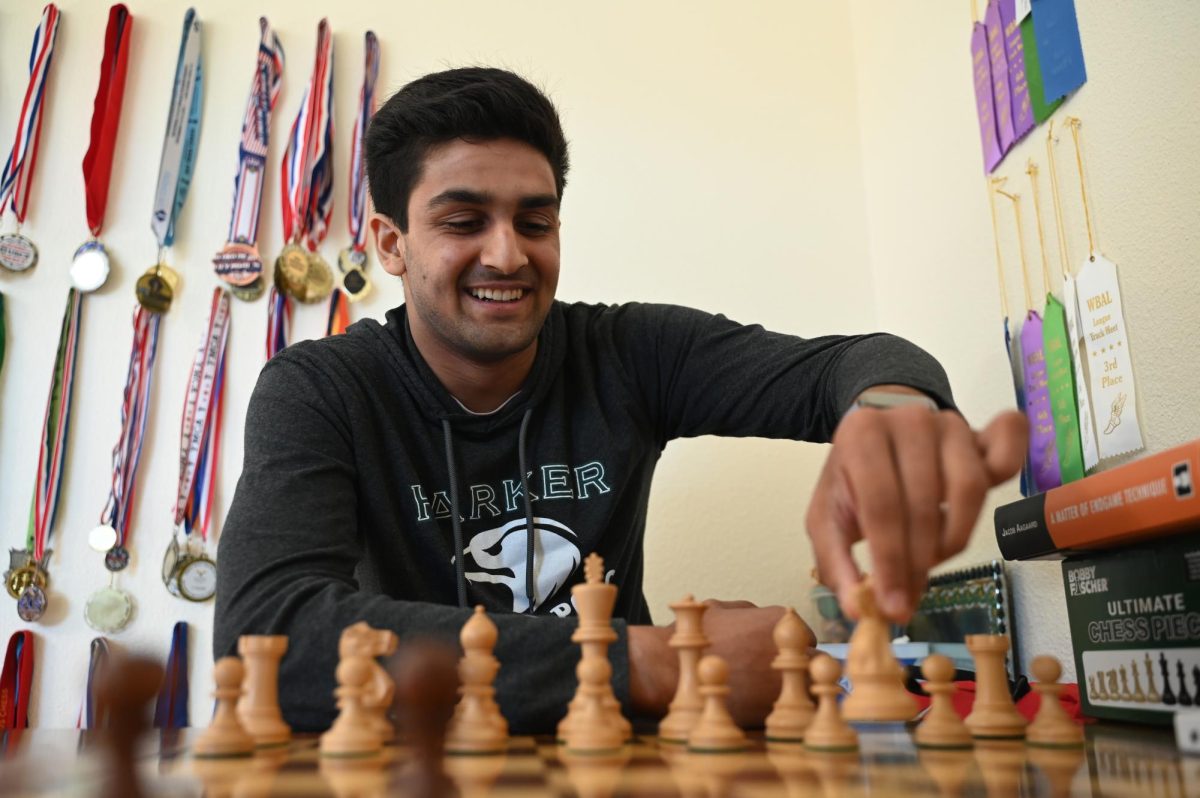
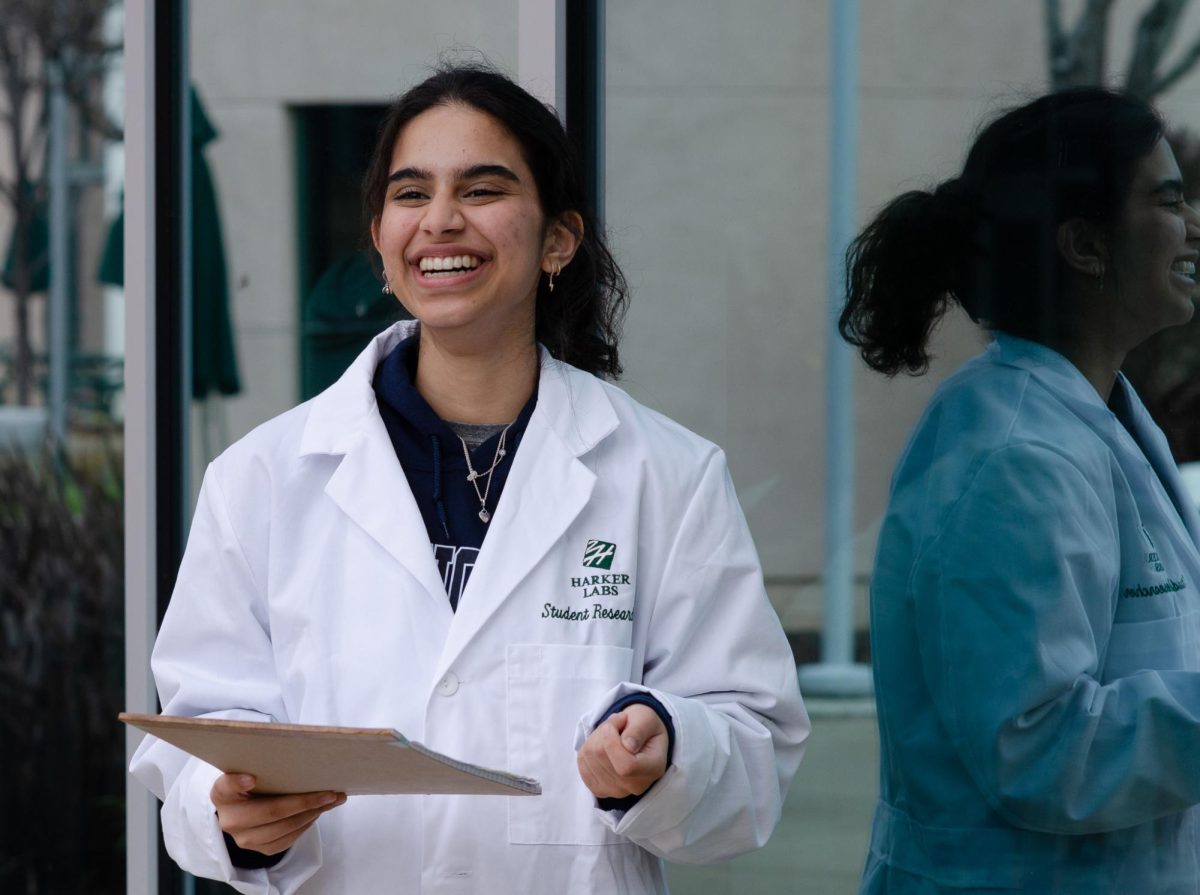
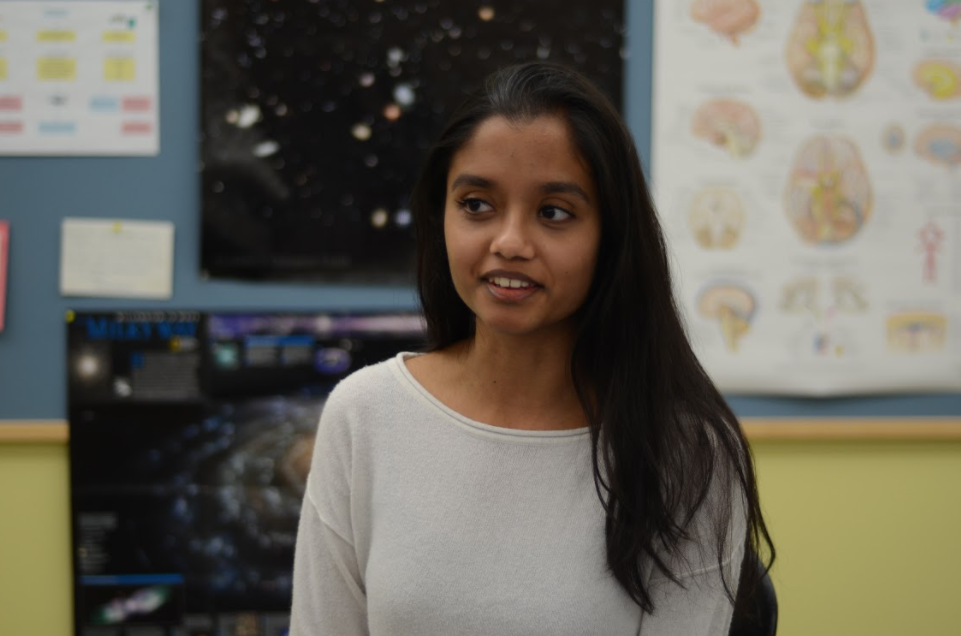
![“I wasn't discouraged by some of the obstacles we faced. I learned a lot from the leadership. I found that different people need different ways of receiving feedback — you can't [just] tell them to do something and expect the best. [Some] people needed more incentive. A large part of my role was to figure out what worked for everyone and to figure out how to lead all these separate individuals as a team,” Suhana Bhandare (’26) said.](https://harkeraquila.com/wp-content/uploads/2026/06/SuhanaBhandare_JasmineHansra-1-1200x798.jpg)
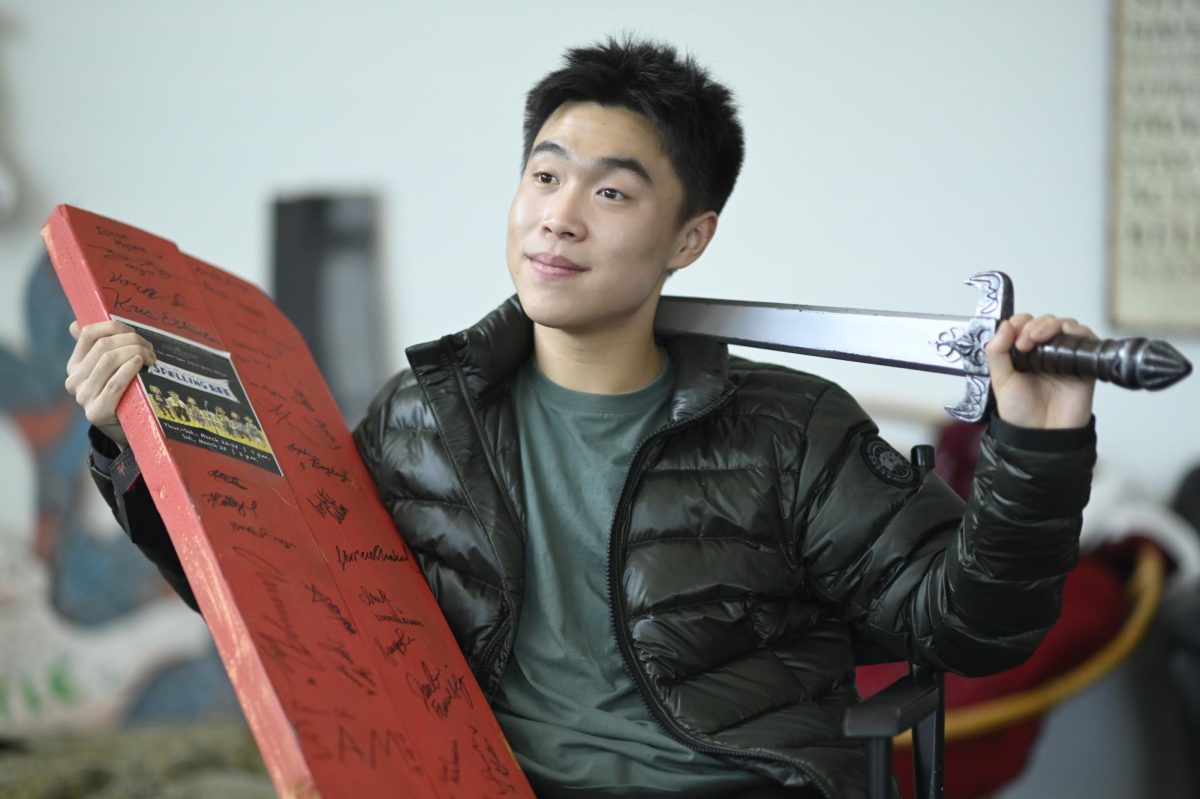
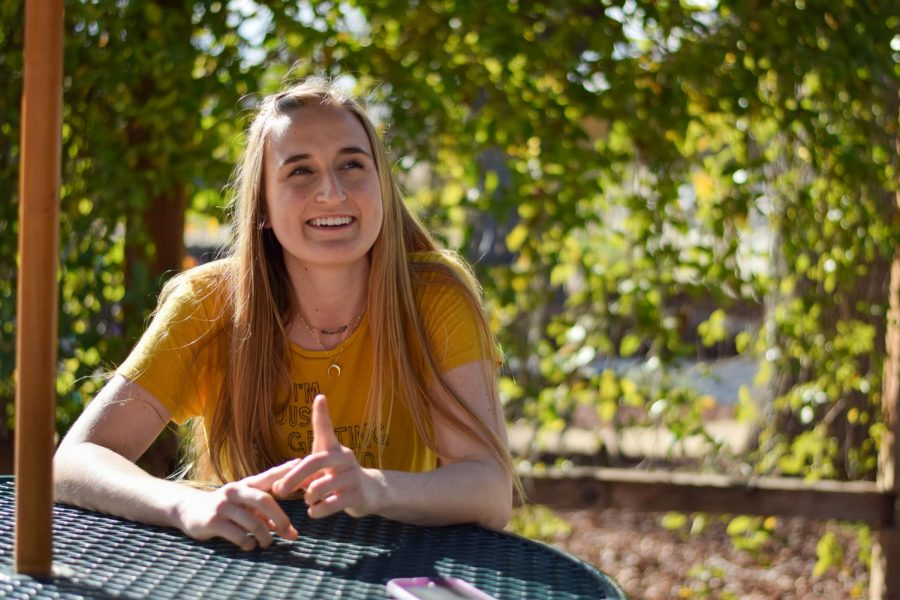
![“This is actually from Randy Pausch Randy P. Brick: ‘Walls are there for a reason. You have to show how much you want to overcome them.’ You have to show how much you want something. That's what I've always been able to do with tennis, Link Crew and getting that internship [with Kushy Baby]. It’s important pushing through that — getting around that brick wall, climbing over it or clawing through it,” Yash Sachdeva (’26) said.](https://harkeraquila.com/wp-content/uploads/2026/05/YashSachdeva_RamBatchu-copy-1200x1002.jpg)




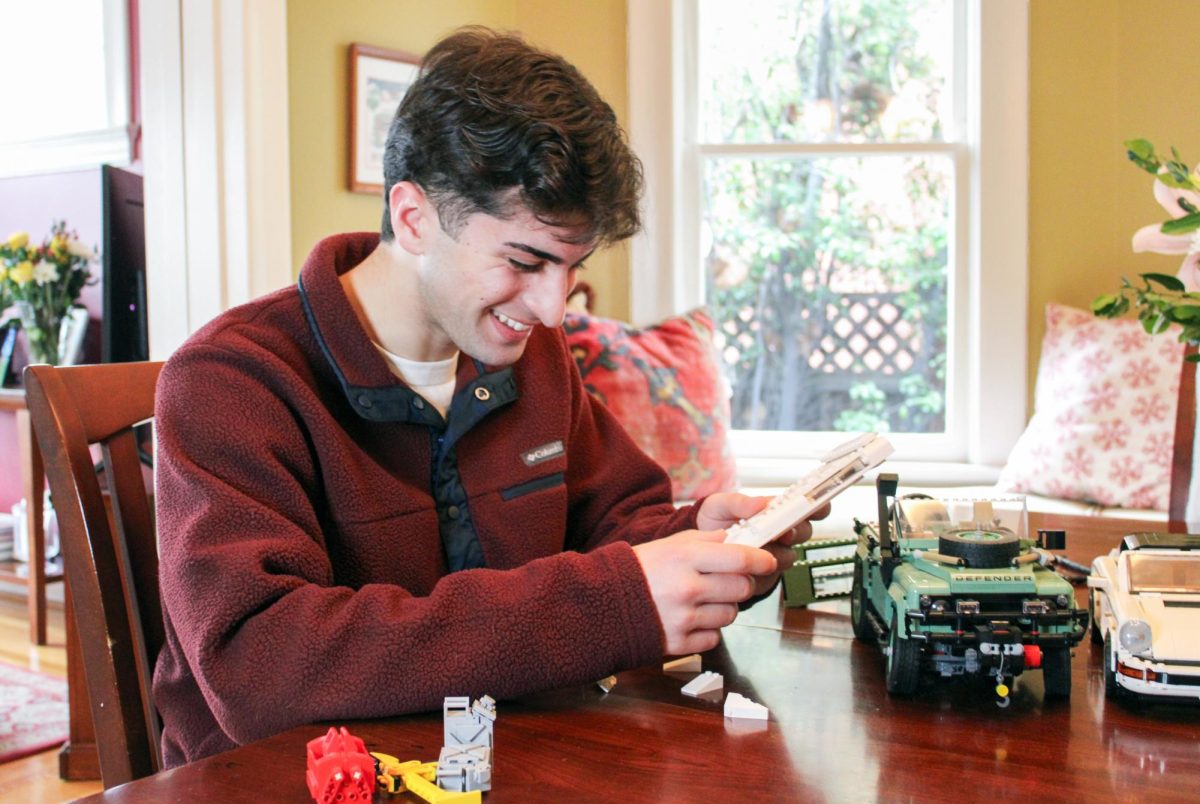


![“[Building nerf blasters] became this outlet of creativity for me that hasn't been matched by anything else. The process [of] making a build complete to your desire is such a painstakingly difficult process, but I've had to learn from [the skills needed from] soldering to proper painting. There's so many different options for everything, if you think about it, it exists. The best part is [that] if it doesn't exist, you can build it yourself," Ishaan Parate said.](https://harkeraquila.com/wp-content/uploads/2022/08/DSC_8149-900x604.jpg)
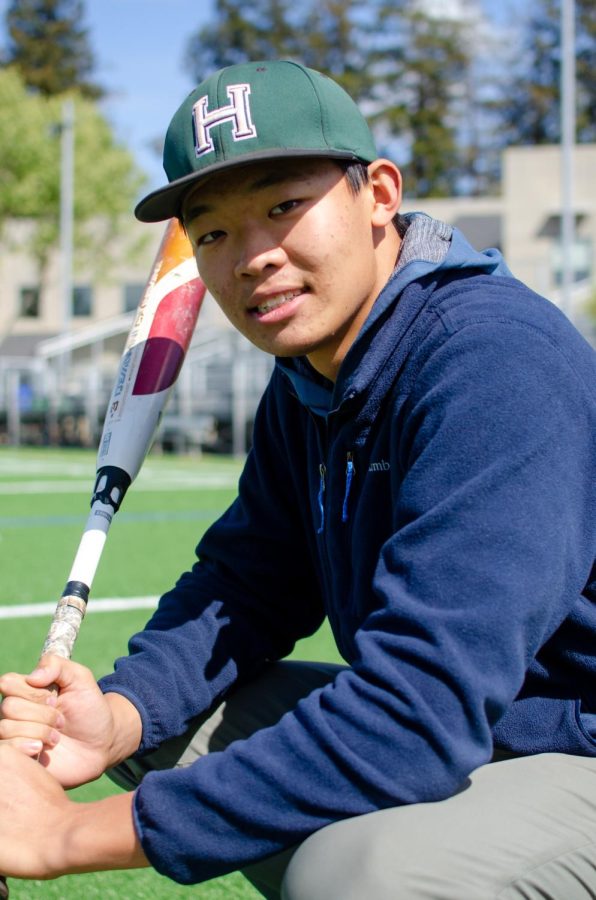
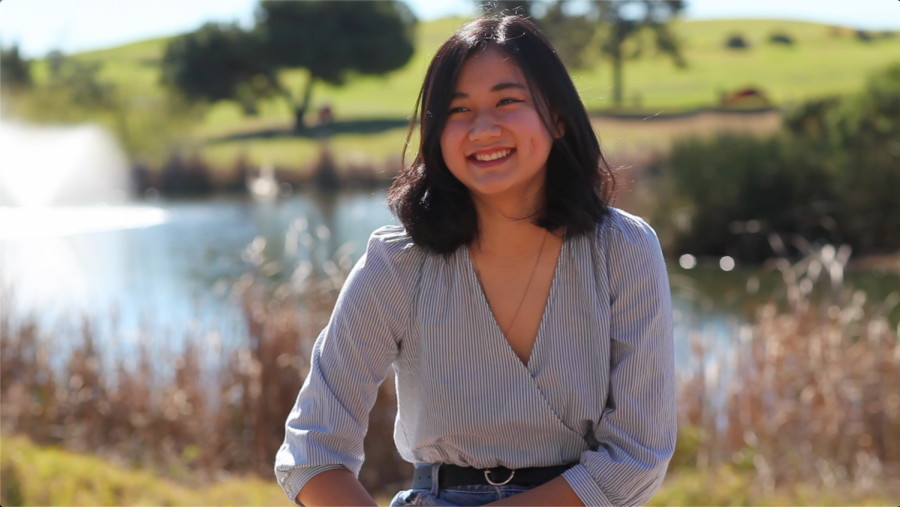
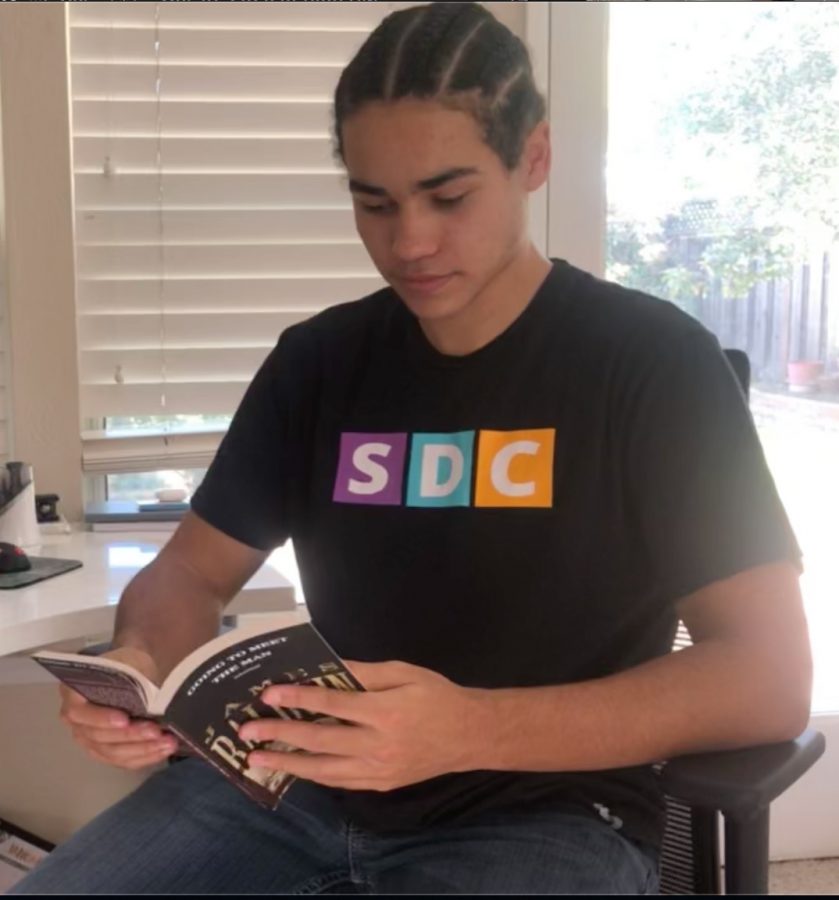
![“When I came into high school, I was ready to be a follower. But DECA was a game changer for me. It helped me overcome my fear of public speaking, and it's played such a major role in who I've become today. To be able to successfully lead a chapter of 150 students, an officer team and be one of the upperclassmen I once really admired is something I'm [really] proud of,” Anvitha Tummala ('21) said.](https://harkeraquila.com/wp-content/uploads/2021/07/Screen-Shot-2021-07-25-at-9.50.05-AM-900x594.png)
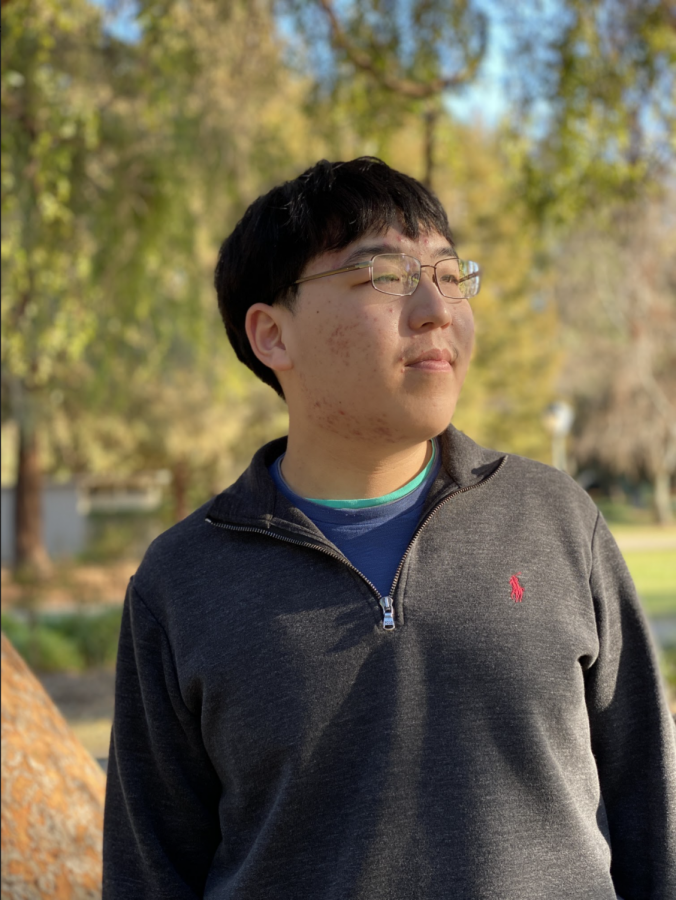
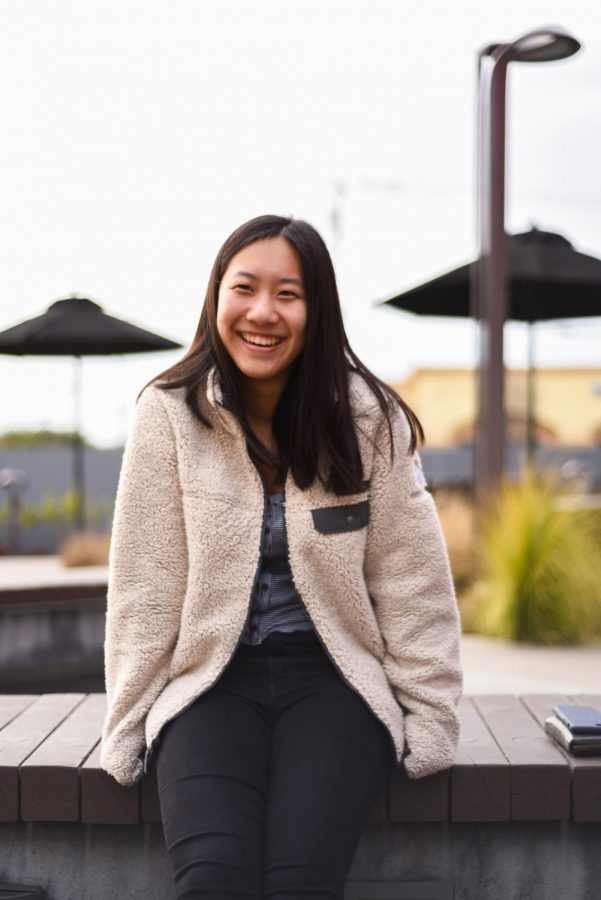
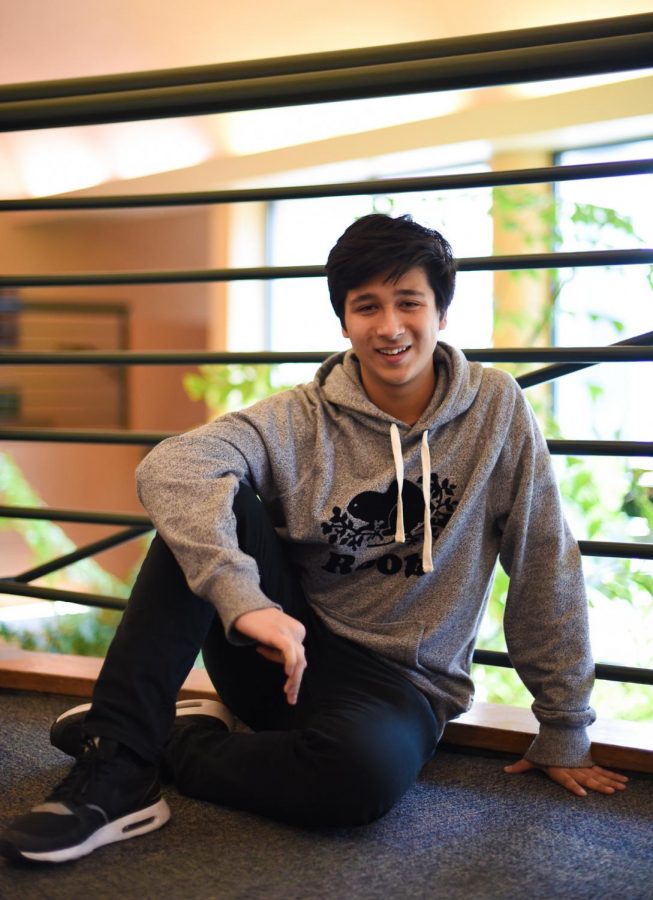
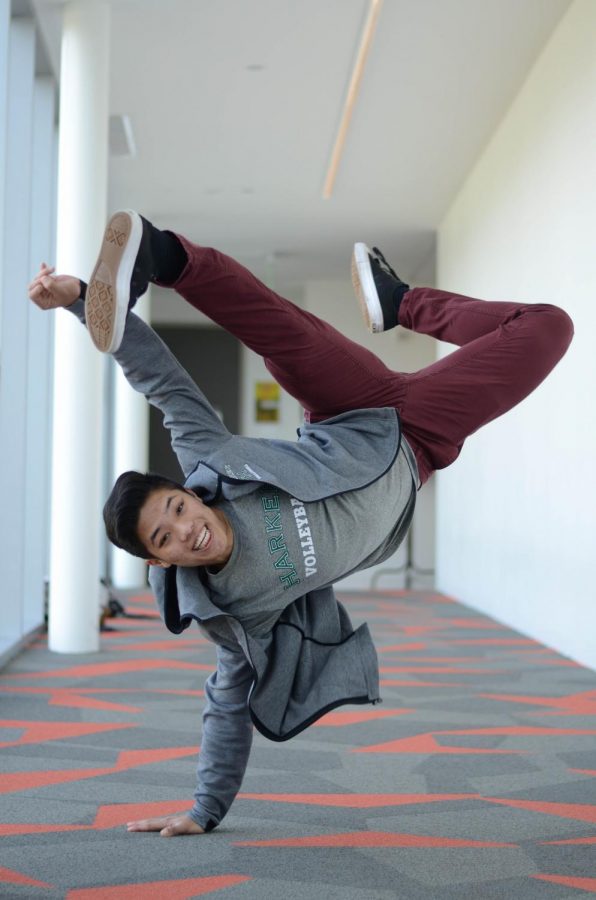
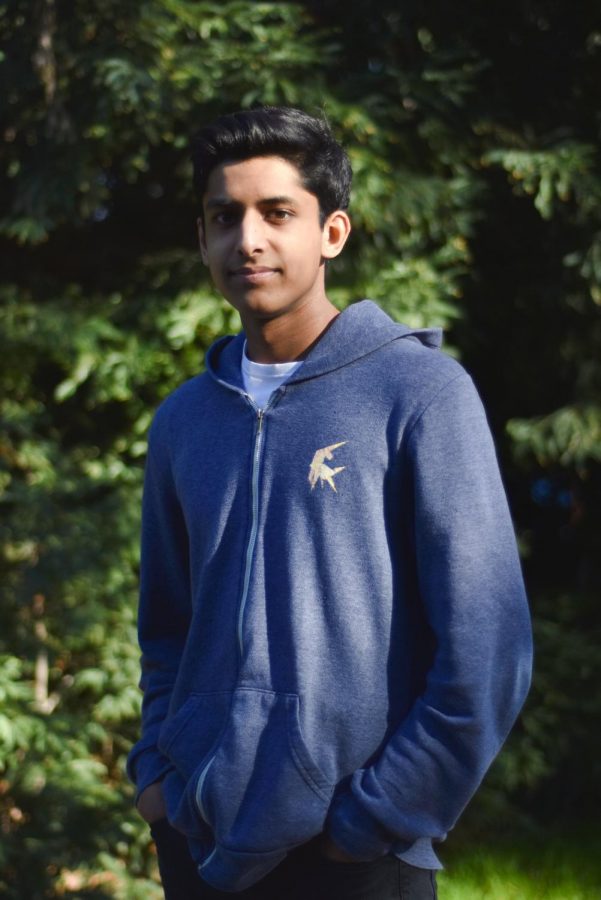

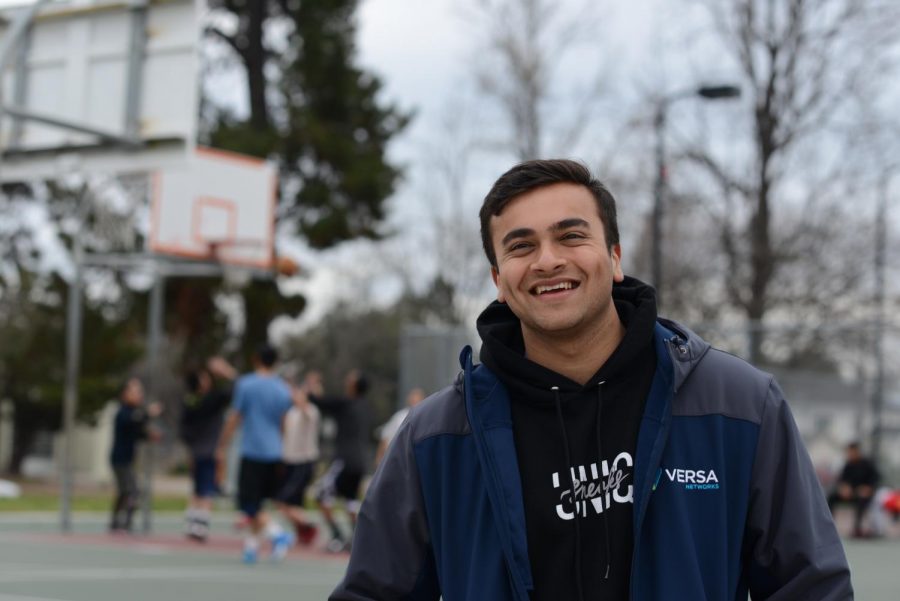
![“I think getting up in the morning and having a sense of purpose [is exciting]. I think without a certain amount of drive, life is kind of obsolete and mundane, and I think having that every single day is what makes each day unique and kind of makes life exciting,” Neymika Jain (12) said.](https://harkeraquila.com/wp-content/uploads/2017/06/Screen-Shot-2017-06-03-at-4.54.16-PM.png)
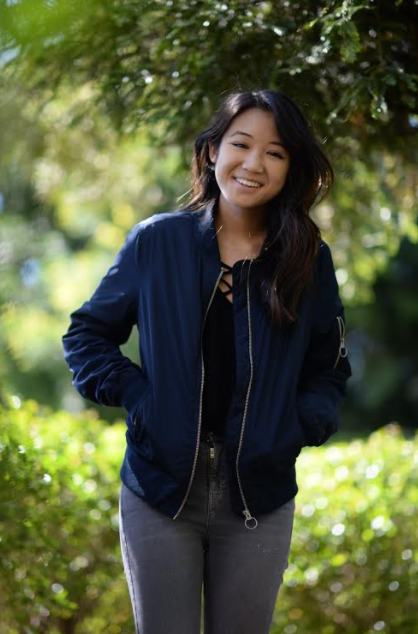
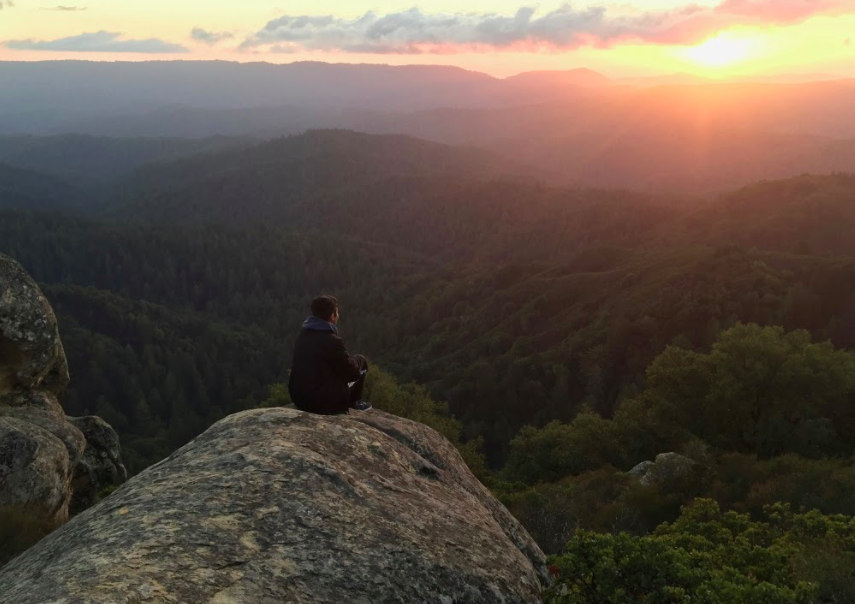
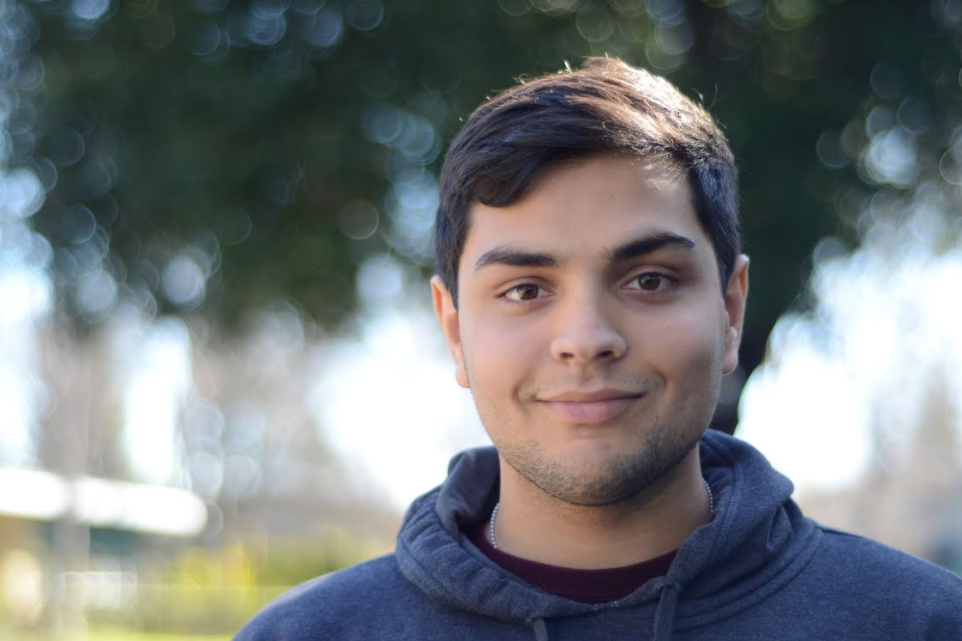
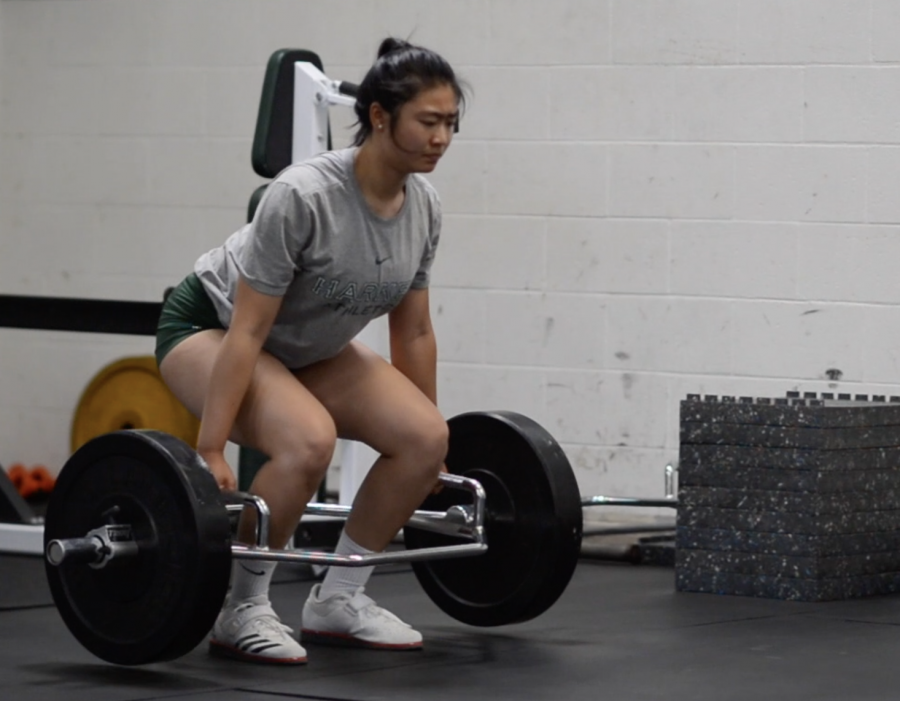
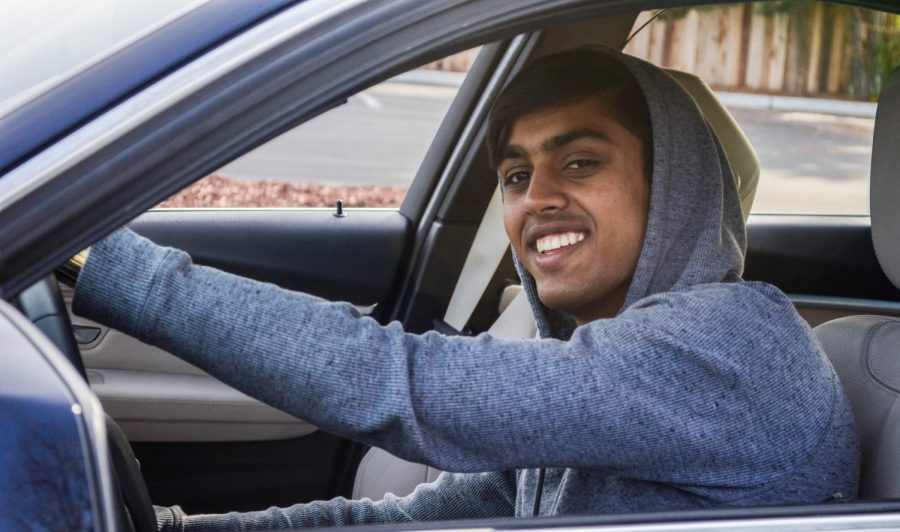
![“My slogan is ‘slow feet, don’t eat, and I’m hungry.’ You need to run fast to get where you are–you aren't going to get those championships if you aren't fast,” Angel Cervantes (12) said. “I want to do well in school on my tests and in track and win championships for my team. I live by that, [and] I can do that anywhere: in the classroom or on the field.”](https://harkeraquila.com/wp-content/uploads/2018/06/DSC5146-900x601.jpg)
![“[Volleyball has] taught me how to fall correctly, and another thing it taught is that you don’t have to be the best at something to be good at it. If you just hit the ball in a smart way, then it still scores points and you’re good at it. You could be a background player and still make a much bigger impact on the team than you would think,” Anya Gert (’20) said.](https://harkeraquila.com/wp-content/uploads/2020/06/AnnaGert_JinTuan_HoHPhotoEdited-600x900.jpeg)
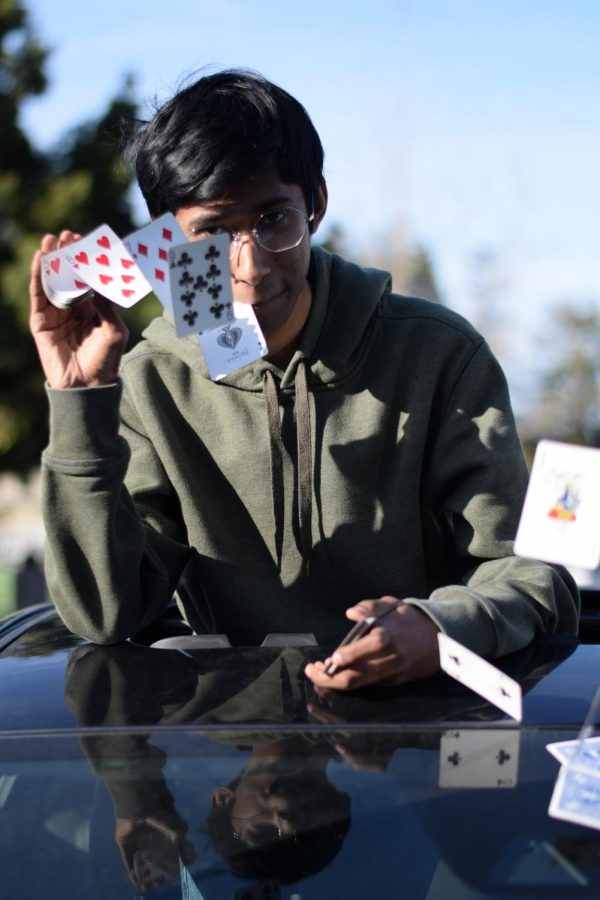
![“I'm not nearly there yet, but [my confidence has] definitely been getting better since I was pretty shy and timid coming into Harker my freshman year. I know that there's a lot of people that are really confident in what they do, and I really admire them. Everyone's so driven and that has really pushed me to kind of try to find my own place in high school and be more confident,” Alyssa Huang (’20) said.](https://harkeraquila.com/wp-content/uploads/2020/06/AlyssaHuang_EmilyChen_HoHPhoto-900x749.jpeg)


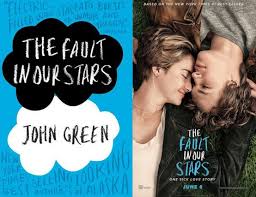
The Fault in Our Stars from the Perspective of an Amputee
At the age of three, I underwent a bacterial infection and the doctors at Stanford were forced to amputate both of my legs; one above the knee, one below the knee, and all my fingers (save my thumbs). I have been able to lead a relatively normal life: though I do struggle with the disability, I make it a point to not let the impediment affect my emotional and mental growth.
Amputees are rarely represented in a fair light in the media. We are often shown as one of three things:
Burdens: Families in movies and television shows tell stories about how we are tough to take a care of and live with. We are unable to have any semblance of independence and aspirations.
Plot devices: We can not exist in our own lives without our handicap stunting our growth as human beings. We are portrayed as different and somehow incapable of leading normal lives or those around us leading normal lives without our handicaps keeping us from accomplishing our goals. Main characters dating an amputee are seen as heroes taking a hit for the rest of humanity.
Inspirations: Last, and arguably worst, we are shown as inspirations. Shown as examples in movies of how we overcame our hurdles to complete our dreams. The aspirations of a handicapped character are dwindled down to the opinions and thoughts of others.
When I read the young adult novel “The Fault in Our Stars” by John Green, I tipped my hat to the author, pleased with the accurate portrayal of my lifestyle in the book.
The character Augustus Waters (played by Ansel Elgort in the movie adaptation), an amputee who lost most of his right leg to osteosarcoma, was written in the most eloquent and accurate way I have seen in popular media. His teenage boy energy and thoughts were not taken, and he retained a certain buoyancy instead of the traditional angst associated with most handicapped characters in the media. His story was not shoved into the cliché and instead, the writer let the character develop into something more than his disability.
John Green encapsulated the experience of being a teenage amputee perfectly in this character, but when the movie rights were sold to Twentieth Century Fox, I began to worry about the future of the character and how the actor would handle the handicap.
As a person with a similar situation to Augustus, I feared for my way of life. I wondered how people with no connection to a handicap would treat me if the character was misinterpreted.
The movie could easily sway into one of two extremes:
The first would be a complete disregard to the handicap. In pictures released from the set, it seems as if this might be the way the production decided to handle the situation. No evidence was shown in costuming of what a prosthetic leg would realistically look like under clothes.
The second would be an over compensation for the actor’s lack of a handicap. Overacting could result in an inaccurate flow of movement and emotional reactions.
Speculation was running rampant before Ansel Elgort was announced as the actor chosen for Augustus. Allegedly Logan Lerman, Nicholas Hoult, Dylan O’Brian, Ezra Miller, and Kyle Harris were also vying for the role.
I have full faith in the competence of the author creating a realistic portrayal of a handicap teenager, but when the movie comes to theaters, a huge shift in opinions for an excessively young audience comes in its wake. The movie has the power to influence the lives of many young amputees populating the earth. How it affects their lives, for better or worse, is entirely dependant on the execution of the character.
Melina Nakos (12) is a reporter for The Winged Post. This is her third year as a part of the journalism program. She loves to spend time with the rest...

Juhi Gupta is the Multimedia Editor for Harker Aquila. She is a junior and has been part of the journalism program since her freshman year. Her position...