



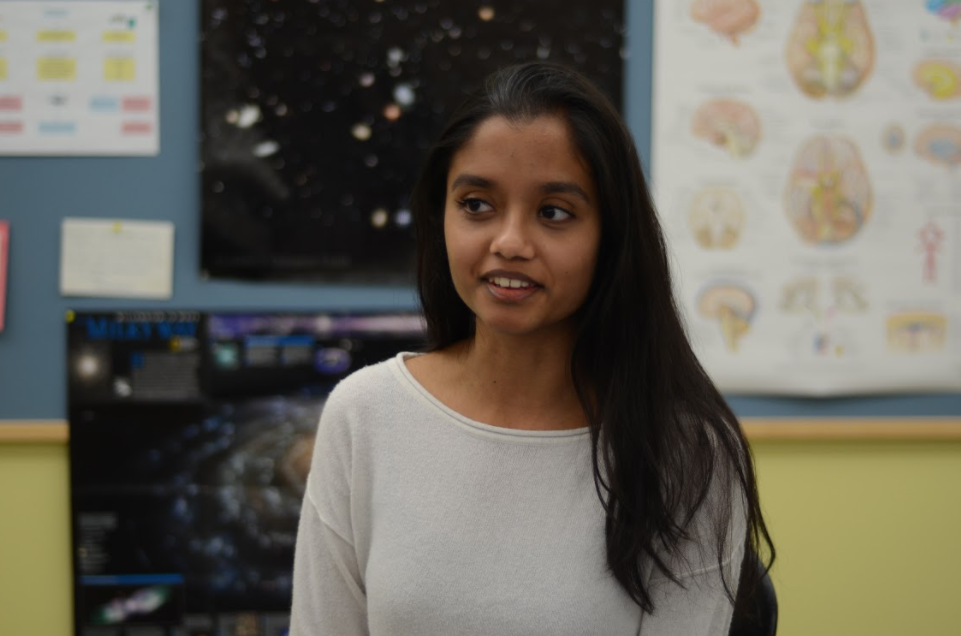
![“I wasn't discouraged by some of the obstacles we faced. I learned a lot from the leadership. I found that different people need different ways of receiving feedback — you can't [just] tell them to do something and expect the best. [Some] people needed more incentive. A large part of my role was to figure out what worked for everyone and to figure out how to lead all these separate individuals as a team,” Suhana Bhandare (’26) said.](https://harkeraquila.com/wp-content/uploads/2026/06/SuhanaBhandare_JasmineHansra-1-1200x798.jpg)


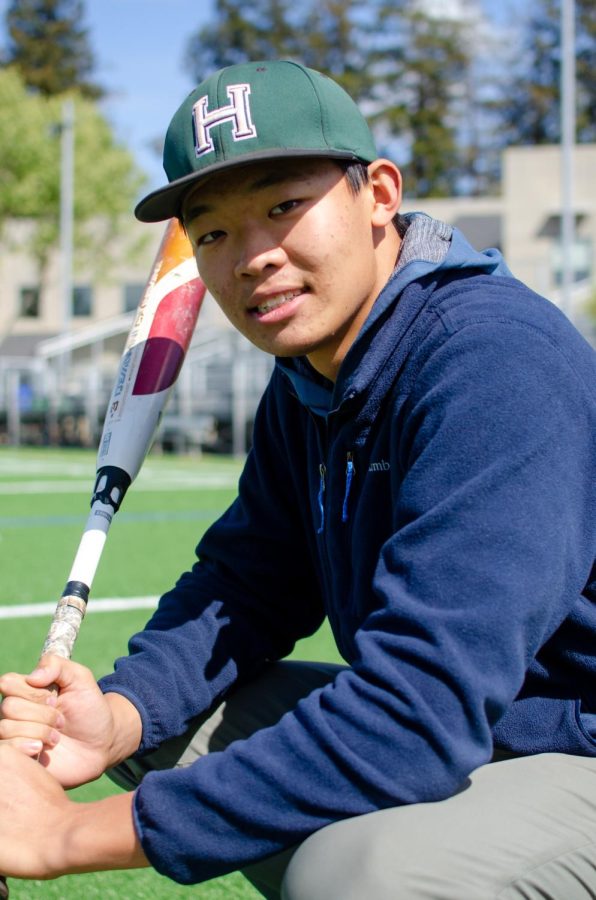
![“This is actually from Randy Pausch Randy P. Brick: ‘Walls are there for a reason. You have to show how much you want to overcome them.’ You have to show how much you want something. That's what I've always been able to do with tennis, Link Crew and getting that internship [with Kushy Baby]. It’s important pushing through that — getting around that brick wall, climbing over it or clawing through it,” Yash Sachdeva (’26) said.](https://harkeraquila.com/wp-content/uploads/2026/05/YashSachdeva_RamBatchu-copy-1200x1002.jpg)

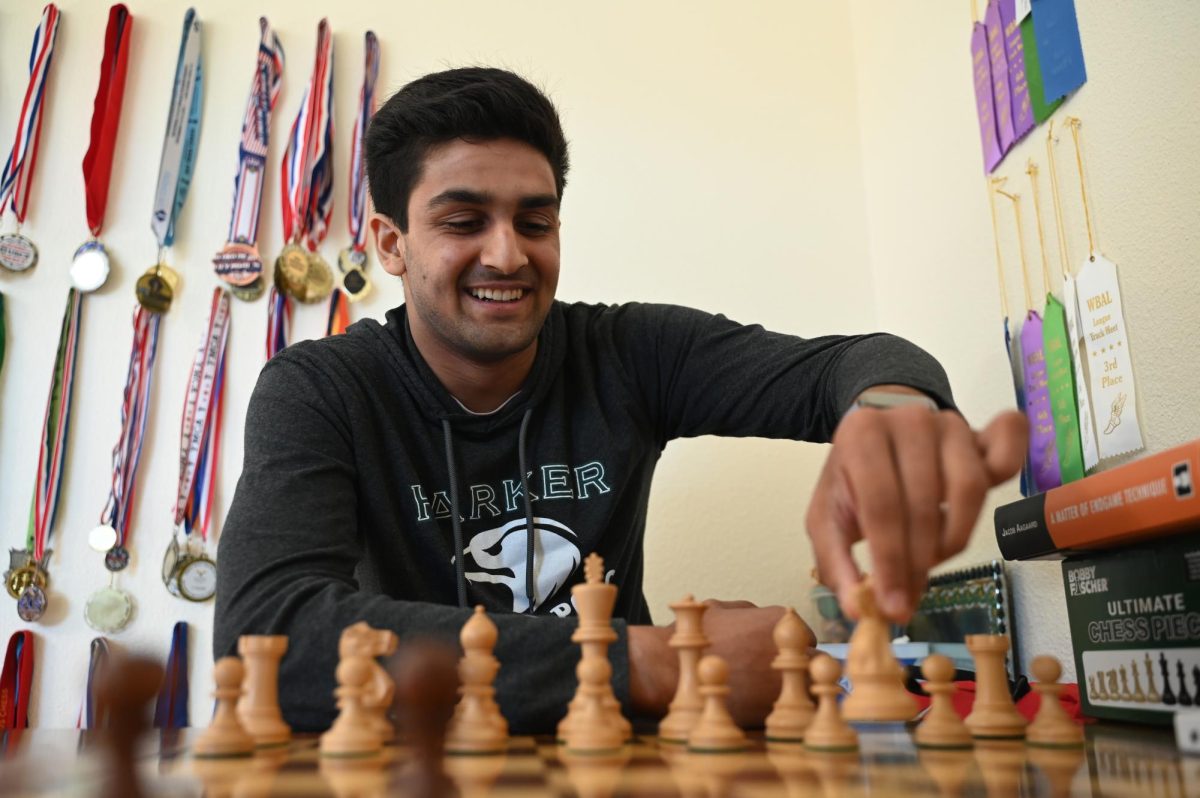
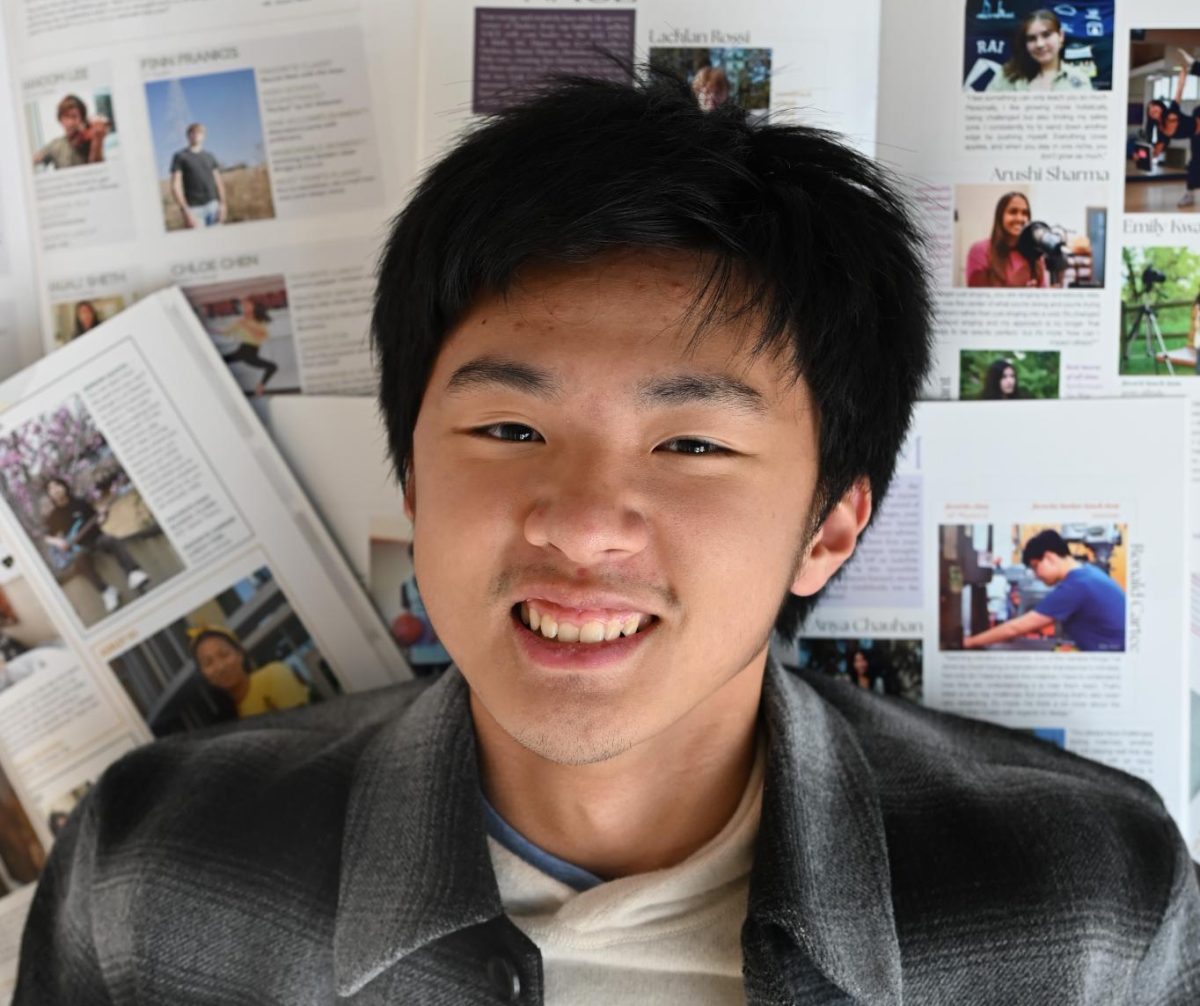






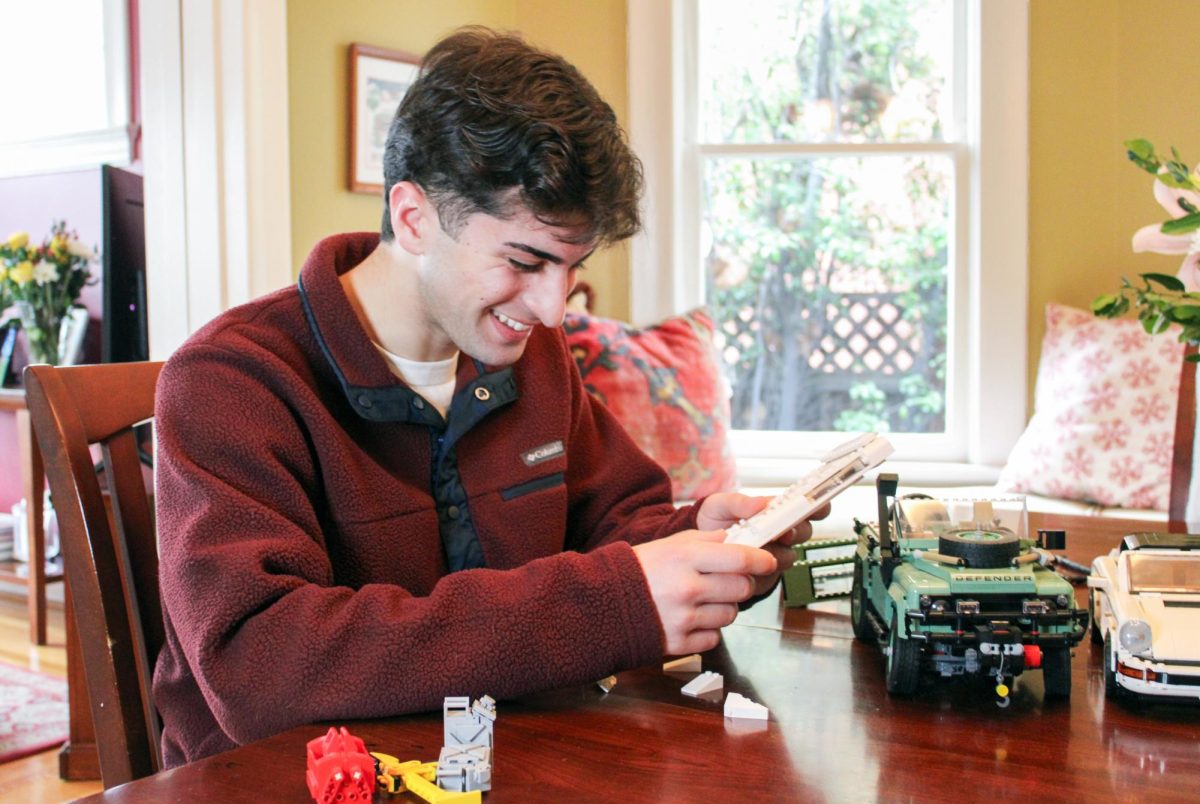

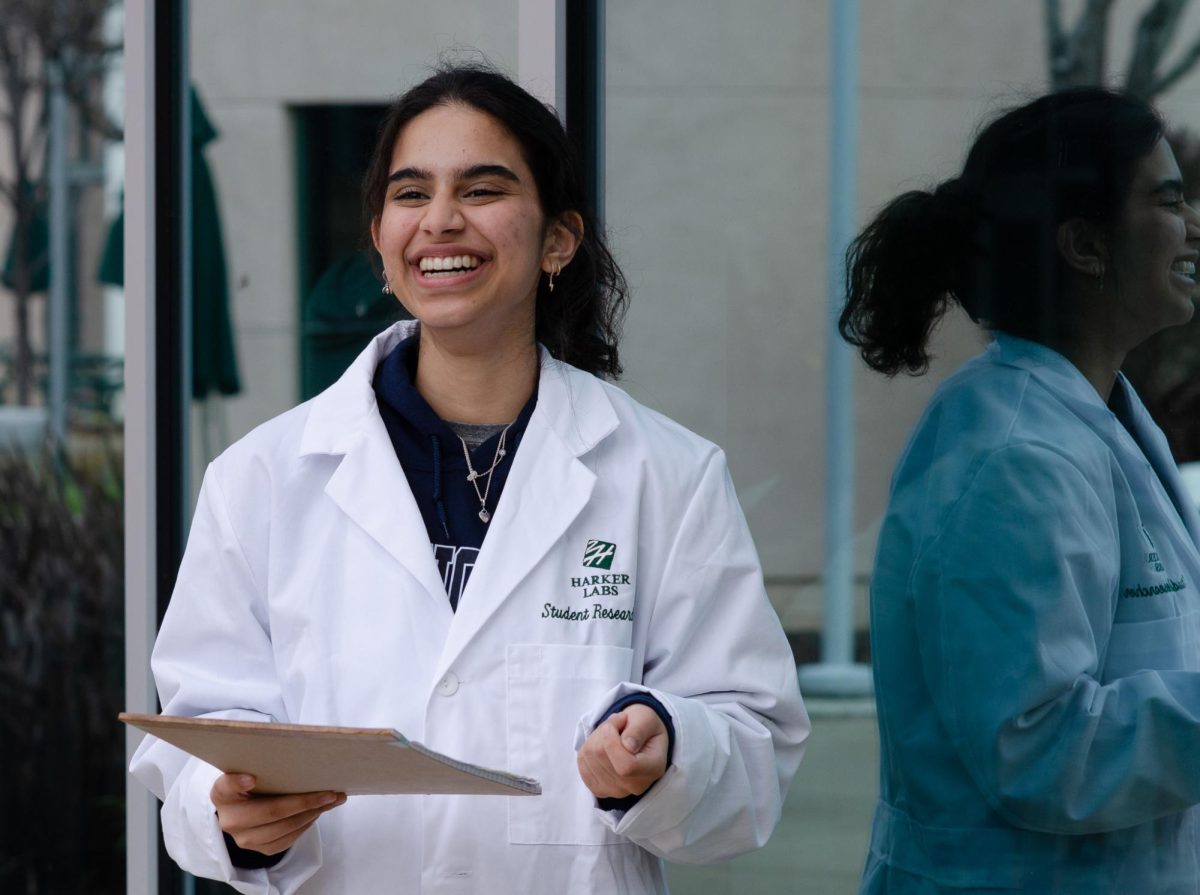
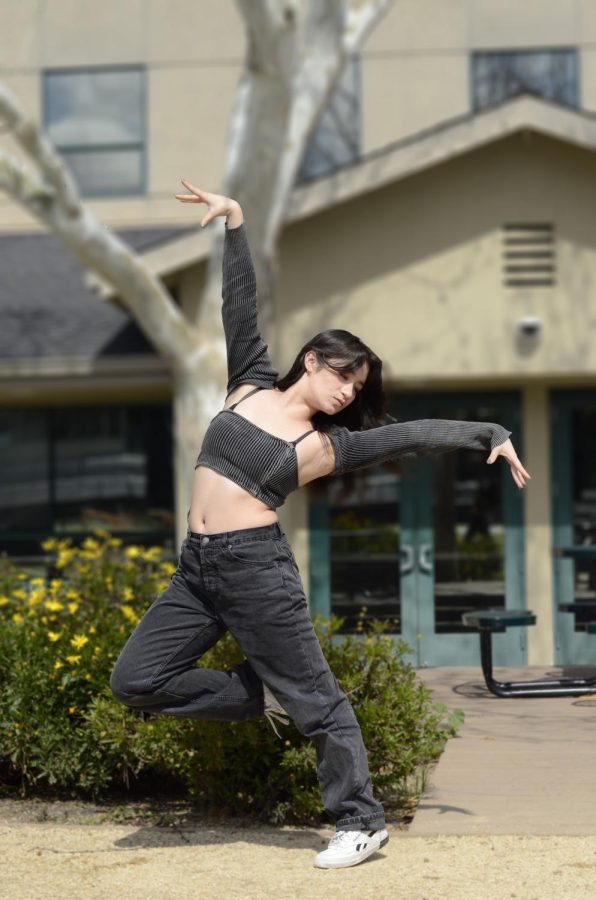
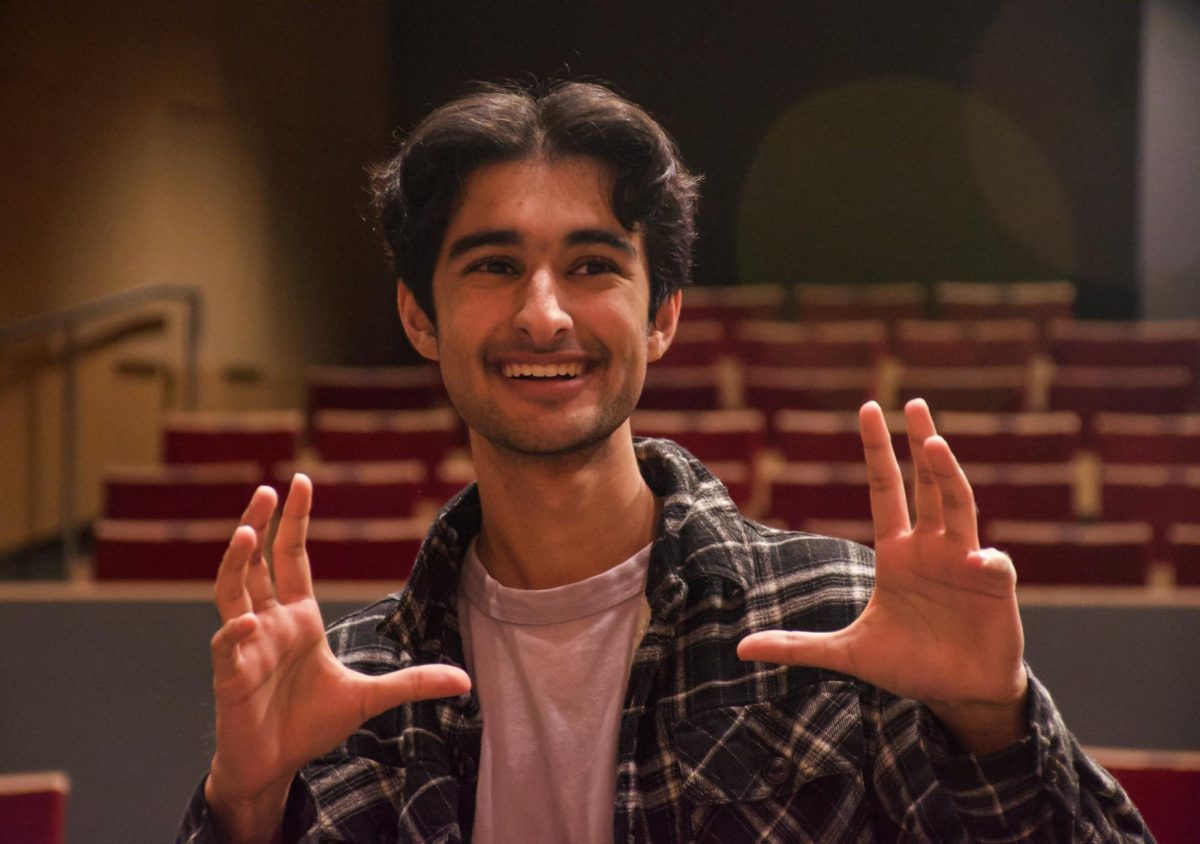


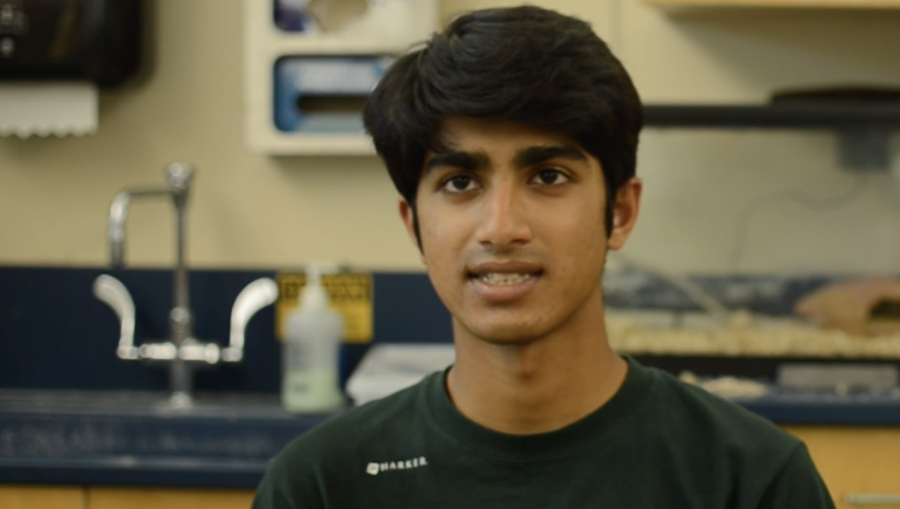
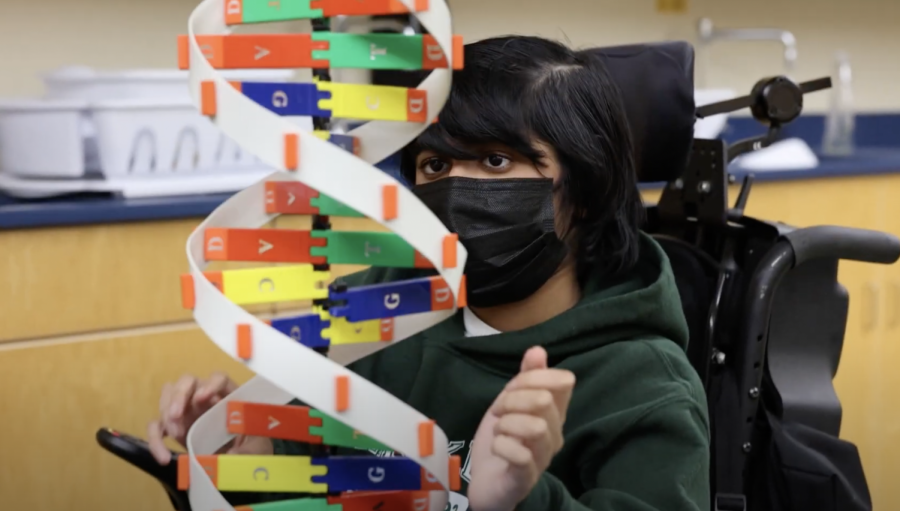
![“[Building nerf blasters] became this outlet of creativity for me that hasn't been matched by anything else. The process [of] making a build complete to your desire is such a painstakingly difficult process, but I've had to learn from [the skills needed from] soldering to proper painting. There's so many different options for everything, if you think about it, it exists. The best part is [that] if it doesn't exist, you can build it yourself," Ishaan Parate said.](https://harkeraquila.com/wp-content/uploads/2022/08/DSC_8149-900x604.jpg)


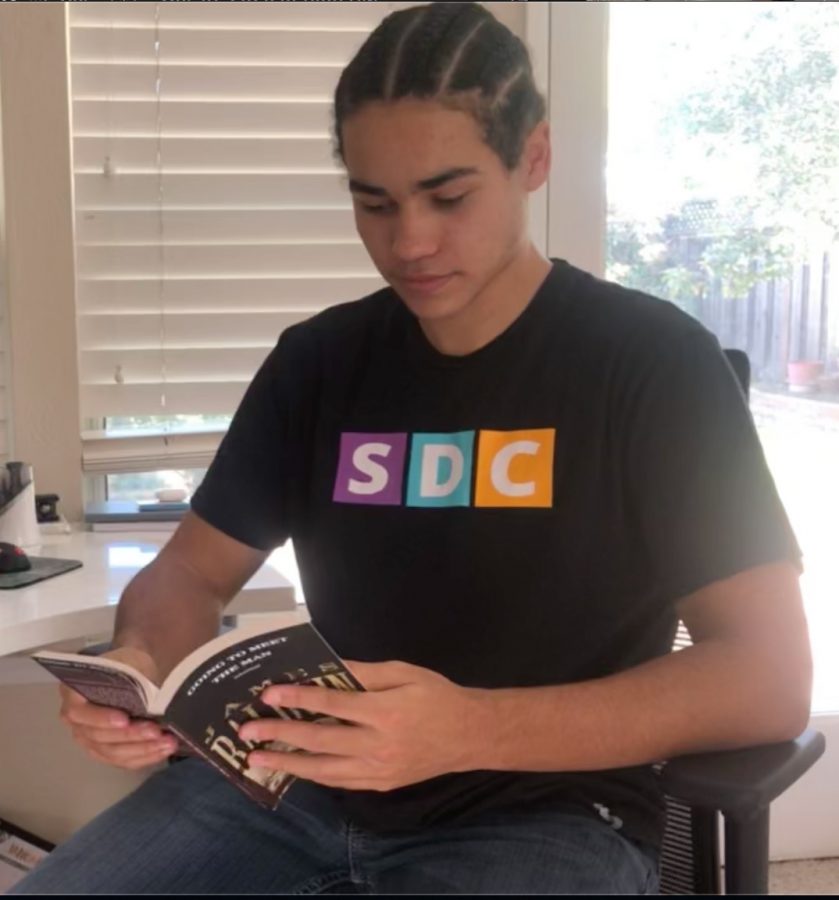
![“When I came into high school, I was ready to be a follower. But DECA was a game changer for me. It helped me overcome my fear of public speaking, and it's played such a major role in who I've become today. To be able to successfully lead a chapter of 150 students, an officer team and be one of the upperclassmen I once really admired is something I'm [really] proud of,” Anvitha Tummala ('21) said.](https://harkeraquila.com/wp-content/uploads/2021/07/Screen-Shot-2021-07-25-at-9.50.05-AM-900x594.png)

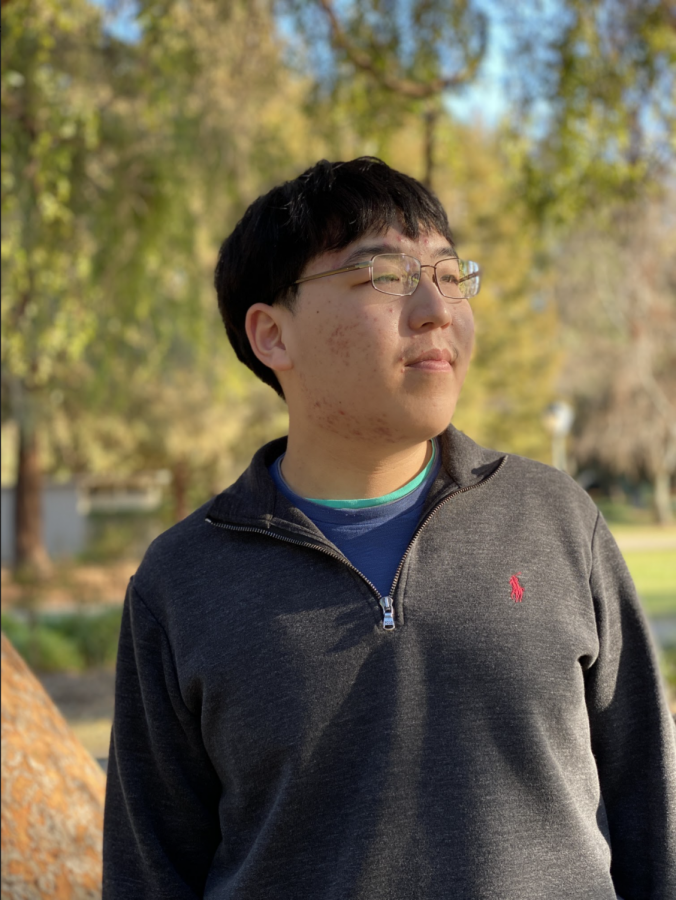





![“I think getting up in the morning and having a sense of purpose [is exciting]. I think without a certain amount of drive, life is kind of obsolete and mundane, and I think having that every single day is what makes each day unique and kind of makes life exciting,” Neymika Jain (12) said.](https://harkeraquila.com/wp-content/uploads/2017/06/Screen-Shot-2017-06-03-at-4.54.16-PM.png)


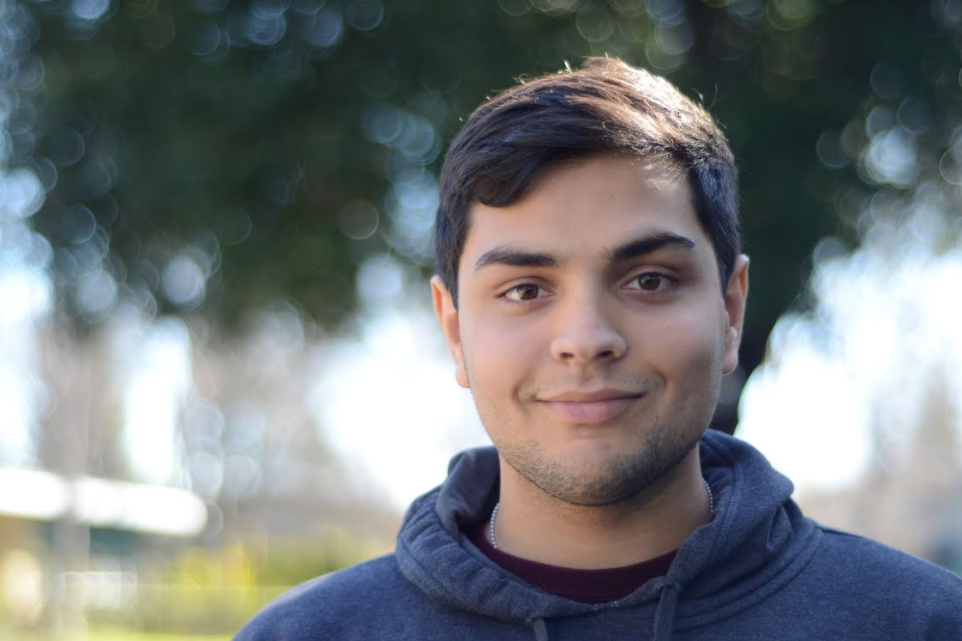
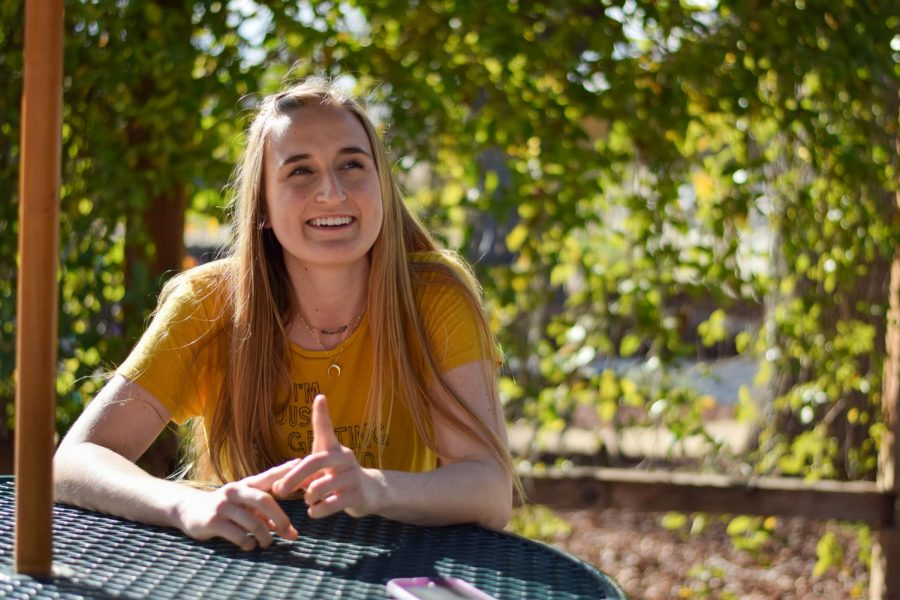



![“My slogan is ‘slow feet, don’t eat, and I’m hungry.’ You need to run fast to get where you are–you aren't going to get those championships if you aren't fast,” Angel Cervantes (12) said. “I want to do well in school on my tests and in track and win championships for my team. I live by that, [and] I can do that anywhere: in the classroom or on the field.”](https://harkeraquila.com/wp-content/uploads/2018/06/DSC5146-900x601.jpg)
![“[Volleyball has] taught me how to fall correctly, and another thing it taught is that you don’t have to be the best at something to be good at it. If you just hit the ball in a smart way, then it still scores points and you’re good at it. You could be a background player and still make a much bigger impact on the team than you would think,” Anya Gert (’20) said.](https://harkeraquila.com/wp-content/uploads/2020/06/AnnaGert_JinTuan_HoHPhotoEdited-600x900.jpeg)

![“I'm not nearly there yet, but [my confidence has] definitely been getting better since I was pretty shy and timid coming into Harker my freshman year. I know that there's a lot of people that are really confident in what they do, and I really admire them. Everyone's so driven and that has really pushed me to kind of try to find my own place in high school and be more confident,” Alyssa Huang (’20) said.](https://harkeraquila.com/wp-content/uploads/2020/06/AlyssaHuang_EmilyChen_HoHPhoto-900x749.jpeg)



Q&A with Nobel Laureate Dr. Lars Peter Hansen
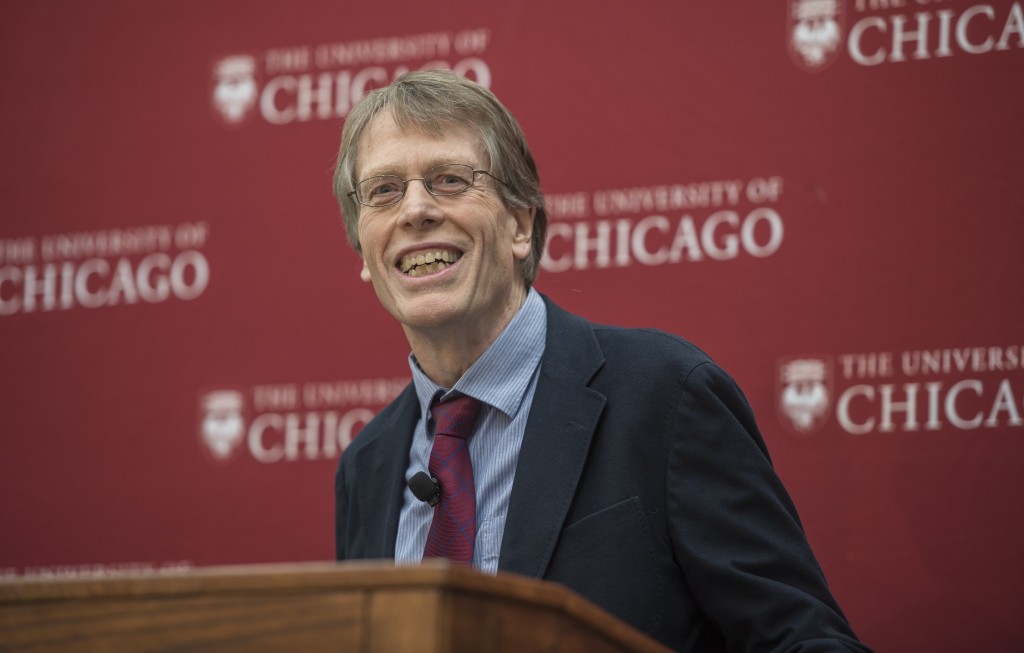
Rob Kozloff
Dr. Lars Peter Hansen was one of the recipients of the 2013 Nobel Prize in Economic Sciences. Dr. Hansen shared the award with economists Dr. Eugene F. Fama of the University of Chicago and Dr. Robert J. Shiller of Yale University
Harker Aquila reporter Shay Lari-Hosain conducted a phone interview with 2013 Nobel Laureate in Economic Sciences.
Shay Lari-Hosain So first I just wanted to start off with how you would explain your contributions to economics to high school students?
Dr. Lars Peter Hansen Let me try to boil it down to this: I do work on the use of statistical methods to understand models that link markets to what economists call the macroeconomy; what goes on with the economy at large. Economists are really into building models of stuff, so we can imagine building up a fully fleshed-out model of the macroeconomy, you can build up a fully-fleshed out model of the financial markets. Now that requires a lot of input and a lot of knowledge which we don’t really fully have, and so it’s nice to have statistical methods that allow you to study the linkages between financial markets and the macroeconomy without having a fully fleshed-out model of everything. They’re kind of methods that allow you to do something without everything.
SL What skills do you think have been important to your success?
LPH I had a pretty atypical trajectory. My last two years of high school, my parents moved me, and they were very hard years. I was projected by guidance counselors to just be an okay student in college. My high school performance was very inconsistent; there were a couple teachers that picked up on that I might have a little bit of talent. I went to the local university, Utah State University. The university experience was very good for me. But what’s really valuable, especially earlier on, is to just get skills that give you flexibility. I think analytical skills are very handy for me. The side of mathematics that involve thinking and reasoning can be tremendously valuable. Lots of fields use mathematics, they use statistics, and you don’t want lack of knowledge of that stuff to get in the way of progress. Not everyone’s going to be analytical and quantitative; but get some type of core basic sets of skills, and find a flexibility. It was very hard to, at least it was for me as a high school student, to guess what was going to happen to my future career. Having some core skills like flexibility allowed me to end up pursuing the stuff I wanted to.
SL What inspired you to enter the field of economics?
LPH In college, I initially was working in a chemistry lab and was a chemistry major, but I didn’t like lab work all that much; I knew that that was not going to be a good match for me. I started taking math classes; I actually enjoyed college math more than high school math; mathematics in high school is sometimes taught in very mechanical ways, and it makes it, to me, less interesting. When it’s more teaching you how to think and analyze in a systematic way, it’s much more interesting. I started taking some math classes, and I eventually got a mathematics major. My junior year I took my first economics class, and by my senior year my professors had me in the Ph.D program in economics. They designed a very accelerated curriculum to get me ready for graduate school. I just had maybe three key professors that were very important to my development at the university.
SL I understand there is a polarization between Dr. Fama and Dr. Shiller; so who would you gravitate more towards in terms of their analysis of markets?
LPH The [areas] that are polarized are the places in which the amount of basic evidence we have is weak. When it’s not so strong, then it leads to a much broader range for interpretation. If you look at the common theme of all of our work, I think all of us are looking at financial market data in new and different ways that challenge a lot of the conventional models of our day. Both Eugene [Fama] and I years ago were studying foreign exchange markets. Gene did some exceptional work. We were exposing problems with the existing model in order to improve the models. It’s not just the markets, but the consequences of the markets. To some extent, both Gene and I have been attracted to models that impose some degree of rationality on investors. Models are a simplification, an abstraction. Nobody thinks that all investments are fully rational. That’s just a simplification in order. When we know that model is false, the real question is, is it false in really important ways? Or is it false in ways that aren’t so consequential? So for me it’s all about evidence. It’s all about models.
Shay Lari-Hosain (12) is the Editor-in-Chief and co-founder of Wingspan Magazine. Shay has interviewed 2013 Nobel Laureates, authors like Khaled Hosseini...