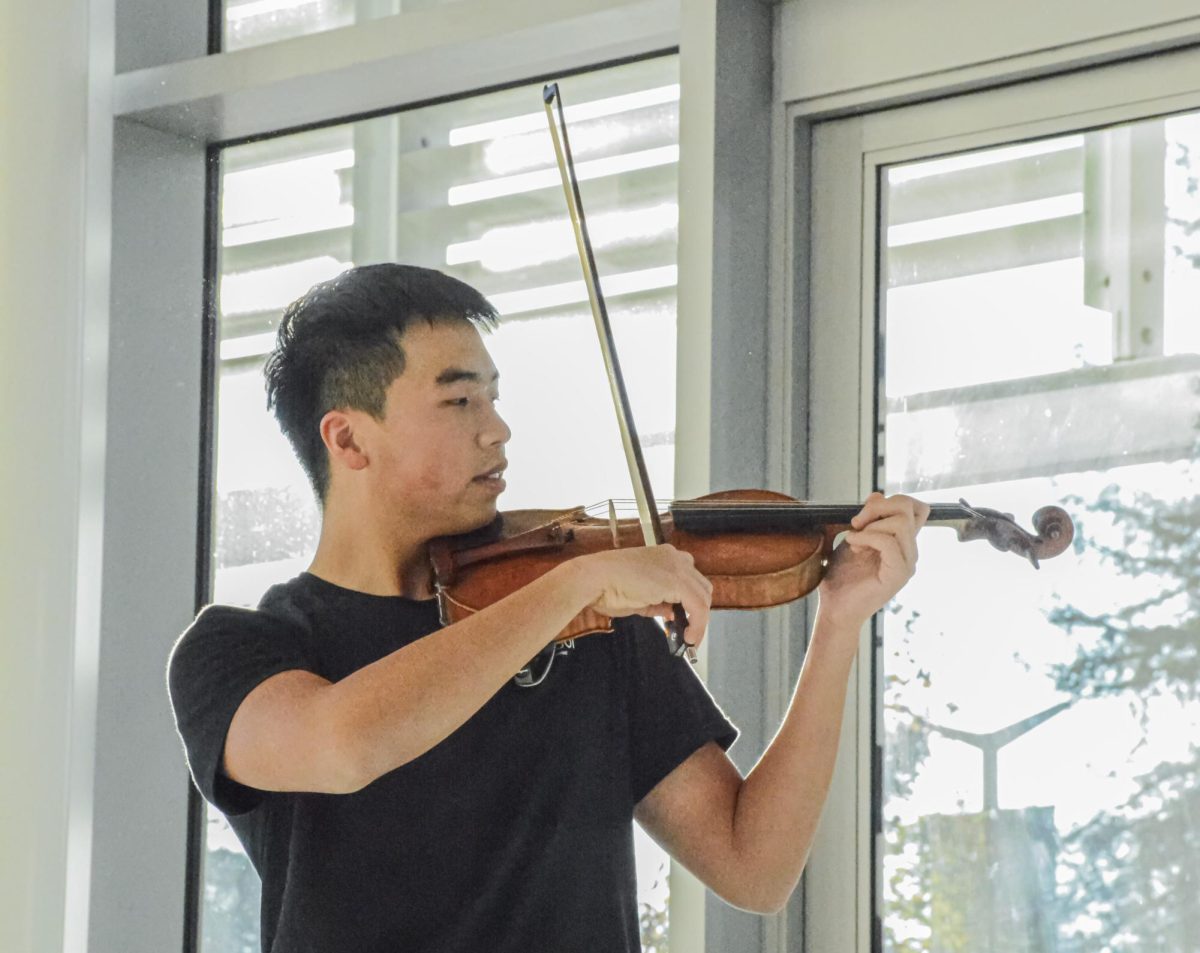
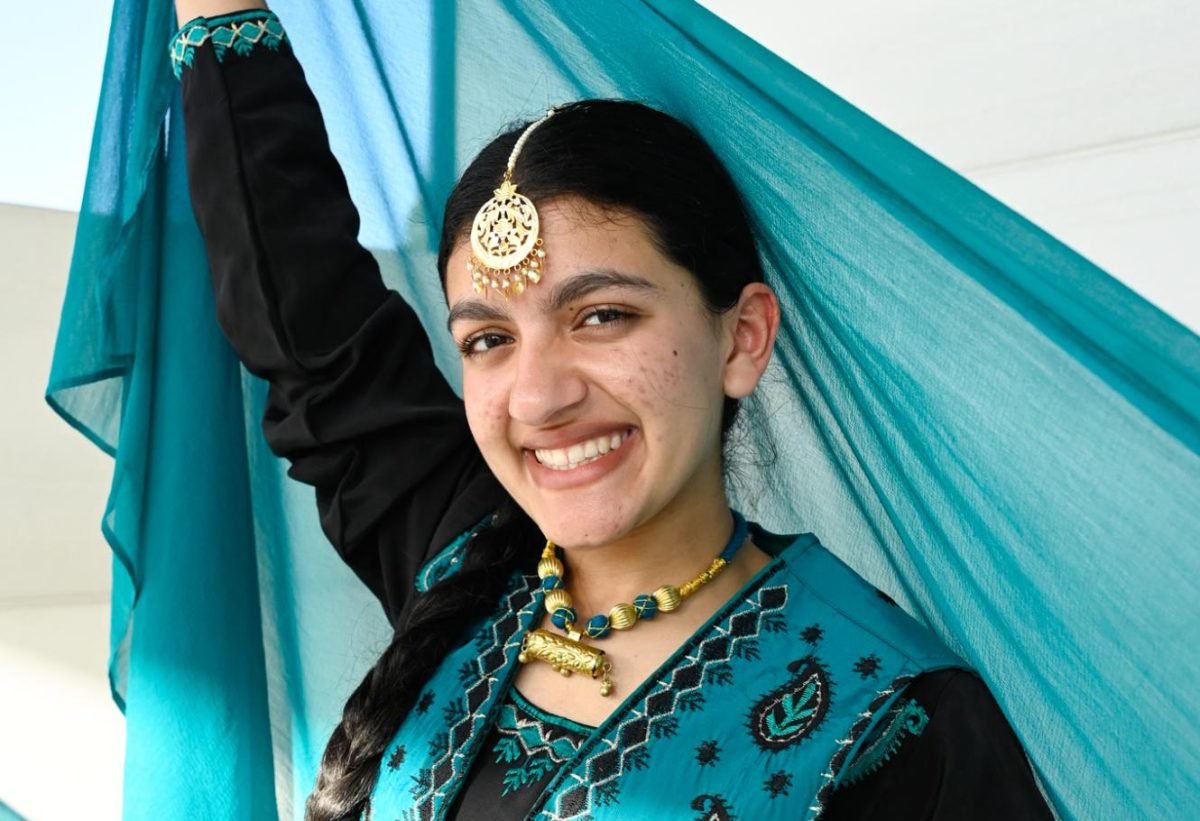
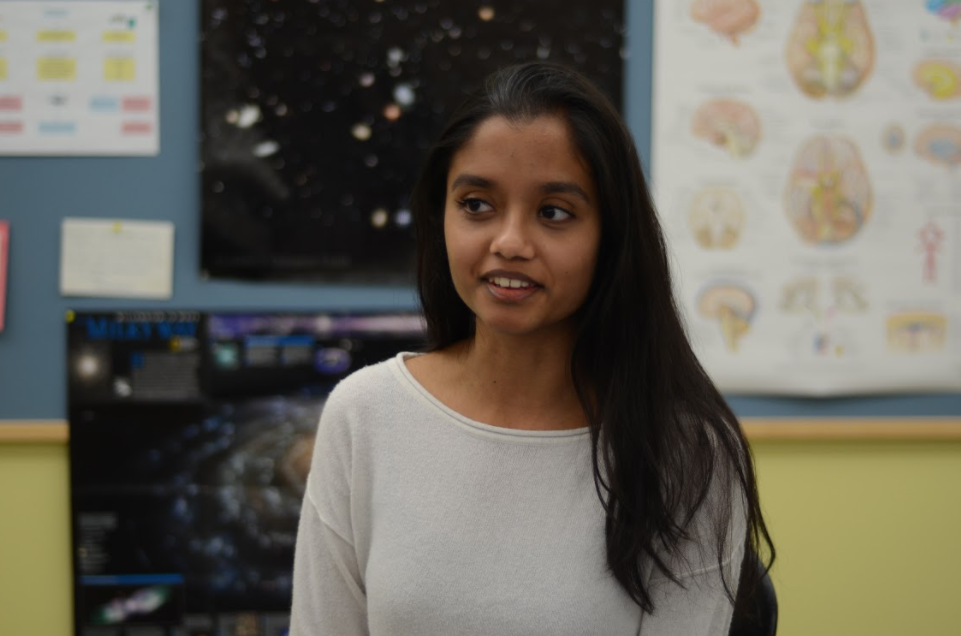
![“I wasn't discouraged by some of the obstacles we faced. I learned a lot from the leadership. I found that different people need different ways of receiving feedback — you can't [just] tell them to do something and expect the best. [Some] people needed more incentive. A large part of my role was to figure out what worked for everyone and to figure out how to lead all these separate individuals as a team,” Suhana Bhandare (’26) said.](https://harkeraquila.com/wp-content/uploads/2026/06/SuhanaBhandare_JasmineHansra-1-1200x798.jpg)

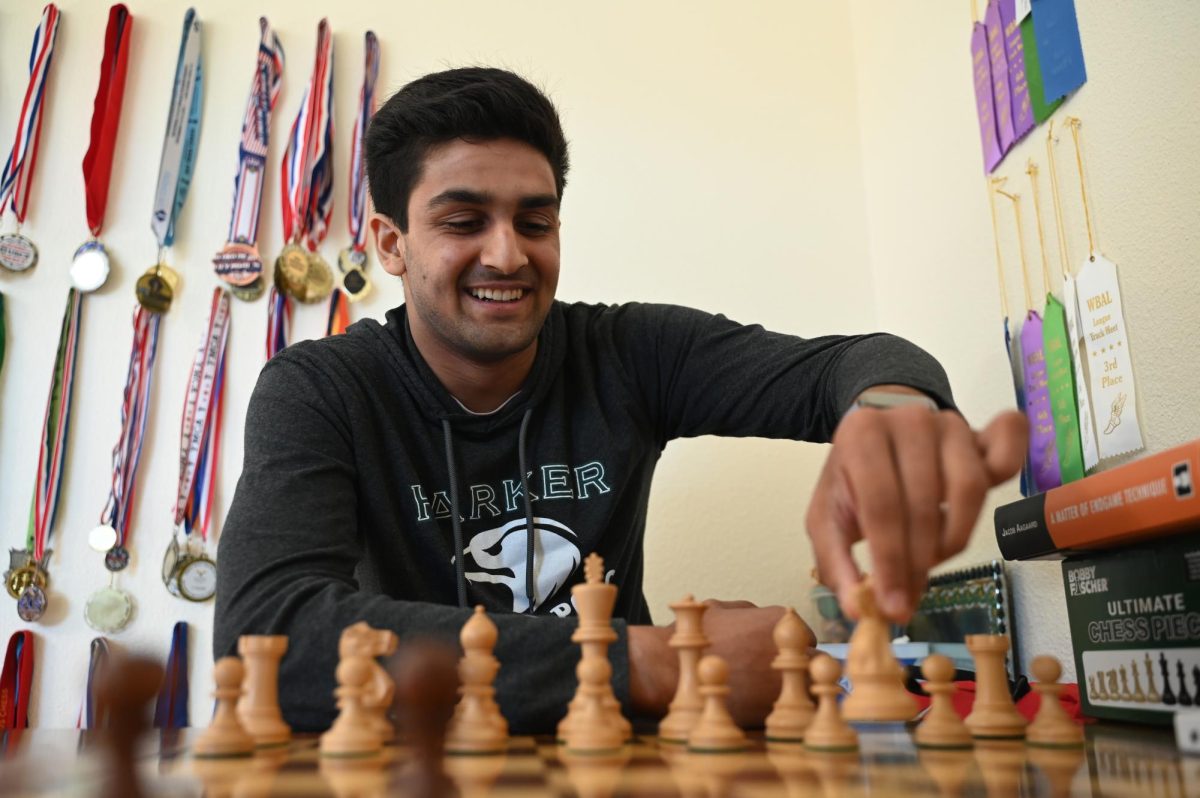
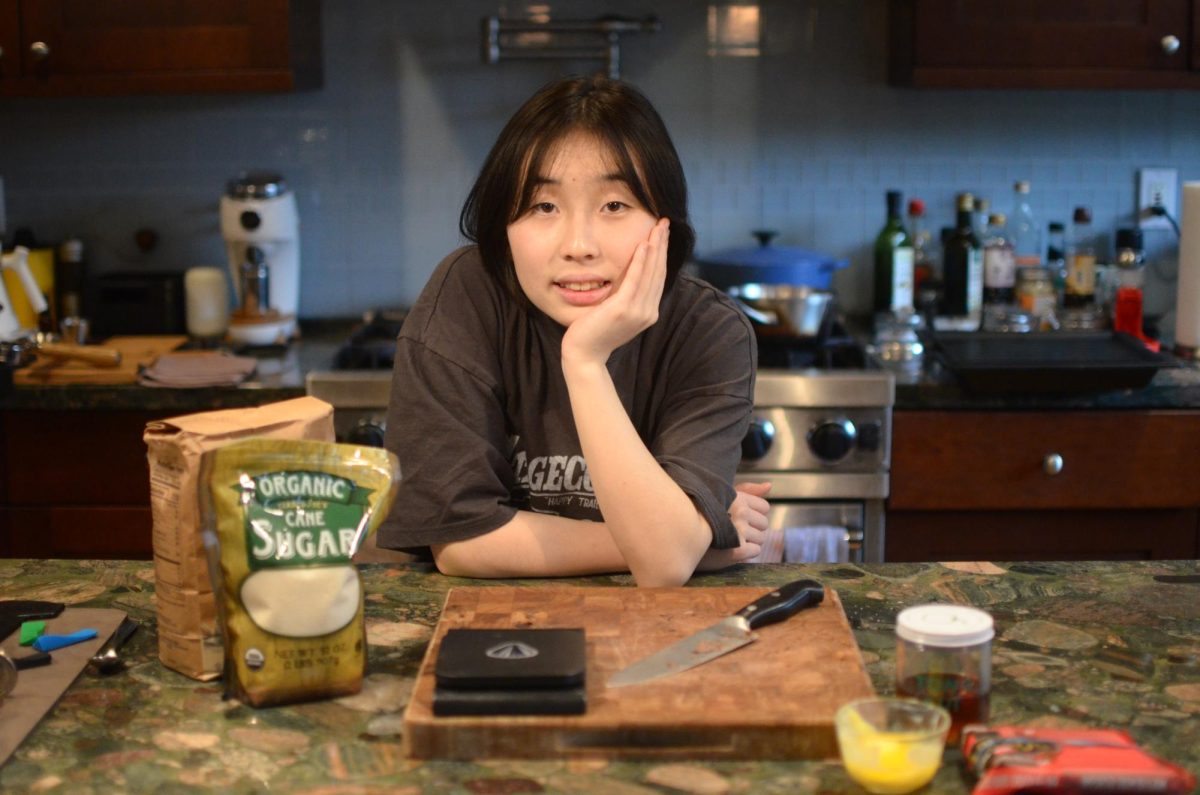
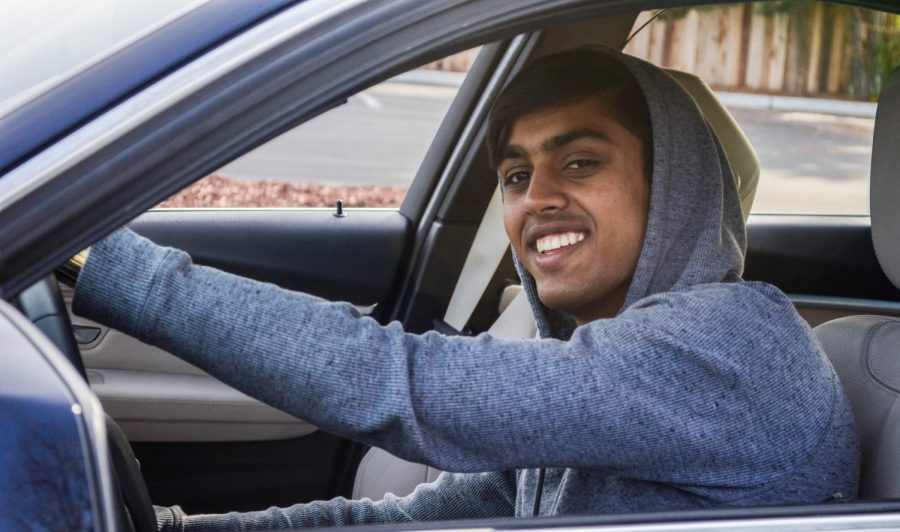
![“This is actually from Randy Pausch Randy P. Brick: ‘Walls are there for a reason. You have to show how much you want to overcome them.’ You have to show how much you want something. That's what I've always been able to do with tennis, Link Crew and getting that internship [with Kushy Baby]. It’s important pushing through that — getting around that brick wall, climbing over it or clawing through it,” Yash Sachdeva (’26) said.](https://harkeraquila.com/wp-content/uploads/2026/05/YashSachdeva_RamBatchu-copy-1200x1002.jpg)

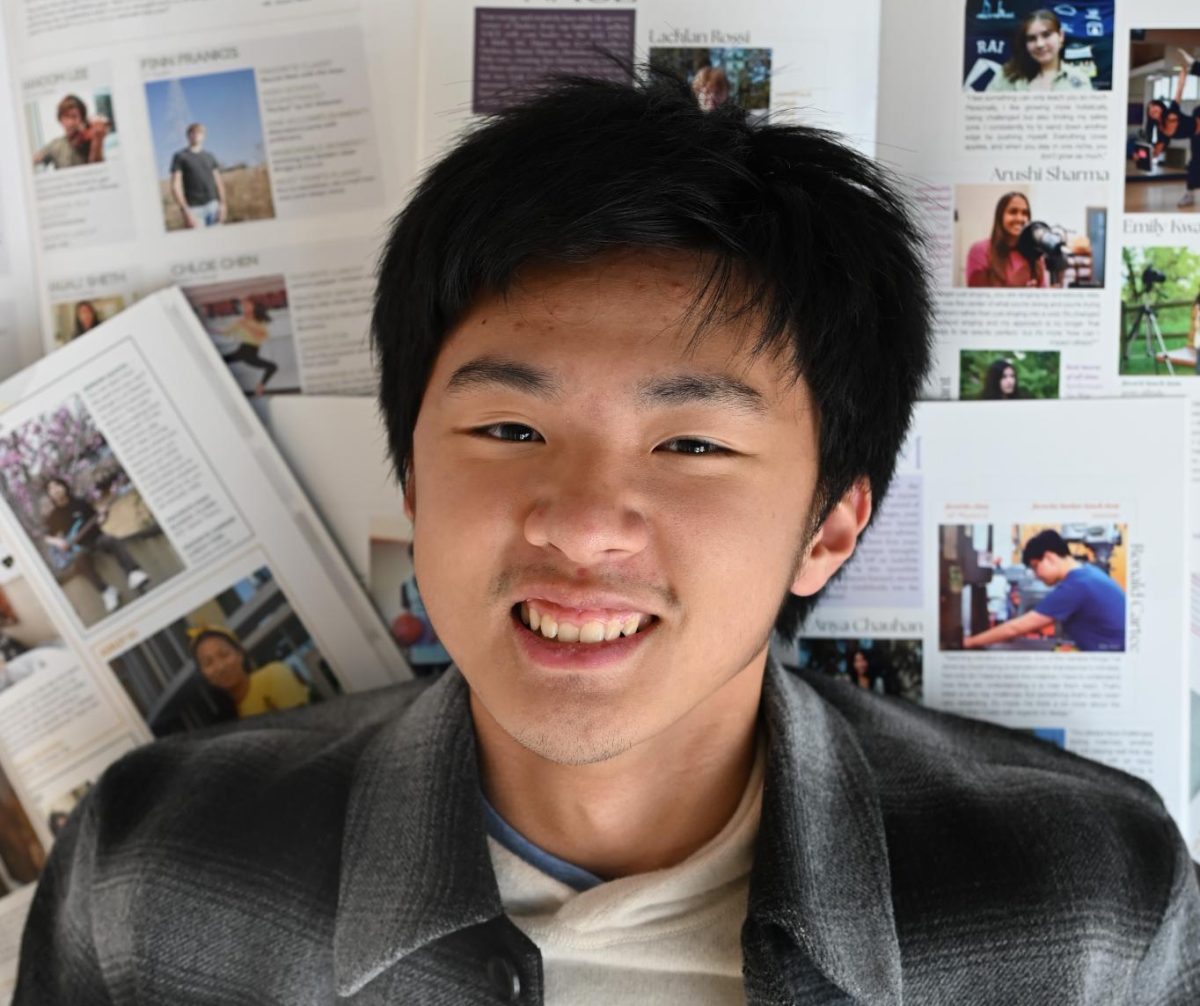




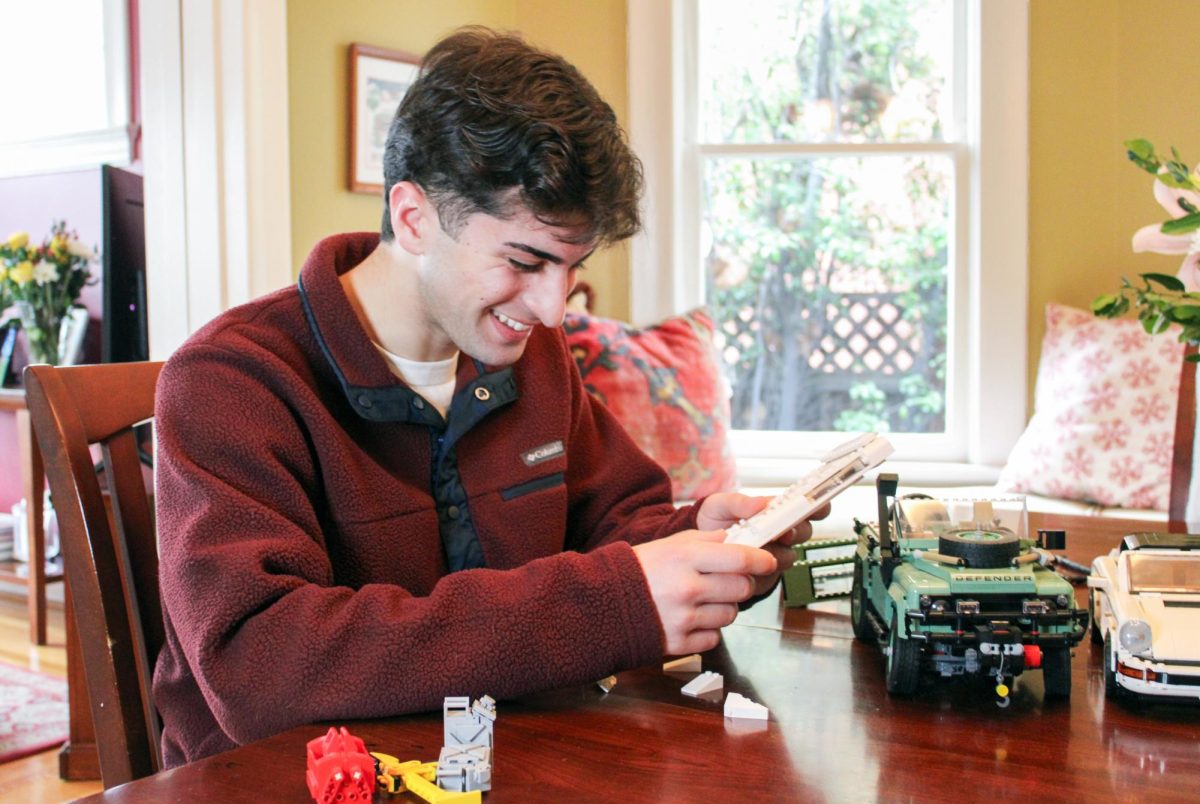


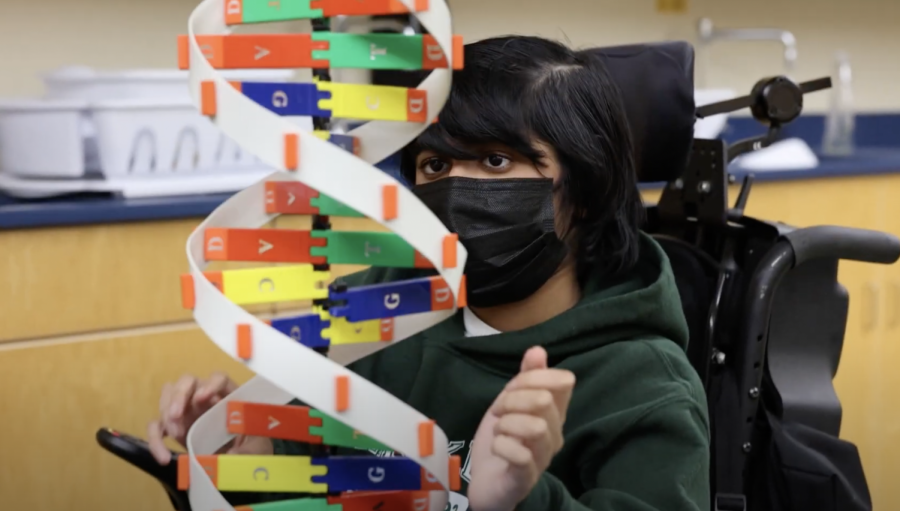
![“[Building nerf blasters] became this outlet of creativity for me that hasn't been matched by anything else. The process [of] making a build complete to your desire is such a painstakingly difficult process, but I've had to learn from [the skills needed from] soldering to proper painting. There's so many different options for everything, if you think about it, it exists. The best part is [that] if it doesn't exist, you can build it yourself," Ishaan Parate said.](https://harkeraquila.com/wp-content/uploads/2022/08/DSC_8149-900x604.jpg)
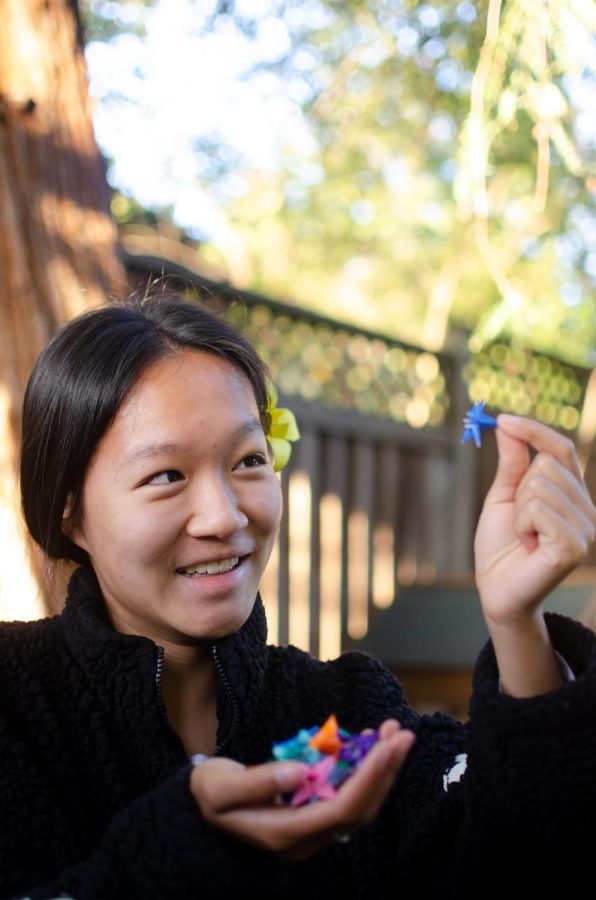
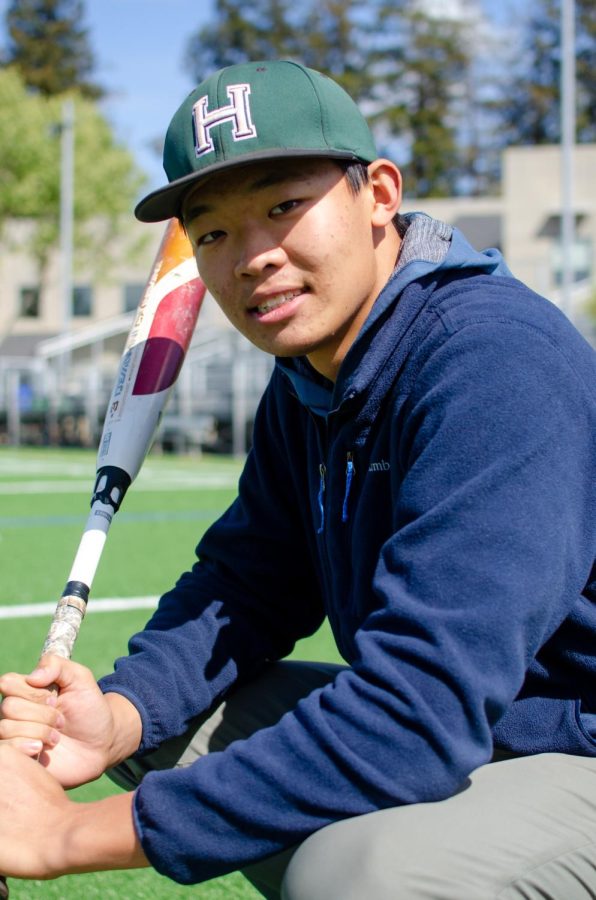

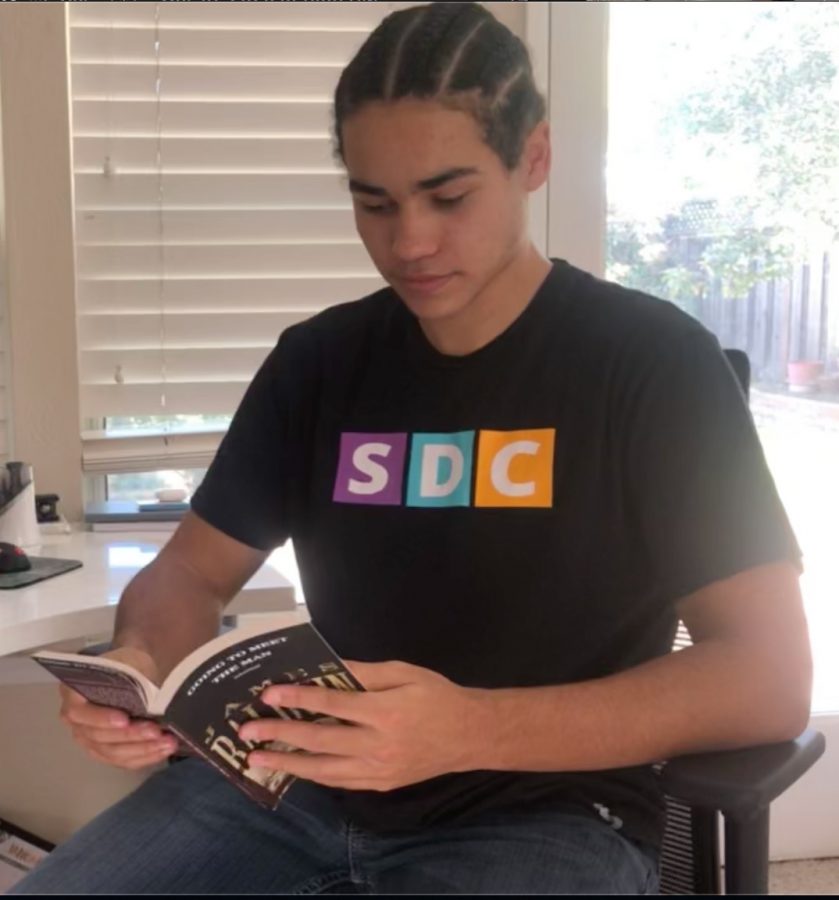
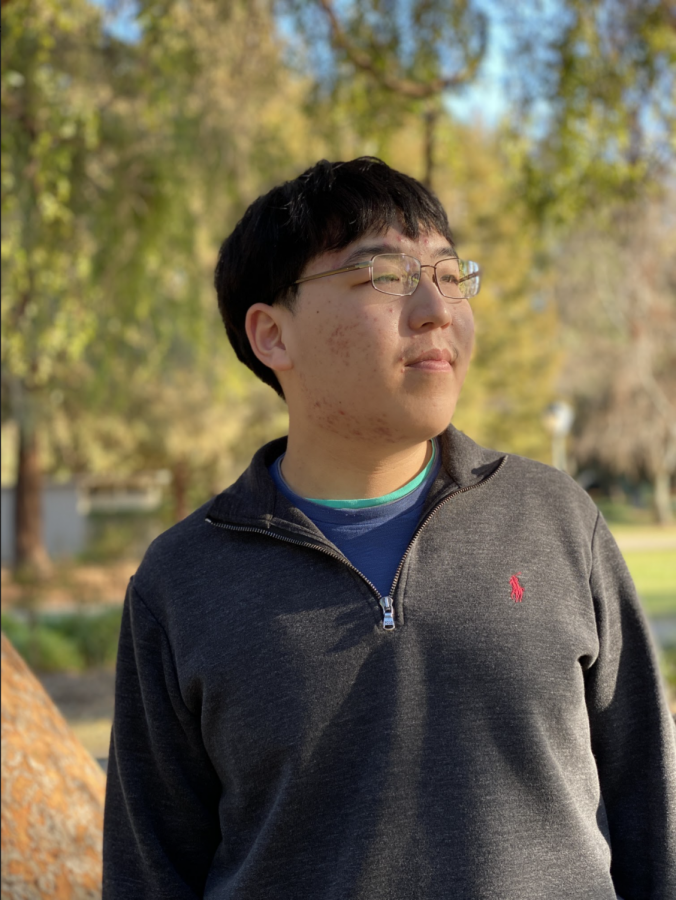
![“When I came into high school, I was ready to be a follower. But DECA was a game changer for me. It helped me overcome my fear of public speaking, and it's played such a major role in who I've become today. To be able to successfully lead a chapter of 150 students, an officer team and be one of the upperclassmen I once really admired is something I'm [really] proud of,” Anvitha Tummala ('21) said.](https://harkeraquila.com/wp-content/uploads/2021/07/Screen-Shot-2021-07-25-at-9.50.05-AM-900x594.png)



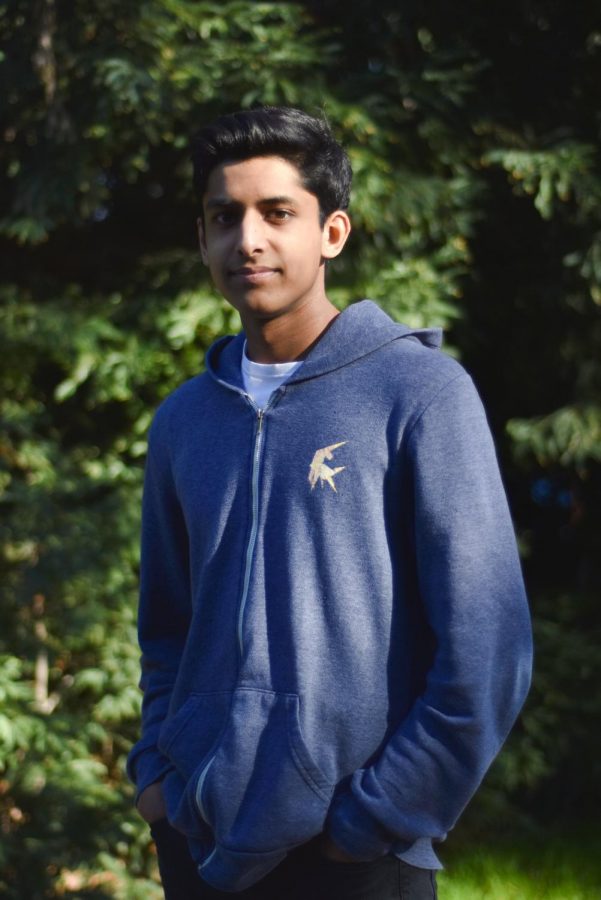

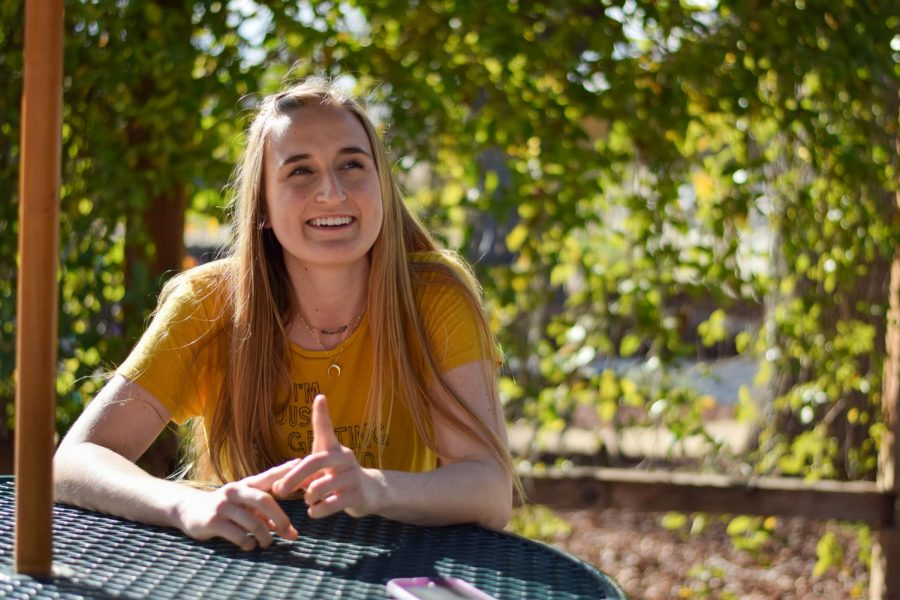
![“I think getting up in the morning and having a sense of purpose [is exciting]. I think without a certain amount of drive, life is kind of obsolete and mundane, and I think having that every single day is what makes each day unique and kind of makes life exciting,” Neymika Jain (12) said.](https://harkeraquila.com/wp-content/uploads/2017/06/Screen-Shot-2017-06-03-at-4.54.16-PM.png)

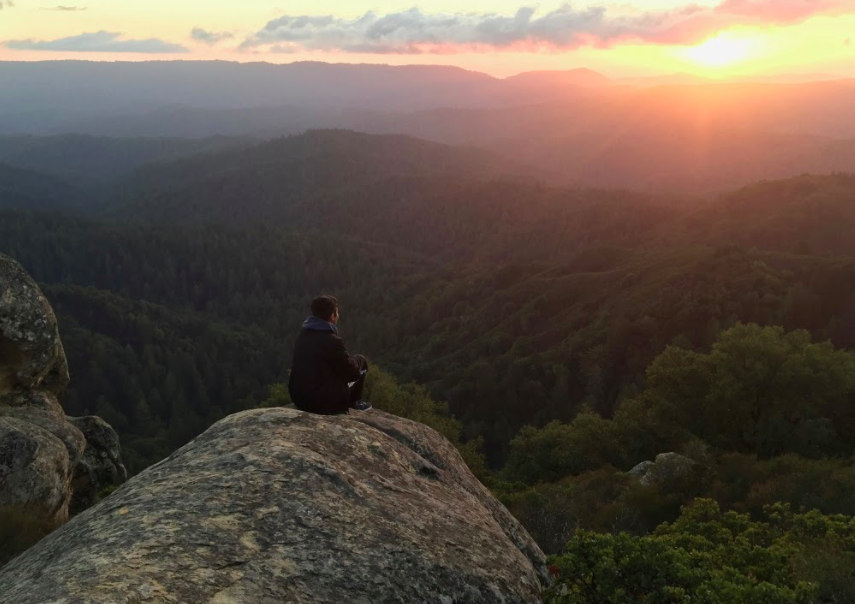


![“My slogan is ‘slow feet, don’t eat, and I’m hungry.’ You need to run fast to get where you are–you aren't going to get those championships if you aren't fast,” Angel Cervantes (12) said. “I want to do well in school on my tests and in track and win championships for my team. I live by that, [and] I can do that anywhere: in the classroom or on the field.”](https://harkeraquila.com/wp-content/uploads/2018/06/DSC5146-900x601.jpg)
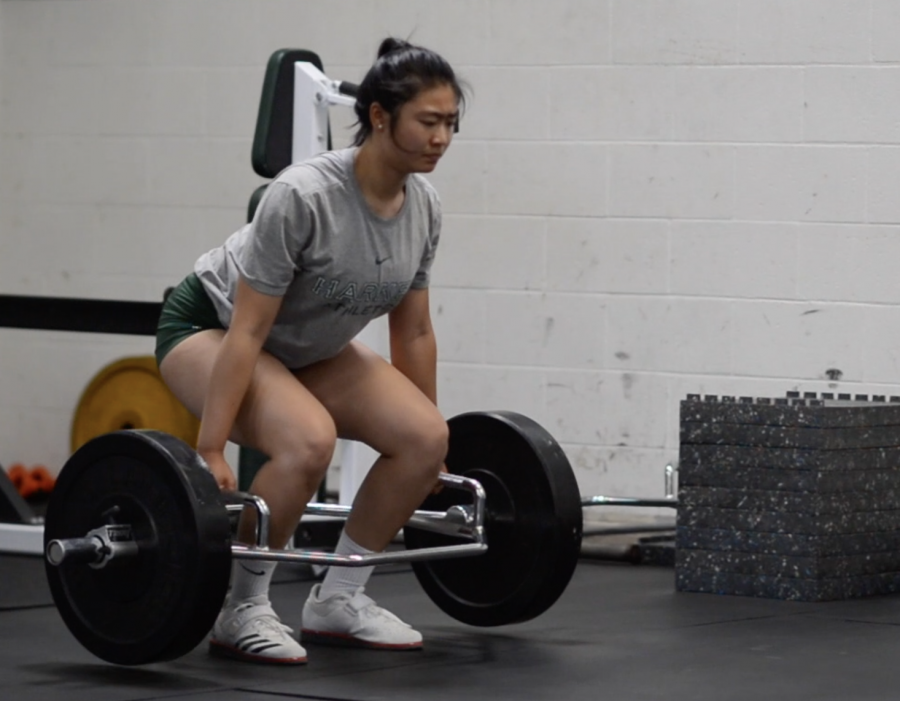
![“[Volleyball has] taught me how to fall correctly, and another thing it taught is that you don’t have to be the best at something to be good at it. If you just hit the ball in a smart way, then it still scores points and you’re good at it. You could be a background player and still make a much bigger impact on the team than you would think,” Anya Gert (’20) said.](https://harkeraquila.com/wp-content/uploads/2020/06/AnnaGert_JinTuan_HoHPhotoEdited-600x900.jpeg)
![“I'm not nearly there yet, but [my confidence has] definitely been getting better since I was pretty shy and timid coming into Harker my freshman year. I know that there's a lot of people that are really confident in what they do, and I really admire them. Everyone's so driven and that has really pushed me to kind of try to find my own place in high school and be more confident,” Alyssa Huang (’20) said.](https://harkeraquila.com/wp-content/uploads/2020/06/AlyssaHuang_EmilyChen_HoHPhoto-900x749.jpeg)


Imagine it is your wedding day. Your bride begins to walk down the aisle, friends and family beaming at the two of you. You lift up her veil and the minister begins to speak, “I’m sorry, but you two cannot be wed today. The town voted no.”
The Supreme Court recently began the first examination of California’s gay marriage ban, better known as Proposition 8. The California ballot referendum was passed in November of 2008, directly against the Supreme Court’s almost unanimous decision months earlier to recognize marriage equality.
Banning gay marriage is incredibly ludicrous to me. All of the arguments against gay marriage have been debated over and over again, and almost all root back to homophobia and discomfort with the idea of sexuality evolving and society changing. Get over it.
Many argue that because marriage is the holy bond between a man and a woman, allowing same-sex couples to marry would be an insult to the institution of marriage. The entire idea of marriage is a lifelong commitment to a person whom one promises to love, cherish, and protect, to be with your spouse for better and for worse. Tough luck.
The institution of marriage can result in no further harm. Almost 50 percent of all marriages end in divorce according to the US Census Bureau–so much for being with your spouse for the rest of his/her life. In fact, there is one divorce every 13 seconds in America. That averages to 6,646 divorces a day, and 46,523 divorces per week.
As if the institution did not suffer enough, legal marriage has severely lowered its standards. In Las Vegas, it is legally appropriate to be formally “wed” to a person you have met while intoxicated hours ago. However, it is not legal to wed your steady partner of 10 years who happens to be the same gender.
When I was growing up, my mother introduced me to some of her friends, as would any other parent. A couple of them were gay. They were kind, caring, genuine, and some of the funniest people I knew. I didn’t realize that they were labelled as homosexual or bisexual, not until a long time later. The fact of the matter is that the sex of the person my mother’s friends wanted to be with did not matter to me. It should never matter.
Through mutual friends and outside activities like dance and summer camps, I have met many people who do not identify with heterosexuality. Pansexuals, asexuals, homosexuals, bisexuals, and transgenders–the list goes on.
I don’t care if you want to be with a man, or if you want to be with a woman. I don’t care if you are gender fluid, or if you’d rather wear a dress and heels than a tuxedo. I only care if you are an honest, caring person and a sparkling sense of humor doesn’t hurt a bit. I’m proud to report that some of my best friends are not heterosexual; they possess all of the above characteristics, and they are spectacular.
I am not saying that all homosexuals are funny, witty, and charming like I have mentioned. I know plenty of unlikeable people, and not all of them are straight. Some are gay, yes, and some are not. What people sometimes fail to remember is that being annoying is not exclusive to one gender, one sexuality, or one race. We’re all people, and we reserve the right to be hilarious or troublesome regardless of technicalities of whether we have an extra X chromosome or not.
In a sense, I understand homophobia–in society’s past, homosexuality was new and frightening; it’s still not normal. It can seem a bit strange, and somewhat concerning to people; I understand that. Prior to and throughout the majority of the 20th century, homosexuality was diagnosed as a mental disorder, and some maintain this mentality today. However, since the 1970s, homosexuality is recognized as a variation of human sexual orientation.
A lot of concepts have been considered frightening and have been resolved since. The idea of racial tolerance and equality of the genders tops the list. Yes, pansexuality, asexuality, bisexuality, and homosexuality all are not the “norm.” We have established this.
According to a Williams Institute 2011 study, approximately 3.5 percent of American adults identify themselves as lesbian, gay, or bisexual, while 0.3 percent are transgender. However, this small percentage corresponds to approximately 11.7 million Americans. 11.7 million Americans, mentally capable, with families, jobs, friends, and lives of their own – they’re human, they’re Americans, and they should be able to wed whomever they choose.
Still, hating someone because of the gender they identify with or want to be with is sickening. Homophobes and antipathists alike are typecasting and stereotyping a person they have not even met yet, hating an entire sexuality because they find it “strange” and “sinful.” The answer is simple: If you don’t like gay marriage, don’t have one.
Many of the people I know today are not hetereosexual. Some of my favorite people in the world are romantically involved with someone of the same gender, and it would kill me to never see them walk down the aisle with the person they truly want to be with.
I understand that homosexuality and bisexuality are not a majority of the world, but they are a strong part of it. They’re not social pariahs or lepers to be avoided and hide your children from. They’re just human beings, good and bad. Like all humans today. They deserve the chance to wed the person they love.