



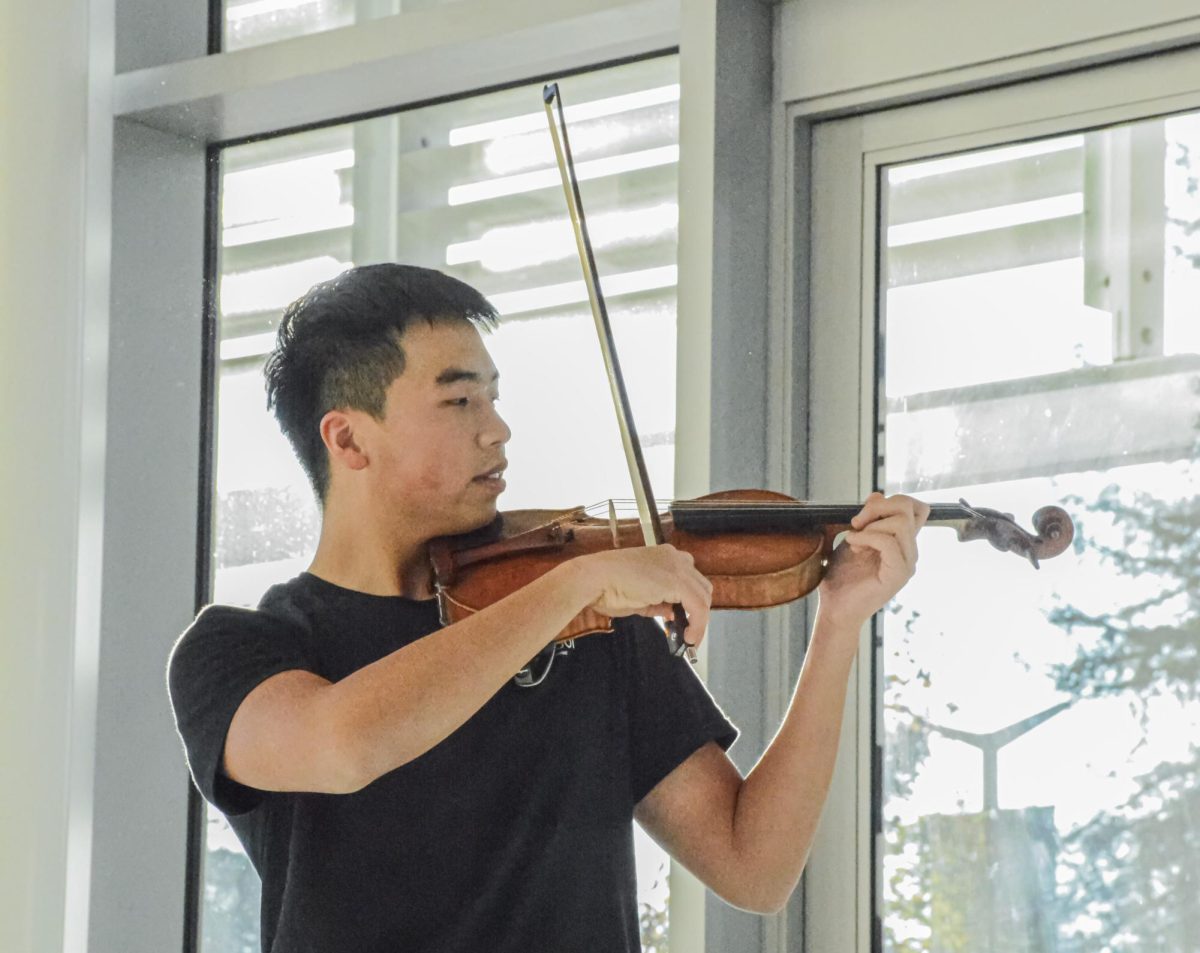
![“I wasn't discouraged by some of the obstacles we faced. I learned a lot from the leadership. I found that different people need different ways of receiving feedback — you can't [just] tell them to do something and expect the best. [Some] people needed more incentive. A large part of my role was to figure out what worked for everyone and to figure out how to lead all these separate individuals as a team,” Suhana Bhandare (’26) said.](https://harkeraquila.com/wp-content/uploads/2026/06/SuhanaBhandare_JasmineHansra-1-1200x798.jpg)
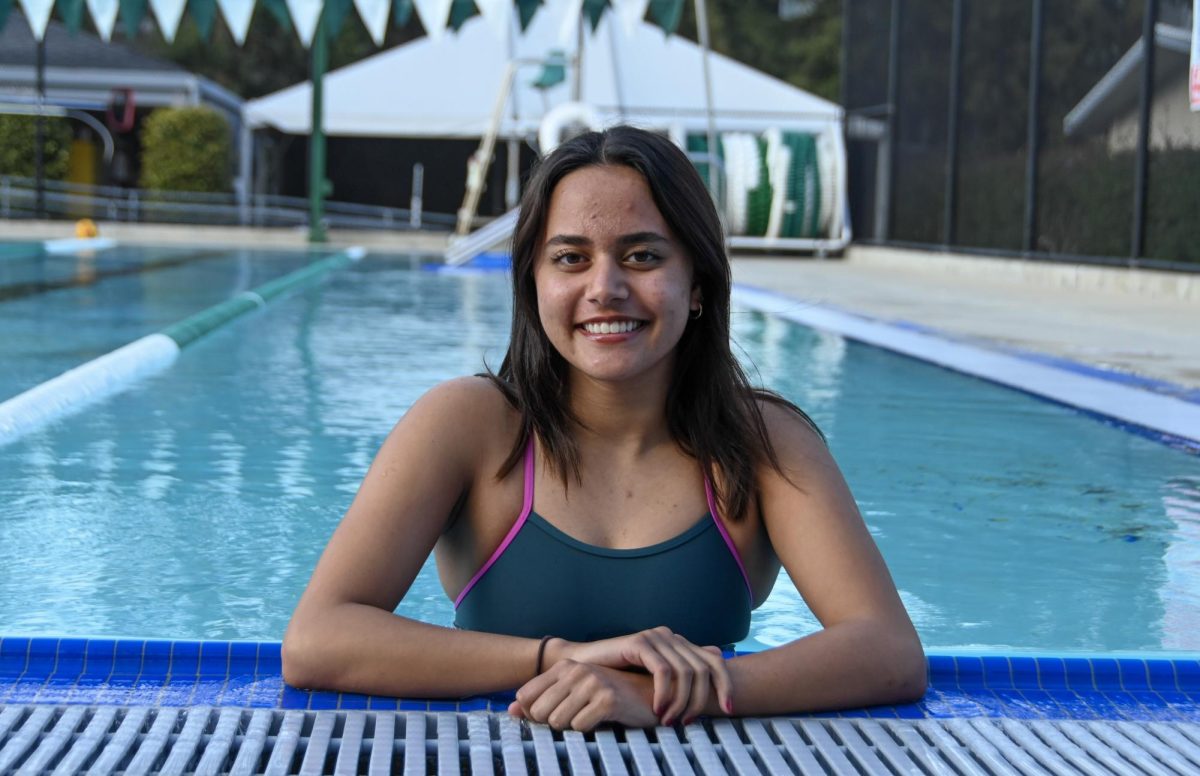
![“This is actually from Randy Pausch Randy P. Brick: ‘Walls are there for a reason. You have to show how much you want to overcome them.’ You have to show how much you want something. That's what I've always been able to do with tennis, Link Crew and getting that internship [with Kushy Baby]. It’s important pushing through that — getting around that brick wall, climbing over it or clawing through it,” Yash Sachdeva (’26) said.](https://harkeraquila.com/wp-content/uploads/2026/05/YashSachdeva_RamBatchu-copy-1200x1002.jpg)
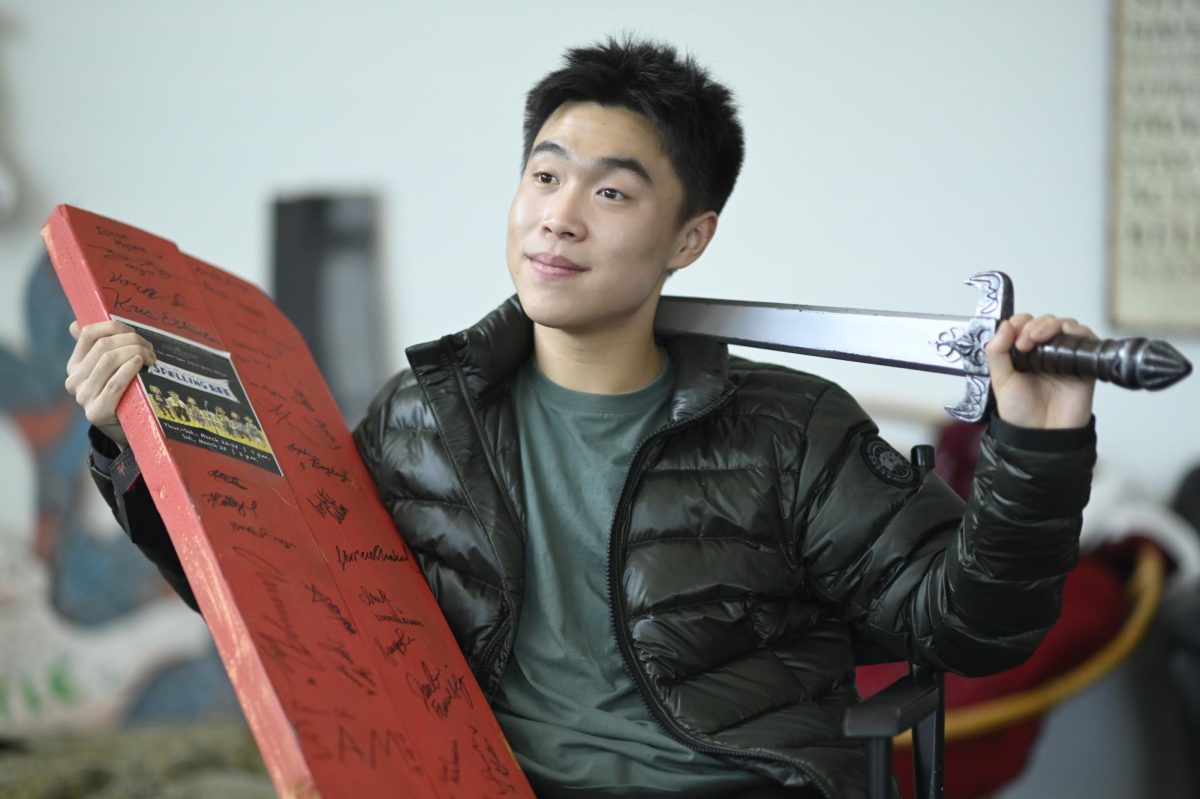






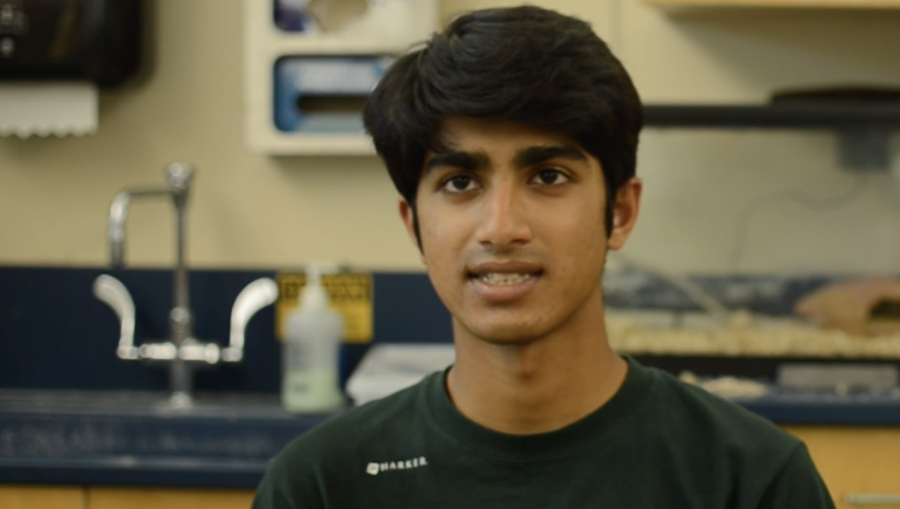
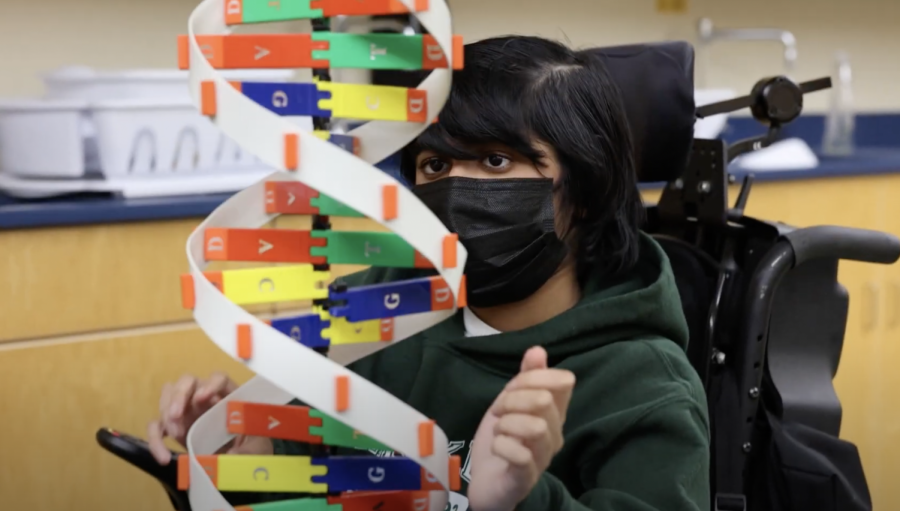
![“[Building nerf blasters] became this outlet of creativity for me that hasn't been matched by anything else. The process [of] making a build complete to your desire is such a painstakingly difficult process, but I've had to learn from [the skills needed from] soldering to proper painting. There's so many different options for everything, if you think about it, it exists. The best part is [that] if it doesn't exist, you can build it yourself," Ishaan Parate said.](https://harkeraquila.com/wp-content/uploads/2022/08/DSC_8149-900x604.jpg)
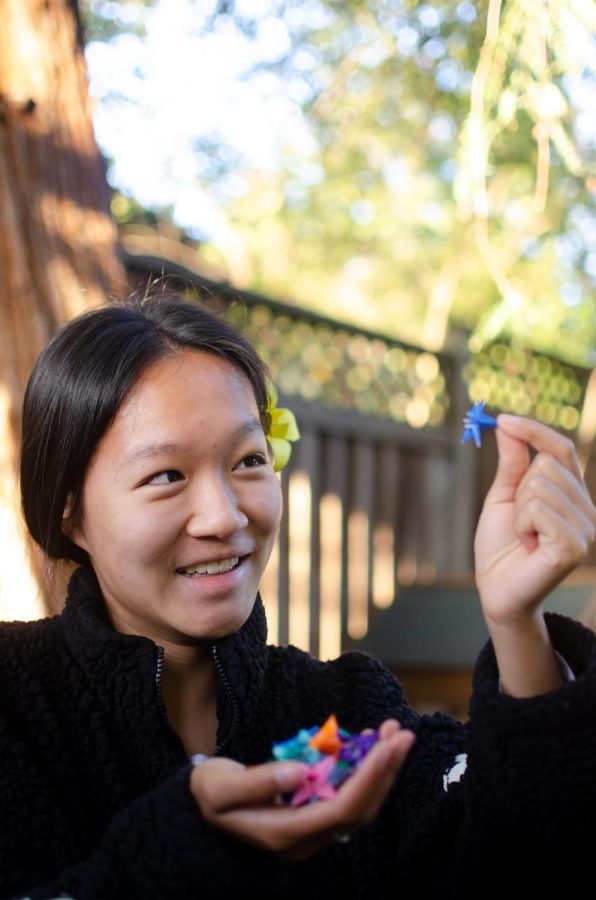
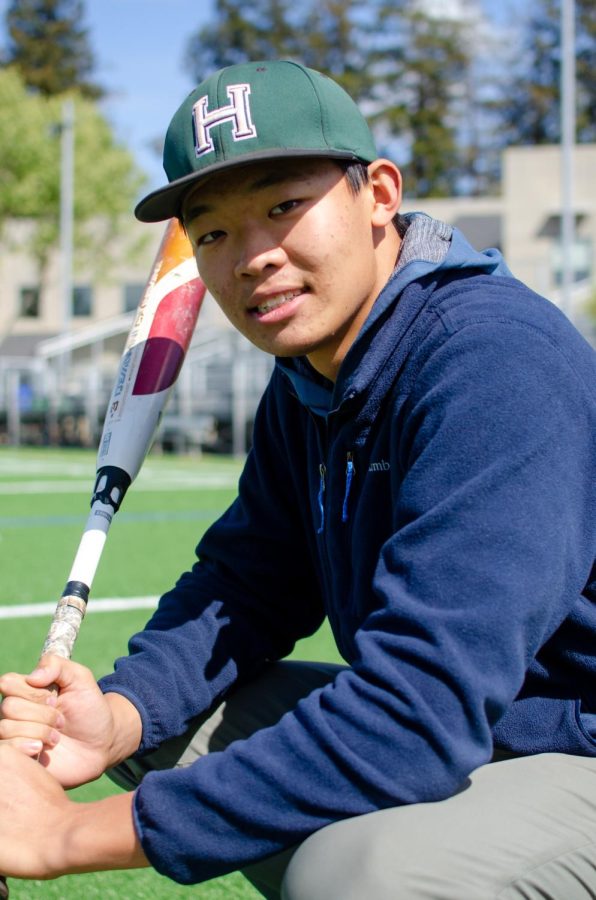
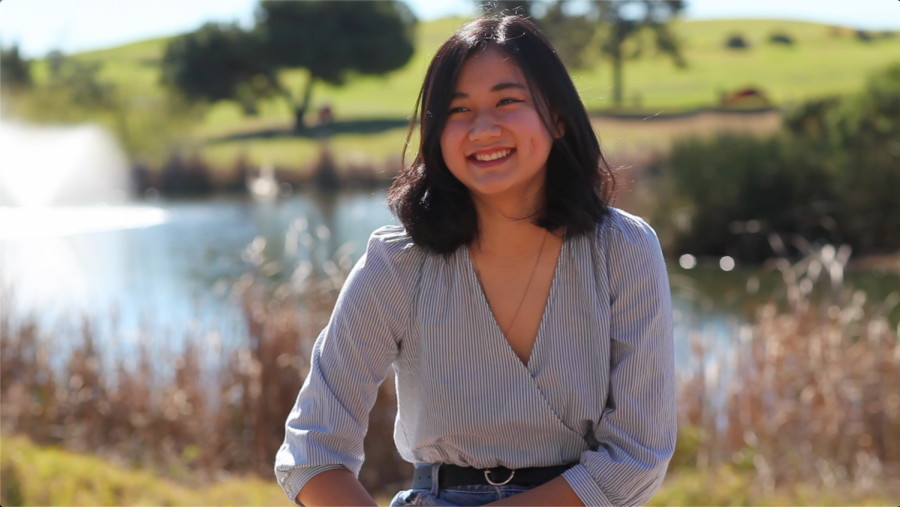
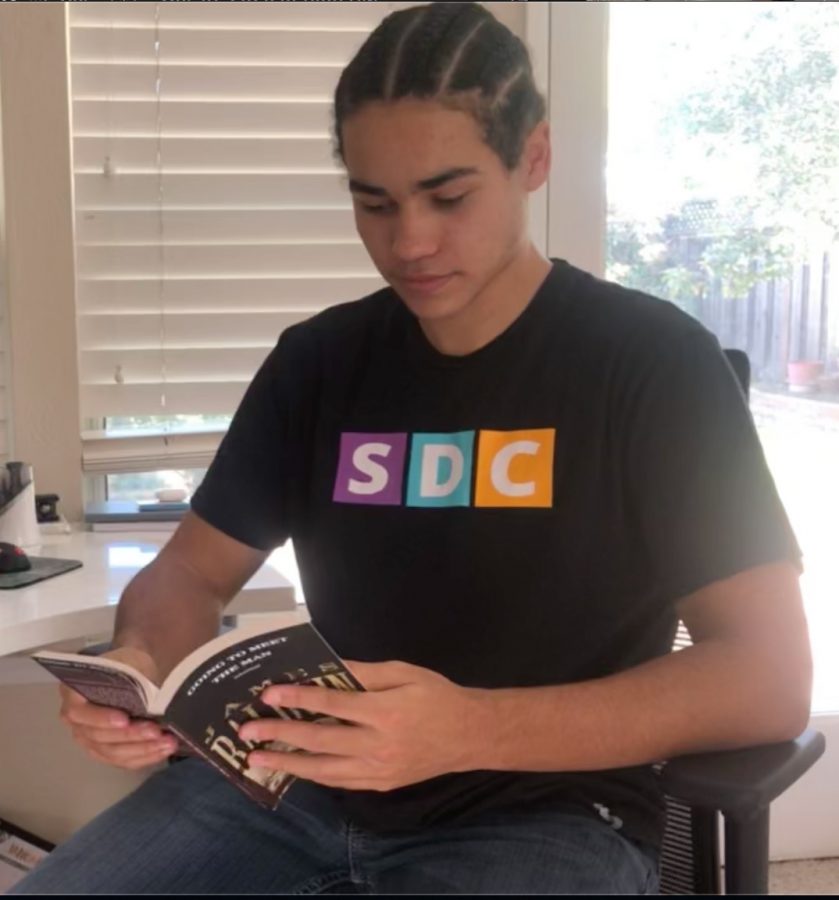
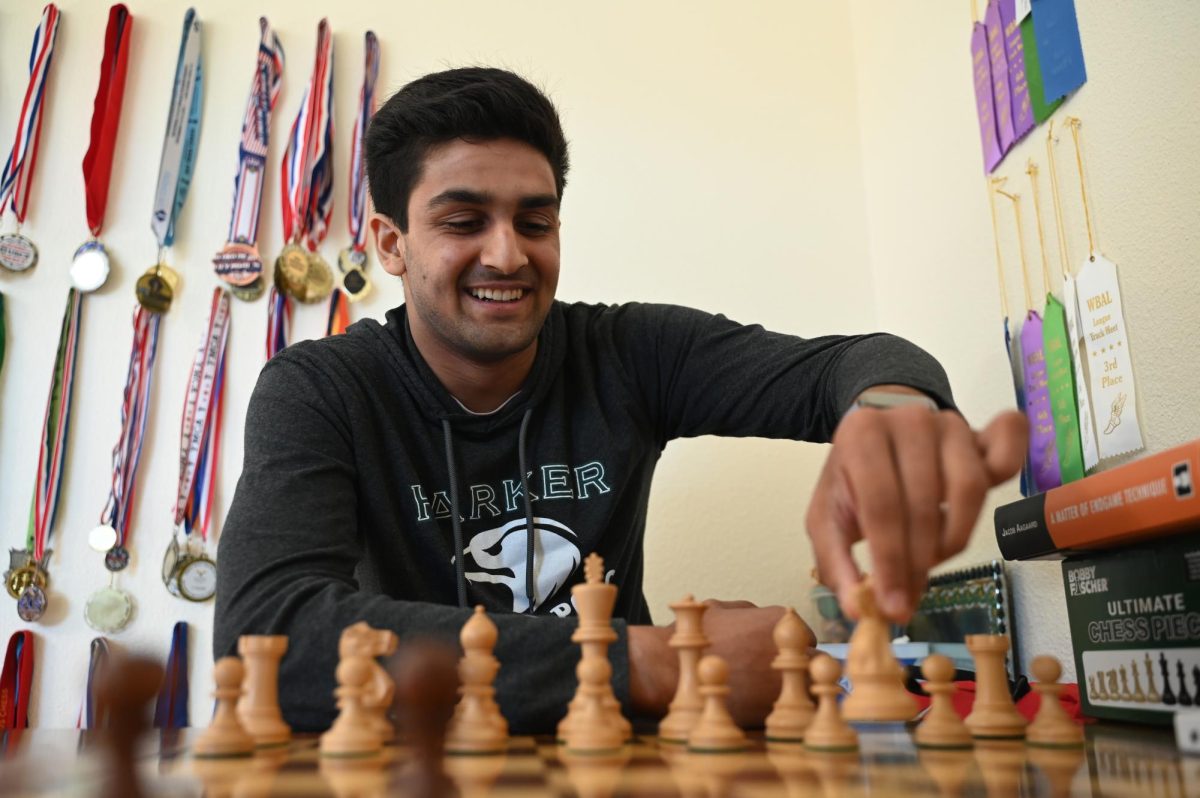
![“When I came into high school, I was ready to be a follower. But DECA was a game changer for me. It helped me overcome my fear of public speaking, and it's played such a major role in who I've become today. To be able to successfully lead a chapter of 150 students, an officer team and be one of the upperclassmen I once really admired is something I'm [really] proud of,” Anvitha Tummala ('21) said.](https://harkeraquila.com/wp-content/uploads/2021/07/Screen-Shot-2021-07-25-at-9.50.05-AM-900x594.png)
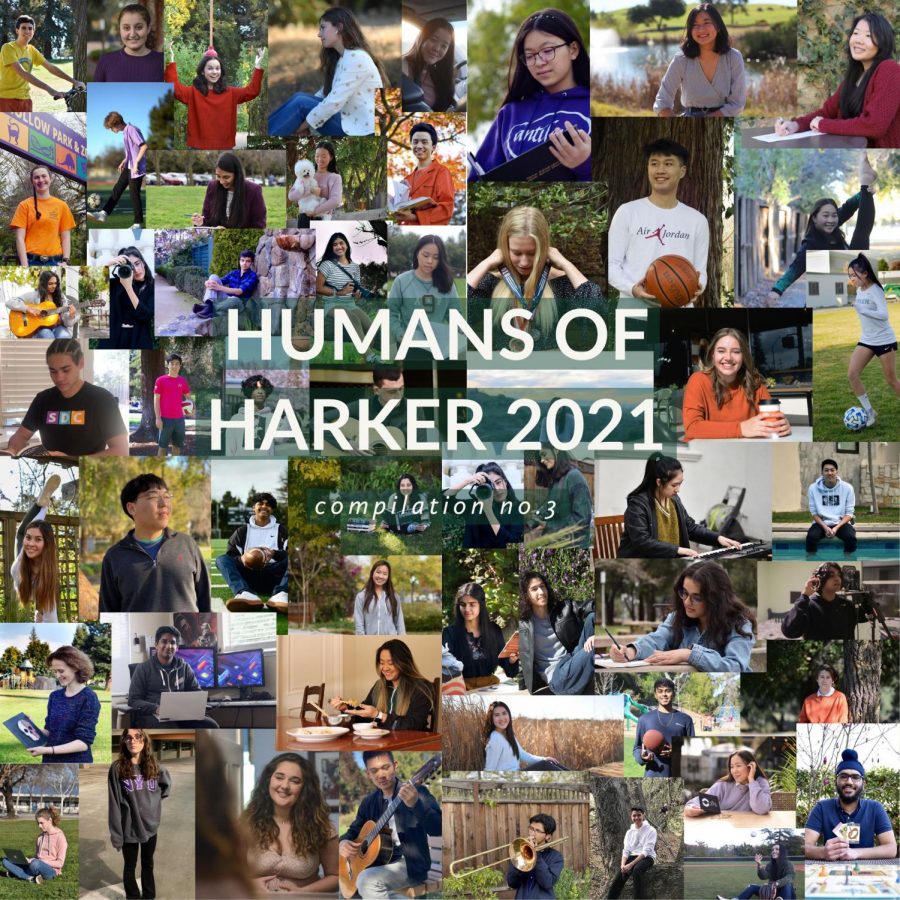
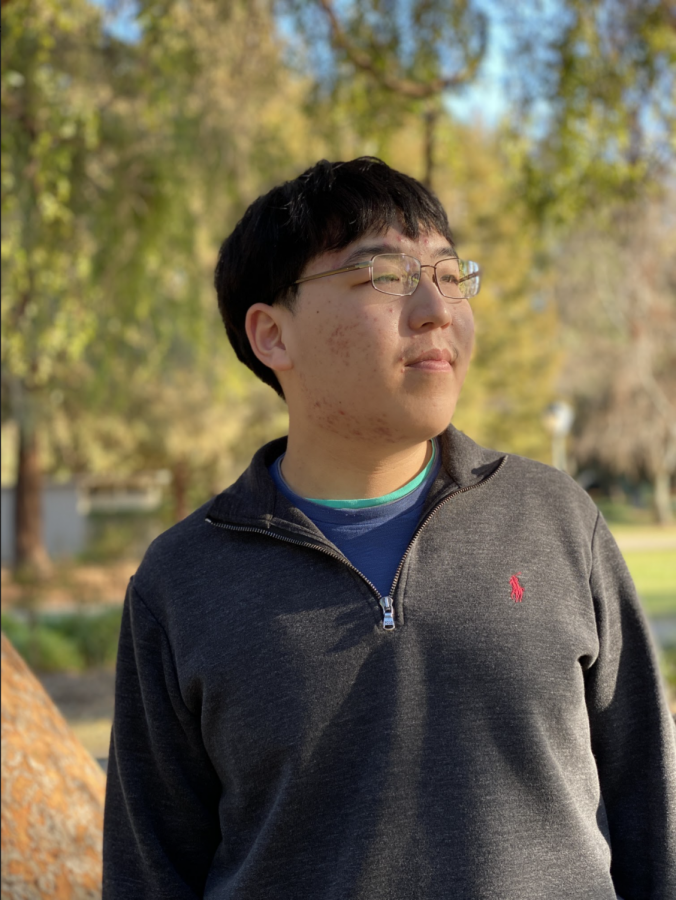
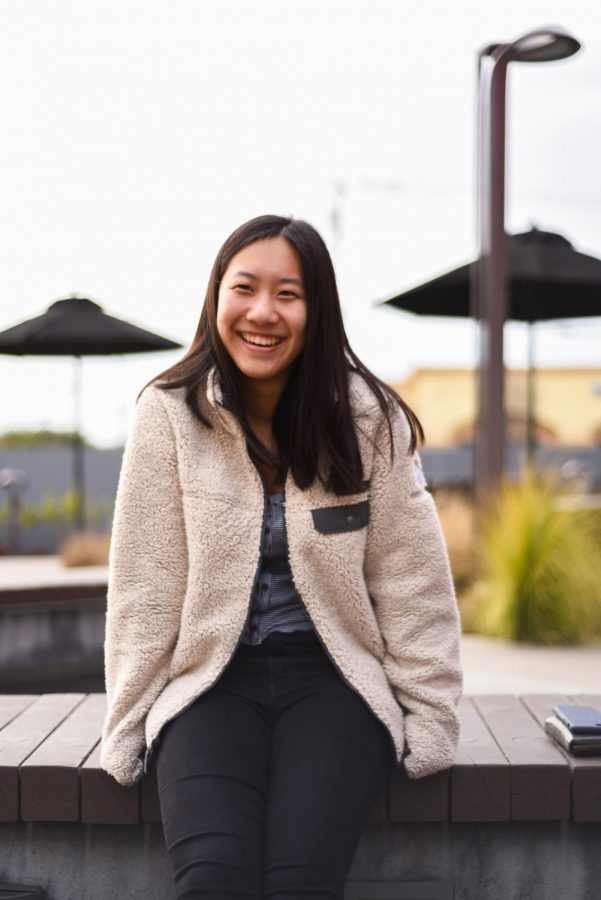
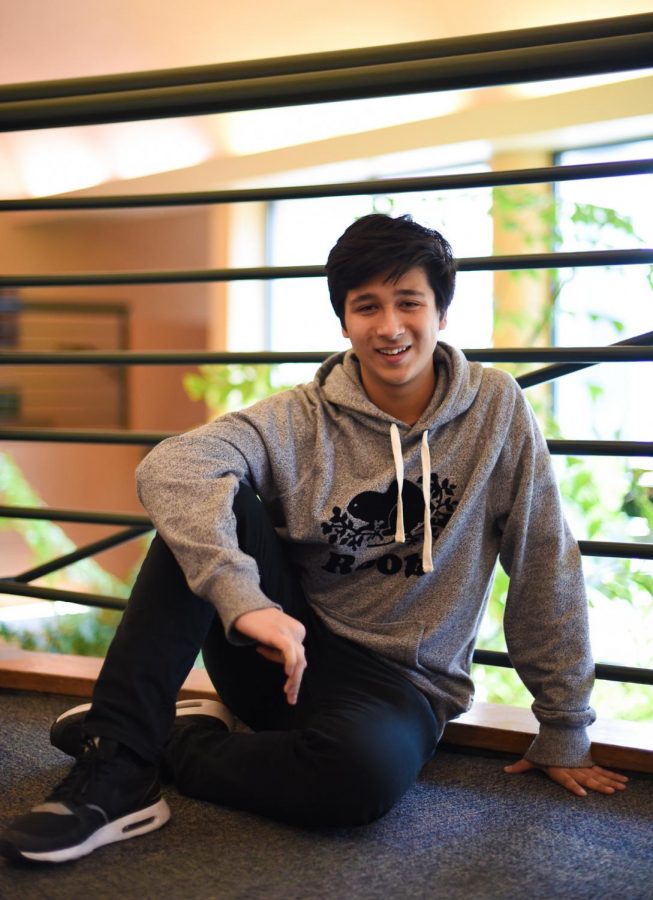
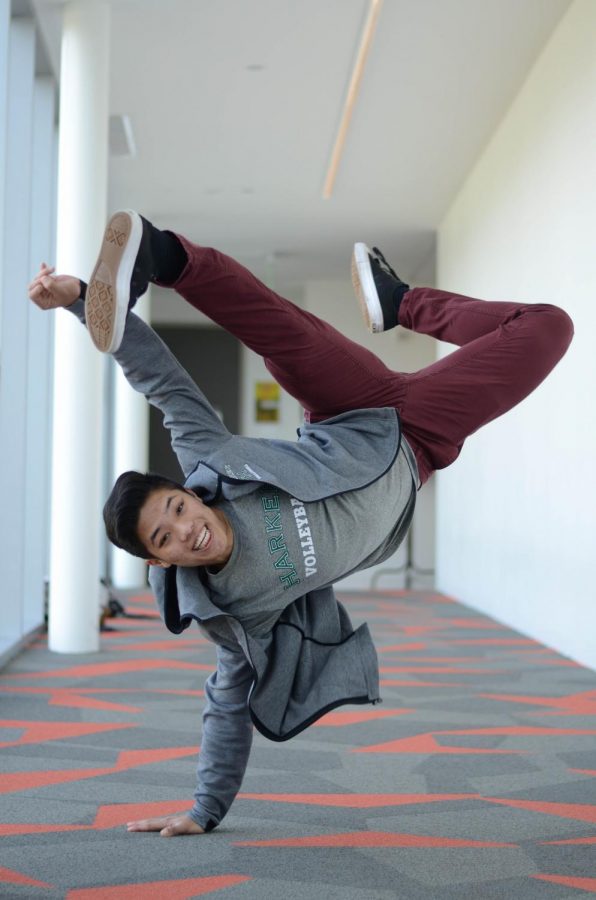
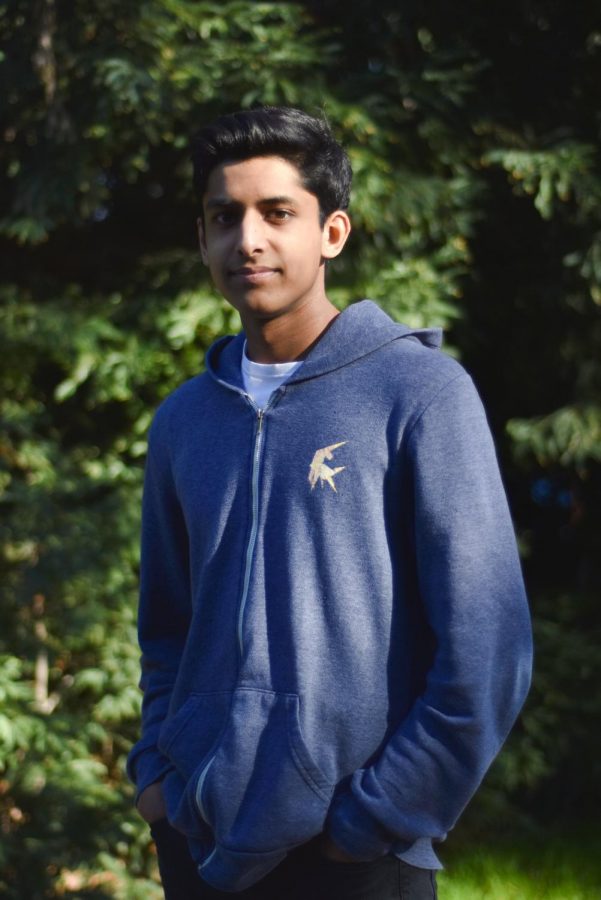

![“I think getting up in the morning and having a sense of purpose [is exciting]. I think without a certain amount of drive, life is kind of obsolete and mundane, and I think having that every single day is what makes each day unique and kind of makes life exciting,” Neymika Jain (12) said.](https://harkeraquila.com/wp-content/uploads/2017/06/Screen-Shot-2017-06-03-at-4.54.16-PM.png)
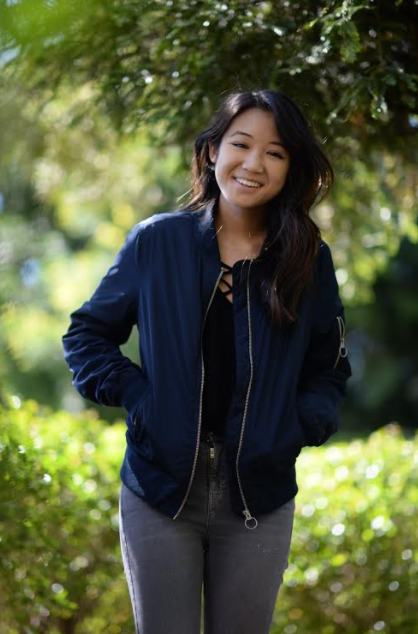
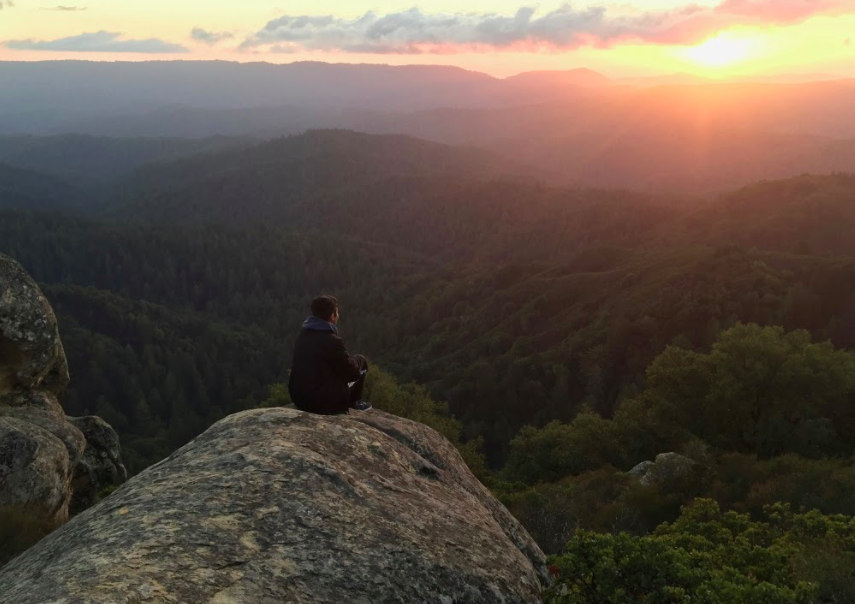
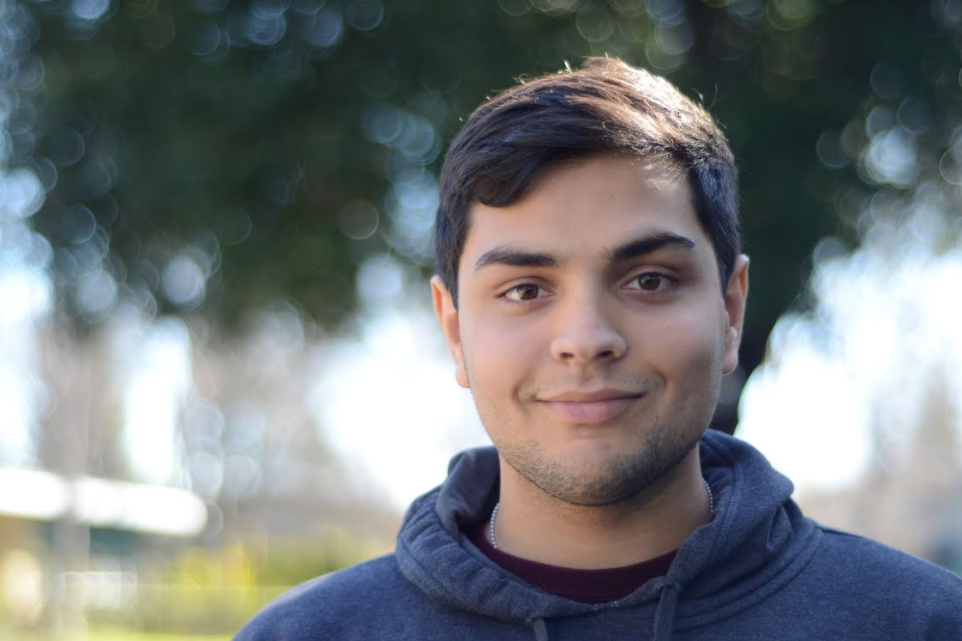
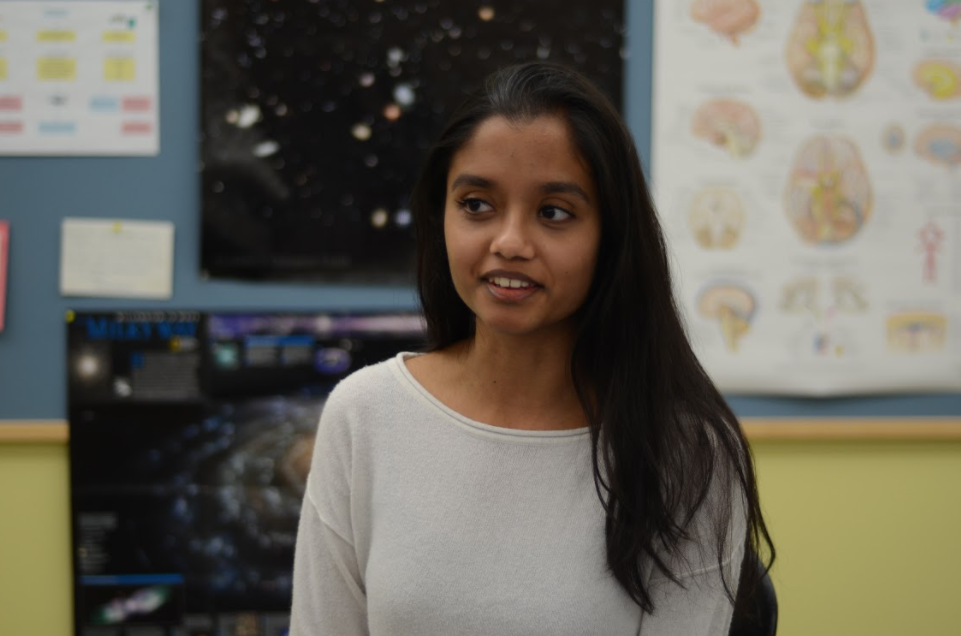
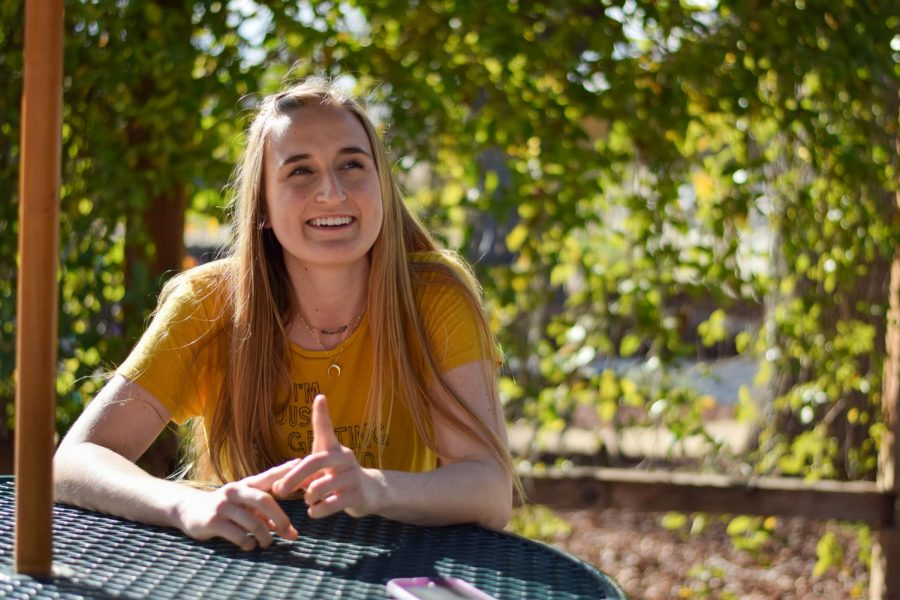
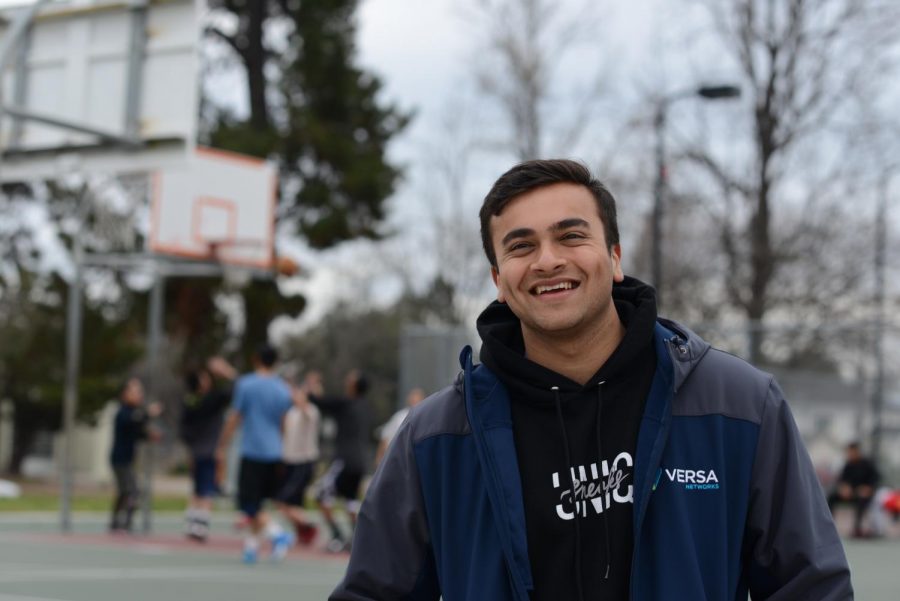
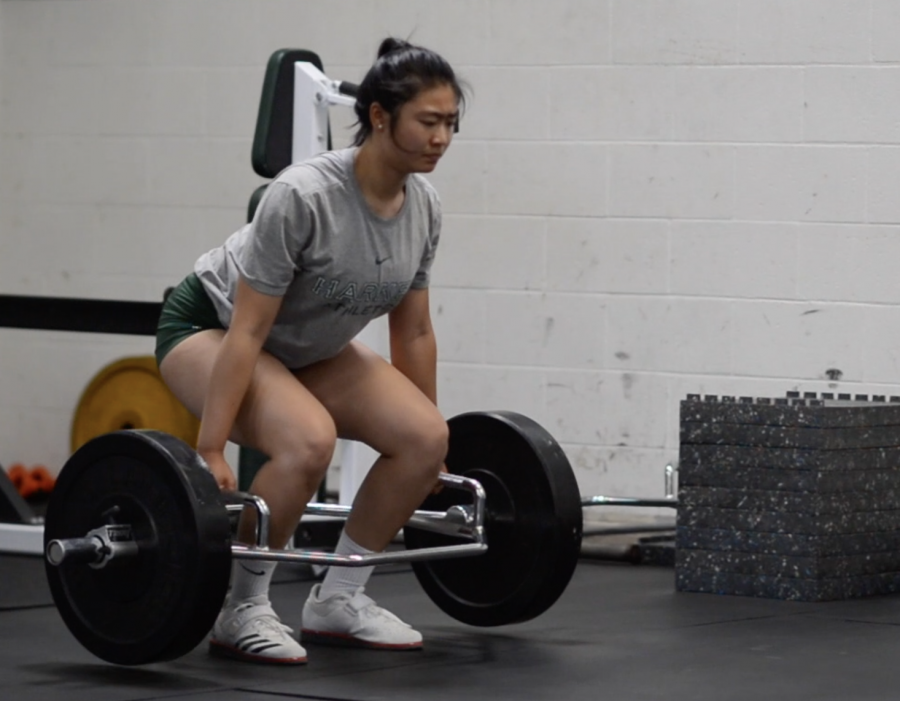

![“My slogan is ‘slow feet, don’t eat, and I’m hungry.’ You need to run fast to get where you are–you aren't going to get those championships if you aren't fast,” Angel Cervantes (12) said. “I want to do well in school on my tests and in track and win championships for my team. I live by that, [and] I can do that anywhere: in the classroom or on the field.”](https://harkeraquila.com/wp-content/uploads/2018/06/DSC5146-900x601.jpg)
![“[Volleyball has] taught me how to fall correctly, and another thing it taught is that you don’t have to be the best at something to be good at it. If you just hit the ball in a smart way, then it still scores points and you’re good at it. You could be a background player and still make a much bigger impact on the team than you would think,” Anya Gert (’20) said.](https://harkeraquila.com/wp-content/uploads/2020/06/AnnaGert_JinTuan_HoHPhotoEdited-600x900.jpeg)
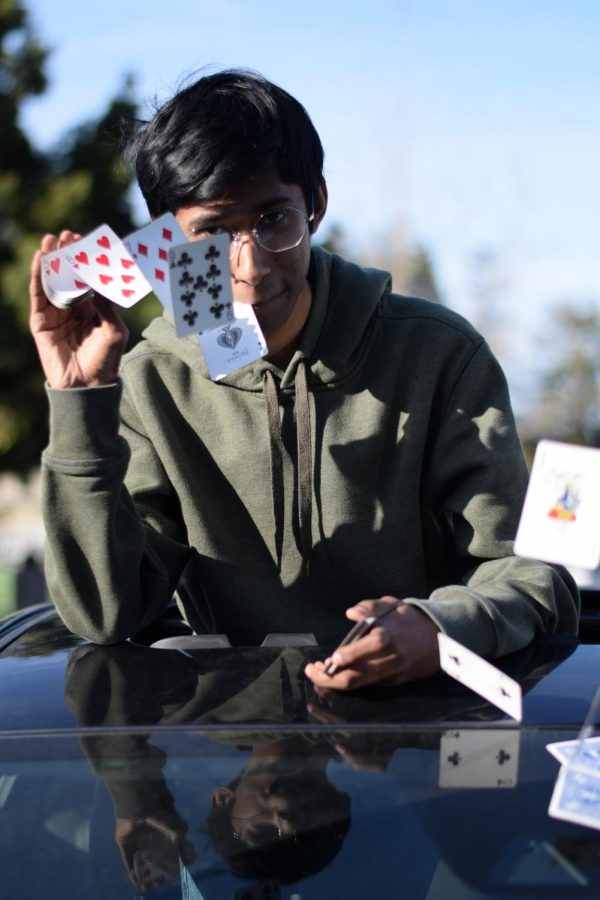
![“I'm not nearly there yet, but [my confidence has] definitely been getting better since I was pretty shy and timid coming into Harker my freshman year. I know that there's a lot of people that are really confident in what they do, and I really admire them. Everyone's so driven and that has really pushed me to kind of try to find my own place in high school and be more confident,” Alyssa Huang (’20) said.](https://harkeraquila.com/wp-content/uploads/2020/06/AlyssaHuang_EmilyChen_HoHPhoto-900x749.jpeg)


Editorial: We’re more than a map
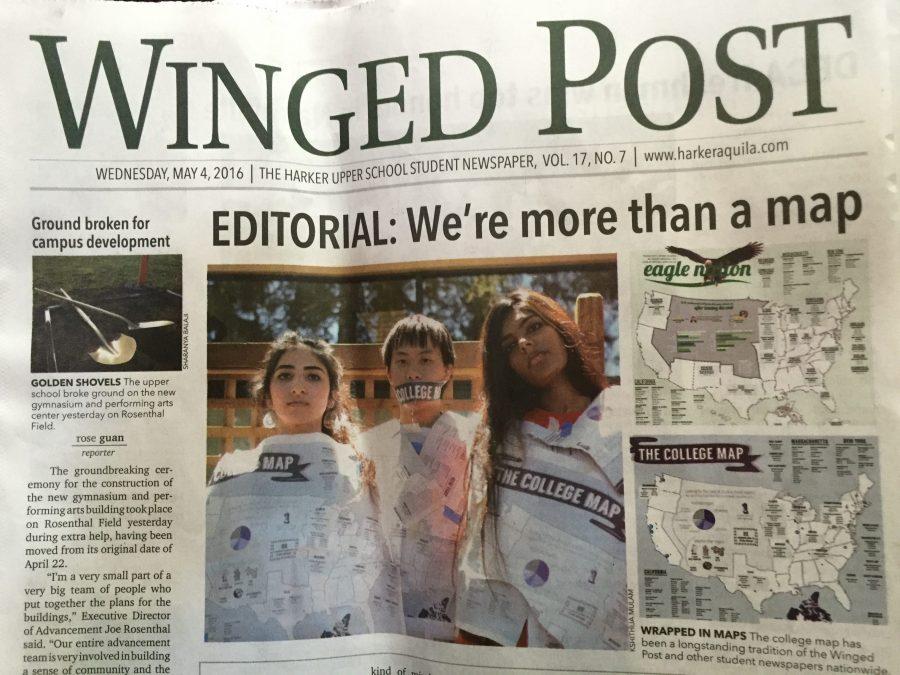
This editorial about the college map is on the front page of Issue 7 of The Winged Post.
May 4, 2016
The Winged Post is the official student newspaper of our campus, printed for for the people who walk through the halls, for those who teach us, and for the members of the faculty whom we encounter every day. We strive to tell the stories of the community we serve.
The last issue of every year attracts particular attention from both those within and without our community for one reason: the college map, simultaneously an emblem of our seniors’ success and the tremendous expectations levelled on them.
Let’s be clear: we believe that the commodification of the college map — two pages intended to celebrate the achievements and hard work of the seniors — runs contrary to our values as a school.
Last year, the staff contended with the very publication of the college spread; while it was eventually published, then-editors of the Winged Post published an editorial about how each senior is more than the college they choose to attend. Reducing them, purposefully or implicitly to a data point, is not the kind of mindset we seek to perpetuate as a publication.
The topic of the college map resurfaced again this year as we planned out this seventh issue, and we again debated the merits and demerits of its publication. Like last year, we concluded that the map is a service to both the seniors, the majority of whom are proud to report the colleges they will spend the next four years at, and the faculty, who also take pride in knowing the institutions that their students attend. It stops being a service to the community when it is co-opted by those who simply see students and their colleges as statistics to be counted.
Unfortunately, this over-glorification of the college map touches all members of our community — not just the seniors. When we asked a room full of freshman journalists if they had seen the college map during their time in the middle school, all of them raised their hands, having been shown the newspaper by parents. Middle school students as young as 11 and 12 are already being exposed to the pressure to attend a prestigious university.
We want to emphasize: the college spread is intended for the upper school student body, the families of our seniors, our alumni and our dedicated faculty — nobody else.
The falling admissions rates at elite institutions correlates with an uptick in student stress – the American Psychological Association reports that 31 percent of teenagers feel “overwhelmed” and that 30 percent feel depressed and sad as a result of stress. A Wesleyan University honors thesis written by Laura Deborah Fields in 2011 attested that 61.1 percent of students believed that pressure for going to a prestigious college was a barrier to stress reduction.
In December of last year, the “Atlantic” published a long-form feature entitled “The Silicon Valley Suicides”, an account of the incredible pressure to succeed at several Bay Area high schools. While their communities are different from ours in many ways, the pressure to attend a prestigious “top 10” school is strikingly similar.
It’s time for us to change that narrative. When you open the center spread this year, where the college map once was, you’re going to notice a few changes from previous years — for one, we’ve done away with the design of a map that categorizes, and thereby defines, students by the school they attend, separating them from and grouping them with one another on that basis. Readers can get a glimpse of the community as it looks best — all together.
Most importantly, each senior has written a few words of advice to the community: parting shots, wisdom and words of reassurance to the next generation of students. We’ve asked them to give back some of their hard-earned experience. We can’t stop those who would dissect the map and reduce us to statistics, but we can show them, in a few words, the hopes, dreams and advice of 187 graduating seniors from our school.
Every student, parent, and faculty member at our school has a choice: we can deify the college spread and chalk up each senior as a tally-mark under the institution of their choice. Or we can congratulate them as they move onto the next stage of their lives — tell them to explore, live life on their own terms and enjoy themselves. When you flip open to the pages of the college spread, the choice is yours.





Mary Mortlock • May 5, 2016 at 4:51 pm
When I first read this, I was sad – I really liked to see where students were going to college (as none of them told me!) so it was the only place I could find out. However – as I read more, my reaction was being more sad that our younger students were having it “thrown in their face” to let them know their parents expectations. Isn’t the real criteria for our grown children to be happy in their adult life and to be a “good” person?
I now totally understand why you did this, but it’s still sad……,
One thing though – go and talk to an AP Stats teacher about using the word “correlation” in you article. It’s a common mistake but don’t use it unless you know what it means and when it should be used – and it shouldn’t have been used in this context!
I applaud all seniors on graduation and wish them luck in the future – not that they will need it academically!!
Mary Mortlock
Retired Harker AP Stats teacher