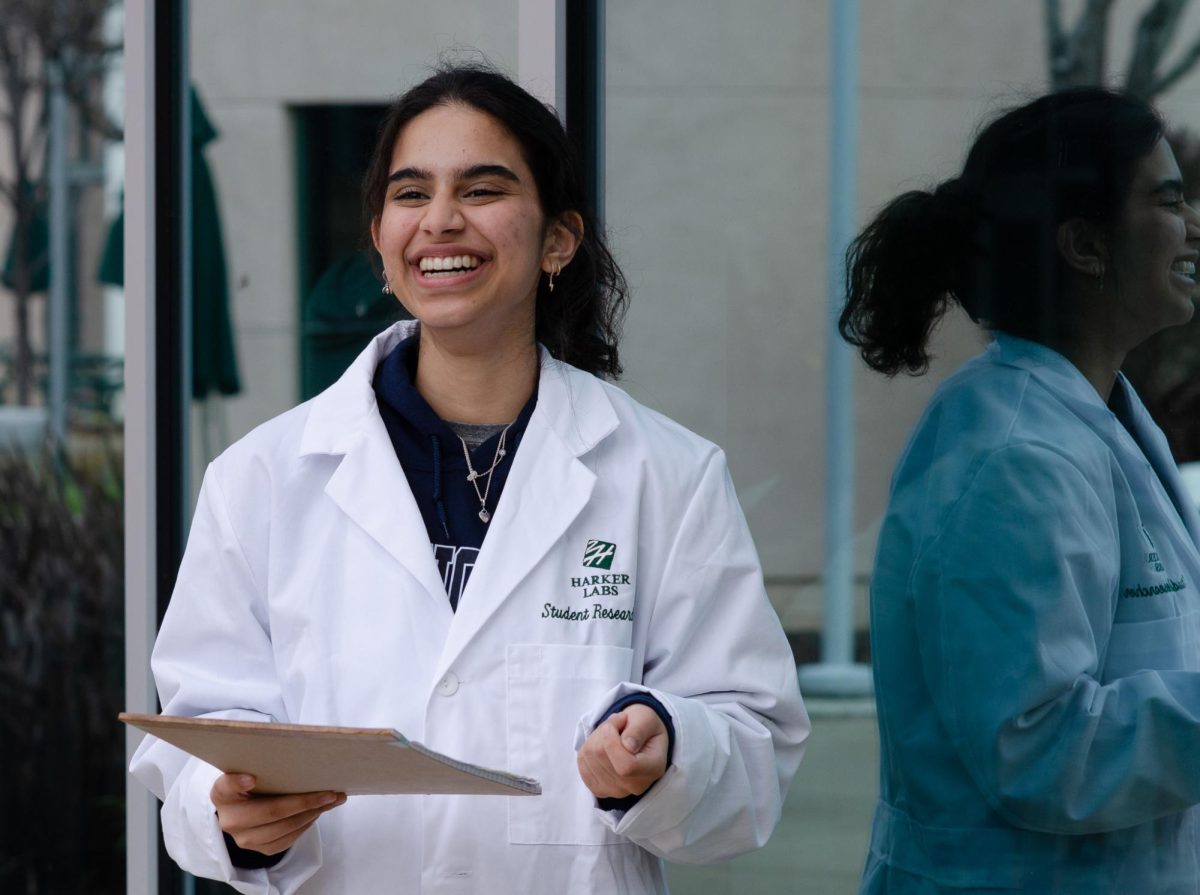
![“I wasn't discouraged by some of the obstacles we faced. I learned a lot from the leadership. I found that different people need different ways of receiving feedback — you can't [just] tell them to do something and expect the best. [Some] people needed more incentive. A large part of my role was to figure out what worked for everyone and to figure out how to lead all these separate individuals as a team,” Suhana Bhandare (’26) said.](https://harkeraquila.com/wp-content/uploads/2026/06/SuhanaBhandare_JasmineHansra-1-1200x798.jpg)
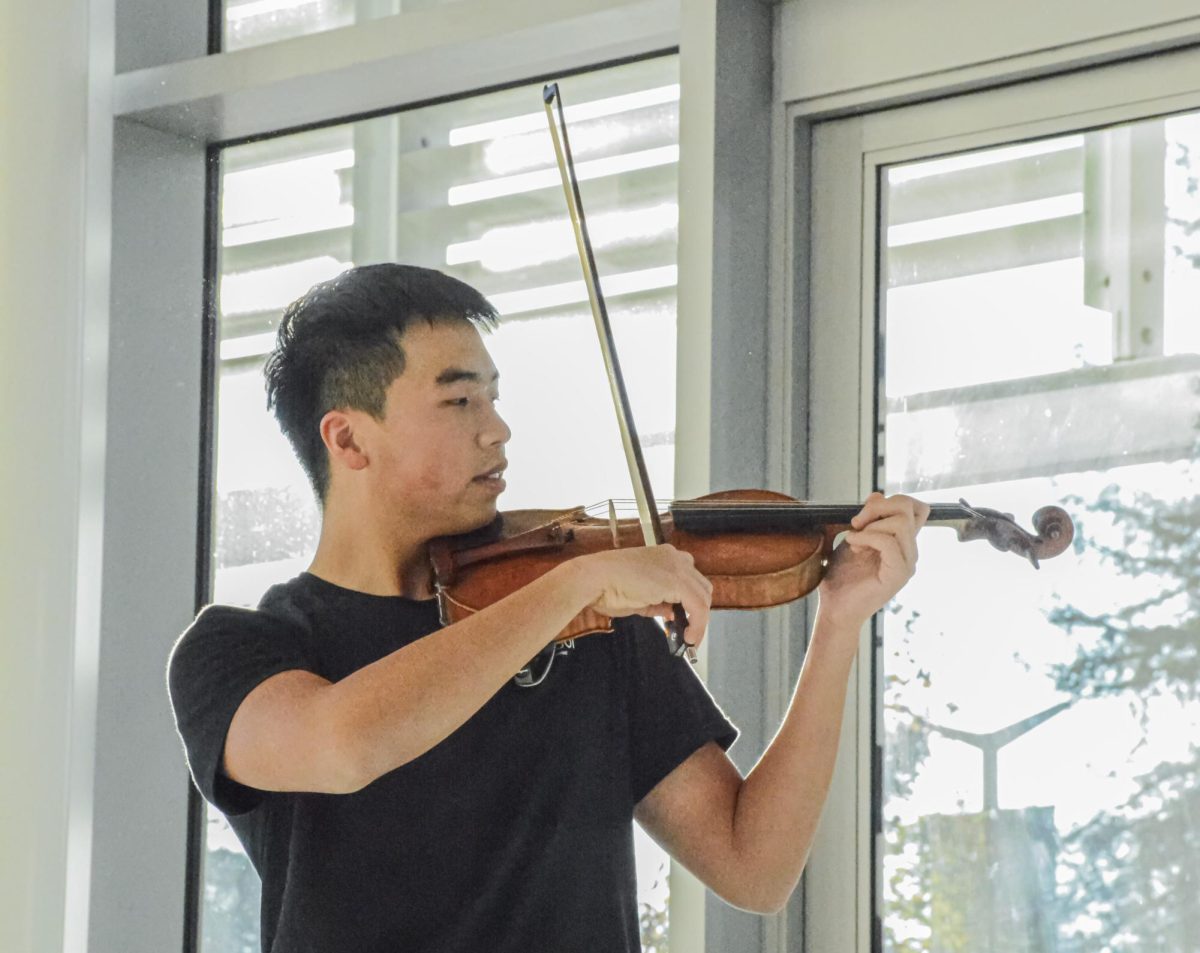

![“This is actually from Randy Pausch Randy P. Brick: ‘Walls are there for a reason. You have to show how much you want to overcome them.’ You have to show how much you want something. That's what I've always been able to do with tennis, Link Crew and getting that internship [with Kushy Baby]. It’s important pushing through that — getting around that brick wall, climbing over it or clawing through it,” Yash Sachdeva (’26) said.](https://harkeraquila.com/wp-content/uploads/2026/05/YashSachdeva_RamBatchu-copy-1200x1002.jpg)











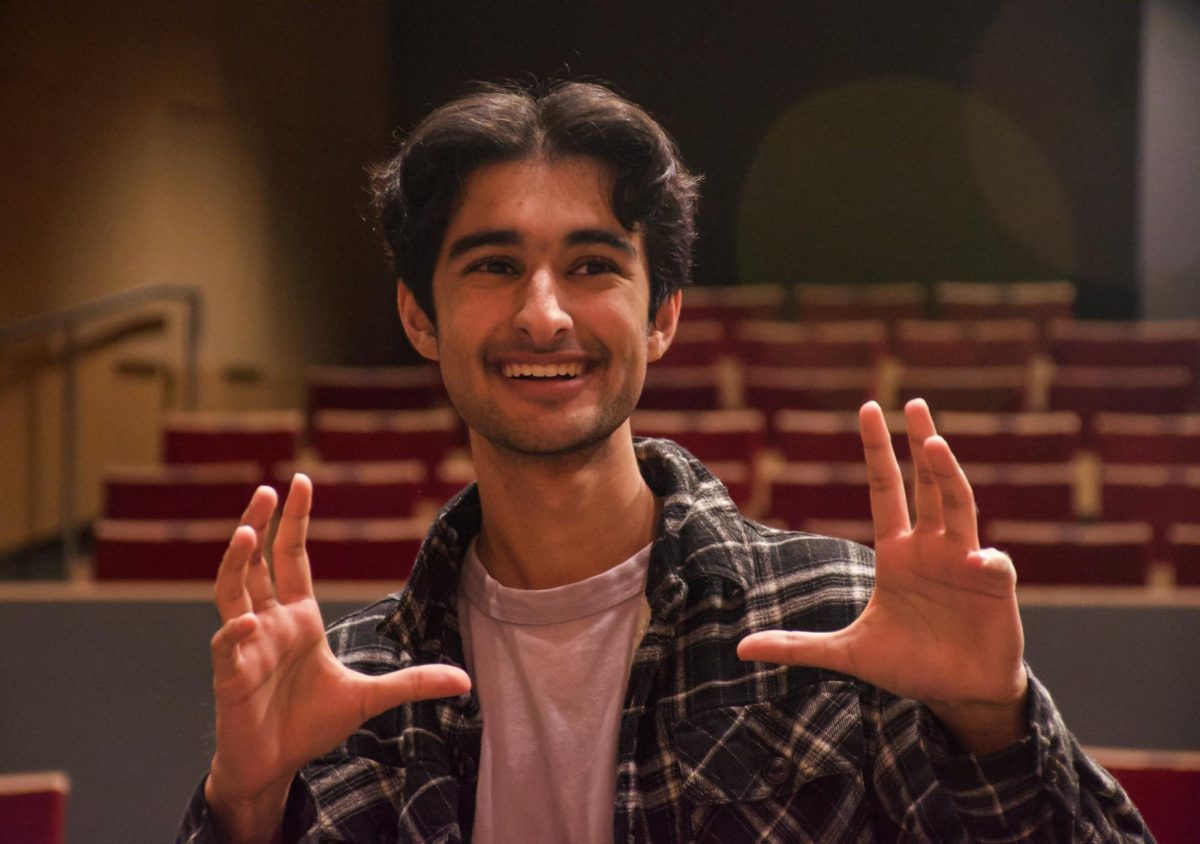

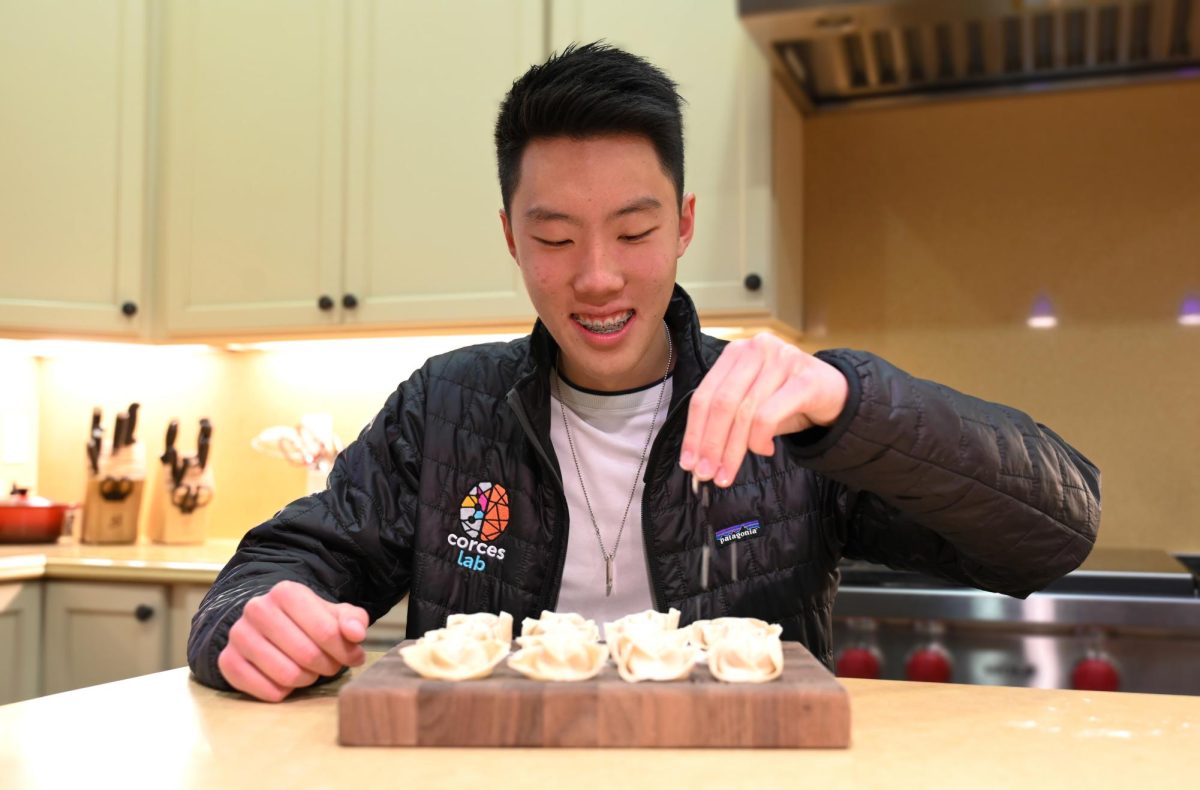


![“[Building nerf blasters] became this outlet of creativity for me that hasn't been matched by anything else. The process [of] making a build complete to your desire is such a painstakingly difficult process, but I've had to learn from [the skills needed from] soldering to proper painting. There's so many different options for everything, if you think about it, it exists. The best part is [that] if it doesn't exist, you can build it yourself," Ishaan Parate said.](https://harkeraquila.com/wp-content/uploads/2022/08/DSC_8149-900x604.jpg)
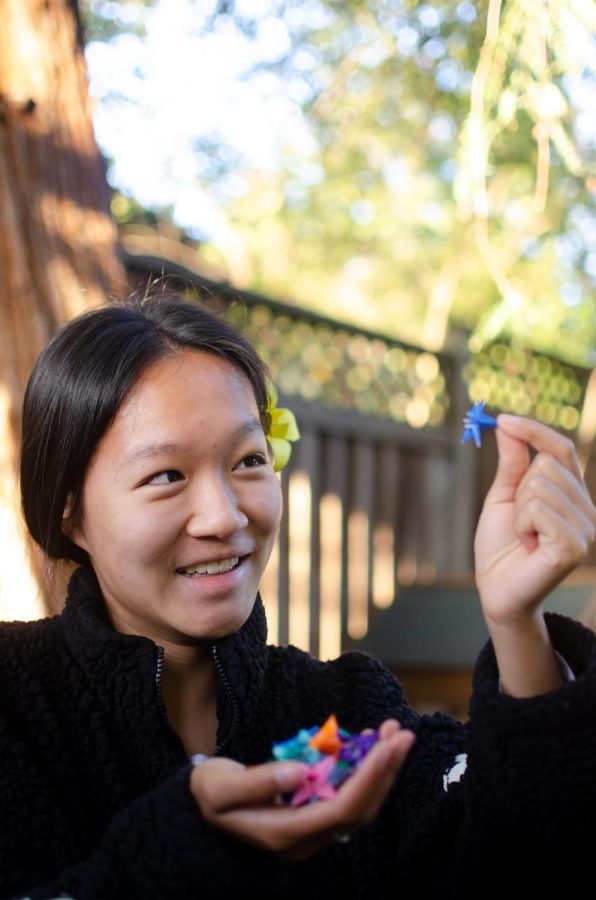


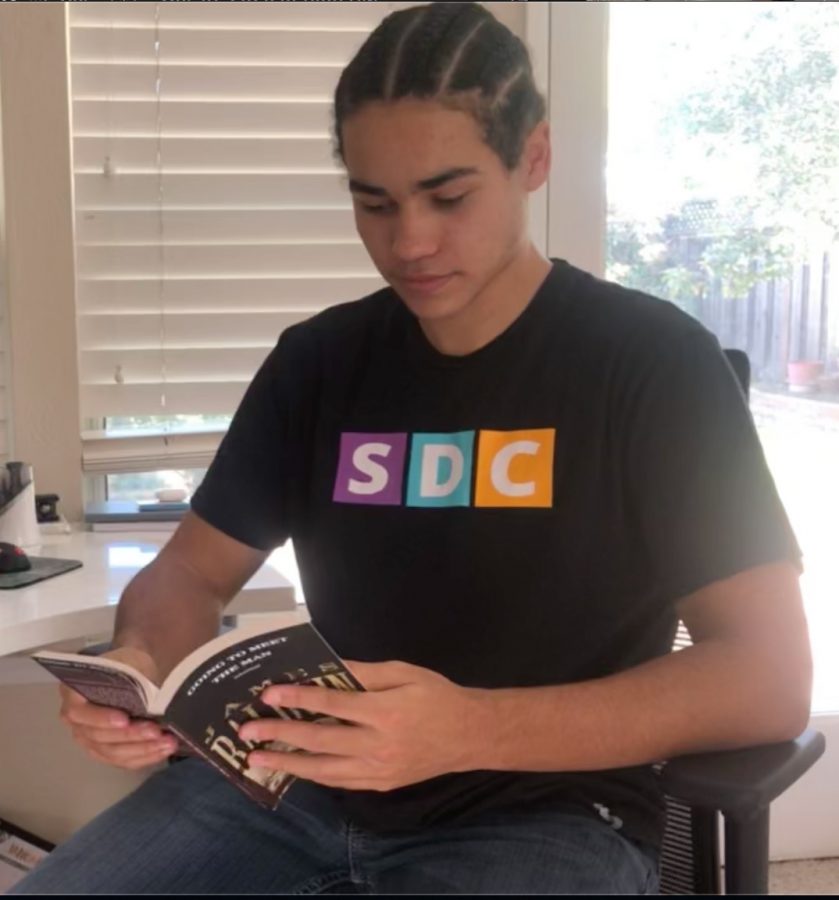
![“When I came into high school, I was ready to be a follower. But DECA was a game changer for me. It helped me overcome my fear of public speaking, and it's played such a major role in who I've become today. To be able to successfully lead a chapter of 150 students, an officer team and be one of the upperclassmen I once really admired is something I'm [really] proud of,” Anvitha Tummala ('21) said.](https://harkeraquila.com/wp-content/uploads/2021/07/Screen-Shot-2021-07-25-at-9.50.05-AM-900x594.png)

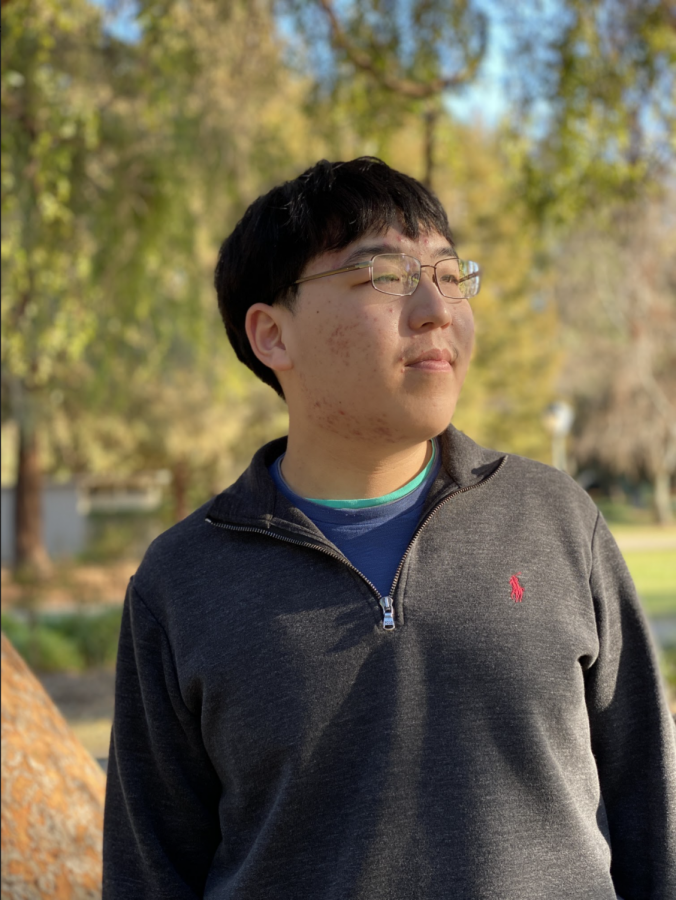


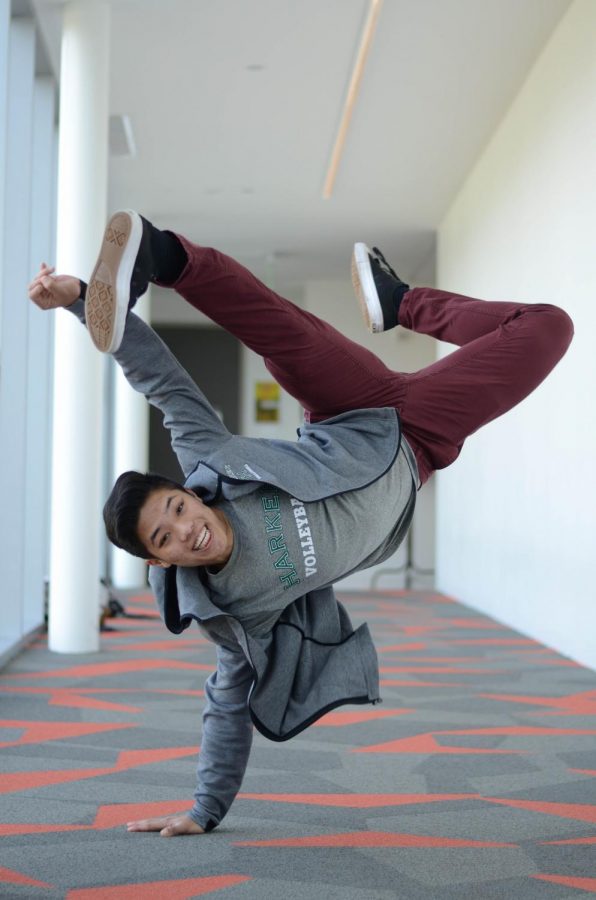


![“I think getting up in the morning and having a sense of purpose [is exciting]. I think without a certain amount of drive, life is kind of obsolete and mundane, and I think having that every single day is what makes each day unique and kind of makes life exciting,” Neymika Jain (12) said.](https://harkeraquila.com/wp-content/uploads/2017/06/Screen-Shot-2017-06-03-at-4.54.16-PM.png)

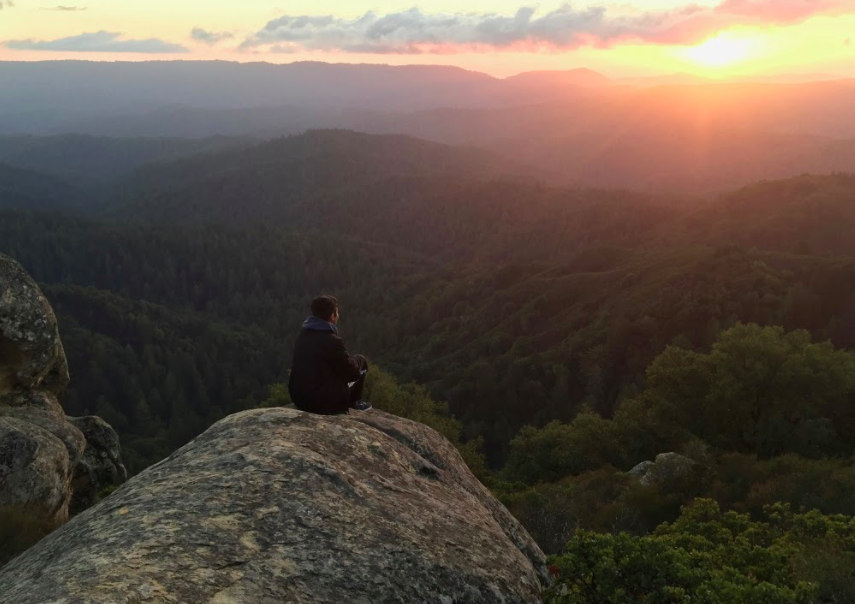


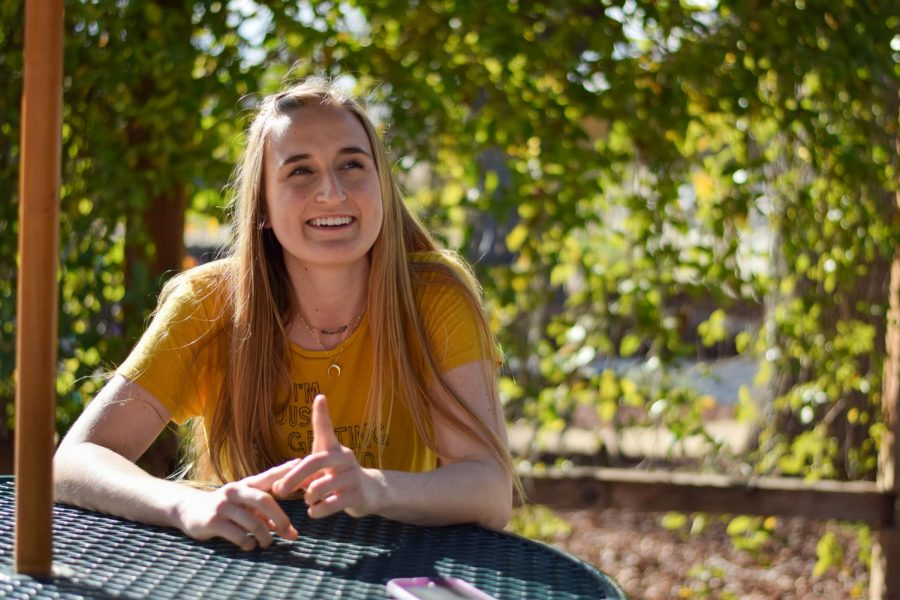

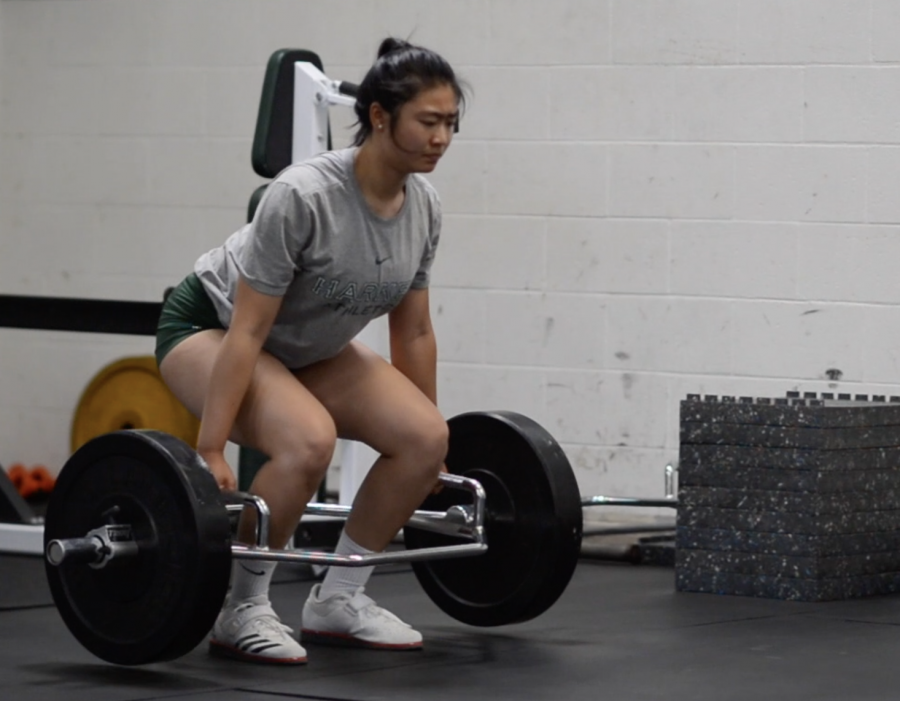

![“My slogan is ‘slow feet, don’t eat, and I’m hungry.’ You need to run fast to get where you are–you aren't going to get those championships if you aren't fast,” Angel Cervantes (12) said. “I want to do well in school on my tests and in track and win championships for my team. I live by that, [and] I can do that anywhere: in the classroom or on the field.”](https://harkeraquila.com/wp-content/uploads/2018/06/DSC5146-900x601.jpg)
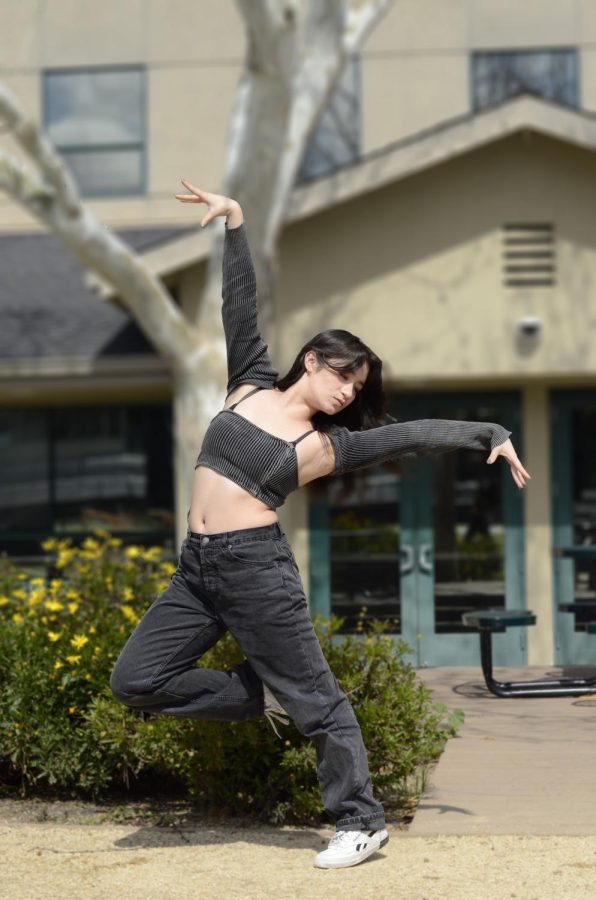
![“[Volleyball has] taught me how to fall correctly, and another thing it taught is that you don’t have to be the best at something to be good at it. If you just hit the ball in a smart way, then it still scores points and you’re good at it. You could be a background player and still make a much bigger impact on the team than you would think,” Anya Gert (’20) said.](https://harkeraquila.com/wp-content/uploads/2020/06/AnnaGert_JinTuan_HoHPhotoEdited-600x900.jpeg)
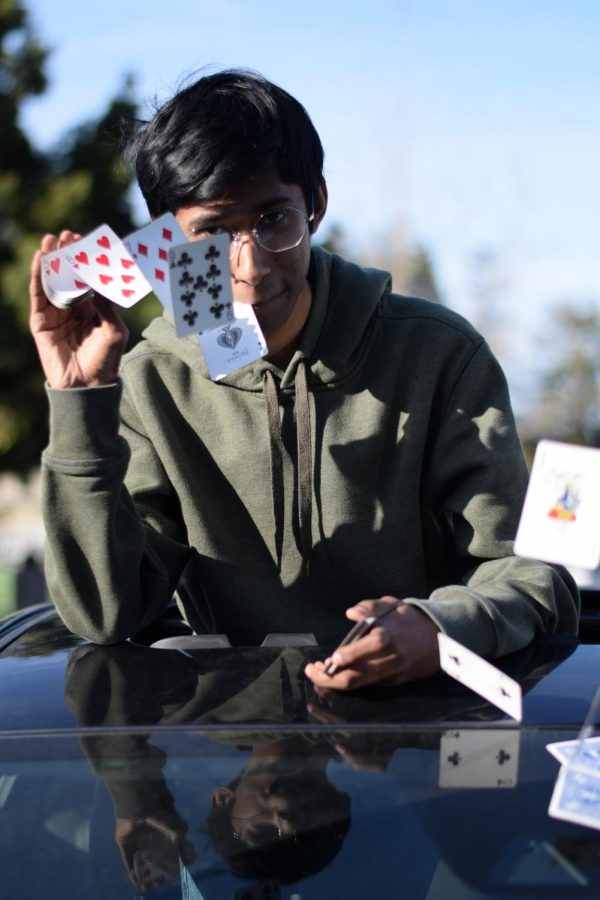
![“I'm not nearly there yet, but [my confidence has] definitely been getting better since I was pretty shy and timid coming into Harker my freshman year. I know that there's a lot of people that are really confident in what they do, and I really admire them. Everyone's so driven and that has really pushed me to kind of try to find my own place in high school and be more confident,” Alyssa Huang (’20) said.](https://harkeraquila.com/wp-content/uploads/2020/06/AlyssaHuang_EmilyChen_HoHPhoto-900x749.jpeg)


Letter to the Editor: History Department responds to curriculum debate

February 2, 2016
The letter below is the Upper School History Department’s response to Elisabeth Siegel’s (12) piece in Winged Post Issue 4 titled “History Curricula reveal several Western biases”
Dear Editor,
The Opinion section of the most recent issue of the Winged Post, contains a column suggesting that history curricula in general but purportedly ours at the Harker School reveal significant Western bias. We feel this article, in particular the first eight lines, misrepresents the mission and ethos of the history department at Harker. Being that the aforementioned lines reflect the author’s personal academic experience, it is difficult to detach the article from Harker and claim that it is a general critique of national norms. In the history department, we truly love opinions. We spend a great deal of time encouraging Harker students to become thinkers and to develop their own opinions, but we teach them that the most effective way to develop solid arguments is through research and evidence. There appeared to be little if any fact checking before the article was published so we want to take this opportunity to set the record straight.
To some degree, everything that we do as an academic institution will have an element of western bias because we live in a western nation. Whether we like it or not, we will initially see everything through our western eyes and our experience living in the United States. We, as a department, are acutely aware of this and have worked tirelessly to offer a variety of viewpoints in the History Department that challenge our own collective western experiences.
Non-western histories begin on a more focused level in seventh grade with a focus on the Middle East and East Asia (predominantly China, Korea, and Japan). At the upper school, our World I and World II classes present a number of non-western units in our curriculum, including the Ming and Qing Dynasties as well as the Taiping Rebellion. In addition, we offer AP World History, World Religions, Modern International Affairs, and Moral Philosophy, a course that includes both Eastern and Western thought.
Interestingly, the column did introduce but failed to explore what is perhaps a more compelling and significant issue – the role of College Board in shaping national curricula and how this influences student learning at Harker. For instance, while the AP World History course includes a broad sweep of both Western and non-Western histories, the scope and pace of the class does not allow for in-depth study of any one civilization. On the other hand, sophomores who opt to take AP European History engage in deep exploration of western topics, but miss the opportunity to learn about contemporary civilizations in Asia, Africa, and the Americas. At Harker, the classes that tend to allow for the most comprehensive and in-depth study of non-Western civilizations are those that are unique to our school, and yet these classes typically have much lower enrollments than AP offerings. In fact, for several years we offered an Asian History course but it was eventually removed from the course catalog due to a lack of interest among the student population.
Had more research and fact checking been done, it would have been clear that we strive to provide many opportunities for our students to be exposed to non-western histories and philosophies. We continue to welcome open and constructive discussions with Harker students about building curricular diversity in the History and Social Science Department. For those students who genuinely care about the long term development of educational offerings for future Harker historians, our doors are open.
History and Social Science Dept.
The Harker Upper School
Feb. 1, 2016
Editor’s Note: The Winged Post makes every effort to fact-check writing that appears in our print publication and on our website. The original opinion piece, “History Curricula Reveal Western Biases,” appeared in Issue 4 of the Winged Post; it was edited and checked for accuracy by our Opinion editor, who verified the claims in the piece with the relevant textbooks. The three conflicts mentioned in the piece are all included in the World History curriculum, but the original piece critiqued the lack of depth given to these topics as compared to other Western conflicts. In addition, the Winged Post piece speaks specifically to representation bias in modern history, from 1750 to the present. The writer did not intend to specifically target the Harker School History Department. As specified in the article, these issues encompass a broader problem facing history classes across the nation.