![“I wasn't discouraged by some of the obstacles we faced. I learned a lot from the leadership. I found that different people need different ways of receiving feedback — you can't [just] tell them to do something and expect the best. [Some] people needed more incentive. A large part of my role was to figure out what worked for everyone and to figure out how to lead all these separate individuals as a team,” Suhana Bhandare (’26) said.](https://harkeraquila.com/wp-content/uploads/2026/06/SuhanaBhandare_JasmineHansra-1-1200x798.jpg)
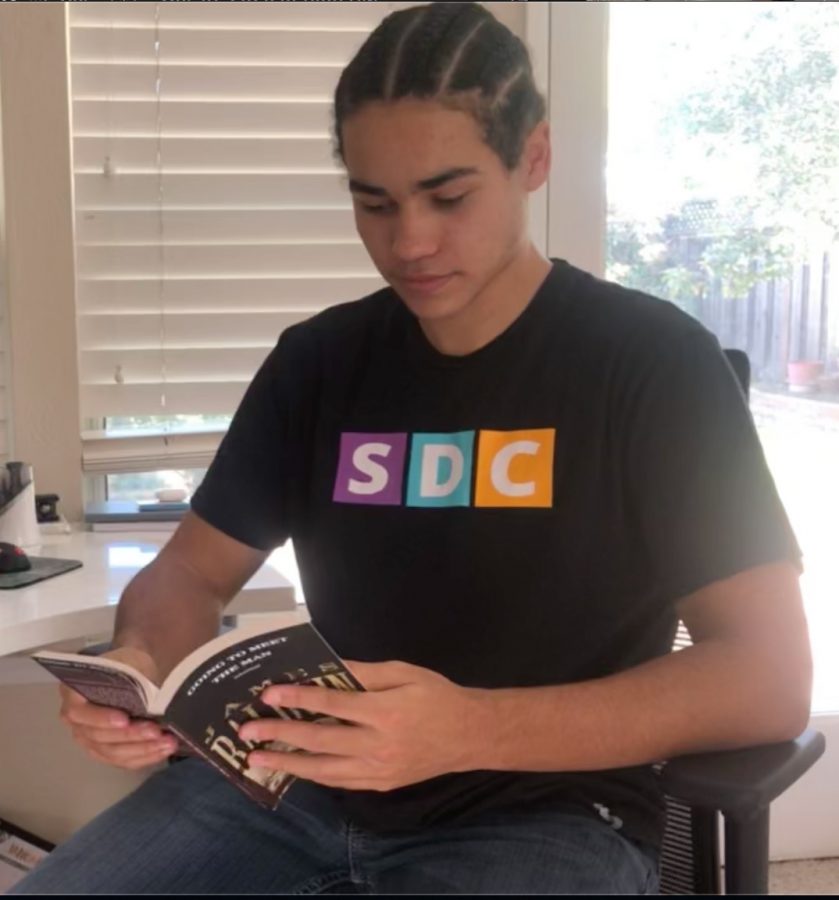
![“This is actually from Randy Pausch Randy P. Brick: ‘Walls are there for a reason. You have to show how much you want to overcome them.’ You have to show how much you want something. That's what I've always been able to do with tennis, Link Crew and getting that internship [with Kushy Baby]. It’s important pushing through that — getting around that brick wall, climbing over it or clawing through it,” Yash Sachdeva (’26) said.](https://harkeraquila.com/wp-content/uploads/2026/05/YashSachdeva_RamBatchu-copy-1200x1002.jpg)





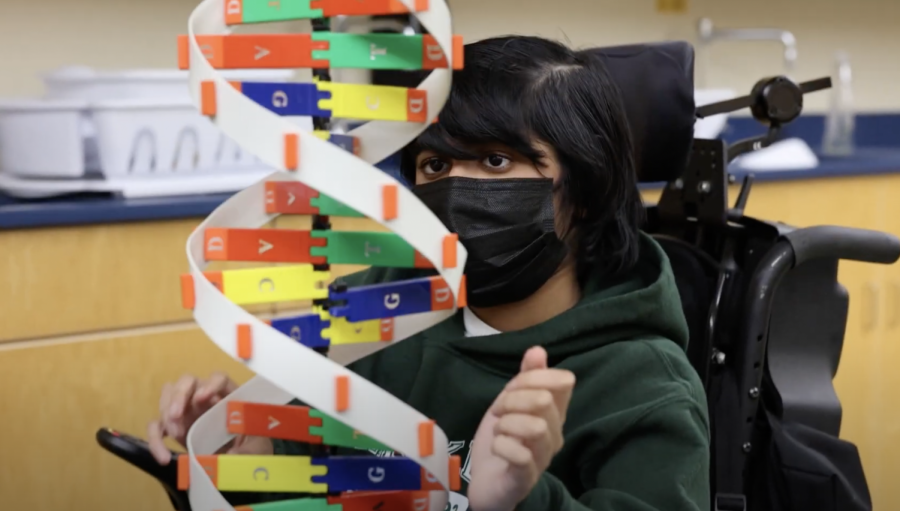
![“[Building nerf blasters] became this outlet of creativity for me that hasn't been matched by anything else. The process [of] making a build complete to your desire is such a painstakingly difficult process, but I've had to learn from [the skills needed from] soldering to proper painting. There's so many different options for everything, if you think about it, it exists. The best part is [that] if it doesn't exist, you can build it yourself," Ishaan Parate said.](https://harkeraquila.com/wp-content/uploads/2022/08/DSC_8149-900x604.jpg)
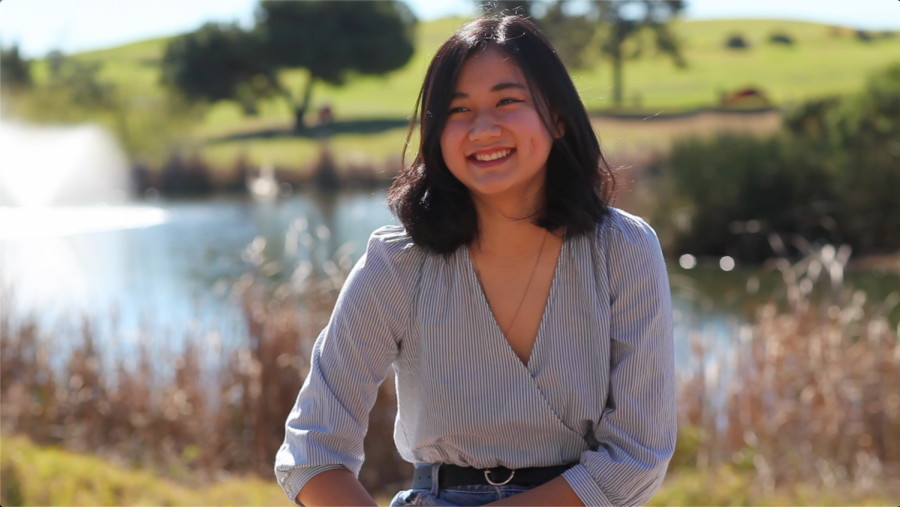
![“When I came into high school, I was ready to be a follower. But DECA was a game changer for me. It helped me overcome my fear of public speaking, and it's played such a major role in who I've become today. To be able to successfully lead a chapter of 150 students, an officer team and be one of the upperclassmen I once really admired is something I'm [really] proud of,” Anvitha Tummala ('21) said.](https://harkeraquila.com/wp-content/uploads/2021/07/Screen-Shot-2021-07-25-at-9.50.05-AM-900x594.png)
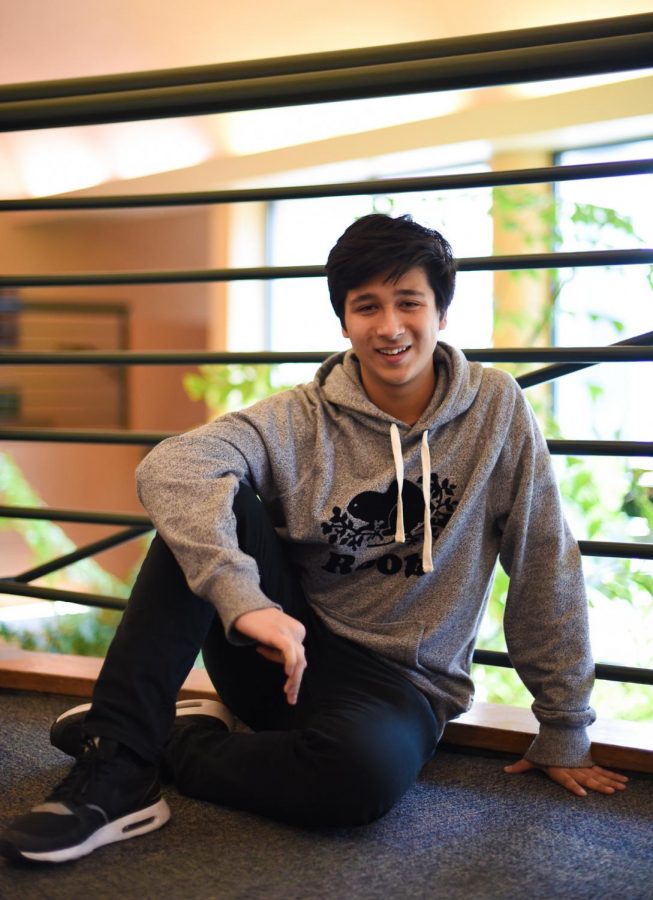
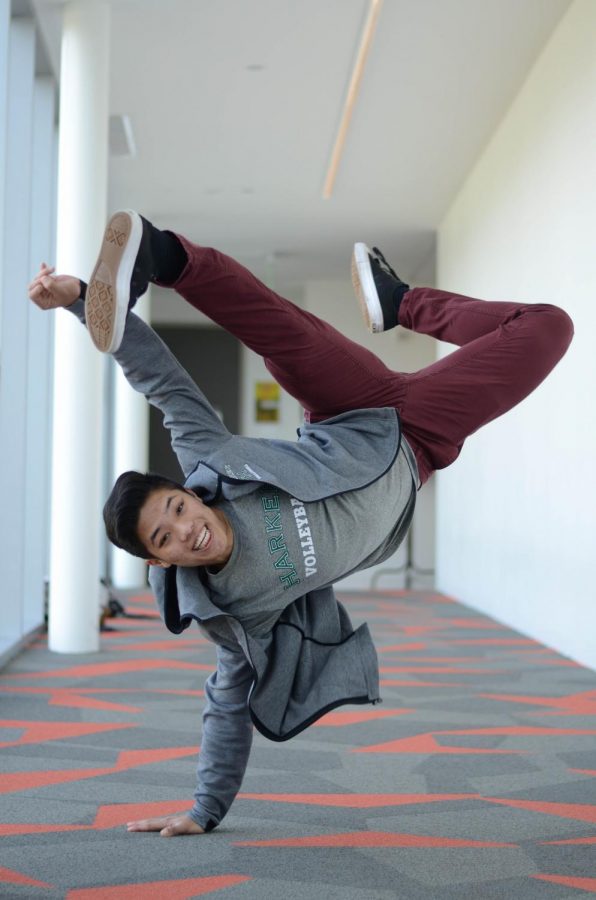
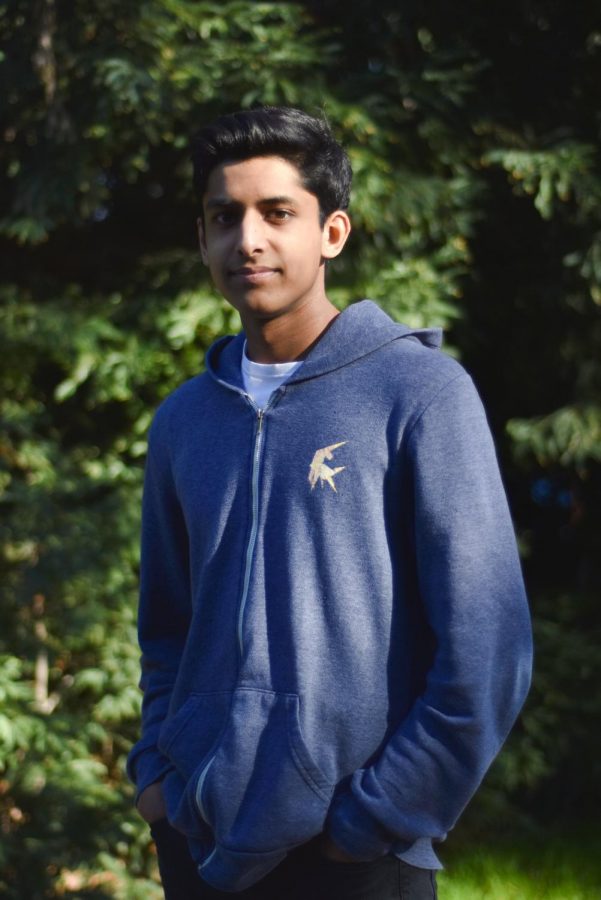

![“I think getting up in the morning and having a sense of purpose [is exciting]. I think without a certain amount of drive, life is kind of obsolete and mundane, and I think having that every single day is what makes each day unique and kind of makes life exciting,” Neymika Jain (12) said.](https://harkeraquila.com/wp-content/uploads/2017/06/Screen-Shot-2017-06-03-at-4.54.16-PM.png)

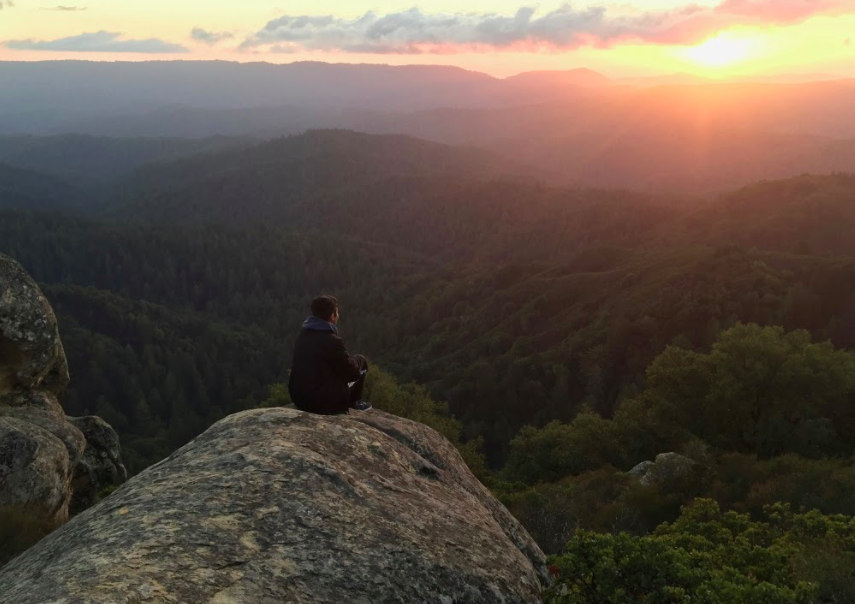
![“My slogan is ‘slow feet, don’t eat, and I’m hungry.’ You need to run fast to get where you are–you aren't going to get those championships if you aren't fast,” Angel Cervantes (12) said. “I want to do well in school on my tests and in track and win championships for my team. I live by that, [and] I can do that anywhere: in the classroom or on the field.”](https://harkeraquila.com/wp-content/uploads/2018/06/DSC5146-900x601.jpg)
![“[Volleyball has] taught me how to fall correctly, and another thing it taught is that you don’t have to be the best at something to be good at it. If you just hit the ball in a smart way, then it still scores points and you’re good at it. You could be a background player and still make a much bigger impact on the team than you would think,” Anya Gert (’20) said.](https://harkeraquila.com/wp-content/uploads/2020/06/AnnaGert_JinTuan_HoHPhotoEdited-600x900.jpeg)
![“I'm not nearly there yet, but [my confidence has] definitely been getting better since I was pretty shy and timid coming into Harker my freshman year. I know that there's a lot of people that are really confident in what they do, and I really admire them. Everyone's so driven and that has really pushed me to kind of try to find my own place in high school and be more confident,” Alyssa Huang (’20) said.](https://harkeraquila.com/wp-content/uploads/2020/06/AlyssaHuang_EmilyChen_HoHPhoto-900x749.jpeg)

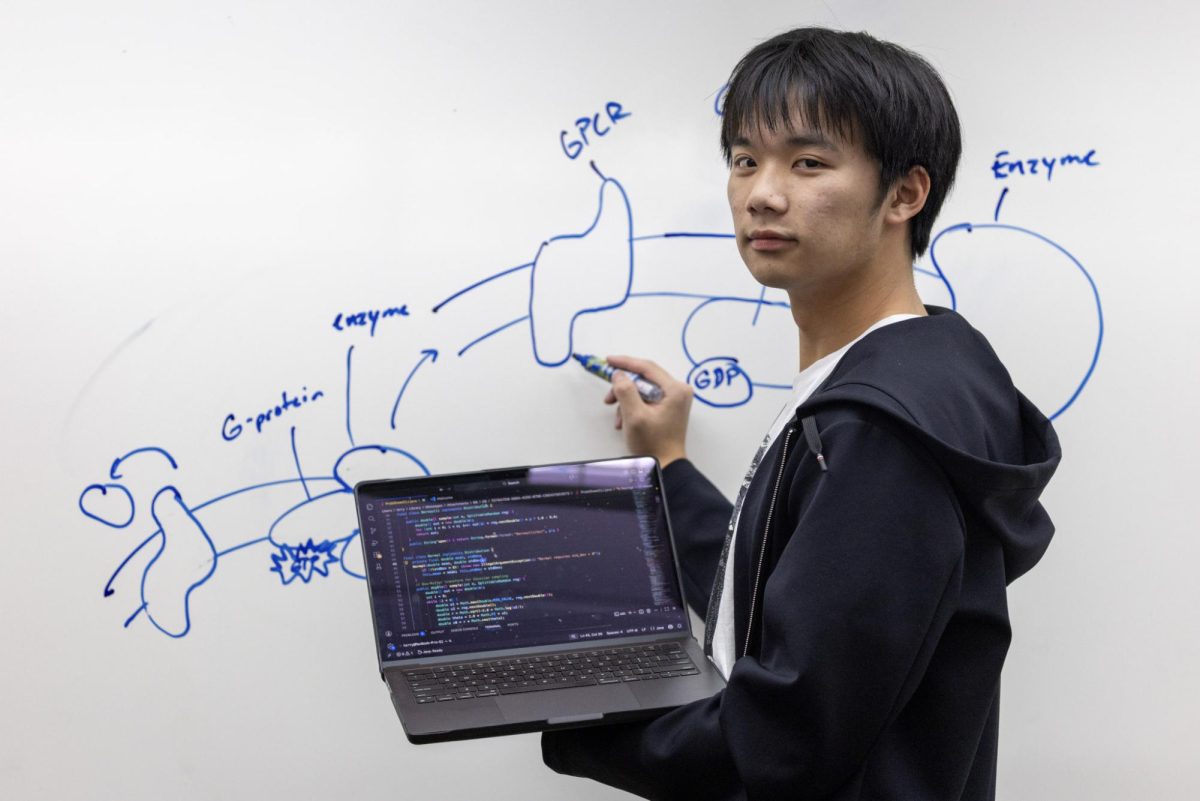
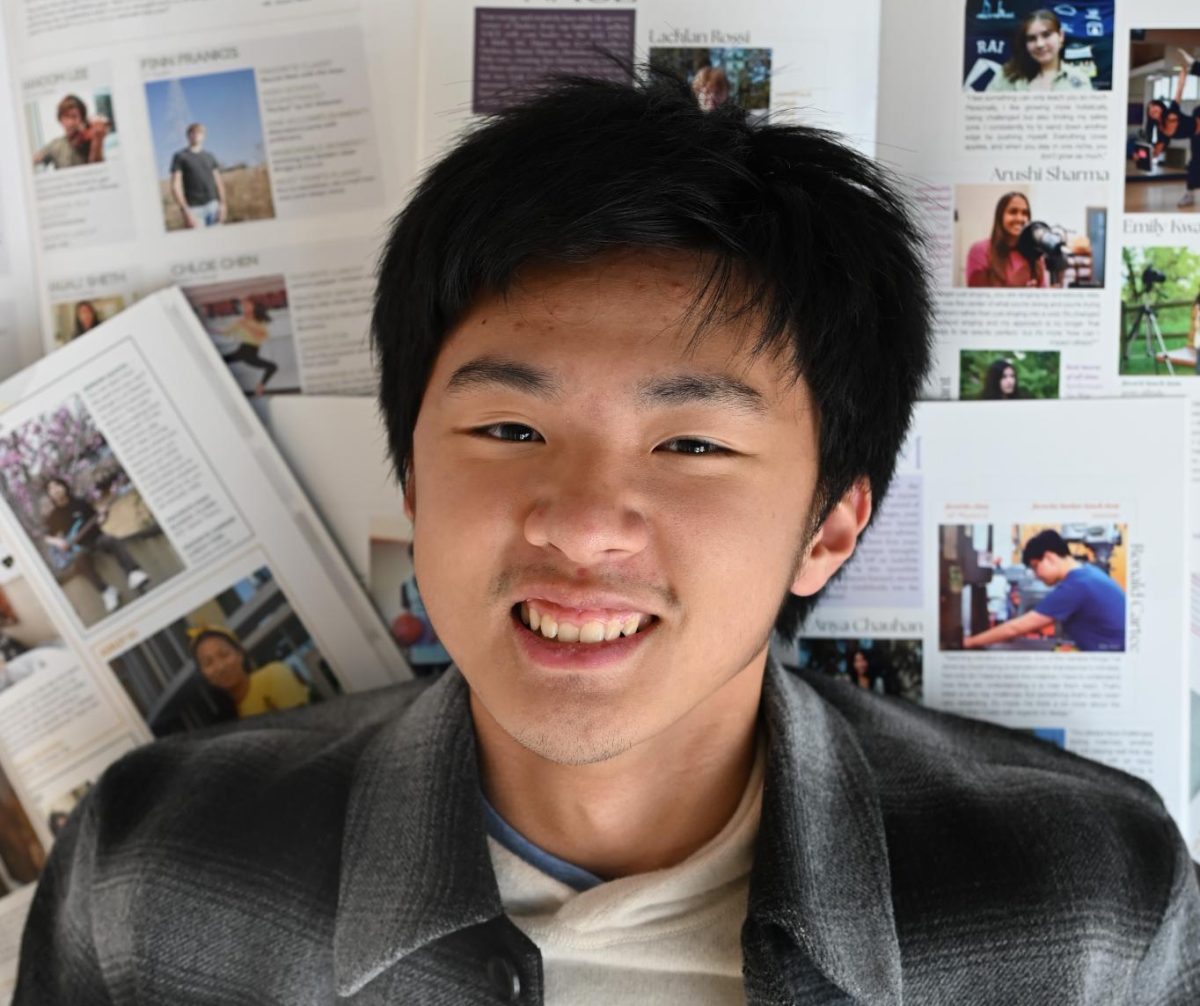
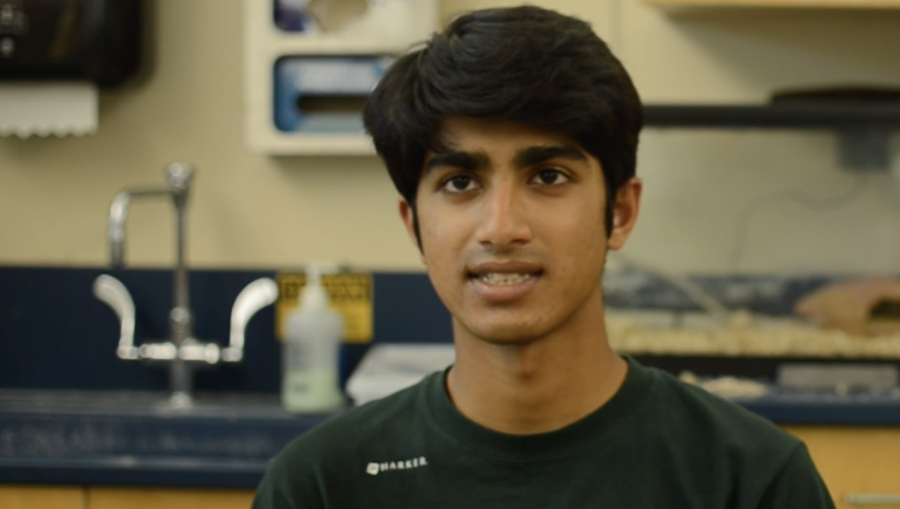
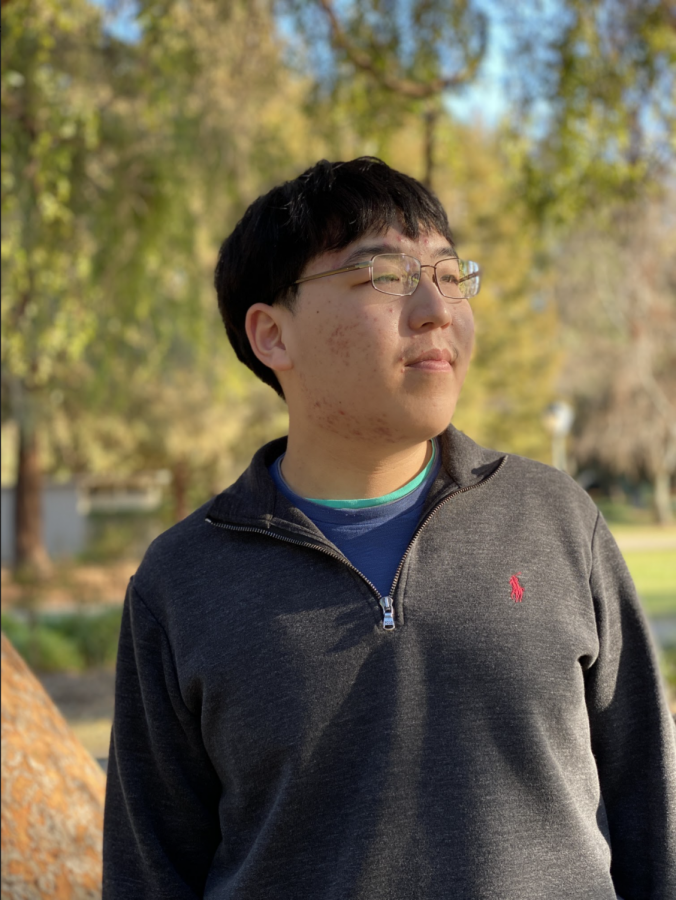
Cardiovascular disease is the leading cause of death in the United States, but Terry Xie (‘26) doesn’t need a multi-million dollar wet lab or a team of mentors to tackle it. As he sits alone in his room, Terry runs a machine learning algorithm. Lines of data flood his screen, the results confirming what he had spent years trying to prove: His model could successfully predict heart disease using the gut microbiome.
“The best part of research is seeing the results actually happening because that’s when you know that all your hard work has paid off,” Terry said. “If you don’t have a mentor or access to a lab, you don’t have a lot of resources or expertise available. That was a big challenge for me — figuring out what I need to do and how I do it with what I have at home.”
Terry’s fascination with biology began in middle school, but by the end of his sophomore year, he wanted to pursue the subject outside of class. Because he was a high schooler working independently from home, Terry faced a major constraint: He lacked the resources and physical access to conduct experiments in a traditional wet lab. To overcome this hurdle, he pivoted to bioinformatics, teaching himself the necessary Python libraries to build machine learning algorithms directly on his computer.
He was specifically drawn to exploring the link between the gut microbiome and cardiovascular disease because the connection felt counterintuitive to him and offered a unique challenge to unravel. After years of independent work and honing this model, he ultimately presented his findings at the International Conference on Machine and Computing Intelligence.
“That was really a big, inspiring moment for me because it showed the potential of what I was actually doing,” Terry said. “These models can find these really complicated relationships and then, more importantly, use those relationships to have some benefit on human health.”
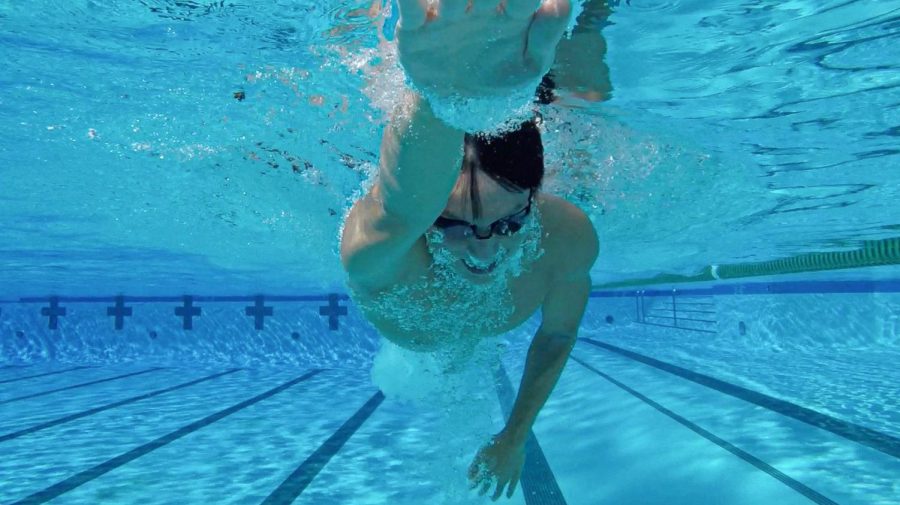
This philosophy of exploring new topics and diving into uncharted waters directly influences Terry’s life outside of science. Seeking a new activity in the spring of eighth grade, he joined the water polo team. There, the demanding pace of the sport immediately hooked him, and over the next four years, the sport became the grounds for his mental endurance. Terry flows between various positions on the varsity water polo team, each requiring a different set of skills and requirements.
“Being able to adapt to what each position demands and then, from those positions, contribute as much as possible to the team’s overall success was a big part of my contributions,” Terry said. “There’s definitely some influence from research into that adaptability and being able to figure out things on the go.”
Water polo coach and math teacher Victor Adler appreciates Terry’s flexibility and work ethic.
“The thing about Terry is you don’t have to tell Terry how to do something twice,” Adler said. “He’s sharp, so you tell him, ‘This is what we need to do,’ and Terry does it. He came on as a freshman for water polo and developed as a leader on JV and then contributed on varsity. It’s been fun for me to work with him both in the classroom and in the pool.”
The physical demands of water polo mirror the trial-and-error routines of his algorithms. Terry has learned the importance of perseverance, whether through debugging a challenging block of code or pushing himself in the final few minutes of a close match.
“Water polo is probably one of the hardest sports out there,” Terry Xie. “It really demands a lot out of you and your body, but the biggest thing is mentality. If you go into a game or go into a play already given up, then you’re definitely not gonna get the ball. You have to keep pushing yourself continuously.”
Close friend Stanley Chen (’26) has known Terry since sixth grade and is thankful for his genuine friendship and dependability.
“He’s one of the most genuine people I know,” Stanley said. “He’s always very locked in, doing the work in class when he was supposed to. In his interactions with me I can tell that he’s very social and he really likes talking with others. He was one of my first friends at Harker, and he’s definitely grown as a person I can count on.”
That dependability resonates with other peers as well, both in and out of the classroom. Kairui Sun (’26), who is currently organizing a senior trip to Japan with Terry, appreciates his grounding presence and meticulous attention to detail.
“One of the things I admire most about Terry is how consistent and calm he is,” Kairui said. “It’s impossible to be sad around him. He can be a consistent source of laughter, but he’s also consistent in terms of focus. Whenever he takes on a task, he does it all the way through.”
Looking ahead, Terry plans to continue his research in college labs, with the long-term goal of becoming a doctor. Armed with a profound appreciation for the complexity of human biology, he plans to approach future medical challenges with the same fearless problem-solving he cultivated on his computer.
“From research, I appreciate the human body a lot more,” Terry said. “I can understand amazing things, and seeing the complexity that is actually happening in the machine that keeps us alive is really spectacular for me. Research has changed my perspective on problems — now, I’m more confident that I can go in and figure stuff out along the way. I don’t have to hesitate or be afraid of certain problems or challenges.”