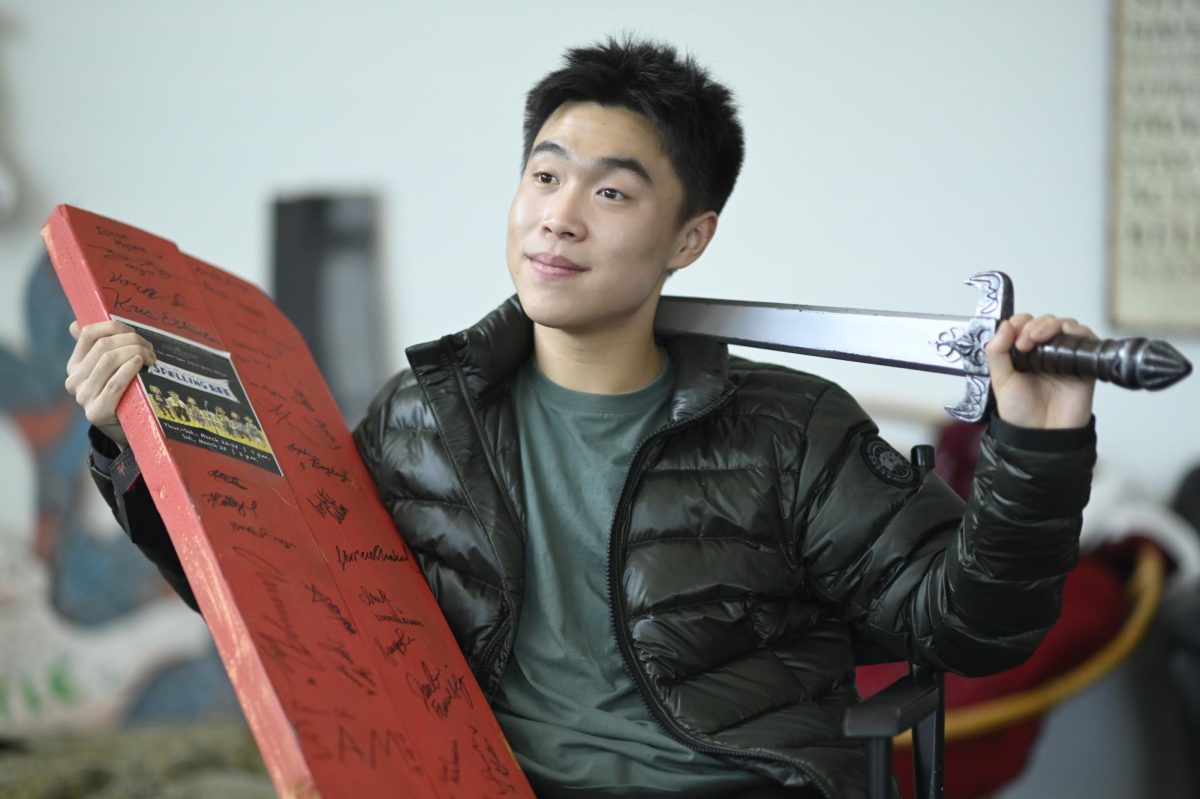
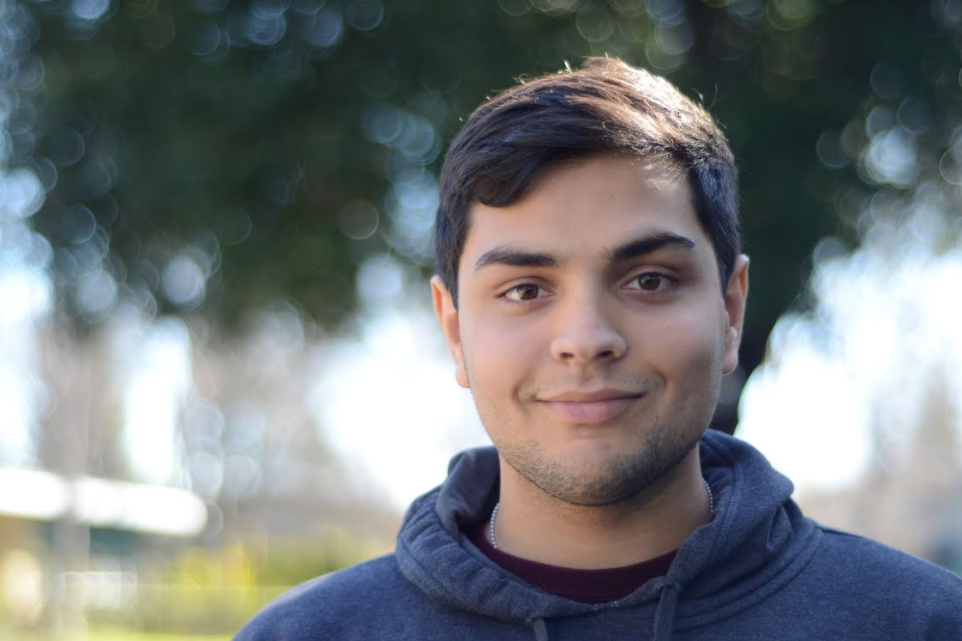
![“I wasn't discouraged by some of the obstacles we faced. I learned a lot from the leadership. I found that different people need different ways of receiving feedback — you can't [just] tell them to do something and expect the best. [Some] people needed more incentive. A large part of my role was to figure out what worked for everyone and to figure out how to lead all these separate individuals as a team,” Suhana Bhandare (’26) said.](https://harkeraquila.com/wp-content/uploads/2026/06/SuhanaBhandare_JasmineHansra-1-1200x798.jpg)
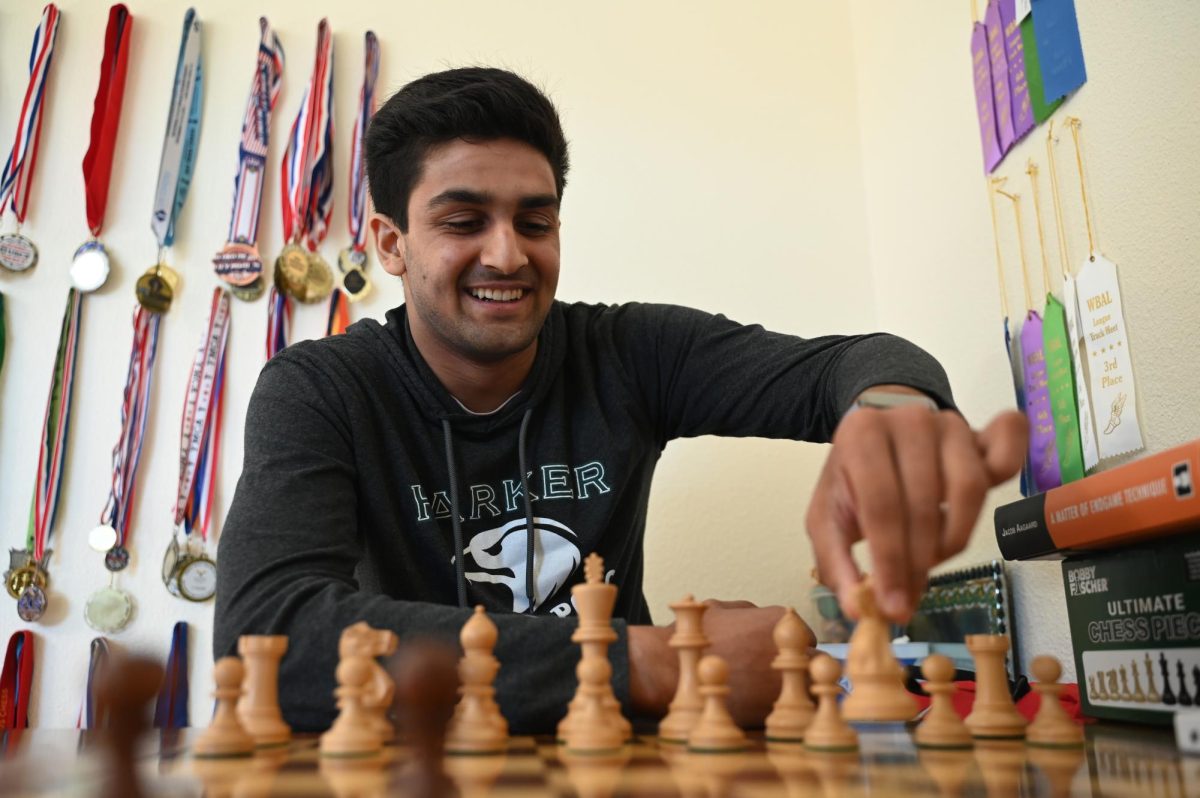
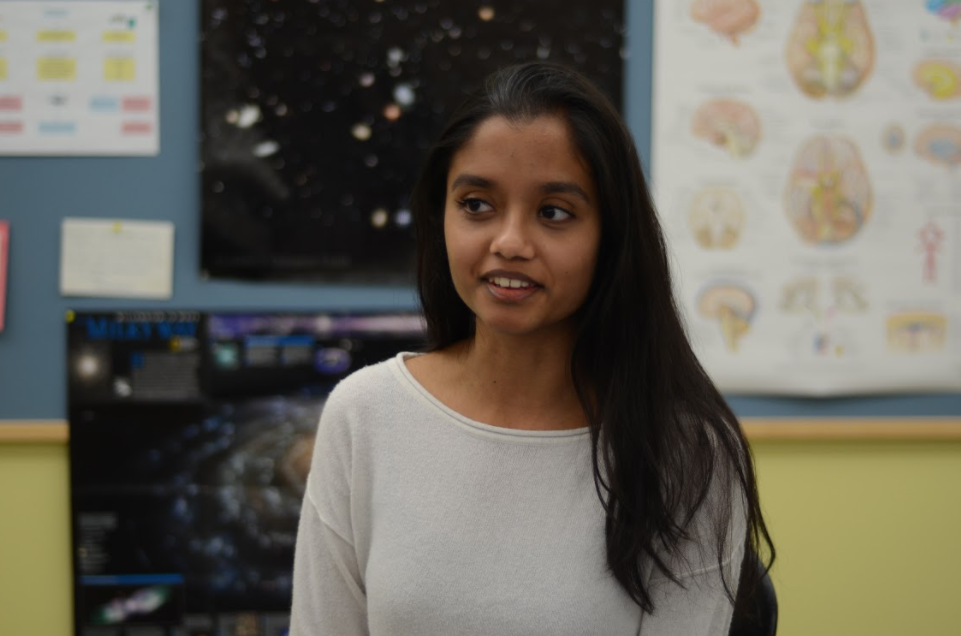
![“This is actually from Randy Pausch Randy P. Brick: ‘Walls are there for a reason. You have to show how much you want to overcome them.’ You have to show how much you want something. That's what I've always been able to do with tennis, Link Crew and getting that internship [with Kushy Baby]. It’s important pushing through that — getting around that brick wall, climbing over it or clawing through it,” Yash Sachdeva (’26) said.](https://harkeraquila.com/wp-content/uploads/2026/05/YashSachdeva_RamBatchu-copy-1200x1002.jpg)




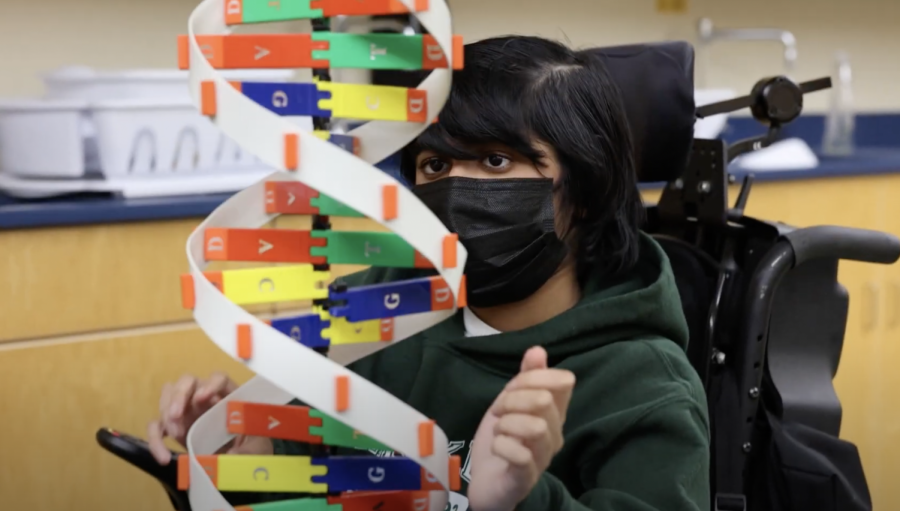
![“[Building nerf blasters] became this outlet of creativity for me that hasn't been matched by anything else. The process [of] making a build complete to your desire is such a painstakingly difficult process, but I've had to learn from [the skills needed from] soldering to proper painting. There's so many different options for everything, if you think about it, it exists. The best part is [that] if it doesn't exist, you can build it yourself," Ishaan Parate said.](https://harkeraquila.com/wp-content/uploads/2022/08/DSC_8149-900x604.jpg)
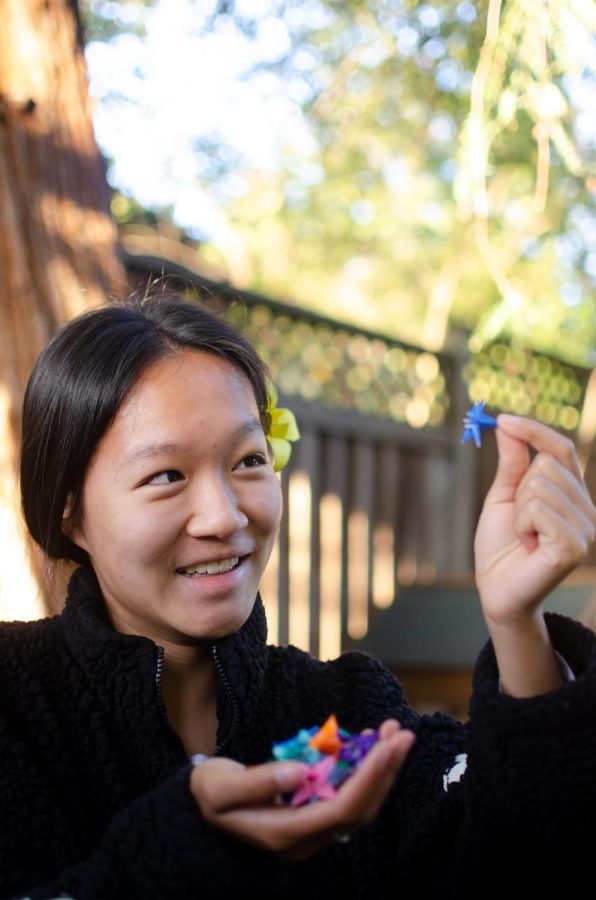
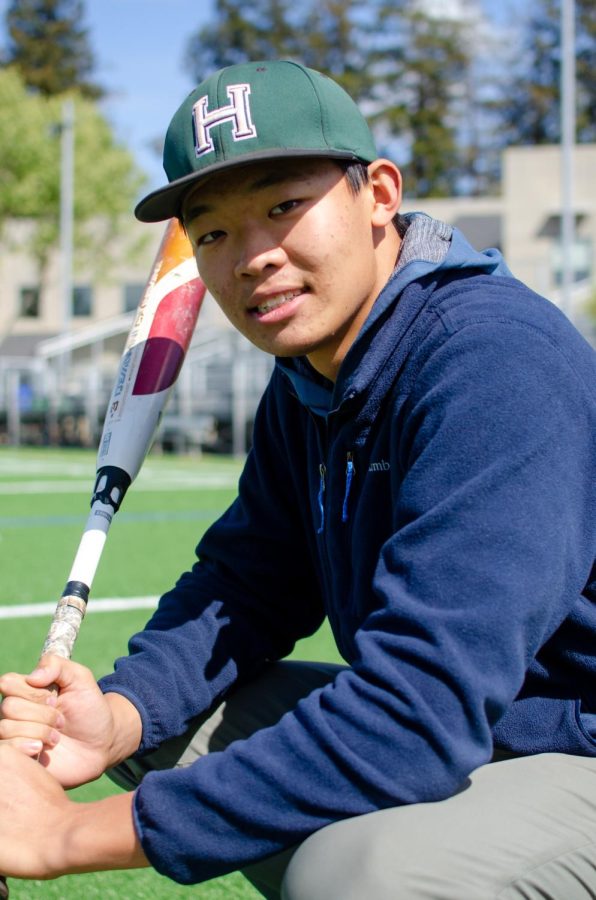

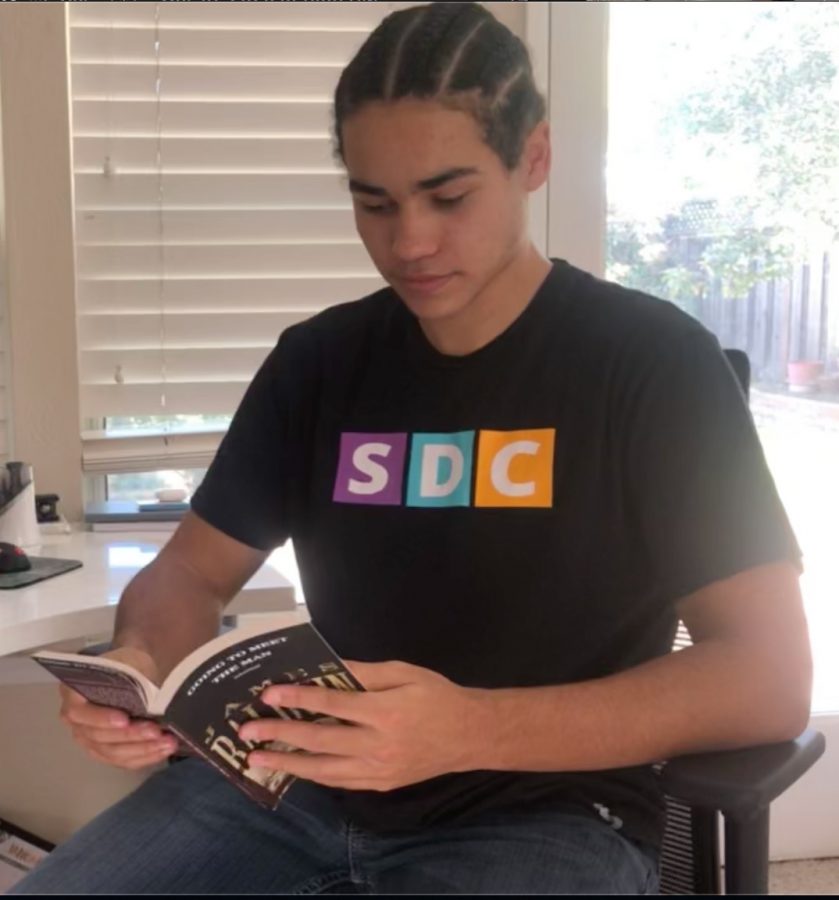
![“When I came into high school, I was ready to be a follower. But DECA was a game changer for me. It helped me overcome my fear of public speaking, and it's played such a major role in who I've become today. To be able to successfully lead a chapter of 150 students, an officer team and be one of the upperclassmen I once really admired is something I'm [really] proud of,” Anvitha Tummala ('21) said.](https://harkeraquila.com/wp-content/uploads/2021/07/Screen-Shot-2021-07-25-at-9.50.05-AM-900x594.png)

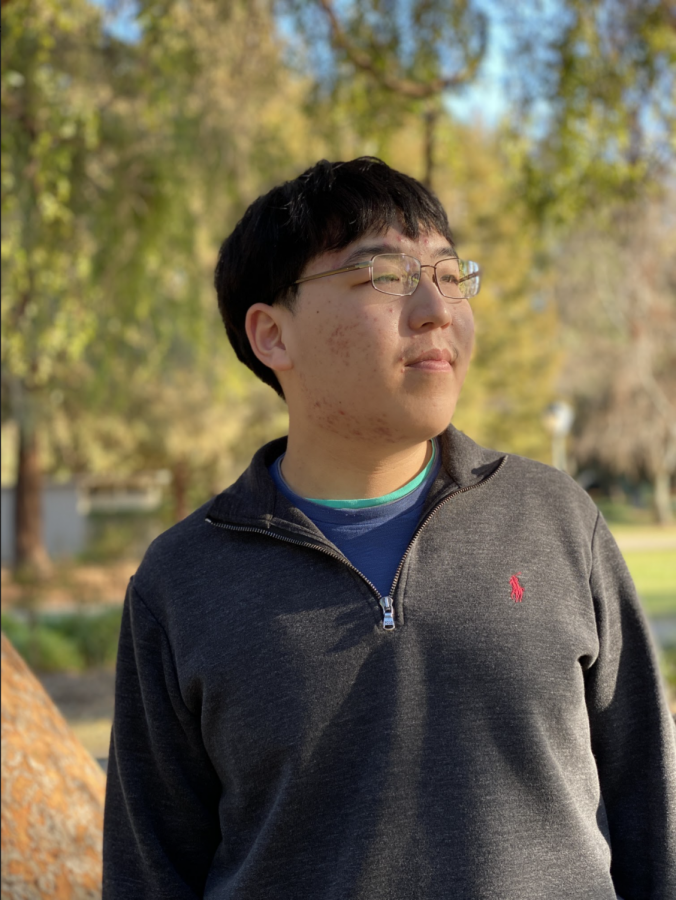
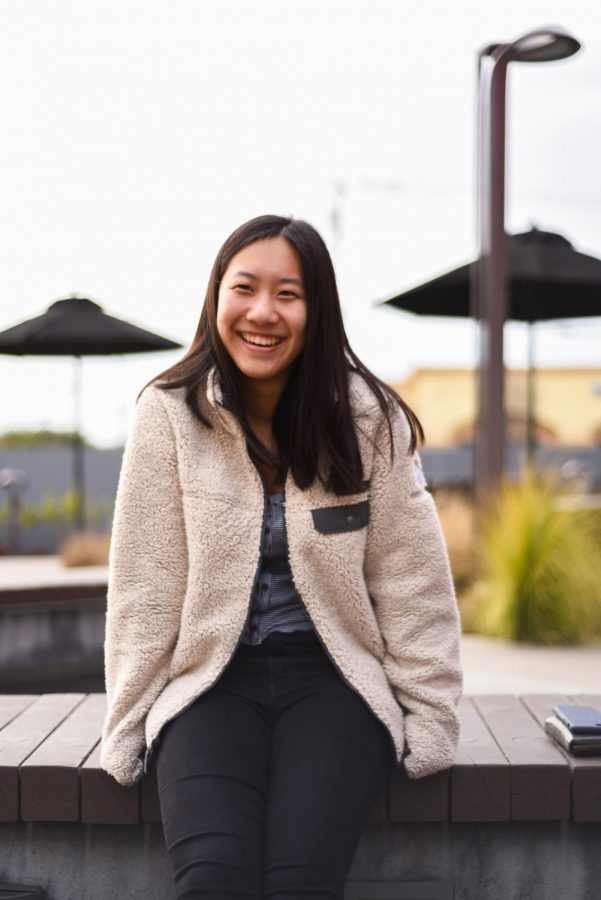
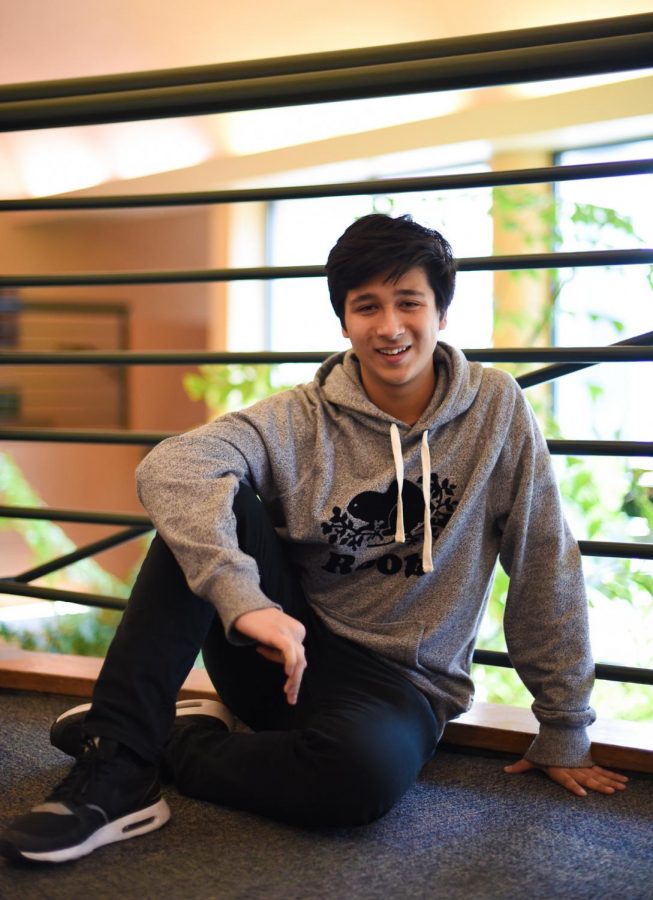

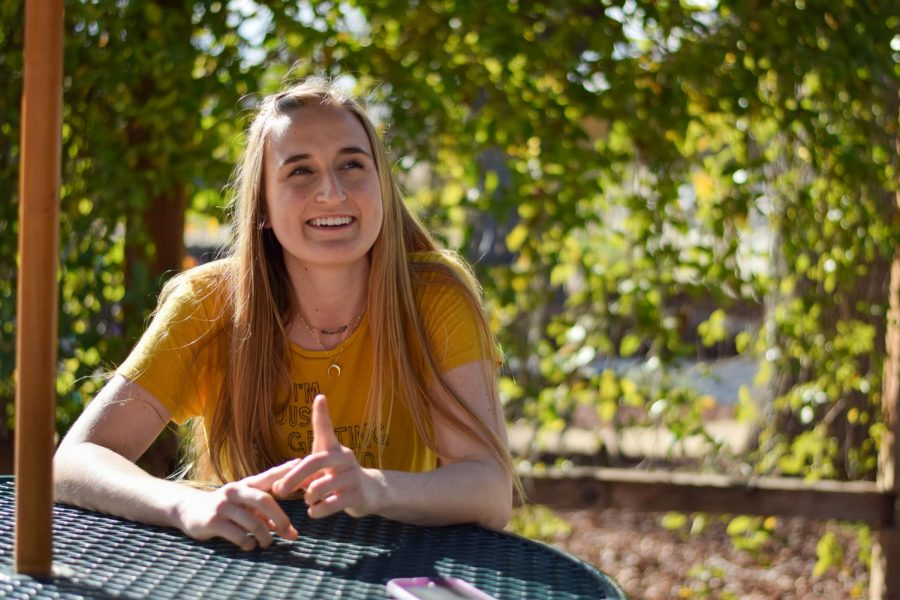
![“I think getting up in the morning and having a sense of purpose [is exciting]. I think without a certain amount of drive, life is kind of obsolete and mundane, and I think having that every single day is what makes each day unique and kind of makes life exciting,” Neymika Jain (12) said.](https://harkeraquila.com/wp-content/uploads/2017/06/Screen-Shot-2017-06-03-at-4.54.16-PM.png)


![“My slogan is ‘slow feet, don’t eat, and I’m hungry.’ You need to run fast to get where you are–you aren't going to get those championships if you aren't fast,” Angel Cervantes (12) said. “I want to do well in school on my tests and in track and win championships for my team. I live by that, [and] I can do that anywhere: in the classroom or on the field.”](https://harkeraquila.com/wp-content/uploads/2018/06/DSC5146-900x601.jpg)
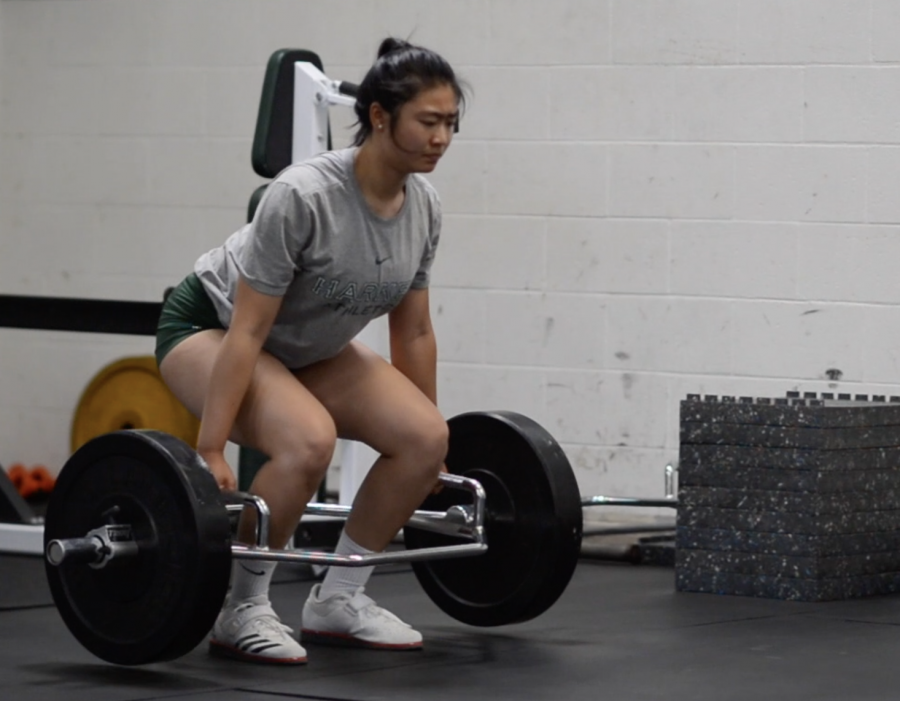
![“[Volleyball has] taught me how to fall correctly, and another thing it taught is that you don’t have to be the best at something to be good at it. If you just hit the ball in a smart way, then it still scores points and you’re good at it. You could be a background player and still make a much bigger impact on the team than you would think,” Anya Gert (’20) said.](https://harkeraquila.com/wp-content/uploads/2020/06/AnnaGert_JinTuan_HoHPhotoEdited-600x900.jpeg)
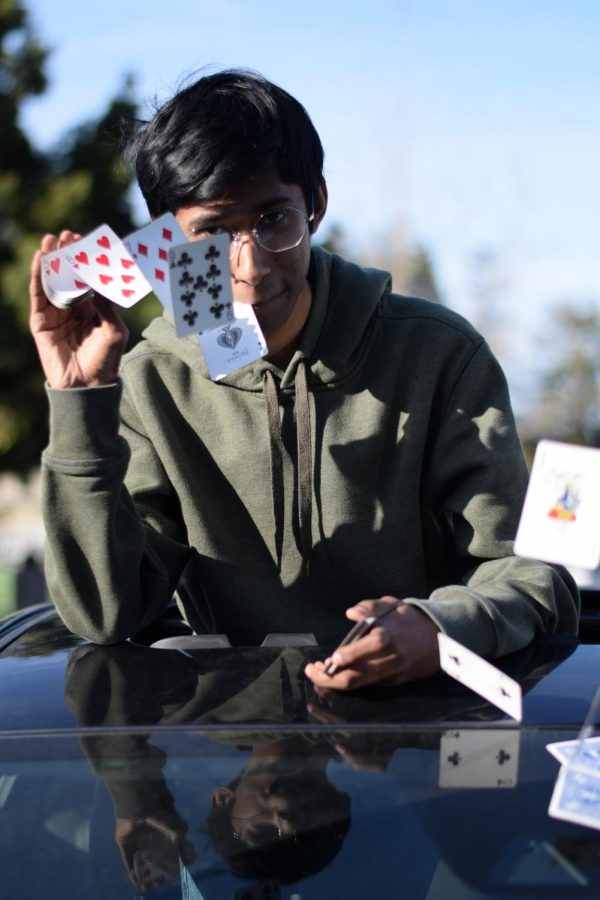
![“I'm not nearly there yet, but [my confidence has] definitely been getting better since I was pretty shy and timid coming into Harker my freshman year. I know that there's a lot of people that are really confident in what they do, and I really admire them. Everyone's so driven and that has really pushed me to kind of try to find my own place in high school and be more confident,” Alyssa Huang (’20) said.](https://harkeraquila.com/wp-content/uploads/2020/06/AlyssaHuang_EmilyChen_HoHPhoto-900x749.jpeg)

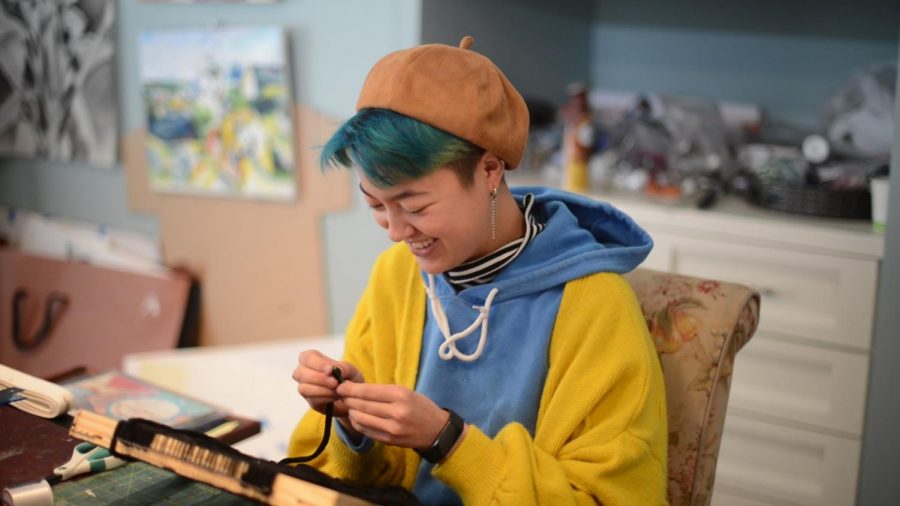


Sitting cross-legged on the floor of her room, Yena Yu (‘26) carefully knots the corners of a fleece blanket. She reaches for another length of fabric, then begins the process again, tassel by tassel. These blankets, made through Project Linus, are more than just soft and colorful donations for children in crisis. They are Yena’s quiet way of providing comfort and connection to people she may never meet.
“When I was a child, I really loved blankets,” Yena said. “My grandpa got me one and I was so attached to it that he bought me two more just like it. It felt like such a small thing, but it gave me this deep sense of comfort. I wanted to give that same feeling to others, especially those going through difficult times.”
Over the years, Yena made dozens of blankets, with one year dedicated to creating over one hundred. She remembers delivering them in bulk to a local Project Linus coordinator and watching the woman’s eyes widen in surprise.
“She told me she had never seen a kid bring that many before,” Yena said. “That moment helped me realize that what I was doing wasn’t just a personal project. It meant something to others. My work had an impact beyond myself.”
Yena’s actions are shaped by a desire to give back meaningfully and to act with care, even when no one is watching. Whether she is volunteering, conducting research or simply showing up for a teammate, she leads through thoughtfulness and consistency.
On the lacrosse field, Yena brings the same grounded energy. She joined the team as a frosh with no experience in the sport. Though she had played basketball and volleyball before, she found lacrosse to be a better fit — fast-paced, strategic and collaborative in a way that clicked with her personality.
“Lacrosse was still a contact sport, but it was less aggressive and more focused on speed and coordination,” Yena said. “That experience taught me you don’t have to be afraid to try something new. Just because everyone else has been doing something since they were five doesn’t mean you can’t build your own path.”
For Yena, learning lacrosse was a challenge at first. From understanding the rules to mastering hand-eye coordination, every aspect of the game required focus and practice. Yena remembers struggling to run across the field while cradling the ball and trying to keep track of positioning rules. However, she eventually learned to persist.
“You can’t get better in one day,” Yena said. “I used to want to learn things immediately, whether it was in sports or in school. But seeing other beginners struggle with me, growing together over time, reminded me that progress can take time and that it’s okay to move slowly.”
Beyond the technical skills, what made lacrosse meaningful for Yena was the team connection. She found a group of players who supported one another, bonded both on and off the field and created a space where everyone could feel included.
“Everyone’s always joking around and being silly, but once we step on the field, everyone is focused,” Yena said. “There’s this group synergy that just works. It’s not about competing against each other. We’re all working toward the same goal, and that makes us stronger.”
That same commitment to working together and uplifting others carries into Yena’s academic pursuits. As a Near Mitra scholar, she researched how redlining, a discriminatory housing practice from the twentieth century, influenced access to financial services and contributed to long-term inequality. The topic first caught her attention during a lesson in her AP U.S. History class.
“I remember seeing these colorful maps with red and green patches and wondering what they meant,” Yena said. “At first I thought there must be some deep economic analysis behind them. When I realized they were based on race, I was shocked. That moment stayed with me.”
Yena’s research connects redlining to the 2008 financial crisis, an event that occurred the year she was born but effects are still visible today. Conducting archival research for the first time, she encountered challenges with finding sources and building her foundation. With support from the librarians and her mentors, Yena learned how to dive deeper, build connections and defend her findings.
“I want people to realize that the struggles they face are not always their fault,” Yena said. “There are systems of inequality that shape people’s lives in ways they can’t always control. But it’s still brave to try and pursue a good life despite that. And if you are someone with privilege, then I think it’s your responsibility to help others.”
To friends and teachers, Yena is someone who brings care into every room she enters. Yena’s adviser and junior year APUSH teacher James Tate has seen that impact firsthand.
“Yena elevates everyone with her positivity and her presence,” Tate said. “You never have a bad day when she’s in the room. She brings kindness and consistency that makes everyone around her better.”
Close friend and research partner Joy Hu (‘26) echoes this sentiment.
“She might seem a little quiet at first because she’s so kind,” Joy said. “But once you get to know her, you see how much depth she has. She’s thoughtful, focused and always brings her full self into everything she does.”
Whether she is cutting tassels for a blanket, running drills on the field or defending a research thesis, Yena Yu shows how empathy can be a powerful form of leadership.
“I hope people remember me as someone who was always looking out for them,” Yena said. “In a place like Harker where it can sometimes feel competitive, I want to be the person who made others feel seen and supported.”