![“I wasn't discouraged by some of the obstacles we faced. I learned a lot from the leadership. I found that different people need different ways of receiving feedback — you can't [just] tell them to do something and expect the best. [Some] people needed more incentive. A large part of my role was to figure out what worked for everyone and to figure out how to lead all these separate individuals as a team,” Suhana Bhandare (’26) said.](https://harkeraquila.com/wp-content/uploads/2026/06/SuhanaBhandare_JasmineHansra-1-1200x798.jpg)
![“This is actually from Randy Pausch Randy P. Brick: ‘Walls are there for a reason. You have to show how much you want to overcome them.’ You have to show how much you want something. That's what I've always been able to do with tennis, Link Crew and getting that internship [with Kushy Baby]. It’s important pushing through that — getting around that brick wall, climbing over it or clawing through it,” Yash Sachdeva (’26) said.](https://harkeraquila.com/wp-content/uploads/2026/05/YashSachdeva_RamBatchu-copy-1200x1002.jpg)





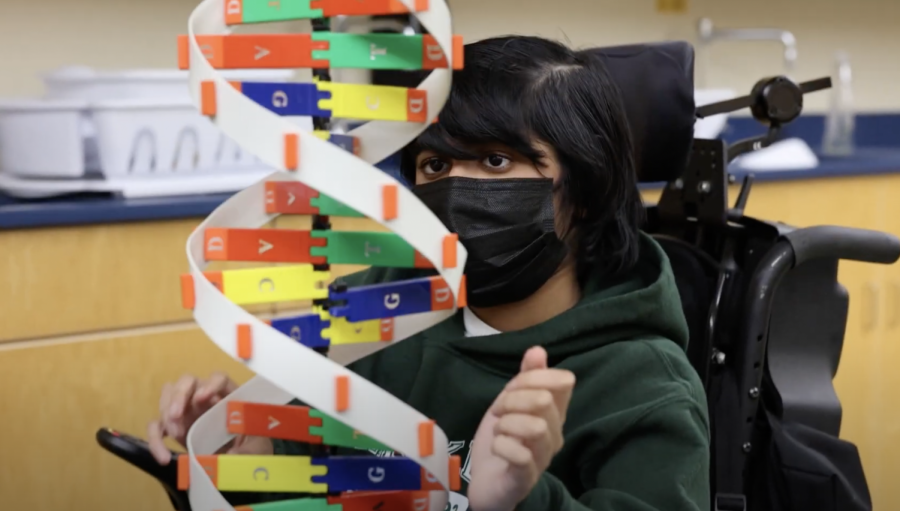
![“[Building nerf blasters] became this outlet of creativity for me that hasn't been matched by anything else. The process [of] making a build complete to your desire is such a painstakingly difficult process, but I've had to learn from [the skills needed from] soldering to proper painting. There's so many different options for everything, if you think about it, it exists. The best part is [that] if it doesn't exist, you can build it yourself," Ishaan Parate said.](https://harkeraquila.com/wp-content/uploads/2022/08/DSC_8149-900x604.jpg)
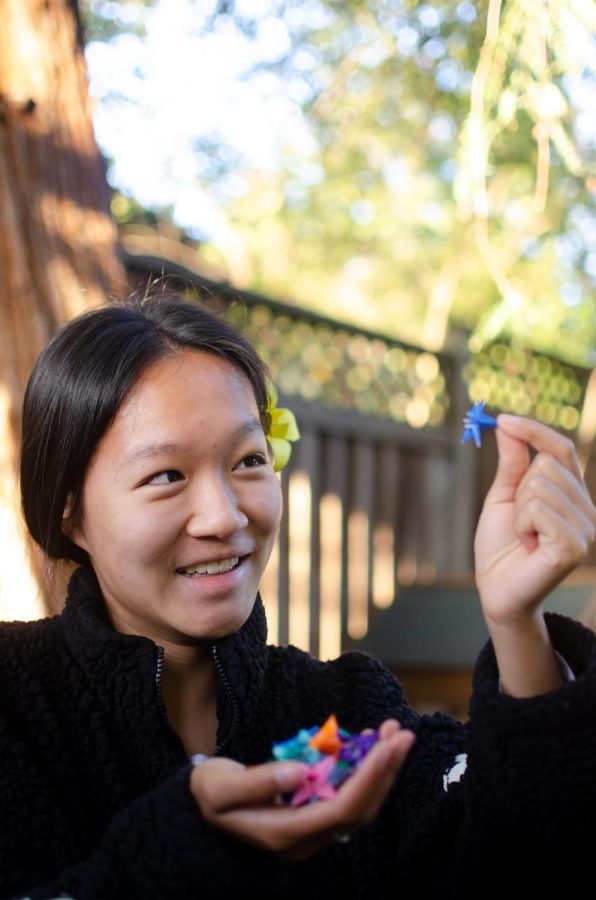
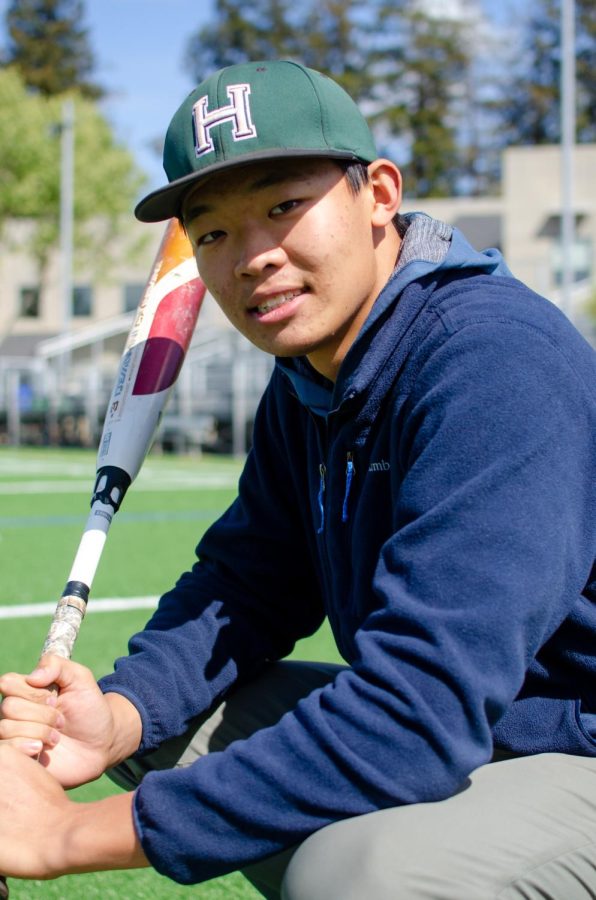

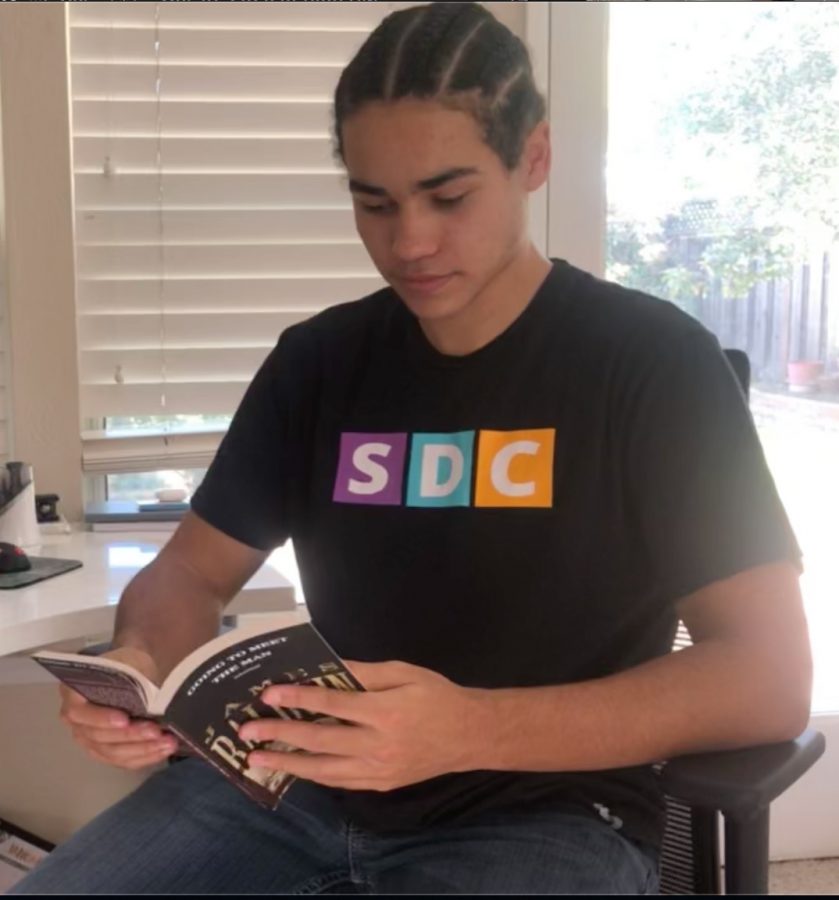
![“When I came into high school, I was ready to be a follower. But DECA was a game changer for me. It helped me overcome my fear of public speaking, and it's played such a major role in who I've become today. To be able to successfully lead a chapter of 150 students, an officer team and be one of the upperclassmen I once really admired is something I'm [really] proud of,” Anvitha Tummala ('21) said.](https://harkeraquila.com/wp-content/uploads/2021/07/Screen-Shot-2021-07-25-at-9.50.05-AM-900x594.png)

![“I think getting up in the morning and having a sense of purpose [is exciting]. I think without a certain amount of drive, life is kind of obsolete and mundane, and I think having that every single day is what makes each day unique and kind of makes life exciting,” Neymika Jain (12) said.](https://harkeraquila.com/wp-content/uploads/2017/06/Screen-Shot-2017-06-03-at-4.54.16-PM.png)

![“My slogan is ‘slow feet, don’t eat, and I’m hungry.’ You need to run fast to get where you are–you aren't going to get those championships if you aren't fast,” Angel Cervantes (12) said. “I want to do well in school on my tests and in track and win championships for my team. I live by that, [and] I can do that anywhere: in the classroom or on the field.”](https://harkeraquila.com/wp-content/uploads/2018/06/DSC5146-900x601.jpg)
![“[Volleyball has] taught me how to fall correctly, and another thing it taught is that you don’t have to be the best at something to be good at it. If you just hit the ball in a smart way, then it still scores points and you’re good at it. You could be a background player and still make a much bigger impact on the team than you would think,” Anya Gert (’20) said.](https://harkeraquila.com/wp-content/uploads/2020/06/AnnaGert_JinTuan_HoHPhotoEdited-600x900.jpeg)
![“I'm not nearly there yet, but [my confidence has] definitely been getting better since I was pretty shy and timid coming into Harker my freshman year. I know that there's a lot of people that are really confident in what they do, and I really admire them. Everyone's so driven and that has really pushed me to kind of try to find my own place in high school and be more confident,” Alyssa Huang (’20) said.](https://harkeraquila.com/wp-content/uploads/2020/06/AlyssaHuang_EmilyChen_HoHPhoto-900x749.jpeg)

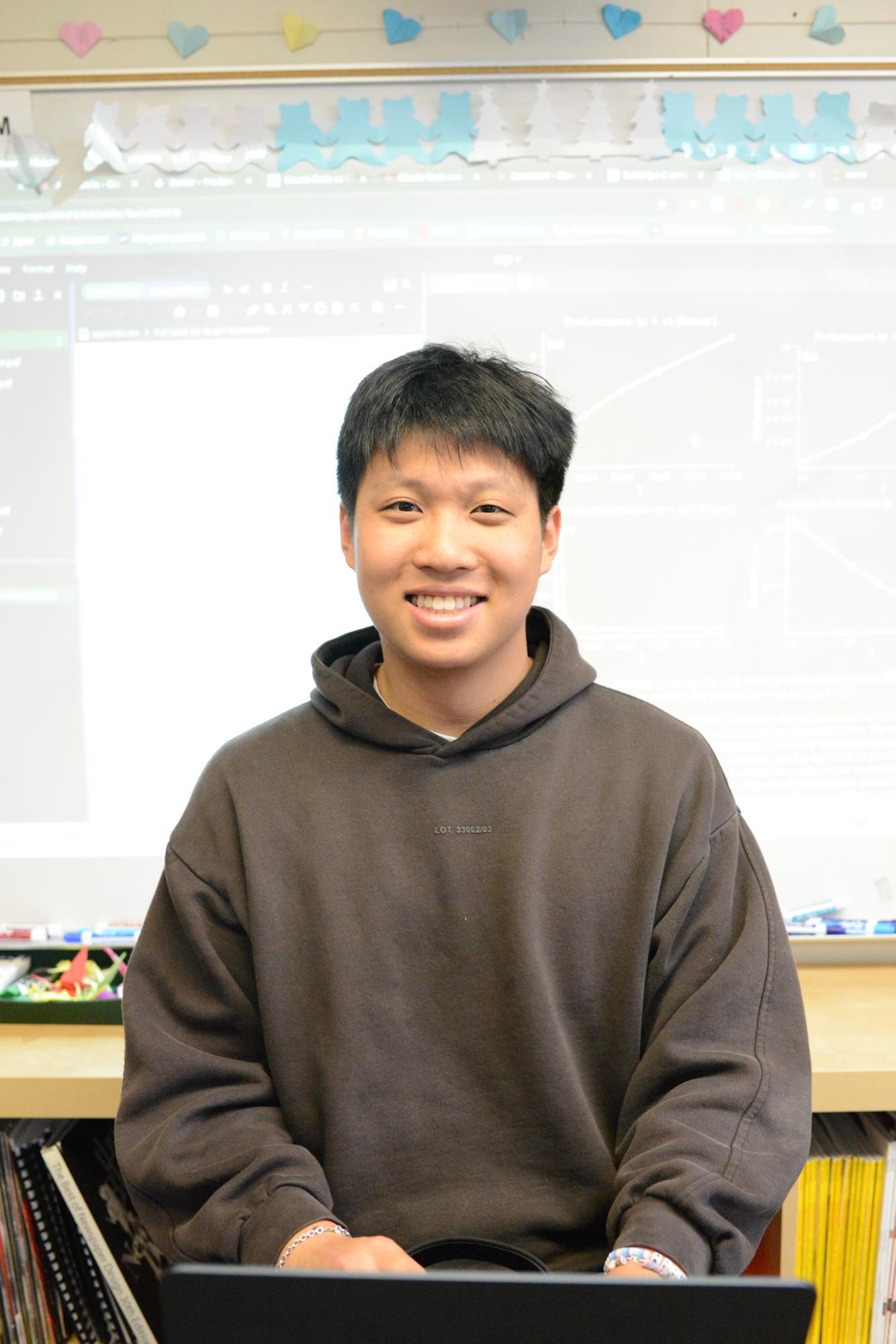
How are Uber drivers assigned to users? Or resources allocated to production, or delivery paths automated? Many questions that keep the world running are solved by operations research.
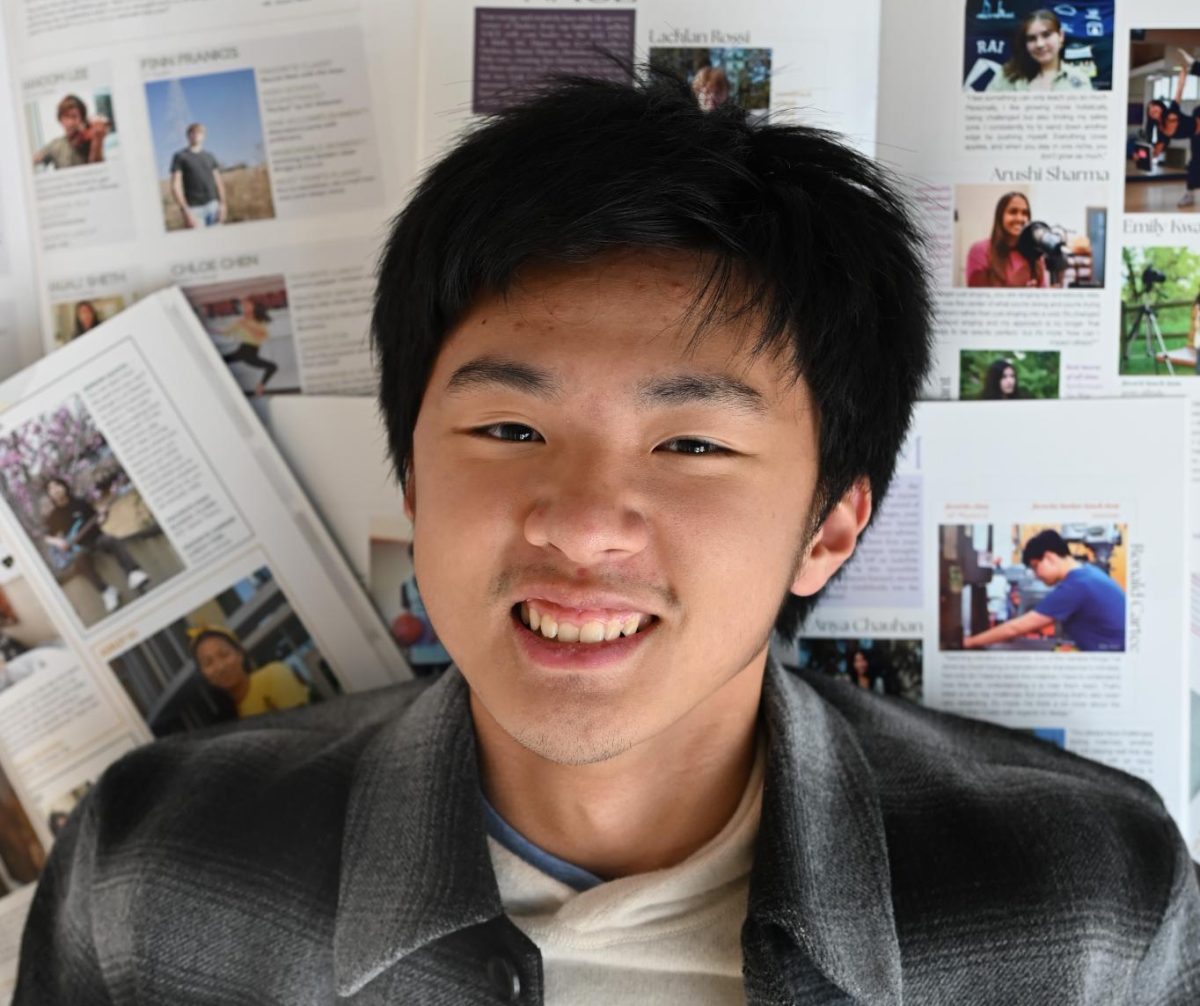
When visiting a family friend’s business during his sophomore summer, Alan Shen (’26) saw firsthand how operations research formed the basis of their product decisions. The following year, he conducted a theoretical optimization research project at Stanford, working on an online decision-making and a quadratic programming algorithm.
“In operations research, you’re taking a real-life system of tangible, moving parts and objects and you’re translating it into a bunch of numbers and variables, and you come out with some algorithm that tells you an important, optimized number,” Alan said. “It’s interesting to adopt that philosophy in life, to mathematically calculate your best expected outcome.”
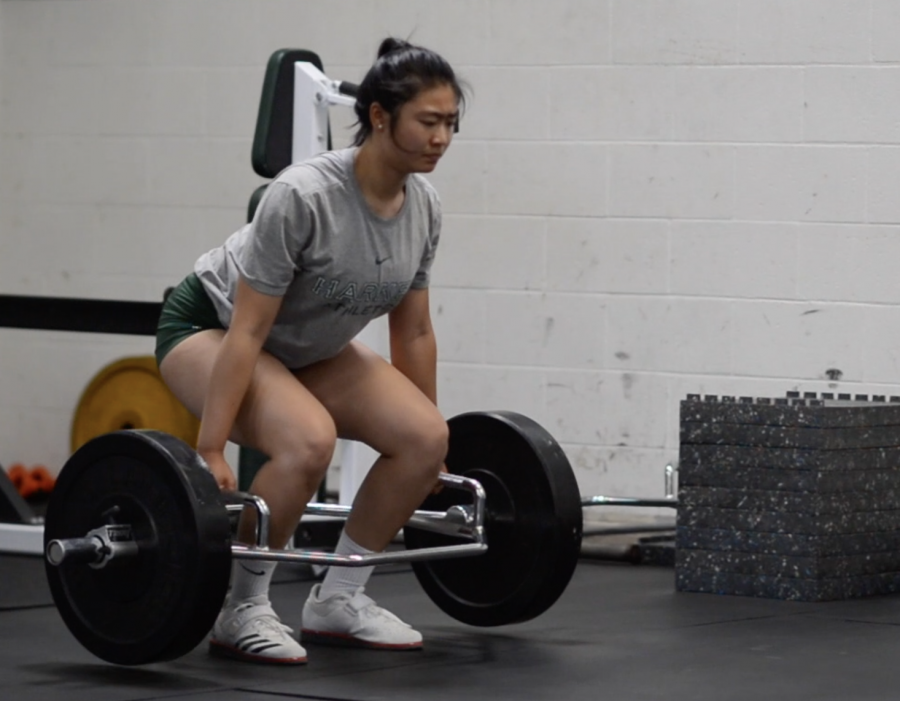
Alan applies this philosophy to planning other aspects of his life, namely weightlighting. He started prioritizing his gym routine to stay in shape after a back injury limited his options in sports like volleyball.
“I think about weightlifting through a lens of optimization, because there are a lot of moving parts,” Alan said. “You have to think about how to structure your training routine, how much recovery time each muscle group needs, what exercises you do, and how sets and reps change depending on your goal. I ask, ‘‘If I do this, how will my outcome change?’”
Math teacher Anu Aiyer taught him Multivariate Calculus and Stochastic Processes, where she witnessed his thoughtfulness and growth as a student. She commented on his plan to continue with operations research as his university major.
“Not a lot of students are thinking about operations research at 18, so I was positively surprised when Alan said that was what he wanted to study,” Dr. Aiyer said. “When somebody chooses something different, it really piques your curiosity.”
Through weightlifting, Alan learned about himself and his ability to apply discipline to do difficult or discouraging things. He came to understand the value of intrinsic motivation to get ahead of the initial struggle of starting a new habit.
“Mentally, weightlifting taught me a lot about discipline and motivation,” Alan said. “At the beginning, I would never feel motivated enough because I would go to the gym for two, three weeks and I wouldn’t get any stronger. But I was able to put my head down and just work at it for a month and started seeing progress.”
Alan’s steadiness is not only reflected in his discipline; it’s also central to the way he shows up for his friends. Eric Yu, a senior living in Vancouver, first met Alan at elementary school in Beijing. Despite hundreds of miles of separation, they’ve maintained a close friendship.
“Alan does a lot for the people he really cares about,” Eric said. “He’s always willing to help. I remember before a math final, I called him and he stayed on with me for two hours helping me figure everything out.”
According to close friend Roshan Amurther (‘26), Alan’s sharpness extends beyond his mathematical prowess.
“He’s perceptive in a quantitative sense, but also in a social sense — he can pick up on people’s emotions and character really easily,” Roshan said. “He can always tell when someone’s feeling down or when things aren’t going the way they should be going. There have been plenty of bad days for me when Alan has been a shoulder to lean on.”
From supporting his friends to untangling operations research, Alan has found inherent reward in his actions and choices. To walk his path of growth, he has looked beyond recognition and awards.
“Instead of looking for some external motivation to propel me into [my goals], it’s better to get motivation from the very thing that you’re doing by always improving,” Alan said. “That’s where I got my discipline. It’s a gratifying feeling when you see your progress like in real time that it doesn’t really feel like you need discipline or motivation anymore. Then every day you just want to go in.”