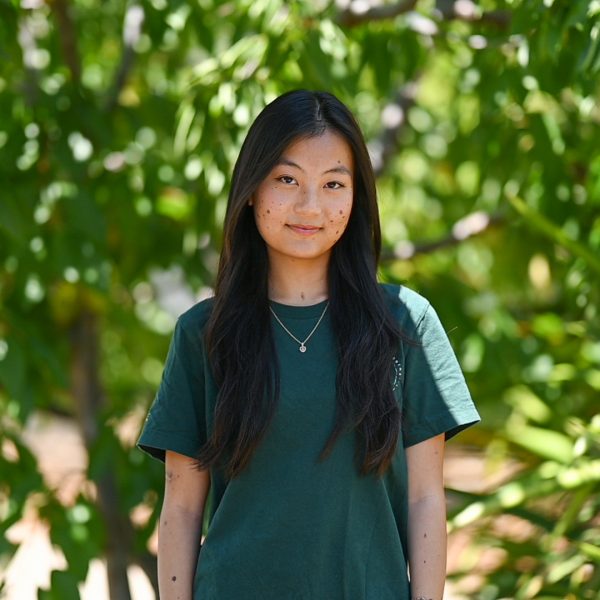
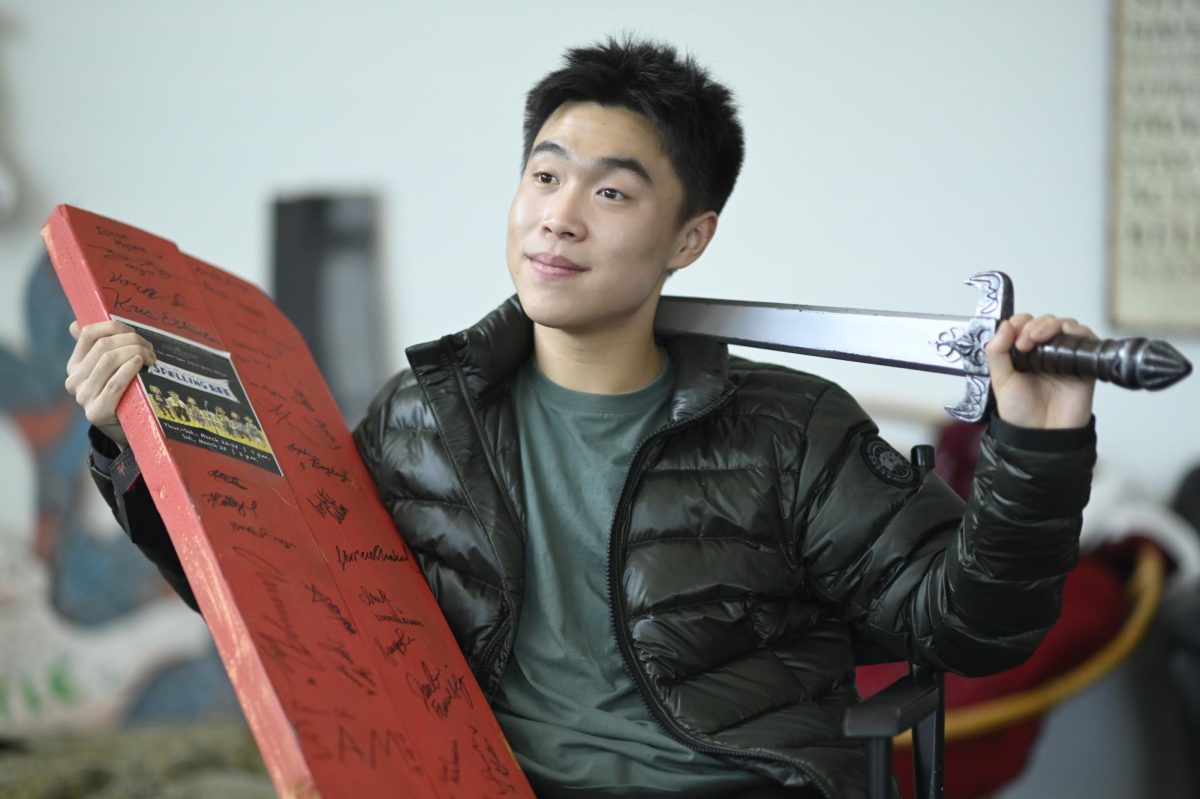
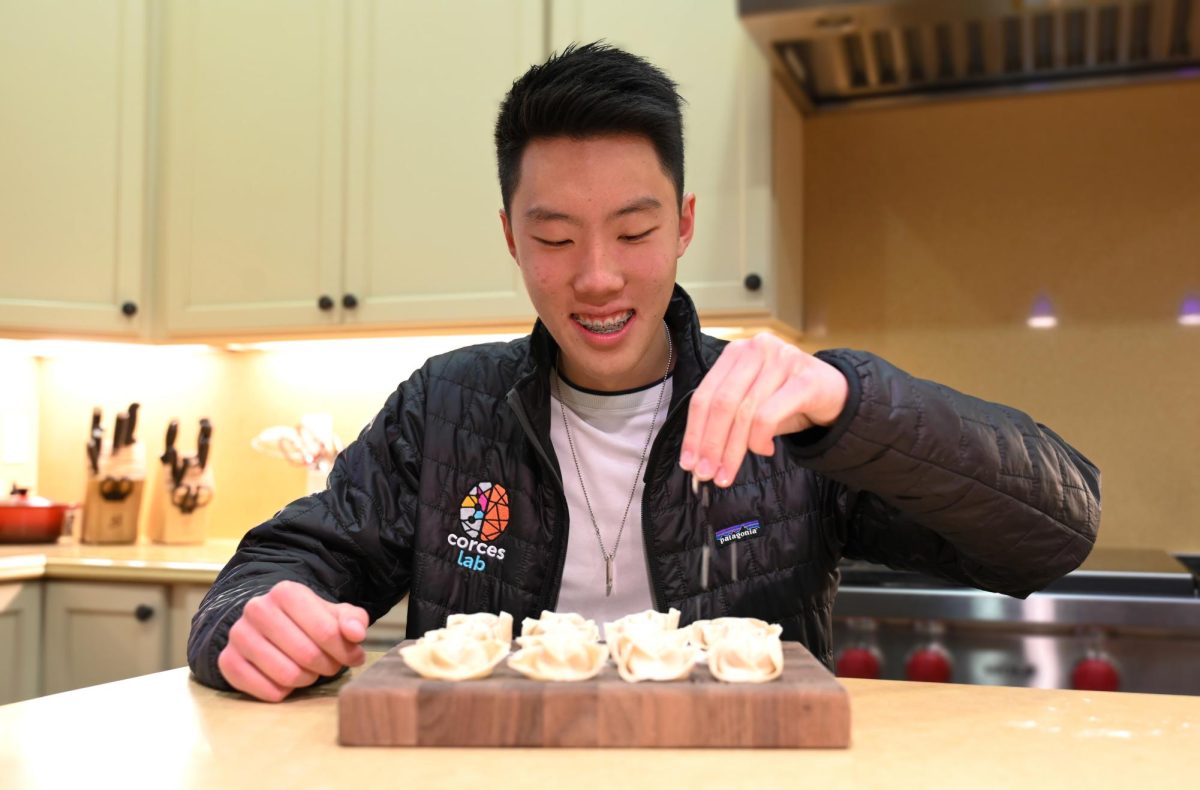
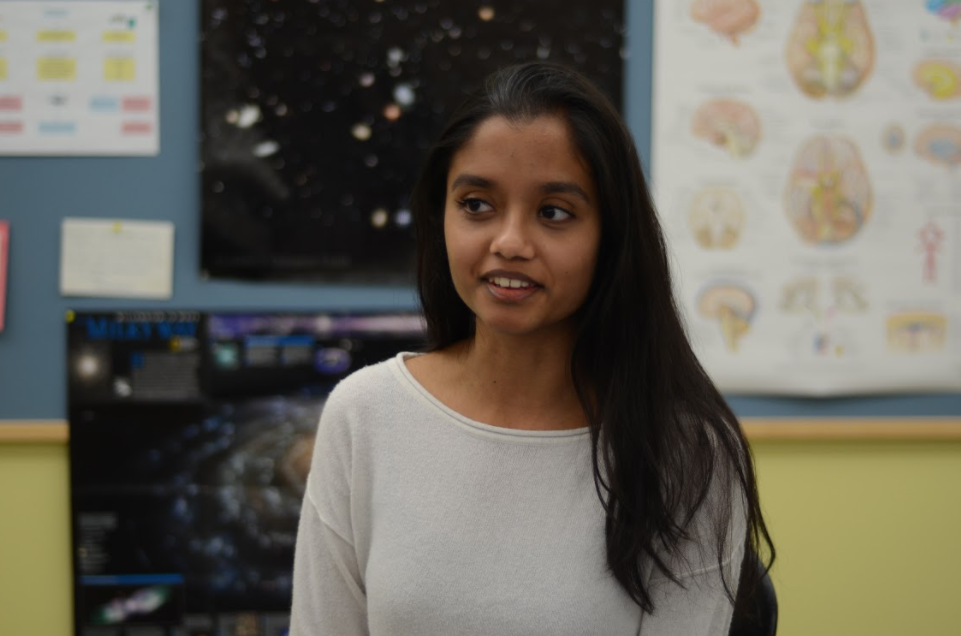
![“I wasn't discouraged by some of the obstacles we faced. I learned a lot from the leadership. I found that different people need different ways of receiving feedback — you can't [just] tell them to do something and expect the best. [Some] people needed more incentive. A large part of my role was to figure out what worked for everyone and to figure out how to lead all these separate individuals as a team,” Suhana Bhandare (’26) said.](https://harkeraquila.com/wp-content/uploads/2026/06/SuhanaBhandare_JasmineHansra-1-1200x798.jpg)
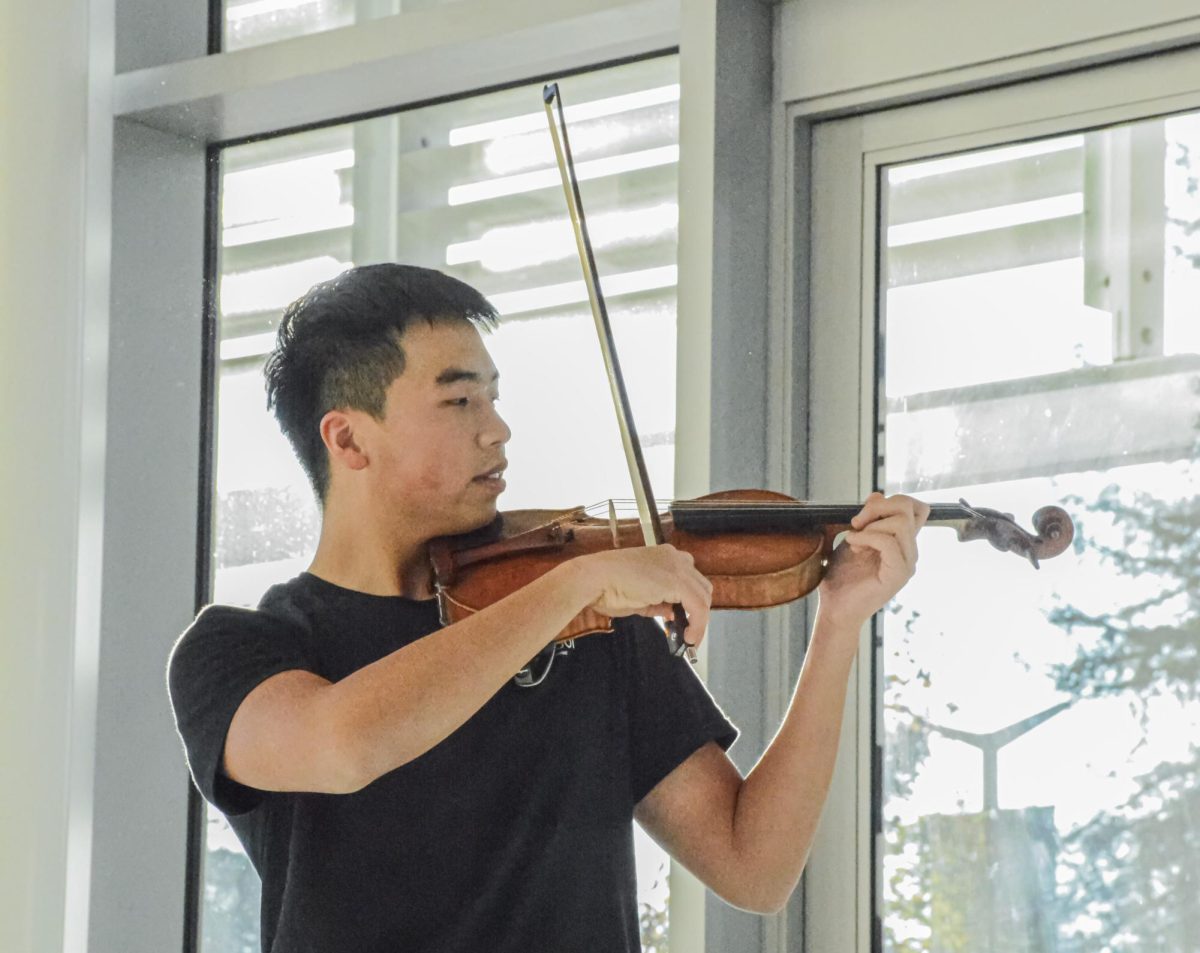
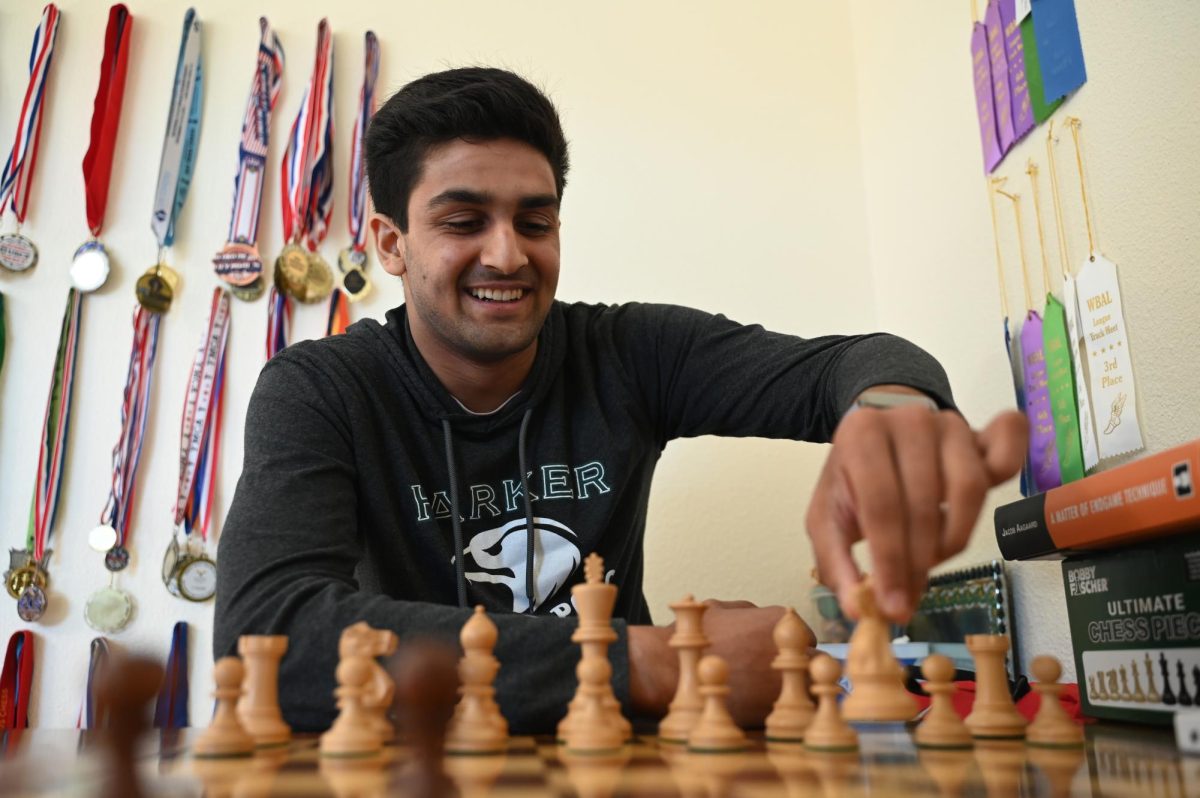
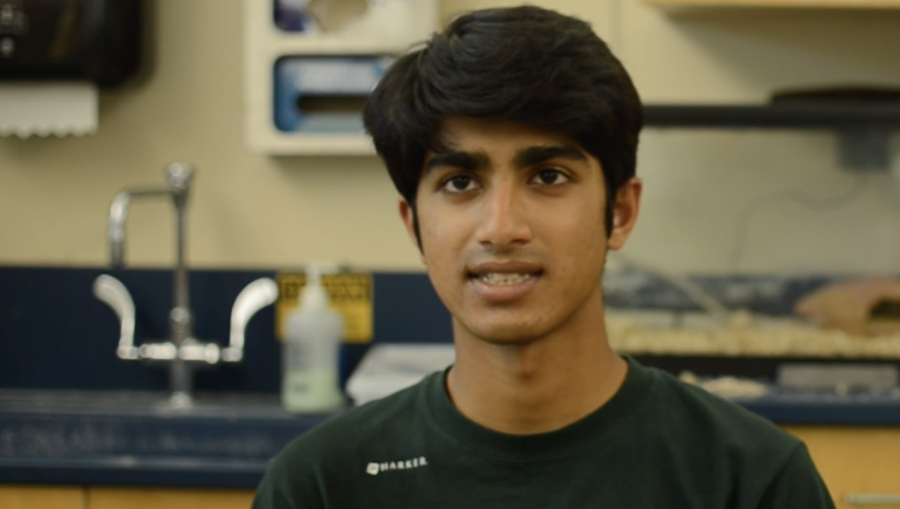
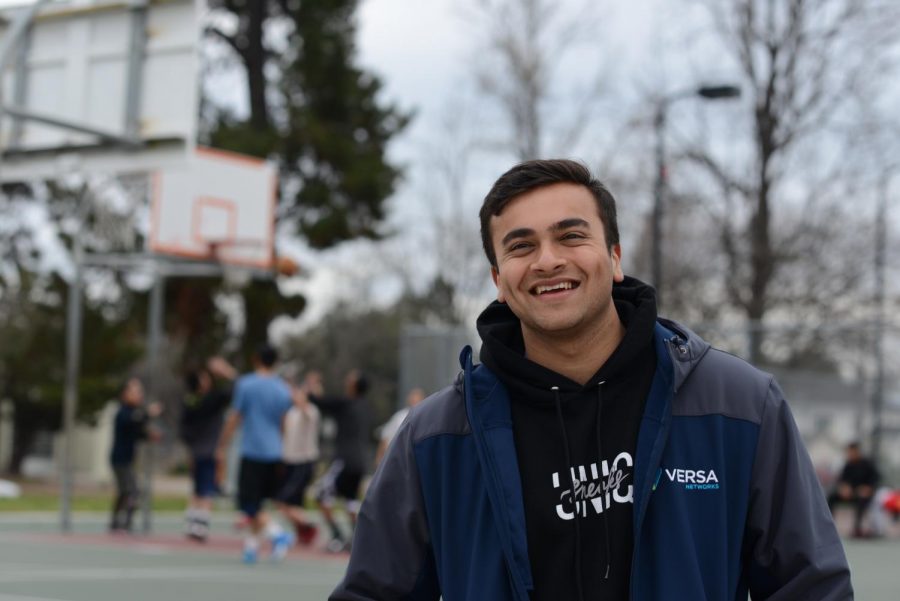
![“This is actually from Randy Pausch Randy P. Brick: ‘Walls are there for a reason. You have to show how much you want to overcome them.’ You have to show how much you want something. That's what I've always been able to do with tennis, Link Crew and getting that internship [with Kushy Baby]. It’s important pushing through that — getting around that brick wall, climbing over it or clawing through it,” Yash Sachdeva (’26) said.](https://harkeraquila.com/wp-content/uploads/2026/05/YashSachdeva_RamBatchu-copy-1200x1002.jpg)

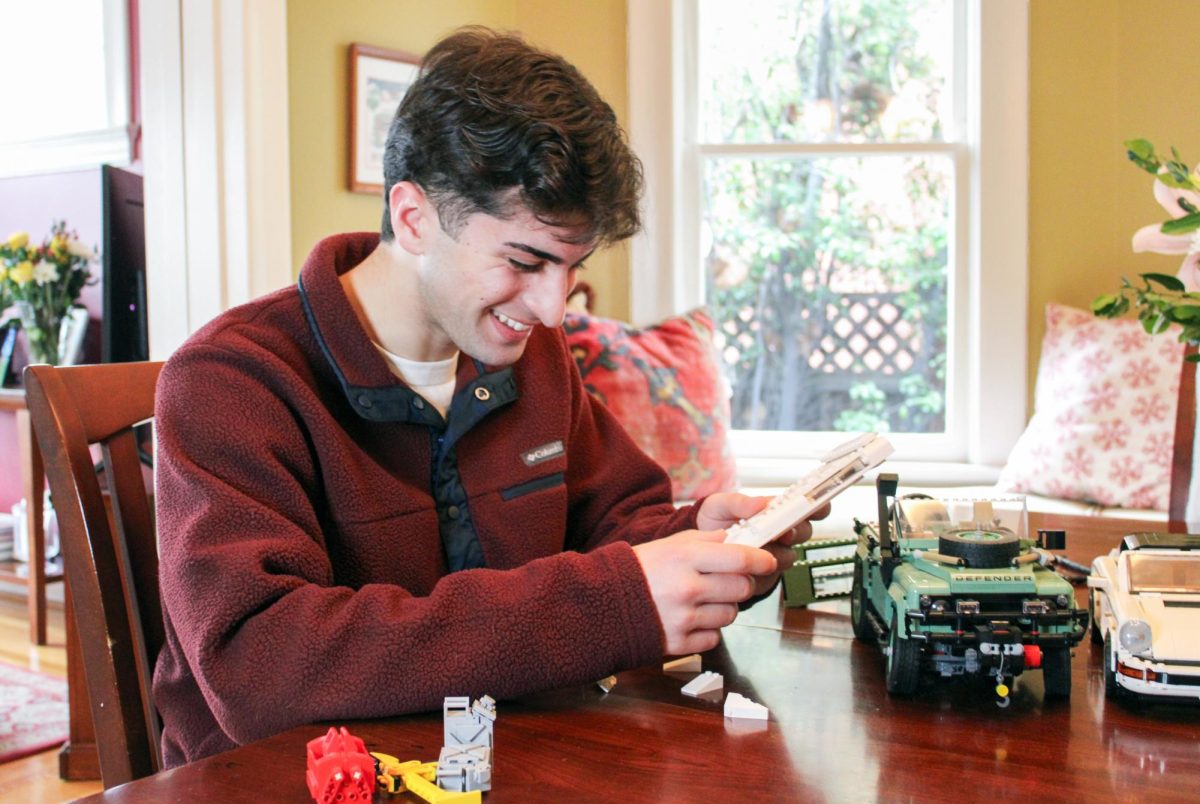


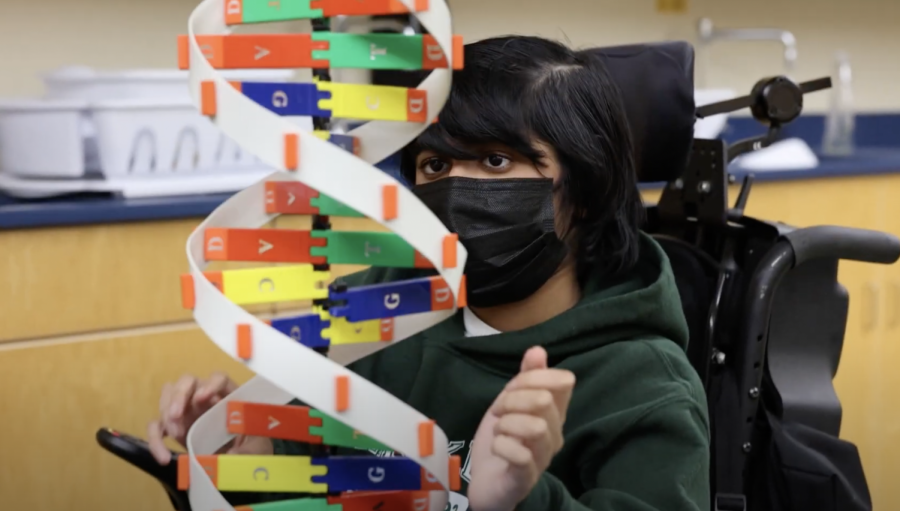
![“[Building nerf blasters] became this outlet of creativity for me that hasn't been matched by anything else. The process [of] making a build complete to your desire is such a painstakingly difficult process, but I've had to learn from [the skills needed from] soldering to proper painting. There's so many different options for everything, if you think about it, it exists. The best part is [that] if it doesn't exist, you can build it yourself," Ishaan Parate said.](https://harkeraquila.com/wp-content/uploads/2022/08/DSC_8149-900x604.jpg)
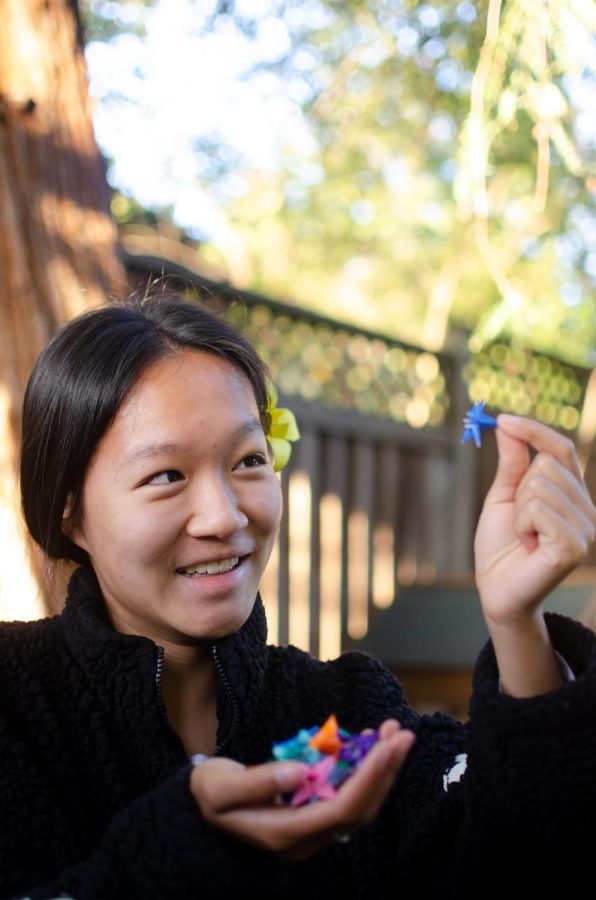
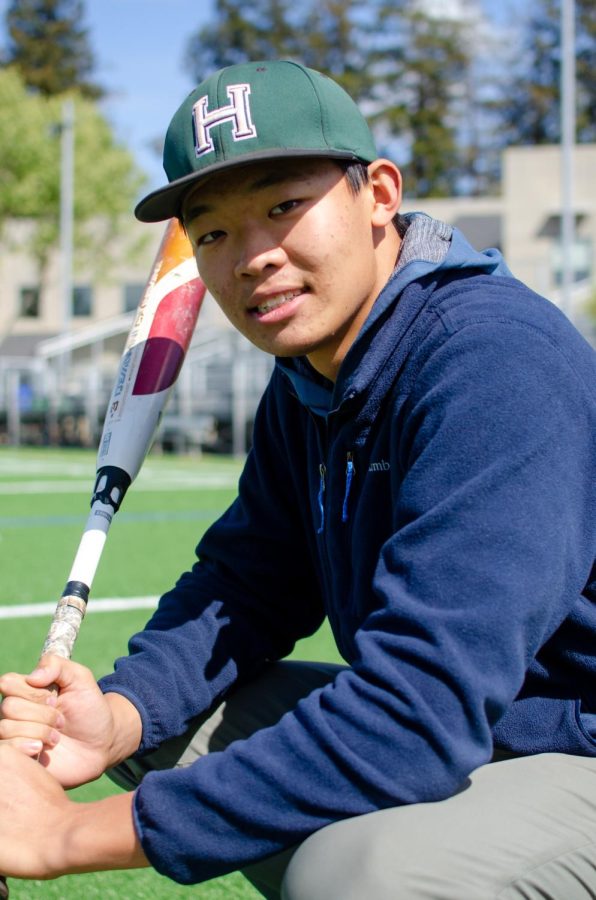
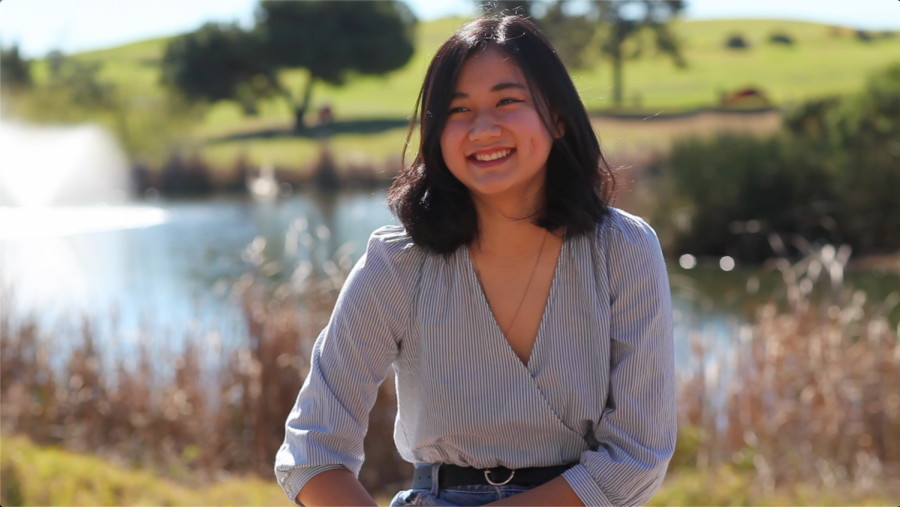
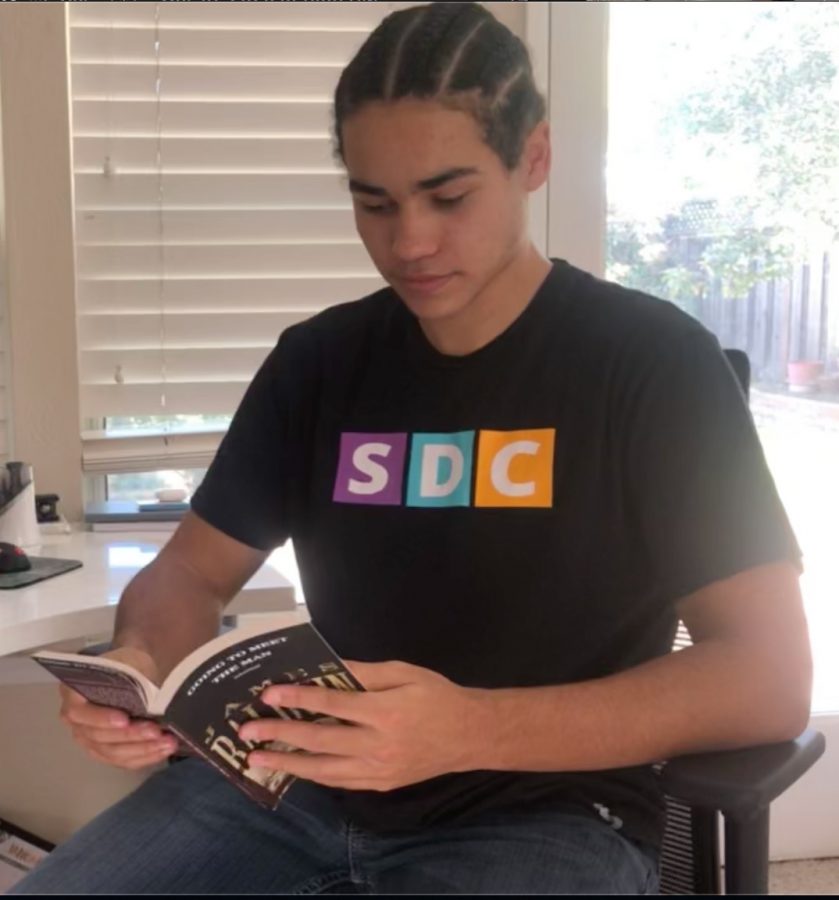
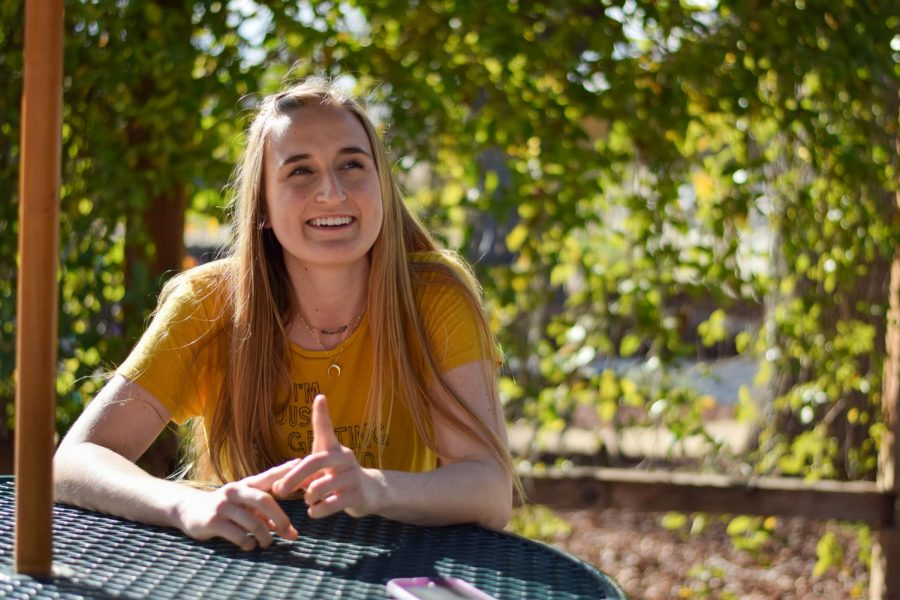
![“When I came into high school, I was ready to be a follower. But DECA was a game changer for me. It helped me overcome my fear of public speaking, and it's played such a major role in who I've become today. To be able to successfully lead a chapter of 150 students, an officer team and be one of the upperclassmen I once really admired is something I'm [really] proud of,” Anvitha Tummala ('21) said.](https://harkeraquila.com/wp-content/uploads/2021/07/Screen-Shot-2021-07-25-at-9.50.05-AM-900x594.png)
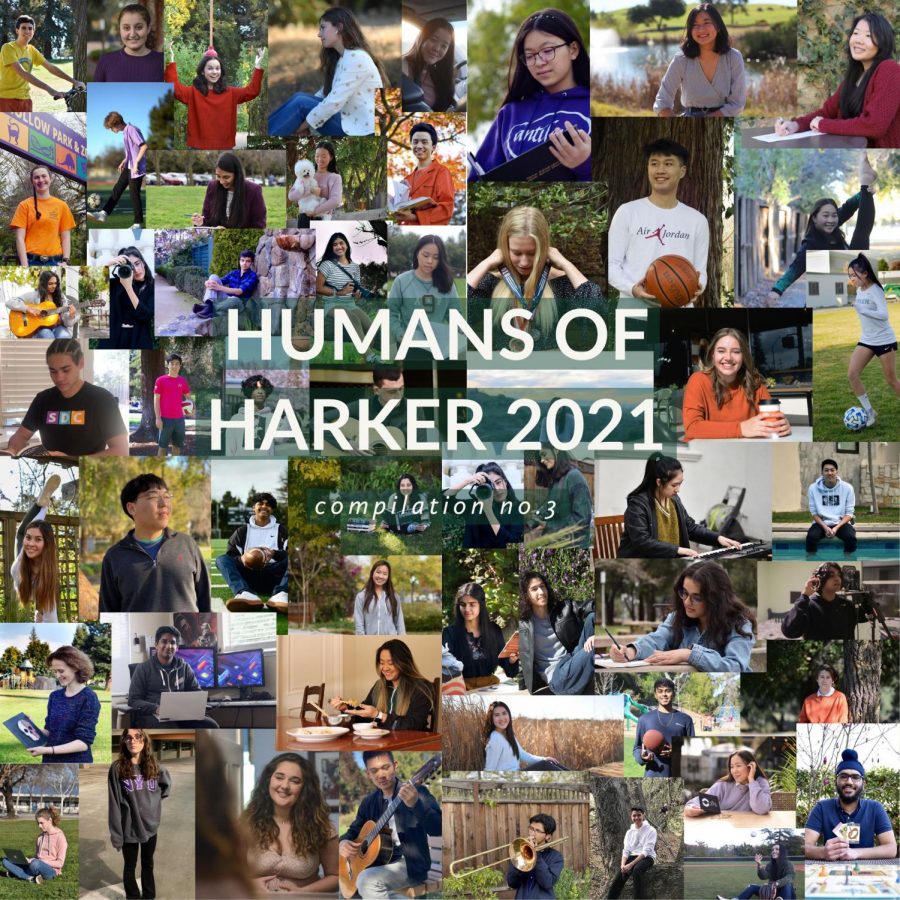
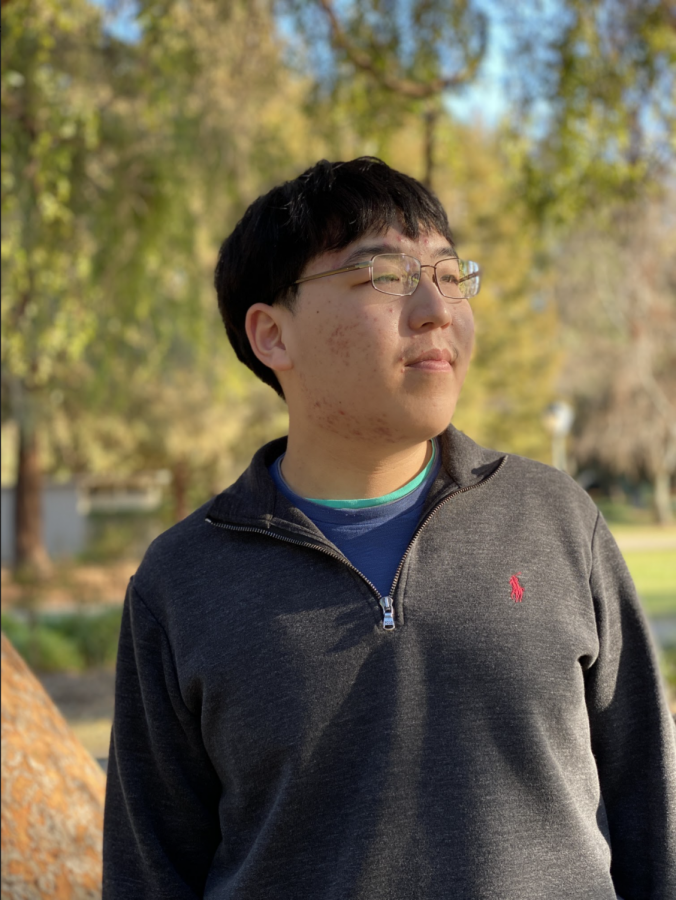
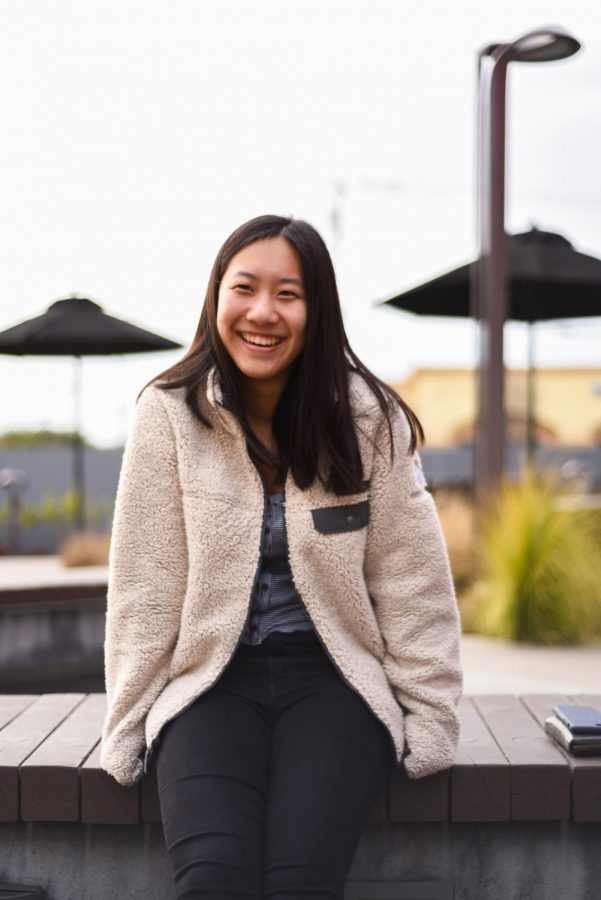
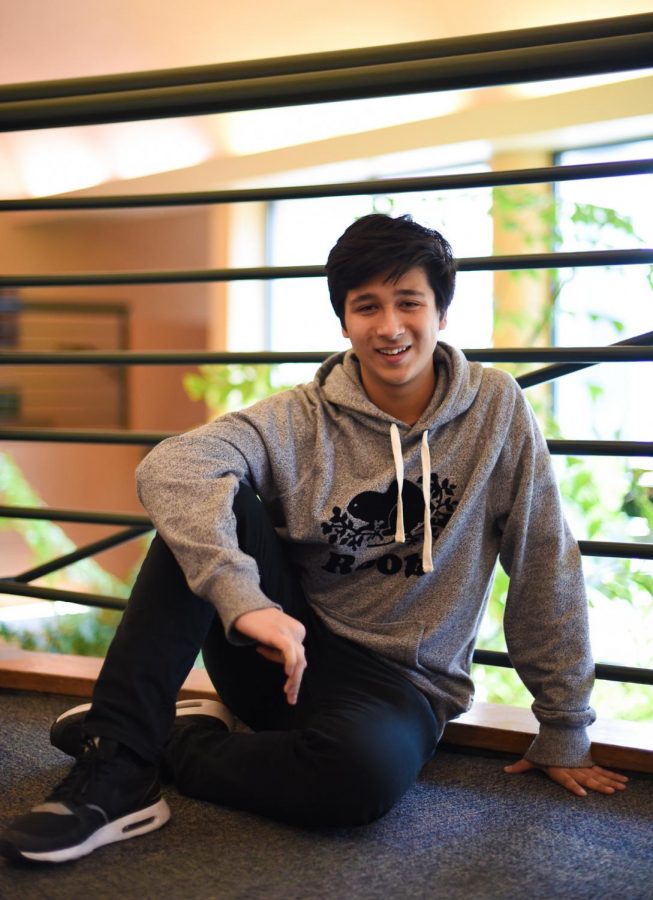
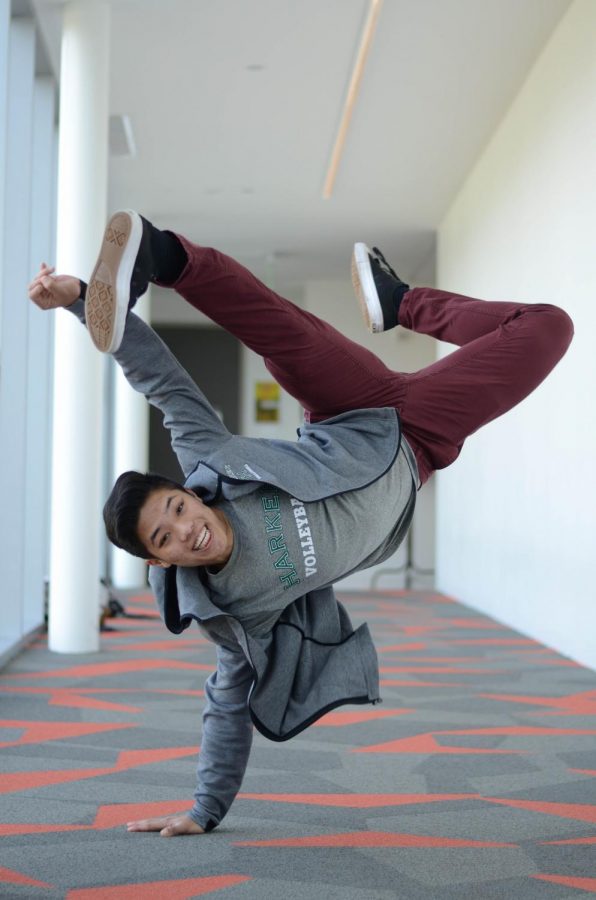
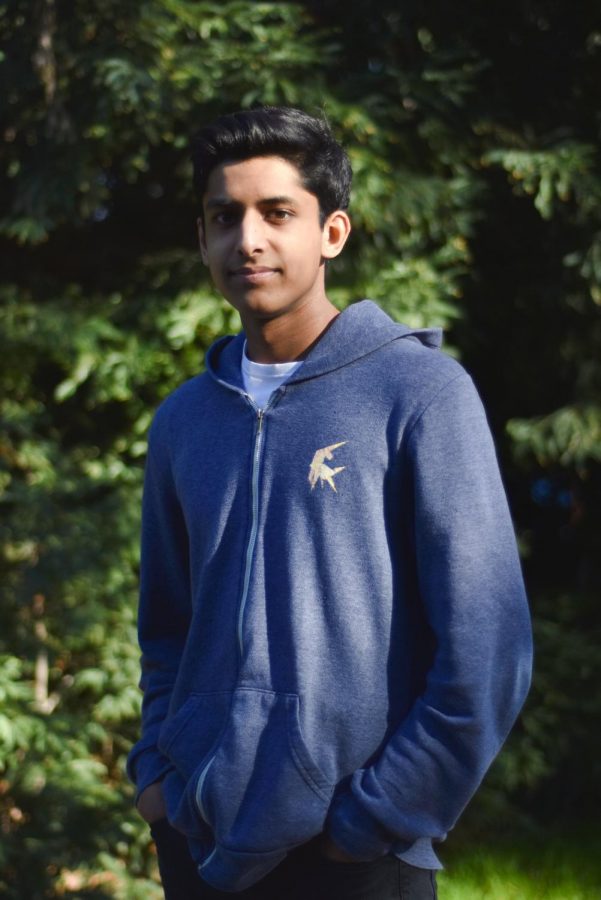

![“I think getting up in the morning and having a sense of purpose [is exciting]. I think without a certain amount of drive, life is kind of obsolete and mundane, and I think having that every single day is what makes each day unique and kind of makes life exciting,” Neymika Jain (12) said.](https://harkeraquila.com/wp-content/uploads/2017/06/Screen-Shot-2017-06-03-at-4.54.16-PM.png)
![“My slogan is ‘slow feet, don’t eat, and I’m hungry.’ You need to run fast to get where you are–you aren't going to get those championships if you aren't fast,” Angel Cervantes (12) said. “I want to do well in school on my tests and in track and win championships for my team. I live by that, [and] I can do that anywhere: in the classroom or on the field.”](https://harkeraquila.com/wp-content/uploads/2018/06/DSC5146-900x601.jpg)
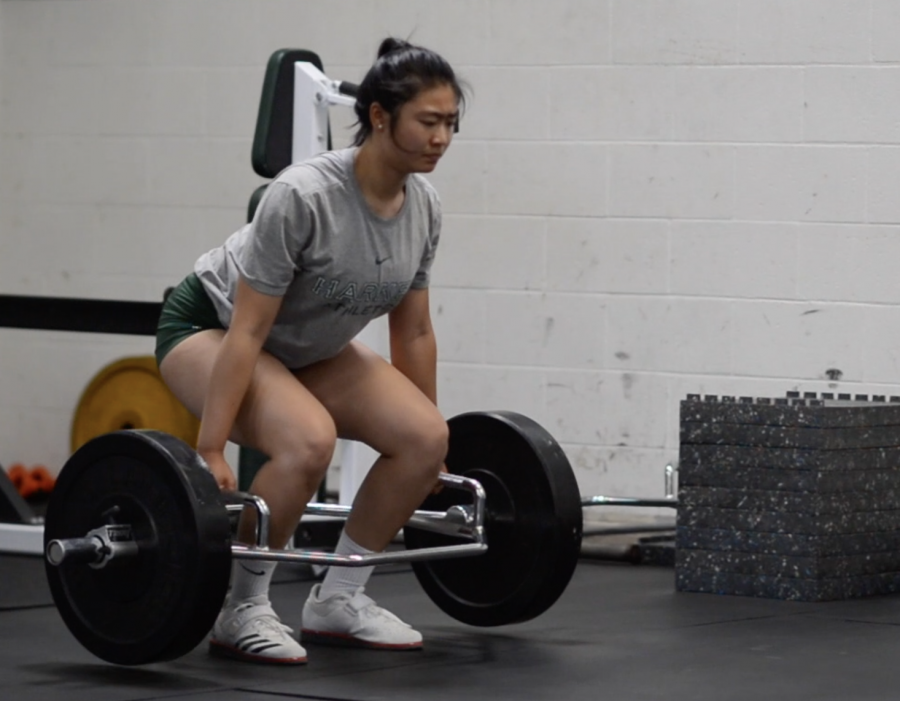
![“[Volleyball has] taught me how to fall correctly, and another thing it taught is that you don’t have to be the best at something to be good at it. If you just hit the ball in a smart way, then it still scores points and you’re good at it. You could be a background player and still make a much bigger impact on the team than you would think,” Anya Gert (’20) said.](https://harkeraquila.com/wp-content/uploads/2020/06/AnnaGert_JinTuan_HoHPhotoEdited-600x900.jpeg)
![“I'm not nearly there yet, but [my confidence has] definitely been getting better since I was pretty shy and timid coming into Harker my freshman year. I know that there's a lot of people that are really confident in what they do, and I really admire them. Everyone's so driven and that has really pushed me to kind of try to find my own place in high school and be more confident,” Alyssa Huang (’20) said.](https://harkeraquila.com/wp-content/uploads/2020/06/AlyssaHuang_EmilyChen_HoHPhoto-900x749.jpeg)

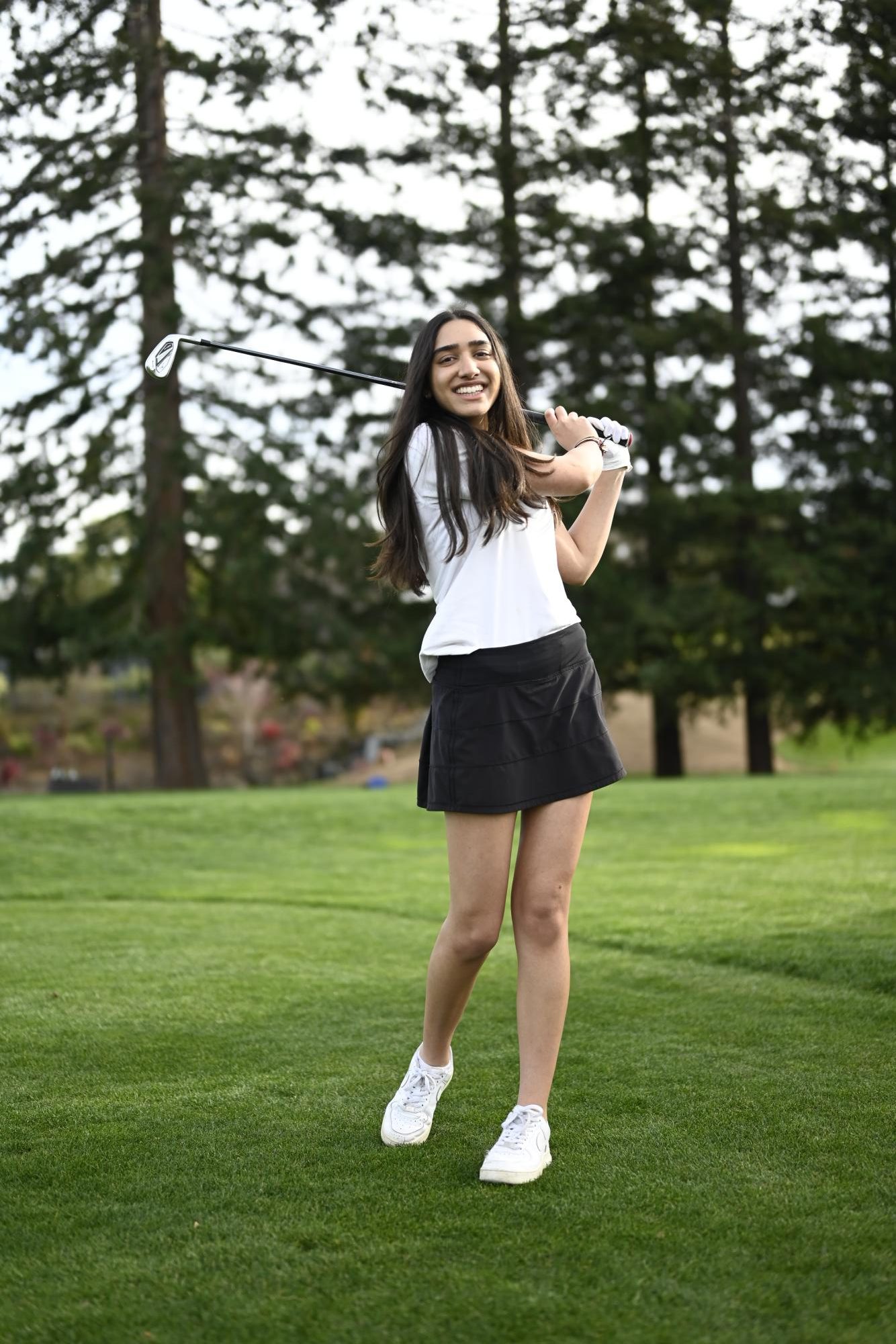
Clink. Whizz. The little white ball fades as it gets further and further away. A perfect shot down the middle of the fairway. Senior Kimaya Mehta watches through her rangefinder to pinpoint where her golf ball landed.
Kimaya has been playing golf since she was five years old. Her whole family plays, so the sport became a way to bond and connect with her family. She started playing junior golf with encouragement from her parents and now serves as co-captain of Harker’s Varsity Girl’s Golf team, with her favorite part of golf being the conversations she has.
“During matches, you’re with all the people you’re playing with,” Kimaya said. “And it’s nice in that way where you’re not separated by a net or something and so you’re able to have conversations with the people you’re playing with, and really get to know them. We’ll be walking for four hours together so we get to have good conversations with people and get to know other people from different areas and when we play with other schools.
She values the community that gets built around golf, with the team bonding during long sprinter rides to faraway matches.
“Everyone is feeling the same things whether you’re a little nervous or not,” Kimaya said. “We’re just listening to music and saying random things and gossiping and it just really builds a good community with everyone.”
Golf allowed for Kimaya to meet many different people while playing, but also strengthened some relationships outside of golf. Math teacher David Goulette, who taught Kimaya her junior year, remarks that it was unique that he could talk to Kimaya about golf, a sport he also used to play, and how she applied math to golf.
“It’s not very often that students will come to me and say, ‘I really liked what we learned in class because it made me think about this thing that had nothing to do with class,’” Goulette said. “People usually just do math and take the test, but she told me she really liked when we studied trig and harmonic motion and sine and cosine and graphing because she started thinking about how it might be applied in sports.”
Over her years of playing golf, Kimaya cultivated the skill of being able to get out of a negative mentality and recover. She initially struggled with getting into a mental rut at CCS competitions.
“If you want to move on to another hole and try to play well there then you have to realize you can’t do anything about the past,” Kimaya said. “That’s another thing that golf has shown me — the only thing that you can really change is how future you plays or how you react to situations in the future, so you have to move on.”
Junior Joyce He first met Kimaya when she joined the golf team during Kimaya’s sophomore year. They have now played together for three years on the team.
“The quality I admire the most about Kimaya is how persevering she is,” Joyce said. “A lot of the time on the golf team, you get really discouraged — whether it’s with a bad score, or maybe the entire team didn’t play how we wanted to — but she’s always been there for me as a comfort person. She doesn’t really catastrophize things, because she’s the type of person who can see the best in a situation, which makes her a really good person to be friends with.”
Close friend MacEnzie Blue (‘26) first met Kimaya in second grade, and they got closer sophomore year of high school. This year, the two only had AP Psychology together, but spend time together during lunch and outside of school.
“I admire her friendliness the most, and her ability to make friends the most easily out of everyone I know,” MacEnzie said. “She’s very easy-going and easy to be around, and she’s unique in that way.”
After playing on the high school golf team for four years, Kimaya has developed a sense of what kind of legacy she wants to leave behind.
“I want to be someone that’s there for my teammates,” said Kimaya. “I do joke around a lot, but I want to be someone who’s there on a more personal level for my teammates rather than just being someone who was a key part of us going to NorCal and states. There’s a term in sports where you’re the glue person, so I’d like to be the glue of our team.”