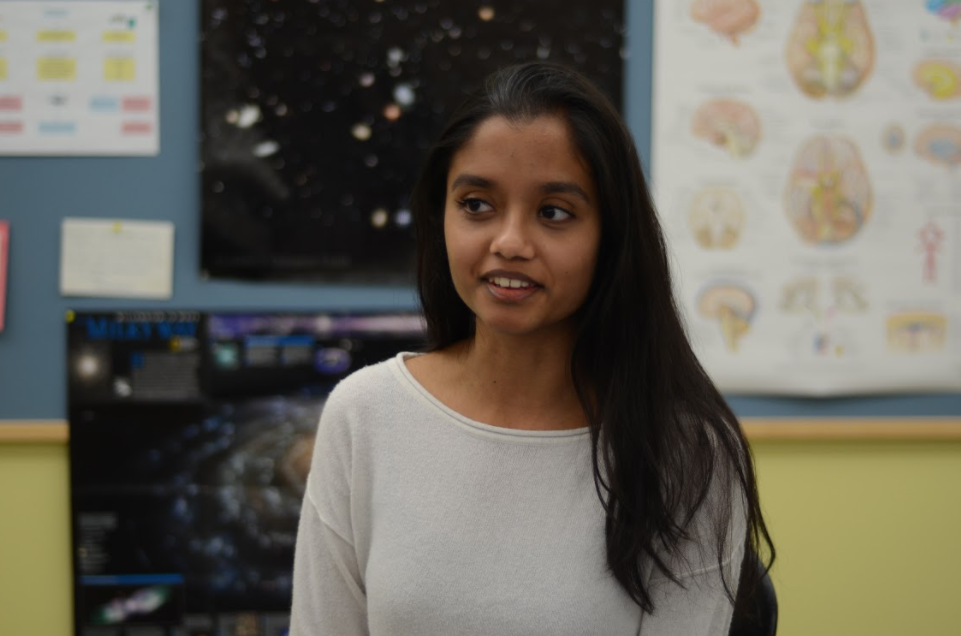
![“I wasn't discouraged by some of the obstacles we faced. I learned a lot from the leadership. I found that different people need different ways of receiving feedback — you can't [just] tell them to do something and expect the best. [Some] people needed more incentive. A large part of my role was to figure out what worked for everyone and to figure out how to lead all these separate individuals as a team,” Suhana Bhandare (’26) said.](https://harkeraquila.com/wp-content/uploads/2026/06/SuhanaBhandare_JasmineHansra-1-1200x798.jpg)
![“This is actually from Randy Pausch Randy P. Brick: ‘Walls are there for a reason. You have to show how much you want to overcome them.’ You have to show how much you want something. That's what I've always been able to do with tennis, Link Crew and getting that internship [with Kushy Baby]. It’s important pushing through that — getting around that brick wall, climbing over it or clawing through it,” Yash Sachdeva (’26) said.](https://harkeraquila.com/wp-content/uploads/2026/05/YashSachdeva_RamBatchu-copy-1200x1002.jpg)
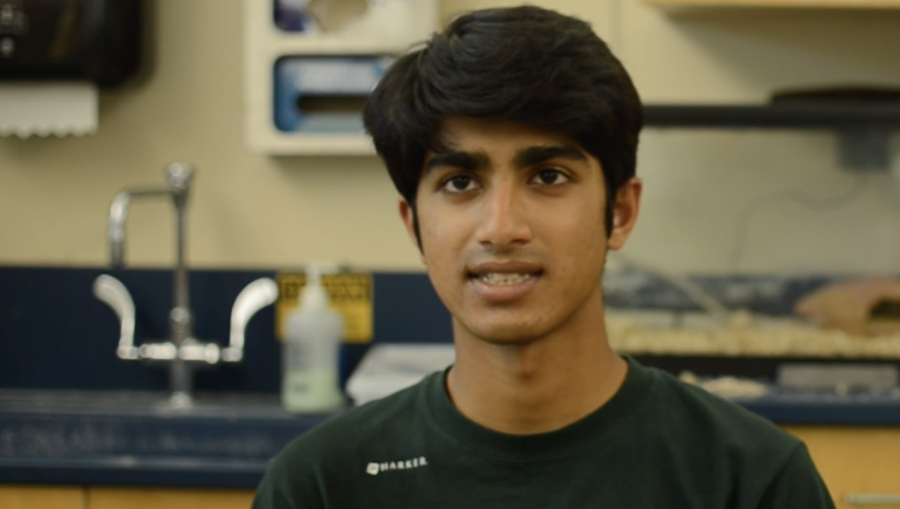
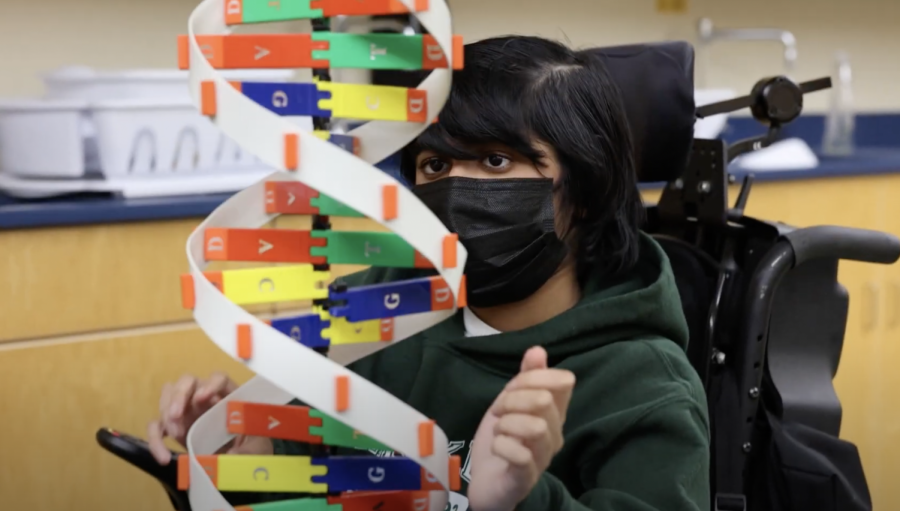
![“[Building nerf blasters] became this outlet of creativity for me that hasn't been matched by anything else. The process [of] making a build complete to your desire is such a painstakingly difficult process, but I've had to learn from [the skills needed from] soldering to proper painting. There's so many different options for everything, if you think about it, it exists. The best part is [that] if it doesn't exist, you can build it yourself," Ishaan Parate said.](https://harkeraquila.com/wp-content/uploads/2022/08/DSC_8149-900x604.jpg)
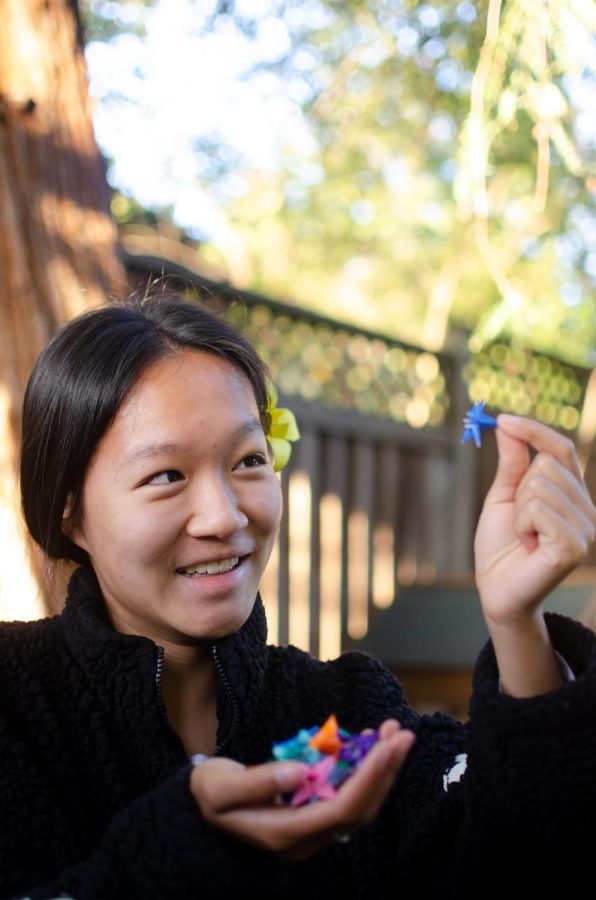
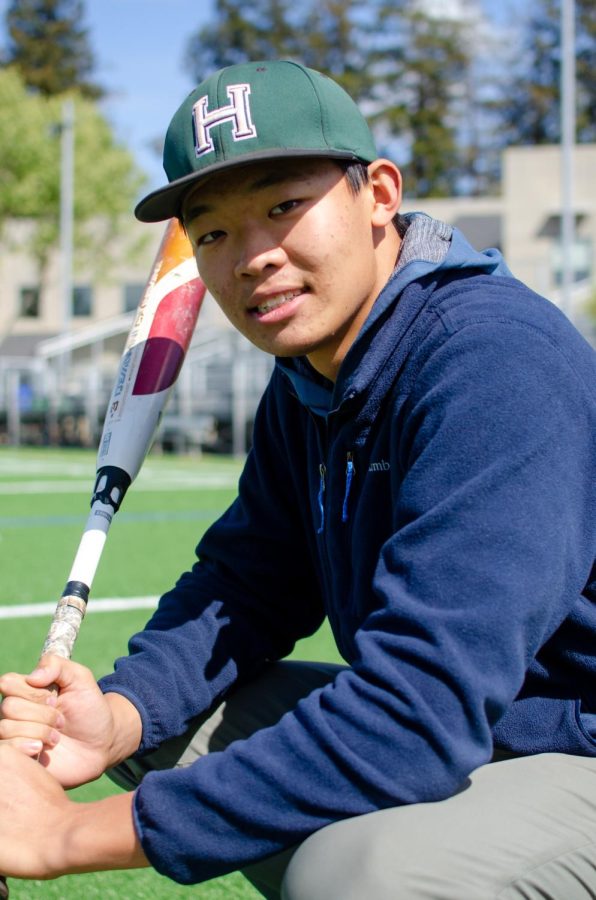
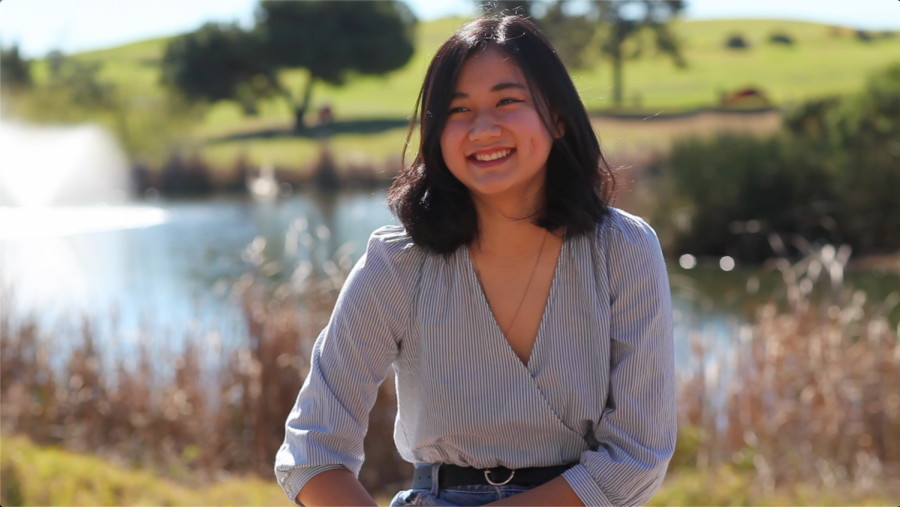
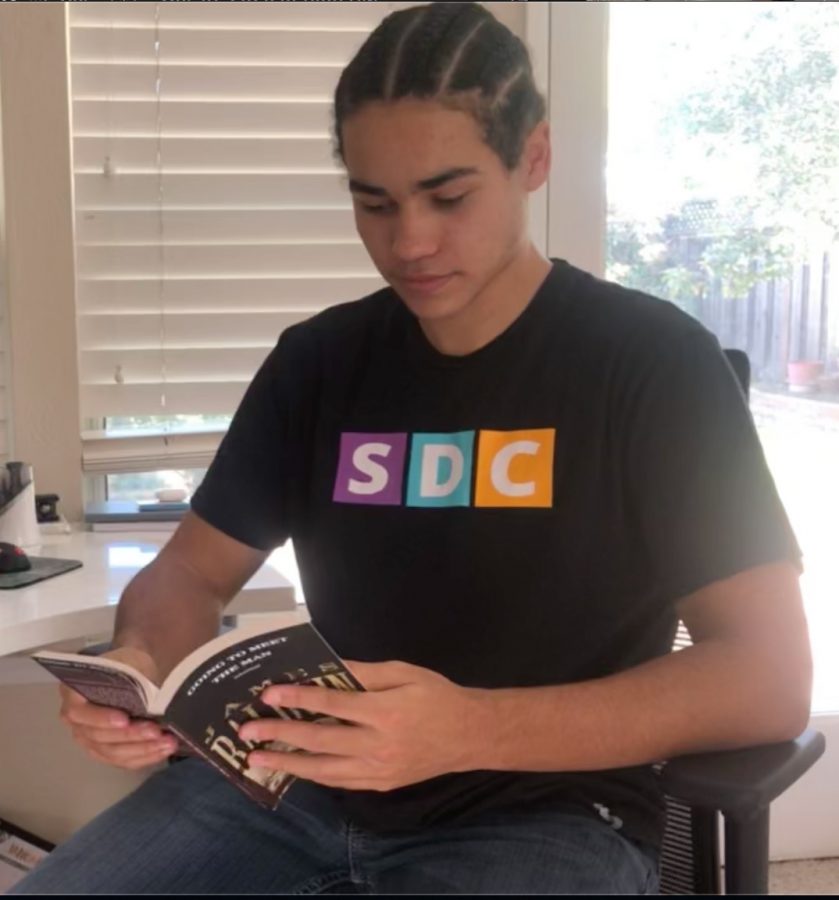
![“When I came into high school, I was ready to be a follower. But DECA was a game changer for me. It helped me overcome my fear of public speaking, and it's played such a major role in who I've become today. To be able to successfully lead a chapter of 150 students, an officer team and be one of the upperclassmen I once really admired is something I'm [really] proud of,” Anvitha Tummala ('21) said.](https://harkeraquila.com/wp-content/uploads/2021/07/Screen-Shot-2021-07-25-at-9.50.05-AM-900x594.png)
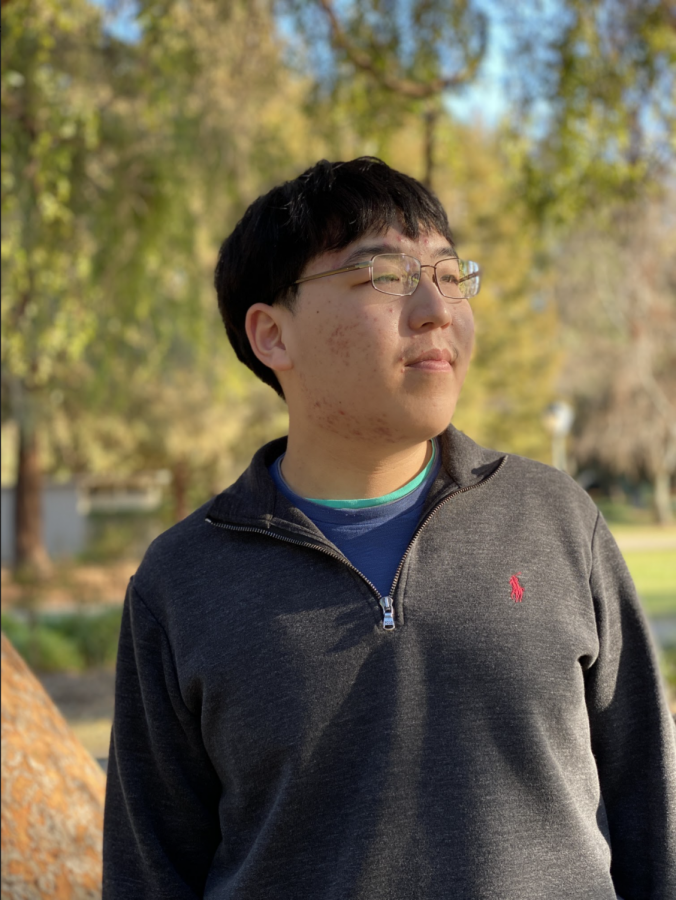
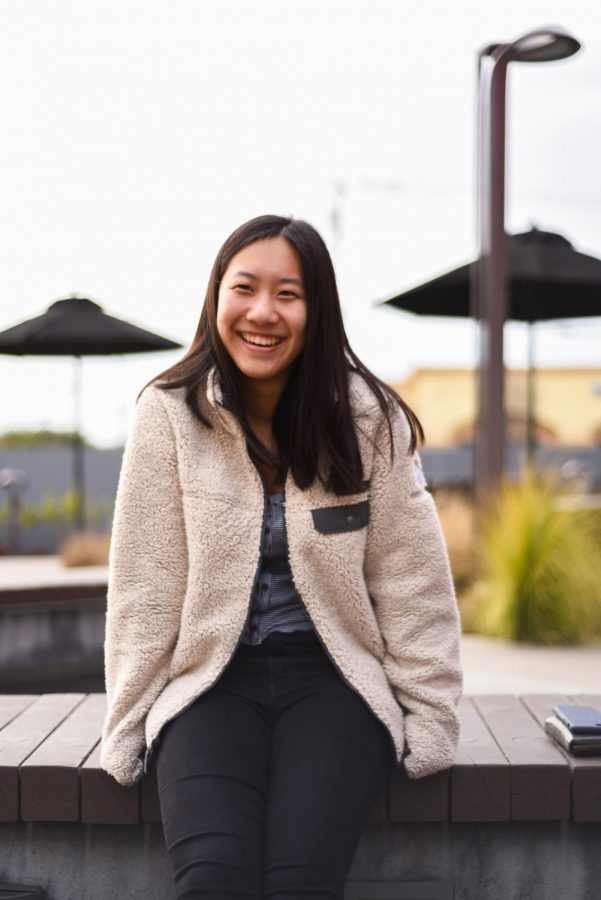
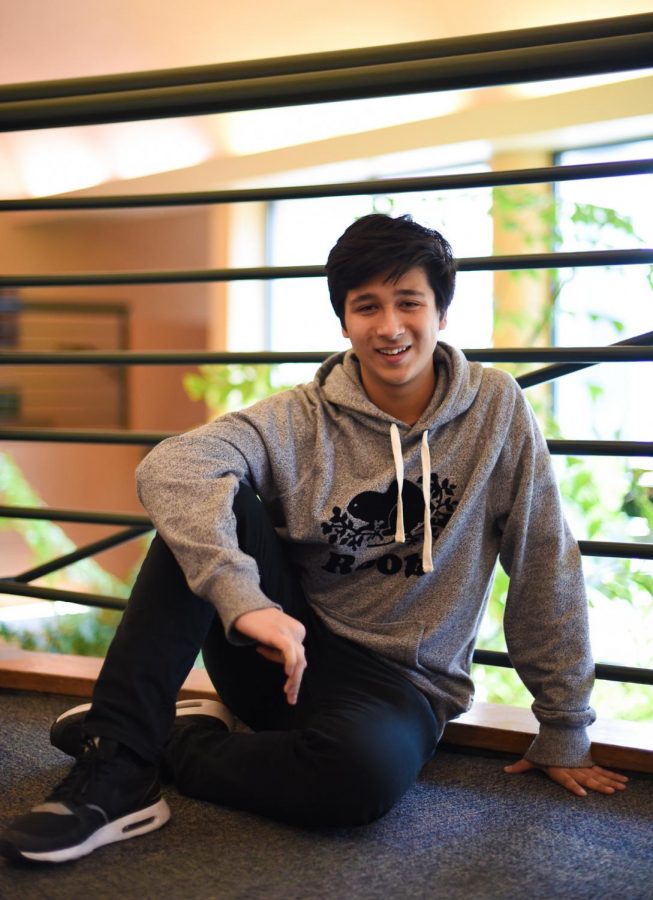
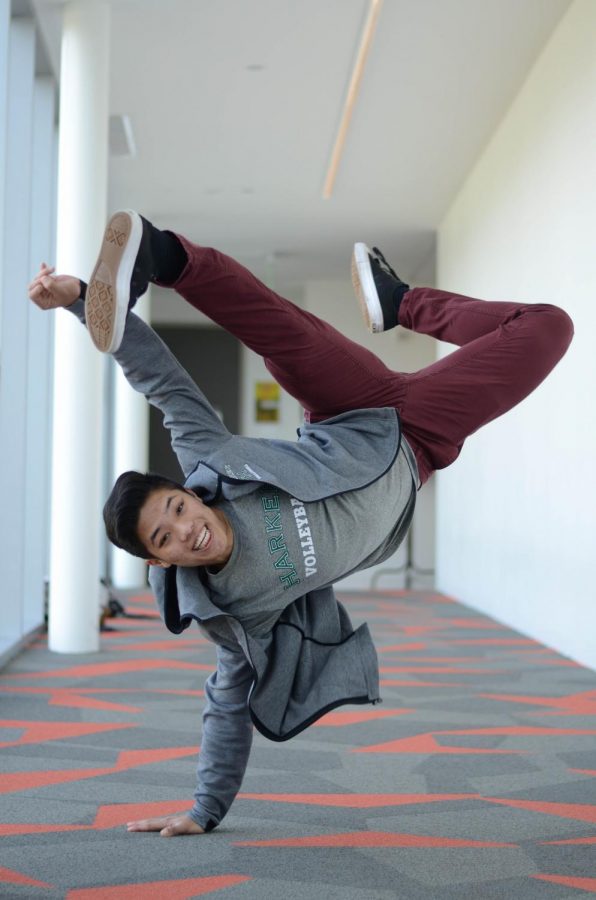
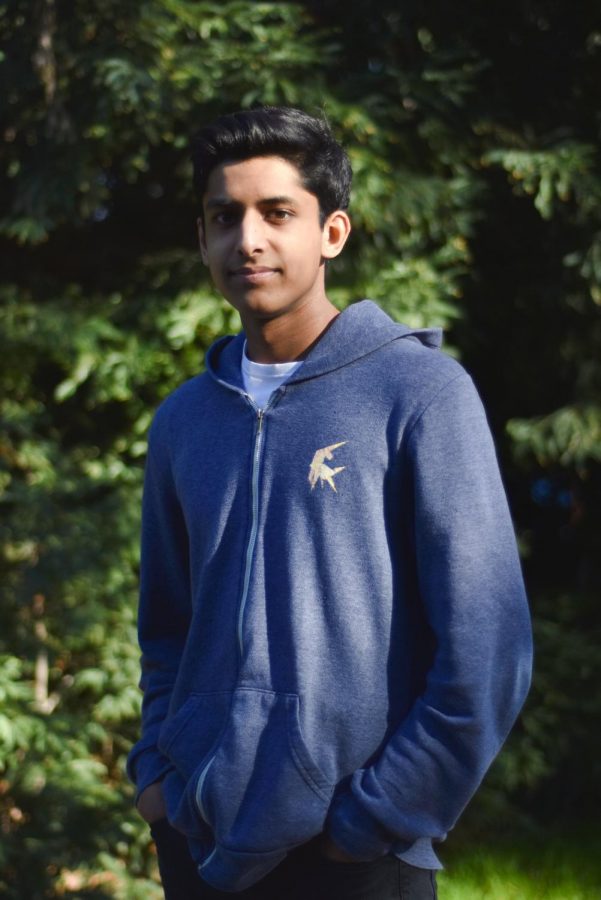
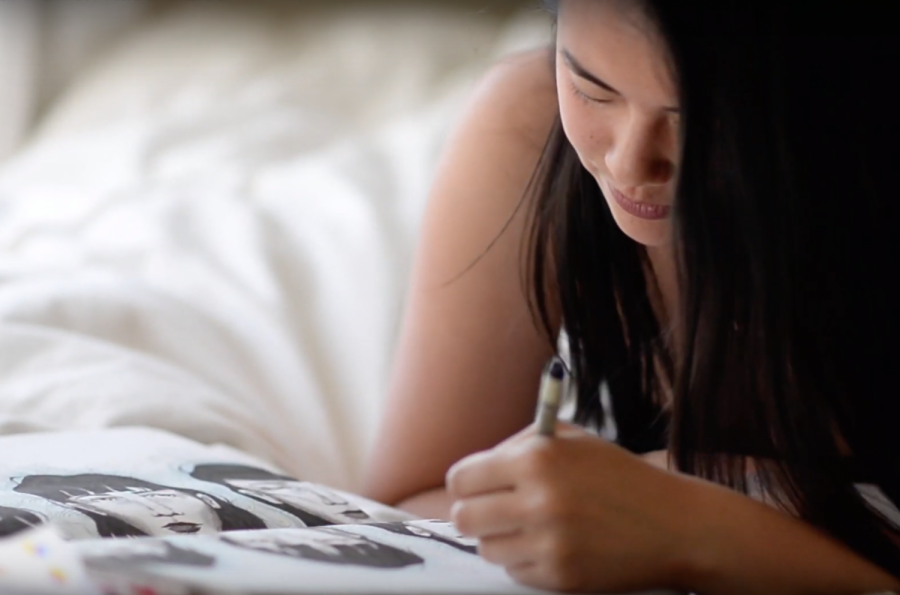
![“I think getting up in the morning and having a sense of purpose [is exciting]. I think without a certain amount of drive, life is kind of obsolete and mundane, and I think having that every single day is what makes each day unique and kind of makes life exciting,” Neymika Jain (12) said.](https://harkeraquila.com/wp-content/uploads/2017/06/Screen-Shot-2017-06-03-at-4.54.16-PM.png)
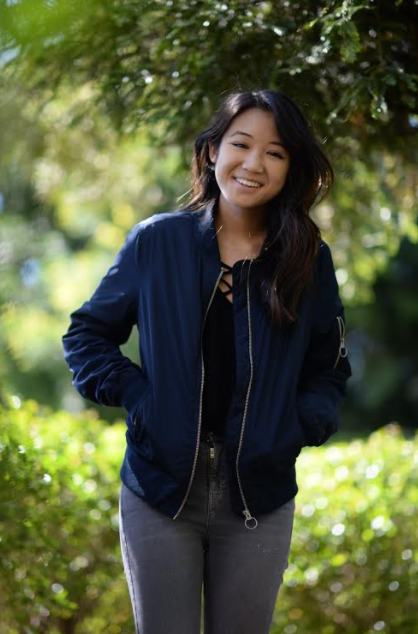
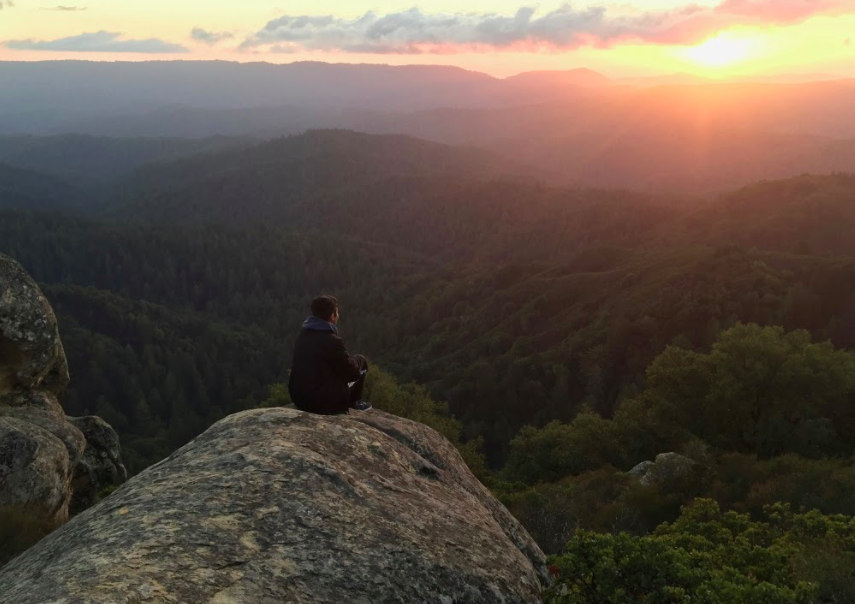
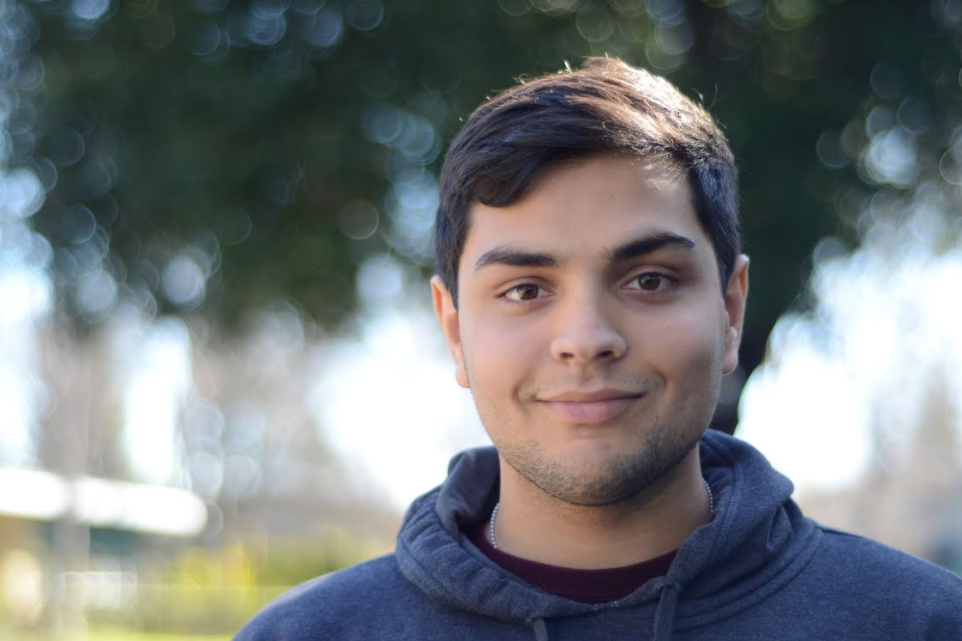
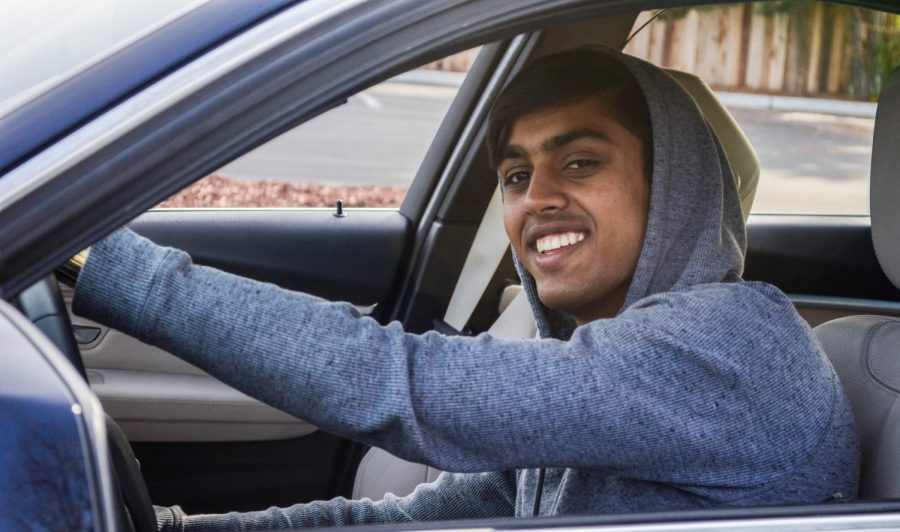
![“My slogan is ‘slow feet, don’t eat, and I’m hungry.’ You need to run fast to get where you are–you aren't going to get those championships if you aren't fast,” Angel Cervantes (12) said. “I want to do well in school on my tests and in track and win championships for my team. I live by that, [and] I can do that anywhere: in the classroom or on the field.”](https://harkeraquila.com/wp-content/uploads/2018/06/DSC5146-900x601.jpg)
![“[Volleyball has] taught me how to fall correctly, and another thing it taught is that you don’t have to be the best at something to be good at it. If you just hit the ball in a smart way, then it still scores points and you’re good at it. You could be a background player and still make a much bigger impact on the team than you would think,” Anya Gert (’20) said.](https://harkeraquila.com/wp-content/uploads/2020/06/AnnaGert_JinTuan_HoHPhotoEdited-600x900.jpeg)
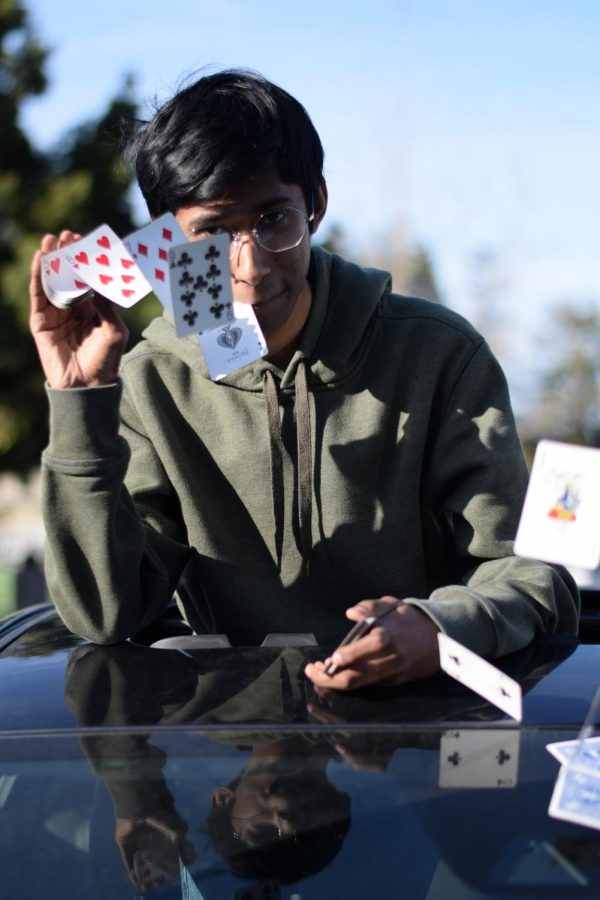
![“I'm not nearly there yet, but [my confidence has] definitely been getting better since I was pretty shy and timid coming into Harker my freshman year. I know that there's a lot of people that are really confident in what they do, and I really admire them. Everyone's so driven and that has really pushed me to kind of try to find my own place in high school and be more confident,” Alyssa Huang (’20) said.](https://harkeraquila.com/wp-content/uploads/2020/06/AlyssaHuang_EmilyChen_HoHPhoto-900x749.jpeg)
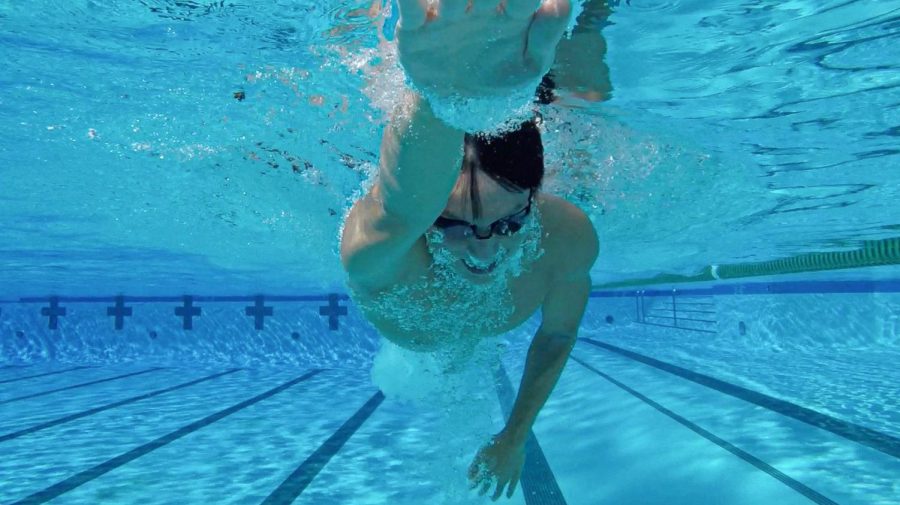
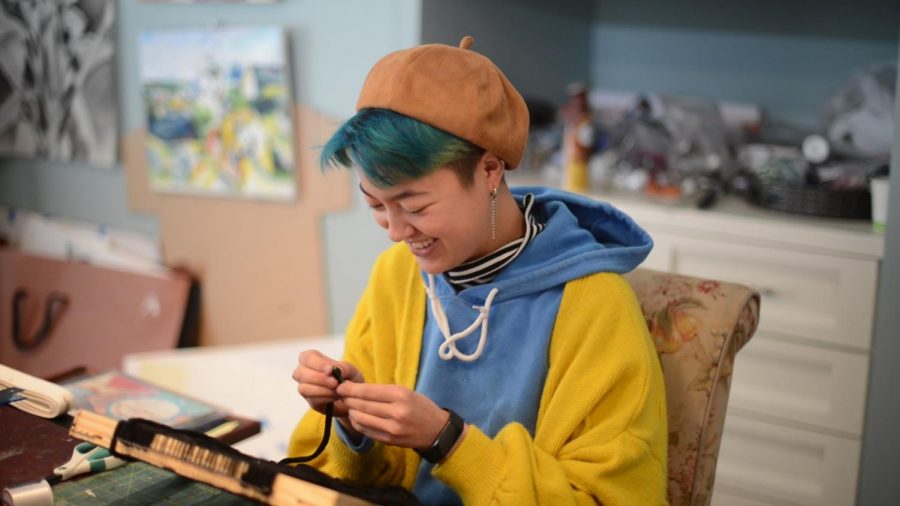

The intricate 16th notes of Bach’s “Erchallet ihr lieder” blur together as the members of choral group Capriccio rehearse for their next concert. The challenging phrasing feels like a barrier, and the choir’s focus slips as the room’s energy slowly drifts. Sensing the disconnect, student leader Carissa Wu (’26) pauses to listen. After brainstorming with the group, she introduces a new ritual: a minute of silence followed by shared notes on each piece before rehearsal begins. After she implements this plan, the choir begins to flourish, and the once daunting melodies feel more like something they can shape together.
Carissa began performing in Harker’s choirs in fourth grade, and she joined the former upper school choir Bel Canto in ninth grade. Following that, she auditioned for the soprano and alto choir Cantilena, performing with the group for her sophomore year. She became student leader of Capriccio, the successor to Cantilena, in her junior year.
While she originally did not see herself in a leadership role, Carissa’s bond with the choir during her time in Cantilena led to her group members nominating her as the leader for the next year. In this role, Carissa thought on her feet during difficult moments to help the group focus and unify the team.
“Performing arts definitely make me someone who’s more willing to try things because I’m less scared of pushing myself,” Carissa said. “It’s really helped me learn how to work through challenges because last year, when I was student leader, I had to do a lot of problem solving and getting the group together. In performing arts everyone is so close that it gives you the space to do that.”
Vocal music teacher Jennifer Sandusky taught Carissa in choir for the past four years and highlights her persisting maturity and growth in leadership skills over time.
“The amount of work she did for Capriccio to lead them was really impressive,” Sandusky said. “Everybody strives for these leadership qualities, but it seems in Carissa, it comes very naturally. There’s a lot of patience and respect in how she treats her peers.”
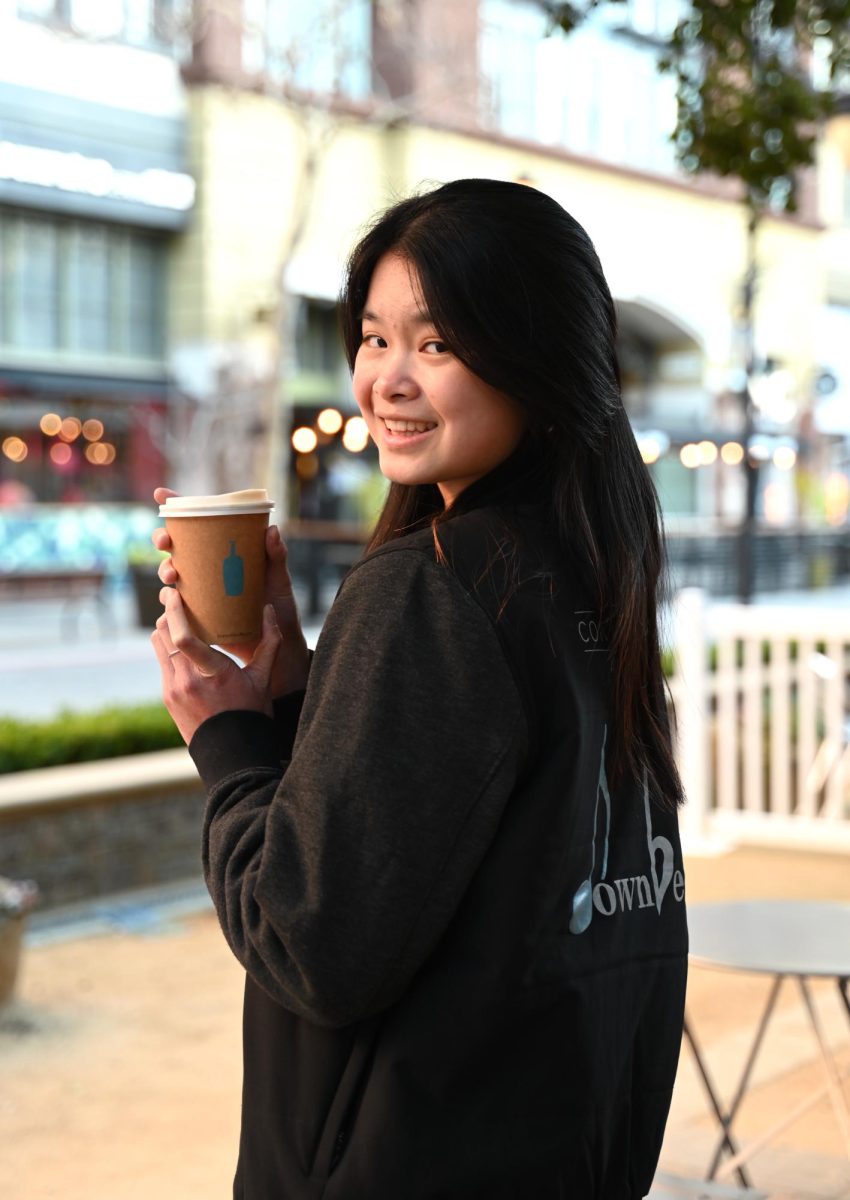
Beyond the logistical challenges of leadership, Carissa finds a deep emotional payoff in the shared effort involved in delivering a performance. She participated in the spring musical for the past three years, and this year she sang with the choral performance group Downbeat.
“It’s really satisfying to get to an end goal with a group of people that you spend a lot of time with, especially in musicals and choir,” Carissa said. “You’ve worked so hard to get a show and then you finally get to perform it in front of your friends and family and they get to see what you’ve been working on. The feeling of performing on stage is like a high to me.”
Junior Beibei Shen spent the past two years in both Capriccio and Downbeat with Carissa, where they performed in the alto section together. She attests to Carissa’s skill as both a leader and a friend.
“Carissa is probably the single upperclassman that I’ve looked up to the most,” Beibei said. “I’ve always had her support relating to music or choir, and she’s someone that I can turn to for advice or just good friendship. It’s just so nice to have someone there to always freely share your thoughts with.”
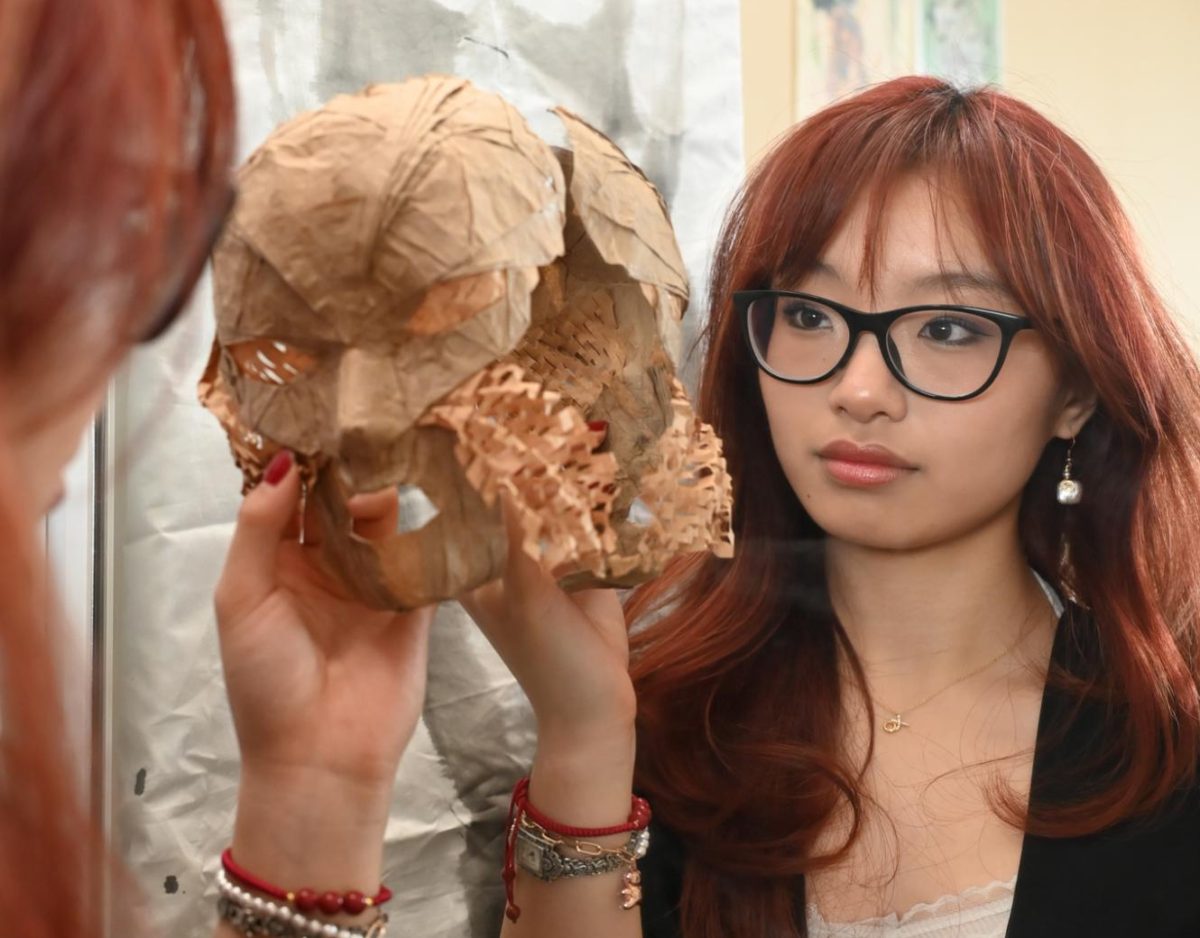
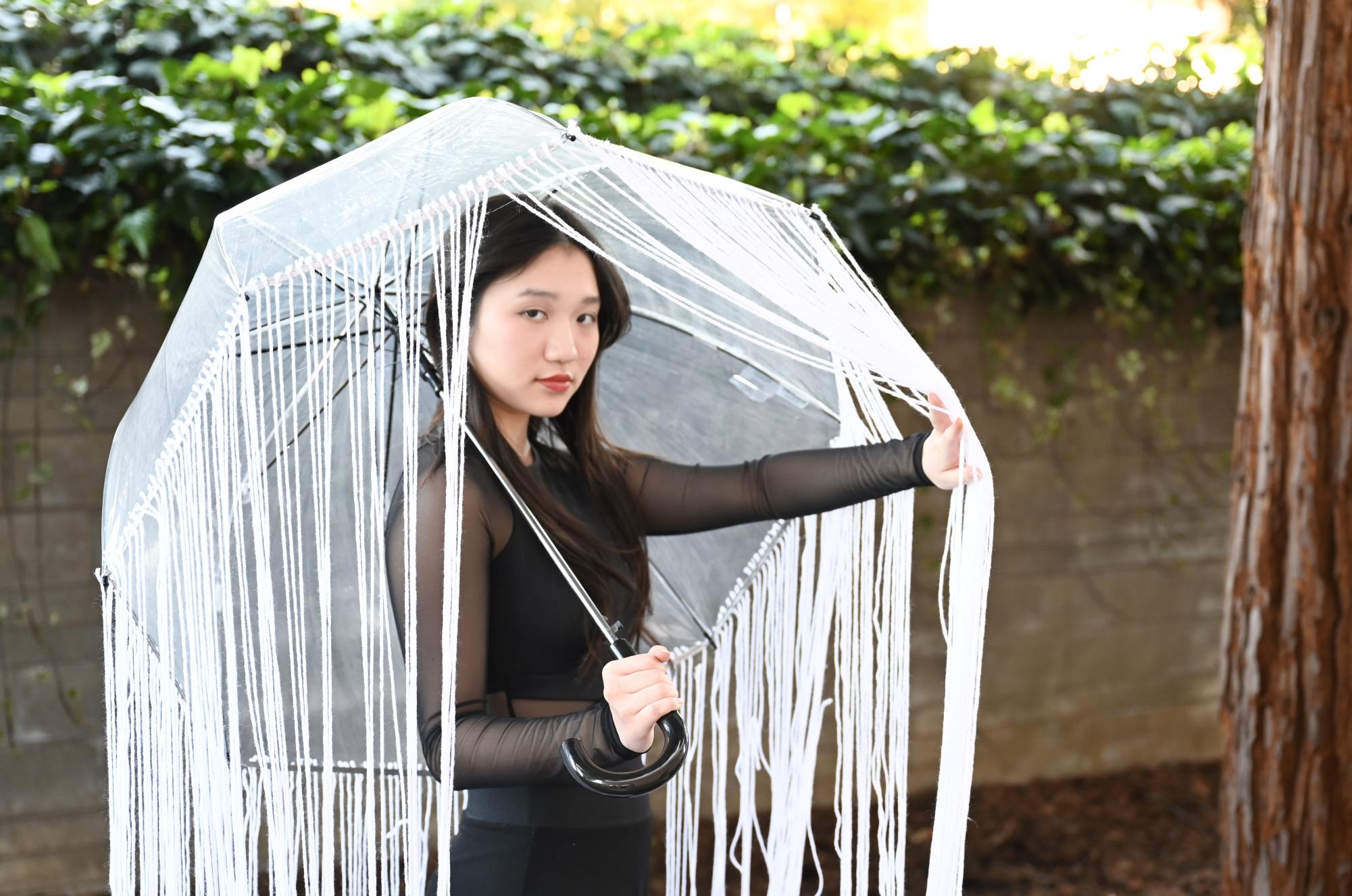
While the performing arts offer her a high-energy, collaborative experience, Carissa finds a more introspective outlet through the visual arts. She has been painting for as long as she can remember, but more recently turned to installations and sculptural art. This shift arose from her desire to incorporate everyday materials, like food packaging, into artwork.
Carissa aims for her artwork to reflect what she sees in society and comment on the hidden contradictions of life. In one piece she made out of wooden skewers and matchsticks, she sculpted a hand reaching out with a burning finger, representing how progress can also cause endangerment.
“Visual arts lets me approach the world in a different way versus just writing about it or talking about it,” Carissa said. “I often use recycled items that I can repurpose into art. Finding ways to turn something that doesn’t seem that important or seems like it should go in the trash into something that can communicate a message about the world is really rewarding.”
Whether she’s sculpting or finding the silence to master a complex Bach piece, Carissa’s ability to find meaning in the details hasn’t gone unnoticed by those closest to her. Close friend Selina Wang (’26) has observed how Carissa’s artistic lens translates into her daily life.
“Carissa is a great storyteller, and she can make even very ordinary everyday experiences into something incredibly vibrant,” Selina said. “That’s something really unique that stands out about her as both an artist and as a friend, and it seems like a skill that she has curated over the years.”
Carissa’s work points back to a singular driving force: her desire to channel her thoughts and experiences into art and to help those around her achieve the same goal.
“What ties my passions together is the desire for self-expression,” Carissa said. “Expressing myself creatively is something that comes naturally to me, and I don’t ever want to take that part of myself away. Creativity is not exactly a learned skill; it’s innate for me. That’s why it’s been important to express myself, and it has really grown me as a person.”