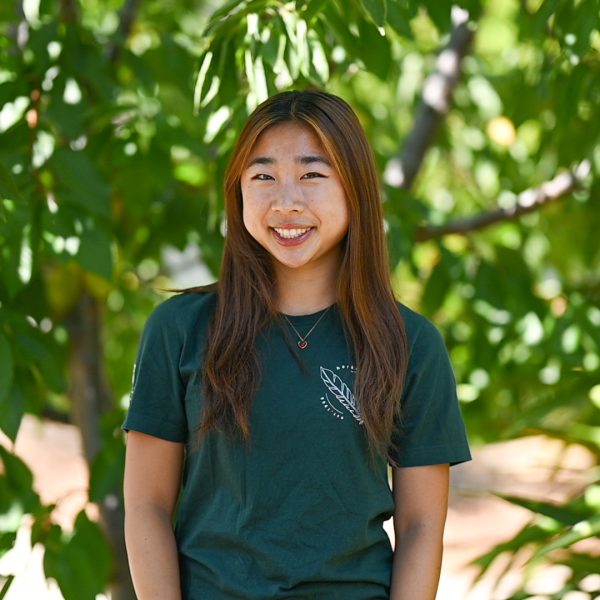
![“I wasn't discouraged by some of the obstacles we faced. I learned a lot from the leadership. I found that different people need different ways of receiving feedback — you can't [just] tell them to do something and expect the best. [Some] people needed more incentive. A large part of my role was to figure out what worked for everyone and to figure out how to lead all these separate individuals as a team,” Suhana Bhandare (’26) said.](https://harkeraquila.com/wp-content/uploads/2026/06/SuhanaBhandare_JasmineHansra-1-1200x798.jpg)
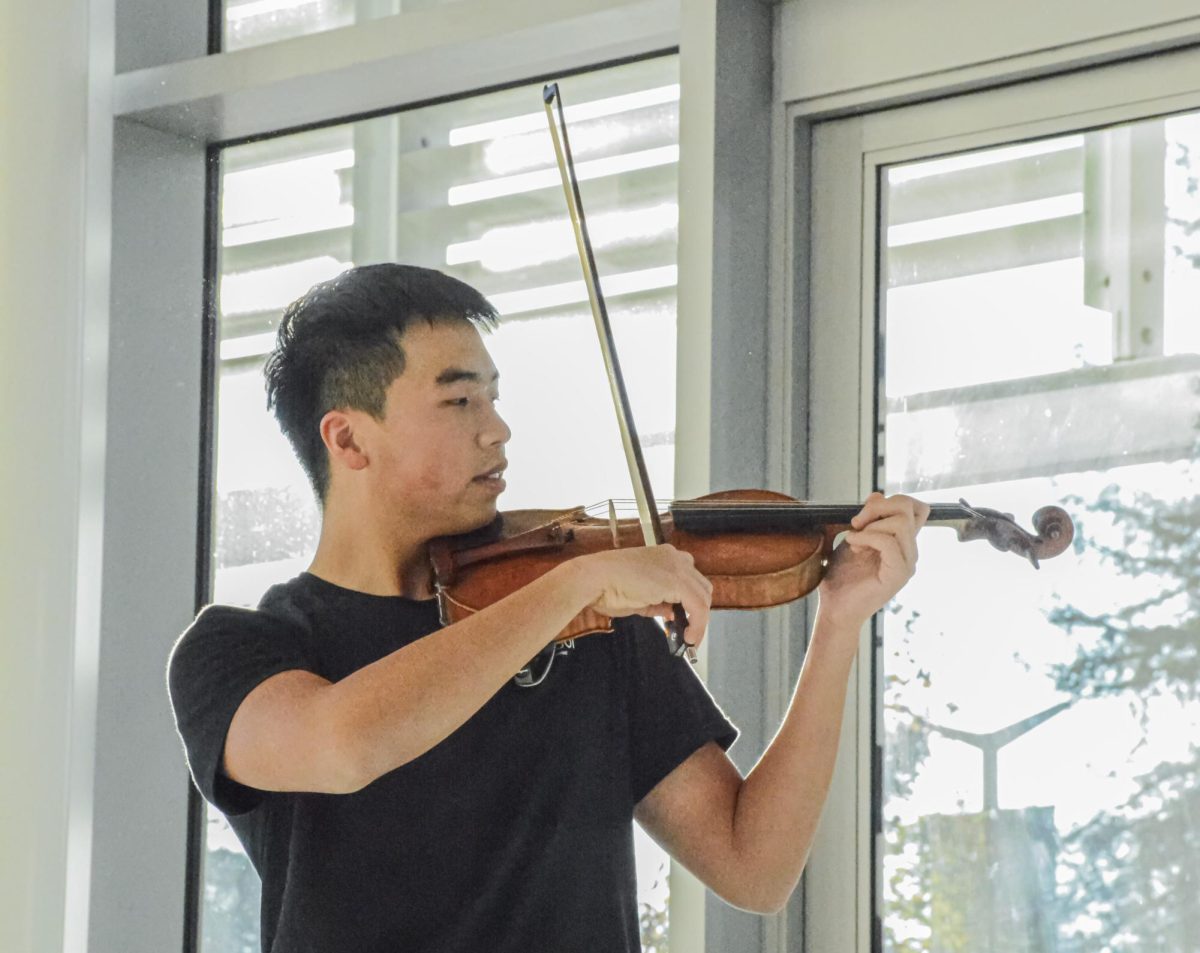
![“This is actually from Randy Pausch Randy P. Brick: ‘Walls are there for a reason. You have to show how much you want to overcome them.’ You have to show how much you want something. That's what I've always been able to do with tennis, Link Crew and getting that internship [with Kushy Baby]. It’s important pushing through that — getting around that brick wall, climbing over it or clawing through it,” Yash Sachdeva (’26) said.](https://harkeraquila.com/wp-content/uploads/2026/05/YashSachdeva_RamBatchu-copy-1200x1002.jpg)

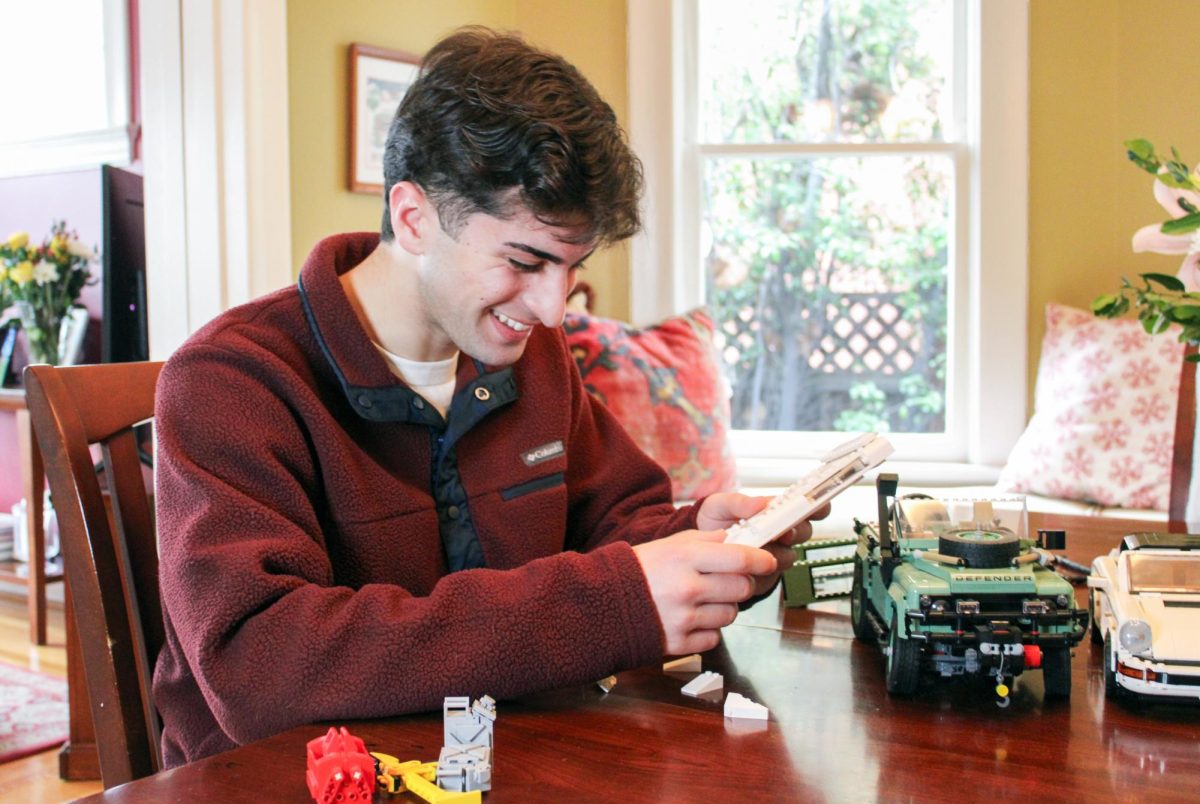
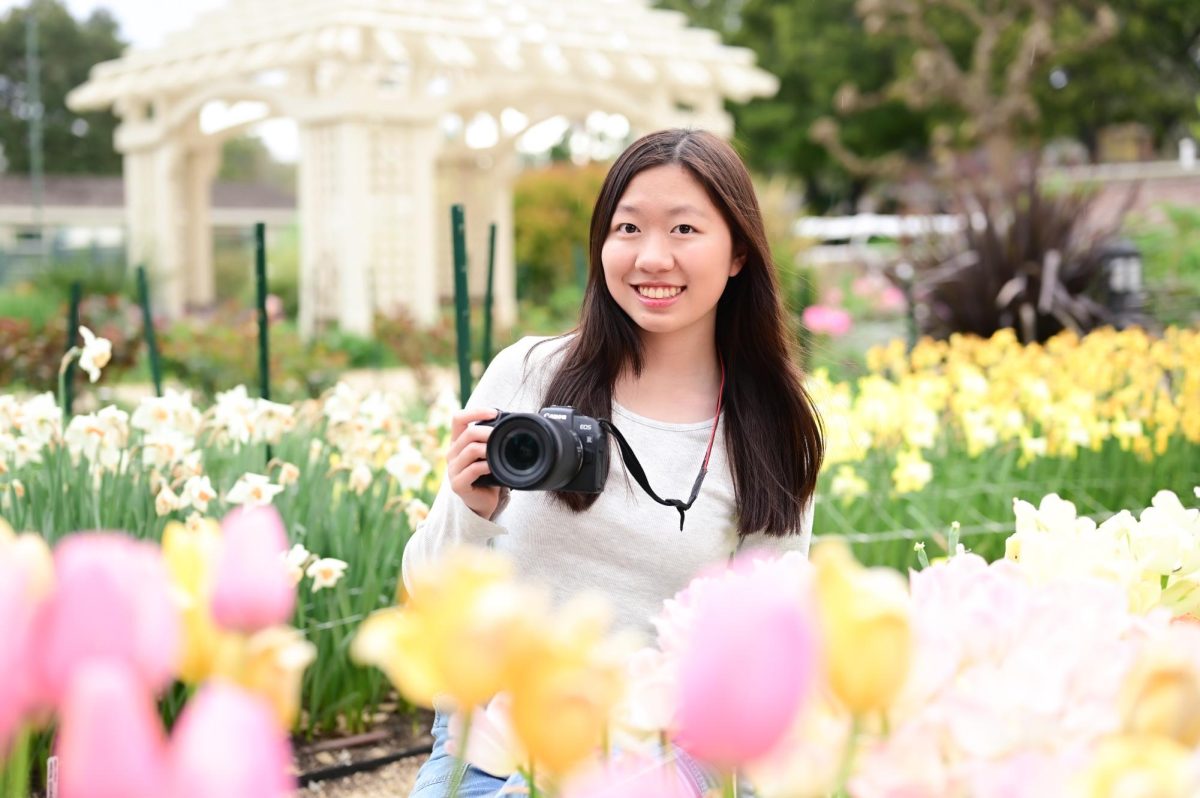
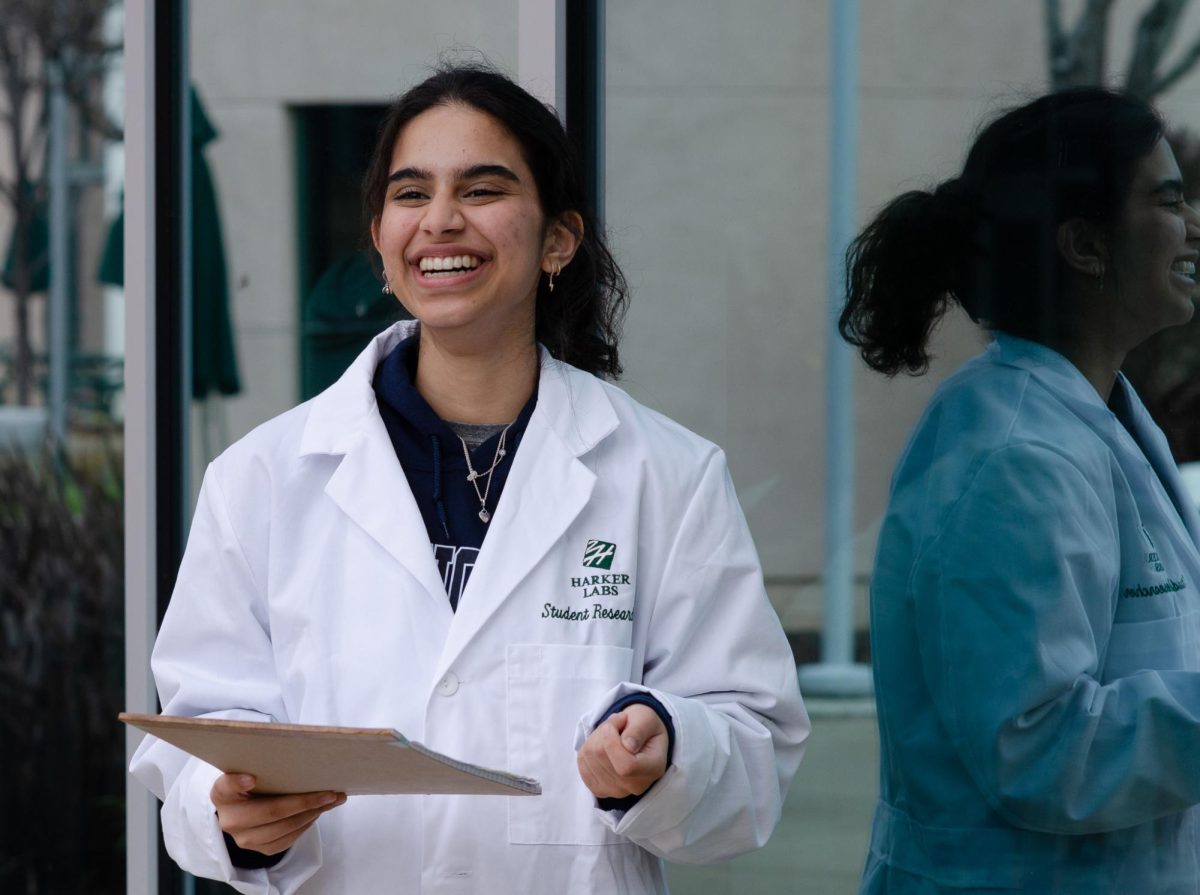
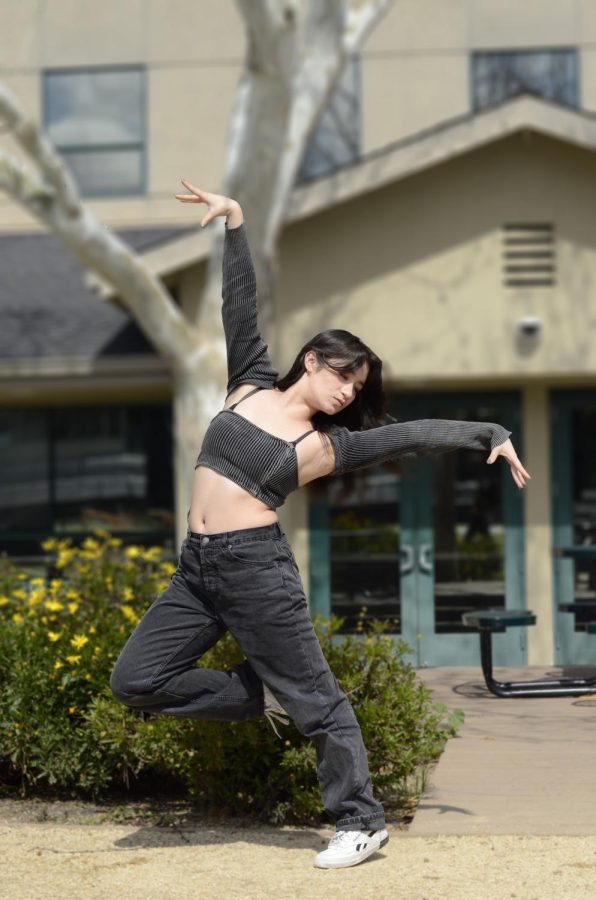
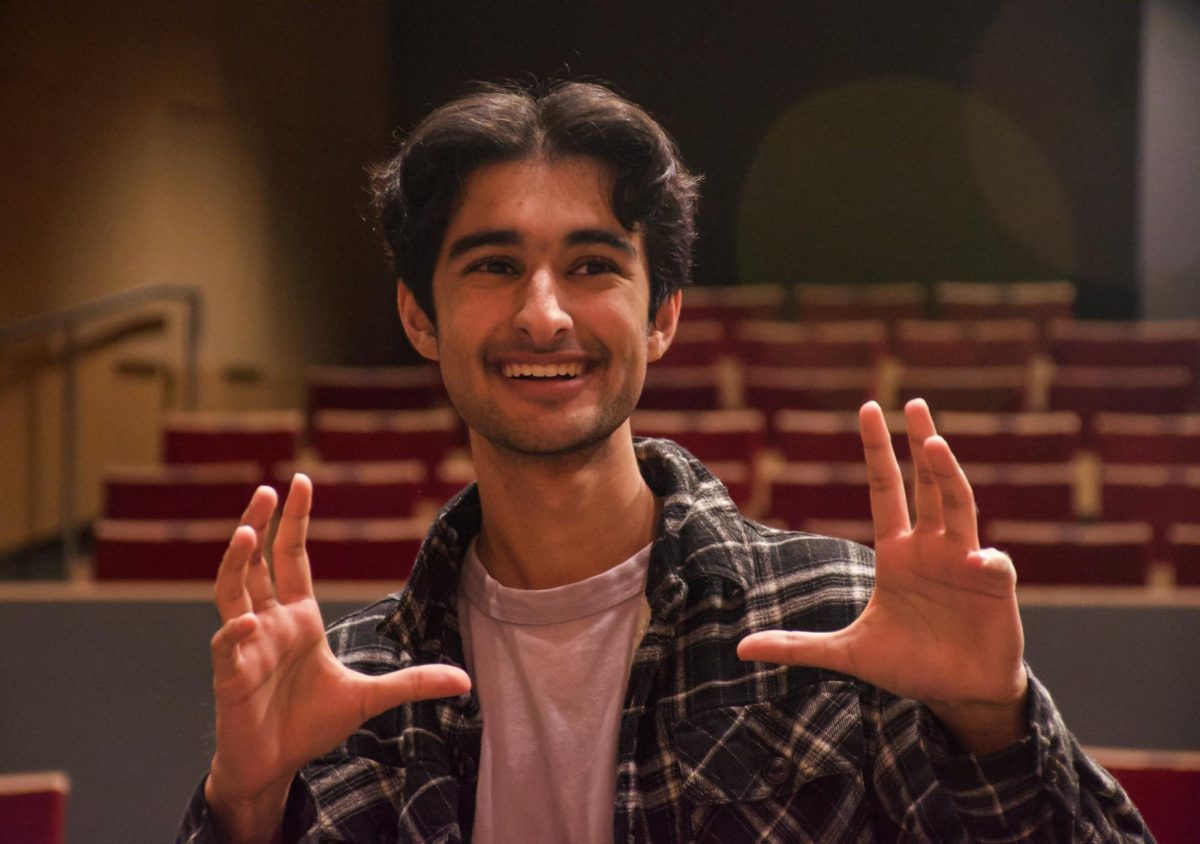
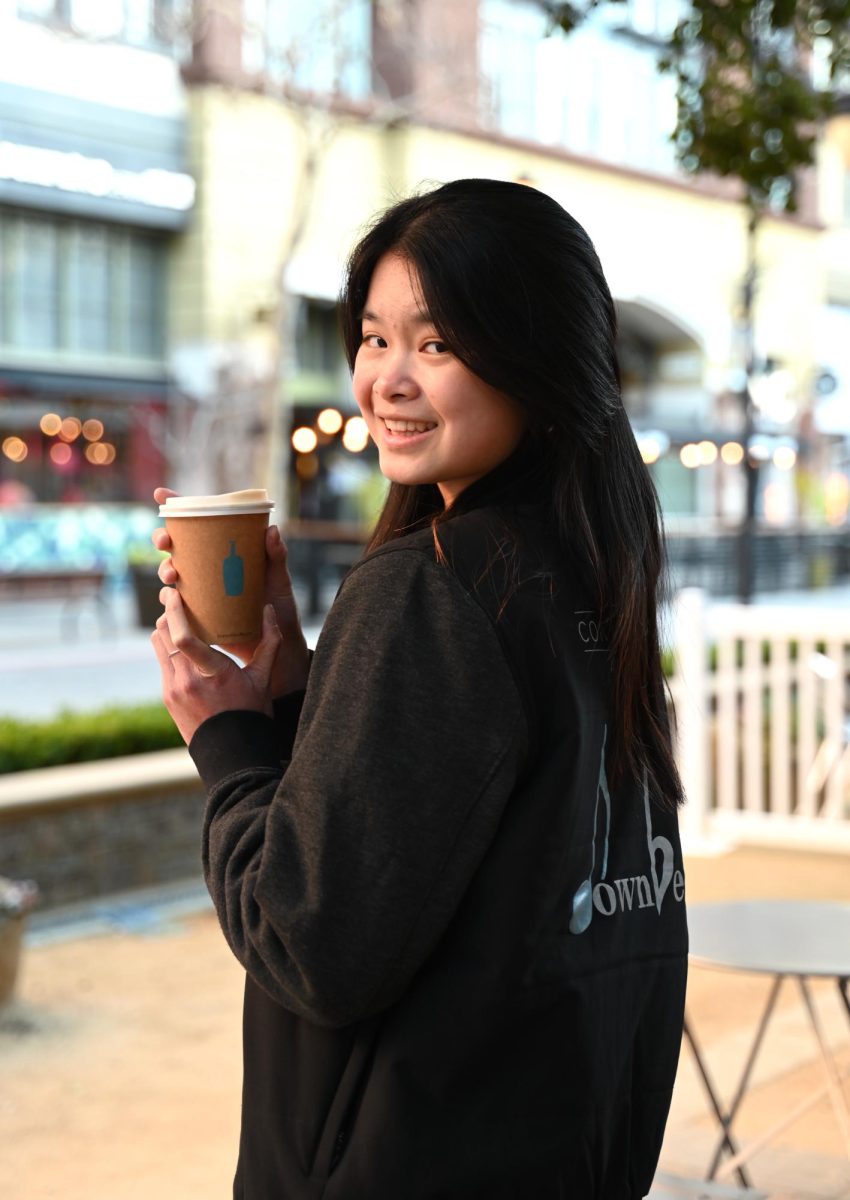
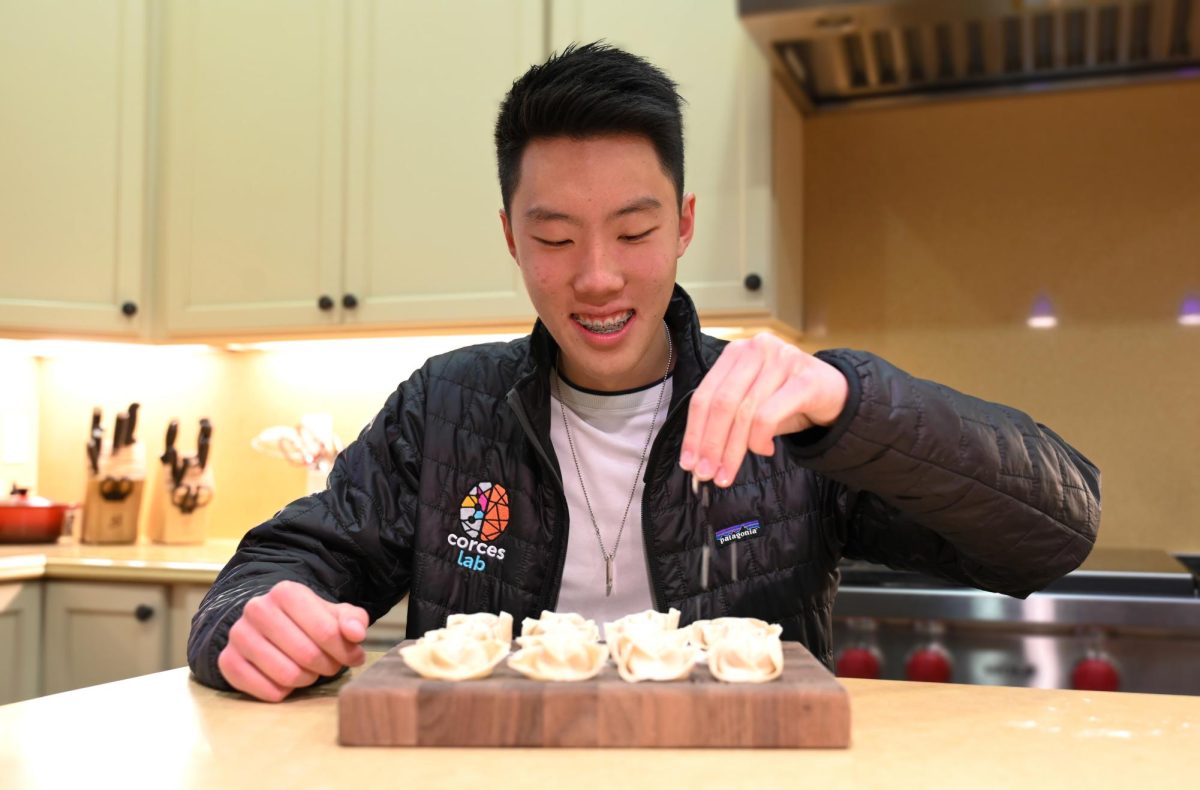
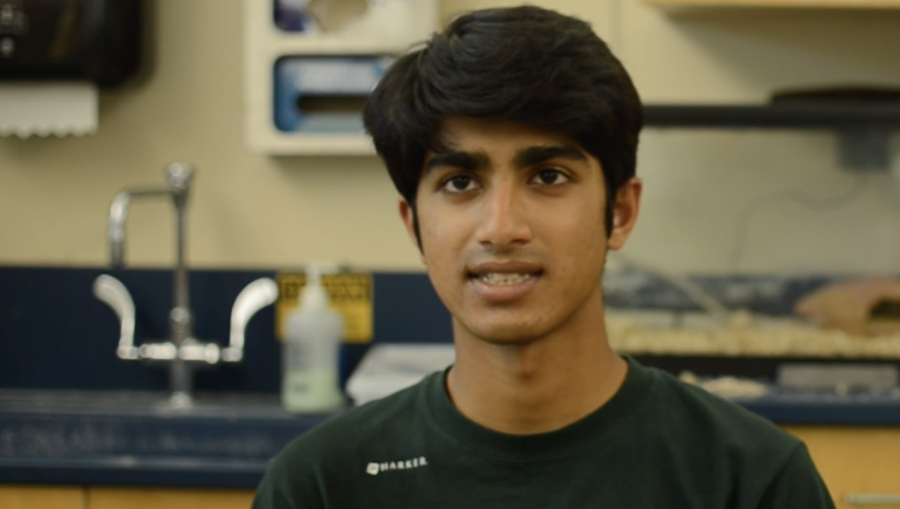
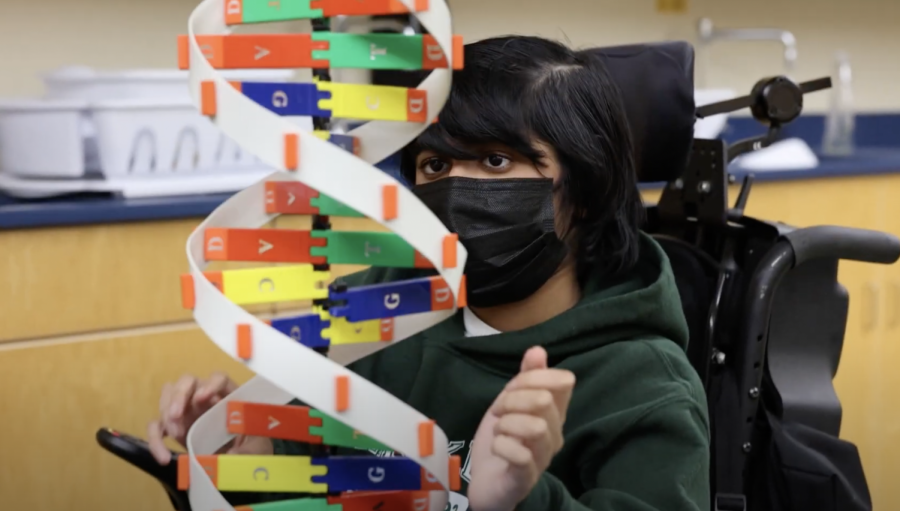
![“[Building nerf blasters] became this outlet of creativity for me that hasn't been matched by anything else. The process [of] making a build complete to your desire is such a painstakingly difficult process, but I've had to learn from [the skills needed from] soldering to proper painting. There's so many different options for everything, if you think about it, it exists. The best part is [that] if it doesn't exist, you can build it yourself," Ishaan Parate said.](https://harkeraquila.com/wp-content/uploads/2022/08/DSC_8149-900x604.jpg)
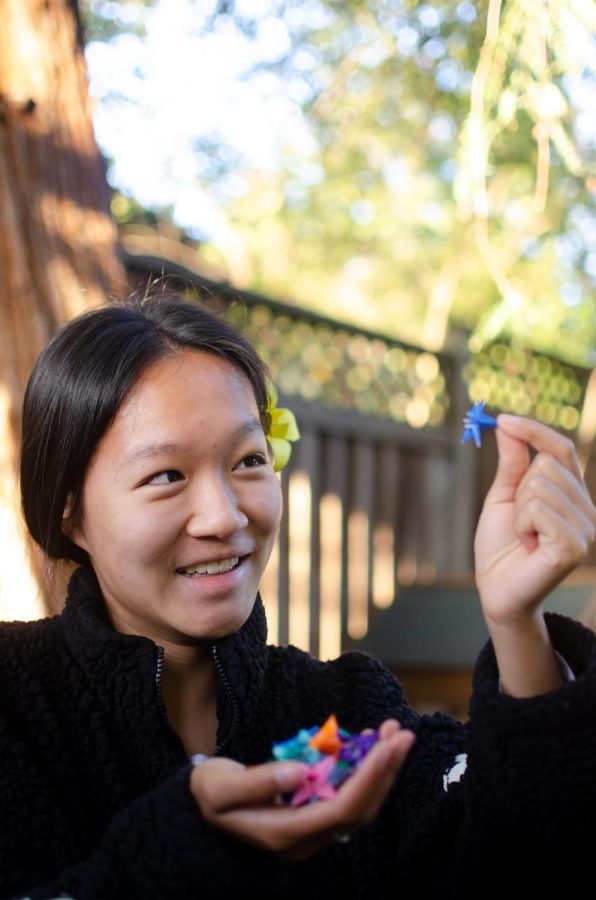
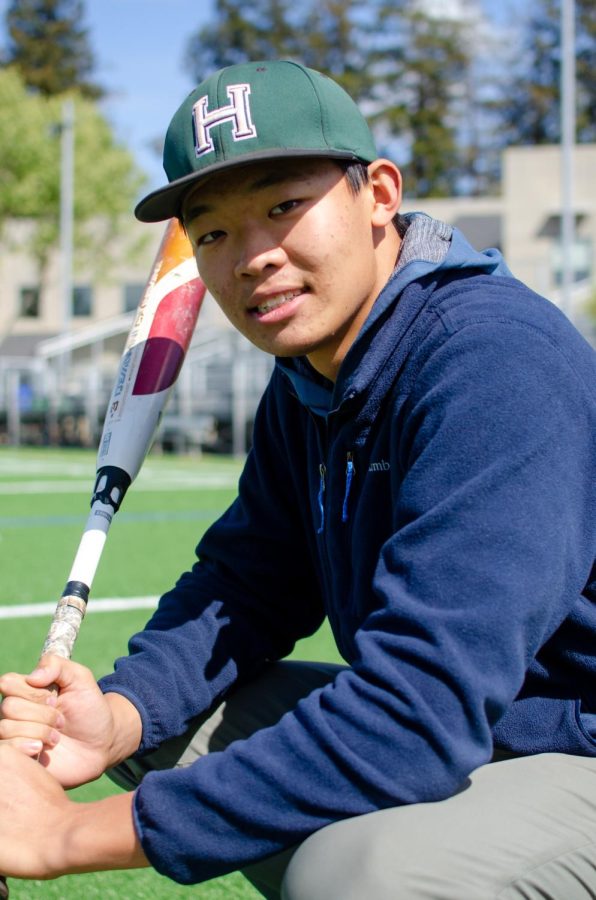
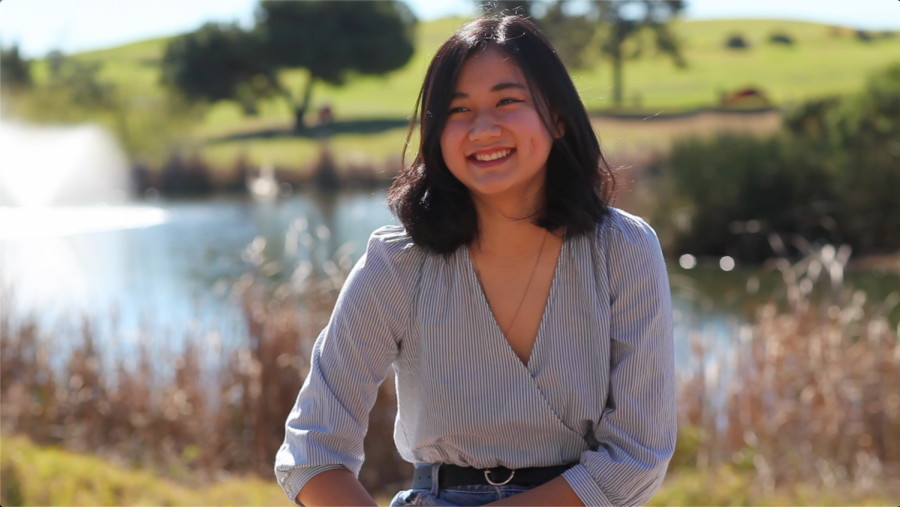
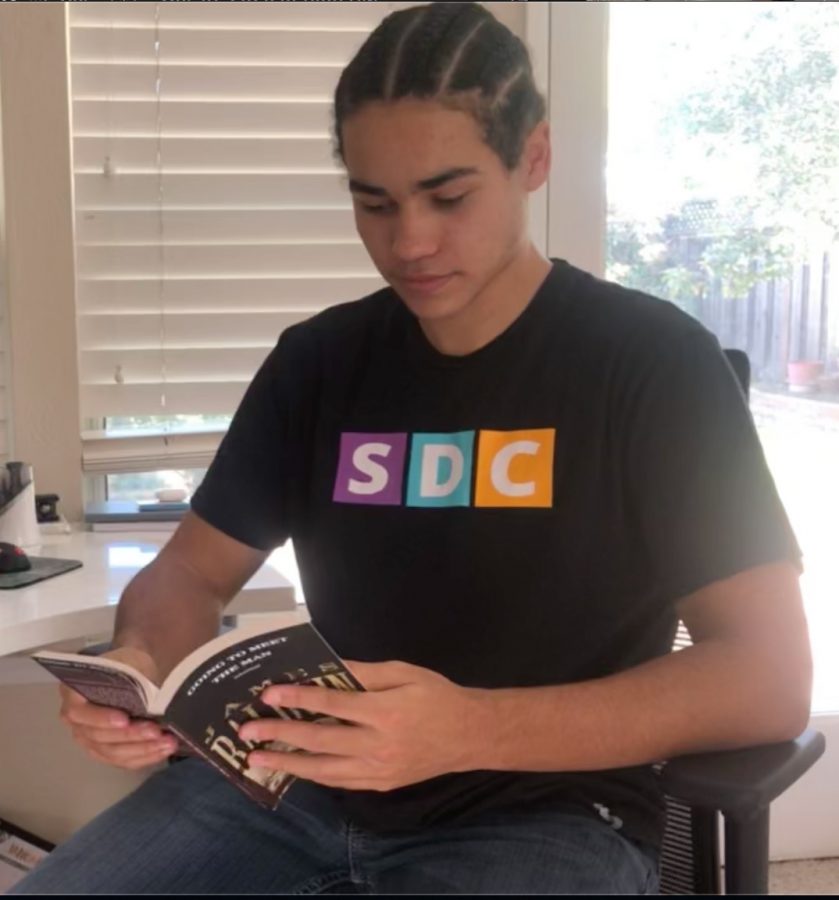
![“When I came into high school, I was ready to be a follower. But DECA was a game changer for me. It helped me overcome my fear of public speaking, and it's played such a major role in who I've become today. To be able to successfully lead a chapter of 150 students, an officer team and be one of the upperclassmen I once really admired is something I'm [really] proud of,” Anvitha Tummala ('21) said.](https://harkeraquila.com/wp-content/uploads/2021/07/Screen-Shot-2021-07-25-at-9.50.05-AM-900x594.png)
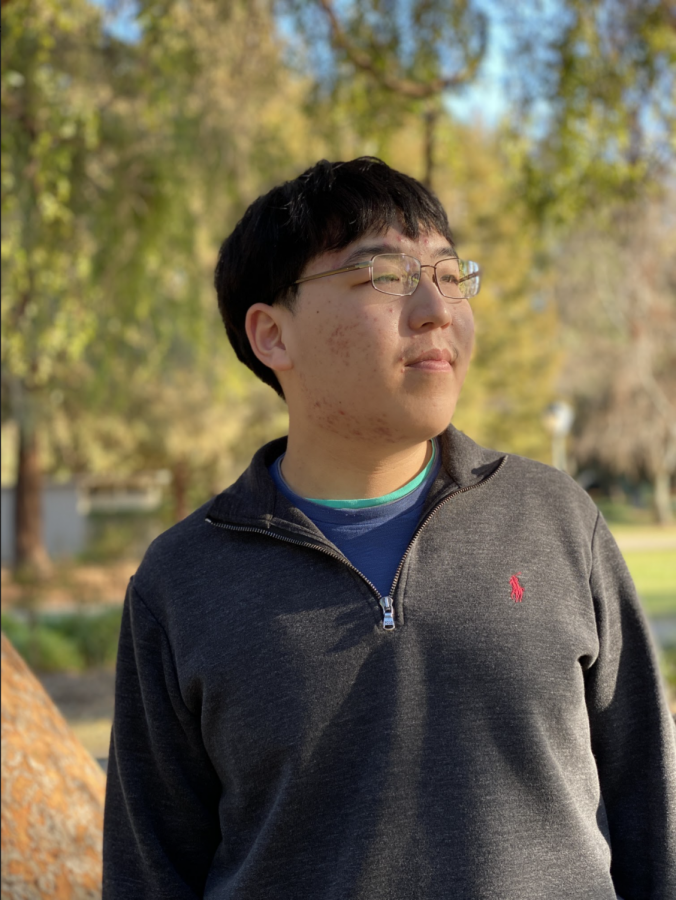
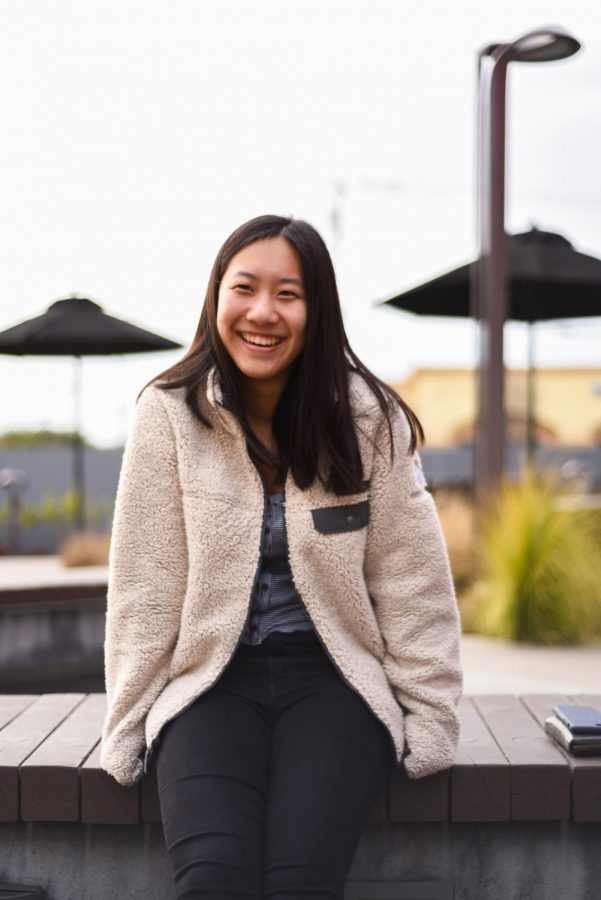
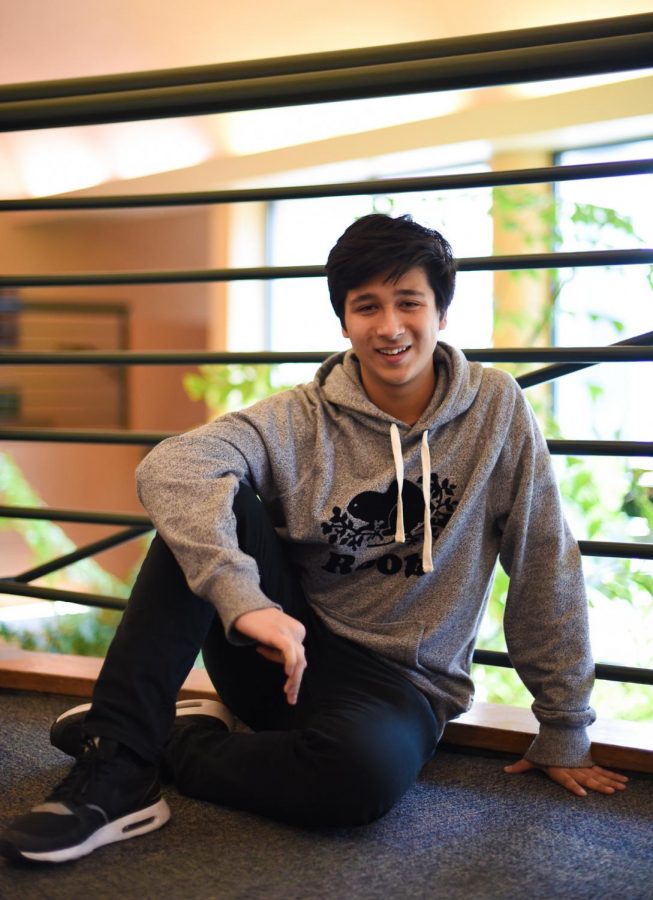
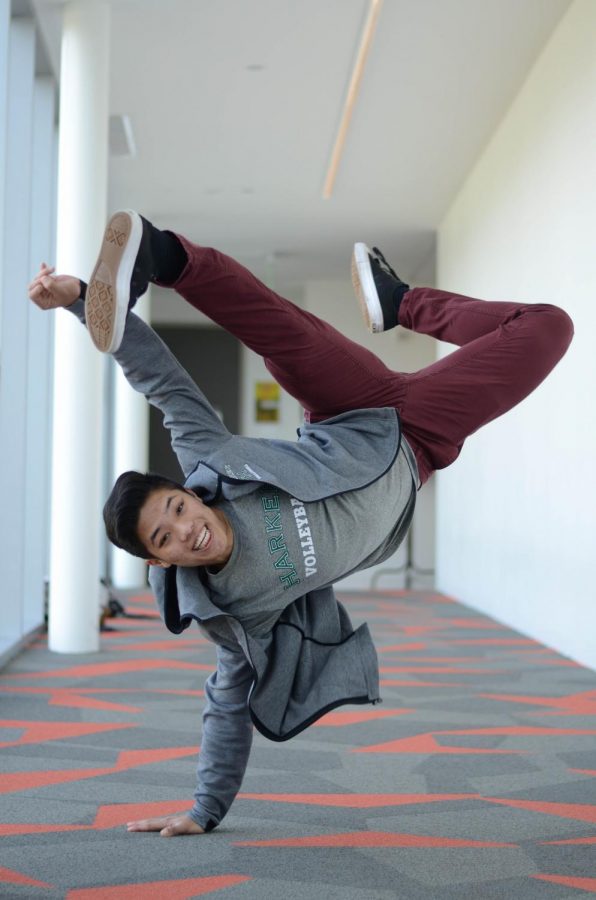
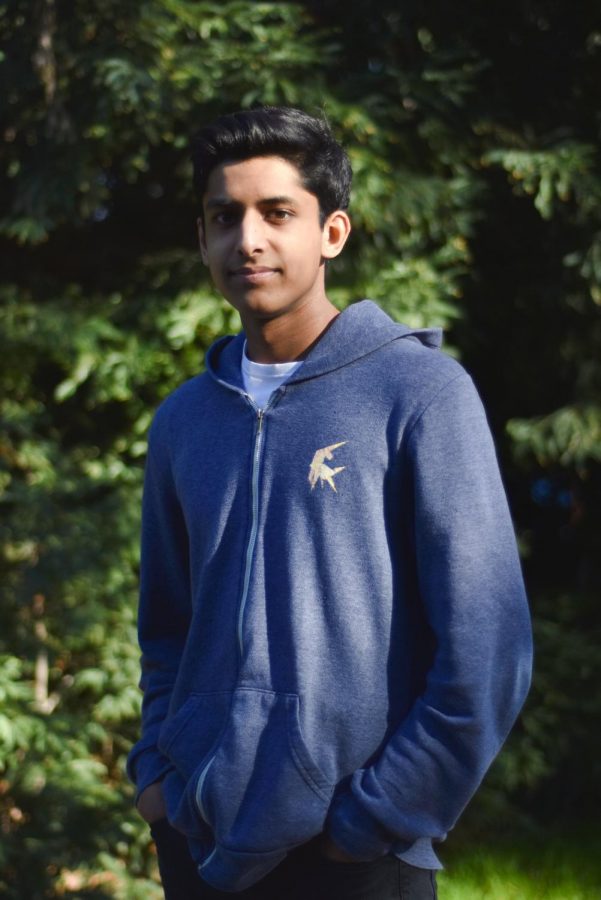

![“I think getting up in the morning and having a sense of purpose [is exciting]. I think without a certain amount of drive, life is kind of obsolete and mundane, and I think having that every single day is what makes each day unique and kind of makes life exciting,” Neymika Jain (12) said.](https://harkeraquila.com/wp-content/uploads/2017/06/Screen-Shot-2017-06-03-at-4.54.16-PM.png)
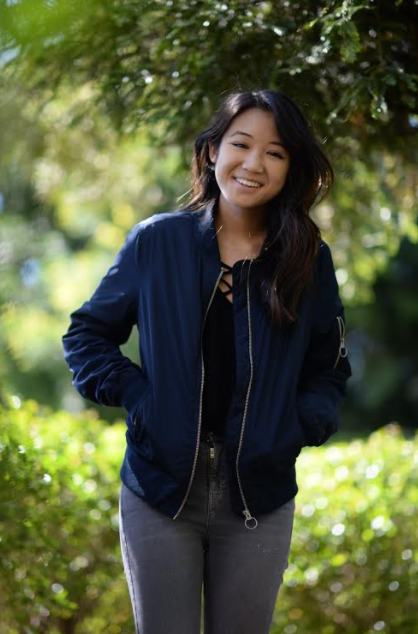
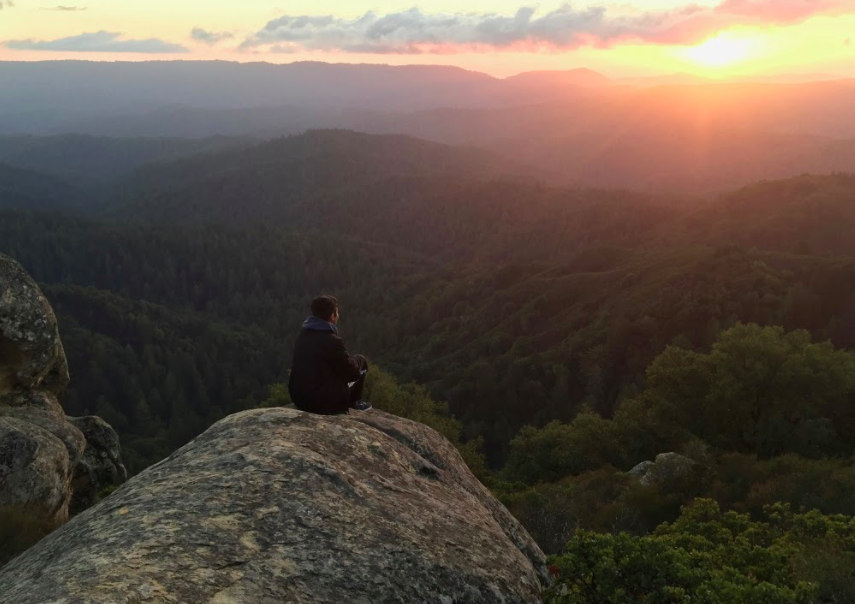
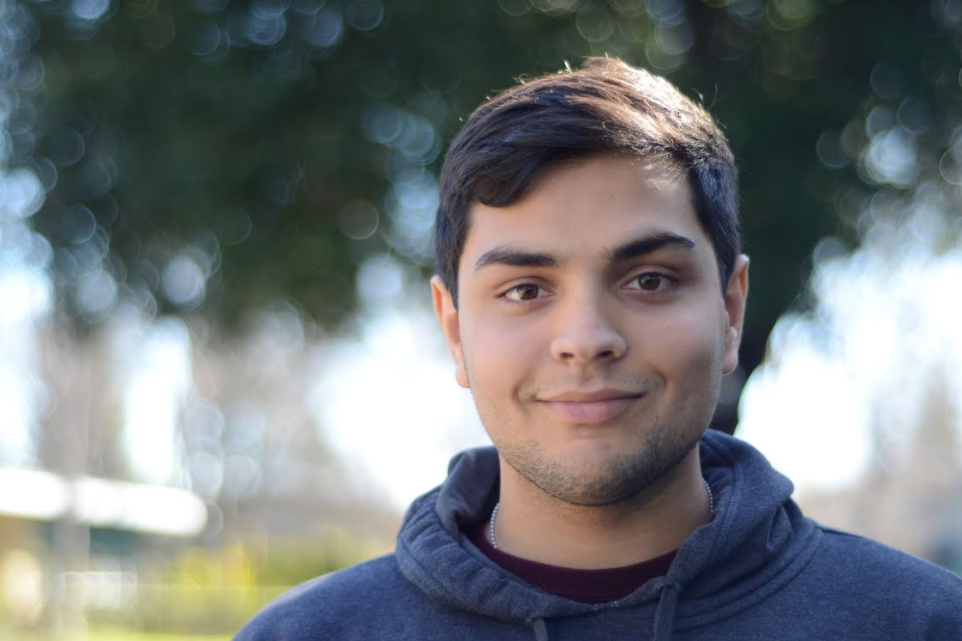
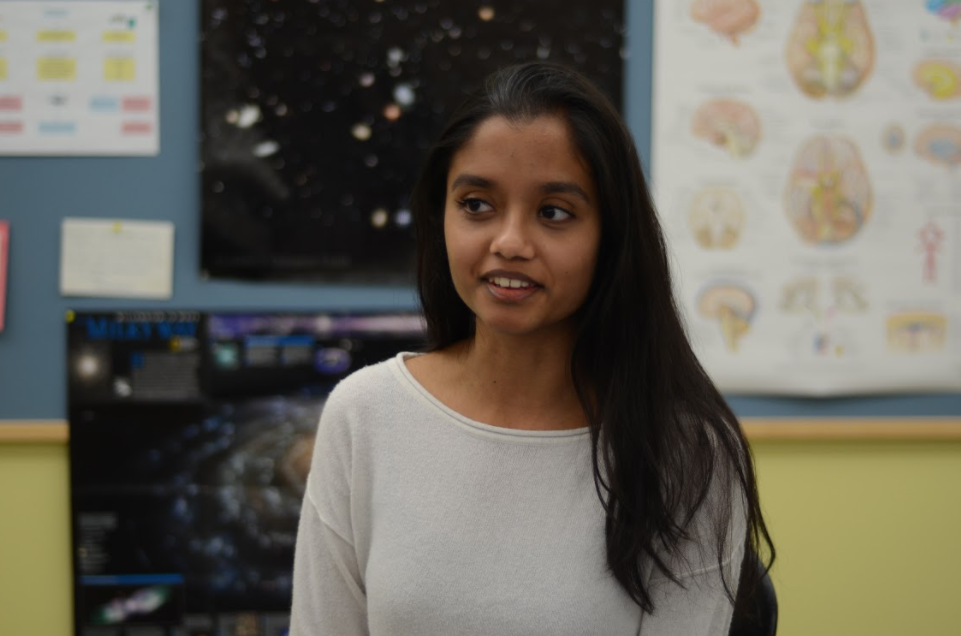
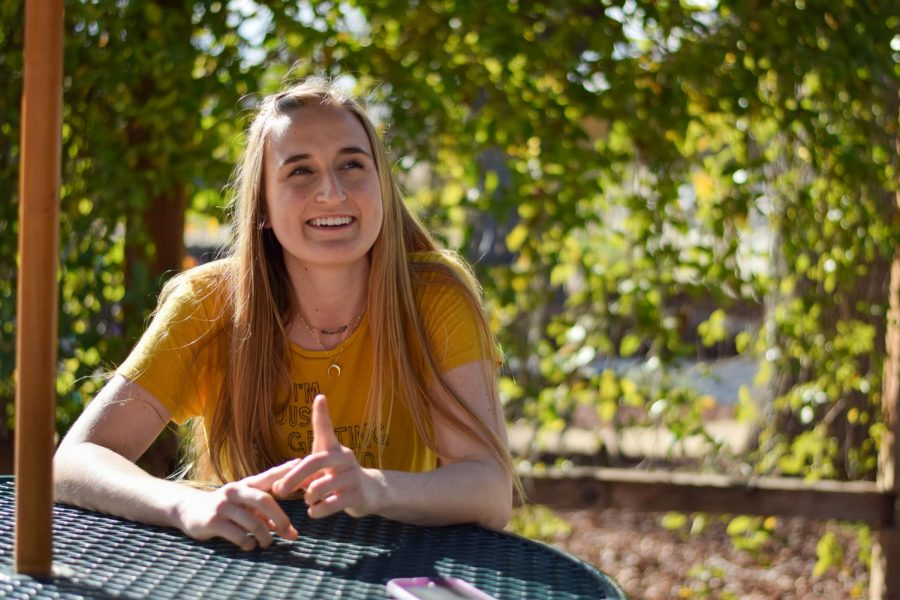
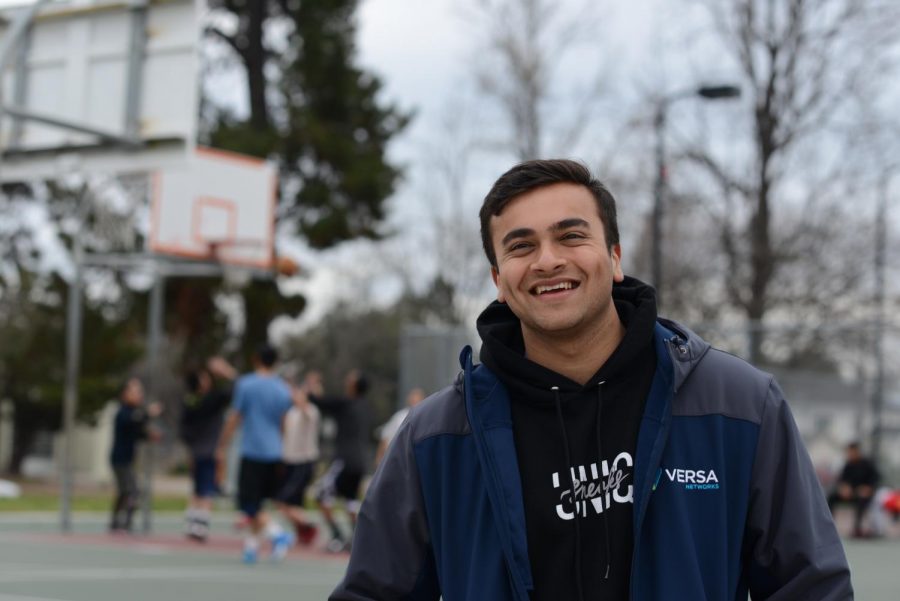
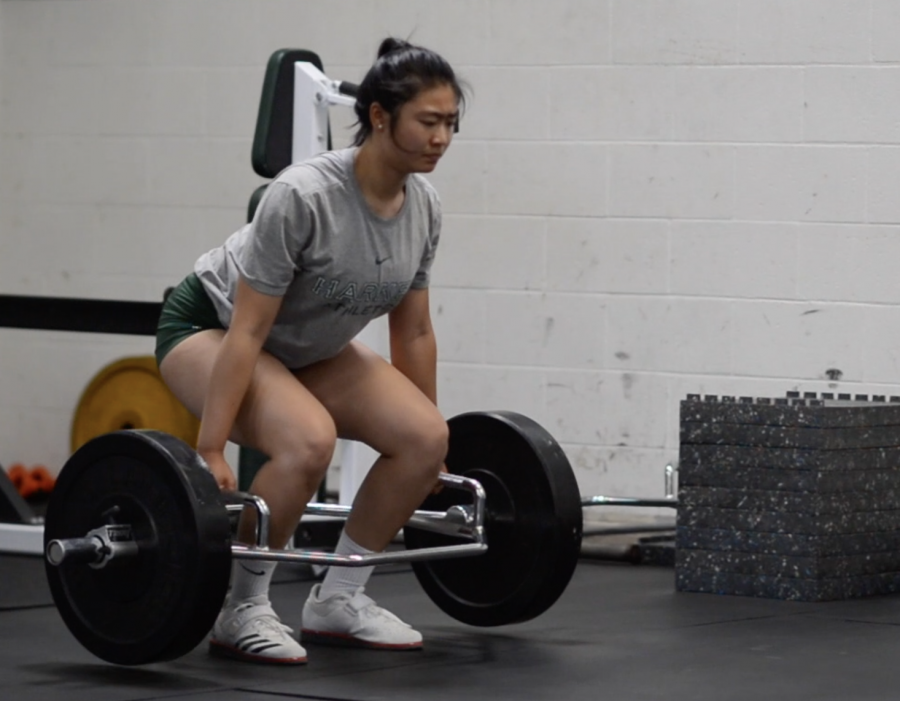

![“My slogan is ‘slow feet, don’t eat, and I’m hungry.’ You need to run fast to get where you are–you aren't going to get those championships if you aren't fast,” Angel Cervantes (12) said. “I want to do well in school on my tests and in track and win championships for my team. I live by that, [and] I can do that anywhere: in the classroom or on the field.”](https://harkeraquila.com/wp-content/uploads/2018/06/DSC5146-900x601.jpg)
![“[Volleyball has] taught me how to fall correctly, and another thing it taught is that you don’t have to be the best at something to be good at it. If you just hit the ball in a smart way, then it still scores points and you’re good at it. You could be a background player and still make a much bigger impact on the team than you would think,” Anya Gert (’20) said.](https://harkeraquila.com/wp-content/uploads/2020/06/AnnaGert_JinTuan_HoHPhotoEdited-600x900.jpeg)
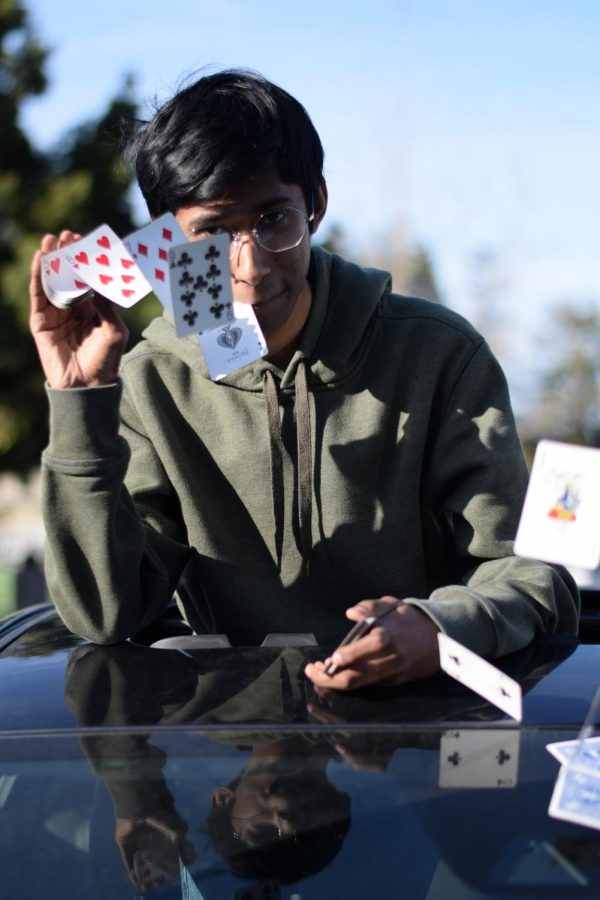
![“I'm not nearly there yet, but [my confidence has] definitely been getting better since I was pretty shy and timid coming into Harker my freshman year. I know that there's a lot of people that are really confident in what they do, and I really admire them. Everyone's so driven and that has really pushed me to kind of try to find my own place in high school and be more confident,” Alyssa Huang (’20) said.](https://harkeraquila.com/wp-content/uploads/2020/06/AlyssaHuang_EmilyChen_HoHPhoto-900x749.jpeg)

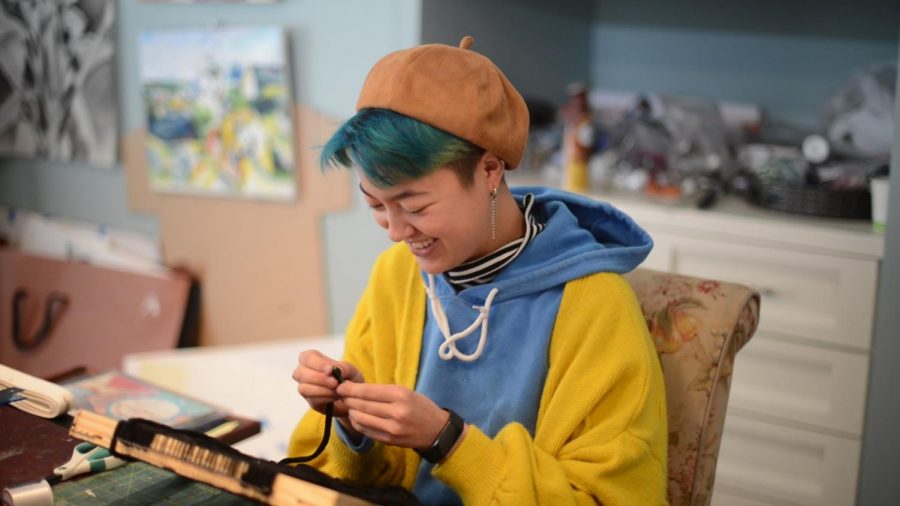


A worn brown stuffed bear sits at the edge of everything — fuzzy legs dangling from the shelf, straddling languages and experiences. Its name is Teddy-xiong, a reflection of its owner S Wang’s (’26) life navigating the intersection of words and worlds.
“Growing up in a Mandarin-English bilingual household, even my teddy bear was someone that was caught between two cultures,” S said. “I call him Teddy-xiong. Xiong translates to bear, and that’s what everyone in my family refers to him as.”
A Harker lifer, S’s fascination with linguistics arose from elementary school Spanish classes. She found herself captivated by the relationships between Spanish and English, through shared Latin roots and differences in sentence structure.
Years later, S took her first steps into the field when she started working at a research lab at University of California Santa Cruz the summer after 9th grade. There, she helped document and produce a writing system for Santiago Laxopa Zapotec, an indigenous language spoken in a small village in Oaxaca, Mexico.
“It was incredibly rewarding to know that the resources I was making were going to be given to the younger generations of this indigenous community,” S said. “With the work I was doing with the lab, their language would be able to be preserved and upkept.”
Her curiosity for linguistics only continued to grow as she witnessed the impacts of her contributions, producing a bilingual picture book to teach children emotional communication. Spanish teacher Abel Olivas, who taught S since sophomore year, noted how her engagement with foreign language sparked new forms of expression and inquiry.
“She seemed to really develop a real passion for language and literature,” Olivas said. “Her exploration of various aspects, not just of Spanish, but of film, creative writing and of other aspects that I hadn’t quite known about her made me feel like she’s really developing that as well. It really blossomed in her work in all of these areas and her interest in it.”
Exploring linguistics beyond the classroom, S began to approach language as a tool to build community. The summer before junior year, S started volunteering at the Immigration Institute of the Bay Area (IIBA), where she prepares students for United States citizenship interviews. There, her fluency in multiple languages opened conversations, forging familiarity in an otherwise intimidating environment.
“I love using my Spanish and my Mandarin skills, because it creates more of a personal connection between me and my students to make them more trusting and more excited to go to class,” S said. “It also allows me to learn more about their stories while I’m conducting the interview. Just having something that will connect you with a stranger from the get go can immediately establish bonds.”
For S, her work at the IIBA carries a deeper meaning. As she runs mock interviews and reviews civics questions, she seeks to make the very system that shaped those around her more navigable.
“Growing up in this diverse Bay Area and knowing that many of my classmates are either immigrants or their parents are, such as my own, and that it is an increasingly difficult process, I value how I’m able to help in that way,” S said. “When I bring up the work I do, people often comment on how amazing that would’ve been if their parents or their grandparents had gotten that help.”
That same drive to take initiative and foster connection led S to think about representation and belonging within her own cultural community. In her junior year, S founded the Taiwanese Affinity group to create a space where students can share experiences and celebrate their identities.
“Seeing a lack of leadership within the Taiwanese community has brought me to step into the role as an organizer, connecting all the Taiwanese peers across grades, building community, or finding that shared connection over Taiwanese drinks, snacks or phrases that haven’t really permeated across mainland China,” S said. “That initial first step into connecting with someone is really all you need to get to know people more.”
Close friend Linda Zeng (’26) expressed how S consistently steps forward, taking the lead to strengthen bonds and forge relationships.
“She’s grown to be so good at bringing people together—starting conversations, starting events,” Linda said. “She’s always the person you can rely on to be excited about something or to support you in something, instead of being focused solely on just herself. She’s often the one who’s trying to organize the events and not prioritizing other things that are just for herself over bonding as a group.”
Brenna Ren (’26), who has been friends with S since sixth grade, echoed this sentiment, highlighting S’s eagerness to uplift others.
“S really brings a positive energy to whatever situation she’s in,” Brenna said. “She’ll do the most to make sure everyone feels listened to and included, and she’s always doing things to just make people around her feel a little better, like bringing us an extra cookie at lunch or baked goods she made over the weekend.”
Learning to be more outspoken in sharing aspects of her heritage with others, inspired S to engage with cultures beyond her own. This past summer, S continued her exploration of linguistics by participating in the National Security Language Initiative for Youth, traveling to Indonesia to spend seven weeks immersed in local language and traditions.
“It was definitely a scary experience at first, heading into an environment where I basically only was able to communicate with the people that were part of the program,” S said. “If I had to take a taxi somewhere, or talk to shopkeepers or just ask people for help, it was very difficult because I couldn’t speak the language very well. But as the program progressed, I gained proficiency and learned to represent US perspectives and fostered cultural exchange.”
But beyond sharing American culture, S found herself exchanging personal stories with her host family, cooking Taiwanese cabbage and tomato and egg for them while they taught her their family recipe for a cake. She discovered that language can be more than a means of expression; it can serve as a bridge for understanding and mutual appreciation.
Close friend Leana Zhou, who met S through a Spanish class in ninth grade, highlighted how S’s commitment to fostering inclusion surfaces in her everyday relationships as well.
“S is very dedicated in what she does and at the same time she’s very considerate and thoughtful of other people,” Leana said. She always tries to include a lot of people. That kind of thoughtfulness is really, really hard to see in a lot of people and definitely very unique in S.”
Through these experiences, S developed a deeper awareness of how language shapes not just individual perspectives, but also the bonds that sustain community. She learned to engage with others through empathy and respect, listening, translating, and sharing her own voice to create a space that welcomes everyone.
“Together, my research, immigration work and cultural immersion shape my broader goal to study how language and identity intersect and eventually use that understanding to support more inclusive language learning policies, immigrant immigration programs, and multilingual communities,” S said.