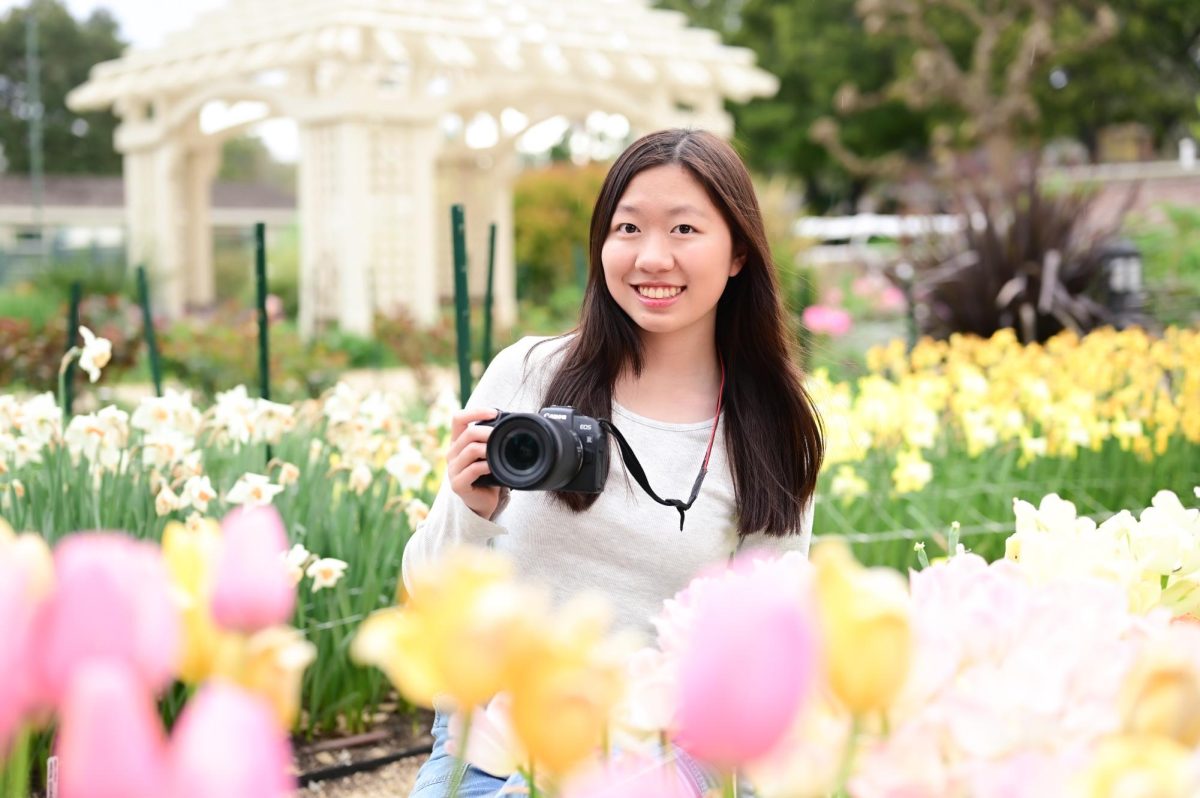
![“I wasn't discouraged by some of the obstacles we faced. I learned a lot from the leadership. I found that different people need different ways of receiving feedback — you can't [just] tell them to do something and expect the best. [Some] people needed more incentive. A large part of my role was to figure out what worked for everyone and to figure out how to lead all these separate individuals as a team,” Suhana Bhandare (’26) said.](https://harkeraquila.com/wp-content/uploads/2026/06/SuhanaBhandare_JasmineHansra-1-1200x798.jpg)
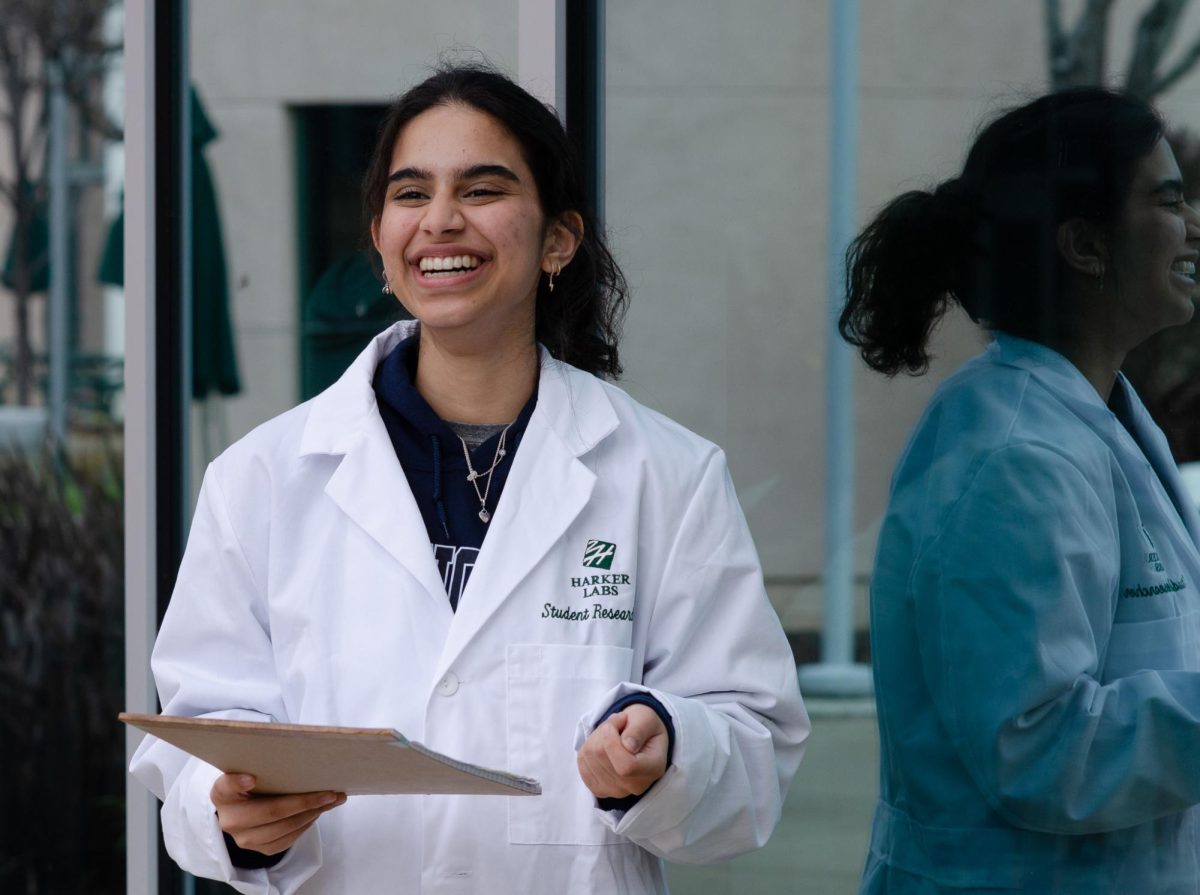
![“This is actually from Randy Pausch Randy P. Brick: ‘Walls are there for a reason. You have to show how much you want to overcome them.’ You have to show how much you want something. That's what I've always been able to do with tennis, Link Crew and getting that internship [with Kushy Baby]. It’s important pushing through that — getting around that brick wall, climbing over it or clawing through it,” Yash Sachdeva (’26) said.](https://harkeraquila.com/wp-content/uploads/2026/05/YashSachdeva_RamBatchu-copy-1200x1002.jpg)


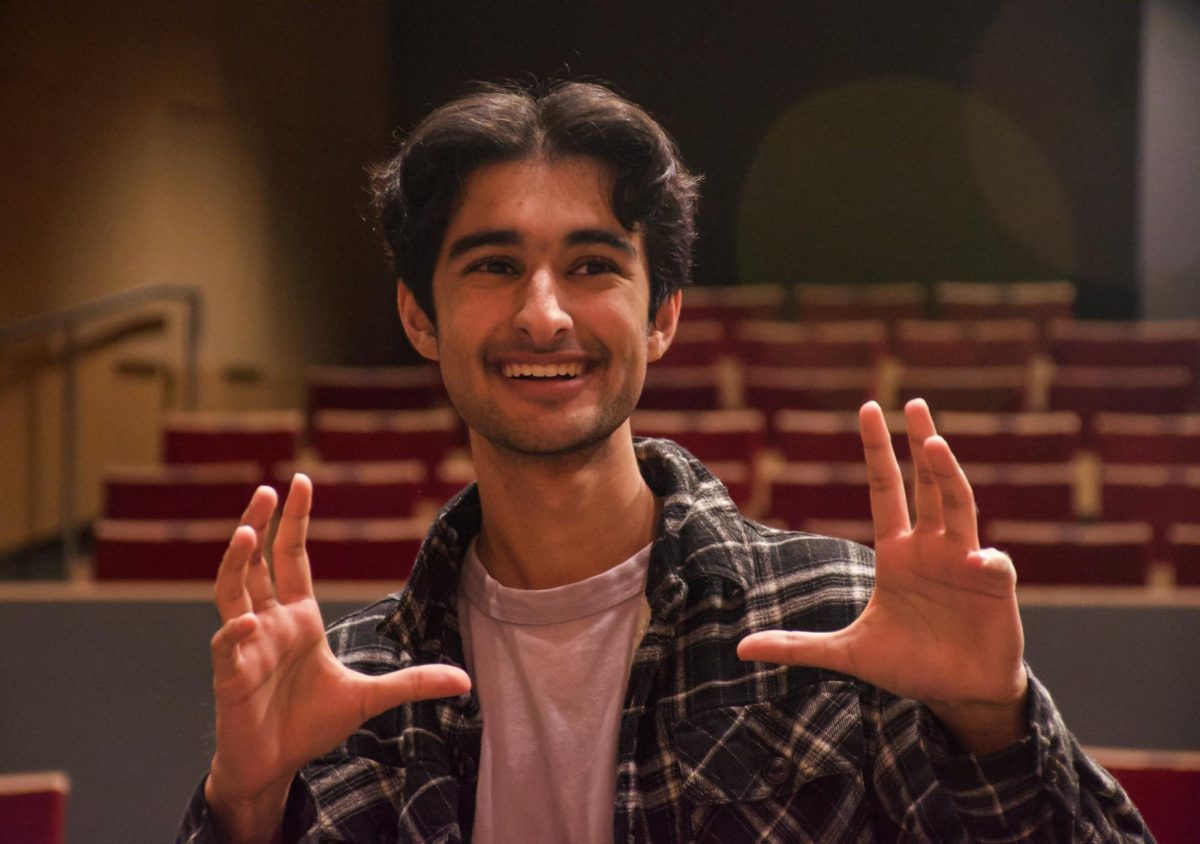

![“[Building nerf blasters] became this outlet of creativity for me that hasn't been matched by anything else. The process [of] making a build complete to your desire is such a painstakingly difficult process, but I've had to learn from [the skills needed from] soldering to proper painting. There's so many different options for everything, if you think about it, it exists. The best part is [that] if it doesn't exist, you can build it yourself," Ishaan Parate said.](https://harkeraquila.com/wp-content/uploads/2022/08/DSC_8149-900x604.jpg)
![“When I came into high school, I was ready to be a follower. But DECA was a game changer for me. It helped me overcome my fear of public speaking, and it's played such a major role in who I've become today. To be able to successfully lead a chapter of 150 students, an officer team and be one of the upperclassmen I once really admired is something I'm [really] proud of,” Anvitha Tummala ('21) said.](https://harkeraquila.com/wp-content/uploads/2021/07/Screen-Shot-2021-07-25-at-9.50.05-AM-900x594.png)
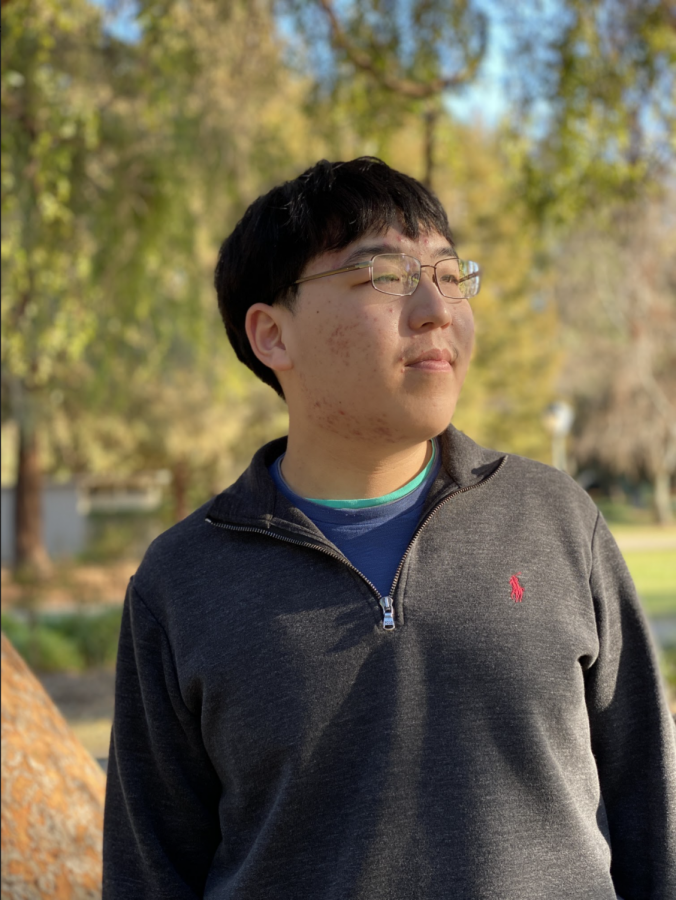
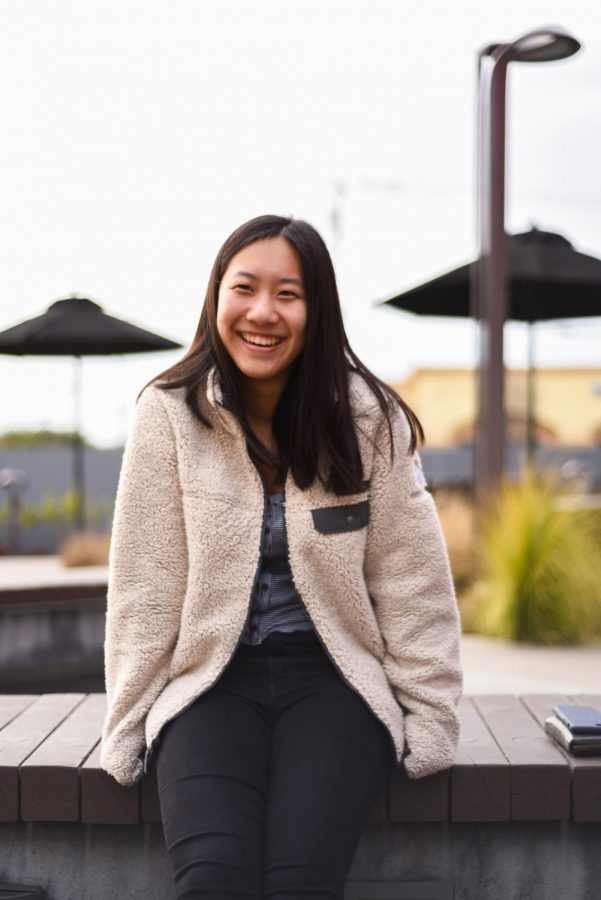
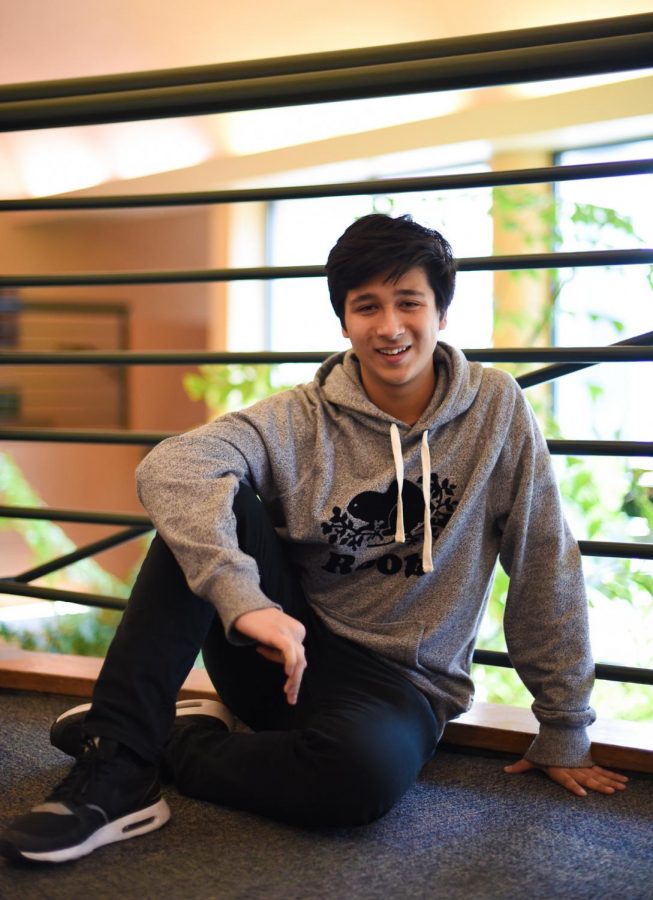
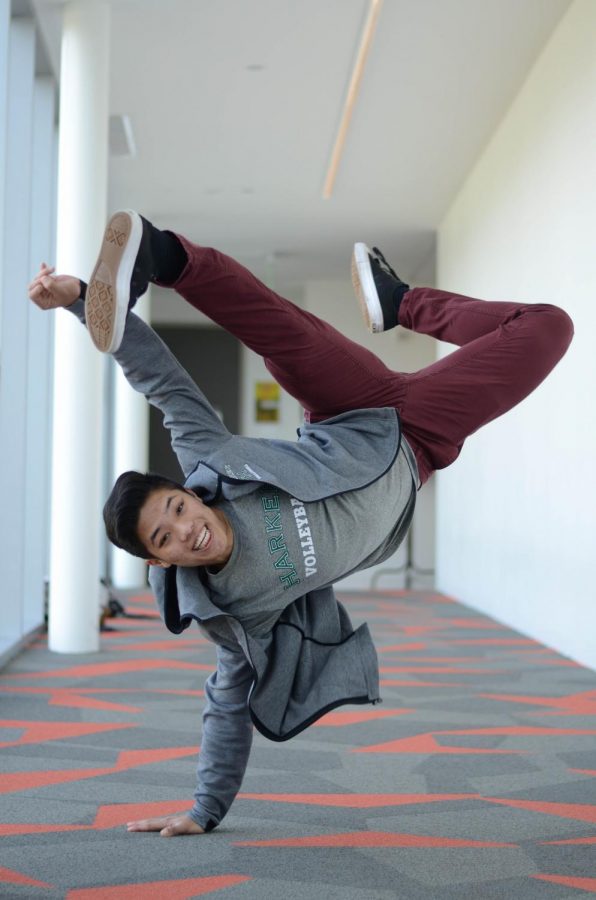
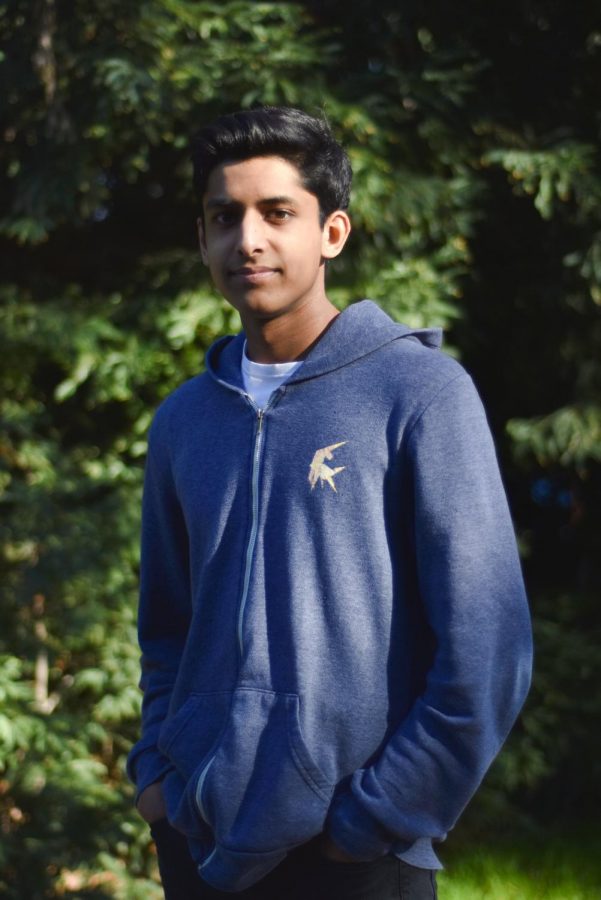

![“I think getting up in the morning and having a sense of purpose [is exciting]. I think without a certain amount of drive, life is kind of obsolete and mundane, and I think having that every single day is what makes each day unique and kind of makes life exciting,” Neymika Jain (12) said.](https://harkeraquila.com/wp-content/uploads/2017/06/Screen-Shot-2017-06-03-at-4.54.16-PM.png)

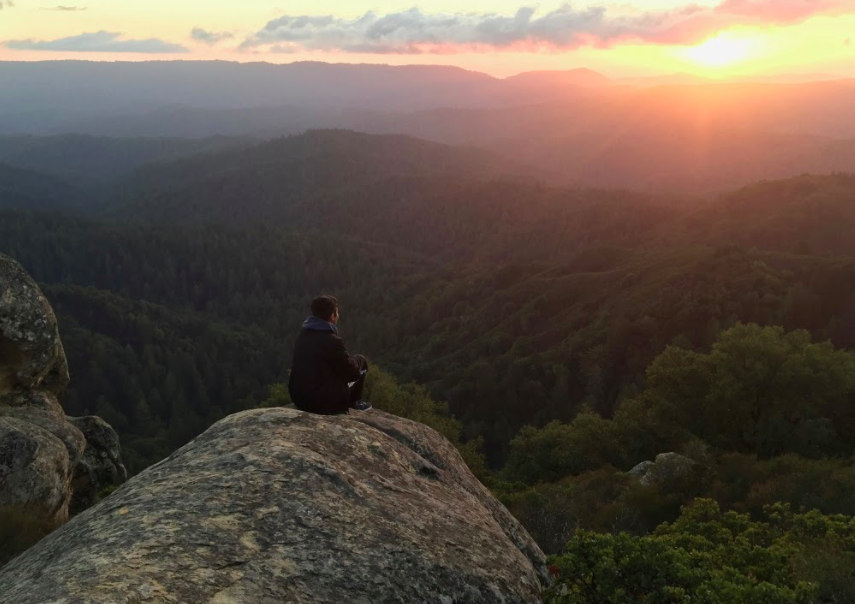
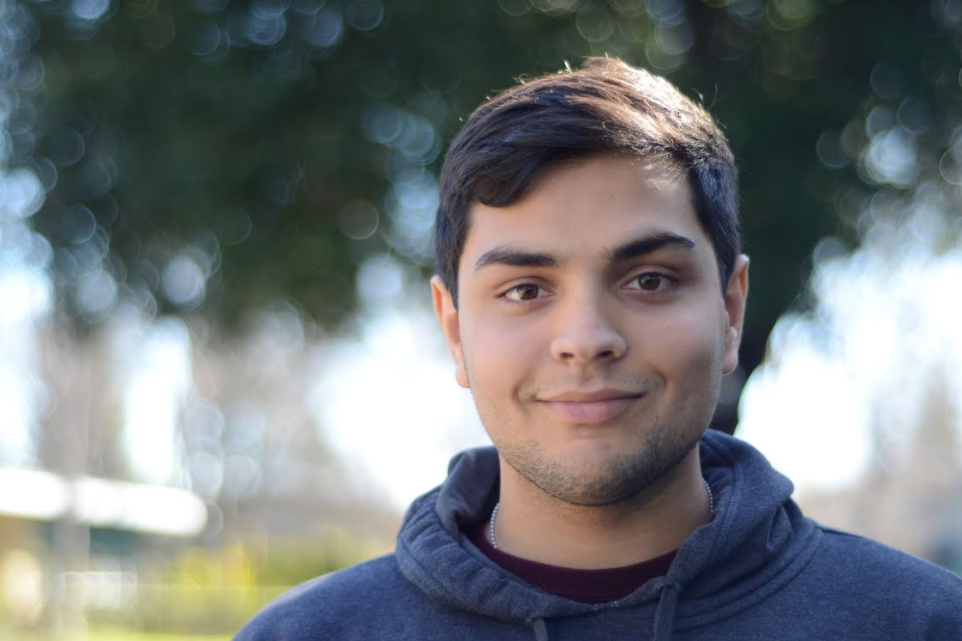
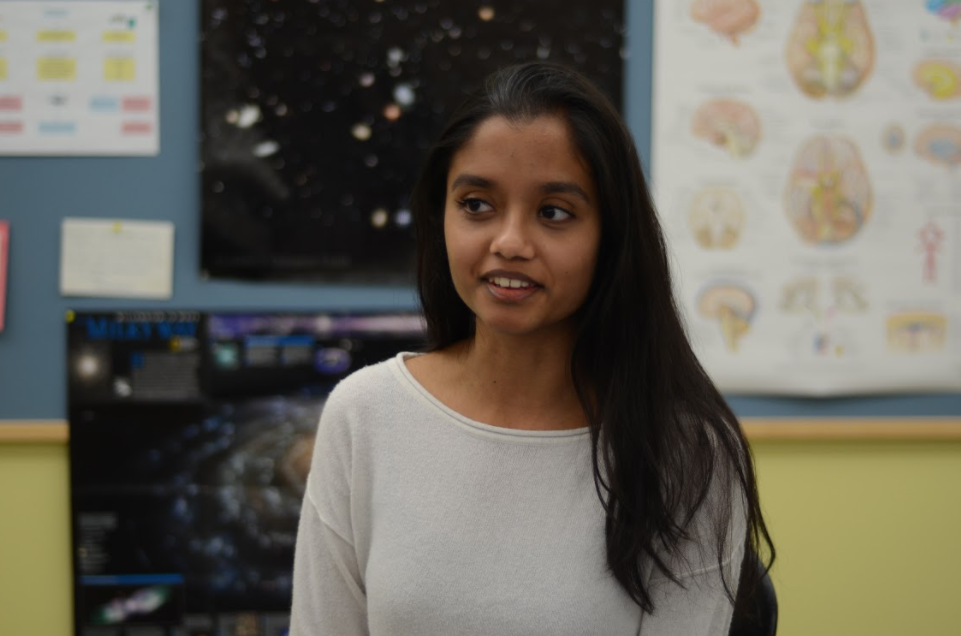
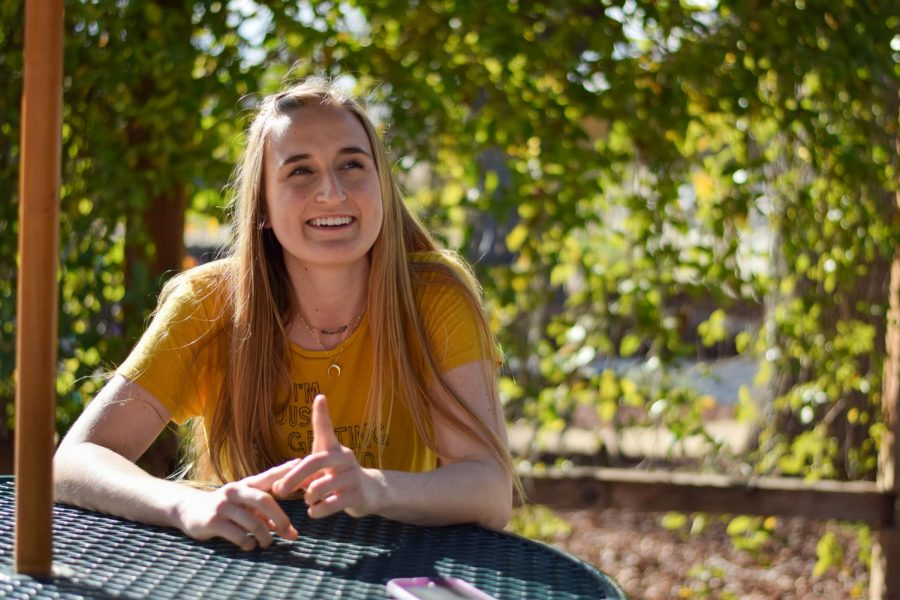

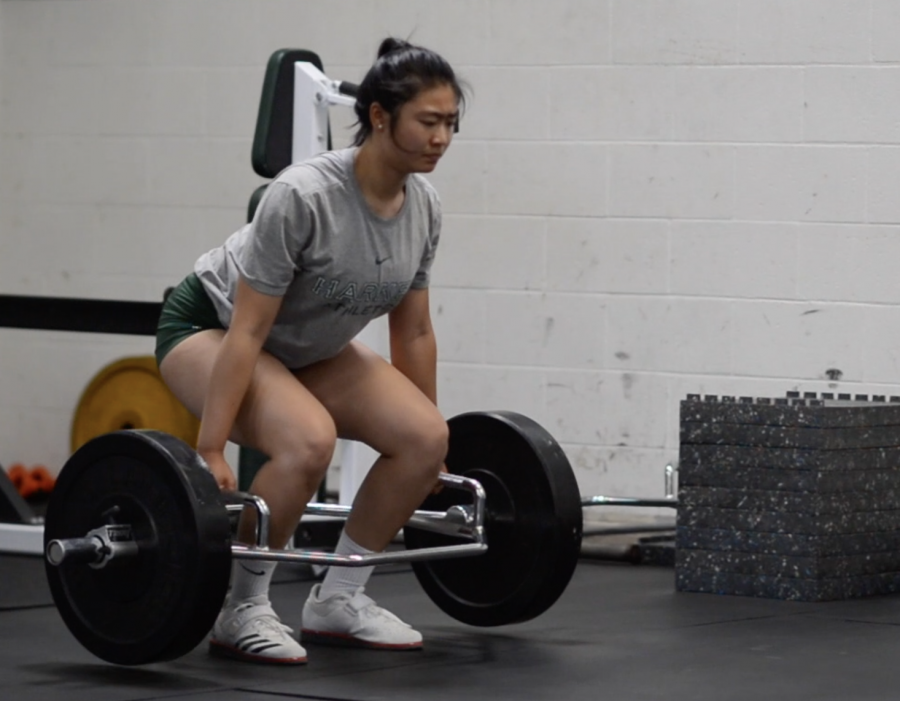

![“My slogan is ‘slow feet, don’t eat, and I’m hungry.’ You need to run fast to get where you are–you aren't going to get those championships if you aren't fast,” Angel Cervantes (12) said. “I want to do well in school on my tests and in track and win championships for my team. I live by that, [and] I can do that anywhere: in the classroom or on the field.”](https://harkeraquila.com/wp-content/uploads/2018/06/DSC5146-900x601.jpg)
![“[Volleyball has] taught me how to fall correctly, and another thing it taught is that you don’t have to be the best at something to be good at it. If you just hit the ball in a smart way, then it still scores points and you’re good at it. You could be a background player and still make a much bigger impact on the team than you would think,” Anya Gert (’20) said.](https://harkeraquila.com/wp-content/uploads/2020/06/AnnaGert_JinTuan_HoHPhotoEdited-600x900.jpeg)
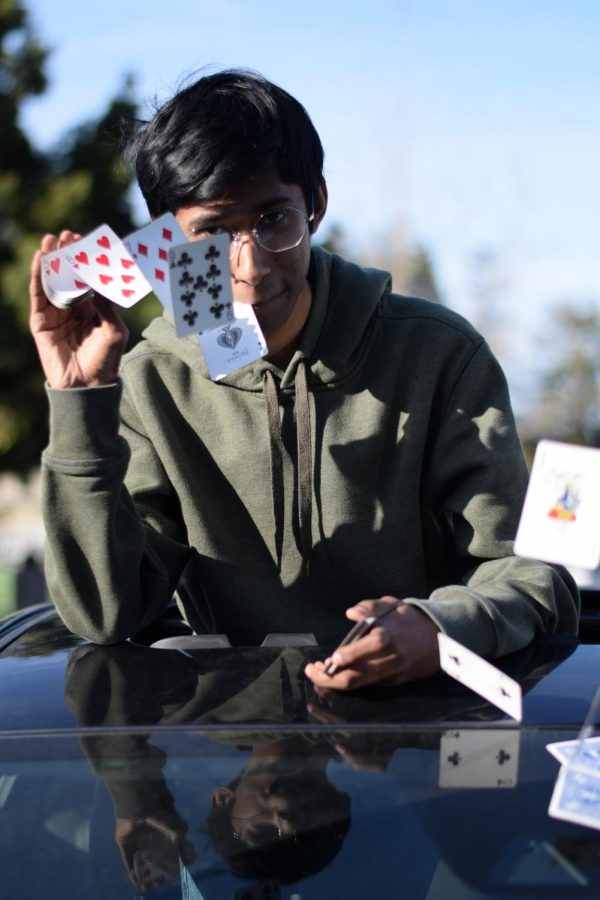
![“I'm not nearly there yet, but [my confidence has] definitely been getting better since I was pretty shy and timid coming into Harker my freshman year. I know that there's a lot of people that are really confident in what they do, and I really admire them. Everyone's so driven and that has really pushed me to kind of try to find my own place in high school and be more confident,” Alyssa Huang (’20) said.](https://harkeraquila.com/wp-content/uploads/2020/06/AlyssaHuang_EmilyChen_HoHPhoto-900x749.jpeg)

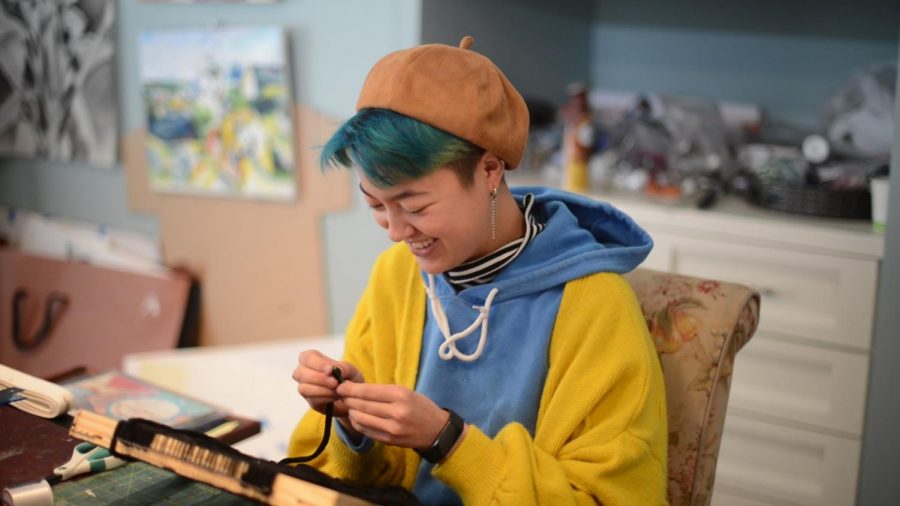


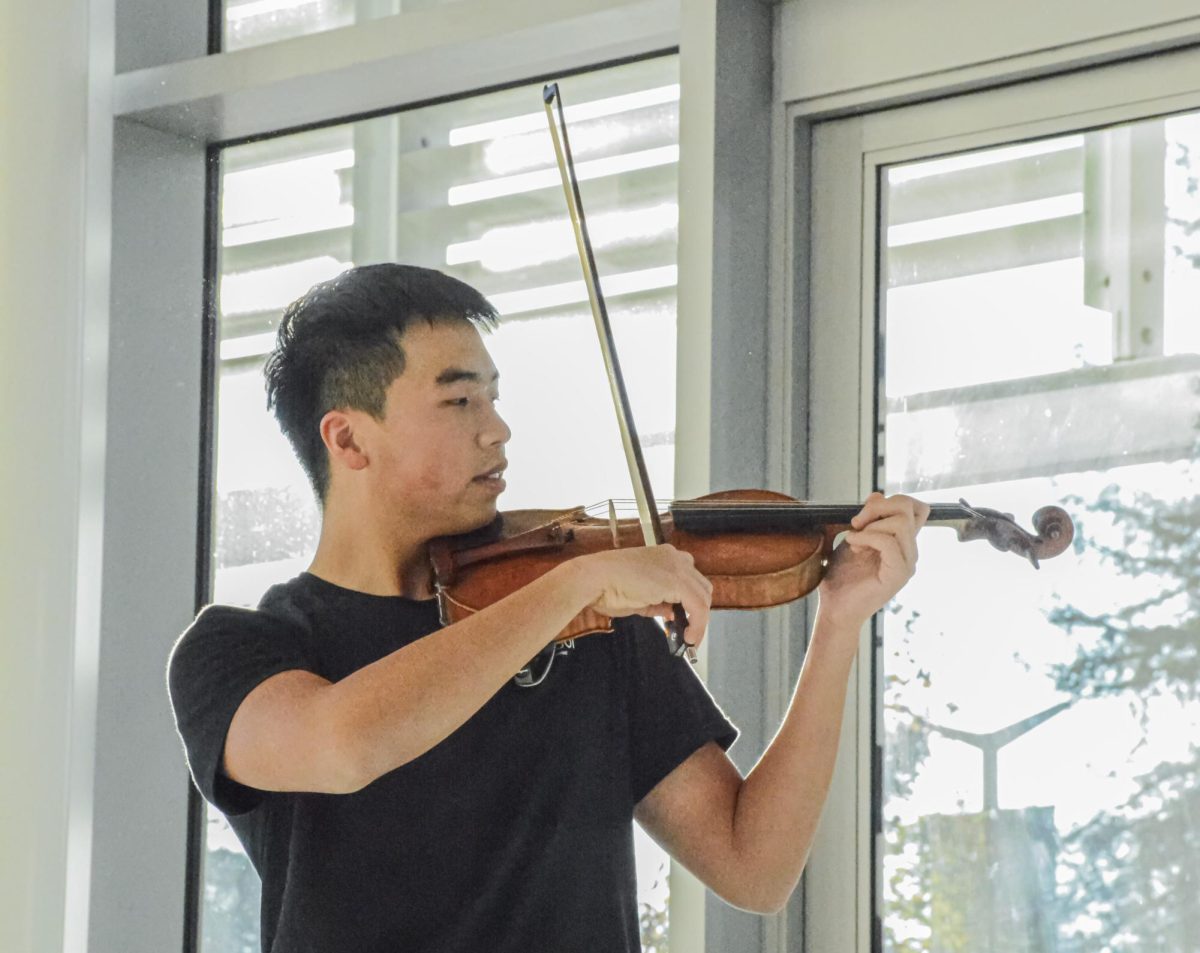
When senior Albert Yao hears music on the radio, he doesn’t just hear a song. He dissects sound into melody, rhythm, harmony, and further zeroes in on specific layers or instruments. The hours Albert spends making music in front of his digital keyboard, microphone and computer inform his analysis of what he hears. In turn, when composing and mastering his own music, Albert often derives inspiration from the sounds around him.
“When I was taking piano lessons, I found that I enjoyed messing around on the piano more than playing the pieces I was assigned to,” Albert said. “Every time after I hit my quota of practicing for an hour, I’d spend 20 minutes composing my own stuff. Back then, there wasn’t Shazam, you couldn’t tell where music came from. If I heard a tune that I really liked, the only way to recreate that was to mess around on the piano.”
Albert connects the music he listens to daily with his composition. In frosh year, he infused his composition with characteristics of Japanese Pop, a genre he spent significant time playing on Spotify. He based a string of compositions off the yearning, melancholic Royal Road chord progression characteristic of the genre.
“The notes themselves carry your emotions,” Albert said. “The feelings in your head can, with enough care, become audio waves. Recently, I’ve been starting to write my own lyrics to songs, and that’s an even more direct way of just putting down feelings. After you sing, you feel better, and it’s a great transformative process.”
Despite starting with pure composition, Albert aims to thoroughly understand the music production process from start to finish. Albert has composed for more traditional formats like an orchestra but also for digital instruments. Regardless of how the sounds were played initially, Albert takes particular interest in the possibilities afterwards.
“As someone who’s really passionate about all things music, I’ve done a bit of everything,” Albert said. “There are so many tools to shape a sound after production to give it so much more life and energy. Even though the music industry is specialized today, there’s a lot of value in exploring each aspect and having fun with all the different parts of creating a song.”
Albert sees digital manipulation in post-production as a natural extension of how music has evolved over centuries, spurred by technological innovation. For example, the invention of the pianoforte in the 18th century made changing the volume of a keyed instrument possible, leading to new genres like piano concertos, piano trios and solo piano music.
“Music is constantly evolving,” Albert said. “With digital innovation, there’s lots of interesting softwares available. You can rig up a randomizer that plays notes on the pentatonic scale. You can control the timing and intervals, and it creates a whole new synthesis of sound with the press of one finger, which couldn’t have been done before.”
With technological innovation, however, comes the danger of losing human originality. With AI generated music on the rise, Albert reflects on how the arduous process behind creation is what gives each composition value.
“Even this morning, I spent two hours trying to work out a piece, and I didn’t end up with anything,” Albert said. “But the struggle is what makes the music so rewarding in the end. AI skips what makes art really enjoyable. AI can blend together jazz with elements of Japanese traditional music. But spending the hours studying the theory and parts about each type of art form and combining it into one piece is what’ll give the music that human element.”
In ninth grade, Albert took Study of Music, an introductory course taught by former music teacher Susan Nace. The class contains a composition component, asking students to compose a short piece that showcases their knowledge of harmony and structure that they studied earlier in the year. Albert took on this project with particular interest, something Nace commended.
“Albert was always willing to look for something different yet still hook into the sound landscapes that his peers liked,” Nace said. “He always wants to grow. Last year, he told me, ‘I want to go into some more traditional stuff, writing for orchestra.’ Seeing him go from being very electronic-oriented to trying acoustical music was so cool.”
Indeed, although Albert sees music as an intensely personal pursuit, he does not hesitate to share his music with his peers. Close friend and fellow Music Creation Club Co-President senior Erika Wang commented on how Albert shares his works on Instagram.
“I admire how willing Albert is to show his work online,” Erika said. “It takes a lot of courage to do so, especially if it’s a work in progress. Composers know that it’s always good to ask for feedback, but it’s really difficult to do so, and Albert does it so easily.”
Nace also remarked on how she saw Albert respond when his peers gave him a mix of positive and negative feedback regarding his compositions, especially those that were more experimental in harmony and form.
“Albert has such an incredible life force,” Nace said. “He’s so positive that you never get a sense that these things would truly bother him. He always puts a positive spin on everything. He always sees things as opportunities. Albert truly believes that creating music is joyful, that life is for joy, and joy is life. If nothing else, that’s an attitude that anybody can learn from. You can’t be negative around Albert for very long.”
Close friend senior Spencer Chang met Albert in ninth grade when both were new to Harker. Once, the two drove to San Francisco together on a trip with friends and discussed everything from personal music tastes to the stress of college applications.
“Albert has such potential for empathy,” Spencer said. “That moment was the summer before senior year, so we both had a lot going through our minds. It was a great discussion since he’s a very positive guy. If you’ve ever been around him, you can tell.”
Both in music and in friendship, giving 100% effort is Albert’s core philosophy.
“If you’re trying to do your best and putting a piece of yourself into something in this world, that’s art,” Albert said. “Other people might not understand it, but, because it’s something that you put into this world with meaning and intention, it becomes art. As long as I don’t live life jumping over hurdles, instead slowing down and doing things for the sake of it, I’m creating art.”