![“I wasn't discouraged by some of the obstacles we faced. I learned a lot from the leadership. I found that different people need different ways of receiving feedback — you can't [just] tell them to do something and expect the best. [Some] people needed more incentive. A large part of my role was to figure out what worked for everyone and to figure out how to lead all these separate individuals as a team,” Suhana Bhandare (’26) said.](https://harkeraquila.com/wp-content/uploads/2026/06/SuhanaBhandare_JasmineHansra-1-1200x798.jpg)
![“This is actually from Randy Pausch Randy P. Brick: ‘Walls are there for a reason. You have to show how much you want to overcome them.’ You have to show how much you want something. That's what I've always been able to do with tennis, Link Crew and getting that internship [with Kushy Baby]. It’s important pushing through that — getting around that brick wall, climbing over it or clawing through it,” Yash Sachdeva (’26) said.](https://harkeraquila.com/wp-content/uploads/2026/05/YashSachdeva_RamBatchu-copy-1200x1002.jpg)







![“[Building nerf blasters] became this outlet of creativity for me that hasn't been matched by anything else. The process [of] making a build complete to your desire is such a painstakingly difficult process, but I've had to learn from [the skills needed from] soldering to proper painting. There's so many different options for everything, if you think about it, it exists. The best part is [that] if it doesn't exist, you can build it yourself," Ishaan Parate said.](https://harkeraquila.com/wp-content/uploads/2022/08/DSC_8149-900x604.jpg)

![“When I came into high school, I was ready to be a follower. But DECA was a game changer for me. It helped me overcome my fear of public speaking, and it's played such a major role in who I've become today. To be able to successfully lead a chapter of 150 students, an officer team and be one of the upperclassmen I once really admired is something I'm [really] proud of,” Anvitha Tummala ('21) said.](https://harkeraquila.com/wp-content/uploads/2021/07/Screen-Shot-2021-07-25-at-9.50.05-AM-900x594.png)


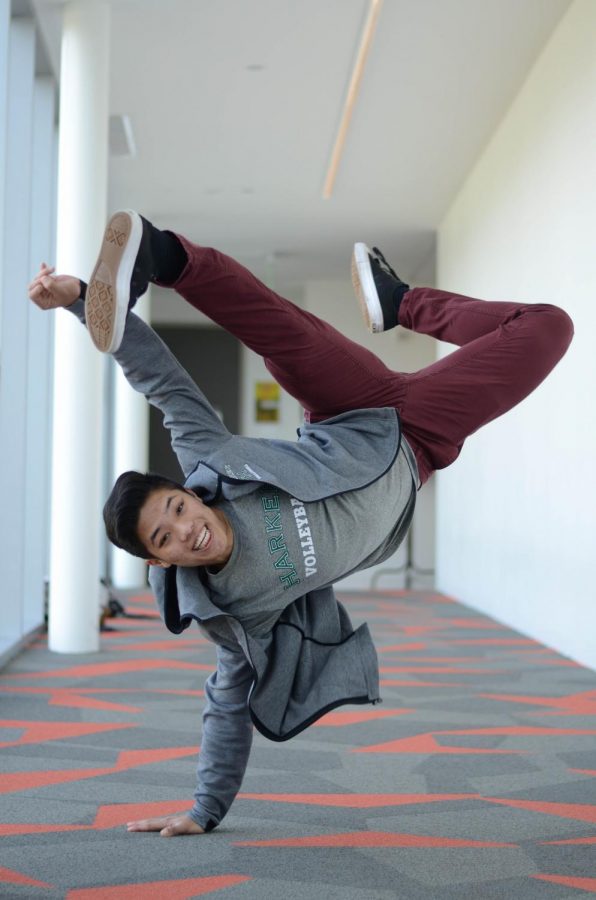
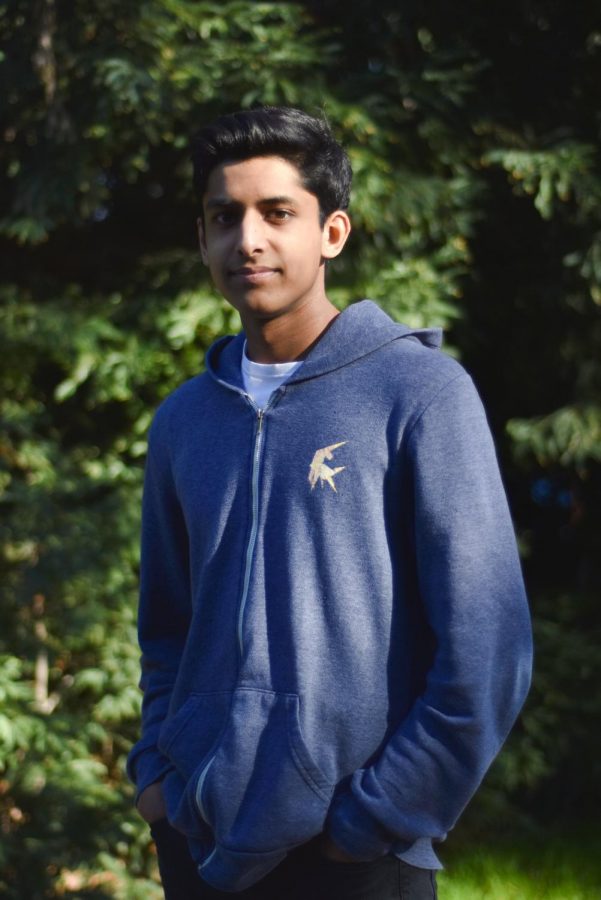

![“I think getting up in the morning and having a sense of purpose [is exciting]. I think without a certain amount of drive, life is kind of obsolete and mundane, and I think having that every single day is what makes each day unique and kind of makes life exciting,” Neymika Jain (12) said.](https://harkeraquila.com/wp-content/uploads/2017/06/Screen-Shot-2017-06-03-at-4.54.16-PM.png)

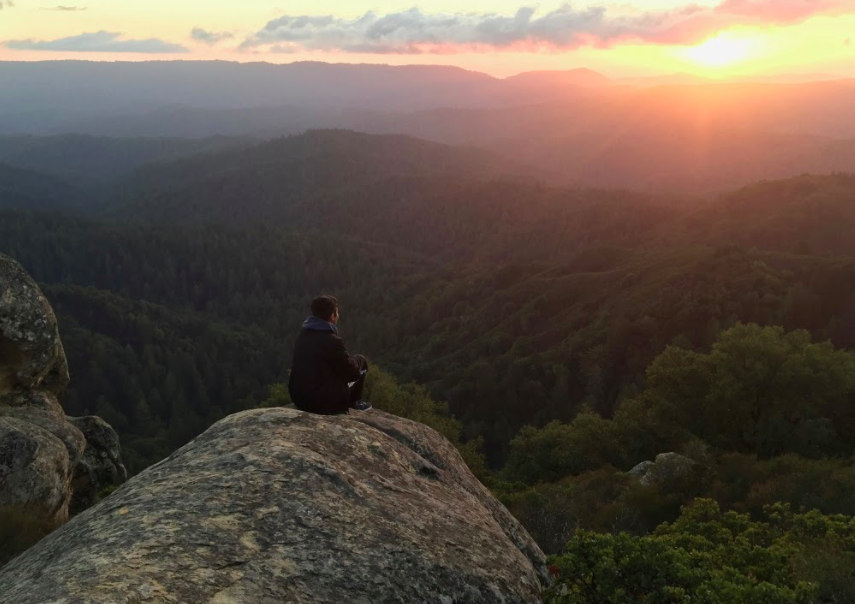


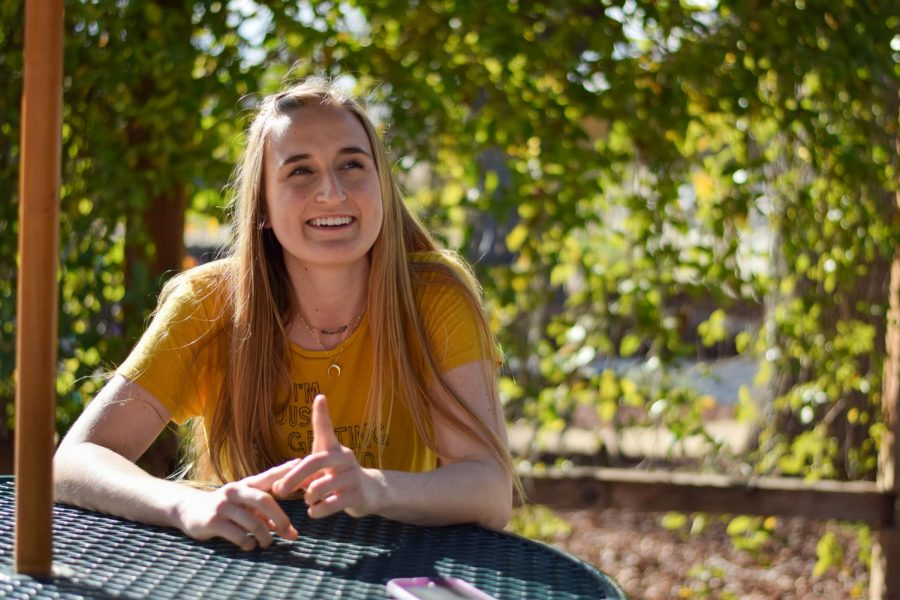

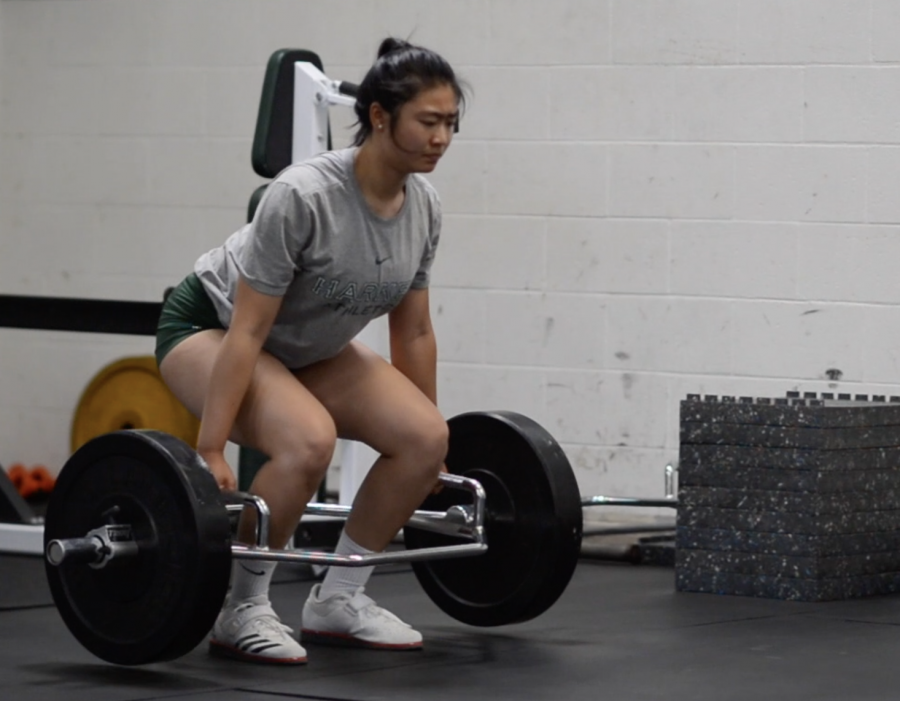

![“My slogan is ‘slow feet, don’t eat, and I’m hungry.’ You need to run fast to get where you are–you aren't going to get those championships if you aren't fast,” Angel Cervantes (12) said. “I want to do well in school on my tests and in track and win championships for my team. I live by that, [and] I can do that anywhere: in the classroom or on the field.”](https://harkeraquila.com/wp-content/uploads/2018/06/DSC5146-900x601.jpg)
![“[Volleyball has] taught me how to fall correctly, and another thing it taught is that you don’t have to be the best at something to be good at it. If you just hit the ball in a smart way, then it still scores points and you’re good at it. You could be a background player and still make a much bigger impact on the team than you would think,” Anya Gert (’20) said.](https://harkeraquila.com/wp-content/uploads/2020/06/AnnaGert_JinTuan_HoHPhotoEdited-600x900.jpeg)
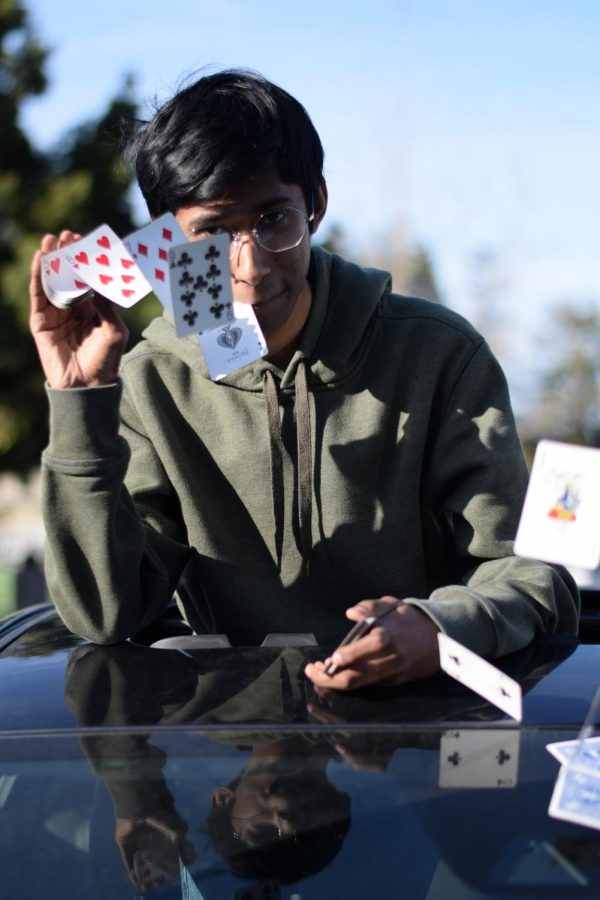
![“I'm not nearly there yet, but [my confidence has] definitely been getting better since I was pretty shy and timid coming into Harker my freshman year. I know that there's a lot of people that are really confident in what they do, and I really admire them. Everyone's so driven and that has really pushed me to kind of try to find my own place in high school and be more confident,” Alyssa Huang (’20) said.](https://harkeraquila.com/wp-content/uploads/2020/06/AlyssaHuang_EmilyChen_HoHPhoto-900x749.jpeg)

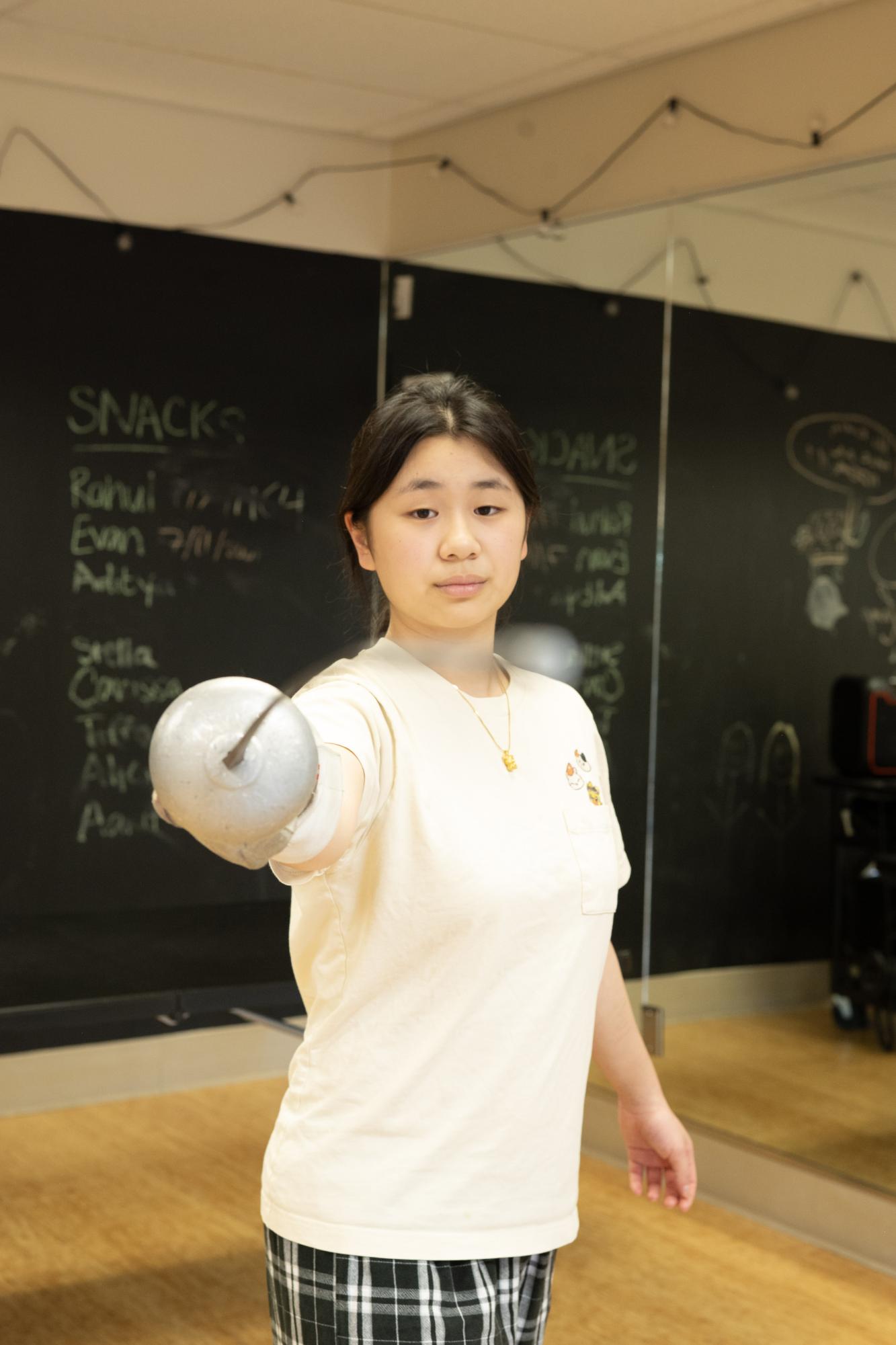
Excited shouts and squeals fill the air as senior Serena Peng and her friends chase each other around at the Bay Area Fencing Club’s annual end-of-season barbeque. These barbecues are the perfect way to end the fencing season for Serena because they remind her of the community around her, one of her favorite things about fencing.
Serena’s dad encouraged her to try fencing when she was in second grade, but she didn’t take to the sport immediately. Over time, however, Serena came to love not only fencing but also the community it built around her.
“Fencing has put me out there to make more friends,” Serena said. “Most of my friends are actually from fencing. You meet a lot of people that you don’t normally meet because it’s national, so more people from the East Coast and internationally.”
In fact, one of Serena’s best friends lives in Berkeley, and fencing competitions are their way of reconnecting with each other.
“We first met in Texas at a competition, and I fenced her and won,” Serena said. “Then we just talked, and now we’re really close friends. We don’t really get to hang out other than fencing competitions because we live far apart.”
Because fencing is an individual sport, a player’s result depends on their input. For Serena, going to practice six days a week developed her hard work and tenacity.
But Serena’s grit hasn’t come without its challenges. In junior year, a bout of pneumonia forced Serena to focus on her homework after missing a month of school. She began to spend less time on fencing.
“I wasn’t improving as much, and I felt hopeless,” Serena said. “My coaches were definitely very flexible with me. I was able to move a lot of my private lessons around to fit my schedule better, and they were very accommodating off the stage, too. Through that, I’ve learned better time management and communication because I had to make up a lot of tests.”
For Serena, working one-on-one with her coach also helped her go from a girl who stayed on defense to someone who got what she wanted. Eventually, Serena’s commitment and skill led her to fence at a national level.
“I used to be really shy to a point where I would not talk to people when I went out,” Serena said. “Learning that it’s okay to be hit or fail helped me with anxiety. National competitions are more stressful, so I had to learn how to perform under pressure. Private lessons really helped me to get better at attacking more.”
Close friend senior Ananya Gurushankar met Serena when Ananya was a freshman new to Harker, and Serena was one of the first friends she made. Ananya admires Serena’s ability to speak up for herself in their friendship.
“She’s very straightforward,” Ananya said. “I’m never trying to guess what she’s thinking. She’s very good at talking about what she thinks, and she says what’s on her mind. She’s also very observant: I’ll mention something once, and she’ll still remember it months later.”
Besides her dedication to fencing, Serena is one of three co-founders of the Point Impact Foundation, a nonprofit organization that aims to empower underprivileged children through fencing. Serena’s coach Lisa Posthumus mentored Serena since she joined the Bay Area Fencing Club three and a half years ago and praises Serena’s resilience in every aspect of the sport and foundation. She applauds Serena for running tournaments for younger kids as part of the foundation’s work.
“Kids start to look up to her and want to know, ‘What are you doing to win?’ ‘Why are you successful?’” Posthumus said. “All that came because she was able to challenge herself and rise to the occasion. She’s able to walk in and run competitions with 100 kids plus.”
The organization not only provides financial support for fencers but also creates a supportive environment by collaborating with local clubs and community centers. Another part of Serena’s work, besides running competitions, is managing the funds from these events for the Point Impact Foundation.
“It’s more complicated than it seems,” Serena said. “There’s a lot of things you need to worry about. It feels bad when you can’t give someone everything they need. I’ve learned how to better interact with people because I deal with a lot of different people daily. That’s translated into school as well, where I learned to communicate better.”
Eighth grader Isabelle Ma, who works with Serena on the nonprofit, looks up to Serena as a fencer and mentor. She recalls how Serena helped her improve her fencing skills over the years and commends Serena’s diligence especially in planning for competitions far in advance.
“Serena is really patient with me,” Isabelle said. “One time she practiced with me for 30 minutes because she wanted me to figure out how to hit [a certain move]. She could have fenced with other people too, but she practiced with me the whole time. Also, she’s able to admit her mistakes and learn from them. When she loses, she’s able to move on.”
Whether running competitions through the Point Impact Foundation or bonding with her teammates and coaches during meals, Serena strives to advocate for herself and others. She is committed to taking the extra step even when she fails.
When asked what fencing has taught her, Serena replied, “perseverance.”
“There were a lot of ups and downs,” Serena said. “It wasn’t always consistent improvement. For a while I was just getting really, really poor results because of injuries. But I kept going, and I started doing much better.”