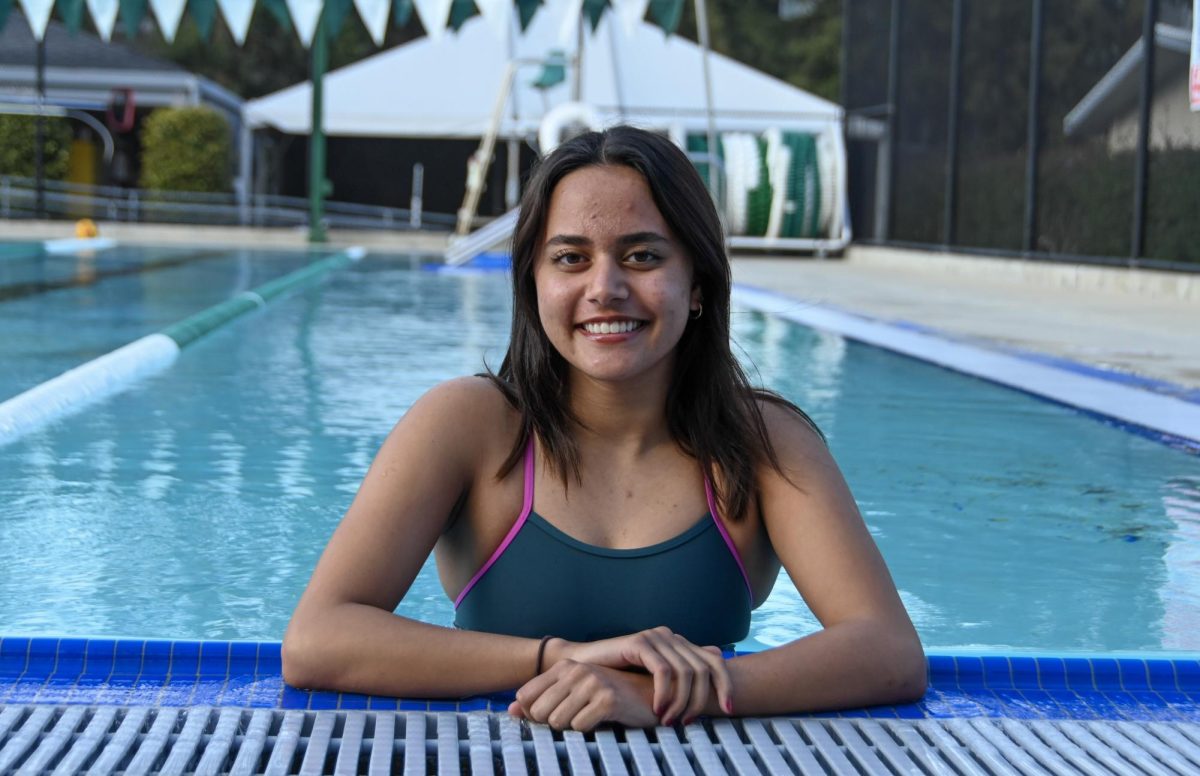
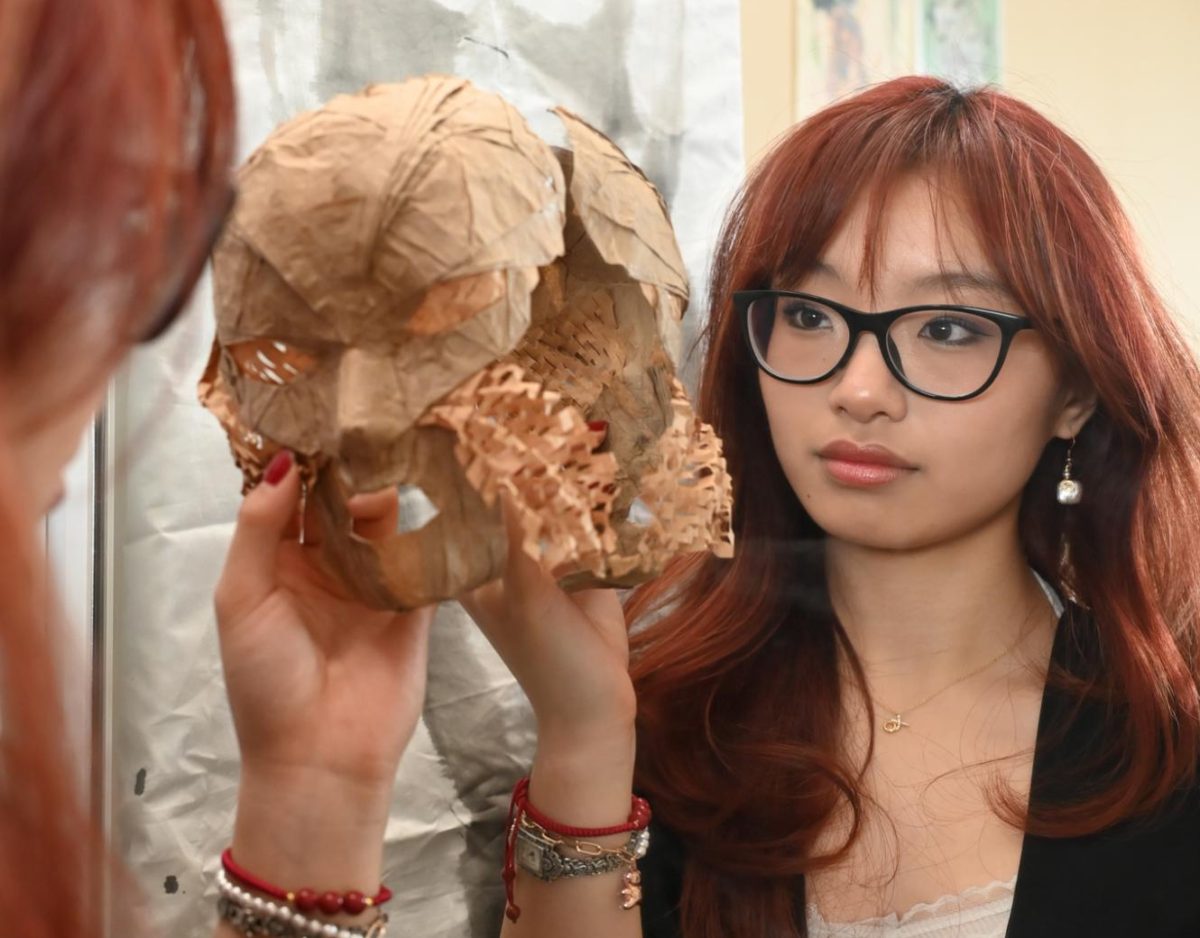
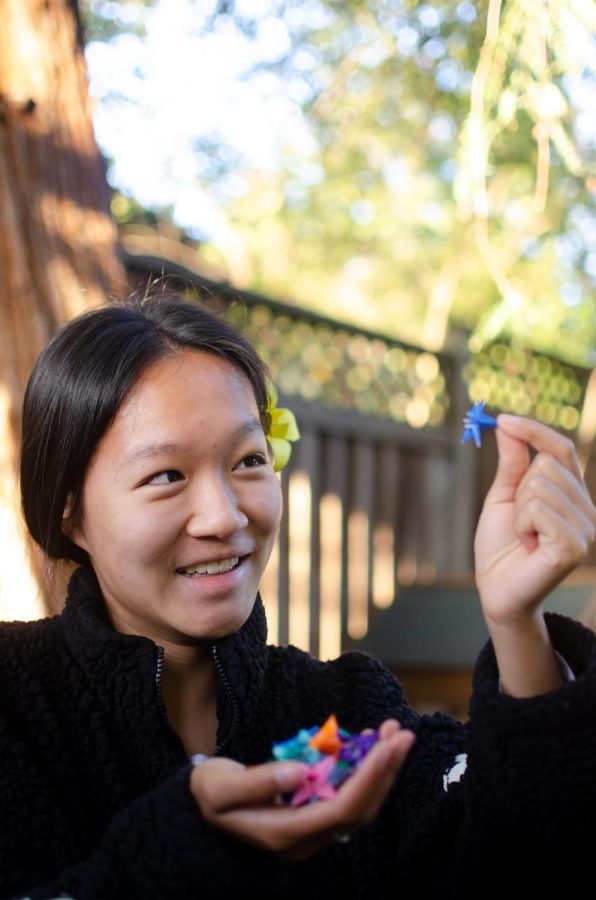
![“I wasn't discouraged by some of the obstacles we faced. I learned a lot from the leadership. I found that different people need different ways of receiving feedback — you can't [just] tell them to do something and expect the best. [Some] people needed more incentive. A large part of my role was to figure out what worked for everyone and to figure out how to lead all these separate individuals as a team,” Suhana Bhandare (’26) said.](https://harkeraquila.com/wp-content/uploads/2026/06/SuhanaBhandare_JasmineHansra-1-1200x798.jpg)
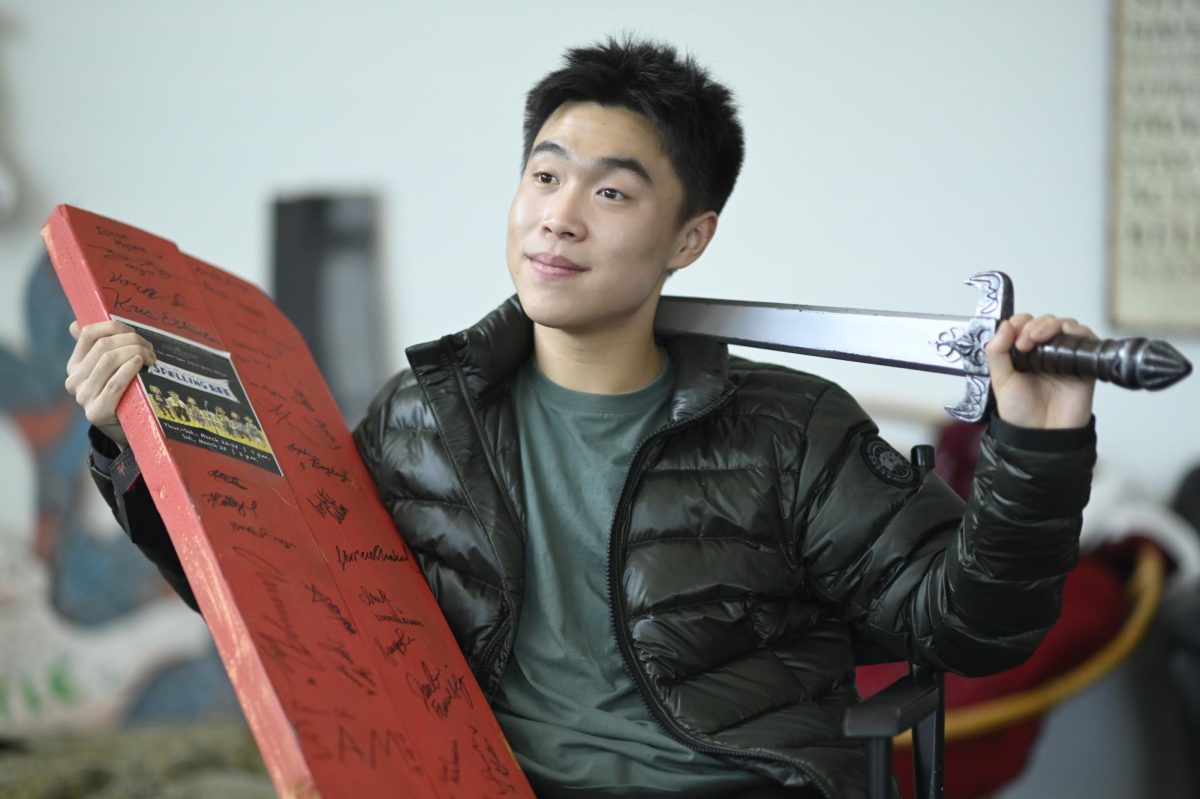
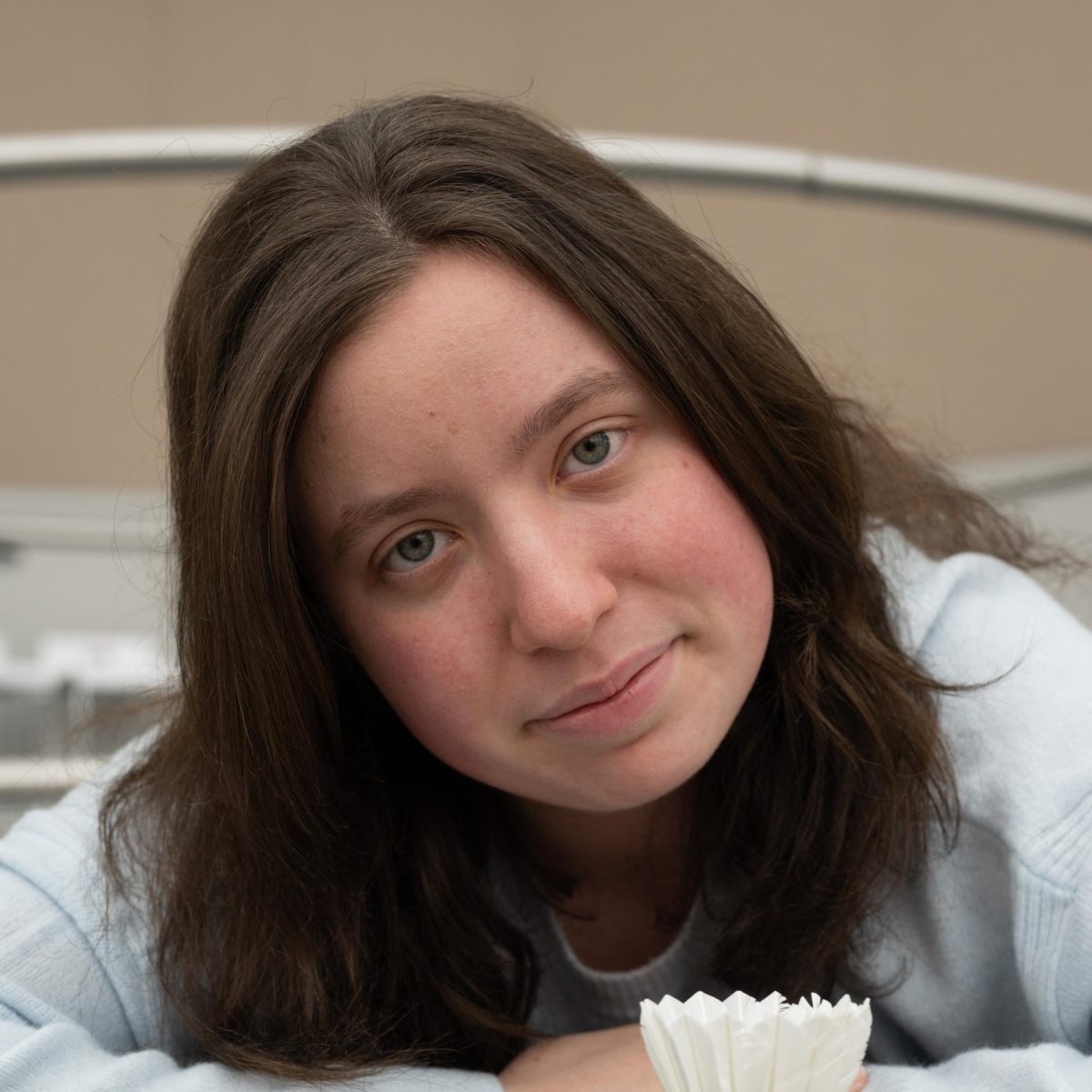
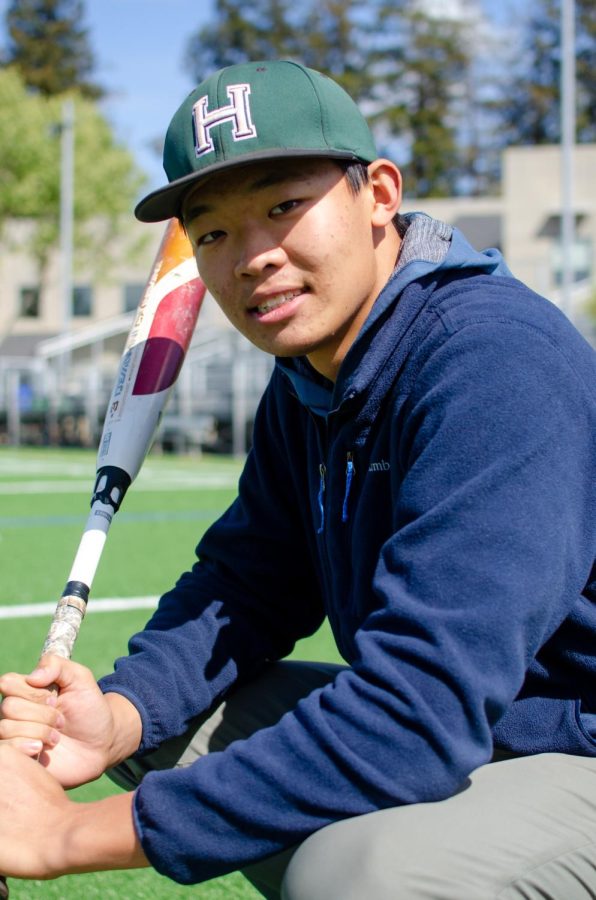
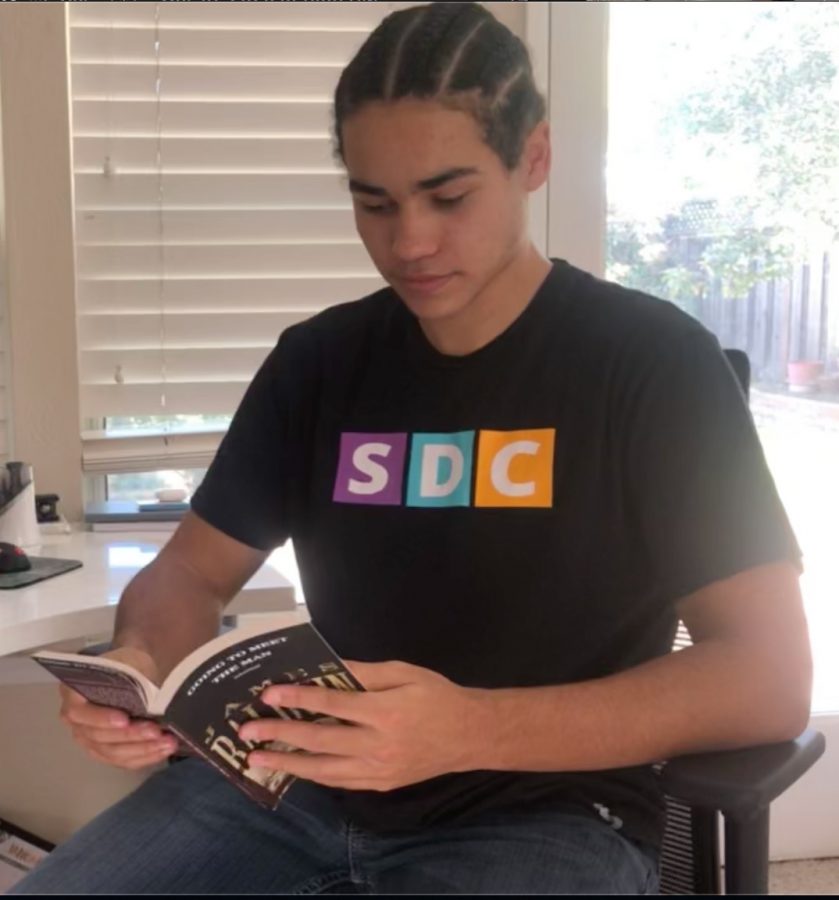
![“This is actually from Randy Pausch Randy P. Brick: ‘Walls are there for a reason. You have to show how much you want to overcome them.’ You have to show how much you want something. That's what I've always been able to do with tennis, Link Crew and getting that internship [with Kushy Baby]. It’s important pushing through that — getting around that brick wall, climbing over it or clawing through it,” Yash Sachdeva (’26) said.](https://harkeraquila.com/wp-content/uploads/2026/05/YashSachdeva_RamBatchu-copy-1200x1002.jpg)
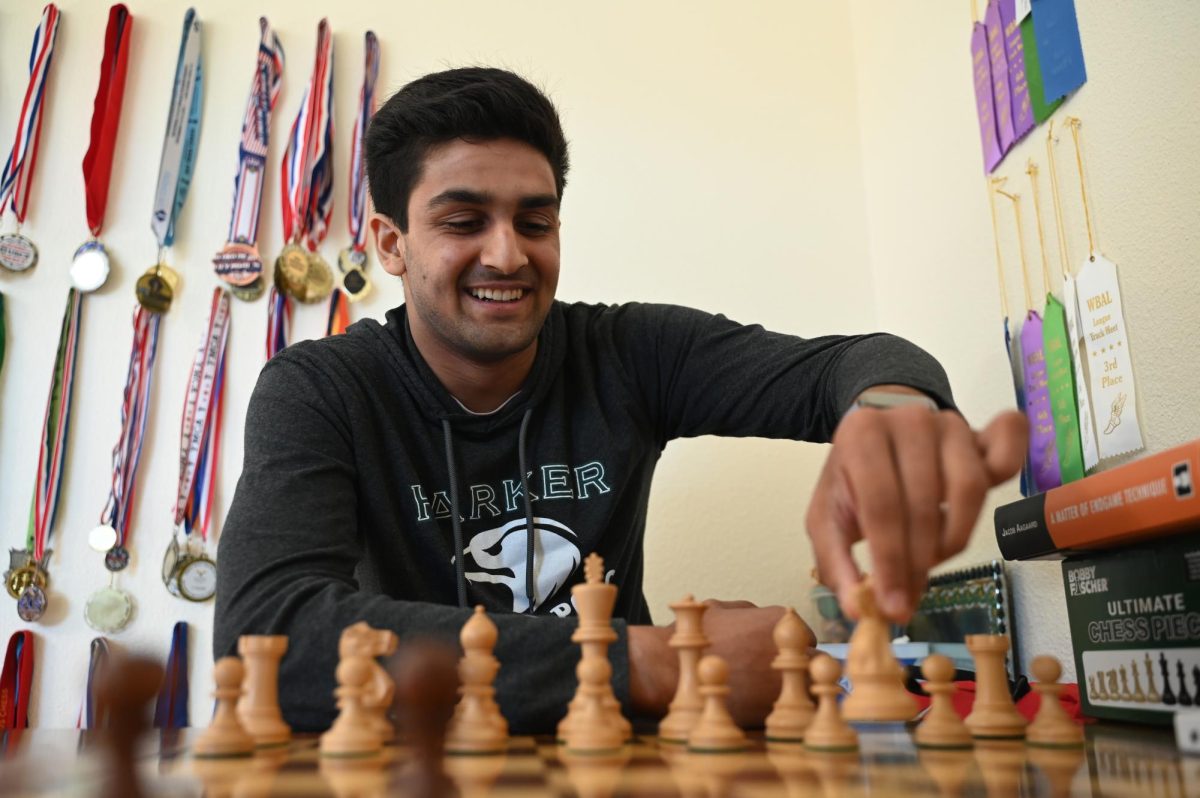

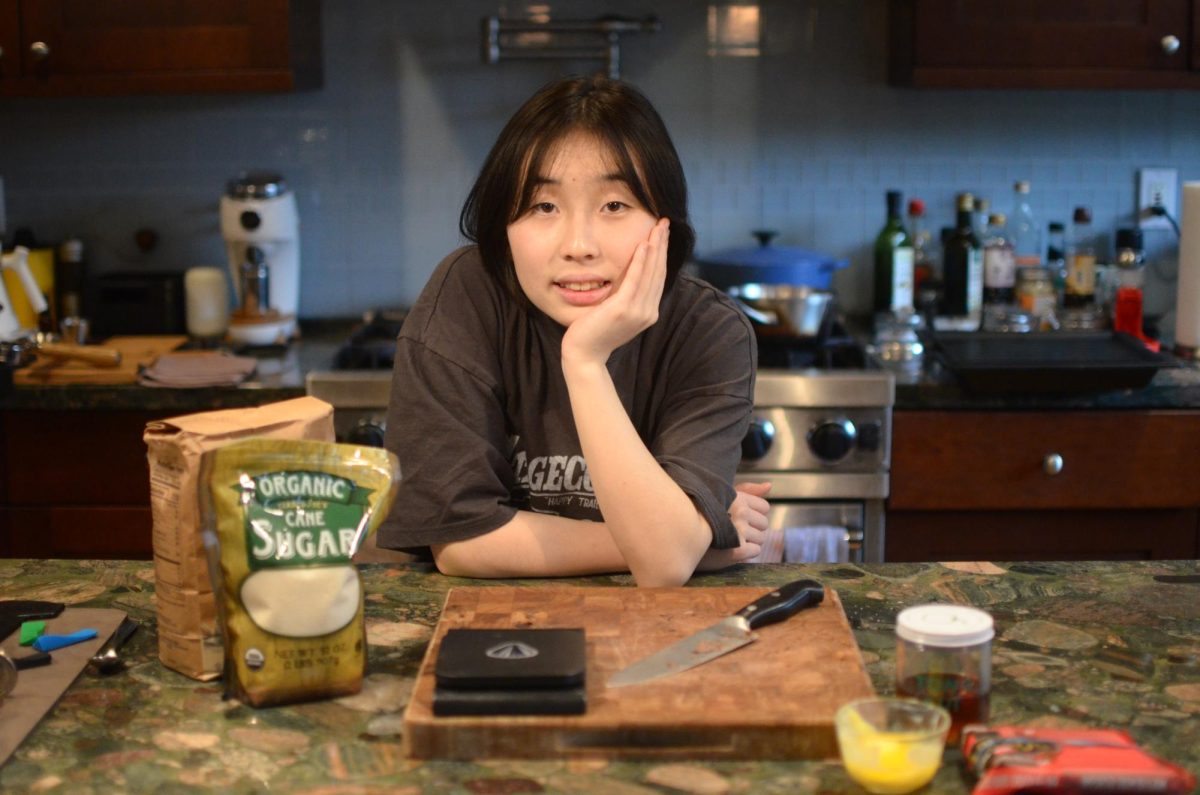


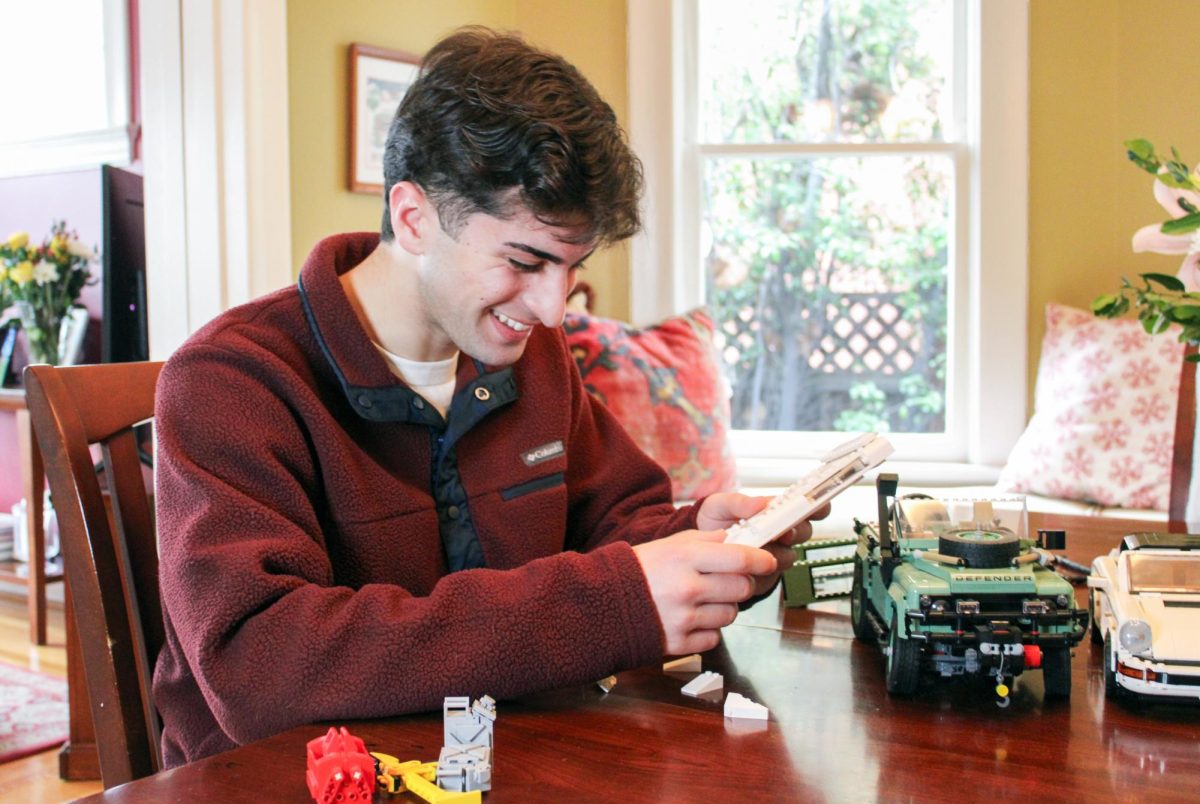
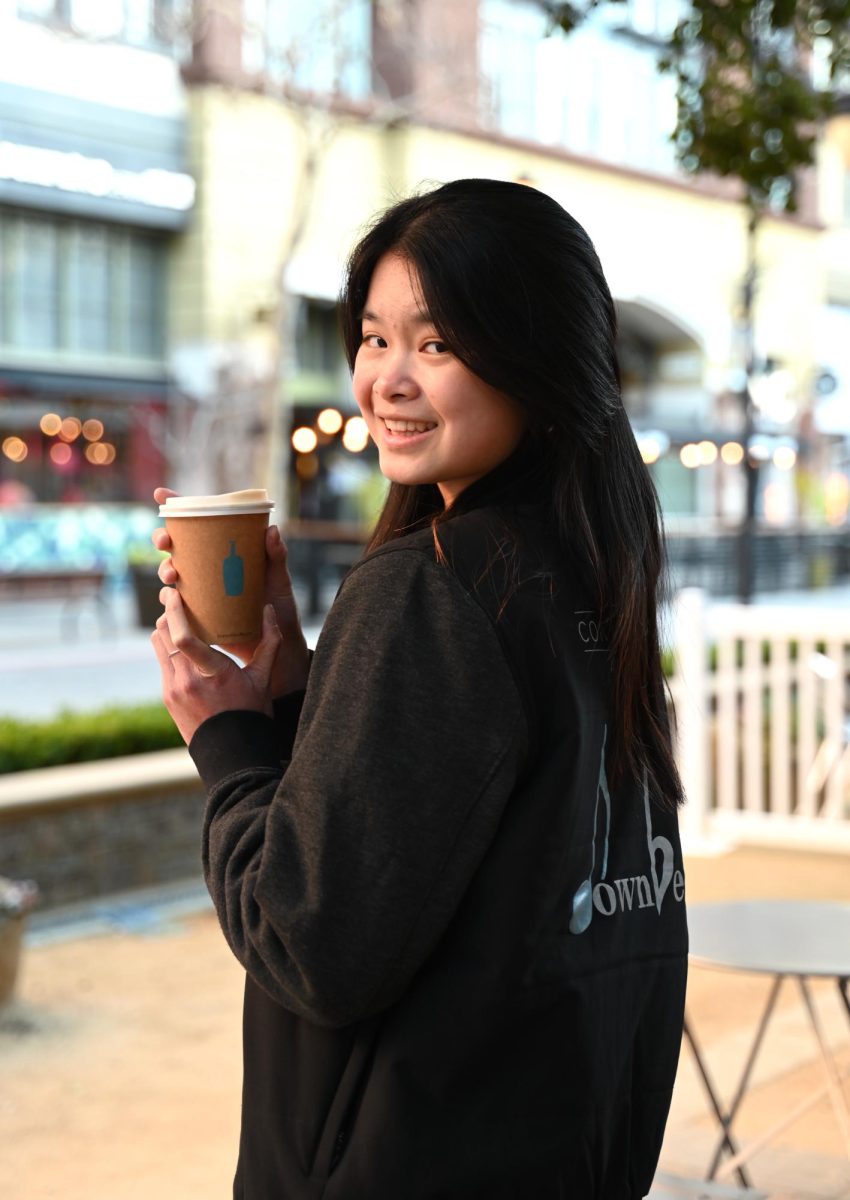
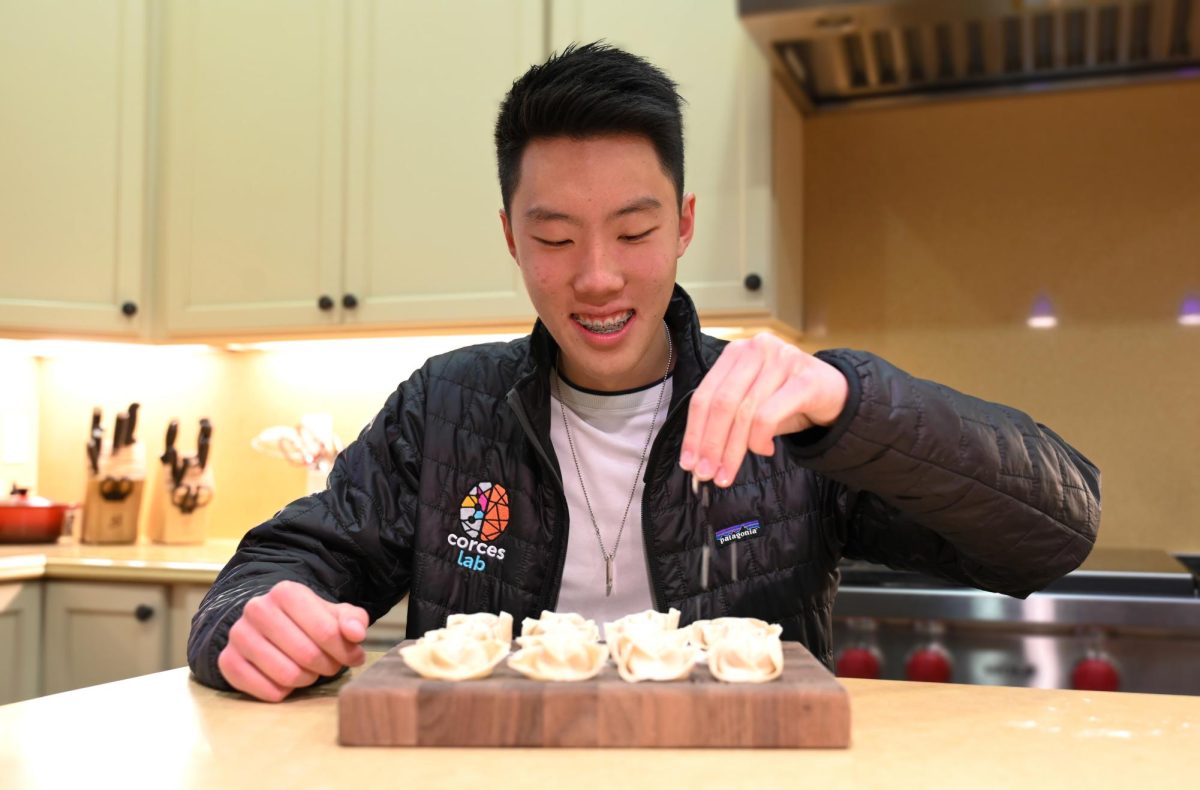
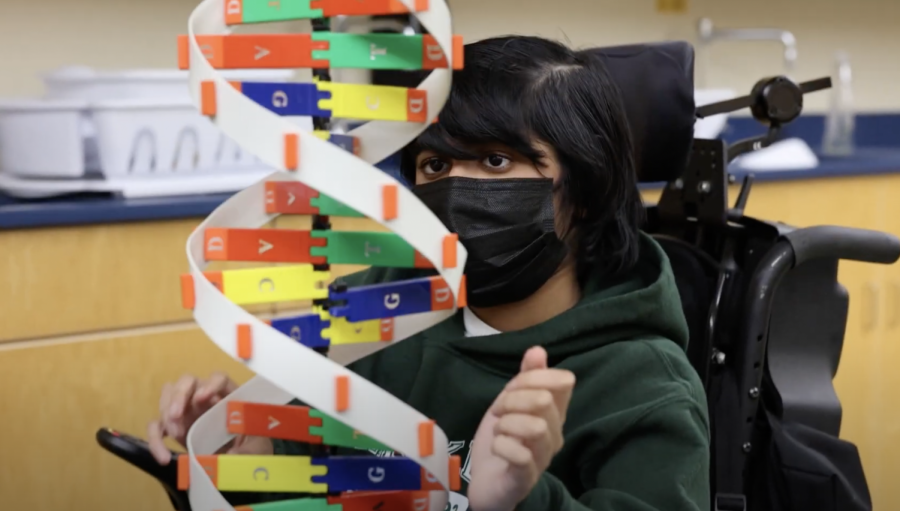
![“[Building nerf blasters] became this outlet of creativity for me that hasn't been matched by anything else. The process [of] making a build complete to your desire is such a painstakingly difficult process, but I've had to learn from [the skills needed from] soldering to proper painting. There's so many different options for everything, if you think about it, it exists. The best part is [that] if it doesn't exist, you can build it yourself," Ishaan Parate said.](https://harkeraquila.com/wp-content/uploads/2022/08/DSC_8149-900x604.jpg)
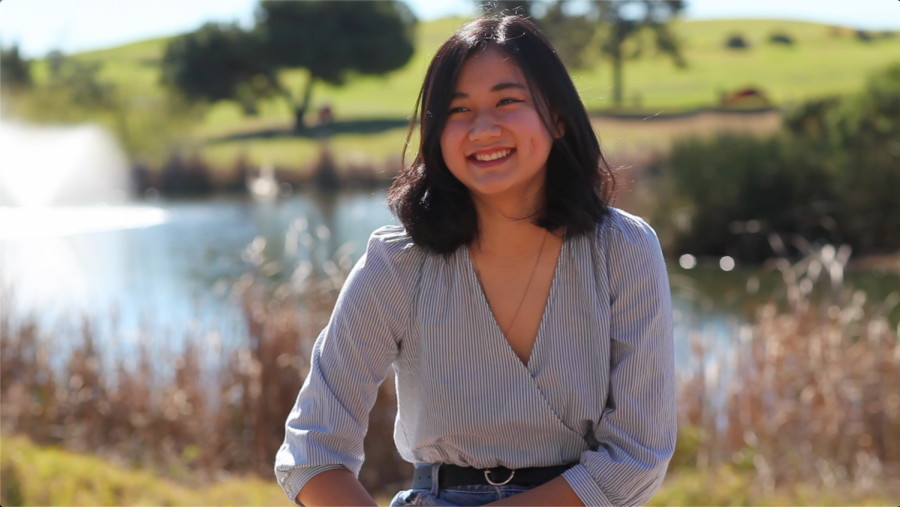
![“When I came into high school, I was ready to be a follower. But DECA was a game changer for me. It helped me overcome my fear of public speaking, and it's played such a major role in who I've become today. To be able to successfully lead a chapter of 150 students, an officer team and be one of the upperclassmen I once really admired is something I'm [really] proud of,” Anvitha Tummala ('21) said.](https://harkeraquila.com/wp-content/uploads/2021/07/Screen-Shot-2021-07-25-at-9.50.05-AM-900x594.png)
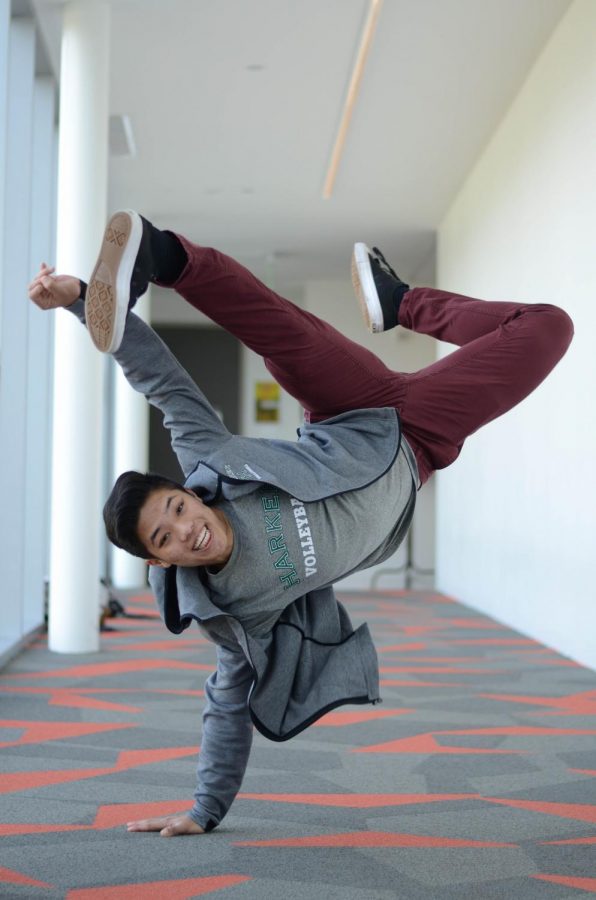
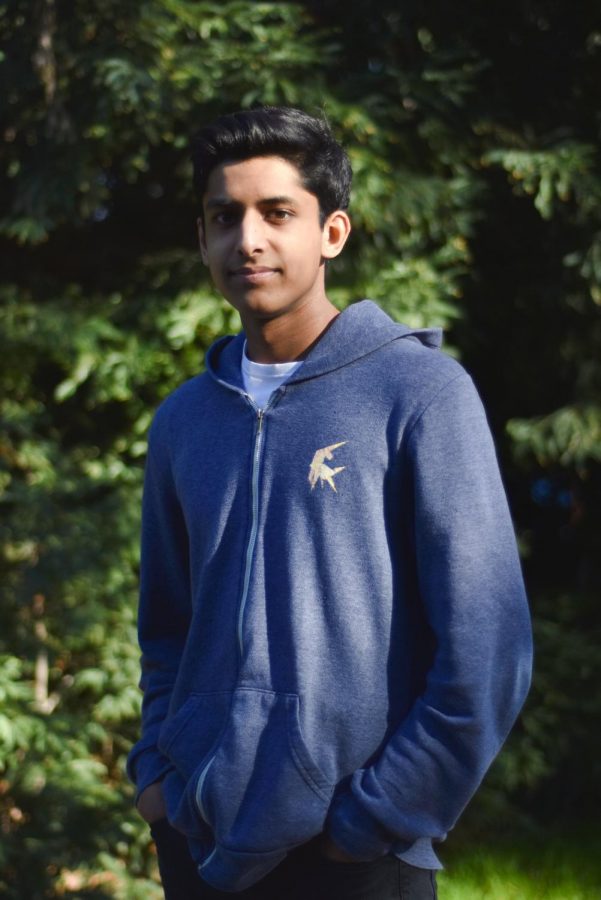

![“I think getting up in the morning and having a sense of purpose [is exciting]. I think without a certain amount of drive, life is kind of obsolete and mundane, and I think having that every single day is what makes each day unique and kind of makes life exciting,” Neymika Jain (12) said.](https://harkeraquila.com/wp-content/uploads/2017/06/Screen-Shot-2017-06-03-at-4.54.16-PM.png)
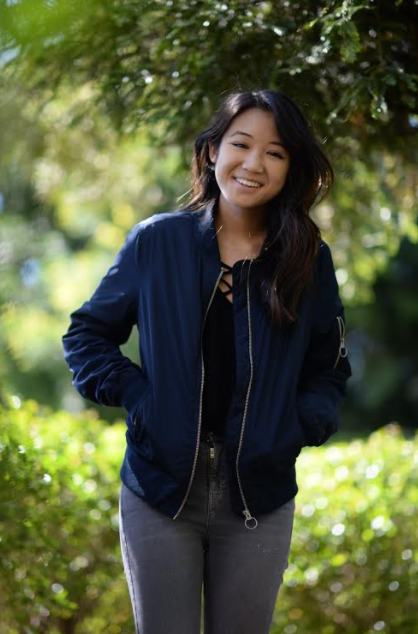
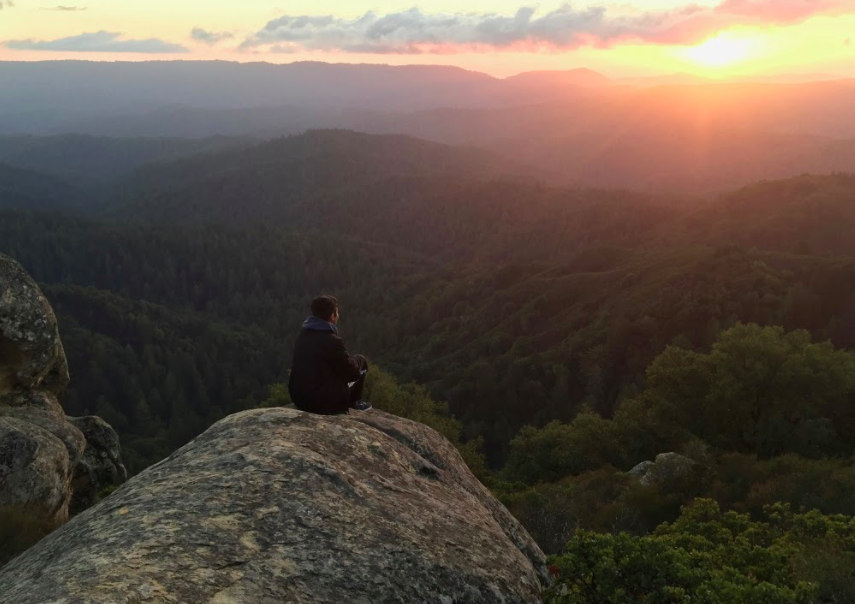
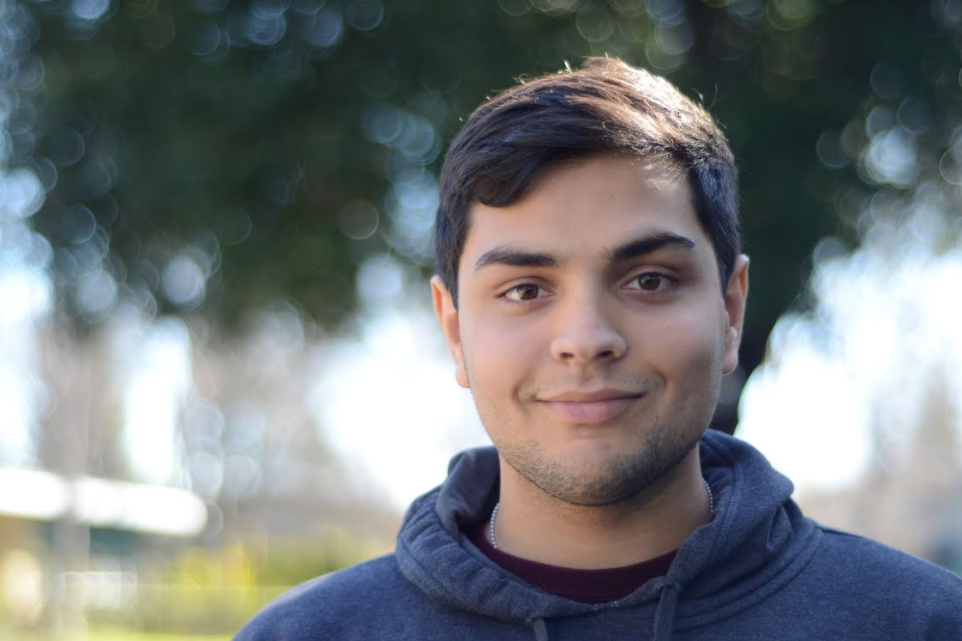
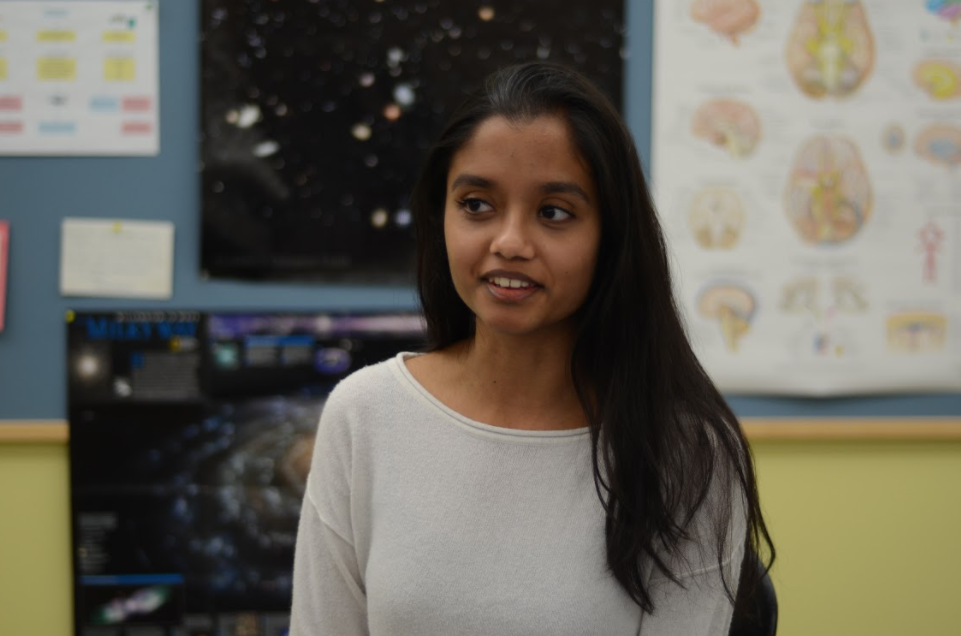
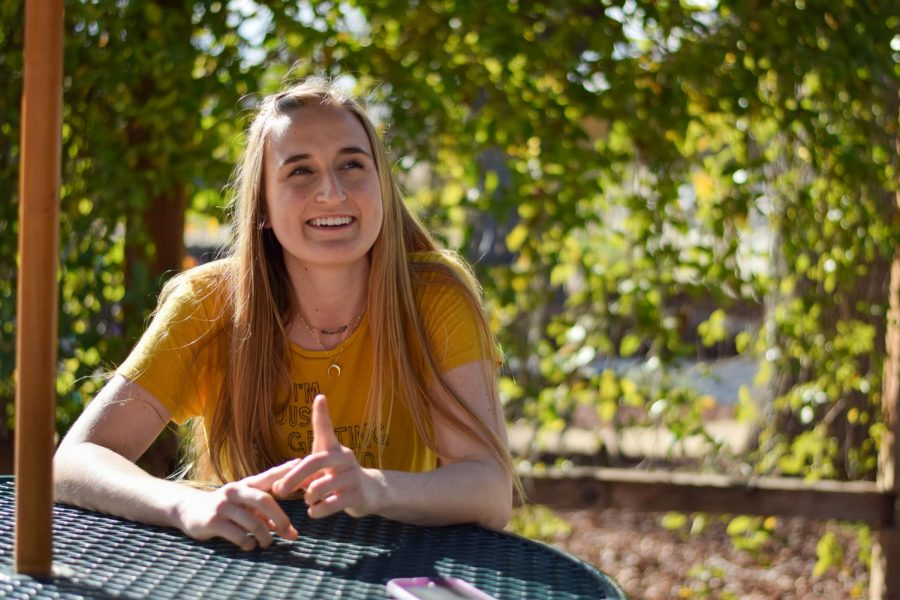
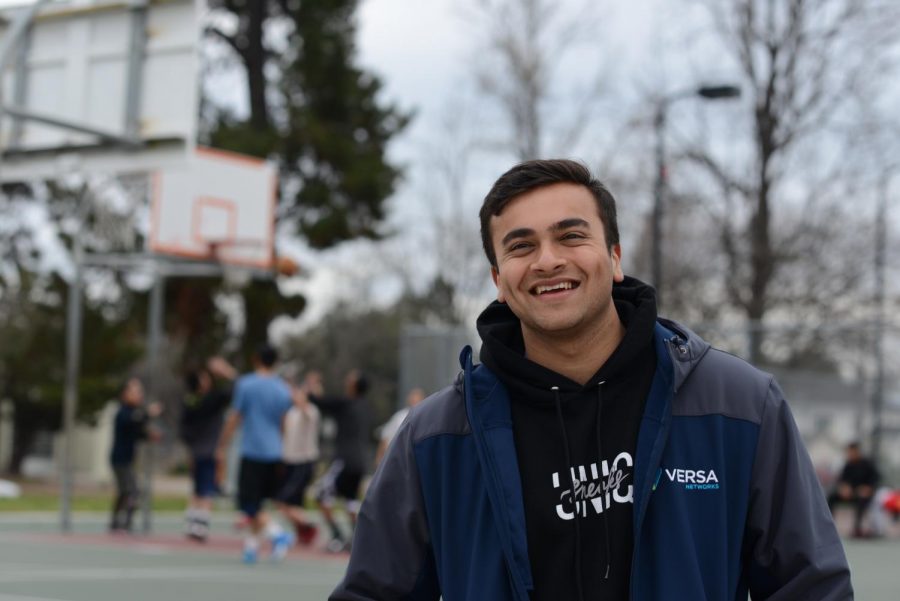
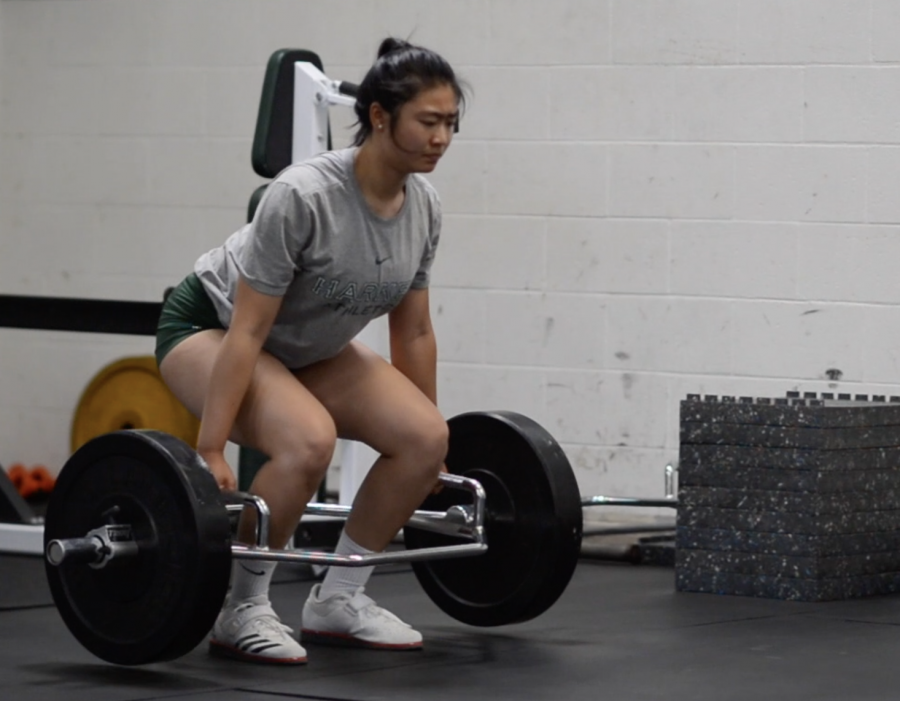
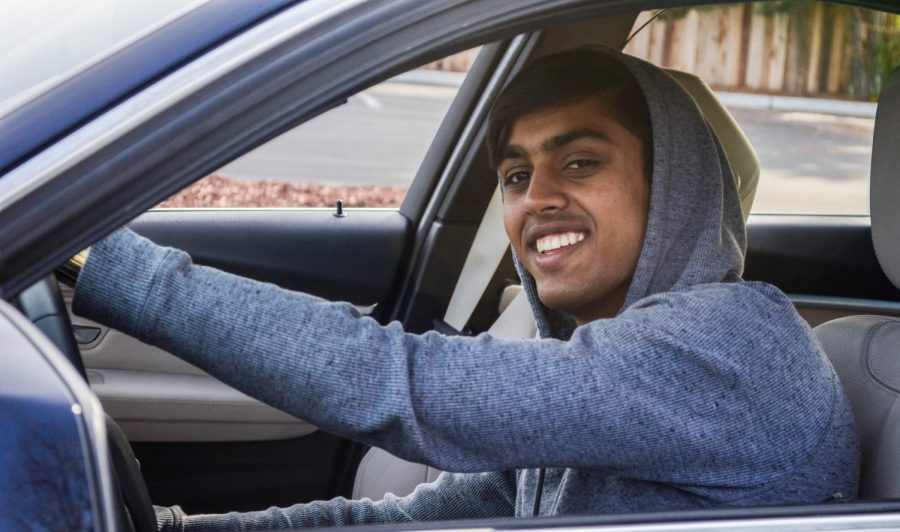
![“My slogan is ‘slow feet, don’t eat, and I’m hungry.’ You need to run fast to get where you are–you aren't going to get those championships if you aren't fast,” Angel Cervantes (12) said. “I want to do well in school on my tests and in track and win championships for my team. I live by that, [and] I can do that anywhere: in the classroom or on the field.”](https://harkeraquila.com/wp-content/uploads/2018/06/DSC5146-900x601.jpg)
![“[Volleyball has] taught me how to fall correctly, and another thing it taught is that you don’t have to be the best at something to be good at it. If you just hit the ball in a smart way, then it still scores points and you’re good at it. You could be a background player and still make a much bigger impact on the team than you would think,” Anya Gert (’20) said.](https://harkeraquila.com/wp-content/uploads/2020/06/AnnaGert_JinTuan_HoHPhotoEdited-600x900.jpeg)
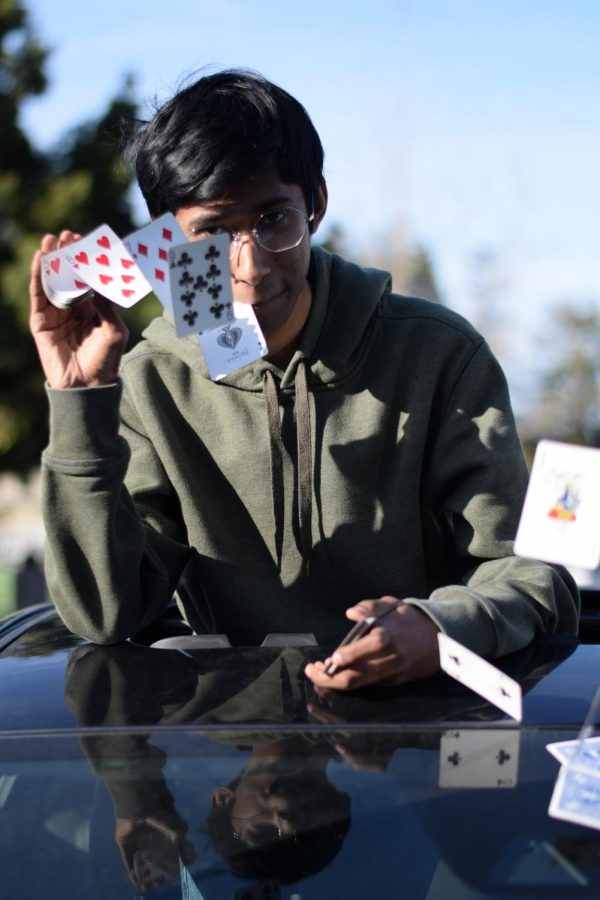
![“I'm not nearly there yet, but [my confidence has] definitely been getting better since I was pretty shy and timid coming into Harker my freshman year. I know that there's a lot of people that are really confident in what they do, and I really admire them. Everyone's so driven and that has really pushed me to kind of try to find my own place in high school and be more confident,” Alyssa Huang (’20) said.](https://harkeraquila.com/wp-content/uploads/2020/06/AlyssaHuang_EmilyChen_HoHPhoto-900x749.jpeg)


Senior writer at British news publication “The Economist” Callum Williams discussed his work in economics journalism as part of Oeconomia’s Econ Week in economics teacher Dean Lizardo’s room on April 24.
He described his role at the publication, writing about topics like the economic impact of artificial intelligence and the housing market. Having transitioned from pursuing a PhD in history to working in economics, Williams highlighted the reasons economics drew him in.
“What economics is very good at doing is disciplining your thinking,” Williams said. “With economics, particularly macroeconomics and empirical economics, what you’re fundamentally trying to do is isolate causal variables. It forces you to discard all the other things that may seem important when you first look at it but actually are not that important when you dig down, and that requires a lot of mental discipline and intellectual discipline.”
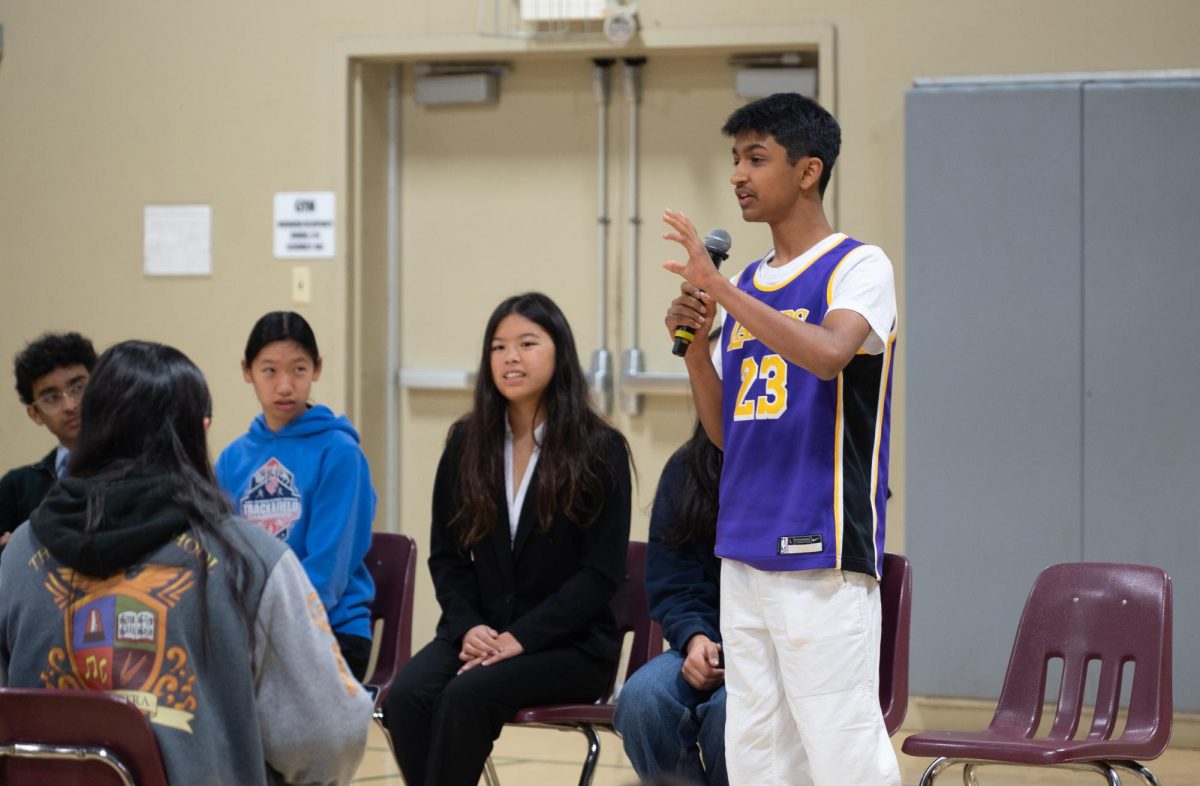
Oeconomia Newsletter Editor sophomore Avi Gupta began posing prepared questions about Williams’ writing process and career path. Williams explained that he decides on writing material by looking at what investors in major cities like San Francisco and New York are interested in. During his time at “The Economist,” he covered topics ranging from the 2024 presidential election to the nuances of global economic policy.
Avi asked Williams about potential economics careers for students in the future amid the current AI boom. He wanted to pursue a career in economics journalism because of the range of people he could reach through his work.

“There’s absolutely no need to panic and not even worry,” Williams said. “Work hard, and think about developing those soft skills, and that requires a lot of brainpower. When you say soft skills, often people think, ‘it doesn’t really count,’ but actually, when you are trying to get a job, these things take a lot of effort, and they really matter. Crucially, most people don’t do them.”
Williams discussed his book “The Classical School,” which explores the history of economics and challenges the idea that economic pioneers like Adam Smith were always correct in their ideas. He pointed out that assumptions students have today about economics could also prove incorrect in the future, highlighting the evolving nature of economics.
“Equilibrium” co-Editor-in-Chief senior Leana Zhou appreciated how Williams translated complex market indicators into a roadmap for students.
“My favorite part of the session was when he provided a little bit of insight into what people are looking for in the job market as a whole from his perspective as an economist and how the labor market is going to go for students like us,” Leana said. “We were trying to look for someone who sees the economic source overall and has consistently kept up with this kind of data.”
Students asked about Williams’ thoughts on current economic trends and the purpose of learning economics once Avi opened the floor to audience questions. Having coordinated the event, Avi wished for attendees to gain further insight into economics as a subject and career from the talk.
“I hope they understand what an economist actually does,” Avi said. “This doesn’t all just have to be everyone who does economics, goes into finance or goes into quant. There are really more paths to go into. It’s a really big topic that we were able to touch on today — the fear people have of what AI will do to disrupt the industry in the future.”