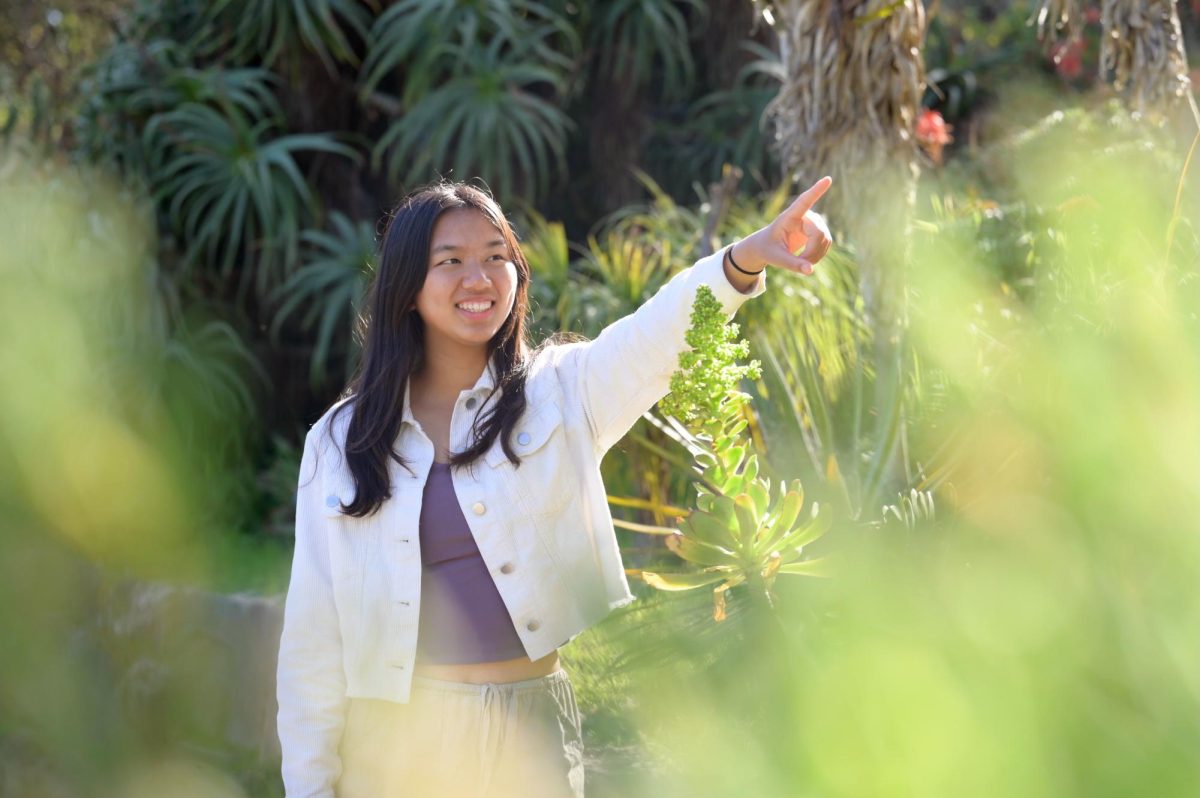
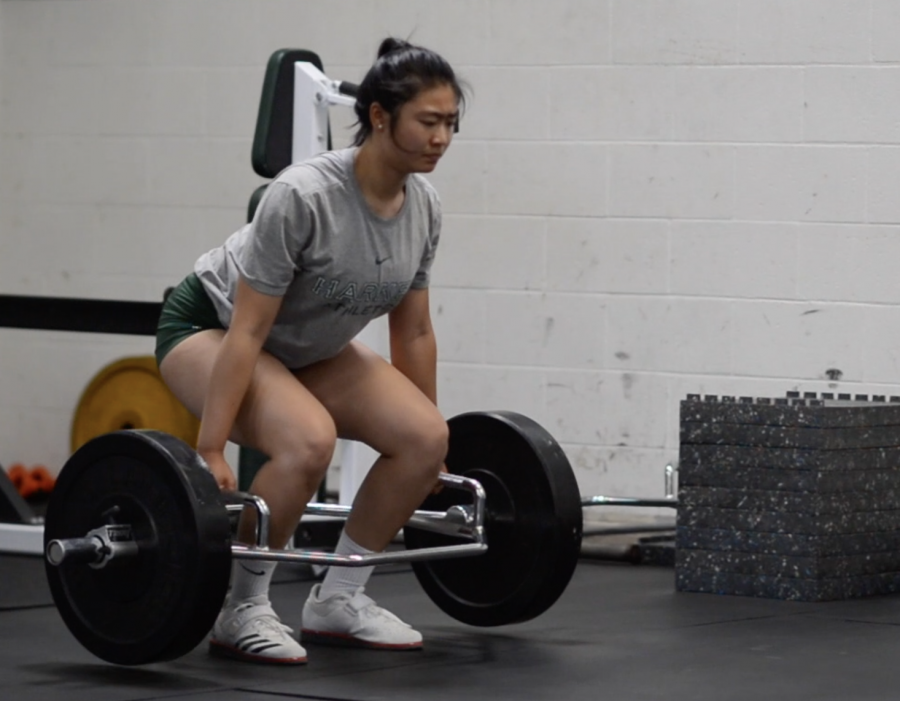
![“I wasn't discouraged by some of the obstacles we faced. I learned a lot from the leadership. I found that different people need different ways of receiving feedback — you can't [just] tell them to do something and expect the best. [Some] people needed more incentive. A large part of my role was to figure out what worked for everyone and to figure out how to lead all these separate individuals as a team,” Suhana Bhandare (’26) said.](https://harkeraquila.com/wp-content/uploads/2026/06/SuhanaBhandare_JasmineHansra-1-1200x798.jpg)
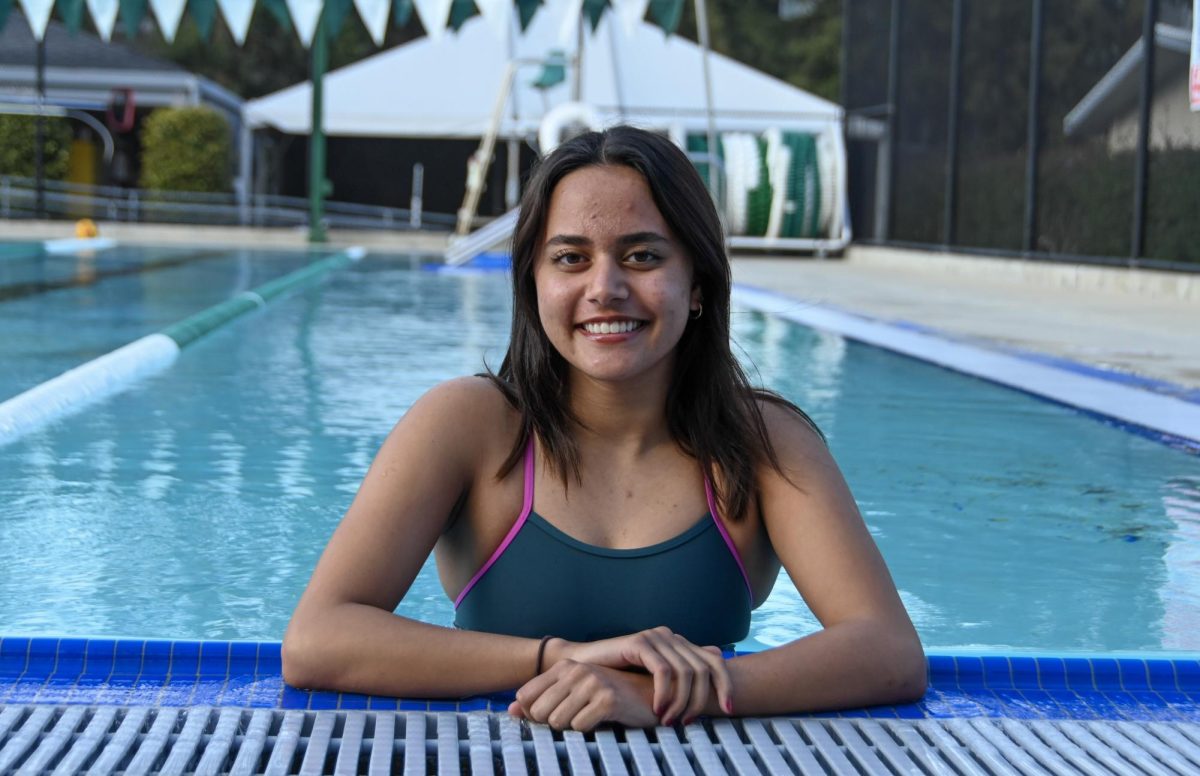
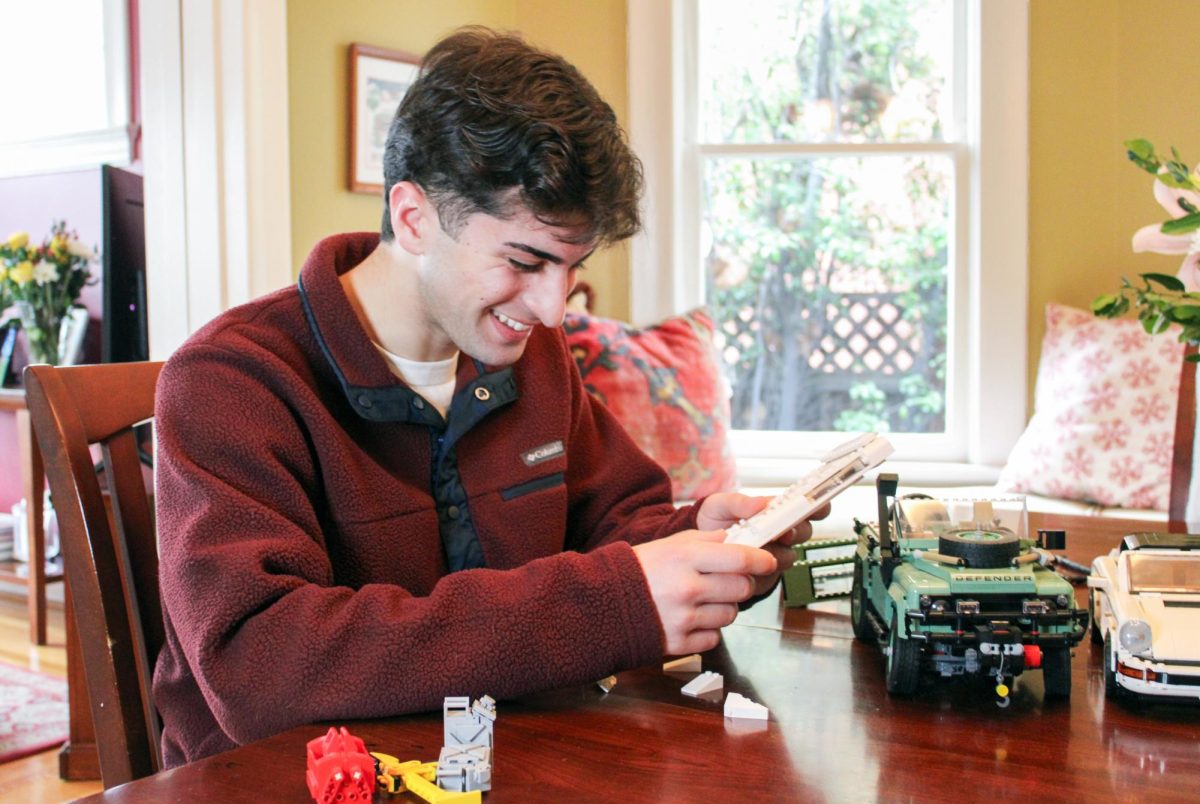
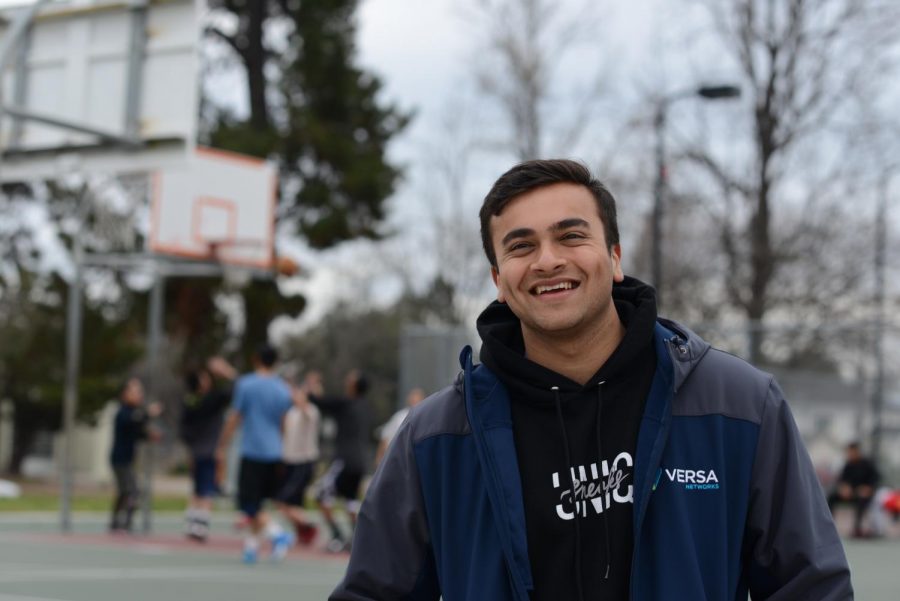
![“This is actually from Randy Pausch Randy P. Brick: ‘Walls are there for a reason. You have to show how much you want to overcome them.’ You have to show how much you want something. That's what I've always been able to do with tennis, Link Crew and getting that internship [with Kushy Baby]. It’s important pushing through that — getting around that brick wall, climbing over it or clawing through it,” Yash Sachdeva (’26) said.](https://harkeraquila.com/wp-content/uploads/2026/05/YashSachdeva_RamBatchu-copy-1200x1002.jpg)
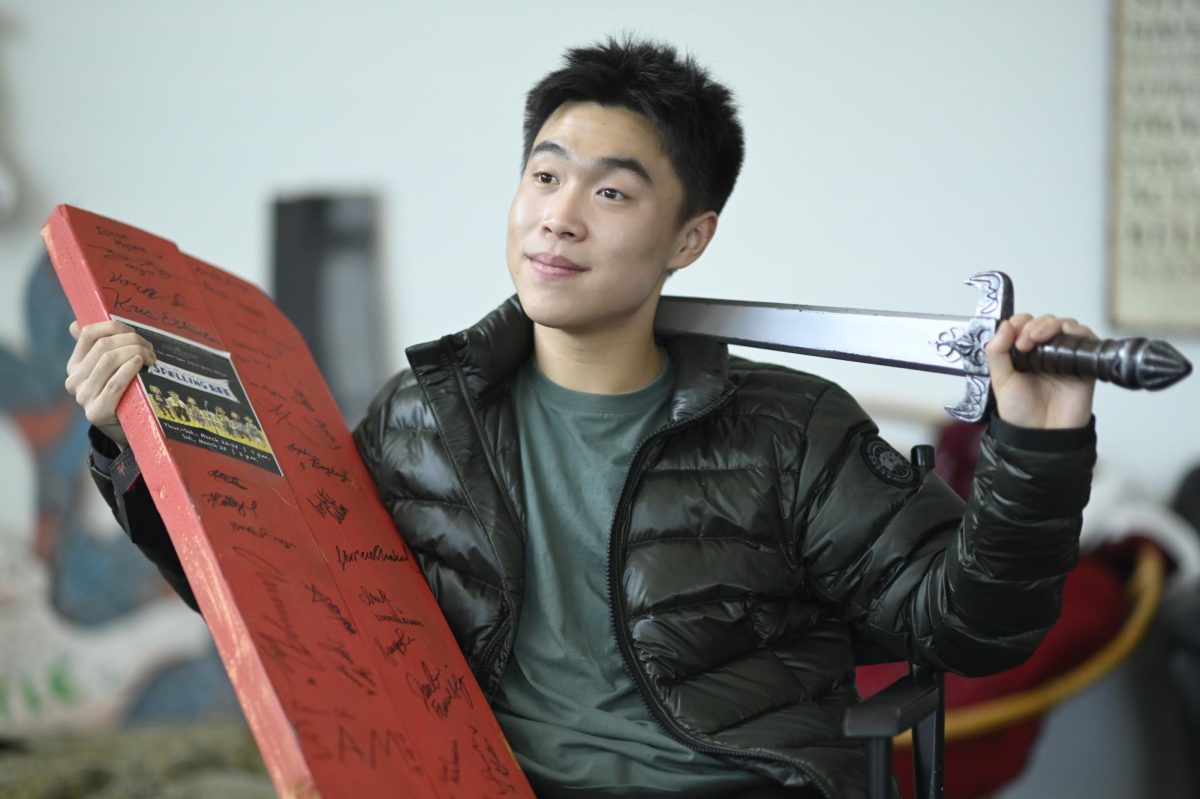


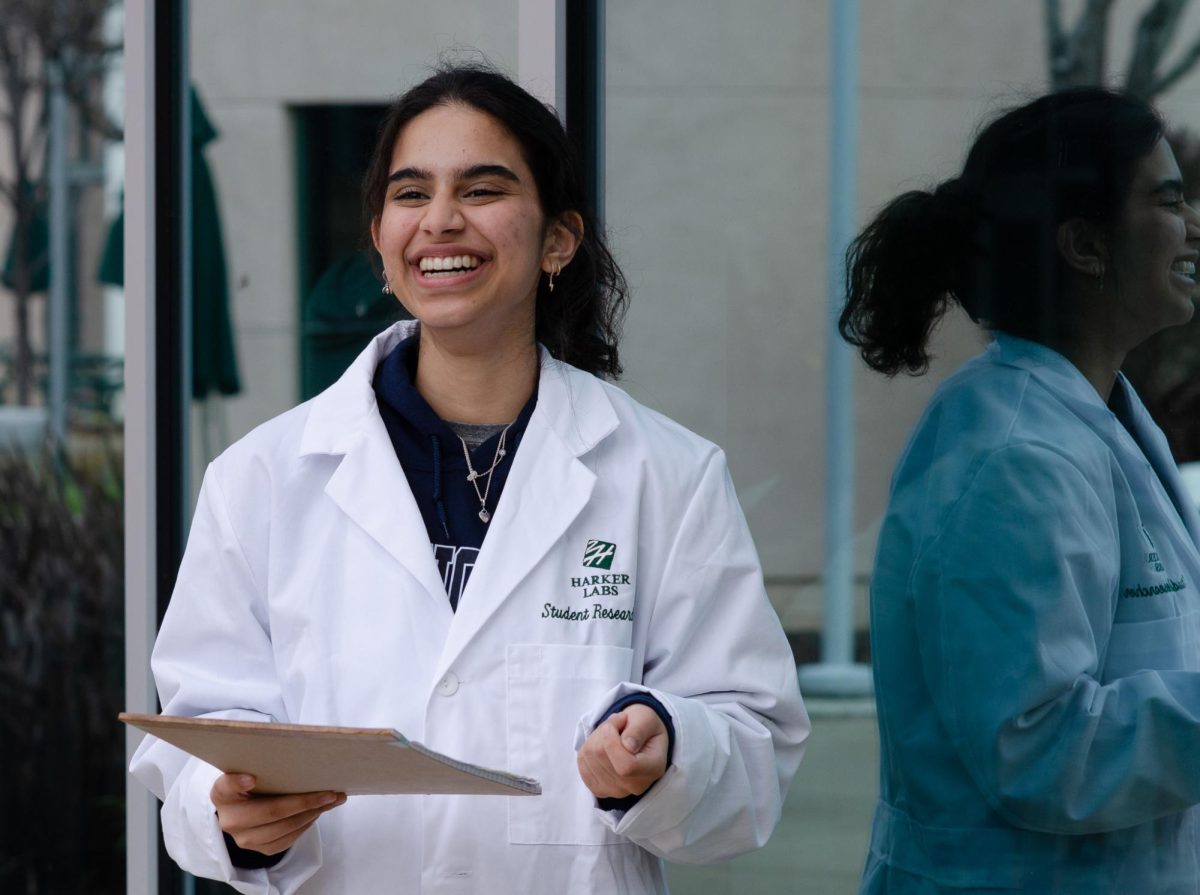
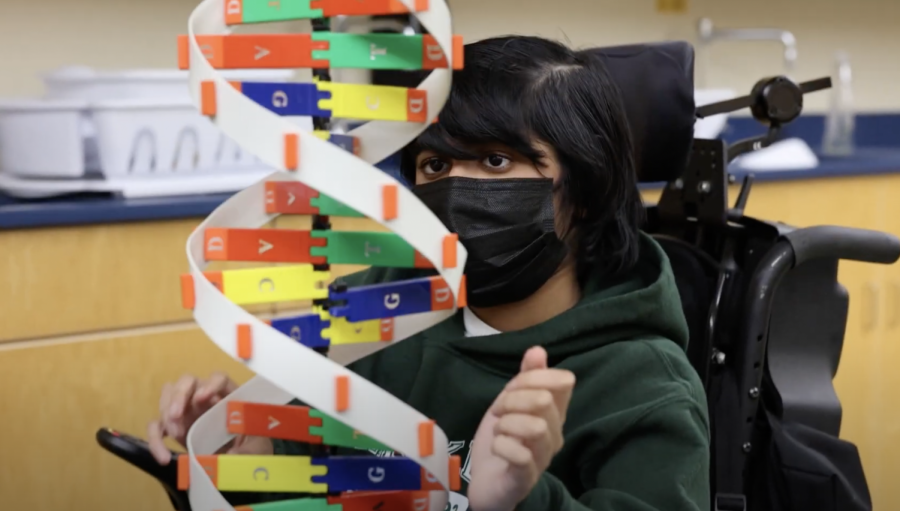
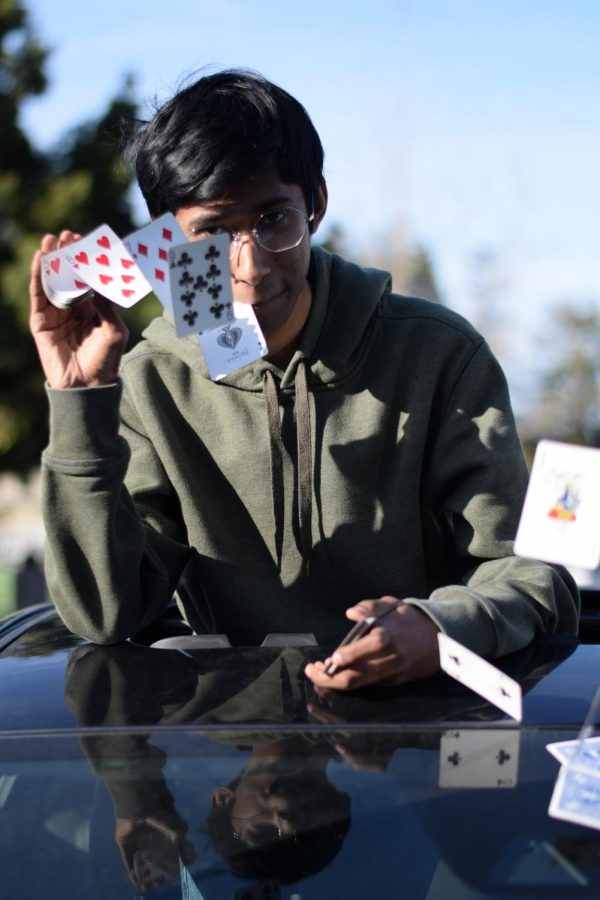
![“[Building nerf blasters] became this outlet of creativity for me that hasn't been matched by anything else. The process [of] making a build complete to your desire is such a painstakingly difficult process, but I've had to learn from [the skills needed from] soldering to proper painting. There's so many different options for everything, if you think about it, it exists. The best part is [that] if it doesn't exist, you can build it yourself," Ishaan Parate said.](https://harkeraquila.com/wp-content/uploads/2022/08/DSC_8149-900x604.jpg)
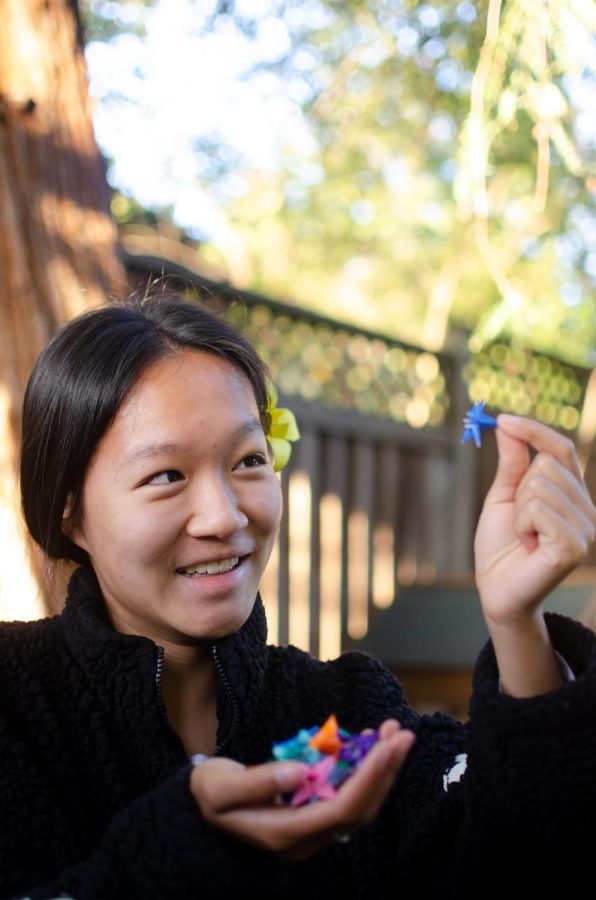
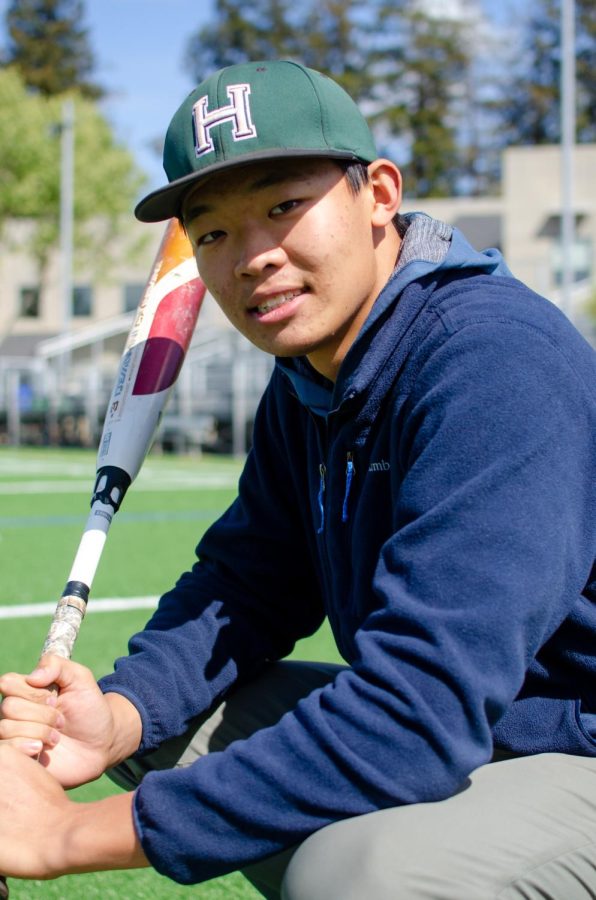
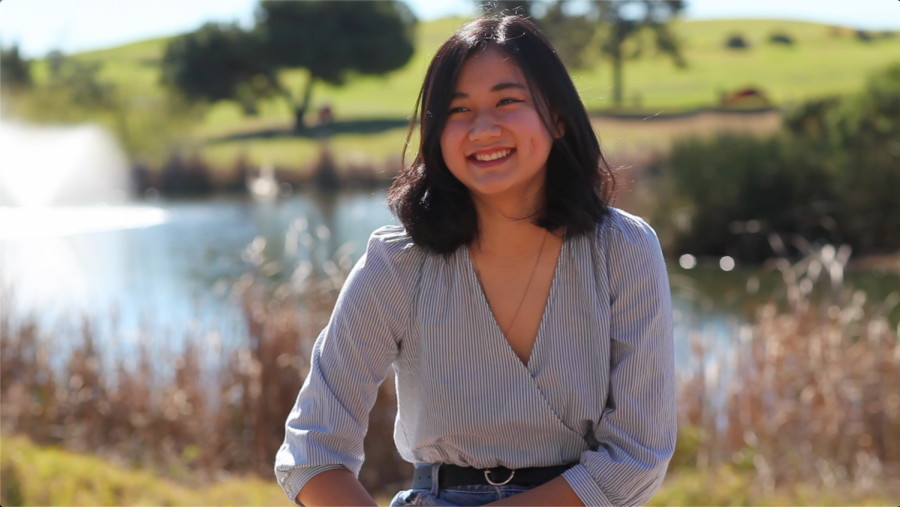
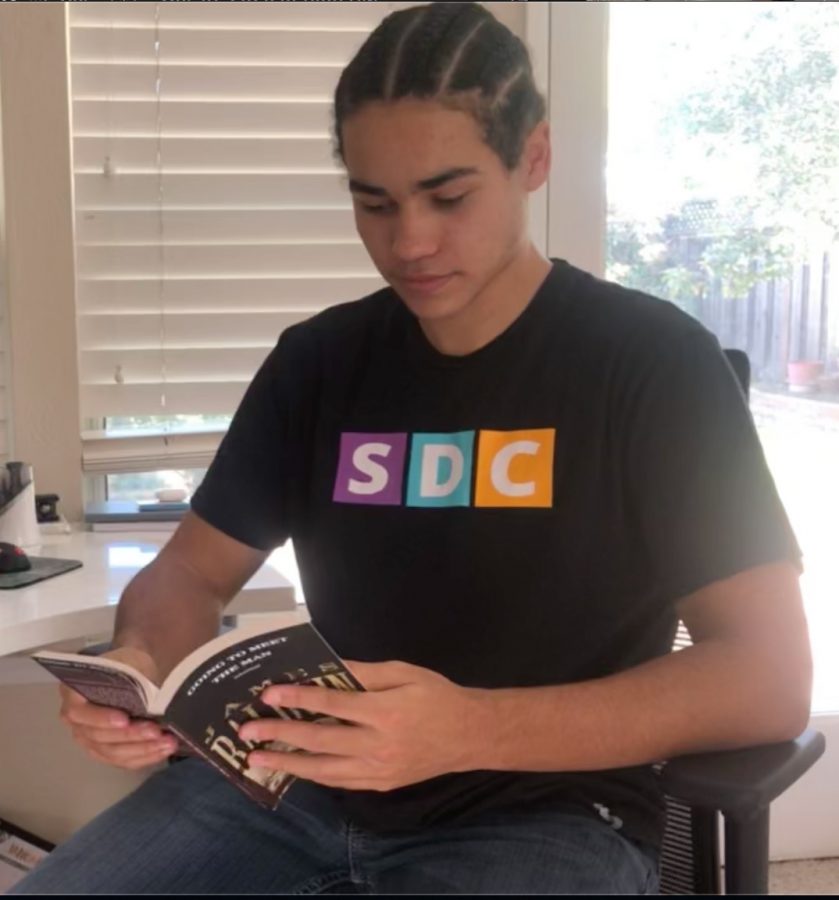
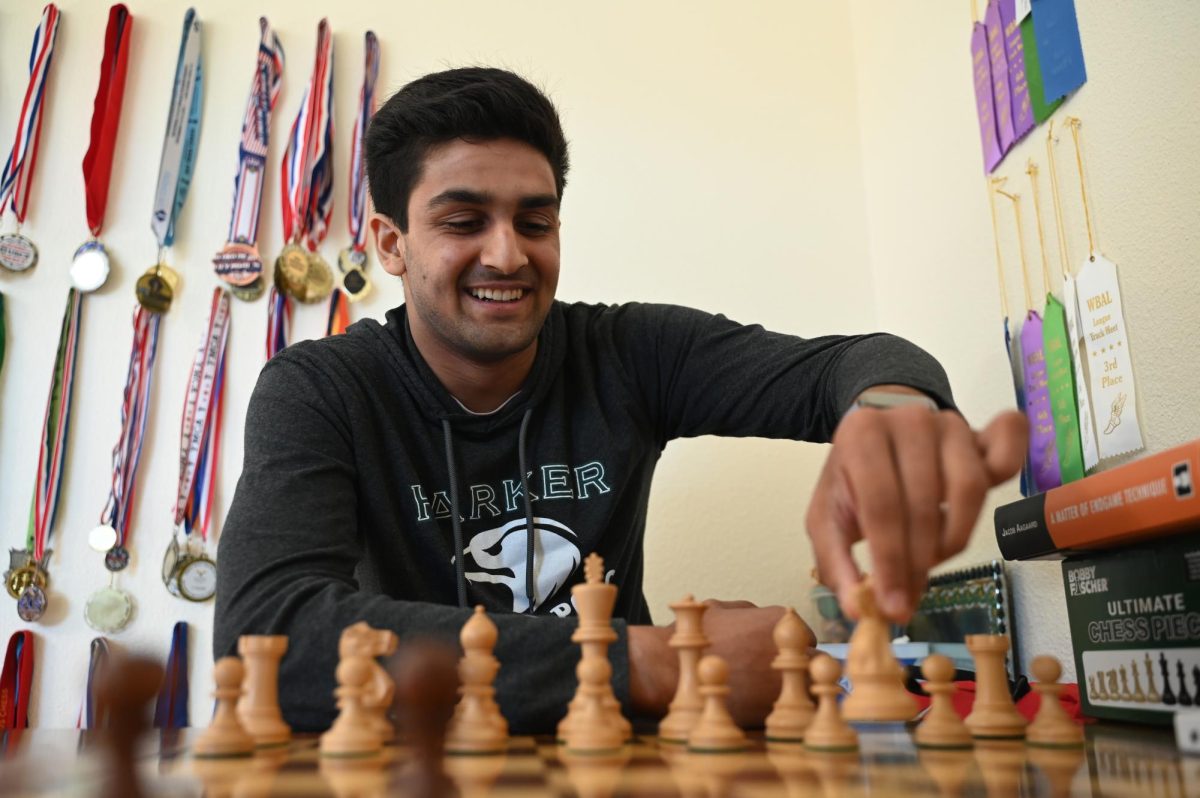
![“When I came into high school, I was ready to be a follower. But DECA was a game changer for me. It helped me overcome my fear of public speaking, and it's played such a major role in who I've become today. To be able to successfully lead a chapter of 150 students, an officer team and be one of the upperclassmen I once really admired is something I'm [really] proud of,” Anvitha Tummala ('21) said.](https://harkeraquila.com/wp-content/uploads/2021/07/Screen-Shot-2021-07-25-at-9.50.05-AM-900x594.png)
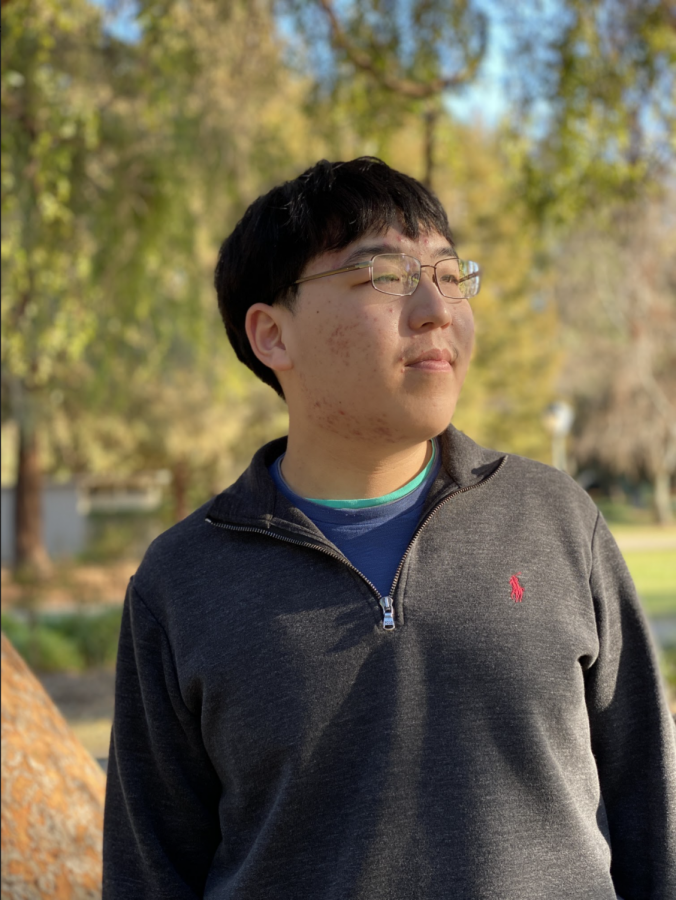
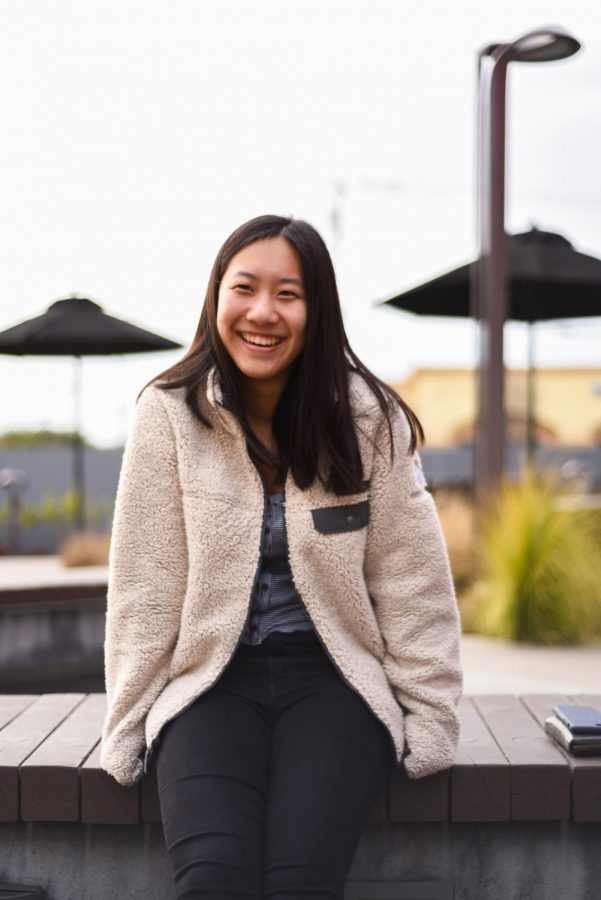
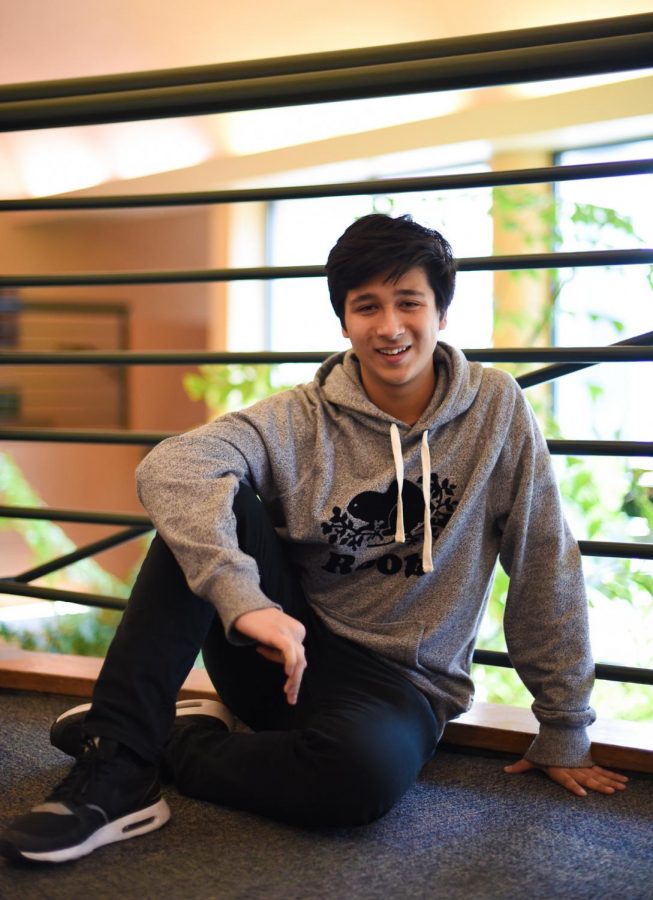
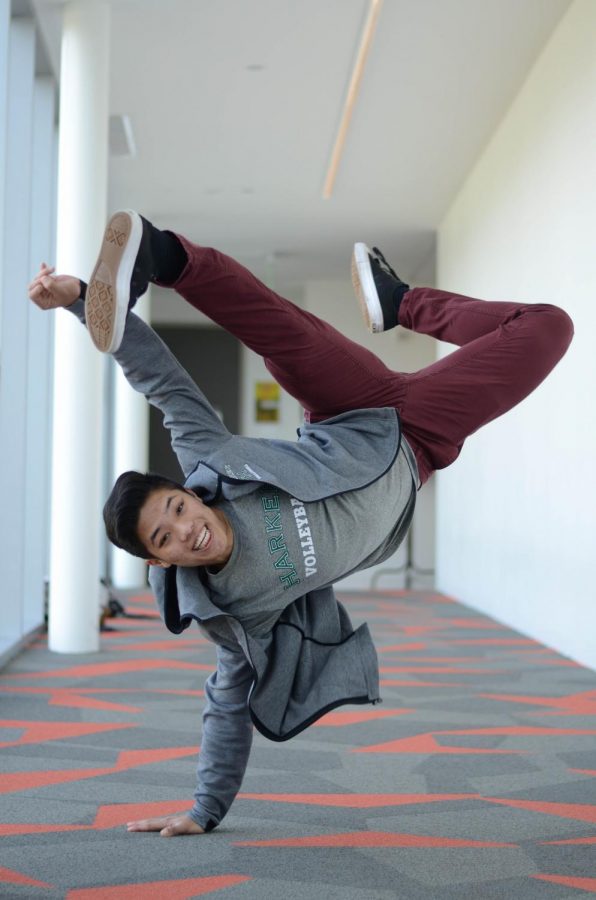
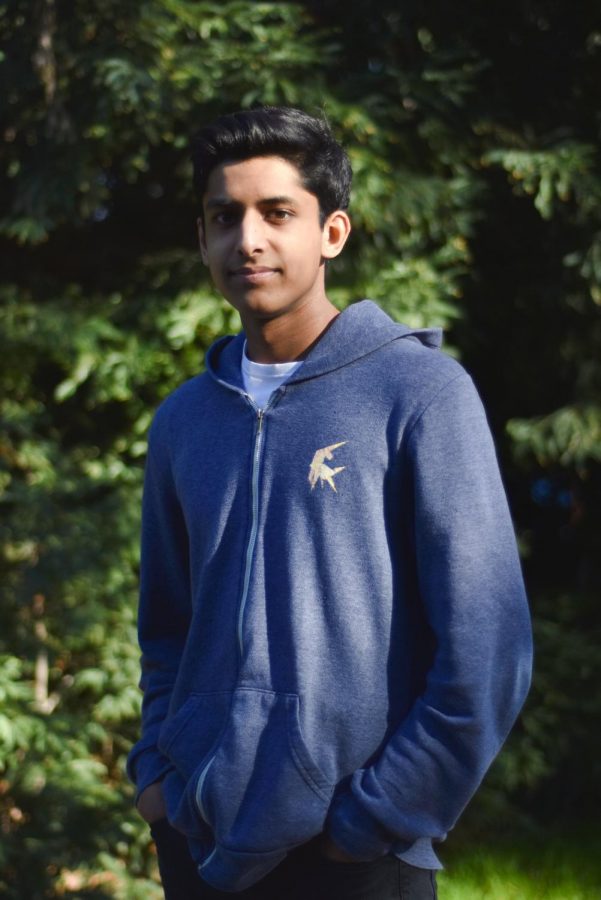

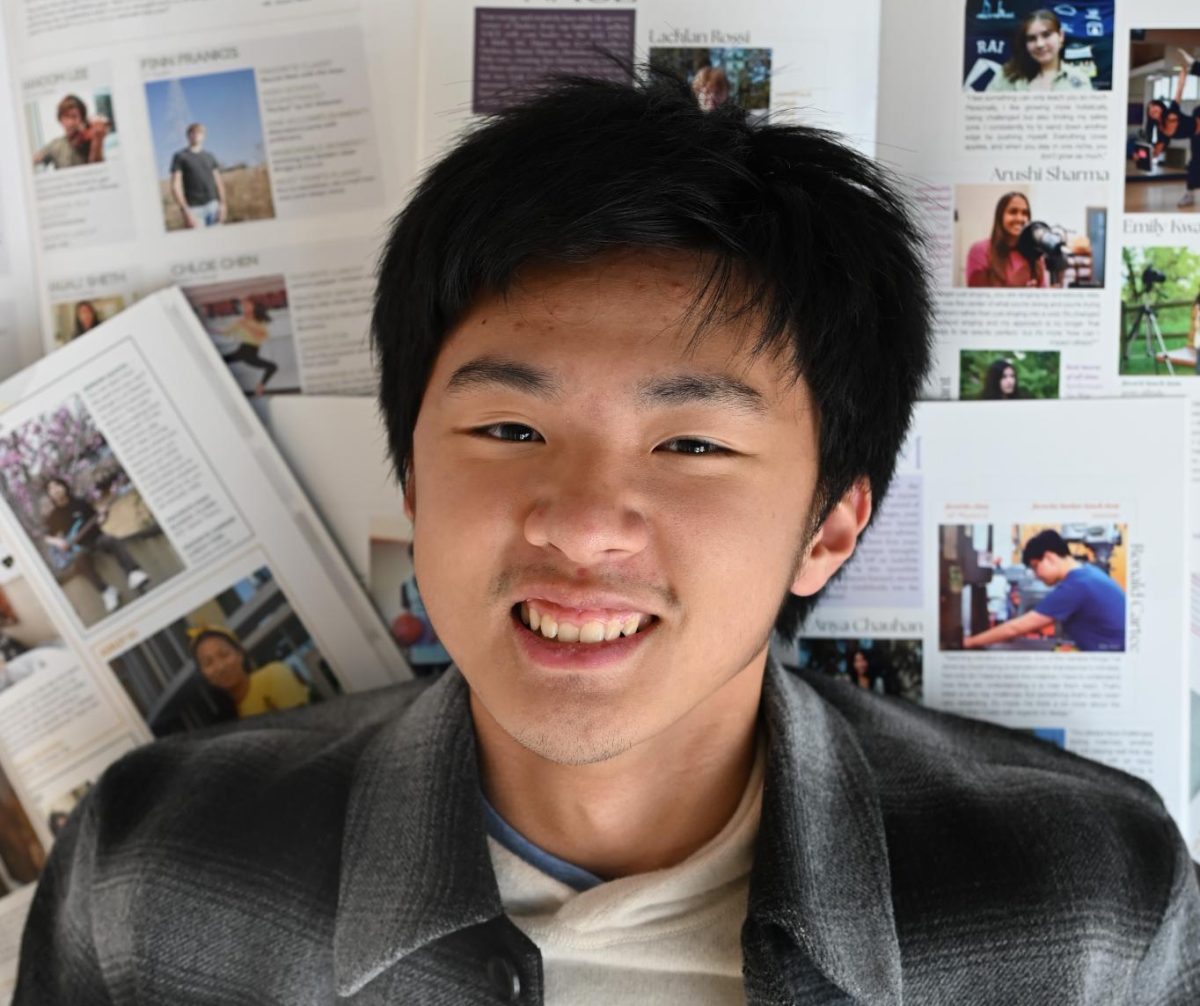
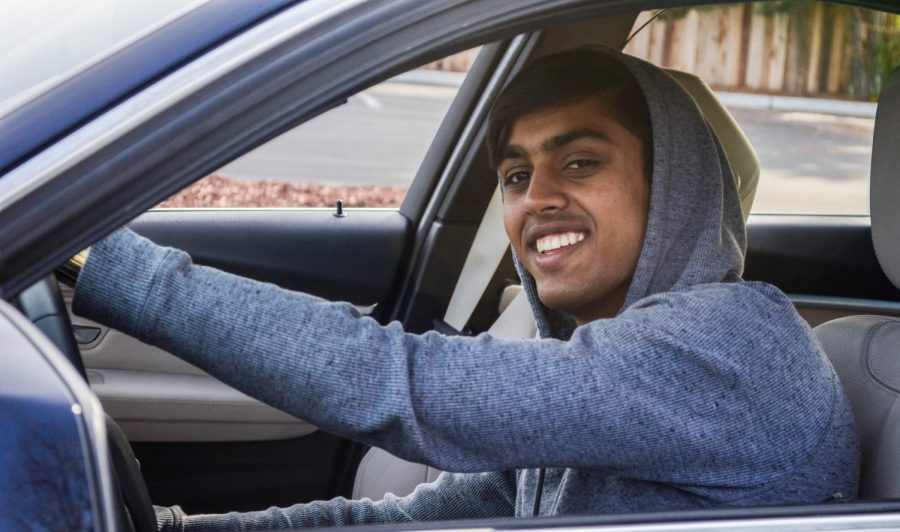
![“I think getting up in the morning and having a sense of purpose [is exciting]. I think without a certain amount of drive, life is kind of obsolete and mundane, and I think having that every single day is what makes each day unique and kind of makes life exciting,” Neymika Jain (12) said.](https://harkeraquila.com/wp-content/uploads/2017/06/Screen-Shot-2017-06-03-at-4.54.16-PM.png)
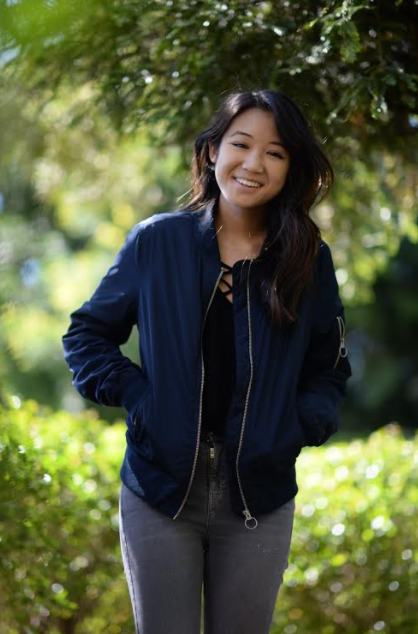
![“My slogan is ‘slow feet, don’t eat, and I’m hungry.’ You need to run fast to get where you are–you aren't going to get those championships if you aren't fast,” Angel Cervantes (12) said. “I want to do well in school on my tests and in track and win championships for my team. I live by that, [and] I can do that anywhere: in the classroom or on the field.”](https://harkeraquila.com/wp-content/uploads/2018/06/DSC5146-900x601.jpg)
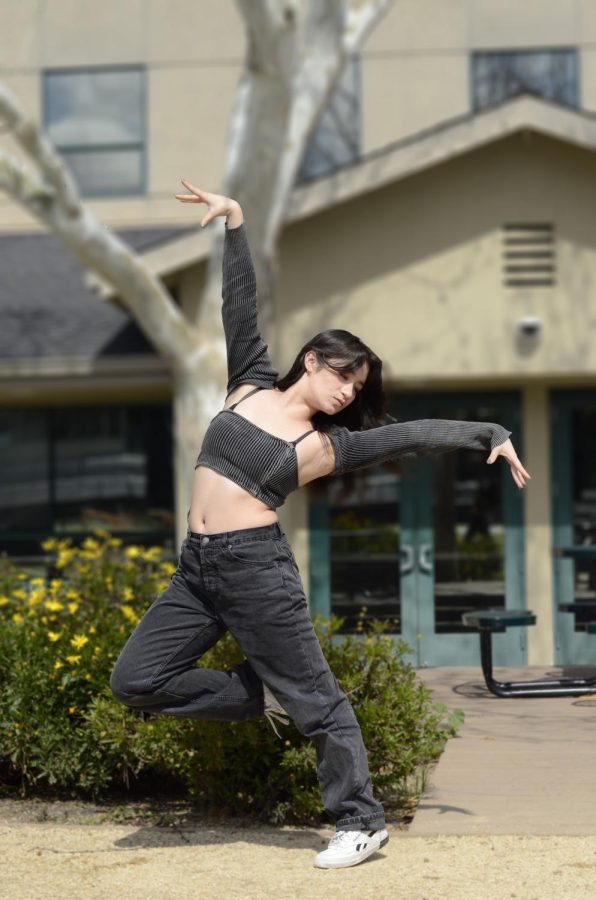
![“[Volleyball has] taught me how to fall correctly, and another thing it taught is that you don’t have to be the best at something to be good at it. If you just hit the ball in a smart way, then it still scores points and you’re good at it. You could be a background player and still make a much bigger impact on the team than you would think,” Anya Gert (’20) said.](https://harkeraquila.com/wp-content/uploads/2020/06/AnnaGert_JinTuan_HoHPhotoEdited-600x900.jpeg)
![“I'm not nearly there yet, but [my confidence has] definitely been getting better since I was pretty shy and timid coming into Harker my freshman year. I know that there's a lot of people that are really confident in what they do, and I really admire them. Everyone's so driven and that has really pushed me to kind of try to find my own place in high school and be more confident,” Alyssa Huang (’20) said.](https://harkeraquila.com/wp-content/uploads/2020/06/AlyssaHuang_EmilyChen_HoHPhoto-900x749.jpeg)



Lights dim in Nichols Auditorium as senior Ananya Pradhan steps into the spotlight. The red TEDx sign glows behind her, and her voice reverberates throughout the room, telling the story of women in computer science, the story of overlooked histories and societal biases. She gestures toward images of newspapers and archived photos on the screen behind her, guiding the enraptured crowd through decades of untold narratives.
Ananya was drawn to various forms of research from a young age, motivated to analyze and question challenges affecting her and people around her. From debate tournaments to student government initiatives, she consistently searched for new perspectives and more effective solutions.
“As somebody who’s been really involved in student government and debate since I was pretty young, I have always been interested in thinking about different ways to solve problems and also thinking about perspectives that are different from my own,” Ananya said. “Research is a natural extension of that, both the computational biology aspect, but also the humanities aspect: it’s taking an interdisciplinary lens to see new ways of solving problems.”
Although Ananya had always been interested in technology, it wasn’t until she met mentors both within and outside of school who pushed her to explore beyond her comfort zone that she was able to think more deeply about solving problems like detecting early signs of disease and identifying gaps in documented narratives.
Inspired by her love for computer science, Ananya engaged in research across multiple summers and ultimately entered the Near Mitra program in her senior year to perform humanities research studying the history of women in the field. Through this project, she analyzed historical artifacts and browsed records from decades past that documented the role of women in computer science, culminating in a presentation at the annual TEDxHarkerSchool event in front of hundreds of audience members.
“I never thought I would get to connect with so many people on such a scale about a project that I had started,” Ananya said. “I always was going to write the paper, but I didn’t think that I would get to connect with so many people across different ages about how we can take those lessons from the past and apply them. It was the best experience.”
Ananya’s advisor and Honors English 3 teacher Pauline Paskali praises her ability to bridge connections between various groups and to initiate meaningful conversations among her peers.
“Ananya is a glue person that likes to bring people together and make sure that everybody feels comfortable,” Dr. Paskali said. “She’s a phenomenal public speaker. It’s not just the performativity of it, but there’s always something significant and substantive behind what Ananya is saying. That care and consideration for whatever the topic is comes out when she’s speaking.”
Beyond applying her expertise in computer science to humanities research, Ananya also actively engages with it during her computational biology research. One of her projects utilized artificial intelligence to detect lung cancer by scanning circulating cell-free DNA data from blood samples. A desire to create accessible solutions for individuals that can tangibly improve their quality of living has prompted all of these endeavors.
During her junior year, Ananya embarked on an individual research project about Alzheimer’s because her grandfather had experienced the disorder. Despite initial roadblocks like a lack of data, she persisted by drawing inspiration from him.
“My late grandfather used to say, ‘I can and I will,’ and that’s something that I try to embody because it has both motivation and an intent for sustained engagement,” Ananya said. “Thinking about my grandfather gave me perseverance to stick it through and try to understand something that could help people like him in the future.”
Close friend senior Natalie Barth has known Ananya since fourth grade and emphasizes her genuine interest in helping others around her.
“She has strong organizational skills and a ‘get this done’ attitude,” Natalie said. “Sometimes in student government, people have ideas, but they don’t necessarily execute them fully, but she does a good job of following through and seeing what people need. When she was campaigning, she would go around and ask every person what they thought needed to be done, even if they weren’t someone in our grade or someone she knew.”
Senior Emily Bryan met Ananya in eighth grade, as Ananya was her assigned buddy when she transferred to Harker. Having witnessed her growth over the past years, Emily underscores Ananya’s reliability and steadfast presence during difficult times.
“She’s very persistent, she’s very good at what she does, and she just can take advantage of so many opportunities,” Emily said. “She works hard for these opportunities, and she does her best. She’s very knowledgeable in what she does, and you can see that in the way that she talks to people. She’s very confident about what she knows and how to deal with people.”
Following her graduation, Ananya wishes to leave a legacy of voluntary kindness and of participating in projects because of interest rather than obligation. She hopes that the structures and communities she has built during her time at Harker exist long after she leaves.
“Embrace the uncertainty that you won’t always know the answer, but still be grounded in your motivation for what you’re doing,” Ananya said. “Even if things don’t go easily, or you’re not able to solve the problem the first go around, being motivated that what you’re doing has value and that you’re surrounded by people who care about it is important. If that’s something that you’re motivated about, you will always be able to find joy in it.”