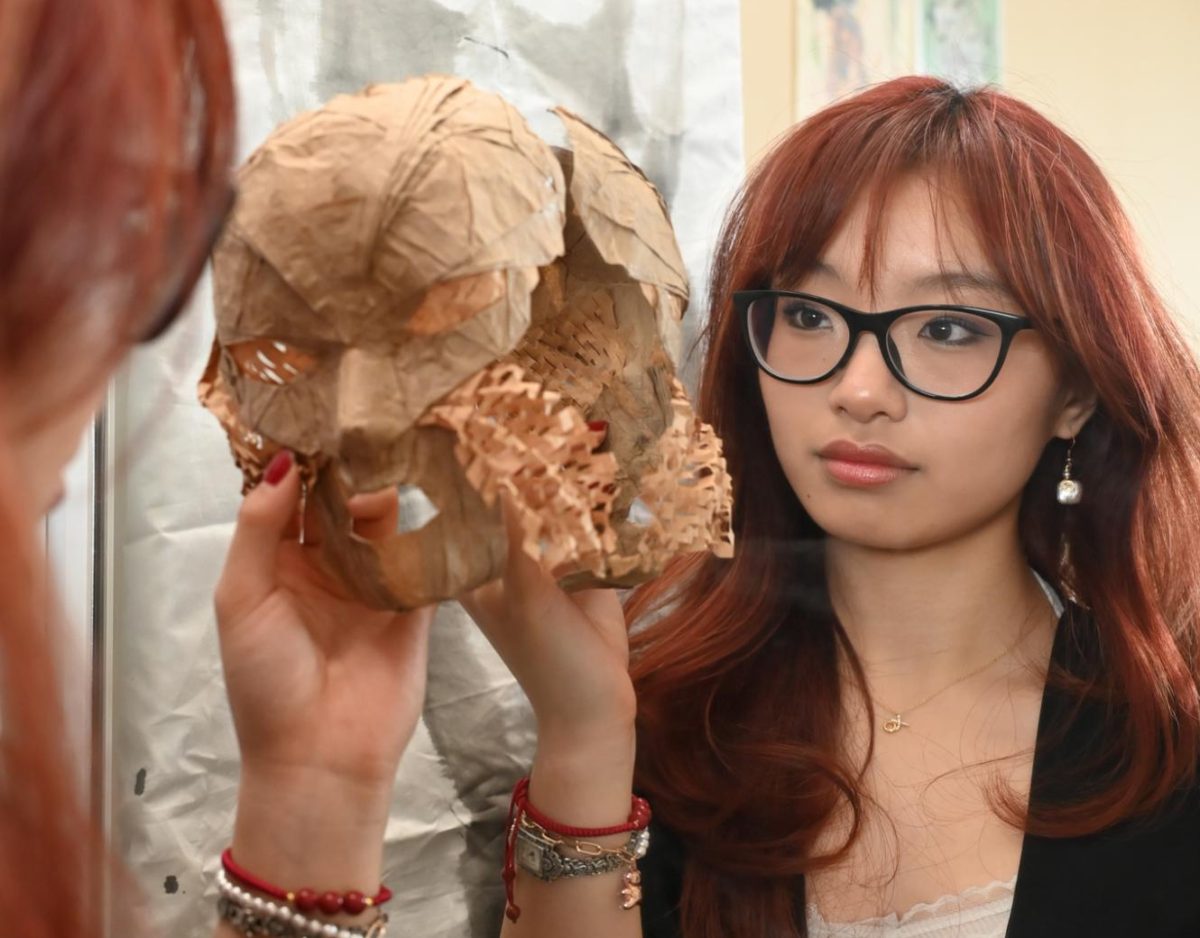
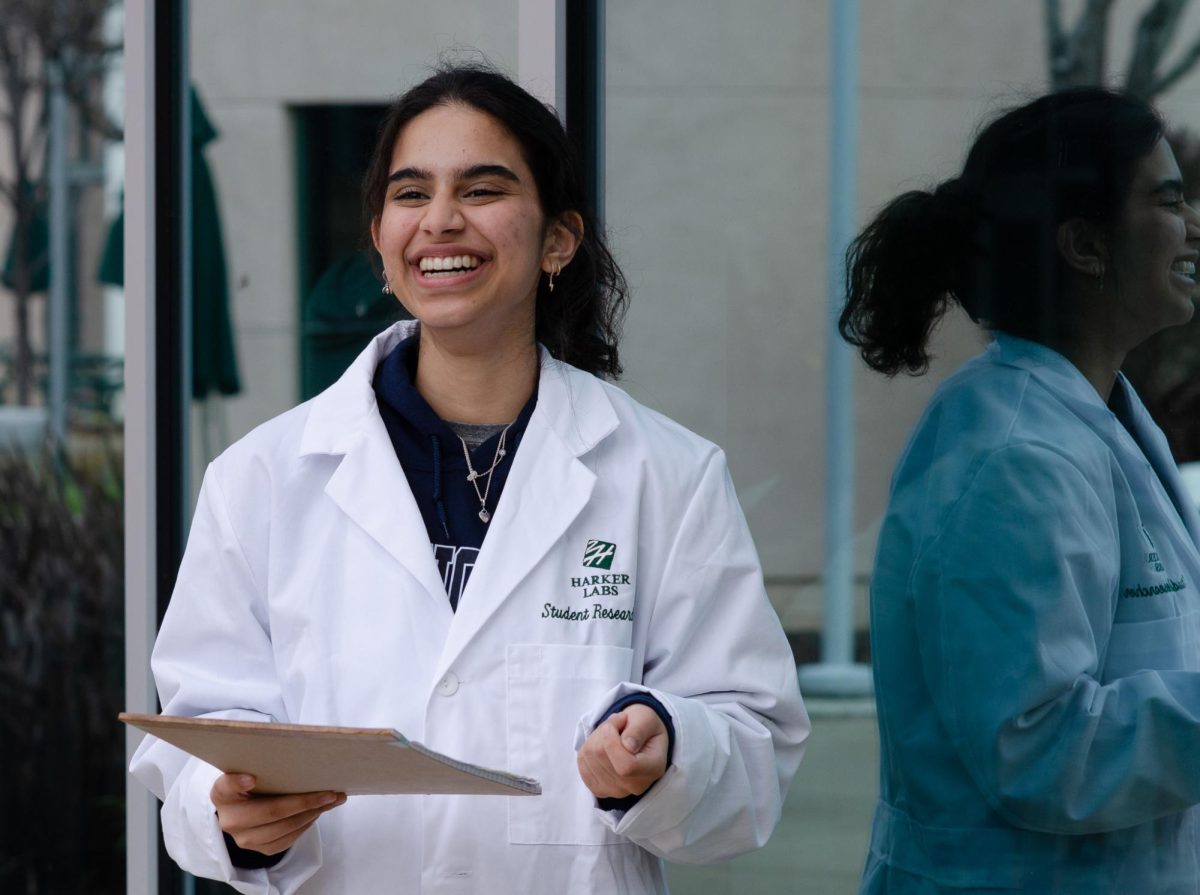
![“I wasn't discouraged by some of the obstacles we faced. I learned a lot from the leadership. I found that different people need different ways of receiving feedback — you can't [just] tell them to do something and expect the best. [Some] people needed more incentive. A large part of my role was to figure out what worked for everyone and to figure out how to lead all these separate individuals as a team,” Suhana Bhandare (’26) said.](https://harkeraquila.com/wp-content/uploads/2026/06/SuhanaBhandare_JasmineHansra-1-1200x798.jpg)
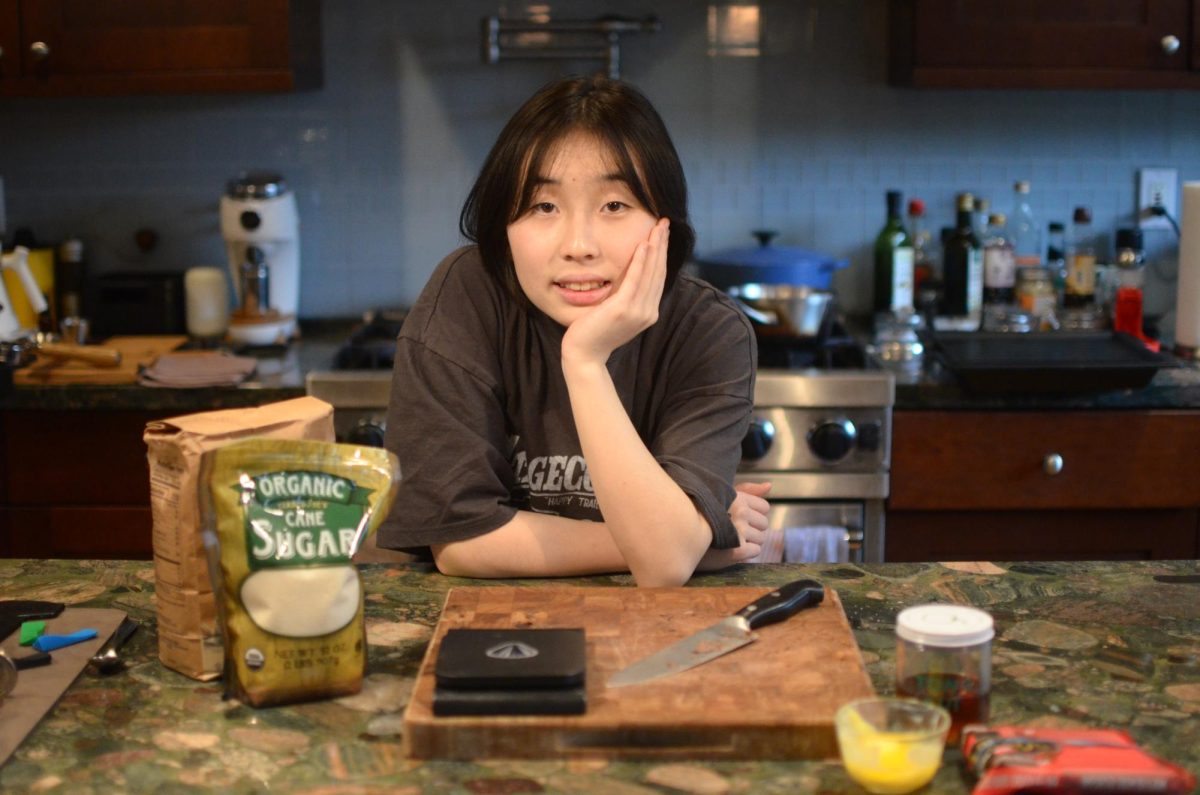
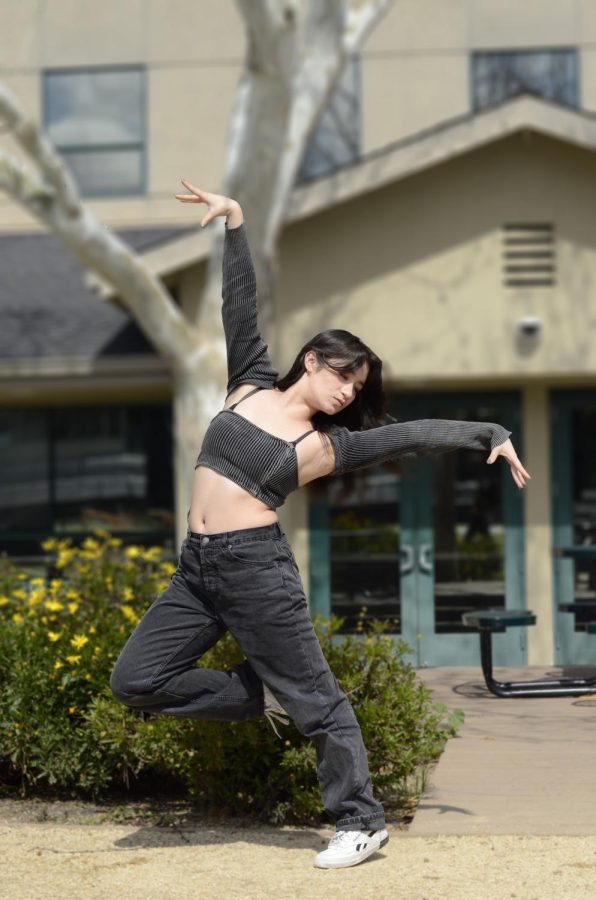
![“This is actually from Randy Pausch Randy P. Brick: ‘Walls are there for a reason. You have to show how much you want to overcome them.’ You have to show how much you want something. That's what I've always been able to do with tennis, Link Crew and getting that internship [with Kushy Baby]. It’s important pushing through that — getting around that brick wall, climbing over it or clawing through it,” Yash Sachdeva (’26) said.](https://harkeraquila.com/wp-content/uploads/2026/05/YashSachdeva_RamBatchu-copy-1200x1002.jpg)



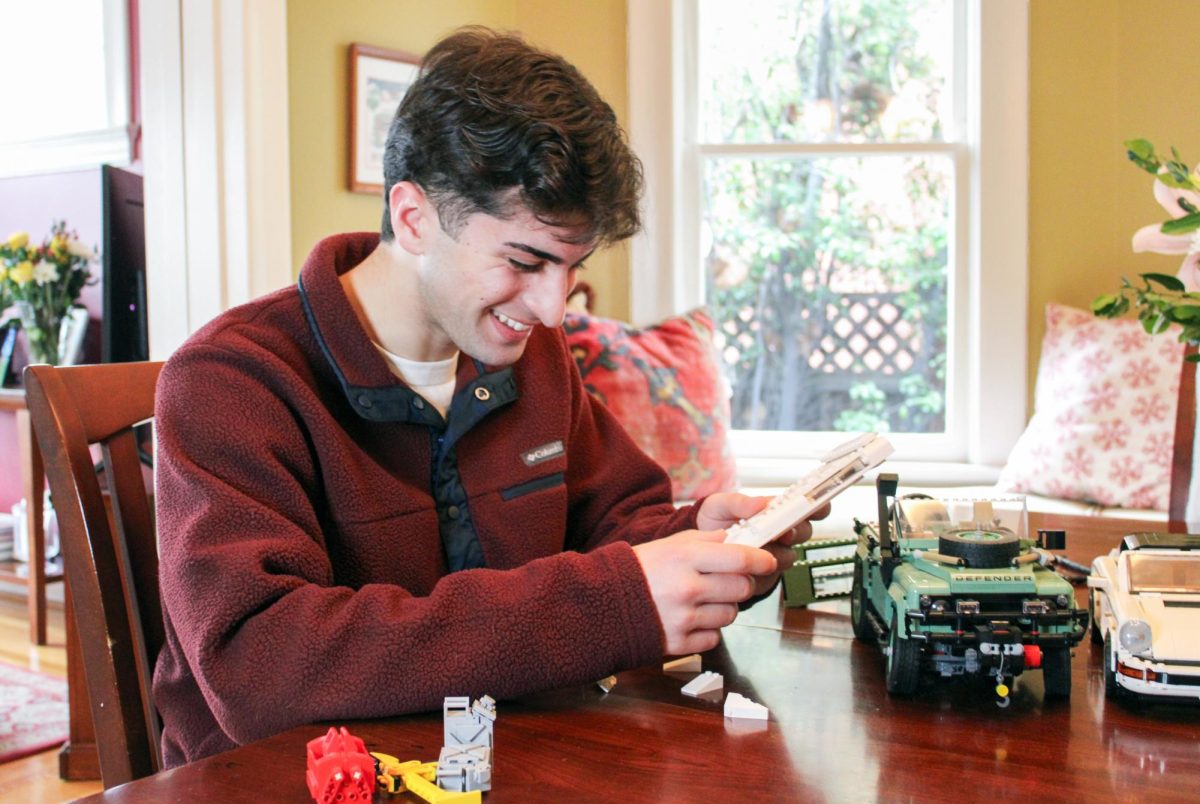
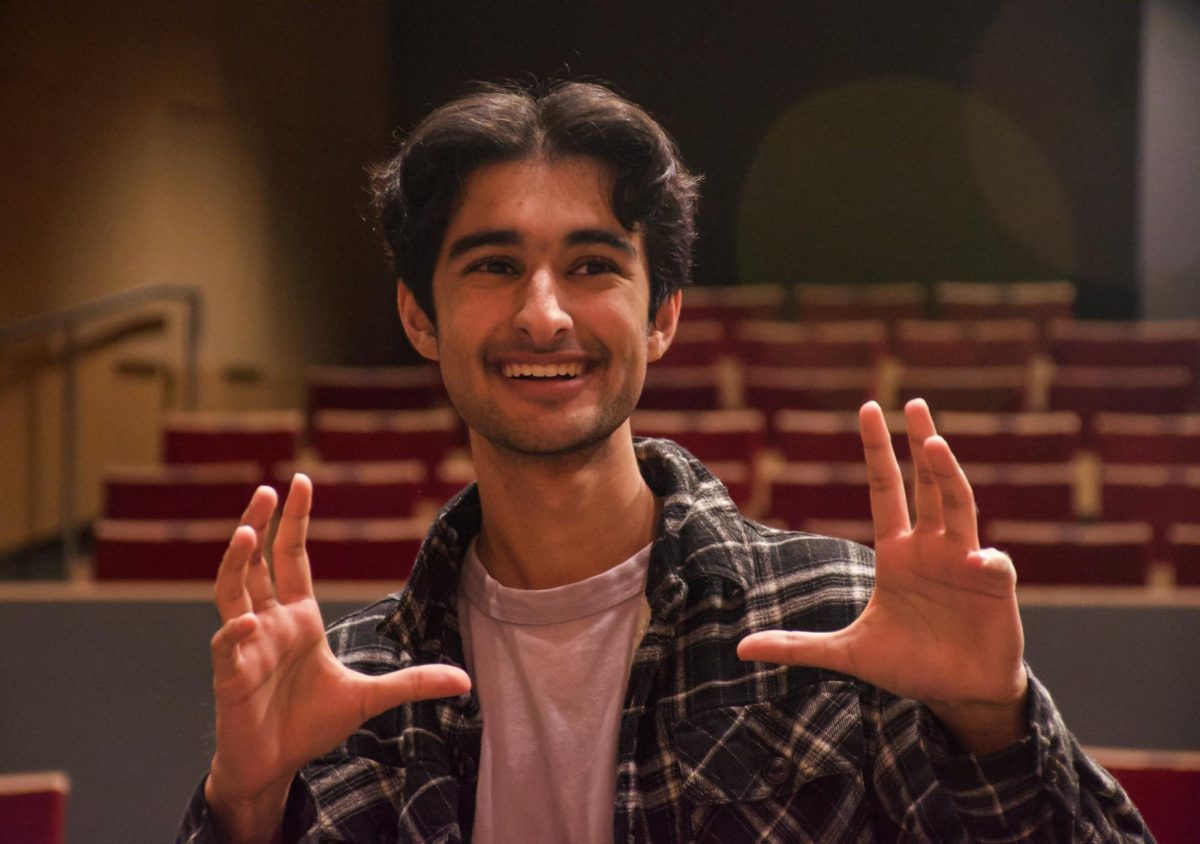
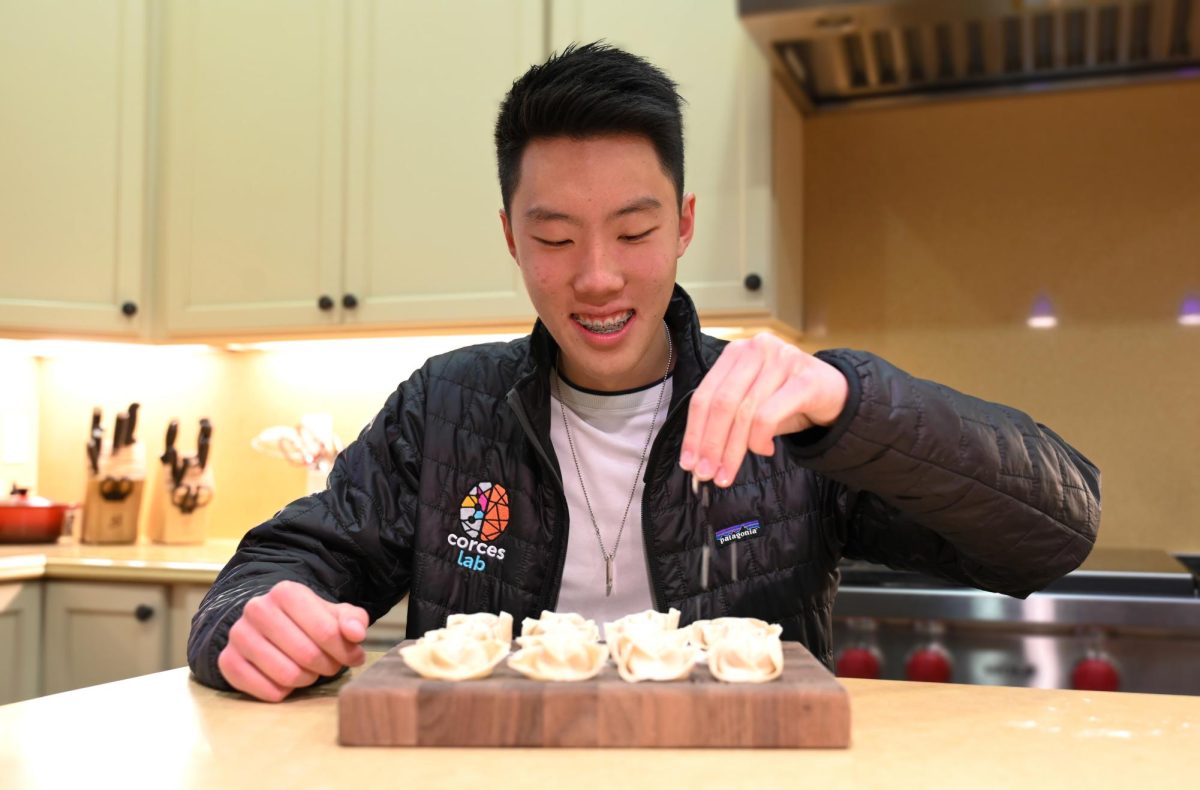
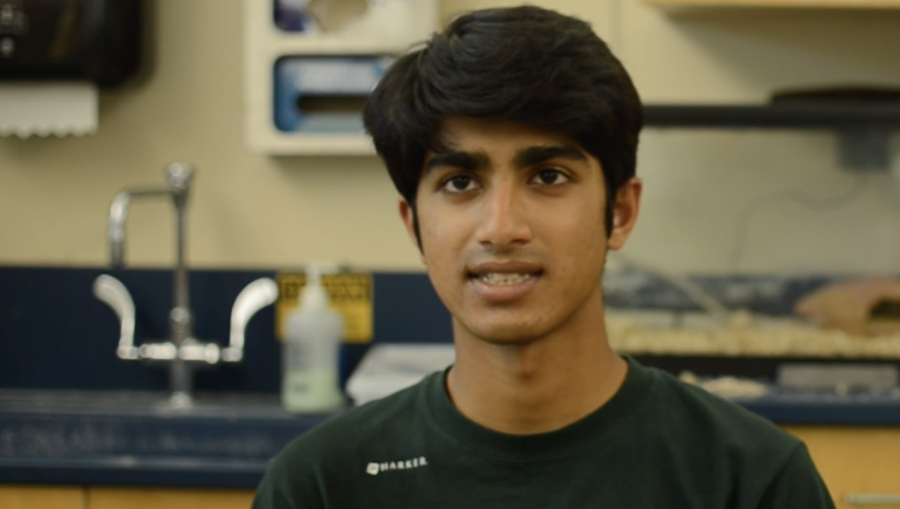
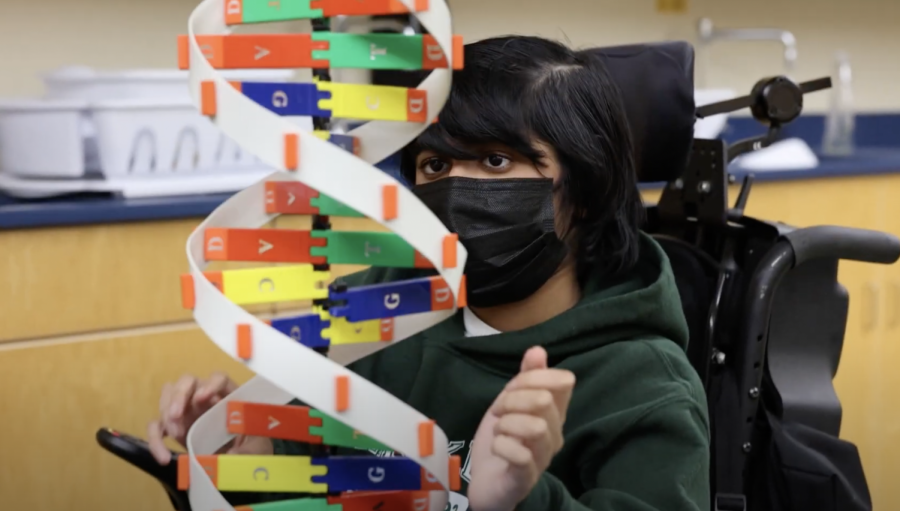
![“[Building nerf blasters] became this outlet of creativity for me that hasn't been matched by anything else. The process [of] making a build complete to your desire is such a painstakingly difficult process, but I've had to learn from [the skills needed from] soldering to proper painting. There's so many different options for everything, if you think about it, it exists. The best part is [that] if it doesn't exist, you can build it yourself," Ishaan Parate said.](https://harkeraquila.com/wp-content/uploads/2022/08/DSC_8149-900x604.jpg)
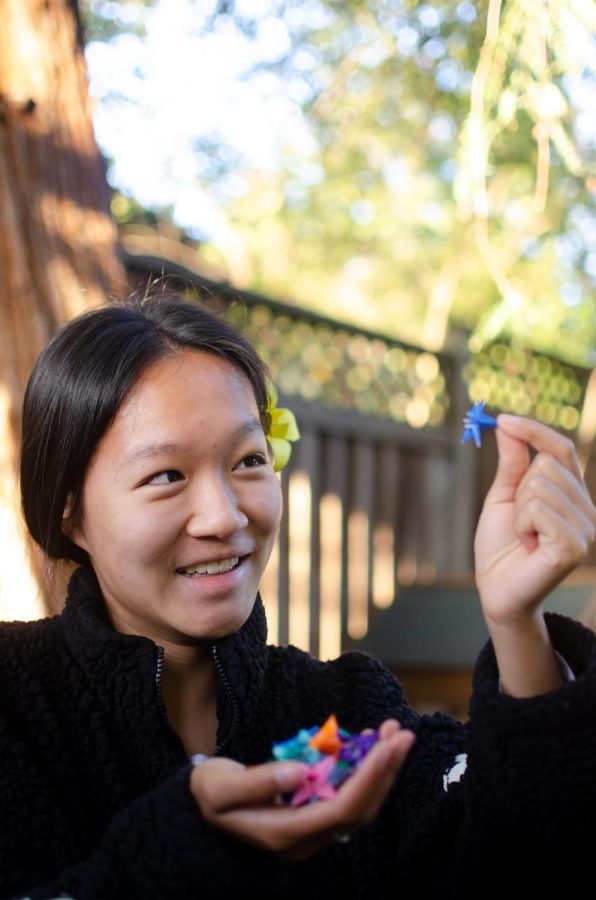
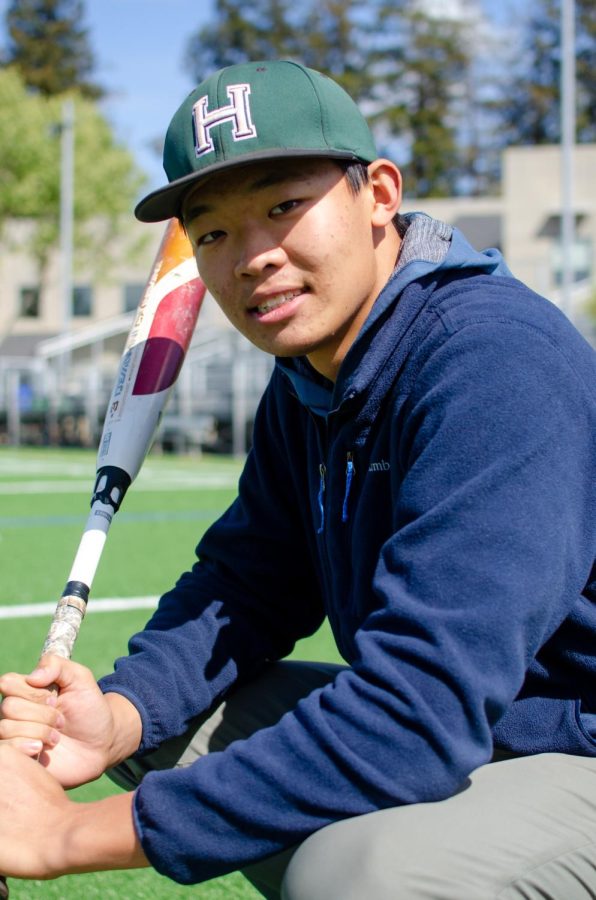
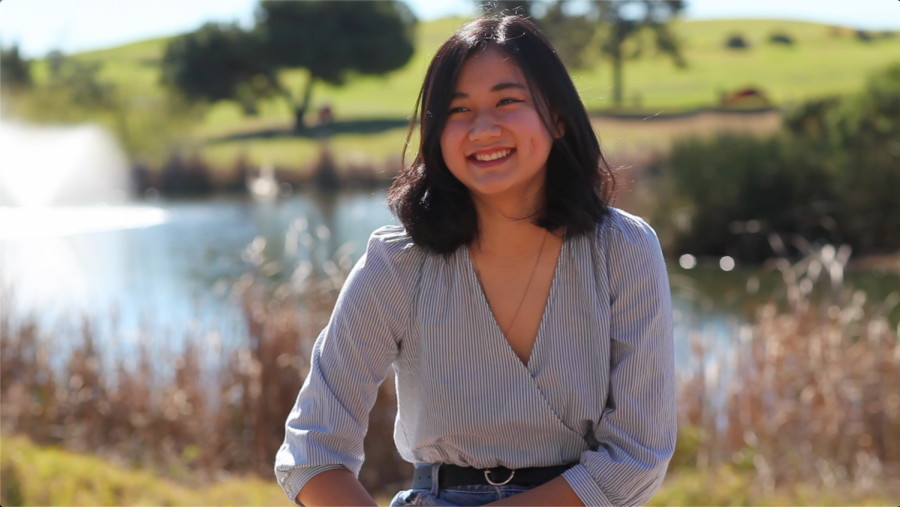
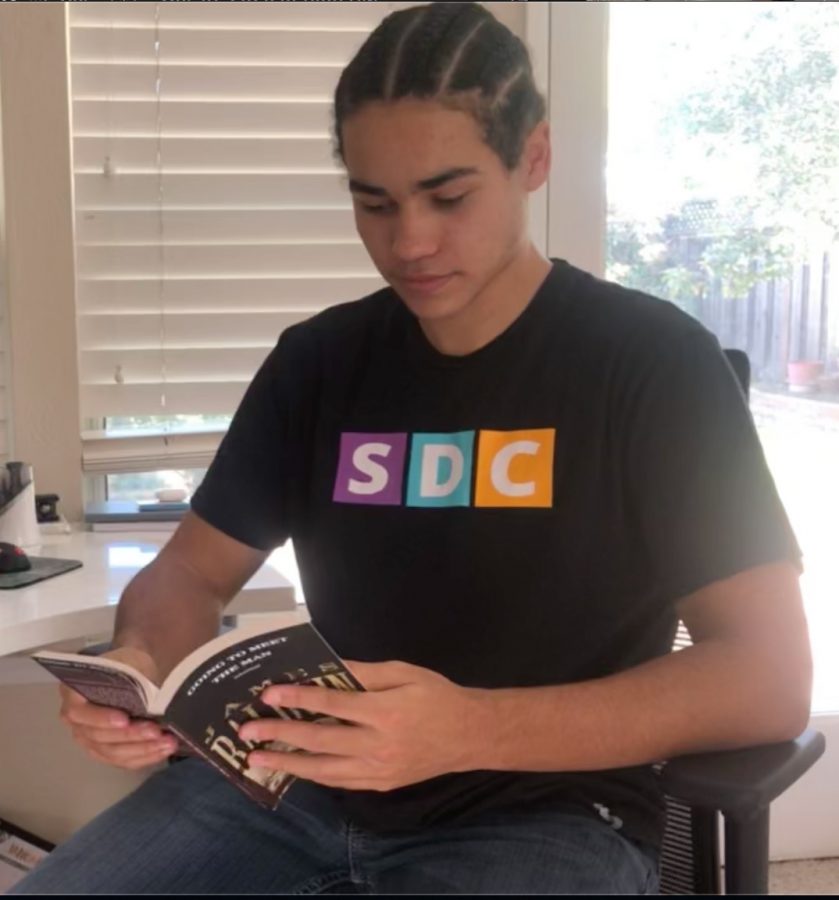
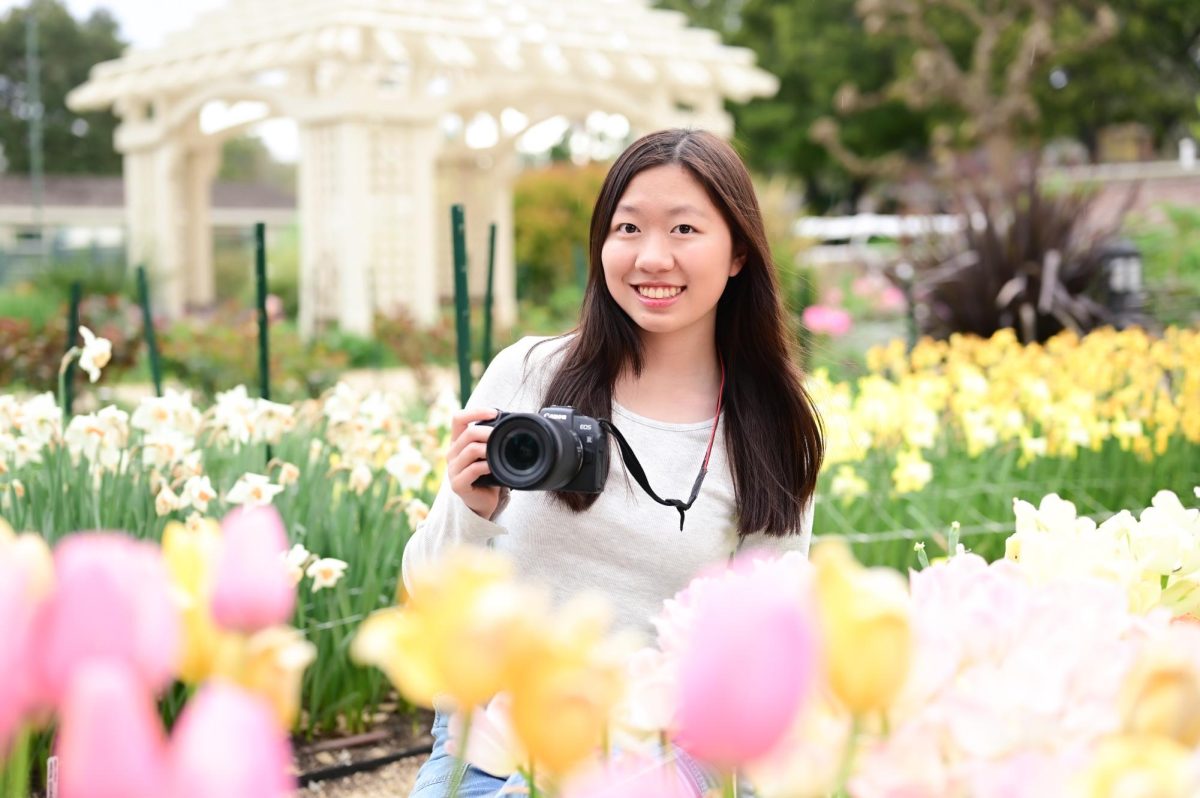
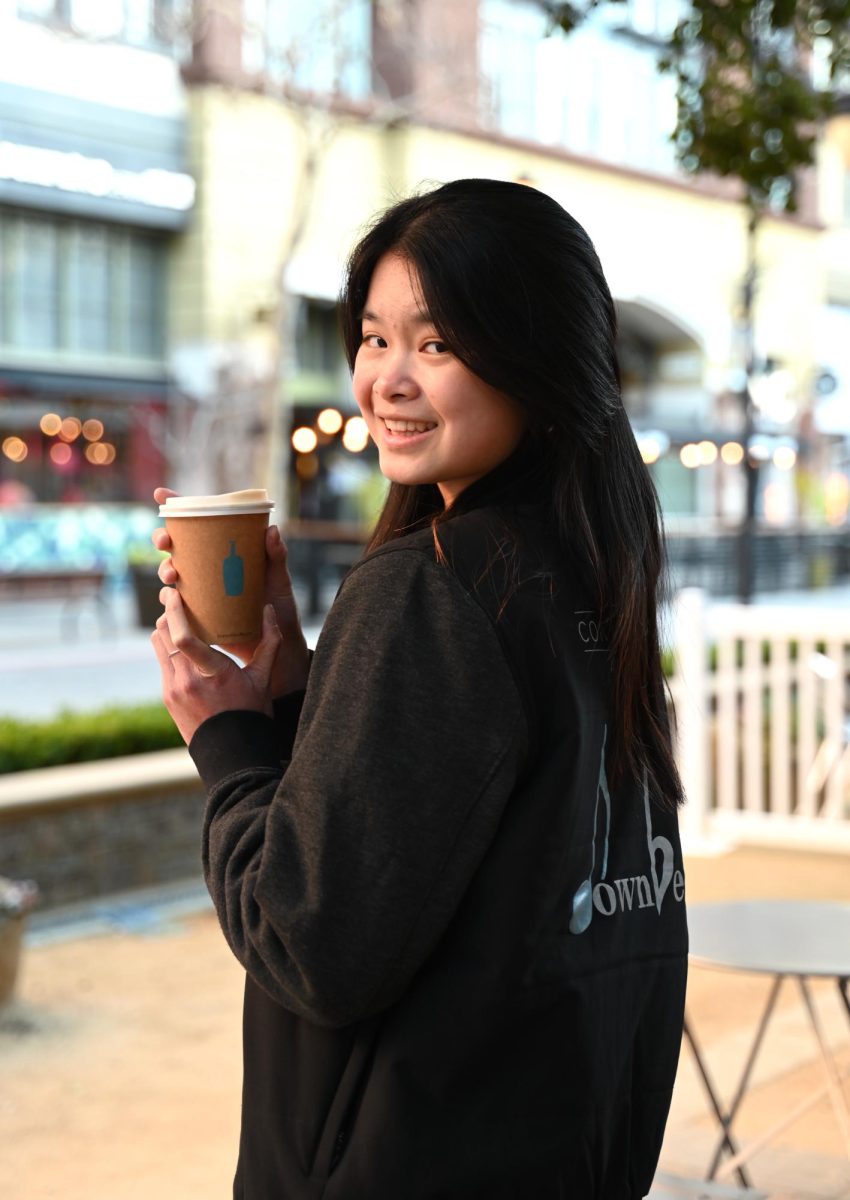
![“When I came into high school, I was ready to be a follower. But DECA was a game changer for me. It helped me overcome my fear of public speaking, and it's played such a major role in who I've become today. To be able to successfully lead a chapter of 150 students, an officer team and be one of the upperclassmen I once really admired is something I'm [really] proud of,” Anvitha Tummala ('21) said.](https://harkeraquila.com/wp-content/uploads/2021/07/Screen-Shot-2021-07-25-at-9.50.05-AM-900x594.png)
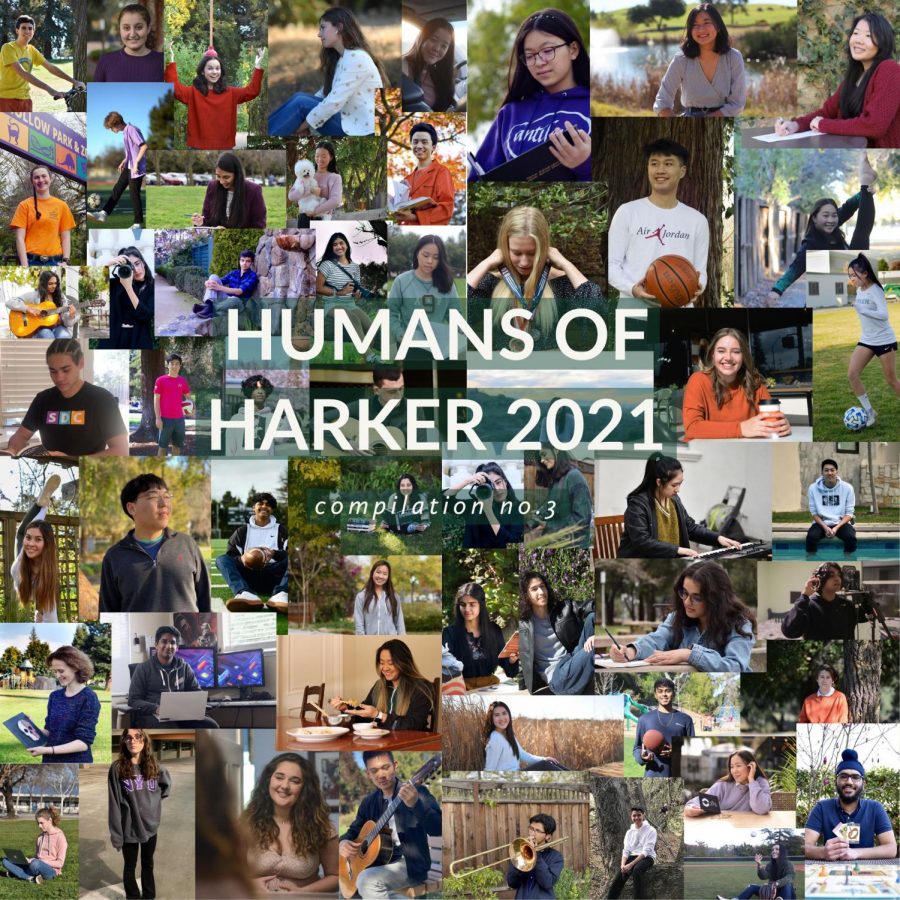
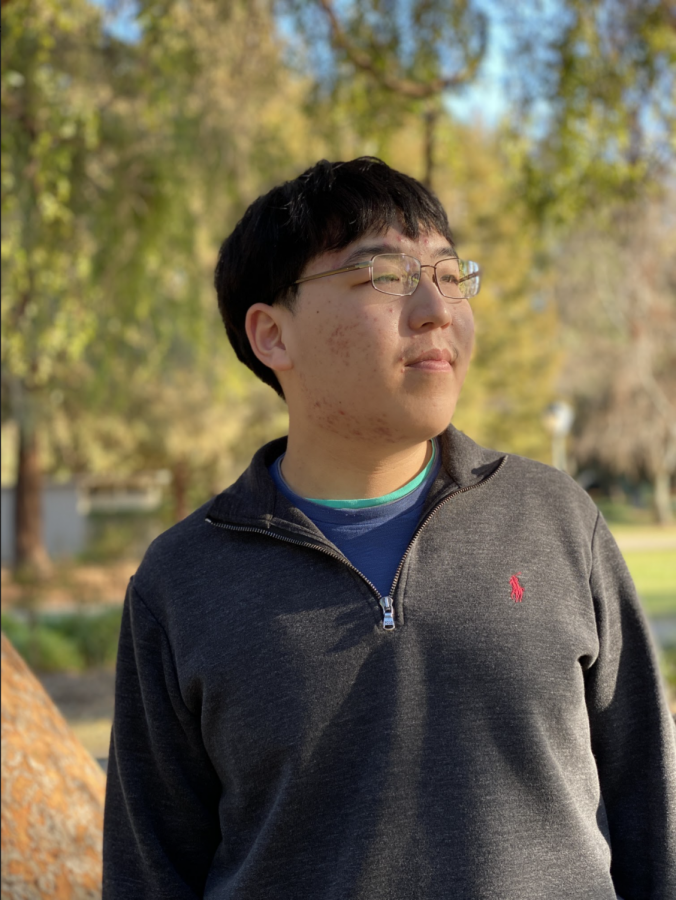
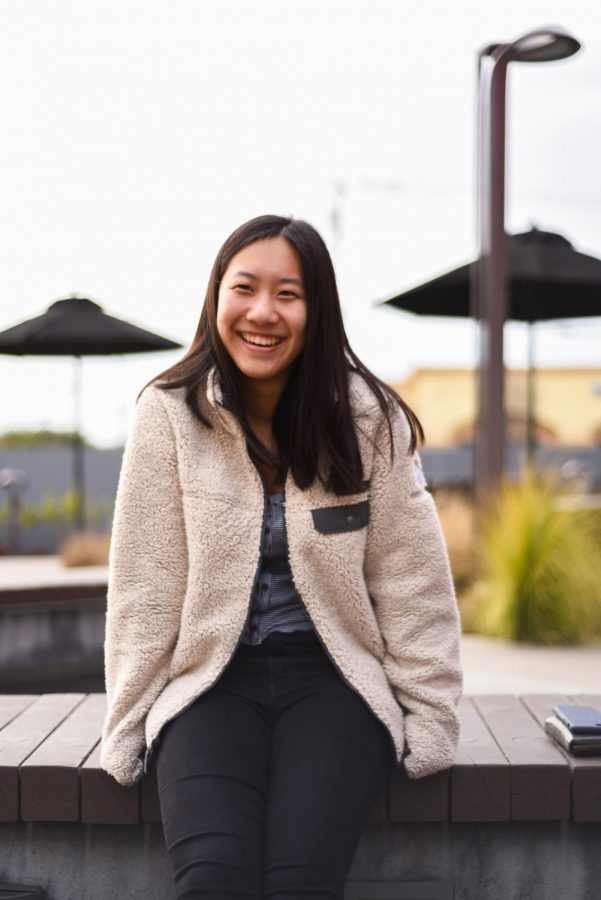
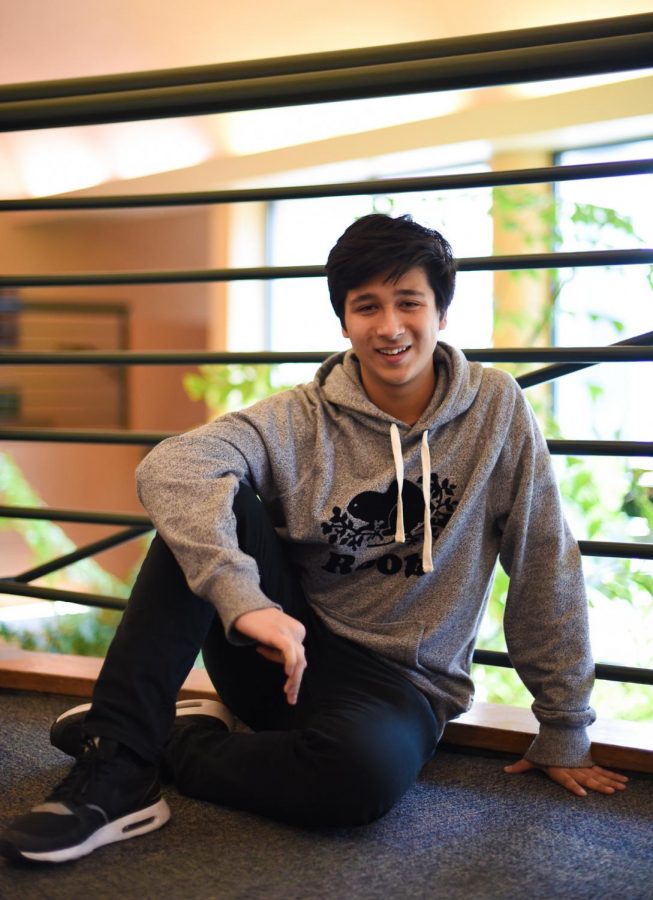
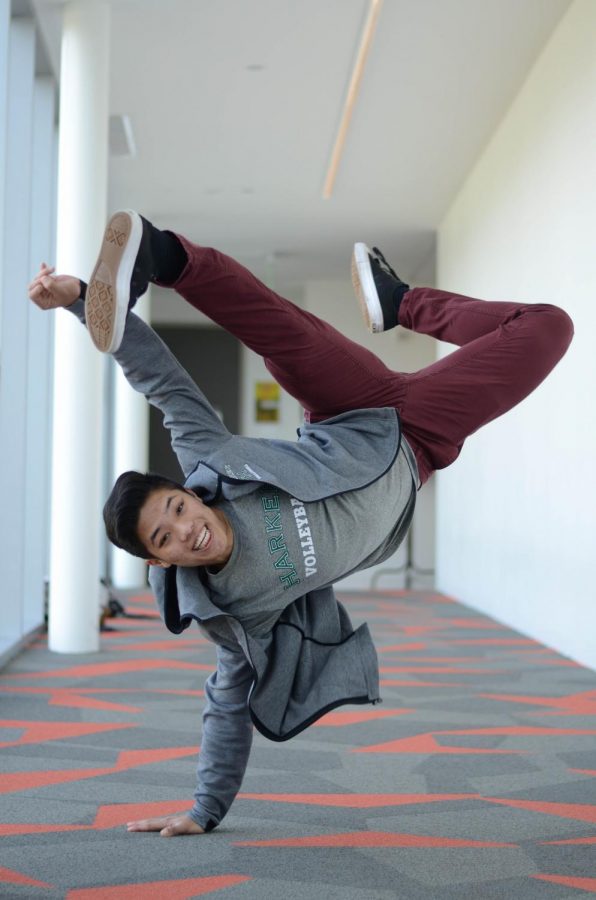
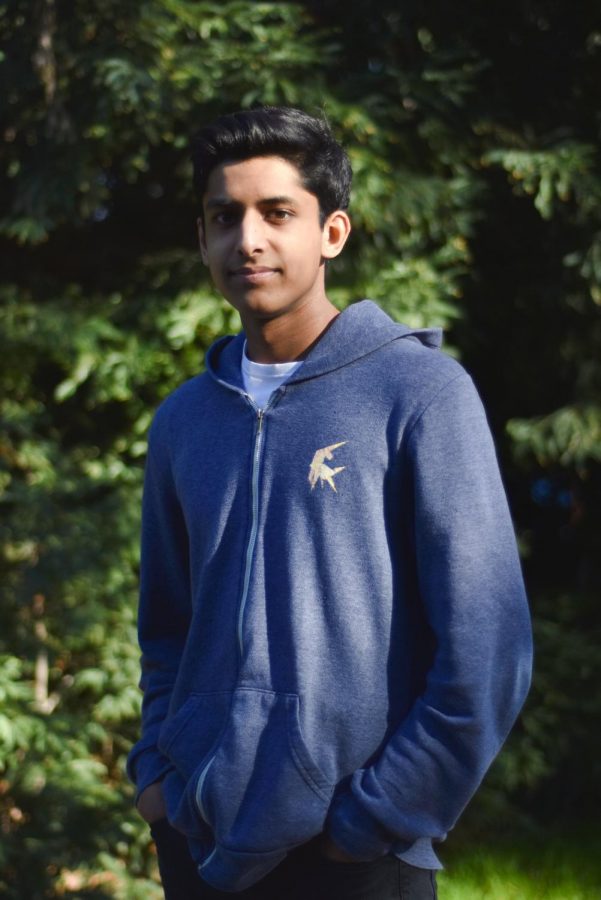

![“I think getting up in the morning and having a sense of purpose [is exciting]. I think without a certain amount of drive, life is kind of obsolete and mundane, and I think having that every single day is what makes each day unique and kind of makes life exciting,” Neymika Jain (12) said.](https://harkeraquila.com/wp-content/uploads/2017/06/Screen-Shot-2017-06-03-at-4.54.16-PM.png)

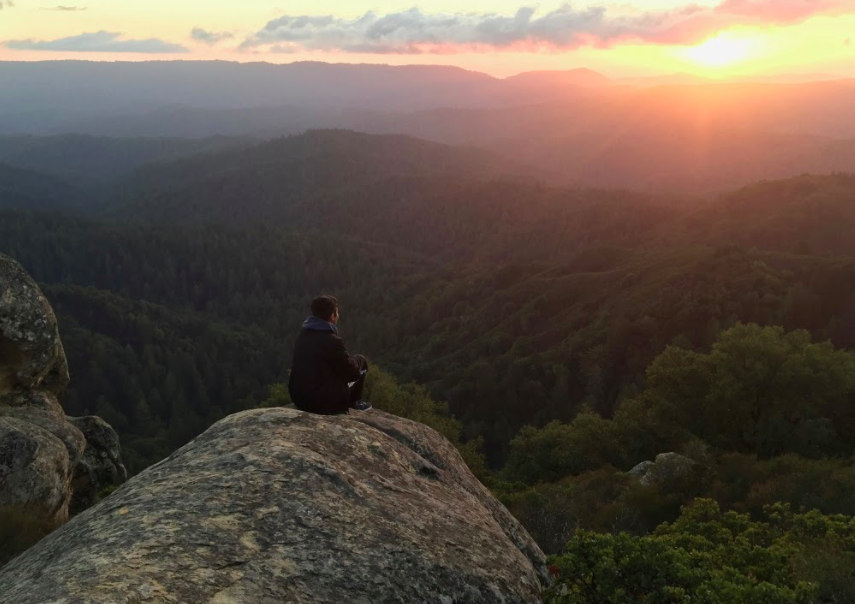
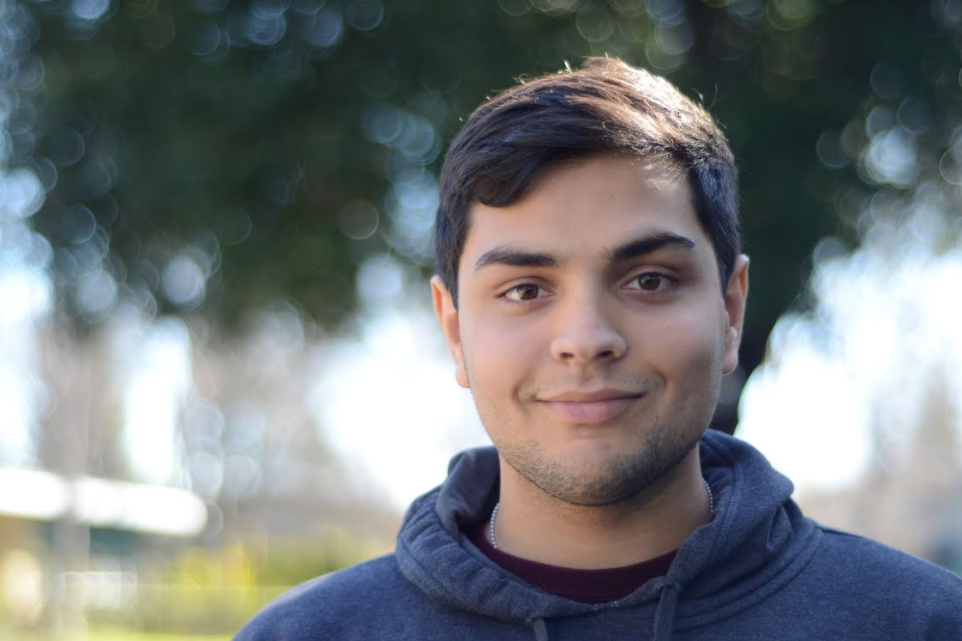
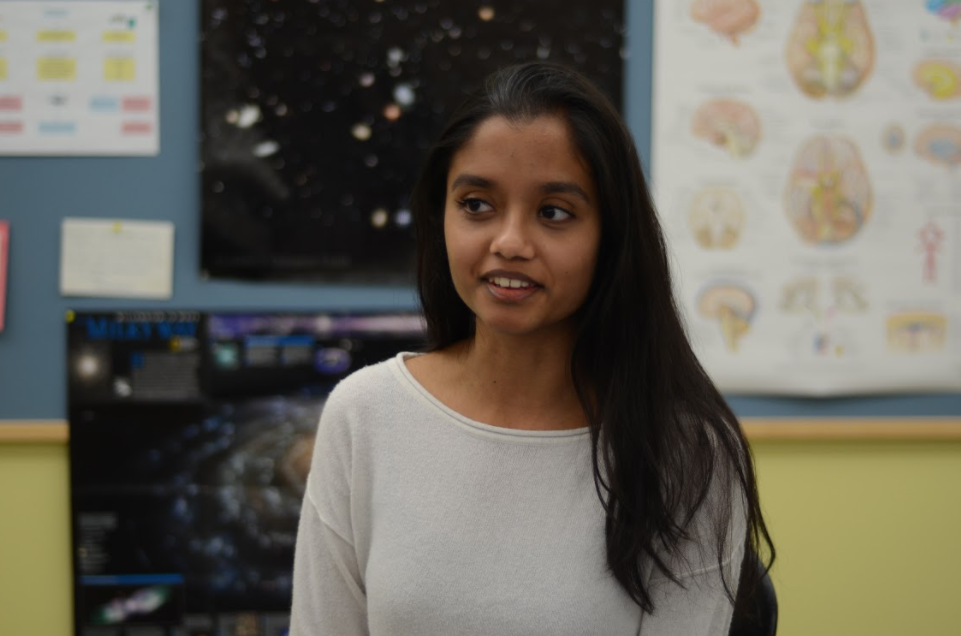
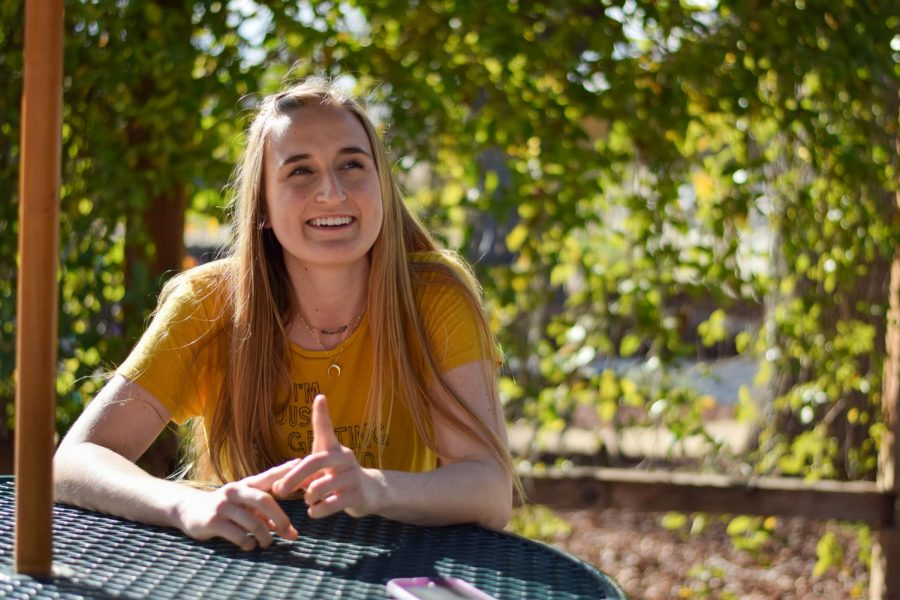
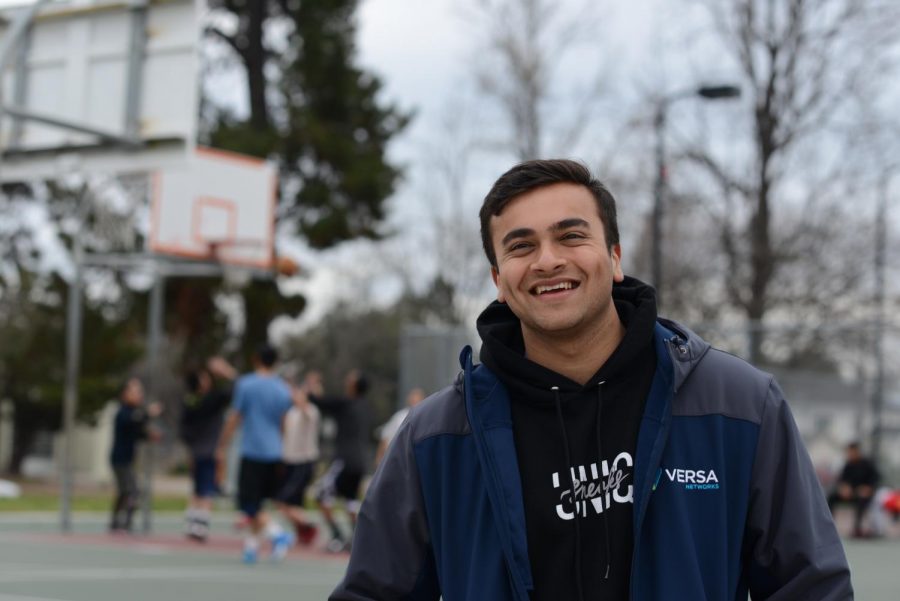
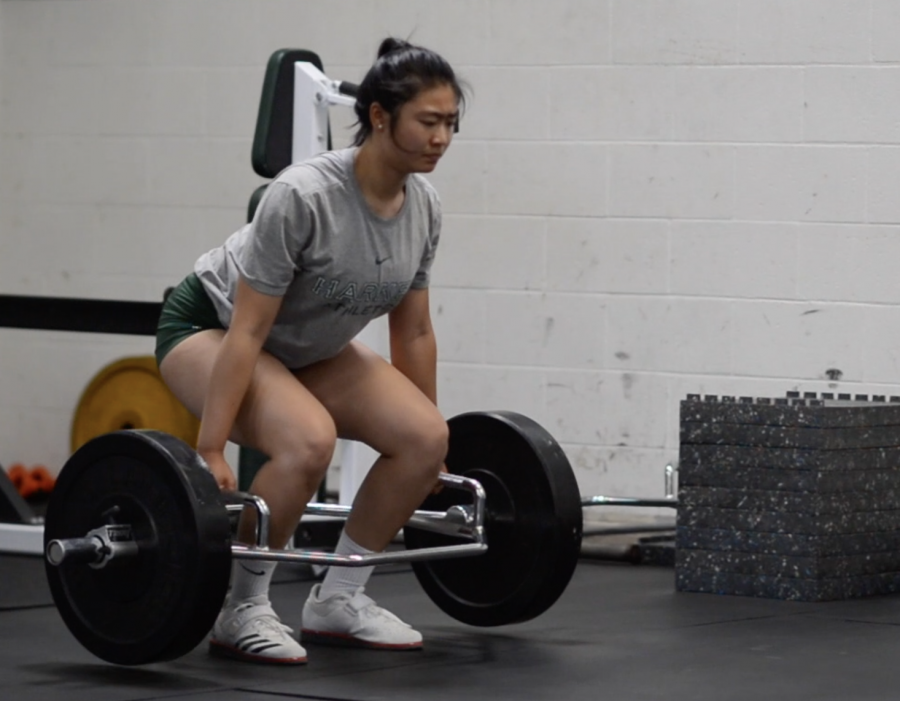
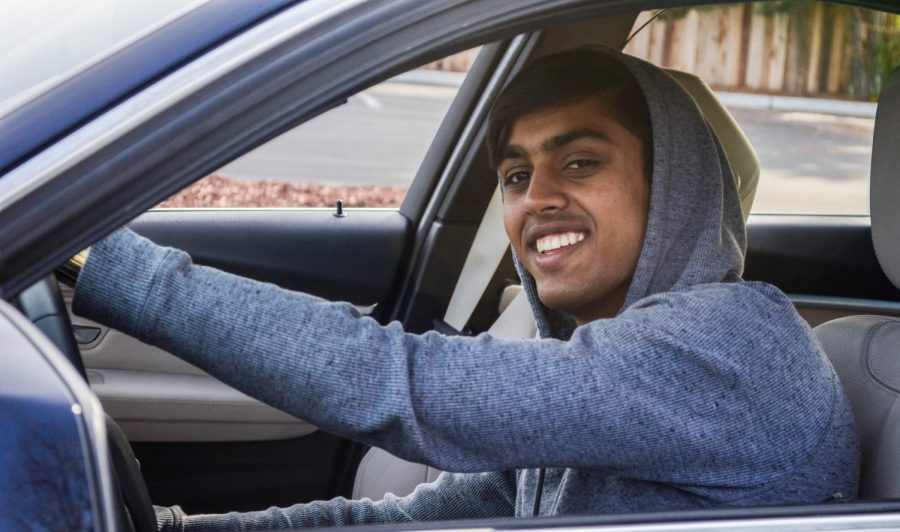
![“My slogan is ‘slow feet, don’t eat, and I’m hungry.’ You need to run fast to get where you are–you aren't going to get those championships if you aren't fast,” Angel Cervantes (12) said. “I want to do well in school on my tests and in track and win championships for my team. I live by that, [and] I can do that anywhere: in the classroom or on the field.”](https://harkeraquila.com/wp-content/uploads/2018/06/DSC5146-900x601.jpg)
![“[Volleyball has] taught me how to fall correctly, and another thing it taught is that you don’t have to be the best at something to be good at it. If you just hit the ball in a smart way, then it still scores points and you’re good at it. You could be a background player and still make a much bigger impact on the team than you would think,” Anya Gert (’20) said.](https://harkeraquila.com/wp-content/uploads/2020/06/AnnaGert_JinTuan_HoHPhotoEdited-600x900.jpeg)
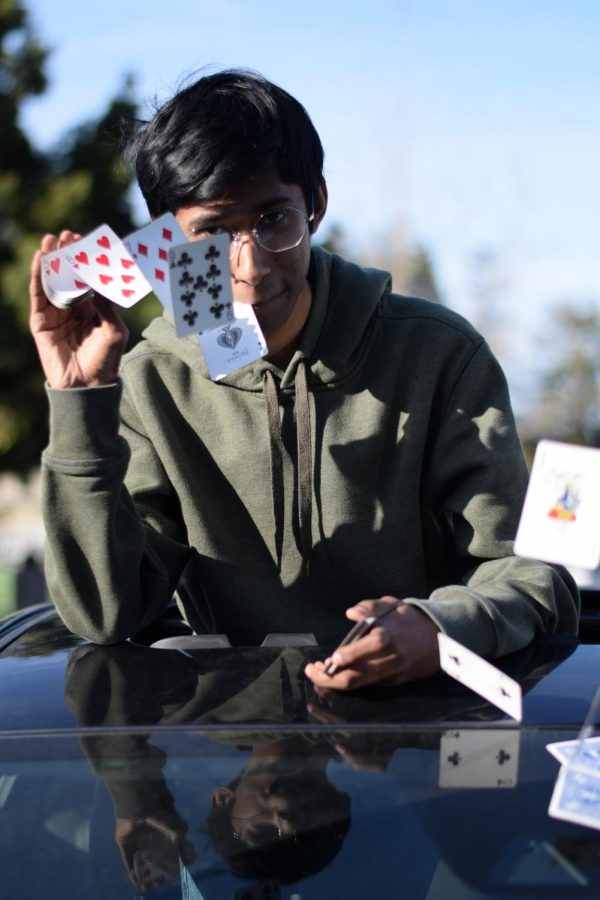
![“I'm not nearly there yet, but [my confidence has] definitely been getting better since I was pretty shy and timid coming into Harker my freshman year. I know that there's a lot of people that are really confident in what they do, and I really admire them. Everyone's so driven and that has really pushed me to kind of try to find my own place in high school and be more confident,” Alyssa Huang (’20) said.](https://harkeraquila.com/wp-content/uploads/2020/06/AlyssaHuang_EmilyChen_HoHPhoto-900x749.jpeg)

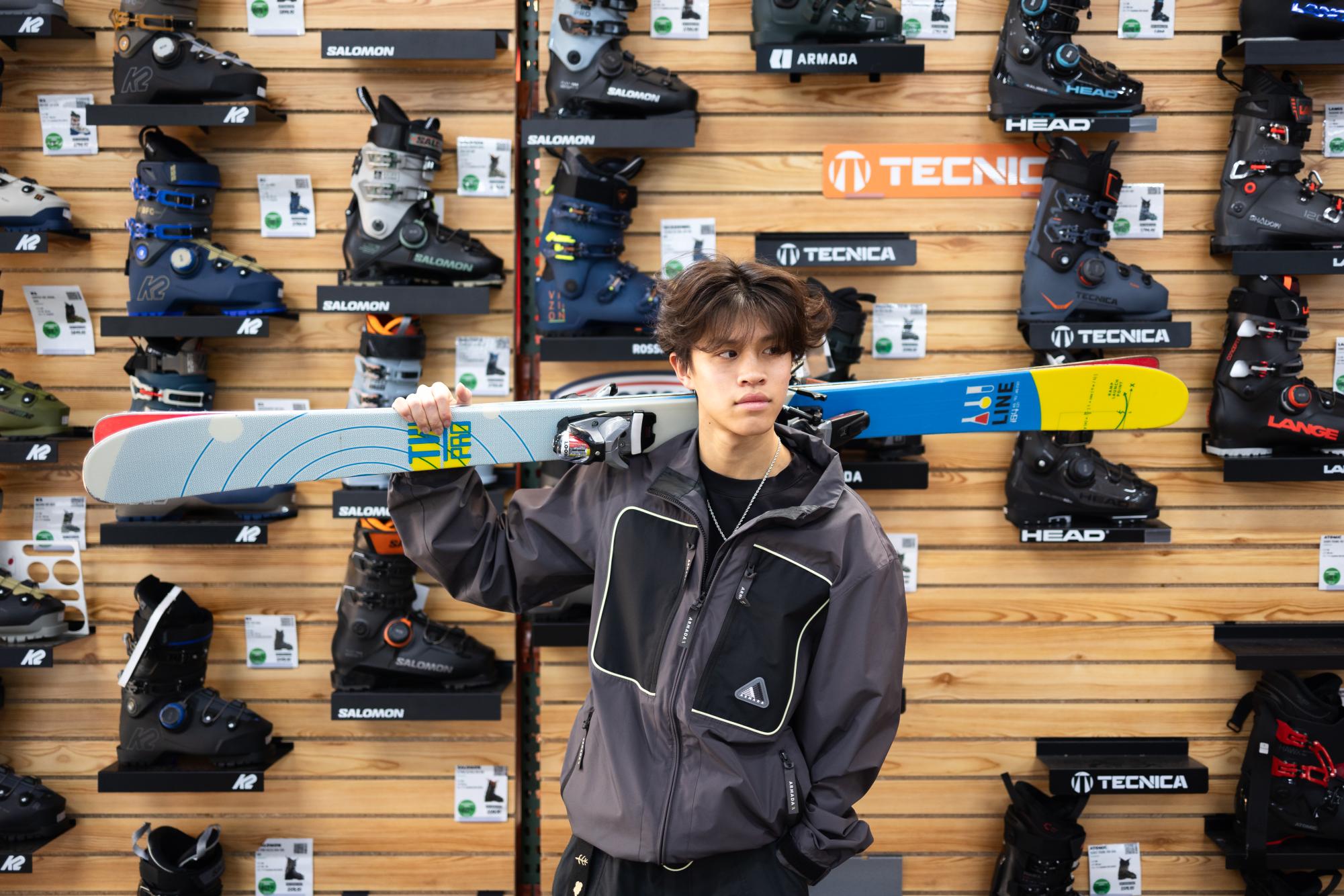
Atop blankets of powdered snow that melt to the touch, senior Timmy Chen shuffles his skis to the cliff’s edge. Falling away at nearly 45 degrees, the slope tugs at Timmy’s gut. He squints at the drop — dazzling white snow cloaking a minefield of rocks and tree stumps.
Twice already had he shaken his head and taken the easier route down. This wouldn’t be the third.
“Every time I passed by the cliff, I kept wanting to jump,” Timmy said. “But fear makes you stay still and never move. You’re doing something dangerous, and you only think about the risks. So eventually, it came to a point where I realized, ‘What am I doing? Am I really going to let this hold me back?’”
To Timmy, fear and thrill are two sides of the same coin. Far more so than mindless risk-taking, he relishes the mental gymnastics it takes to flip the metaphorical coin from one side to another.
“To me, skiing breaks a limitation that our evolution and my own mind has set,” Timmy said.“Over time, the brain has developed to err on the side of caution. So limitations are important, but some are unhealthy — they hold you back and keep you stuck where you are.”
Not only does Timmy embrace fear as intrinsic to human nature, he seeks the next step by confronting its source. Since he was a toddler, Timmy traveled to ski resorts from Tahoe to Jackson Hole at least five times a year.
As Timmy grew older, he increasingly frequented resorts’ terrain parks with arrays of pipes, ramps and rails which lend well to airborne acrobatics. With each run, he attempts to tack on an extra half spin or build a little more momentum.
“It’s always good to be a little bit out of control if you want to push your limits,” Timmy said. “Otherwise, you won’t really make progress. You really can tell when it goes from a ‘Oh, let me try this,’ out of control to a feeling of ‘Oh my God, that was very sketchy and I almost got myself hurt.’”
For instance, this past winter, Timmy vowed to land a full backflip off a jump. He recalled how when the day finally came, he mustered the courage to twist his body back midair only through hearing the support of fellow teenage skiers. Aware of the risks, Timmy nevertheless stuck to what he promised himself, a mental shift he reminisces on to this day.
Timmy’s close friend Jerry Ge, a junior at Saratoga High School, once went with Timmy’s family to ski at Palisades Tahoe. On the lift above one of the steepest runs at Palisades, Timmy spotted moguls, or raised bumps, on the sides of the run which people were avoiding. Instead of following suit, Timmy tried multiple times to flip off a mogul, landing it several times in two hours after initially falling badly.
“Timmy is always trying to maximize the experience for himself and push himself to his limits,” Jerry said. “He saw the moguls as another challenge in his way. From the outside, you might think that he’s gifted with this ability to do amazing things with skis. But after spending many days skiing with him, I realized that a lot of the crazy things that he does are built off his own preparation and him overcoming many mental barriers.”
Yet despite welcoming almost all challenges, Timmy is still no stranger to occasionally feeling paralyzed by fear.
“I tend not to think about the payout that happens in the future as much,” Timmy said. “I’m discounting it because it’s far away from me. At the same time, I overemphasize the risks because that’s the way our brains are designed to handle these situations. So to me, bravery in skiing is about scaling these two correctly.”
Indeed, to Timmy, every action can and must be explained by the brain’s phenomena. Only through frequently staying conscious of the brain’s propensity for overemphasizing risk does Timmy enable his body to jump, flip and spin.
“I enjoy thinking about the ways we think,” Timmy said.“Why do we think a certain way, how can we predict and model it, and are there ways through which we can convince ourselves to break these patterns? When you ski, there are so many tiny, minuscule decisions that you make. When I should turn, how fast I should go, where should I go, how hard should I try?”
In addition to skiing, Timmy pursues his interest in behavioral economics in order to better understand the way people think. Behavioral economics and econometrics teacher, Dean Lizardo, recounted his first impression of Timmy at the start of his sophomore year. On the first day of class, Lizardo asked what students might want to research, to which Timmy responded “do people with aphantasia have a different way of perceiving risk than others?”, drawing Lizardo’s attention.
“I’ve never had a student ask a question like that before,” Lizardo said. “It was very unique in the sense that he was blending biology and econometrics and a little bit of pure economics to see how risk is just different for people who perceive it differently. In other words, if you can’t imagine a situation, how do you treat risk differently than people who can?”
Closely related to his research question, Timmy’s volunteer work at Achieve Tahoe also enriched his understanding of the brain. As a licensed ski instructor, Timmy guides students from all walks of life — toddlers, seniors, skiers with physical disabilities and neurodivergent conditions.
“A cognitive or affective disability simply is a difference in the way people rationalize and the way they process emotion or stimuli,” Timmy said. “Through education, it’s very interesting to meet people like that because it really is just different kinds of minds that this opportunity teaches me about.”
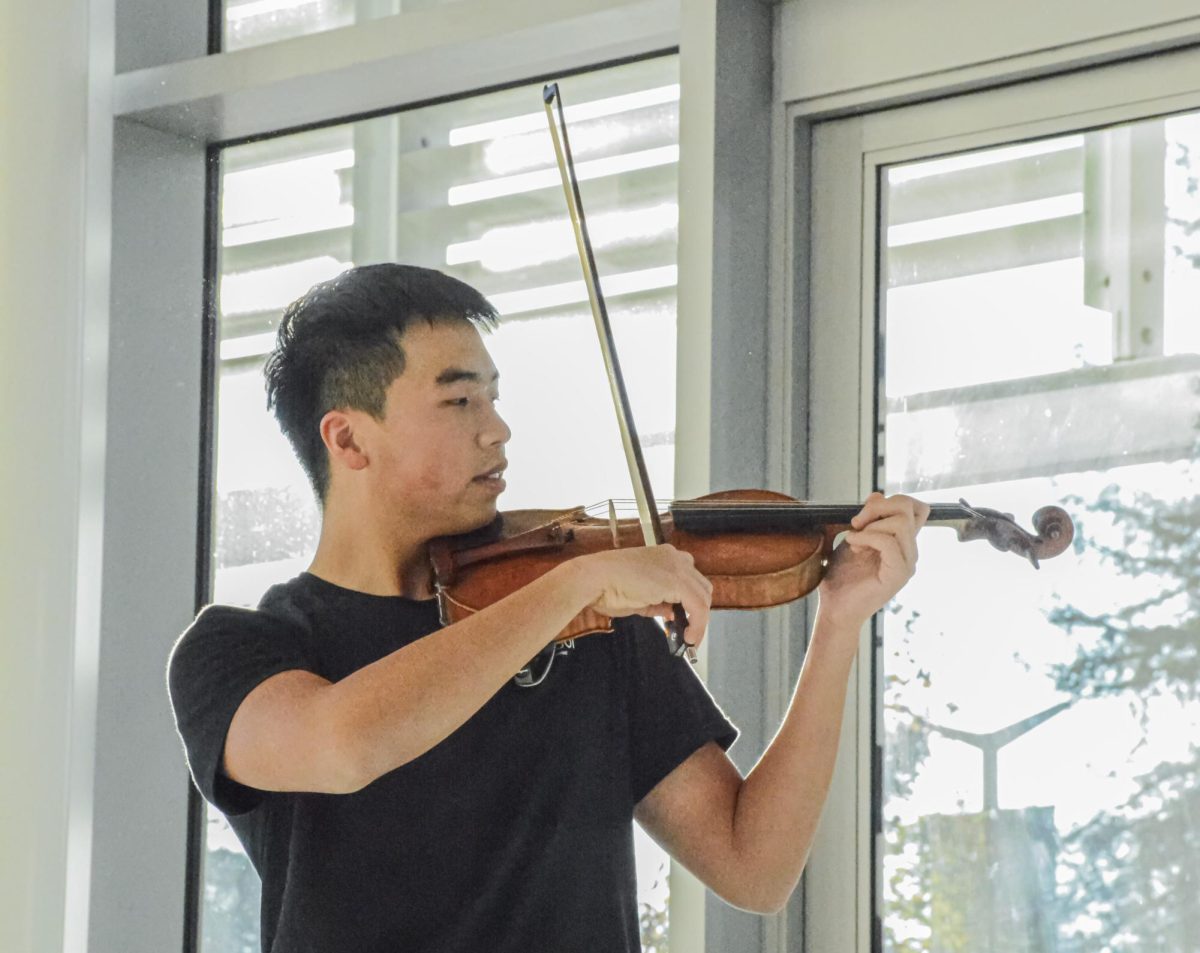
Close friend senior Kairui Sun recently performed a cover of “Selfless” by The Strokes with Timmy at Earthchella in April. Kairui highlighted Timmy’s drive to improve the song by tiny bits, despite only having picked up the guitar in late February. After all, dogged persistence combined with a curious desire to learn is Timmy’s way of life.
“No matter what Timmy’s endeavor is at that moment, he always thinks to himself, ‘how can I maximize getting the most out of this experience?’” Kairui said. “That’s a question that’s really admirable because not a lot of people try to do everything to the maximum.”