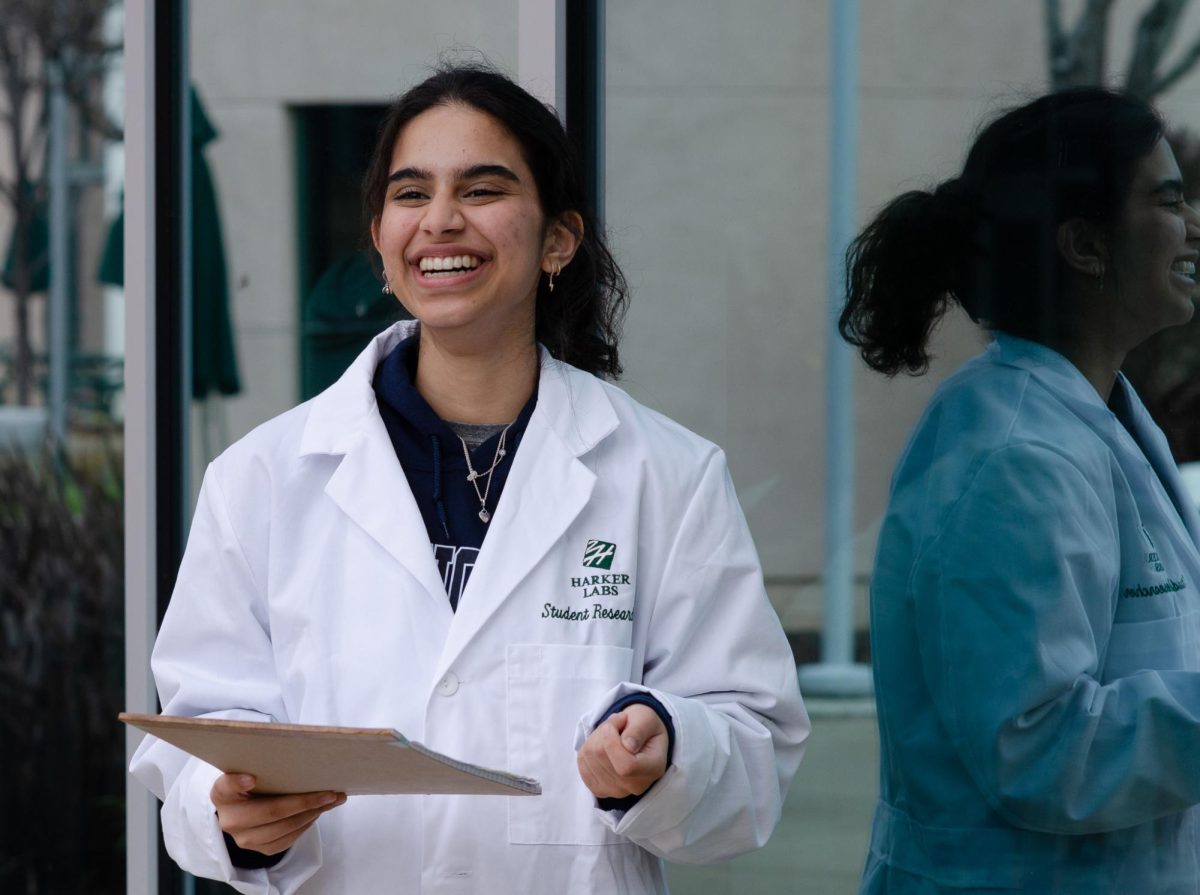
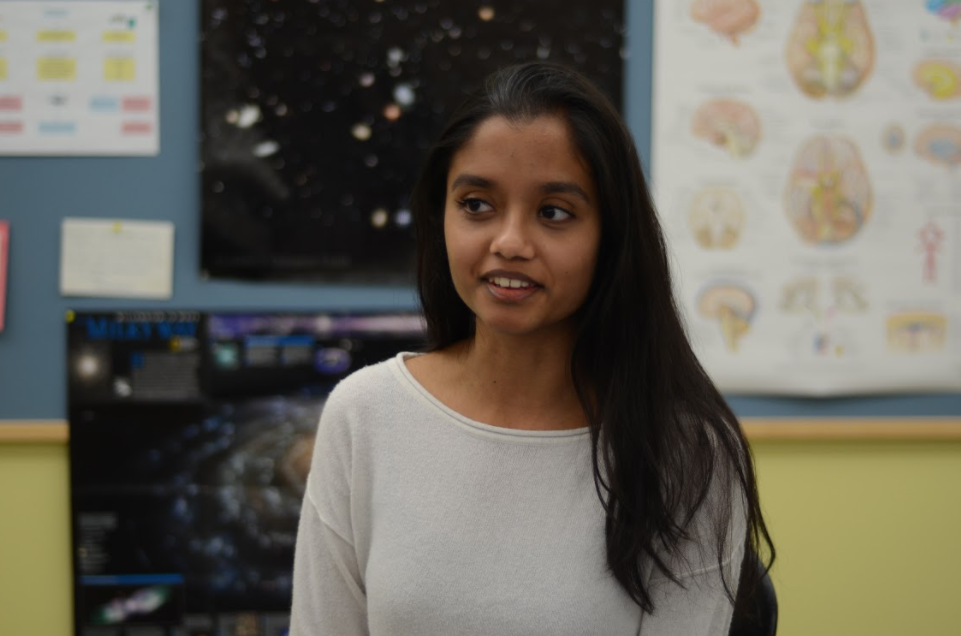
![“I wasn't discouraged by some of the obstacles we faced. I learned a lot from the leadership. I found that different people need different ways of receiving feedback — you can't [just] tell them to do something and expect the best. [Some] people needed more incentive. A large part of my role was to figure out what worked for everyone and to figure out how to lead all these separate individuals as a team,” Suhana Bhandare (’26) said.](https://harkeraquila.com/wp-content/uploads/2026/06/SuhanaBhandare_JasmineHansra-1-1200x798.jpg)
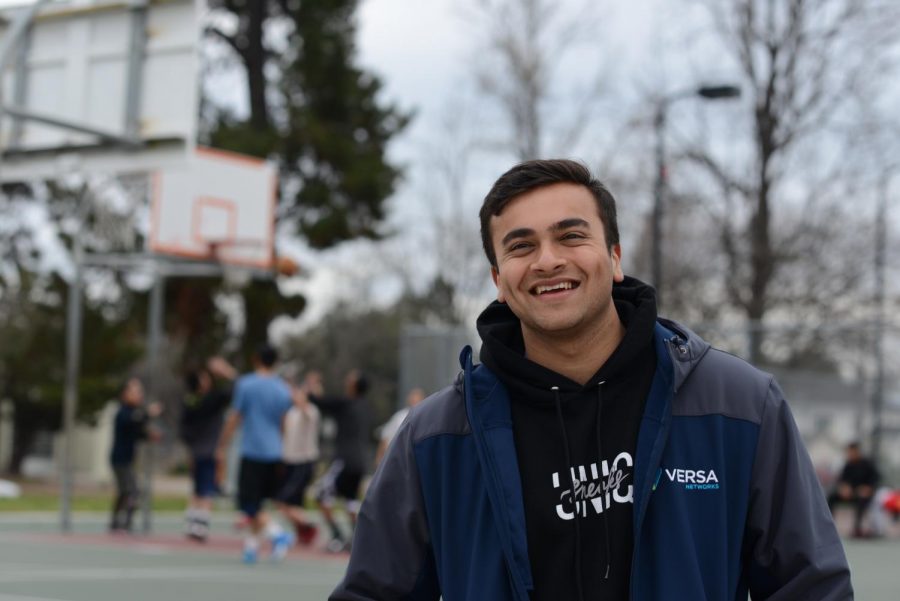
![“This is actually from Randy Pausch Randy P. Brick: ‘Walls are there for a reason. You have to show how much you want to overcome them.’ You have to show how much you want something. That's what I've always been able to do with tennis, Link Crew and getting that internship [with Kushy Baby]. It’s important pushing through that — getting around that brick wall, climbing over it or clawing through it,” Yash Sachdeva (’26) said.](https://harkeraquila.com/wp-content/uploads/2026/05/YashSachdeva_RamBatchu-copy-1200x1002.jpg)
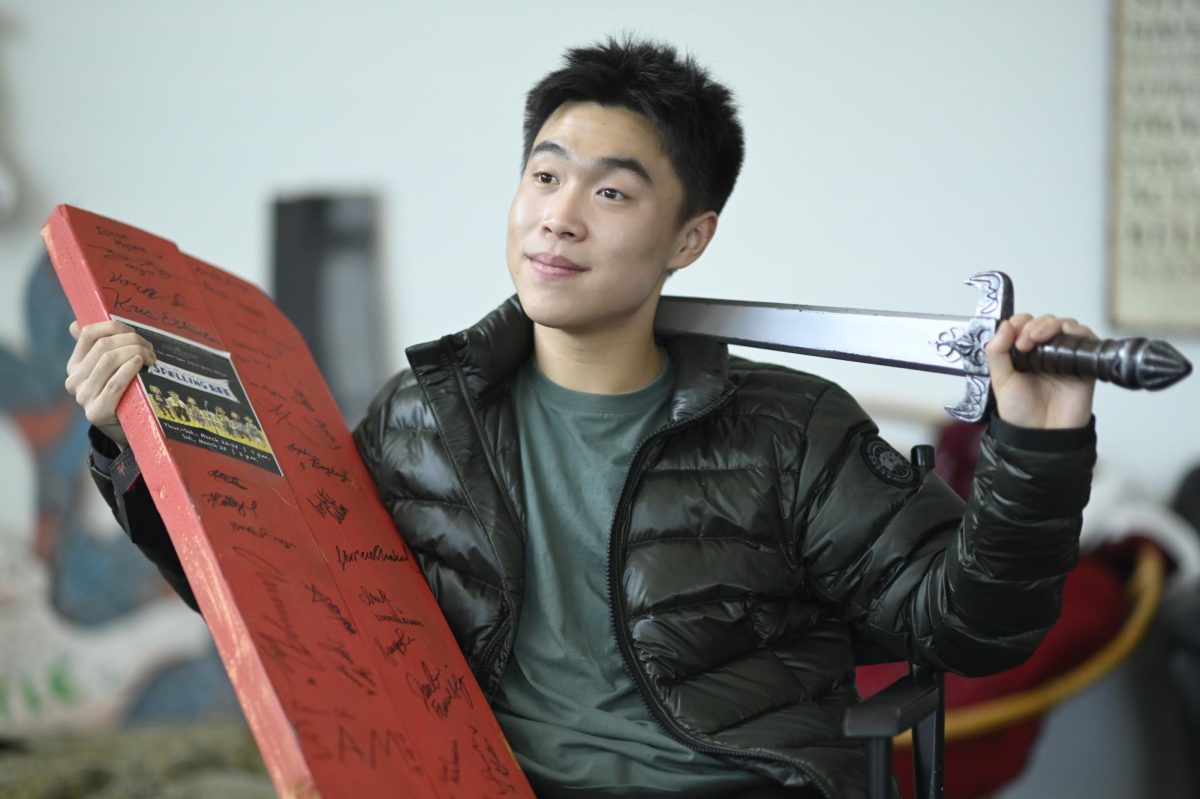
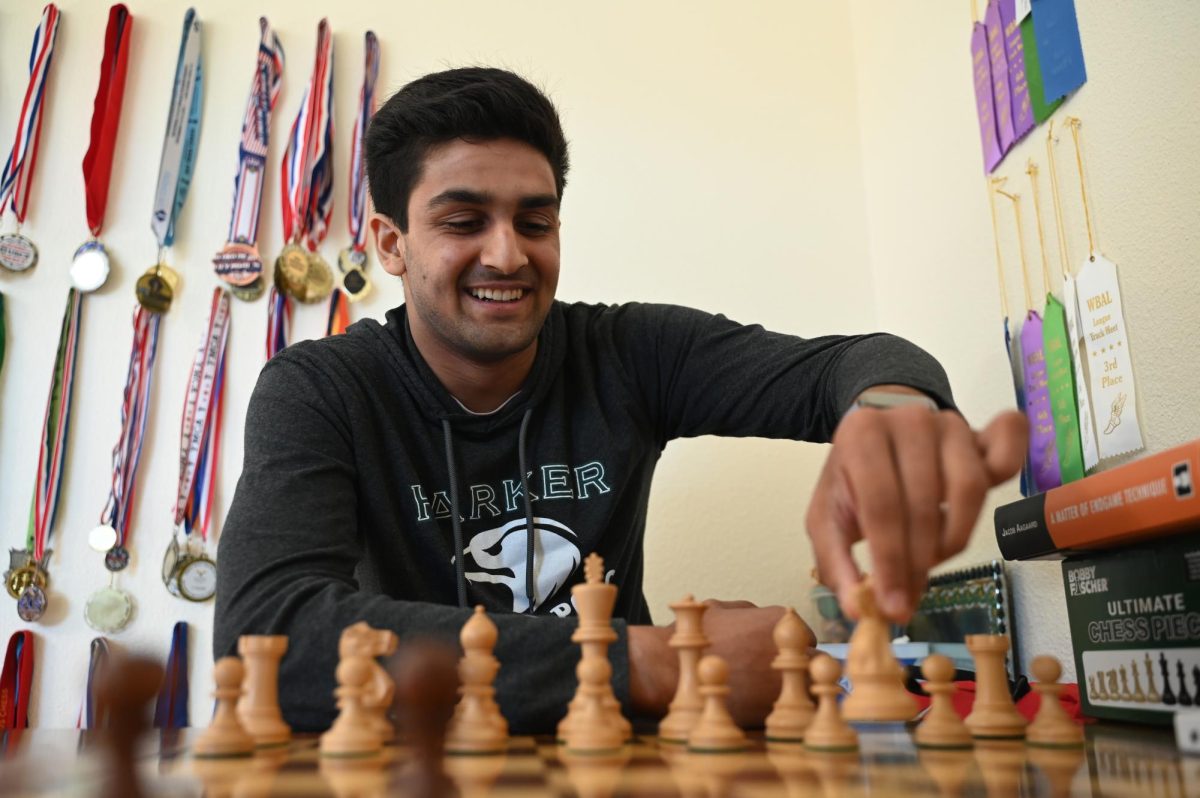
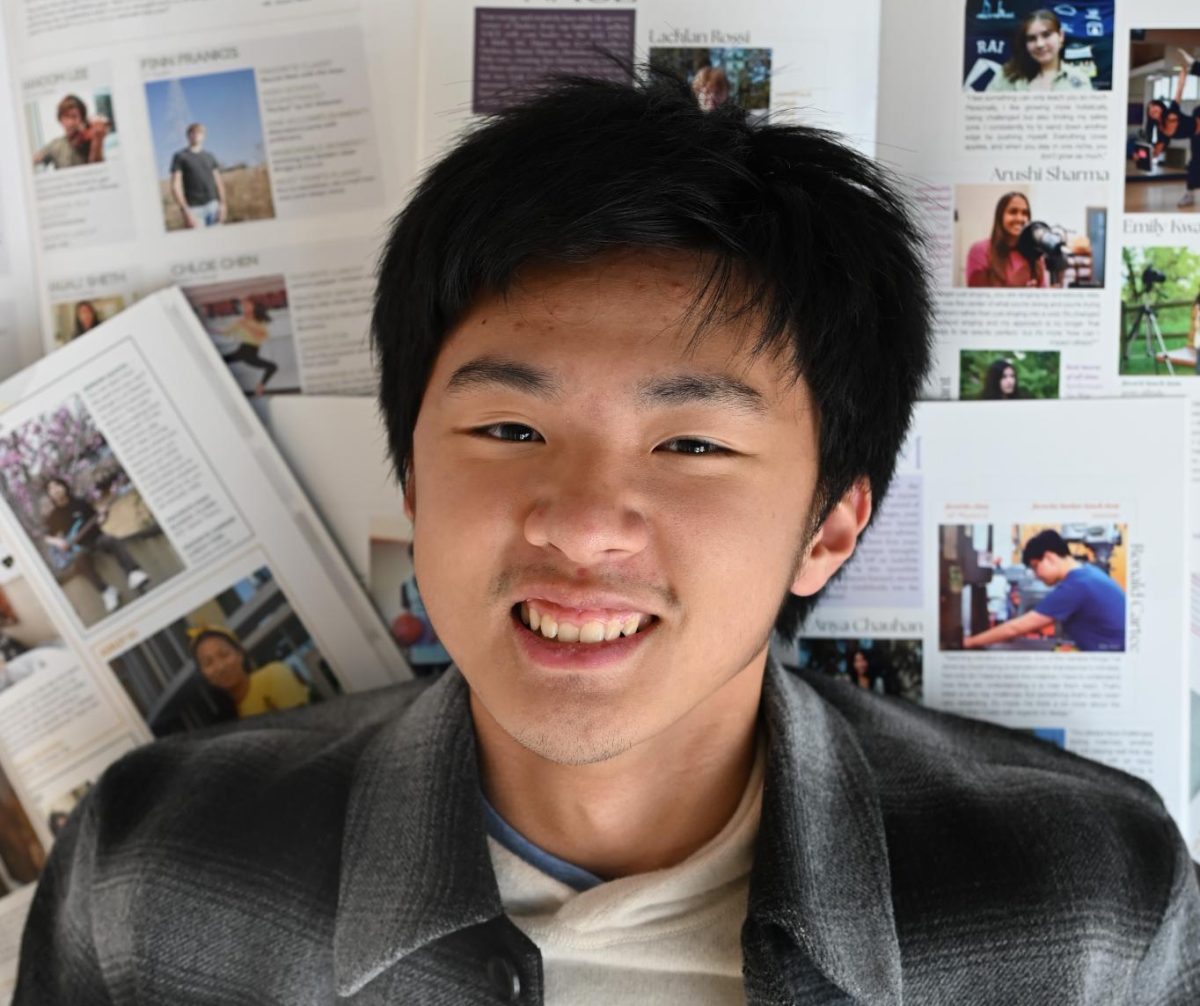
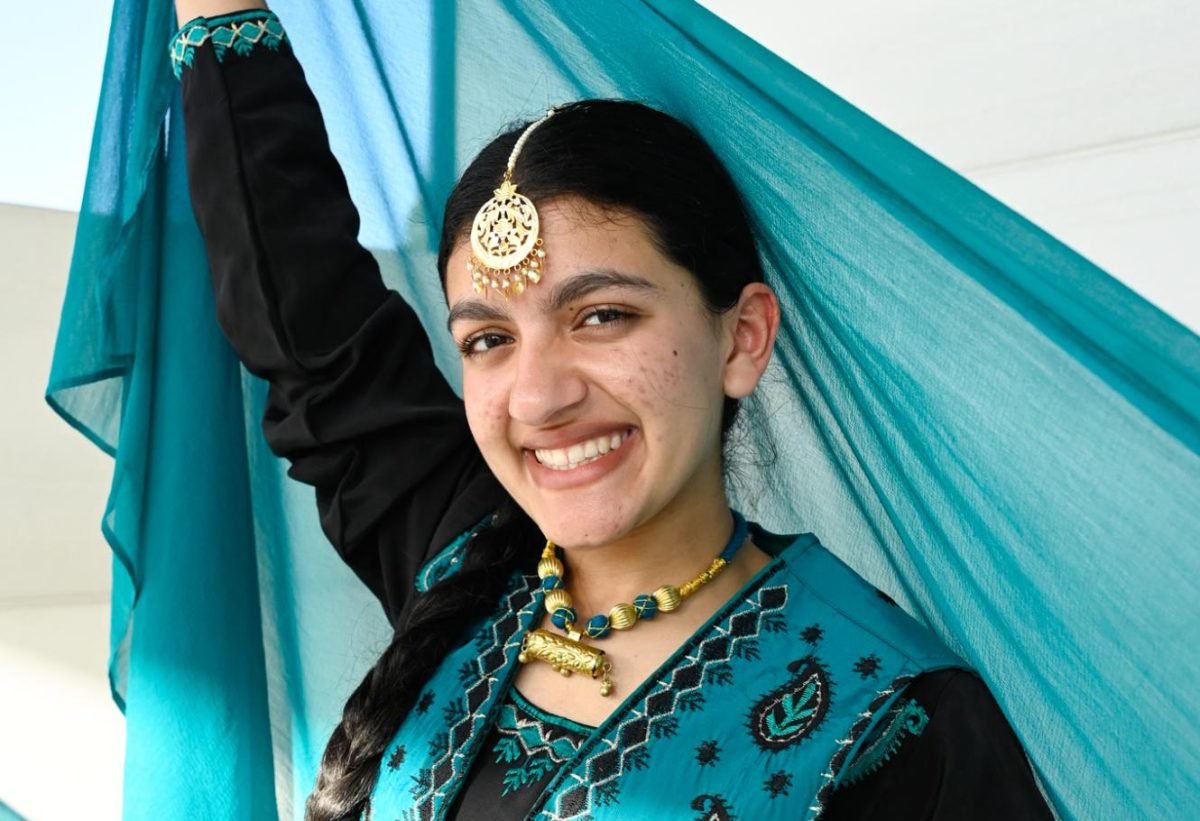
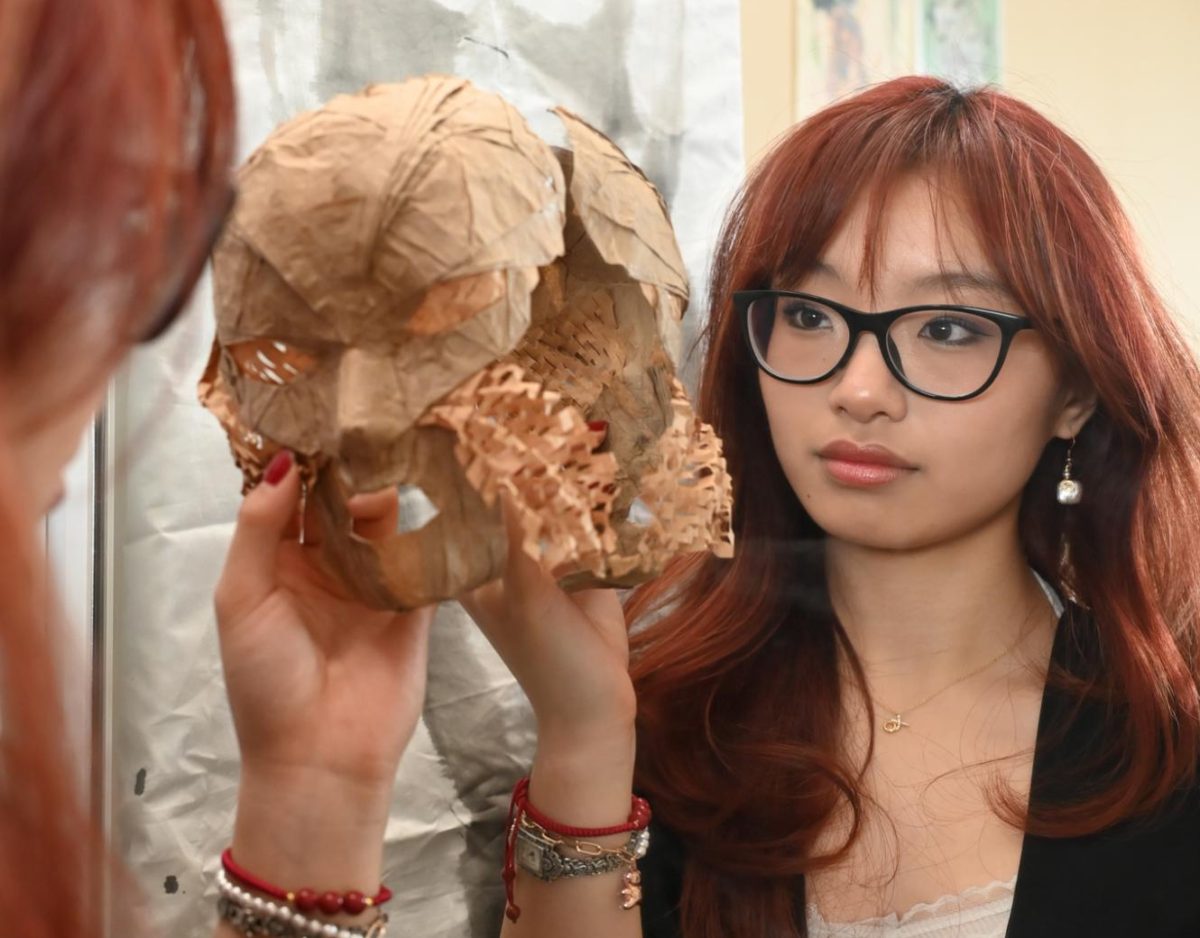
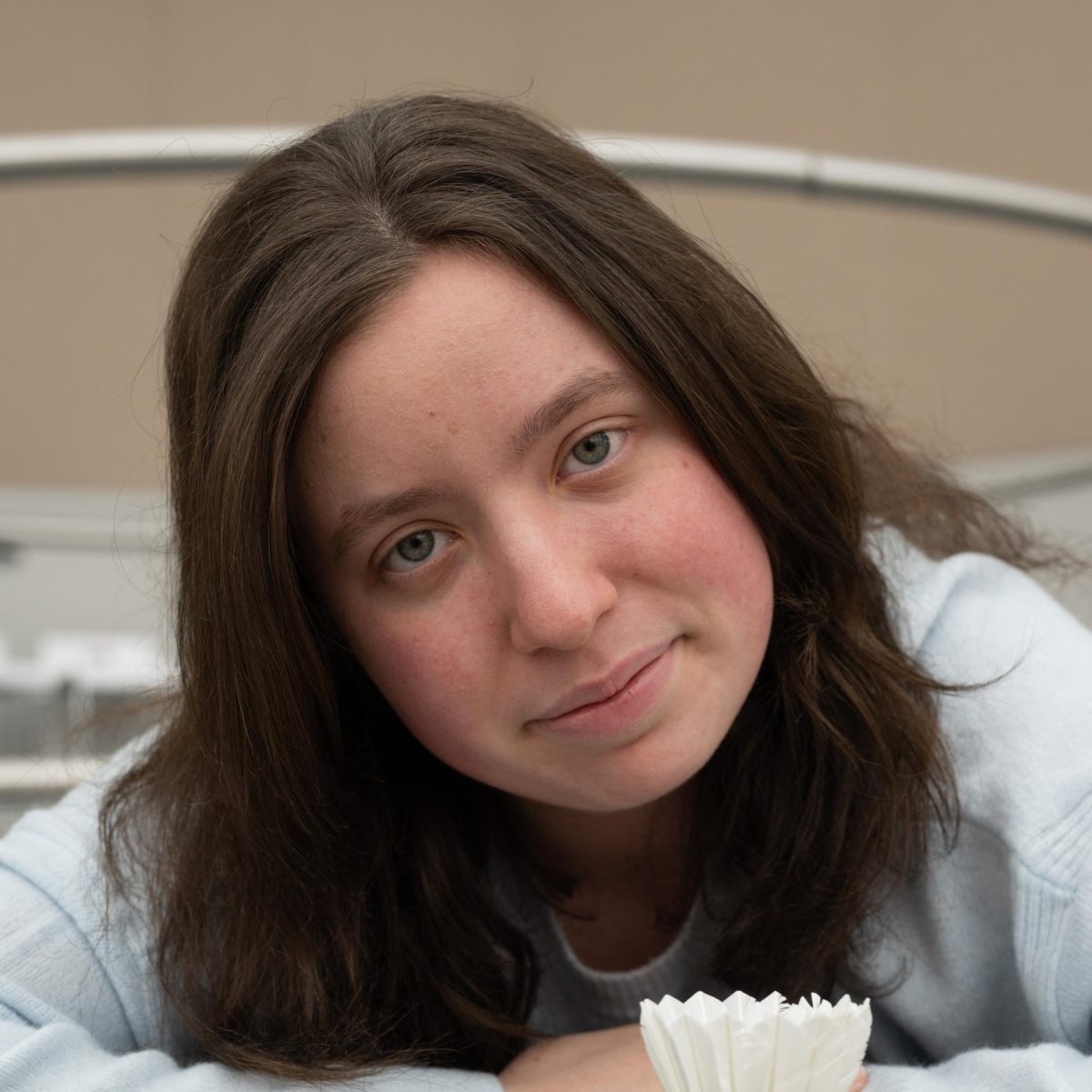
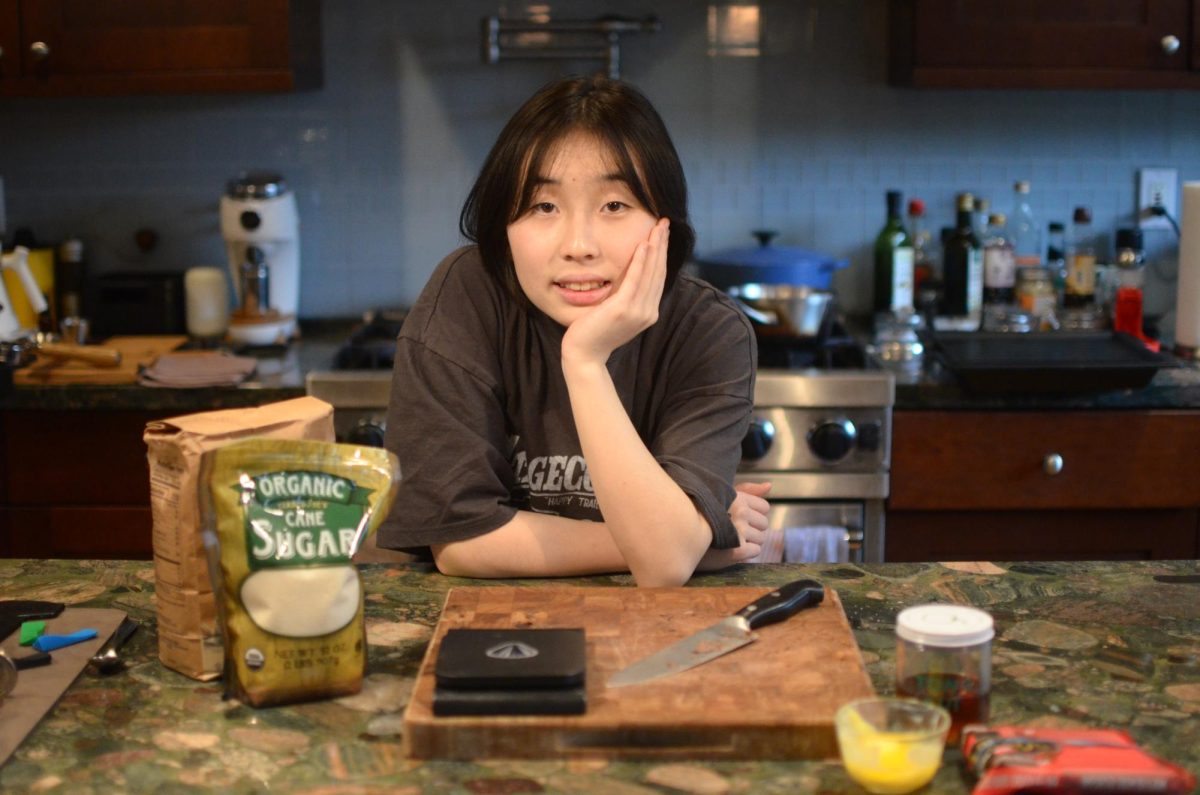


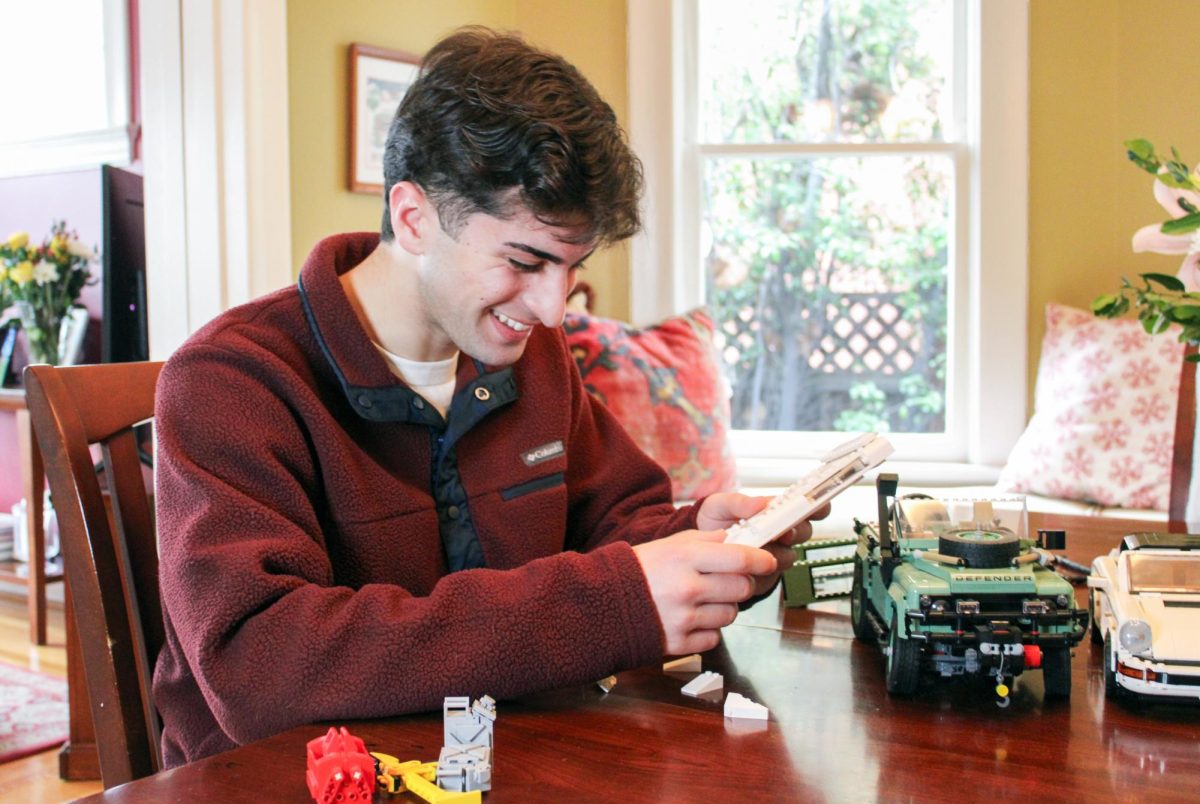
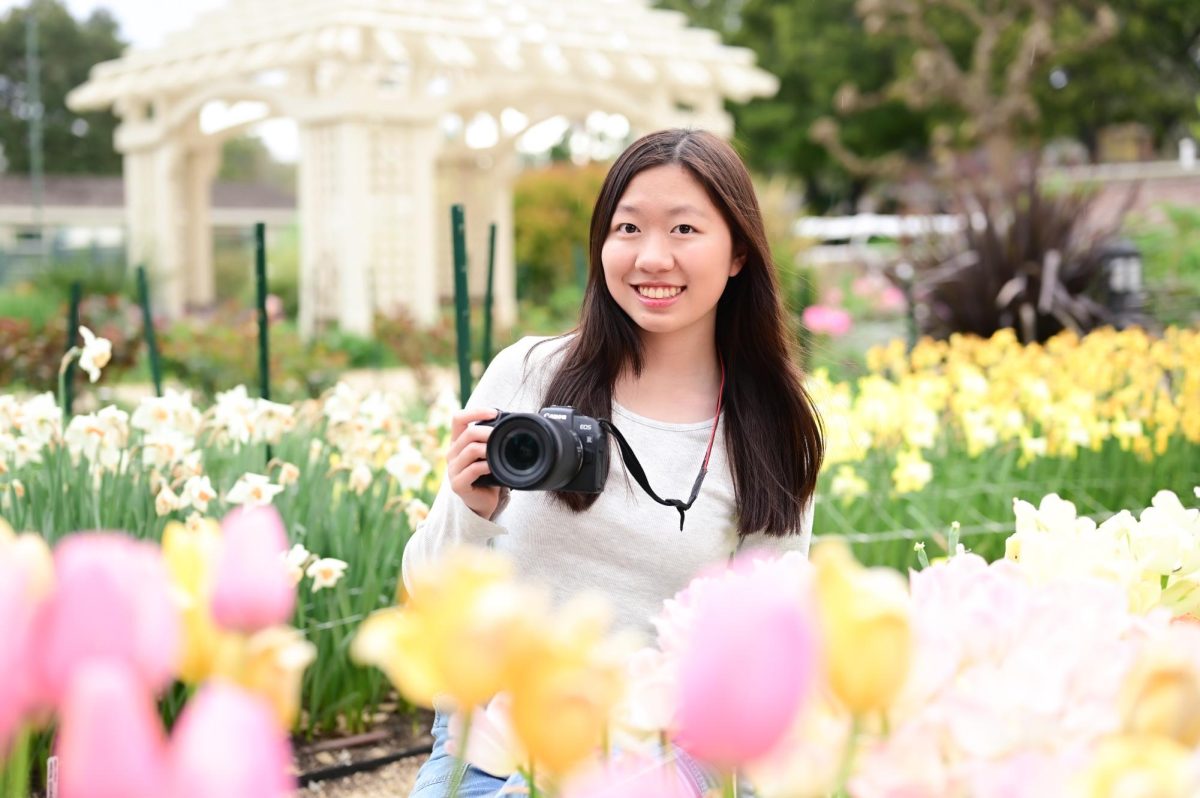
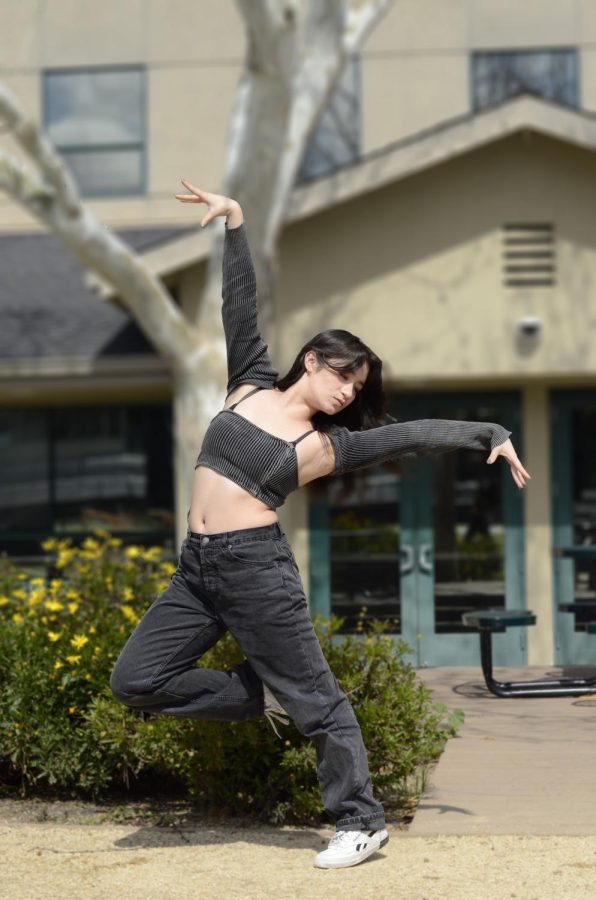
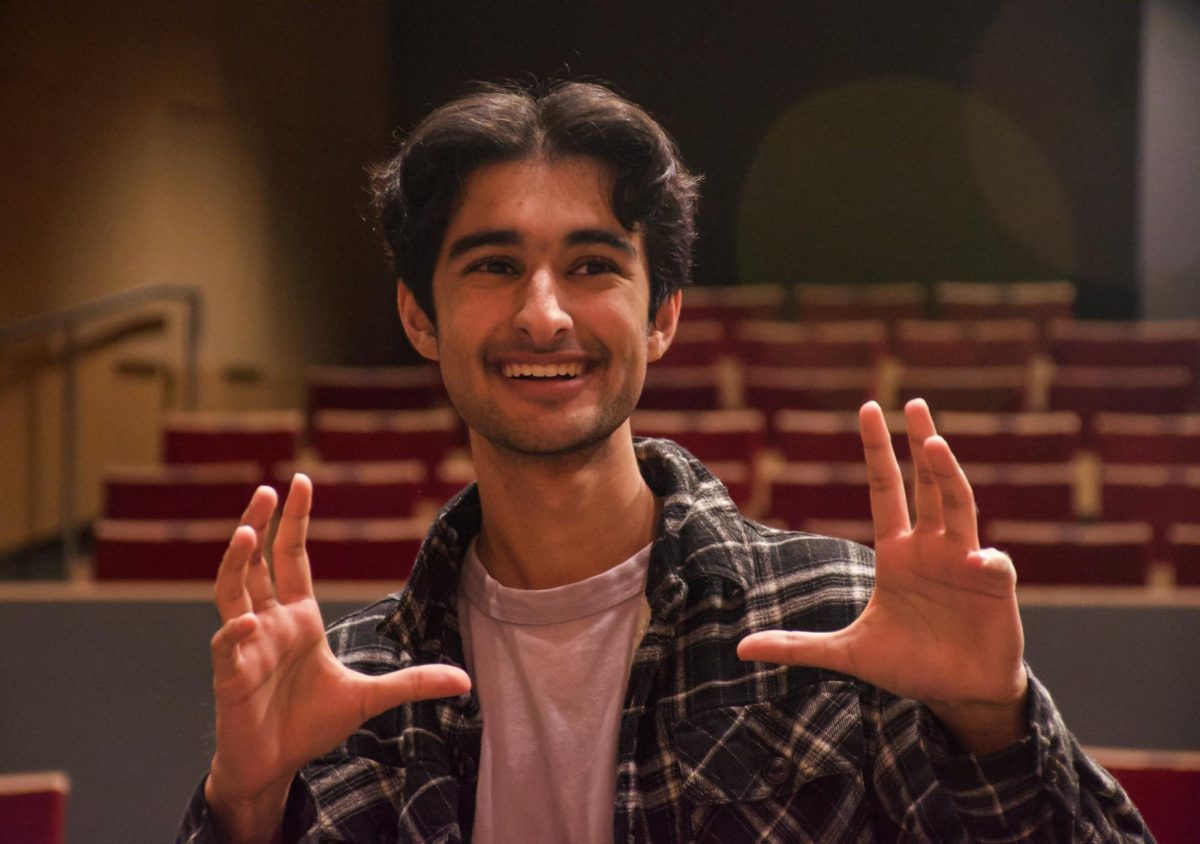

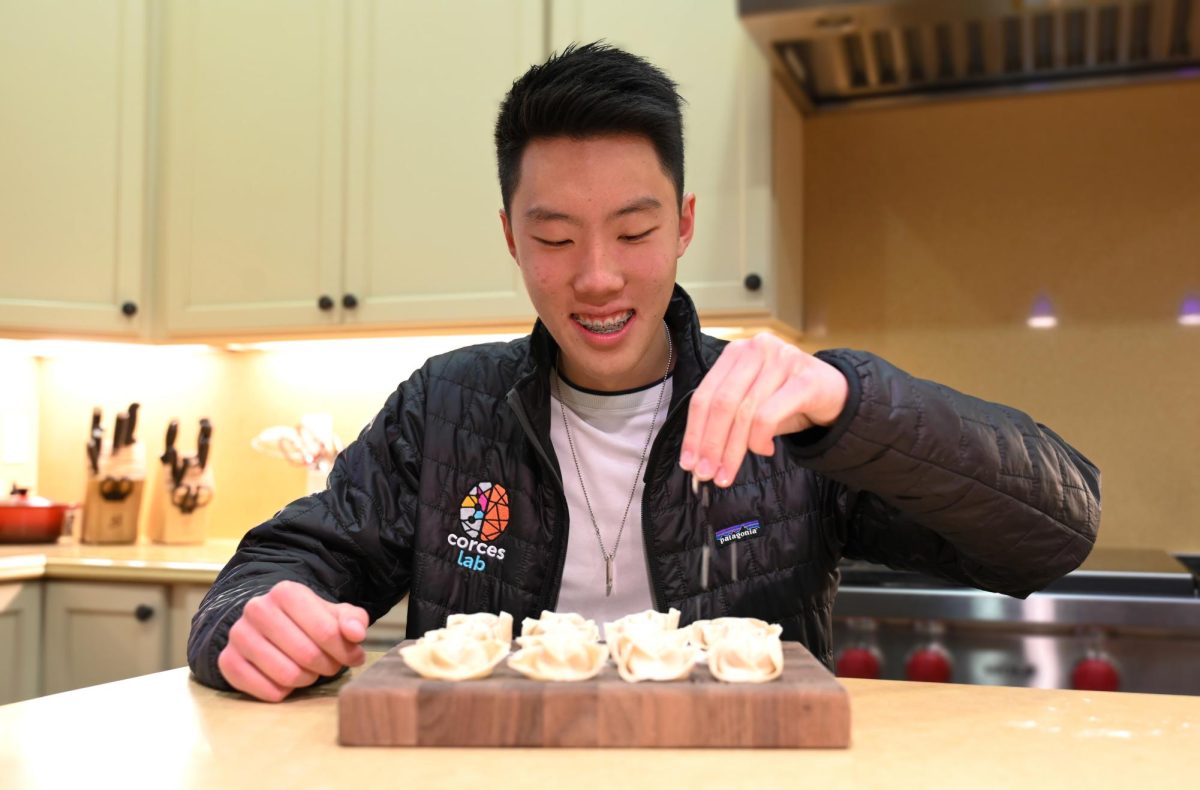
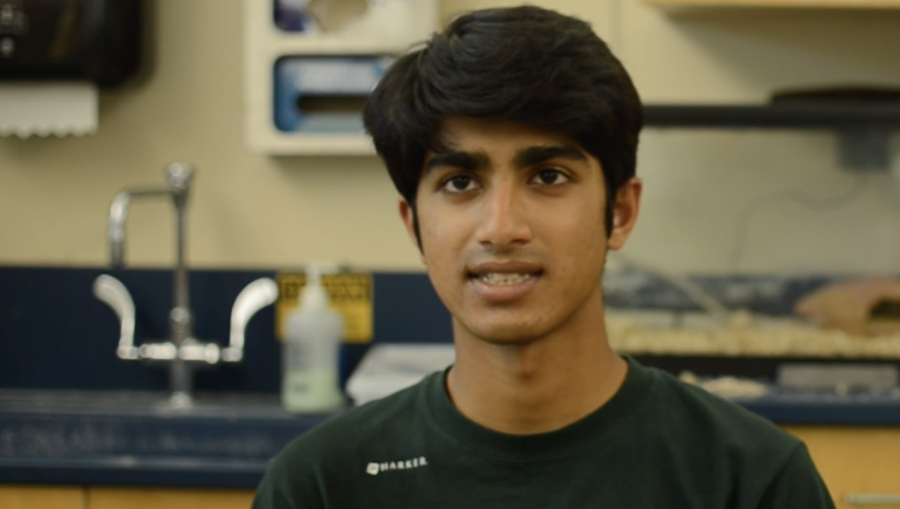
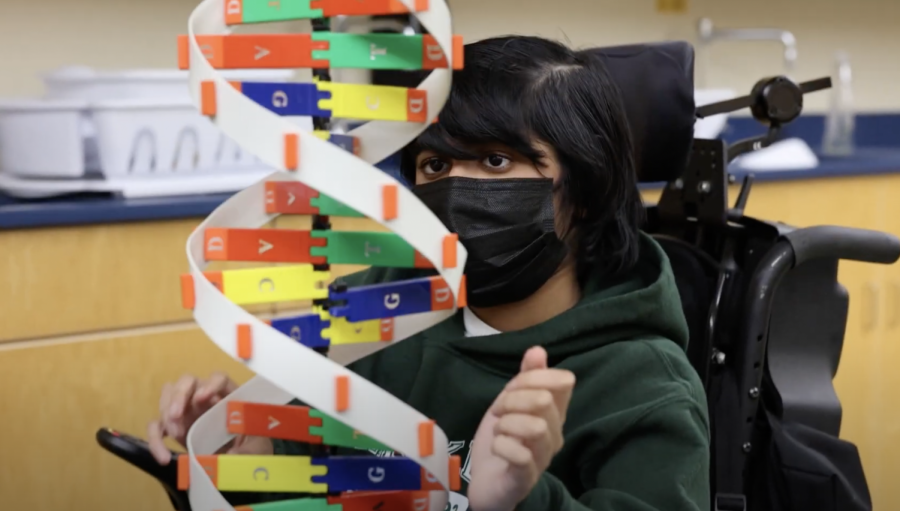
![“[Building nerf blasters] became this outlet of creativity for me that hasn't been matched by anything else. The process [of] making a build complete to your desire is such a painstakingly difficult process, but I've had to learn from [the skills needed from] soldering to proper painting. There's so many different options for everything, if you think about it, it exists. The best part is [that] if it doesn't exist, you can build it yourself," Ishaan Parate said.](https://harkeraquila.com/wp-content/uploads/2022/08/DSC_8149-900x604.jpg)
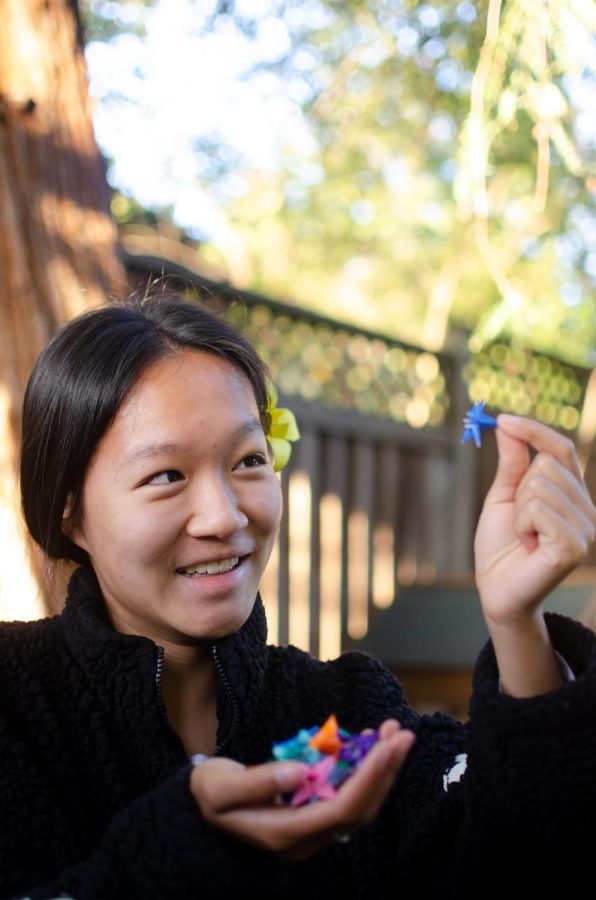
![“When I came into high school, I was ready to be a follower. But DECA was a game changer for me. It helped me overcome my fear of public speaking, and it's played such a major role in who I've become today. To be able to successfully lead a chapter of 150 students, an officer team and be one of the upperclassmen I once really admired is something I'm [really] proud of,” Anvitha Tummala ('21) said.](https://harkeraquila.com/wp-content/uploads/2021/07/Screen-Shot-2021-07-25-at-9.50.05-AM-900x594.png)
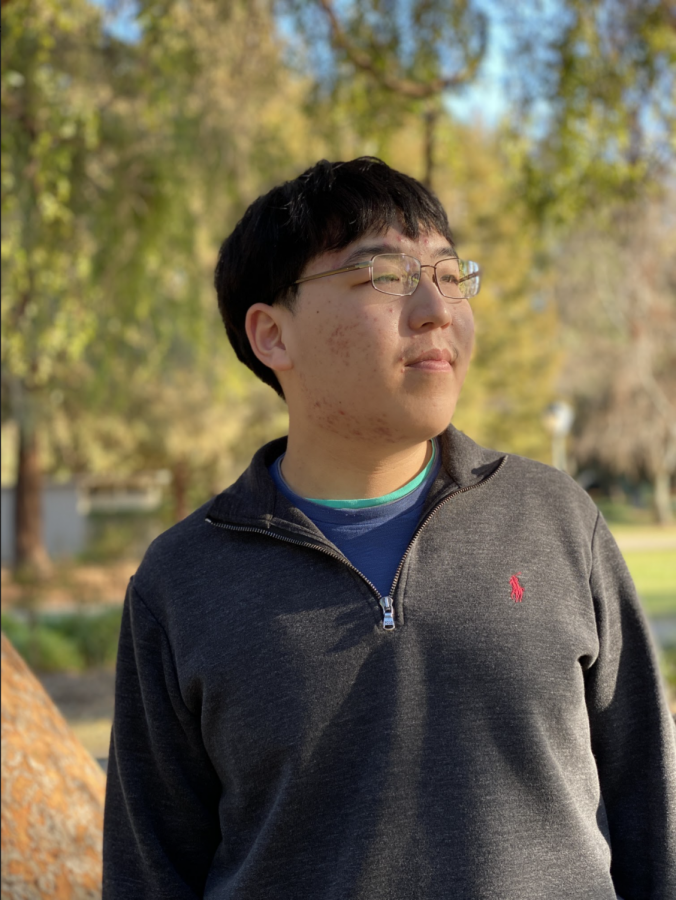
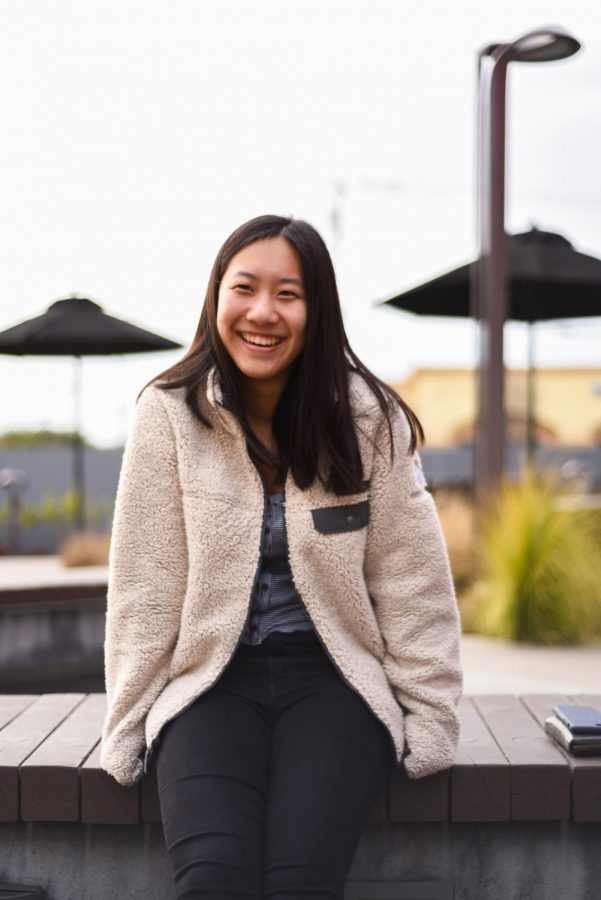
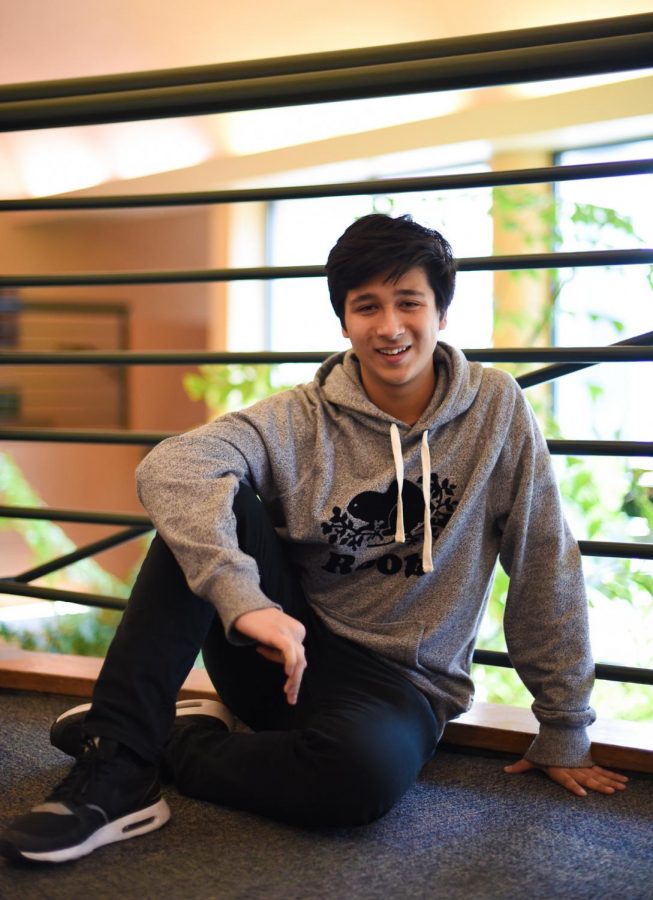
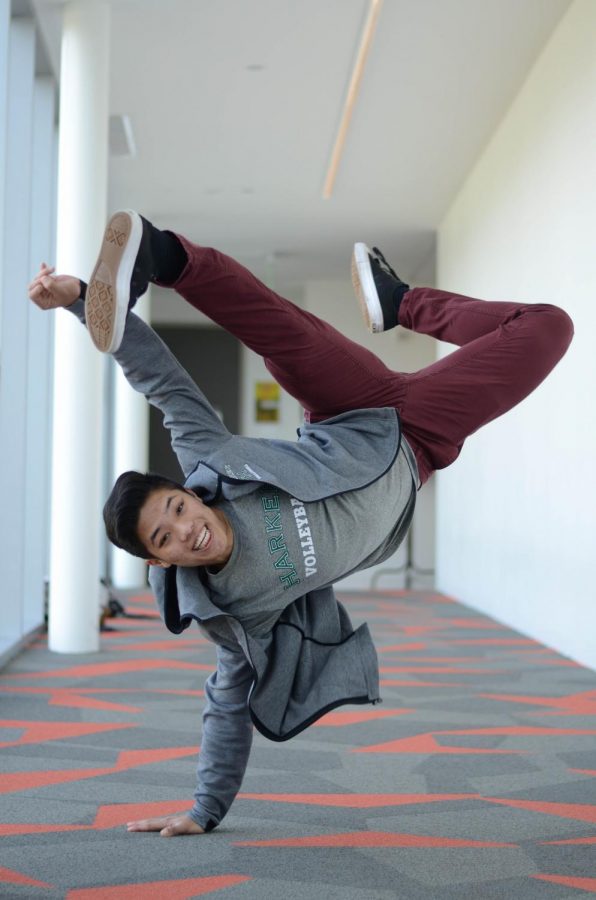
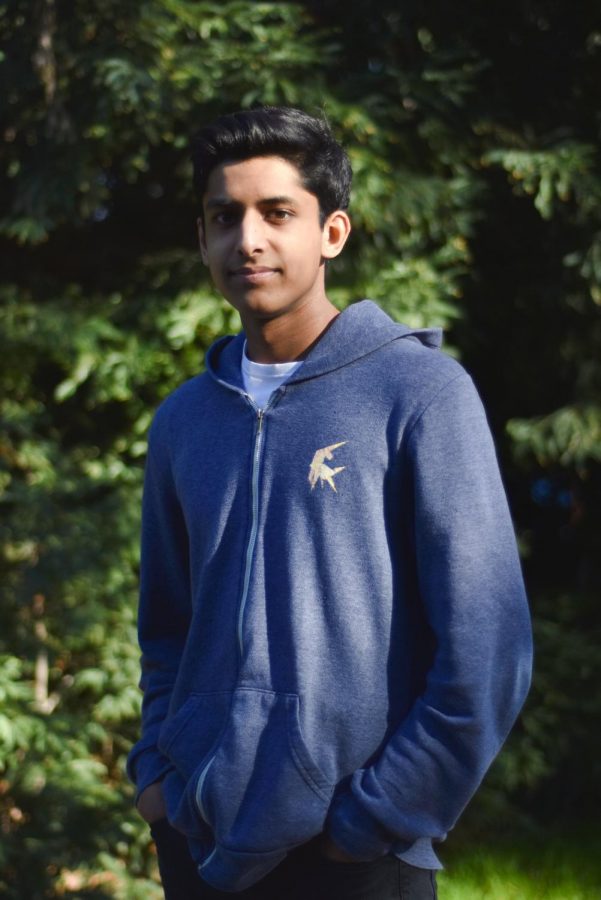

![“I think getting up in the morning and having a sense of purpose [is exciting]. I think without a certain amount of drive, life is kind of obsolete and mundane, and I think having that every single day is what makes each day unique and kind of makes life exciting,” Neymika Jain (12) said.](https://harkeraquila.com/wp-content/uploads/2017/06/Screen-Shot-2017-06-03-at-4.54.16-PM.png)
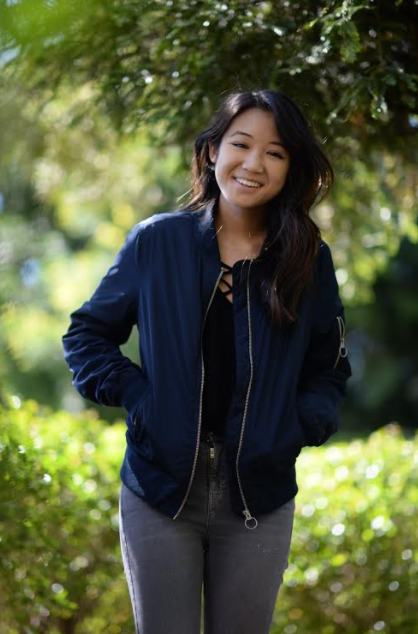
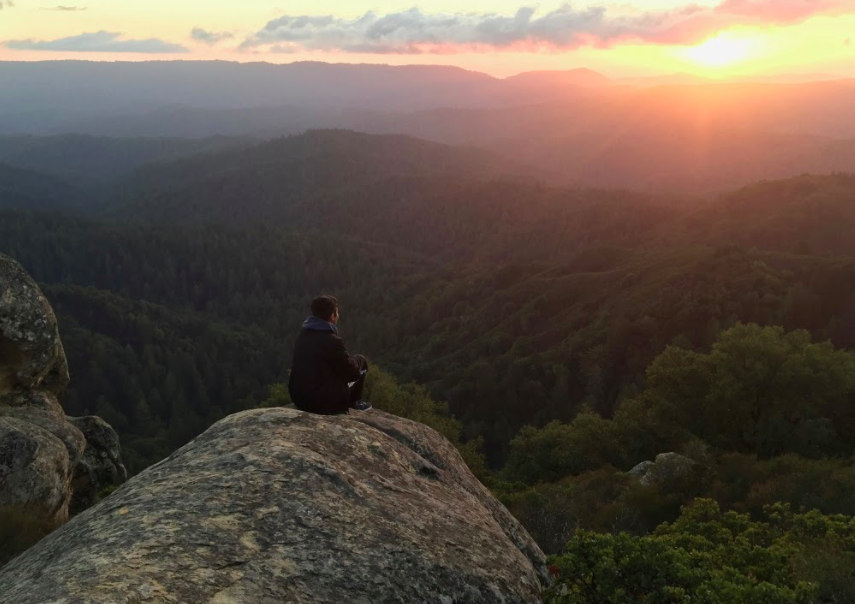
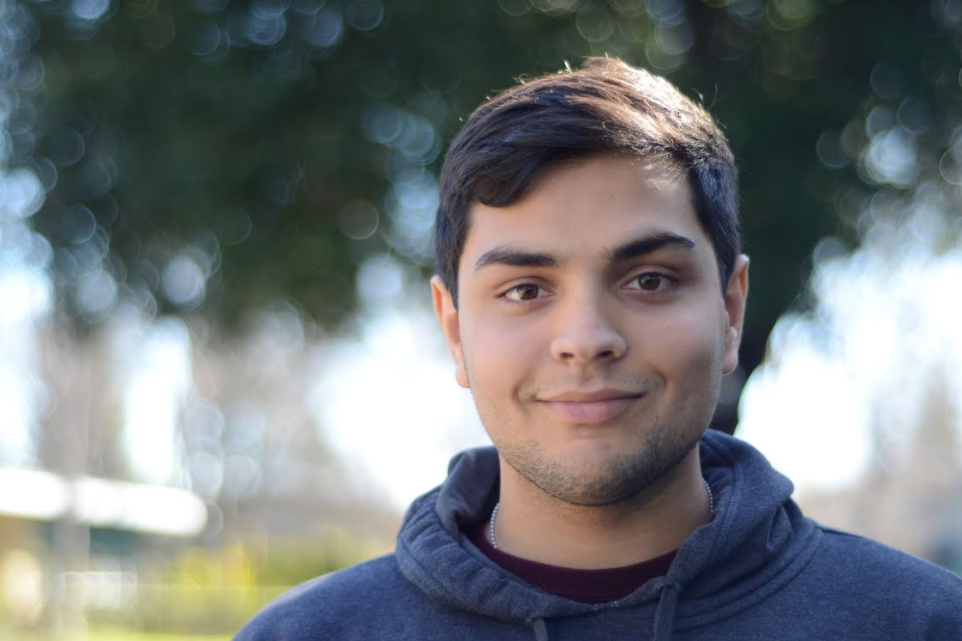

![“My slogan is ‘slow feet, don’t eat, and I’m hungry.’ You need to run fast to get where you are–you aren't going to get those championships if you aren't fast,” Angel Cervantes (12) said. “I want to do well in school on my tests and in track and win championships for my team. I live by that, [and] I can do that anywhere: in the classroom or on the field.”](https://harkeraquila.com/wp-content/uploads/2018/06/DSC5146-900x601.jpg)
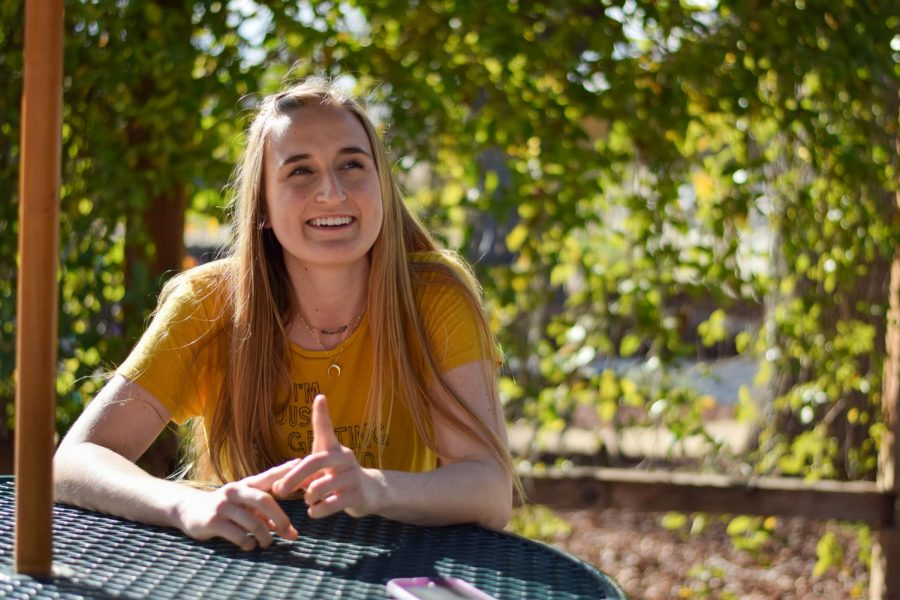
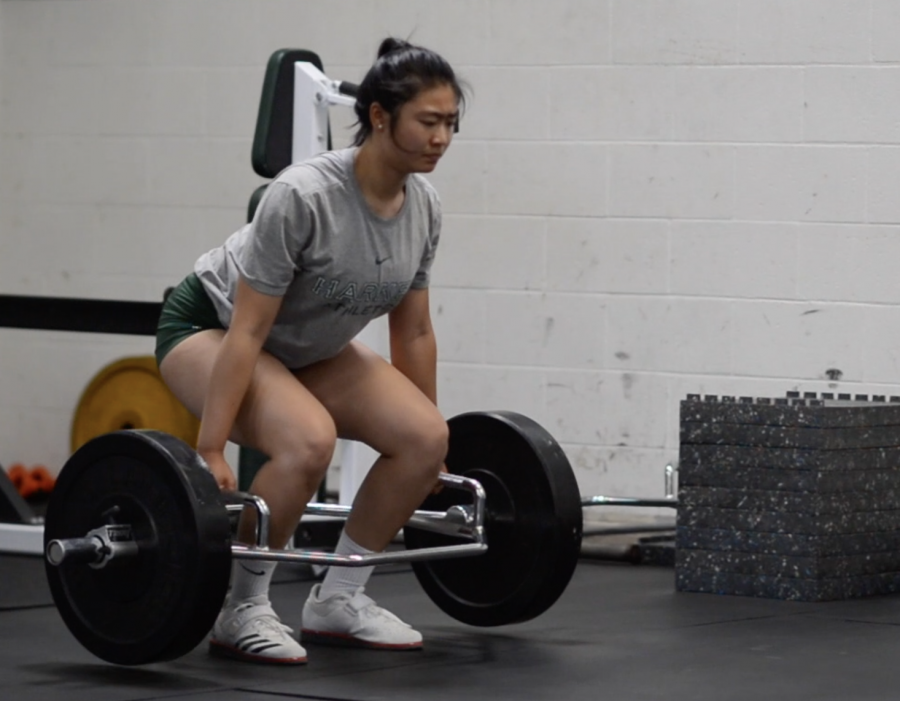
![“[Volleyball has] taught me how to fall correctly, and another thing it taught is that you don’t have to be the best at something to be good at it. If you just hit the ball in a smart way, then it still scores points and you’re good at it. You could be a background player and still make a much bigger impact on the team than you would think,” Anya Gert (’20) said.](https://harkeraquila.com/wp-content/uploads/2020/06/AnnaGert_JinTuan_HoHPhotoEdited-600x900.jpeg)
![“I'm not nearly there yet, but [my confidence has] definitely been getting better since I was pretty shy and timid coming into Harker my freshman year. I know that there's a lot of people that are really confident in what they do, and I really admire them. Everyone's so driven and that has really pushed me to kind of try to find my own place in high school and be more confident,” Alyssa Huang (’20) said.](https://harkeraquila.com/wp-content/uploads/2020/06/AlyssaHuang_EmilyChen_HoHPhoto-900x749.jpeg)



“If you ask me to remember something about me from more than two weeks ago, I will not be able to.”
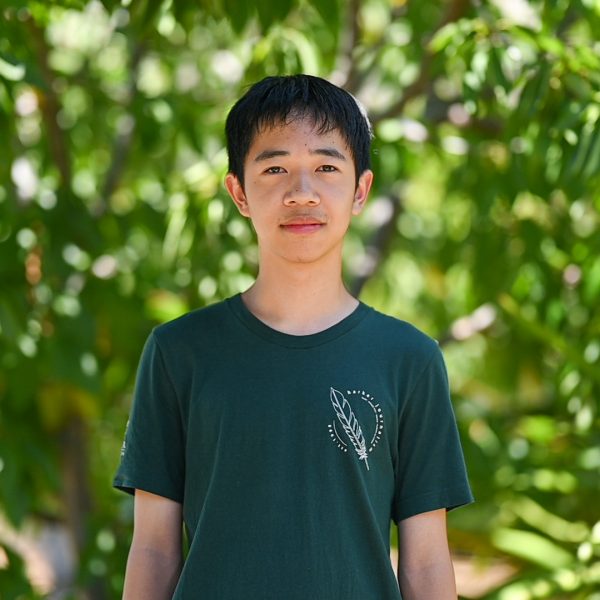
This statement seems ironic coming from an International History Olympiad seventh place finisher who can talk effortlessly about civilizations that collapsed centuries before he was born. Ask senior Timothy Deng for his favorite memory and he will hesitate — not because nothing meaningful has happened, but because meaning, to him, does not come in moments. It builds slowly, layer by layer, across patterns.
This belief shapes how Timothy thinks about himself. He does not see his life as exceptional or singular, but as a single piece in a jigsaw puzzle, something defined more by how it connects than by how it stands alone.
“Out of these multiple multitudes, I’m just one person — my capabilities are quite limited,” Timothy said. “But insofar as I have those capabilities, it’s within my duty to discharge those capabilities as best I can. Humanity is one big machine, and we’re all little cogs inside it.”
Reading is where Timothy first learned to think this way. He gravitates to books that have lasted, because their survival suggests something important about human thought across time.
“I got interested pretty early on what people call the classics, the Western canon,” Timothy said. “For something to have lasted so long, to have survived the test of time, that surely means that generations of humans have found some meaning in it. It might be worth seeing what they’ve learned from them and how it might have impacted the thinking of my predecessors.”
For Timothy, reading became a way of expanding perspective and understanding that any single moment or life exists within a vast intellectual history. Watching thoughts pass from one generation to the next taught him to approach the world with openness rather than certainty.
“Living in these abstractions for so long gave me the tools I needed to properly grasp the breadth of possibilities before stepping into the narrower world of experience that I would have been exposed to otherwise,” Timothy said. “I’ve been able to look at things with a very open mind in general and come into many things with a deeper background than I would have otherwise.”
That way of thinking extends to how Timothy approaches linguistics. He is drawn to how language is built and how its structures reveal histories of borrowing and change.
“With learning languages, you get a feel for how these languages are constructed and how they’re structured, and it naturally leads you to wonder more about what led them to be this way,” Timothy said. “It makes you think about how they interact with other languages to acquire these cognates and grammar.”
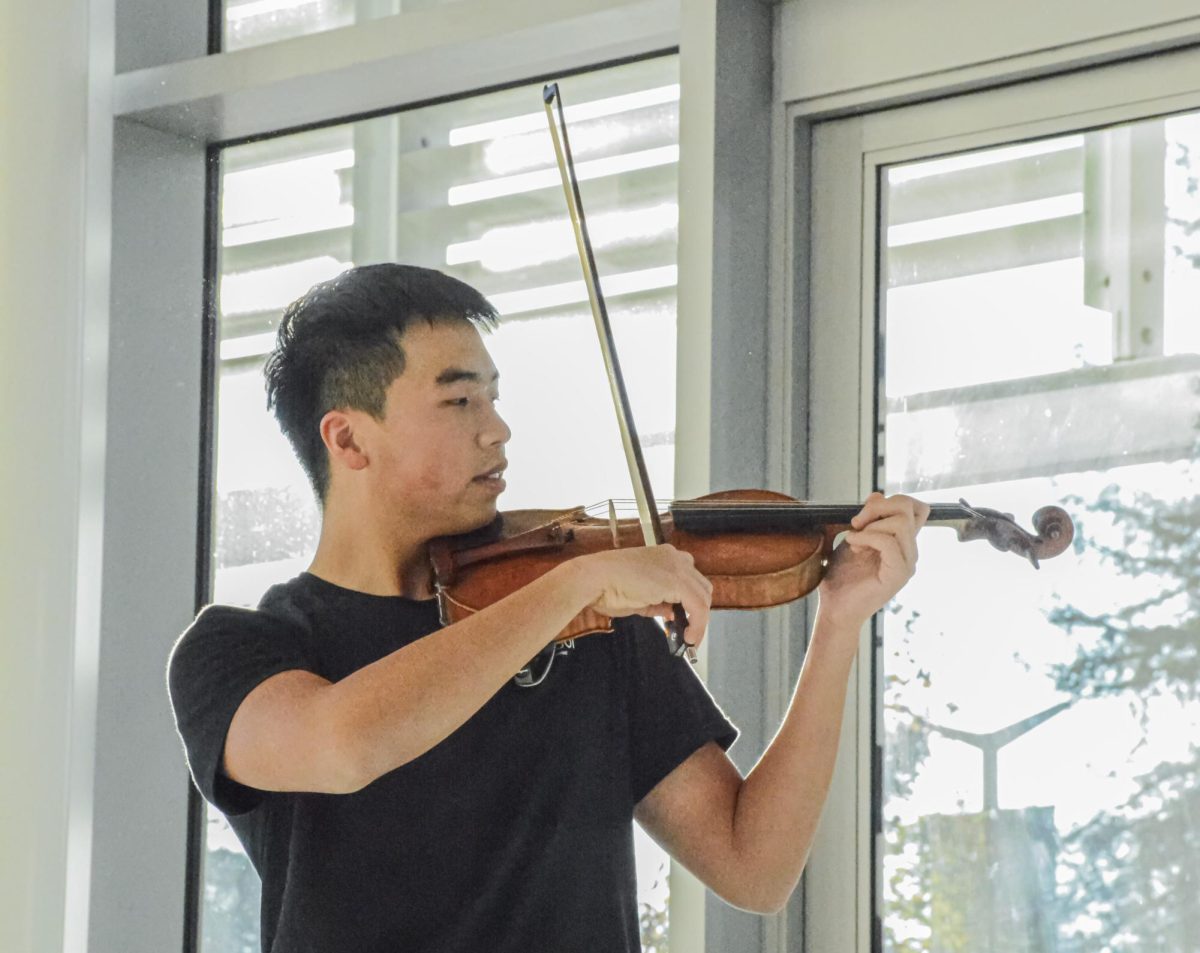
Music occupies a similar space in Timothy’s life, helping him feel like part of something larger than himself like language and history. He has played piano and clarinet since early childhood, and what draws him to music is the feeling of blending into something larger than a single part.
“Music transcends the language barrier,” Timothy said. “It’s its own sort of language in a way. There are some feelings and emotions communicated through music that are universal. It’s a way of externalizing myself to shift into the attitude of a performer rather than myself when I’m trying to interpret these pieces. Especially in an ensemble setting like jazz band or orchestra, you really get the sense that you’re part of something bigger than you.”
Timothy’s view of himself as one part of a larger whole shows up in everyday moments, even when there is no audience or reward. Friend junior Christine Deng notices it in small, consistent gestures that reflect how he pays attention to those around him, even in passing interactions that others might overlook.
“He’s always been very kind and very considerate of others,” Christine said. “Sometimes when things aren’t going right, it’s really nice to have people there for you. He’s known for opening doors for everyone, and it’s always fun to watch him with the door held open and say ‘hi’ to him.”
Timothy’s emphasis on community over the self also carries into competitive environments. Quiz Bowl teammate junior Pascal Qin applauds how Timothy approaches the game with an emphasis on the shared experience rather than outperforming an opponent.
“In very competitive settings, especially like Quiz Bowl, it’s very easy to become arrogant and to think that it’s a zero-sum game, where you have to take your opponent down to be able to win,” Pascal said. “Timothy is one of the few people I’ve met playing Quiz Bowl who doesn’t have that mindset, who’s genuinely a nice guy and enjoys the game. He’s taught me to look at competition in a new way.”
Adviser James Tate sees this same pattern in Timothy’s daily life at school, especially in advisory. His ability to move easily between different groups and conversations helps create a sense of comfort and community in a space that can sometimes feel fragmented.
“He’s extremely polite and gregarious, and he gets along well with everyone,” Tate said. “In our advisory, everybody knows him, everybody likes him. The fact that he puts people at ease and he’s able to speak with everyone and not have anyone with a bad word to say about him is very endearing.”
For Timothy, this humility comes from constantly thinking in terms of systems larger than himself — civilizations in history, structures in language and ensembles in music. Because of that, he sees people as a network of relationships rather than as a collection of protagonists.
“If you look at a population density map with varying shades of red for how many people have been crammed into a single tiny pixel, you’ll notice that you don’t feature in that,” Timothy said. “If you happen to look at a star map, you can barely see a single planet on it. It’s a big universe, and we’re small people. All of them are like us in ways we’re not aware of, but it’s nice to be aware of them.”
That perspective ultimately shapes how Timothy views purpose. He sees it as something that develops through ability, circumstance and choice rather than as a singular fixed destiny waiting to be discovered.
“What even is purpose?” Timothy said. “This umbrella’s purpose is to shield you from the rain. This water bottle’s purpose is to carry around water. But humans think that we have a lot of different purposes. The closest analogy to that might be books, because what really is the purpose of a story? It depends on the story. If we are like books, then there isn’t really a single purpose for us. It’s defined by what we are and what we can do.”