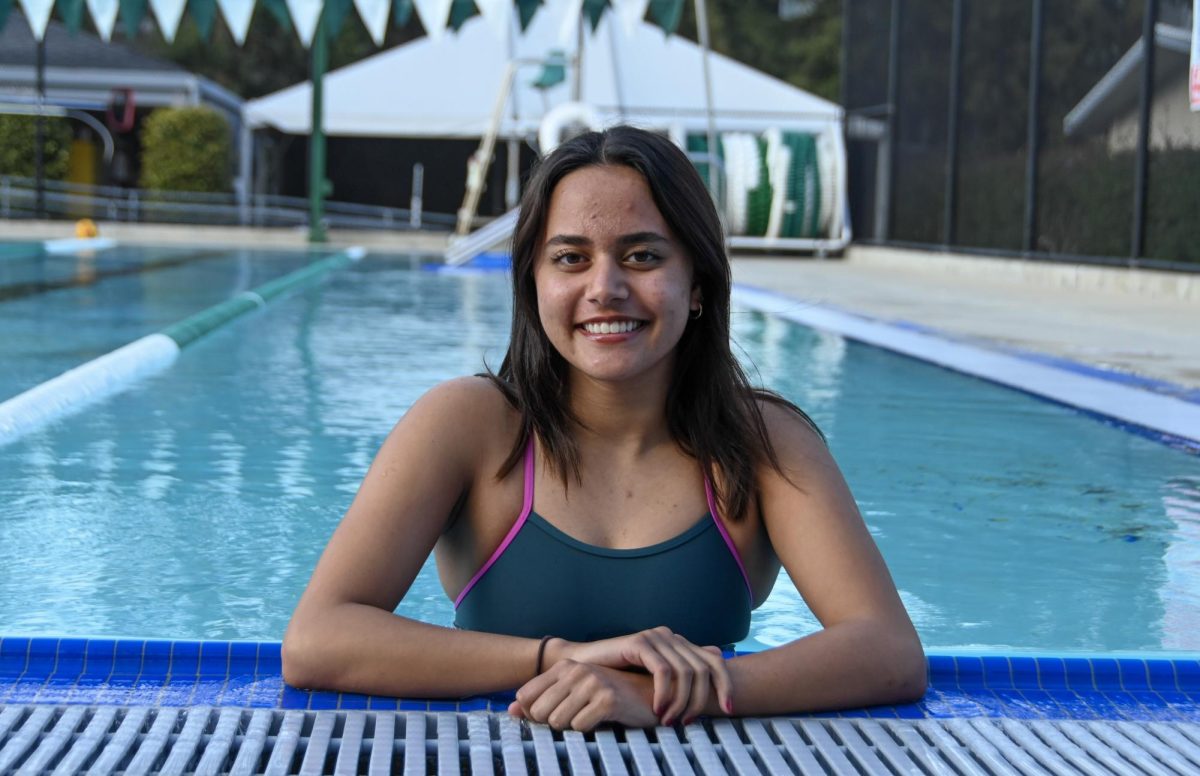
![“I wasn't discouraged by some of the obstacles we faced. I learned a lot from the leadership. I found that different people need different ways of receiving feedback — you can't [just] tell them to do something and expect the best. [Some] people needed more incentive. A large part of my role was to figure out what worked for everyone and to figure out how to lead all these separate individuals as a team,” Suhana Bhandare (’26) said.](https://harkeraquila.com/wp-content/uploads/2026/06/SuhanaBhandare_JasmineHansra-1-1200x798.jpg)
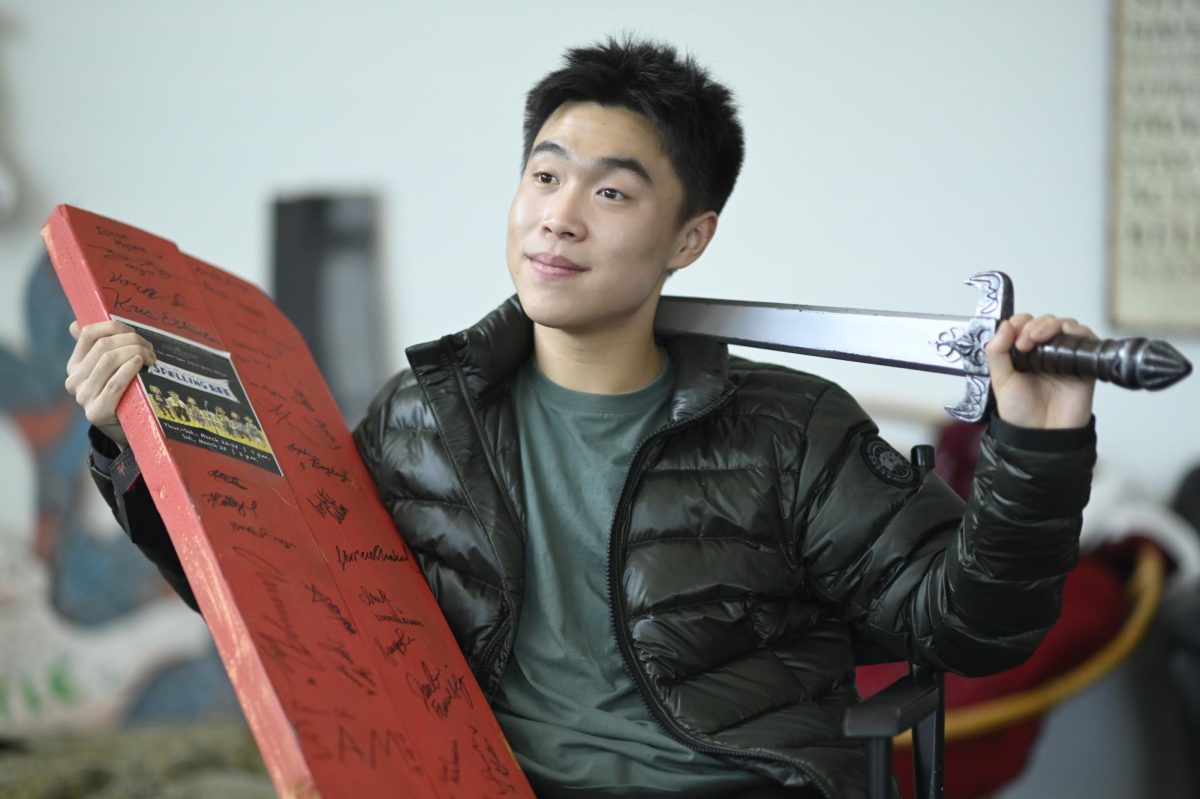
![“This is actually from Randy Pausch Randy P. Brick: ‘Walls are there for a reason. You have to show how much you want to overcome them.’ You have to show how much you want something. That's what I've always been able to do with tennis, Link Crew and getting that internship [with Kushy Baby]. It’s important pushing through that — getting around that brick wall, climbing over it or clawing through it,” Yash Sachdeva (’26) said.](https://harkeraquila.com/wp-content/uploads/2026/05/YashSachdeva_RamBatchu-copy-1200x1002.jpg)
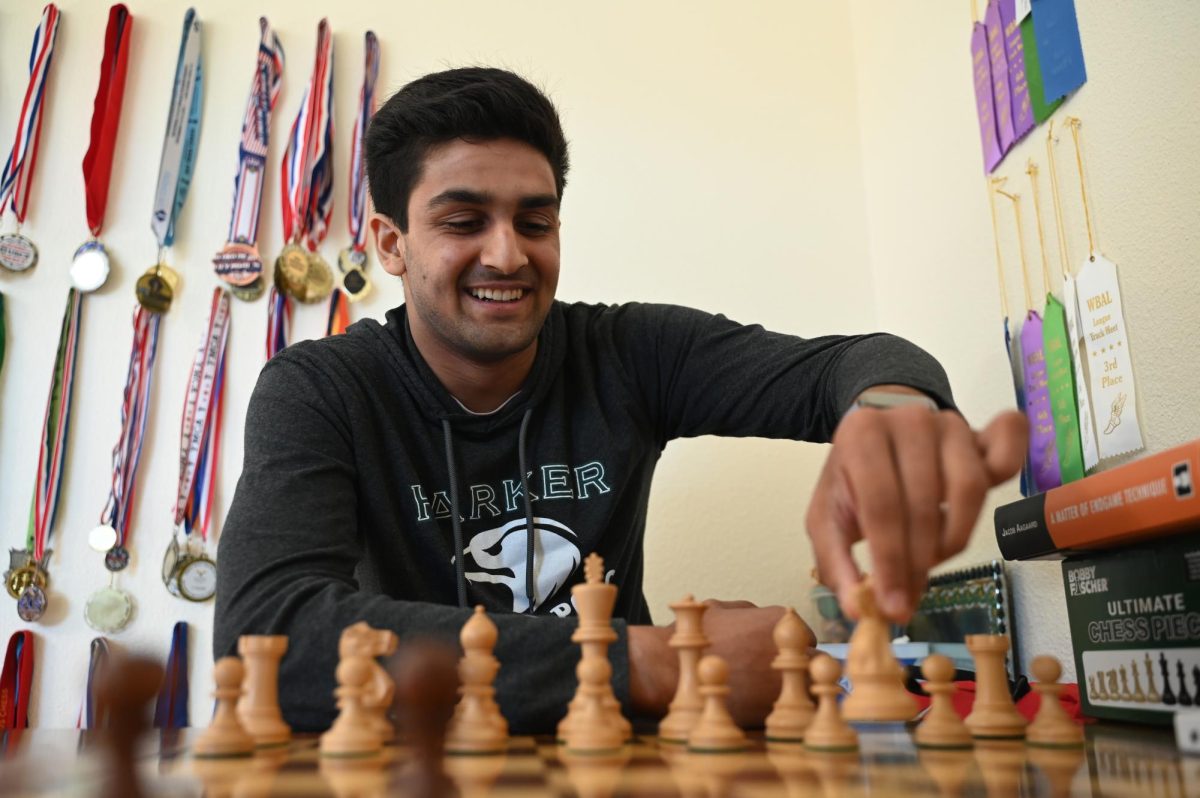


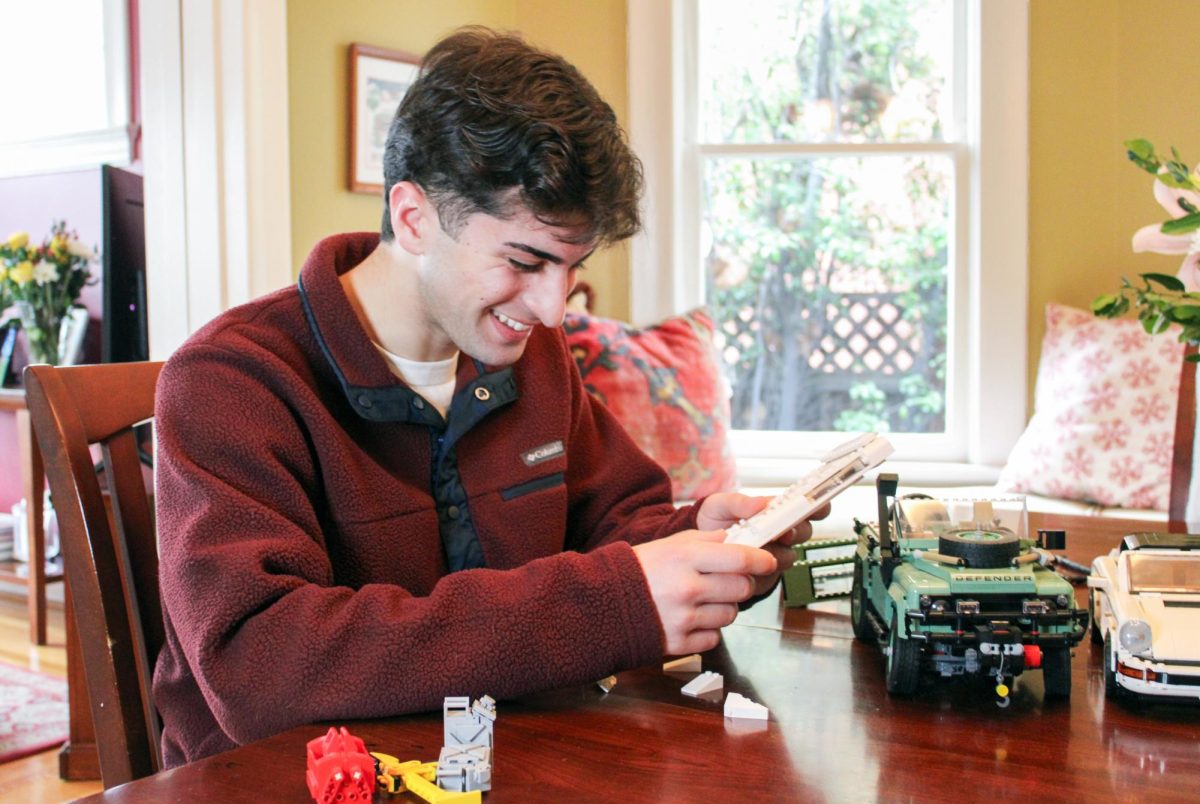
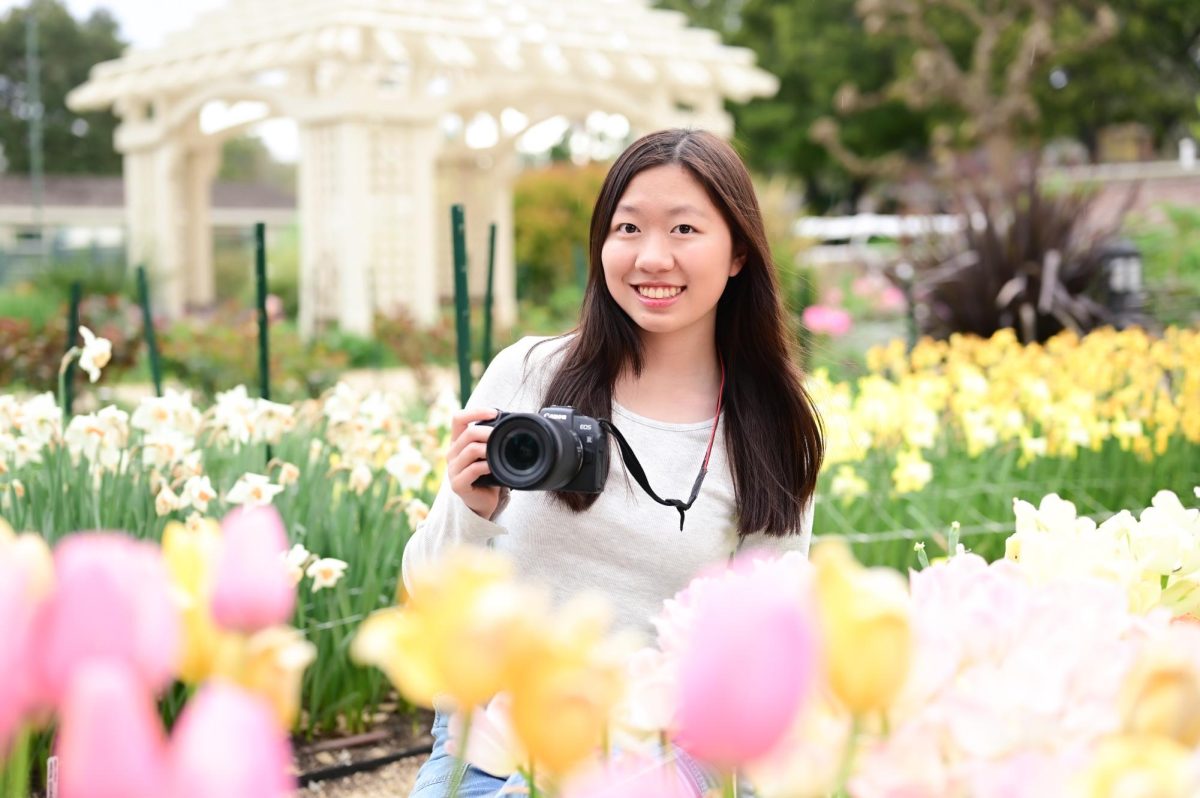
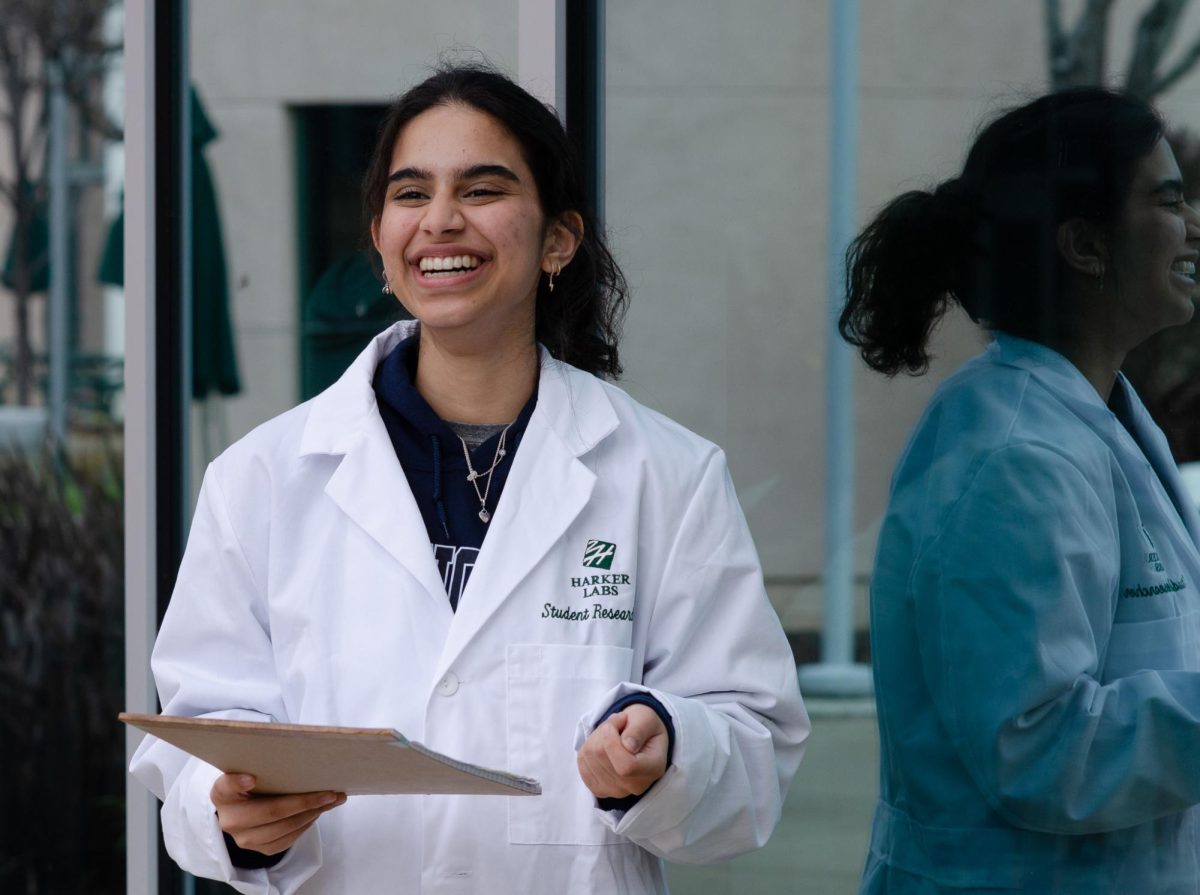
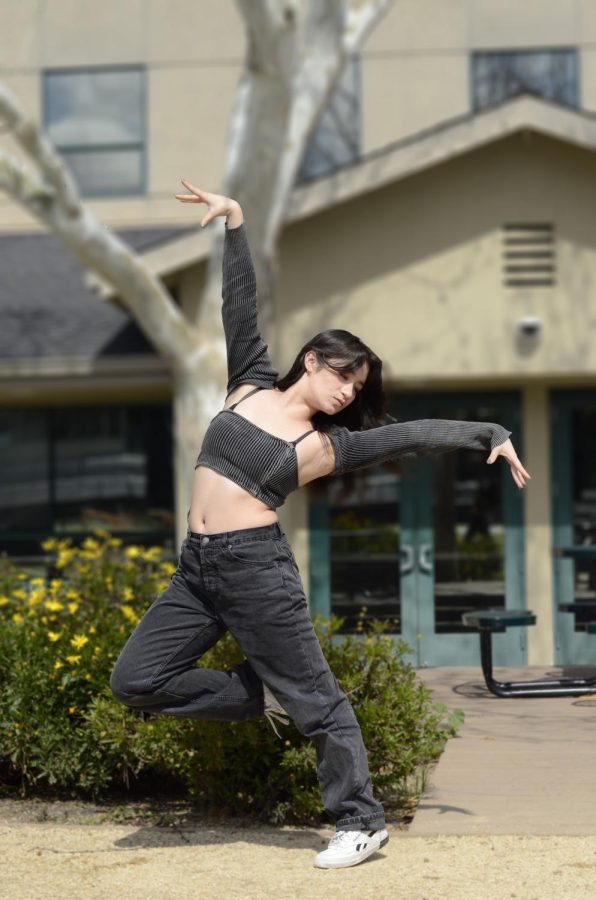

![“[Building nerf blasters] became this outlet of creativity for me that hasn't been matched by anything else. The process [of] making a build complete to your desire is such a painstakingly difficult process, but I've had to learn from [the skills needed from] soldering to proper painting. There's so many different options for everything, if you think about it, it exists. The best part is [that] if it doesn't exist, you can build it yourself," Ishaan Parate said.](https://harkeraquila.com/wp-content/uploads/2022/08/DSC_8149-900x604.jpg)
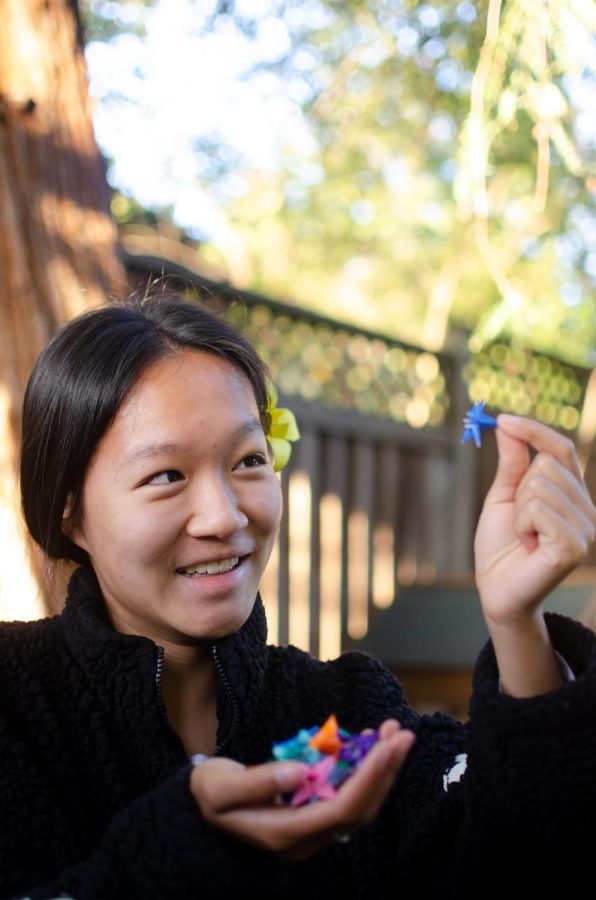
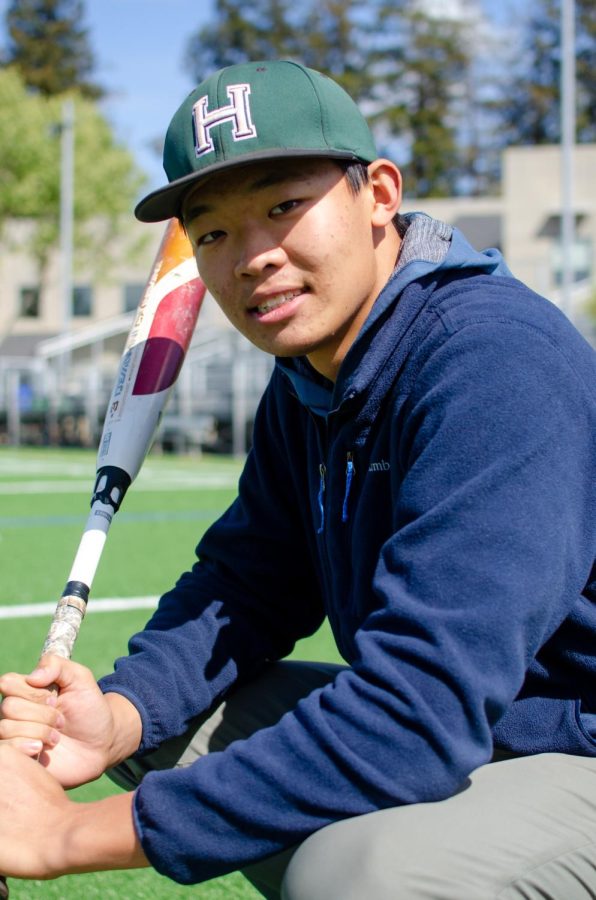

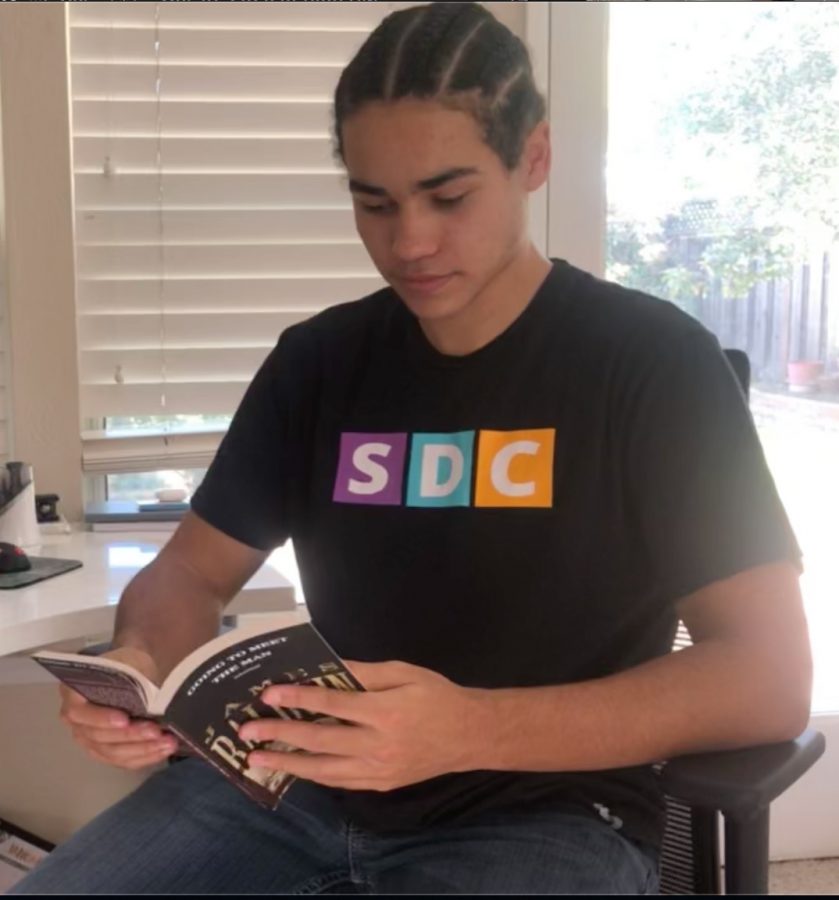
![“When I came into high school, I was ready to be a follower. But DECA was a game changer for me. It helped me overcome my fear of public speaking, and it's played such a major role in who I've become today. To be able to successfully lead a chapter of 150 students, an officer team and be one of the upperclassmen I once really admired is something I'm [really] proud of,” Anvitha Tummala ('21) said.](https://harkeraquila.com/wp-content/uploads/2021/07/Screen-Shot-2021-07-25-at-9.50.05-AM-900x594.png)

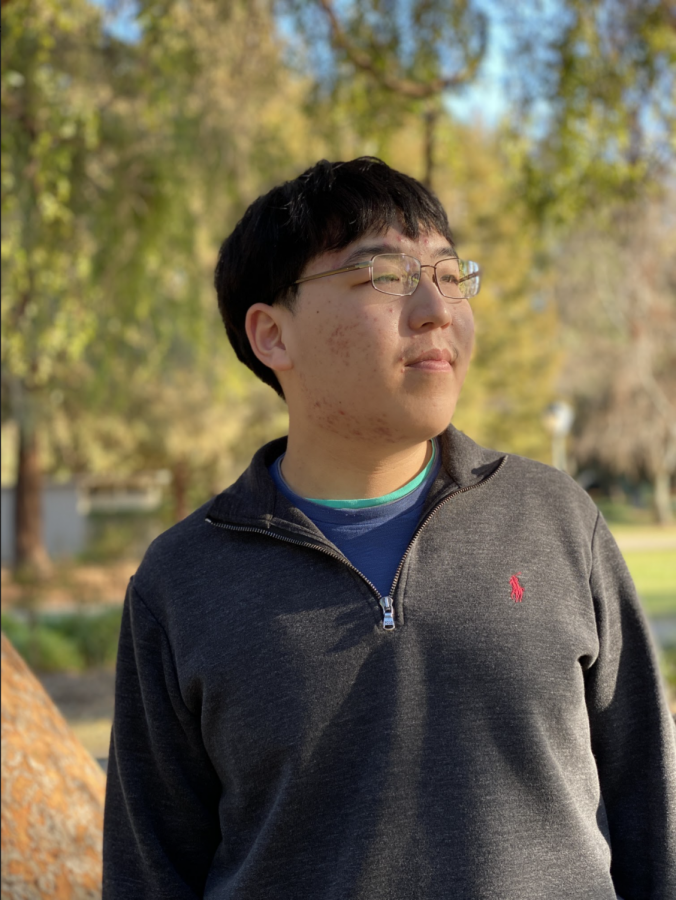
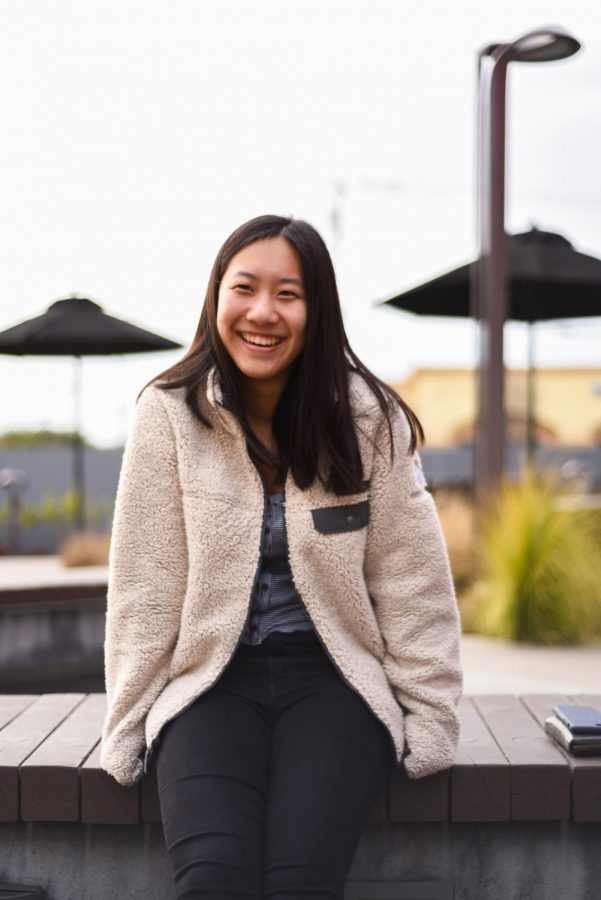
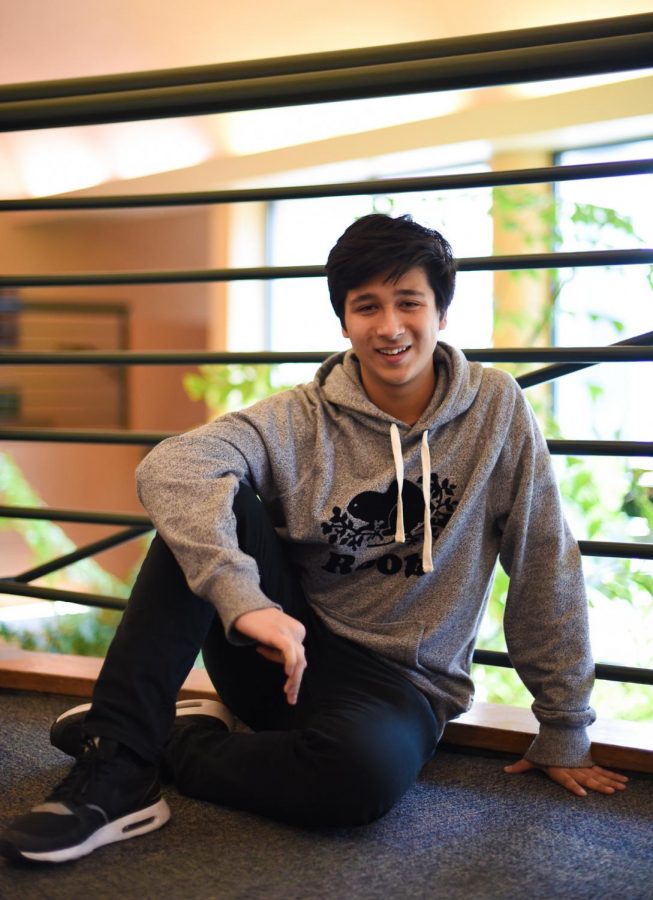
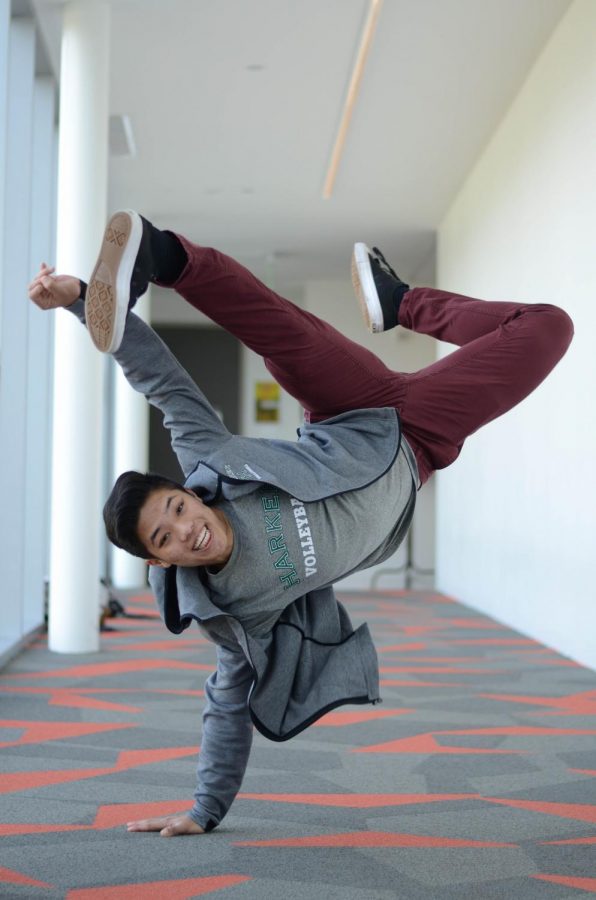
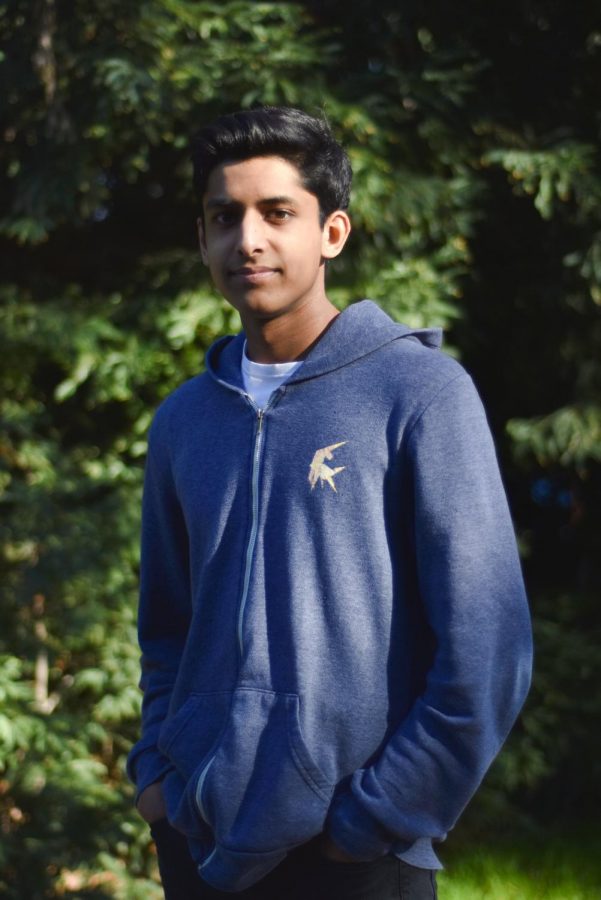

![“I think getting up in the morning and having a sense of purpose [is exciting]. I think without a certain amount of drive, life is kind of obsolete and mundane, and I think having that every single day is what makes each day unique and kind of makes life exciting,” Neymika Jain (12) said.](https://harkeraquila.com/wp-content/uploads/2017/06/Screen-Shot-2017-06-03-at-4.54.16-PM.png)

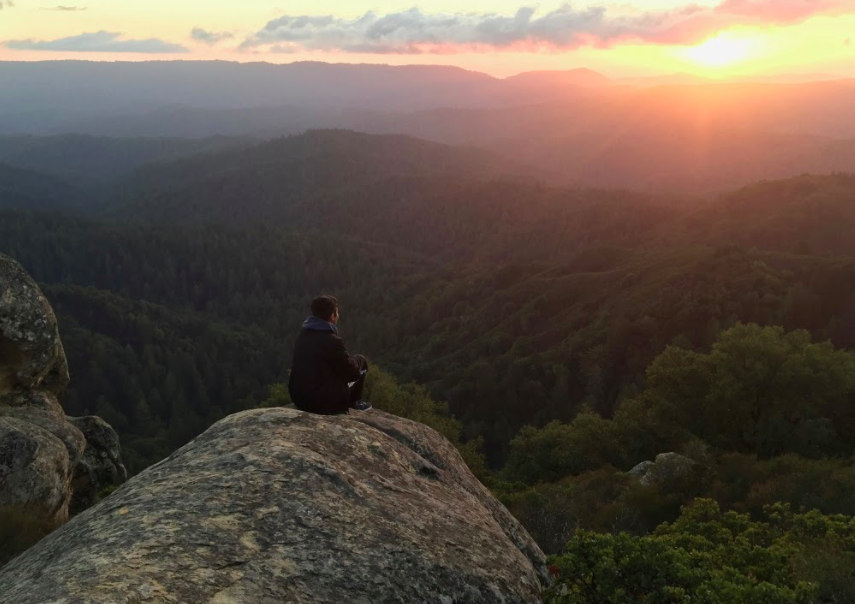

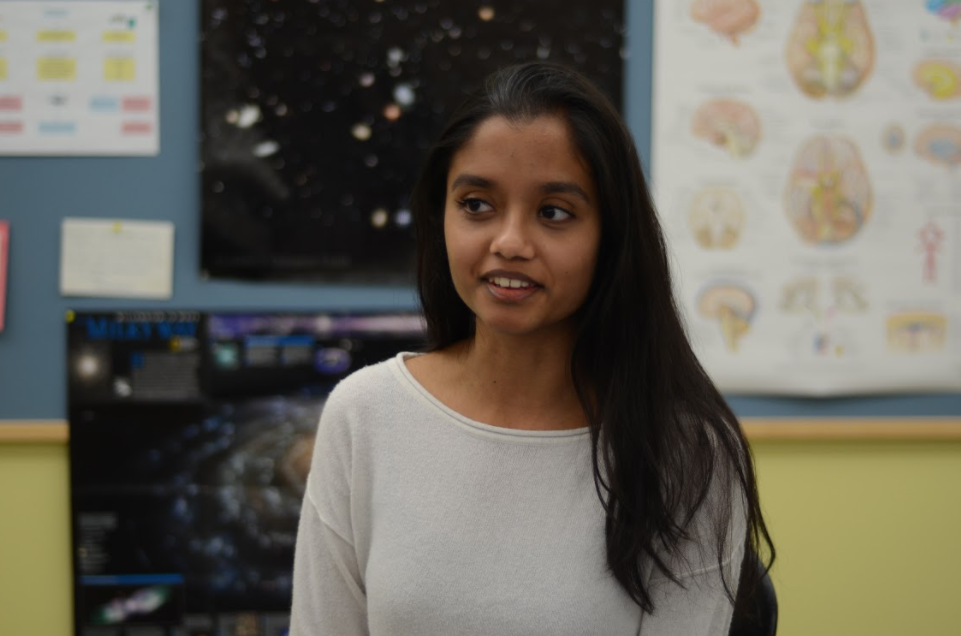
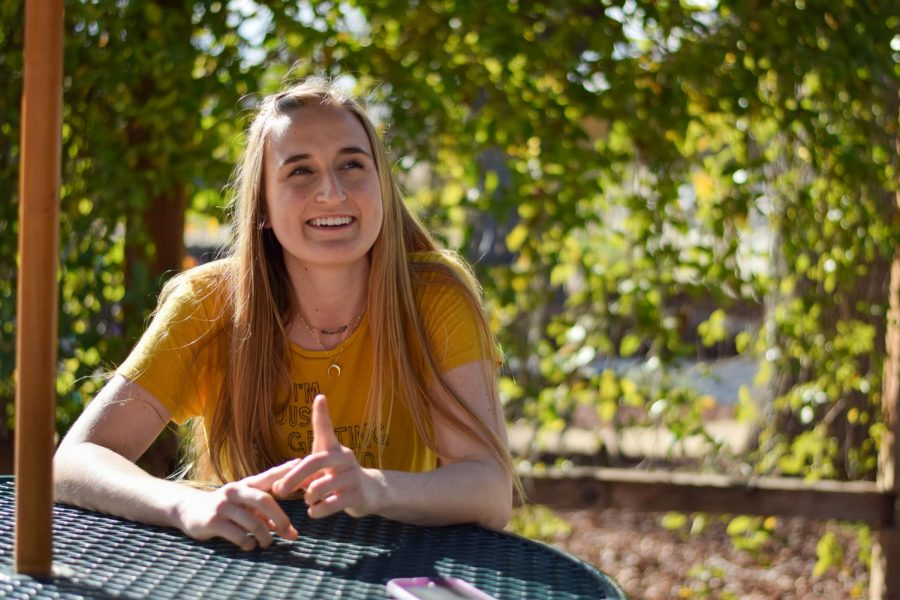
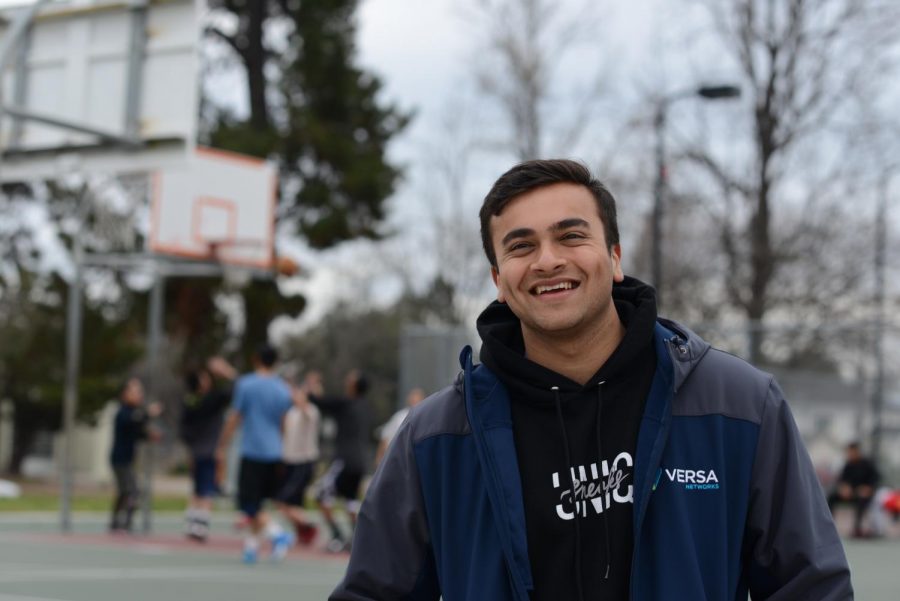
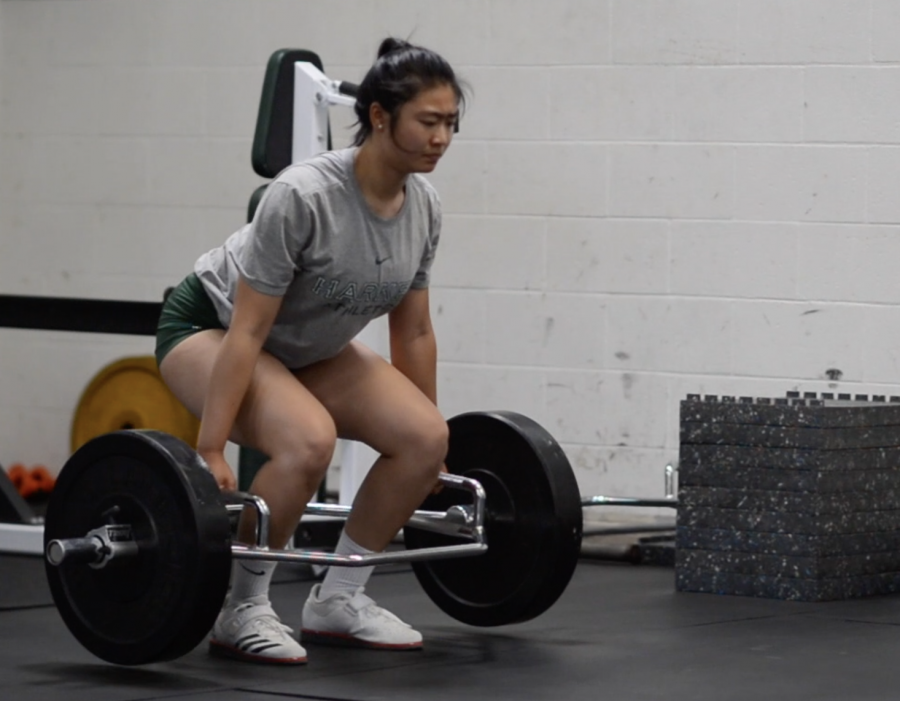
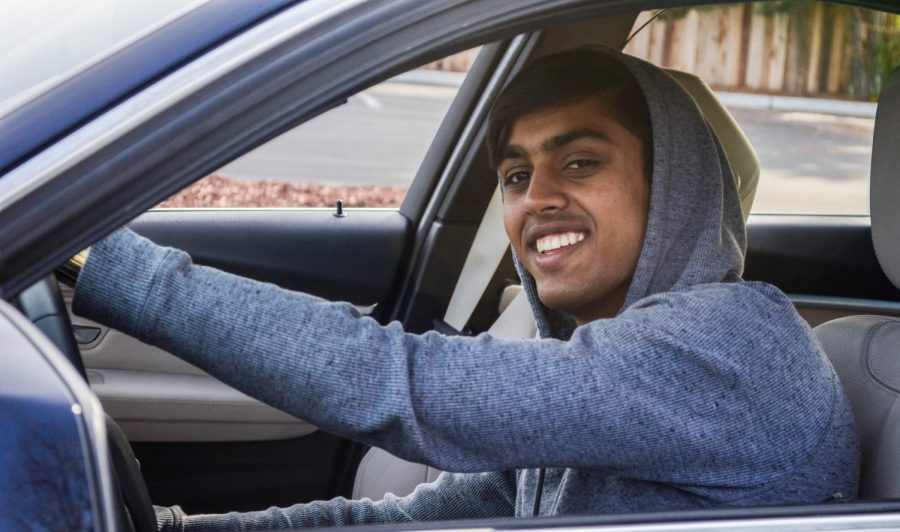
![“My slogan is ‘slow feet, don’t eat, and I’m hungry.’ You need to run fast to get where you are–you aren't going to get those championships if you aren't fast,” Angel Cervantes (12) said. “I want to do well in school on my tests and in track and win championships for my team. I live by that, [and] I can do that anywhere: in the classroom or on the field.”](https://harkeraquila.com/wp-content/uploads/2018/06/DSC5146-900x601.jpg)
![“[Volleyball has] taught me how to fall correctly, and another thing it taught is that you don’t have to be the best at something to be good at it. If you just hit the ball in a smart way, then it still scores points and you’re good at it. You could be a background player and still make a much bigger impact on the team than you would think,” Anya Gert (’20) said.](https://harkeraquila.com/wp-content/uploads/2020/06/AnnaGert_JinTuan_HoHPhotoEdited-600x900.jpeg)
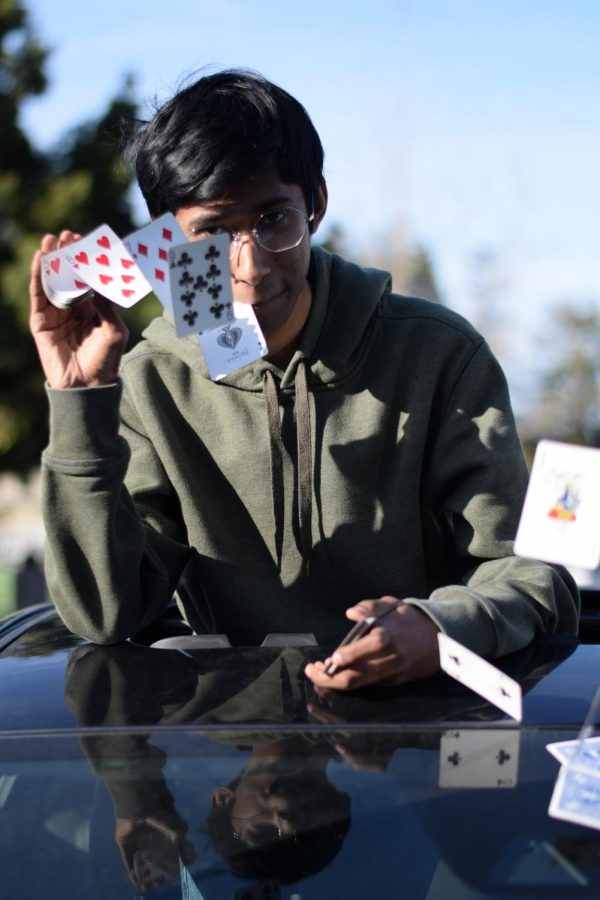
![“I'm not nearly there yet, but [my confidence has] definitely been getting better since I was pretty shy and timid coming into Harker my freshman year. I know that there's a lot of people that are really confident in what they do, and I really admire them. Everyone's so driven and that has really pushed me to kind of try to find my own place in high school and be more confident,” Alyssa Huang (’20) said.](https://harkeraquila.com/wp-content/uploads/2020/06/AlyssaHuang_EmilyChen_HoHPhoto-900x749.jpeg)


The sun beats down on the court as Pavith Khara lunges for another shot, her wrist throbbing and legs cramping. She misses as the ball skims past her racket, and the scoreboard confirms that she’s lost the semifinals. Exhausted and defeated by the score, Pavith feels a rush of pride instead. Every moment that she has pushed through pain and nerves has led up to this — the thrill of playing the game she loves, no matter the outcome.
“Tennis has made me super emotionally aware,” Pavith said. “Because of how much of a mental battle it brings on a day-to-day basis for me, I’m able to take my learnings and apply them to how I interact with how I view myself. I have this healthier balance where I’m not super obsessed with performance and feel like I’m at the best point of enjoying the sport.”
That balance wasn’t always easy to find. In sophomore year, Pavith struggled with the intense self-imposed pressure to perform. Every imperfect shot felt magnified, and practices often ended in frustration, even in tears. At one point, she stepped away from tennis, overwhelmed by expectations and the fear of underperforming. However, this became a turning point to recalibrate and shift her mindset to focus on improvement rather than perfection.
“Pushing myself to stick with it really helped me strengthen my affinity for tennis,” Pavith said. “I started to think of the sport more as an outlet for any stress I had; when I stepped on the court and had a clear mind, it was liberating. Because I’ve spent so much time looking intrinsically at my emotions, I’ve become pretty good at seeing emotions in other people and connecting with their culture.”
Last summer, Pavith traveled to Guatemala for her nonprofit, Together for Better, helping bring hundreds of children’s toys to underprivileged communities. The experience challenged her in new ways: navigating language barriers, cultural differences and hands-on problem solving, but she embraced it through the same focus and patience she honed through tennis. She was struck by the joy of the little children she met, which deepened her appreciation for gratitude and reinforced her belief that meaningful actions come from being consistent, not from the most extravagant ones.
“Even the simplest things can have the biggest impacts,” Pavith said. “We don’t need crazy solutions to make big results, but we just need determination to follow through with them. This has really driven me to explore all my interests to the fullest capacity and try to find unique ways to create those meaningful experiences for myself.”
Her growth and resilience aren’t just evident in how she approaches her passions, but they show in how she approaches her community. Close friend senior Janam Chahal has known Pavith for many years and admires her dedication to bettering the lives of those around her.
“From the moment I first met Pavith, I thought she was one of the kindest people I’ve ever met,” Janam said. “Over the past three or four years, I have grown to notice that she is not only a really hard worker, but she’s also really driven to do influential work wherever she goes. She constantly has a lot on her plate from athletics to academics, yet she knows how to balance it all super well with a smile on her face.”
Pavith’s maturity both as a player and a person is reflected in her development on the court over the years. Tennis coach Lu Tang coached Pavith since she was 13 and witnessed firsthand her evolution into a Division III caliber athlete throughout the years.
“She is very open-minded to learn and does not give up on what she’s trying to achieve,” Tang said. “Her determination and the will to do better is what I really admire. She’s also very open-minded to learn from me with her best ability.”
Beyond performance and progress, her journey carries a deeper meaning for those who have watched her along the way. Close friend senior Minal Jalil appreciates her humble daily approach to each situation she’s in.
“Pavith has this incredible work ethic,” Minal said. “The first game I got to see her play tennis was her senior night, and it was just so fulfilling for me to watch the culmination of all her hard work in this one game. That’s something really special because that’s not surface level about her.”
For Pavith, this sense of responsibility extends naturally from her own challenges with perseverance. The lessons she’s learned on the court about patience and focus translate into the way that she mentors others and approaches every new challenge.
“I put a lot of pressure on myself, and it took me a lot to see that winning and losing is not the end of the world,” Pavith said. “The biggest lesson for me was learning that it’s not a loss unless you don’t learn anything. Once I started seeing things like that, I started enjoying the process a lot more and got more invested in tennis.”