


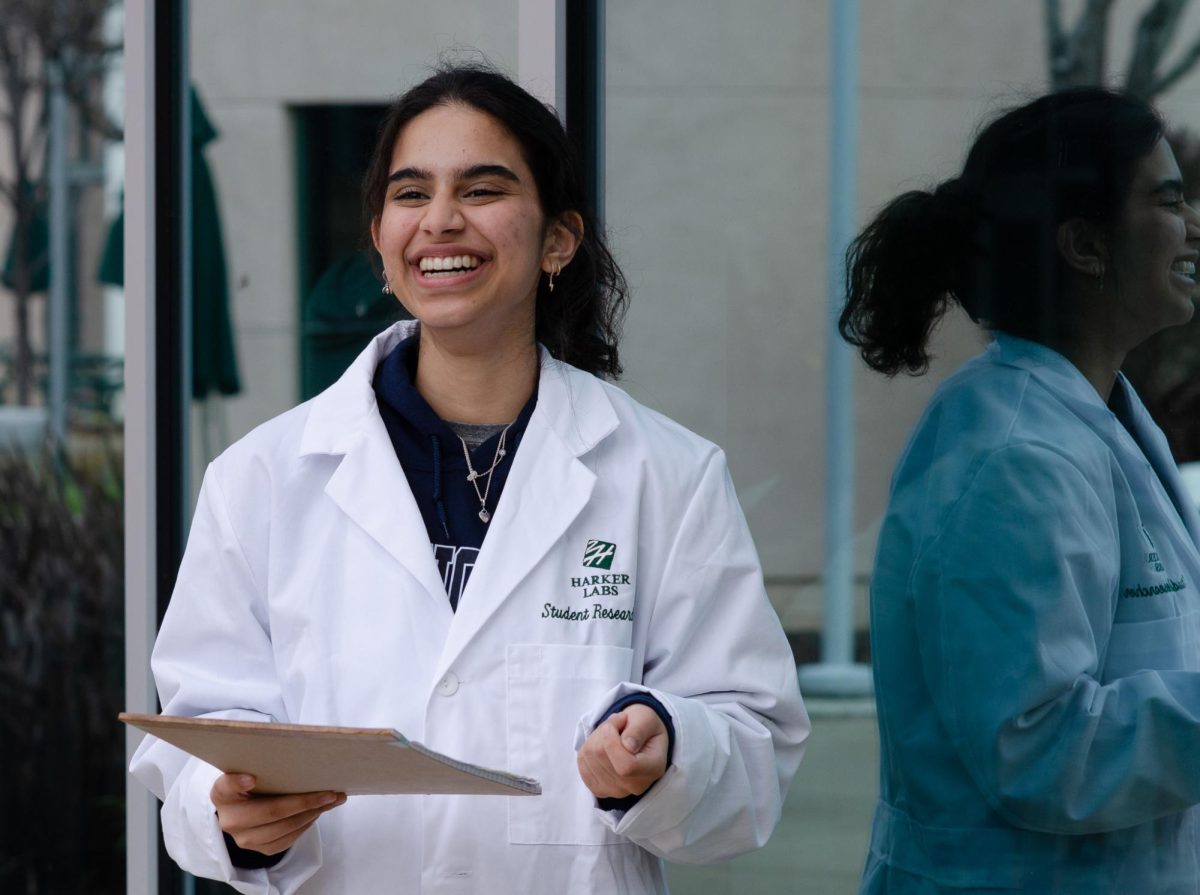
![“I wasn't discouraged by some of the obstacles we faced. I learned a lot from the leadership. I found that different people need different ways of receiving feedback — you can't [just] tell them to do something and expect the best. [Some] people needed more incentive. A large part of my role was to figure out what worked for everyone and to figure out how to lead all these separate individuals as a team,” Suhana Bhandare (’26) said.](https://harkeraquila.com/wp-content/uploads/2026/06/SuhanaBhandare_JasmineHansra-1-1200x798.jpg)
![“This is actually from Randy Pausch Randy P. Brick: ‘Walls are there for a reason. You have to show how much you want to overcome them.’ You have to show how much you want something. That's what I've always been able to do with tennis, Link Crew and getting that internship [with Kushy Baby]. It’s important pushing through that — getting around that brick wall, climbing over it or clawing through it,” Yash Sachdeva (’26) said.](https://harkeraquila.com/wp-content/uploads/2026/05/YashSachdeva_RamBatchu-copy-1200x1002.jpg)



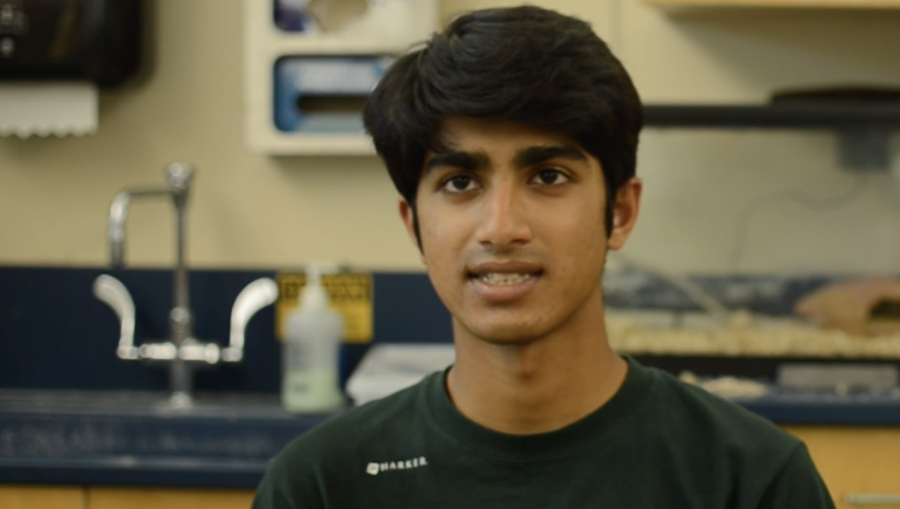
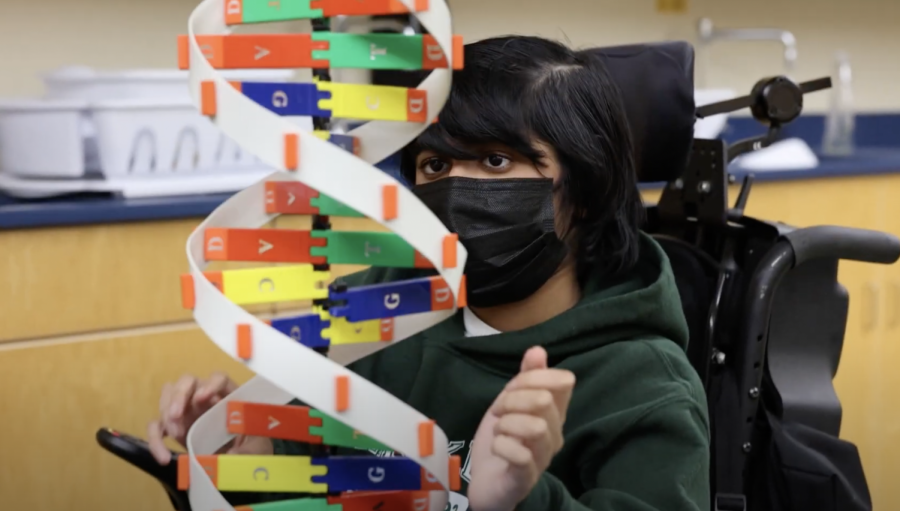
![“[Building nerf blasters] became this outlet of creativity for me that hasn't been matched by anything else. The process [of] making a build complete to your desire is such a painstakingly difficult process, but I've had to learn from [the skills needed from] soldering to proper painting. There's so many different options for everything, if you think about it, it exists. The best part is [that] if it doesn't exist, you can build it yourself," Ishaan Parate said.](https://harkeraquila.com/wp-content/uploads/2022/08/DSC_8149-900x604.jpg)
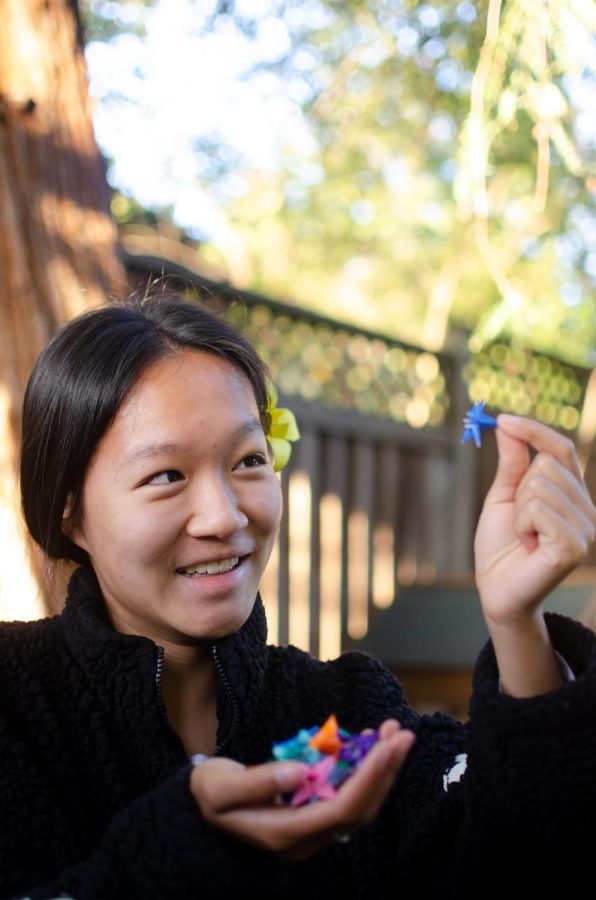
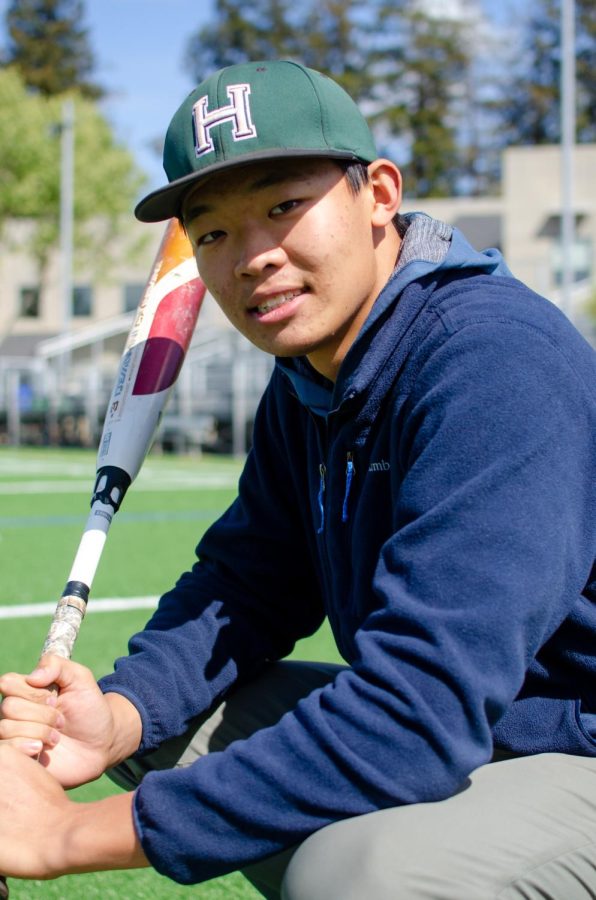
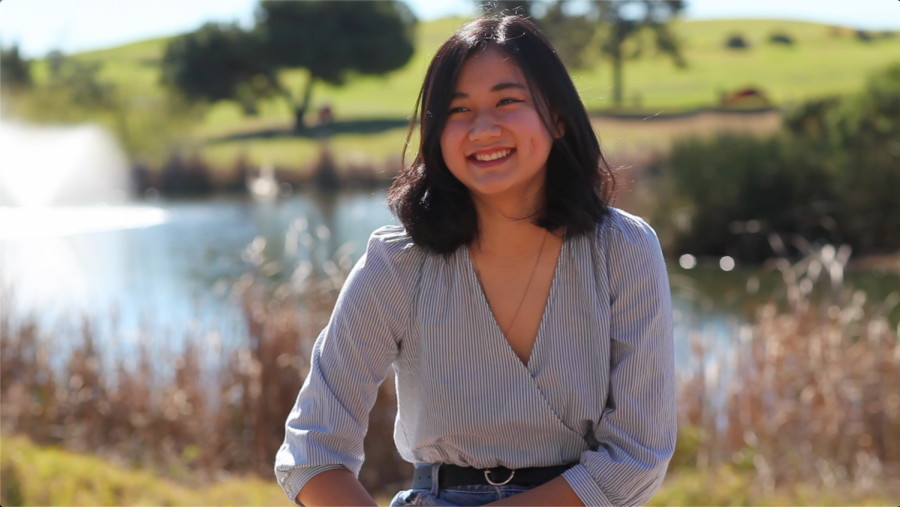
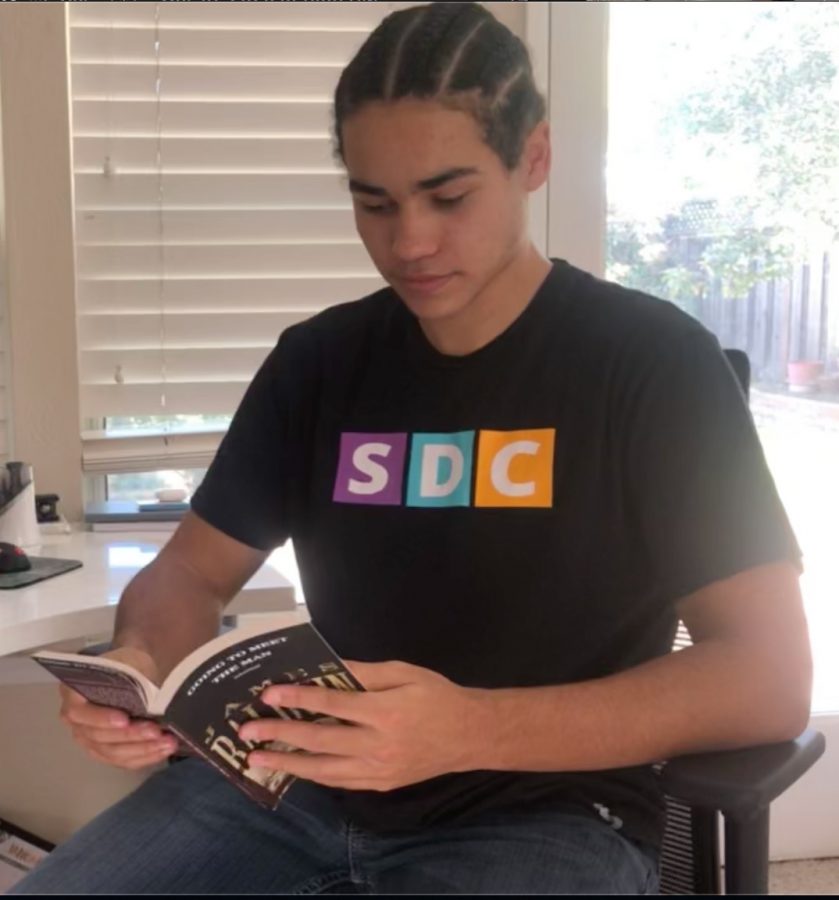
![“When I came into high school, I was ready to be a follower. But DECA was a game changer for me. It helped me overcome my fear of public speaking, and it's played such a major role in who I've become today. To be able to successfully lead a chapter of 150 students, an officer team and be one of the upperclassmen I once really admired is something I'm [really] proud of,” Anvitha Tummala ('21) said.](https://harkeraquila.com/wp-content/uploads/2021/07/Screen-Shot-2021-07-25-at-9.50.05-AM-900x594.png)
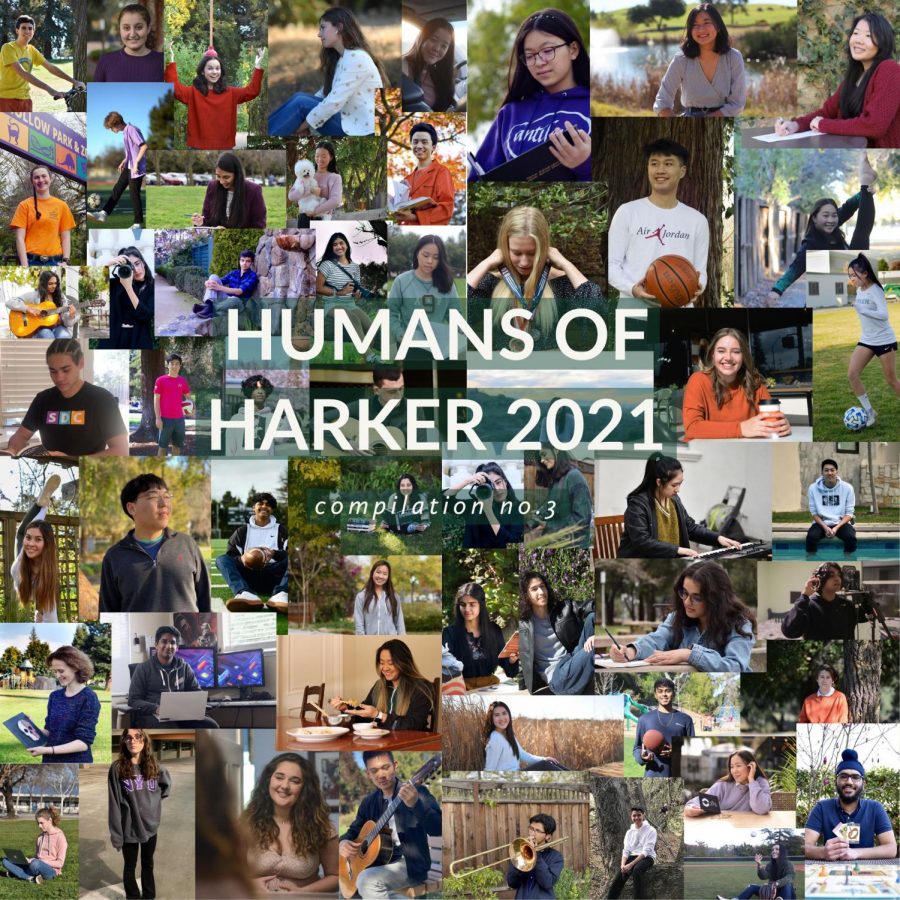
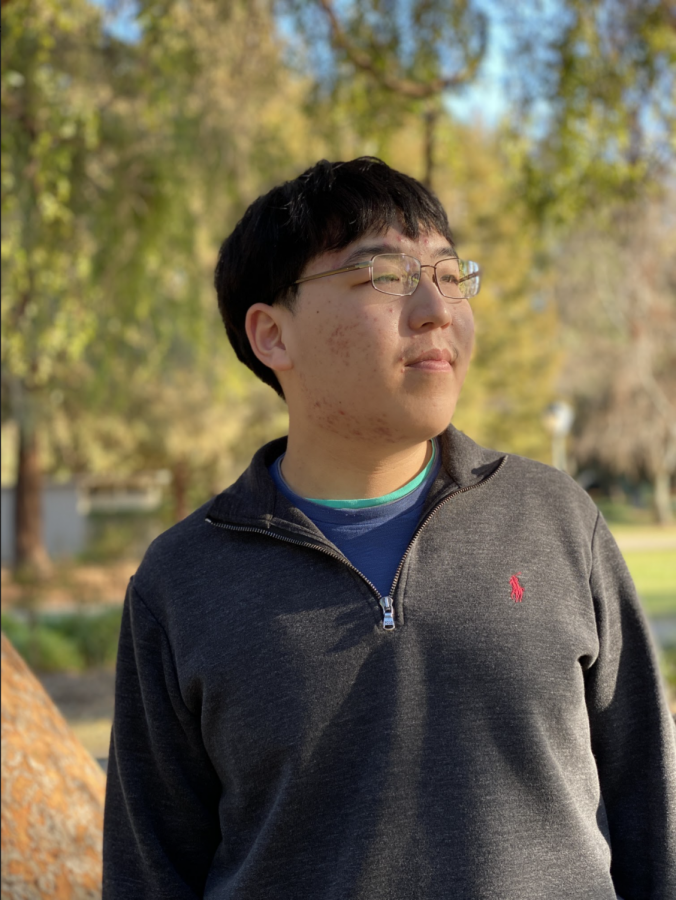

![“I think getting up in the morning and having a sense of purpose [is exciting]. I think without a certain amount of drive, life is kind of obsolete and mundane, and I think having that every single day is what makes each day unique and kind of makes life exciting,” Neymika Jain (12) said.](https://harkeraquila.com/wp-content/uploads/2017/06/Screen-Shot-2017-06-03-at-4.54.16-PM.png)
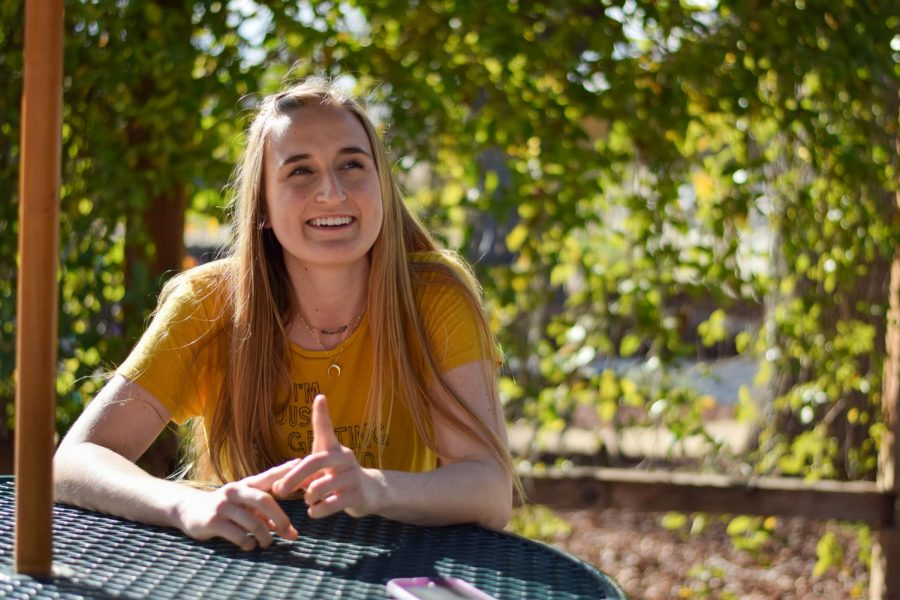
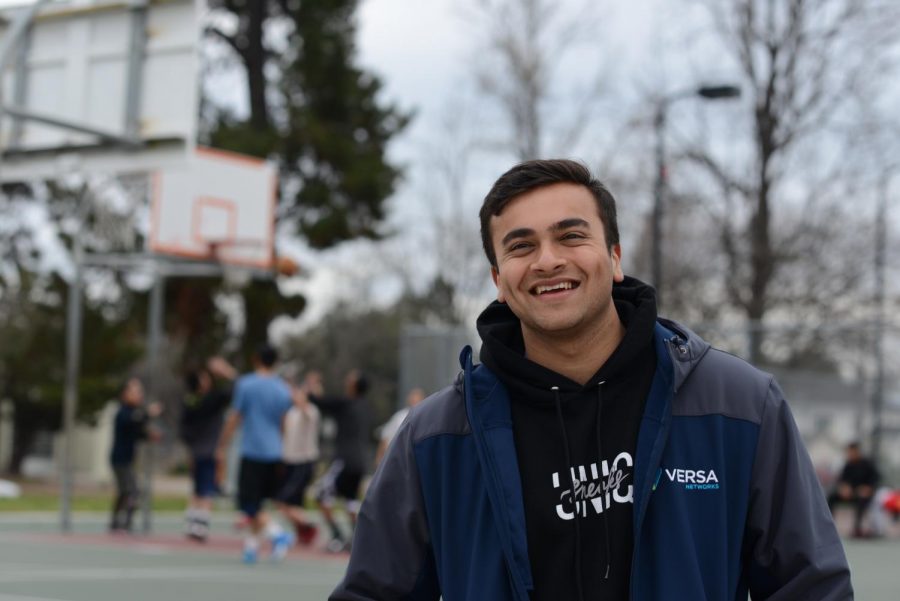
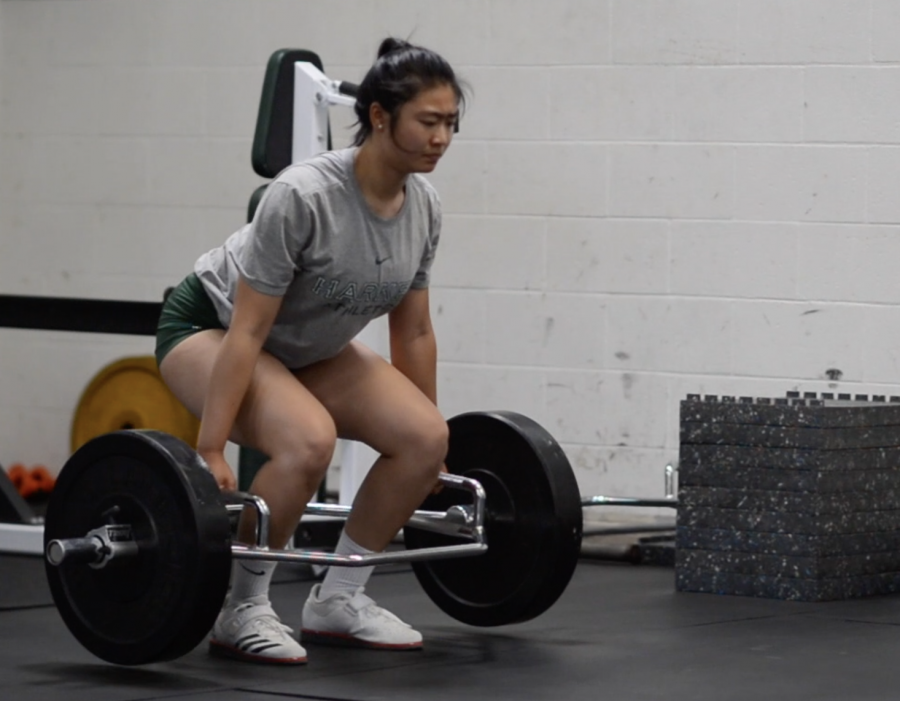

![“My slogan is ‘slow feet, don’t eat, and I’m hungry.’ You need to run fast to get where you are–you aren't going to get those championships if you aren't fast,” Angel Cervantes (12) said. “I want to do well in school on my tests and in track and win championships for my team. I live by that, [and] I can do that anywhere: in the classroom or on the field.”](https://harkeraquila.com/wp-content/uploads/2018/06/DSC5146-900x601.jpg)
![“[Volleyball has] taught me how to fall correctly, and another thing it taught is that you don’t have to be the best at something to be good at it. If you just hit the ball in a smart way, then it still scores points and you’re good at it. You could be a background player and still make a much bigger impact on the team than you would think,” Anya Gert (’20) said.](https://harkeraquila.com/wp-content/uploads/2020/06/AnnaGert_JinTuan_HoHPhotoEdited-600x900.jpeg)
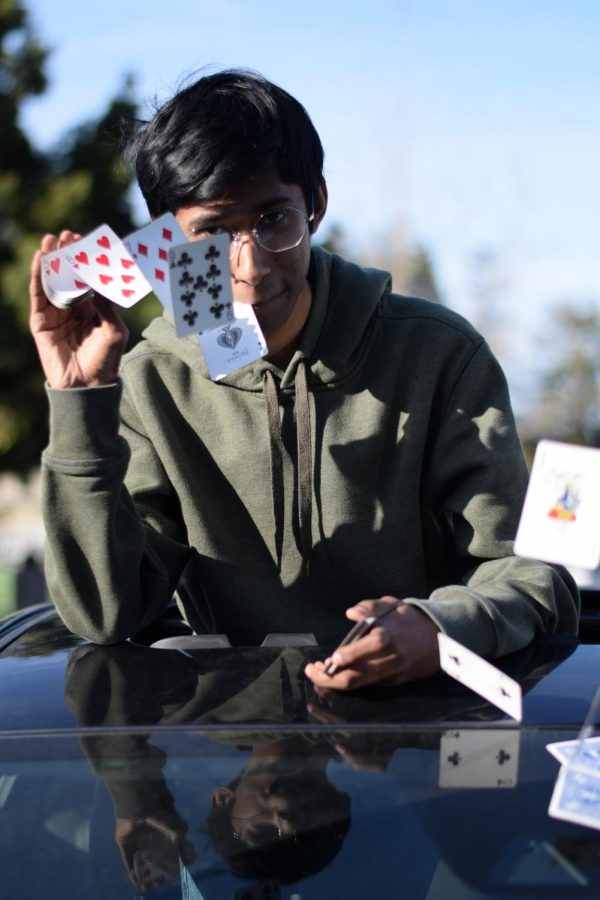
![“I'm not nearly there yet, but [my confidence has] definitely been getting better since I was pretty shy and timid coming into Harker my freshman year. I know that there's a lot of people that are really confident in what they do, and I really admire them. Everyone's so driven and that has really pushed me to kind of try to find my own place in high school and be more confident,” Alyssa Huang (’20) said.](https://harkeraquila.com/wp-content/uploads/2020/06/AlyssaHuang_EmilyChen_HoHPhoto-900x749.jpeg)


A muscular human figure lies face down on a surface patterned like the American flag, his body slack with exhaustion and pierced by arrows. Perched atop him, a bald eagle spreads its wings, its talons digging into his back, ready to feast on his organs.
This is senior Charlie Wang’s digital artwork “American Prometheus.” The subject: a struggle between the U.S. government and its own citizens, the former preying on the people it is meant to protect.
“A lot of my art is very visceral,” Charlie said. “I want to capture the feelings and the pain of certain things, and ‘American Prometheus’ is an example of this. Being able to get that gut feeling of fear is very important to me. My goal for people who view my art is not just that they enjoy it visually but also that it makes them think about something new and reflect.”
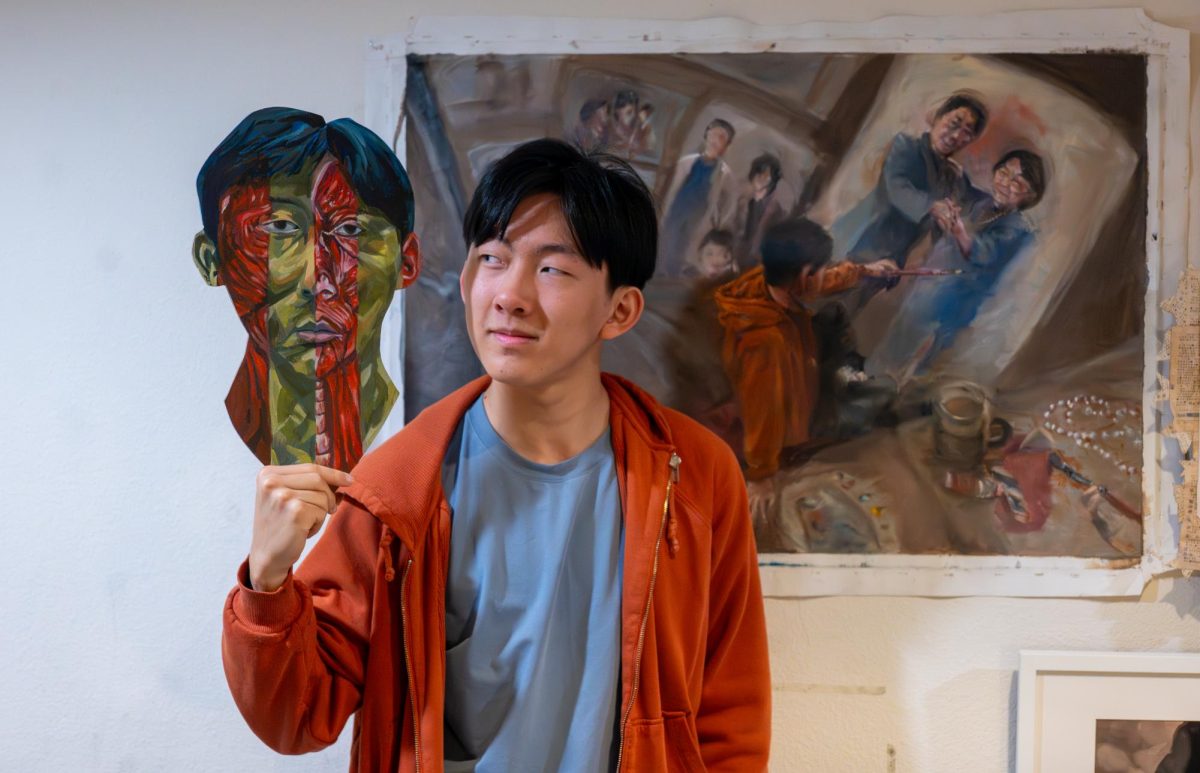
Charlie first became interested in art after attending the same art studios as his older sisters, where he discovered that he enjoyed the process of bringing his ideas to life on canvas. By sixth grade, he attended his art studio every weekend, where he learned sketching and rendering by working with graphite. In high school, he started honing in on his painting skills, experimenting with oil paints, acrylics, watercolor, gouache and digital art, as well as conceptual art and sculpture.
“The joy of creating and making things is very satisfying to me,” Charlie said. “Art is so visually powerful. As a viewer, you can look at an art piece and very quickly understand the story. You can both understand the artist’s message and also interpret the artist’s work through your own lens.”
Close friend senior Emma Li first met Charlie as a classmate in AP Drawing and recalled being inspired by his rendering technique and the introspective depth of his art. She credits him with encouraging her to become more well-read and broaden her own artistic perspective.
“I really admire his artistic mind,” Emma said. “He’s really thoughtful as well, especially in the pieces he did about his parents and their struggles. He would reference really niche and obscure objects, historical events and artists I never would have known about, and it amazed me how he knows these things and is able to be artistically inspired by them.”
In high school, Charlie focused on creating a collection of sculptures and paintings that examine his connection to his family’s Chinese heritage, including “American Prometheus.” Through his art, he explores his Chinese-American identity by researching Chinatowns, Chinese-American cuisine and even his parents’ childhood homes.
“As a Chinese American, there is a strong pressure to assimilate, so being able to preserve and explore my cultural identity, especially through creative work, is extremely valuable to me,” Charlie said. “Art has allowed me to explore these histories and make new connections to my Chinese heritage. My installation work, which is interactive, also helps tell the stories of places that are important to me.”
Charlie’s intellectual curiosity, which he explores through his art, also carries into the classroom, where he brings the same research and reflection to his academic work. History teacher Chuck Witschorik taught Charlie in AP United States History and highlights his intellectual engagement and commitment to learning.
“Charlie is self-motivated and interested in history because of his own fascination with Chinese-American history,” Dr. Witschorik said. “That’s a joy for a teacher, when a student embraces your discipline and wants to learn more. He’s not just someone trying to check off boxes or fulfill requirements. He really wants to learn and is dedicated to learning for its own sake.”
Despite lacking a community of artists while growing up, Charlie valued the support and connection he found with fellow artists in high school, including in his junior year AP Drawing class and a five-week summer program at the Rhode Island School of Design. There, he learned alongside other high schoolers working across a range of media from painting to graphic design.
“I was able to meet a lot of other talented artists of the same age as me while being immersed in art for five weeks,” Charlie said. “It was very unlike what I would have been doing in the Bay Area, and so different perspectives let me see how other people interpret my work in totally different ways. Having other people to critique your art is really helpful and lets you see if your art actually lands with the audience.”
Charlie’s curiosity and tendency toward critical thinking resonate with close friend senior Mihir Kotbagi, who has known Charlie since kindergarten. Mihir credits Charlie for encouraging him to be more thoughtful through their time together as friends, fellow Harker Journalism reporters and Harker Robotics team members.
“Charlie is willing to challenge the status quo, and he doesn’t implicitly accept things just because he sees them around him or online,” Mihir said. “I really admire that, and I’ve become a more critical thinker because of him. He drives me to research more on my own. Even if I ultimately disagree with his perspective, I still end up with a more nuanced understanding.”
For Charlie, art not only serves as a creative outlet, but it has also been a transformative experience that helped him become a better observer and a more reflective person. He values art as a source of self-improvement and a way for him to express a powerful message about his identity, values and self.
“Art is the pinnacle of manifesting my thoughts and ideas into the real world, and I want my work to encourage people to reflect and see things in a new way,” Charlie said. “I hope to leave a legacy of creativity and visual design through my art and inspire more people to embrace visual art as a medium themselves.”
