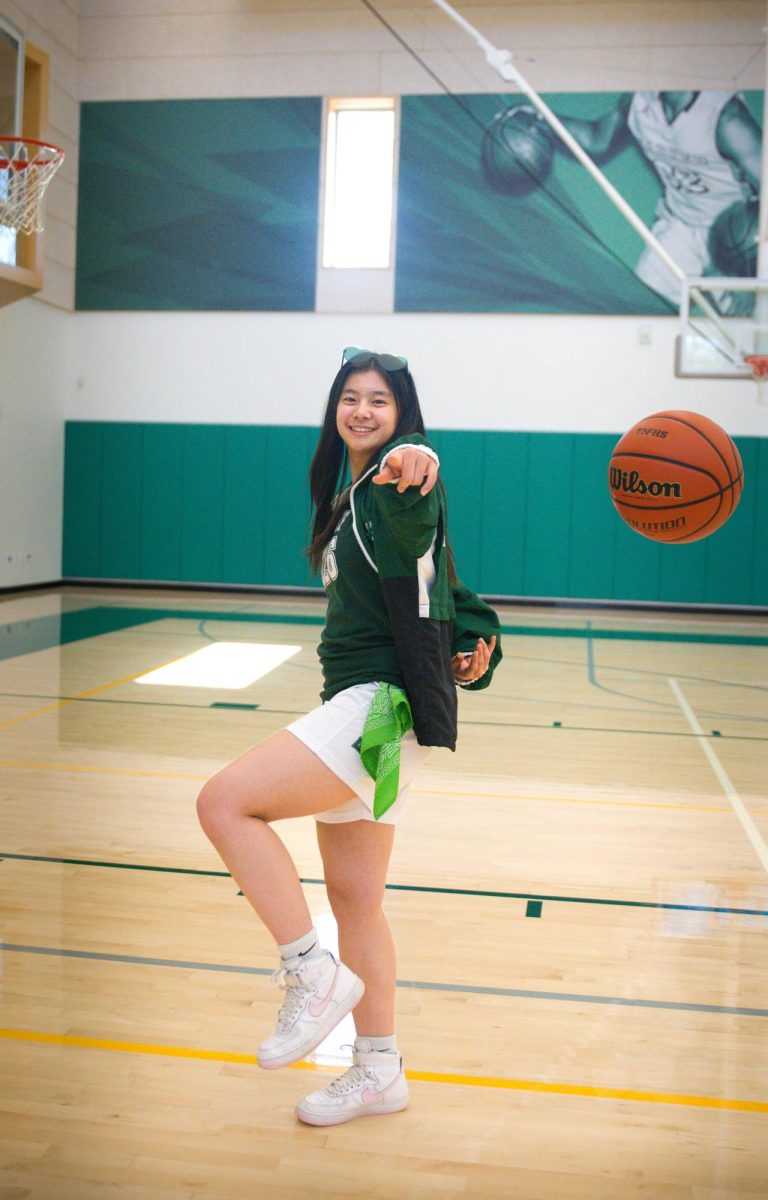
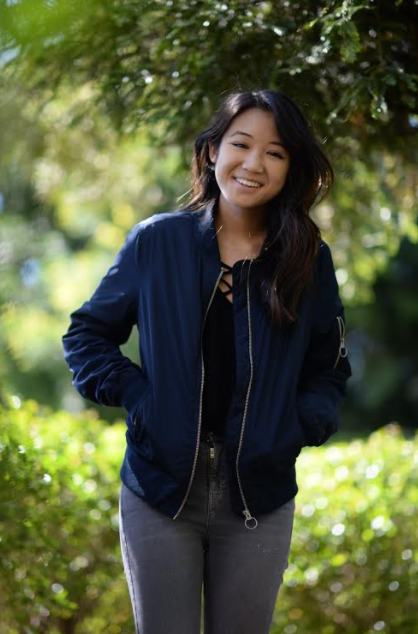
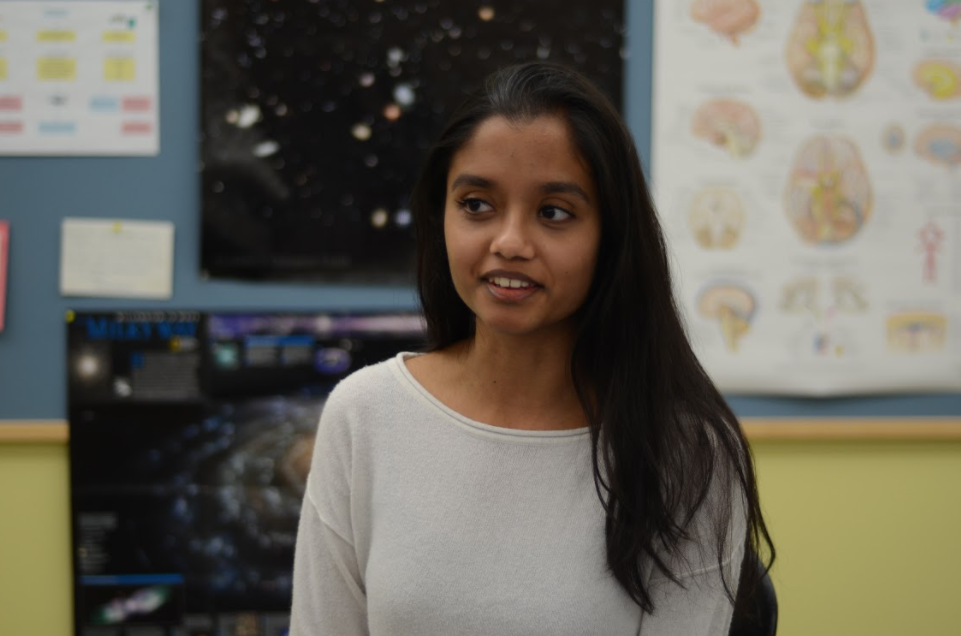
![“I wasn't discouraged by some of the obstacles we faced. I learned a lot from the leadership. I found that different people need different ways of receiving feedback — you can't [just] tell them to do something and expect the best. [Some] people needed more incentive. A large part of my role was to figure out what worked for everyone and to figure out how to lead all these separate individuals as a team,” Suhana Bhandare (’26) said.](https://harkeraquila.com/wp-content/uploads/2026/06/SuhanaBhandare_JasmineHansra-1-1200x798.jpg)
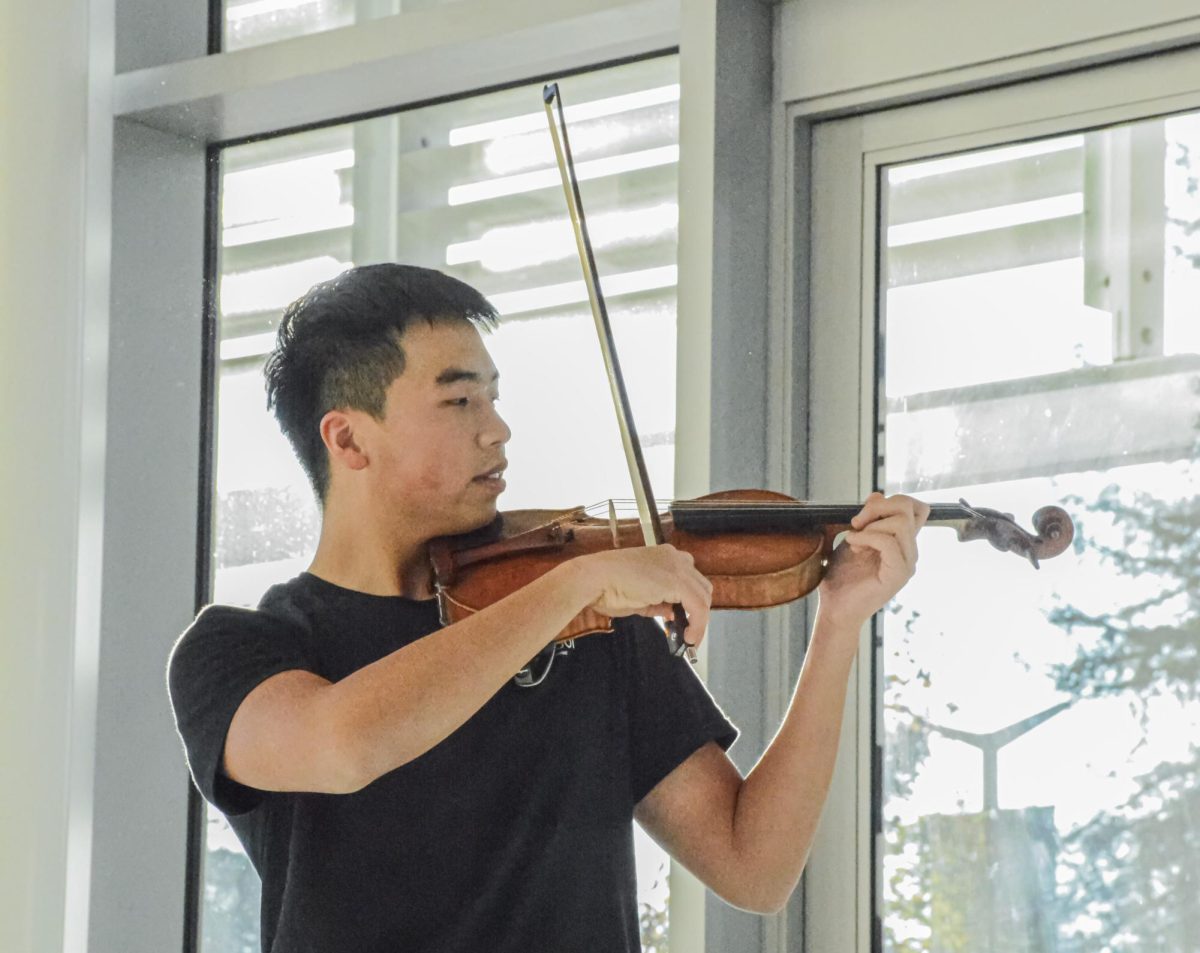
![“This is actually from Randy Pausch Randy P. Brick: ‘Walls are there for a reason. You have to show how much you want to overcome them.’ You have to show how much you want something. That's what I've always been able to do with tennis, Link Crew and getting that internship [with Kushy Baby]. It’s important pushing through that — getting around that brick wall, climbing over it or clawing through it,” Yash Sachdeva (’26) said.](https://harkeraquila.com/wp-content/uploads/2026/05/YashSachdeva_RamBatchu-copy-1200x1002.jpg)




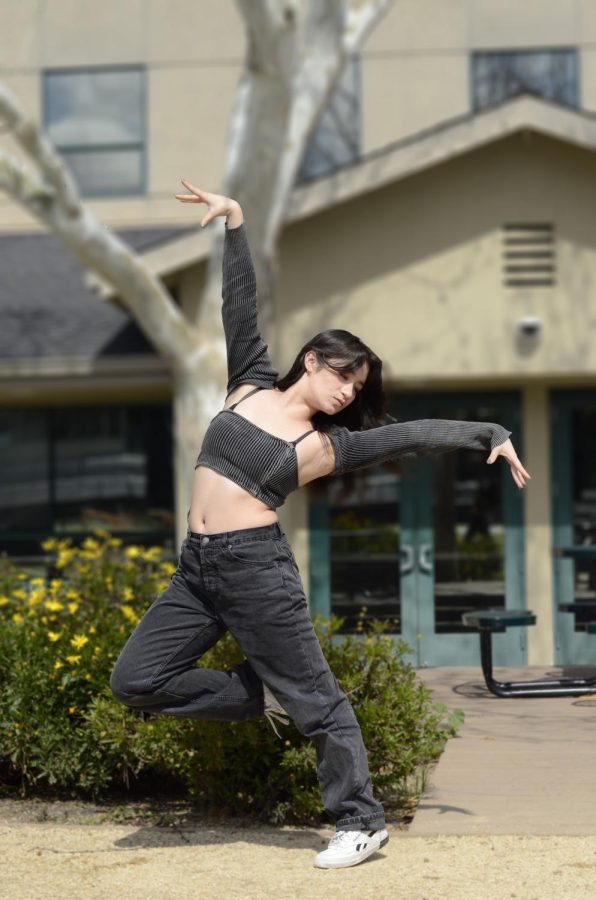
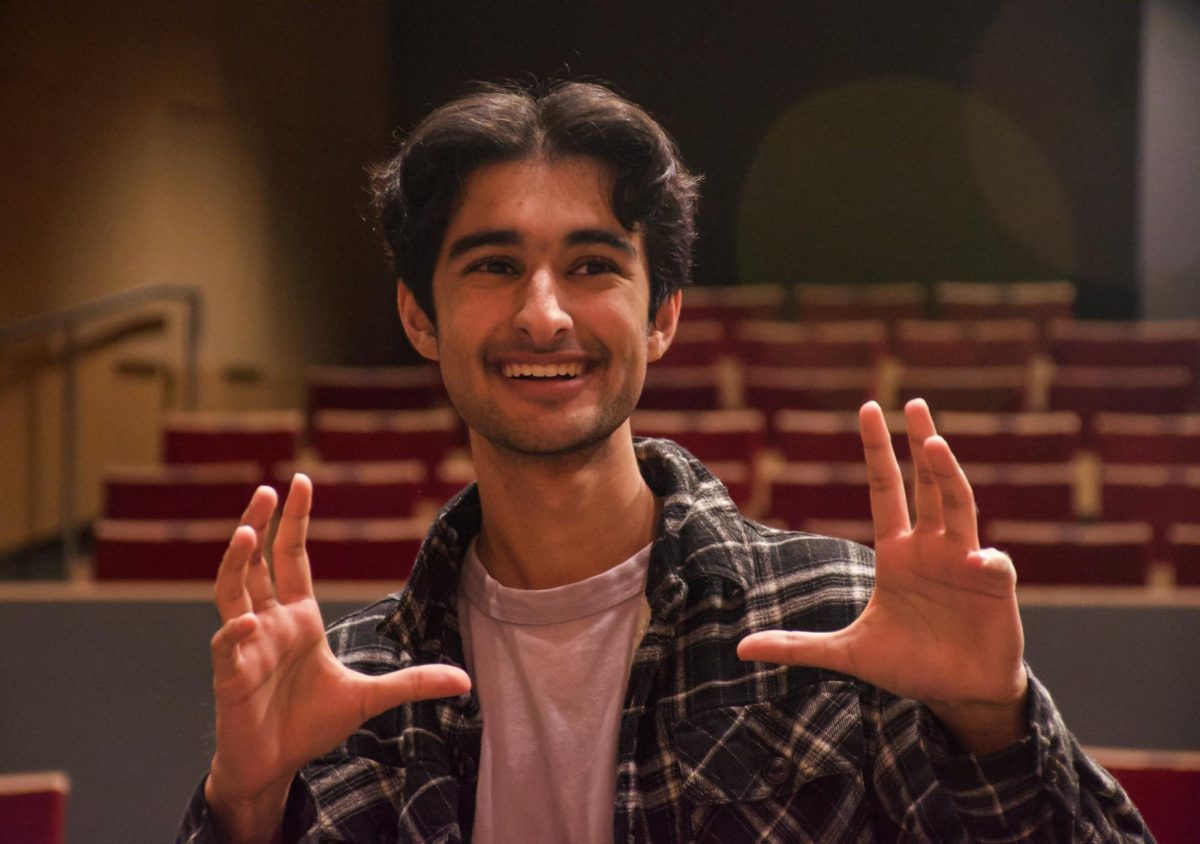
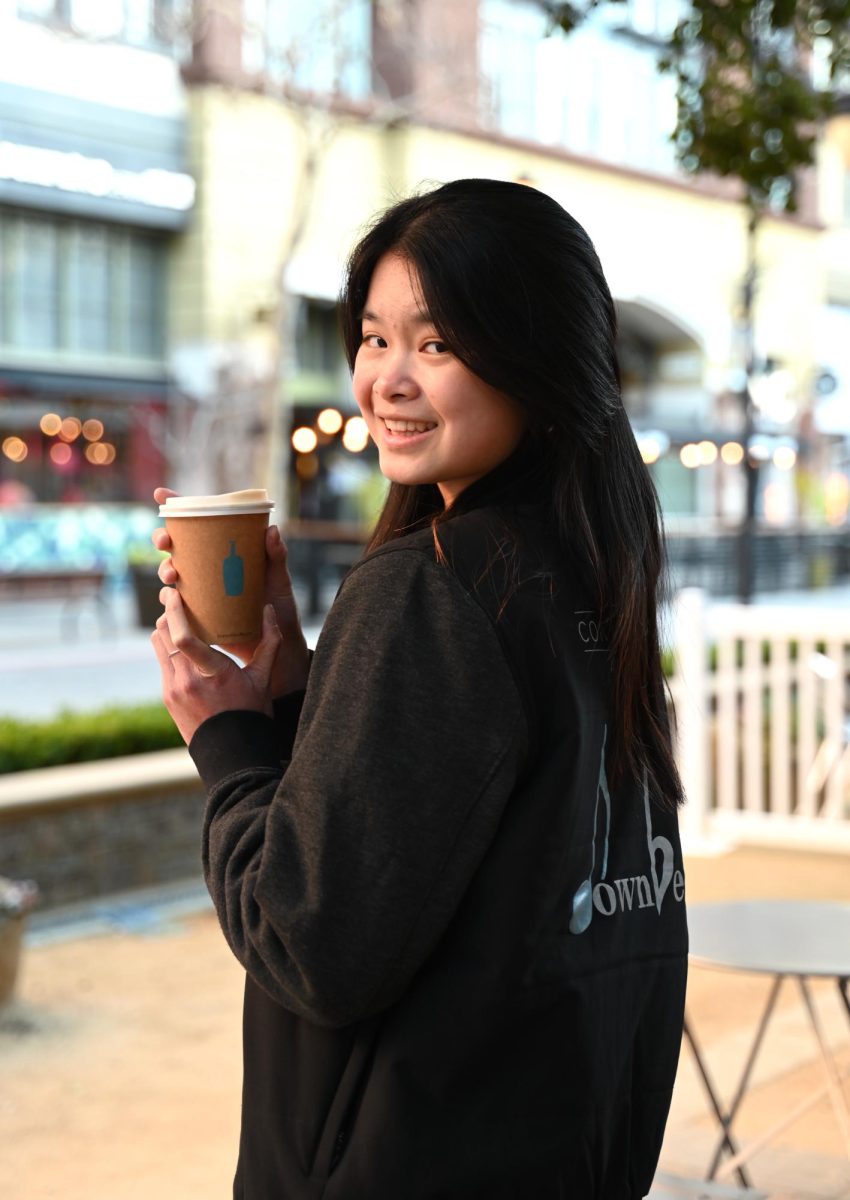
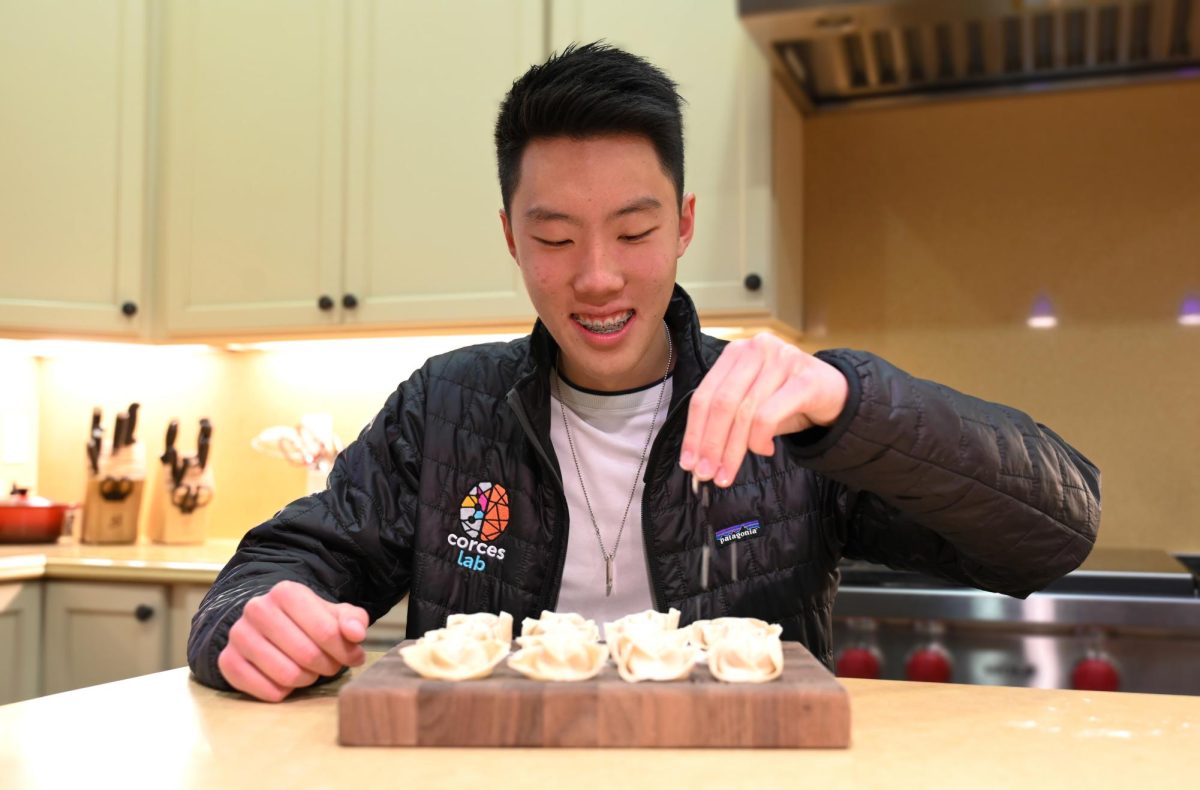
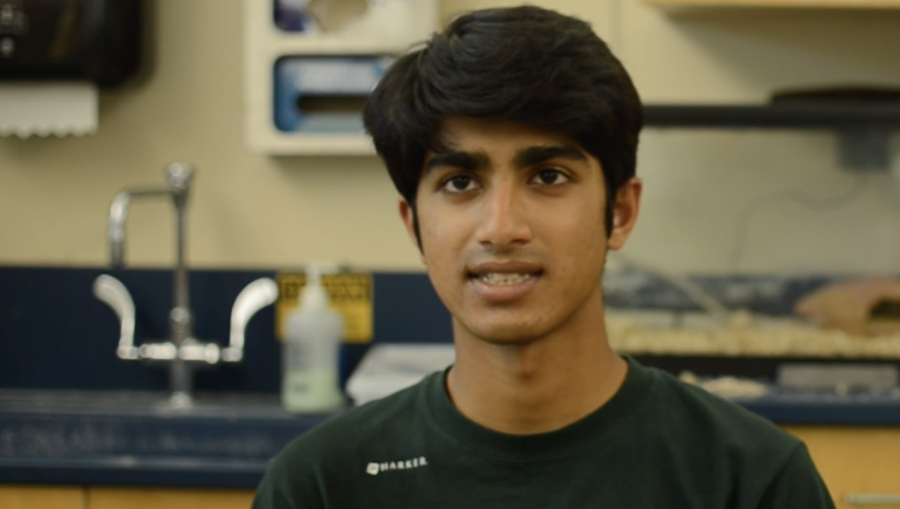
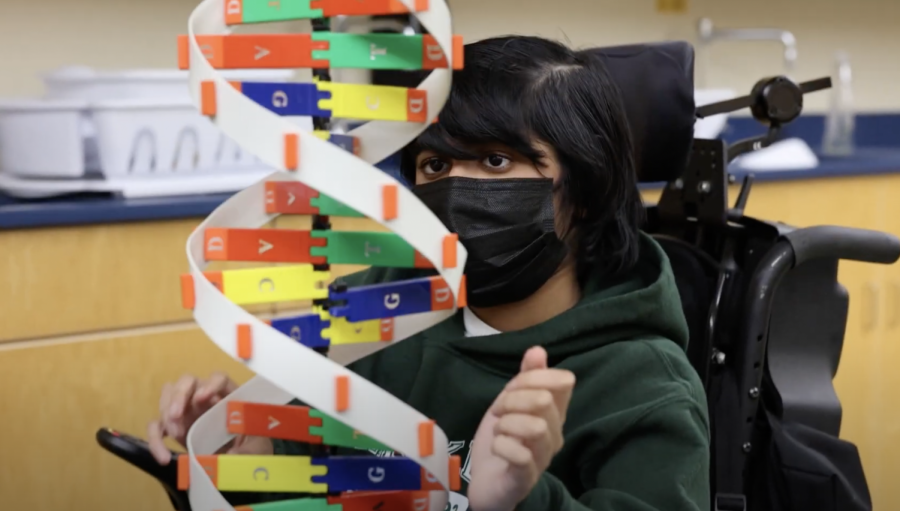
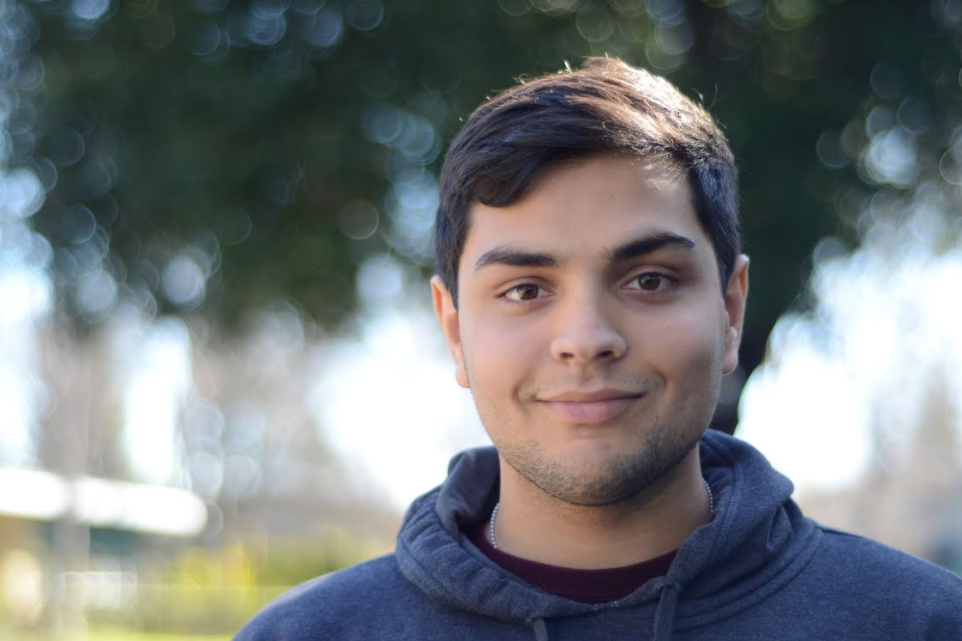
![“[Building nerf blasters] became this outlet of creativity for me that hasn't been matched by anything else. The process [of] making a build complete to your desire is such a painstakingly difficult process, but I've had to learn from [the skills needed from] soldering to proper painting. There's so many different options for everything, if you think about it, it exists. The best part is [that] if it doesn't exist, you can build it yourself," Ishaan Parate said.](https://harkeraquila.com/wp-content/uploads/2022/08/DSC_8149-900x604.jpg)
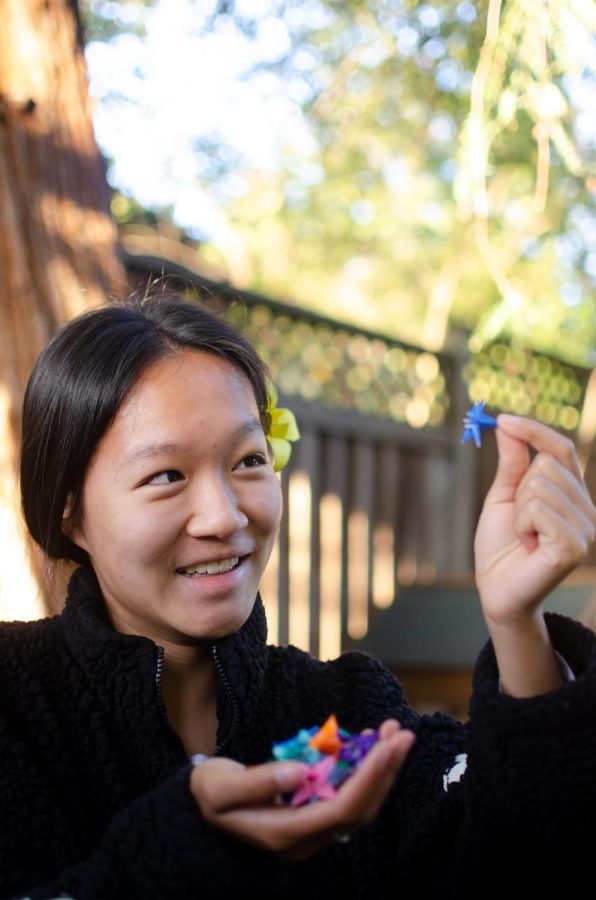
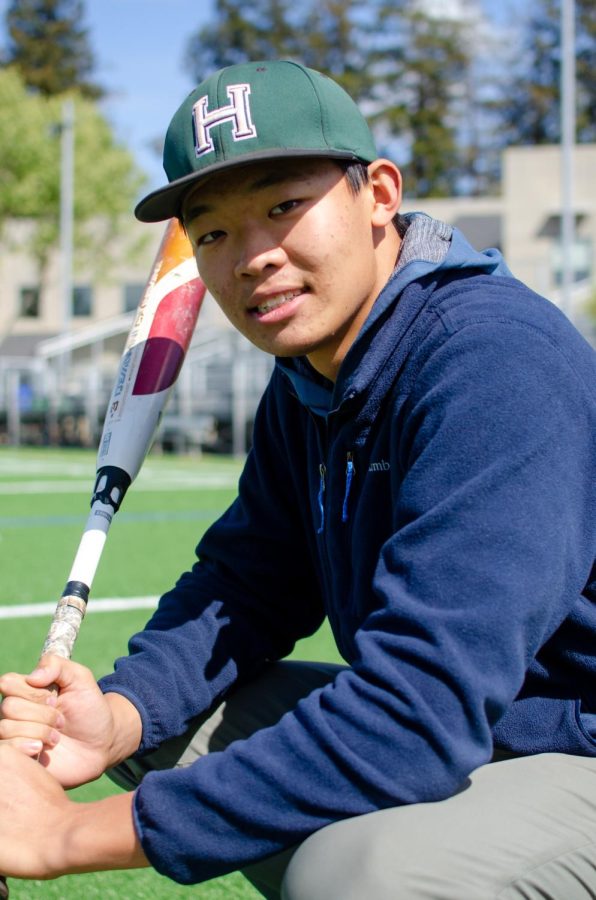
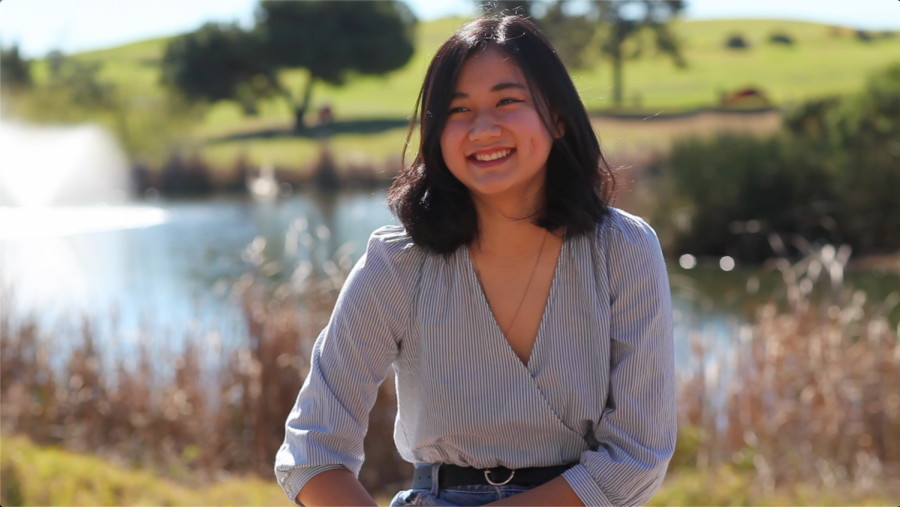
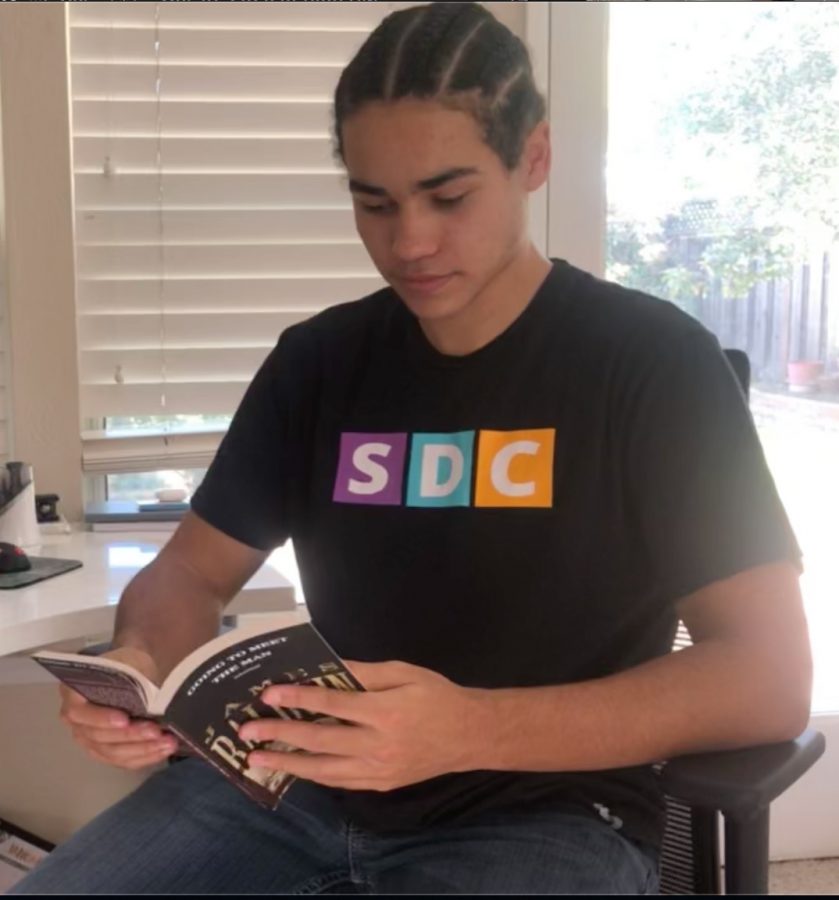
![“When I came into high school, I was ready to be a follower. But DECA was a game changer for me. It helped me overcome my fear of public speaking, and it's played such a major role in who I've become today. To be able to successfully lead a chapter of 150 students, an officer team and be one of the upperclassmen I once really admired is something I'm [really] proud of,” Anvitha Tummala ('21) said.](https://harkeraquila.com/wp-content/uploads/2021/07/Screen-Shot-2021-07-25-at-9.50.05-AM-900x594.png)
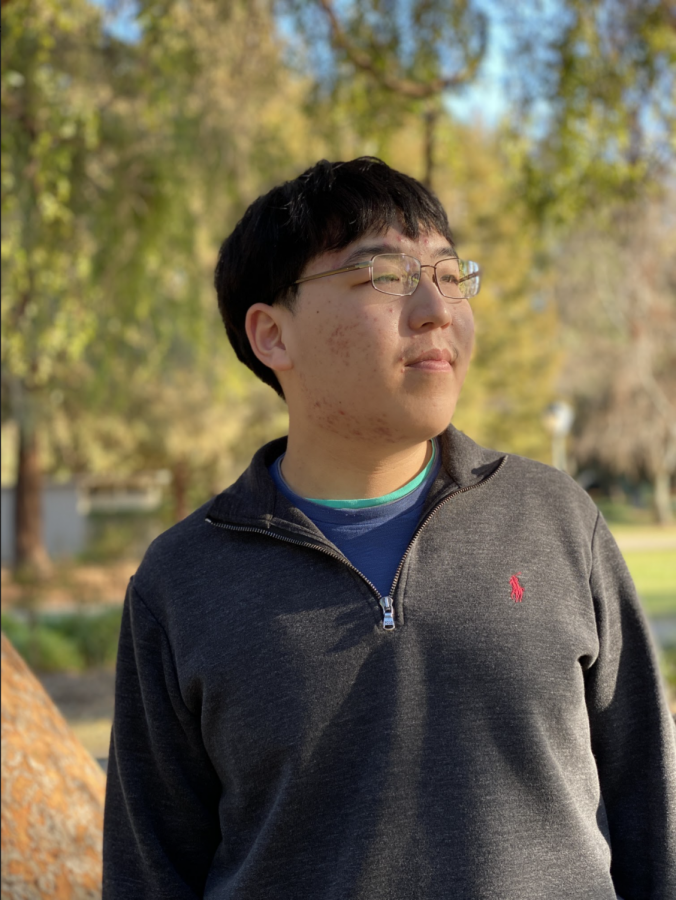
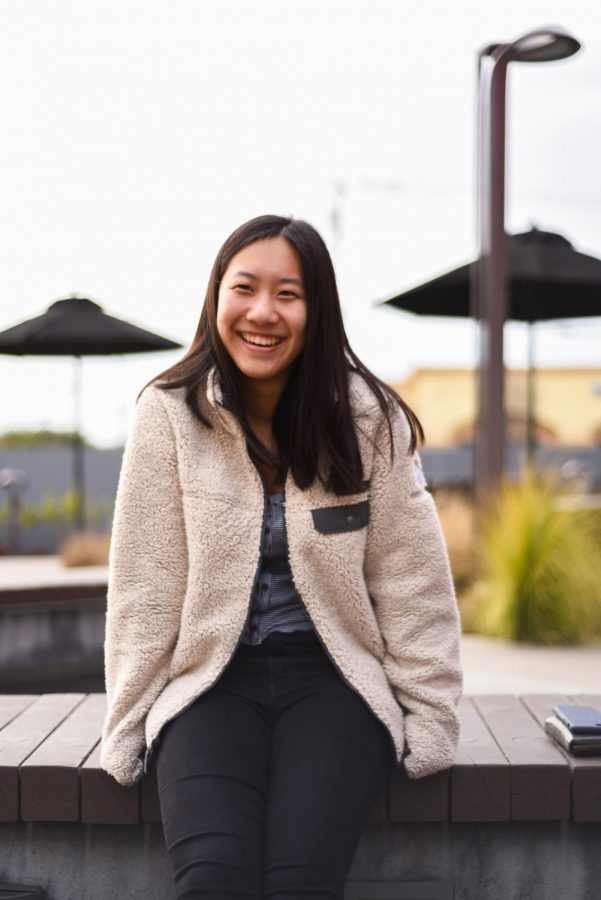
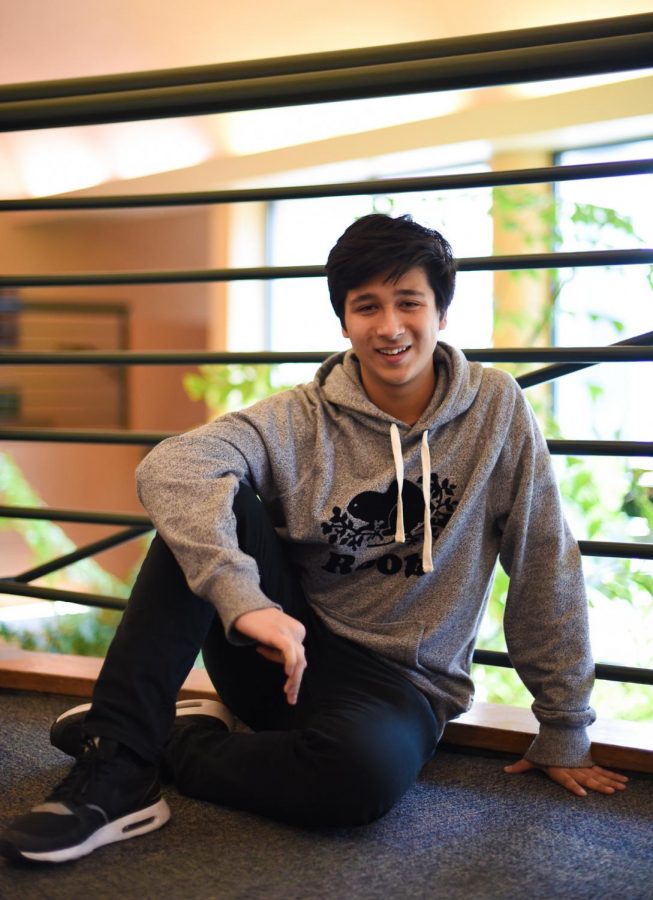
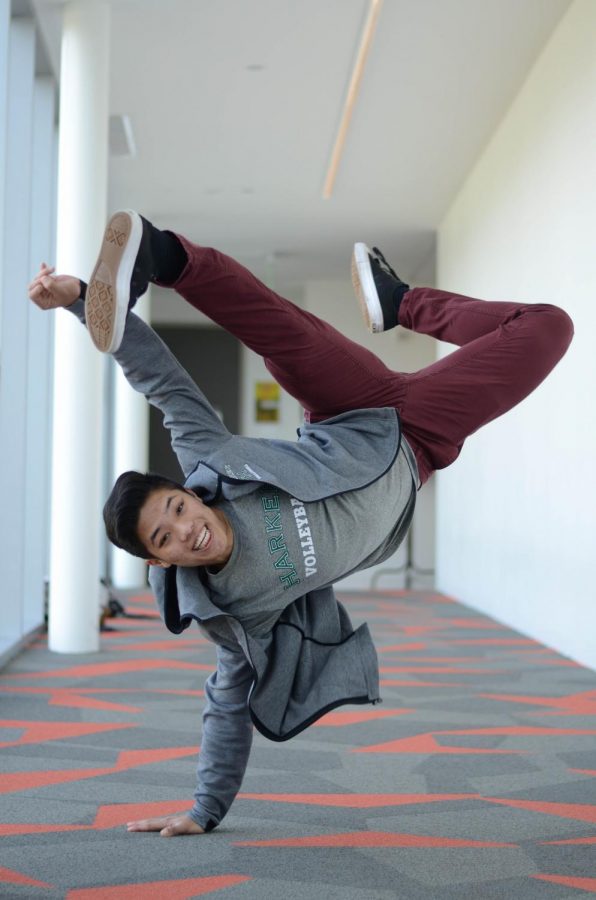
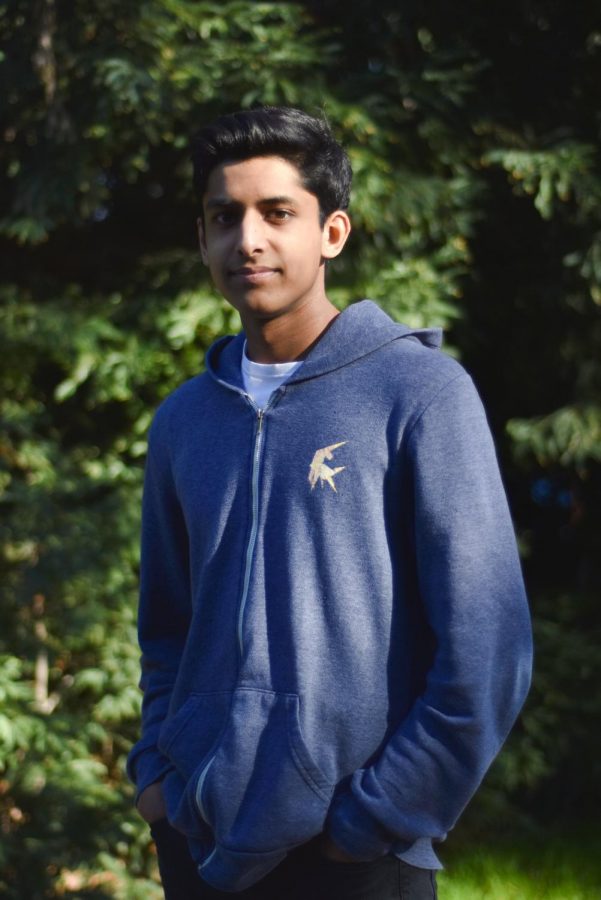

![“I think getting up in the morning and having a sense of purpose [is exciting]. I think without a certain amount of drive, life is kind of obsolete and mundane, and I think having that every single day is what makes each day unique and kind of makes life exciting,” Neymika Jain (12) said.](https://harkeraquila.com/wp-content/uploads/2017/06/Screen-Shot-2017-06-03-at-4.54.16-PM.png)
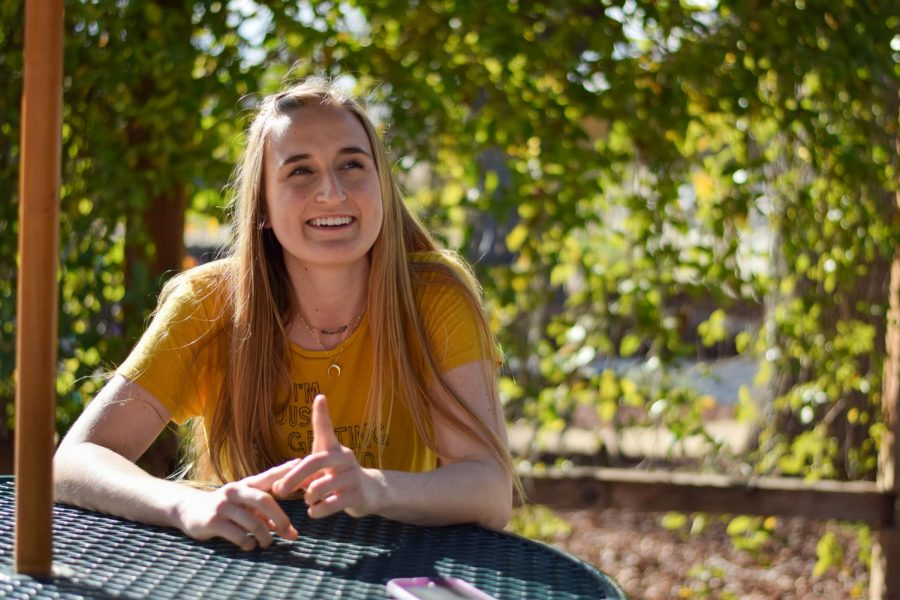
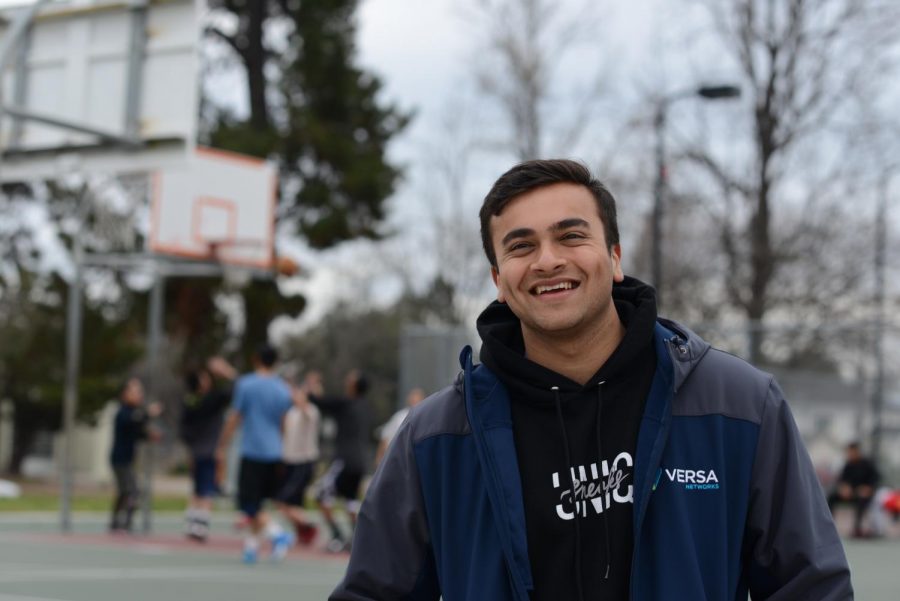
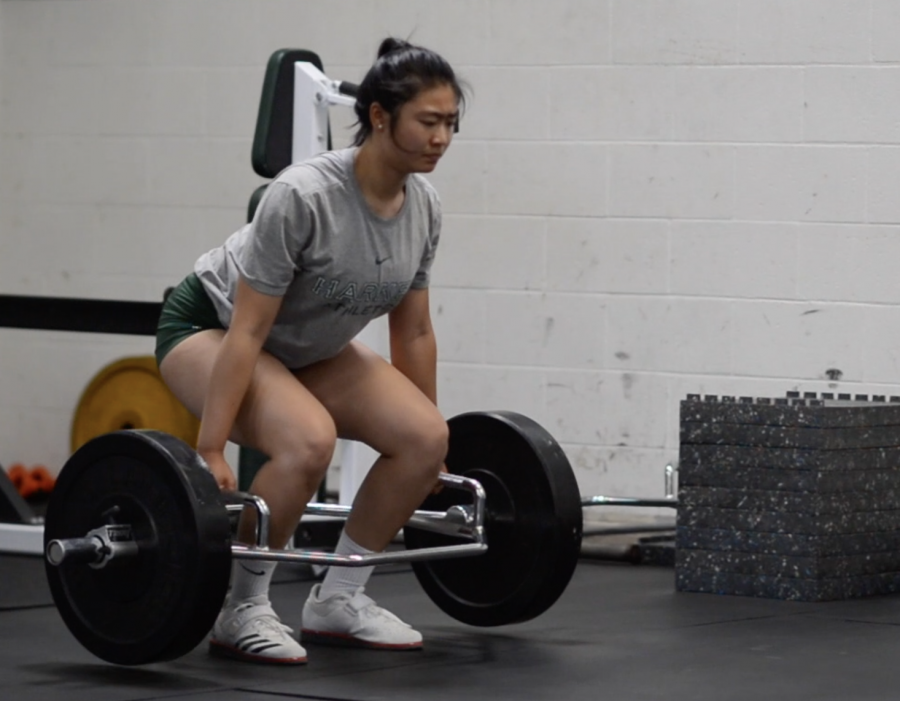
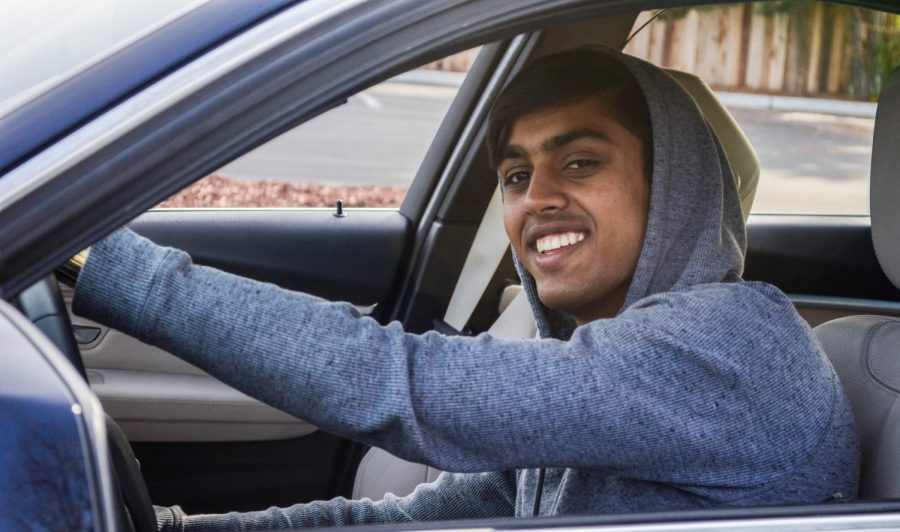
![“My slogan is ‘slow feet, don’t eat, and I’m hungry.’ You need to run fast to get where you are–you aren't going to get those championships if you aren't fast,” Angel Cervantes (12) said. “I want to do well in school on my tests and in track and win championships for my team. I live by that, [and] I can do that anywhere: in the classroom or on the field.”](https://harkeraquila.com/wp-content/uploads/2018/06/DSC5146-900x601.jpg)
![“[Volleyball has] taught me how to fall correctly, and another thing it taught is that you don’t have to be the best at something to be good at it. If you just hit the ball in a smart way, then it still scores points and you’re good at it. You could be a background player and still make a much bigger impact on the team than you would think,” Anya Gert (’20) said.](https://harkeraquila.com/wp-content/uploads/2020/06/AnnaGert_JinTuan_HoHPhotoEdited-600x900.jpeg)
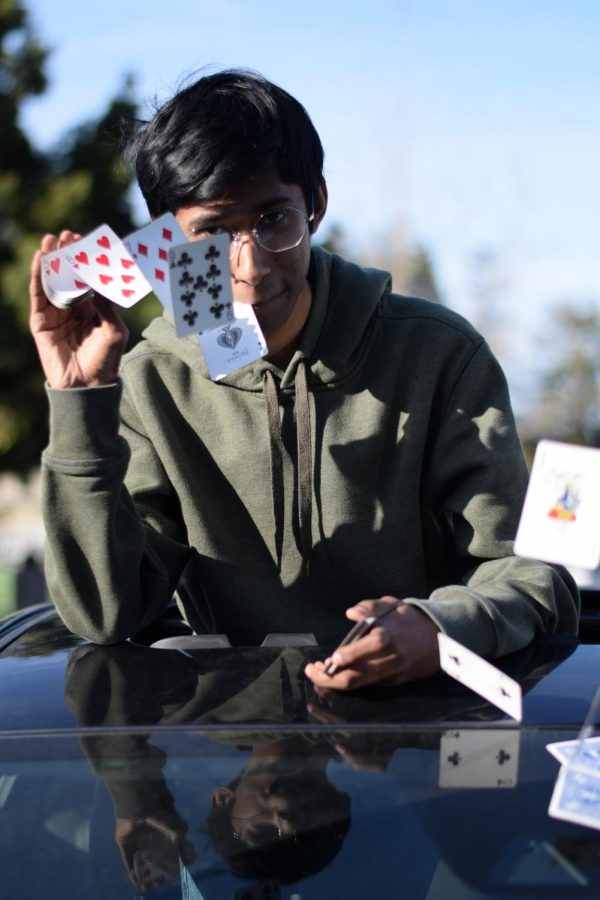
![“I'm not nearly there yet, but [my confidence has] definitely been getting better since I was pretty shy and timid coming into Harker my freshman year. I know that there's a lot of people that are really confident in what they do, and I really admire them. Everyone's so driven and that has really pushed me to kind of try to find my own place in high school and be more confident,” Alyssa Huang (’20) said.](https://harkeraquila.com/wp-content/uploads/2020/06/AlyssaHuang_EmilyChen_HoHPhoto-900x749.jpeg)


View the full transcript:
Grace: A figure on screen devours a fried, sauced, unintelligible object. Satisfying crunches and munches play from a computer.
Saria: Autonomous Sensory Meridian Response (ASMR) describes the calming sensation triggered by specific auditory or visual stimuli, like whispering and tapping. According to the NIH, People who experience ASMR describe it as a gentle tingling in their scalp and spine, accompanied by deep relaxation, reduced stress and in some cases, drowsiness.
Grace: Its calming sounds can act as a powerful tool for relaxation and emotional comfort for those who do. Many use ASMR to help manage anxiety, sleep quality or stress, while others simply enjoy the soothing sensation it provides.
Saria: ASMR was coined as an official term in 2010 by cybersecurity professional Jennifer Allen, who created a Facebook group dedicated to discussing ASMR through a clinical lens. Previously, people used various vague phrases like “brain tingles.”
Grace: Today, ASMR videos cover a broad range of topics, from miniature play set unboxing and lego building to satisfying carpet cleaning and even Donald Trump ASMR. Going viral for their surprising satisfaction factors, combined with their absurdity, ASMR videos attracted large audiences online.
Saria: Youtube played a key role in ASMR’s rise to popularity. Creators, known as “ASMRtists,” share videos designed to trigger ASMR responses.Today, millions of viewers worldwide tune in to watch these videos, regardless of whether they experience ASMR “tingles.” Some, for example, enjoy watching mukbangs to satisfy late-night cravings, while others may prefer soft-spoken videos to calm down. Ultimately, ASMR content offers entertainment to some and relaxation to all.
Grace: Join Harker Aquila on a short ASMR break, as we bring you through the sounds and objects of Harker Journalism.