![“I wasn't discouraged by some of the obstacles we faced. I learned a lot from the leadership. I found that different people need different ways of receiving feedback — you can't [just] tell them to do something and expect the best. [Some] people needed more incentive. A large part of my role was to figure out what worked for everyone and to figure out how to lead all these separate individuals as a team,” Suhana Bhandare (’26) said.](https://harkeraquila.com/wp-content/uploads/2026/06/SuhanaBhandare_JasmineHansra-1-1200x798.jpg)
![“This is actually from Randy Pausch Randy P. Brick: ‘Walls are there for a reason. You have to show how much you want to overcome them.’ You have to show how much you want something. That's what I've always been able to do with tennis, Link Crew and getting that internship [with Kushy Baby]. It’s important pushing through that — getting around that brick wall, climbing over it or clawing through it,” Yash Sachdeva (’26) said.](https://harkeraquila.com/wp-content/uploads/2026/05/YashSachdeva_RamBatchu-copy-1200x1002.jpg)

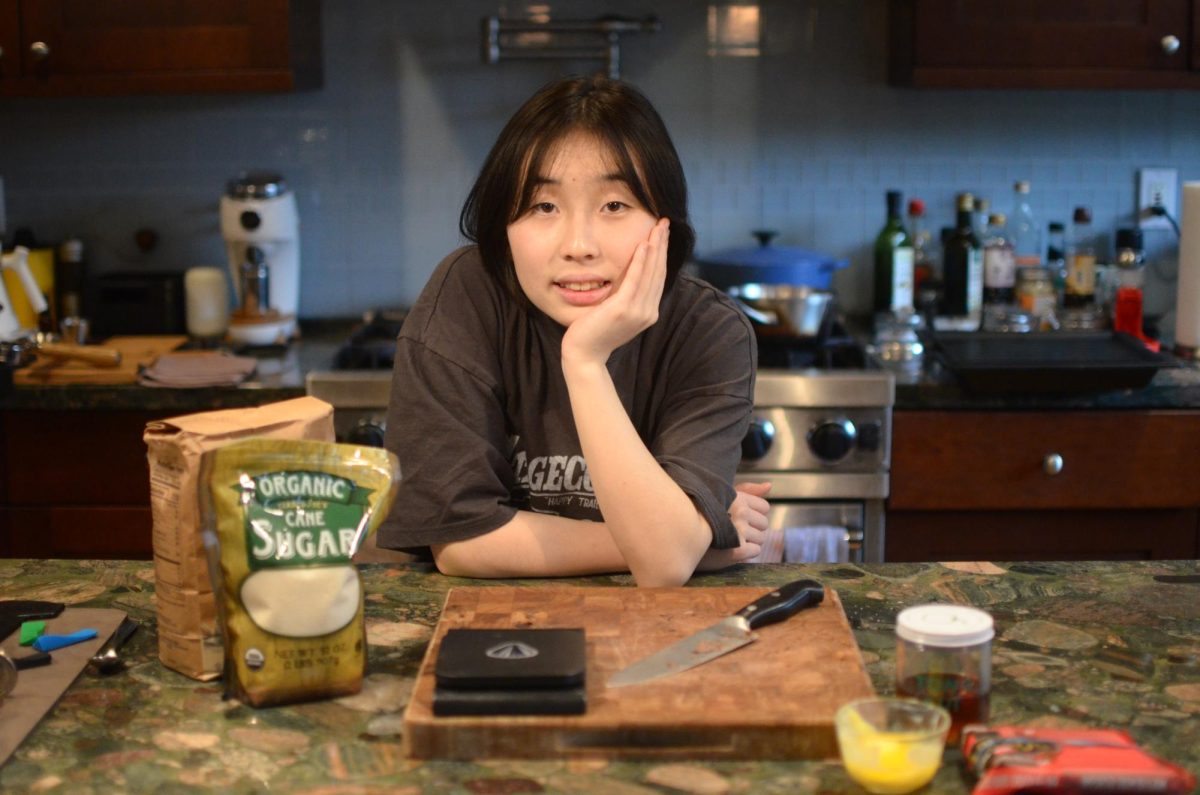


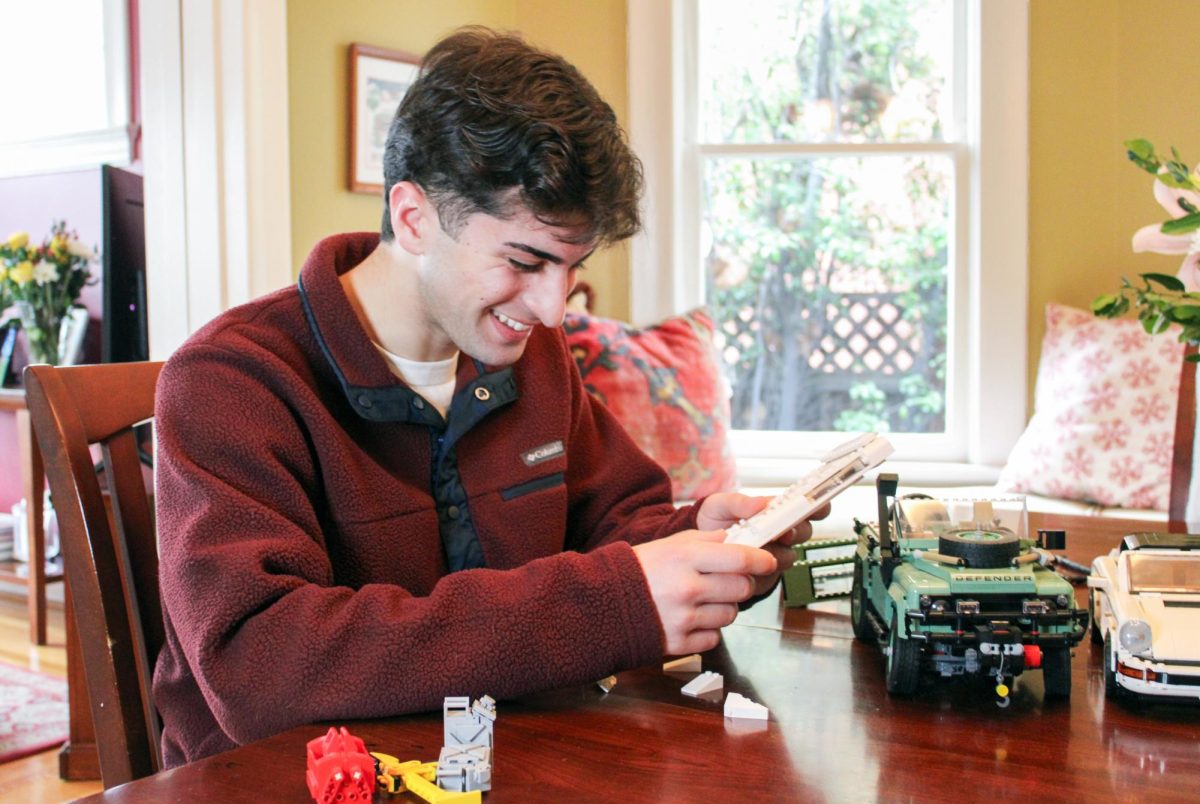
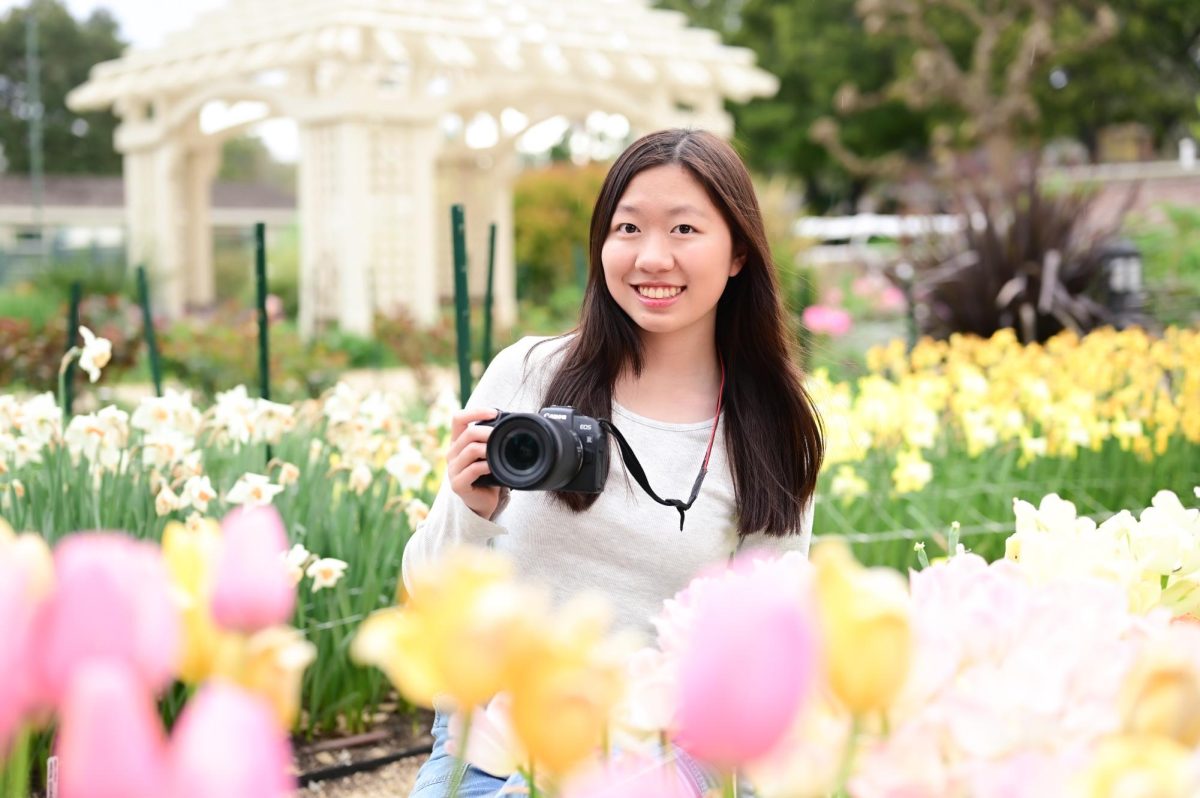
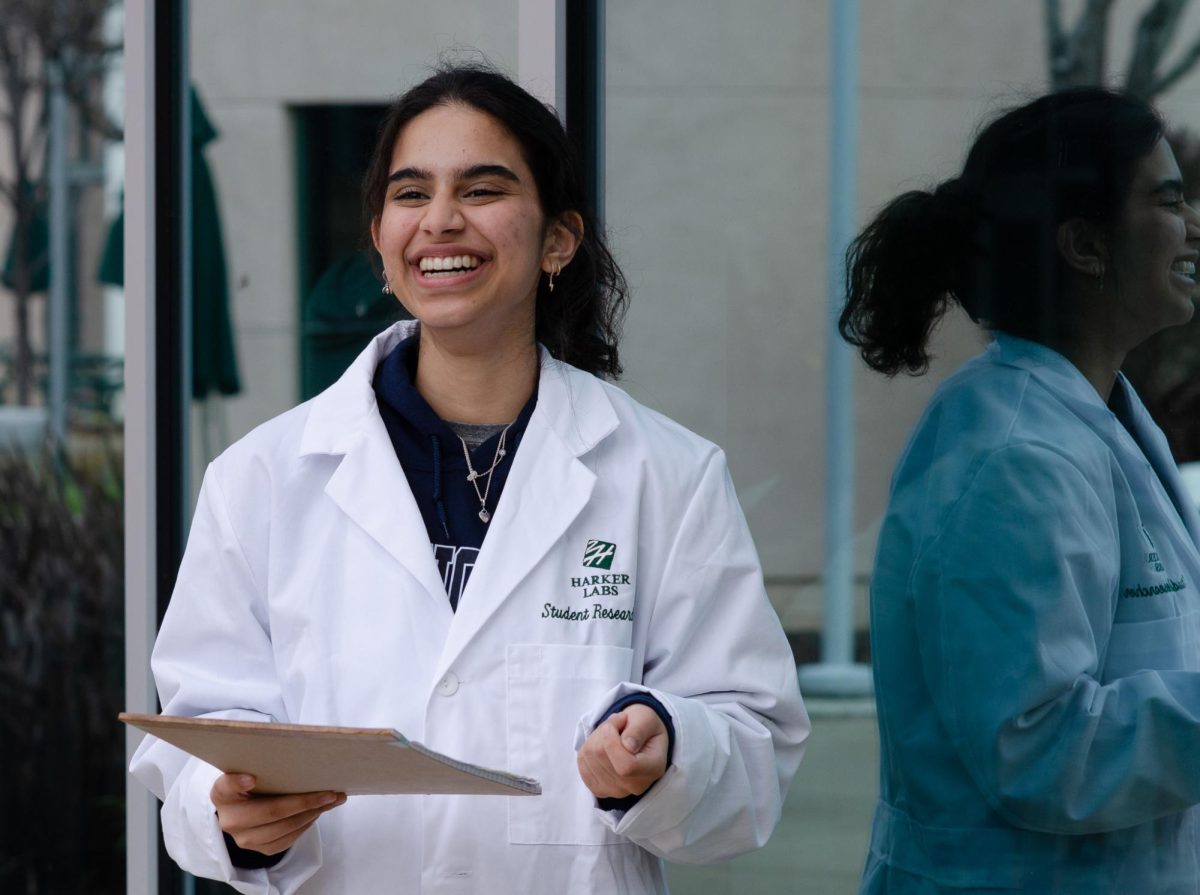

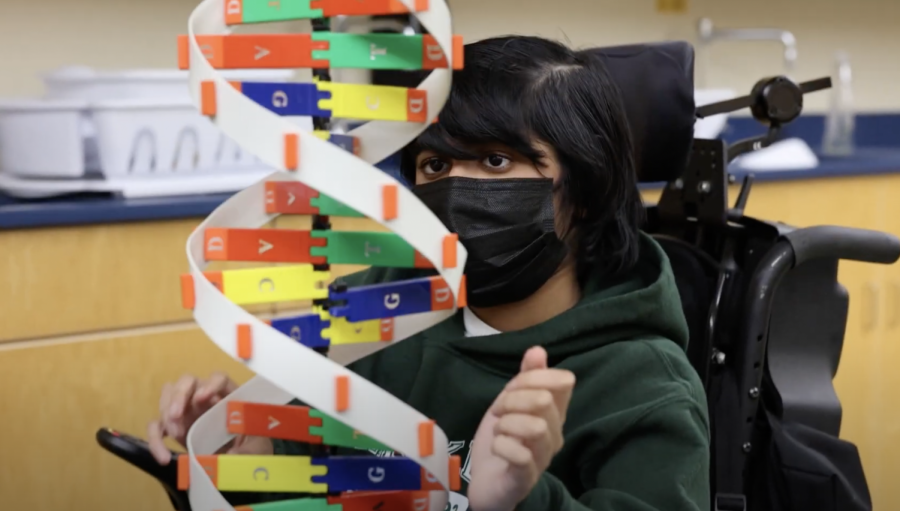
![“[Building nerf blasters] became this outlet of creativity for me that hasn't been matched by anything else. The process [of] making a build complete to your desire is such a painstakingly difficult process, but I've had to learn from [the skills needed from] soldering to proper painting. There's so many different options for everything, if you think about it, it exists. The best part is [that] if it doesn't exist, you can build it yourself," Ishaan Parate said.](https://harkeraquila.com/wp-content/uploads/2022/08/DSC_8149-900x604.jpg)
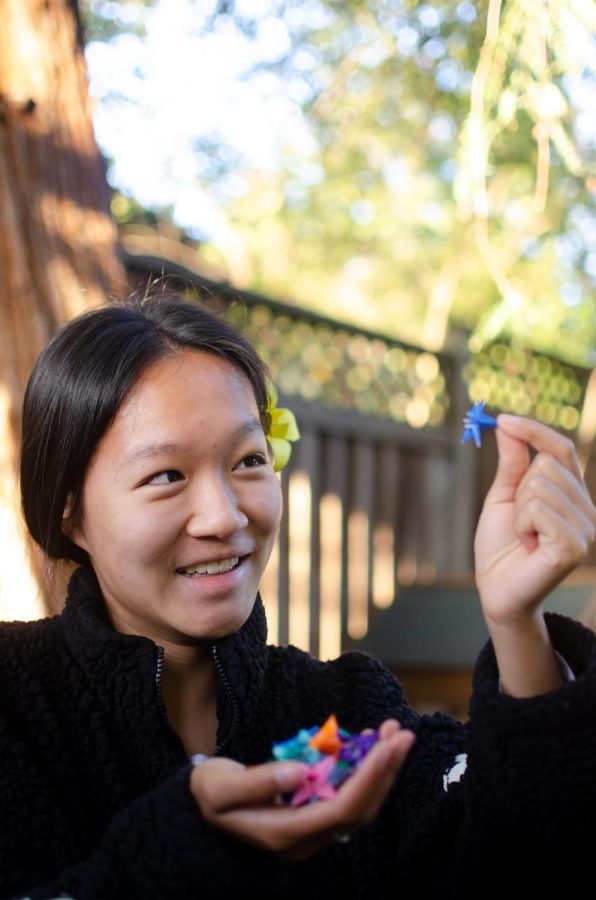
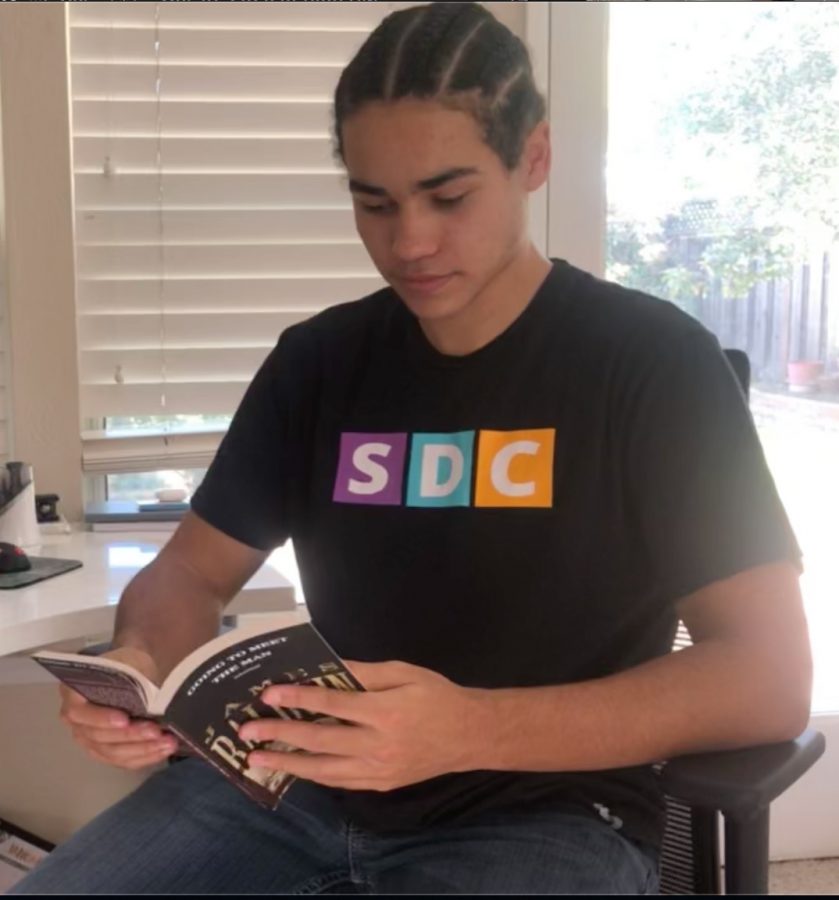
![“When I came into high school, I was ready to be a follower. But DECA was a game changer for me. It helped me overcome my fear of public speaking, and it's played such a major role in who I've become today. To be able to successfully lead a chapter of 150 students, an officer team and be one of the upperclassmen I once really admired is something I'm [really] proud of,” Anvitha Tummala ('21) said.](https://harkeraquila.com/wp-content/uploads/2021/07/Screen-Shot-2021-07-25-at-9.50.05-AM-900x594.png)

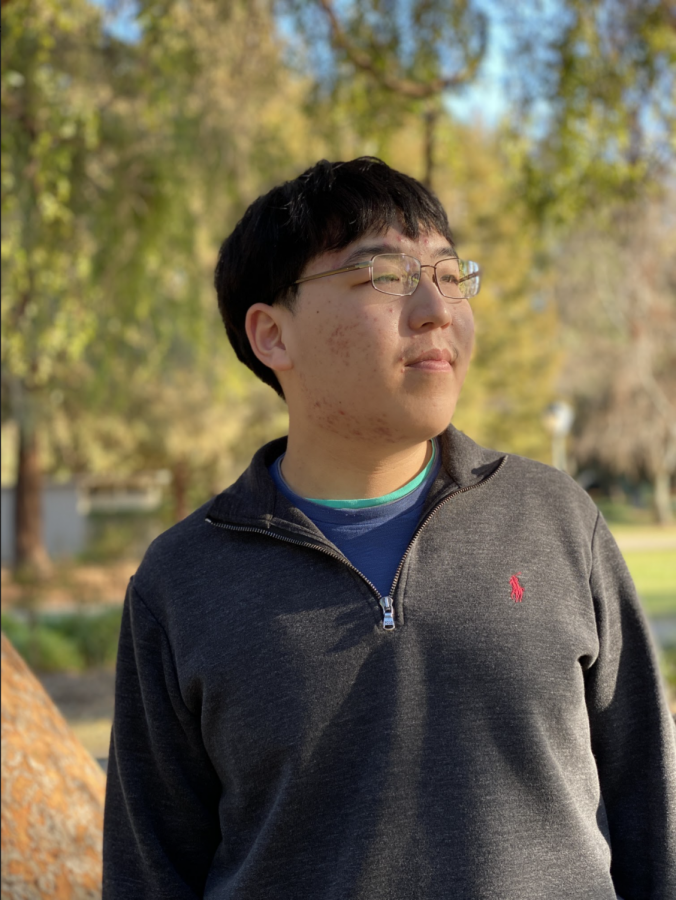
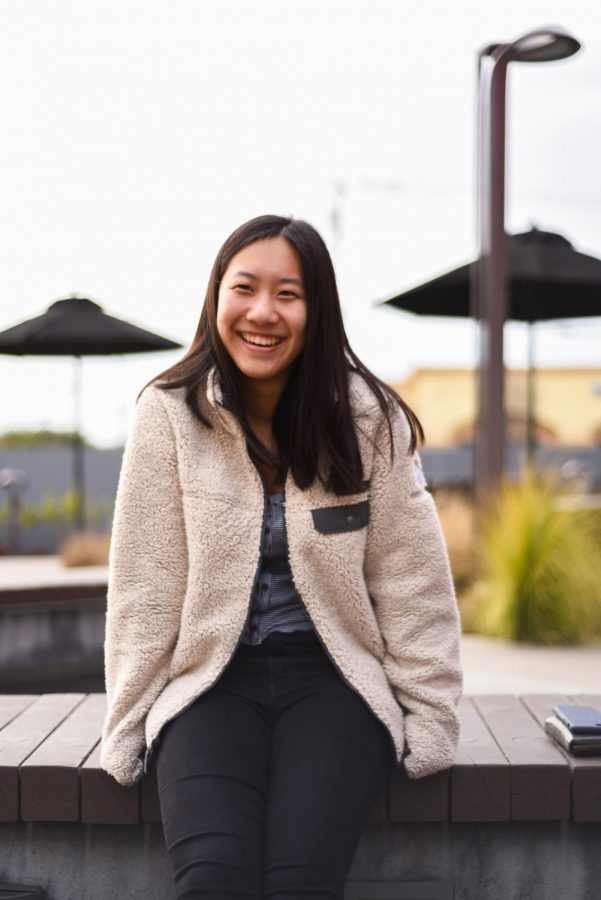
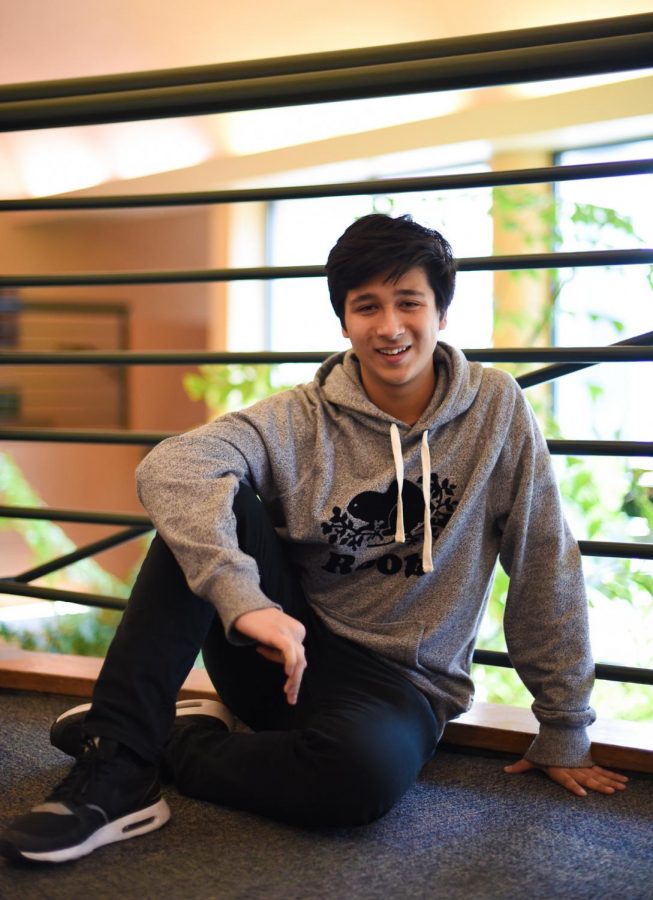
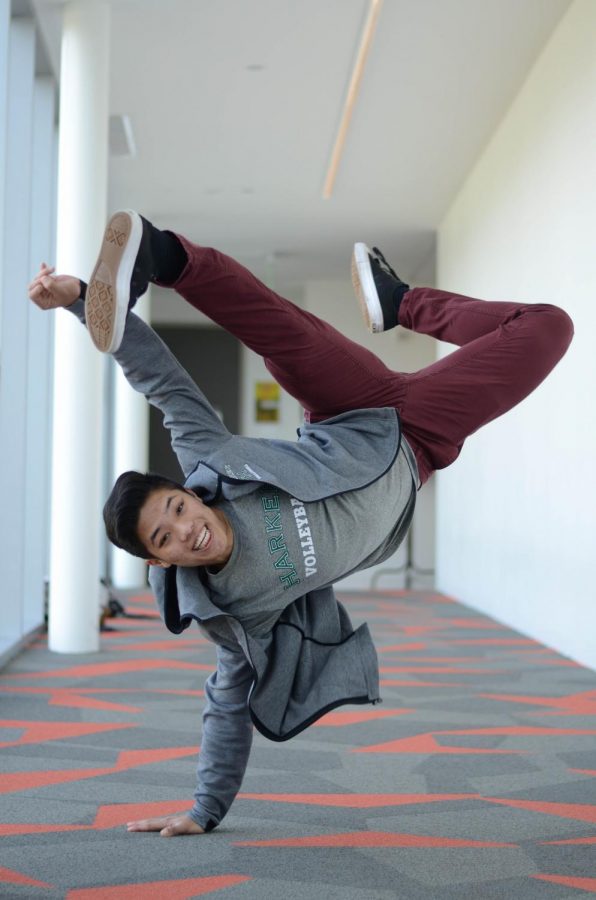
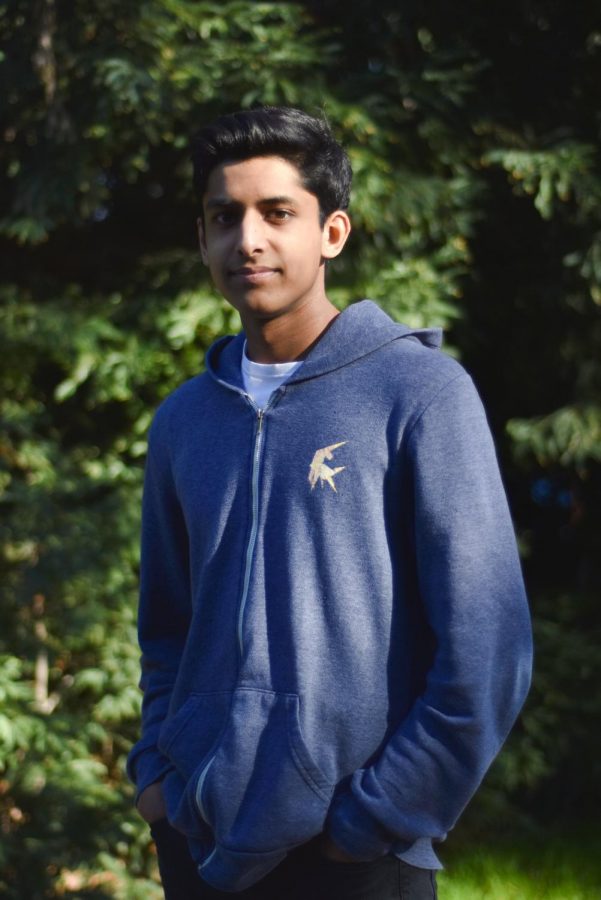

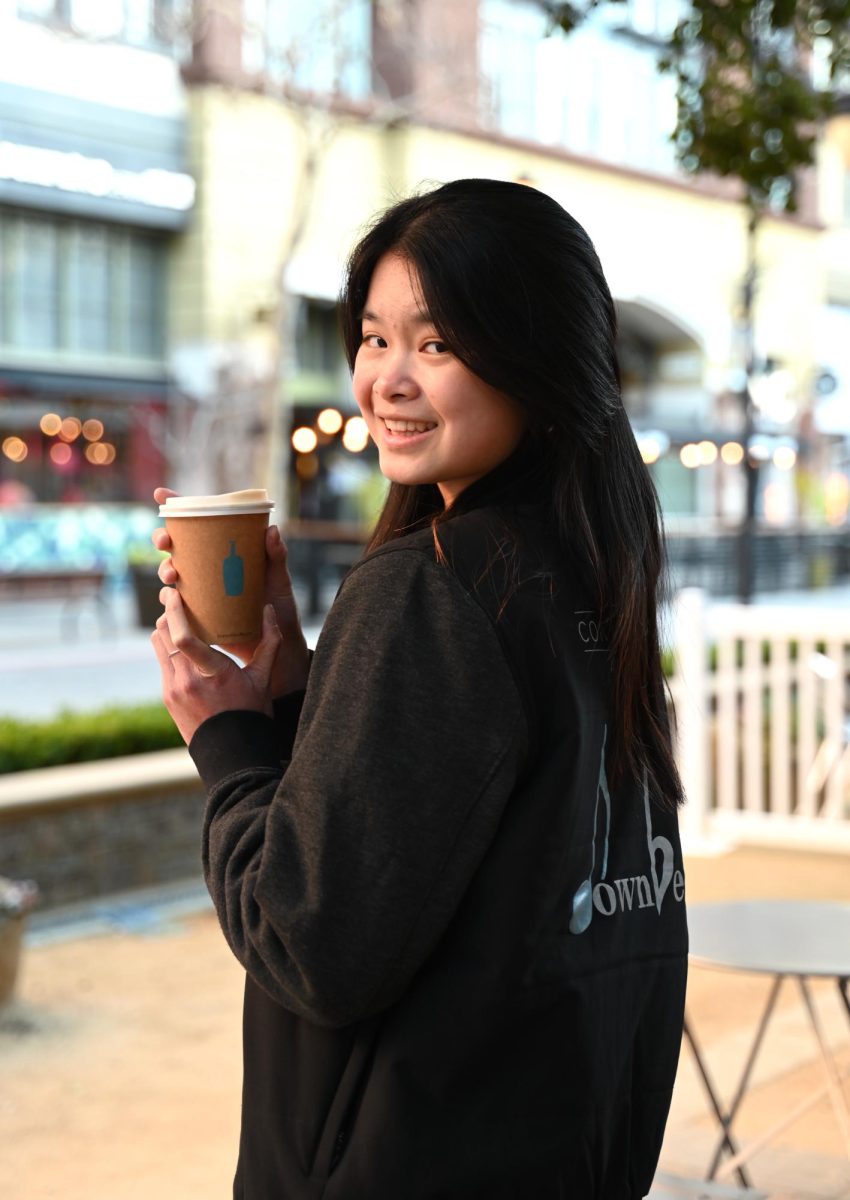
![“I think getting up in the morning and having a sense of purpose [is exciting]. I think without a certain amount of drive, life is kind of obsolete and mundane, and I think having that every single day is what makes each day unique and kind of makes life exciting,” Neymika Jain (12) said.](https://harkeraquila.com/wp-content/uploads/2017/06/Screen-Shot-2017-06-03-at-4.54.16-PM.png)
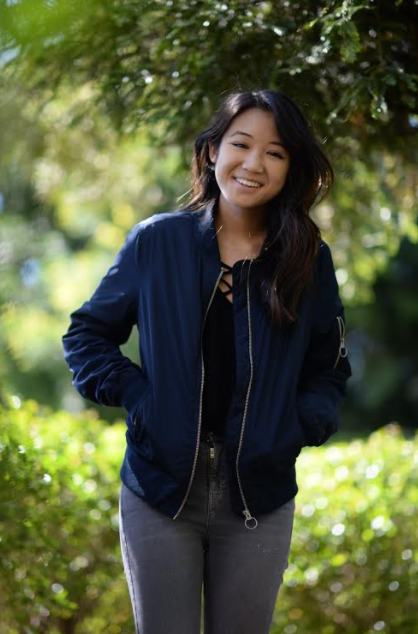
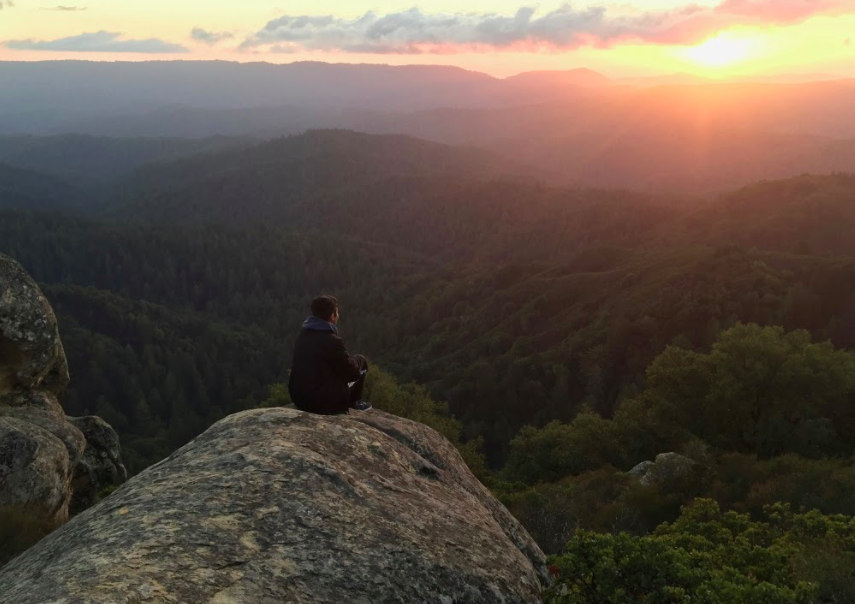
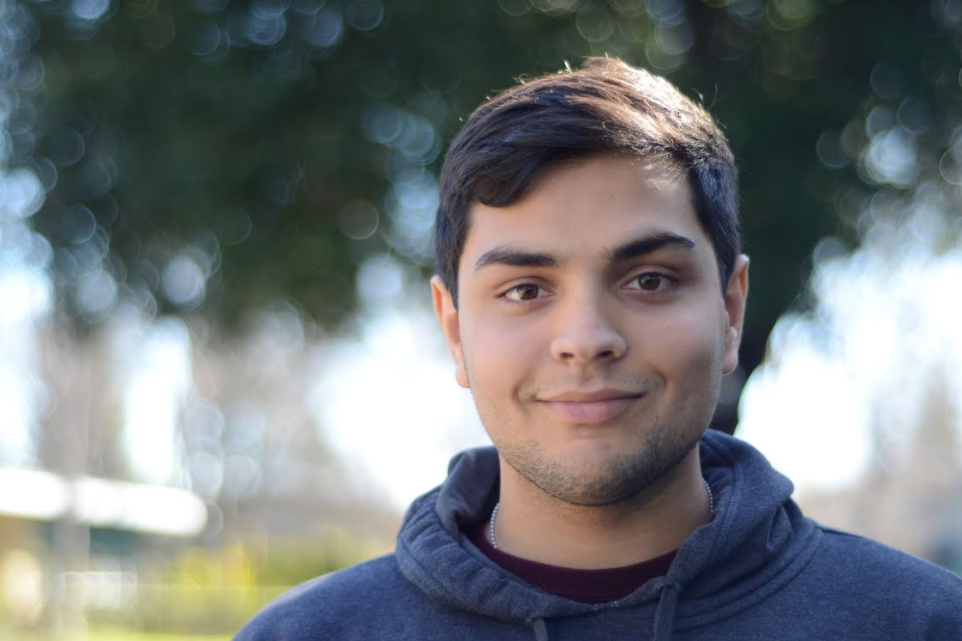
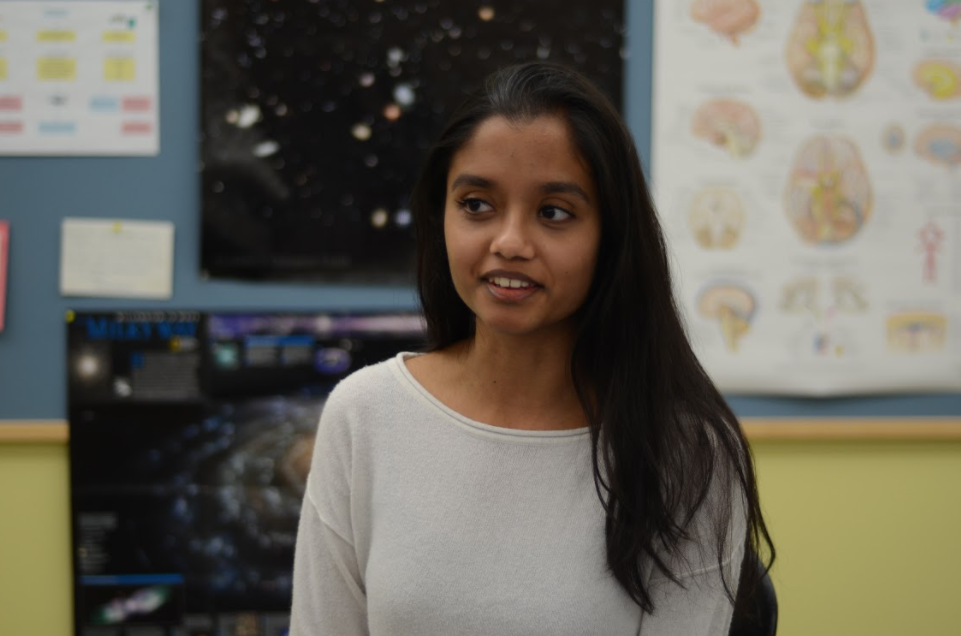
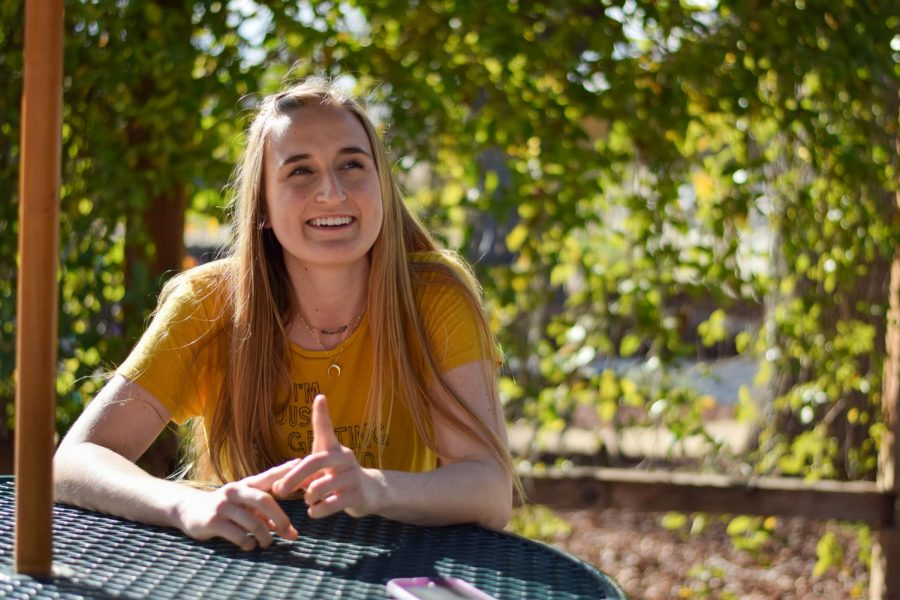

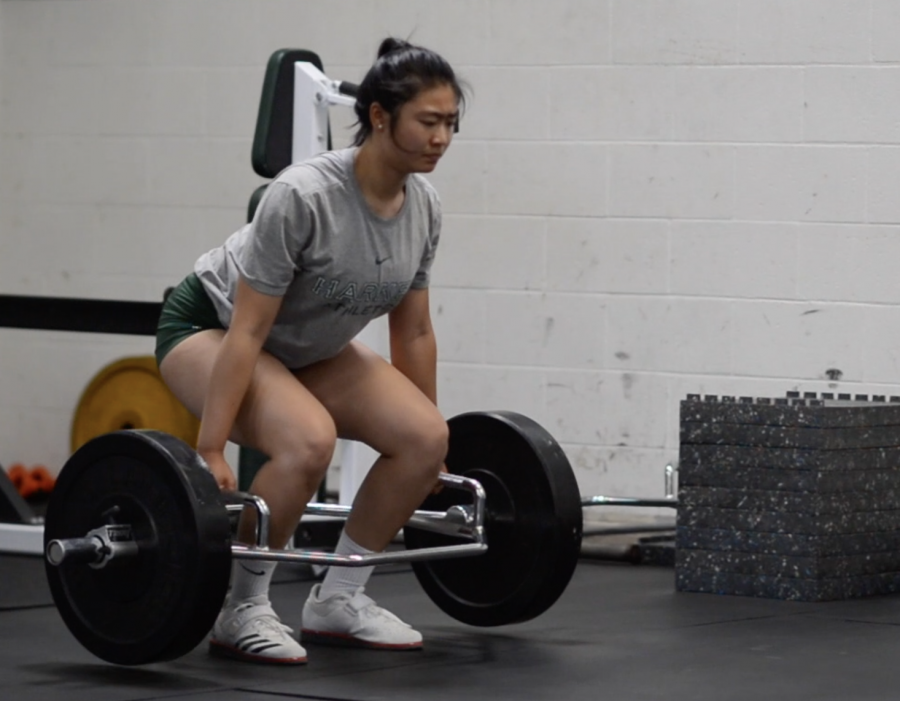

![“My slogan is ‘slow feet, don’t eat, and I’m hungry.’ You need to run fast to get where you are–you aren't going to get those championships if you aren't fast,” Angel Cervantes (12) said. “I want to do well in school on my tests and in track and win championships for my team. I live by that, [and] I can do that anywhere: in the classroom or on the field.”](https://harkeraquila.com/wp-content/uploads/2018/06/DSC5146-900x601.jpg)
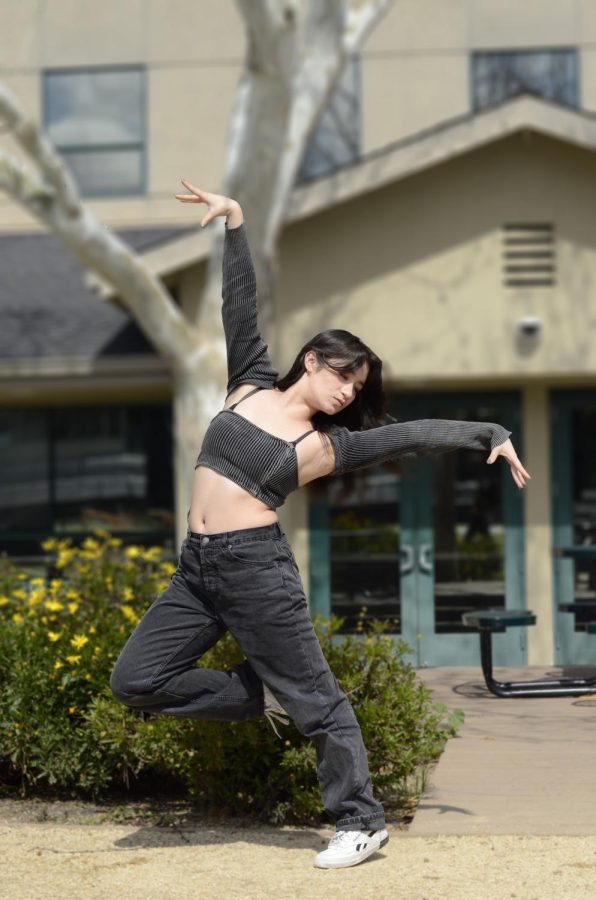
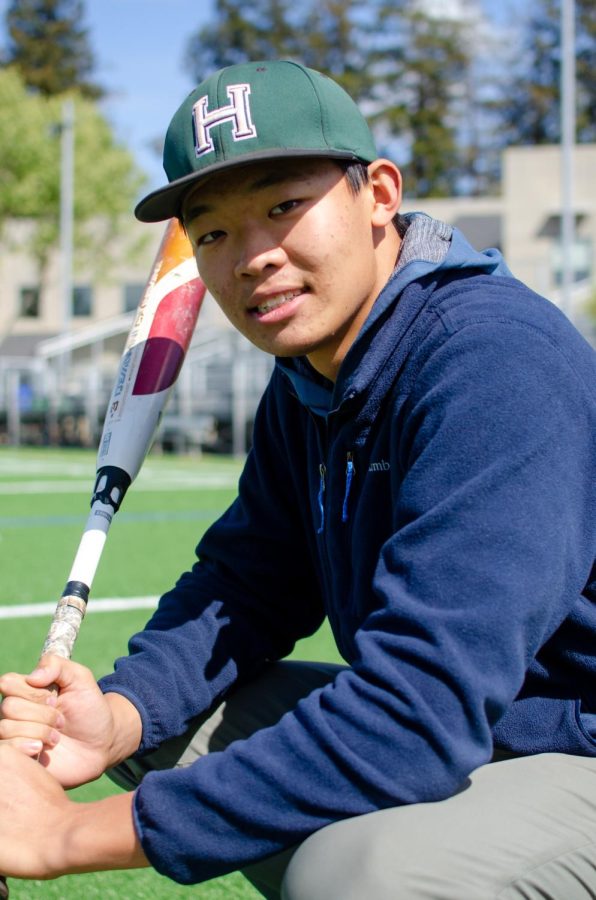
![“[Volleyball has] taught me how to fall correctly, and another thing it taught is that you don’t have to be the best at something to be good at it. If you just hit the ball in a smart way, then it still scores points and you’re good at it. You could be a background player and still make a much bigger impact on the team than you would think,” Anya Gert (’20) said.](https://harkeraquila.com/wp-content/uploads/2020/06/AnnaGert_JinTuan_HoHPhotoEdited-600x900.jpeg)
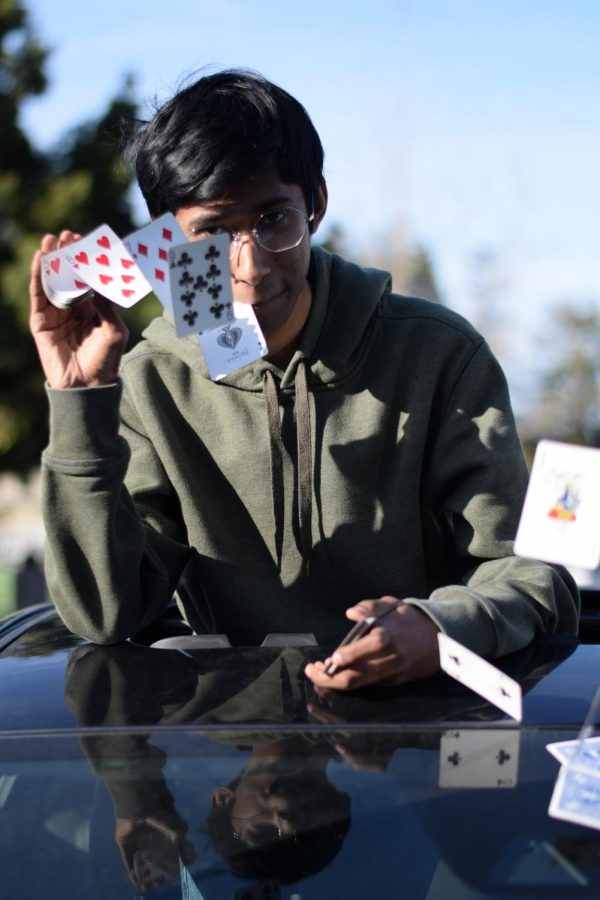
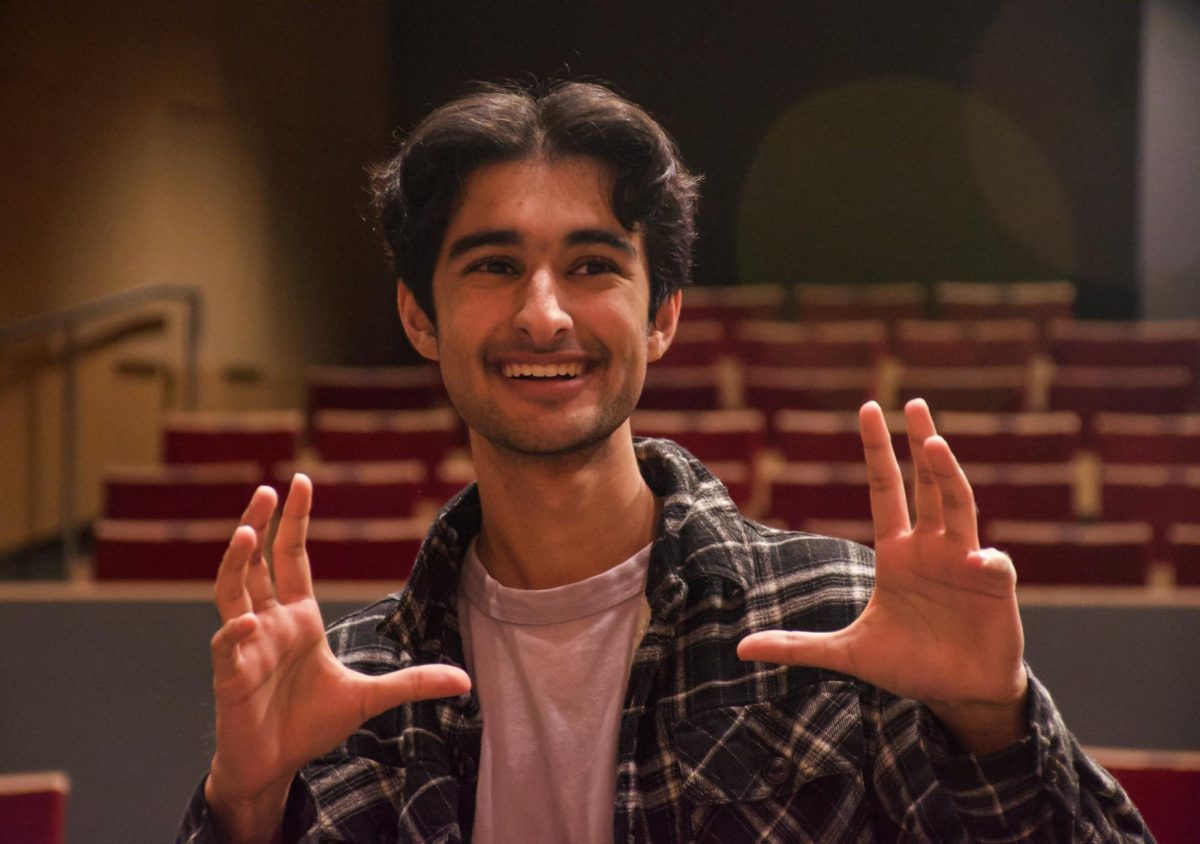
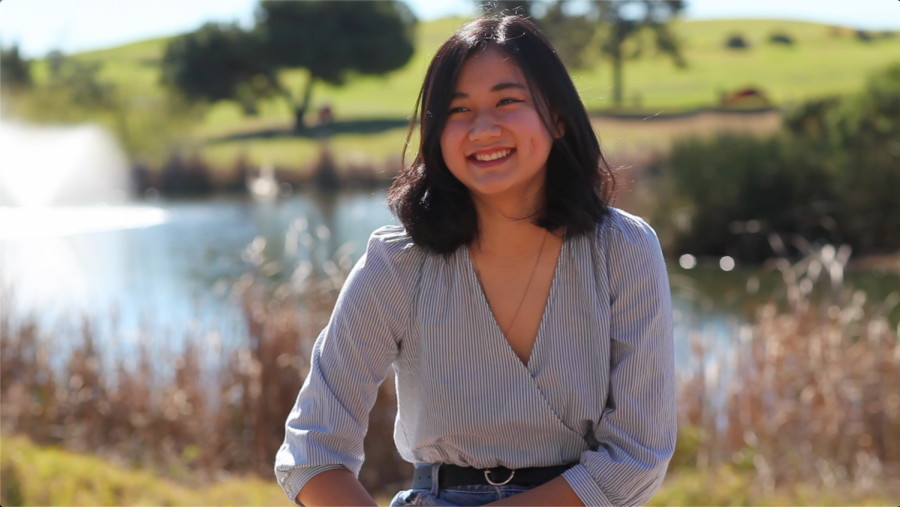
![“I'm not nearly there yet, but [my confidence has] definitely been getting better since I was pretty shy and timid coming into Harker my freshman year. I know that there's a lot of people that are really confident in what they do, and I really admire them. Everyone's so driven and that has really pushed me to kind of try to find my own place in high school and be more confident,” Alyssa Huang (’20) said.](https://harkeraquila.com/wp-content/uploads/2020/06/AlyssaHuang_EmilyChen_HoHPhoto-900x749.jpeg)



English teacher Susanne Salhab’s AP Literature students performed scenes from the play “Antigone” by Greek tragedian Sophocles in the Nichols Auditorium on Nov. 12 and 13.
Students worked in groups to reenact moments that illustrated key plot elements: exposition, inciting incident, rising action, climax, falling action and resolution. While students in previous years had created annotated plot mountains to demonstrate their understanding of Antigone, Salhab introduced live performances this year to encourage more creative and personal engagement with the narrative.
“What I find so exciting is that students were willing to think about English in a different way,” Salhab said. “I wanted them to think, ‘How can I show what I understand about a character by being that character?’ I’m never gonna teach like an English class in which we’re not gonna write essays, but I just wanted to challenge them to show their learning in a different way.”
Performances portrayed the progression of the play’s central conflict between Antigone and her uncle, King Creon, with scenes ranging from Antigone’s defiant exchange with her sister Ismene to King Creon’s devastation upon discovering his son’s and wife’s deaths.
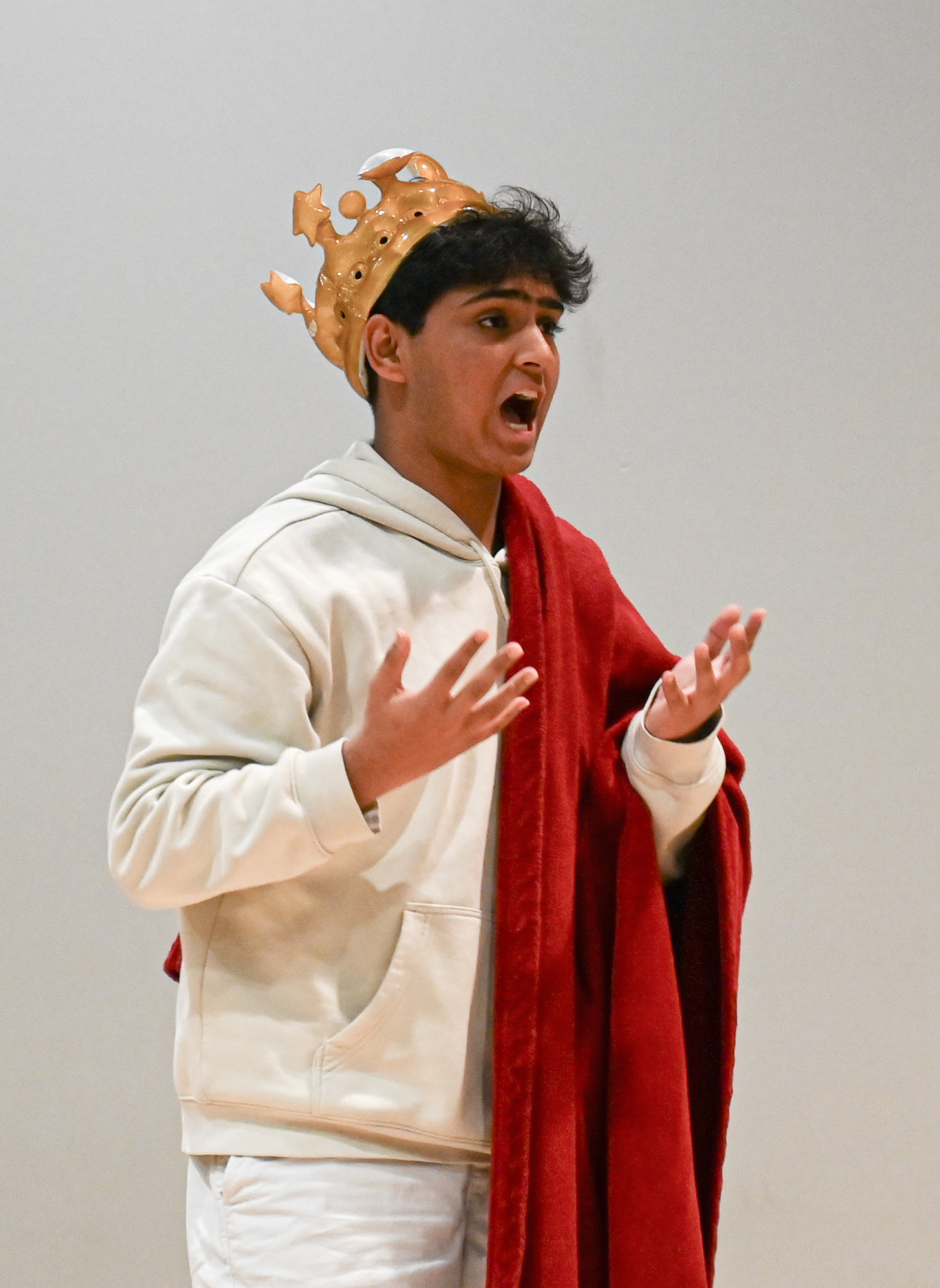
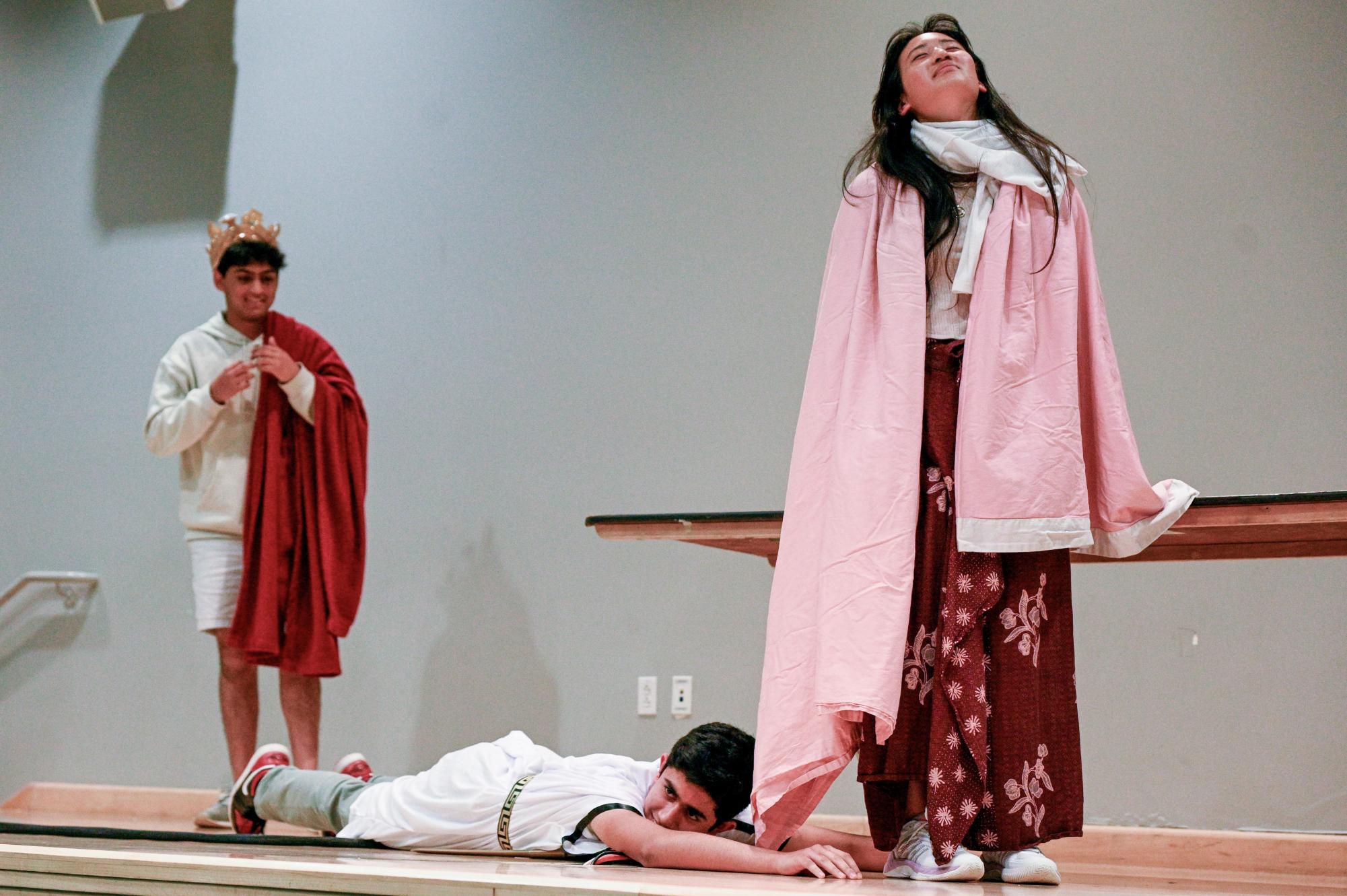
Some students took creative liberty with their scenes and placed them in settings far removed from the play’s traditional ancient Greek world, like a corporate office, medieval France and even a puppet show.
Senior S Wang, who played Antigone in the climactic moment where Creon finds his son Haemon’s dead body, enjoyed seeing familiar scenes represented in new situations.
“The purpose was to think more deeply about how the characters have affected each other and how ‘Antigone’ can be pulled out of its original setting into so many other contexts,” S said. “Seeing the lessons and the power dynamics and the consequences faced by the characters across so many different dimensions and universes goes to prove why this play is such a classic.”
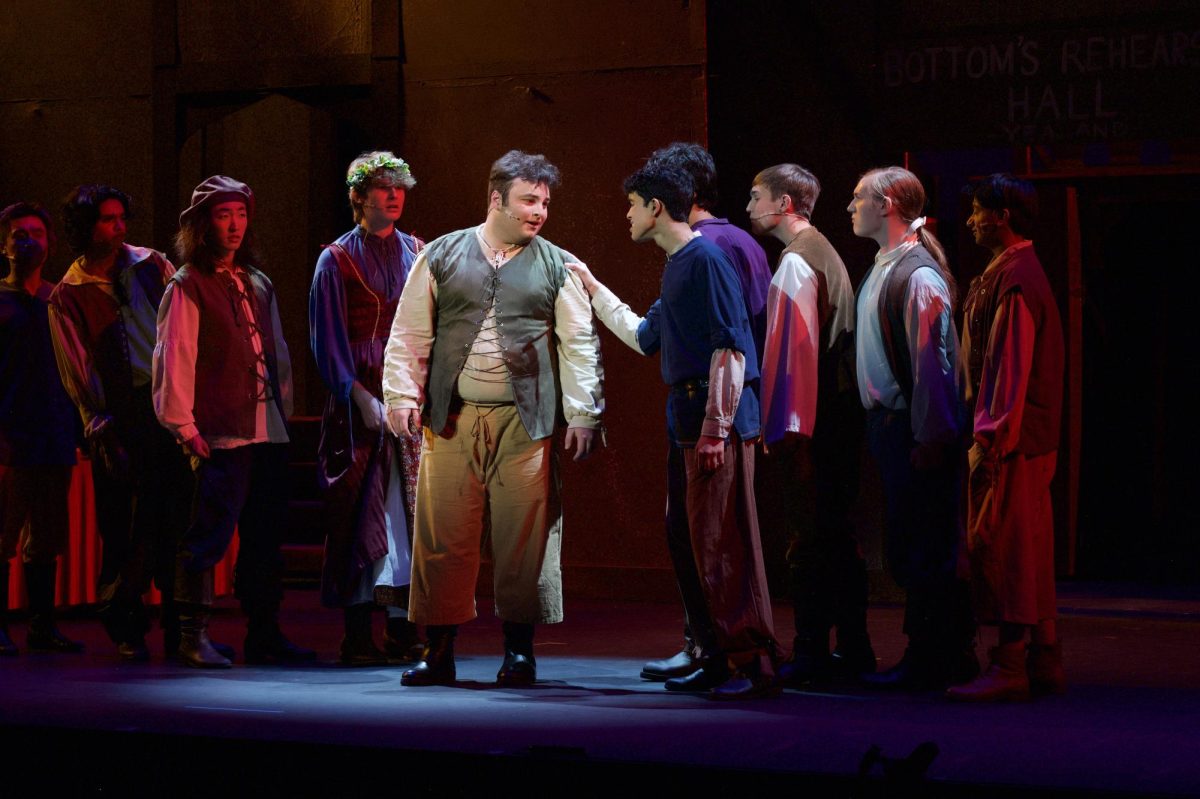
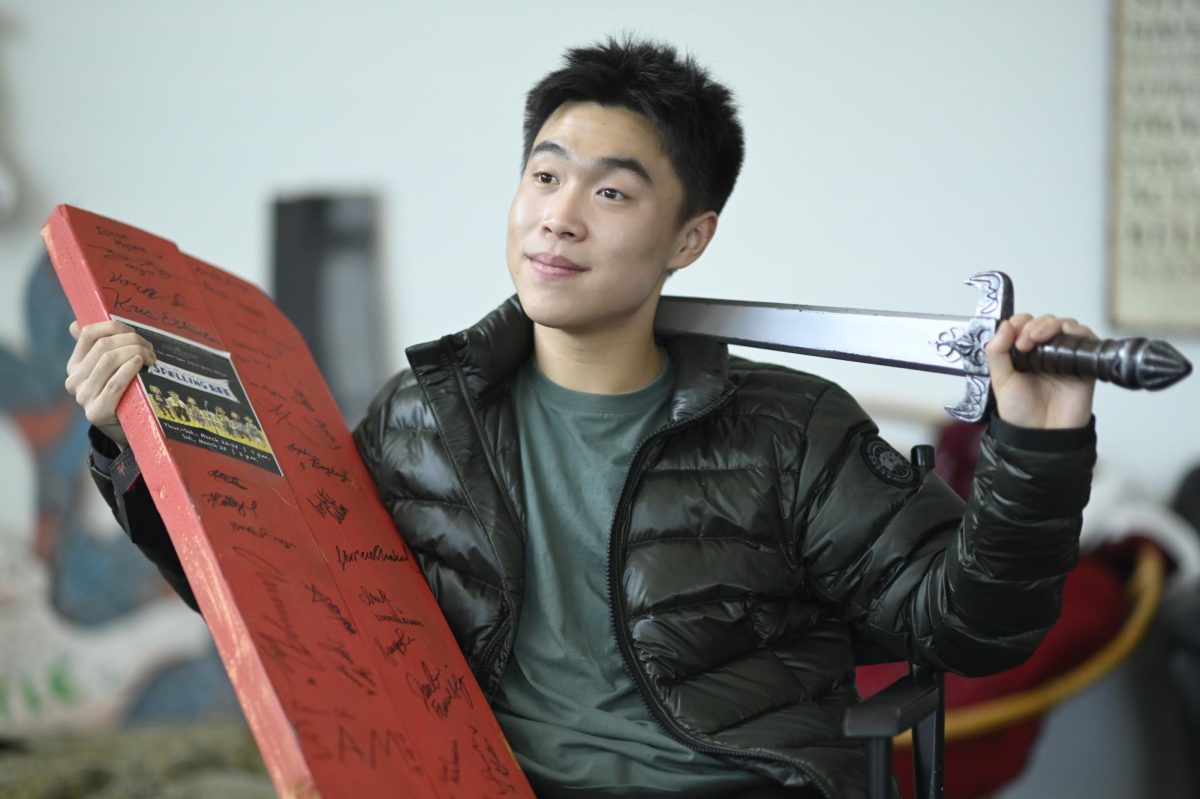
The performers donned homemade costumes to represent their characters, using bedsheets to imitate traditional Greek clothing, accessories like crowns or wreaths and even fake swords to enact dramatic death scenes.
Senior Eddie Zhang appreciated the opportunity to learn about literature in a way unlike typical analyses.
“The process of acting it out was probably my favorite part because it’s a departure from all the writing that we have to do in AP Lit,” Eddie said. “It was nice to see the play from a certain perspective and get a new understanding of what each character meant or what they were saying.”
Before each performance, groups presented a literary analysis that outlined the scene’s significance, pointing out literary techniques and explaining the motivation behind costuming and staging choices.
Salhab invited students and faculty to watch the performances during periods five and six. For S, the most enjoyable part of the activity was portraying the intense drama of the scene on stage and seeing the audience’s response.
“It was so great to get the reactions from the audience like laughter and smiling,” S said. “For those in the audience that were in my class and had read the play, it’s great for them to see it visually. For all the external audience members who came to support and watch us, they also enjoyed it a lot because we tried our best to explain everything and show the plot in our acting.”