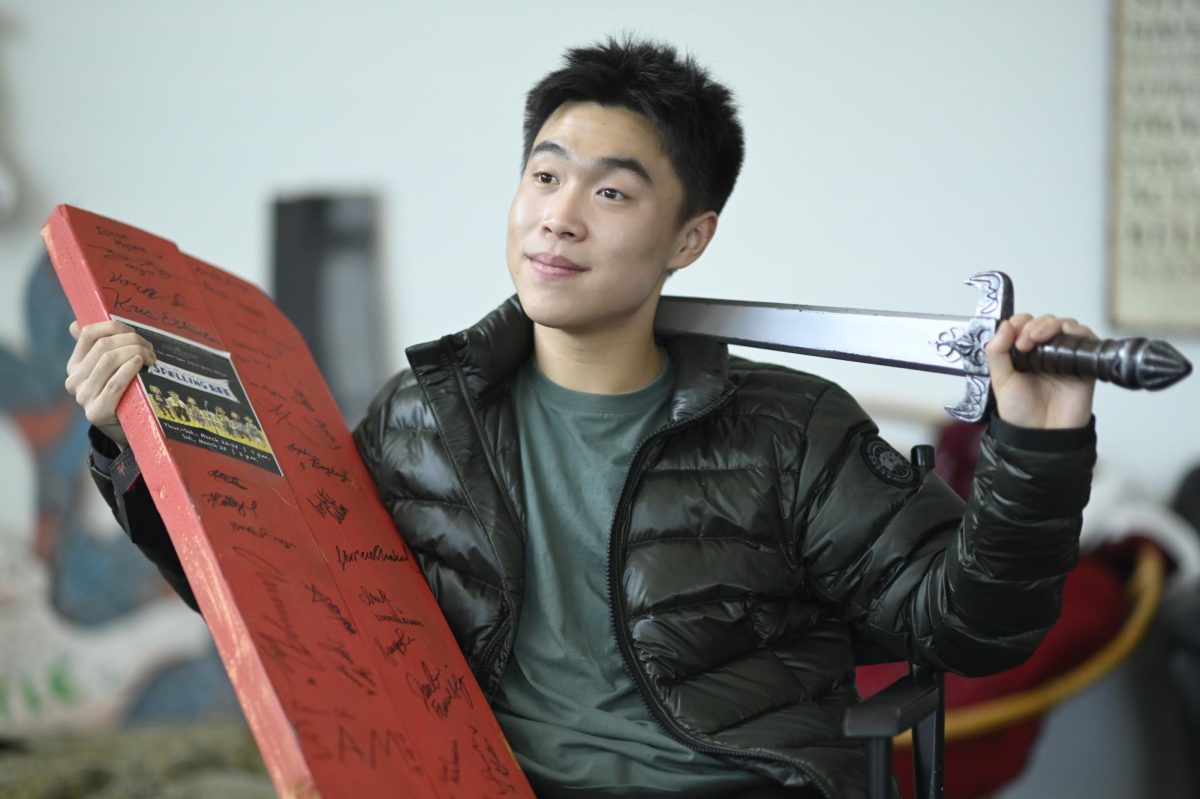
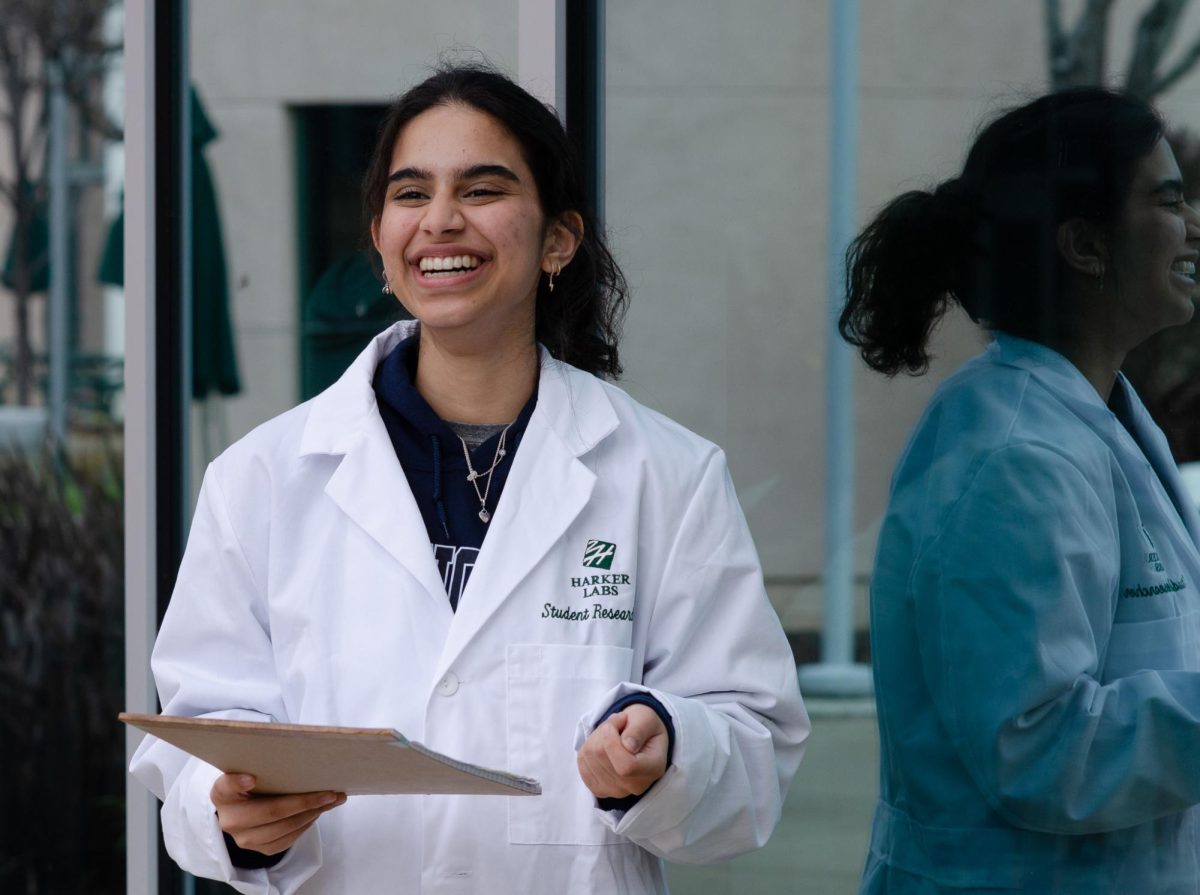
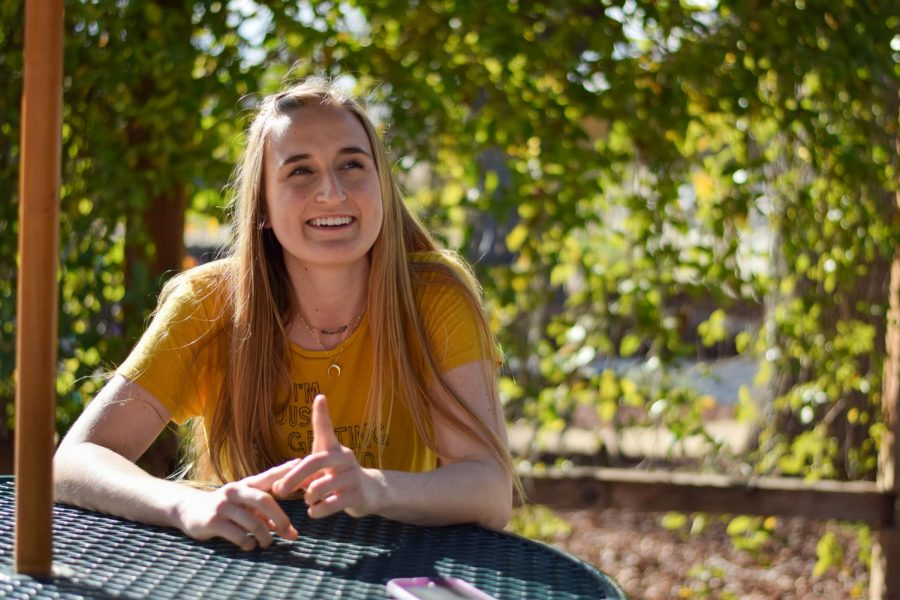
![“I wasn't discouraged by some of the obstacles we faced. I learned a lot from the leadership. I found that different people need different ways of receiving feedback — you can't [just] tell them to do something and expect the best. [Some] people needed more incentive. A large part of my role was to figure out what worked for everyone and to figure out how to lead all these separate individuals as a team,” Suhana Bhandare (’26) said.](https://harkeraquila.com/wp-content/uploads/2026/06/SuhanaBhandare_JasmineHansra-1-1200x798.jpg)
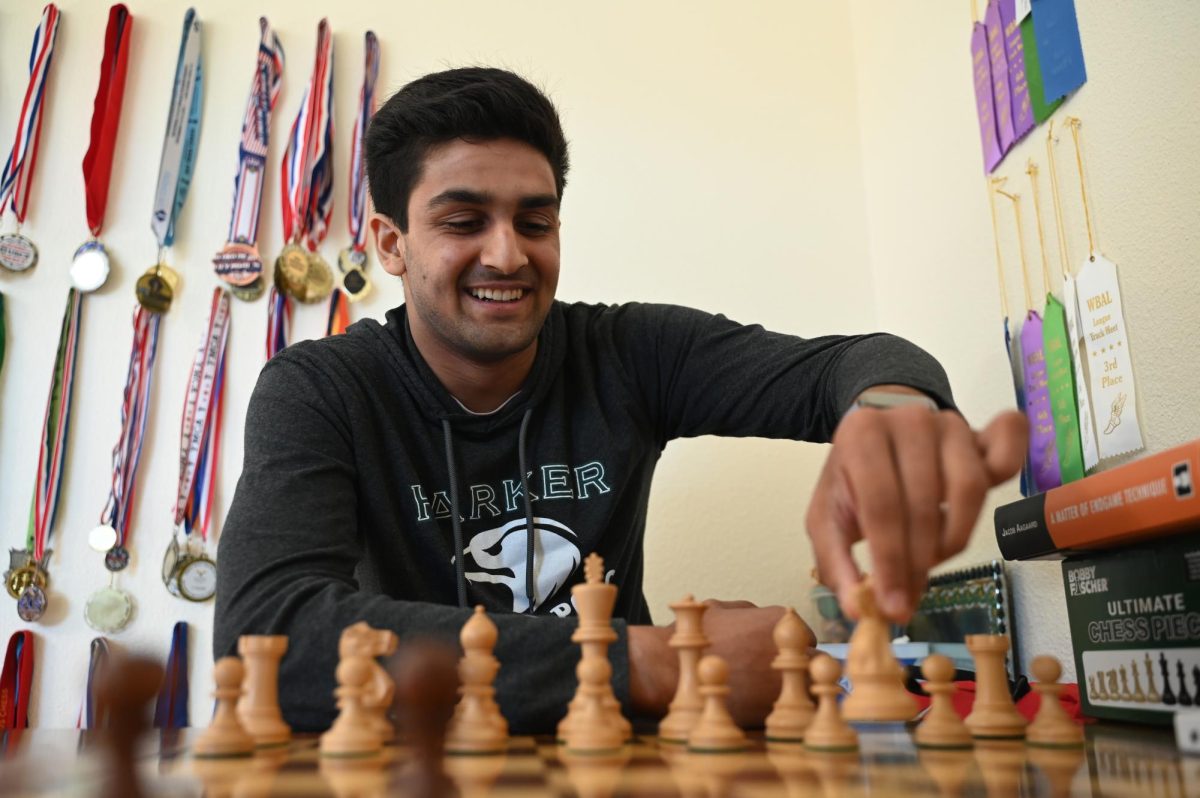
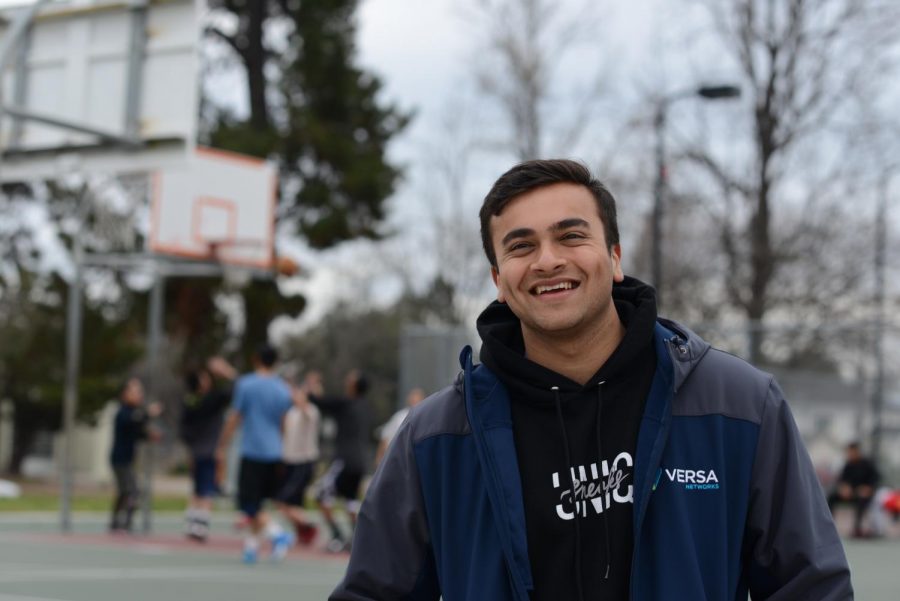
![“This is actually from Randy Pausch Randy P. Brick: ‘Walls are there for a reason. You have to show how much you want to overcome them.’ You have to show how much you want something. That's what I've always been able to do with tennis, Link Crew and getting that internship [with Kushy Baby]. It’s important pushing through that — getting around that brick wall, climbing over it or clawing through it,” Yash Sachdeva (’26) said.](https://harkeraquila.com/wp-content/uploads/2026/05/YashSachdeva_RamBatchu-copy-1200x1002.jpg)


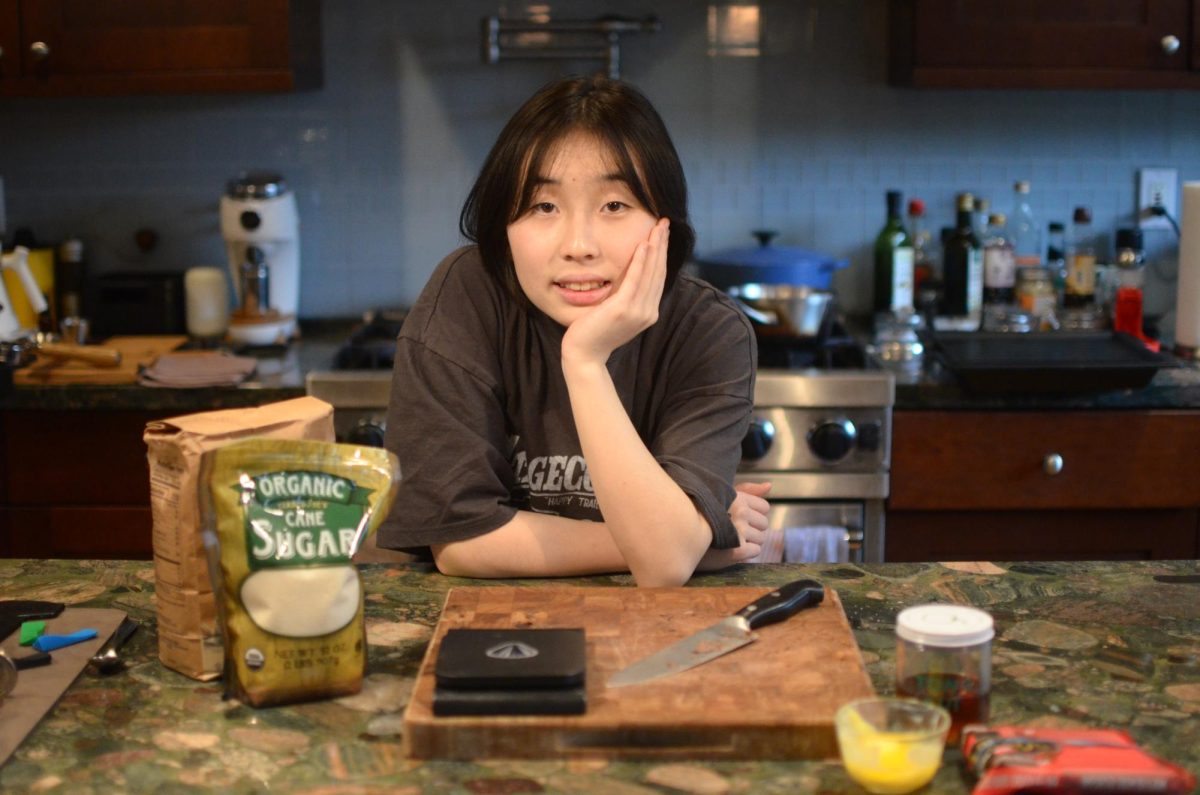


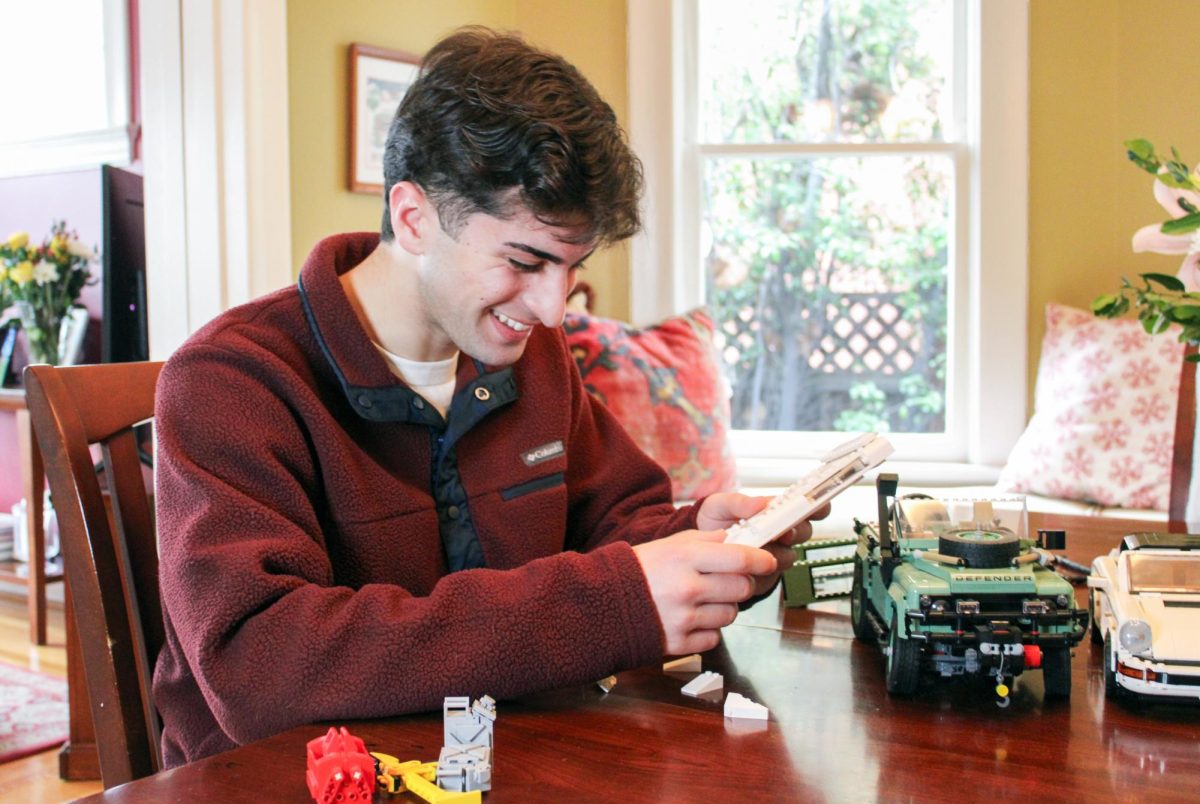
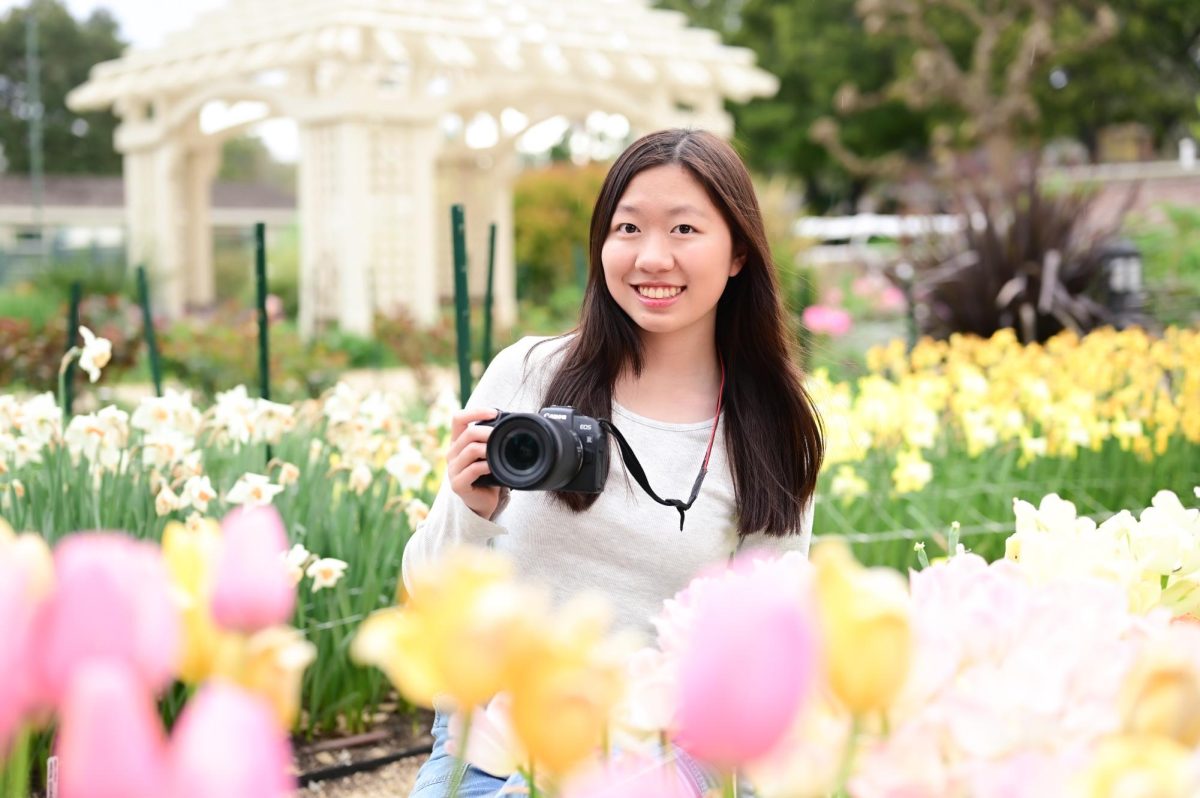
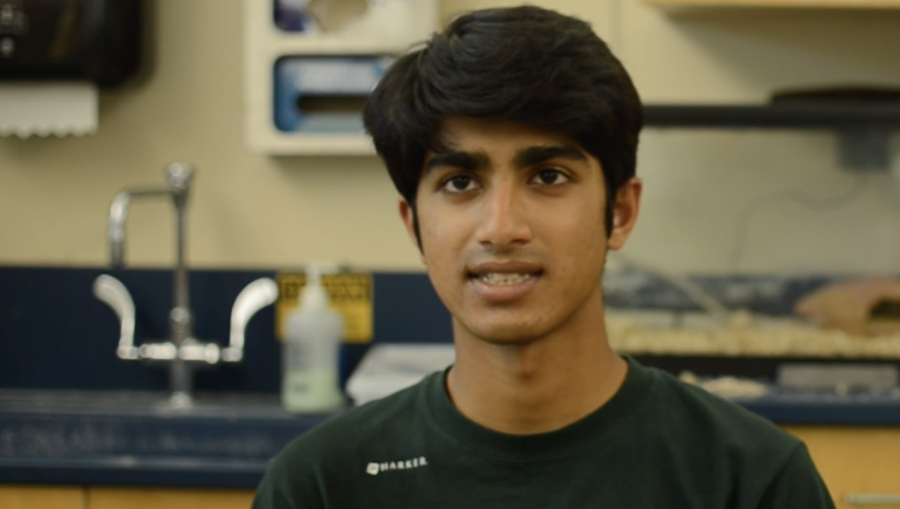
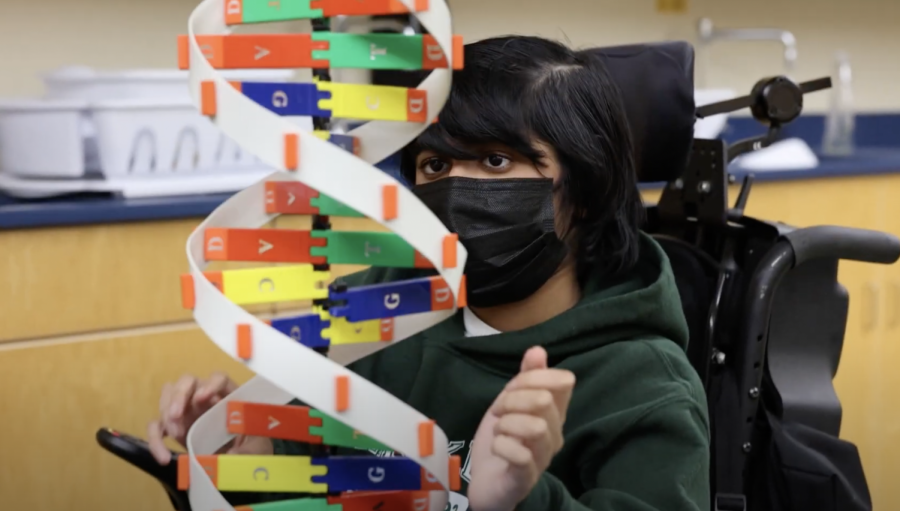
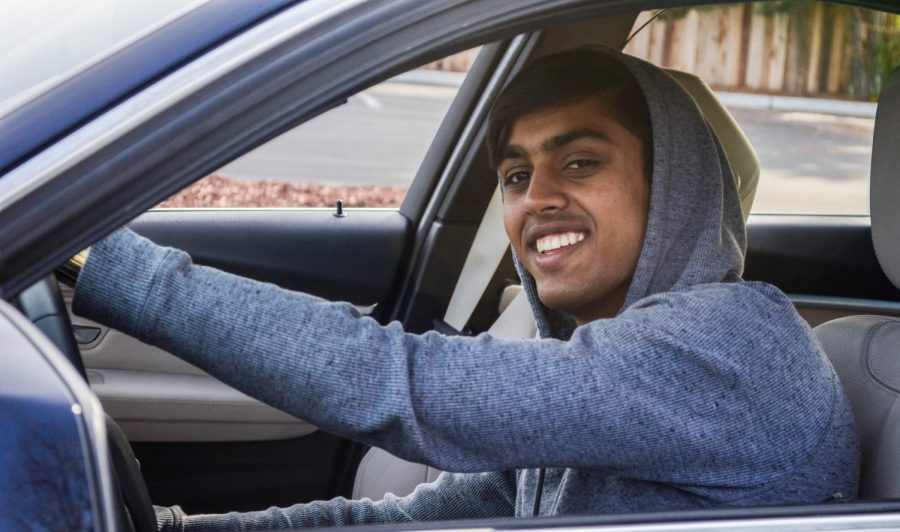
![“[Building nerf blasters] became this outlet of creativity for me that hasn't been matched by anything else. The process [of] making a build complete to your desire is such a painstakingly difficult process, but I've had to learn from [the skills needed from] soldering to proper painting. There's so many different options for everything, if you think about it, it exists. The best part is [that] if it doesn't exist, you can build it yourself," Ishaan Parate said.](https://harkeraquila.com/wp-content/uploads/2022/08/DSC_8149-900x604.jpg)
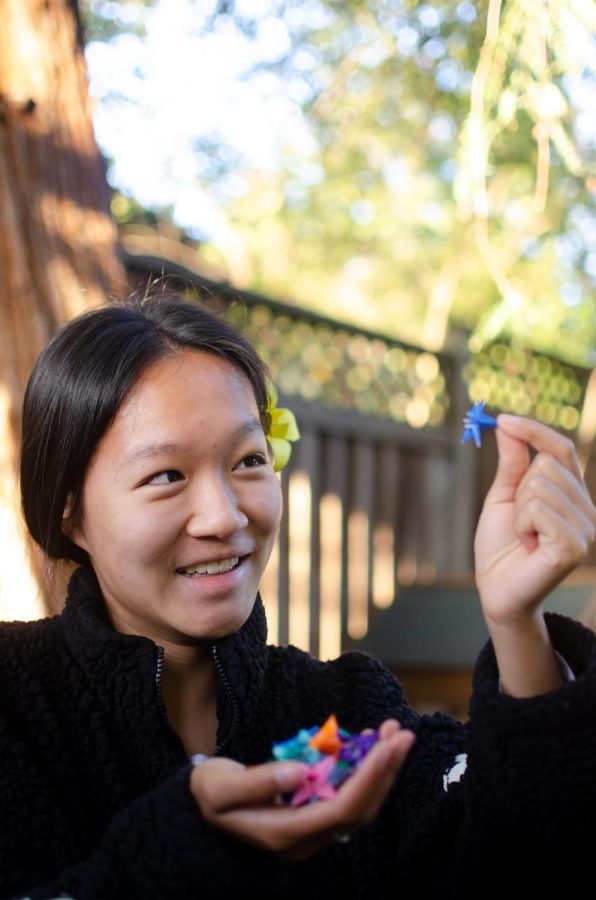
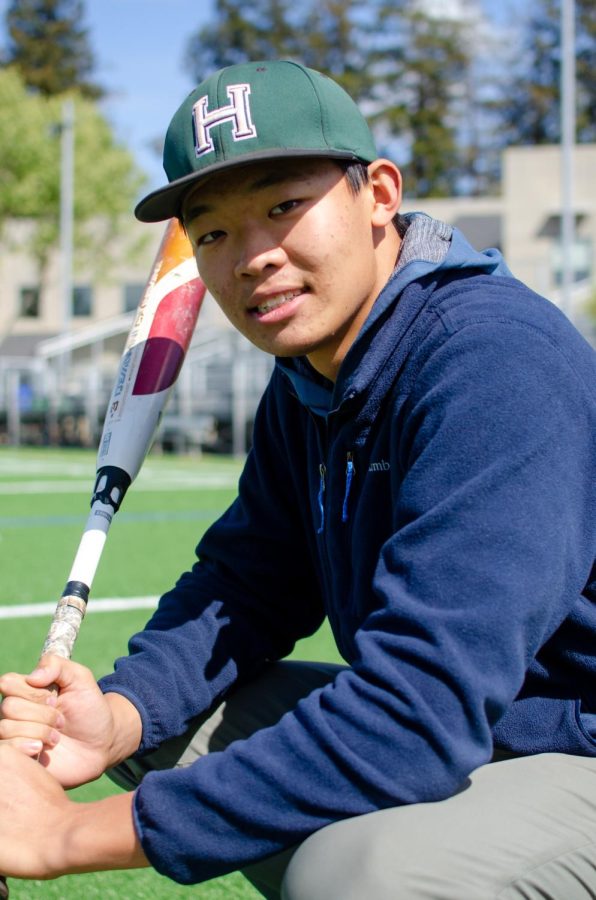
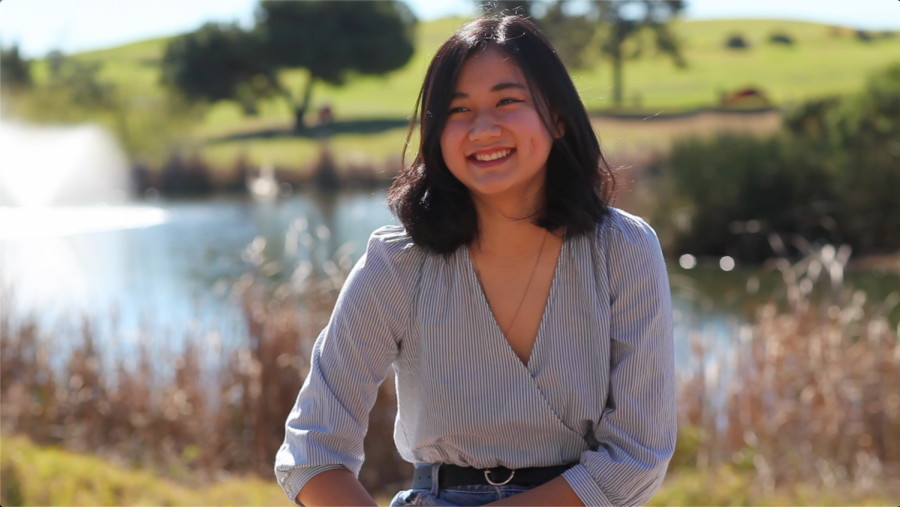
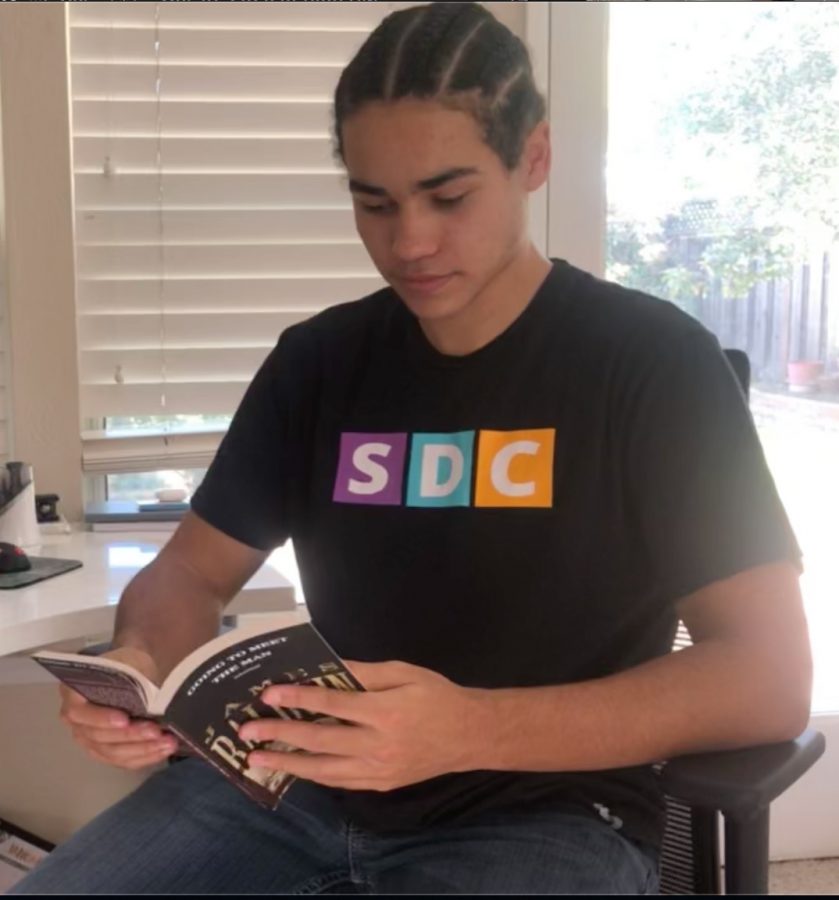
![“When I came into high school, I was ready to be a follower. But DECA was a game changer for me. It helped me overcome my fear of public speaking, and it's played such a major role in who I've become today. To be able to successfully lead a chapter of 150 students, an officer team and be one of the upperclassmen I once really admired is something I'm [really] proud of,” Anvitha Tummala ('21) said.](https://harkeraquila.com/wp-content/uploads/2021/07/Screen-Shot-2021-07-25-at-9.50.05-AM-900x594.png)
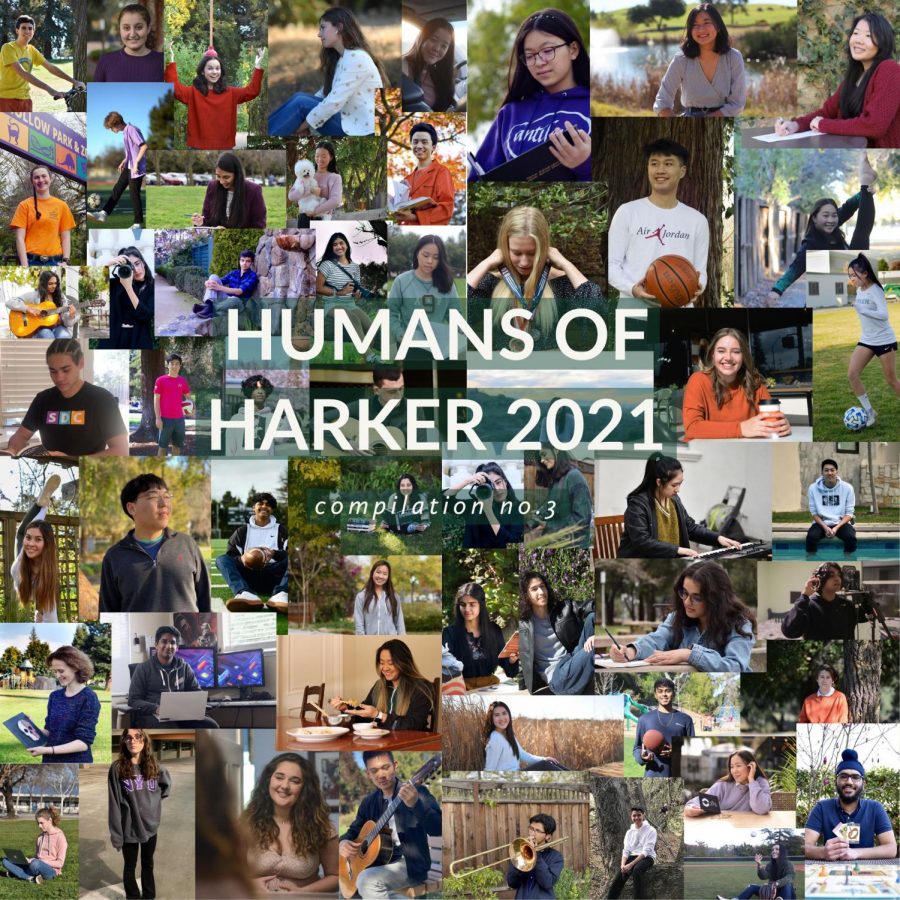
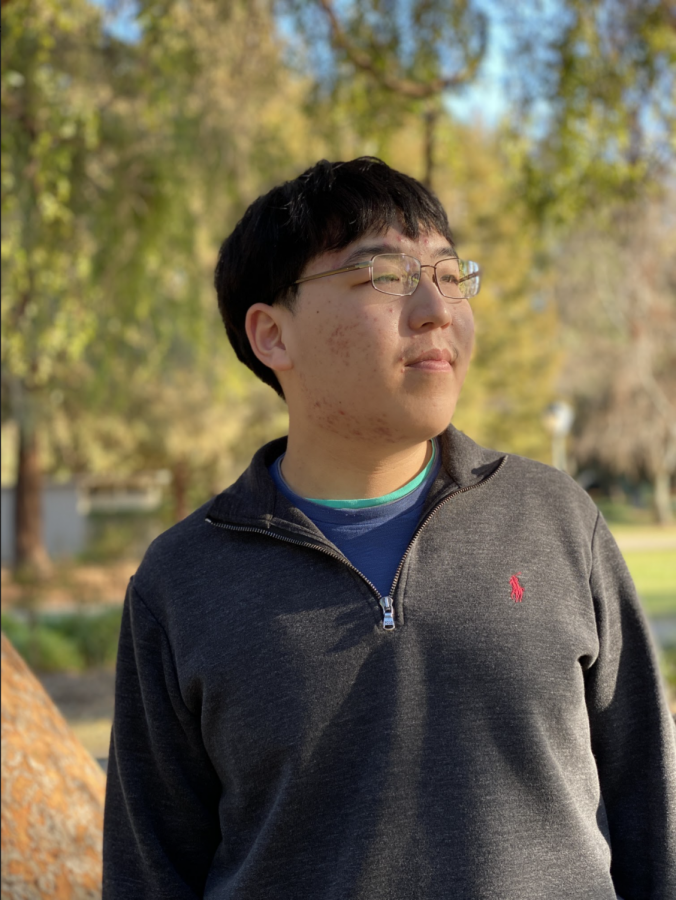

![“I think getting up in the morning and having a sense of purpose [is exciting]. I think without a certain amount of drive, life is kind of obsolete and mundane, and I think having that every single day is what makes each day unique and kind of makes life exciting,” Neymika Jain (12) said.](https://harkeraquila.com/wp-content/uploads/2017/06/Screen-Shot-2017-06-03-at-4.54.16-PM.png)
![“My slogan is ‘slow feet, don’t eat, and I’m hungry.’ You need to run fast to get where you are–you aren't going to get those championships if you aren't fast,” Angel Cervantes (12) said. “I want to do well in school on my tests and in track and win championships for my team. I live by that, [and] I can do that anywhere: in the classroom or on the field.”](https://harkeraquila.com/wp-content/uploads/2018/06/DSC5146-900x601.jpg)
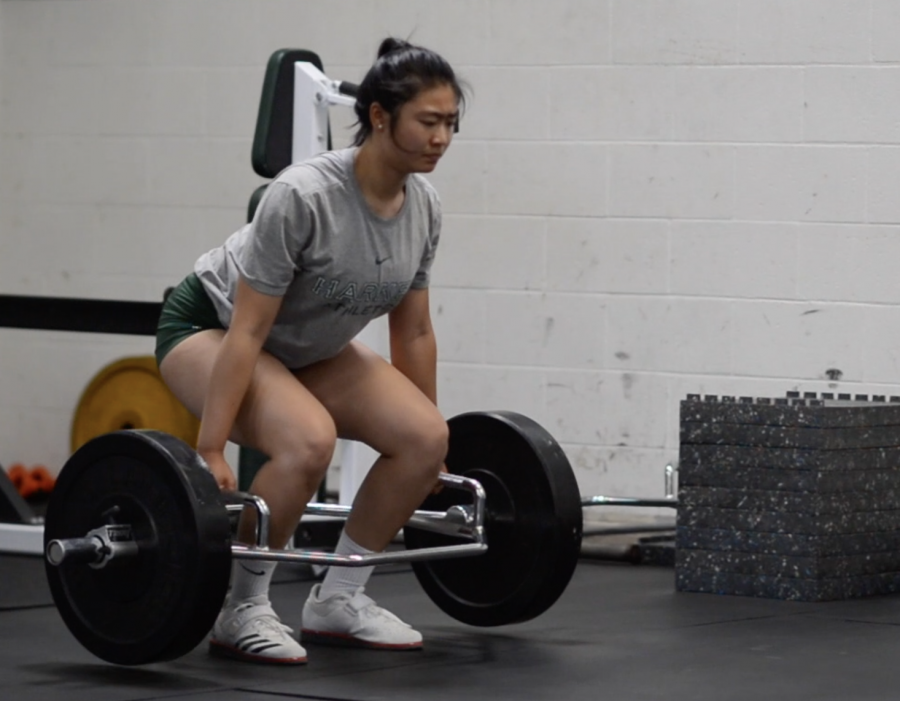
![“[Volleyball has] taught me how to fall correctly, and another thing it taught is that you don’t have to be the best at something to be good at it. If you just hit the ball in a smart way, then it still scores points and you’re good at it. You could be a background player and still make a much bigger impact on the team than you would think,” Anya Gert (’20) said.](https://harkeraquila.com/wp-content/uploads/2020/06/AnnaGert_JinTuan_HoHPhotoEdited-600x900.jpeg)
![“I'm not nearly there yet, but [my confidence has] definitely been getting better since I was pretty shy and timid coming into Harker my freshman year. I know that there's a lot of people that are really confident in what they do, and I really admire them. Everyone's so driven and that has really pushed me to kind of try to find my own place in high school and be more confident,” Alyssa Huang (’20) said.](https://harkeraquila.com/wp-content/uploads/2020/06/AlyssaHuang_EmilyChen_HoHPhoto-900x749.jpeg)


“I belong here.”
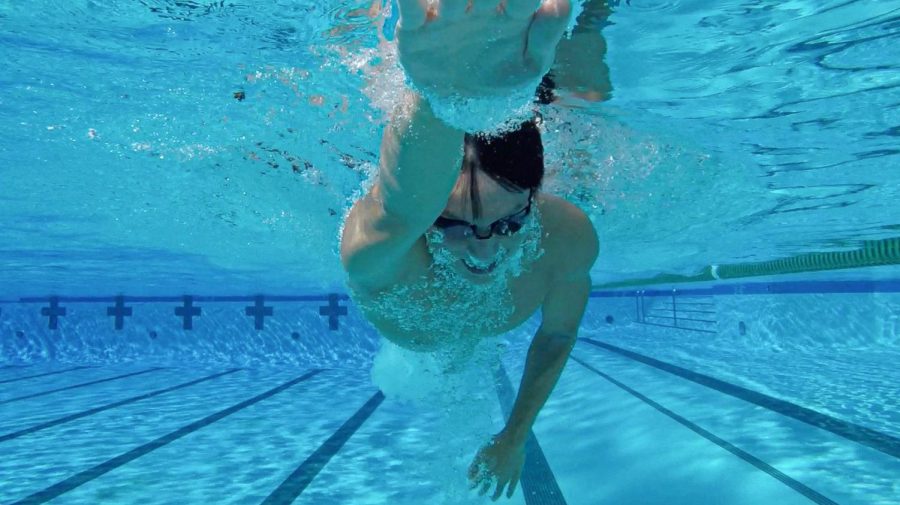
At the 2024 March Madness invitational, senior Wenjie Zou found himself in an unexpected position. Seeded 40th in the 200 freestyle prelims, he spent two agonizing hours as the second alternate, uncertain if he would even swim. His previous events yielded no finals appearances — this was his last chance to score points for his team.
During the warm-up, the wait had been excruciating. Without knowing if he’d compete, Wenjie paced between the warm-up pool and the locker room, nerves manifesting in restless energy. Ten minutes before the event, his coach finally confirmed: he was in.
“Before the event, I repeated to myself: ‘I belong here’,” Wenjie said. “I stayed in the moment and told myself that I can race these people, and I belong in the same heat as them. In that race, I executed everything perfectly, and I actually won the heat. It was a turning point in my mentality. From that point on, it’s been a switch for me to get locked in. Your willpower is what will put you over others and give you strength.”
This motto carried Wenjie through one of the most demanding schedules a high school student can endure. Most mornings start at 5:00 a.m diving into two hours of training before school. On some days, Wenjie returns to the pool for another session after classes finish.
During intense swim sets, where his workout can total to over 7,000 yards of all four strokes, Wenjie pushes his body to the limit. He sometimes approaches the point where vision blurs with tears in his goggles. Yet for Wenjie, these moments of physical extremity serve a greater purpose.
“If I can push past this obstacle at the start of the day at 6 in the morning, then I can accomplish anything for the rest of the day,” Wenjie said. “Even though in that moment it’s a sign of pain, it’s not about the pain, but your ability to accept it and push through it. You need to prove to yourself that your brain and your mentality can override what you used to think your full capacity was.”
The discipline that Wenjie hones in the water extends into other aspects of his life. In his view, swimming is a stabilizing force that gives him order beyond the pool.
“I’ve never had a doubt in my mind that I want to keep swimming,” Wenjie said. “It’s my rudder. It provides structure that helps you stay on track and maintains discipline. Whenever we have summer break and swimming is off for about two weeks, everything spirals — you lose your discipline. Swimming keeps you in the right mentality and locked in on everything.”
Wenjie brings the same discipline and thoughtfulness into his academics. In Pauline Paskali’s Honors English 3 class — Wenjie’s favorite high school course — he learned to embrace curiosity and refine his analytical thinking.
Dr. Paskali appreciates Wenjie’s persistence in class, especially the energy he brought to discussions.
“Even when people were tired at the end of the day, he’d get into his group and try to get his peers excited and dig into the text together,” Dr. Paskali said. “He had the mindset of an athlete with English — practice, practice, practice, do it over, do what you need to do until you get it right.”
In the same way that Wenjie encourages his classmates in the classroom, he often stays during meets after his event ends to support his teammates, volunteering to lap count for them.
At club and school, junior Jaden Ruffy swims with Wenjie and sees him as a model of focus and commitment. Over time, they developed a friendship built on shared effort.
“In practice, he always gives 100%,” Jaden said. “He’s never slacking, and when he has a goal in mind, he’ll go out and get it. I see him working really hard on all his extracurriculars and essays, and in the pool, he’s really working hard, never skipping practice. He knows what he has to do.”
Close friend alum Jason Li (‘25) has known Wenjie since elementary school, but their bond solidified when they became high school teammates for Harker and Santa Clara Swim Club. Jason respects how outside of swimming, Wenjie often seeks out conversations about ideas and perspectives, engaging others with an open mind.
“He accepts that while he holds himself to this high standard, different people have different goals for themselves,” Jason said. “When he’s giving advice, he’ll say how he likes to do it, but he’ll add that people also like to do it in other ways. He’s very open-minded in that sense. He sets high goals for himself and he does what he needs to to achieve them, but he’s not the type to force his way of doing things onto anybody else.”
This balance of maintaining personal standards while accepting others’ paths emerged from Wenjie’s own hard-won journey toward self-reliance. In frosh year, he lacked agency, pursuing activities like coding and math competitions because others were doing them, not because they aligned with his interests.
“Back then, I just saw everything that people around me were doing,” Wenjie said. “I felt like I had to stay on par with them, so I devoted my time to that. But my heart wasn’t there, and I forced myself anyway. Now I’ve realized I need to invest in the things I care about. Even if there’s not a lot of concrete proof, my heart is in the right place with what I want to do.”
Wenjie’s definition of success is more than medals or qualifying times. He measures it by his ability to push past limits he once considered fixed. Through discipline, Wenjie believes anyone can cultivate the willpower to push past their limits.
“I want to serve as an example of how people can push themselves to expand their mental and physical boundaries through hard work and dedication,” Wenjie said. “When I tell people I wake up at 5 every day to swim, they think, ‘Well, I could never do that.’ But after a few years of doing it, it’s become natural to me. If I can do that, then other people could do something similar. My experience is a testament to the willpower that we all share.”