![“I wasn't discouraged by some of the obstacles we faced. I learned a lot from the leadership. I found that different people need different ways of receiving feedback — you can't [just] tell them to do something and expect the best. [Some] people needed more incentive. A large part of my role was to figure out what worked for everyone and to figure out how to lead all these separate individuals as a team,” Suhana Bhandare (’26) said.](https://harkeraquila.com/wp-content/uploads/2026/06/SuhanaBhandare_JasmineHansra-1-1200x798.jpg)
![“This is actually from Randy Pausch Randy P. Brick: ‘Walls are there for a reason. You have to show how much you want to overcome them.’ You have to show how much you want something. That's what I've always been able to do with tennis, Link Crew and getting that internship [with Kushy Baby]. It’s important pushing through that — getting around that brick wall, climbing over it or clawing through it,” Yash Sachdeva (’26) said.](https://harkeraquila.com/wp-content/uploads/2026/05/YashSachdeva_RamBatchu-copy-1200x1002.jpg)




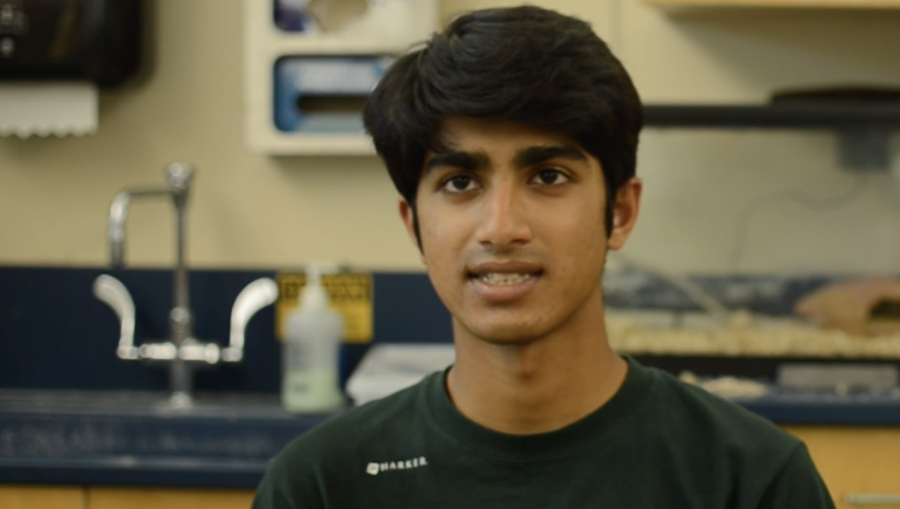
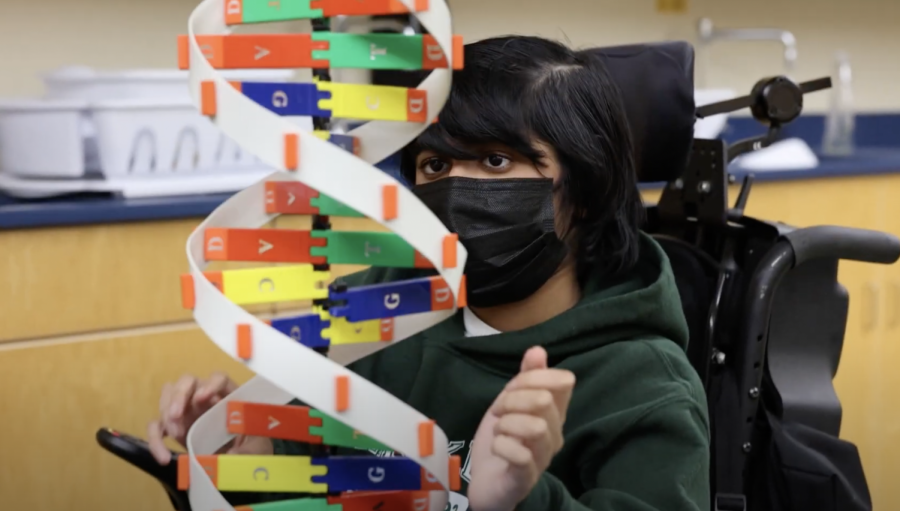
![“[Building nerf blasters] became this outlet of creativity for me that hasn't been matched by anything else. The process [of] making a build complete to your desire is such a painstakingly difficult process, but I've had to learn from [the skills needed from] soldering to proper painting. There's so many different options for everything, if you think about it, it exists. The best part is [that] if it doesn't exist, you can build it yourself," Ishaan Parate said.](https://harkeraquila.com/wp-content/uploads/2022/08/DSC_8149-900x604.jpg)
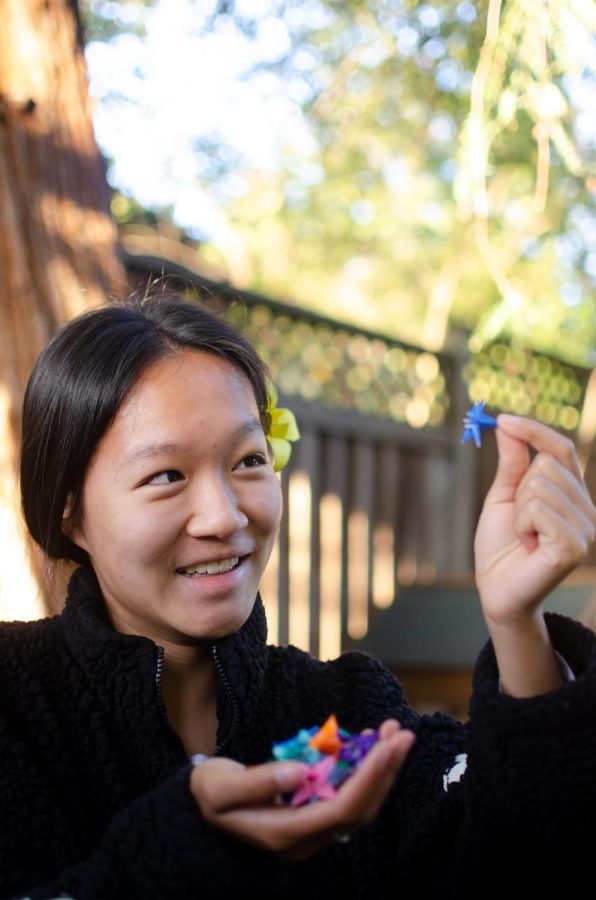
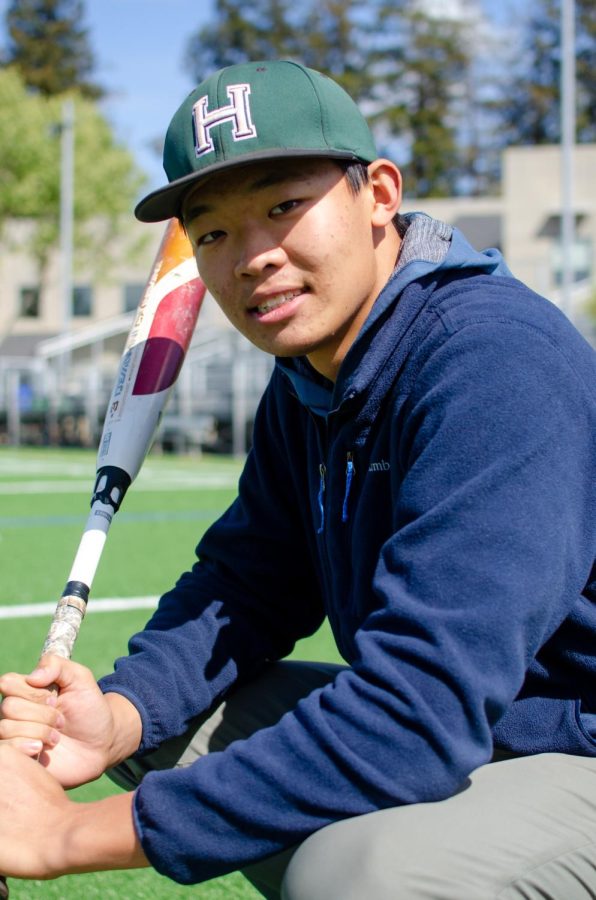
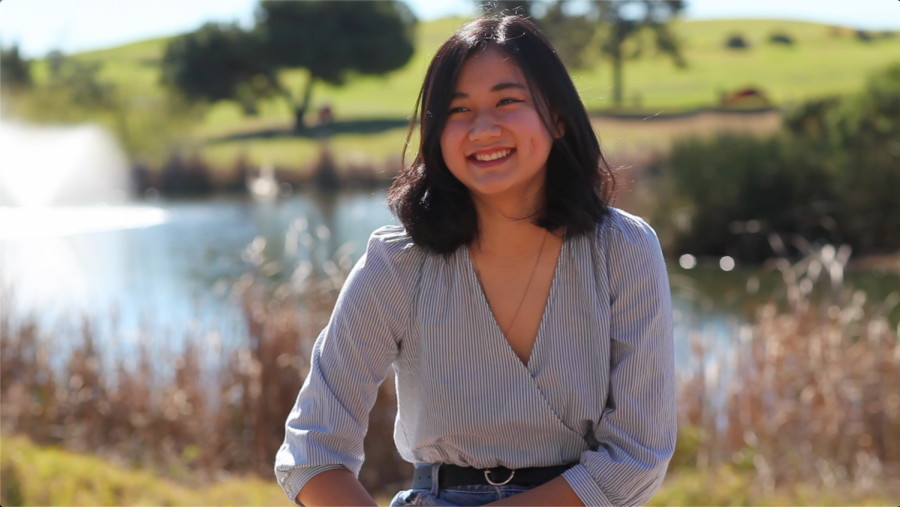
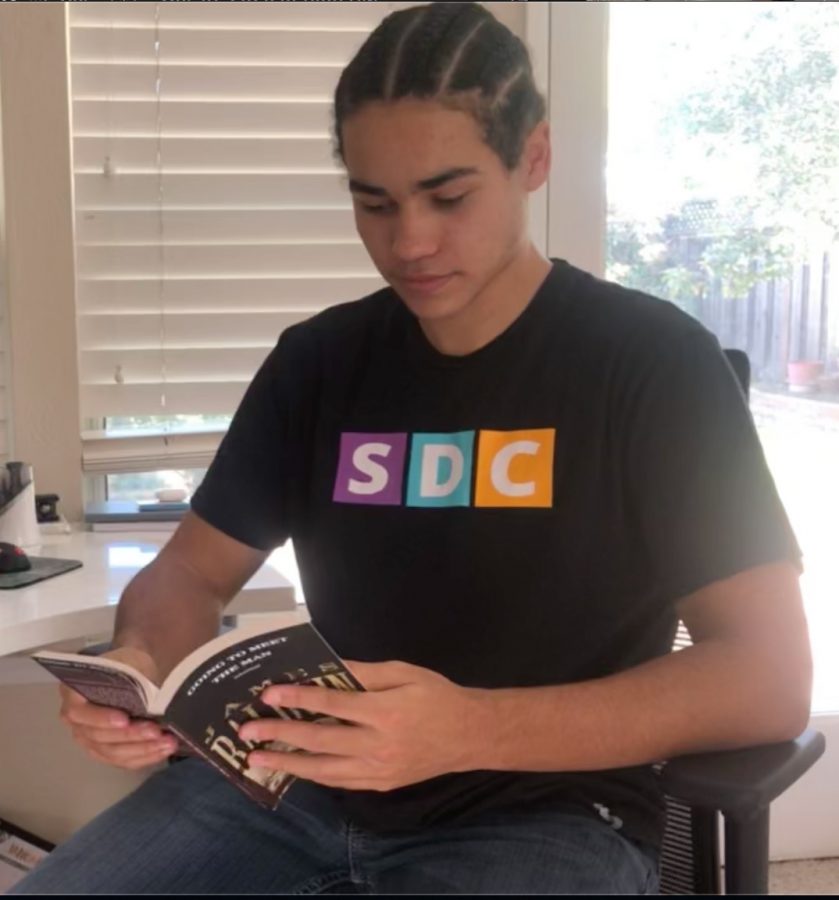
![“When I came into high school, I was ready to be a follower. But DECA was a game changer for me. It helped me overcome my fear of public speaking, and it's played such a major role in who I've become today. To be able to successfully lead a chapter of 150 students, an officer team and be one of the upperclassmen I once really admired is something I'm [really] proud of,” Anvitha Tummala ('21) said.](https://harkeraquila.com/wp-content/uploads/2021/07/Screen-Shot-2021-07-25-at-9.50.05-AM-900x594.png)

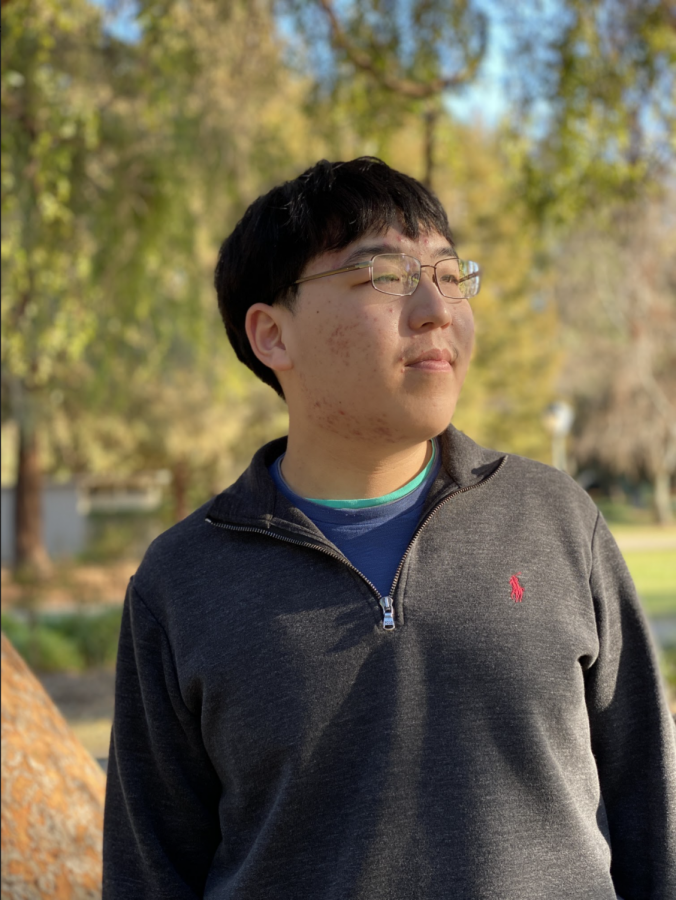
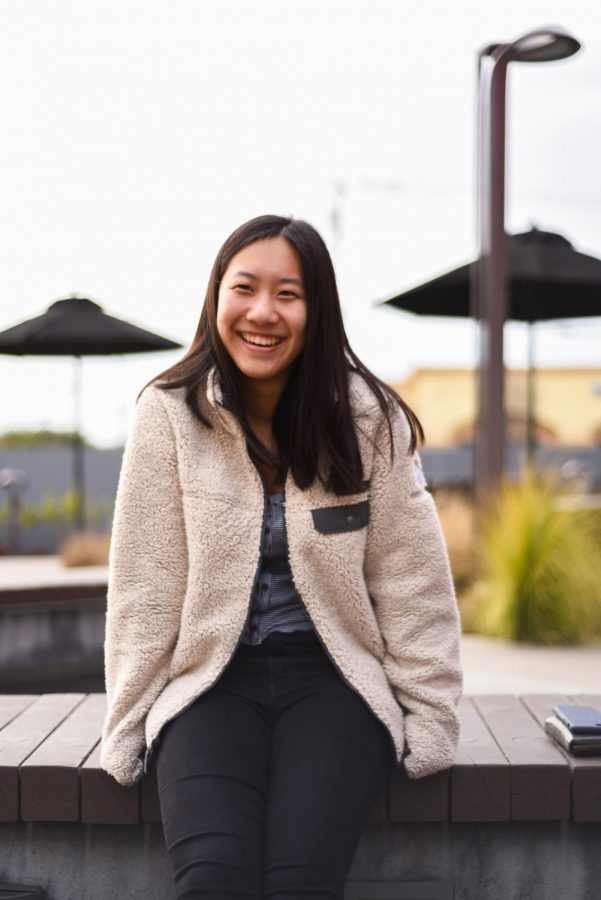
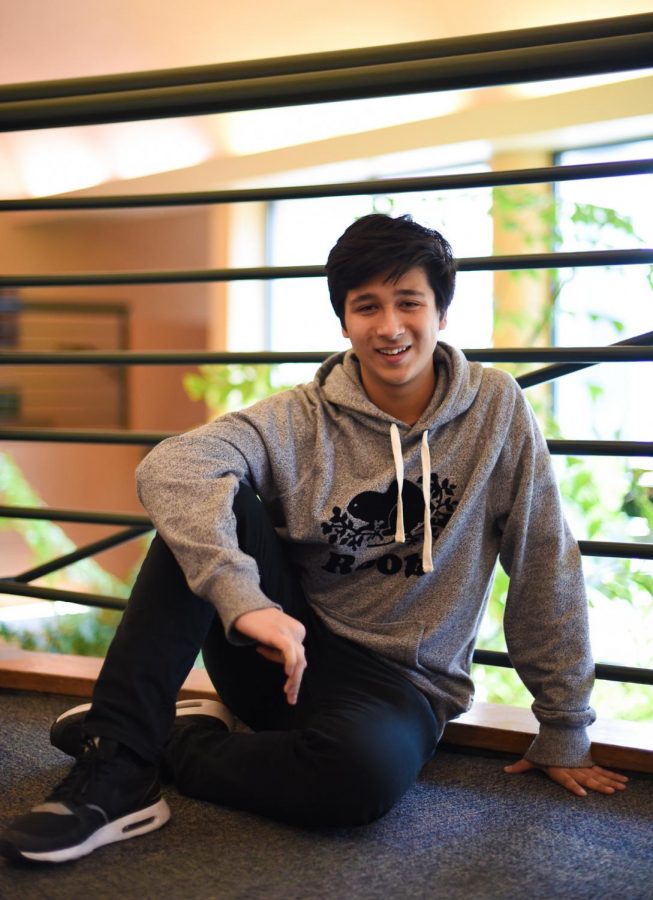
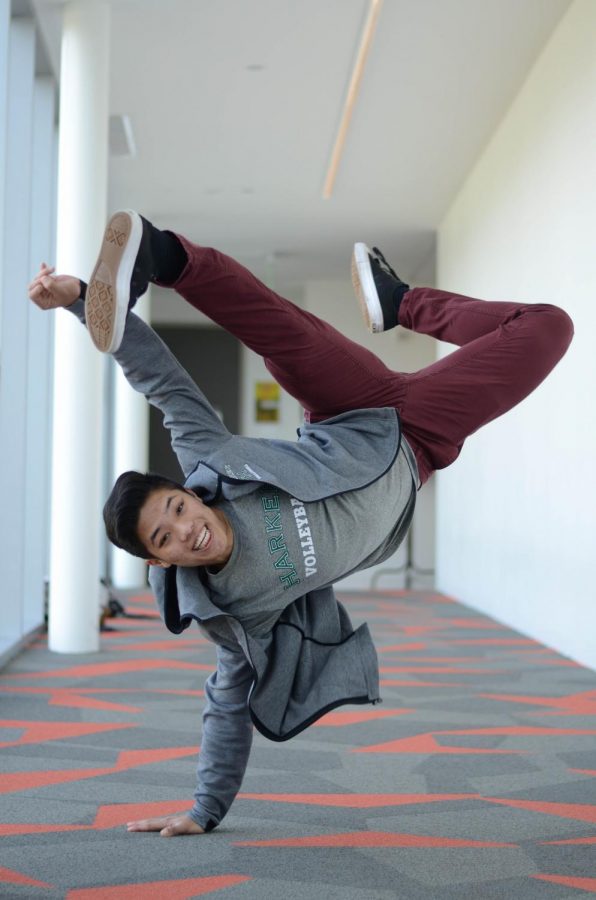
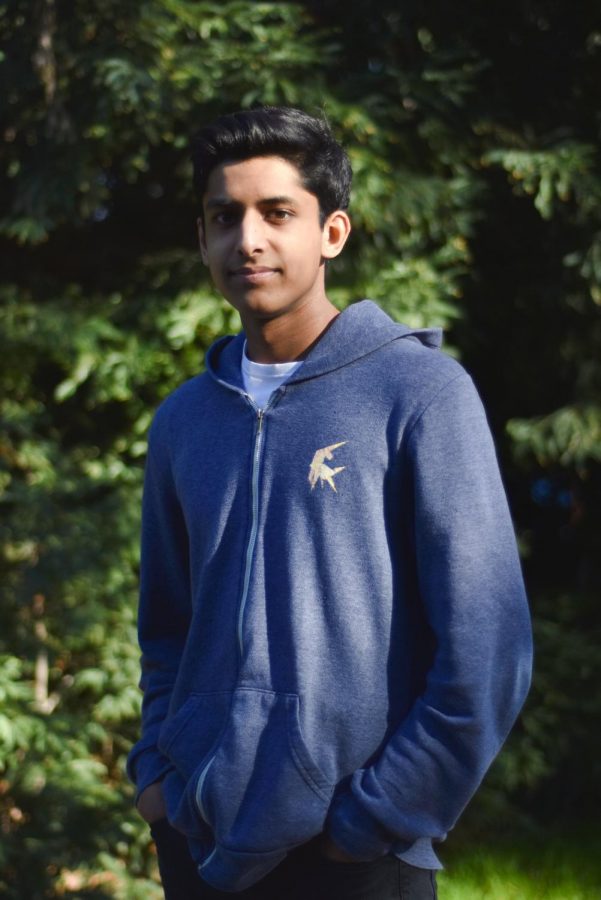

![“I think getting up in the morning and having a sense of purpose [is exciting]. I think without a certain amount of drive, life is kind of obsolete and mundane, and I think having that every single day is what makes each day unique and kind of makes life exciting,” Neymika Jain (12) said.](https://harkeraquila.com/wp-content/uploads/2017/06/Screen-Shot-2017-06-03-at-4.54.16-PM.png)
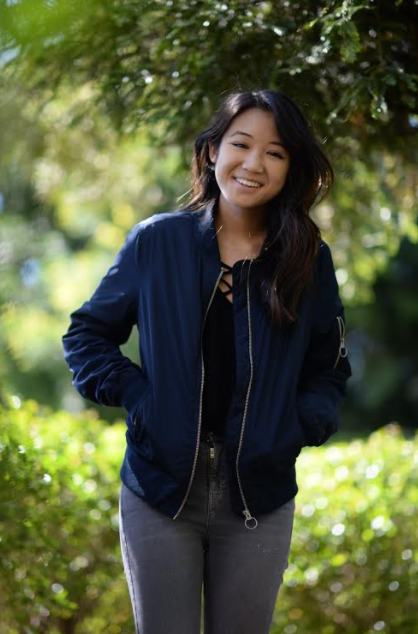
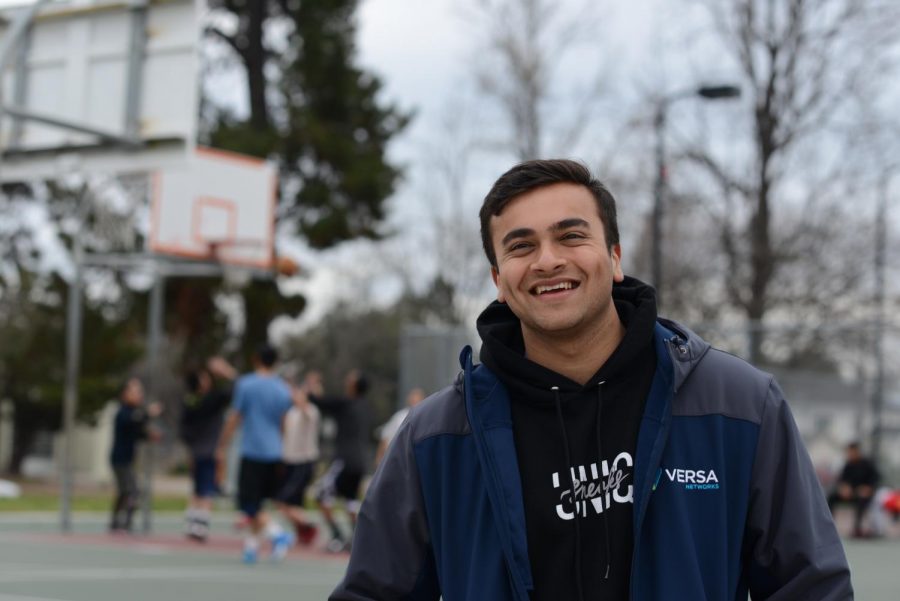
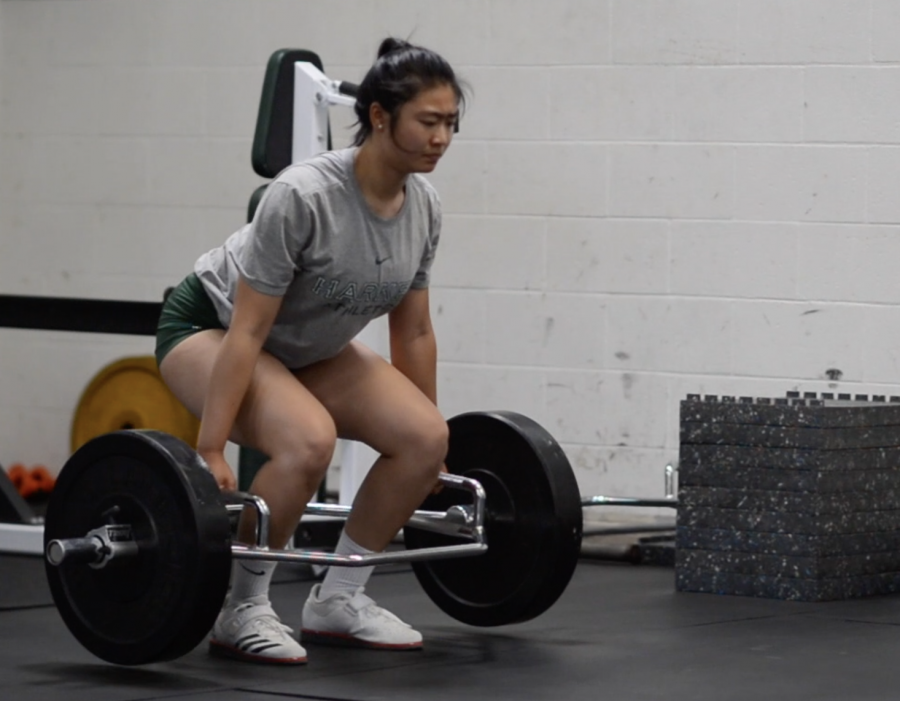

![“My slogan is ‘slow feet, don’t eat, and I’m hungry.’ You need to run fast to get where you are–you aren't going to get those championships if you aren't fast,” Angel Cervantes (12) said. “I want to do well in school on my tests and in track and win championships for my team. I live by that, [and] I can do that anywhere: in the classroom or on the field.”](https://harkeraquila.com/wp-content/uploads/2018/06/DSC5146-900x601.jpg)
![“[Volleyball has] taught me how to fall correctly, and another thing it taught is that you don’t have to be the best at something to be good at it. If you just hit the ball in a smart way, then it still scores points and you’re good at it. You could be a background player and still make a much bigger impact on the team than you would think,” Anya Gert (’20) said.](https://harkeraquila.com/wp-content/uploads/2020/06/AnnaGert_JinTuan_HoHPhotoEdited-600x900.jpeg)
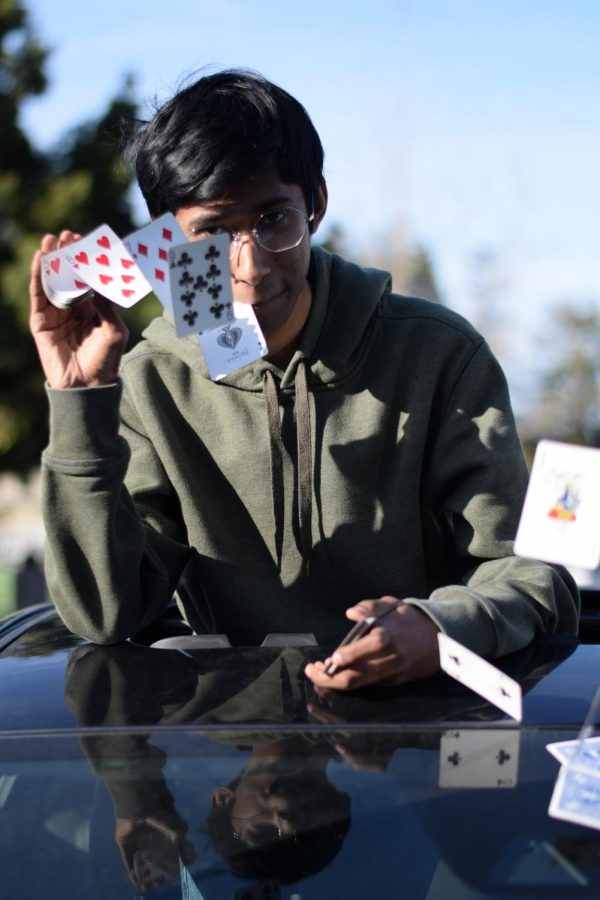
![“I'm not nearly there yet, but [my confidence has] definitely been getting better since I was pretty shy and timid coming into Harker my freshman year. I know that there's a lot of people that are really confident in what they do, and I really admire them. Everyone's so driven and that has really pushed me to kind of try to find my own place in high school and be more confident,” Alyssa Huang (’20) said.](https://harkeraquila.com/wp-content/uploads/2020/06/AlyssaHuang_EmilyChen_HoHPhoto-900x749.jpeg)


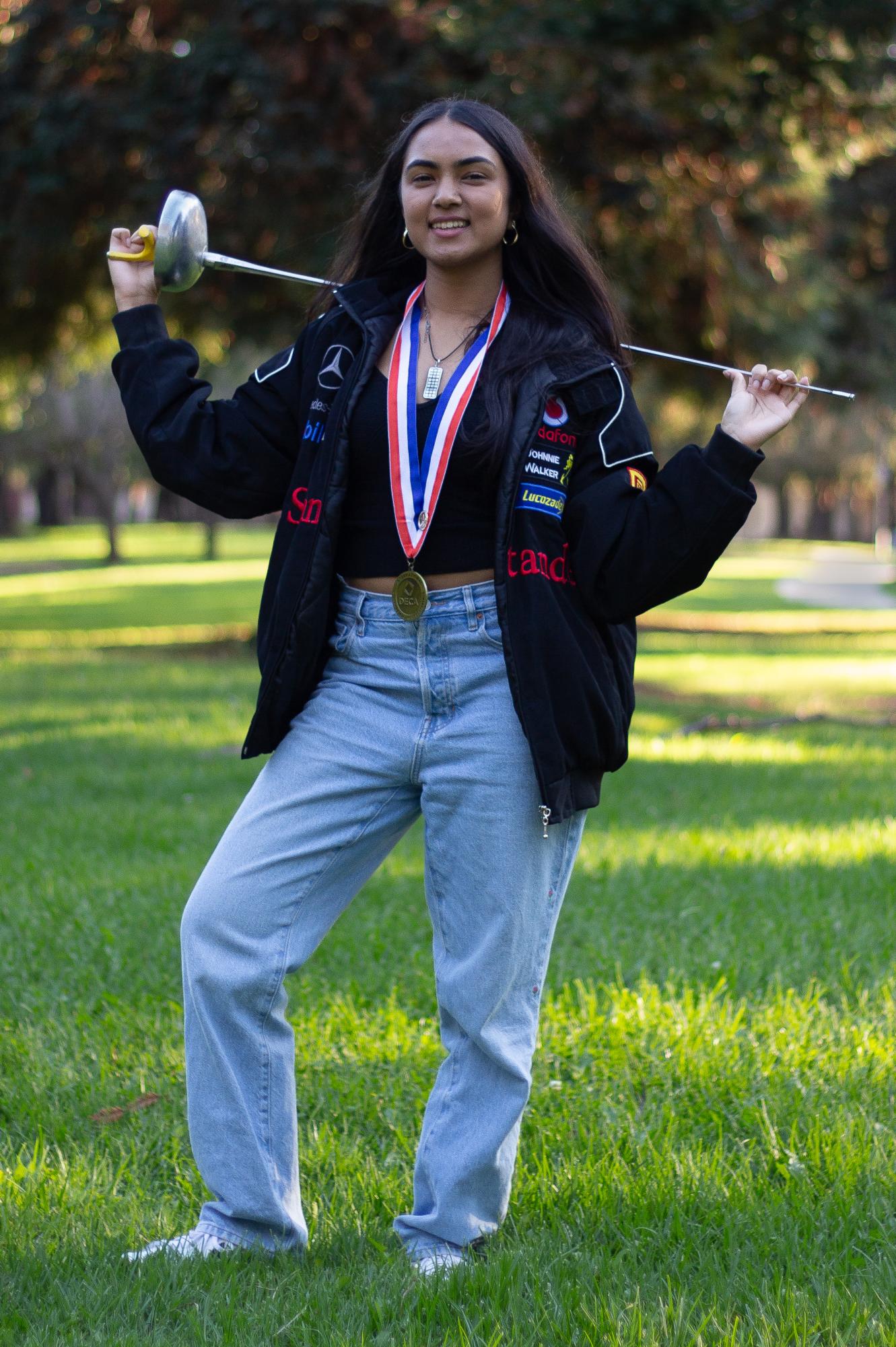
Lunge. Parry. Attack. These are just a few of the fencing strategies racing in Saahira Dayal’s (’25) mind as she faces off against her opponent in the 2023 Junior Olympics. Having lost her first elimination round, the anxiety and stress are still fresh in her mind, weighing her down. But as she lifts her blade, a surge of determination courses through her, pushing aside the doubts. With each thrust and retreat, Saahira moves with focus and energy, ready to turn her earlier defeat into a powerful comeback. At the end of the match, she emerges victorious, her heart racing with exhilaration, adrenaline and joy.
Saahira’s fascination with the world of fencing grew ever since she was little, watching the sport on television. After her mom heard of a local fencing club in her city, Saahira decided to participate in local lessons with her friends. After placing in the top 20 of her first competition, she found herself drawn to the unique demands of the sport, where strategy and agility combined with wit and precision.
“Fencing is so much different from regular sports,” Saahira said. “The mental game is really, really important because it’s not just muscle memory. You have to make intricate strategies and tactics within minutes, within seconds. A lot of people say fencing is like physical chess because you’re always thinking as fast as you can.”
Saahira credits her years of practicing and competing in fencing as a crucial contribution to her personal growth. The fundamental lessons that her coaches have taught her over time allowed her to succeed both inside and outside of the fencing world.
“My coach was like, ‘You guys need to put in a mindful effort in your practice,” Saahira said. “If you are just mindlessly doing footwork, if there is no intention behind your actions, you are not going to get anything out of it. Before the Junior Olympics, I did mindful practice and I actually put attention to my work and the tournament did turn out well.”
Fellow advisory member Sara Glusman (’25) notes Saahira’s innate ability to balance her cheerful nature with her deeply driven work ethic, a combination Sara finds especially admirable.
“With these two main qualities of her being lighthearted and so insanely hardworking, it becomes so nice to be around her,” Sara said. “I can relax with her, but as soon as she starts working, I feel so inspired by everything she does and everything she’s capable of. Just by seeing how hard she works, it gets me to work hard as well.”
Throughout her fencing journey, Saahira faced numerous challenges, particularly a persistent struggle with pre-tournament anxiety. Over time, however, she learned to acknowledge those feelings without letting them take over, choosing instead to center her focus on the bigger picture.
“At every competition, I will be super scared, and the thing is, when I get nervous, I freeze on the spot,” Saahira said. “My brain doesn’t work. I don’t move fast enough. Everything just goes haywire. Anxiety was definitely something that I took forever to get over. I still get a little nervous, but that’s normal, and it’s better than it was before.”
Biology teacher and Saahira’s advisor, Eric Johnson, reflects on the immediate impression Saahira made from the very beginning of high school, and how her confidence set her apart from her peers.
“From the first day I met her, she was already so sure of herself, so confident,” Johnson said. “As a ninth grader at a brand new school, she already had a sense of herself and I could tell from that moment. That’s just been my continued experience with her: someone who has a lot of love to give to other people, but it’s pulling from a deep sense of who she is.”
By closely honing her skills and maintaining a strong mental focus, Saahira applies what she learns from fencing to almost every aspect of her life, including her work over the last four years in DECA. By participating in roleplays, where she must brainstorm ideas on the fly, Saahira realized she could draw on the same sharp reflexes and mental agility she honed through fencing.
“DECA is another place where I have to think on my feet,” Saahira said. “All the events I do good in are the ones where I think on my feet. Fencing and DECA don’t seem connected, but you can always apply one skill to another.”
As Saahira immersed herself in DECA’s competitive landscape, she began to notice significant disparities in representation within specific events, particularly in the automotive services marketing roleplay. This realization inspired her to advocate for greater inclusivity and representation in DECA, cars and beyond.
“Another thing that expanded my perspective was the gender imbalance in the industry,” Saahira said. “I got only male judges every single time I did that event and I didn’t see a single female judge for that event ever. The amount of female participants in that event too was really low. That’s how my perspective on cars has expanded over the years.”
Close friend and fellow DECA participant Sanaa Bhorkar (’25) admires how Saahira devotes her full effort to DECA and the automotive industry, despite her ideal interests being more technical and concrete.
“She definitely has something that no one else does, which is the passion and the knowledge about cars,” Sanaa said. “I really admire that even though her DECA event is a marketing event, and she would prefer something more finite, she’s still sticking with it and putting her all into it.”
From the fencing strip to DECA competitions, Saahira thrives on intensity, strategy and purpose. Whether battling pre-match nerves or pushing for representation in underrepresented spaces, she grounds herself in the belief that focused, intentional effort leads to desirable results, a lesson passed down from her mother that continues to guide her mindset.
“There’s an actual saying my mom says; it basically just means that the results in your life are dependent on how much work you put in,” Saahira said. “How much effort you put in and how much mindful effort you’re putting in. You can’t be watching TV and doing work. I think that reminder is good because it is kind of motivating to just set aside time and work with intention.”