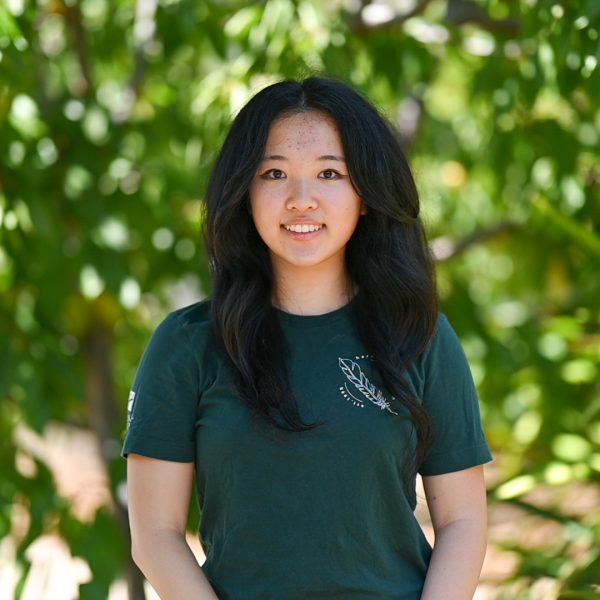
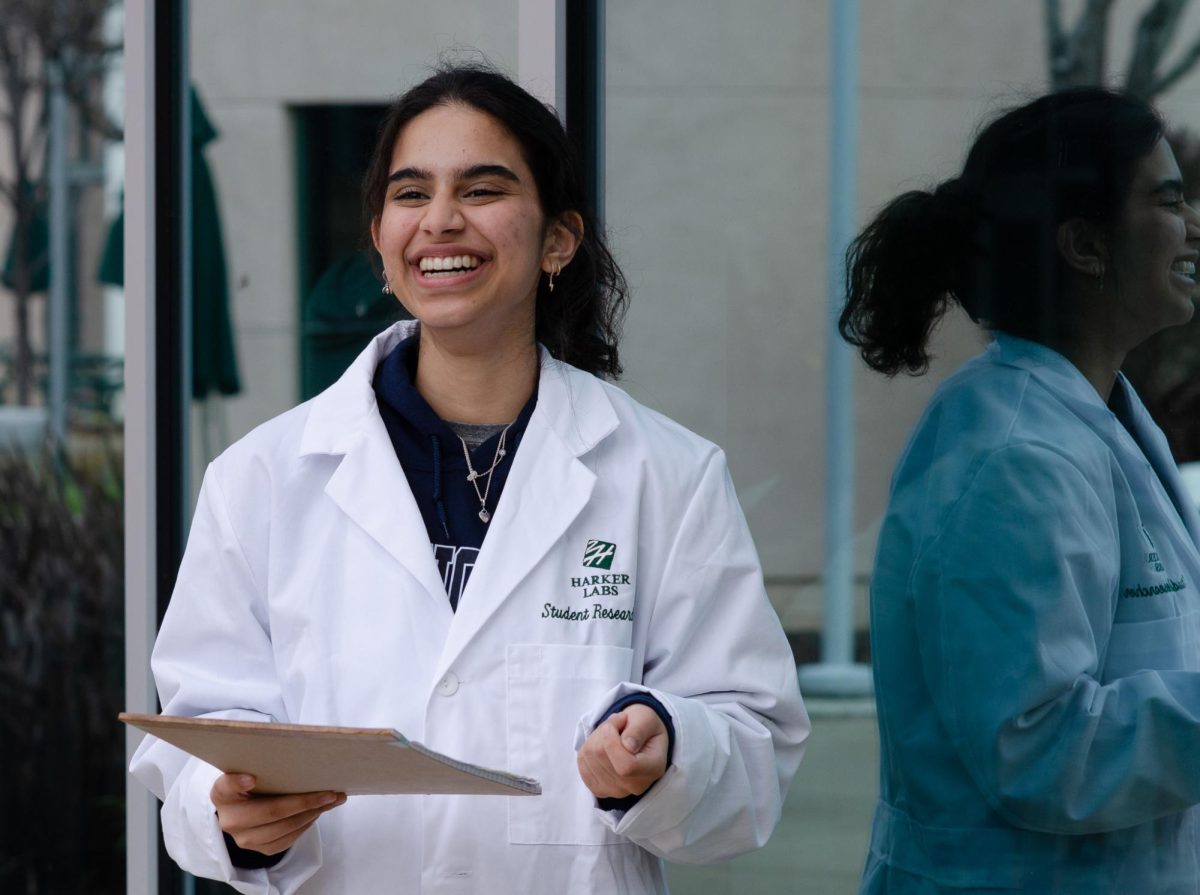
![“I wasn't discouraged by some of the obstacles we faced. I learned a lot from the leadership. I found that different people need different ways of receiving feedback — you can't [just] tell them to do something and expect the best. [Some] people needed more incentive. A large part of my role was to figure out what worked for everyone and to figure out how to lead all these separate individuals as a team,” Suhana Bhandare (’26) said.](https://harkeraquila.com/wp-content/uploads/2026/06/SuhanaBhandare_JasmineHansra-1-1200x798.jpg)

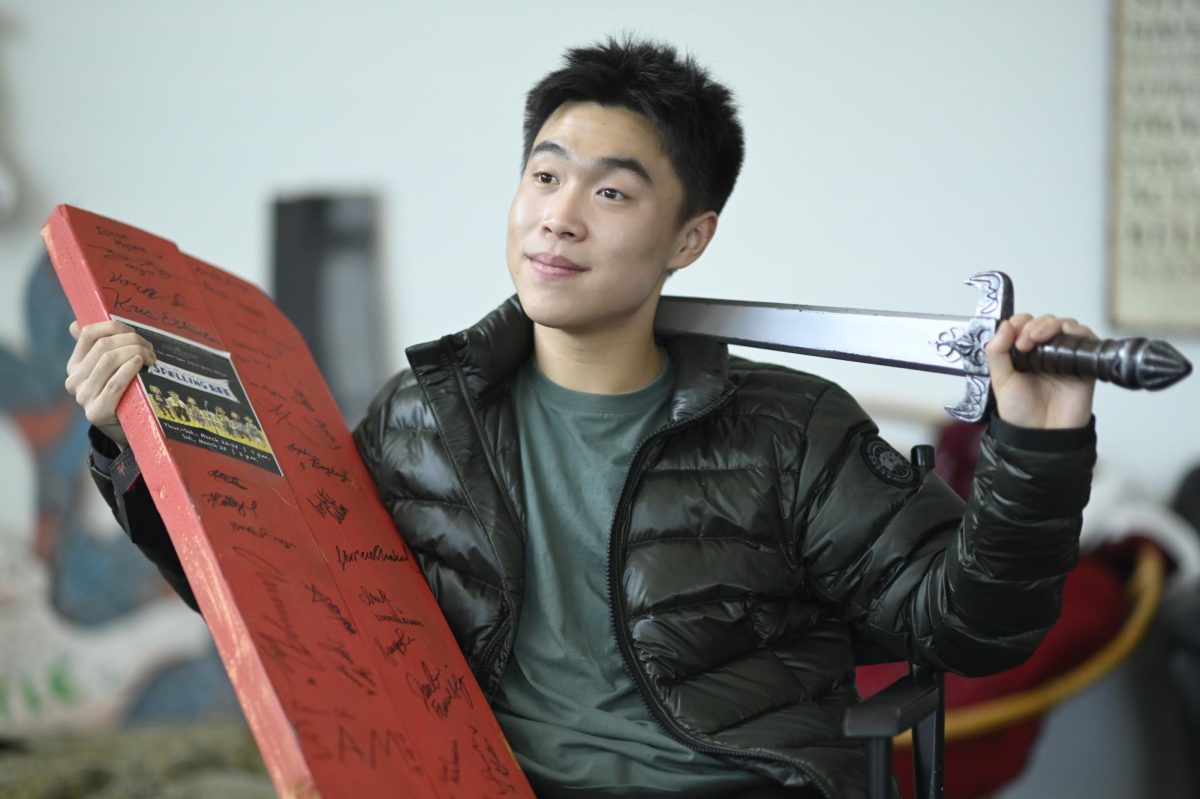
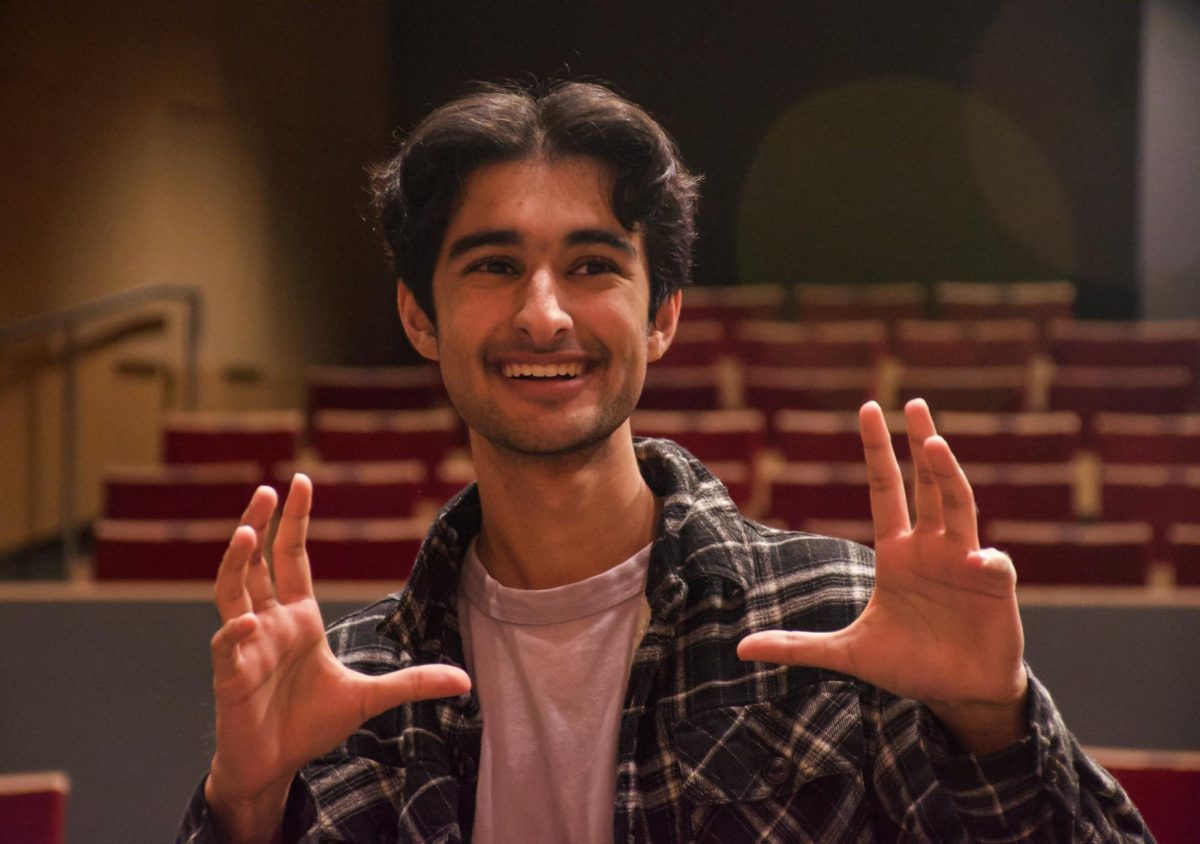
![“This is actually from Randy Pausch Randy P. Brick: ‘Walls are there for a reason. You have to show how much you want to overcome them.’ You have to show how much you want something. That's what I've always been able to do with tennis, Link Crew and getting that internship [with Kushy Baby]. It’s important pushing through that — getting around that brick wall, climbing over it or clawing through it,” Yash Sachdeva (’26) said.](https://harkeraquila.com/wp-content/uploads/2026/05/YashSachdeva_RamBatchu-copy-1200x1002.jpg)








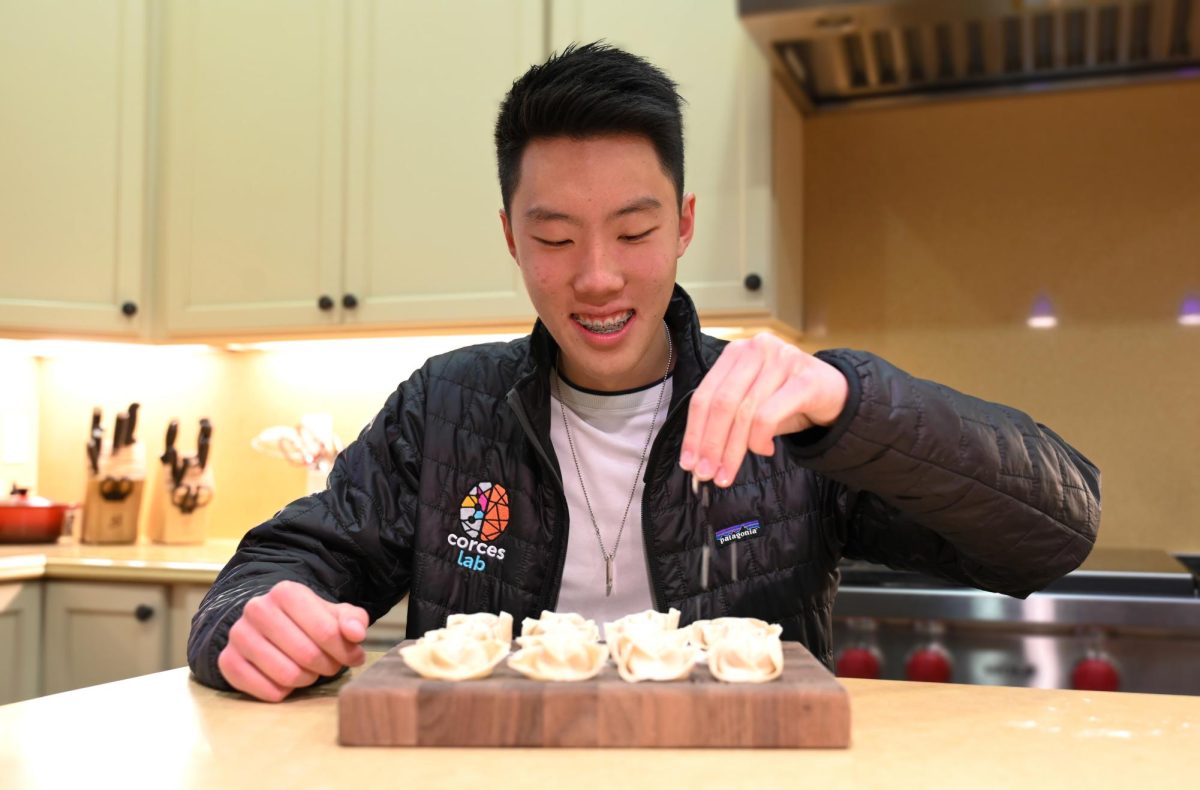
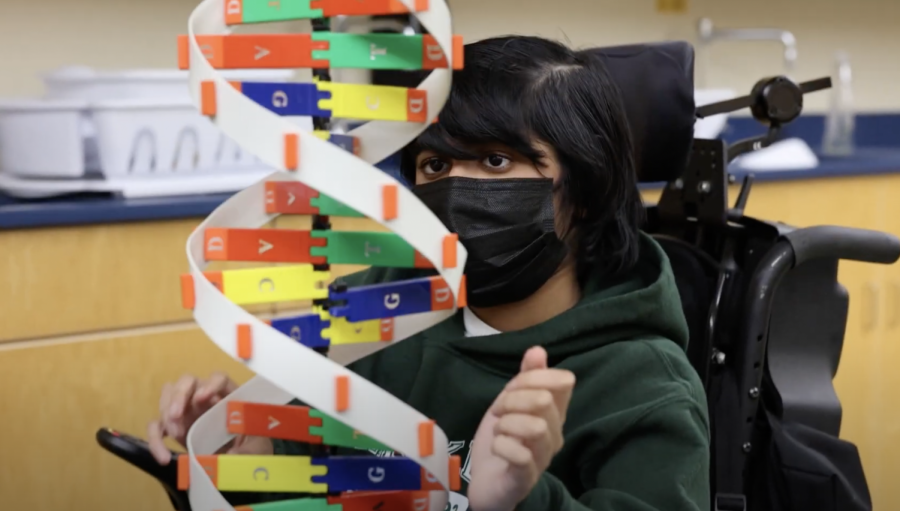
![“[Building nerf blasters] became this outlet of creativity for me that hasn't been matched by anything else. The process [of] making a build complete to your desire is such a painstakingly difficult process, but I've had to learn from [the skills needed from] soldering to proper painting. There's so many different options for everything, if you think about it, it exists. The best part is [that] if it doesn't exist, you can build it yourself," Ishaan Parate said.](https://harkeraquila.com/wp-content/uploads/2022/08/DSC_8149-900x604.jpg)
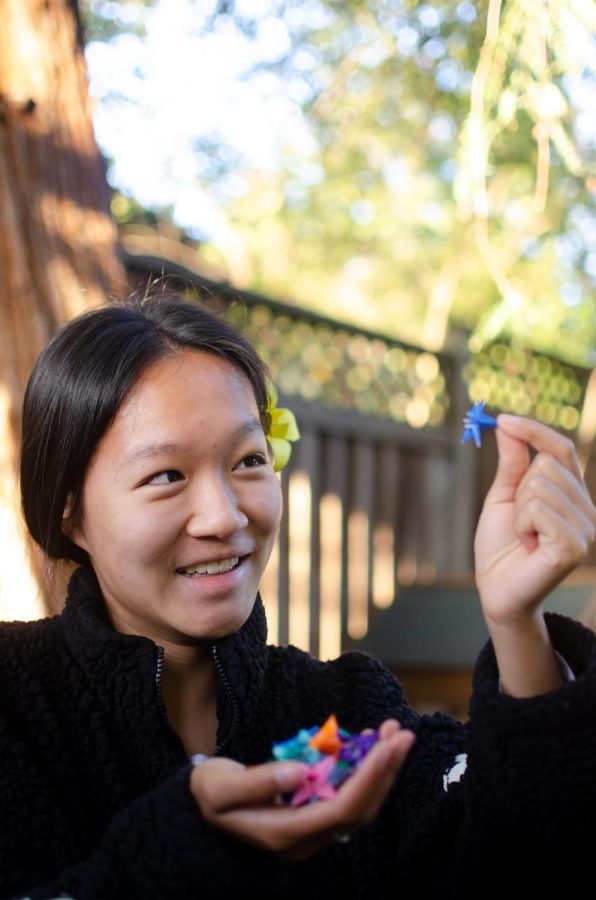
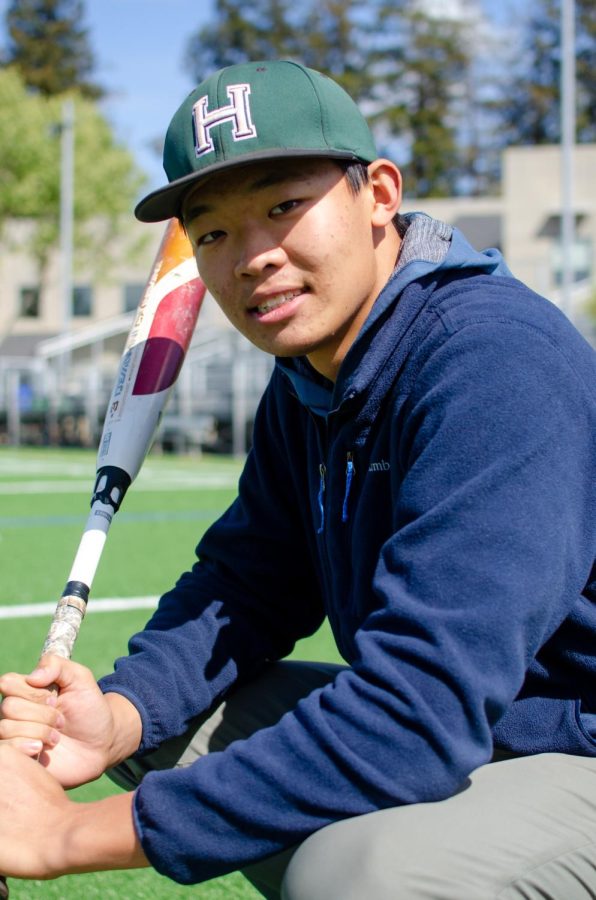

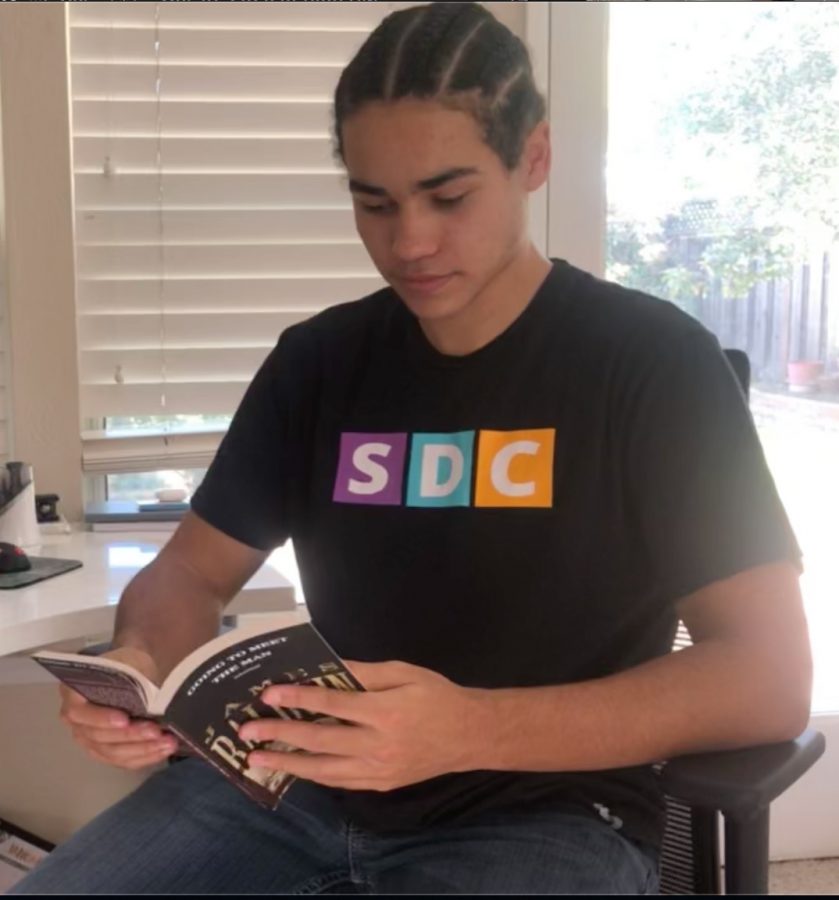
![“When I came into high school, I was ready to be a follower. But DECA was a game changer for me. It helped me overcome my fear of public speaking, and it's played such a major role in who I've become today. To be able to successfully lead a chapter of 150 students, an officer team and be one of the upperclassmen I once really admired is something I'm [really] proud of,” Anvitha Tummala ('21) said.](https://harkeraquila.com/wp-content/uploads/2021/07/Screen-Shot-2021-07-25-at-9.50.05-AM-900x594.png)

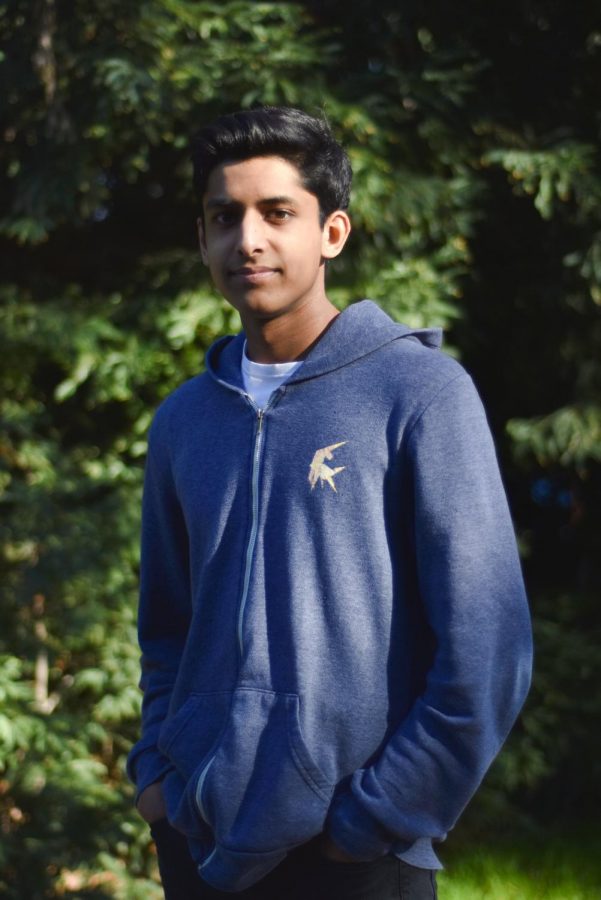

![“I think getting up in the morning and having a sense of purpose [is exciting]. I think without a certain amount of drive, life is kind of obsolete and mundane, and I think having that every single day is what makes each day unique and kind of makes life exciting,” Neymika Jain (12) said.](https://harkeraquila.com/wp-content/uploads/2017/06/Screen-Shot-2017-06-03-at-4.54.16-PM.png)

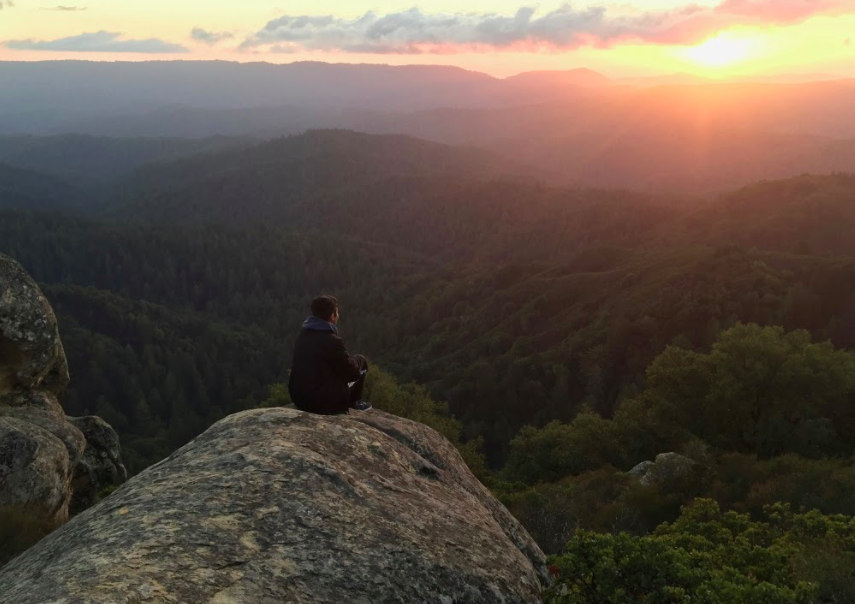
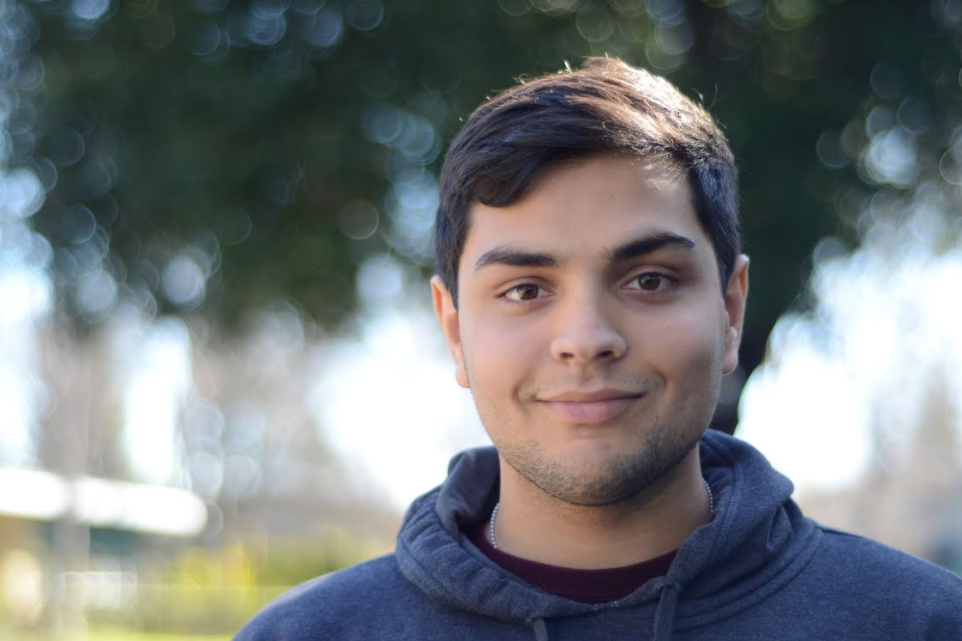
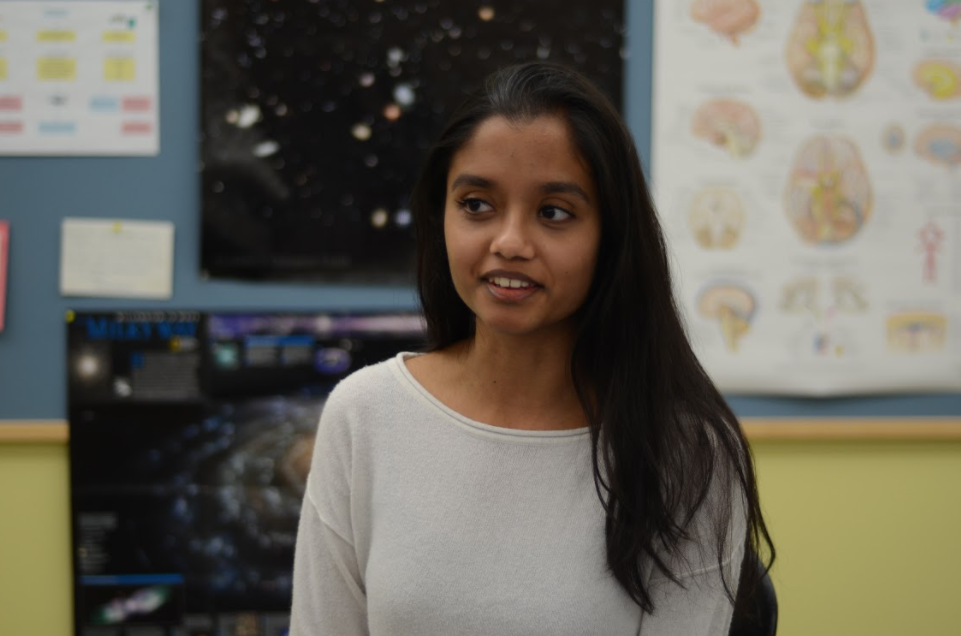
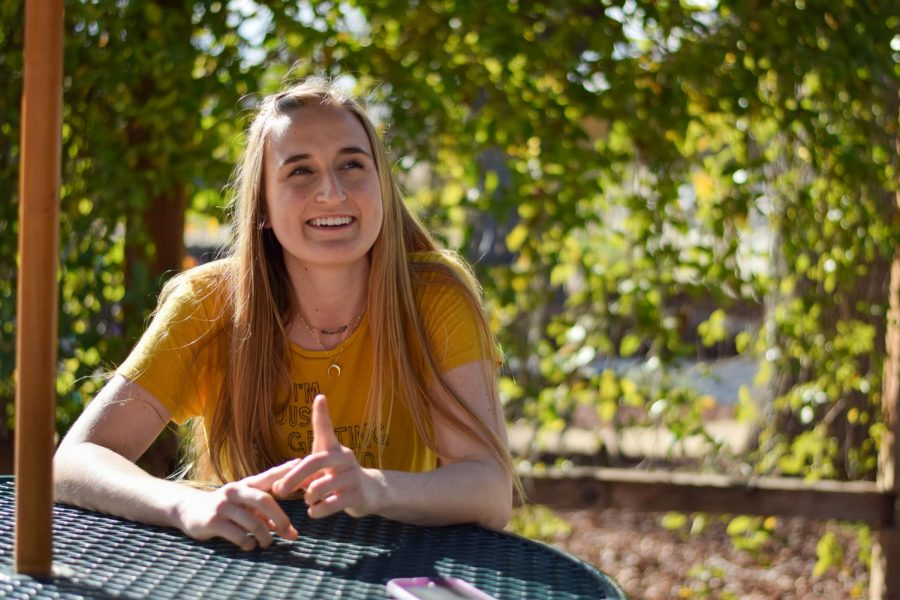

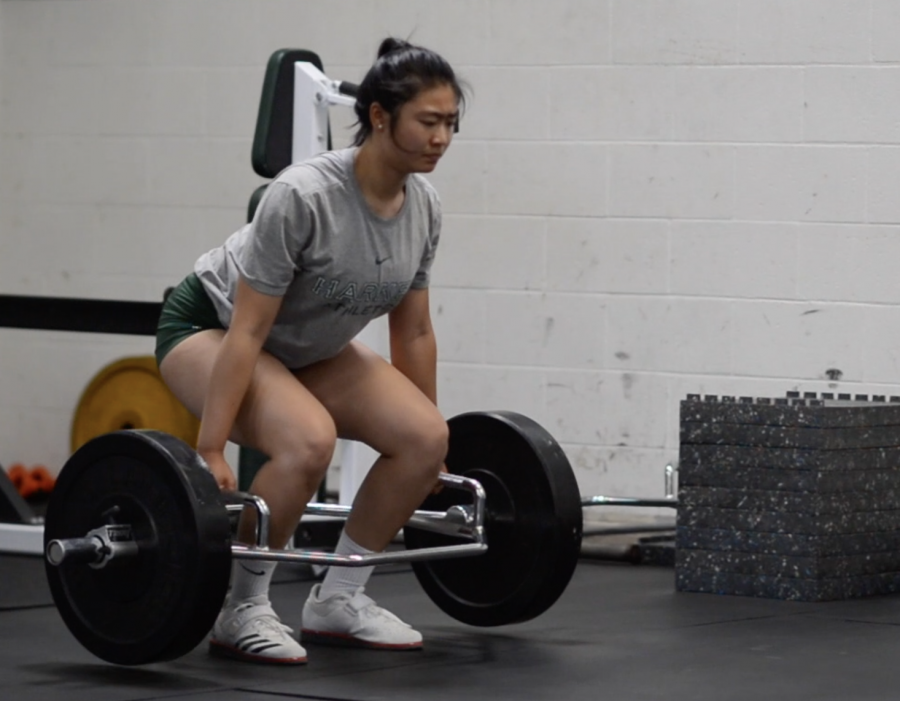

![“My slogan is ‘slow feet, don’t eat, and I’m hungry.’ You need to run fast to get where you are–you aren't going to get those championships if you aren't fast,” Angel Cervantes (12) said. “I want to do well in school on my tests and in track and win championships for my team. I live by that, [and] I can do that anywhere: in the classroom or on the field.”](https://harkeraquila.com/wp-content/uploads/2018/06/DSC5146-900x601.jpg)
![“[Volleyball has] taught me how to fall correctly, and another thing it taught is that you don’t have to be the best at something to be good at it. If you just hit the ball in a smart way, then it still scores points and you’re good at it. You could be a background player and still make a much bigger impact on the team than you would think,” Anya Gert (’20) said.](https://harkeraquila.com/wp-content/uploads/2020/06/AnnaGert_JinTuan_HoHPhotoEdited-600x900.jpeg)
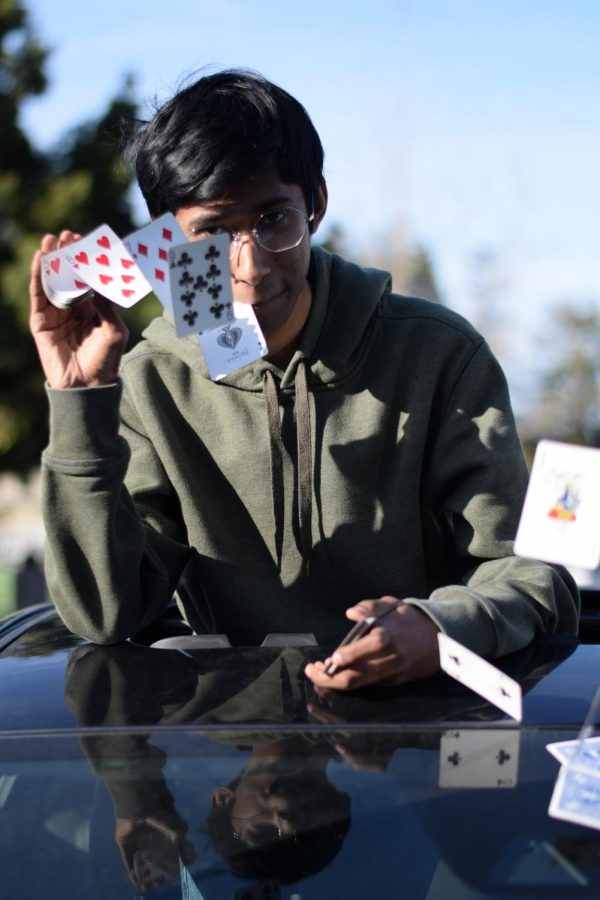
![“I'm not nearly there yet, but [my confidence has] definitely been getting better since I was pretty shy and timid coming into Harker my freshman year. I know that there's a lot of people that are really confident in what they do, and I really admire them. Everyone's so driven and that has really pushed me to kind of try to find my own place in high school and be more confident,” Alyssa Huang (’20) said.](https://harkeraquila.com/wp-content/uploads/2020/06/AlyssaHuang_EmilyChen_HoHPhoto-900x749.jpeg)

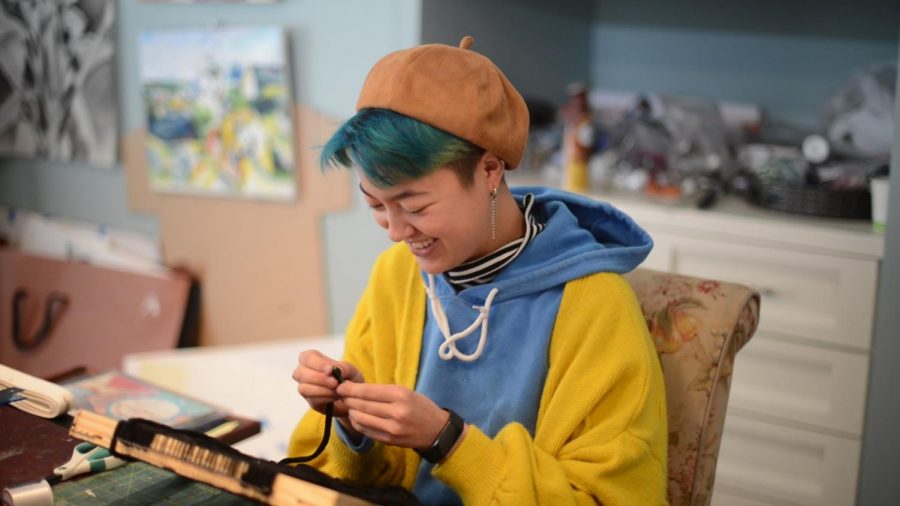

Senior Andy Chung steps through the doorway of Teaspoon and is greeted by a myriad of smells mingled together in the air: brown sugar, fresh mango, rich jasmine. Yet the bright screen covered with different boba flavors takes up a small part of his mind. Instead, he observes the customers as they step to the desk and place their orders. What drinks do they order? By what means do they make the order? Do they add toppings?
Avidly curious about the behavioral economics of customers, Andy worked as an unpaid worker with Teaspoon to conduct surveys and analyses on the data of 40,000+ Teaspoon app users. He studied how frequent customers, often users of the app, would make their choices, which were also affected by deals through the loyalty program. The marketing team of Teaspoon then took his data and insights to supplement their business. Andy did this all on a whim of curiosity.
Initially, Andy dreamed of solving hands-on issues as an astronaut, but after his first economics class, he discovered a new pathway to explore the world. For him, economics was the middle ground between science and the humanities, and it offered him a way to think critically on issues ranging from societal to scientific.
“Often what we’ll find is that we have a social issue we want to address like wealth inequality or unemployment,” Andy said. “We’ll try to regulate our way to solve these problems, but these regulations will end up with unintended consequences that we haven’t fully accounted for. Economics is a really strong social science that is able to explore regulation and its unintended consequences and help policymakers make better policy.”
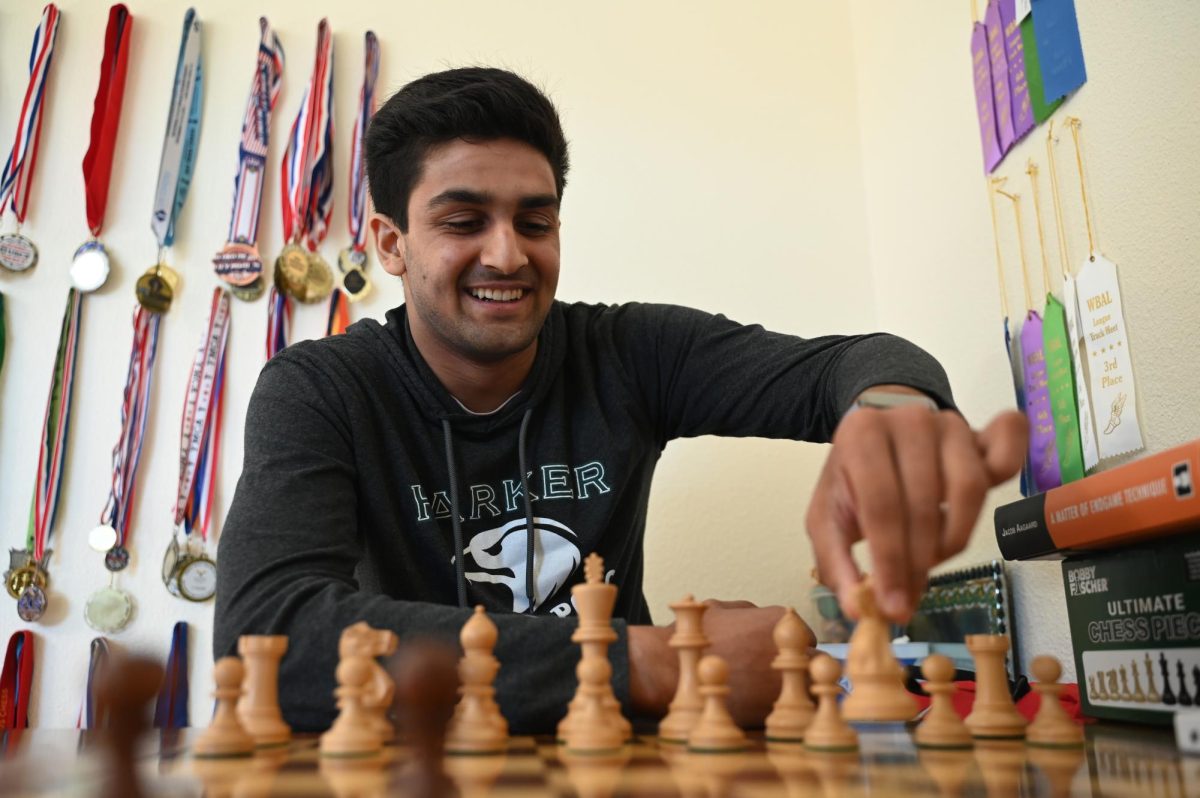
Considering the economics of societal circumstances allowed Andy to explore behavioral economics, the study of human decisions. His interest compelled him to other pursuits, from studying the mechanics of chess to the choices made by Teaspoon customers.
“People are not rational all the time,” Andy said. “I believe in this concept of bounded rationality. We try to maximize our own utility to a certain extent, but there are also many mental heuristics that we fall into that are covered in behavioral economics. Behavioral finance is a psychological approach to finance. I find that really powerful because it can help us align people’s incentives with incentives of the social good.”
Economics teacher Samuel Lepler noticed Andy’s inquisitive nature in the AP Economics and Game Theory classes. They often engaged in insightful discussions where both came out of the exchange with a new mindset.
“He likes to ask questions, he likes to participate, he likes to deeply understand things beyond surface level and he loves to apply them,” Lepler said. “Andy consistently loves to master content so that he can use it as part of his tools for life. It’s not about test scores or grades for him, but it’s about really relishing and enjoying the tools that he learns in class as tools he can use way outside of class to vote, read news, have discussions and form opinions.”
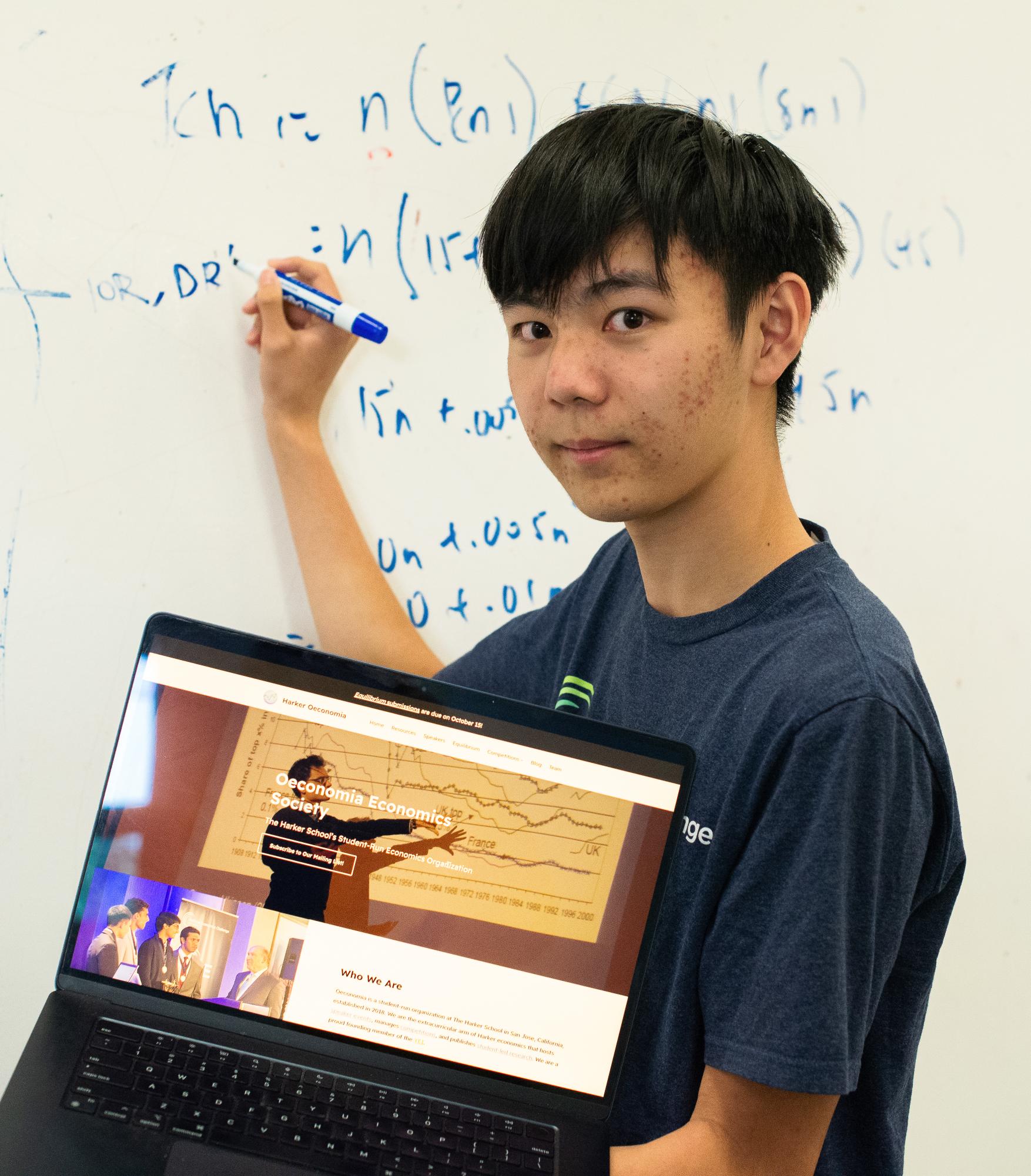
Andy took his interest in joining the economics club Oeconomia’s officer team in his sophomore year and became president in his junior and senior years. As a leader, Andy learned teamwork and management skills, embracing the variety of design, marketing and other perspectives in building an overall improved end result.
“I used to think that if I got people who thought exactly how I thought, that would lead to better outcomes,” Andy said. “But no, it’s actually the opposite. At the end of the day, getting diverse people, diverse opinions, a diverse set of people with diverse backgrounds that approach problems differently actually helps us achieve goals. Letting people do what they love to do on the Oeconomia team and letting them explore really makes the team function a lot better.”
In DECA, Andy cultivated a different team dynamic with his partners, close friends seniors Nelson Gou and Marcus Blennemann, in balancing the differing skills of each individual in the group.
“Nelson and I are more engineering-focused, whereas Andy was always able to give a unique economics perspective,” Marcus said. “It was a perspective that Nelson and I never really considered, but it added a depth to a project that we would have otherwise lacked.”
Nelson Gou cherishes their friendship and admires Andy’s drive for perfection and improvement when working on DECA projects.
“If you get to know him, he treats you like he’s your best friend,” Nelson said. “He’s always supportive. Even if it’s a little awkward, he’s always really funny. He’s willing to crack a joke in a situation and make it more lighthearted. He’s not afraid to dream big, and that’s something I admire.”
Andy characterizes his focus on economics as his way to make a societal contribution. He hopes that through constant discussion and introspection, he can make real change.
“Particularly in economics, you have so many complicated relationships,” Andy said. “We need to take a step back and really understand that life is not about the numbers but more about the meaningful connections that you have with people and your ability to perceive, empathize, understand and try to address social problems. Economics is my way of trying to help contribute.”