


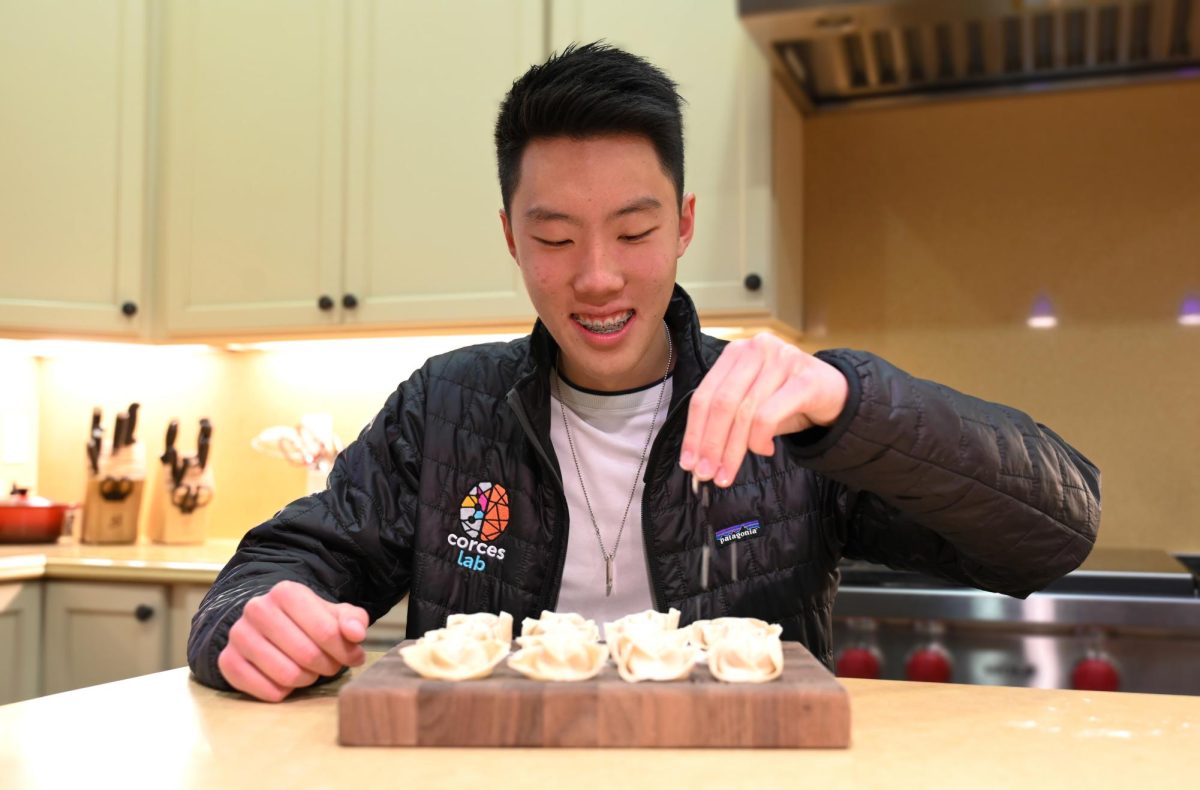
![“I wasn't discouraged by some of the obstacles we faced. I learned a lot from the leadership. I found that different people need different ways of receiving feedback — you can't [just] tell them to do something and expect the best. [Some] people needed more incentive. A large part of my role was to figure out what worked for everyone and to figure out how to lead all these separate individuals as a team,” Suhana Bhandare (’26) said.](https://harkeraquila.com/wp-content/uploads/2026/06/SuhanaBhandare_JasmineHansra-1-1200x798.jpg)
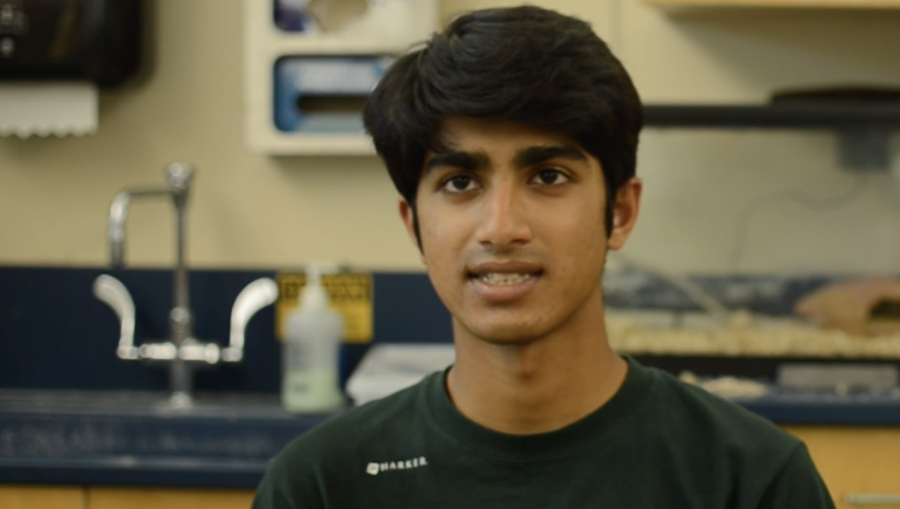
![“This is actually from Randy Pausch Randy P. Brick: ‘Walls are there for a reason. You have to show how much you want to overcome them.’ You have to show how much you want something. That's what I've always been able to do with tennis, Link Crew and getting that internship [with Kushy Baby]. It’s important pushing through that — getting around that brick wall, climbing over it or clawing through it,” Yash Sachdeva (’26) said.](https://harkeraquila.com/wp-content/uploads/2026/05/YashSachdeva_RamBatchu-copy-1200x1002.jpg)






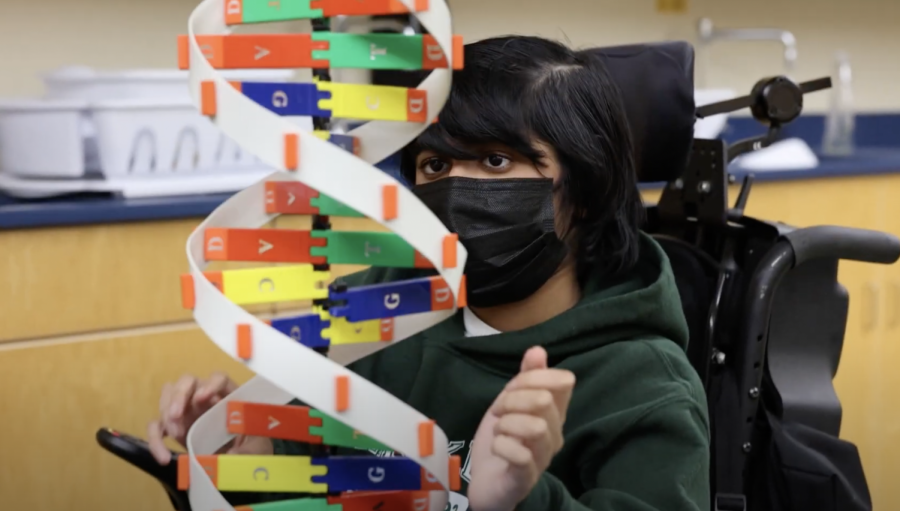
![“[Building nerf blasters] became this outlet of creativity for me that hasn't been matched by anything else. The process [of] making a build complete to your desire is such a painstakingly difficult process, but I've had to learn from [the skills needed from] soldering to proper painting. There's so many different options for everything, if you think about it, it exists. The best part is [that] if it doesn't exist, you can build it yourself," Ishaan Parate said.](https://harkeraquila.com/wp-content/uploads/2022/08/DSC_8149-900x604.jpg)
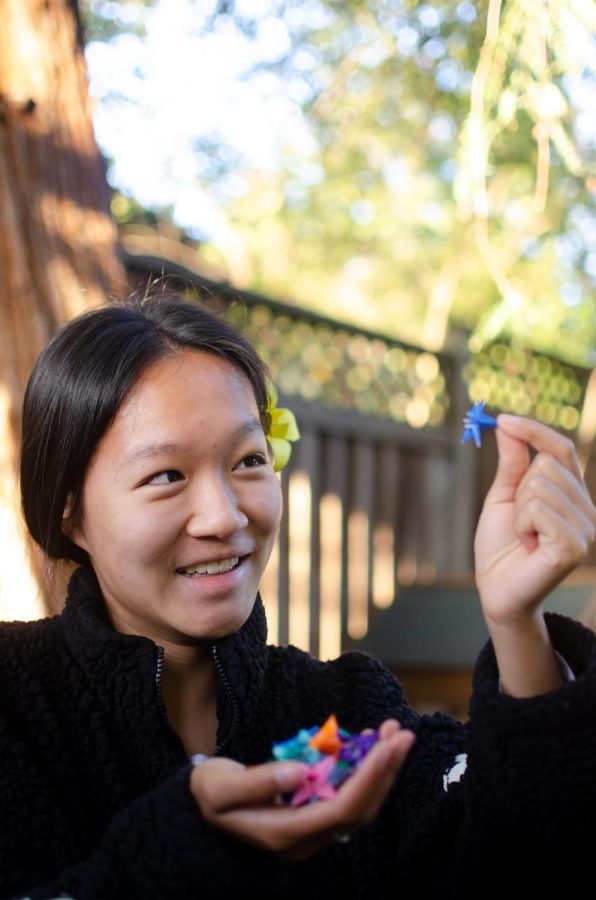
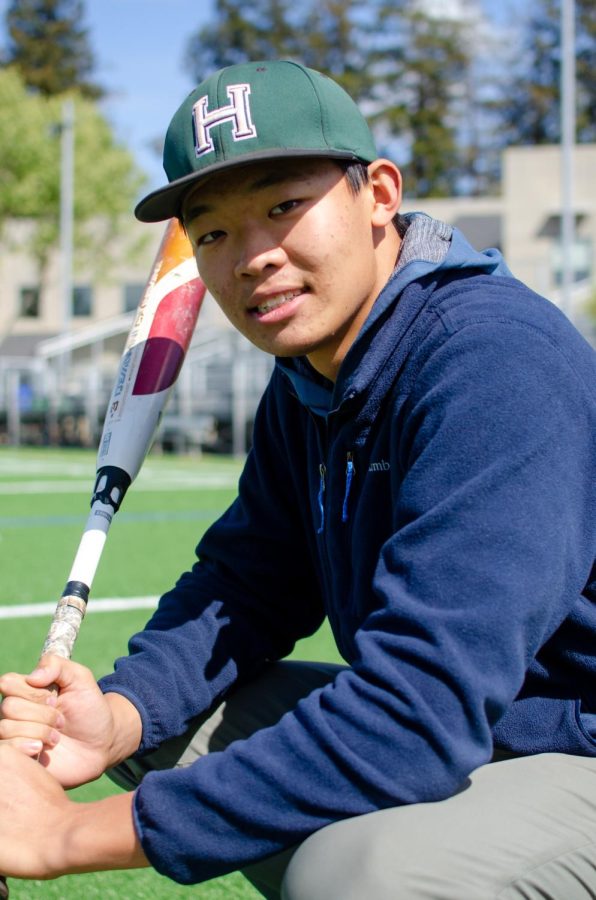

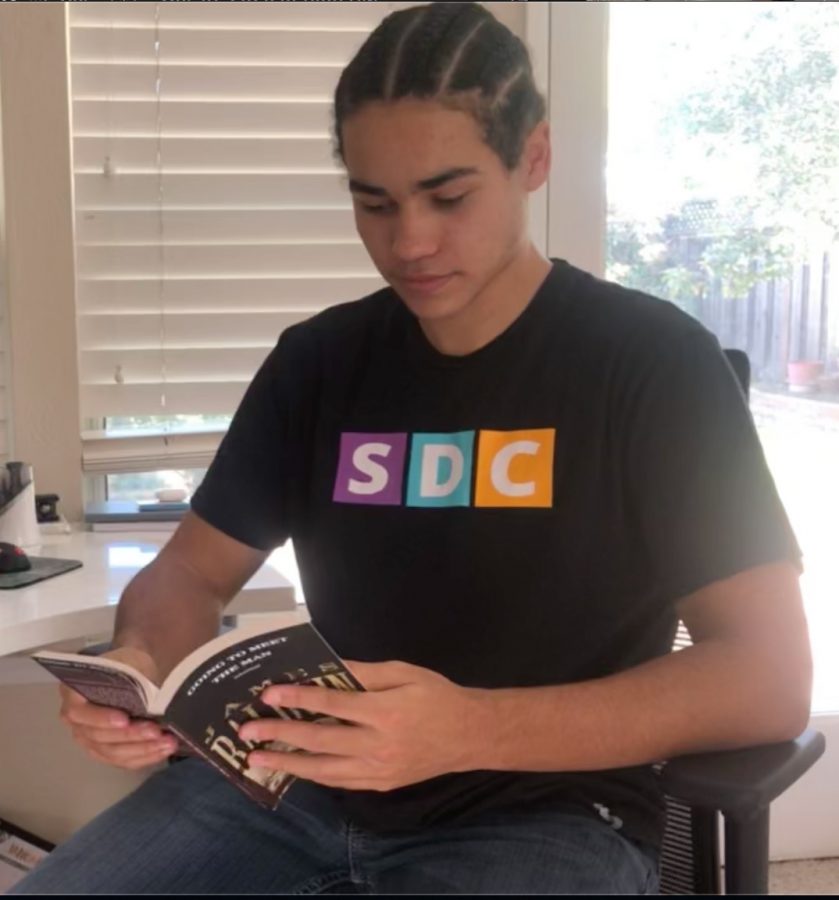
![“When I came into high school, I was ready to be a follower. But DECA was a game changer for me. It helped me overcome my fear of public speaking, and it's played such a major role in who I've become today. To be able to successfully lead a chapter of 150 students, an officer team and be one of the upperclassmen I once really admired is something I'm [really] proud of,” Anvitha Tummala ('21) said.](https://harkeraquila.com/wp-content/uploads/2021/07/Screen-Shot-2021-07-25-at-9.50.05-AM-900x594.png)
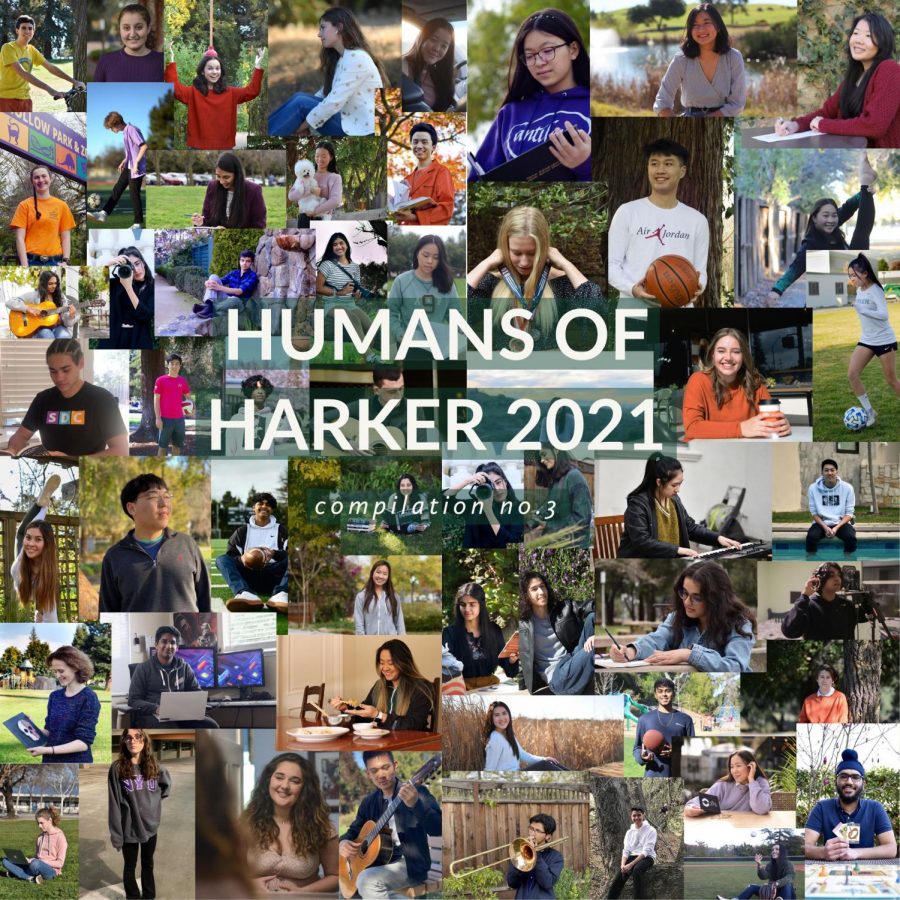
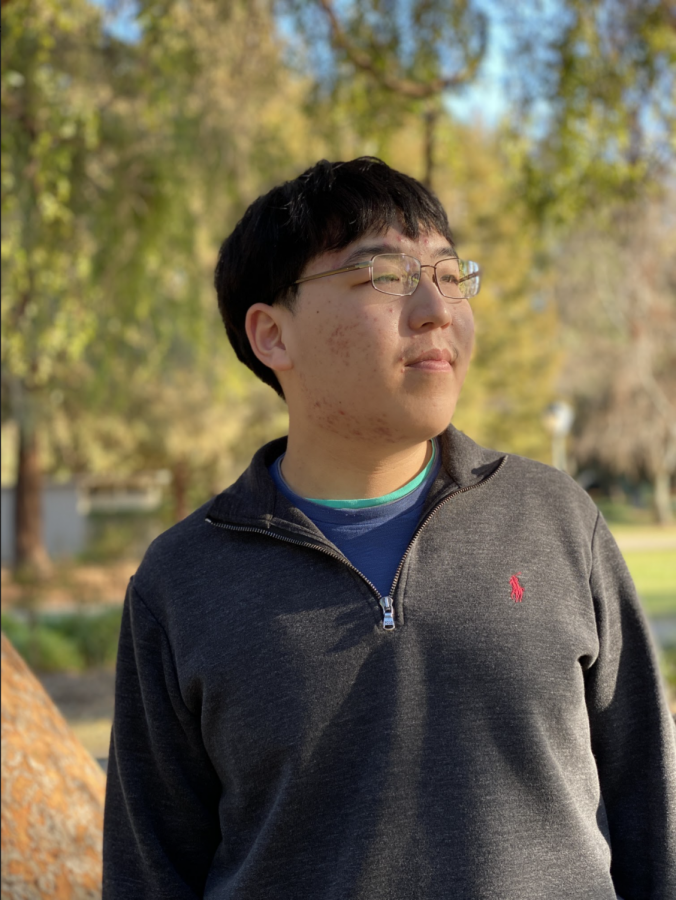
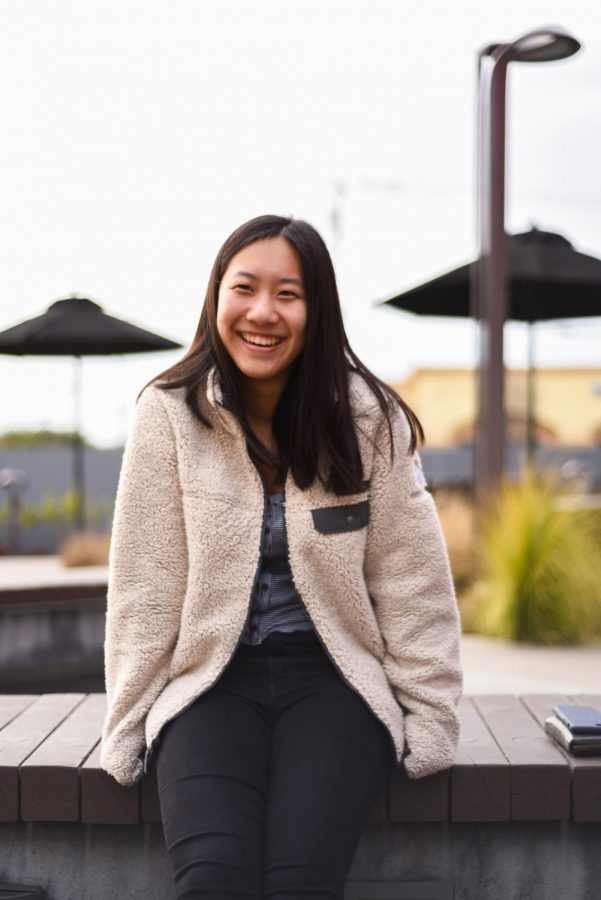

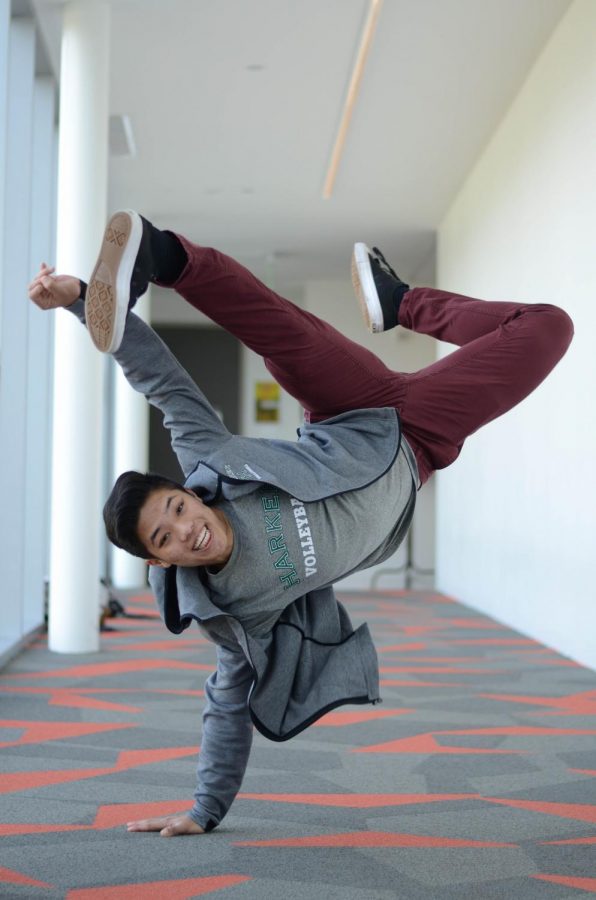


![“I think getting up in the morning and having a sense of purpose [is exciting]. I think without a certain amount of drive, life is kind of obsolete and mundane, and I think having that every single day is what makes each day unique and kind of makes life exciting,” Neymika Jain (12) said.](https://harkeraquila.com/wp-content/uploads/2017/06/Screen-Shot-2017-06-03-at-4.54.16-PM.png)


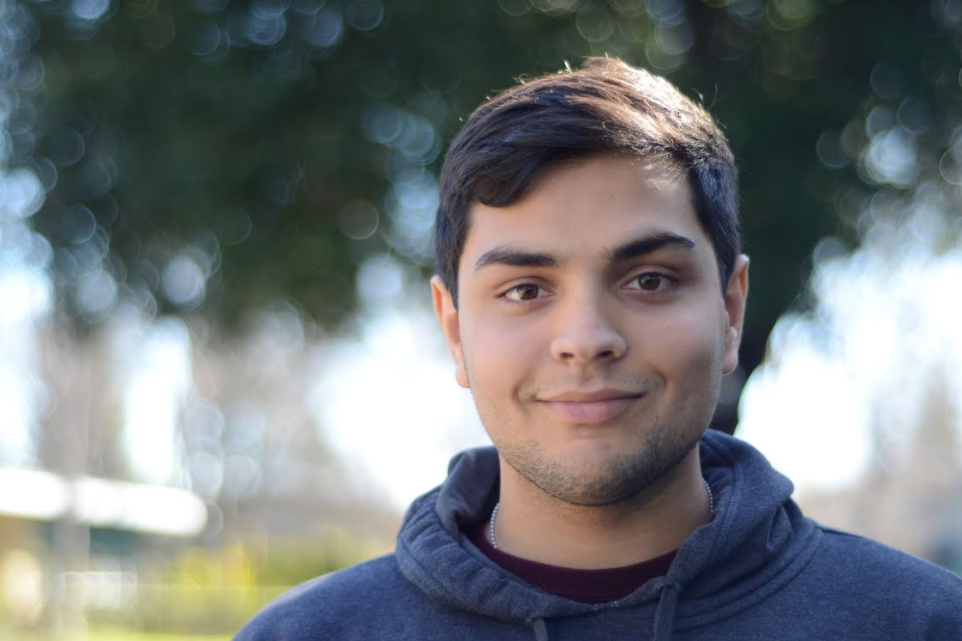
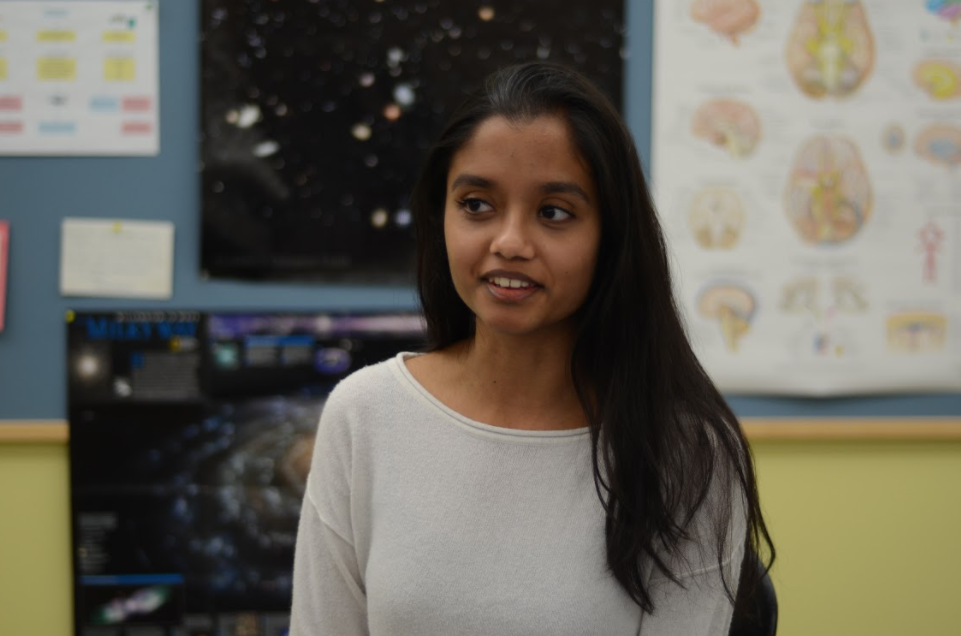
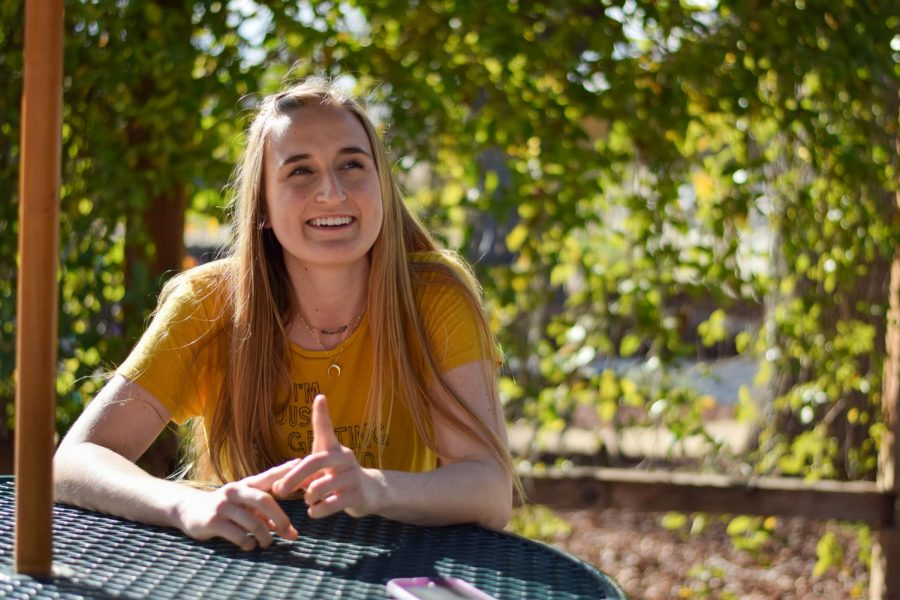

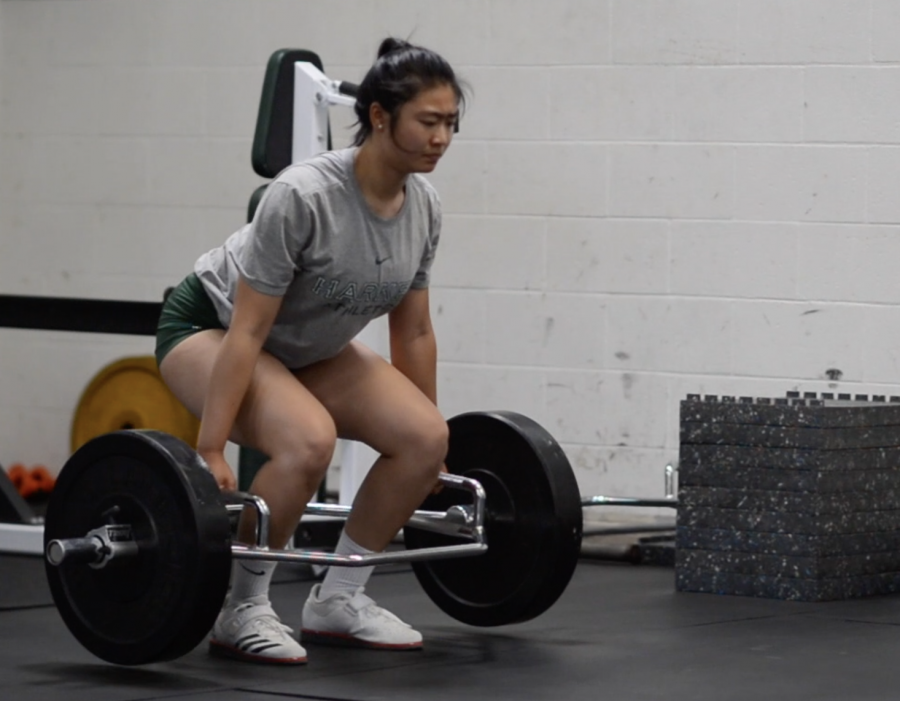

![“My slogan is ‘slow feet, don’t eat, and I’m hungry.’ You need to run fast to get where you are–you aren't going to get those championships if you aren't fast,” Angel Cervantes (12) said. “I want to do well in school on my tests and in track and win championships for my team. I live by that, [and] I can do that anywhere: in the classroom or on the field.”](https://harkeraquila.com/wp-content/uploads/2018/06/DSC5146-900x601.jpg)
![“[Volleyball has] taught me how to fall correctly, and another thing it taught is that you don’t have to be the best at something to be good at it. If you just hit the ball in a smart way, then it still scores points and you’re good at it. You could be a background player and still make a much bigger impact on the team than you would think,” Anya Gert (’20) said.](https://harkeraquila.com/wp-content/uploads/2020/06/AnnaGert_JinTuan_HoHPhotoEdited-600x900.jpeg)
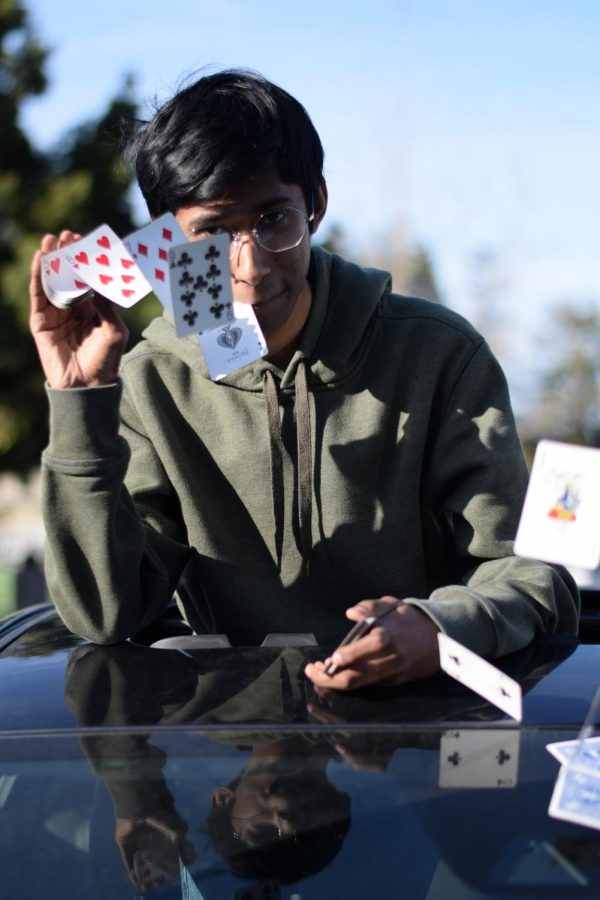
![“I'm not nearly there yet, but [my confidence has] definitely been getting better since I was pretty shy and timid coming into Harker my freshman year. I know that there's a lot of people that are really confident in what they do, and I really admire them. Everyone's so driven and that has really pushed me to kind of try to find my own place in high school and be more confident,” Alyssa Huang (’20) said.](https://harkeraquila.com/wp-content/uploads/2020/06/AlyssaHuang_EmilyChen_HoHPhoto-900x749.jpeg)




In his Signals and Systems class, Alex Huang (’25) stares intently at the math problem in front of him. He twirls a bright orange pencil around in his hand, thinking hard for solutions. It’s mystified him for so long, and it seems almost impossible. But suddenly, it all comes into place. Alex has proven a fundamental quantum mechanics principle using signal processing theorems — two seemingly unrelated concepts, connected simply by his ingenuity and hard work.
“Moments like those are the main driving force behind my pursuit of math,” Alex said. “The interesting aspect about math is how you can build a rigorous argument. Every statement you derive and every problem you solve brings you a huge sense of accomplishment.”
Alex first developed an interest in math in fourth grade when he began thinking of ways to extend what he was learning in his school classes. With more experience, he started participating in various competitions like the American Mathematics Competition (AMC), winning multiple national awards in middle and high school.
Since then, Alex has expanded his experiences in math to include conducting research at the MIT PRIMES program and serving as the Math Club Co-President. Through his years of experience and countless hours spent on math topics and questions, Alex learned how determination, even when facing the most difficult roadblocks, leads to success.
“A lot of thinking in math is ‘you can’t make an omelet without breaking some eggs’ — sometimes you need to make sacrifices to make progress,” Alex said. “I once worked on a problem for around eight to nine hours, and only after doing some research and computations using Mathematica did I finally figure out the answer. That process of just sticking with the problem no matter how hard and undoable it might seem at first taught me the idea of perseverance.”
Math has also allowed Alex to meet new friends and students with an equally strong love of the subject. As a result, it has grown to be more than just one of his interests and become a way to learn and connect with others.
“I’ve met a lot of people through math ever since it’s become a big part of my life,” Alex said. “They share the same enthusiasm for it as I do and have helped me in my journey through high school. Math is much more than just ‘Can you find the slope given a graph?’ — it’s become a way to socialize and discuss what we’re passionate about.”
Alex’s ability to form connections through science extends to computer science as well. As Harker Programming Club officers, Alex and close friend Andrew Liang (’25) co-wrote problems for the club’s annual competition. Andrew admires how Alex’s love of science makes him a reliable teammate to work with and how his diligence inspires others to work hard as well.
“Through math and programming, he’s been able to show who he really is — someone who’s dependable, hardworking, and passionate,” Andrew said. “He always makes you feel heard when discussing something, and I really appreciate that about him. When he focuses on something, he goes all in and strives to achieve it, and that sets a great example for those working with him.”
Jacqueline Huang (’25) worked closely with Alex in classes like Information Theory and Signals and Systems, and together, the two also led the team that organized the Harker Physics Invitational. Jacqueline appreciates how Alex’s sincerity allows him to be honest and build trust with others around him.
“Alex is a very effective leader; he goes straight to the point and works really diligently,” Jacqueline said. “Once you get to know him, he’s also really open and candid, and you can tell he is genuinely trying to help you. That’s hard to find in a lot of people these days, and I really admire that about him.”
Mathematics teacher and Math Club adviser Anu Aiyer first met Alex as a ninth grader attending the club’s meetings and lectures. Since then, she has taught him in three advanced topics courses and has seen Alex’s transformation into a more enthusiastic student.
“He’s always been eager to be there for other students and help people around him learn, trying to foster an interest in mathematics,” Dr. Aiyer said. “In class, he likes to ask interesting questions to the people sitting with him: ‘Have you considered this? Isn’t this curious?’ That’s one of the great things he brings to the table.”
In the future, Alex anticipates that math will continue to play an important role in college and his career, and he looks forward to using math in real-life applications. For now, he hopes that more students understand the importance of cooperation and that, during the past four years, his enthusiasm for math has allowed those around him to learn and grow.
“Math is all about collaboration, much more than it is about competition,” Alex said. “It’s a subject where communication is indispensable, where you’re bound to need to consult other mathematicians for advice. I hope that I’ve been somebody who was always there to help and support other people, since math is so much more about working as a team than it is working alone.”
