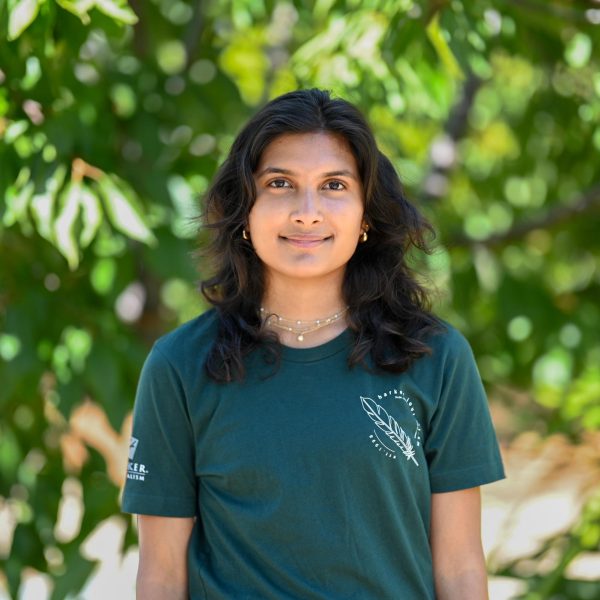
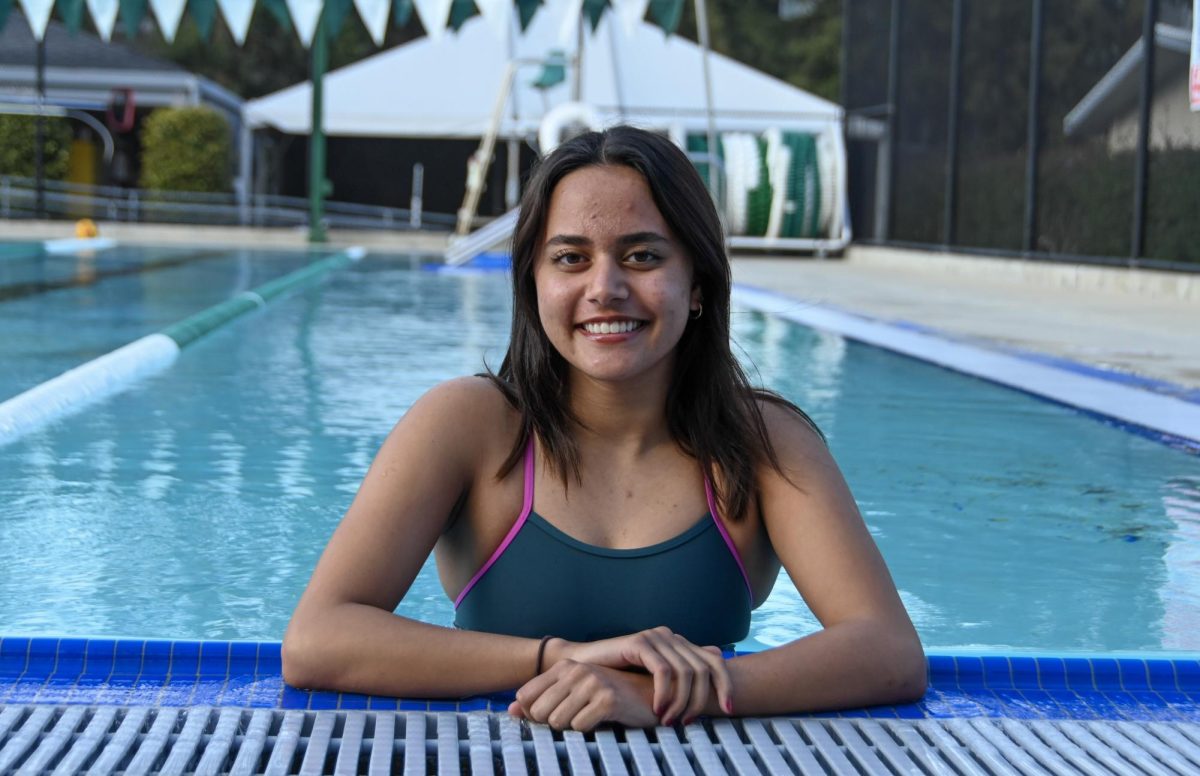
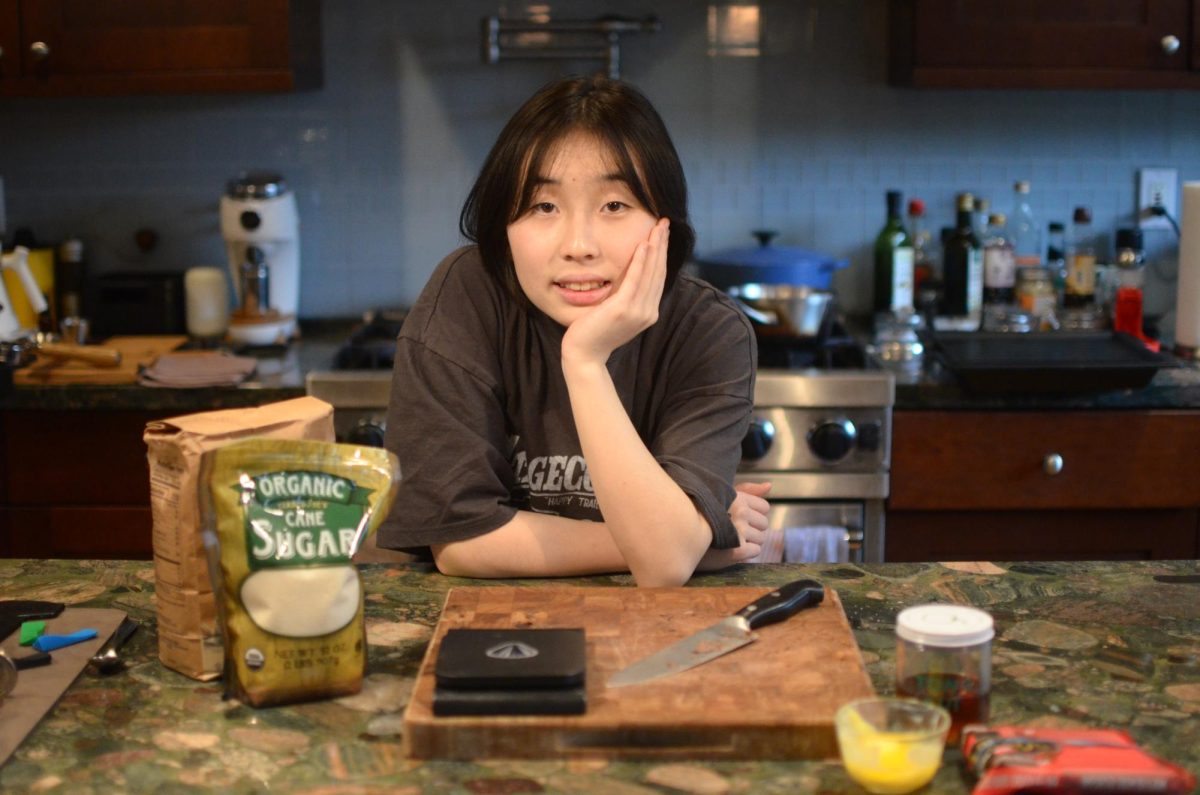
![“I wasn't discouraged by some of the obstacles we faced. I learned a lot from the leadership. I found that different people need different ways of receiving feedback — you can't [just] tell them to do something and expect the best. [Some] people needed more incentive. A large part of my role was to figure out what worked for everyone and to figure out how to lead all these separate individuals as a team,” Suhana Bhandare (’26) said.](https://harkeraquila.com/wp-content/uploads/2026/06/SuhanaBhandare_JasmineHansra-1-1200x798.jpg)
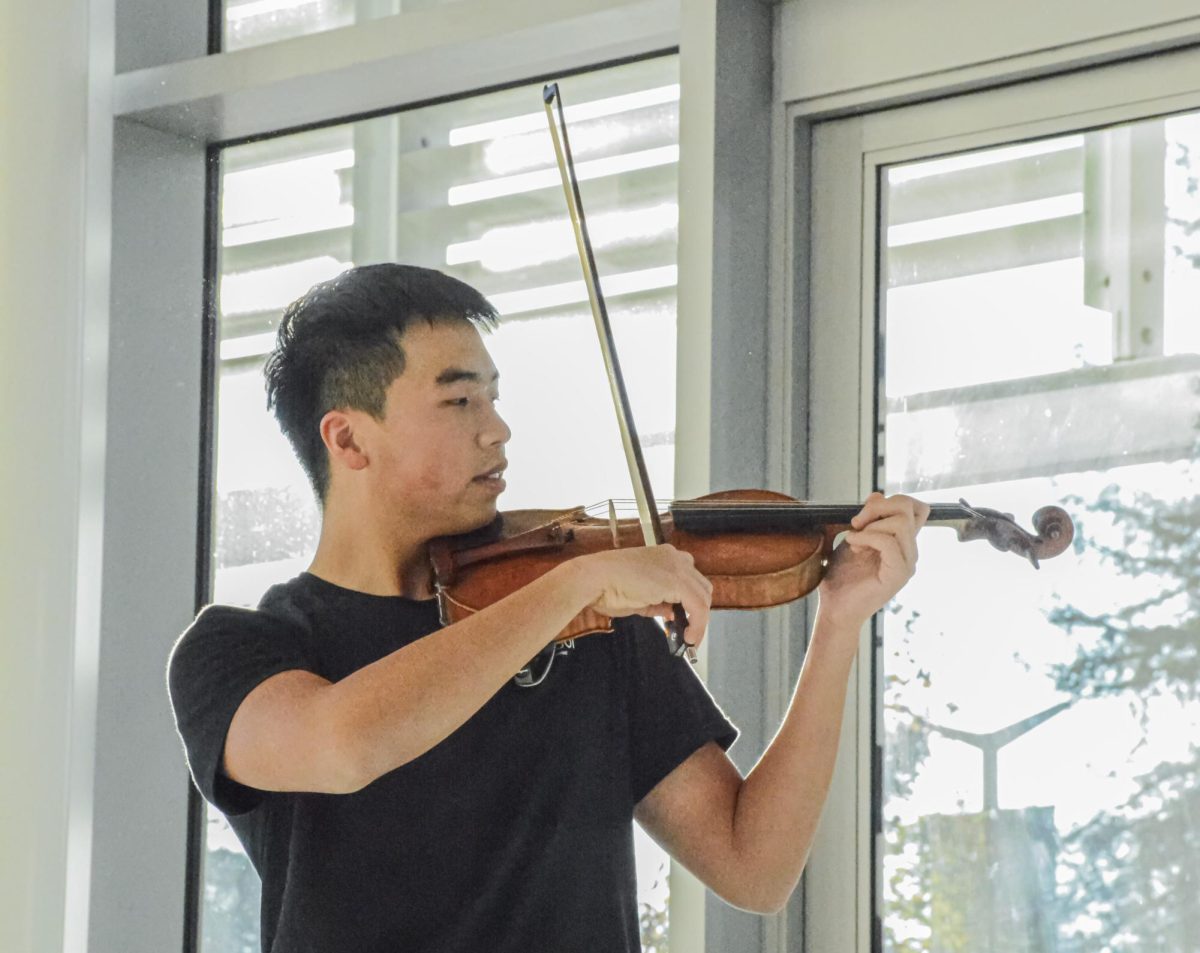
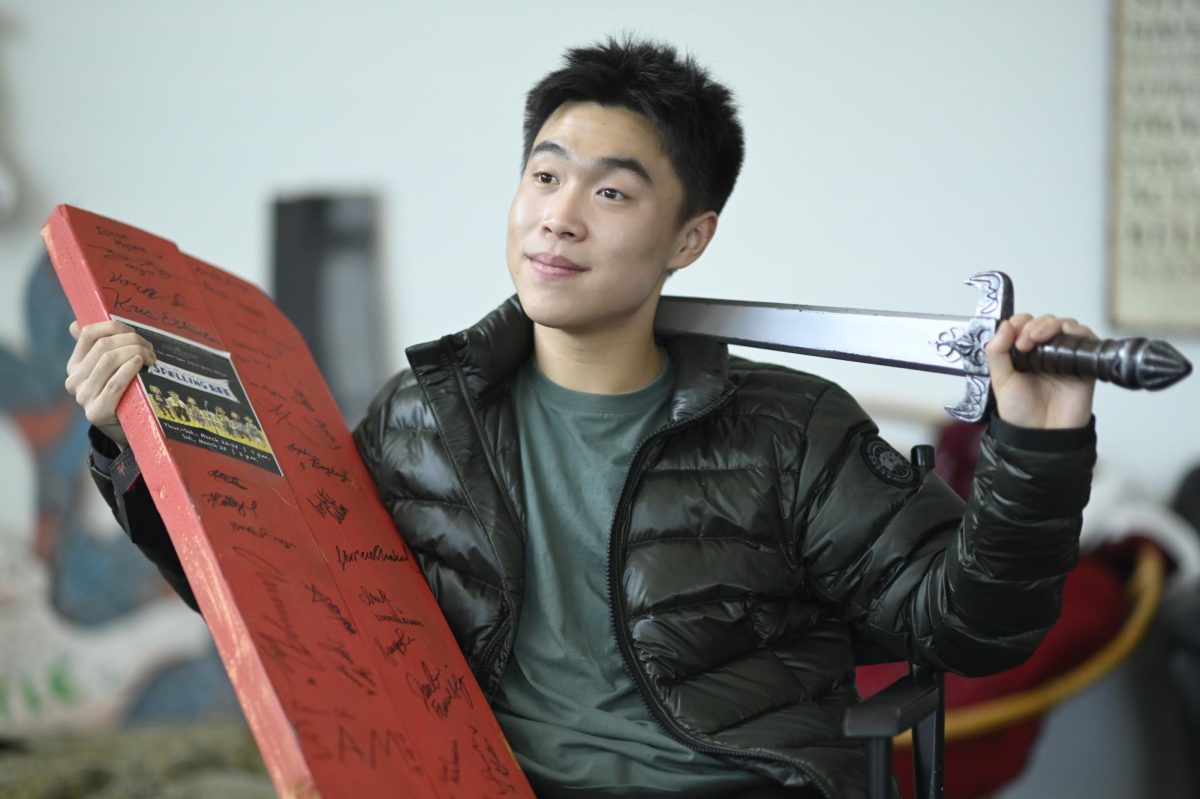
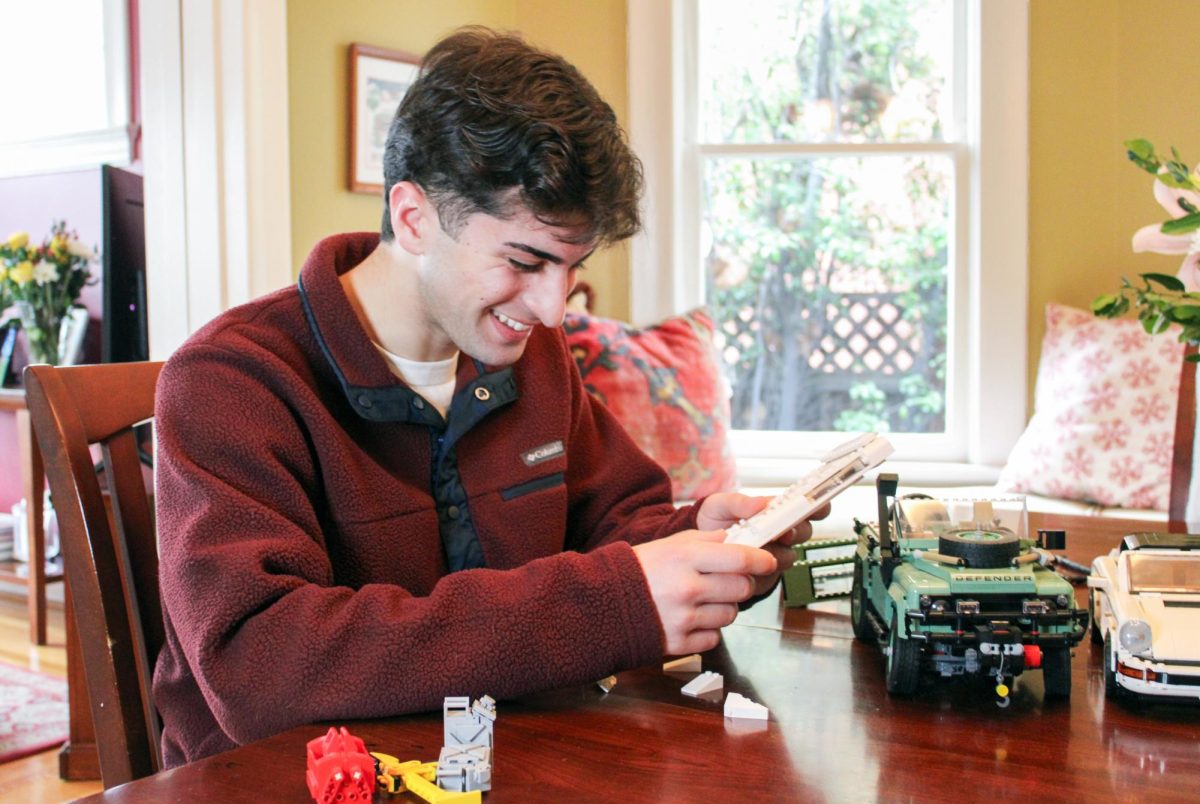
![“This is actually from Randy Pausch Randy P. Brick: ‘Walls are there for a reason. You have to show how much you want to overcome them.’ You have to show how much you want something. That's what I've always been able to do with tennis, Link Crew and getting that internship [with Kushy Baby]. It’s important pushing through that — getting around that brick wall, climbing over it or clawing through it,” Yash Sachdeva (’26) said.](https://harkeraquila.com/wp-content/uploads/2026/05/YashSachdeva_RamBatchu-copy-1200x1002.jpg)
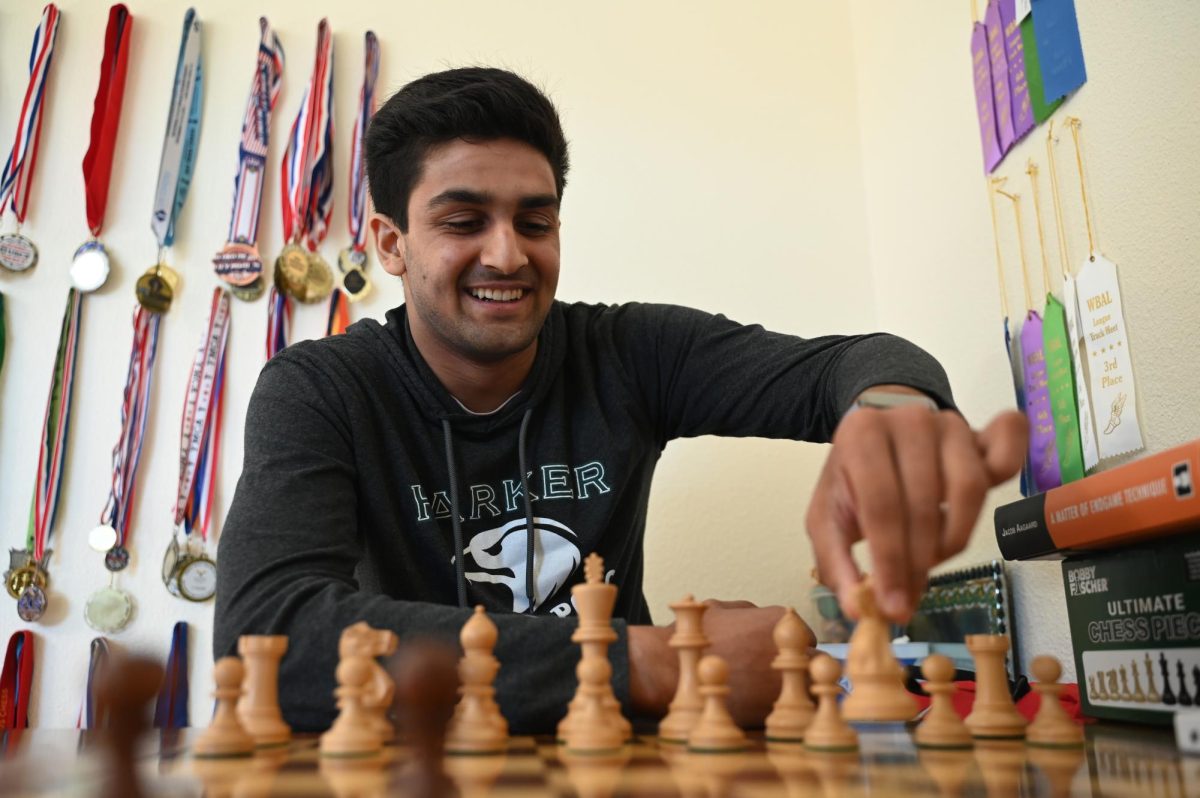






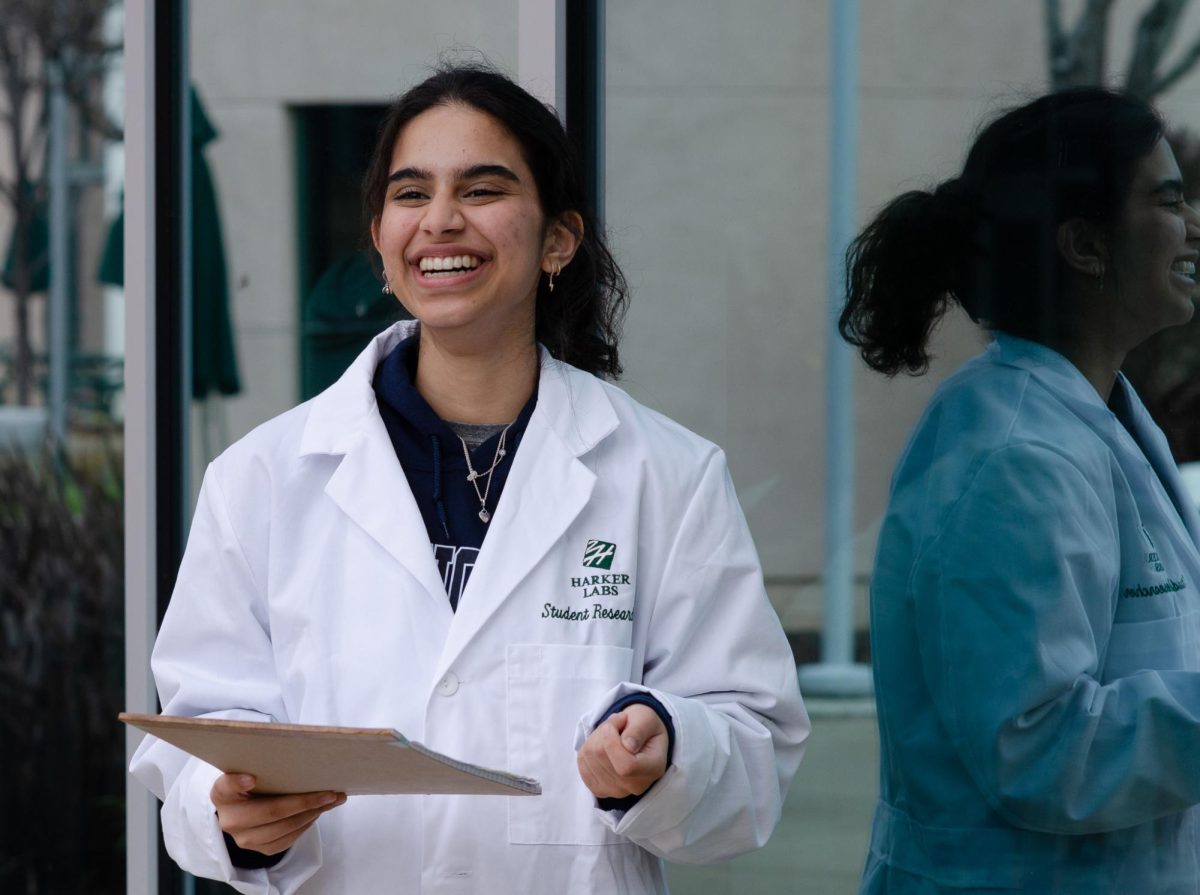

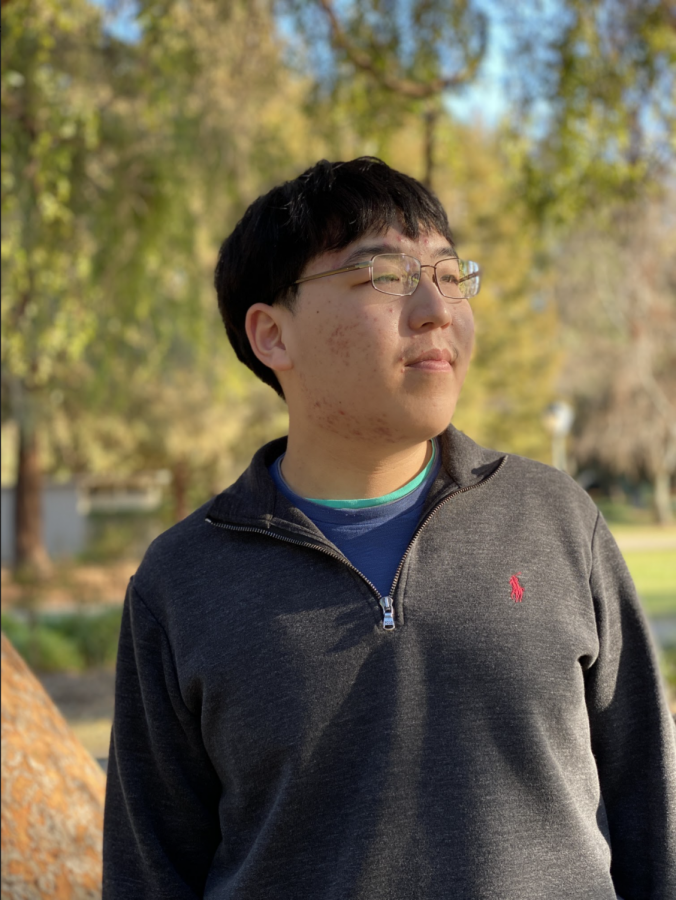
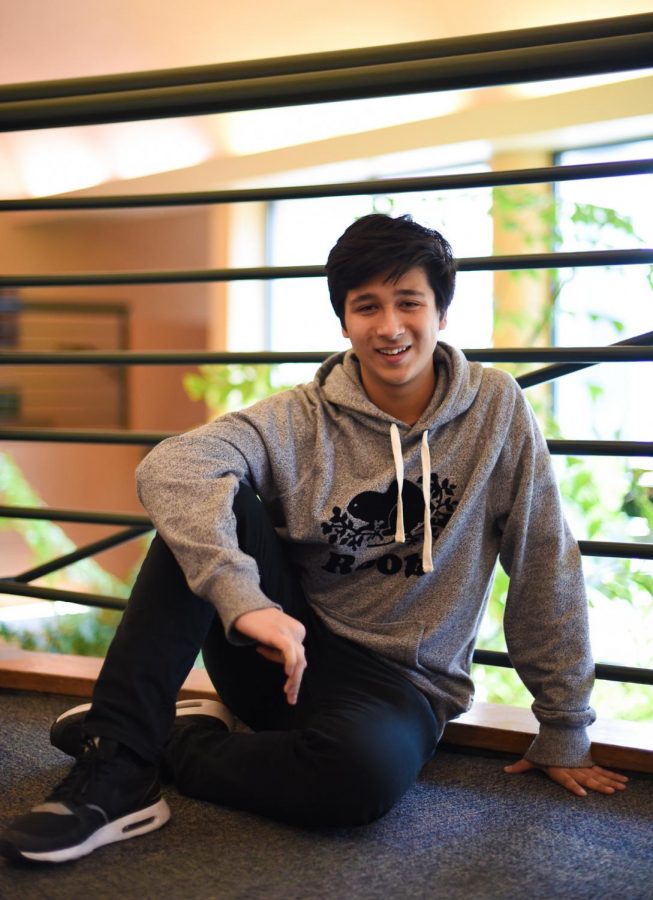
![“[Building nerf blasters] became this outlet of creativity for me that hasn't been matched by anything else. The process [of] making a build complete to your desire is such a painstakingly difficult process, but I've had to learn from [the skills needed from] soldering to proper painting. There's so many different options for everything, if you think about it, it exists. The best part is [that] if it doesn't exist, you can build it yourself," Ishaan Parate said.](https://harkeraquila.com/wp-content/uploads/2022/08/DSC_8149-900x604.jpg)

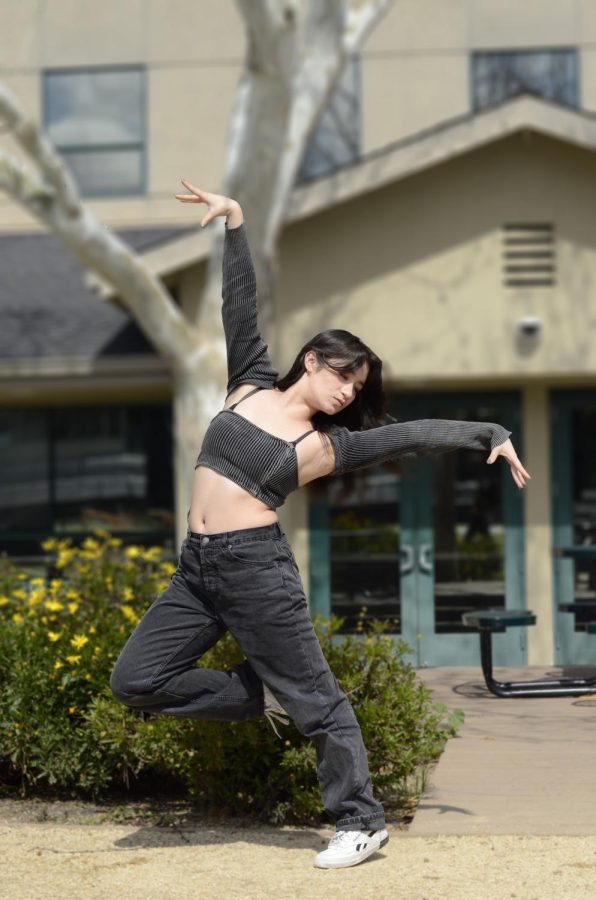
![“When I came into high school, I was ready to be a follower. But DECA was a game changer for me. It helped me overcome my fear of public speaking, and it's played such a major role in who I've become today. To be able to successfully lead a chapter of 150 students, an officer team and be one of the upperclassmen I once really admired is something I'm [really] proud of,” Anvitha Tummala ('21) said.](https://harkeraquila.com/wp-content/uploads/2021/07/Screen-Shot-2021-07-25-at-9.50.05-AM-900x594.png)


![“I think getting up in the morning and having a sense of purpose [is exciting]. I think without a certain amount of drive, life is kind of obsolete and mundane, and I think having that every single day is what makes each day unique and kind of makes life exciting,” Neymika Jain (12) said.](https://harkeraquila.com/wp-content/uploads/2017/06/Screen-Shot-2017-06-03-at-4.54.16-PM.png)

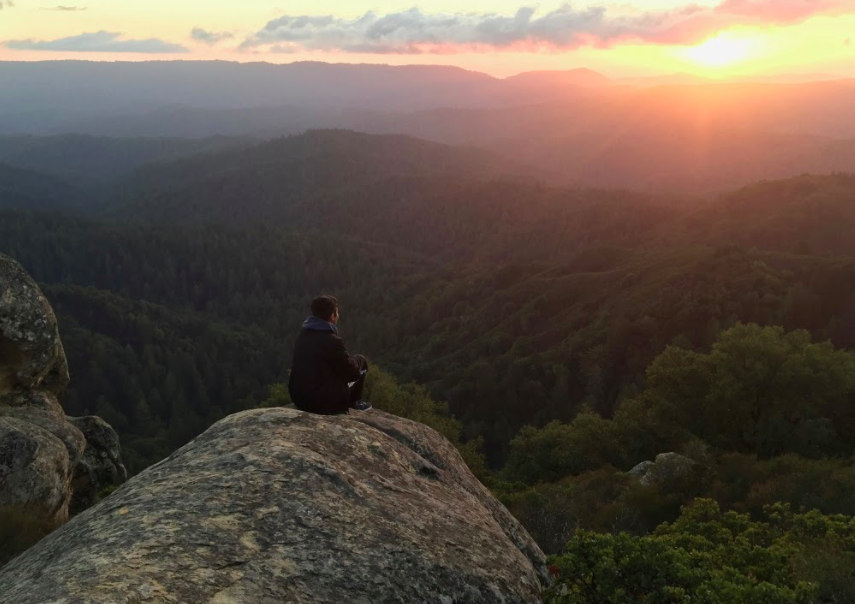
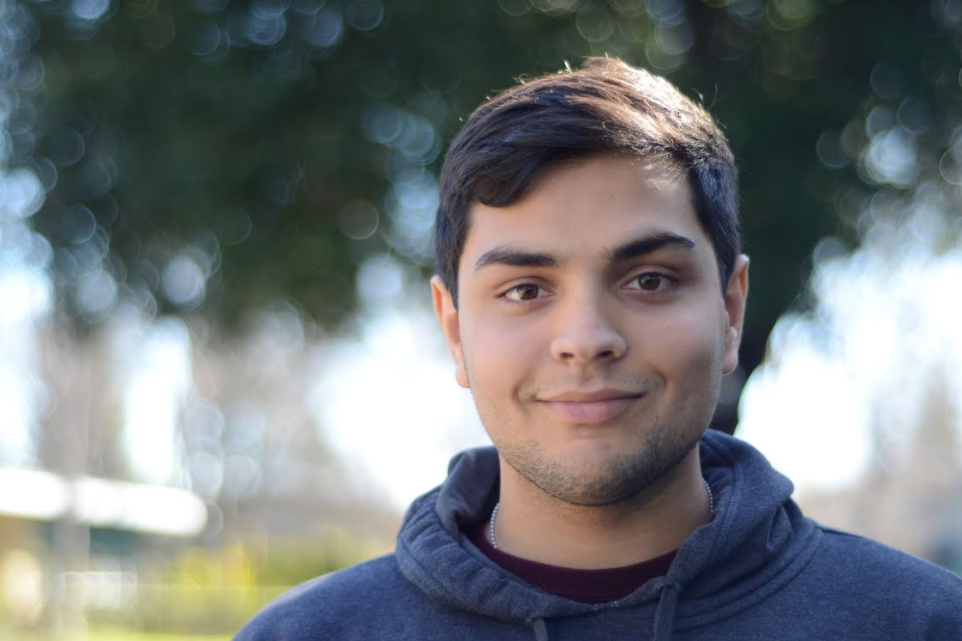
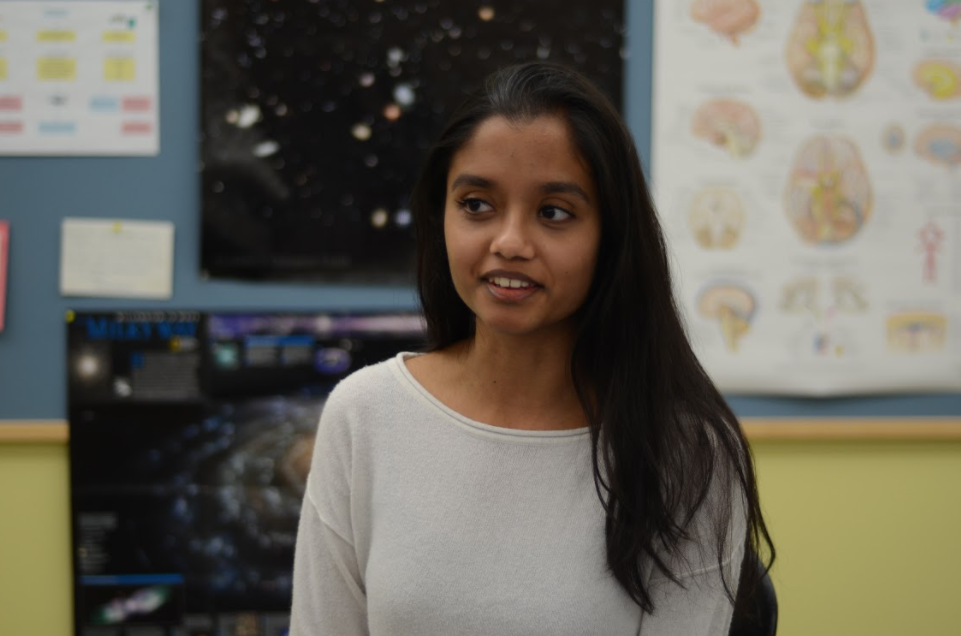
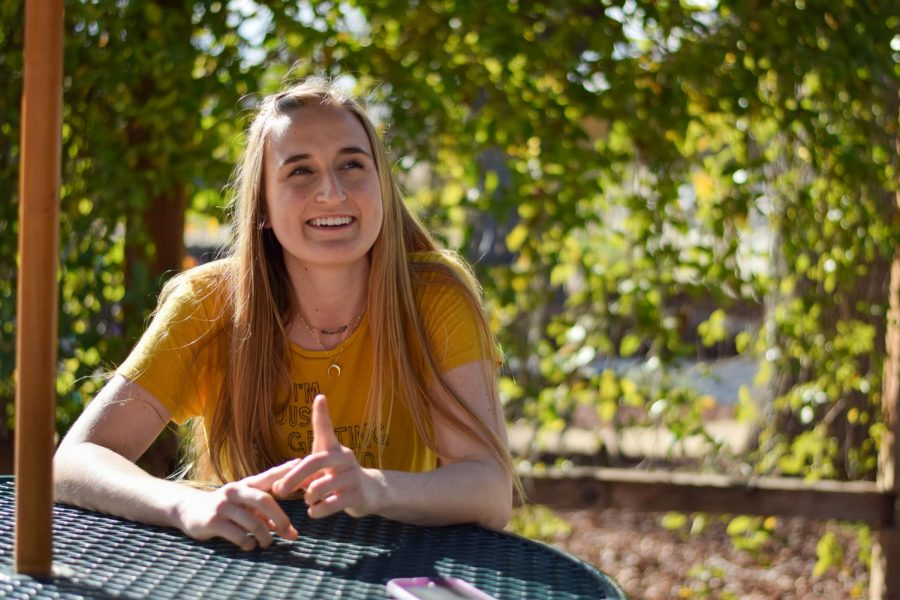

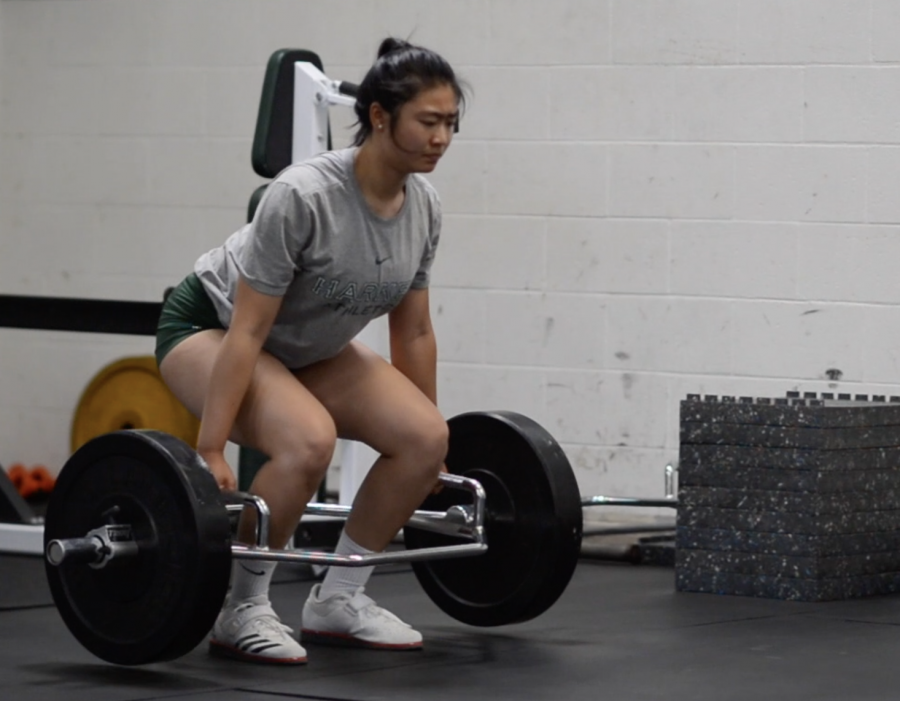

![“My slogan is ‘slow feet, don’t eat, and I’m hungry.’ You need to run fast to get where you are–you aren't going to get those championships if you aren't fast,” Angel Cervantes (12) said. “I want to do well in school on my tests and in track and win championships for my team. I live by that, [and] I can do that anywhere: in the classroom or on the field.”](https://harkeraquila.com/wp-content/uploads/2018/06/DSC5146-900x601.jpg)
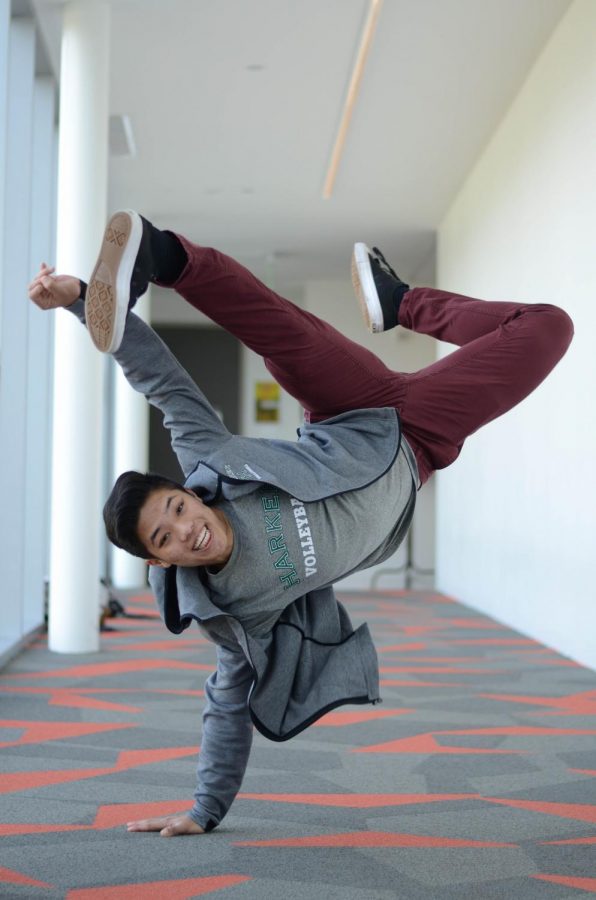
![“[Volleyball has] taught me how to fall correctly, and another thing it taught is that you don’t have to be the best at something to be good at it. If you just hit the ball in a smart way, then it still scores points and you’re good at it. You could be a background player and still make a much bigger impact on the team than you would think,” Anya Gert (’20) said.](https://harkeraquila.com/wp-content/uploads/2020/06/AnnaGert_JinTuan_HoHPhotoEdited-600x900.jpeg)
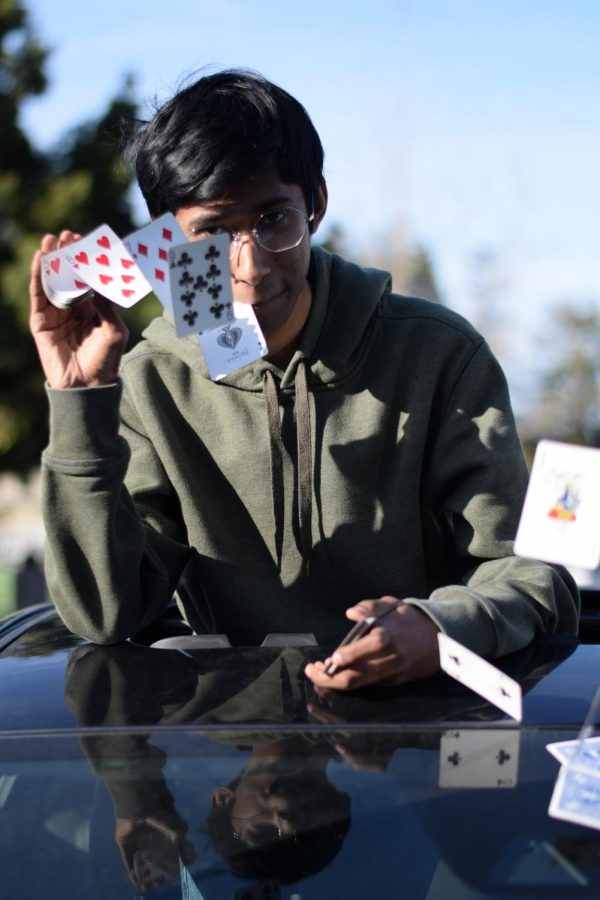
![“I'm not nearly there yet, but [my confidence has] definitely been getting better since I was pretty shy and timid coming into Harker my freshman year. I know that there's a lot of people that are really confident in what they do, and I really admire them. Everyone's so driven and that has really pushed me to kind of try to find my own place in high school and be more confident,” Alyssa Huang (’20) said.](https://harkeraquila.com/wp-content/uploads/2020/06/AlyssaHuang_EmilyChen_HoHPhoto-900x749.jpeg)

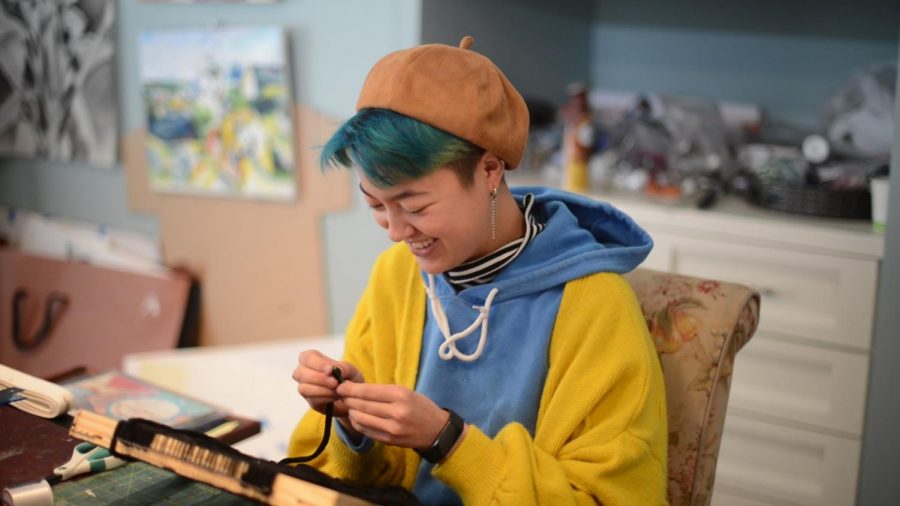


A picture appears on the screen, an ordinary street view that, to the untrained eye, could be anywhere in the world. But to senior Eric Li, the image tells a different story. As his eyes scan the details — the subtle signs and hidden clues — he begins to piece together the location. The style of the buildings, the language on the distant billboard: these elements contribute to a growing certainty in his mind. With a swift motion, he places his pin on the right location on the map, confident in his deduction.
Eric developed an interest for GeoGuessr the summer before his sophomore year. The online game shows players images from around the world and challenges their ability to guess where they are based on their surroundings. Eric appreciates how he can observe the world in a different light, especially intricate details.
“The most rewarding part is learning about other cultures, learning about the architecture of other countries, and being introduced to how other people live,” Eric said, “There’s a lot of things to learn about, because the world’s really unique, and there’s lots of things you can observe.”
For Eric, the game posed an opportunity to learn more about the world around him, and as he improved, so did his interest in culture and being globally aware. He quickly developed a newfound interest and invested his time and effort into learning everything he could about geography. Close friend senior Aaron Chen introduced him to the game, and it instantly became a fixation for Eric. Aaron admires Eric’s dedication and effort in pursuing activities that intrigue him.
“I showed him the game and two days later, he came back already better than me,” Aaron said. “So I asked him, ‘How much time are you spending here?’ And he was pouring four or five hours into learning everything. And initially, it was just about winning. But eventually that did grow into a deeper appreciation for geography and the world.”
Inspired by the immersive, exploratory nature of GeoGuessr, Eric set out to build his own web application and created a platform where users are dropped into a random global location and asked to guess where they are. But unlike GeoGuessr, his version emphasizes cultural learning: after each guess, the app reveals a fun fact or cultural insight about the location, transforming it into a tool for curiosity-driven education rather than competition.
“I was motivated by the GeoGuessr game,” Eric said. “It not only made me more curious about how the world works but also made me more socially conscious, because before I used to not know much about the world outside the Silicon Valley, but playing GeoGuessr expanded my worldview.”
This same curiosity also motivated him to write a research paper for Spanish class on the challenges faced by Moroccan immigrants in Spain, where he was able to explore and highlight social issues through a global lens. This broadened perspective, sparked in part by his experience with GeoGuessr, began to shape his academic work more broadly. The realization of how much impact his projects can have in raising awareness and influencing others has become a central drive for him.
“I wanted to bring this big issue to life,” Eric said. “Doing the projects, in general, I’ve seen how they could highly influence people, spread awareness about topics, and I find it interesting. Personally, I’ve grown a lot from playing the game and writing these papers, because they help me learn about how the world works.”
Another passion project of Eric’s began during quarantine, when he set out to build his computer to play games, and also to understand how the machine worked from the inside out. However, he noticed that semiconductors were extremely expensive, and dug deeper to discover their connection to ongoing trade tariffs between the US and China. Later, he wrote an article on the same topic for Oeconomia, Harker’s economics magazine, with close friend senior Stefan Maxim. Stefan reflects on the tiring but rewarding process of writing a paper together.
“The deadline for the Oeconomia research paper was in a day,” Stefan said. “He was working practically the whole night getting it done with me, and we finished it up to get a very polished final project. Staying up working together, even despite our fatigue at the time, we still pushed through and made a good quality product in the end, which was certainly very memorable.”
Eric’s clear and straightforward approach to open discussion and constructive disagreement played a key role in the success of their collaboration. His ability to navigate differing opinions while keeping the team focused and respectful helped turn a shared interest into a meaningful and well-researched article.
“One of my favorite memories was when I was writing that article,” Eric said. “I was interested in seeing Stefan’s point of view and how it is different from mine. There were some arguments on how we should write the paper, and he’s a very passionate guy, so I tried using logic and facts to win the argument, I guess, to convince him that my point of view was right.”
The primary important feature of a successful team is the ability to work well under pressure. In those moments, Eric’s patience and dedication shines through when it was necessary.
“His most valuable trait is that he’s very quick to call out if he disagrees with something; he’s not going to let something perpetuate,” Stefan said. “If he feels like it’s wrong, he’ll definitely say, ‘Hey, I disagree with this,’ which is always very useful in a team setting. He’s very good at picking an option and making clear why he wishes to go in that direction.”
In the many facets of his life, Eric displays his strong opinions and unique identity. His personality is encompassed by his enthusiasm for spreading awareness and information, and one of his defining characteristics is his sense of self-assurance in his opinions as he spreads awareness about topics important to him. Visual Arts department chair and Eric’s advisor, Joshua Martinez, commends Eric’s confidence as one of his strongest characteristics.
“He has an unwavering individuality; if you told him that you wanted him to change something, he would only do that if he really, truly wanted to do it,” Martinez said. “He doesn’t bend to the whims of other people’s fancy and in a very strong sense, he feels content in his being, which you don’t often see in students his age.”