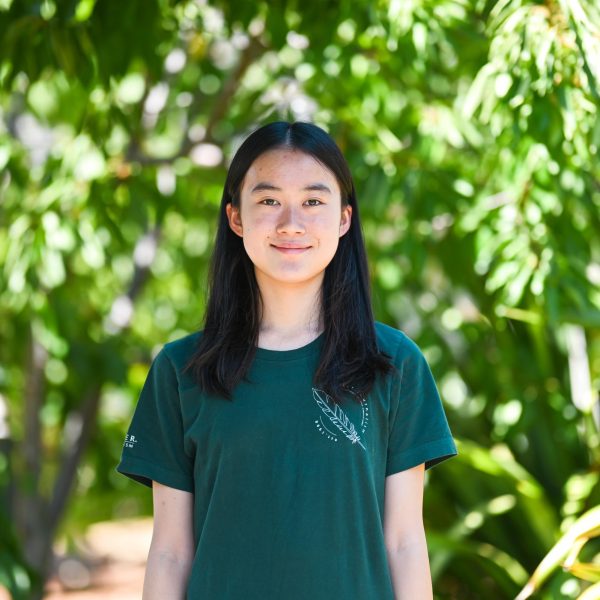
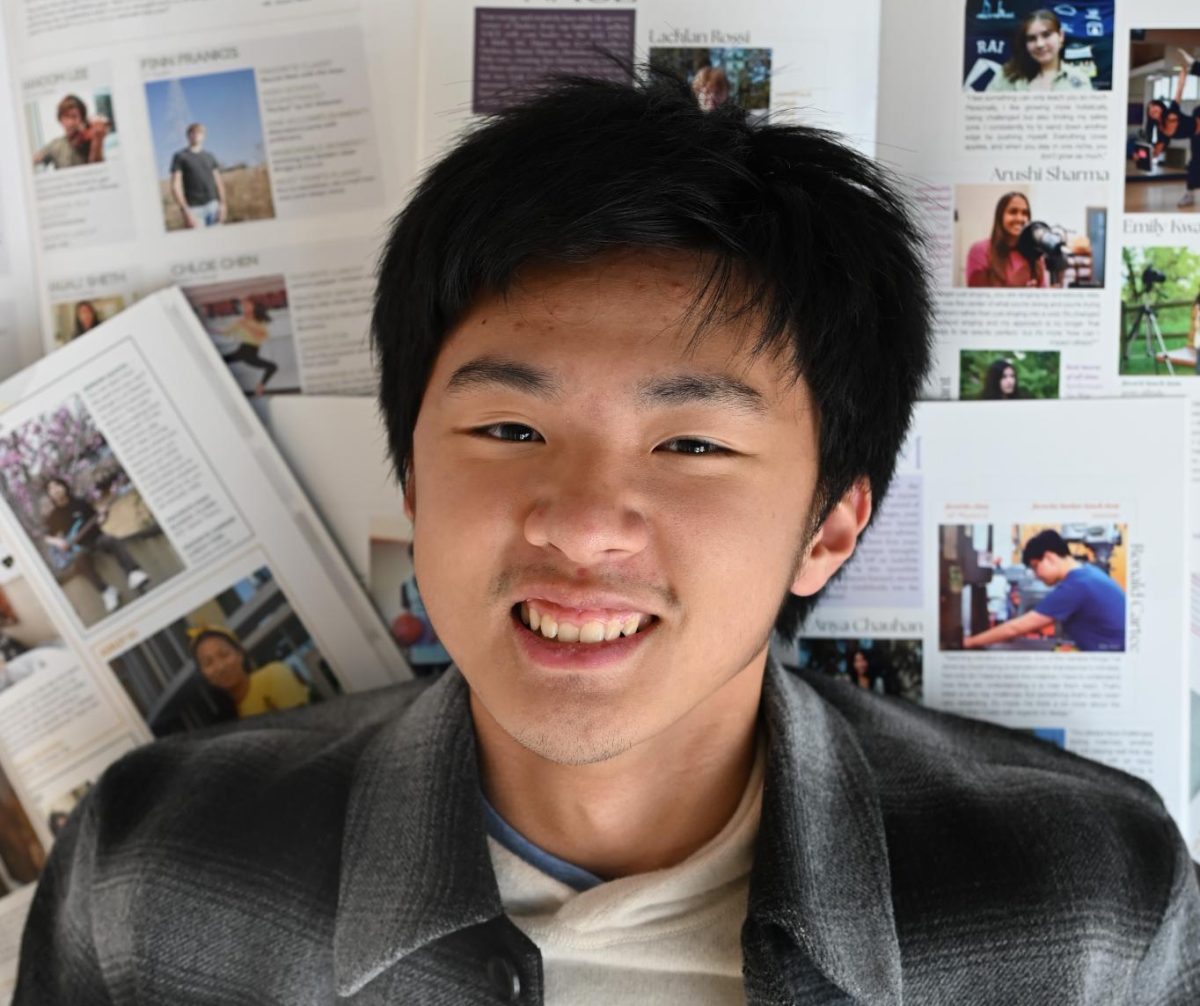
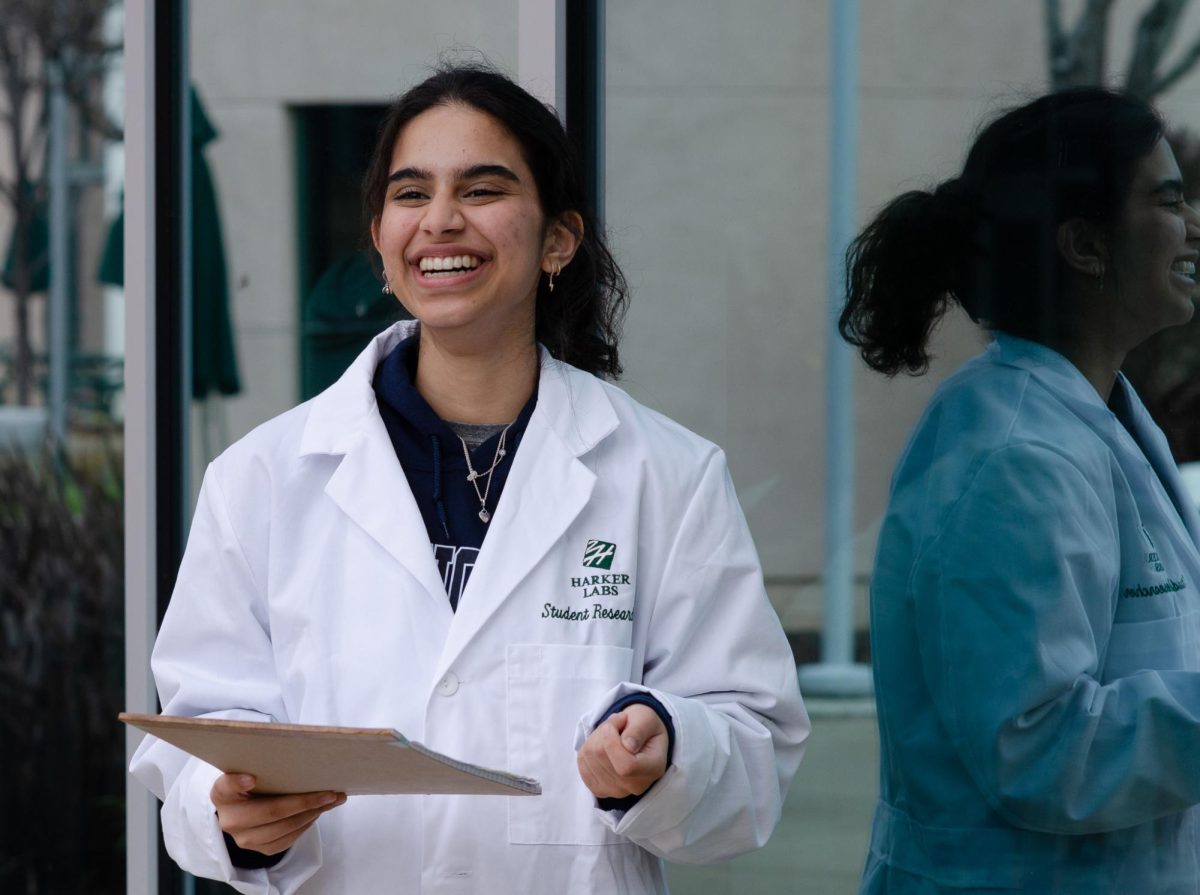
![“I wasn't discouraged by some of the obstacles we faced. I learned a lot from the leadership. I found that different people need different ways of receiving feedback — you can't [just] tell them to do something and expect the best. [Some] people needed more incentive. A large part of my role was to figure out what worked for everyone and to figure out how to lead all these separate individuals as a team,” Suhana Bhandare (’26) said.](https://harkeraquila.com/wp-content/uploads/2026/06/SuhanaBhandare_JasmineHansra-1-1200x798.jpg)
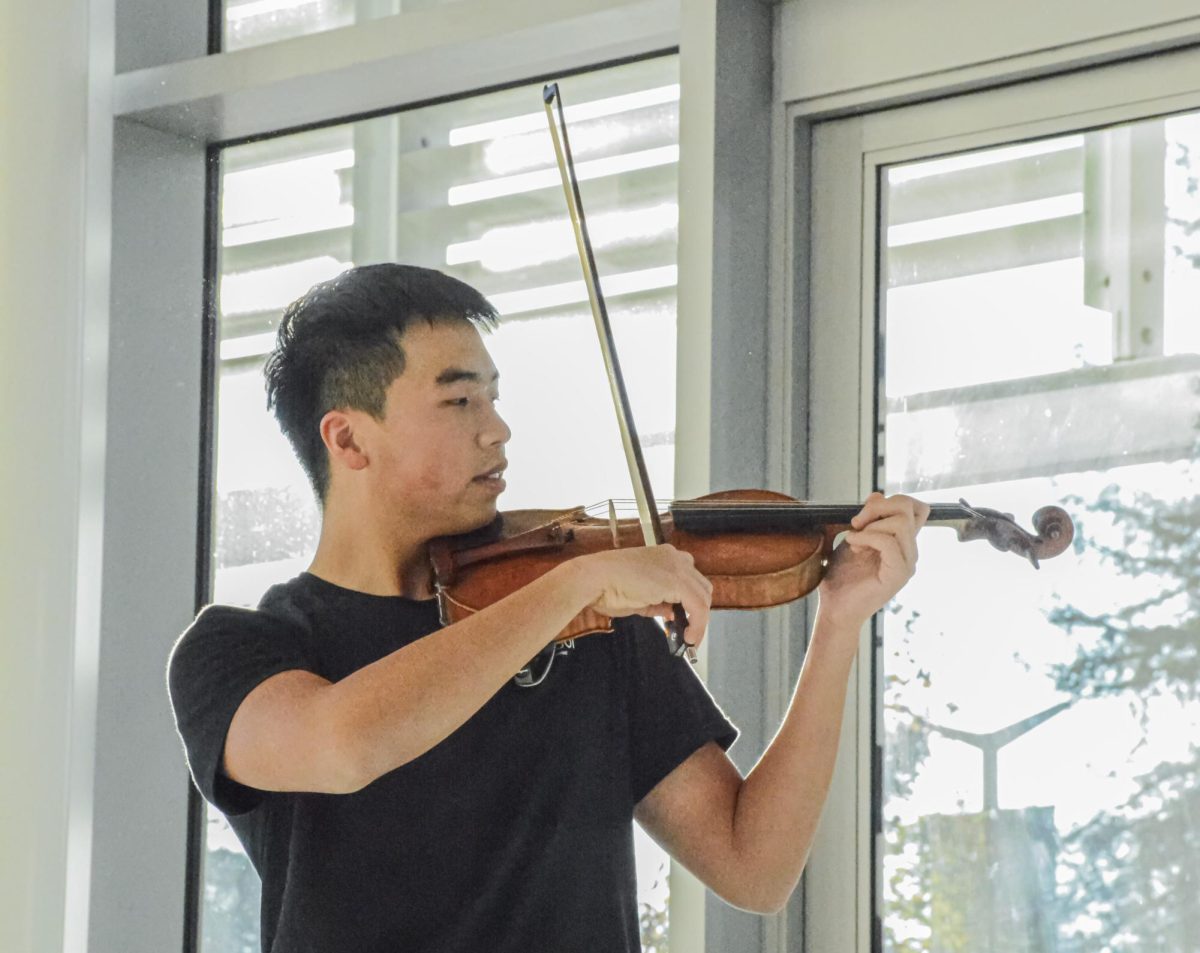
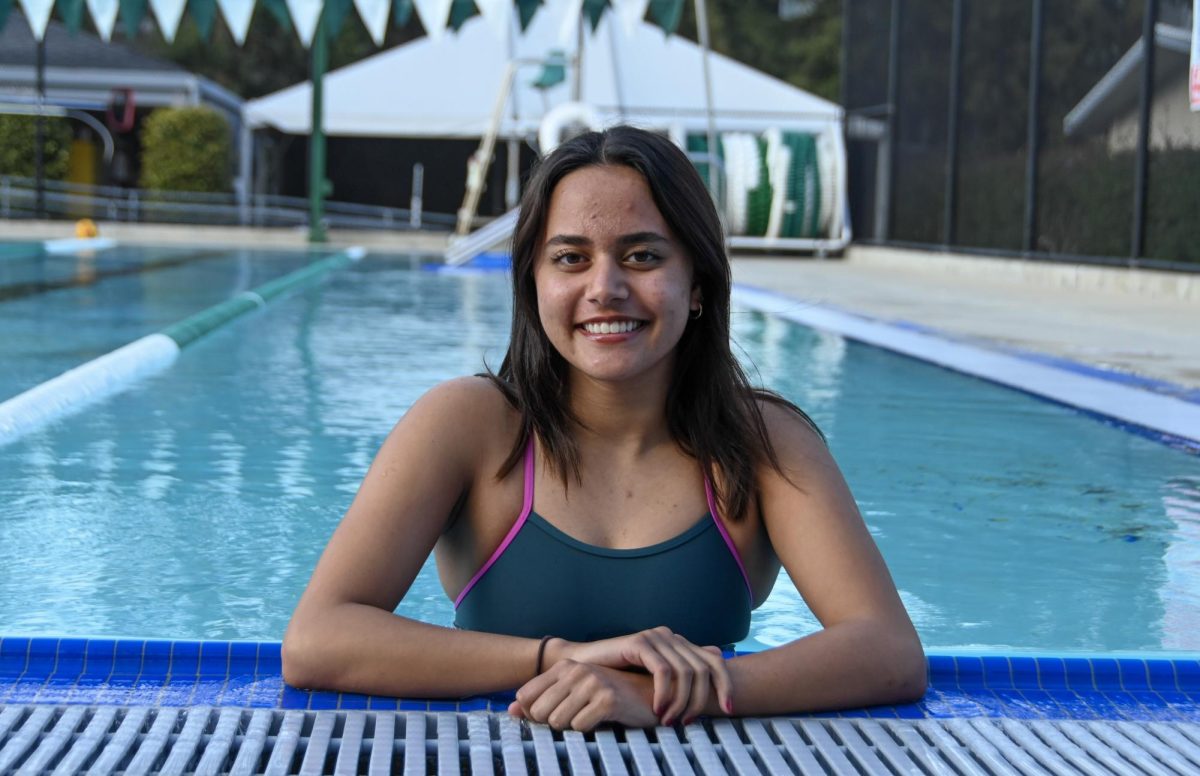
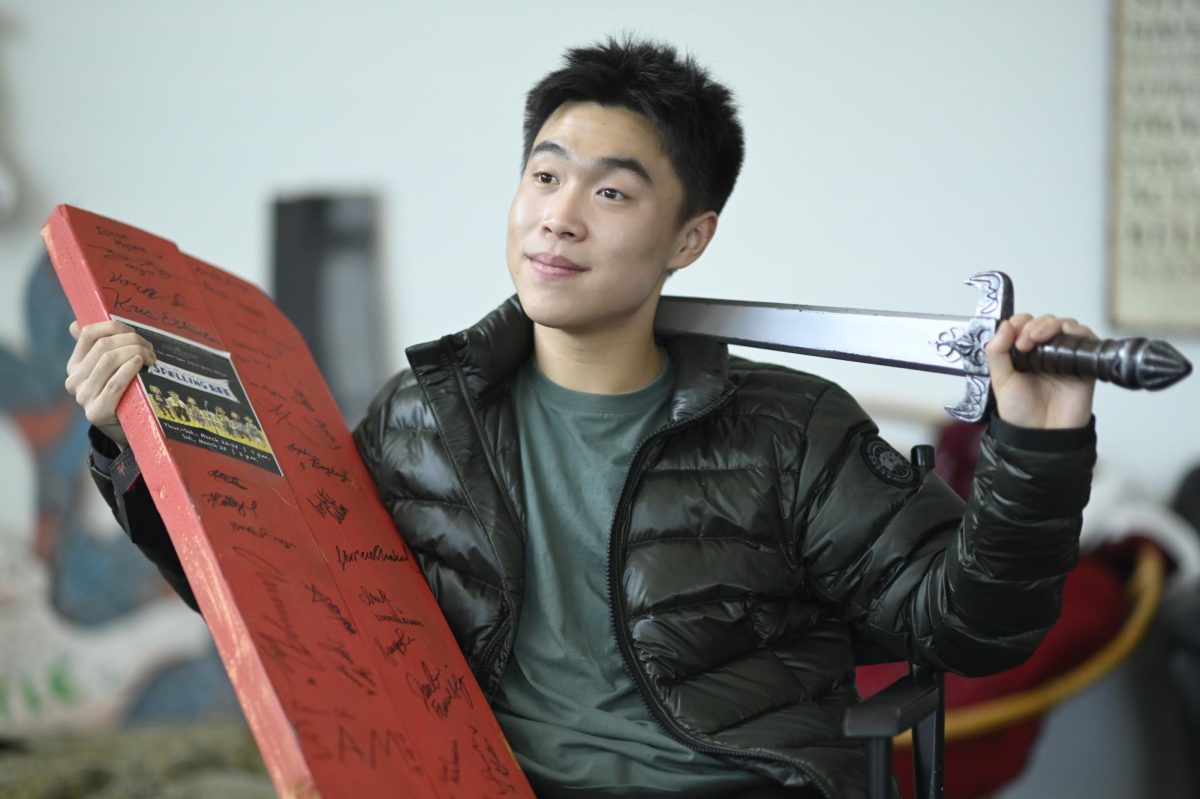
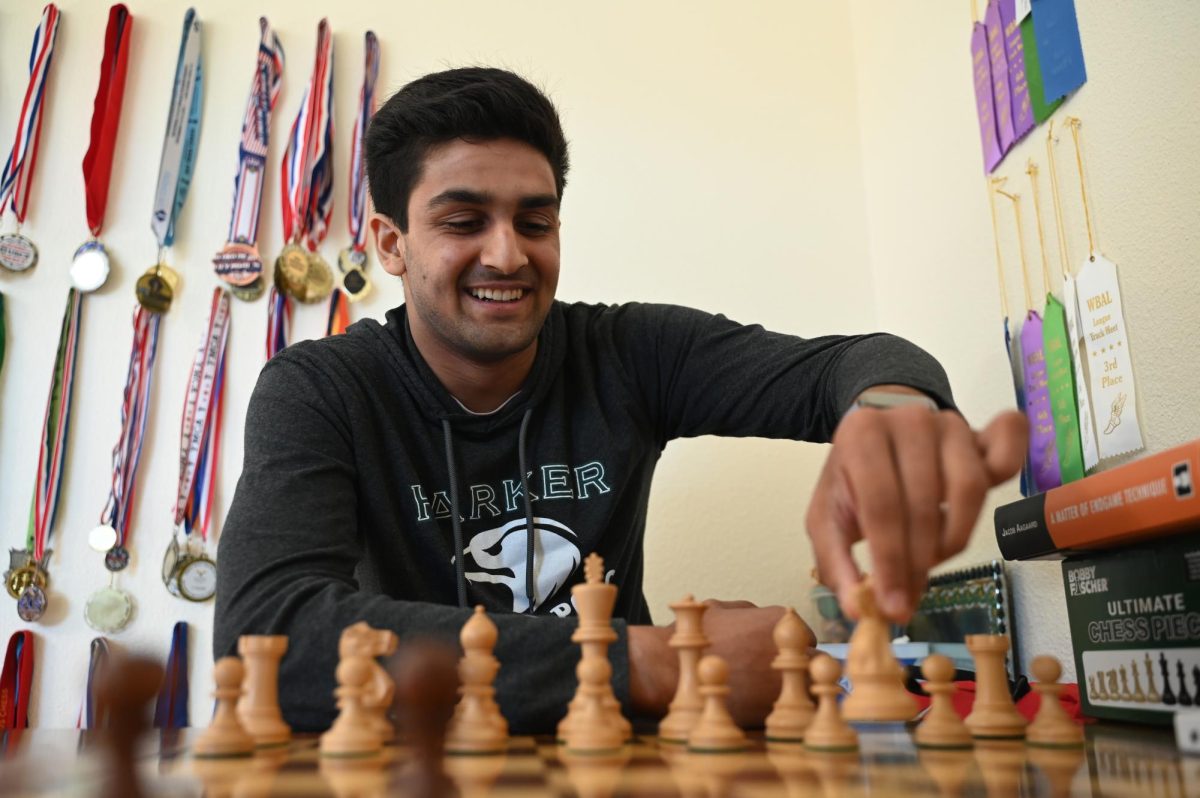
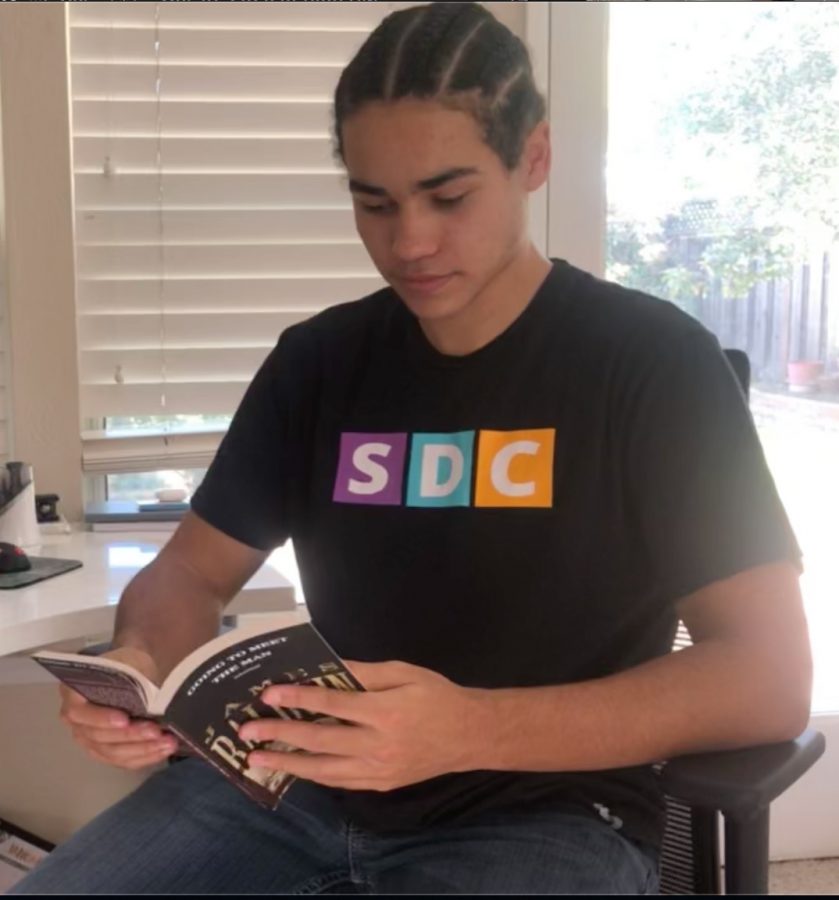
![“This is actually from Randy Pausch Randy P. Brick: ‘Walls are there for a reason. You have to show how much you want to overcome them.’ You have to show how much you want something. That's what I've always been able to do with tennis, Link Crew and getting that internship [with Kushy Baby]. It’s important pushing through that — getting around that brick wall, climbing over it or clawing through it,” Yash Sachdeva (’26) said.](https://harkeraquila.com/wp-content/uploads/2026/05/YashSachdeva_RamBatchu-copy-1200x1002.jpg)





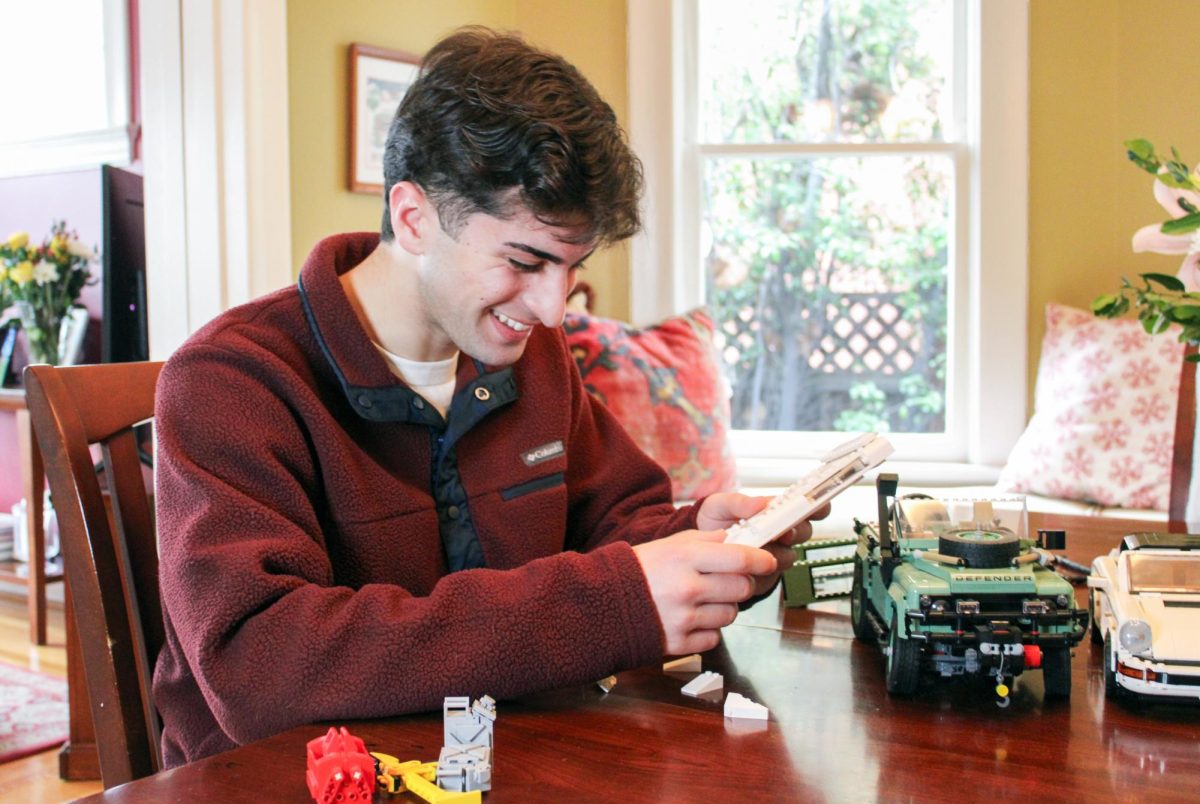

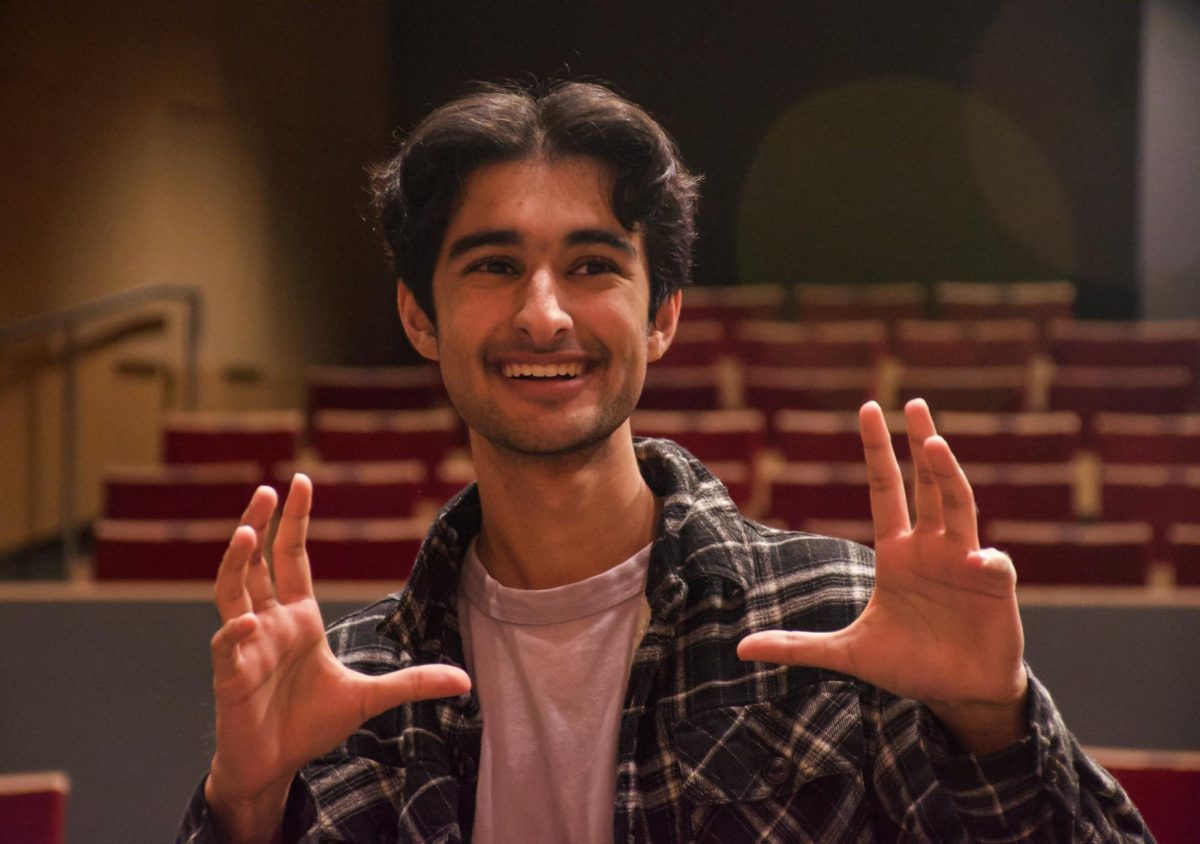


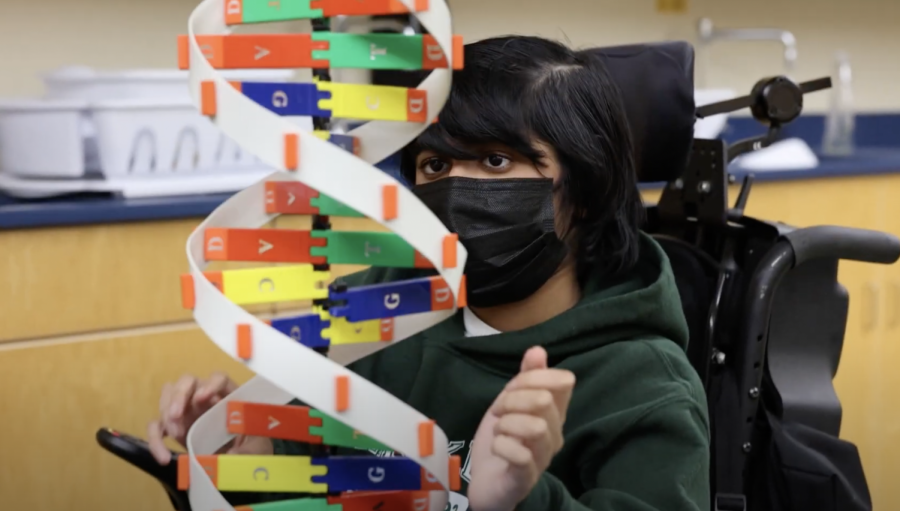
![“[Building nerf blasters] became this outlet of creativity for me that hasn't been matched by anything else. The process [of] making a build complete to your desire is such a painstakingly difficult process, but I've had to learn from [the skills needed from] soldering to proper painting. There's so many different options for everything, if you think about it, it exists. The best part is [that] if it doesn't exist, you can build it yourself," Ishaan Parate said.](https://harkeraquila.com/wp-content/uploads/2022/08/DSC_8149-900x604.jpg)
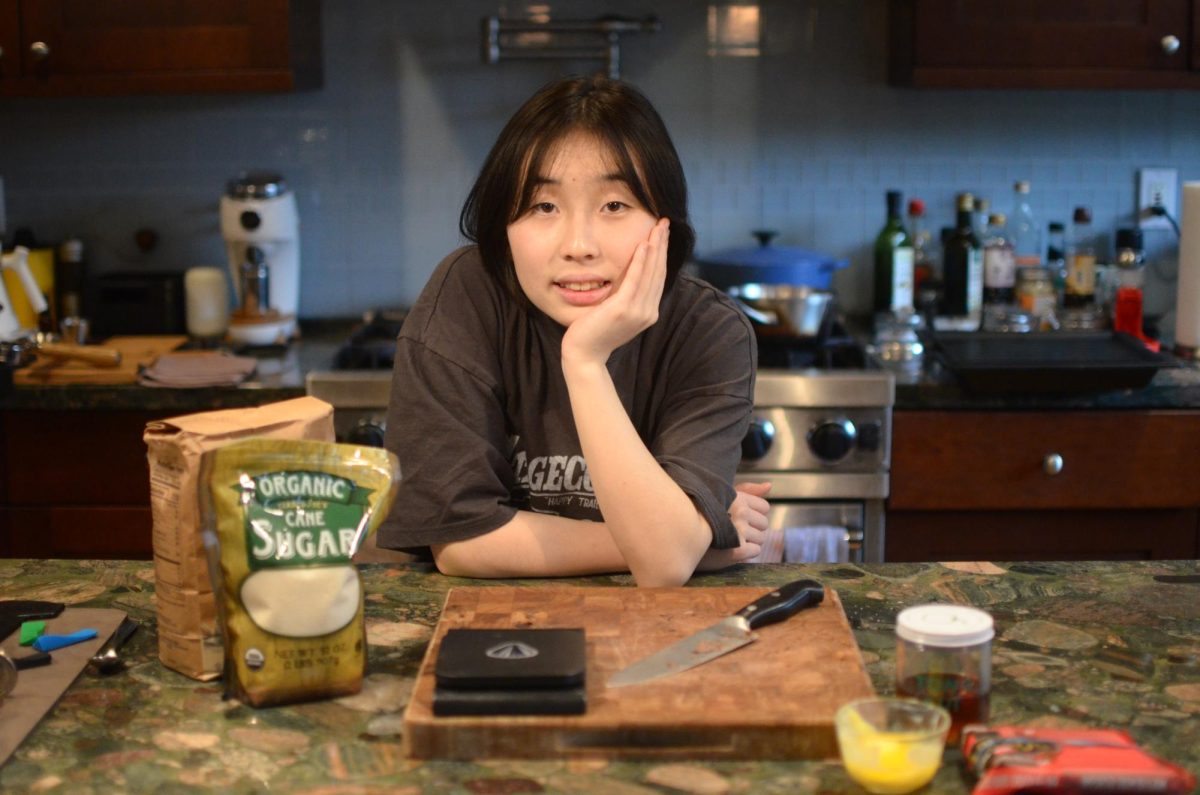
![“When I came into high school, I was ready to be a follower. But DECA was a game changer for me. It helped me overcome my fear of public speaking, and it's played such a major role in who I've become today. To be able to successfully lead a chapter of 150 students, an officer team and be one of the upperclassmen I once really admired is something I'm [really] proud of,” Anvitha Tummala ('21) said.](https://harkeraquila.com/wp-content/uploads/2021/07/Screen-Shot-2021-07-25-at-9.50.05-AM-900x594.png)




![“I think getting up in the morning and having a sense of purpose [is exciting]. I think without a certain amount of drive, life is kind of obsolete and mundane, and I think having that every single day is what makes each day unique and kind of makes life exciting,” Neymika Jain (12) said.](https://harkeraquila.com/wp-content/uploads/2017/06/Screen-Shot-2017-06-03-at-4.54.16-PM.png)




![“My slogan is ‘slow feet, don’t eat, and I’m hungry.’ You need to run fast to get where you are–you aren't going to get those championships if you aren't fast,” Angel Cervantes (12) said. “I want to do well in school on my tests and in track and win championships for my team. I live by that, [and] I can do that anywhere: in the classroom or on the field.”](https://harkeraquila.com/wp-content/uploads/2018/06/DSC5146-900x601.jpg)
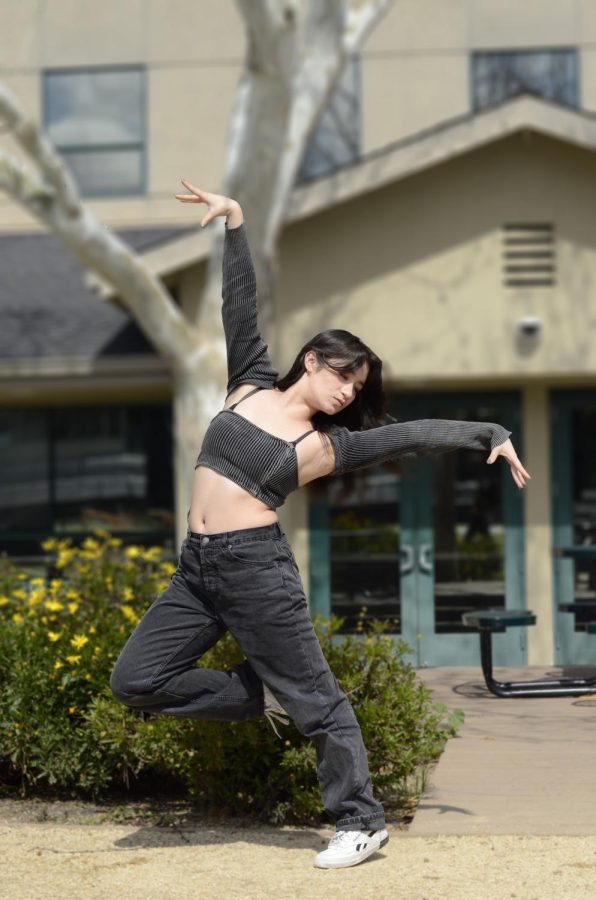
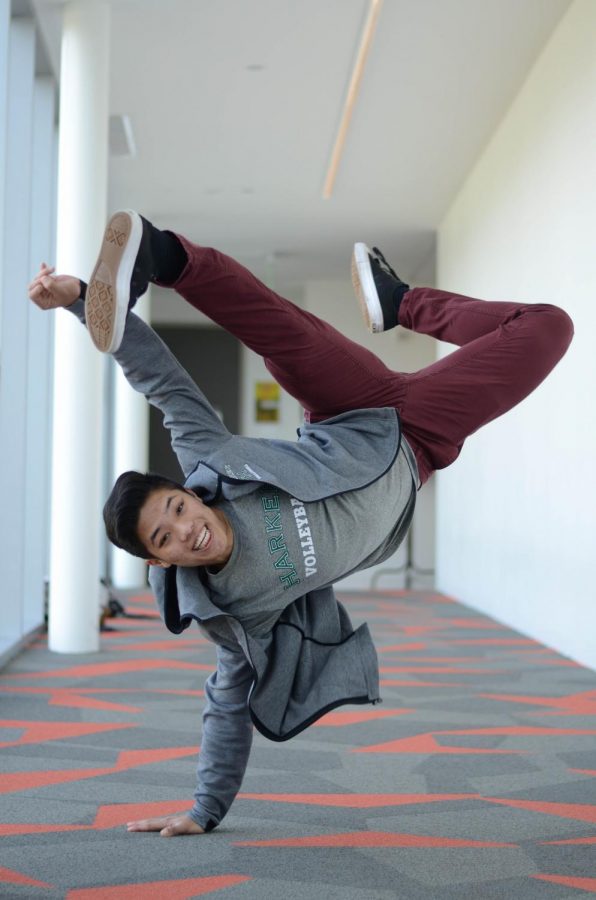
![“[Volleyball has] taught me how to fall correctly, and another thing it taught is that you don’t have to be the best at something to be good at it. If you just hit the ball in a smart way, then it still scores points and you’re good at it. You could be a background player and still make a much bigger impact on the team than you would think,” Anya Gert (’20) said.](https://harkeraquila.com/wp-content/uploads/2020/06/AnnaGert_JinTuan_HoHPhotoEdited-600x900.jpeg)
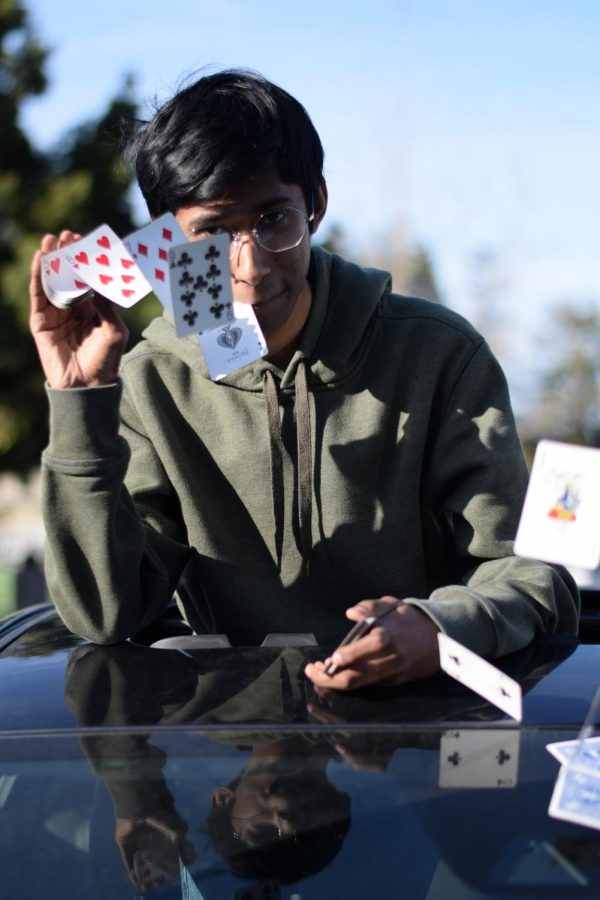
![“I'm not nearly there yet, but [my confidence has] definitely been getting better since I was pretty shy and timid coming into Harker my freshman year. I know that there's a lot of people that are really confident in what they do, and I really admire them. Everyone's so driven and that has really pushed me to kind of try to find my own place in high school and be more confident,” Alyssa Huang (’20) said.](https://harkeraquila.com/wp-content/uploads/2020/06/AlyssaHuang_EmilyChen_HoHPhoto-900x749.jpeg)


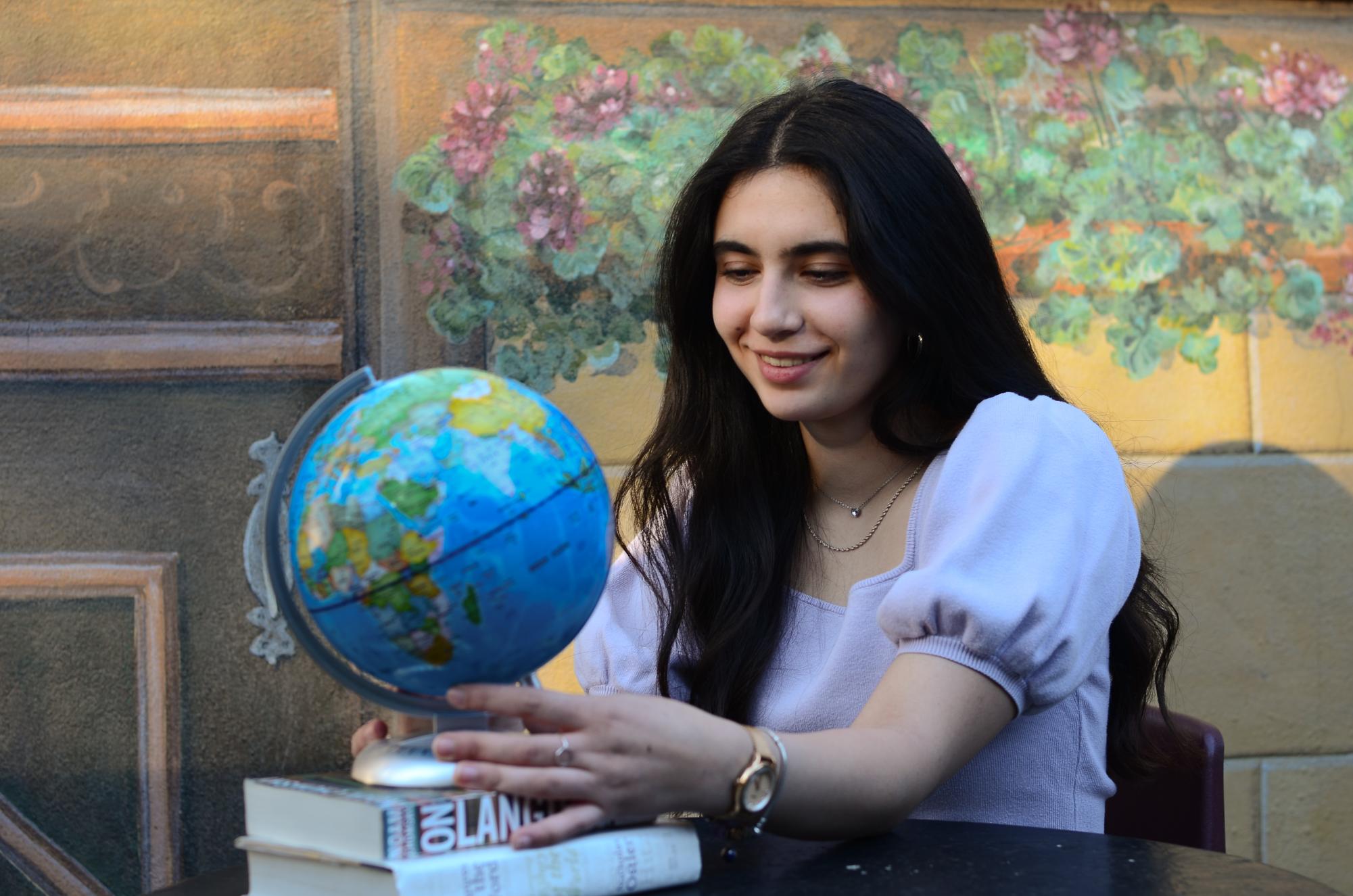
Istanbul. Diyarbakir. Kingston. Montreal. Boston. Los Gatos. And finally, San Jose. Seven cities and seven schools have characterized senior Arjen Sen’s childhood as she crossed from coast to coast, one language to another, before coming to Harker in tenth grade. The repeated transitions, although initially rough, taught Arjen to adapt to new environments with ease, making each one smoother than the previous one.
“From a young age, I had to find connections a lot easier and a bit faster,” Arjen said. “What made me adapt to these places and to the new people also made me adapt easier to different aspects of life, whether it be changing schools and adjusting to the work better.”
Among the many challenges she faced, one of the hardest was the language barrier. When Arjen lived in Canada, she attended a mostly French school despite no one in her family knowing French, forcing her to figure out the language by herself. Although initially frustrated, she began to find joy in learning languages when she saw how it allowed her to reach out and communicate with new groups of people, turning a previous burden into a hobby and practically a superpower.
“When I first started learning languages, there was a big emphasis on the grammatical structure, vocabulary and memorizing,” Arjen said. “But what I’ve learned is, there’s a big cultural context which is really important when learning it, and it just makes it a lot more enjoyable. You feel like there’s a purpose to why you’re learning your language and why you want to do it in the first place.”
Arjen’s fascination with languages led her to explore them computationally through programming — another one of her interests. Starting from Scratch and block code in third grade, she later applied her abilities to web development as well as linguistics-related research, where she analyzed whether AI models can recognize cultural differences between people who speak different languages based on their responses to the same set of questions. By training one AI model on responses from only English speakers and another on those of people who speak other languages, she found that the algorithm could indeed recognize and imitate the different cultural nuances.
Arjen’s favorite aspect of programming is fixing bugs. Even though she finds debugging frustrating at times, it brings her immense satisfaction in the end and serves as a learning experience.
“Programming very much teaches persistence and perseverance,” Arjen said. “It can be really annoying, but it also shows the importance of sticking to something and going through the pain in the short run to get the fruits of your success at the end of it.”
Arjen took the determination she learned from programming and applied it to other aspects of her life, like navigating each move from city to city, school to school. She notes how her experiences helped her through a particularly difficult transition from Boston to California in fourth grade.
“It was really hard to make connections, especially since it was the middle of the year,” Arjen said. “But combining what I learned in the past and also the perseverance programming taught me, I was able to easily overcome the obstacles that came up and the big transition.”
Even outside of her hobbies, Arjen’s diligence is visible to those around her. Calculus teacher Caren Furtado, who calls Arjen “one of her three Powerpuff girls,” observed her determination while teaching her. Furtado recalls when Arjen and another classmate were working on a math problem after school and would not stop until they solved it.
“All three of us were getting different answers to the same problem, and Arjen just wouldn’t give up,” Furtado said. “By the time she went home, it was around 6:15 pm, but she had solved it, and she must have done that problem three or four times. That was really pretty amazing, to come with that kind of determination after a long day. That’s pretty special.”
Outside the classroom and beyond her personal pursuits, Arjen strives to make time for those around her. Close friend senior Olivia Guo first met Arjen in English class in tenth grade and befriended her during a DECA trip. She values Arjen’s ability and willingness to show vulnerability as well as her considerate nature.
“Arjen is a really good listener,” Olivia said. “Whenever you have a problem, she’s always open to hear. She doesn’t just sit there and listen, but she also engages in the conversation of whatever you want you have a problem with and tries to lighten the mood. She always makes me feel like she’s always there for me.”
Close friend senior Rithika Yamasani observed Arjen’s transition from being relatively quiet and reserved to being really open. She admires how Arjen manages to make time for her friends and be someone she can confide in.
“I can always count on her to help me out with anything,” Rithika said. “She’s super considerate. She’s someone I can trust and someone I feel comfortable with in general. She’s my comfort person.”
In light of her journey so far, Arjen circles back to a story her grandmother would always read to her about a caterpillar climbing a lemon tree. She credits this tale for altering the way she views each transition and setback she faces.
“Along the way, the caterpillar shifted its focus from being the first to get there to making insect friends along the way and then helping them get to the tree as well,” Arjen said. “The story influenced me to not only think about the downsides of my circumstances, but also look through a more positive light and see the good side and see how I would meet so many new people and make all these new memories.”