![“I wasn't discouraged by some of the obstacles we faced. I learned a lot from the leadership. I found that different people need different ways of receiving feedback — you can't [just] tell them to do something and expect the best. [Some] people needed more incentive. A large part of my role was to figure out what worked for everyone and to figure out how to lead all these separate individuals as a team,” Suhana Bhandare (’26) said.](https://harkeraquila.com/wp-content/uploads/2026/06/SuhanaBhandare_JasmineHansra-1-1200x798.jpg)
![“This is actually from Randy Pausch Randy P. Brick: ‘Walls are there for a reason. You have to show how much you want to overcome them.’ You have to show how much you want something. That's what I've always been able to do with tennis, Link Crew and getting that internship [with Kushy Baby]. It’s important pushing through that — getting around that brick wall, climbing over it or clawing through it,” Yash Sachdeva (’26) said.](https://harkeraquila.com/wp-content/uploads/2026/05/YashSachdeva_RamBatchu-copy-1200x1002.jpg)
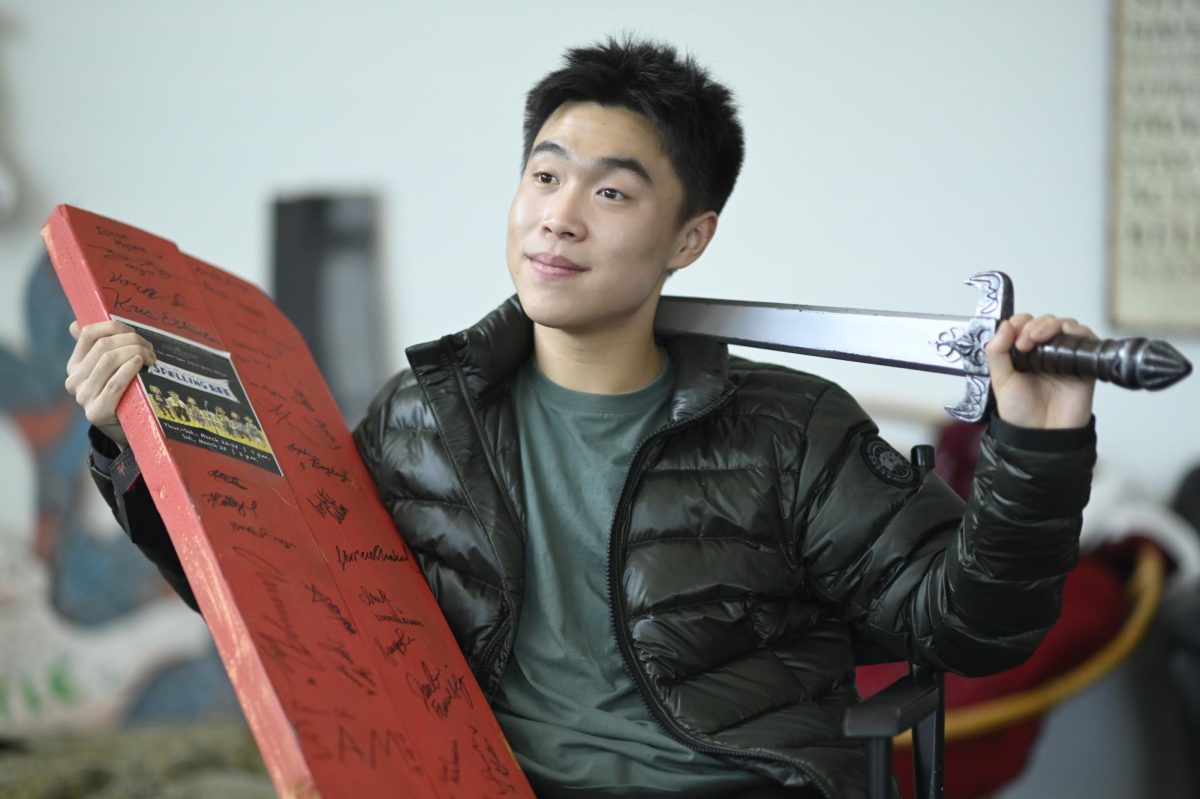
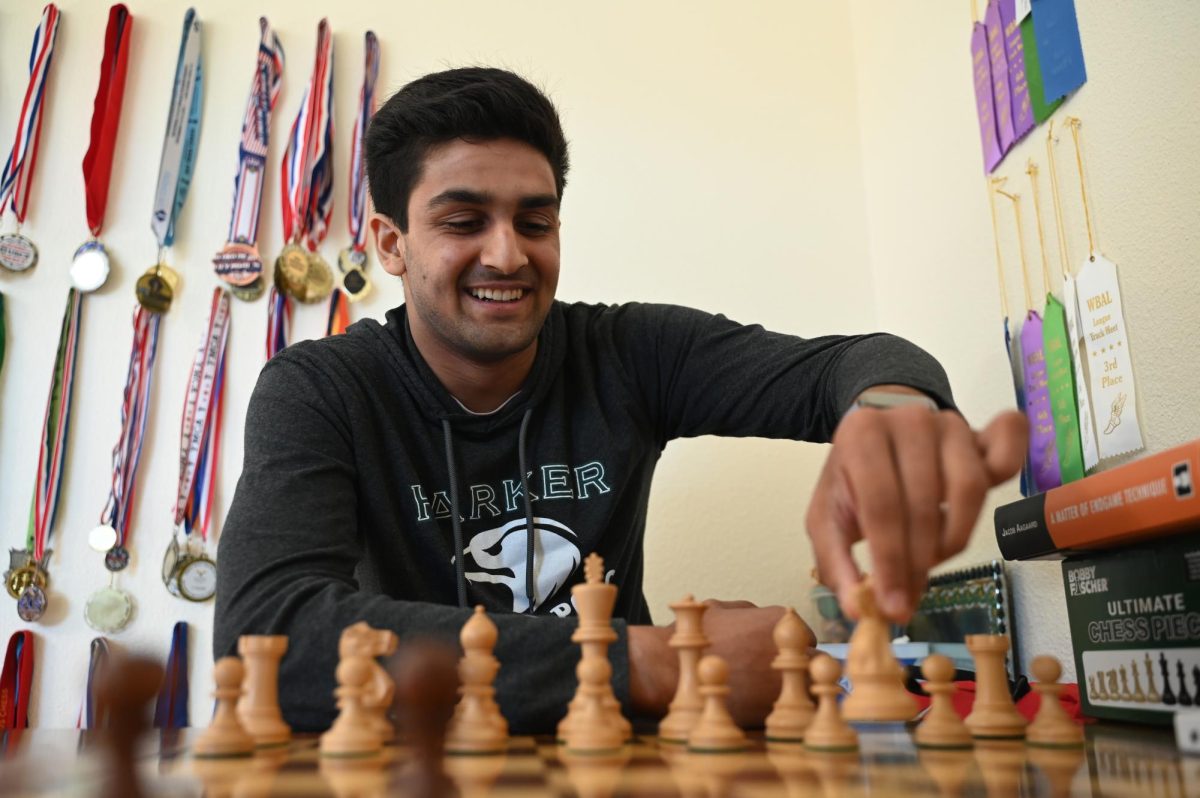
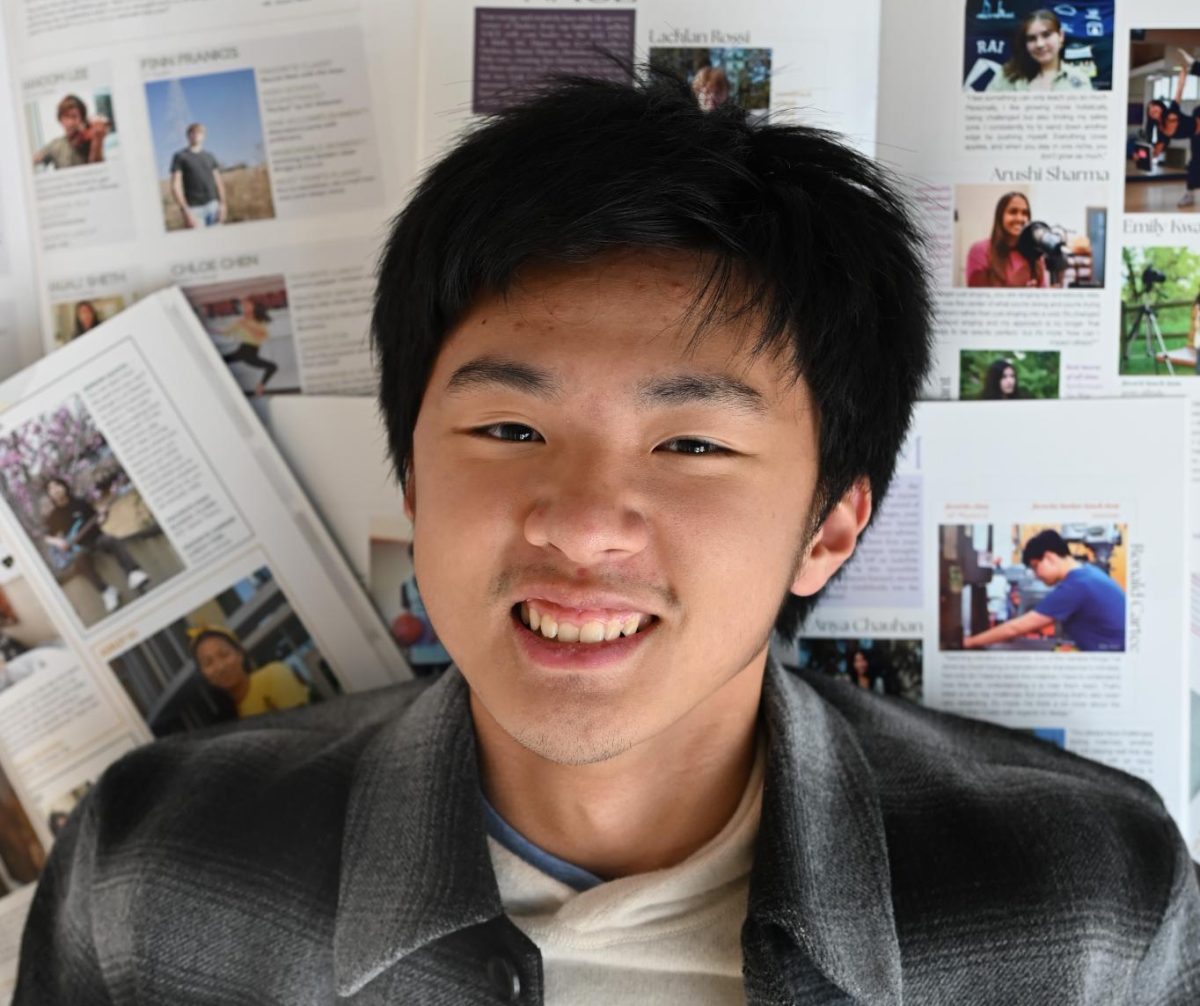
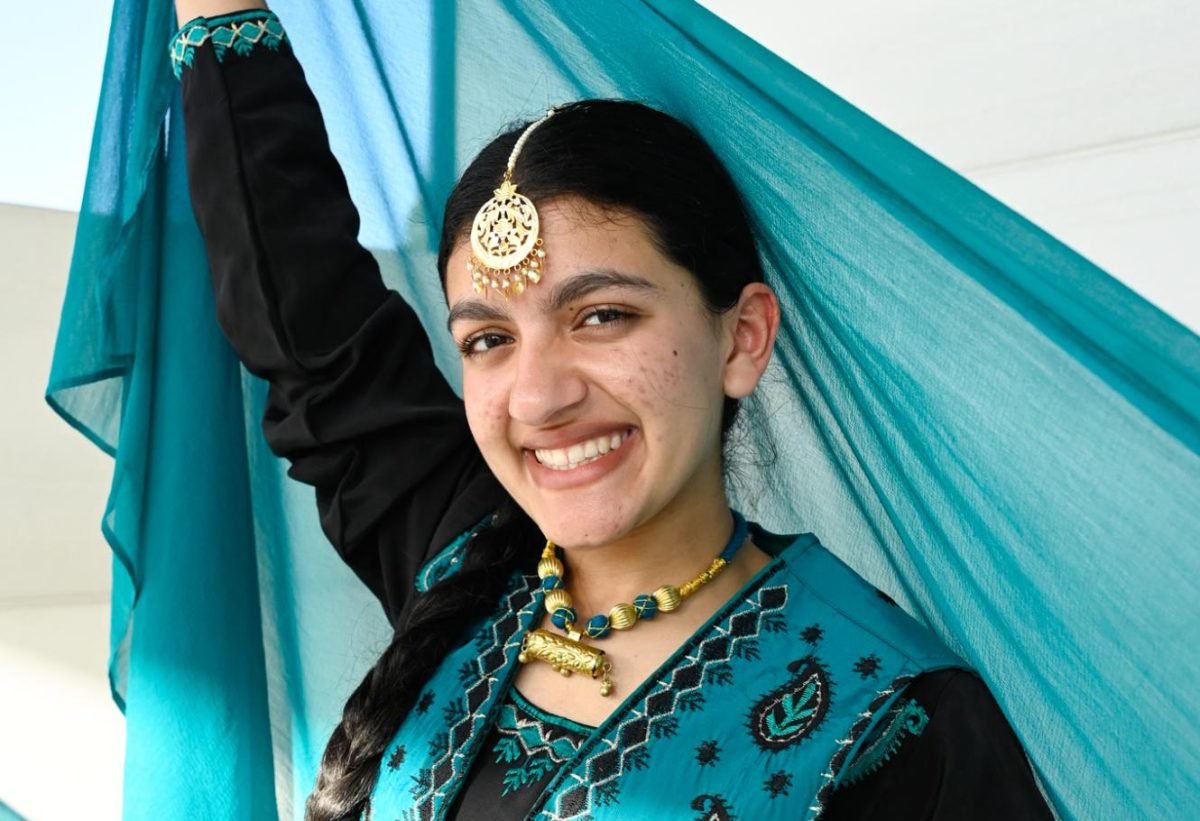


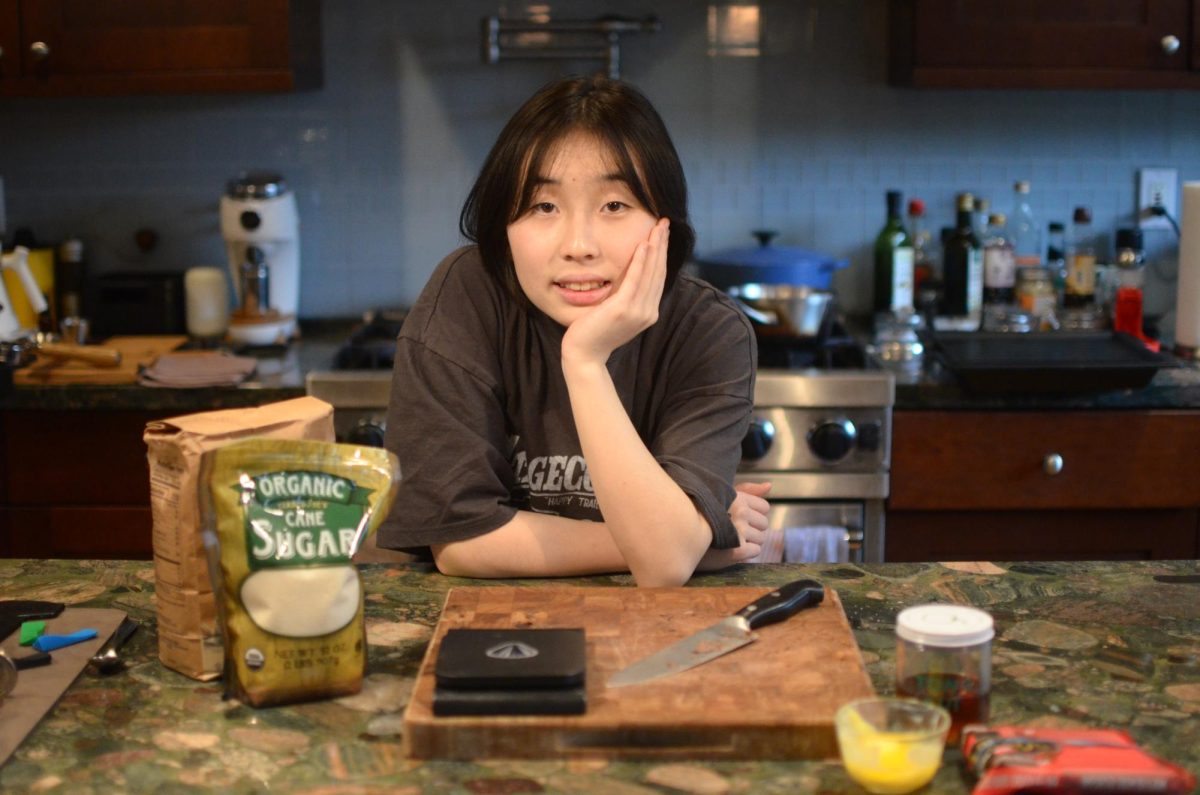


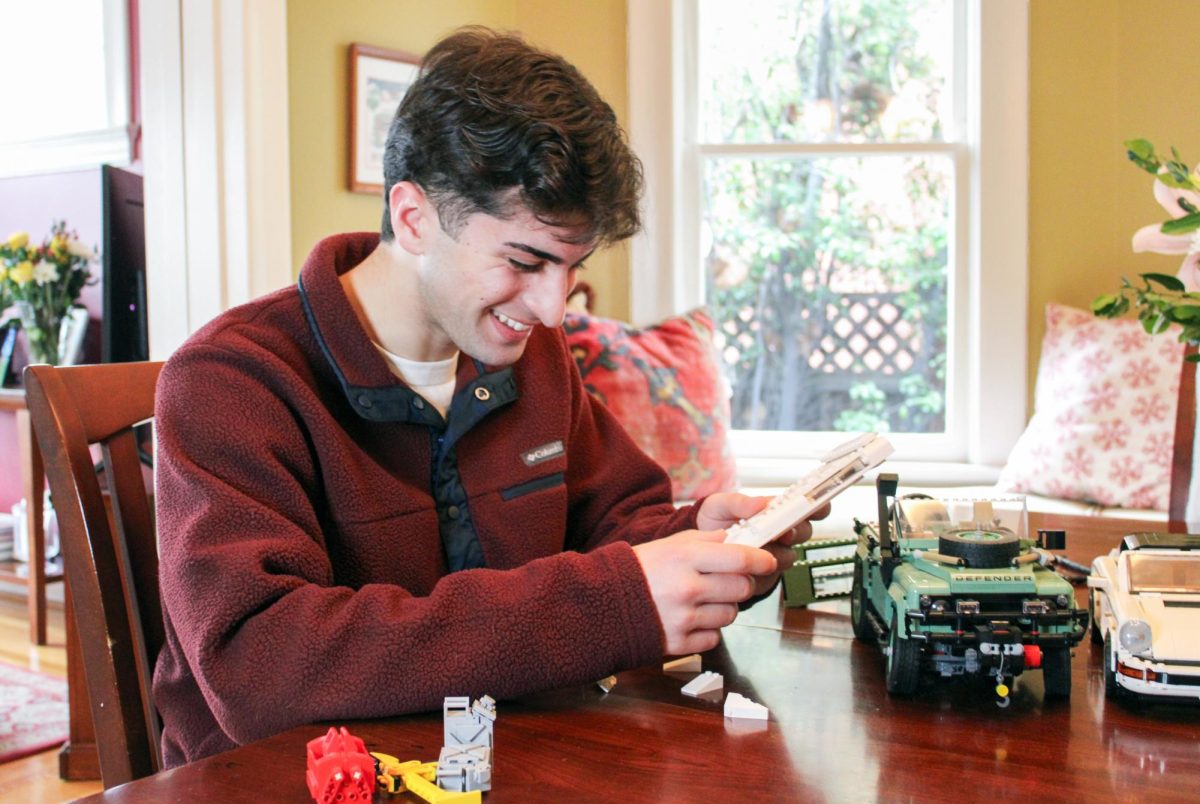

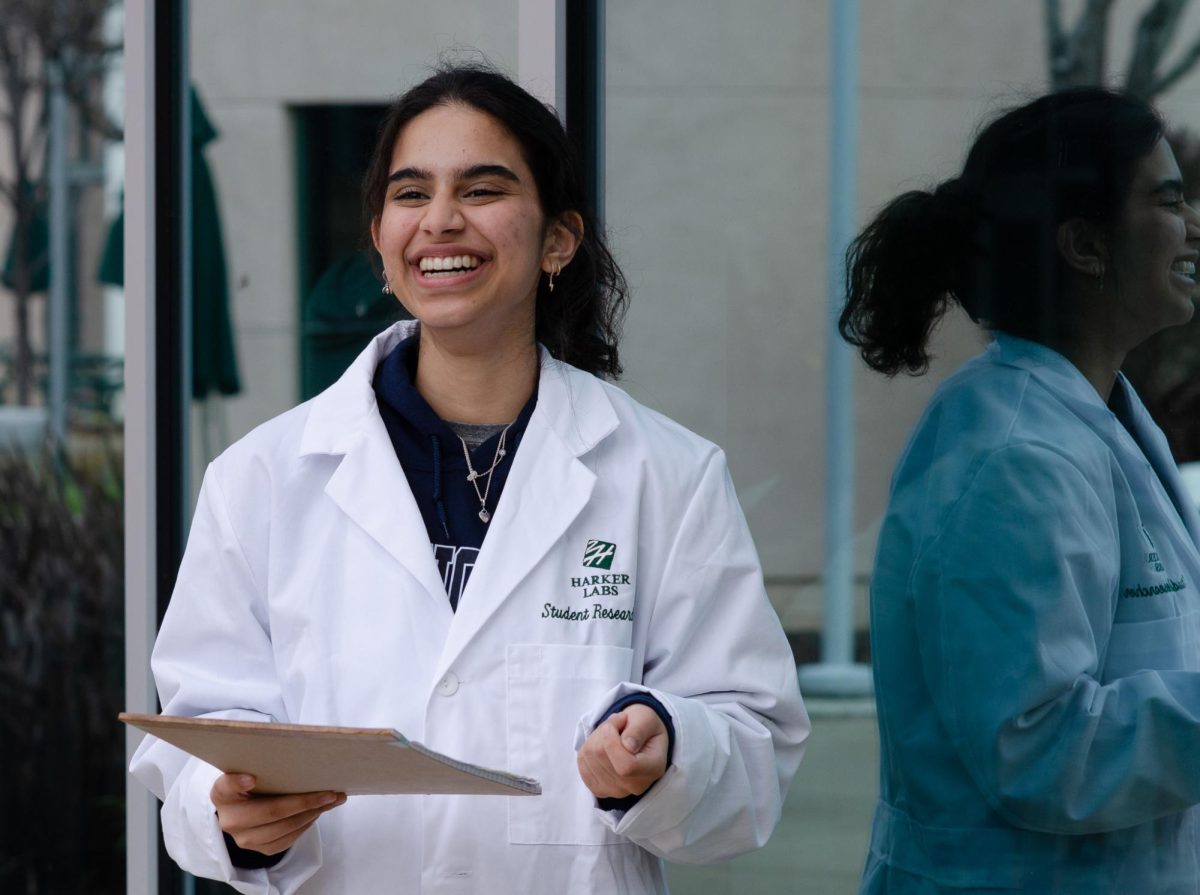
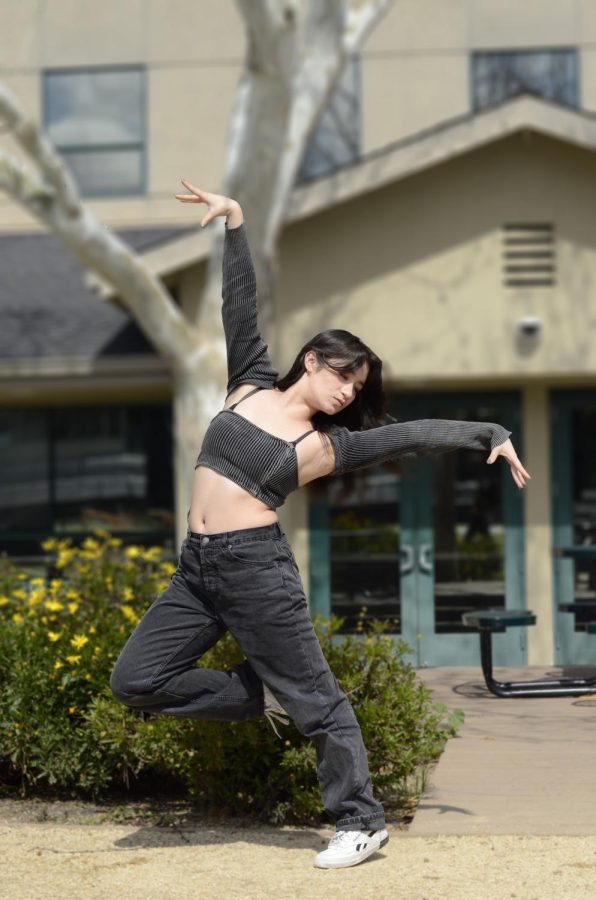
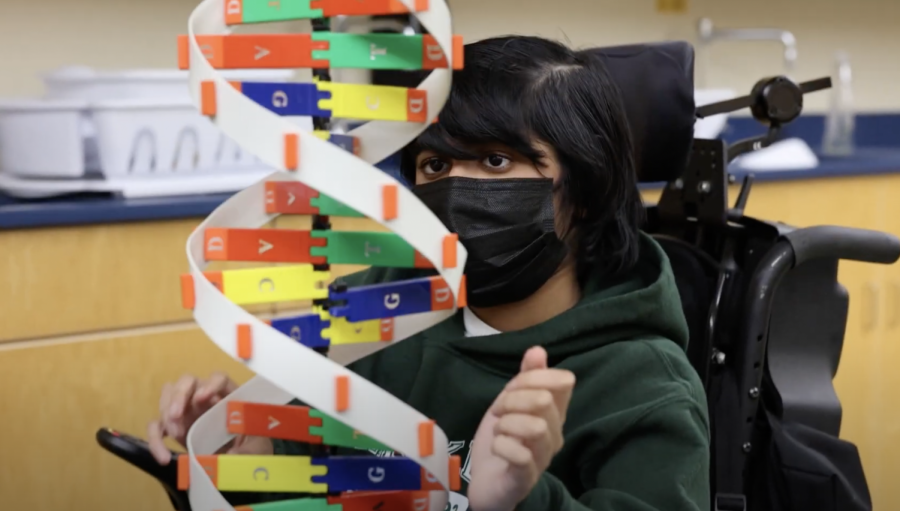
![“[Building nerf blasters] became this outlet of creativity for me that hasn't been matched by anything else. The process [of] making a build complete to your desire is such a painstakingly difficult process, but I've had to learn from [the skills needed from] soldering to proper painting. There's so many different options for everything, if you think about it, it exists. The best part is [that] if it doesn't exist, you can build it yourself," Ishaan Parate said.](https://harkeraquila.com/wp-content/uploads/2022/08/DSC_8149-900x604.jpg)
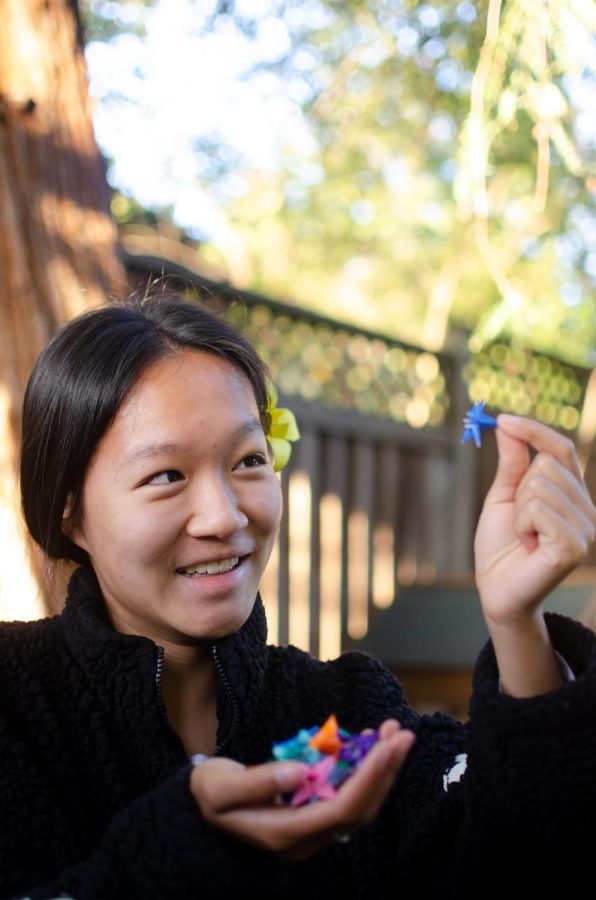
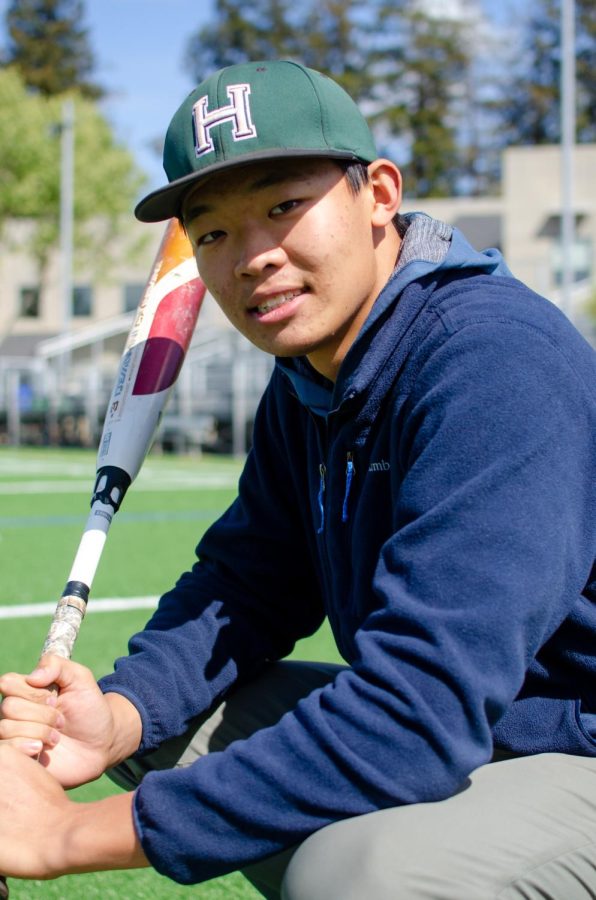
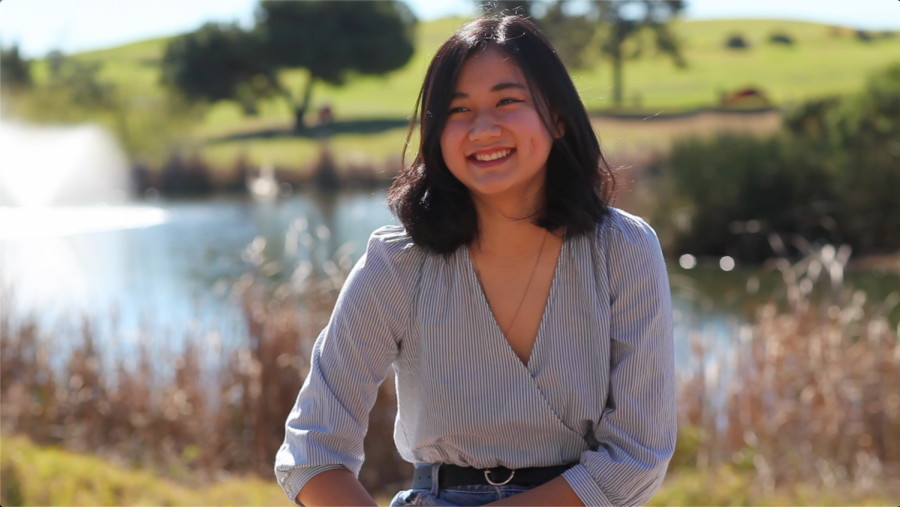
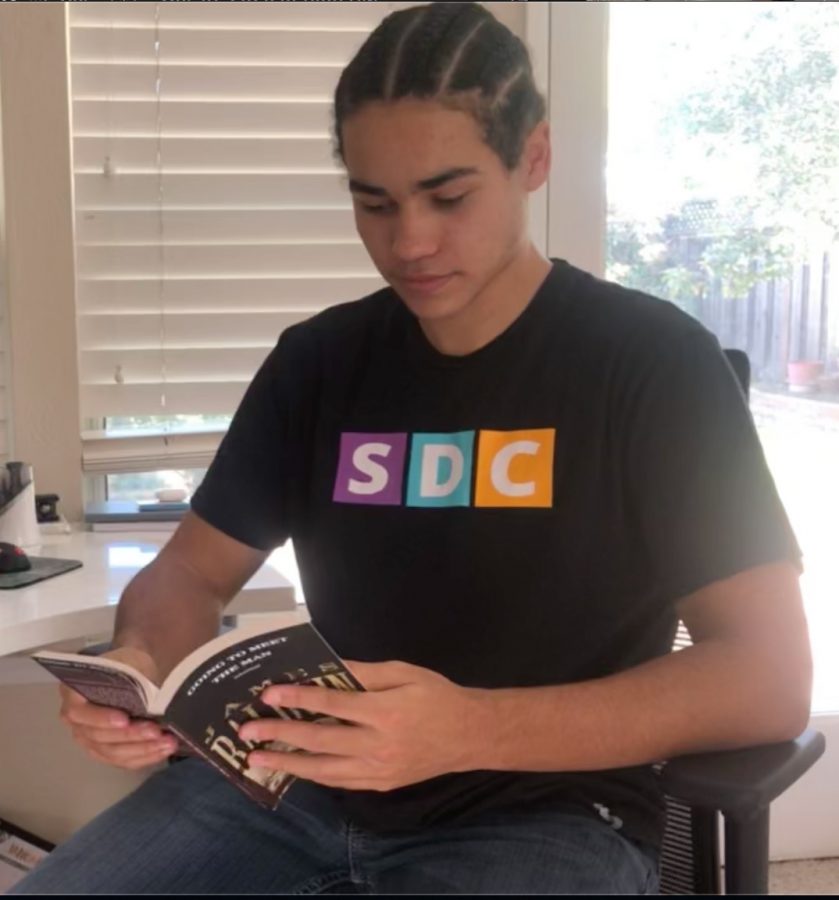
![“When I came into high school, I was ready to be a follower. But DECA was a game changer for me. It helped me overcome my fear of public speaking, and it's played such a major role in who I've become today. To be able to successfully lead a chapter of 150 students, an officer team and be one of the upperclassmen I once really admired is something I'm [really] proud of,” Anvitha Tummala ('21) said.](https://harkeraquila.com/wp-content/uploads/2021/07/Screen-Shot-2021-07-25-at-9.50.05-AM-900x594.png)
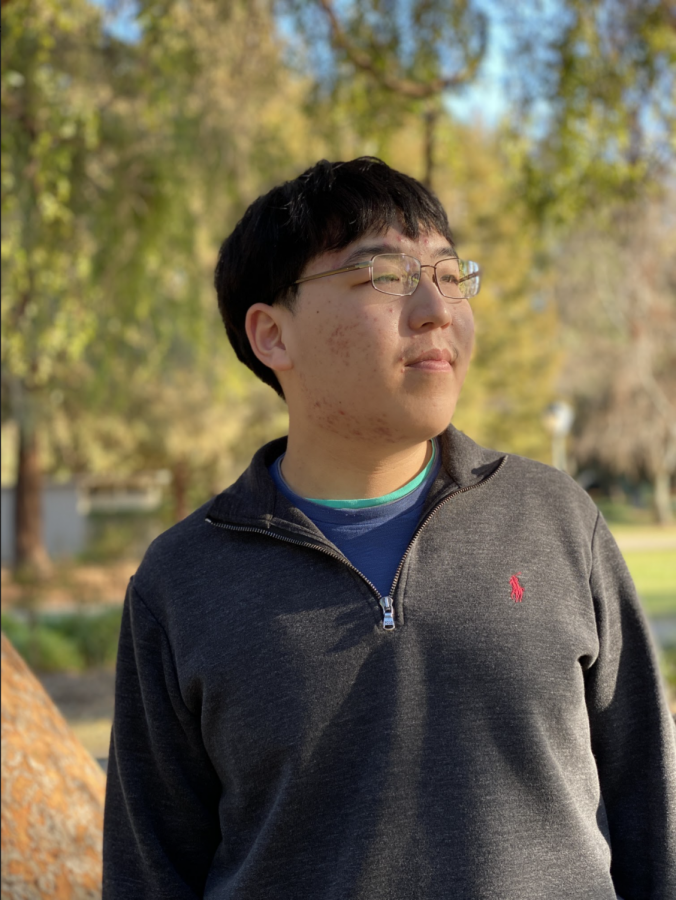
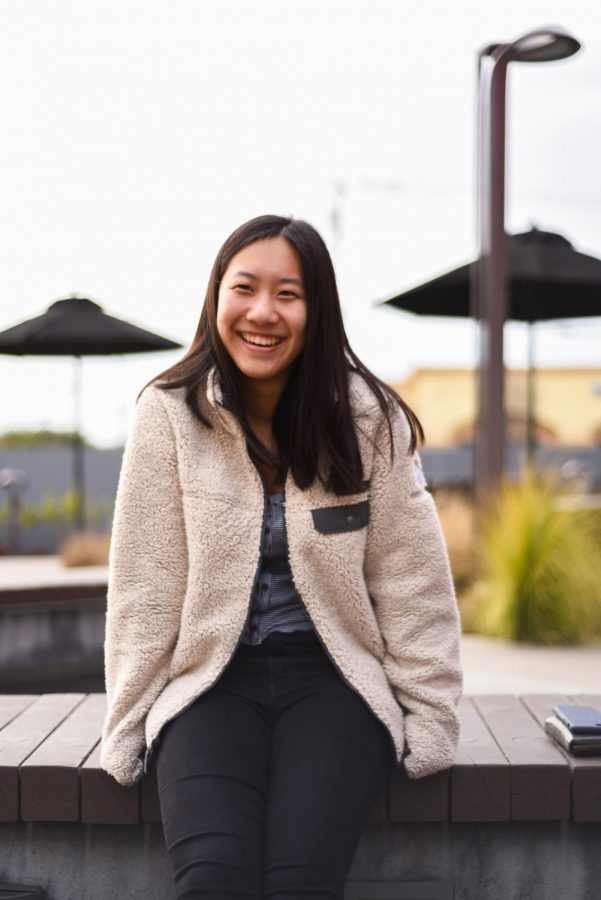
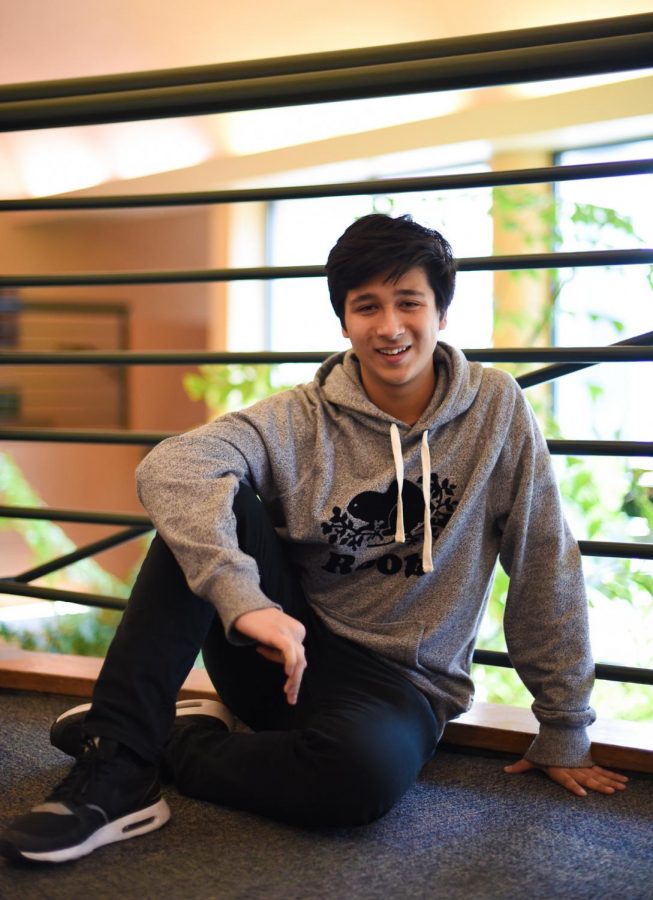
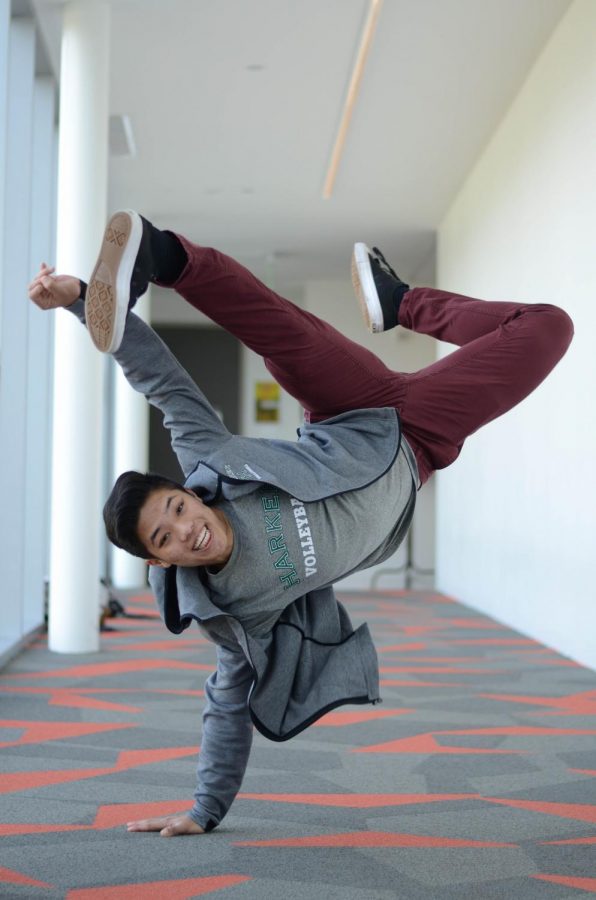
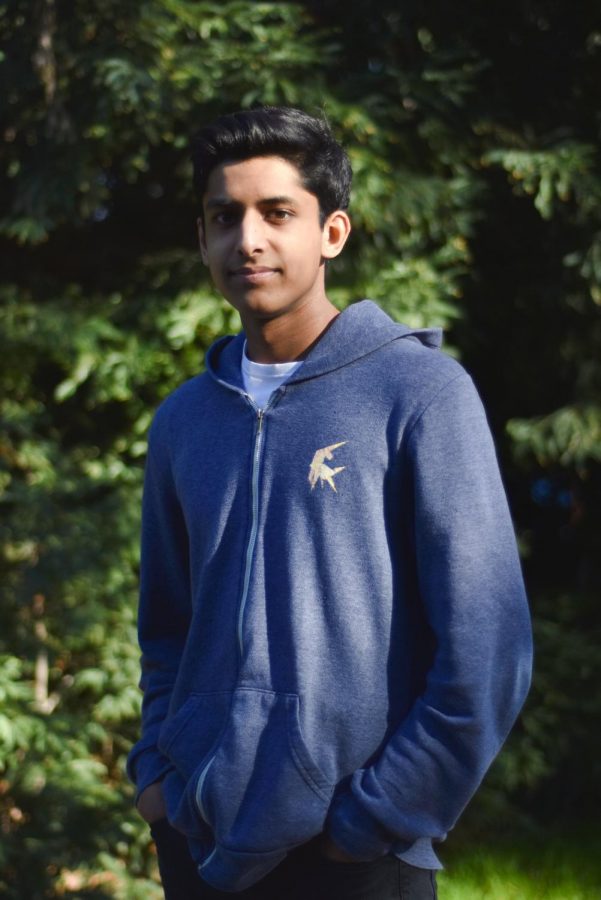

![“I think getting up in the morning and having a sense of purpose [is exciting]. I think without a certain amount of drive, life is kind of obsolete and mundane, and I think having that every single day is what makes each day unique and kind of makes life exciting,” Neymika Jain (12) said.](https://harkeraquila.com/wp-content/uploads/2017/06/Screen-Shot-2017-06-03-at-4.54.16-PM.png)
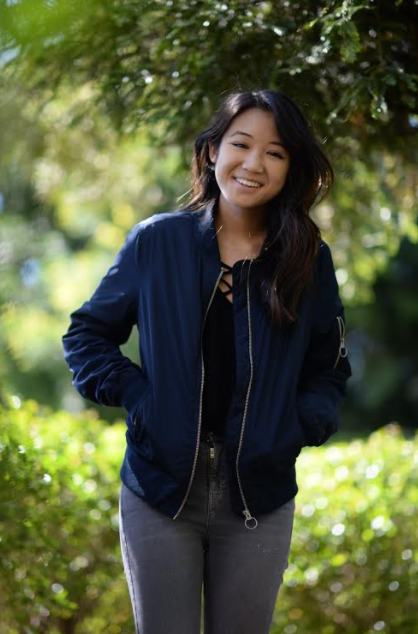

![“My slogan is ‘slow feet, don’t eat, and I’m hungry.’ You need to run fast to get where you are–you aren't going to get those championships if you aren't fast,” Angel Cervantes (12) said. “I want to do well in school on my tests and in track and win championships for my team. I live by that, [and] I can do that anywhere: in the classroom or on the field.”](https://harkeraquila.com/wp-content/uploads/2018/06/DSC5146-900x601.jpg)
![“[Volleyball has] taught me how to fall correctly, and another thing it taught is that you don’t have to be the best at something to be good at it. If you just hit the ball in a smart way, then it still scores points and you’re good at it. You could be a background player and still make a much bigger impact on the team than you would think,” Anya Gert (’20) said.](https://harkeraquila.com/wp-content/uploads/2020/06/AnnaGert_JinTuan_HoHPhotoEdited-600x900.jpeg)
![“I'm not nearly there yet, but [my confidence has] definitely been getting better since I was pretty shy and timid coming into Harker my freshman year. I know that there's a lot of people that are really confident in what they do, and I really admire them. Everyone's so driven and that has really pushed me to kind of try to find my own place in high school and be more confident,” Alyssa Huang (’20) said.](https://harkeraquila.com/wp-content/uploads/2020/06/AlyssaHuang_EmilyChen_HoHPhoto-900x749.jpeg)


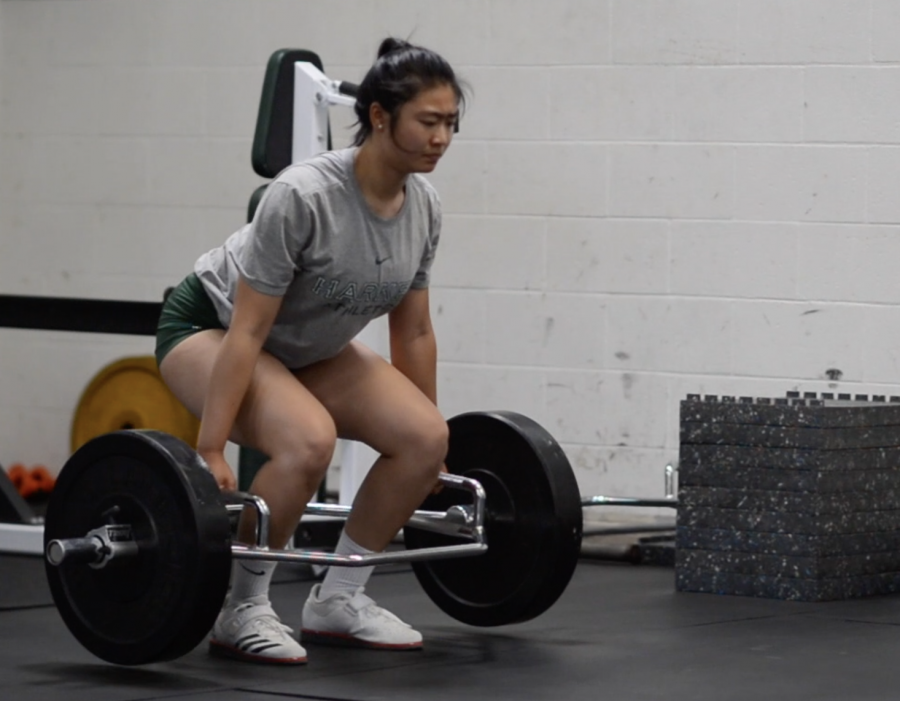
One chance. Lying face up and gripping the barbell, senior Jason Yi awaits the referee’s command. Mentally, he feels prepared. Just earlier, he had moved 78 and 88 kilograms of cast iron easily in his warm-up attempts. Surely 100 was possible.
“Press.”
Carefully, Jason lowers the weight. But as much as he strains, the pressure on his arms only grows heavier with the stares of onlookers. He shakes his head, the spotter racks the barbell and the wave of emotions breaks.
Jason recalls this meet during February of his junior year, the Heartbreaker Open, as the most daunting day in his three years of powerlifting. After failing a bench press attempt early on, Jason had to muster the mental resilience to set a personal best later in the competition with a 185 kg squat.
“After my technique failed, I definitely developed a mental block,” Jason said. “My coach wanted me to lower my weight for the day. But even though I missed a lift, I told him to keep with it, and I ended up hitting 185.”
Jason’s interest in weightlifting originally stemmed from a whole different sport: football. Playing the physically demanding positions of running back and linebacker in frosh year, Jason consistently attended team lifts and prepared his body for the season. Yet no amount of training could prepare him for a series of concussions starting in sophomore year that would force him to step aside from football.
“I really loved playing football, but I couldn’t do much for the team,” Jason said. “I stayed in shape and kept lifting throughout the football season. There’s a certain thrill of competing on the football field. I got that instead from working on competing in power lifting.”
In his junior year, Jason continued powerlifting as more concussions dashed his hopes of returning to football. Continually, academic pressure and increasing loads of schoolwork would continually test Jason’s dedication to his sport.
“There were definitely times where I shouldn’t have trained because of work,” Jason said. “I had to manage my time, stop wasting it, stop rotting on my phone and get my work done. I had to think about the future: if I had homework due in two days, I would be training the next. It made me look farther ahead.”
In order to maximize his progress in the weight room, Jason had to carve out time not only to train but also to rest his body. He quickly realized his muscle fibers needed time to heal after the wear and tear from the gym, so that he could feel refreshed and crisp come competition day.
“Sleep is definitely the most important thing for solid progress,” Jason said. “To promote strength gains and muscle gain, you need eight hours every day. That’s definitely been tough for me to deal with because I had to keep up with school and extracurriculars.”
While Jason powerlifts for enjoyment, he nevertheless trains with a professional attitude, consistently logging the volume and exertion at which he performs his lifts. Once a week, he meets with his powerlifting coach at Warcat Strength for check-ins on his progress. The bulk of his training, however, requires meticulously self-management. In addition to tracking the repetitions and sets of exercises, Jason must also carefully monitor his rate of perceived exertion, or how his body subjectively feels about a lift’s difficulty.
“The program my coach has me on is very rigorous and specific, so it’s taught me to pay attention to detail and stay consistent,” Jason said. “Over time, lifting became a habit for me. I got to let off steam during weightlifting, and I enjoyed being able to see myself progressing.”
For Jason, attaining new numerical benchmarks is only part of why he returns to the weight room. Along with his progress in strength, Jason often also considers the aesthetic element of powerlifting. He acknowledges that for many lifters, while there are moments where they feel pride in their physique, they experience substantial self-doubt as well.
“Once people start lifting, they’ll never be happy with how they look or how big their muscles are,” Jason said. “It definitely makes them more self-conscious about how they look because a lot of people train for muscle size. Since I’m not trying to pursue lifting in college and it’s just for fun, I train for both. It’s not exclusively one or the other.”
Outside of the gym, Jason also founded and leads Harker’s chapter of the Technology Student Association (TSA), where high school students gather at conventions and compete in engineering-related tests. TSA had stagnated at Harker for a few years, but in his sophomore year, Jason met with mathematics department chair Anthony Silk to revive the club.
“Jason showed a lot of leadership when we were getting ready for our first local competition,” Silk said. “He planned everything: once we got there, he had already been communicating with the other teams to make sure everything ran smoothly. He’s very much a grounded, thoughtful and considerate person who makes sure that everything runs the way it should.”
Both in leading others and maintaining his personal training regimen, Jason maintains a high bar of organization throughout his life. Yet whichever gym he steps into, Jason values the overarching culture of community weightlifting fosters. This environment of support has allowed Jason to grow his genuine passion for weightlifting, one that extends beyond accolades and the rigorous requirements of training.
“Despite how people are from all walks of life, everyone just comes together to train together and cheer each other on,” Jason said. “There’s so much energy. People are always yelling, motivating you to get the weight up, but everyone’s still really friendly and part of this community.”