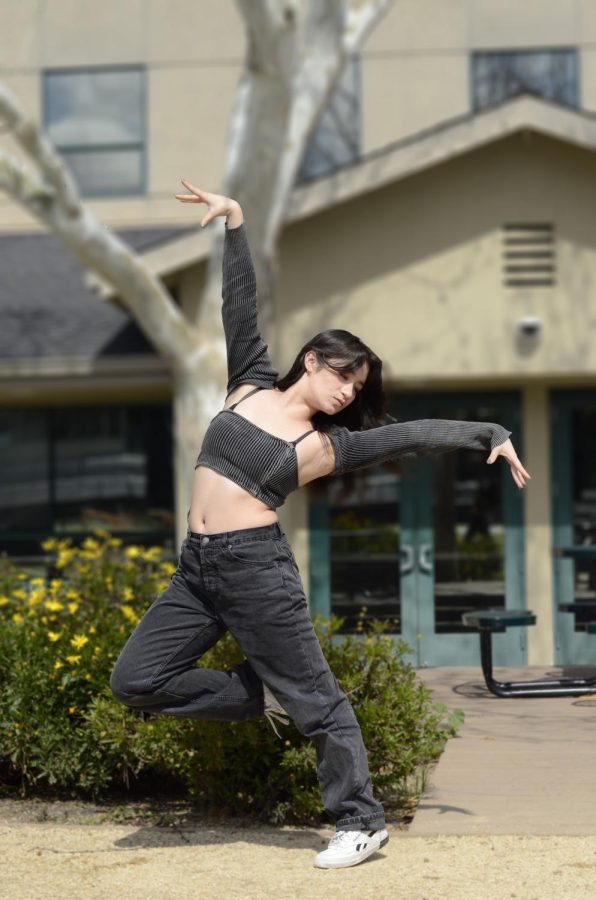
![“I wasn't discouraged by some of the obstacles we faced. I learned a lot from the leadership. I found that different people need different ways of receiving feedback — you can't [just] tell them to do something and expect the best. [Some] people needed more incentive. A large part of my role was to figure out what worked for everyone and to figure out how to lead all these separate individuals as a team,” Suhana Bhandare (’26) said.](https://harkeraquila.com/wp-content/uploads/2026/06/SuhanaBhandare_JasmineHansra-1-1200x798.jpg)
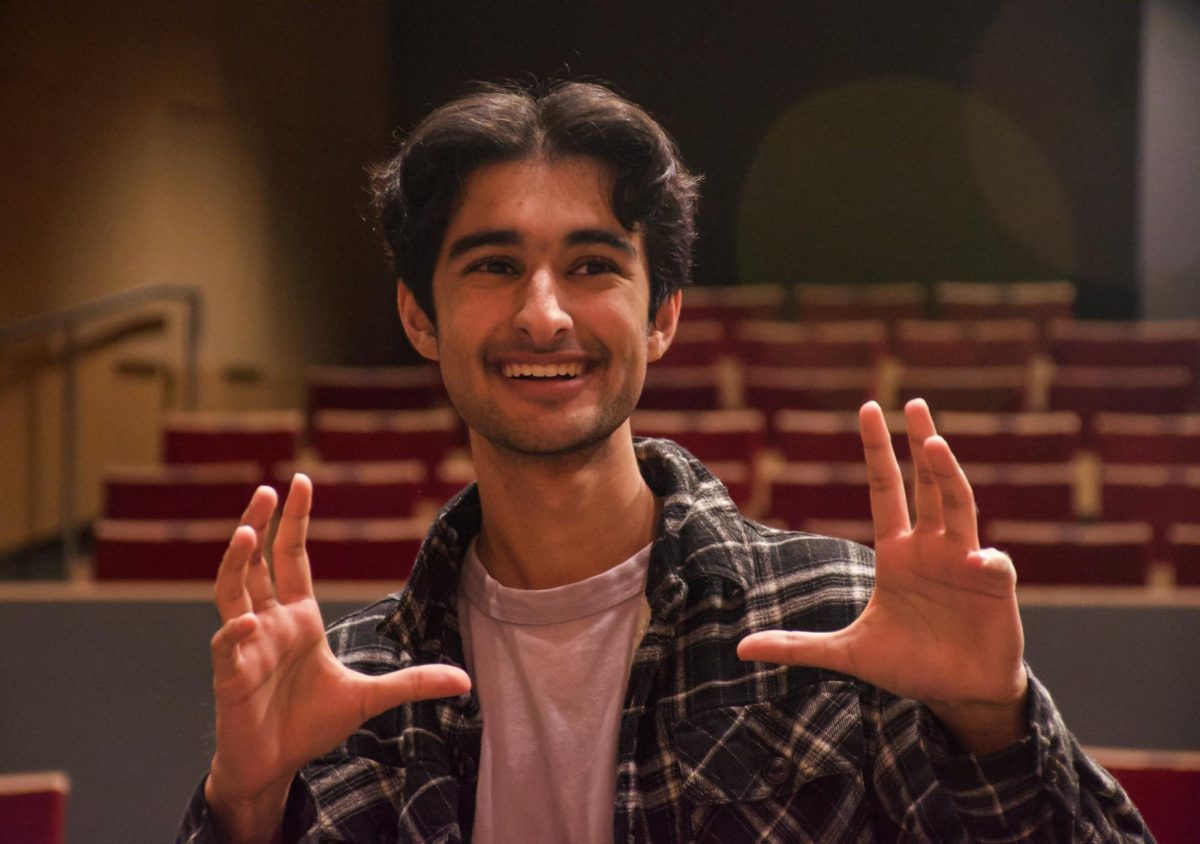
![“This is actually from Randy Pausch Randy P. Brick: ‘Walls are there for a reason. You have to show how much you want to overcome them.’ You have to show how much you want something. That's what I've always been able to do with tennis, Link Crew and getting that internship [with Kushy Baby]. It’s important pushing through that — getting around that brick wall, climbing over it or clawing through it,” Yash Sachdeva (’26) said.](https://harkeraquila.com/wp-content/uploads/2026/05/YashSachdeva_RamBatchu-copy-1200x1002.jpg)




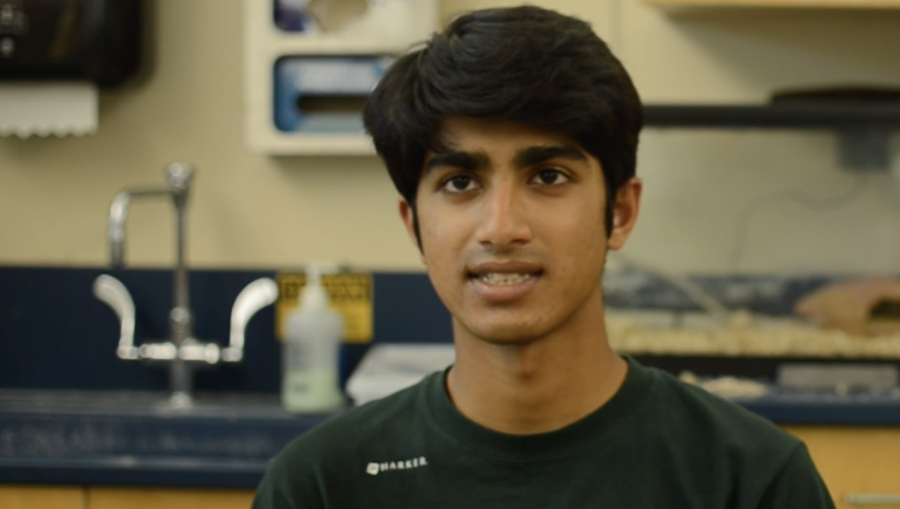
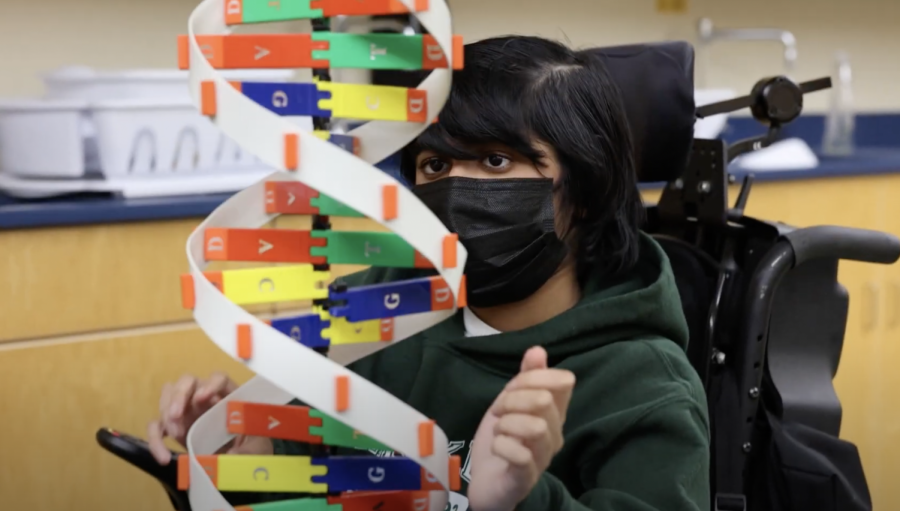
![“[Building nerf blasters] became this outlet of creativity for me that hasn't been matched by anything else. The process [of] making a build complete to your desire is such a painstakingly difficult process, but I've had to learn from [the skills needed from] soldering to proper painting. There's so many different options for everything, if you think about it, it exists. The best part is [that] if it doesn't exist, you can build it yourself," Ishaan Parate said.](https://harkeraquila.com/wp-content/uploads/2022/08/DSC_8149-900x604.jpg)
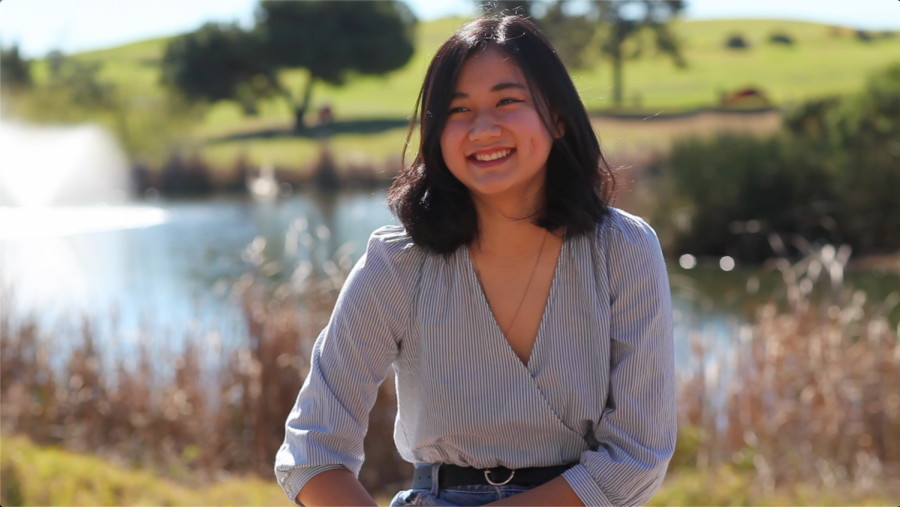
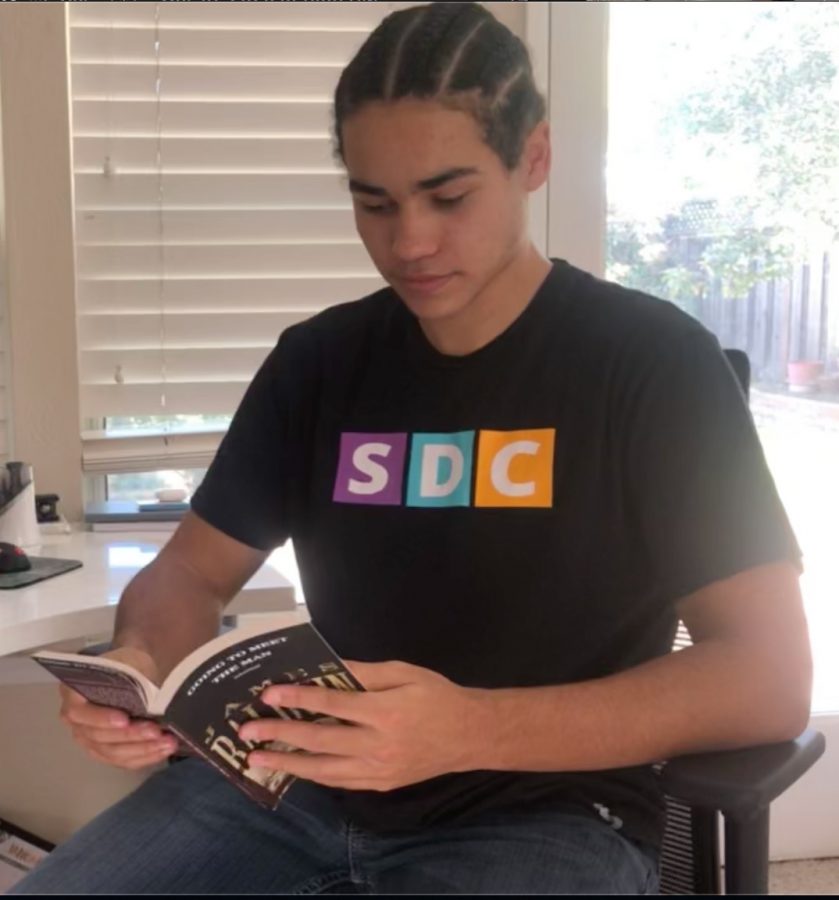
![“When I came into high school, I was ready to be a follower. But DECA was a game changer for me. It helped me overcome my fear of public speaking, and it's played such a major role in who I've become today. To be able to successfully lead a chapter of 150 students, an officer team and be one of the upperclassmen I once really admired is something I'm [really] proud of,” Anvitha Tummala ('21) said.](https://harkeraquila.com/wp-content/uploads/2021/07/Screen-Shot-2021-07-25-at-9.50.05-AM-900x594.png)

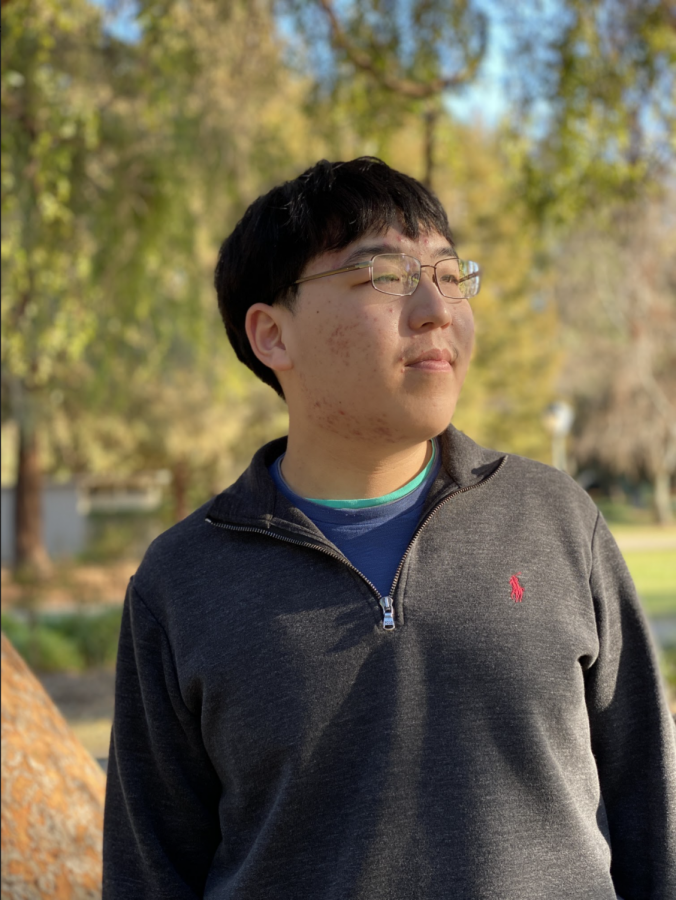
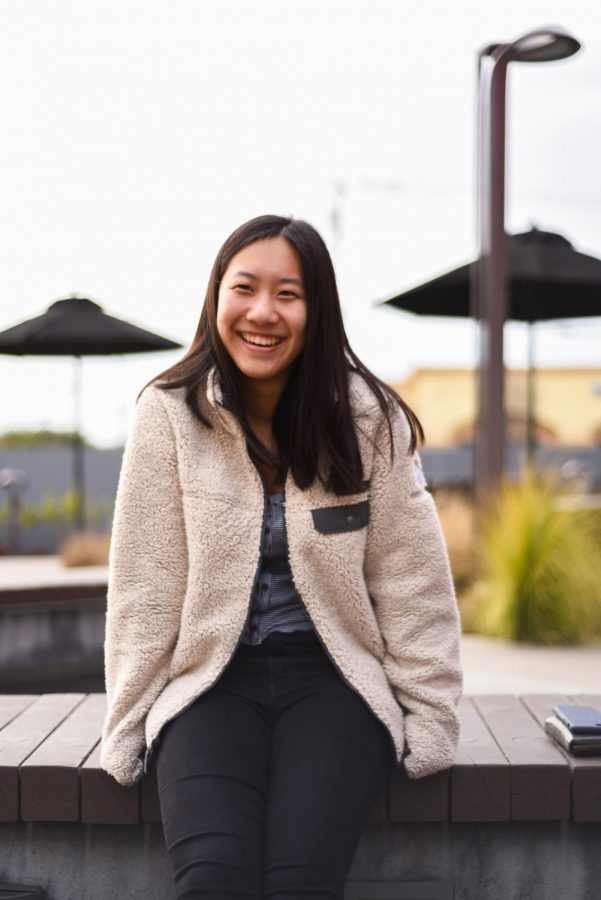
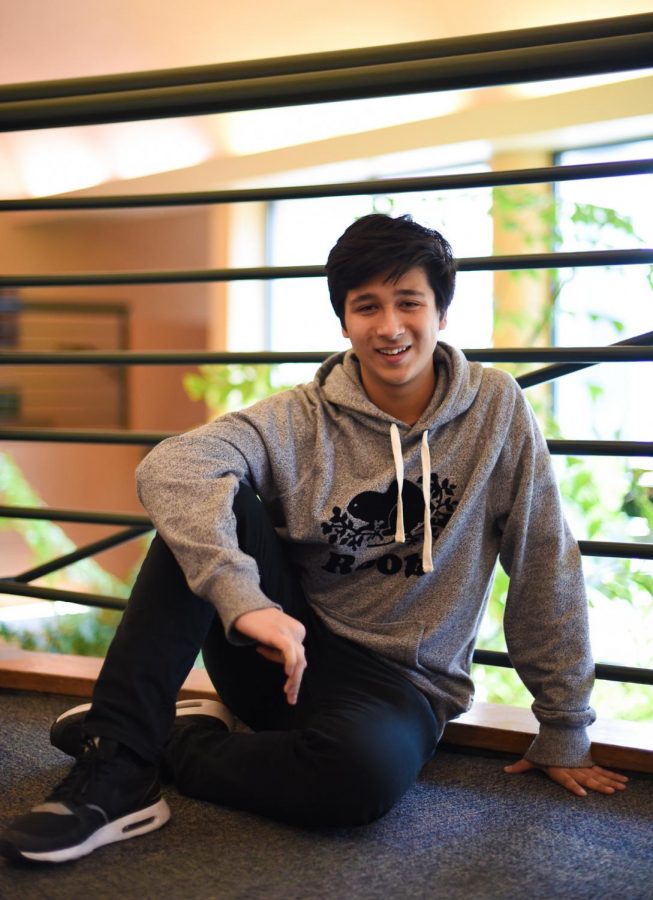
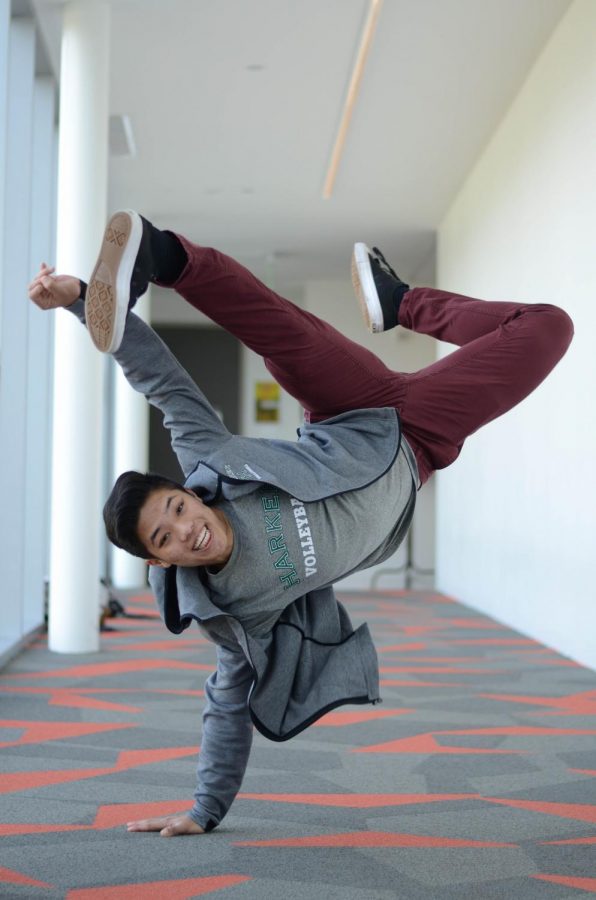
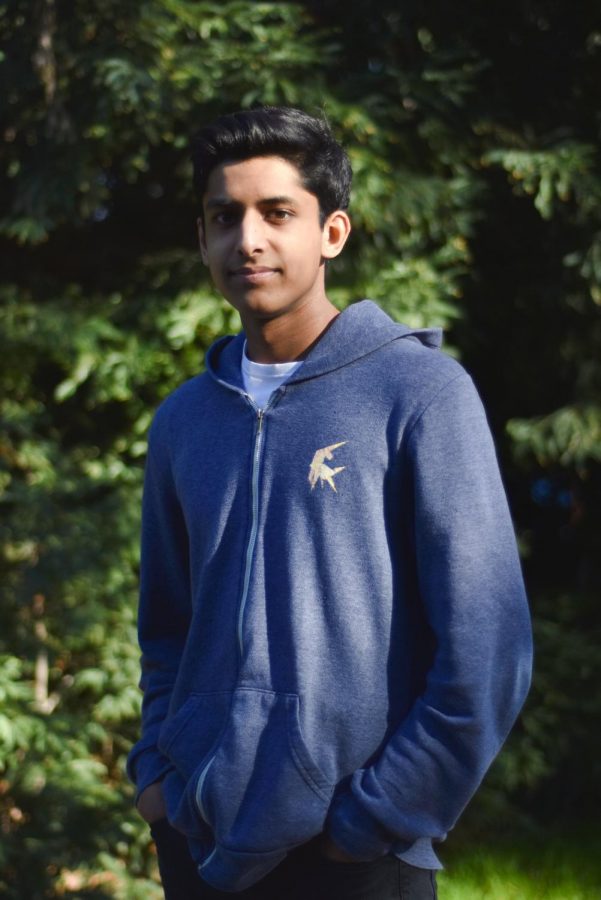

![“I think getting up in the morning and having a sense of purpose [is exciting]. I think without a certain amount of drive, life is kind of obsolete and mundane, and I think having that every single day is what makes each day unique and kind of makes life exciting,” Neymika Jain (12) said.](https://harkeraquila.com/wp-content/uploads/2017/06/Screen-Shot-2017-06-03-at-4.54.16-PM.png)
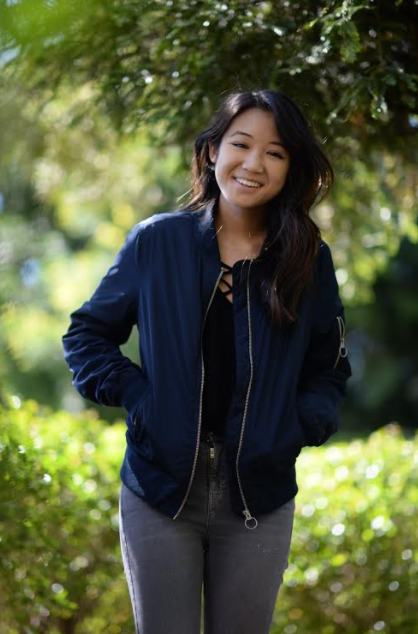
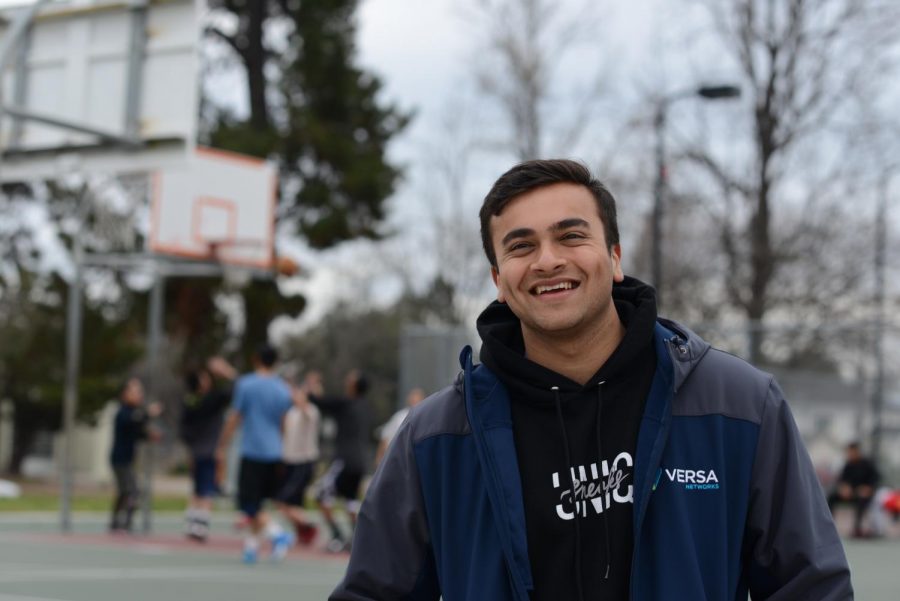
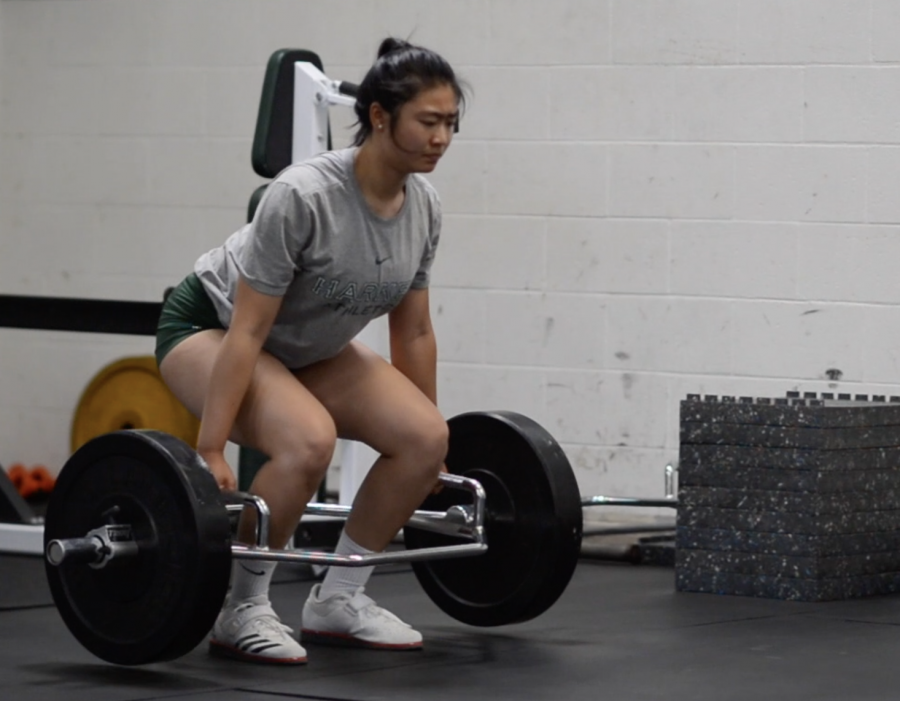

![“My slogan is ‘slow feet, don’t eat, and I’m hungry.’ You need to run fast to get where you are–you aren't going to get those championships if you aren't fast,” Angel Cervantes (12) said. “I want to do well in school on my tests and in track and win championships for my team. I live by that, [and] I can do that anywhere: in the classroom or on the field.”](https://harkeraquila.com/wp-content/uploads/2018/06/DSC5146-900x601.jpg)
![“[Volleyball has] taught me how to fall correctly, and another thing it taught is that you don’t have to be the best at something to be good at it. If you just hit the ball in a smart way, then it still scores points and you’re good at it. You could be a background player and still make a much bigger impact on the team than you would think,” Anya Gert (’20) said.](https://harkeraquila.com/wp-content/uploads/2020/06/AnnaGert_JinTuan_HoHPhotoEdited-600x900.jpeg)
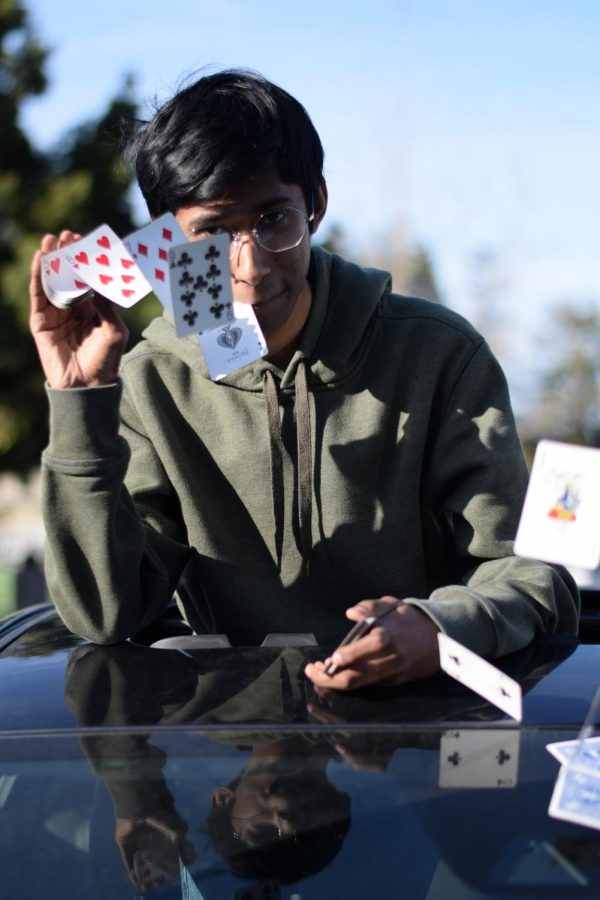
![“I'm not nearly there yet, but [my confidence has] definitely been getting better since I was pretty shy and timid coming into Harker my freshman year. I know that there's a lot of people that are really confident in what they do, and I really admire them. Everyone's so driven and that has really pushed me to kind of try to find my own place in high school and be more confident,” Alyssa Huang (’20) said.](https://harkeraquila.com/wp-content/uploads/2020/06/AlyssaHuang_EmilyChen_HoHPhoto-900x749.jpeg)

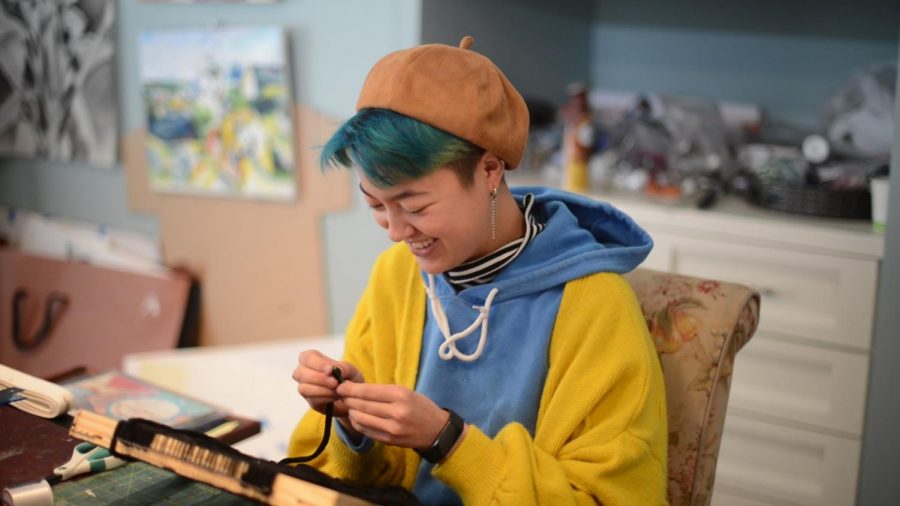

As the rehearsal ends, the room fills with the sounds of sheet music pages shuffling around, instrument cases banging against each other and people chattering. While others slowly trickle out of the room, a select few remain, helping others with the music or communicating with the adults. All around the room, principals help to manage and lead the orchestra with care and enthusiasm, often sacrificing their time and energy to improve the orchestra.
Section leaders, also known as principals, are student leaders who take a role in guiding their section. They serve as an intermediary between instrumental music teacher Jaco Wong and the 72 students in orchestra.
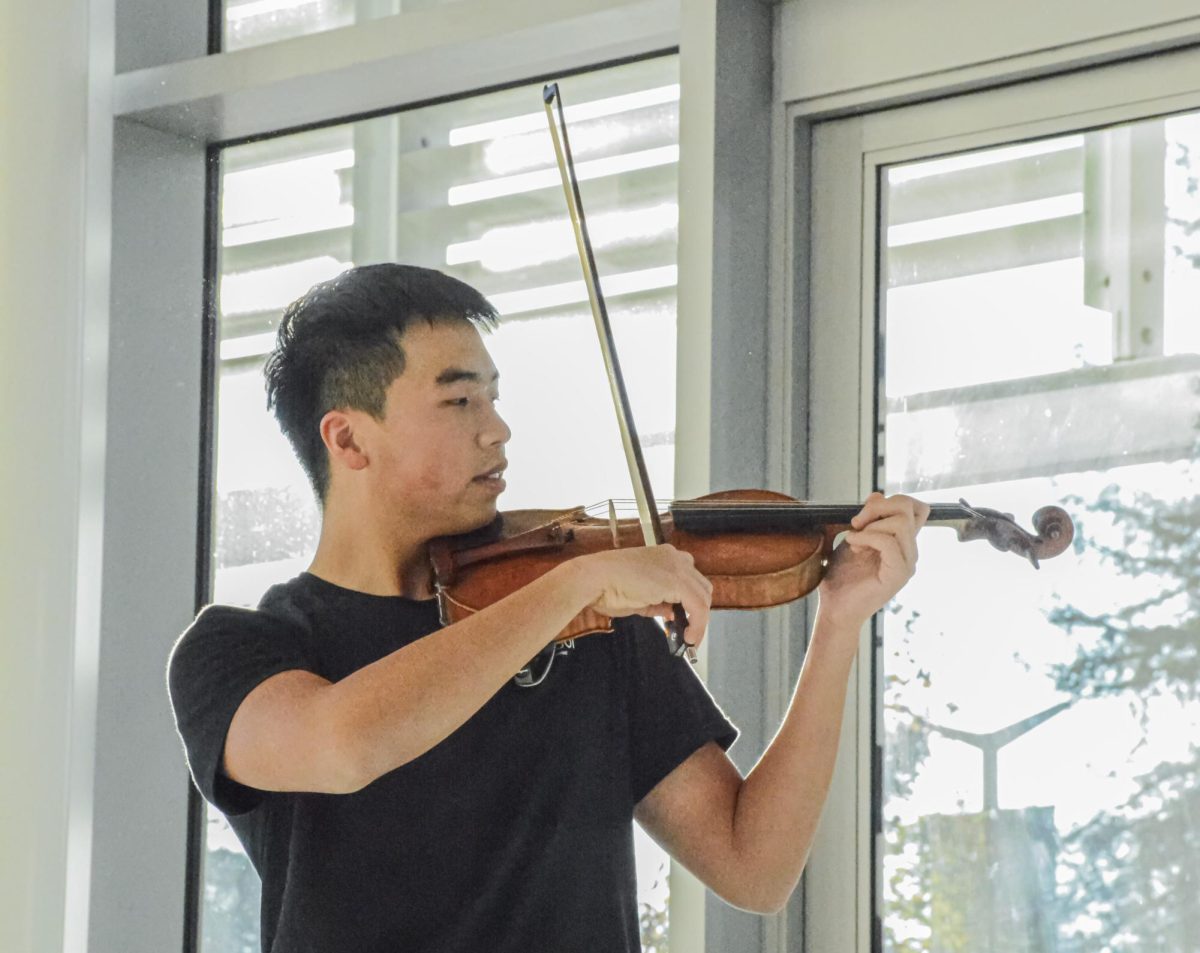
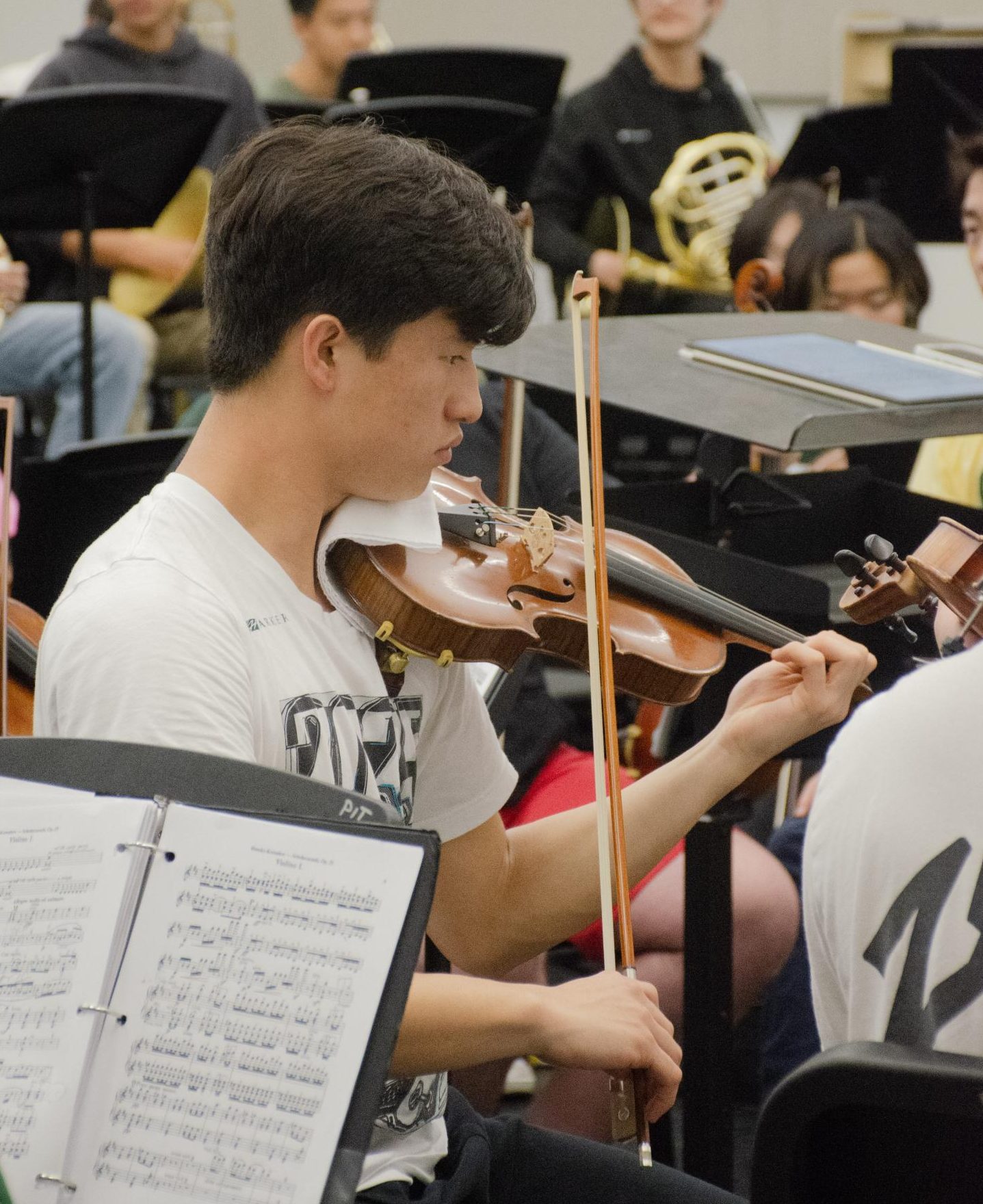
Second chair of the first violins, Alex Zhong (12), is also the associate concertmaster of the orchestra and a leader of the violin section alongside first chair and concertmaster, Andre Lu (12). During rehearsals, Alex works to support the first chair and keep everyone on task.
“The section leaders are instrumental in leading rehearsal and pointing out specific spots that, during rehearsals with a full orchestra, Mr. Wong doesn’t have time to nitpick,” Alex said. “They are also the main leader during sectionals, and a major role is to make that particular instrument section look like everybody is on the same page.”
During sectionals, individual rehearsals with specific sections of the orchestra, principals lead their sections and make sure that they play cohesively without the presence of Woodruff or Wong.
“The biggest challenge is trying to keep people on task and having them do what the leaders tell them to,” Alex said. “Us section leaders, we’re also students and players in the orchestra, so we don’t necessarily have that authority that other adults do.”
Through their youth, section leaders have the unique opportunity to connect with their peers. When clarinet principal Eric Dong (11) first began learning clarinet, having an enthusiastic teacher helped develop his love for the instrument. Now, as leader of his section, he strives to do the same for others.
“One of the most important parts of being a principal is making orchestra a good experience for others,” Eric said. “On a practical level, it makes people want to practice more, and they’ll actually show up to the rehearsals. Some of the principals in the past made it a lot more fun to be in orchestra, and that’s what I try to do with my section too.”
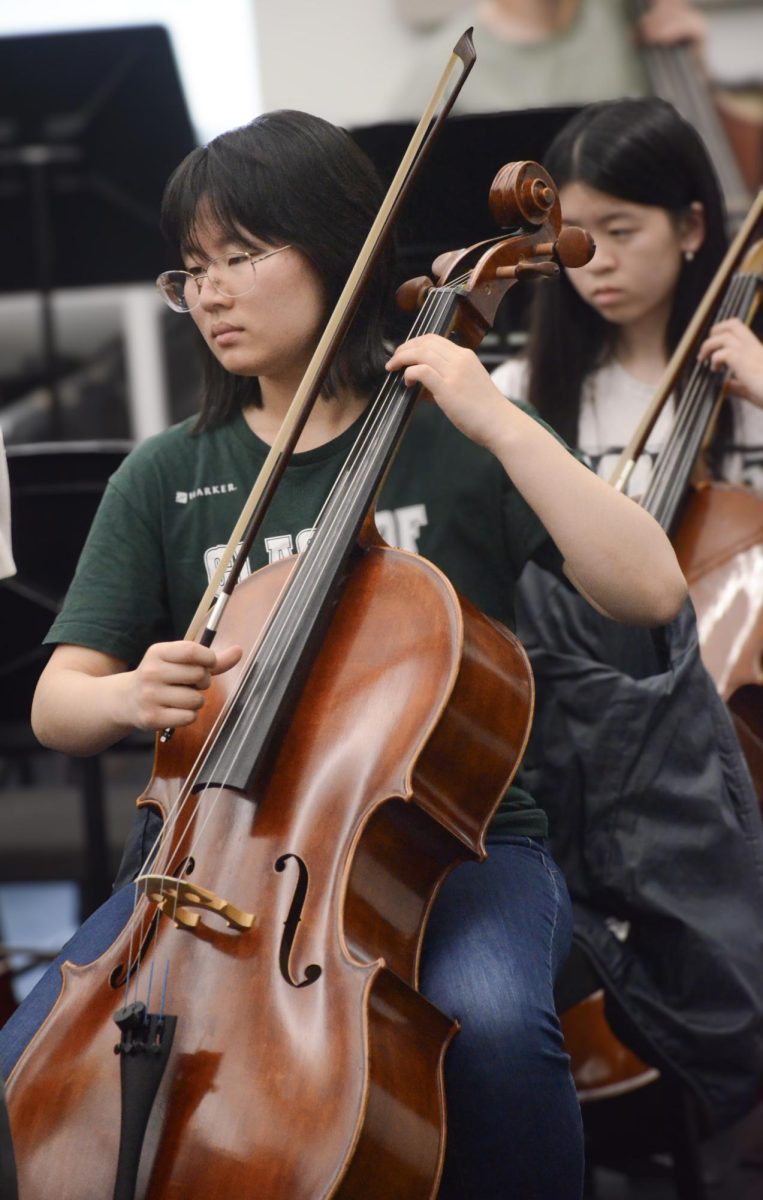
Principals spend hours on their section both inside and outside of class, from directing others in rehearsals to poring over sheet music. During sectionals, cello principal Aya Sugaya (11) often takes notes, then reviews them and organizes what to focus on in the next rehearsal after class.
“Being a section leader has definitely helped my confidence, communication, organization and time management,” Aya Sugaya (11) said. “Before sectionals, I’ll set aside time to just listen to recordings of the pieces, go through the sheet music, mark down fingerings I think the section could use, which requires me managing my time so I can have that period to work on the music.”
Section leaders act as a mentor for younger players in the orchestra. From informing them on what to pack for an orchestra trip to encouraging them to speak up with their own ideas, section leaders seek to cultivate an environment within the orchestra that stimulates growth and connection.
“A lot of it is a mentorship role beyond the instruments and beyond the orchestra room,” Alex said. “Because of my seniority, I’ve had the privilege to talk to and connect with the underclassmen string players and mentor them, not just on the violin but on life in general. Being a section leader has really helped me to connect and create stronger bonds with the other players in my section.”