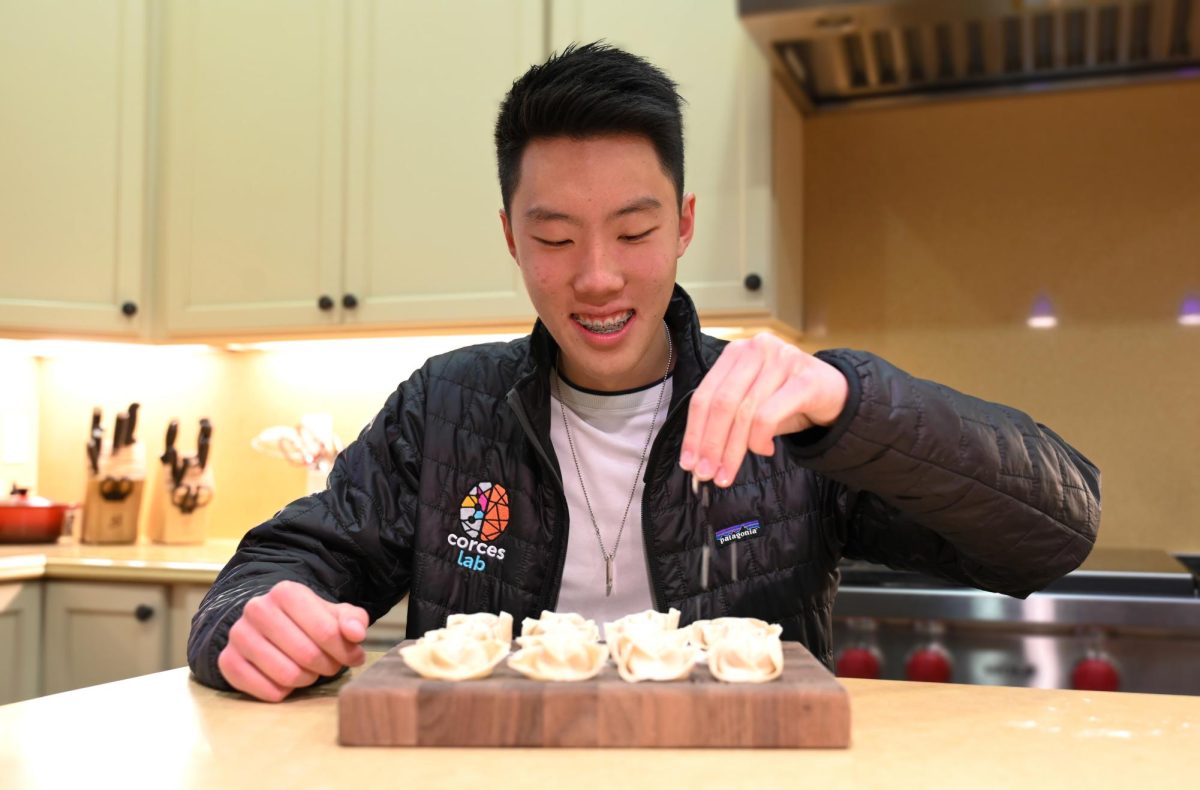
![“I wasn't discouraged by some of the obstacles we faced. I learned a lot from the leadership. I found that different people need different ways of receiving feedback — you can't [just] tell them to do something and expect the best. [Some] people needed more incentive. A large part of my role was to figure out what worked for everyone and to figure out how to lead all these separate individuals as a team,” Suhana Bhandare (’26) said.](https://harkeraquila.com/wp-content/uploads/2026/06/SuhanaBhandare_JasmineHansra-1-1200x798.jpg)


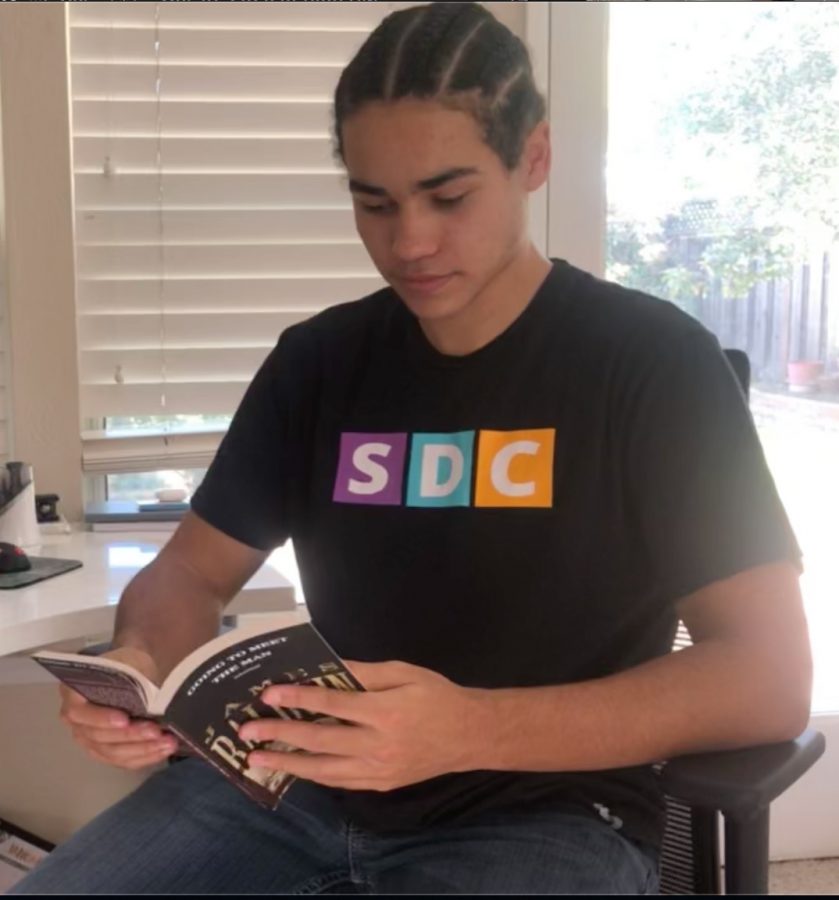
![“This is actually from Randy Pausch Randy P. Brick: ‘Walls are there for a reason. You have to show how much you want to overcome them.’ You have to show how much you want something. That's what I've always been able to do with tennis, Link Crew and getting that internship [with Kushy Baby]. It’s important pushing through that — getting around that brick wall, climbing over it or clawing through it,” Yash Sachdeva (’26) said.](https://harkeraquila.com/wp-content/uploads/2026/05/YashSachdeva_RamBatchu-copy-1200x1002.jpg)









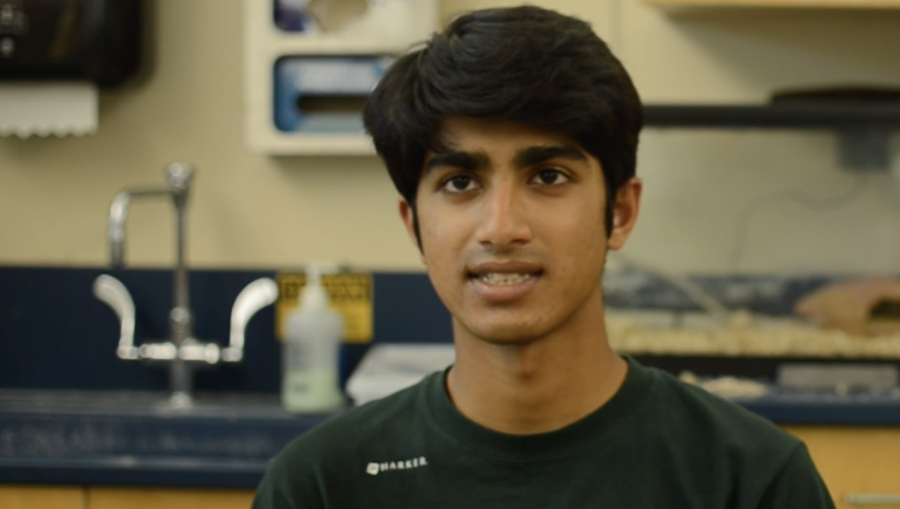
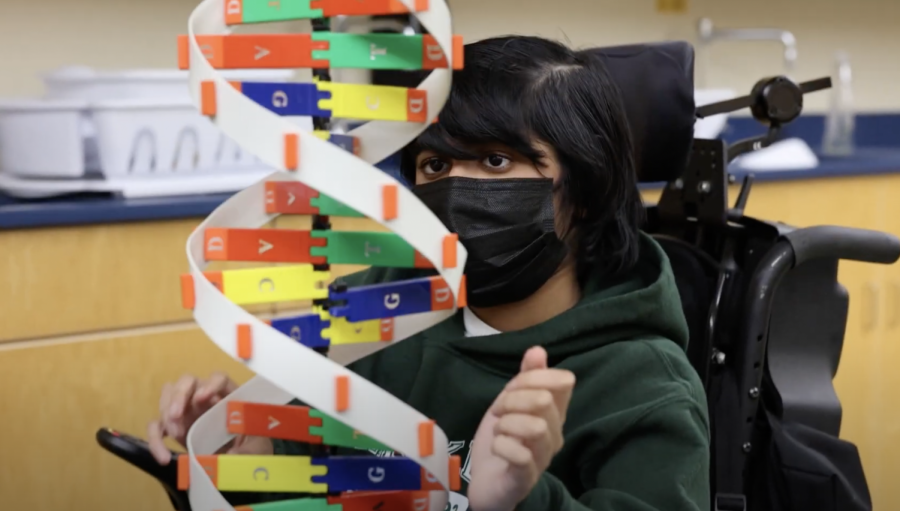
![“[Building nerf blasters] became this outlet of creativity for me that hasn't been matched by anything else. The process [of] making a build complete to your desire is such a painstakingly difficult process, but I've had to learn from [the skills needed from] soldering to proper painting. There's so many different options for everything, if you think about it, it exists. The best part is [that] if it doesn't exist, you can build it yourself," Ishaan Parate said.](https://harkeraquila.com/wp-content/uploads/2022/08/DSC_8149-900x604.jpg)
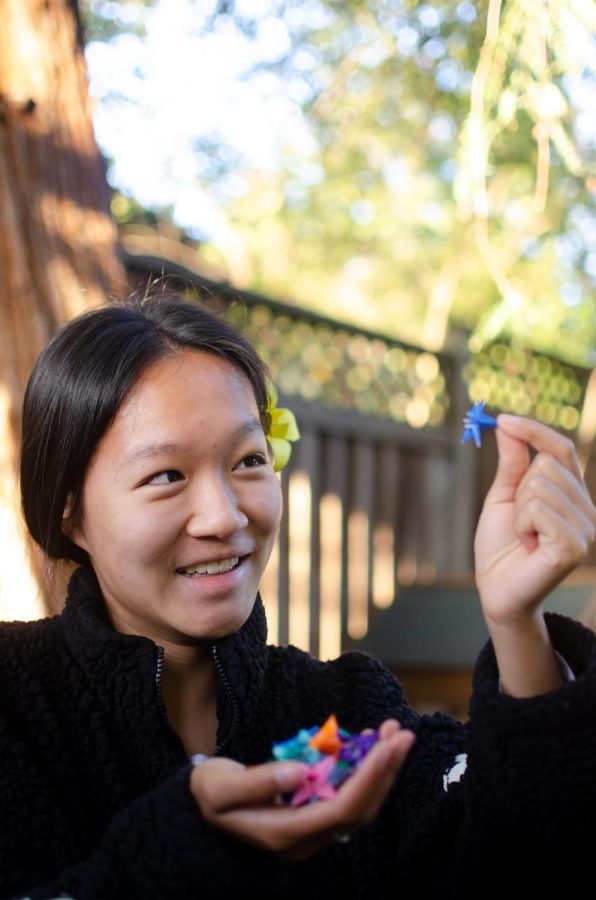


![“When I came into high school, I was ready to be a follower. But DECA was a game changer for me. It helped me overcome my fear of public speaking, and it's played such a major role in who I've become today. To be able to successfully lead a chapter of 150 students, an officer team and be one of the upperclassmen I once really admired is something I'm [really] proud of,” Anvitha Tummala ('21) said.](https://harkeraquila.com/wp-content/uploads/2021/07/Screen-Shot-2021-07-25-at-9.50.05-AM-900x594.png)

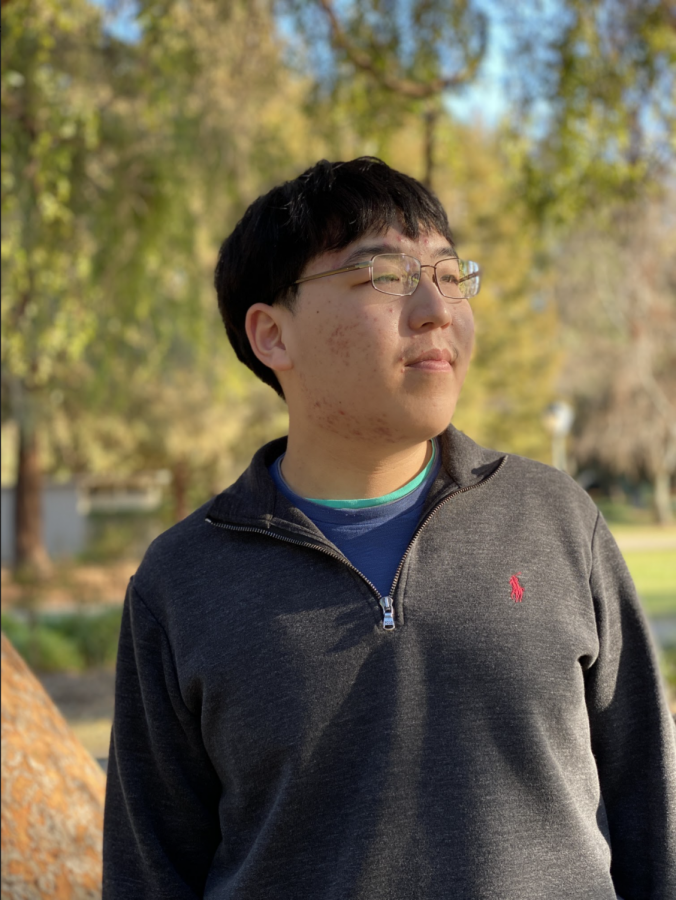


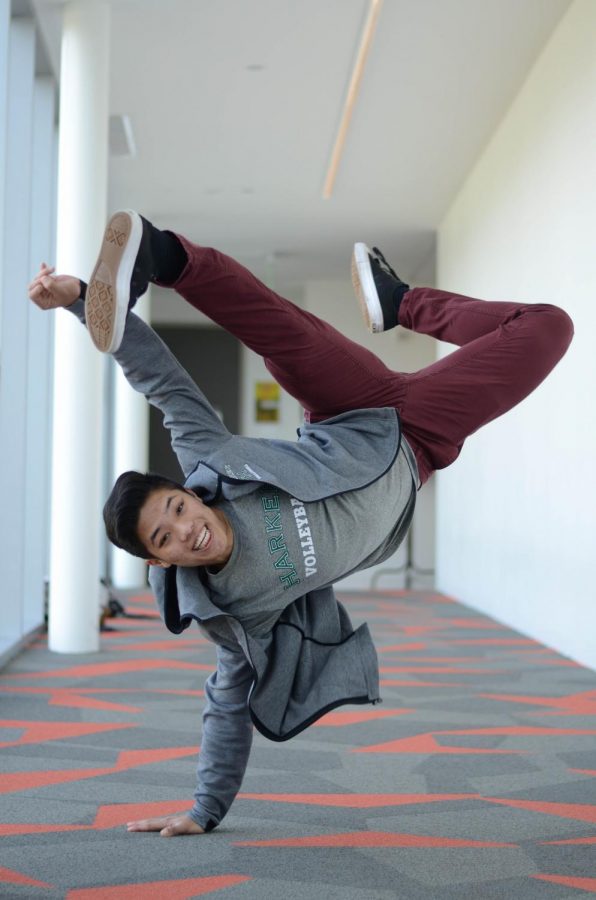


![“I think getting up in the morning and having a sense of purpose [is exciting]. I think without a certain amount of drive, life is kind of obsolete and mundane, and I think having that every single day is what makes each day unique and kind of makes life exciting,” Neymika Jain (12) said.](https://harkeraquila.com/wp-content/uploads/2017/06/Screen-Shot-2017-06-03-at-4.54.16-PM.png)

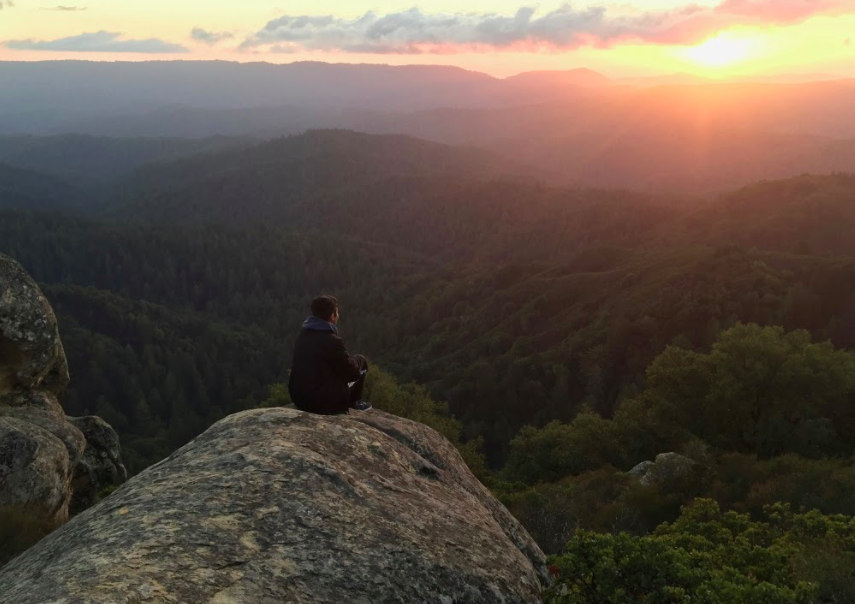






![“My slogan is ‘slow feet, don’t eat, and I’m hungry.’ You need to run fast to get where you are–you aren't going to get those championships if you aren't fast,” Angel Cervantes (12) said. “I want to do well in school on my tests and in track and win championships for my team. I live by that, [and] I can do that anywhere: in the classroom or on the field.”](https://harkeraquila.com/wp-content/uploads/2018/06/DSC5146-900x601.jpg)
![“[Volleyball has] taught me how to fall correctly, and another thing it taught is that you don’t have to be the best at something to be good at it. If you just hit the ball in a smart way, then it still scores points and you’re good at it. You could be a background player and still make a much bigger impact on the team than you would think,” Anya Gert (’20) said.](https://harkeraquila.com/wp-content/uploads/2020/06/AnnaGert_JinTuan_HoHPhotoEdited-600x900.jpeg)
![“I'm not nearly there yet, but [my confidence has] definitely been getting better since I was pretty shy and timid coming into Harker my freshman year. I know that there's a lot of people that are really confident in what they do, and I really admire them. Everyone's so driven and that has really pushed me to kind of try to find my own place in high school and be more confident,” Alyssa Huang (’20) said.](https://harkeraquila.com/wp-content/uploads/2020/06/AlyssaHuang_EmilyChen_HoHPhoto-900x749.jpeg)


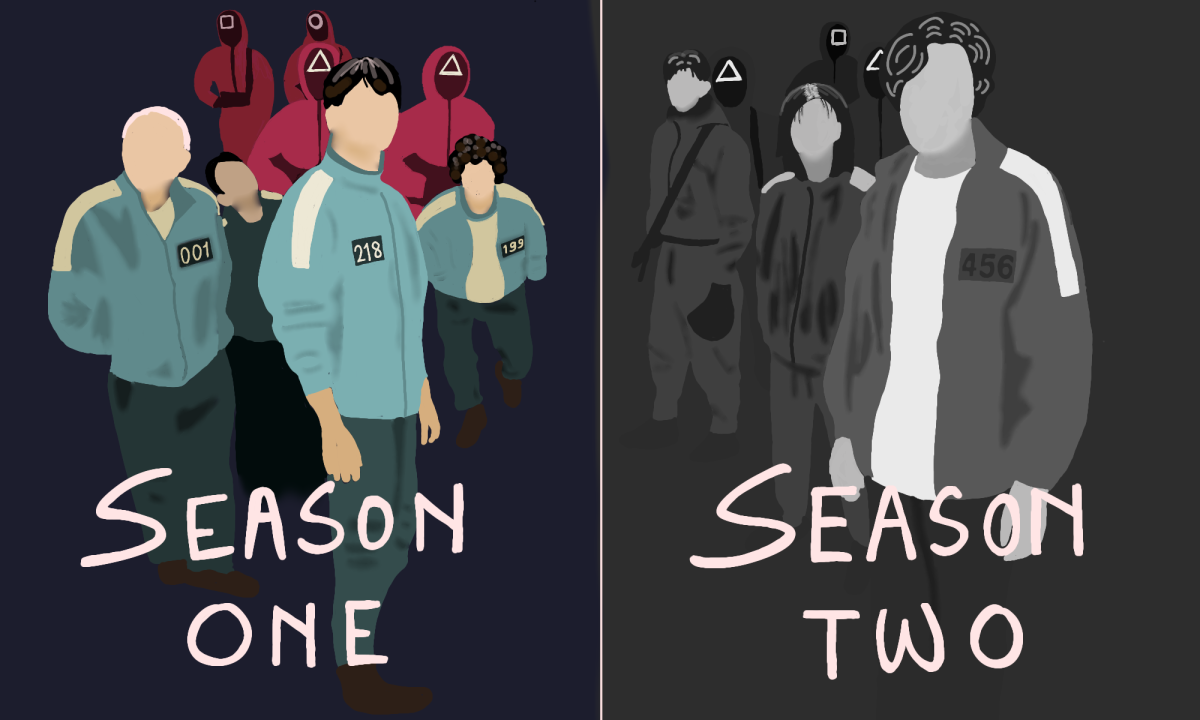
Squid Game’s second season became the third most watched show on Netflix within days of its release. The show’s first season was succinct and cutting, stimulating conversations about the effects of capitalism on society. Although I thought the first season created a complete narrative, I was excited for another. However, while watching the second season, I could not help but feel that it defeated the purpose of the first.
In terms of production and entertainment value, Squid Game’s second season delivers. The videography looks stunning, the actors perform their roles impeccably and the plot is engaging. Nevertheless, something appears to be missing.
The first season created an immersive new world with its fantastical game. The gameplay itself was simple, but it raised some questions for the audience. Who was the person controlling the game, and what was their motivation? These mysteries and their lack of real conclusions make the show so compelling—they are what keep the viewers making up theories and extrapolating their own themes.
By centering the plot around finding the origin of the game, Squid Game’s second season spoils this sense of mystery. As the show spoon-fed more and more information to me, I no longer needed to guess the origin of the game or come up with my own theories. Instead, the show felt mind-numbing — something to have on in the background rather than devote my full attention to.
This show’s plots may still be interesting, but it loses what made the first season so special. I felt more engaged with Squid Game when it embraced its simple but inventive concept rather than trying to make their worlds larger and larger. While creators may feel the need to explain every aspect of their shows, they should instead allow viewers to fill in the gaps.
The decline of Squid Game’s storytelling may have its roots in the director’s motivation for creating a second season. While the first season was born out of creator Hwang Dong-hyuk’s frustration with the capitalistic elite, the second season is a result of capitalist business taking advantage of him. Originally, Hwang only envisioned one season for his show due to the stress he experienced directing the first. However, he produced a second season due to Netflix not paying him fairly despite the success of Squid Game.
Squid Game’s anti-capitalist message becomes further diluted with the many trends and challenges associated with the show. This issue already became apparent after the release of the first season, but the second exacerbated it. Popular YouTuber Mr. Beast made his own spinoff of the show called “Beast Games,” where 2,000 contestants fight for a grand prize of five million dollars. This reality show fundamentally misunderstands the point of Squid Game. It trivializes the original show’s themes, reducing it to just a game show rather than a brutal and critical thriller.
Ultimately, Hwang is not the problem—he is just another victim of the injustice of capitalism. While it took 12 years to create Squid Game’s first season, season two came just three years following the first. The final season of the show is predicted to come out in 2025. This accelerated timeline proves that Netflix wants to capitalize on the Squid Game buzz rather than letting the excellent first season stand by itself.
Squid Game’s first season captivated me. The second, despite its production quality, failed to capture that same feeling. Creating a franchise out of a show so blatantly anti-capitalist rubs me the wrong way, and it renders its own message less impactful.