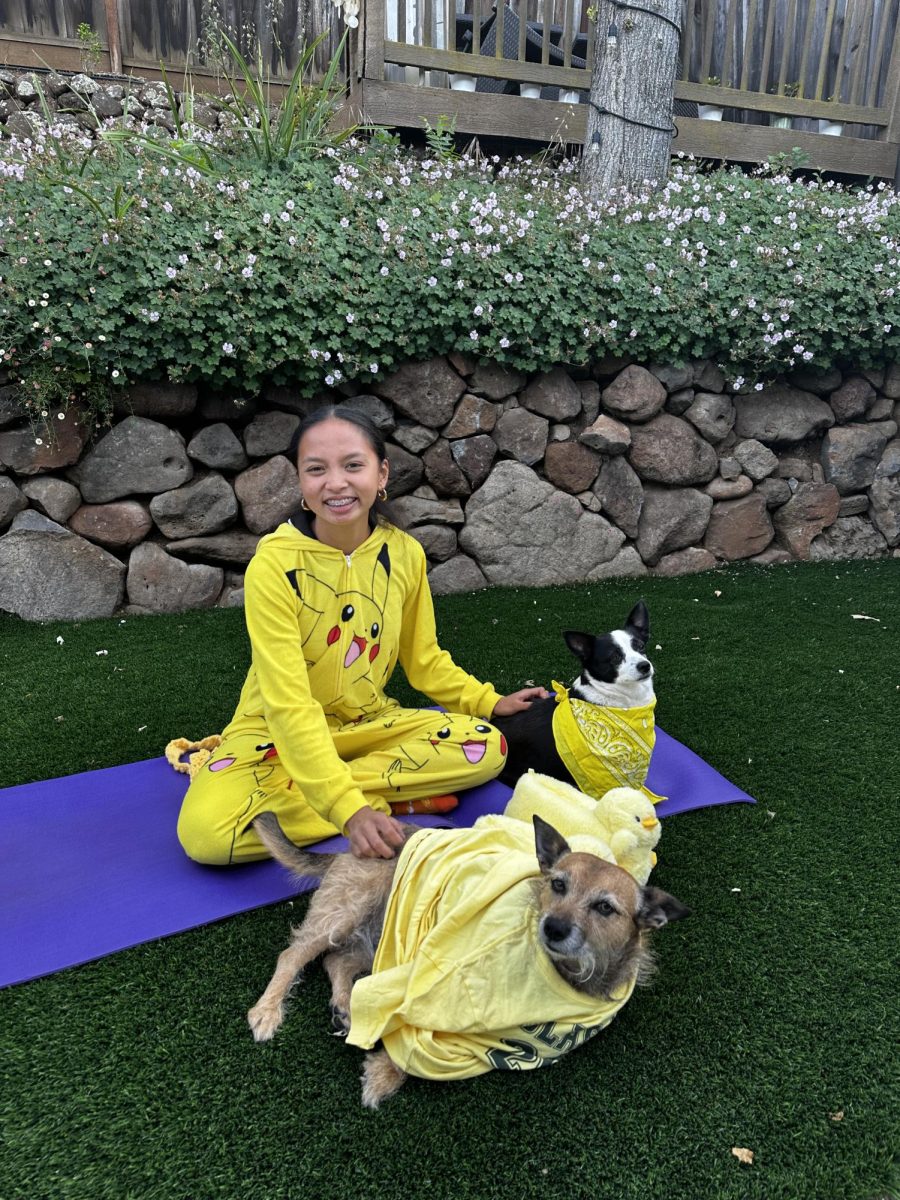
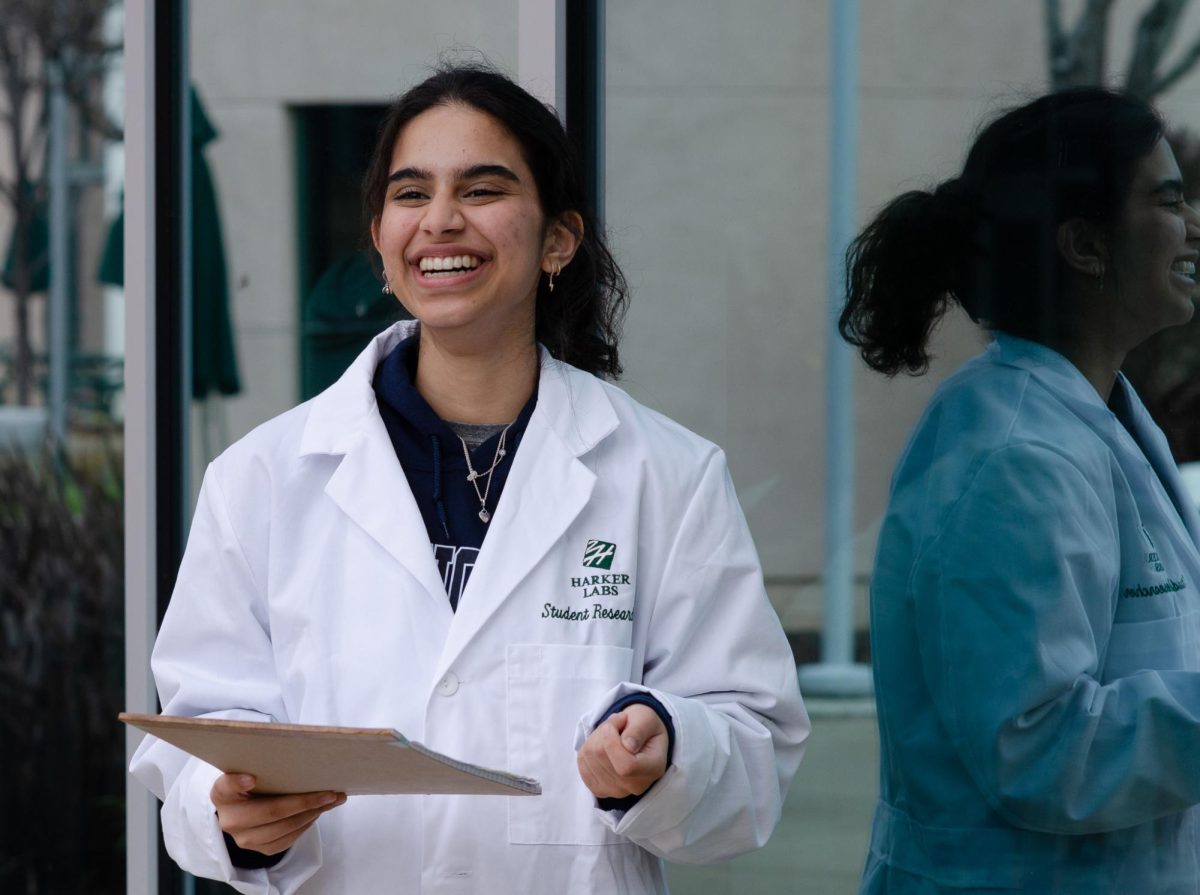
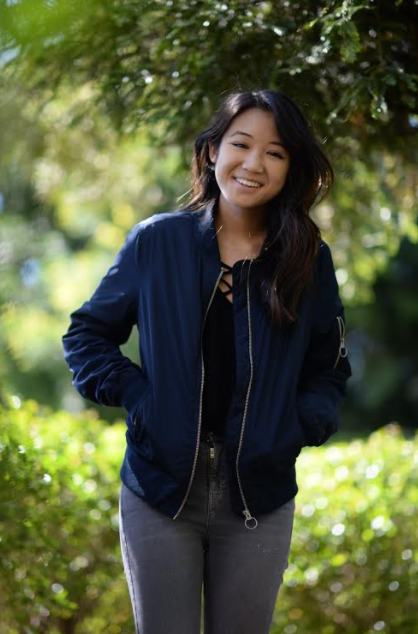
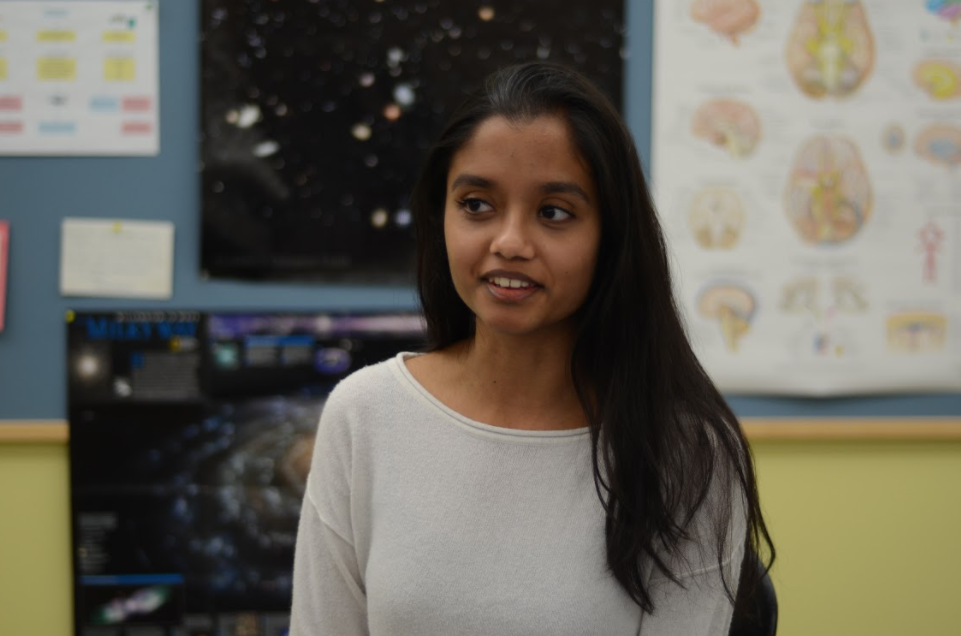
![“I wasn't discouraged by some of the obstacles we faced. I learned a lot from the leadership. I found that different people need different ways of receiving feedback — you can't [just] tell them to do something and expect the best. [Some] people needed more incentive. A large part of my role was to figure out what worked for everyone and to figure out how to lead all these separate individuals as a team,” Suhana Bhandare (’26) said.](https://harkeraquila.com/wp-content/uploads/2026/06/SuhanaBhandare_JasmineHansra-1-1200x798.jpg)
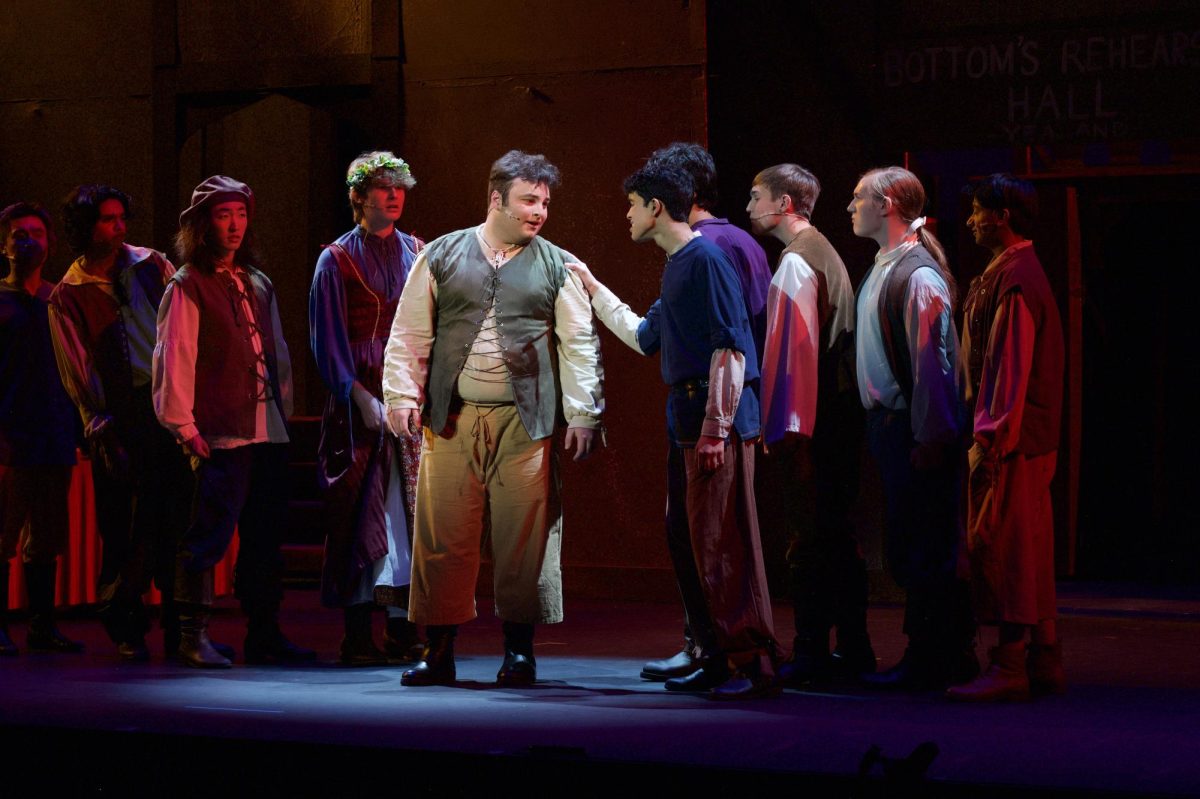
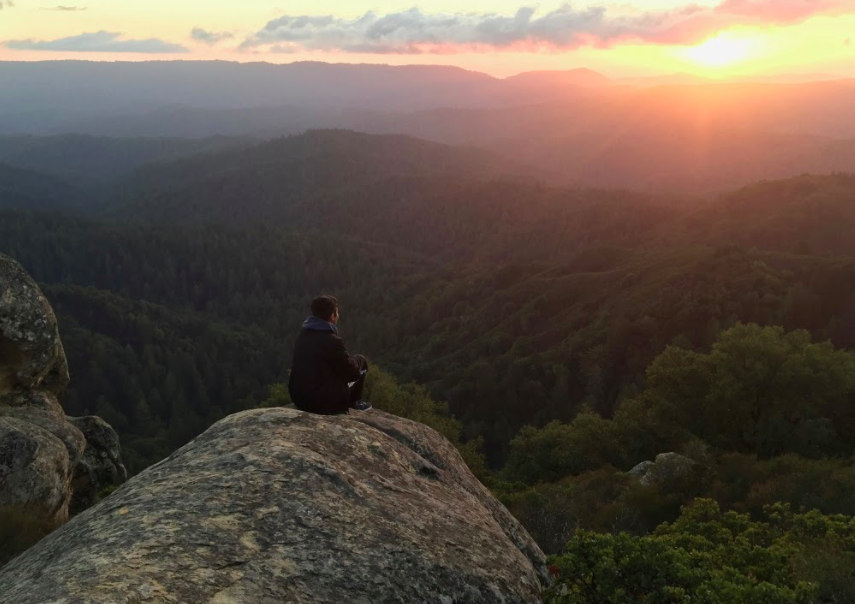
![“This is actually from Randy Pausch Randy P. Brick: ‘Walls are there for a reason. You have to show how much you want to overcome them.’ You have to show how much you want something. That's what I've always been able to do with tennis, Link Crew and getting that internship [with Kushy Baby]. It’s important pushing through that — getting around that brick wall, climbing over it or clawing through it,” Yash Sachdeva (’26) said.](https://harkeraquila.com/wp-content/uploads/2026/05/YashSachdeva_RamBatchu-copy-1200x1002.jpg)







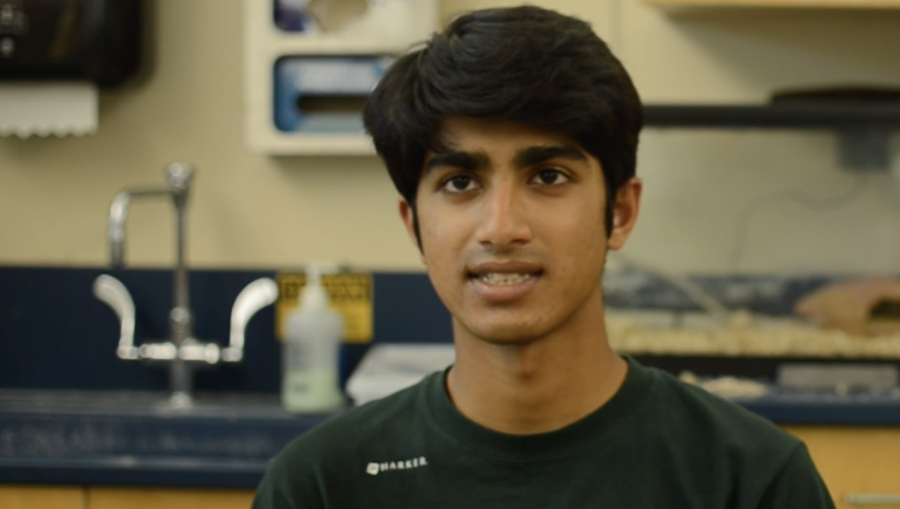
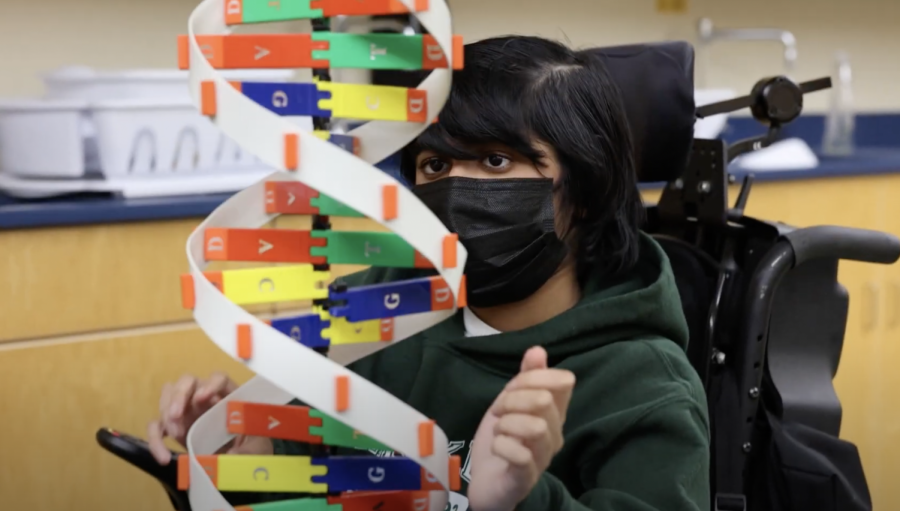
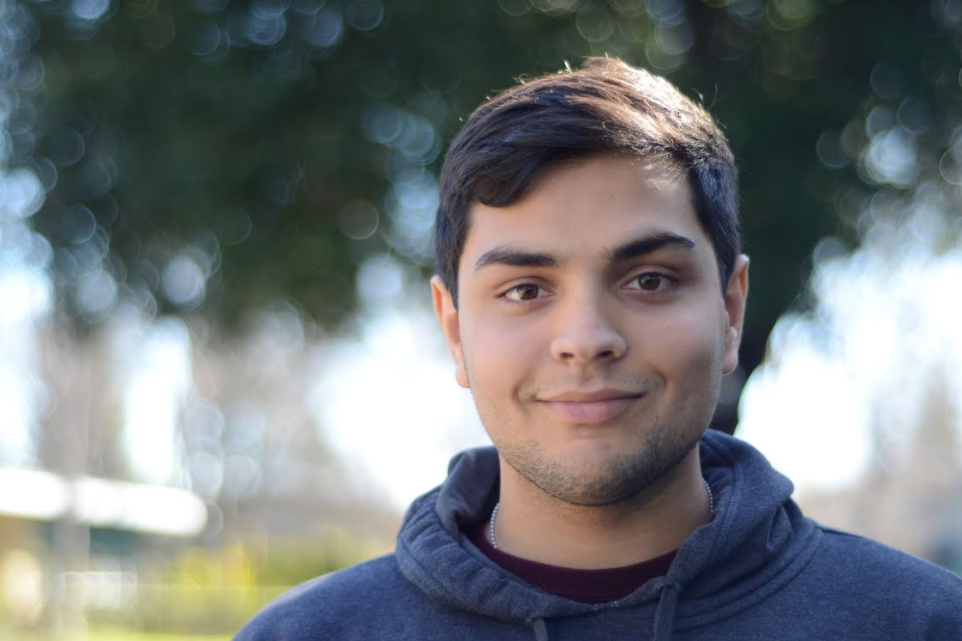
![“[Building nerf blasters] became this outlet of creativity for me that hasn't been matched by anything else. The process [of] making a build complete to your desire is such a painstakingly difficult process, but I've had to learn from [the skills needed from] soldering to proper painting. There's so many different options for everything, if you think about it, it exists. The best part is [that] if it doesn't exist, you can build it yourself," Ishaan Parate said.](https://harkeraquila.com/wp-content/uploads/2022/08/DSC_8149-900x604.jpg)
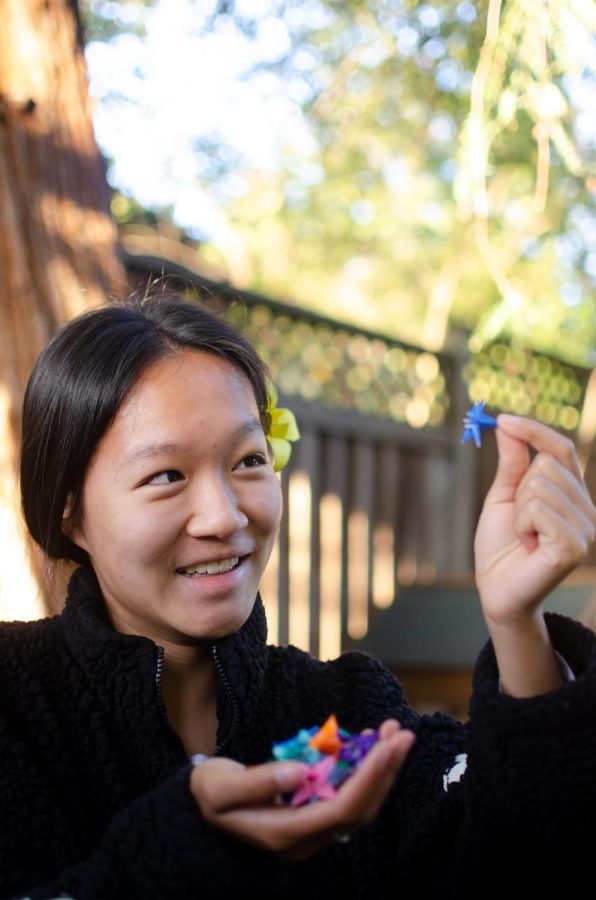
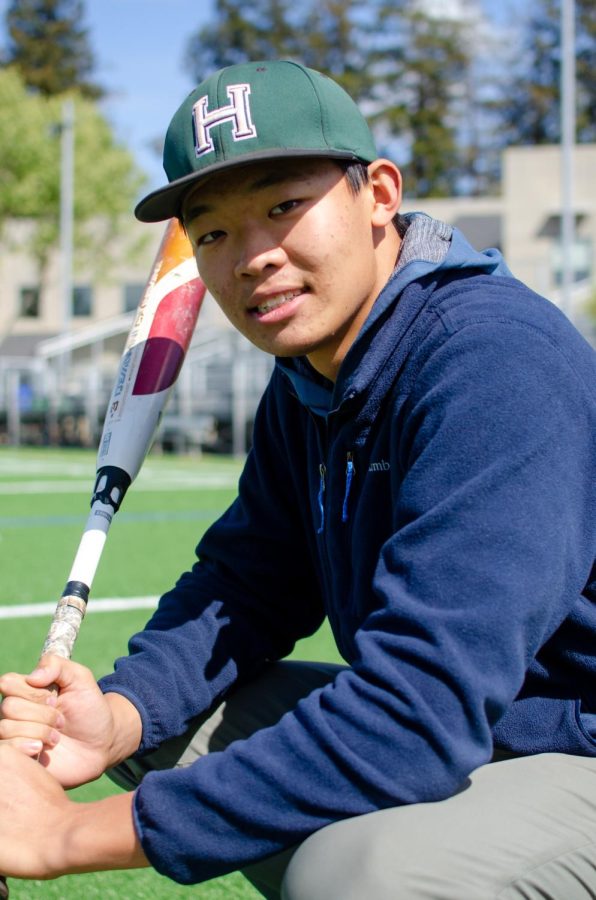
![“When I came into high school, I was ready to be a follower. But DECA was a game changer for me. It helped me overcome my fear of public speaking, and it's played such a major role in who I've become today. To be able to successfully lead a chapter of 150 students, an officer team and be one of the upperclassmen I once really admired is something I'm [really] proud of,” Anvitha Tummala ('21) said.](https://harkeraquila.com/wp-content/uploads/2021/07/Screen-Shot-2021-07-25-at-9.50.05-AM-900x594.png)
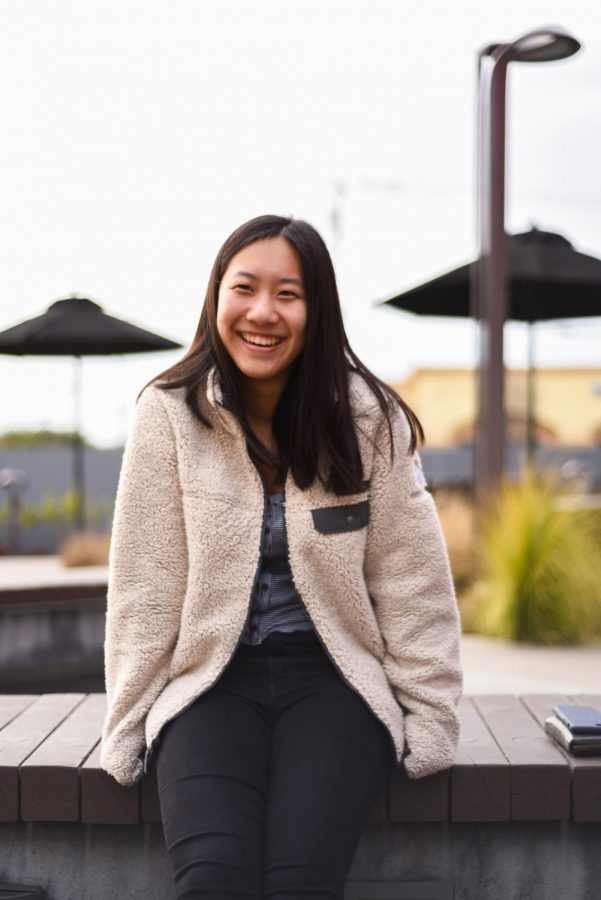
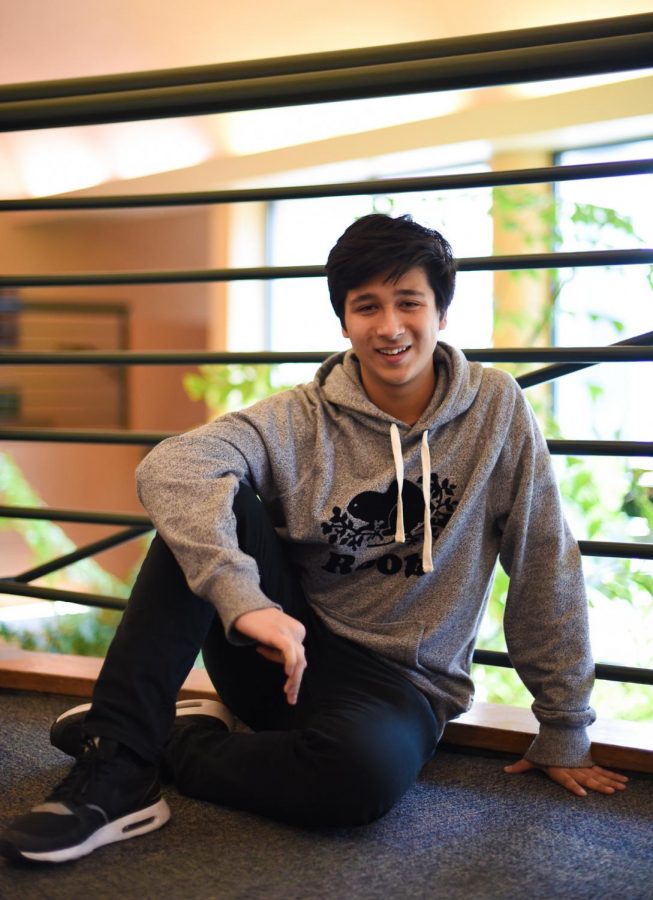
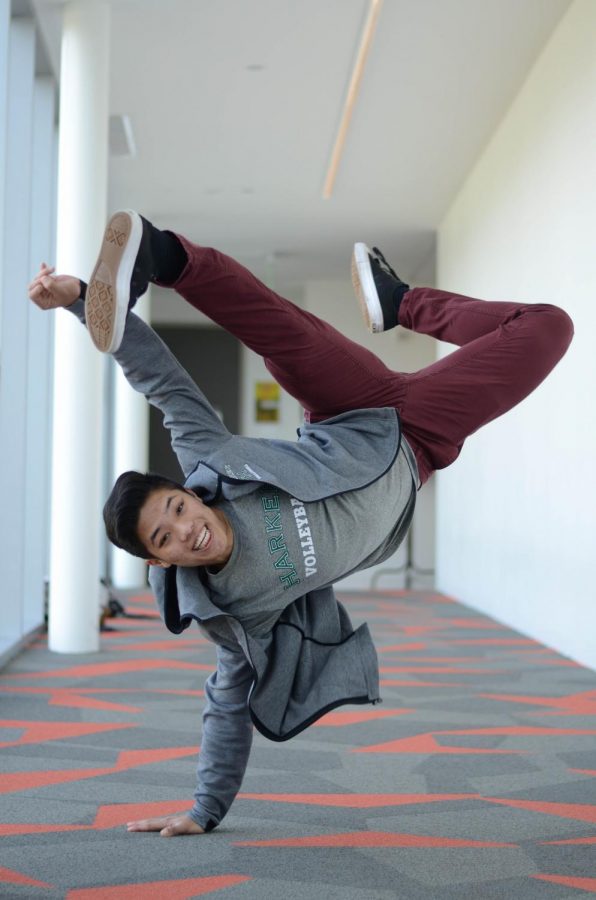
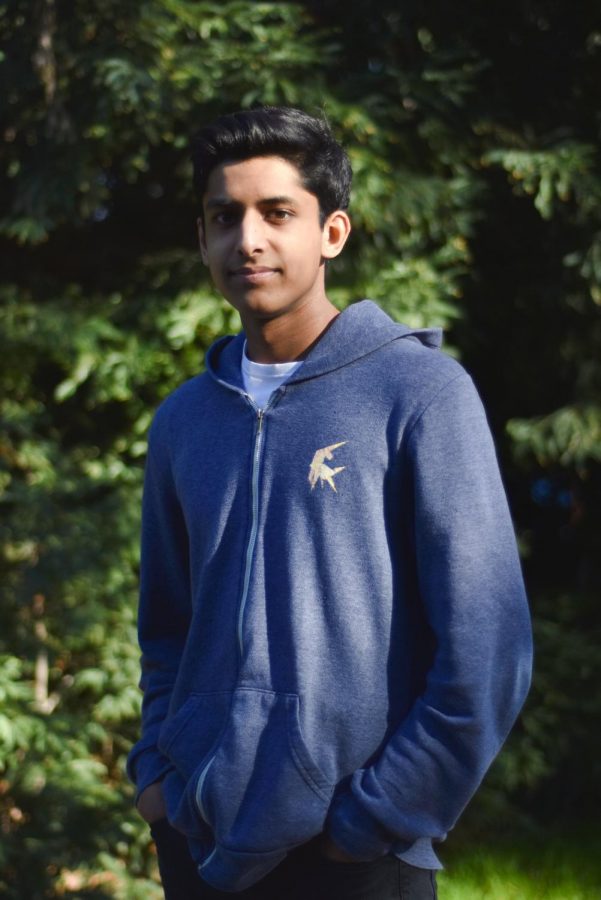

![“I think getting up in the morning and having a sense of purpose [is exciting]. I think without a certain amount of drive, life is kind of obsolete and mundane, and I think having that every single day is what makes each day unique and kind of makes life exciting,” Neymika Jain (12) said.](https://harkeraquila.com/wp-content/uploads/2017/06/Screen-Shot-2017-06-03-at-4.54.16-PM.png)
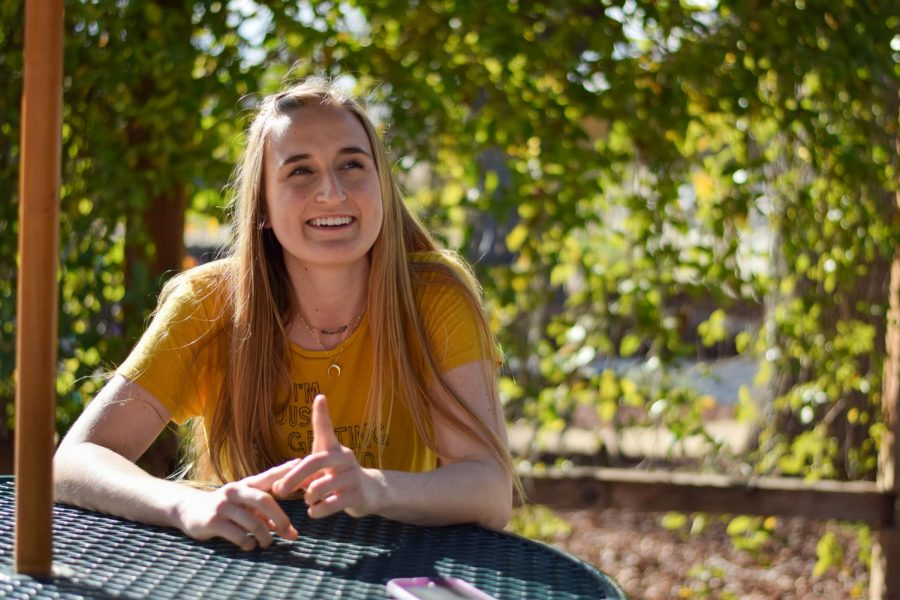
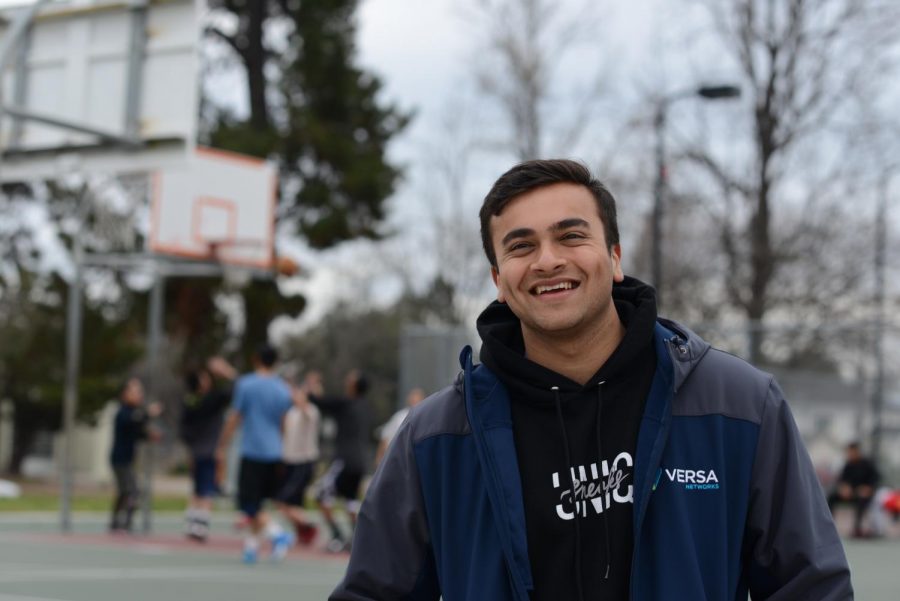
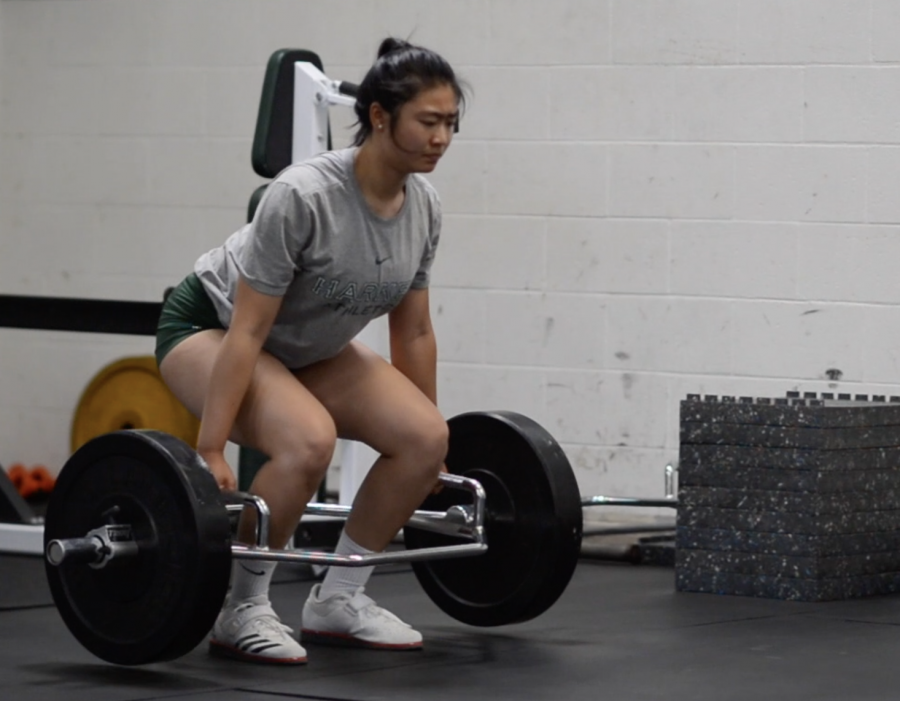
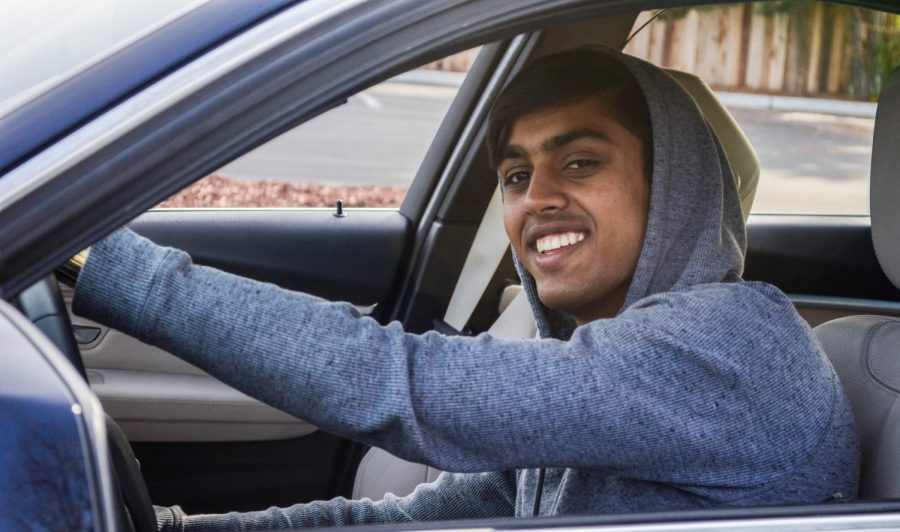
![“My slogan is ‘slow feet, don’t eat, and I’m hungry.’ You need to run fast to get where you are–you aren't going to get those championships if you aren't fast,” Angel Cervantes (12) said. “I want to do well in school on my tests and in track and win championships for my team. I live by that, [and] I can do that anywhere: in the classroom or on the field.”](https://harkeraquila.com/wp-content/uploads/2018/06/DSC5146-900x601.jpg)
![“[Volleyball has] taught me how to fall correctly, and another thing it taught is that you don’t have to be the best at something to be good at it. If you just hit the ball in a smart way, then it still scores points and you’re good at it. You could be a background player and still make a much bigger impact on the team than you would think,” Anya Gert (’20) said.](https://harkeraquila.com/wp-content/uploads/2020/06/AnnaGert_JinTuan_HoHPhotoEdited-600x900.jpeg)
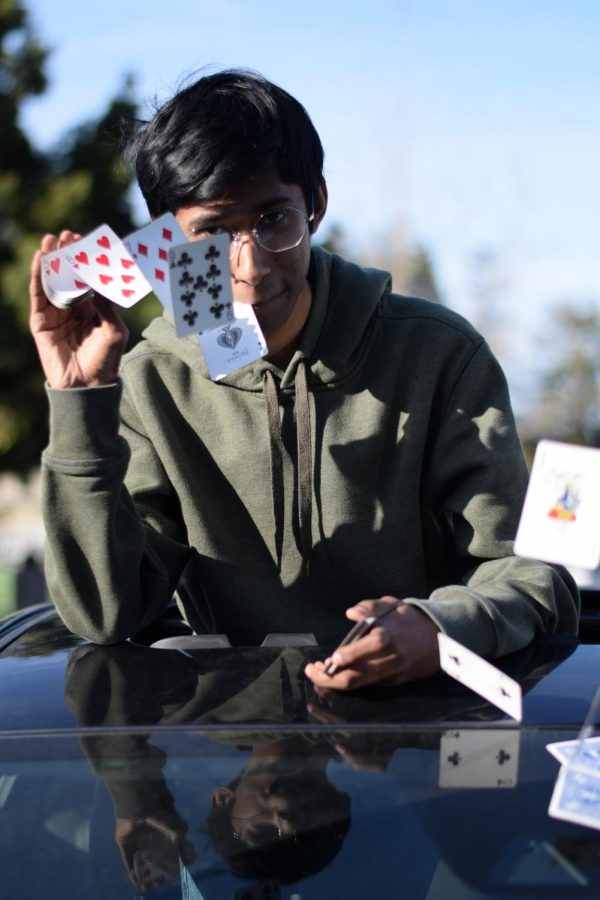
![“I'm not nearly there yet, but [my confidence has] definitely been getting better since I was pretty shy and timid coming into Harker my freshman year. I know that there's a lot of people that are really confident in what they do, and I really admire them. Everyone's so driven and that has really pushed me to kind of try to find my own place in high school and be more confident,” Alyssa Huang (’20) said.](https://harkeraquila.com/wp-content/uploads/2020/06/AlyssaHuang_EmilyChen_HoHPhoto-900x749.jpeg)



Fans noticed that co-stars Blake Lively and Justin Baldoni appeared uncomfortable during the press tour for the movie adaptation of “It Ends With Us” by Colleen Hoover.
Following the tale of a woman in an abusive relationship, the film criticizes domestic violence, so when Lively promoted her alcoholic products while on tour, she received a flood of online hate. In December 2024, Lively filed a lawsuit against Baldoni, accusing him of sexual harassment, and in response to the backlash he received online, Baldoni issued his own lawsuit against Lively and her husband Ryan Reynolds. While initially a critique of behavior, this targeted hate culminated into a collective online attack to tarnish both Lively and Baldoni’s reputation.
After following the outcome of the scandal online, sophomore Kristiyan Kurtev realized that information online is often misleading and simplified. He noticed that a lot of people also regretted believing the allegations about Baldoni before hearing the full story.
“Cancel culture attracts people to social media because they are looking for an outlet of gossip or scandalous stories,” Kristiyan said. “It’s like a mutual relationship because social media drives cancel culture, but then cancel culture also attracts people to social media who want to be a part of that — to judge and hear sensational and entertaining stories about people.”
Sophomore speech student Kayla Chen often focuses her speeches around pop culture. During her research, she frequently comes across instances of cancel culture. She believes that while cancel culture itself might not be inherently wrong, it often magnifies mistakes and glosses over the context to a particular situation.
“Rather than just pointing something out to someone and letting them learn from their mistakes, cancel culture seems really hooked on making someone forever known for something that they did a long time ago,” Kayla said. “If someone did something problematic in 2013, it doesn’t make sense to hold that against them right now. Because digging up past mistakes is so prevalent in cancel culture, it doesn’t allow for any actual growth.”
According to a study by Pew Research Center in 2022, 61% of American adults have heard of the term “cancel culture,” a 17% increase from 2020. Cancel culture is now a large-scale phenomenon, consuming the media and influencing the decisions and mindset of both teens and adults. U.S. History teacher James Tate believes that the fear of being “canceled” and making mistakes can take an enormous toll on teens’ emotional and mental well-being.
“It puts this incredible artificial pressure on you to watch over your shoulder and worry about whether what you’re saying is right or wrong,” Tate said. “In life, you encounter a broad variety of people with different perspectives, but your likelihood of being canceled at work or at school is really small. However, the social media echo chamber amplifies everything, and a few voices can sing very loudly and do a lot of damage to people.”
Tate believes that most forms of online interaction on social media get in the way of healthy and productive discussions. While he recognizes that many teens find it difficult to completely eliminate social media from their daily lives, he hopes that they can prioritize meaningful in-person interactions.
“You need to make sure that you have conversations, interactions and social networking in real life that are a good counterbalance to anything that might be going on on social media,” Tate said. “Make sure that you’ve got a good friend group and a good family that allow you to express yourself and not worry about whether you’ll get canceled if you say something.”