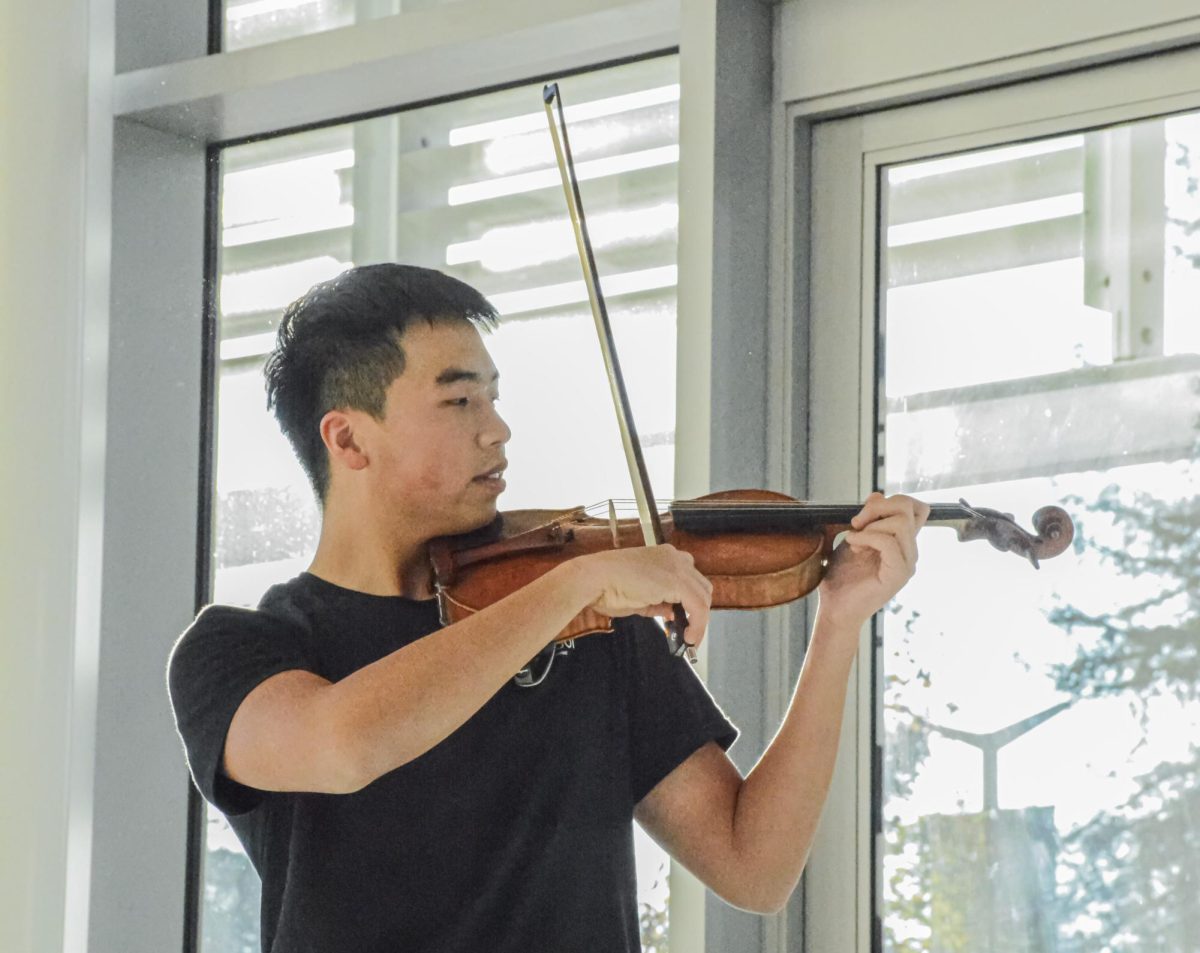
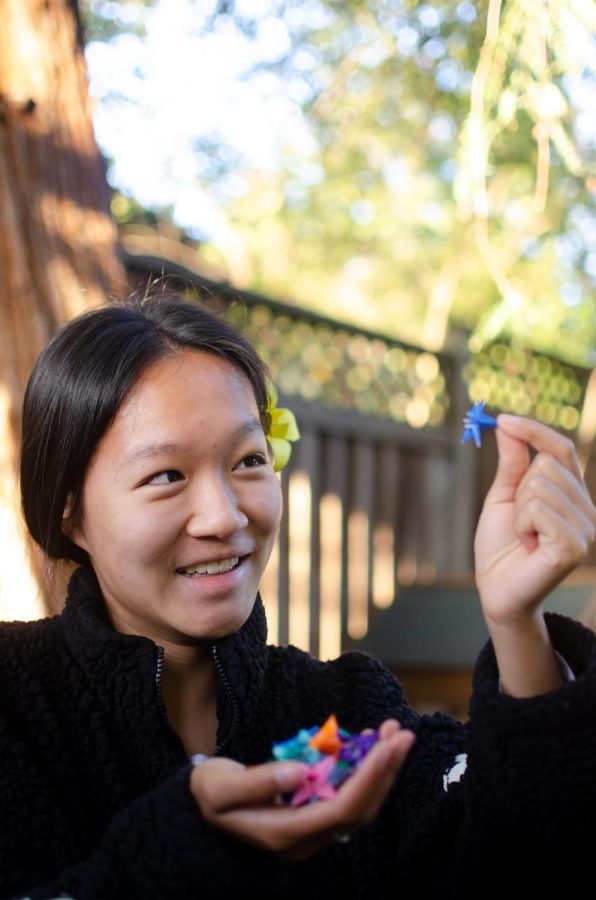
![“I wasn't discouraged by some of the obstacles we faced. I learned a lot from the leadership. I found that different people need different ways of receiving feedback — you can't [just] tell them to do something and expect the best. [Some] people needed more incentive. A large part of my role was to figure out what worked for everyone and to figure out how to lead all these separate individuals as a team,” Suhana Bhandare (’26) said.](https://harkeraquila.com/wp-content/uploads/2026/06/SuhanaBhandare_JasmineHansra-1-1200x798.jpg)
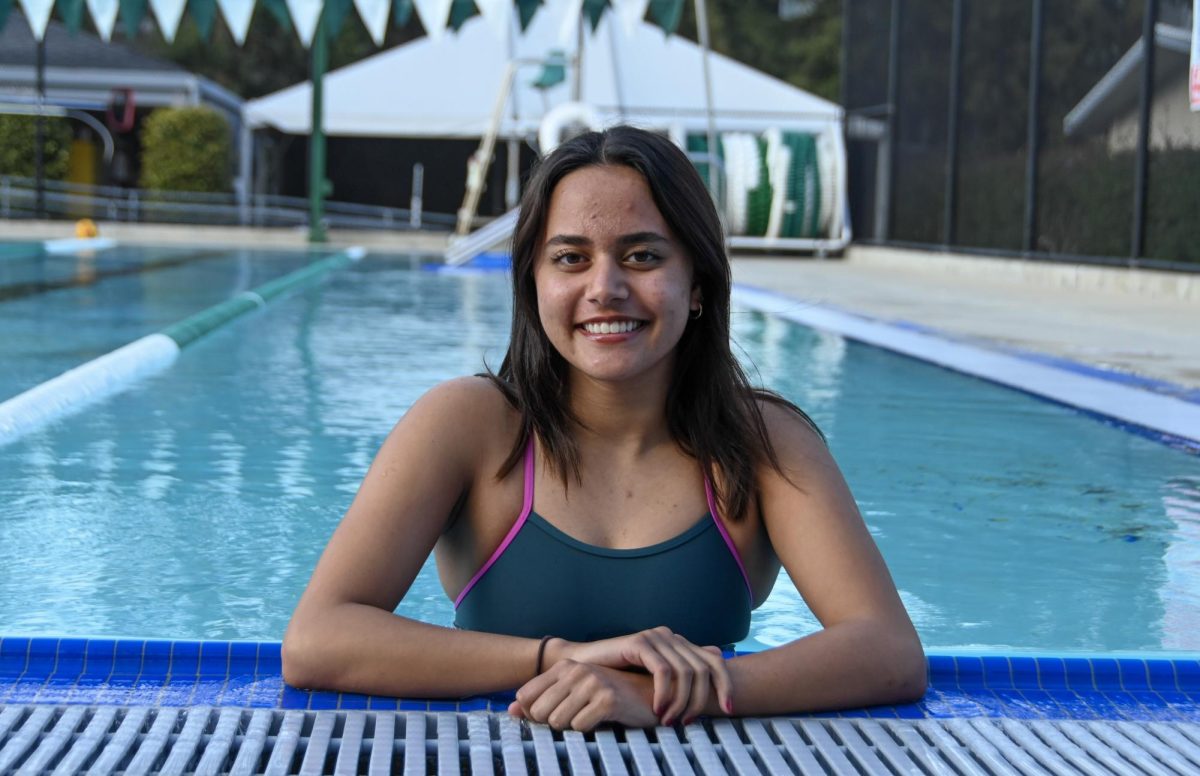
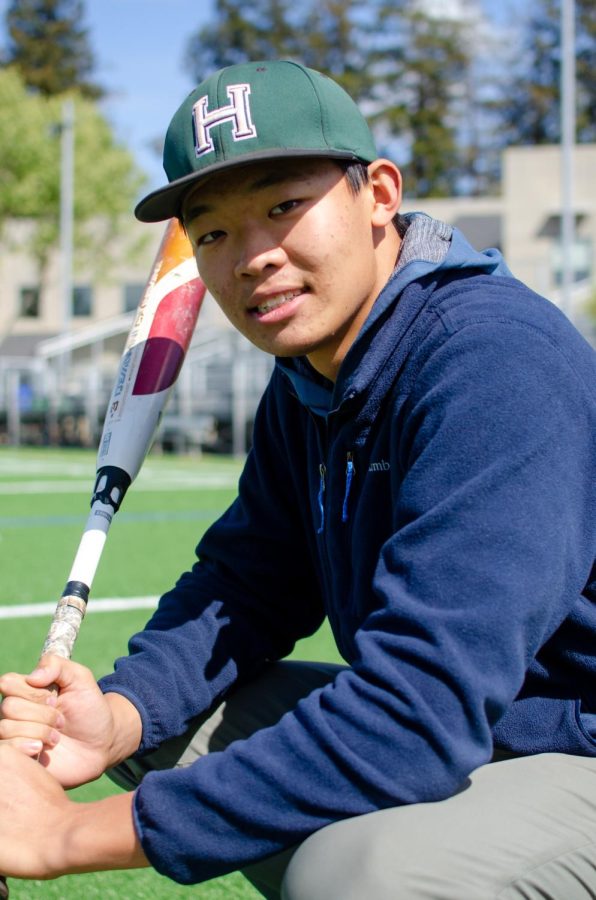
![“This is actually from Randy Pausch Randy P. Brick: ‘Walls are there for a reason. You have to show how much you want to overcome them.’ You have to show how much you want something. That's what I've always been able to do with tennis, Link Crew and getting that internship [with Kushy Baby]. It’s important pushing through that — getting around that brick wall, climbing over it or clawing through it,” Yash Sachdeva (’26) said.](https://harkeraquila.com/wp-content/uploads/2026/05/YashSachdeva_RamBatchu-copy-1200x1002.jpg)









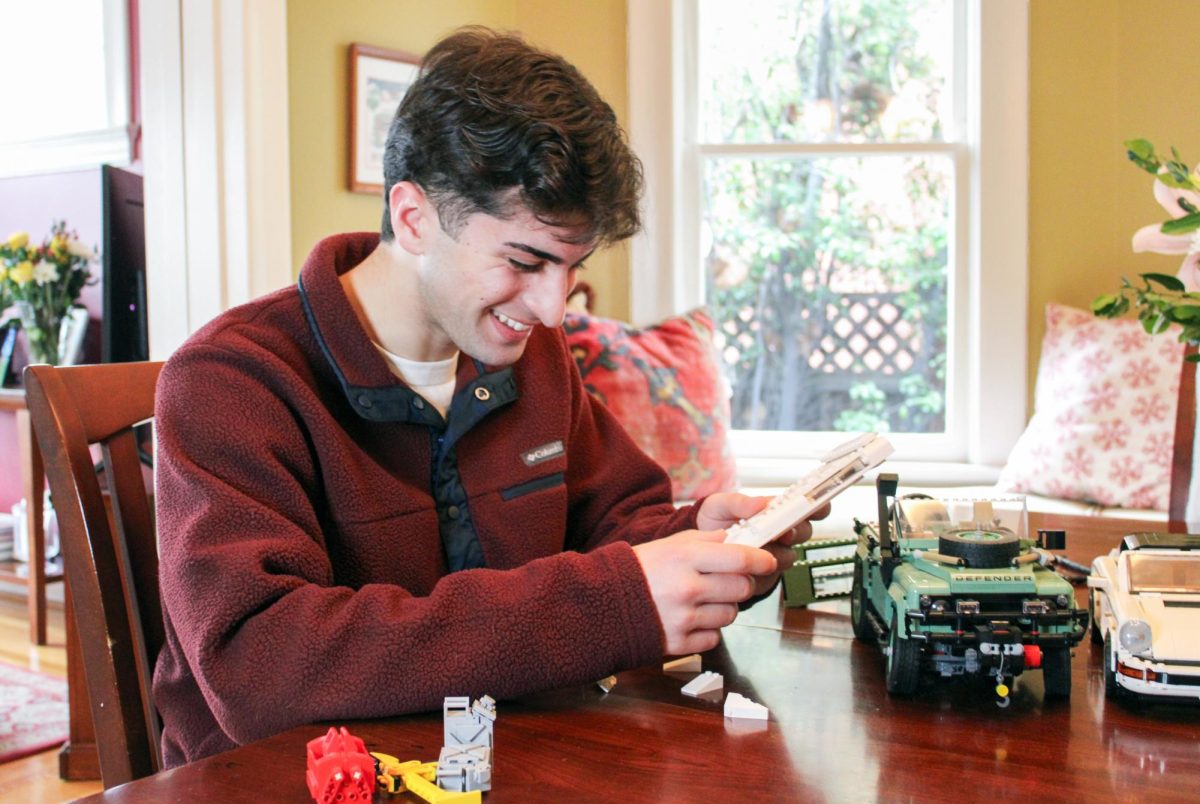



![“[Building nerf blasters] became this outlet of creativity for me that hasn't been matched by anything else. The process [of] making a build complete to your desire is such a painstakingly difficult process, but I've had to learn from [the skills needed from] soldering to proper painting. There's so many different options for everything, if you think about it, it exists. The best part is [that] if it doesn't exist, you can build it yourself," Ishaan Parate said.](https://harkeraquila.com/wp-content/uploads/2022/08/DSC_8149-900x604.jpg)
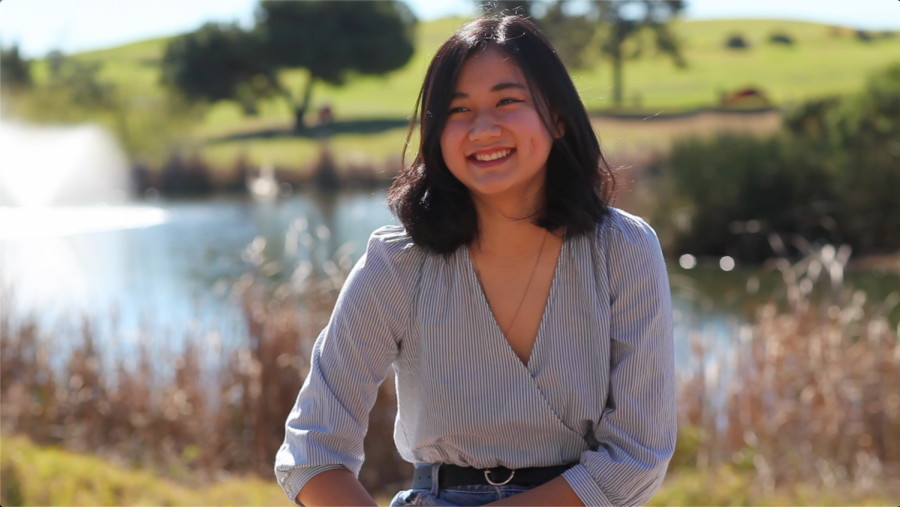
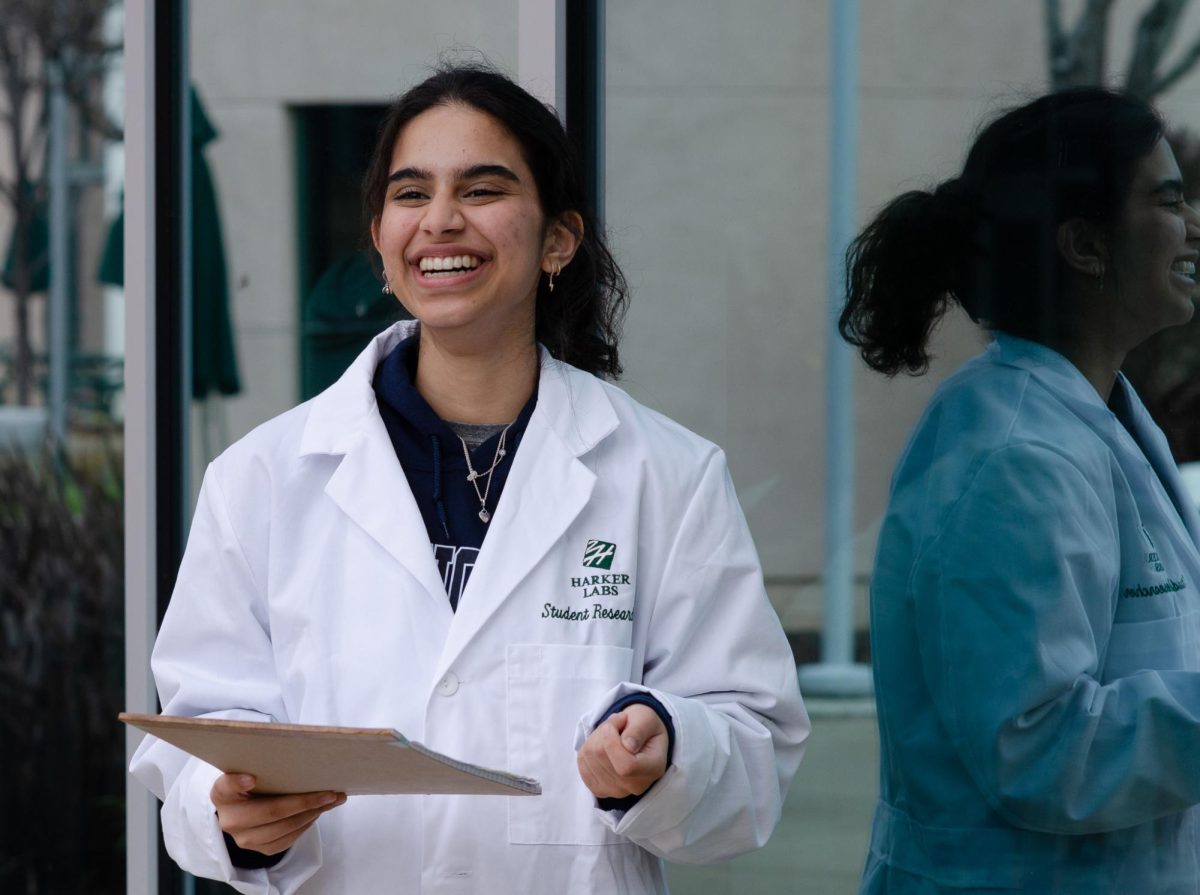
![“When I came into high school, I was ready to be a follower. But DECA was a game changer for me. It helped me overcome my fear of public speaking, and it's played such a major role in who I've become today. To be able to successfully lead a chapter of 150 students, an officer team and be one of the upperclassmen I once really admired is something I'm [really] proud of,” Anvitha Tummala ('21) said.](https://harkeraquila.com/wp-content/uploads/2021/07/Screen-Shot-2021-07-25-at-9.50.05-AM-900x594.png)



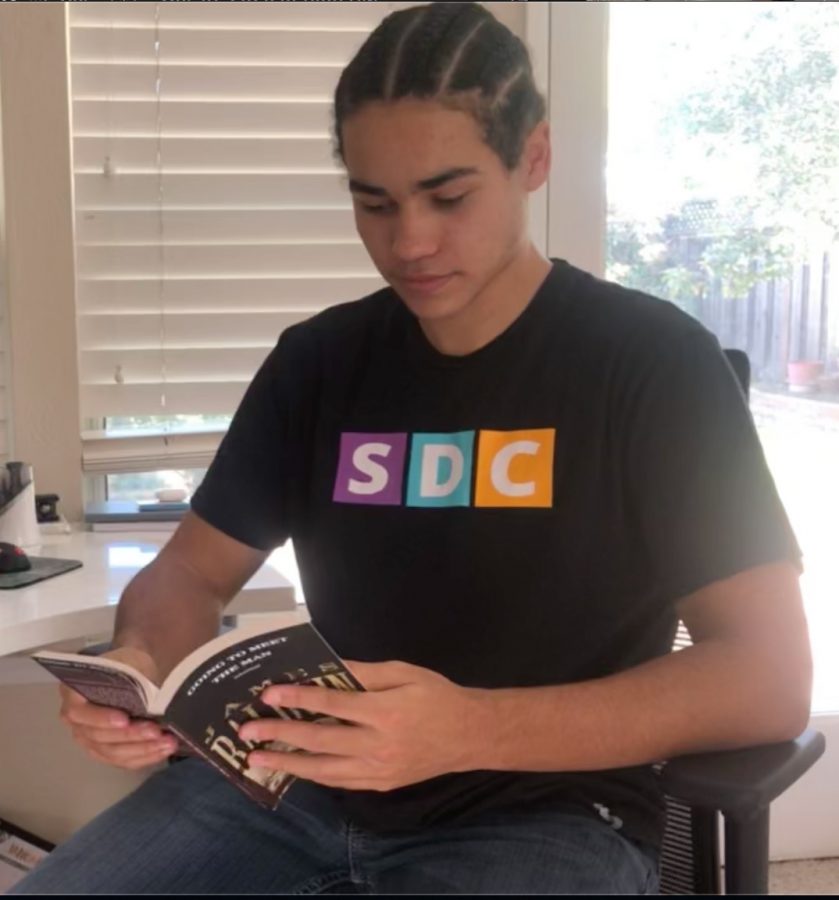
![“I think getting up in the morning and having a sense of purpose [is exciting]. I think without a certain amount of drive, life is kind of obsolete and mundane, and I think having that every single day is what makes each day unique and kind of makes life exciting,” Neymika Jain (12) said.](https://harkeraquila.com/wp-content/uploads/2017/06/Screen-Shot-2017-06-03-at-4.54.16-PM.png)

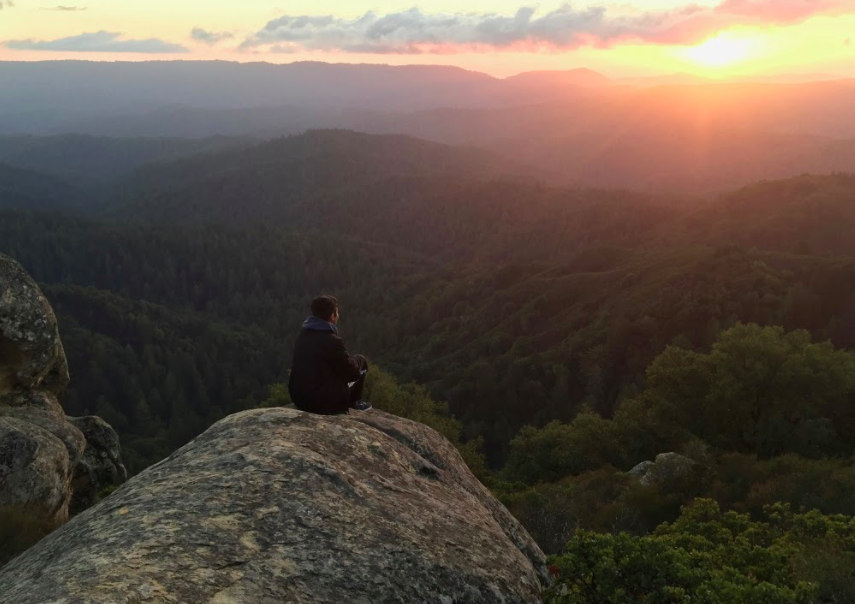
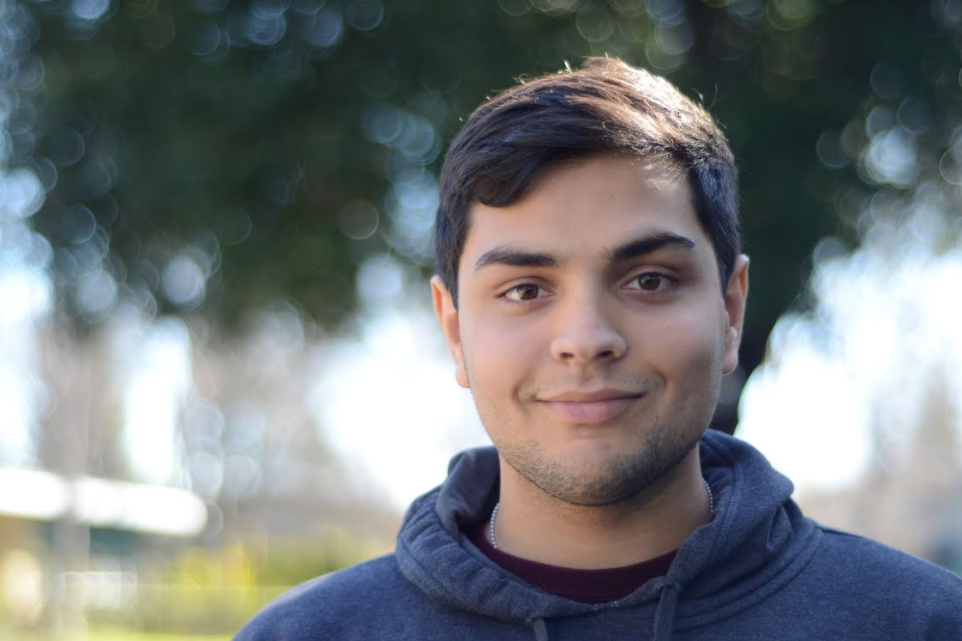
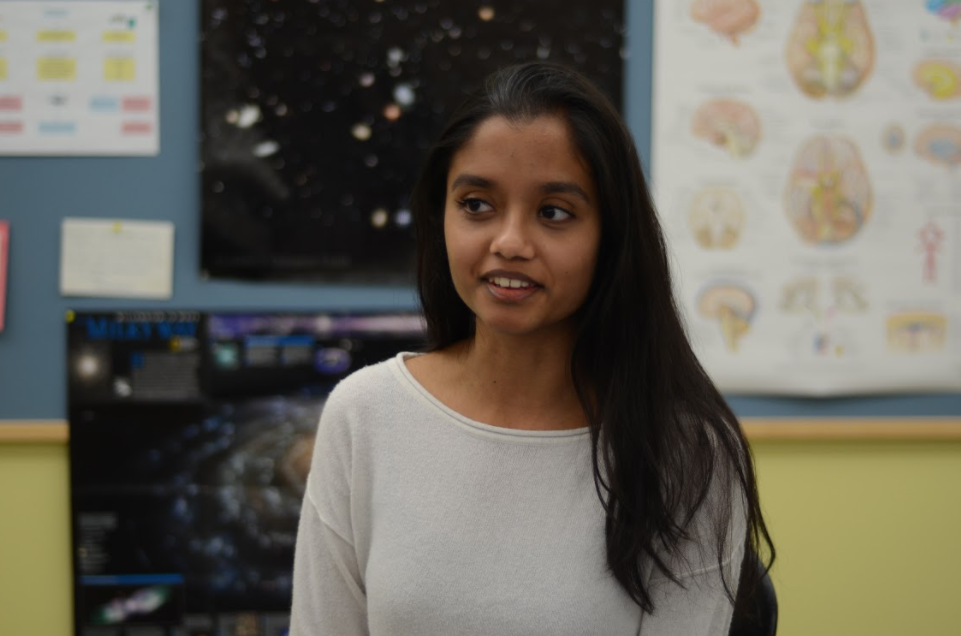
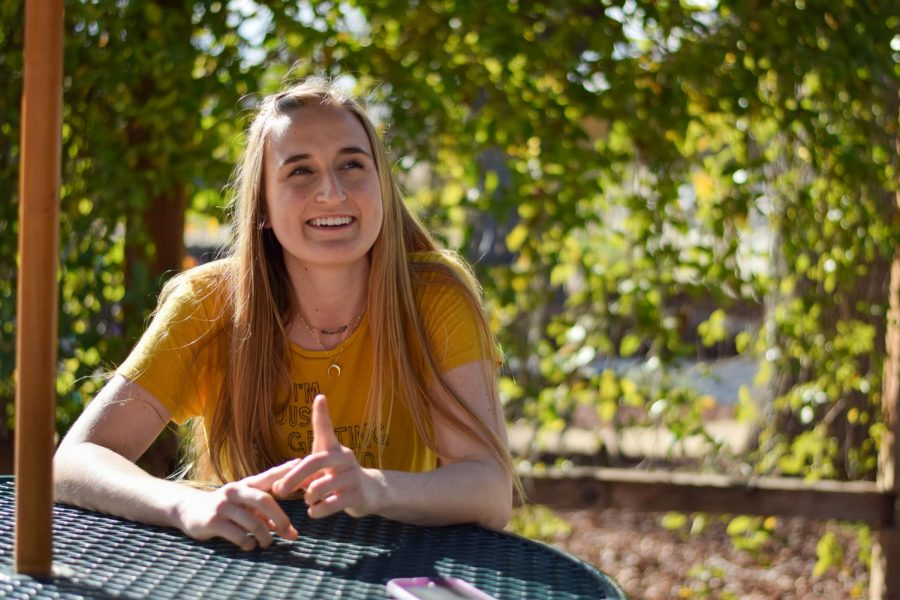

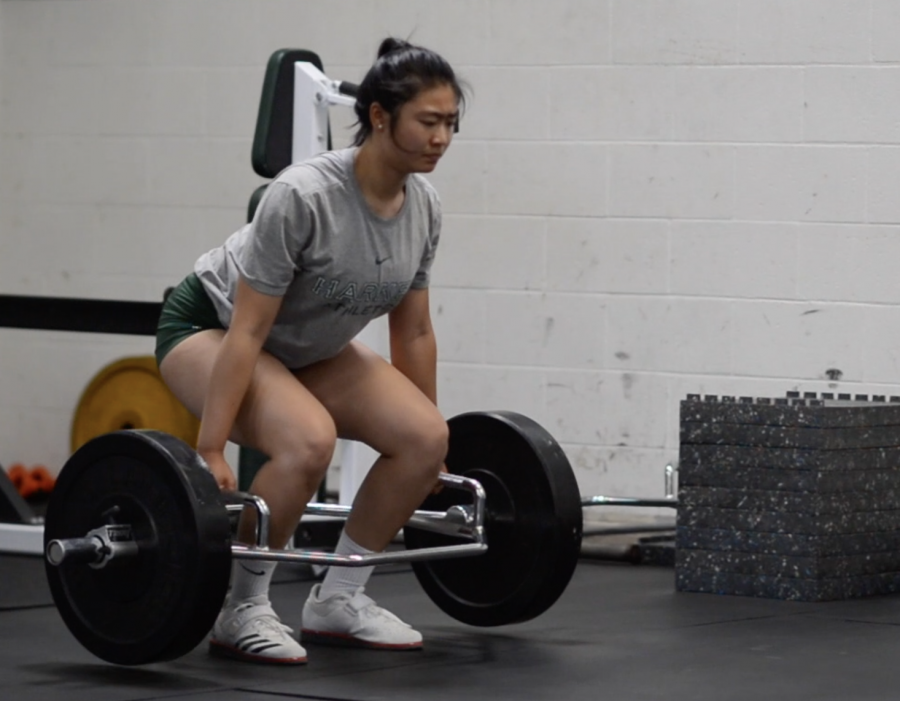

![“My slogan is ‘slow feet, don’t eat, and I’m hungry.’ You need to run fast to get where you are–you aren't going to get those championships if you aren't fast,” Angel Cervantes (12) said. “I want to do well in school on my tests and in track and win championships for my team. I live by that, [and] I can do that anywhere: in the classroom or on the field.”](https://harkeraquila.com/wp-content/uploads/2018/06/DSC5146-900x601.jpg)
![“[Volleyball has] taught me how to fall correctly, and another thing it taught is that you don’t have to be the best at something to be good at it. If you just hit the ball in a smart way, then it still scores points and you’re good at it. You could be a background player and still make a much bigger impact on the team than you would think,” Anya Gert (’20) said.](https://harkeraquila.com/wp-content/uploads/2020/06/AnnaGert_JinTuan_HoHPhotoEdited-600x900.jpeg)
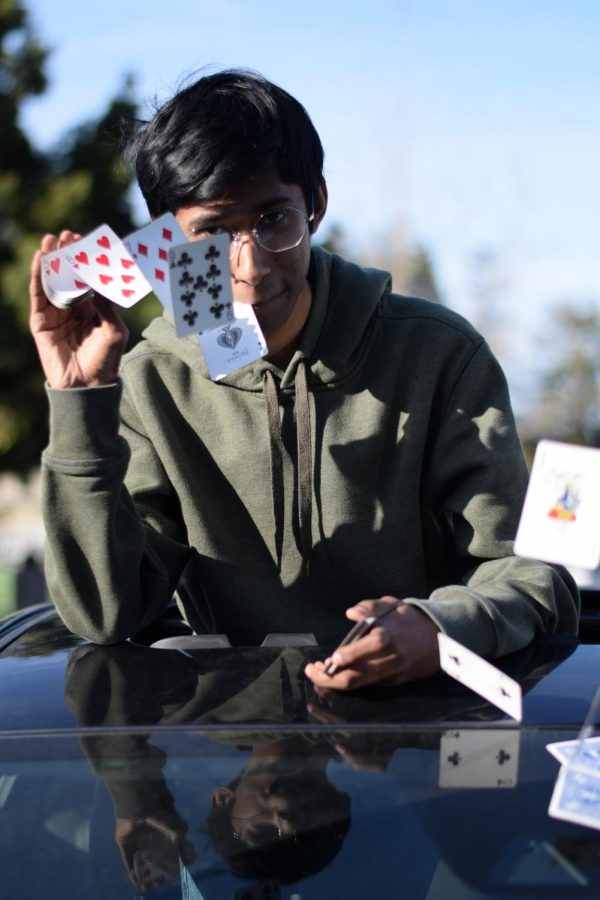
![“I'm not nearly there yet, but [my confidence has] definitely been getting better since I was pretty shy and timid coming into Harker my freshman year. I know that there's a lot of people that are really confident in what they do, and I really admire them. Everyone's so driven and that has really pushed me to kind of try to find my own place in high school and be more confident,” Alyssa Huang (’20) said.](https://harkeraquila.com/wp-content/uploads/2020/06/AlyssaHuang_EmilyChen_HoHPhoto-900x749.jpeg)

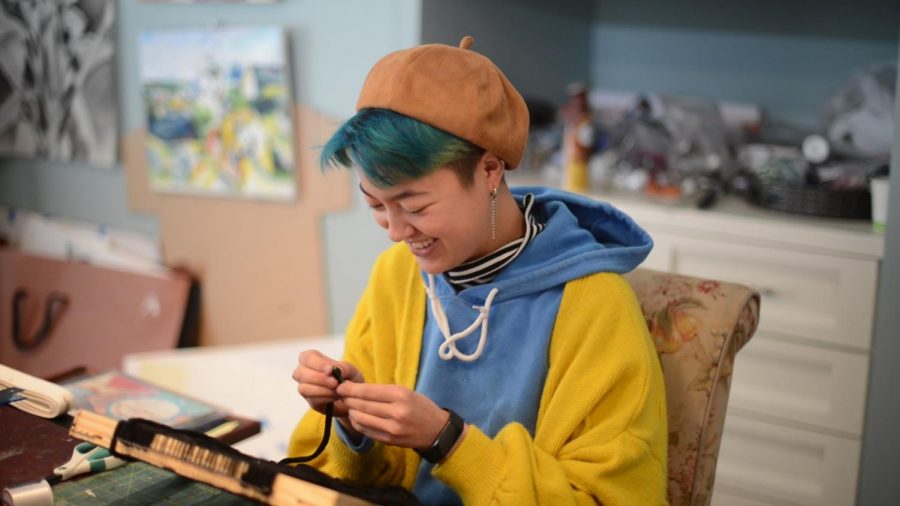

Bad Bunny’s latest album is full of political and social messaging and makes strong statements before you even press play. “DeBÍ TiRAR MáS FOToS” features track titles that reflect his Puerto Rican accent, like “NUEVAYoL” for “Nueva York” and “Veldá” for “Verdad,” beginning an assertion of cultural pride that defines his “most Puerto Rican album ever.”
His highly anticipated album “DeBÍ TiRAR MáS FOToS” [I should have taken more photos], released Jan 5., celebrates his native Puerto Rico and effectively highlights its topical issues, like gentrification and government. He successfully extracts most captivating musical and cultural elements of tradition and modernity, tropical and trap, to take his typical reggaetón and urbana music in a refreshing new direction.
The opening track “NUEVAYoL” [New York] embodies the album’s compelling cross-generational, genre-blending synthesis. Traveling back in time to 1975 and sampling Puerto Rican classic “Un Verano en Nueva York,” Bad Bunny leaps explosively from salsa, with a jaunty rhythm and trumpet melody, to layers of synth and a powerful dembow rhythm. Similarly, “WELTiTA” and “BoKeTE” interleave fresh electronic baselines with folk rhythms and instruments. Throughout the album, Bad Bunny skillfully embraces an array of Puerto Rican music, from tropical genres like salsa to ‘90s perreo and contemporary latin trap. I find that he incorporates the best of many worlds, remixing “old-school” music to appeal to modern tastes and making trap more well-rounded.
Also in “NUEVAYoL”, Bad Bunny declares in Spanish, “How can Bad Bunny be the king of pop with reggaetón and dembow?” This line references how Forbes controversially (and wrongly!) proclaimed him “el rey del pop” [the king of pop] for his global stardom, as he was the world’s top-streamed artist at the time. Although it’s true that his work reaches swaths of non-hispanic audiences and his repertoire includes the pop song formula, he declares that there’s a line between his music and mainstream western pop–and that he’s not an Americanized sellout. With this album, I believe it wholeheartedly.
Bad Bunny does not shy away from talking politics either. In “TuRiSTA” [Tourist] and “LO QUE LE PASÓ A HAWAii” [What happened to Hawaii] Bad Bunny clearly and effectively condemns the touristification and gentrification of Puerto Rico. Both tracks sound less musically impressive than the other tracks with their subdued vocals and relative simplicity, but their lyrics are effective and totally essential to the significance of the album.
My primary criticism is of “PIToRRO DE COCO.” I usually enjoy Bad Bunny’s stylistic experimentation, but this track lacked the same magic as the others. It’s intentionally dissonant, which adds to the tragic tone, but the off-key and off-rhythm vocals paired with wobbly synth create a disorganized and ultimately underwhelming song.
However, Bad Bunny ends the album on a much stronger note. In his title track “DtMF,” he sings of history-making musical icons and traditional instruments, composing a love letter to the old Puerto Rico wherein he regrets not expressing his gratitude and affection earlier. With gentle synth and a trance-like, chanted chorus, this track impressively evokes a profound sense of nostalgia for a place I’ve never been.
Despite having already produced several hit albums, in “DeBÍ TiRAR MáS FOToS” Bad Bunny released some of his most compelling and poignant music yet, once again proving his ability to excel and innovate using a wide array of styles. Through his previous albums, his work launched reggaetón and latin trap to global recognition. Cementing his role as a cultural ambassador, he now asks his audience to love old school Puerto Rican sound just as much–a resounding success, as he pulls a classic, nostalgic quality from old-fashioned styles that evolves his urbana music into a stronger form.
Top tracks: NUEVAYoL, DtMF, BOKeTE
Rating: 4.5/5