![“I wasn't discouraged by some of the obstacles we faced. I learned a lot from the leadership. I found that different people need different ways of receiving feedback — you can't [just] tell them to do something and expect the best. [Some] people needed more incentive. A large part of my role was to figure out what worked for everyone and to figure out how to lead all these separate individuals as a team,” Suhana Bhandare (’26) said.](https://harkeraquila.com/wp-content/uploads/2026/06/SuhanaBhandare_JasmineHansra-1-1200x798.jpg)
![“This is actually from Randy Pausch Randy P. Brick: ‘Walls are there for a reason. You have to show how much you want to overcome them.’ You have to show how much you want something. That's what I've always been able to do with tennis, Link Crew and getting that internship [with Kushy Baby]. It’s important pushing through that — getting around that brick wall, climbing over it or clawing through it,” Yash Sachdeva (’26) said.](https://harkeraquila.com/wp-content/uploads/2026/05/YashSachdeva_RamBatchu-copy-1200x1002.jpg)



![“[Building nerf blasters] became this outlet of creativity for me that hasn't been matched by anything else. The process [of] making a build complete to your desire is such a painstakingly difficult process, but I've had to learn from [the skills needed from] soldering to proper painting. There's so many different options for everything, if you think about it, it exists. The best part is [that] if it doesn't exist, you can build it yourself," Ishaan Parate said.](https://harkeraquila.com/wp-content/uploads/2022/08/DSC_8149-900x604.jpg)
![“When I came into high school, I was ready to be a follower. But DECA was a game changer for me. It helped me overcome my fear of public speaking, and it's played such a major role in who I've become today. To be able to successfully lead a chapter of 150 students, an officer team and be one of the upperclassmen I once really admired is something I'm [really] proud of,” Anvitha Tummala ('21) said.](https://harkeraquila.com/wp-content/uploads/2021/07/Screen-Shot-2021-07-25-at-9.50.05-AM-900x594.png)
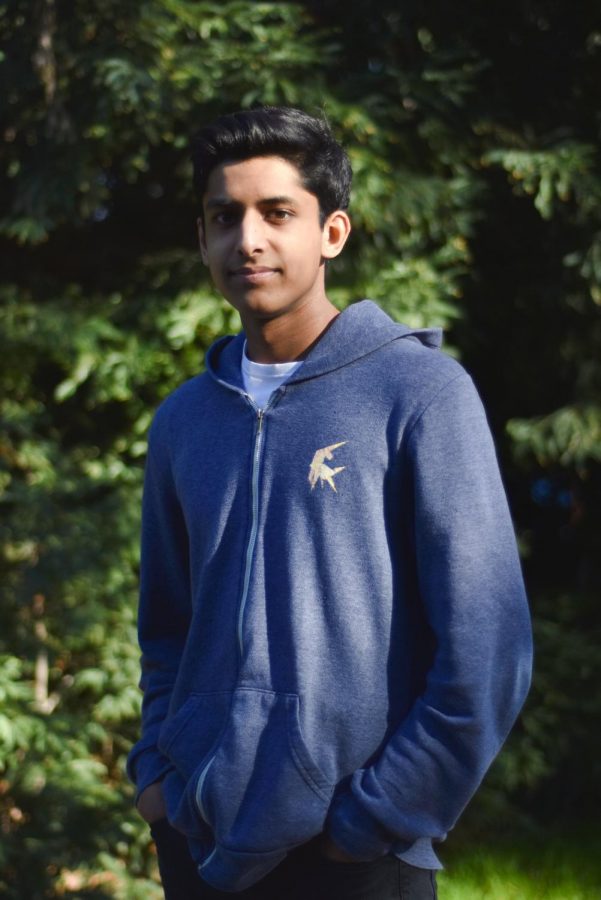

![“I think getting up in the morning and having a sense of purpose [is exciting]. I think without a certain amount of drive, life is kind of obsolete and mundane, and I think having that every single day is what makes each day unique and kind of makes life exciting,” Neymika Jain (12) said.](https://harkeraquila.com/wp-content/uploads/2017/06/Screen-Shot-2017-06-03-at-4.54.16-PM.png)
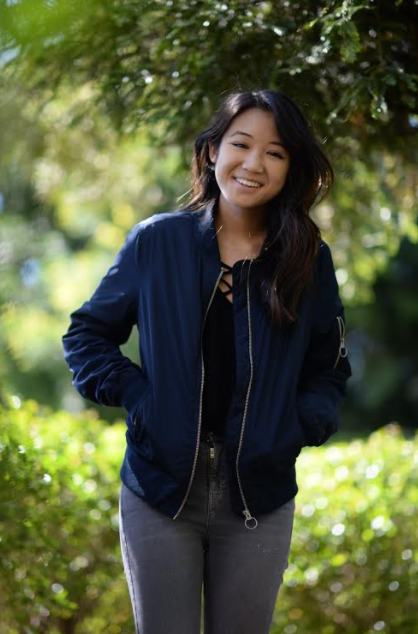
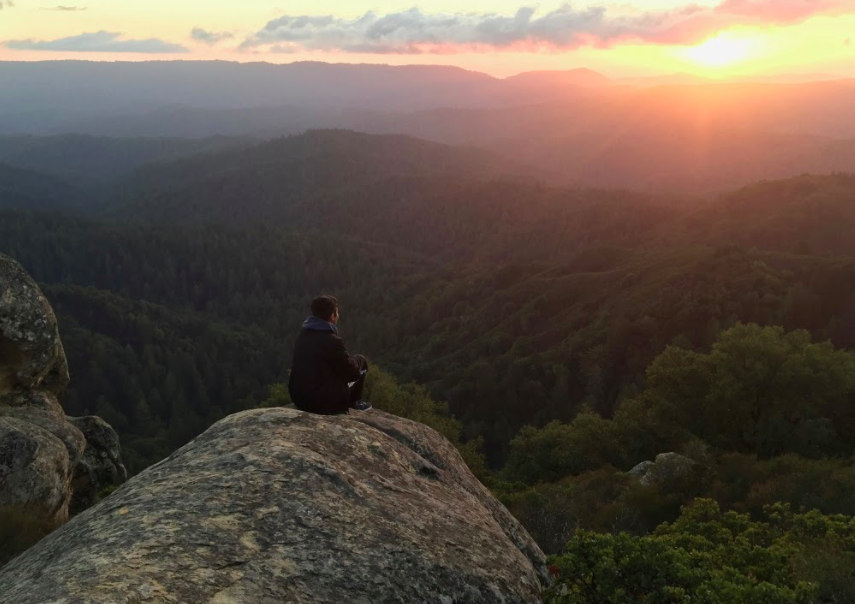
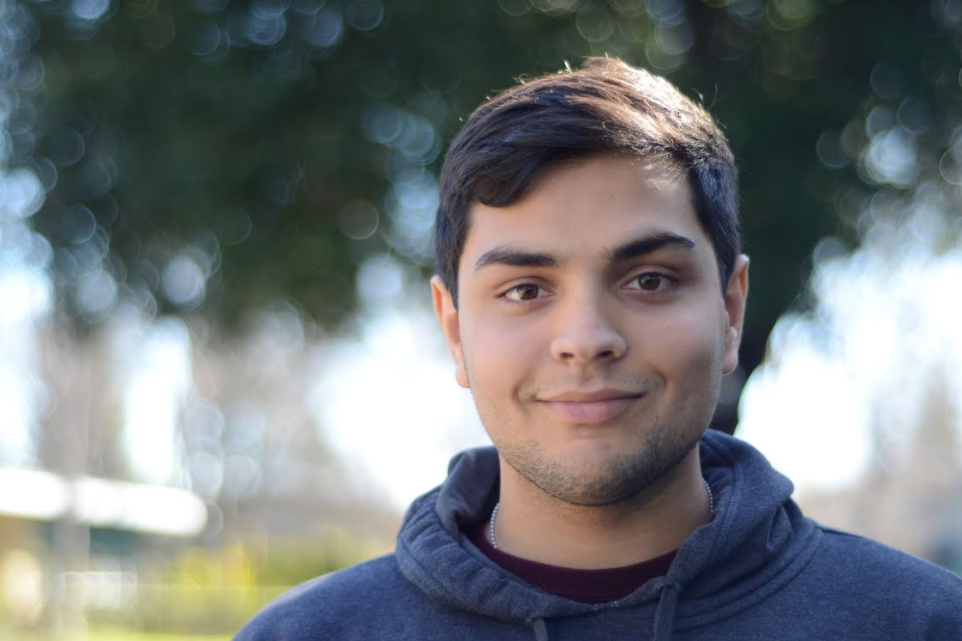
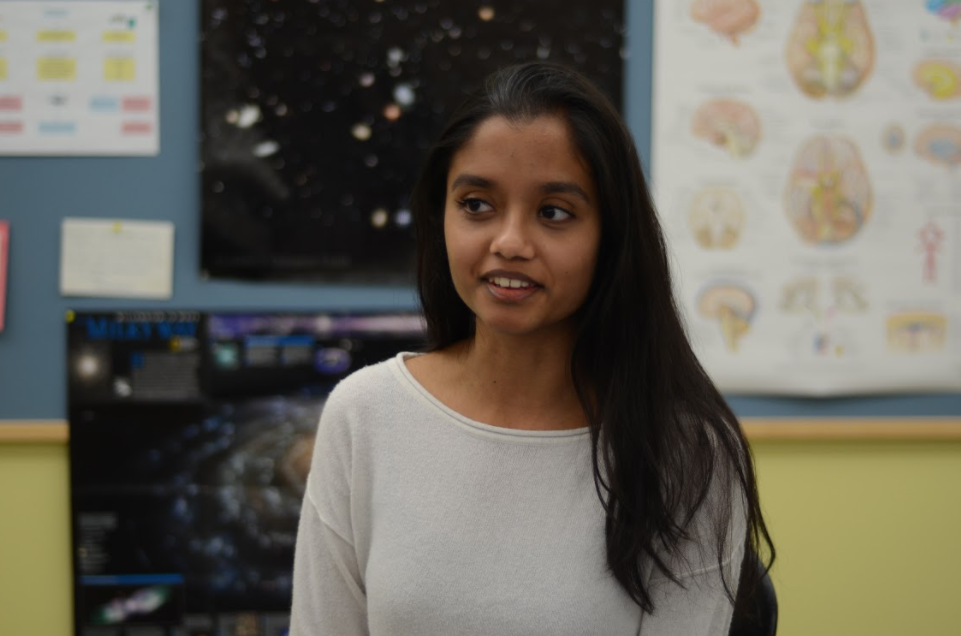
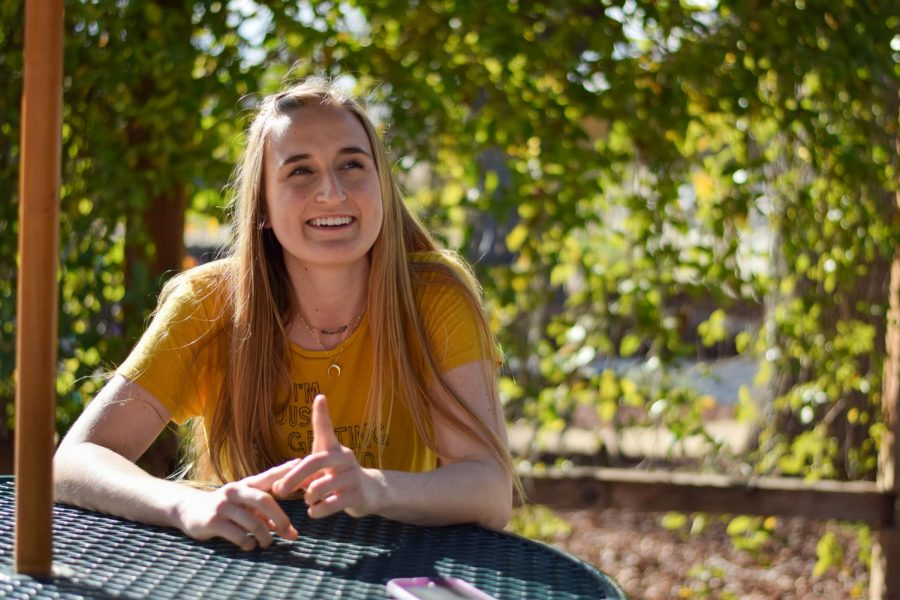
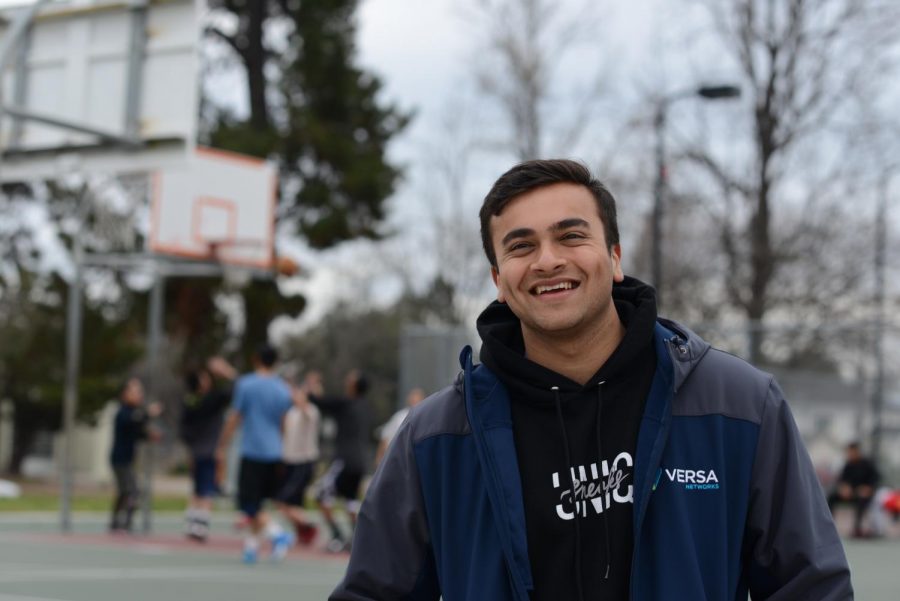
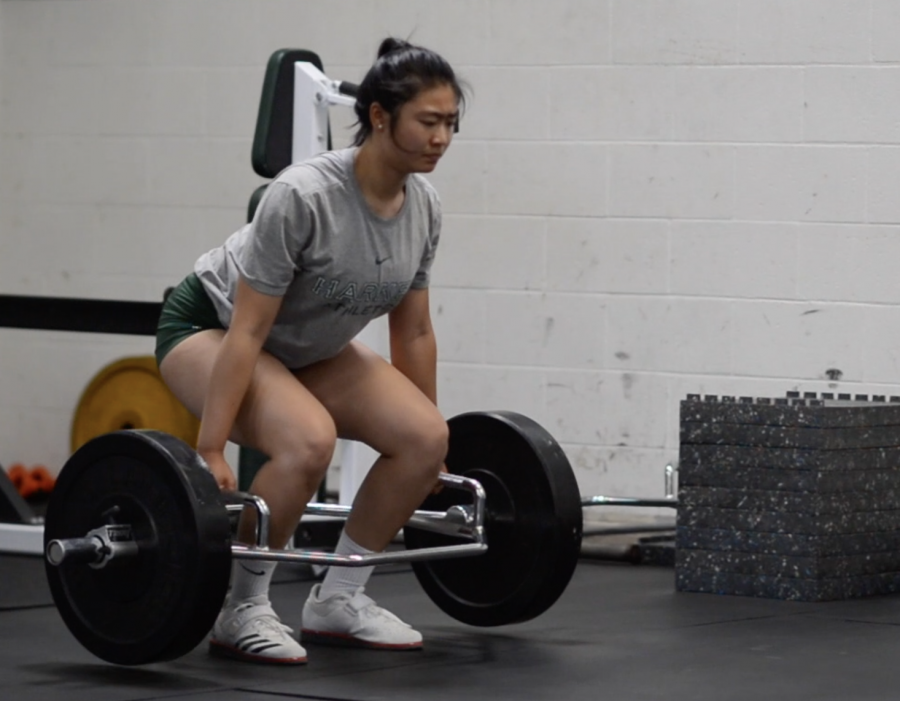
![“My slogan is ‘slow feet, don’t eat, and I’m hungry.’ You need to run fast to get where you are–you aren't going to get those championships if you aren't fast,” Angel Cervantes (12) said. “I want to do well in school on my tests and in track and win championships for my team. I live by that, [and] I can do that anywhere: in the classroom or on the field.”](https://harkeraquila.com/wp-content/uploads/2018/06/DSC5146-900x601.jpg)
![“[Volleyball has] taught me how to fall correctly, and another thing it taught is that you don’t have to be the best at something to be good at it. If you just hit the ball in a smart way, then it still scores points and you’re good at it. You could be a background player and still make a much bigger impact on the team than you would think,” Anya Gert (’20) said.](https://harkeraquila.com/wp-content/uploads/2020/06/AnnaGert_JinTuan_HoHPhotoEdited-600x900.jpeg)
![“I'm not nearly there yet, but [my confidence has] definitely been getting better since I was pretty shy and timid coming into Harker my freshman year. I know that there's a lot of people that are really confident in what they do, and I really admire them. Everyone's so driven and that has really pushed me to kind of try to find my own place in high school and be more confident,” Alyssa Huang (’20) said.](https://harkeraquila.com/wp-content/uploads/2020/06/AlyssaHuang_EmilyChen_HoHPhoto-900x749.jpeg)


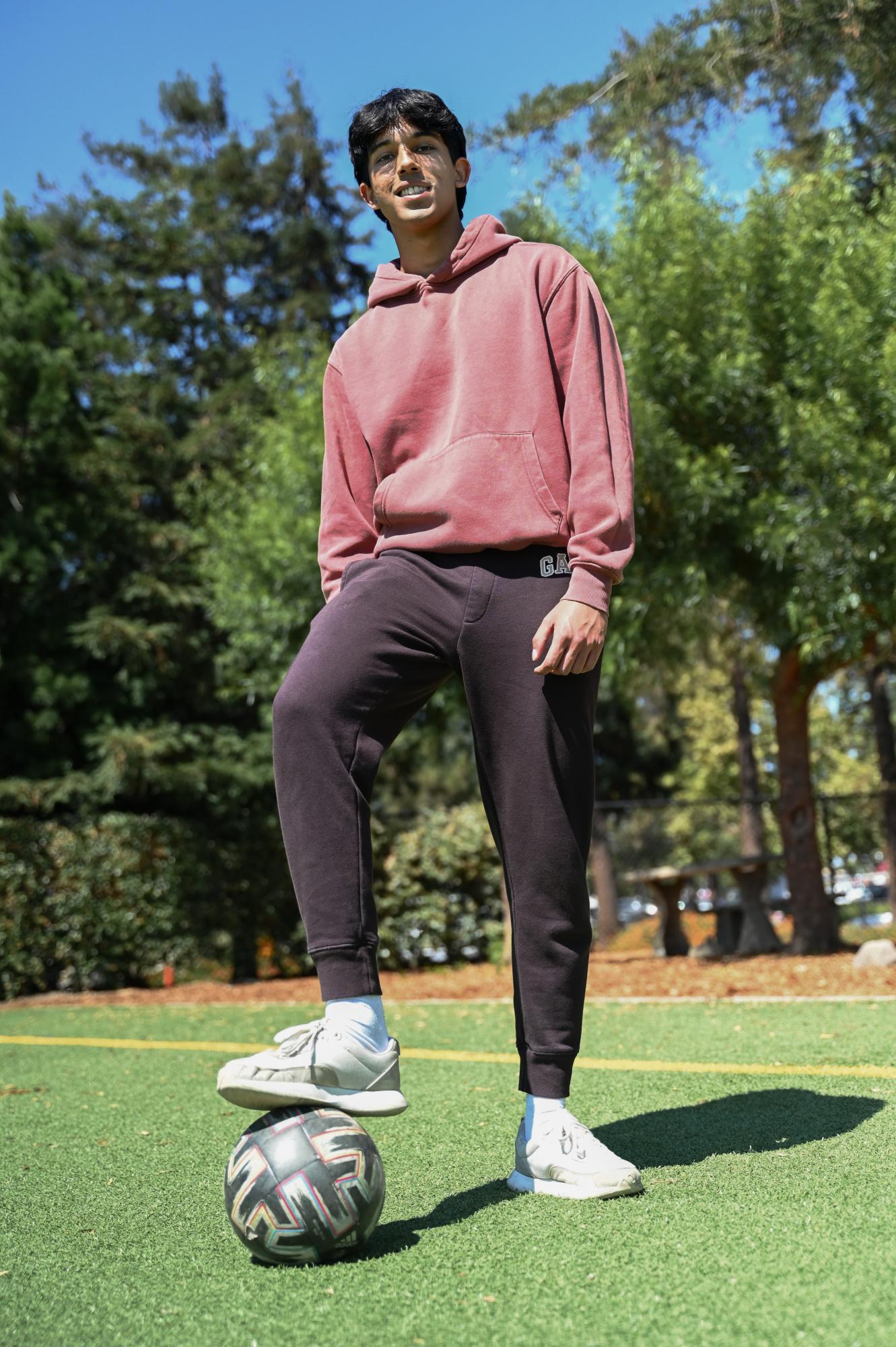
During lunch time, senior Ruhan Sahasi can always be found playing soccer on Davis field with his friends. Originating in middle school, this tradition has grown into a space for building stronger relationships. Here, Ruhan finds a balance between his competitiveness and supporting his teammates through his empathy and care.
Ruhan began playing soccer in fifth grade when he joined a club team. Immediately, he discovered a love for the sport, in addition to cherishing time spent with friends. The more time he invested with his teammates and the sport, the more he enjoyed it.
“The camaraderie and the team element of soccer made it really enjoyable,” Ruhan said. “In parallel, I was watching a lot of different matches on TV. I could see my favorite players play like Messi and Ronaldo. Watching them go through different teams was inspirational.”
After playing on his first club soccer team Red Star, Ruhan progressed, joining Harker’s junior varsity and varsity team in high school. As his role on the team increased, he noticed improvements not only in his technical skills like dribbling or clearing the ball through the defense, but also in his personal growth.
“You get less temperamental while playing for more years,” Ruhan said. “When you’re in ninth grade, you might be incentivized to dive into a tackle or get angry when someone says something to you. But as you play more and you get more used to it, you develop that sense of calm that you need to not be phased by different things.
Close friend senior Aarav Borthakur often plays soccer with Ruhan and their friends during lunch. Their relationship grew from playing together, and Aarav admires how Ruhan prioritizes working as a team over individual contributions.
“He likes to be inclusive,” Aarav said. “He’s a team player even outside the realm of soccer. He likes to include as many people as possible in whatever we do. He’s not selfish. He’s always there for you when you need something.”
Ruhan’s attentiveness in soccer translates to his relationships with friends and his community, as he strives to make a positive impact through his ability to listen. Close friend senior Saahil Herrero, who also met Ruhan through soccer, appreciates how he empathizes with others.
“He is a good listener,” Saahil said. “I feel like at times some of my other friends put aside stuff I say because I’m into very niche things. But he actually does actively listen and try to talk to me about the stuff that only I really care about.”
Just as he does with his friends, Ruhan tries to emulate the mindset of balancing perspectives and viewpoints in his classes. In particular, he enjoys the discussion-based aspect of humanities classes in contrast with STEM’s focus on a singular answer.
“Listening is an ability that a lot of people are ignoring now,” Ruhan said. “It’s absolutely crucial to develop. In class, I’m pretty pensive. I try to think about what other people are saying about their ideas even when I disagree with them. This is more prevalent in social studies classes where they’re more prone to disagreement and less focused on the right answer.”
History teacher James Tate, who taught Ruhan in AP United States History, noticed Ruhan’s thoughtfulness and engagement in class through debates and the projects. Furthermore, Tate was impressed by the thoroughness and detail of an essay Ruhan wrote, which argued against Tate’s thesis on postmodernism.
“Ruhan was engaging with the perspective that I offered the class by saying, ‘I understand what you’re saying, but I disagree and here’s my counter to that,’” Tate said. “He offered a counter narrative to mine, which was great because nobody else wrote that. People would talk about if they agreed or disagreed with it but nobody else wrote a ‘I think Mr. Tate’s thesis is wrong and here’s why.’”
Ruhan credits his growth in critical thinking with his pursuit of competitive debate, which requires careful consideration of each side to an argument. He loves the process of responding to and challenging other mindsets.
“In debate, it’s really crucial that you understand what your opponents are trying to say,” Ruhan said. “At the same time, it’s important that you don’t take it very personally. They’re going to tell you that your arguments are wrong and give you five reasons why, but at the end of the day it’s not your character they’re insulting, it’s the arguments. Being able to maintain a perspective that is not personal is a good skill to have.”
When researching for tournaments beforehand, Ruhan enjoys learning about different policies and solutions across the world. This research helps inform Ruhan on how he can make an impact in the future on a variety of topics.
“Debate gives you an opportunity to think through multiple sides of an issue in a way that you don’t get exposed to through traditional school,” Ruhan said. “You really are looking at issues from all sorts of lenses like political, social, economic, religious ones.”
Ruhan believes that debate offers opportunities for learning more about global issues. For example, one of his favorite topics was learning about urbanization in Uganda, learning another angle on the world. Through engagement in debate or teamwork in soccer, Ruhan has gained an interest in seeking out more perspectives in the community around him.
“We live in the Bay Area which is a microcosm of so many different cultures and so much syncretism that I think it’s almost hard not to be exposed to many different cultures,” Ruhan said. “It makes me more informed about different ways of doing things. One perspective might have an advantage over the other. But knowing what paths exist out there empowers you to choose the best one for you.”